
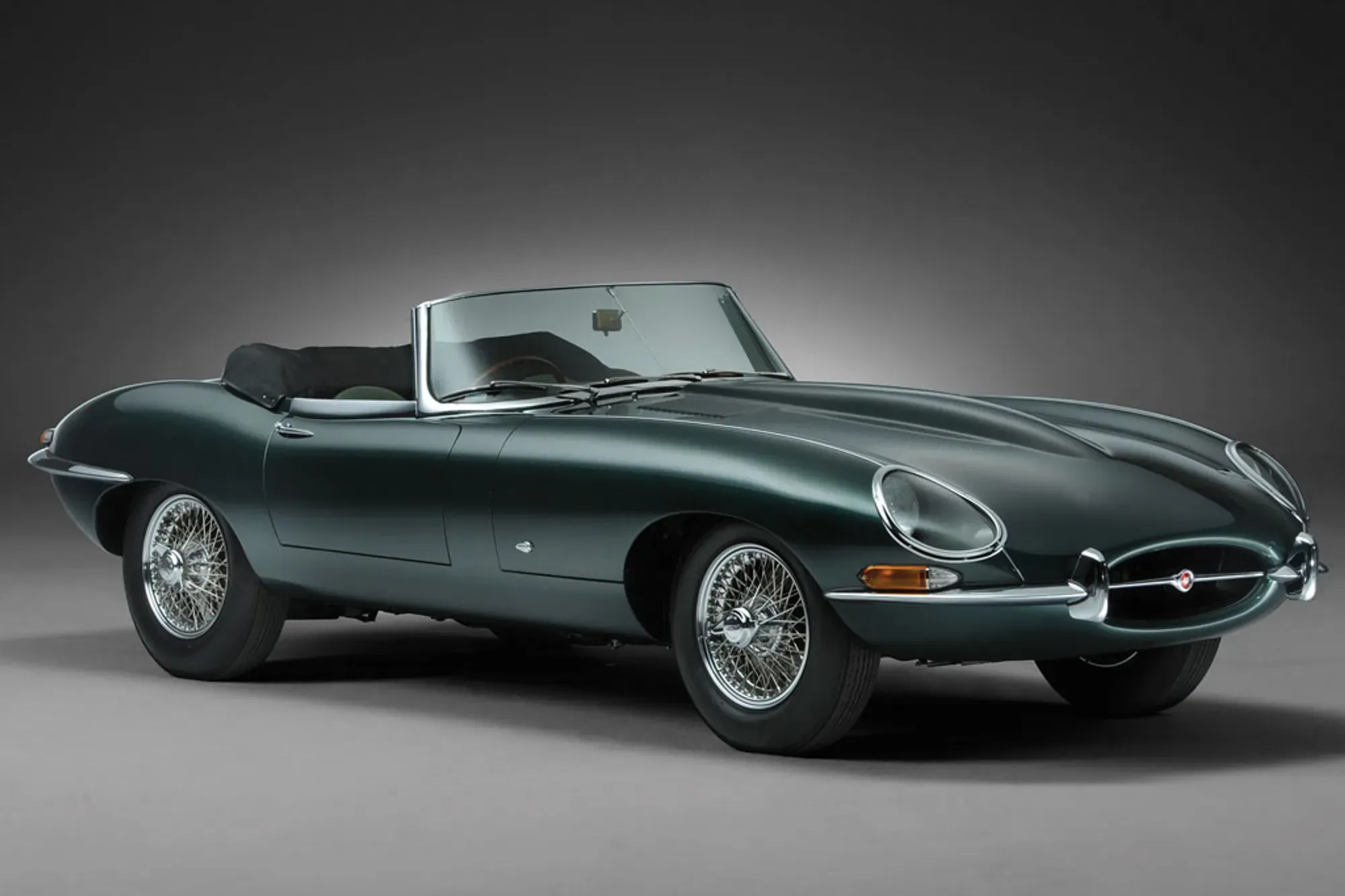
Classic European automobiles hold a special place in automotive culture, not because of nostalgia alone, but due to the craftsmanship, ambition, and personality they brought to their era. These machines were shaped by designers and engineers who believed a car should stir emotion as much as it delivered transportation.
Steel, aluminum, leather, and mechanical precision came together to form rolling statements of intent. Each model carried a clear identity, often tied to racing success, daring design choices, or engineering that challenged accepted limits.
Collectors today do not chase these vehicles purely for rarity or price tags. Desire often comes from how a car makes someone feel when the engine turns, when a door closes with purpose, or when sunlight reflects off carefully shaped bodywork. European manufacturers excelled at creating such emotional bonds. Their cars told stories of ambition, competition, and craftsmanship without needing explanation.
This page focuses on ten vintage European cars that earned lasting respect and admiration. Every model listed became a collector icon through a mix of design courage, performance credibility, and cultural impact. Some began as race machines adapted for the road, while others quietly redefined luxury or driving pleasure. All share one thing: enduring demand that continues decades after production ended.
1. Ferrari 250 GTO
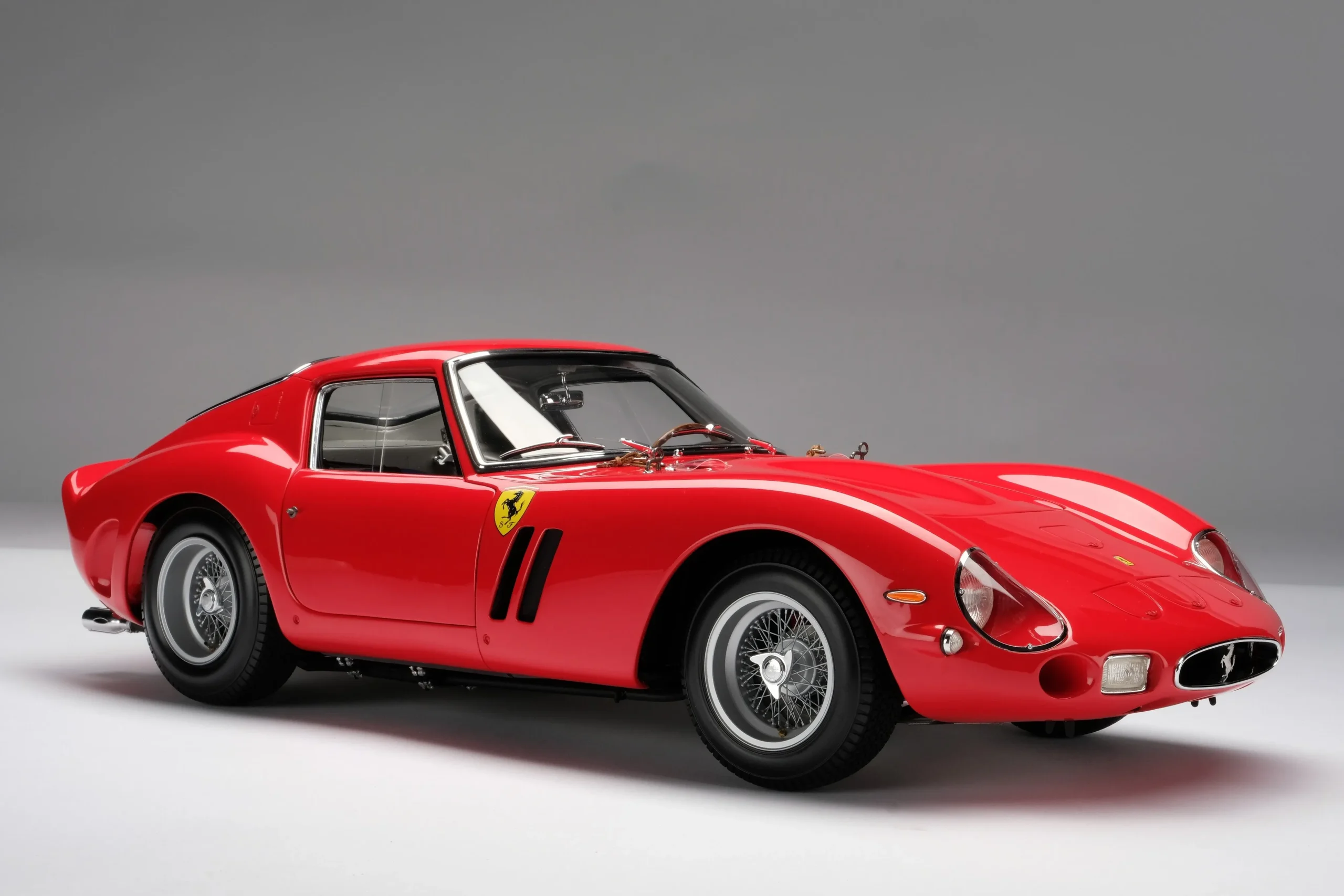
Rarity, performance, and beauty intersect powerfully in the Ferrari 250 GTO, a car often spoken of with reverence even among seasoned collectors. Introduced in the early nineteen sixties, this model was created with racing in mind, built to satisfy homologation rules while dominating endurance events. Only a small number were produced, and each example carried hand-formed bodywork shaped for speed rather than decoration.
Purpose guided every surface. The long nose, subtle curves, and purposeful stance reflected lessons learned on the track. Aerodynamics mattered, yet visual appeal arrived naturally through proportion and restraint. Designers avoided excess, allowing the shape to communicate intent without distraction.
Paint finishes, often in classic red, highlighted contours that remain instantly recognizable today. Mechanical design matched the exterior promise. A three-liter V12 engine delivered thrilling response, paired with a manual gearbox that rewarded driver skill.
Steering felt direct, braking demanded respect, and balance encouraged confidence at speed. Driving a 250 GTO required commitment, which strengthened the bond between car and driver. This demanding nature contributed to its legend, as success depended on talent rather than assistance.
Competition success elevated its status. Victories in endurance racing cemented credibility, proving the car excelled where it mattered most. Owners valued this pedigree, seeing each example as a direct link to motorsport history. Such achievements helped secure lasting admiration long after racing programs ended.
Collector interest intensified as years passed. Limited supply combined with unbroken desirability placed the Ferrari 250 GTO among the most valuable automobiles ever sold. Auctions drew global attention, and private transactions reached extraordinary figures.
Yet value alone does not explain fascination. Respect comes from the harmony of design, engineering, and competition success. The Ferrari 250 GTO represents a moment when racing ambition shaped a road-legal machine with unmatched purity.
2. Jaguar E-Type Series 1
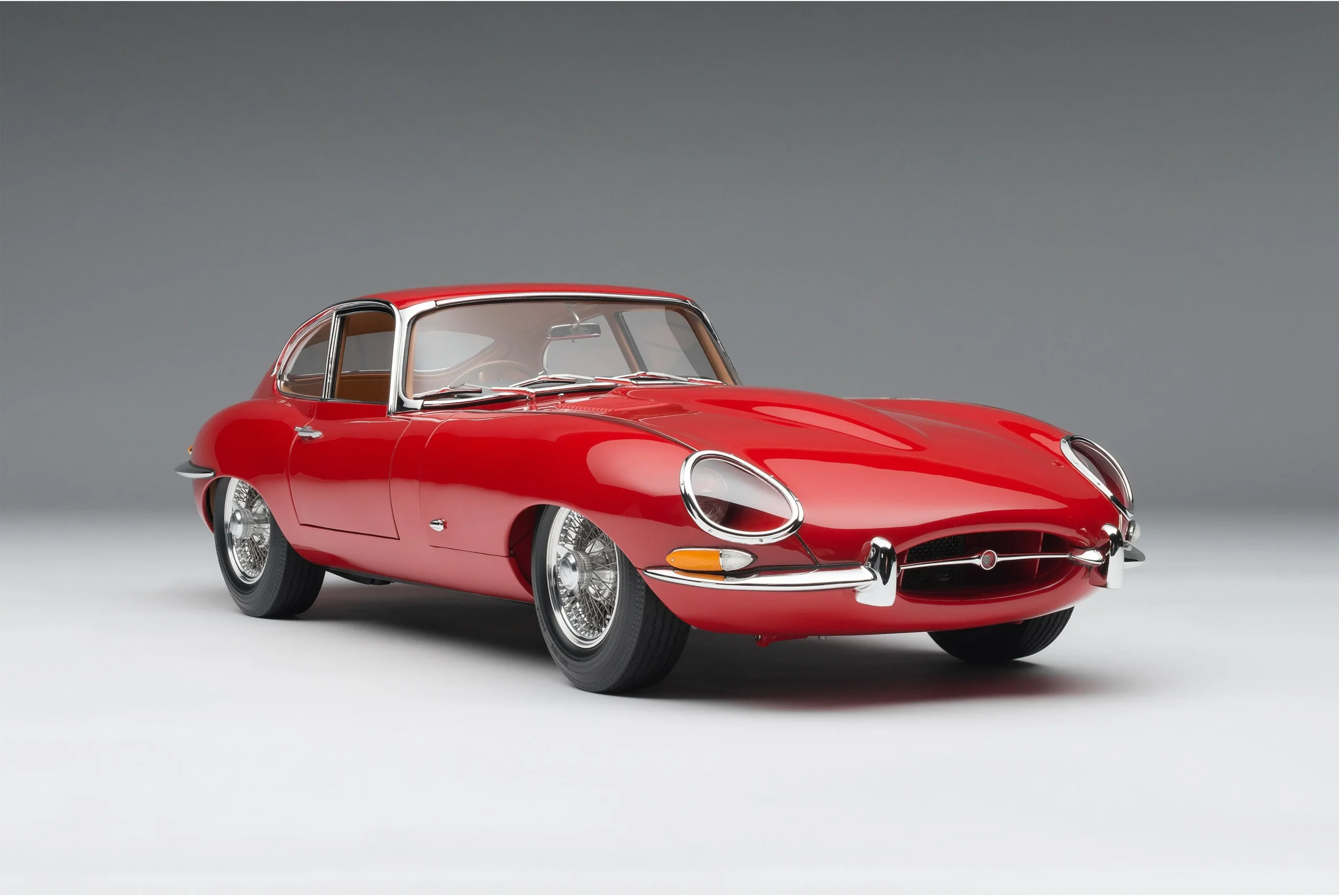
Grace and performance blended seamlessly within the Jaguar E-Type Series 1, a car that redefined expectations upon its debut. Released in the early nineteen sixties, it stunned observers with sleek proportions and accessible performance. This was not an exclusive racer adapted for the street, but a road car offering speed and style at a price that challenged rivals.
Design played a central role in its appeal. A long bonnet, flowing fenders, and a low profile created a shape that felt modern and daring. Unlike earlier sports cars, decoration took a back seat to form. Chrome accents remained subtle, allowing body lines to command attention. This approach gave the E-Type an identity that transcended trends.
Performance delivered on visual promise. Inline six engines offered smooth power, while independent suspension improved ride and handling. Drivers experienced confidence and comfort rarely associated with high-performance cars of that era. Daily usability combined with excitement made ownership realistic rather than aspirational alone.
Public reaction proved overwhelming. Media praise arrived quickly, and demand surged across markets. Celebrities and everyday drivers alike embraced the model, turning it into a cultural symbol rather than a niche product. Such widespread admiration strengthened its reputation far beyond racing circles.
Collector interest remains strong due to originality and condition. Early Series 1 examples command respect, especially those retaining factory specifications. Restoration efforts focus on preserving authenticity, as deviations can diminish appeal. Values reflect enduring admiration rather than speculation.
The Jaguar E-Type Series 1 earned icon status through balance. Beauty, performance, and accessibility are aligned in a way few cars achieve. Decades later, it continues to represent an ideal of British sports car design that still feels relevant and inspiring.
Also Read: 10 Beautiful Vintage Convertibles That Haven’t Gone Through the Roof
3. Mercedes-Benz 300SL Gullwing
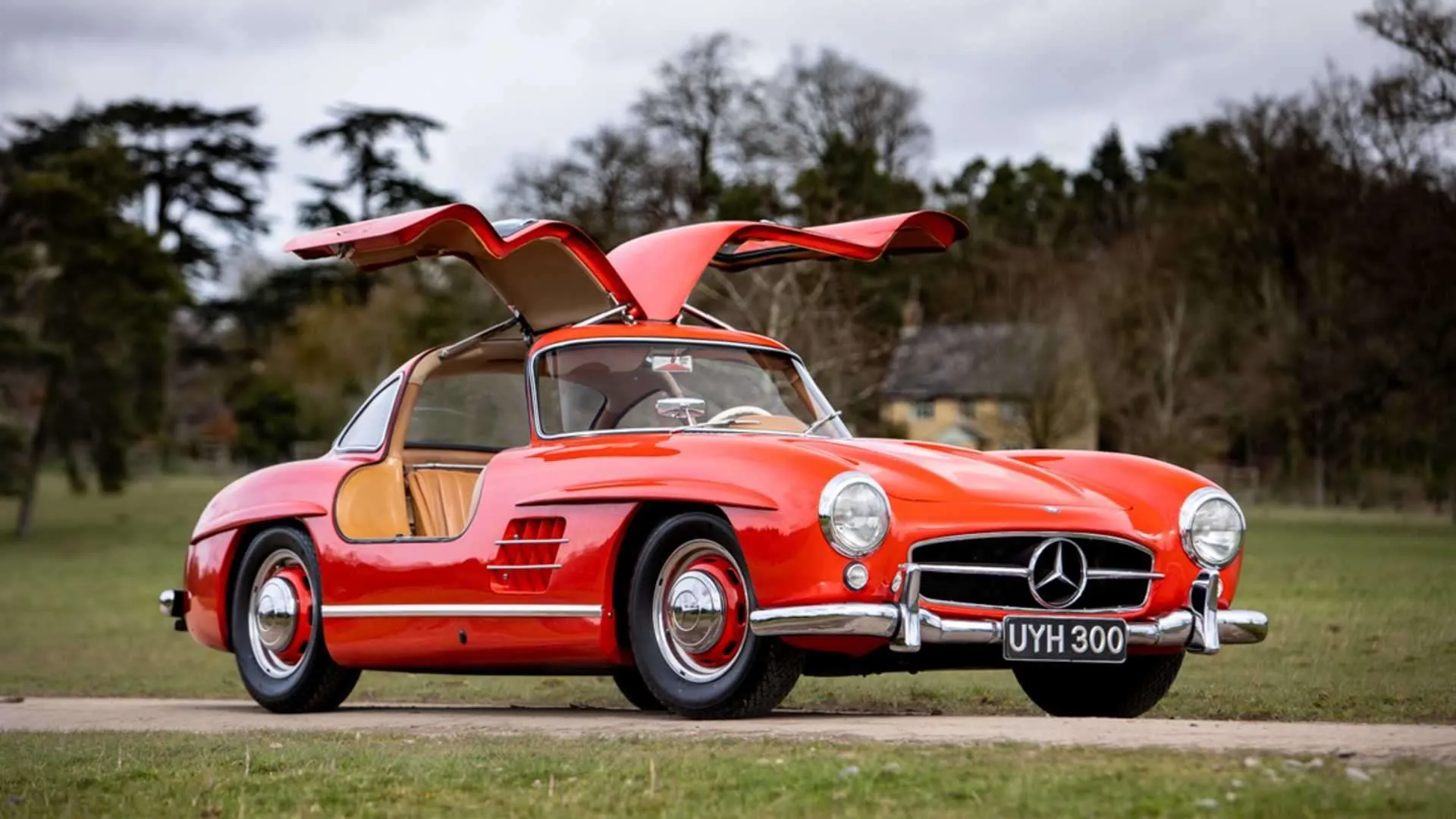
The Mercedes-Benz 300SL Gullwing represents a fusion of engineering ingenuity and refined luxury, introduced during the mid nineteen fifties as one of the fastest production vehicles of its era. Its signature upward-opening doors immediately distinguished it from contemporaries.
These doors were not a stylistic flourish but a response to structural constraints imposed by a lightweight tubular frame, which provided strength while maintaining minimal weight. Designers transformed this limitation into a defining feature, making the gullwing doors a symbol of both innovation and identity.
Mechanical development emphasized performance without sacrificing durability. The fuel-injected inline six-cylinder engine provided unprecedented throttle response and power for a road car of the period. Engineers carefully calibrated suspension components to balance spirited driving with comfort, aligning with Mercedes-Benz’s commitment to luxury.
This combination allowed the 300SL to deliver acceleration and handling that thrilled drivers while remaining composed on long journeys. Visual and tactile refinement extended into the cabin. Leather upholstery, polished metal accents, and a layout focused on ergonomics ensured drivers enjoyed elegance alongside functionality.
Controls were placed logically, allowing focus on the road while highlighting attention to craftsmanship. The interior reinforced the car’s dual identity as both a high-performance machine and a statement of luxury. Success on the racetrack strengthened the model’s reputation.
Triumphs in endurance races such as the Mille Miglia demonstrated the car’s capabilities under demanding conditions, linking its road-going performance directly to motorsport achievement. This connection enhanced desirability among buyers who appreciated engineering excellence validated in competition.
Collector interest has remained intense over decades. Surviving examples are highly sought after, particularly those with documented history or original specifications. Preservation of originality plays a central role in valuation, with careful restoration and maintenance ensuring the car’s character remains intact.
The 300SL Gullwing exemplifies how creative problem-solving can redefine expectations. Its design solved practical constraints while establishing an enduring aesthetic that continues to influence sports car design. With a combination of advanced engineering, luxury, and historic relevance, the Mercedes-Benz 300SL Gullwing occupies a place of enduring admiration.
Enthusiasts and collectors recognize it as a milestone in automotive history, where innovation, performance, and elegance converge to create a model that remains celebrated decades after its debut.
4. Porsche 911 Carrera RS 2.7
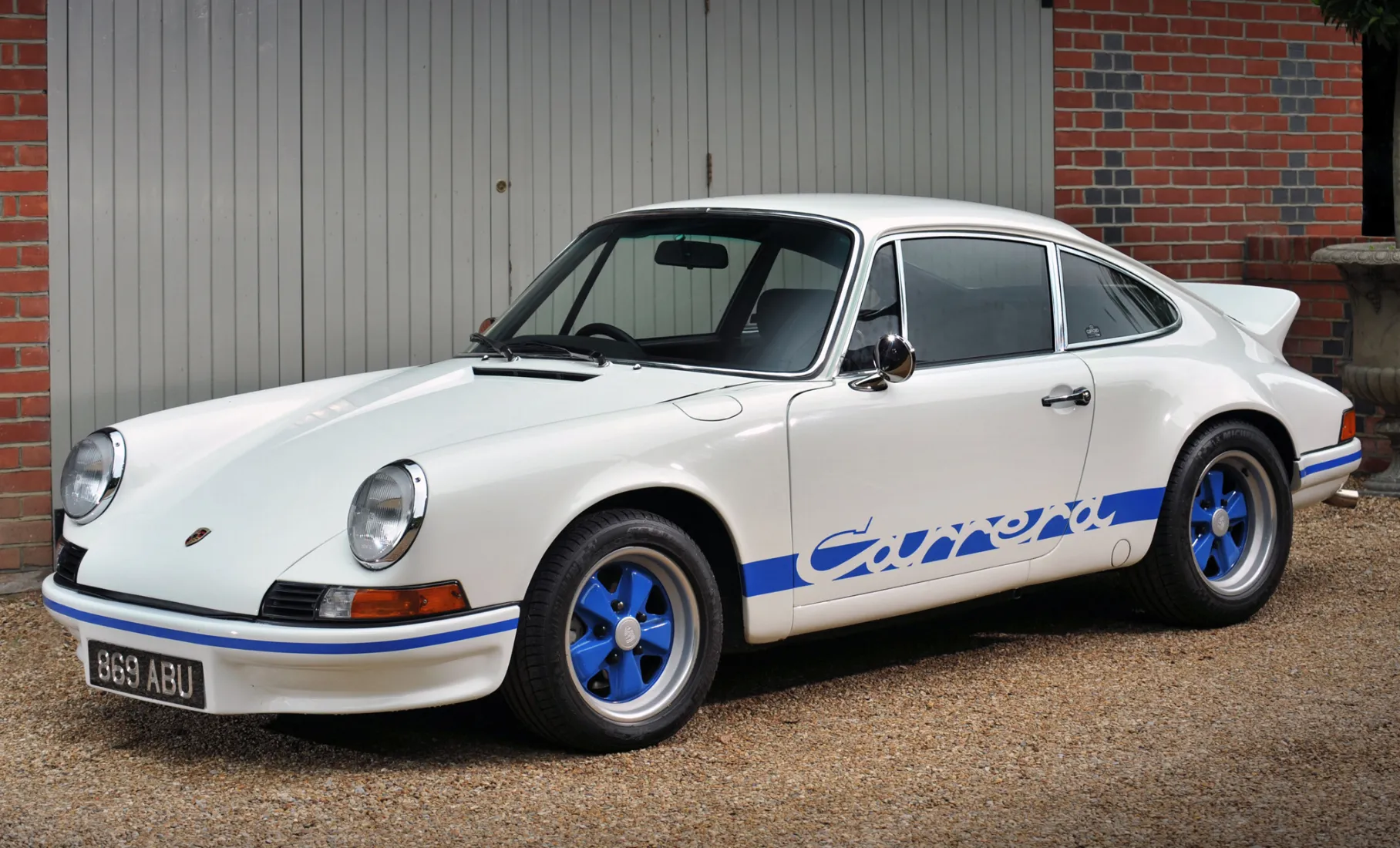
The Porsche 911 Carrera RS 2.7 stands as a remarkable example of engineering focused purely on driving engagement. Introduced in the early nineteen seventies, it was designed to meet homologation requirements for motorsport while offering a thrilling experience for road enthusiasts. The car’s construction emphasised weight reduction and precision engineering, making it instantly recognizable within the 911 lineage.
Every decision in its design leaned toward enhancing control and responsiveness rather than comfort or ornamentation. Visual identity communicates intention clearly. The car features wider rear arches to accommodate larger wheels, a distinct ducktail rear spoiler, and bold racing graphics.
Simplified interiors and lighter panels were employed to reduce mass, ensuring that performance could dominate. These elements were neither decorative nor excessive; they served a functional purpose that amplified the driving experience.
Under the bonnet, the flat-six engine delivers eager performance, perfectly complemented by a precise manual transmission. Throttle response is immediate, steering is communicative, and chassis balance rewards careful input.
Drivers quickly sense a deep connection with the car, as every corner, braking manoeuvre, and acceleration push conveys feedback directly to the occupant. Skillful handling is rewarded, and even modest speeds invite concentration and engagement.
Production numbers were deliberately limited. Homologation rules dictated initial volumes, and while demand exceeded expectations, Porsche maintained scarcity compared to standard 911 models. This scarcity contributes directly to the car’s collector status today, as authenticity and provenance are highly prized.
Collector appreciation focuses on the purity of the driving experience. Restorations prioritise original specifications, ensuring that engine, suspension, and trim remain true to factory intent. Preserved examples retain their performance character while demonstrating the meticulous craftsmanship of Porsche during that era.
The 911 Carrera RS 2.7 continues to influence modern sports car design and philosophy, yet the original remains peerless in terms of mechanical engagement. Its combination of lightness, driver focus, and uncompromised engineering positions it as a historical touchstone.
For enthusiasts and collectors, the model embodies a pure connection between human and machine, demonstrating that performance, precision, and emotion can coexist in a single package.
5. Alfa Romeo Giulia Sprint GTA
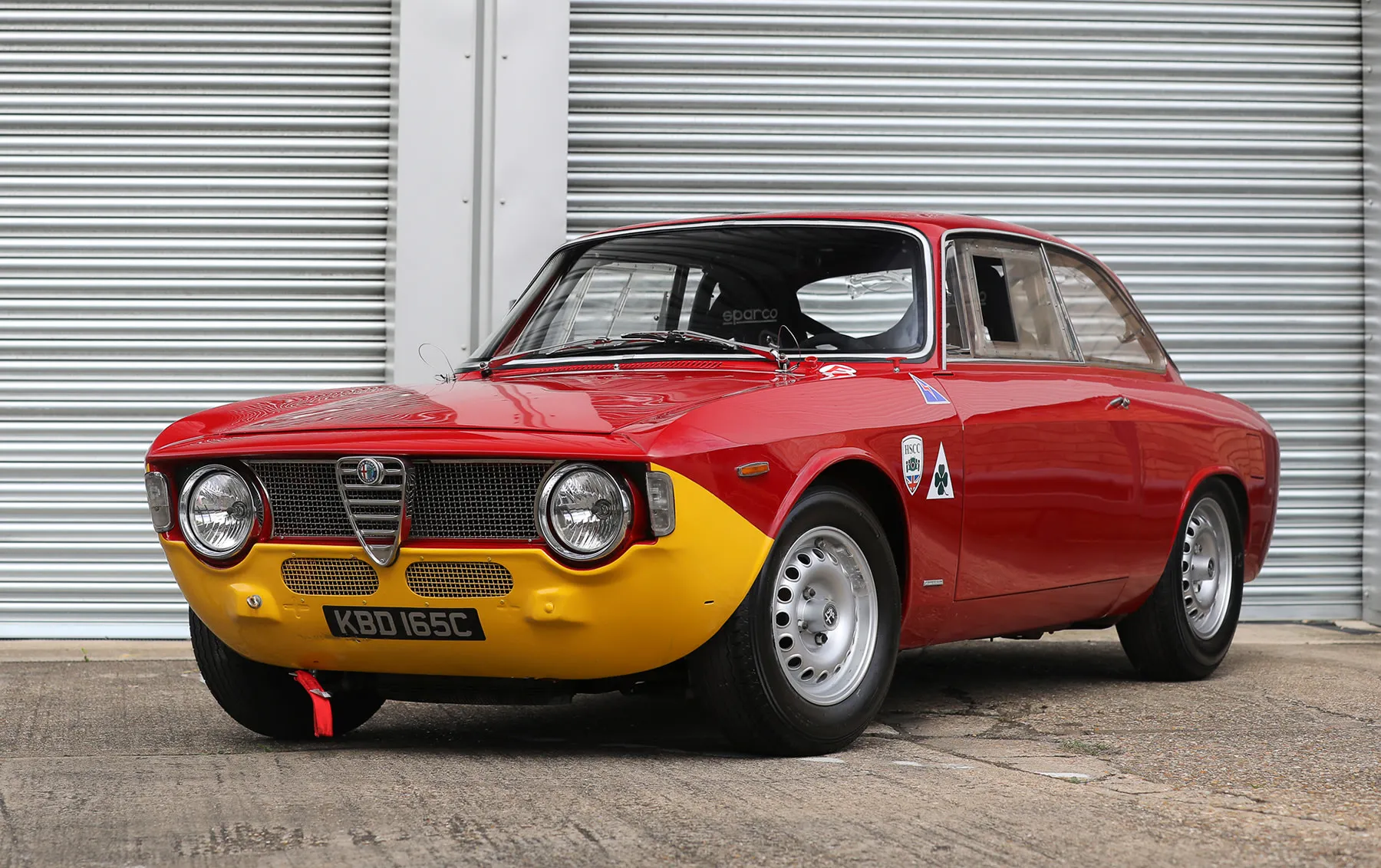
The Alfa Romeo Giulia Sprint GTA embodies a synthesis of racing pedigree and engineering intelligence. Produced during the nineteen sixties, it advanced from the standard Giulia Sprint, receiving extensive modifications aimed at reducing weight and enhancing agility.
Lightweight aluminium body panels replaced steel in critical areas, improving handling while maintaining structural integrity. Every adjustment served the objective of performance enhancement, whether on tight curves or during high-speed stretches.
Mechanical engineering emphasised responsiveness. The high-revving inline four-cylinder engine delivered rapid acceleration and a distinctive sound, reinforced by a close-ratio gearbox that maximised driver involvement.
Suspension tuning offered precision, while braking systems provided confidence under aggressive use. Every interaction between car and driver reinforced focus and control, creating a model that demanded engagement rather than passive handling.
Competition success amplified its reputation. Triumphs in touring car championships established credibility for the Giulia Sprint GTA, demonstrating its capabilities under real racing conditions. Enthusiasts and collectors value this history, recognizing the car as a genuine performance machine built for victory and practicality combined. This racing heritage continues to shape perception decades after production ended.
Interior design remained purpose-driven. Lightweight materials and stripped trim minimized distraction, ensuring that attention remained on driving. Comfort was secondary to functionality, reflecting the car’s track-oriented nature without compromising essential usability for road conditions.
Collector interest has increased steadily due to its limited production and motorsport lineage. Cars that retain original specifications, particularly with documented racing history, command premium attention. Preserving authenticity is critical to maintaining the car’s historical and financial value.
The Alfa Romeo Giulia Sprint GTA illustrates how careful engineering, light construction, and racing experience can create a car that excites both drivers and collectors. Its enduring appeal lies in mechanical honesty, balance, and performance integrity, securing its place as one of Europe’s most respected and revered sports coupes.
6. Lamborghini Miura P400
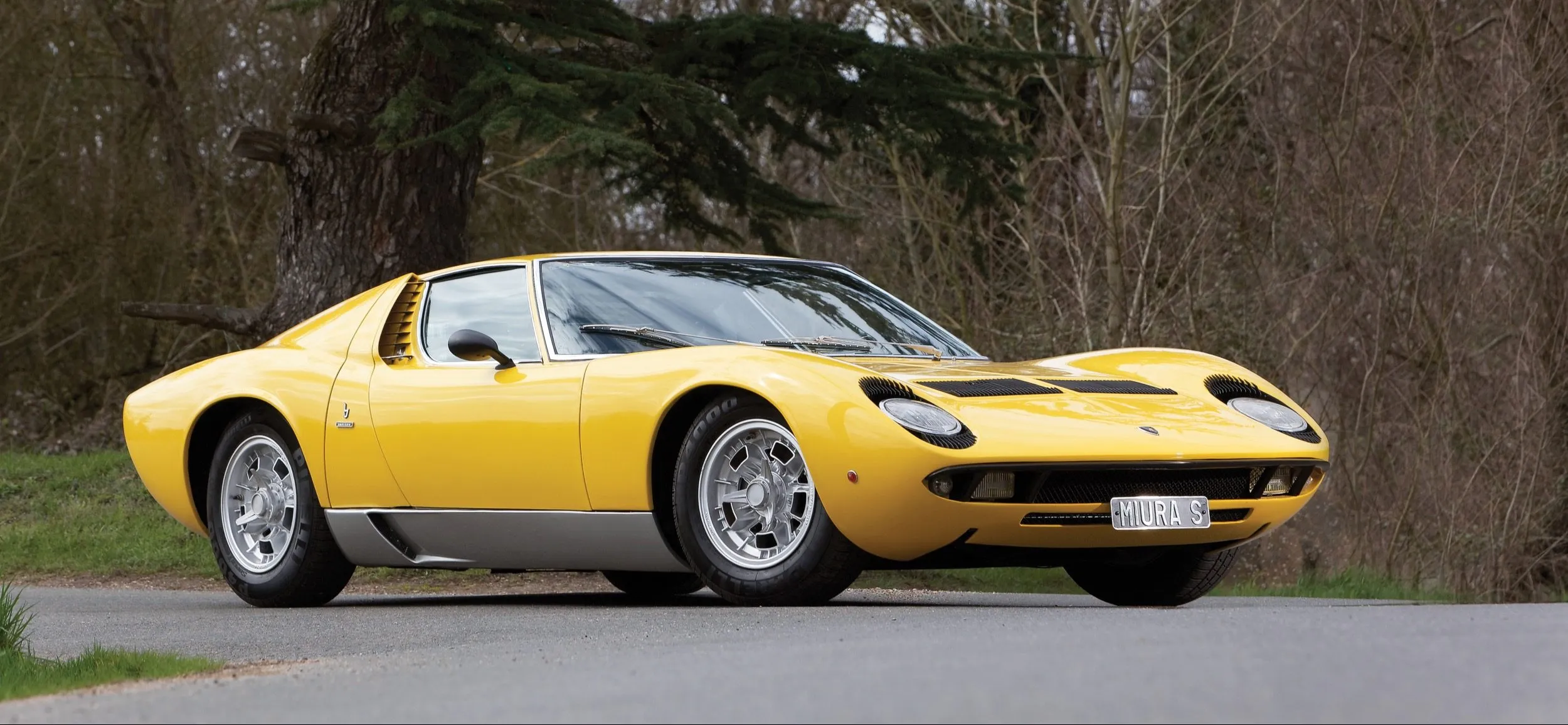
Drama arrived without warning when the Lamborghini Miura P400 entered public view during the mid nineteen sixties. Nothing about this car felt cautious or restrained. From its low stance to its wide rear track, the Miura announced a fresh philosophy that rejected traditional grand touring layouts.
Engineers placed a powerful V12 engine behind the seats, creating a mid-engine road car at a time when such thinking belonged almost entirely to racing. Visual design carried emotional weight. Marcello Gandini shaped the body with sweeping curves that seemed alive even when parked.
Headlamp surrounds, side intakes, and the broad rear deck formed a profile that challenged expectations of what a road car could look like. Proportions mattered more than ornament, allowing the shape itself to command attention without relying on decoration.
Mechanical character matched the visual message. The transversely mounted V12 produced thrilling sound and immediate response. Acceleration felt urgent, demanding respect from the driver. Steering required focus, while suspension tuning favored excitement over comfort. This was not a relaxed touring machine. It asked for commitment and rewarded confidence.
Public reaction transformed the brand. Lamborghini shifted from an ambitious newcomer to a serious performance force. Buyers viewed the Miura as proof that innovation and daring could surpass established norms. Ownership carried prestige tied to boldness rather than tradition.
Collector interest has remained intense for decades. Early P400 versions attract particular attention due to the purity of design and mechanical layout. Preservation requires careful stewardship, as originality plays a central role in desirability. Auction appearances often generate global attention, reflecting enduring admiration.
The Lamborghini Miura P400 reshaped sports car thinking. Mid-engine layouts soon became standard among high-performance manufacturers, yet the Miura retains its special place as the car that brought that idea to the street with unmatched flair and confidence.
7. BMW 507 Roadster
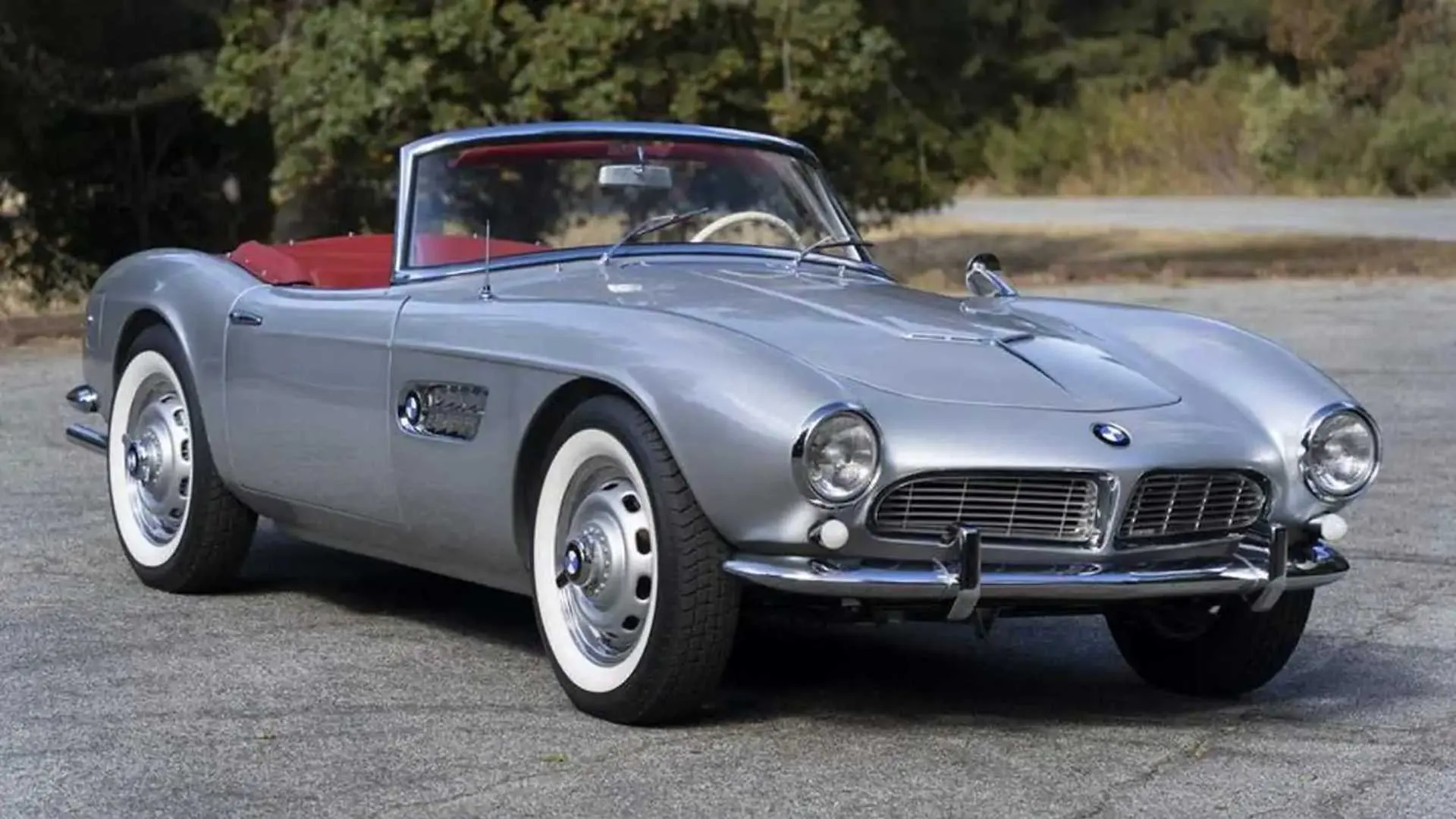
Elegance defined the BMW 507 Roadster, a car created to position the brand among luxury sports car leaders during the nineteen fifties. Styled by Albrecht von Goertz, the body blended restraint with athletic presence. Clean surfaces and balanced proportions delivered a timeless appeal that avoided trend-driven excess.
Production intent focused on exclusivity rather than volume. Hand-built construction increased cost, limiting output and shaping its future rarity. Each example carried a sense of craftsmanship often missing from mass-produced vehicles. Aluminum body panels reduced weight while enhancing refinement.
Engine performance came from a V8 that offered smooth delivery rather than aggressive behavior. Power suited relaxed cruising and spirited driving alike. Suspension tuning favored composure, creating a confident road presence. This balance aligned with buyers seeking luxury paired with enjoyment.
Interior design reinforced refinement. Leather upholstery, simple instrumentation, and thoughtful layout supported comfort. Controls felt deliberate and solid, reflecting attention to quality rather than flash. Driving the 507 felt personal and engaging without demanding constant effort.
Market response during its original run disappointed due to pricing challenges. Sales numbers remained low, placing financial strain on the manufacturer. Yet history proved kinder. Limited production and enduring beauty elevated the car’s reputation steadily.
The collector appeal today centers on rarity and design purity. Surviving examples receive careful restoration, with emphasis on preserving original finishes and components. Values reflect respect earned through craftsmanship rather than racing success.
The BMW 507 Roadster stands as a reminder that artistic vision sometimes gains appreciation long after production ends. Its graceful presence and refined character ensure lasting admiration among those who value understated luxury.
8. Aston Martin DB5
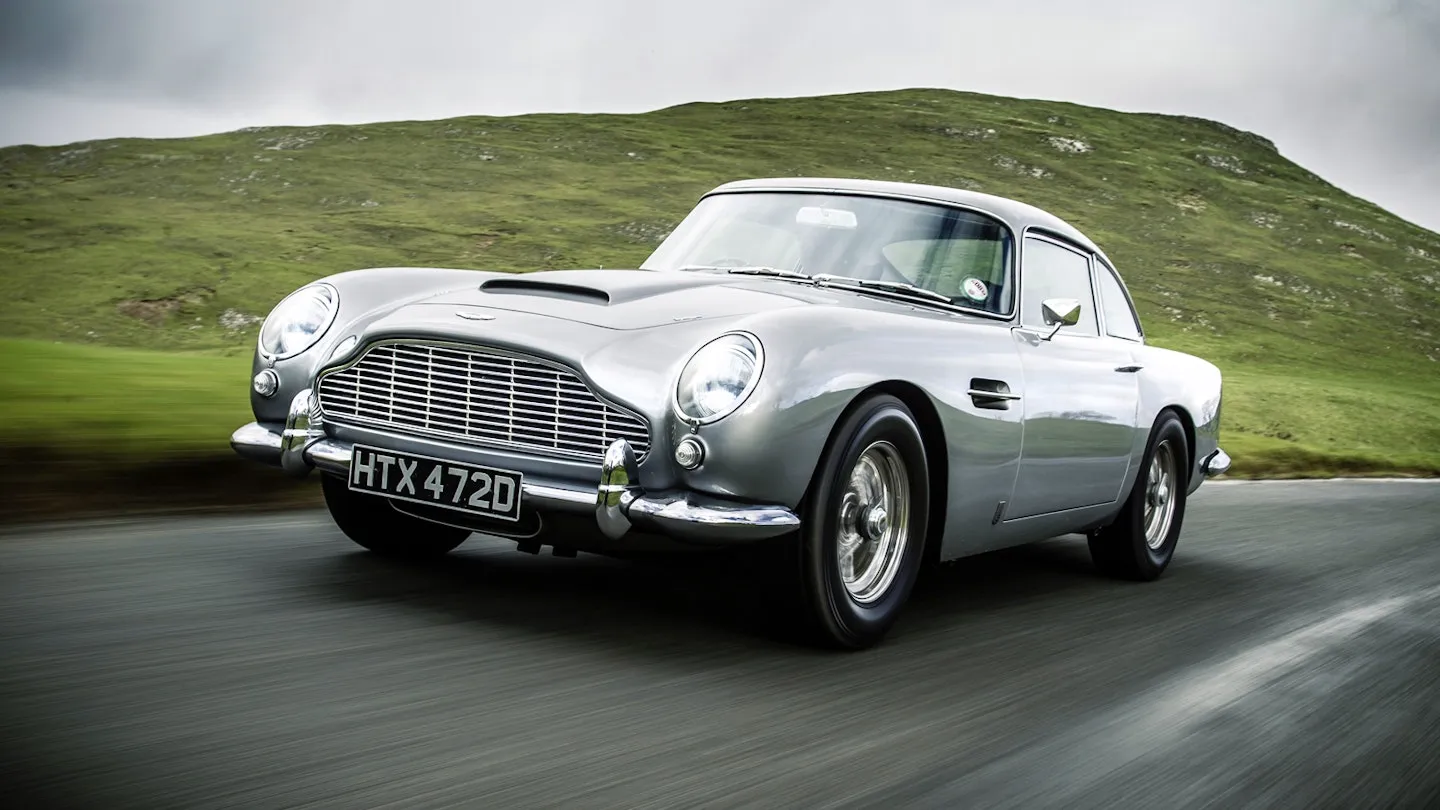
Recognition arrived quickly for the Aston Martin DB5, a car that blended performance, craftsmanship, and cultural presence in equal measure. Released in the early nineteen sixties, it refined the DB4 formula with improved power and luxury, creating a grand touring machine suited for long-distance travel.
Design emphasized proportion and detail. Subtle curves, a distinctive grille, and elegant lines conveyed confidence without excess. Paint finishes highlighted craftsmanship rather than spectacle. This balance allowed the DB5 to age gracefully, maintaining relevance decades later.
Performance supported its touring mission. A straight six engine delivered smooth acceleration and satisfying sound. High-speed cruising felt effortless, supported by stable handling and reliable braking. Drivers appreciated the calm competence that encouraged extended journeys.
Interior treatment reflected traditional luxury values. Leather, wood trim, and clear instrumentation created a welcoming environment. Seating supported comfort, while driving position promoted control. Attention to tactile quality reinforced the sense of occasion each time the car was driven.
Cultural exposure elevated public awareness. Film appearances introduced the DB5 to audiences far beyond automotive circles. This visibility enhanced desirability, turning the car into a symbol rather than just a vehicle. Collectors seek authenticity and condition.
Original specifications command strong interest, especially cars with documented history. Restorations aim to respect factory intent rather than modern reinterpretation. The Aston Martin DB5 represents British grand touring at its most confident. Style, performance, and cultural association combine to secure its place as one of the most admired European classics ever produced.
9. Citroën DS21
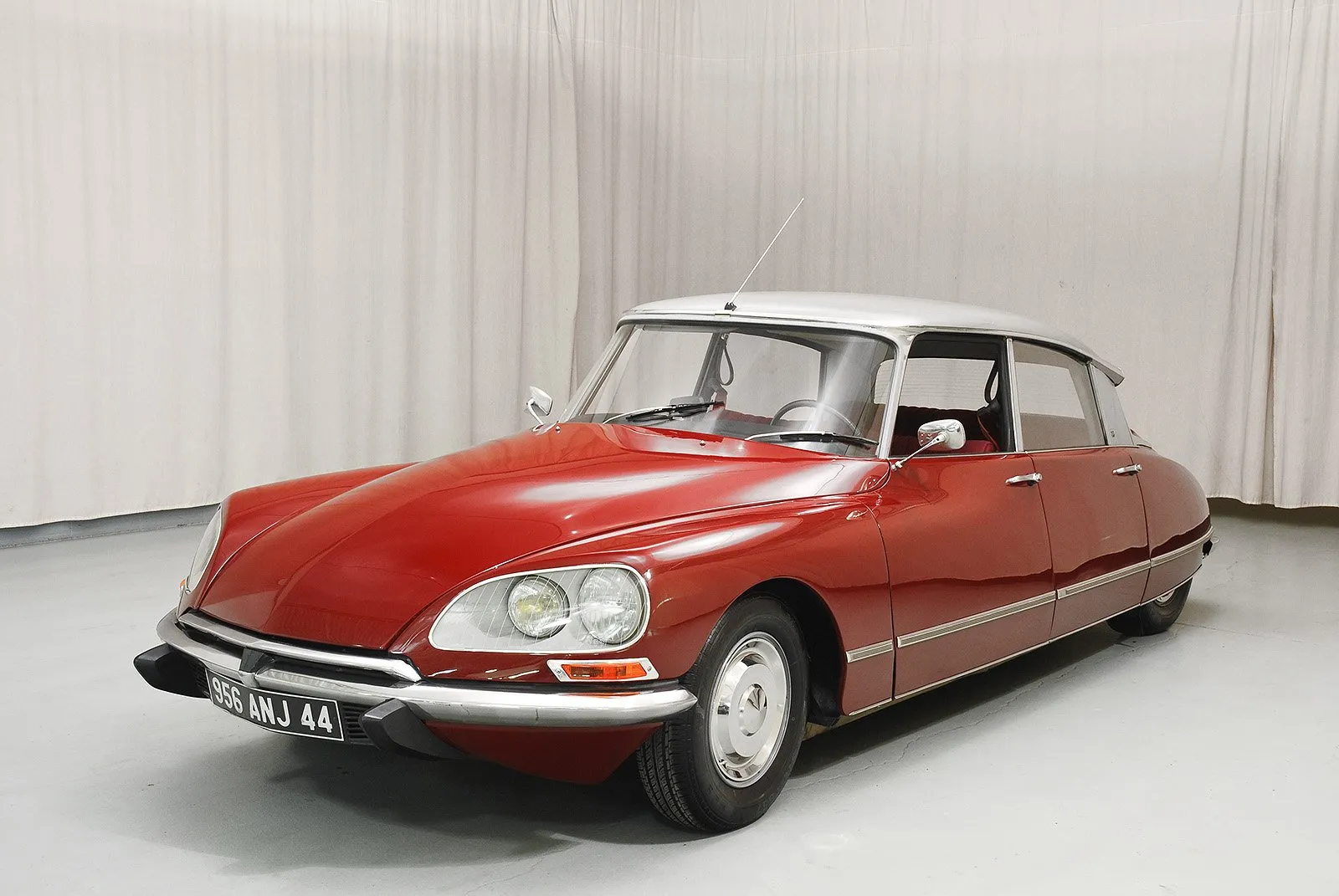
Innovation took center stage with the Citroën DS21, a sedan that challenged conventional thinking through technology and design. Introduced during the nineteen fifties and refined into the DS21, it offered features unseen in mainstream vehicles of its era.
Styling broke free from boxy norms. Aerodynamic shaping, covered rear wheels, and a smooth roofline delivered a futuristic presence. This approach prioritized efficiency and comfort rather than tradition. The result looked daring and purposeful.
Engineering excellence defined the driving experience. Hydropneumatic suspension provided ride quality unmatched at the time. The system adjusted automatically, maintaining composure across varied road conditions. Steering and braking systems benefited from the same hydraulic philosophy, delivering a consistent response.
Interior layout supported ease of use. Single-spoke steering wheel design improved safety, while seating emphasized comfort. Controls felt unconventional yet intuitive once familiar. This cabin encouraged relaxation rather than tension.
Public reaction ranged from admiration to disbelief. Some praised innovation, others hesitated due to unfamiliar systems. Yet loyalty grew as owners experienced daily benefits. Reliability improved through later development, strengthening trust.
Collector interest values originality and maintenance history. Properly preserved examples demonstrate the brilliance of its engineering. Values continue to rise as appreciation for its forward thinking grows. The Citroën DS21 stands as proof that daring ideas can reshape expectations. Comfort, safety, and design are aligned in a way that still feels progressive many decades later.
Also Read: 12 Best Vintage Pickup Trucks for Daily Use
10. Lancia Stratos HF
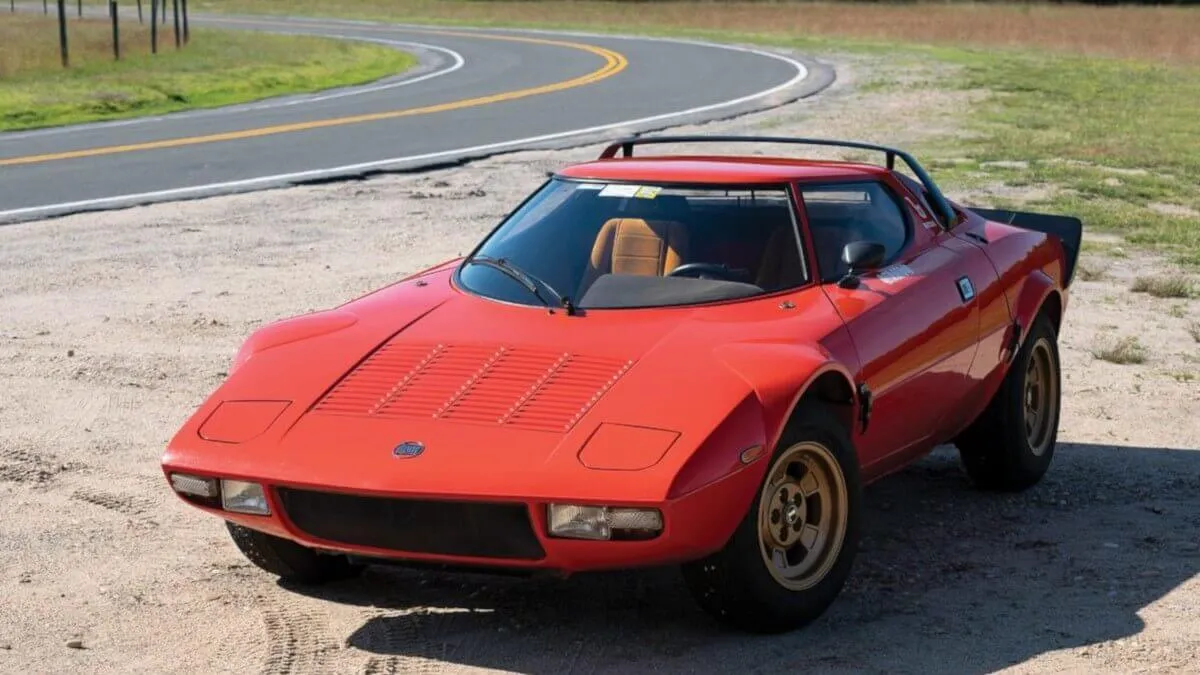
Purpose drove every decision behind the Lancia Stratos HF, a car created solely to dominate rally competition. Developed during the nineteen seventies, it broke from conventional road car origins. Instead, it was designed from the start as a competition tool.
Compact dimensions defined its stance. A short wheelbase and wide track supported agility on tight stages. Wedge-shaped styling emphasized function, allowing airflow and visibility to support racing needs. Visual impact followed naturally from necessity.
Power came from a Ferrari-sourced V6 engine, delivering strong output and thrilling sound. Mounted midship, it improved balance and traction. Suspension tuning favored responsiveness, enabling rapid direction changes on varied surfaces.
Interior design reflected focus. Minimal trim, clear gauges, and supportive seating prioritized control. Comfort ranked secondary to performance. Drivers felt connected to the machine in a direct, almost raw manner. Rally success established a reputation.
Championship victories validated design choices, proving effectiveness under extreme conditions. This success cemented the Stratos as a motorsport legend rather than a curiosity. Road-going examples existed to satisfy regulations, making them rare and highly sought after.
Collector interest remains intense due to limited numbers and competition for heritage. Authenticity matters deeply, as originality preserves value. The Lancia Stratos HF remains one of the purest expressions of rally intent ever built. Its fearless design and competition focus ensure enduring respect among collectors who value performance shaped by purpose.
