
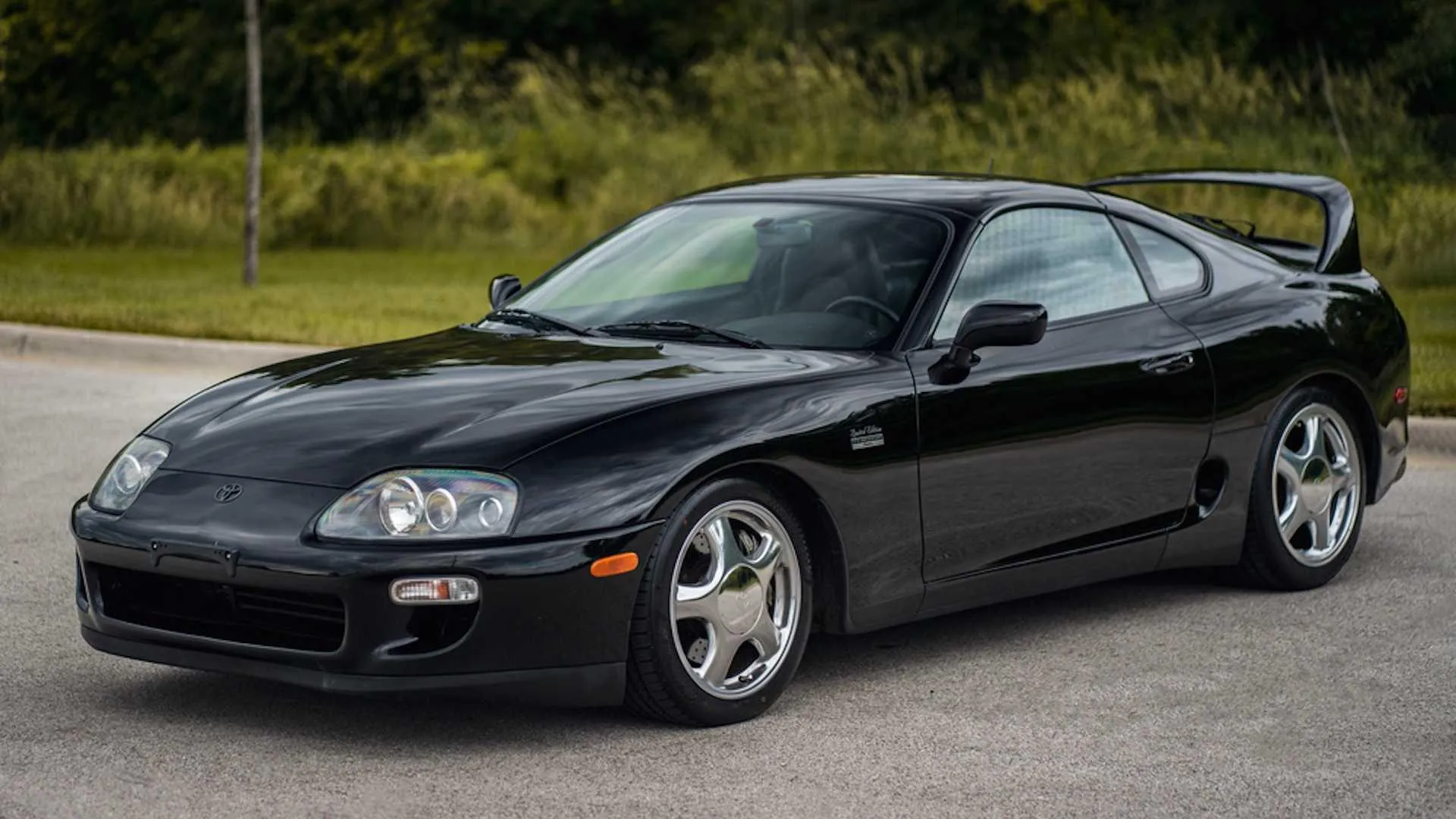
Japanese sports cars have earned a reputation for combining engineering precision with exhilarating driving experiences. For decades, enthusiasts around the globe have sought vehicles that deliver excitement without demanding excessive upkeep.
These machines offer balance, handling, and performance in a package that remains engaging well into the years. Unlike fleeting automotive trends, JDM sports cars have a timeless appeal, often increasing in cultural value as the years pass.
Driving one of these cars is an experience that requires attention, but it rewards patience and technique. Engineers focused on driver involvement rather than mere speed, emphasizing chassis feedback, weight distribution, and engine character.
Whether it is the shrill wail of a rotary engine, the turbocharged shove of a small-displacement four-cylinder, or the linear growl of an inline-six, these cars communicate through every gear change, turn-in, and acceleration.
Beyond driving dynamics, these vehicles offer strong reliability and aftermarket support, allowing enthusiasts to maintain or modify them without breaking the bank. Their compact proportions and lightweight construction contribute to the agility that larger, heavier machines cannot replicate.
This list highlights ten JDM sports cars that continue to provide driving enjoyment, from classic icons to modern marvels. Each entry is selected for its enduring appeal, engineering integrity, and unique personality, proving that a great sports car does not become obsolete simply because years pass.
For enthusiasts seeking cars that balance style, performance, and long-term fun, these ten machines represent the pinnacle of Japanese engineering. Every turn, every movement, and every corner remind drivers why these models have remained desirable for decades.
This guide looks into each car’s strengths, how it communicates with the driver, and why it holds a special place in automotive history.
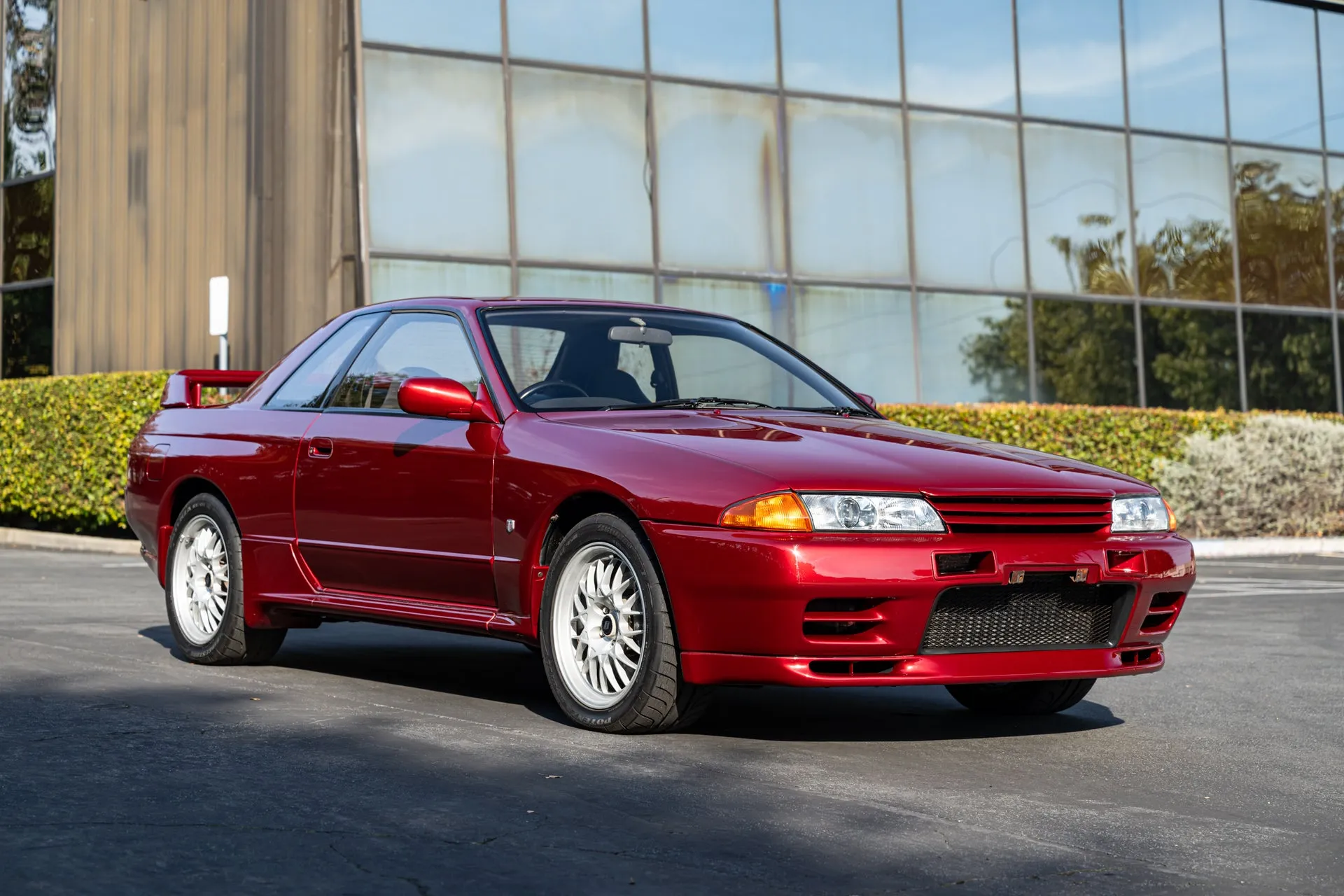
1. Nissan Skyline GT-R R32 1989 to 1994
The Nissan Skyline GT-R R32 defined a new era of Japanese performance by combining four-wheel drive stability with a turbocharged inline-six powerhouse. Its RB26DETT engine produced 276 horsepower and a torque curve that encouraged aggressive driving while remaining predictable at the limit.
Engineers designed the ATTESA E-TS all-wheel-drive system to intelligently distribute power, allowing drivers to push through corners without excessive understeer. Chassis construction was a highlight. Steel reinforcements and double wishbone suspension provided balance and rigidity, ensuring high-speed cornering remained precise and responsive.
Steering communicates instantaneously, giving feedback that builds driver confidence. This balance allowed enthusiasts to learn threshold handling in a forgiving yet capable platform. Performance does not overshadow practicality.
Cabin space comfortably accommodates two adults, while instrumentation keeps the main information within easy reach. Controls are straightforward, supporting driver focus during spirited sessions. Visibility and ergonomics further enhance the experience, reinforcing the GT-R’s reputation as a car for both track and road use.
Aftermarket support is extensive. Suspension upgrades, turbo enhancements, and drivetrain components allow enthusiasts to maintain relevance in modern performance circles without altering the car’s core character. Reliability remains strong when engines receive attentive care, with cooling, fluids, and timing components monitored consistently.
Culturally, the R32 GT-R earned the nickname “Godzilla,” a title reflecting its dominance in motorsport and influence on Japanese automotive engineering. Driving one connects the past to the present, delivering thrills that feel as fresh now as they did three decades ago.
Enthusiasts gain an experience that blends raw performance with disciplined control, demonstrating why the R32 remains a cornerstone of JDM sports car heritage.
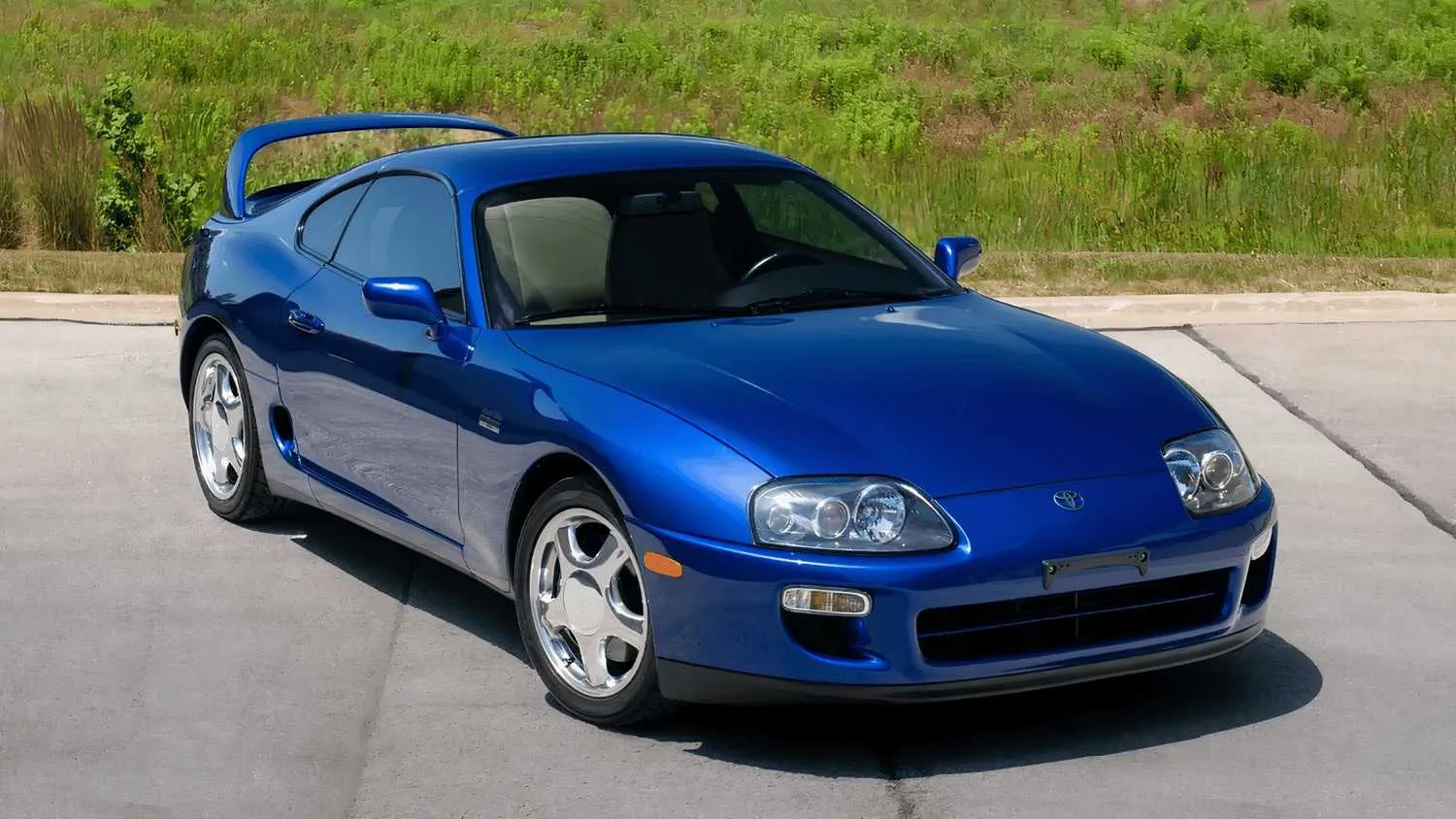
2. Toyota Supra MK4 (A80) 1993 to 2002
Toyota’s Supra MK4 from the 1990s represents a pinnacle of Japanese sports car engineering, merging high performance with precision design. Powered by the legendary 2JZ-GTE inline-six engine equipped with twin turbochargers, this vehicle delivers more than 320 horsepower while maintaining mechanical balance.
Acceleration builds linearly, rewarding smooth throttle control and careful gear changes, creating an experience that feels both deliberate and exhilarating. Drivers quickly sense the synergy between engine responsiveness and chassis stability, which encourages controlled enthusiasm rather than brute force.
Chassis engineering emphasizes composure. Front double wishbone suspension combined with a multilink rear setup allows weight to transfer evenly during cornering. Steering communicates grip levels effectively, enabling precise placement through turns despite the vehicle’s substantial dimensions.
Brakes provide reliable stopping power during repeated high-performance maneuvers, supporting both safety and confidence on tight or open roads. The combination of suspension, steering, and braking produces a balance that fosters trust between car and driver, essential for both spirited drives and technical courses.
Interior design complements the car’s engineering philosophy. Seating offers lateral support while maintaining comfort for extended drives. Pedal placement, shifter ergonomics, and gauge clarity allow drivers to remain focused on driving dynamics.
The cabin integrates materials, climate controls, and audio components without detracting from engagement, producing an environment suitable for daily use as well as performance sessions. This thoughtful combination of driver-oriented layout and comfort enhances usability while preserving the sense of connection to the machine.
Aftermarket support for the Supra MK4 is extensive, allowing owners to refine suspension, increase turbo output, or modify drivetrain components. Despite its capacity for extreme power, the engine remains reliable when serviced regularly, demonstrating the durability of its design.
Enthusiasts can push the car far beyond factory specifications while maintaining mechanical integrity, highlighting its adaptability and engineering foresight. The MK4 Supra’s enduring popularity reflects more than performance numbers. Its influence in motorsport, media, and car culture has reinforced a reputation for excitement and reliability.
This combination of advanced engineering, driver engagement, and versatility ensures that the Supra MK4 continues to thrill enthusiasts decades after production, solidifying its place as a classic Japanese sports car designed to remain fun, relevant, and rewarding for generations.
Also Read: 12 Affordable Sports Cars Built to Outlive Even a Porsche
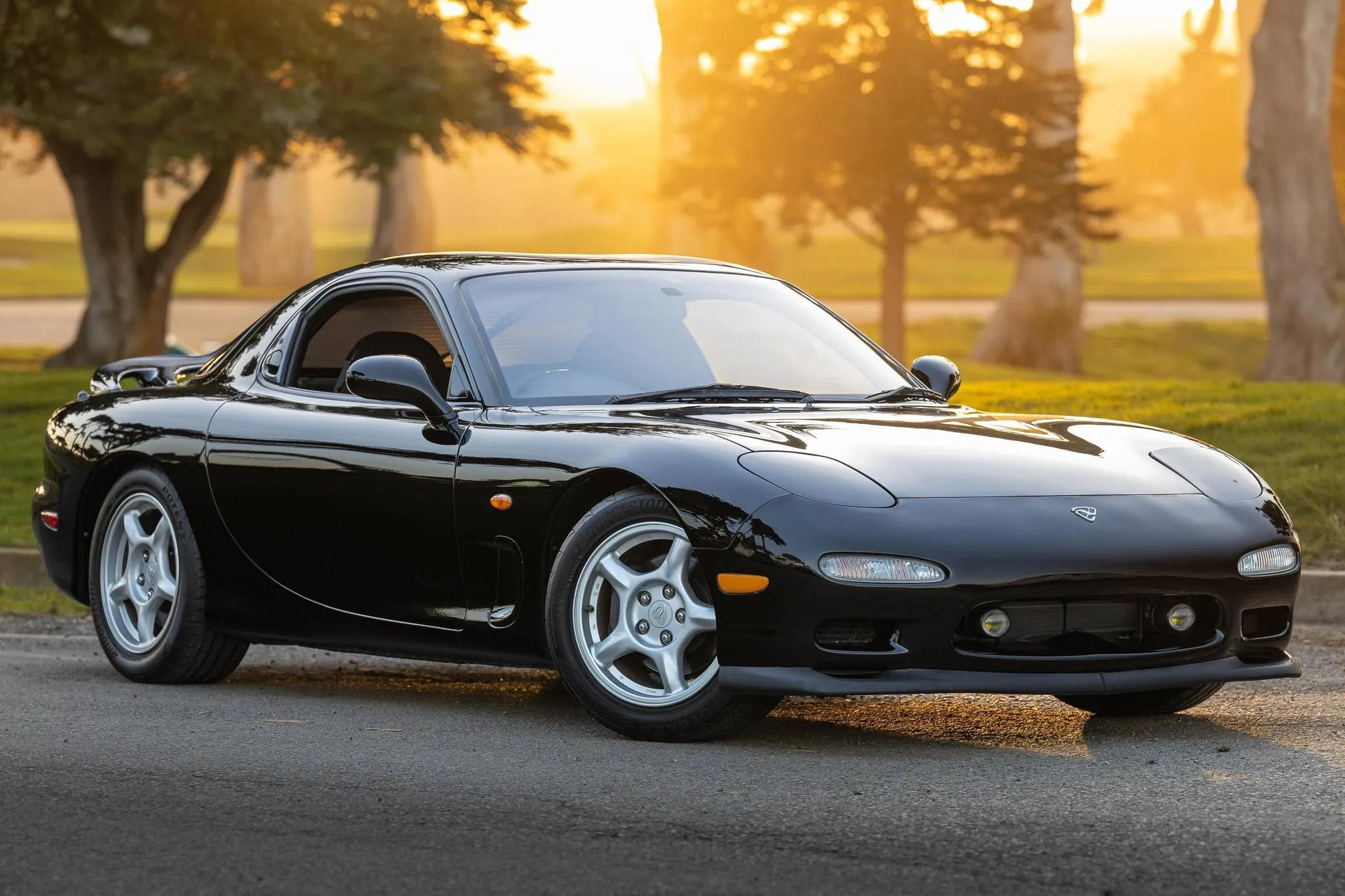
3. Mazda RX-7 FD 1992 to 2002
The Mazda RX-7 FD represents the pinnacle of rotary engineering, featuring a 1.3-liter twin-rotor 13B-REW engine capable of 276 horsepower. Its lightweight frame and balanced 50:50 weight distribution enable extraordinary agility, with a car that feels composed even at high cornering speeds.
The sequential twin-turbo setup offers linear boost, allowing precise throttle control for both novice and experienced enthusiasts. Chassis dynamics benefit from an extensive focus on feedback. Double wishbone suspension at both axles provides sharp turn-in and excellent compliance over uneven surfaces.
Steering communicates grip thresholds effectively, building trust between driver and car. This trust is critical, as the RX-7 rewards finesse and punishes abrupt inputs, teaching patience and technique simultaneously. Interior space is compact but purposeful.
Seating positions optimize control, while minimal distractions ensure driver focus remains on the road or track. Materials balance performance-oriented durability with comfort, allowing spirited drives to remain enjoyable over extended sessions. Visibility is sufficient for precision driving, while pedals and shifter placement encourage smooth transitions.
Rotary engines require meticulous attention. Oil levels, apex seals, and cooling systems must be monitored to maintain reliability. Despite these demands, aftermarket support is strong, offering performance upgrades and maintenance solutions for those seeking prolonged fun.
The FD RX-7 exemplifies the fusion of lightweight engineering and high-revving excitement. Each corner, gear move, and throttle modulation reminds enthusiasts of the car’s commitment to engagement. For those willing to learn its quirks, the FD rewards with a driving experience that is unique, exhilarating, and enduring, cementing its place among the most cherished JDM sports cars.
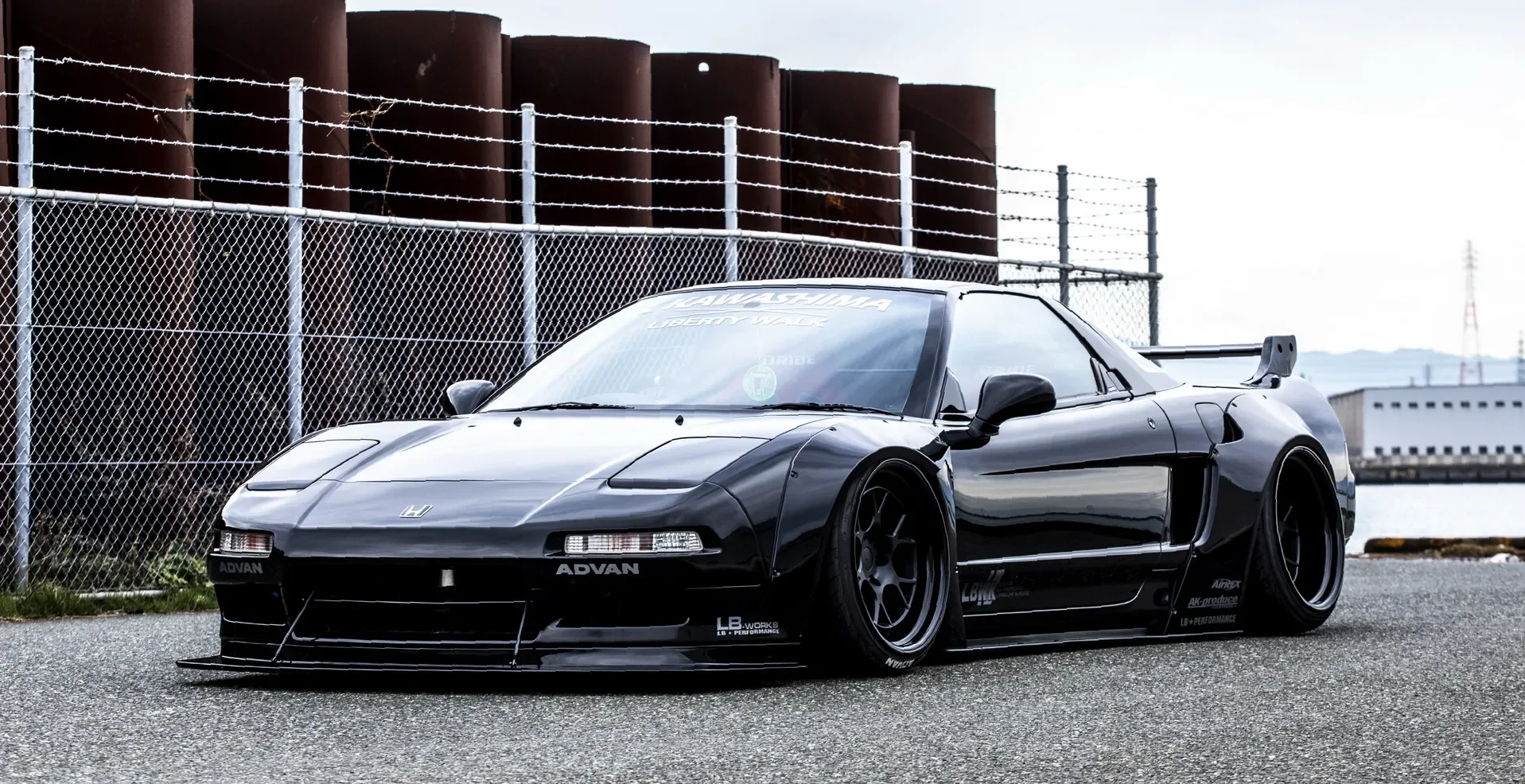
4. Honda NSX NA1 1990 to 2001
The Honda NSX NA1 transformed the concept of a sports car by focusing on precision and dependability. Featuring a 3.0-liter naturally aspirated V6 engine generating 270 horsepower and a mid-engine configuration, it delivered excellent balance and highly responsive handling.
Its lightweight aluminum chassis preserved structural stiffness, allowing cornering and braking to feel both sharp and consistently controllable. Steering feedback is direct, giving immediate communication of the front grip.
Suspension tuning prioritizes composure and driver confidence, supporting high-speed cornering with minimal nervousness. The NSX remains approachable for those learning threshold performance, as its naturally aspirated engine delivers linear power without overwhelming torque spikes.
Interior design merges sportiness with usability. Controls are intuitive, seating is supportive yet comfortable, and the dashboard layout ensures driver focus. Noise levels balance engagement and comfort, allowing long drives without fatigue while maintaining connection to mechanical performance.
Ownership benefits from Honda’s engineering philosophy. Engines are durable, transmissions withstand repeated use, and aftermarket support allows enthusiasts to maintain or lightly enhance performance. The NSX teaches drivers how weight distribution, throttle control, and chassis precision combine to create confidence at the limit.
Culturally, the NSX became a benchmark for supercar refinement and driver engagement. Its combination of accessible performance, reliability, and engineering sophistication ensures it remains thrilling decades after production ended, offering lessons in balance, precision, and smooth driving execution.
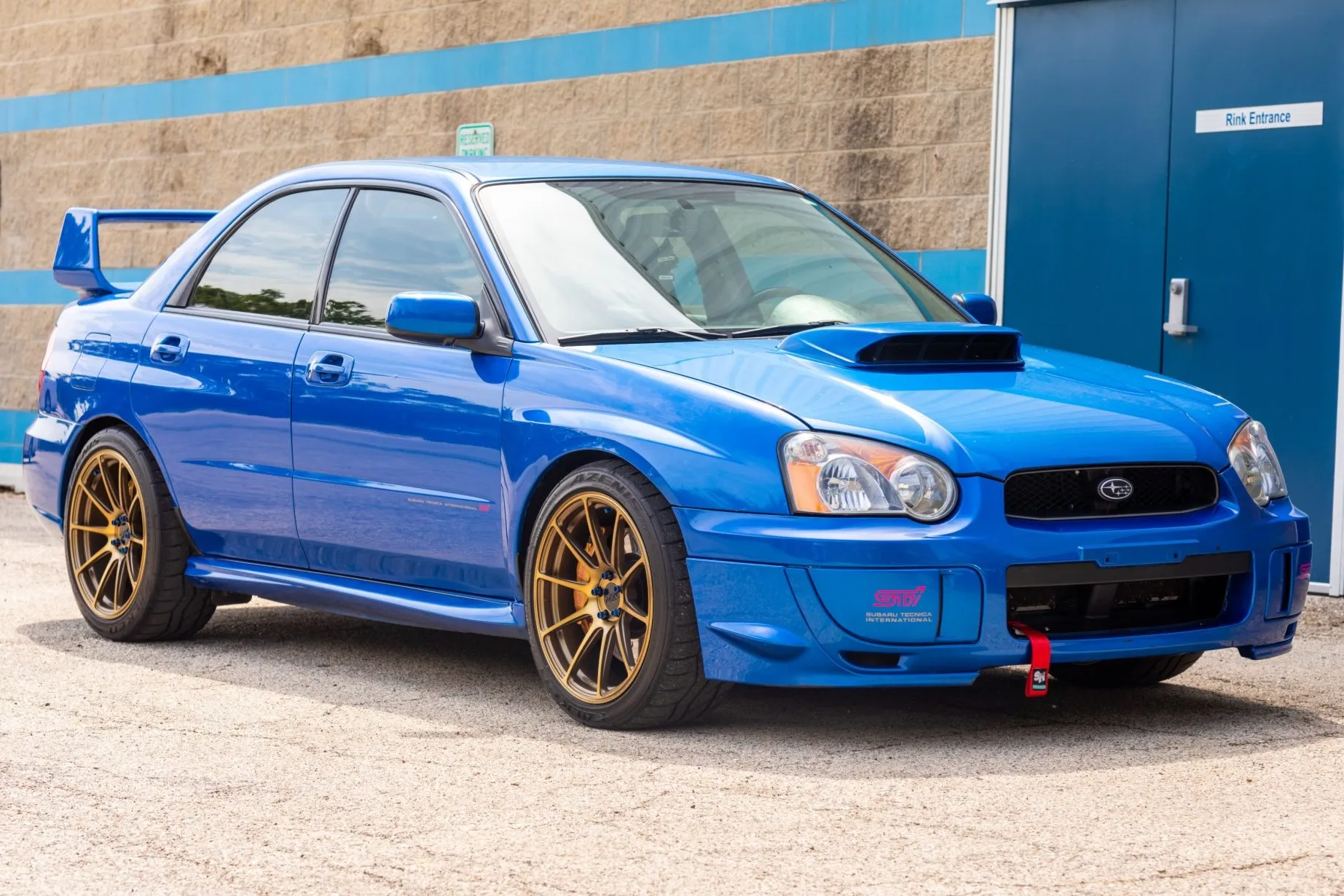
5. Subaru Impreza WRX STI 2004 to 2007
The Subaru Impreza WRX STI of this generation emphasizes rally-inspired driving excitement. Powered by a turbocharged 2.5-liter flat-four engine producing over 300 horsepower, it combines all-wheel drive grip with aggressive throttle response. Drivers learn to manage torque distribution, corner entry, and mid-corner stability, making it an engaging platform for spirited driving.
Suspension tuning reflects rally heritage. MacPherson struts at the front, multilink rear geometry, and reinforced subframes deliver stability on uneven surfaces while maintaining composure during fast transitions. Steering remains communicative despite all-wheel drive characteristics, allowing precise placement of the car through corners and chicanes.
Interior quality is functional yet driver-centric. Seats offer support for extended spirited driving, instrumentation communicates engine, boost, and vehicle data efficiently, and controls are logically arranged for minimal distraction. Cabin materials are durable, with a focus on reliability under extended use.
Aftermarket support is substantial. Turbo upgrades, suspension kits, and drivetrain enhancements allow the car to advance with driver skill. Reliability is strong when maintenance intervals are respected, and parts availability remains broad.
The 2004-2007 WRX STI continues to deliver a dynamic driving experience that combines raw performance with precision engineering. Its rally-derived characteristics make it a car that teaches control, coordination, and throttle discipline, creating enjoyment that persists across decades for enthusiasts seeking a true JDM sports experience.
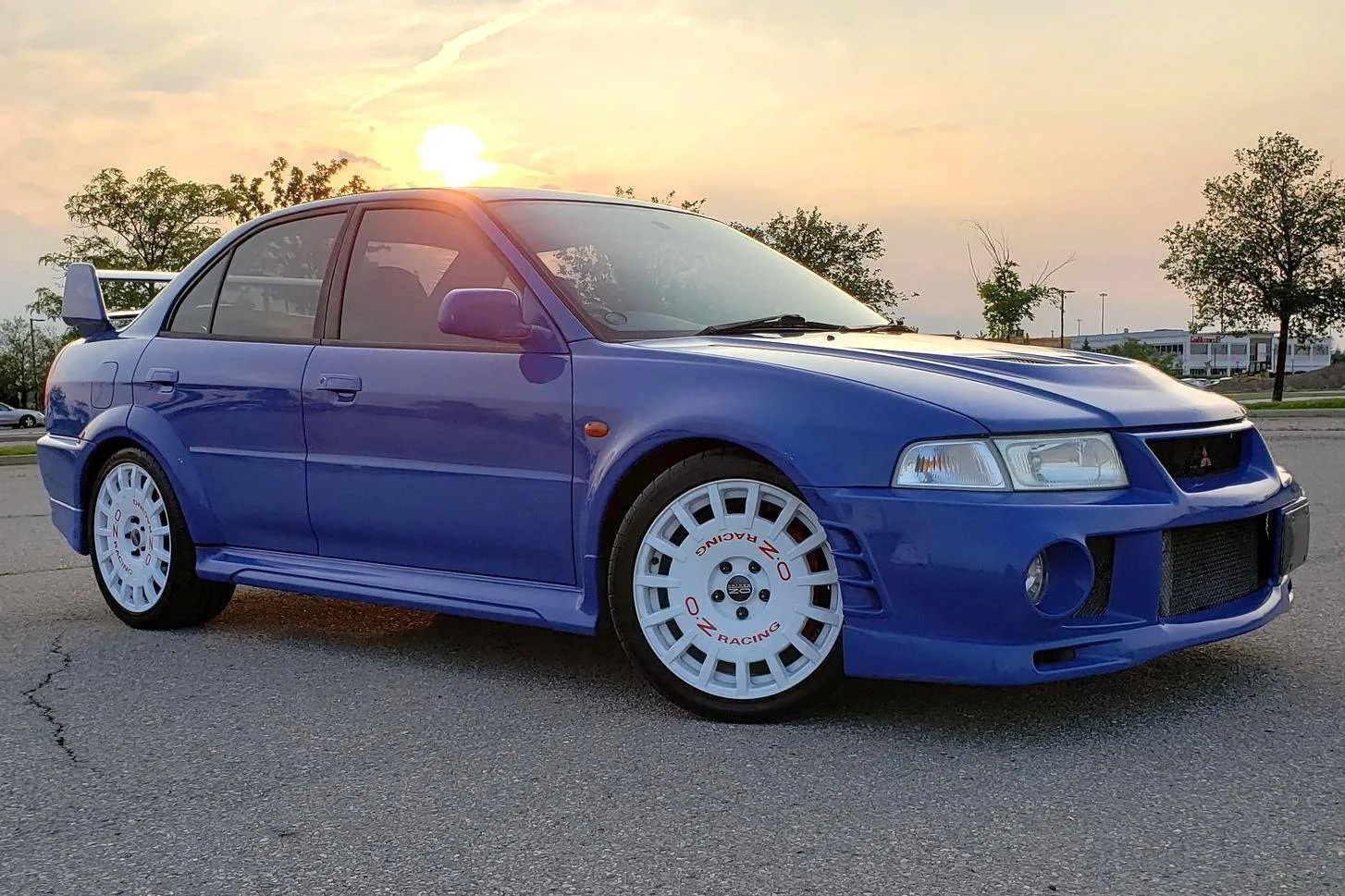
6. Mitsubishi Lancer Evolution VI 1999 to 2001
Mitsubishi engineered the Lancer Evolution VI to be a rally-inspired powerhouse capable of delivering precision and excitement. Its 2.0-liter turbocharged inline-four engine produces approximately 276 horsepower, paired with an advanced all-wheel-drive system that allows drivers to exploit grip while maintaining composure in spirited driving conditions.
What sets the Evo VI apart is how it blends raw performance with driver accessibility, making it a practical yet thrilling option for enthusiasts. Chassis dynamics define the driving experience. A combination of lightweight components, reinforced suspension subframes, and a short wheelbase creates a vehicle that responds instantly to driver input.
MacPherson strut front suspension combined with multi-link rear geometry provides stability over high-speed corners, while dampers tuned for balance reduce the harshness typically associated with rally-oriented vehicles. Steering communicates both effort and grip, rewarding precision while allowing drivers to correct mistakes without drastic overcorrections.
Interior design balances functionality and focus. While not luxurious, the cabin provides supportive seating and logically positioned controls that allow uninterrupted attention during performance driving. Pedal layout and shifter placement are optimized for quick, precise actions, encouraging drivers to refine technique.
Instrumentation delivers critical data without distraction, helping enthusiasts monitor boost levels, RPMs, and vehicle dynamics in real time. Reliability has been proven with attentive care. Engine components, drivetrain elements, and turbo systems remain robust under regular maintenance, and aftermarket support is widespread.
Adjustable suspension kits, brake upgrades, and drivetrain enhancements enable drivers to modify the Evo VI to suit individual performance goals without compromising foundational balance. The driving ethos behind the Lancer Evolution VI emphasizes control, patience, and timing.
Throttle modulation, weight transfer, and corner entry must be respected, creating a learning curve that is both challenging and rewarding. Its ability to remain thrilling decades after production reflects careful engineering and an emphasis on driver engagement, making it an essential addition to any collection of Japanese sports cars designed to sustain excitement as time goes on.
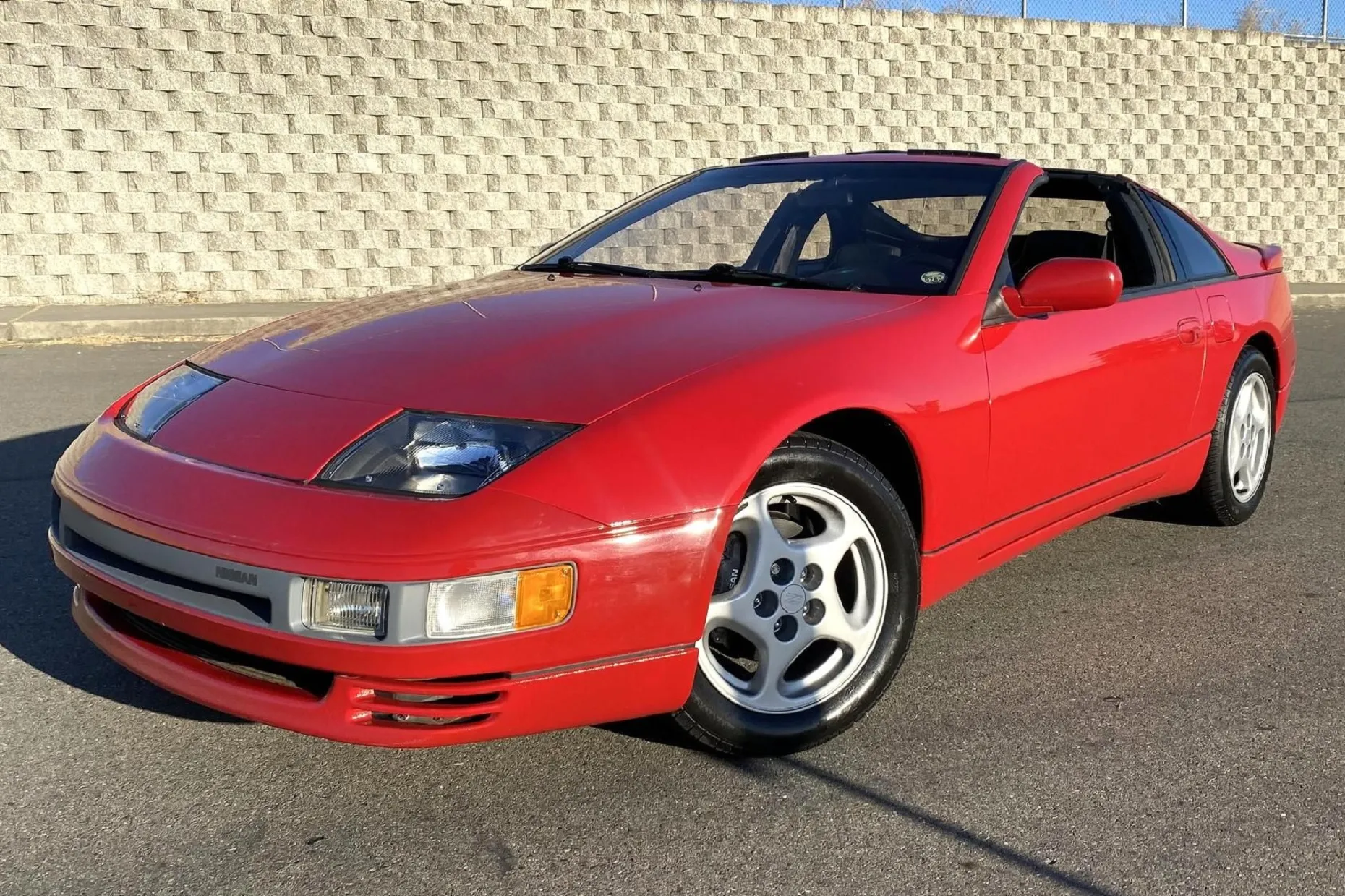
7. Nissan 300ZX Twin Turbo Z32 1990 to 1996
The Nissan 300ZX Z32 Twin Turbo represents an era where Japanese engineers blended technology, power, and comfort in a sports car. With a 3.0-liter V6 engine producing 300 horsepower and a lightweight, rigid chassis, the 300ZX offers a driving experience that combines high-speed composure with nimble handling.
The turbocharged V6 responds predictably, giving drivers control while rewarding smooth inputs with linear acceleration and a satisfying exhaust note. Suspension setup is among its strengths. Double wishbone suspension at both the front and rear allows the car to maintain balance and grip during rapid transitions.
Steering feedback is precise, offering an intuitive sense of the tires’ adhesion. Even during spirited driving, chassis compliance maintains poise, allowing enthusiasts to feel connected to the road without discomfort. Brakes provide repeatable performance, complementing acceleration and cornering capability.
Interior focus reflects a driver-oriented philosophy. Seats provide lateral support for sustained high-speed turns, while controls remain within easy reach. Visibility is adequate, and the cabin maintains engagement without excessive noise intrusion.
Gauges are clear, supporting real-time monitoring of turbo boost, oil pressure, and engine temperature. Materials hold up well over decades, ensuring longevity in both comfort and function. Aftermarket availability is robust.
Performance parts, suspension components, and turbo upgrades allow owners to enhance the vehicle’s capabilities while preserving the original driving feel. Reliability is strong if routine maintenance is observed, with engines able to endure high mileage when serviced appropriately.
The Z32 Twin Turbo is a blend of sophistication and raw excitement. Its combination of high-tech engineering, refined chassis, and potent powertrain makes it enjoyable in daily drives and weekend track excursions alike.
Driving one teaches enthusiasts about turbo behavior, chassis balance, and throttle precision, solidifying its reputation as a Japanese sports car that retains relevance and fun decades after its introduction.
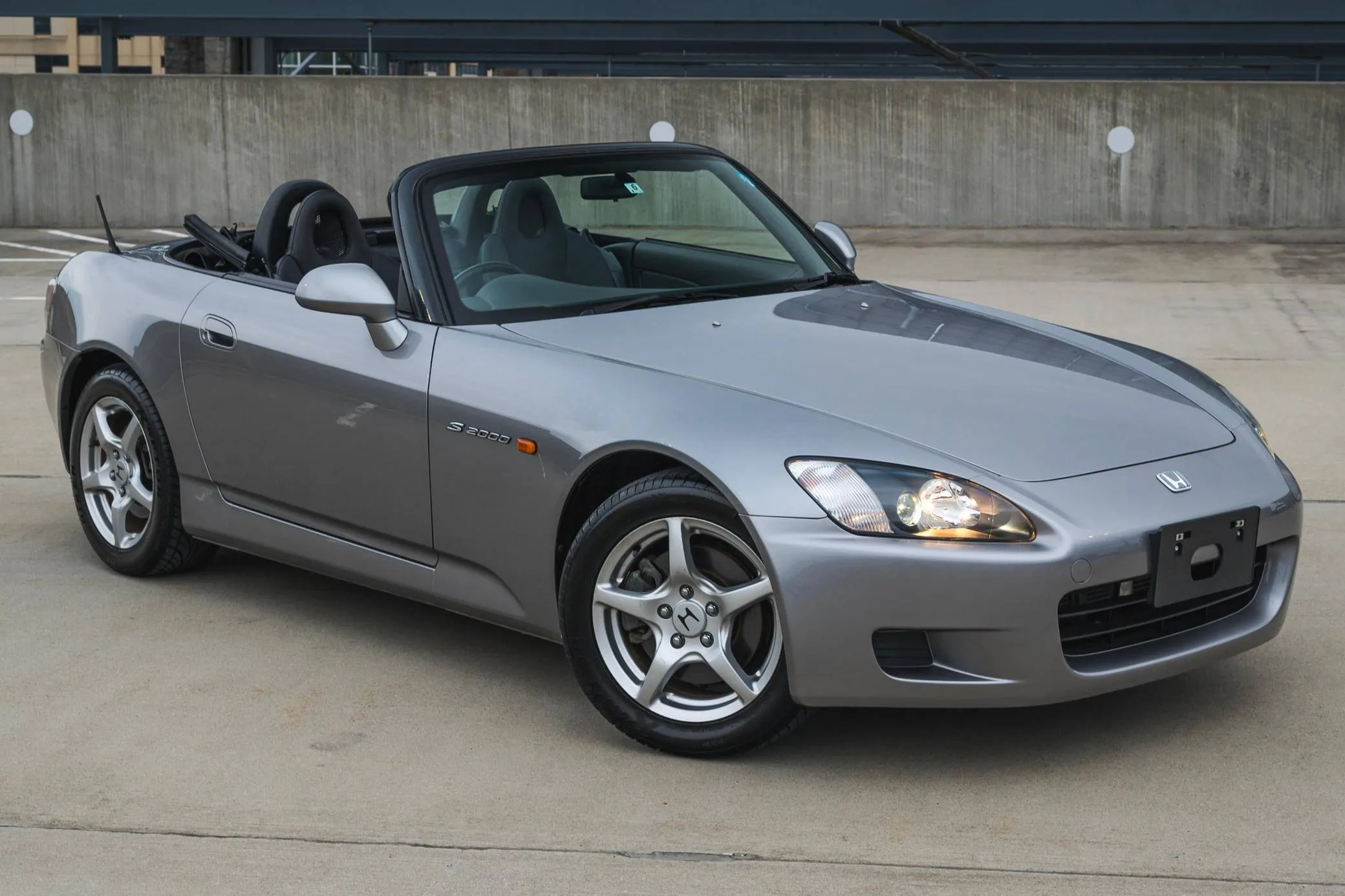
8. Honda S2000 AP1 1999 to 2003
Honda’s S2000 AP1 remains a benchmark for high-revving sports cars. Powered by a 2.0-liter naturally aspirated inline-four engine producing 240 horsepower, it offers exhilarating acceleration that builds linearly as the tachometer climbs toward its 9,000 RPM redline. This high-rev characteristic encourages precision, timing, and smooth throttle application, making the S2000 a teaching platform for driving finesse.
Chassis design emphasizes balance. Rear-wheel drive, a near 50:50 weight distribution, and double wishbone suspension at both ends provide agility, responsive turn-in, and composure in corners. Steering communicates effectively, allowing drivers to feel tire grip and adjust accordingly. Braking remains consistent under repeated use, enabling spirited cornering with confidence.
Interior layout reinforces the driver-focused ethos. Minimal distractions, supportive bucket seats, and ergonomic pedal placement allow the driver to focus entirely on the connection between inputs and vehicle response.
Soft-touch materials balance comfort with durability, and gauge clarity ensures critical performance data is always visible. Convertible functionality adds enjoyment for cruising without detracting from performance.
Engine and drivetrain durability benefit from Honda engineering. While high-rev operation requires respect, routine service keeps components reliable. Aftermarket options abound, with suspension, braking, and limited-slip differential upgrades enabling enthusiasts to extract more performance without compromising the core character of the car.
The AP1 S2000 teaches precision, patience, and commitment. Its mechanical purity rewards smooth, deliberate control rather than brute force. Drivers learn how rev range, chassis balance, and steering feedback intersect to create a connected driving experience.
Decades after its release, it remains a pure, thrilling example of a Japanese roadster designed to stay engaging through every mile.
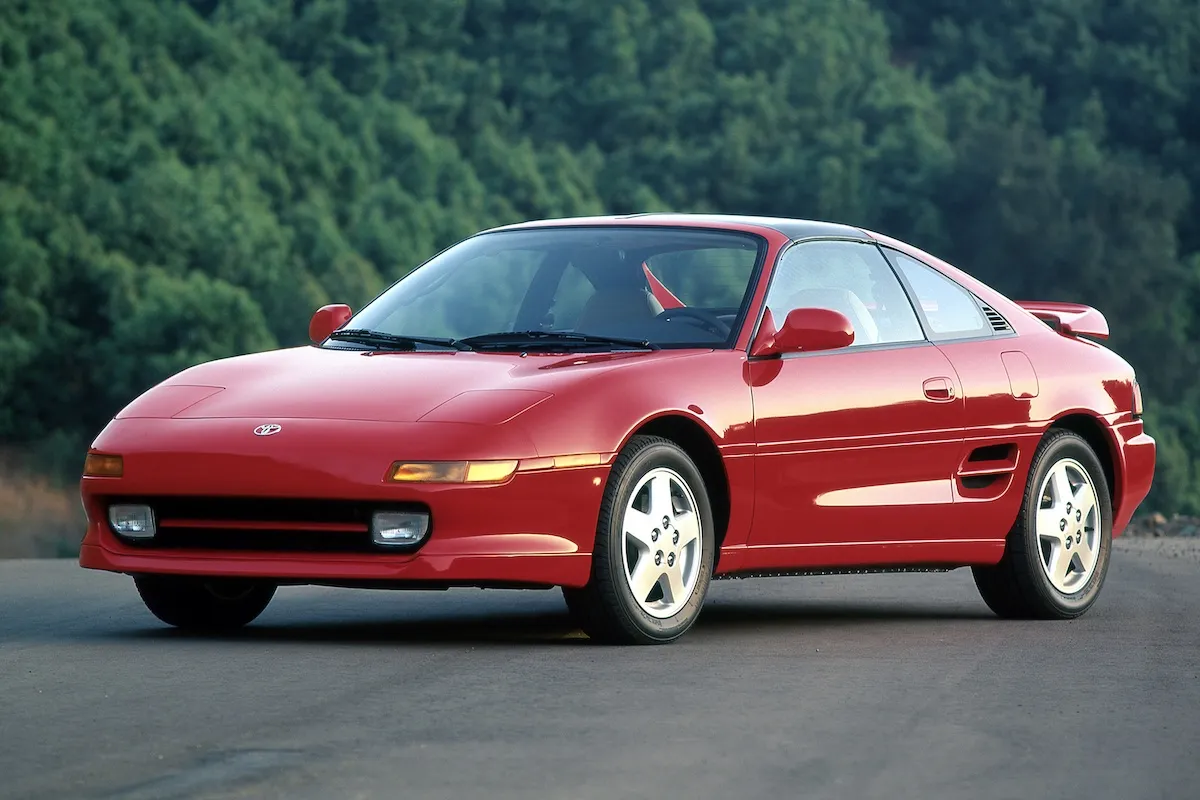
9. Toyota MR2 SW20 1990 to 1999
Toyota’s MR2 SW20 is a mid-engine roadster that delivers agile performance and precise handling. Its 2.0-liter turbocharged inline-four produces approximately 200 horsepower, allowing for quick responses in corners and exciting acceleration. The mid-engine layout places weight behind the cabin, producing a natural rotation tendency that encourages learning about vehicle balance and throttle control.
Suspension design includes double wishbones front and rear, offering compliance over uneven surfaces while retaining feedback during aggressive cornering. Steering provides communicative feedback, helping drivers understand grip limits. Brake performance is consistent, giving confidence during repeated high-speed maneuvers.
The interior is compact but driver-focused. Seats provide lateral support, controls are positioned logically, and gauges deliver performance information clearly. Visibility remains adequate for a sports car, and materials are durable for long-term use. Convertible or targa options enhance enjoyment while preserving performance characteristics.
Aftermarket support is strong. Turbo kits, suspension upgrades, and differential enhancements allow owners to tailor handling and power to personal preference. Reliability is achievable when turbo and engine maintenance are observed.
The MR2 rewards drivers with nimble agility and a balanced chassis, ideal for those seeking to experience mid-engine dynamics without excessive complication. Driving the SW20 emphasizes weight transfer, throttle modulation, and cornering precision.
Its combination of size, layout, and power makes it a rewarding platform for both road and track use. The MR2 remains an enduring example of how Japanese engineering can produce cars that remain fun and approachable decades after production.
Also Read: 10 Classic European Sports Cars That Still Make Smart Investments
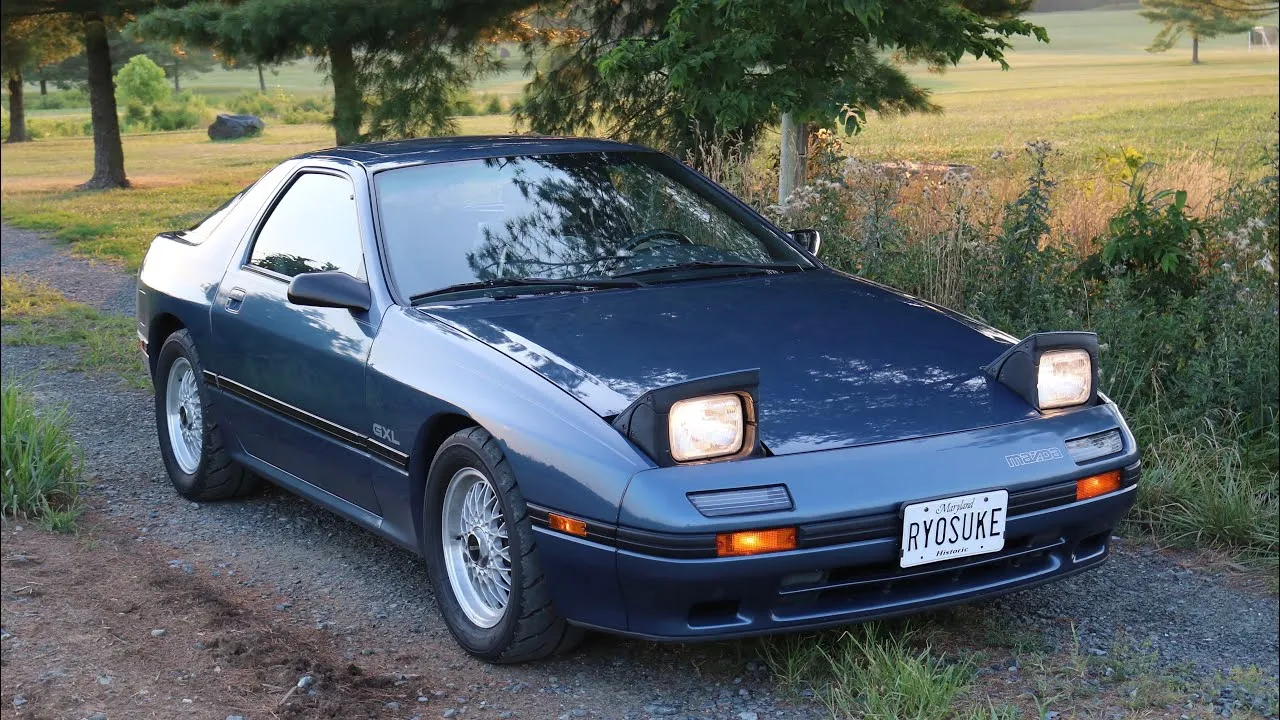
10. Mazda RX-7 FC 1986 to 1992
The Mazda RX-7 FC represents an evolution of the rotary formula, combining lightweight construction with a turbocharged 13B rotary engine. Producing around 200 horsepower in turbo models, it offers a linear powerband and high-revving performance, requiring precise throttle control to exploit its capabilities fully.
Its compact dimensions and low curb weight allow quick transitions through corners, making it both rewarding and engaging for enthusiasts. Chassis setup includes double wishbone suspension front and rear, ensuring balanced handling and predictable rotation.
Steering is precise, delivering clear feedback to the driver. Braking remains strong, providing repeatable performance for spirited cornering or track days. Its rear-wheel drive layout teaches control over oversteer and weight transfer, helping drivers refine technique.
Interior features are simple yet functional. Seats provide adequate support, controls are within reach, and gauges communicate critical information efficiently. Cabin noise allows connection with the rotary engine’s distinctive exhaust note, enhancing the driving experience without becoming fatiguing.
Aftermarket support remains extensive, with options for turbo upgrades, suspension modifications, and drivetrain enhancements readily available. Reliability improves when oil levels, cooling systems, and apex seals are monitored consistently.
The FC RX-7 rewards those willing to master high-rev dynamics, balancing power, light weight, and responsive handling. Driving this model emphasizes skill, precision, and timing. It introduces enthusiasts to the nuances of rotary engineering and rear-wheel drive dynamics while remaining accessible for daily enjoyment.
Decades after its introduction, the RX-7 FC continues to offer a driving experience that is thrilling, engaging, and distinctly Japanese, cementing its status as a timeless sports car.
