
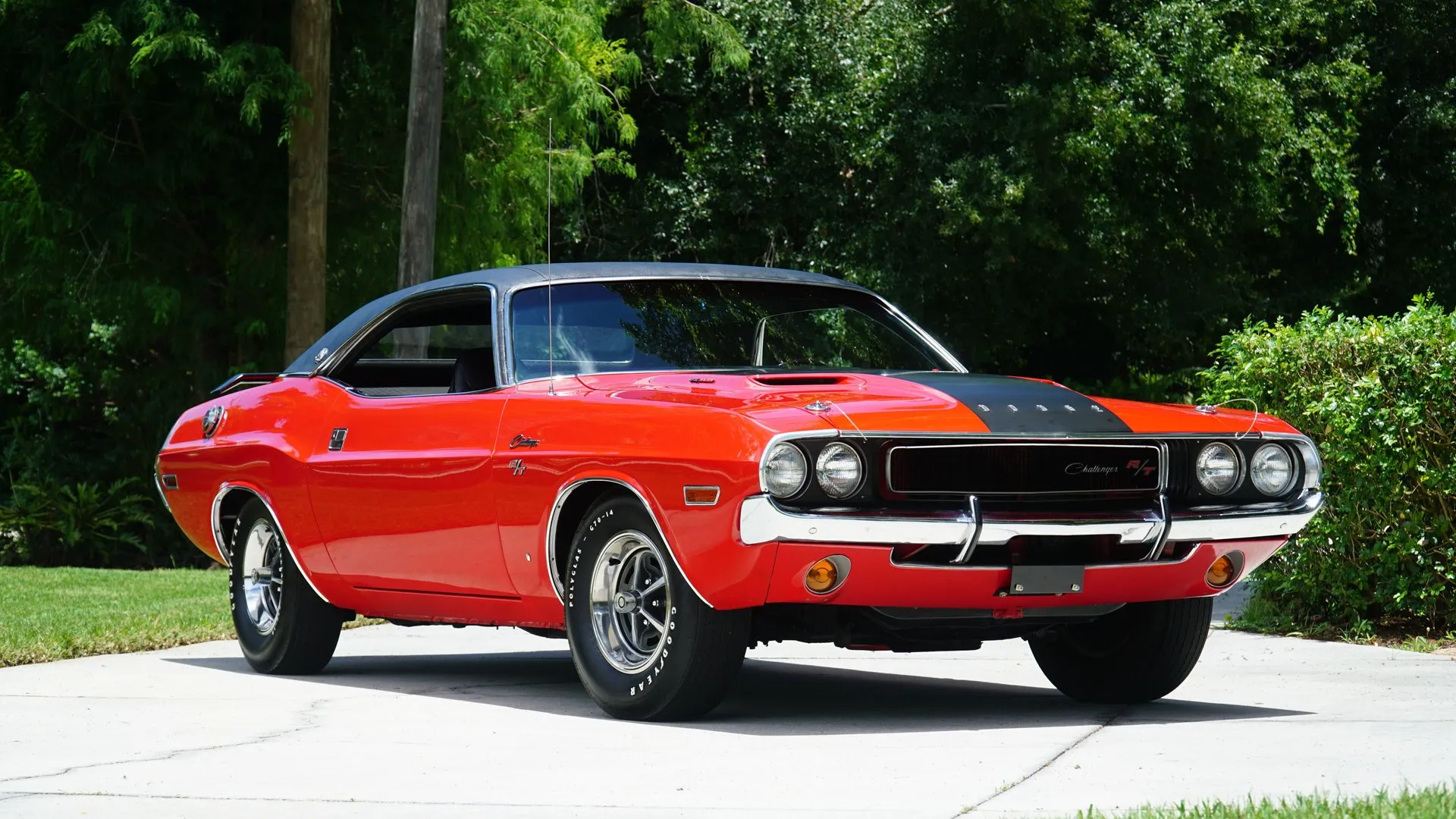
Manual transmissions have an enduring charm that transcends trends. In a world increasingly dominated by automatic gearboxes, the visceral connection between driver and machine that a stick move offers remains unmatched. The act of clutching, rev-matching, and shifting is not simply a mechanical process; it is a ritual that turns everyday driving into a performance experience.
Muscle cars, with their raw power and aggressive design, thrive on this interaction, giving drivers control over torque delivery, engine response, and rhythm. Muscle car enthusiasts argue that manuals preserve the aim of performance.
Every gear change shapes the character of acceleration, and every downshift invites a symphony of mechanical feedback.
Unlike automated transmissions that hide mechanical drama behind electronics, a manual encourages engagement, rewarding those who master timing, clutch control, and engine revs. This tactile involvement transforms a car from a tool for commuting into an instrument for excitement.
Collectibility also hinges on manual operation. While high-powered automatic variants can be fast, vehicles equipped with stick moves often carry greater historical respect. They represent an era when skill determined speed and driving pleasure was inseparable from mastery of the machine.
Each model on this list embodies that philosophy, offering proof that muscle car culture is inseparable from the timeless appeal of the manual transmission. Whether for spirited weekend drives, track days, or preservation in a garage, these cars continue to prove that stick moves remain relevant, engaging, and enduring.
This page highlights ten muscle cars that demonstrate the continuing value of manual transmissions. From early classics to later revivals, these vehicles combine iconic design, mechanical precision, and driving excitement. Each example offers a unique perspective on why stick moves matter and why enthusiasts continue to prize them.
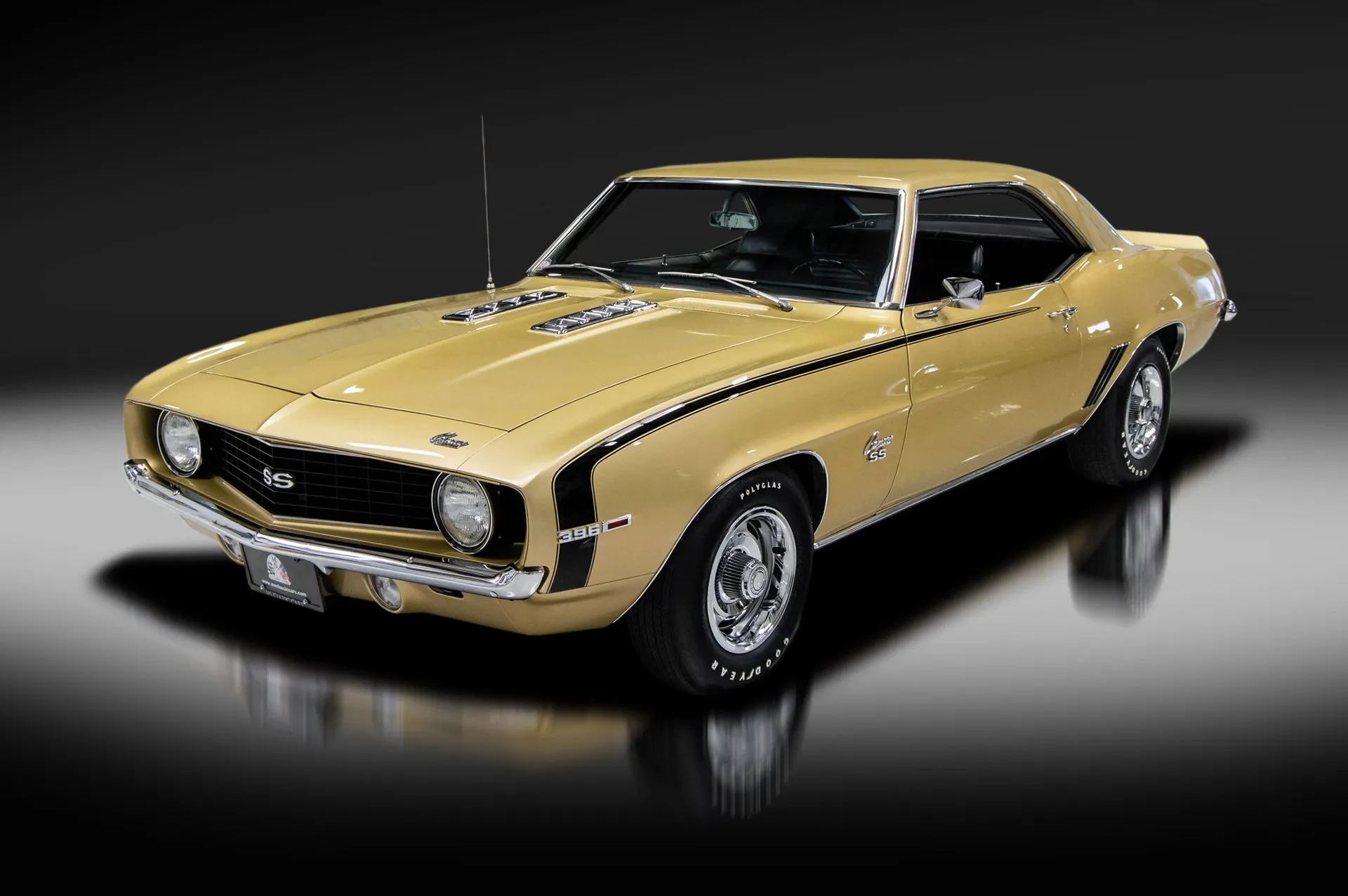
1. 1969 Chevrolet Camaro SS 396
The 1969 Chevrolet Camaro SS 396 epitomizes the golden era of American muscle, combining aggressive aesthetics with mechanical precision. Its long hood, short deck, and wide stance communicate power even while stationary, but the real magic emerges behind the wheel when paired with its four-speed manual transmission.
This gearbox was not merely a choice; it defined the car’s character, turning its potent V8 engine into an interactive thrill. Performance relies on simplicity and responsiveness. The 396 cubic-inch V8 produces strong torque throughout the rev range, but only a manual allows the driver to extract every nuance.
Each move requires judgment and timing, making acceleration and cornering a participatory experience. Enthusiasts often cite the tactile pleasure of clutch engagement and precise gear selection as part of the car’s lasting allure.
Engineering clarity extends to chassis design. Solid rear axle geometry and leaf springs complement the engine’s output, translating raw power into controlled motion. While comfort is secondary, the mechanical honesty of the SS 396 ensures predictable behavior, rewarding skillful handling and deliberate inputs.
Inside, the cabin balances function and flair. Simple gauges, straightforward controls, and supportive seating reinforce focus on the driving experience. Unlike modern vehicles overloaded with electronics, the Camaro’s interface emphasizes the connection between driver and machine.
Every move and gear change resonates through the pedals and steering wheel, producing an immersive experience rarely found today. Collector interest in the Camaro SS 396 thrives on originality and manual specification. Vehicles equipped with the four-speed gearbox are often the most desirable, representing a direct link to the muscle car ethos.
Their combination of style, performance, and driving engagement ensures they remain relevant decades after production ended, embodying the enduring appeal of the stick move.
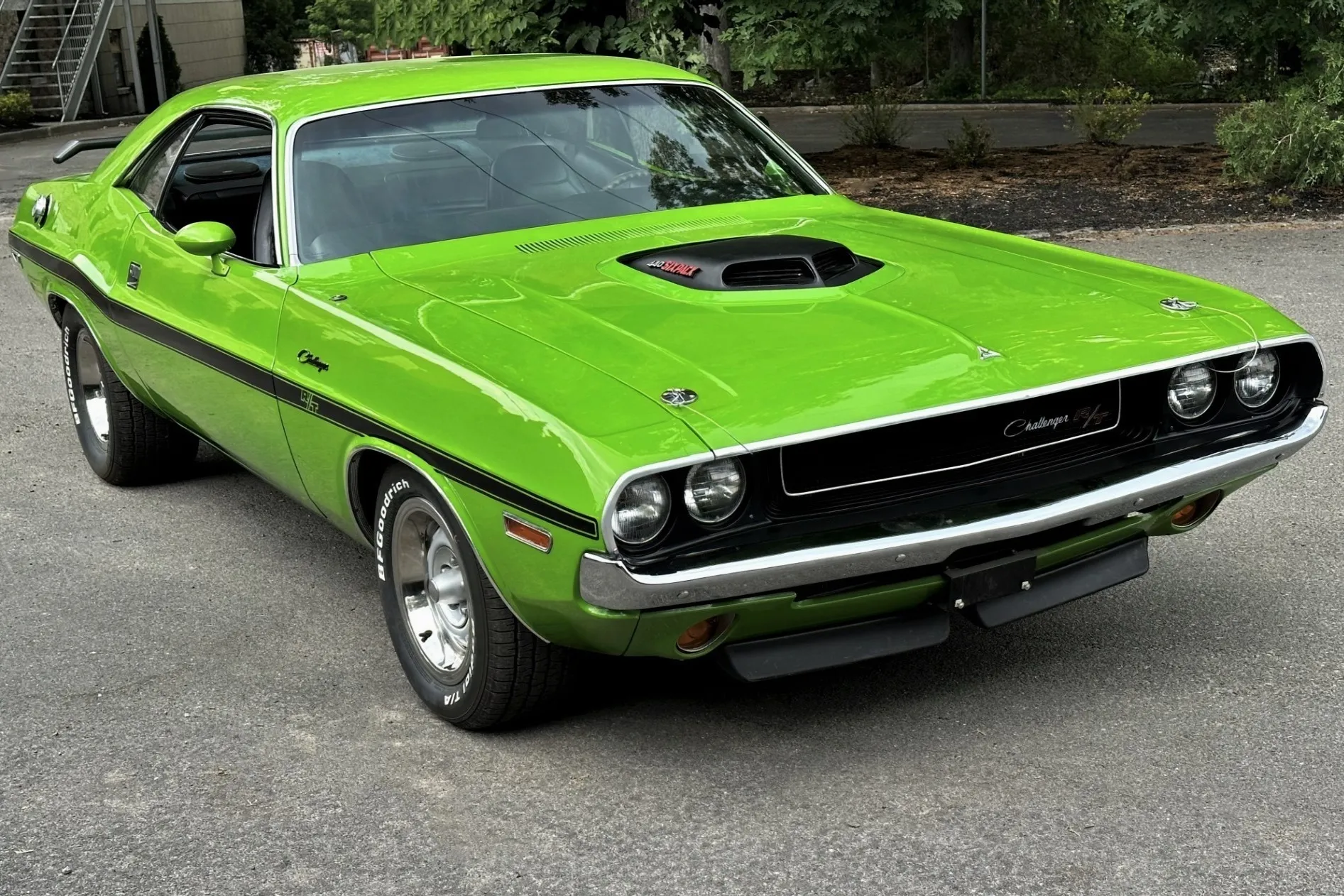
2. 1970 Dodge Challenger R/T 440
The 1970 Dodge Challenger R/T 440 delivers aggression in both design and performance. With broad shoulders, a commanding front grille, and an imposing hood scoop, the Challenger exudes confidence before ignition. Its four-speed manual transmission transforms raw power into a participatory experience, allowing drivers to dictate acceleration rhythm and control torque delivery in a way an automatic cannot replicate.
Mechanical dynamics balance brute force with driver interaction. The 440 cubic-inch Magnum V8 offers instant responsiveness, and clutch engagement requires precision to harness that output effectively. The manual allows drivers to orchestrate engine power deliberately, whether in spirited straight-line sprints or going through winding roads.
Unlike automatics that mediate power through electronics, the R/T demands attention, skill, and rhythm, rewarding those who master its mechanical language. Suspension tuning contributes to handling integrity. Heavy-duty springs and dampers complement the chassis, providing a firm yet predictable platform for cornering.
Road feedback communicates through the steering, allowing experienced drivers to sense weight transfer, grip limits, and throttle response intimately. This connection reinforces the R/T’s reputation as a driver-focused muscle car.
Inside, the cockpit emphasizes function and presence. Gauges are direct, controls are intuitive, and seating is designed to provide support under acceleration. Ergonomics was not about luxury but about facilitating precise control over the car’s powerful drivetrain. The manual gearbox, positioned for immediate access, ensures the driver remains an active participant throughout every journey.
Collector enthusiasm focuses on original examples with manual gearboxes. Limited numbers of four-speed R/T models make these particularly desirable, combining heritage, performance, and authentic driving experience. For those seeking visceral engagement and a lasting muscle car statement, the 1970 Dodge Challenger R/T 440 proves the manual transmission remains essential to the genre.
Also Read: Top 10 Muscle Cars That Make Surprisingly Good Daily Drivers
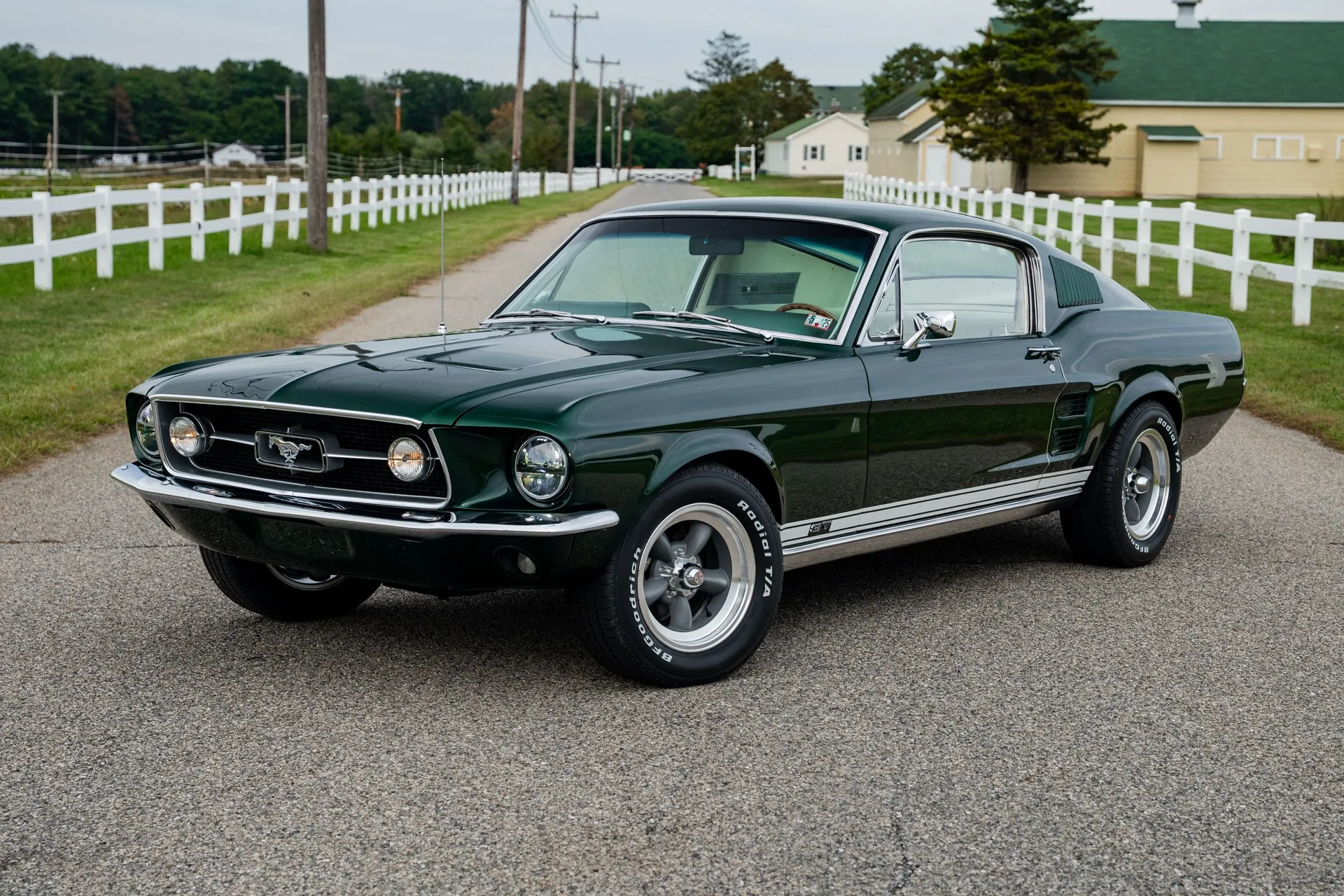
3. 1967 Ford Mustang GT 390
Few cars define American muscle like the 1967 Ford Mustang GT 390. Its distinctive styling, featuring a long hood, aggressive grille, and iconic badge, pairs with a driver-focused cockpit designed to host a potent V8 engine. The three-on-the-tree manual options and available four-speed floor move enhanced the connection between car and driver, but the four-speed remains most coveted by enthusiasts for control precision.
Power delivery stems from the 390 cubic-inch V8 engine, producing a blend of torque and responsiveness that rewards careful clutch work and timely gear selection. Drivers manipulate power through tactile engagement, with every move directly influencing acceleration curves and throttle response. This interactivity is part of why stick-equipped Mustangs remain highly prized among collectors.
Chassis geometry and suspension balance reinforce driver control. Front independent suspension with coil springs and rear leaf springs translates engine output into predictable motion. Steering feedback, weight transfer, and braking response communicate through the controls, making each drive an exercise in mechanical understanding. No electronic aids mediate the experience, enhancing authenticity.
Interior layout complements performance. Minimalist design emphasizes gauges, shifters, and pedals, creating a cockpit that directs attention to driving tasks. The tactile feedback from the clutch and gear lever is amplified by the cabin’s straightforward design, producing a sense of harmony between hand, foot, and machine.
Collectors and enthusiasts prize the four-speed GT 390 models, particularly those preserved with original components. These vehicles capture the aim of muscle car heritage, offering driving engagement that automatics cannot match. Their combination of aesthetics, mechanical purity, and manual control ensures relevance decades after introduction.
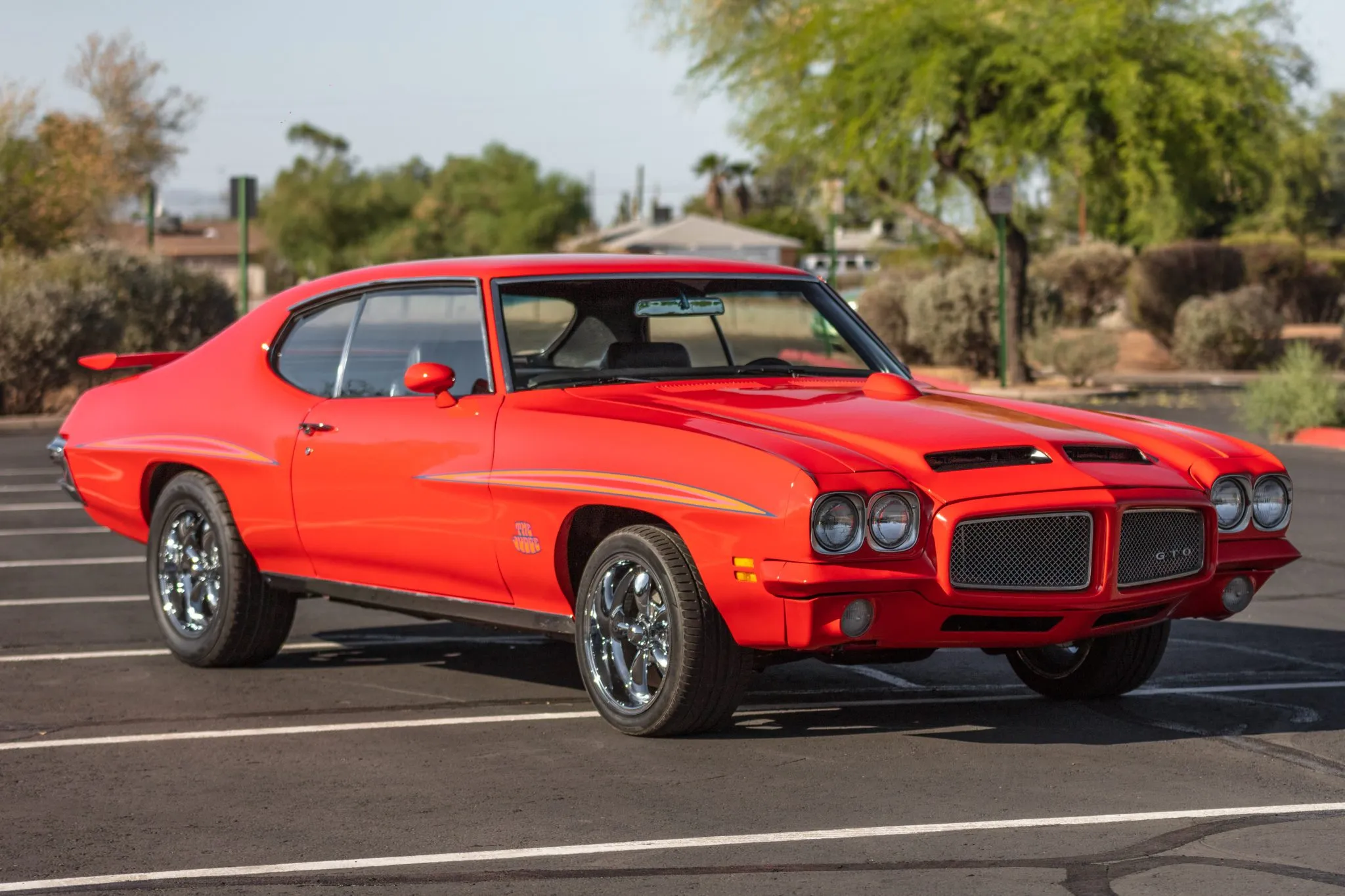
4. 1971 Pontiac GTO Judge
The 1971 Pontiac GTO Judge embodies audacity both visually and mechanically. Its bold colors, aggressive decals, and striking rear spoiler create an unmistakable presence, but it is the four-speed manual transmission that transforms it from a showpiece into a driver’s instrument. This gearbox delivers the tactile, hands-on experience that reinforces the GTO’s performance pedigree.
The 455 cubic-inch V8 engine produces formidable torque, requiring careful clutch modulation and gear timing to maximize acceleration. The manual provides control over power delivery, allowing skilled drivers to exploit every ounce of performance while maintaining engagement. Unlike automatics that insulate the driver, the GTO encourages active management of speed and engine response.
Suspension and chassis design support dynamic handling. Firm springs and well-calibrated dampers create a platform capable of translating engine output to road grip efficiently. Steering communicates weight moves, helping drivers anticipate traction limits and cornering behavior. This direct connection amplifies the sense of mastery and driving pleasure.
Inside, the cockpit balances visual style with functionality. Instrumentation is clear, controls intuitive, and seating is designed to provide stability under hard acceleration. The manual gearbox, with its precise lever placement, ensures constant interaction between driver and machine, enhancing the sensory experience of muscle car performance.
Collectors prize the Judge for its combination of rarity, originality, and mechanical engagement. Examples equipped with four-speed manuals stand out at auctions and shows, celebrated for their authenticity and visceral driving experience. The 1971 Pontiac GTO Judge demonstrates that stick moves continue to matter, embodying a connection between power, control, and enduring style.
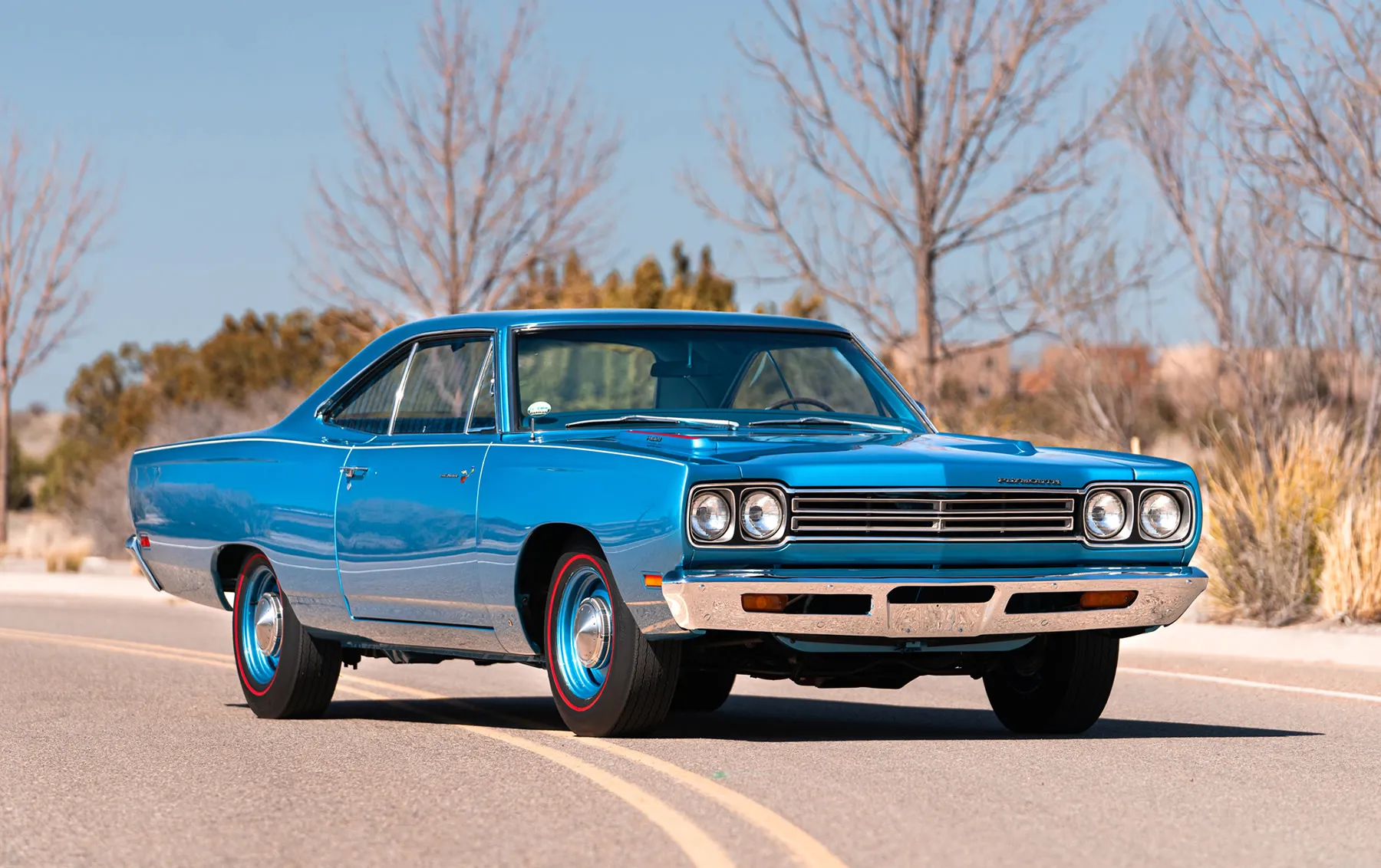
5. 1969 Plymouth Road Runner
The 1969 Plymouth Road Runner embraces minimalism and aggression, offering a raw, unfiltered muscle car experience. Its lightweight construction, bold styling, and functional aerodynamics communicate intent, while the four-speed manual gearbox provides the interface through which drivers can fully engage with the 383 or optional 426 HEMI V8 engines.
Mechanical simplicity and power delivery define the driving experience. The manual allows complete command over the engine’s output, enabling rev-matching, precise gear changes, and timing-dependent acceleration. Every input shapes performance, providing a level of engagement that automatics cannot replicate. The Road Runner’s reputation rests on this active participation.
Chassis and suspension design emphasize balance and predictability. Heavy-duty components and tuned geometry translate torque to motion effectively. Steering feedback, braking response, and suspension behavior communicate through tactile input, rewarding drivers who can read the car’s movements. This hands-on experience forms the heart of the Road Runner’s appeal.
Interior elements remain purposeful and functional. Gauges and controls prioritize information clarity and driver interaction. Seating is supportive but unpretentious, allowing focus to remain on mechanical engagement. The floor-mounted manual shifter reinforces connection, making every move a deliberate action contributing to performance enjoyment.
Collector interest remains robust, particularly for HEMI-equipped, manual variants. The combination of power, driving control, and iconic styling ensures that the 1969 Plymouth Road Runner continues to represent muscle car authenticity. Its manual transmission layout preserves the visceral engagement that defines the era, proving that manual transmissions remain essential to the genre.
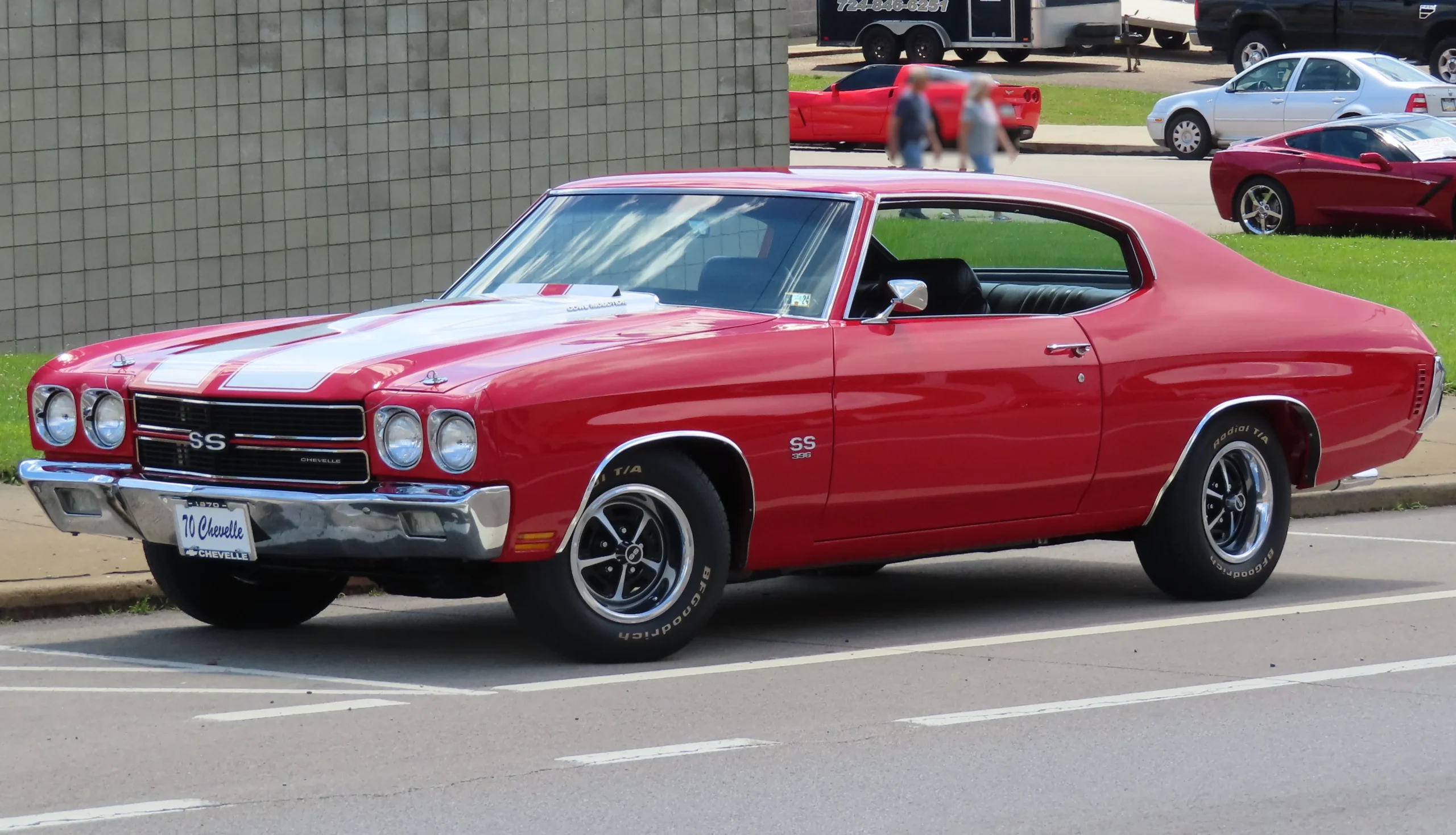
6. 1970 Chevrolet Chevelle SS 454
The 1970 Chevrolet Chevelle SS 454 stands as a pinnacle of muscle car power and driver engagement. Designed to combine aggressive performance with everyday usability, the Chevelle SS demanded interaction from its operator, and the four-speed manual transmission was central to that experience.
This gearbox provided more than just a method to change speed; it dictated how the driver connected with the vehicle’s monumental 454 cubic-inch V8 engine. Acceleration with the SS 454 is a deliberate, visceral process. Each move through the H-pattern transmission requires awareness of engine revolutions and clutch modulation, creating an intimate dialogue between man and machine.
The massive torque generated by the big-block engine means that every downshift and upshift shapes not only acceleration but also the character of the ride. A careful driver can exploit the engine’s output to maintain momentum through curves, while inexperienced operators quickly feel the engine’s assertive nature.
The suspension layout complements the raw power without diluting feedback. Heavy-duty springs, solid axles, and supportive shocks provide a predictable yet firm platform that rewards precise throttle application and controlled cornering.
Steering communicates weight and load moves, and braking behavior responds naturally to input. This transparency ensures the car behaves as an extension of the driver’s intent rather than as a mediated machine. Cabin design reinforces the driving experience.
Simple, well-placed instrumentation, direct pedal travel, and seating that holds the driver during aggressive launches combine with a floor-mounted manual shifter to focus attention on control. Unlike vehicles burdened with electronics or automatic systems, the Chevelle encourages tactile engagement. Each hand movement and foot motion matters, creating a continuous relationship between control and output.
Collector appreciation often centers on originality and the presence of the manual transmission. While many Chevelles were fitted with automatics for convenience, those equipped with the four-speed are more highly prized for their connection to the era’s performance ethos.
The 1970 Chevelle SS 454 demonstrates how raw American power can coexist with driver skill, proving that manual transmissions remain essential to understanding and enjoying classic muscle cars fully.
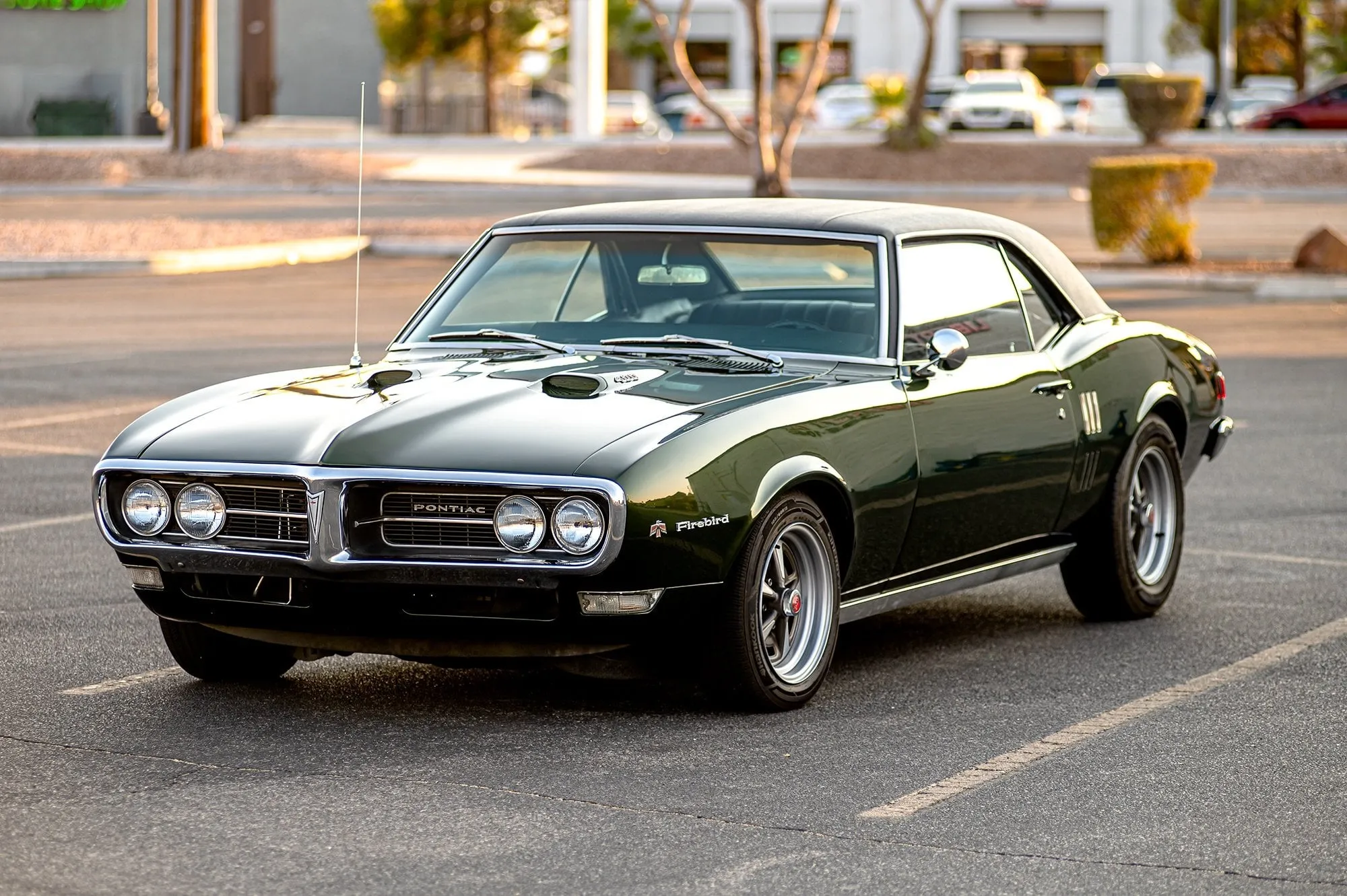
7. 1968 Pontiac Firebird 400
The 1968 Pontiac Firebird 400 combined elegance, aggression, and driver-focused engineering into a single package. Its flowing lines and assertive front grille give the car a commanding stance, but it is the four-speed manual transmission that transforms presence into engagement.
This manual transmission model requires deliberate interaction, turning acceleration, deceleration, and gear selection into a measured exercise of skill. Under the hood, the 400 cubic-inch V8 engine delivers both torque and responsiveness. Unlike automatics that deliver power passively, the manual allows drivers to extract the engine’s potential in increments, creating a connection between revs, road feel, and output.
Precision clutch use and gear timing amplify performance in a way that fosters confidence and satisfaction with every motion. Driving a Firebird 400 with a manual is an exercise in rhythm and coordination, as each move directly influences the acceleration curve and the total momentum.
Chassis design supports dynamic driving. Coil springs up front and leaf springs at the rear produce a compliant yet communicative platform. Steering feedback is immediate, and suspension movement is transmitted clearly to the driver, allowing subtle adjustments during spirited driving. This transparency strengthens the bond between human input and machine response, reinforcing why stick moves remain integral to classic muscle car experiences.
The interior embodies simplicity and focus. Functional gauges, tactile controls, and seating designed to maintain posture under acceleration support the mechanical engagement of the vehicle. The floor-mounted shifter positions the driver as an active participant, emphasizing control over raw horsepower rather than delegating it to automated systems.
Collectibility of the 1968 Pontiac Firebird 400 reflects the rarity of well-maintained manual examples. Enthusiasts prize models with authentic four-speed transmissions for the driving experience they preserve. The combination of styling, mechanical honesty, and manual transmission interaction ensures that the Firebird 400 continues to exemplify why manual muscle cars remain culturally and mechanically relevant decades after production.
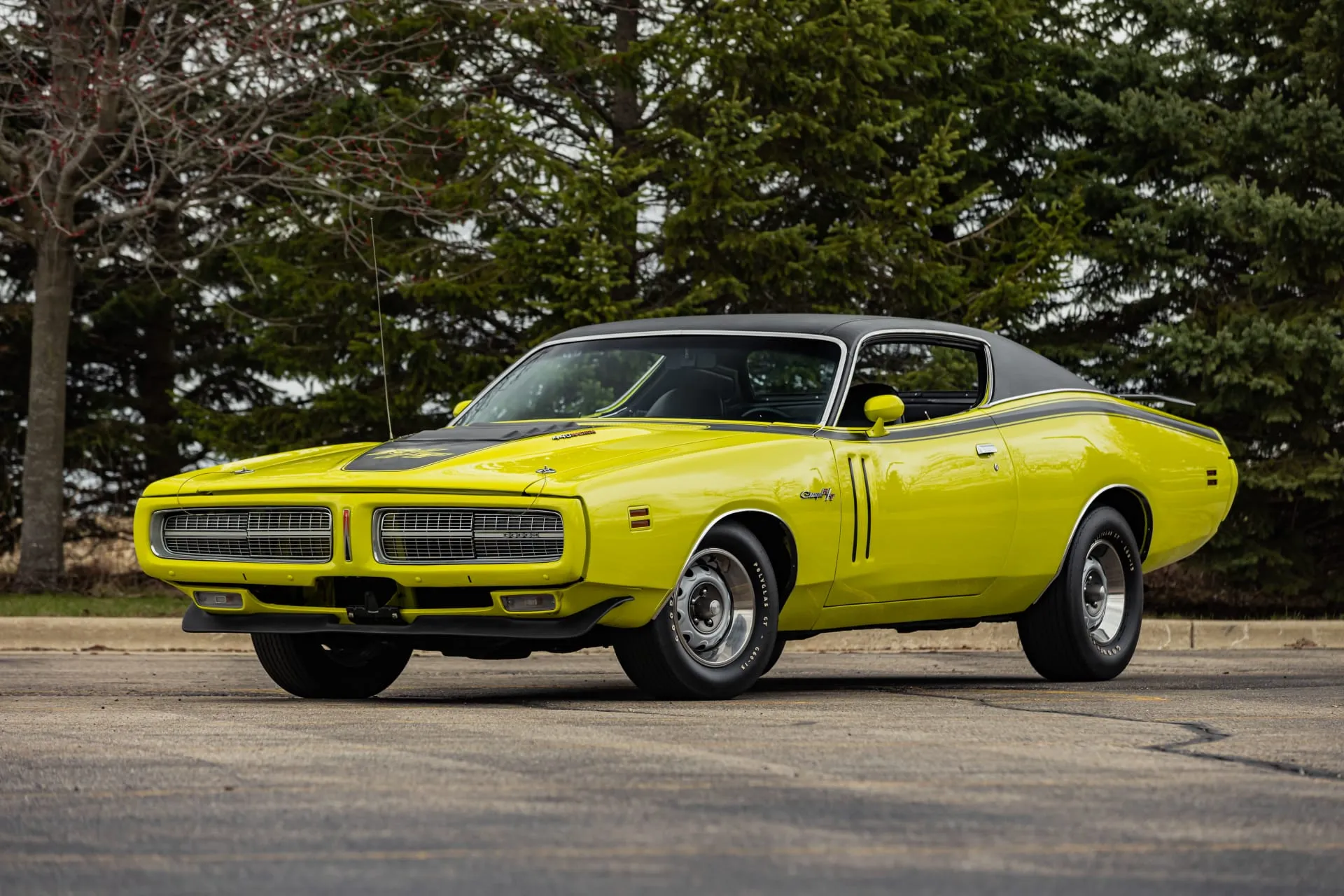
8. 1971 Dodge Charger R/T
The 1971 Dodge Charger R/T is widely remembered for its aggressive design, powerful engine options, and its connection to American performance culture. The four-speed manual transmission raises its status, making it more than a high-horsepower cruiser; it transforms it into a driver-focused machine. Each gear change requires deliberate attention, linking clutch operation, engine revolutions, and throttle input into a seamless performance experience.
Power derives from the 440 or optional 426 HEMI V8 engines, both of which produce formidable torque and high-rev output. Skillful operation of the manual transmission allows drivers to harness this force efficiently, adjusting speed and acceleration with precision.
Downshifts provide immediate response, while upshifts demand rhythm to maintain momentum. This tactile involvement ensures that the Charger remains engaging at both city speeds and on open roads. Handling dynamics are shaped by suspension geometry and chassis rigidity.
Leaf springs and heavy-duty shock absorbers offer a firm, communicative ride that reacts to driver input without surprises. Steering transmits road texture and vehicle motion directly, allowing subtle corrections and confident cornering. A four-speed manual amplifies these responses, making the experience inherently interactive.
The cabin is designed to complement driving engagement. Well-positioned gauges, direct-access controls, and bucket seats create a cockpit oriented around control rather than luxury. The floor-mounted shifter enhances connection to the engine and transmission, reinforcing the sense that the driver is orchestrating every aspect of performance.
Collector interest focuses on manual-equipped Chargers, particularly those in R/T trim with original engines. These examples combine historic styling, raw American power, and a driving experience defined by hands-on control. The 1971 Dodge Charger R/T demonstrates that the manual transmission muscle car remains a benchmark for engagement, authenticity, and enduring appeal.
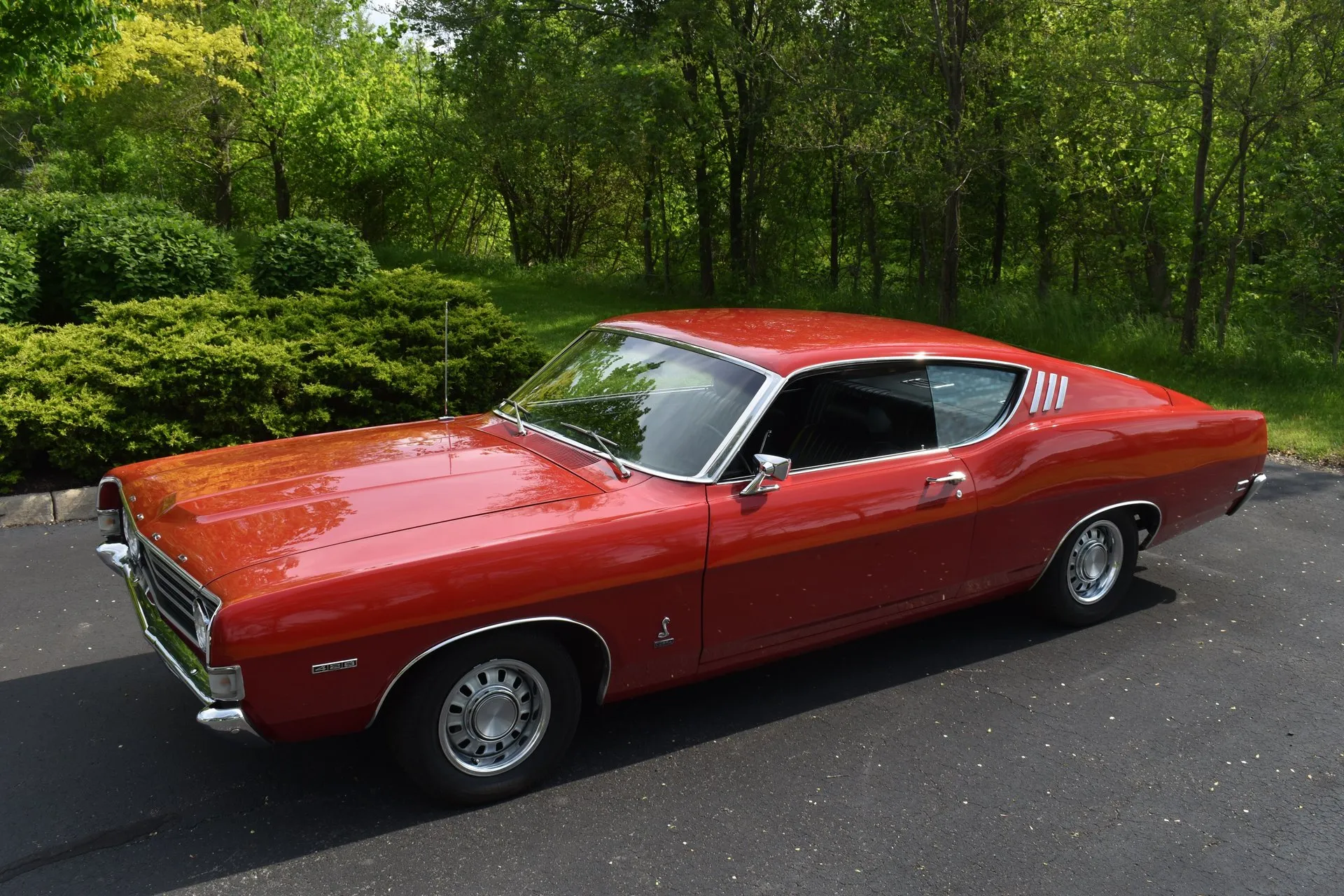
9. 1969 Ford Torino Cobra
The 1969 Ford Torino Cobra blends sleek design with aggressive mechanical intent. Its fastback roofline, muscular fenders, and racing-inspired stance suggest capability, but the four-speed manual transmission is what transforms potential into experience.
Clutch control, gear selection, and throttle timing are essential for harnessing the potent 428 Cobra Jet V8, creating a dialogue between driver and machine that is absent in automatic counterparts. Acceleration benefits from this active approach.
The Cobra Jet produces instant torque, and the manual gearbox allows for modulation that maximizes performance while maintaining control. Each gear engagement is a calculated decision, rewarding skill with enhanced speed, cornering efficiency, and engine responsiveness. Precision and timing amplify the car’s ability to deliver exhilarating performance consistently.
Chassis and suspension design promote stability under aggressive driving. Heavy-duty springs, shock absorbers, and strong axles translate engine power to road traction effectively. Steering feedback communicates vehicle behavior, helping drivers sense load moves and adjust accordingly. These qualities, paired with a manual transmission, make the Torino Cobra both thrilling and predictable.
Inside, the cockpit is practical and focused. Instruments are straightforward, controls intuitive, and seating is designed to hold the driver under acceleration. The floor-mounted shifter emphasizes engagement, ensuring the driver is an active participant in every movement.
Collectors highly prize manual-equipped Torino Cobras. Authentic examples, especially those retaining original engines and trim, command attention at shows and auctions. Their combination of performance, style, and interactive driving reinforces why manual transmission muscle cars continue to define a unique era of automotive culture.
Also Read: Top 10 V8 Muscle Cars That Defined America’s Horsepower Era
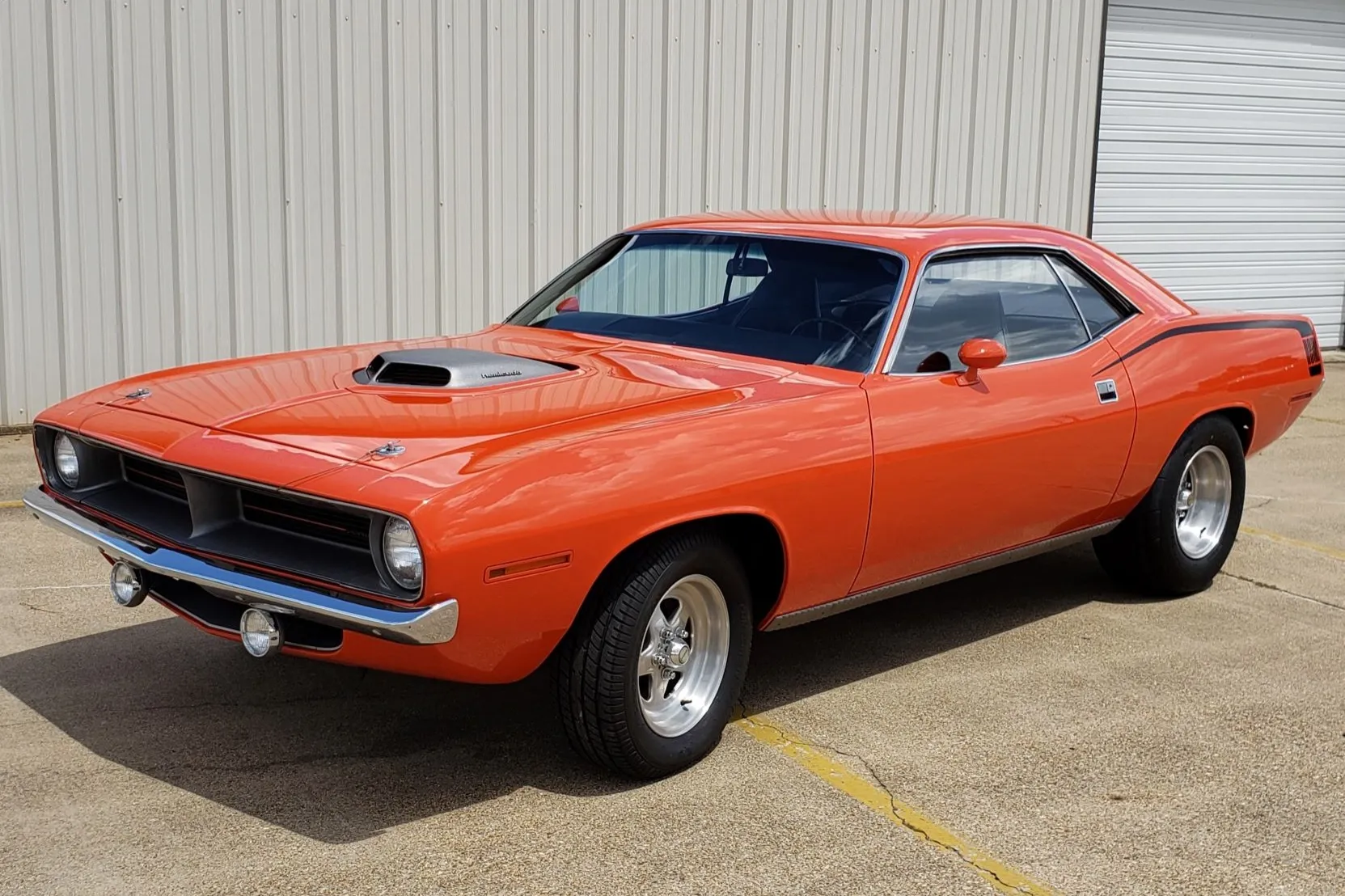
10. 1970 Plymouth Barracuda HEMI
The 1970 Plymouth Barracuda HEMI represents a fusion of extreme power and driver-focused engagement. With aggressive lines, a compact fastback body, and a distinctive front fascia, the car signals performance intent. Its four-speed manual transmission provides the interface through which this intent becomes tangible, converting the 426 HEMI engine’s raw energy into controlled, skillful acceleration.
Power delivery is direct and assertive. The manual allows drivers to match engine speed to throttle input precisely, offering control over launch, cornering, and high-speed driving. Downshifts produce immediate engine response, while upshifts require timing to maintain optimal performance. This connection ensures that the driving experience remains fully participatory and engaging.
Suspension and chassis components emphasize stability and road communication. Heavy-duty leaf springs, coil-equipped front end, and shock absorbers provide a firm platform that responds predictably to input. Steering feedback is clear, allowing drivers to anticipate weight transfer and grip limits, making the Barracuda responsive and enjoyable in hands-on driving.
The interior combines function with driver-oriented design. Gauges, controls, and seating prioritize interaction with mechanical systems. The floor-mounted shifter encourages precision and coordination, making the driver the central agent in performance. Comfort takes a backseat to engagement, reinforcing the car’s identity as a driver-focused machine.
Collector demand for four-speed HEMI Barracudas is intense. Original, preserved examples command attention for both rarity and their embodiment of classic muscle car philosophy. The 1970 Plymouth Barracuda HEMI demonstrates that manual transmission mastery is not merely a nostalgic preference but a central aspect of muscle car enjoyment and a lasting legacy.
