

Automotive progress has never followed a smooth or predictable path. Breakthroughs often appeared when engineers ignored accepted limits and questioned long-held assumptions. Some vehicles forced manufacturers to rethink how cars were built, while others changed how people understood mobility itself.
These moments did not arrive quietly. They arrived through machines that challenged habits, unsettled competitors, and pushed technology forward in ways that could not be ignored. Engineering change does not always depend on raw speed or luxury.
Sometimes it begins with manufacturing methods. Other times it starts with packaging ideas, safety thinking, or energy efficiency. What matters most is influence. A truly transformative car leaves marks far beyond its production run. Its ideas spread, adapt, and become part of everyday vehicles years later.
This page focuses on ten automobiles that redirected automotive engineering in lasting ways. Each model introduced ideas that reshaped how cars were designed, built, or driven. These were not minor improvements or styling experiments. They were engineering statements that altered expectations across the industry.
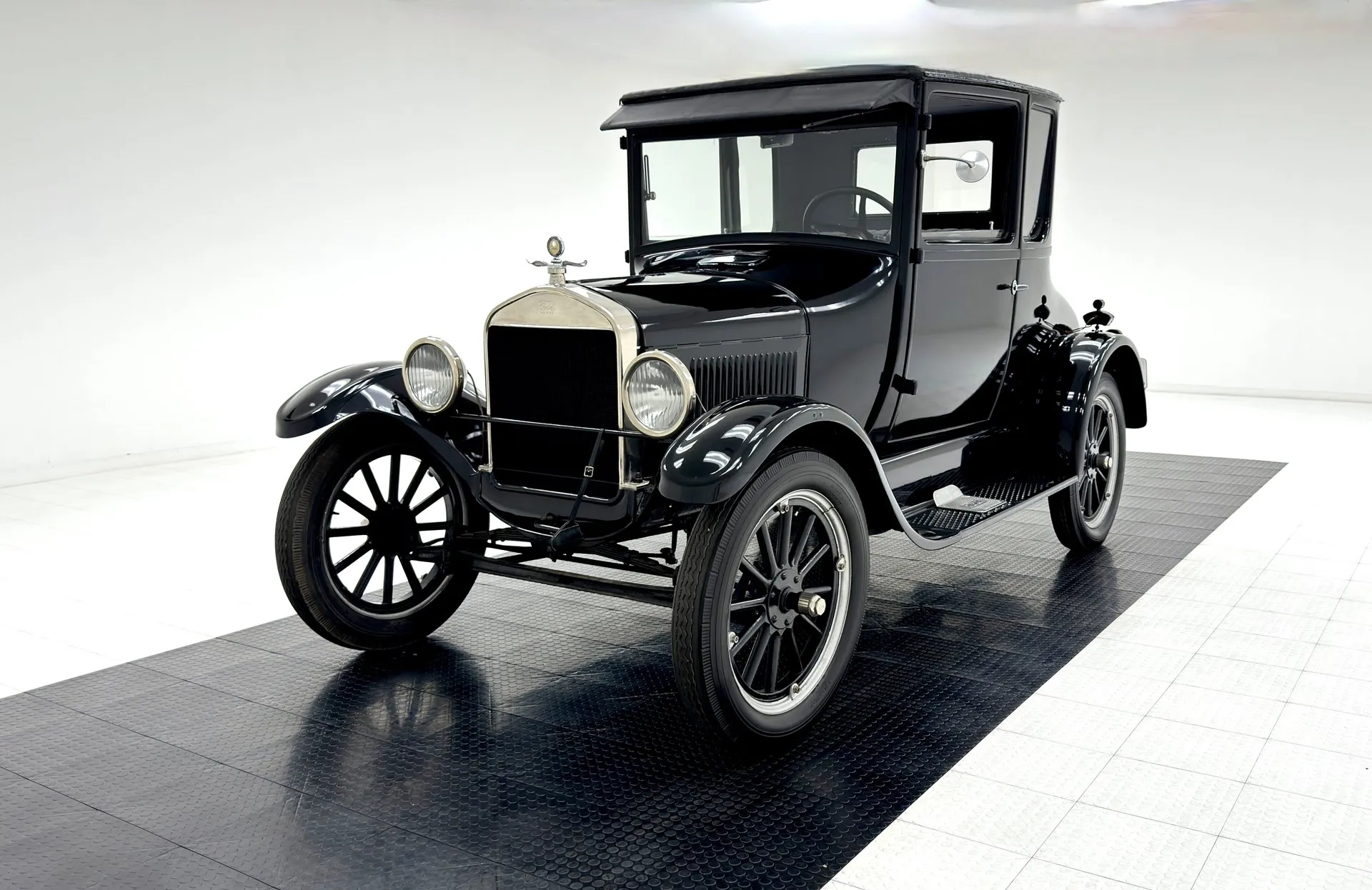
1. Ford Model T
Engineering history changed direction with the Ford Model T, not because of advanced performance or luxury, but because of how it was conceived and produced. Introduced in 1908, this vehicle was engineered with affordability and durability as primary goals. Those priorities forced engineers to simplify design, rethink materials, and focus on consistency rather than customization.
Mechanical layout favored ease of use. The four-cylinder engine delivered modest power but exceptional reliability. A planetary transmission allowed drivers with little experience to operate the car confidently. Suspension design tolerated rough, unpaved roads, acknowledging real driving conditions rather than ideal environments. These decisions broadened access to personal transportation.
Manufacturing innovation defined its influence. Moving assembly lines transformed production efficiency, reducing build time dramatically. Engineers began designing parts with assembly speed in mind, aligning mechanical simplicity with industrial flow. Interchangeable components allowed repairs without skilled labor, reinforcing reliability across wide regions.
Material science also played a role. Use of vanadium steel improved strength without excessive weight. This choice supported durability while keeping costs controlled. Engineers learned to balance performance needs with mass production realities, a lesson that still shapes automotive design.
The Model T reshaped society by making cars accessible to average families. That social change forced further engineering development, including road infrastructure and fuel distribution. Automotive engineering priorities shifted toward scalability, serviceability, and durability.
Its legacy lives on in modern production systems and design philosophy. The idea that engineering must support mass accessibility remains central to vehicle development today. The Ford Model T proved that engineering impact depends as much on production thinking as mechanical design.

2. Citroen Traction Avant
Citroen challenged automotive norms with the Traction Avant, a vehicle that introduced engineering solutions far ahead of its time. During an era dominated by body-on-frame construction and rear wheel drive, this car adopted a unibody structure paired with Front Wheel Drive, changing how engineers approached packaging and safety.
Unibody construction merged the body and chassis into a single structure, improving rigidity while reducing weight. This allowed lower ride height and improved handling stability. Engineers gained freedom to design vehicles with better proportions and interior space without compromising strength.
Front Wheel Drive placement transformed the cabin layout. Removing the driveshaft tunnel lowered the floor and improved passenger comfort. Traction improved in poor weather, enhancing stability without additional hardware. Suspension geometry required careful development to manage steering forces, advancing front suspension engineering.
Independent front suspension improved ride quality and handling precision. Hydraulic braking systems delivered stronger, more reliable stopping power than mechanical alternatives. These systems demanded higher manufacturing precision, raising engineering standards.
Development costs nearly bankrupted Citroen, yet the engineering influence proved lasting. Today, unibody construction and Front Wheel Drive dominate passenger vehicles across segments. This car demonstrated how structural and layout decisions could redefine comfort, safety, and efficiency.
The Traction Avant changed how engineers evaluated vehicle architecture. It proved that bold foundational choices could reshape the entire industry, even when financial risk followed.
Also Read: Top 10 Mazda Cars Every Enthusiast Must Drive Once

3. Volkswagen Beetle Type 1
The Volkswagen Beetle Type 1 reshaped small car engineering through durability-focused design. Created with simplicity in mind, it relied on clever solutions rather than advanced technology. These choices allowed it to succeed across climates, road conditions, and decades.
Rear-mounted air-cooled engine design eliminated the need for a radiator, reducing maintenance requirements. Fewer components meant fewer failures. Cooling consistency supported operation in extreme temperatures, making the car suitable for global markets.
Weight distribution favored traction, especially on poor roads. Independent suspension using torsion bars delivered comfort and durability. This layout reduced space requirements while maintaining control.
Manufacturing philosophy emphasized standardization. Identical components across production plants allowed global assembly with minimal variation. Engineers learned to design vehicles that supported long-term production rather than short market cycles.
The Beetle influenced thinking around longevity and reliability. Automotive engineering adopted lessons related to simplicity, serviceability, and modular design. Many modern vehicles still reflect these principles in cost-conscious segments.
This car demonstrated that engineering success does not depend on constant change. It proved that a well-executed design could remain relevant for generations.

4. Mini Cooper Mark I
Revolutionary thinking shaped the design of the Mini Cooper Mark I, which was introduced in 1959. At a time when fuel shortages were a pressing concern, engineers sought solutions that maximized efficiency without sacrificing passenger comfort or interior space. Rather than reducing the size of the vehicle at the expense of usability, they implemented a transverse engine layout with the transmission positioned beneath the engine.
This arrangement freed cabin space, allowing for seating and storage areas that were unusually generous for a vehicle of its compact dimensions. The approach demonstrated that intelligent engineering could resolve practical challenges while maintaining a pleasurable driving experience.
The decision to employ Front Wheel Drive further enhanced interior space and vehicle performance. By removing the need for a central driveshaft, engineers created a flat floor, improving passenger comfort and cargo utility. Suspension design also received careful attention.
Rubber cone suspension replaced traditional coil or leaf springs, delivering sufficient ride control while occupying minimal space. This required precise material selection and innovative engineering, ensuring that comfort and handling were not compromised in a compact package.
Handling characteristics became one of the Mini Cooper’s most celebrated features. Its short wheelbase, low centre of gravity, and light curb weight produced exceptional agility, allowing it to outperform larger vehicles in tight urban settings and winding roads.
These handling advantages were reinforced by competitive success in motorsport, validating the engineering choices and demonstrating that intelligent design could provide performance without relying solely on engine power. The car’s responsiveness and predictable behaviour earned it a reputation for driving enjoyment rarely associated with small economy vehicles of that era.
Manufacturing strategy complemented the engineering innovations. Simplified construction and a reduced parts count minimized production costs and allowed for faster assembly. These efficiencies did not compromise the integrity or durability of the vehicle.
Engineers proved that a small car could be practical, economical, and enjoyable to drive without resorting to complicated or expensive components. The combination of smart design, efficient use of space, and thoughtful engineering created a benchmark for future compact vehicles.
The Mini Cooper Mark I has left a lasting legacy. Transverse engine layouts and front wheel drive configurations continue to dominate small car design across the automotive industry. Its innovative packaging, efficient use of interior space, and superior handling reshaped expectations for compact vehicles.
Modern small cars owe much of their architecture and driving philosophy to the lessons demonstrated by this model, which remains a reference point for both engineering ingenuity and practical design.

5. Toyota Prius First Generation
Hybrid engineering gained widespread recognition with the introduction of the first-generation Toyota Prius. Launched in the late 1990s, this vehicle presented a carefully developed dual power system intended for regular daily use rather than experimental demonstration.
Engineers were required to integrate internal combustion and electric propulsion in a manner that supported reliability, smooth operation, and long-term ownership expectations. This approach demanded disciplined system coordination, precise energy control, and careful calibration across all driving conditions.
The relationship between the petrol engine and electric motor was engineered to function cooperatively rather than competitively. During low-speed travel, electric propulsion reduced fuel consumption and noise. At higher speeds, the combustion engine assumed primary responsibility while receiving support from the electric system when required.
Regenerative braking converted deceleration into stored electrical energy, reducing waste and improving efficiency without altering driver behaviour. Battery design posed considerable challenges. Engineers adopted conservative charging and discharge limits to preserve longevity.
Thermal regulation systems ensured stable operating temperatures, protecting components from degradation. These decisions placed durability ahead of aggressive performance targets, reinforcing trust in the technology and supporting long service life across diverse climates.
Aerodynamic shaping contributed meaningfully to efficiency goals. Body contours reduced air resistance while maintaining passenger comfort and interior space. Lightweight materials were selected with care, balancing structural protection with reduced energy demand.
Software emerged as a central engineering tool, managing power distribution, braking recovery, and system transitions with minimal driver awareness. Market response encouraged broader investment in alternative propulsion.
Manufacturers across multiple regions accelerated development of hybrid systems, applying lessons learned from this early implementation. Powertrain engineering began to prioritise energy management, electronic integration, and emissions reduction alongside traditional mechanical concerns.
The influence of the first-generation Prius remains visible in present-day vehicle development. Hybrid and electric platforms now benefit from principles established during their creation. Toyota demonstrated that advanced energy systems could operate reliably within ordinary transport routines, altering engineering priorities and opening a path toward more efficient mobility without disrupting established driving habits.
Adoption of this model also encouraged regulatory bodies to reconsider emissions benchmarks and testing procedures. Educational institutions referenced their systems when teaching modern vehicle engineering.
By proving practical application beyond laboratory settings, the car strengthened confidence in transitional technologies and prepared manufacturers, suppliers, and service networks for gradual electrified transport adoption across mainstream automotive production lines worldwide. This influence continues through training, policy development, and design planning.

6. Mercedes-Benz S Class W140
Engineering ambition reached a new level with the Mercedes-Benz S Class W140, a flagship sedan developed during a period when cost control took a back seat to technical excellence. Released in the early 1990s, this model arrived as a statement of what was possible when engineers were allowed to pursue refinement, safety, and durability without compromise. Every system received attention, from structural design to electronic integration.
Body construction focused on rigidity and occupant protection. Thick steel panels, reinforced pillars, and carefully engineered crumple zones created a shell that raised safety expectations across the industry. Double-pane windows improved insulation, reducing noise while improving climate control efficiency. Door closing assist systems addressed usability in a way few had considered before.
Electronics played a major role. Stability control, advanced traction systems, and adaptive transmission logic worked together to support driver confidence. Climate control systems introduced multi-zone regulation with sensors capable of adjusting airflow automatically. These ideas shaped expectations for luxury vehicles and filtered into mainstream segments in later years.
Powertrain engineering emphasized smoothness and longevity. Inline six, V8, and V12 options delivered quiet operation under varied conditions. Cooling systems received extensive development to handle heat management reliably. Suspension design focused on ride isolation without sacrificing control, using multi-link layouts refined through extensive testing.
Interior engineering also left a lasting mark. Seat design prioritized posture and comfort during extended use. Controls followed logical placement rather than visual trends. Materials selection favored durability alongside refinement, allowing cabins to age gracefully.
This vehicle changed how manufacturers approached flagship development. Engineering leadership became a competitive advantage rather than a background process. Many features introduced here later appeared across the automotive spectrum, proving how one ambitious sedan reshaped expectations for safety, comfort, and technical depth.

7. Honda NSX 1990 Model
Aluminum construction entered mainstream performance engineering through the Honda NSX 1990 model. Before its arrival, exotic sports cars relied heavily on steel frames and demanding ownership experiences. Honda approached performance with a different philosophy, blending advanced materials with everyday usability.
An all-aluminum monocoque reduced weight while maintaining rigidity. This approach required new manufacturing methods, including specialized welding and casting techniques. Engineers demonstrated that lightweight construction could support reliability when executed with discipline. Suspension components also used aluminum, reducing unsprung mass for improved handling.
Mid engine layout balanced weight distribution, delivering predictable behavior at speed. Steering feedback felt natural rather than intimidating, a deliberate choice aimed at driver confidence. Power delivery came from a naturally aspirated V6 featuring variable valve timing, offering strong response without sacrificing durability.
Ergonomics played an equally important role. Cabin layout prioritized visibility and comfort, inspired by aviation design principles. Controls felt intuitive, encouraging frequent use rather than occasional admiration. Reliability testing exceeded expectations for the segment, challenging the belief that high performance required fragility.
This car influenced competitors deeply. European manufacturers reassessed build quality, usability, and service intervals. Aluminum construction became more common in performance engineering, while variable valve timing spread across the industry.
Honda proved that precision, reliability, and performance could coexist. Engineering priorities shifted as a result, raising standards for sports cars and demonstrating that innovation did not require sacrificing daily usability or long-term dependability.

8. McLaren F1 1994 Model
Purpose-driven engineering defined the McLaren F1 1994 model, a road car built with racing principles applied without dilution. Development focused entirely on performance efficiency, driver engagement, and structural integrity. This approach produced breakthroughs that continue to influence high-performance engineering.
Carbon fiber monocoque construction provided exceptional rigidity at minimal weight. At the time, such material use remained rare outside motorsport. McLaren refined production techniques to support road use, proving that advanced composites could meet durability standards. Gold foil heat shielding addressed thermal management around the engine bay, showcasing creative engineering solutions.
The central driving position improved balance and visibility. This layout required careful packaging of controls and safety systems. Steering response benefited from symmetrical weight distribution, while passenger seating remained practical within design constraints.
Power came from a naturally aspirated V12 developed for responsiveness rather than forced induction output. Engineers focused on airflow, internal balance, and cooling efficiency. Manual transmission choice emphasized driver involvement, reinforcing the mechanical connection between machine and operator.
Aerodynamics avoided excessive add-ons. Body shape generated stability through airflow management rather than external devices. Braking systems received extensive testing to handle sustained high-speed operation safely.
This vehicle altered expectations for road car performance engineering. Lightweight construction, material science, and driver-focused design gained renewed attention. Many lessons from this program later shaped modern hypercar development, making the McLaren F1 a reference point for purity of engineering intent.

9. Tesla Model S 2012 Model
Electric propulsion gained wider acceptance with the Tesla Model S 2012 model, a vehicle that redefined expectations surrounding electric mobility. Earlier electric cars concentrated mainly on limited range and basic transportation needs.
Tesla adopted a different approach by presenting a sedan that combined performance, comfort, and advanced technology, positioning electric driving as both practical and desirable for everyday use. Battery placement beneath the cabin floor represented a deliberate engineering choice with far-reaching effects.
This arrangement lowered the centre of gravity, enhancing balance and stability during motion. Cabin design benefited as well, allowing a flat floor and improved storage capacity. Careful thermal regulation ensured reliable operation across varying weather and driving conditions.
Instant torque delivery from electric motors transformed acceleration behaviour. Power became available without delay, creating smooth and responsive movement. Software-governed torque distribution and traction control with precision, while regenerative braking recovered energy efficiently. This reliance on digital management redefined the relationship between mechanical systems and software intelligence.
Vehicle development extended beyond initial delivery through remote software updates. Owners received performance improvements, interface refinements, and system enhancements without workshop visits. This practice altered long-standing assumptions about vehicle lifespan and maintenance, encouraging manufacturers to view cars as evolving platforms rather than fixed products.
Structural design addressed safety without unnecessary weight increase. Absence of a traditional engine compartment allowed expanded crumple zones, improving impact absorption. Battery enclosure reinforcement added strength to the vehicle structure. Safety testing demonstrated strong occupant protection, influencing design thinking across electric vehicle programmes globally.
Interior presentation departed from conventional layouts by replacing analogue gauges with a central digital display. Information and controls were consolidated into a single interface, reducing visual clutter. This approach promoted software-driven interaction, shaping expectations for modern cabin design across multiple vehicle categories.
Space utilisation benefited from electric architecture. Front storage compartments complemented rear luggage areas, increasing flexibility. Seating comfort remained suitable for long journeys, reinforcing everyday usability. Cabin quietness enhanced comfort, reflecting the inherent advantage of electric propulsion during routine travel.
Industry perception changed following the introduction of this model. Electric vehicles became viable primary transportation rather than secondary options. Manufacturers accelerated investment in battery research, charging infrastructure, and software development, recognising the commercial and technical potential demonstrated by this sedan.
The Tesla Model S 2012 model altered engineering priorities by placing software, energy management, and modular design at the centre of vehicle development. It proved that electric propulsion could support performance, safety, and daily convenience simultaneously, reshaping automotive engineering direction for future generations.
Also Read: 8 Cars That Visit the Service Center Too Often

10. Volvo XC90 2002 Model
Safety-focused engineering attained a higher standard with the Volvo XC90 2002 model, a sport utility vehicle developed with family protection as its central purpose. From the earliest design stages, engineers treated occupant safety as a core engineering responsibility rather than an optional enhancement.
This philosophy guided structural decisions, electronic system development, and interior layout planning, producing a vehicle that altered expectations within the large vehicle category. Rollover prevention received special attention due to the elevated ride height common to such vehicles.
Roll stability control systems used sensors to monitor motion, steering input, and wheel behavior, applying braking force when instability appeared. This approach reduced rollover incidents by intervening before loss of control occurred. Such engineering thinking later influenced electronic safety systems adopted across multiple vehicle classes.
Side impact protection advanced through reinforced body structures designed to absorb and redirect collision forces. Protection extended beyond front occupants, covering all seating rows. Curtain airbags deployed along window lines, shielding heads during side collisions and rollovers.
Engineers based development on real accident data rather than controlled testing environments alone, resulting in more realistic protective performance. Chassis engineering balanced comfort with predictable road behavior. Independent suspension improved ride quality while maintaining stability during everyday driving.
Structural stiffness supported consistent handling, allowing the vehicle to respond calmly to steering inputs. Powertrain selection focused on smooth delivery and dependable operation, reinforcing the vehicle’s protective mission rather than promoting aggressive performance.
Interior planning reflected thoughtful engineering priorities. Clear sight lines improved driver awareness, while seating layouts accommodated family travel comfortably. Durable materials supported long-term use without sacrificing refinement. Storage solutions were integrated logically, supporting daily activities while preserving cabin order.
The influence of this vehicle extended beyond its production years. Competing manufacturers adopted similar safety systems, raising protection standards across the sport utility segment. Consumer confidence in safety-focused engineering grew as a result.
Volvo demonstrated that disciplined attention to occupant protection could guide industry direction, reinforcing trust while shaping engineering practice for future generations worldwide.
