
Automotive history is filled with machines that left too soon yet refused to be forgotten. Certain sports cars did more than perform well during their production years. They shaped conversations, influenced design studios, and changed how drivers viewed speed, balance, and style. Even decades later, these vehicles still spark excitement because their ideas feel unfinished rather than outdated.
Technology has advanced rapidly, yet progress does not erase desire. Instead, it sharpens it. Modern engineering now offers cleaner power delivery, smarter materials, and safer platforms, all while preserving emotional driving experiences when done right.
That makes this moment ideal for revisiting legendary nameplates that once defined ambition. These cars deserve another chance, not as replicas, but as thoughtful reimaginings that respect heritage while embracing current expectations.
A successful revival requires more than a familiar badge. Proportions must feel right. Driving feels must matter. Identity must remain intact.
When manufacturers get that balance right, the result can reconnect generations of drivers through shared appreciation. These ten sports cars represent unfinished conversations, designs that still feel relevant, and ideas that modern engineering could refine beautifully.
Presented below are ten legendary sports cars that feel ready for another chapter. Each earned its reputation through design, performance, or daring engineering choices. Each also carries untapped potential for a modern return that could excite today’s drivers just as powerfully as the originals once did.
1. Toyota Supra Mark IV Twin Turbo
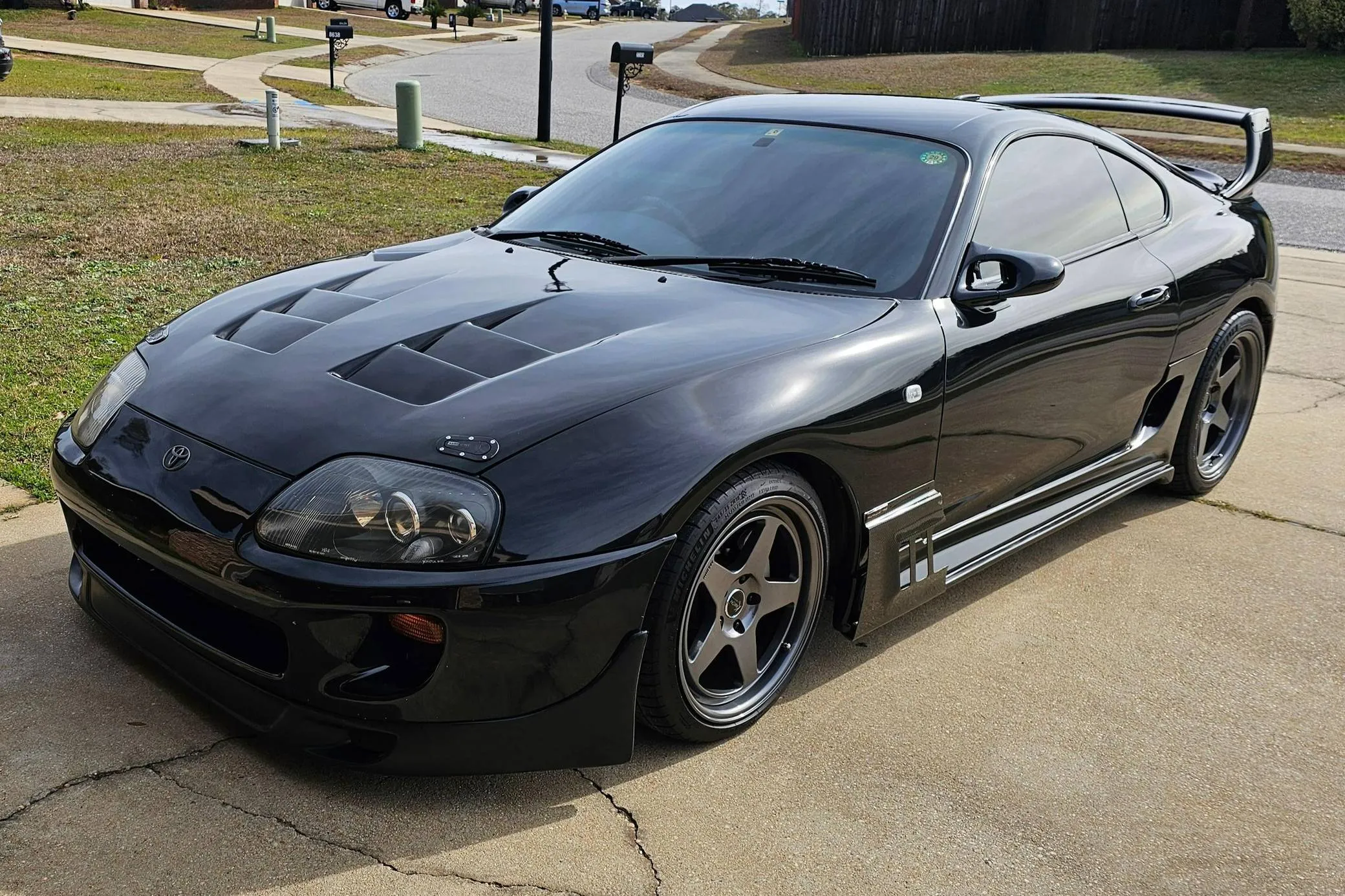
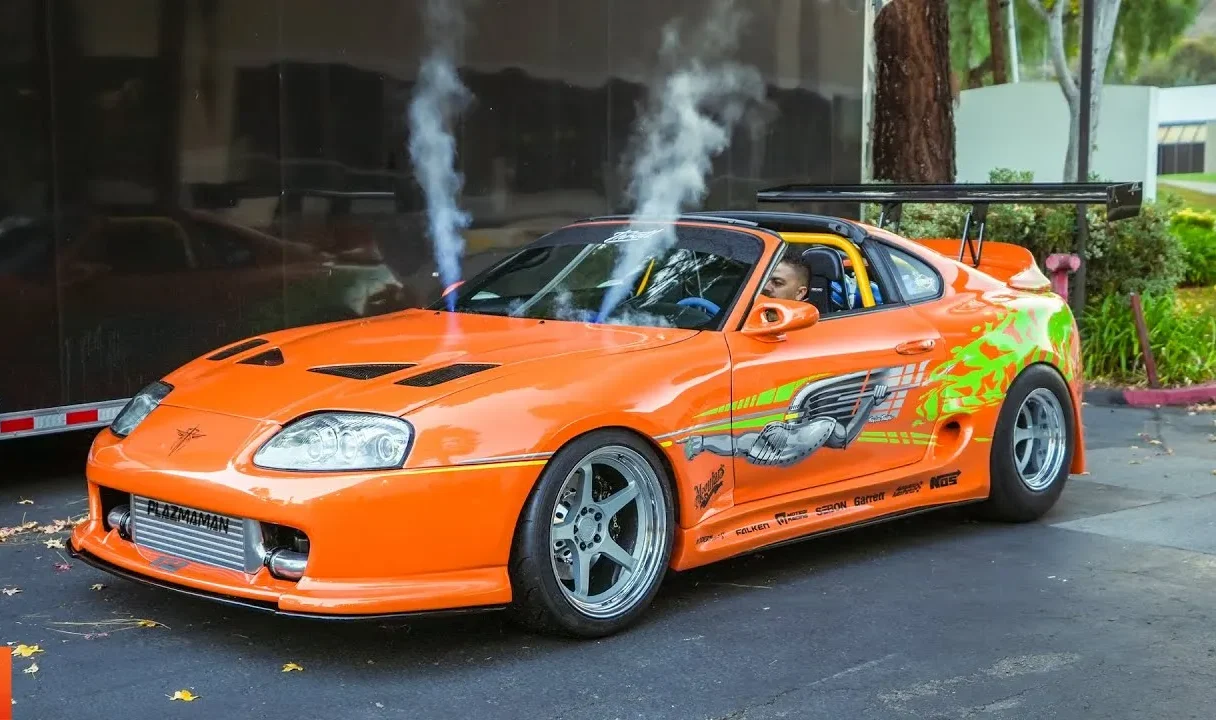
Confidence shaped every aspect of the Toyota Supra Mark IV Twin Turbo, turning it into a benchmark that still commands respect. Exterior styling combined smooth curvature with muscular intent, producing a coupe that looked powerful without appearing forced.
A long bonnet, wide rear haunches, and a low roofline created proportions that communicated strength and stability. Designers avoided unnecessary decoration, allowing form and function to speak clearly. Even decades later, the silhouette remains instantly recognizable and deeply admired.
Mechanical reputation cemented the Supra’s legendary status. Its twin-turbocharged inline six engine delivered robust output with exceptional durability. Power arrived smoothly yet decisively, allowing controlled acceleration across varying speeds.
Rear wheel drive configuration contributed to balanced handling, while manual transmission options offered direct engagement that encouraged driver skill. This drivetrain earned trust not only on public roads but also in competitive environments where reliability mattered greatly.
Interior design reflected thoughtful intent. The driver-oriented cockpit placed controls and gauges within easy reach, reducing distraction and promoting focus. Seating positions felt supportive without sacrificing comfort, allowing extended driving without fatigue.
Materials emphasized durability rather than luxury, reinforcing the Supra’s performance-driven identity. This cabin environment supported both daily use and spirited driving with equal ease. A modern revival of the Supra Mark IV Twin Turbo would benefit from current engineering capabilities.
Lightweight materials could improve agility, while refined suspension systems could enhance ride control. Power delivery might incorporate hybrid assistance to improve efficiency without diminishing character. Exterior styling could develop subtly, retaining iconic proportions while introducing sharper detailing aligned with contemporary expectations.
Reintroducing the Toyota Supra Mark IV Twin Turbo concept would honor a machine defined by strength, balance, and adaptability. Such a return would appeal to drivers who value engineering credibility and enduring design.
2. Mitsubishi 3000GT VR 4
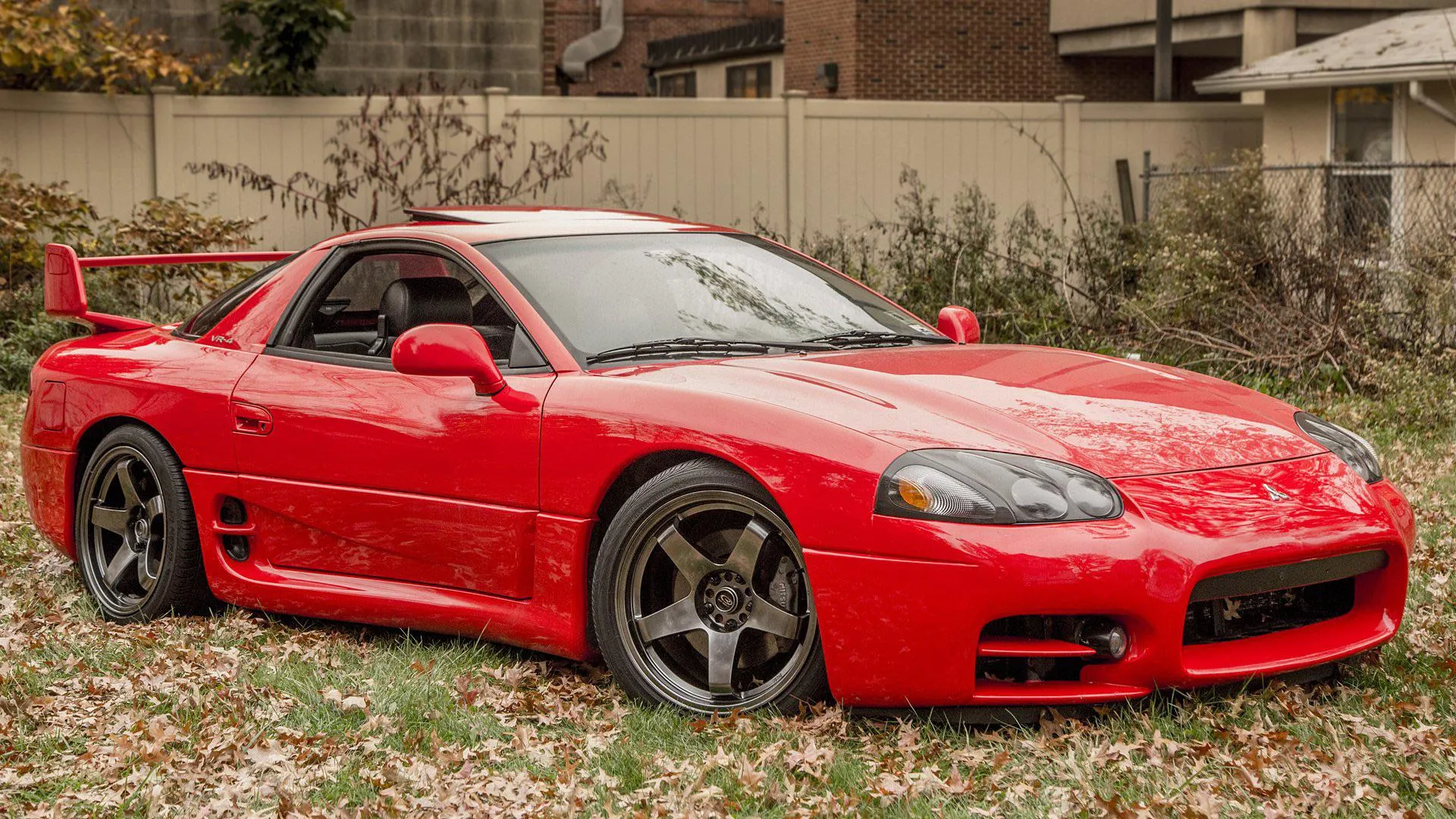
Ambition defined the Mitsubishi 3000GT VR-4 during its original production years. This coupe stood apart through its willingness to integrate advanced systems at a time when simplicity dominated many rivals. Styling reflected that confidence, presenting wide proportions, sculpted surfaces, and purposeful aerodynamic elements.
The visual presence suggested performance backed by engineering rather than marketing claims. Technical depth set the 3000GT VR 4 apart. All Wheel Drive traction enhanced stability during acceleration, while four-wheel steering improved maneuverability.
Active aerodynamics adjusted body behavior at speed, and adaptive suspension allowed drivers to tailor ride characteristics. Power from a twin-turbocharged V6 engine delivered strong acceleration paired with composure, supporting both spirited driving and long-distance travel.
Interior design balanced technology with usability. Controls followed logical placement, instrumentation remained readable, and seating offered comfort suitable for extended journeys. Materials reflected durability and quality, reinforcing the vehicle’s premium positioning. Despite its performance focus, the cabin maintained a sense of refinement.
Driving behavior emphasized confidence. Traction systems allowed controlled power delivery, steering systems enhanced responsiveness, and chassis tuning supported stability through corners. This combination made the car approachable despite its advanced hardware. Owners appreciated the feeling of security paired with performance capability.
A modern interpretation could refine this approach through lighter materials and simplified systems powered by modern computing. Updated drivetrains could improve efficiency while preserving versatility. Styling evolution could sharpen lines while respecting the original’s muscular stance.
Reviving the Mitsubishi 3000GT VR 4 philosophy would celebrate a period of fearless engineering ambition paired with real-world usability.
Also Read: Top 10 Italian and German Sports Cars Worth Owning Today
3. Mazda RX 7 FD3S
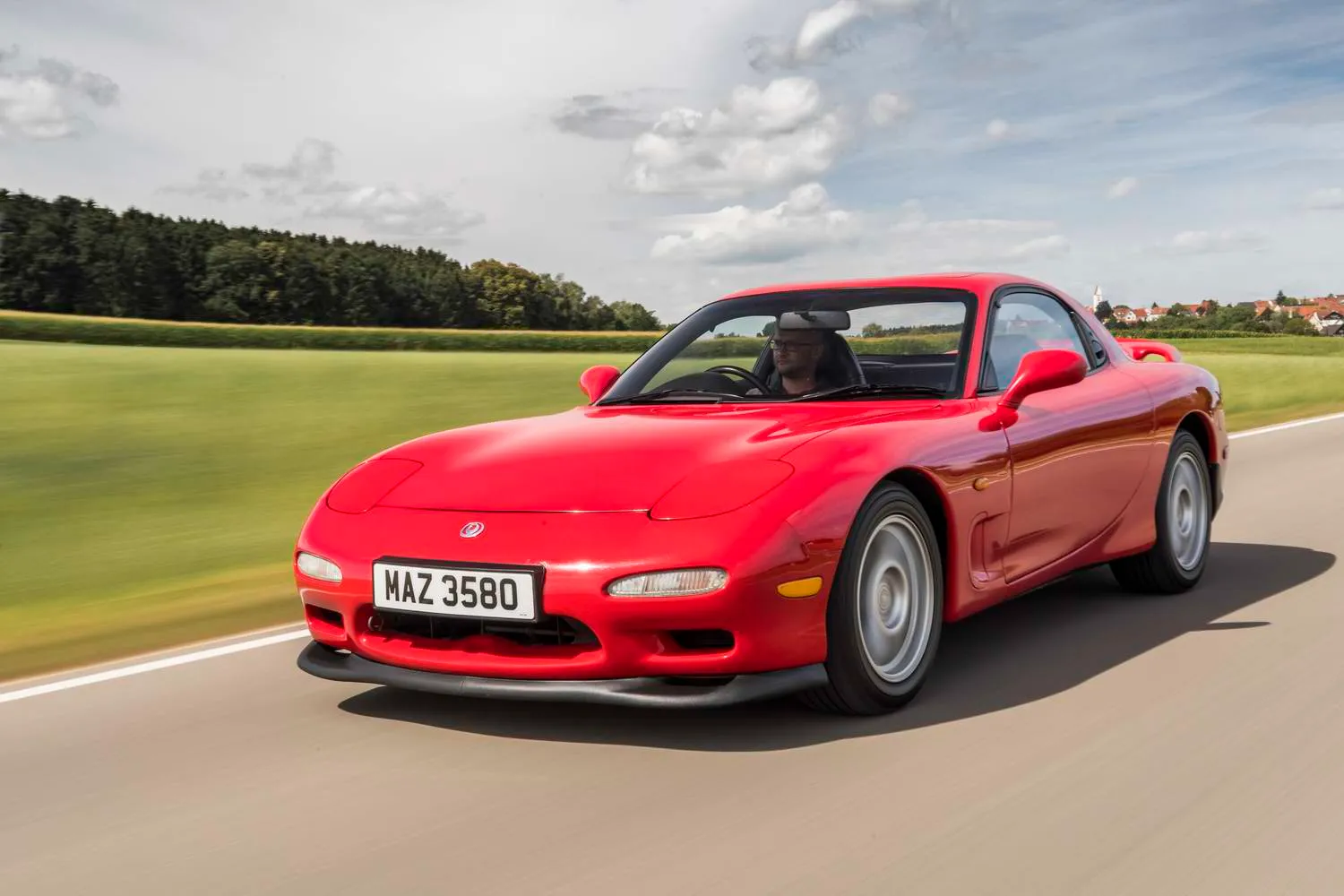
Grace and restraint defined the Mazda RX 7 FD3S, making it one of the most visually harmonious sports cars ever produced. Compact proportions, flowing bodywork, and a low stance created a shape that communicated agility rather than intimidation.
Designers avoided excess, focusing instead on balance and movement. This approach allowed the car to age with dignity and lasting appeal. Rotary engine design gave the RX-7 its unique identity. Lightweight construction and compact dimensions supported near-perfect weight distribution.
Power delivery felt smooth and eager, rewarding high revs and precise throttle input. Rear wheel drive balance enhanced responsiveness, allowing drivers to feel connected to every corner. Manual transmissions reinforced engagement, encouraging skill development.
Cabin layout emphasized focus. Controls remained minimal, seating supported lateral movement, and outward visibility stayed strong. Materials reflected purposeful simplicity rather than luxury. This interior environment placed driving experience above comfort indulgence, aligning with the car’s performance philosophy.
Handling characteristics defined the RX 7 experience. Steering feedback felt immediate, suspension tuning balanced compliance with control, and chassis behavior rewarded smooth inputs. The car responded predictably, building confidence through consistency rather than electronic assistance.
A modern revival could address historical reliability concerns using improved materials and cooling systems. Hybrid assistance could enhance efficiency while preserving rotary character. Exterior updates could maintain the iconic silhouette while refining aerodynamics.
Reintroducing the Mazda RX 7 FD3S would celebrate innovation, balance, and engineering creativity shaped for modern expectations.
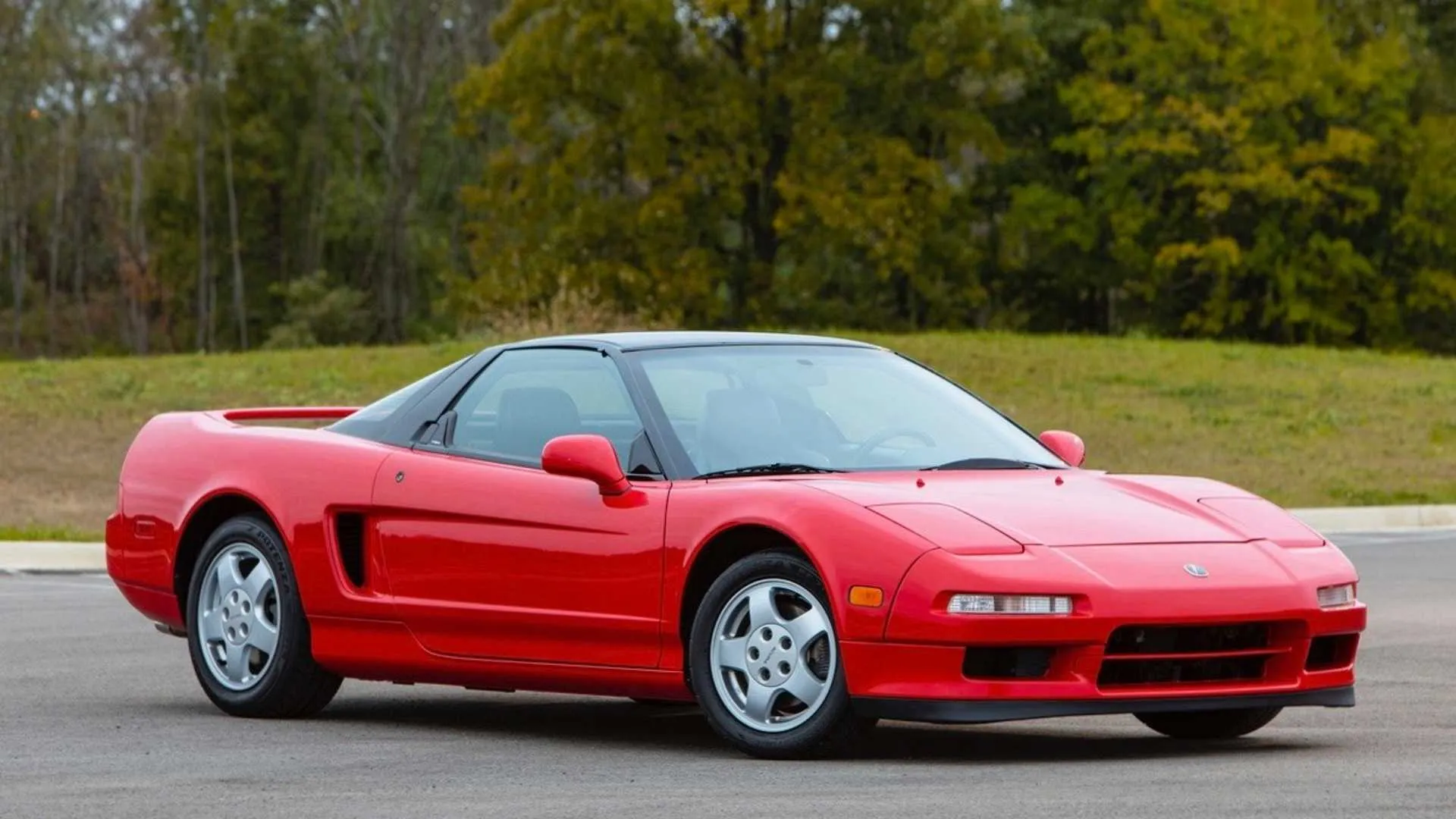
4. Acura NSX First Generation
Innovation guided the creation of the first-generation Acura NSX, redefining expectations for high-performance sports cars. Its mid-engine layout, aluminum construction, and everyday usability challenged traditional notions of exotic ownership. Exterior styling reflected clarity and restraint, combining clean lines with excellent visibility. The result appeared purposeful rather than intimidating.
Power came from a naturally aspirated V6 engine known for smooth delivery and reliability. Acceleration felt controlled and linear, allowing drivers to build confidence gradually. Rear wheel drive balance supported predictable handling, while manual transmissions enhanced engagement. Performance felt accessible rather than demanding.
Interior design prioritized ergonomics. Seating positions offered comfort and support, controls felt intuitive, and visibility surpassed many rivals. Materials reflected quality without unnecessary excess. This cabin encouraged frequent use rather than occasional outings.
Driving behavior highlighted balance. Steering communicated road feel clearly, suspension tuning supported composure, and chassis rigidity enhanced confidence. The NSX delivered precision without punishing drivers, creating an experience suitable for varied conditions.
A modern interpretation could integrate lightweight composites and electric assistance while preserving balance. Design evolution could respect simplicity rather than aggressive styling trends. Reviving the original Acura NSX philosophy would reaffirm the value of usability paired with performance.
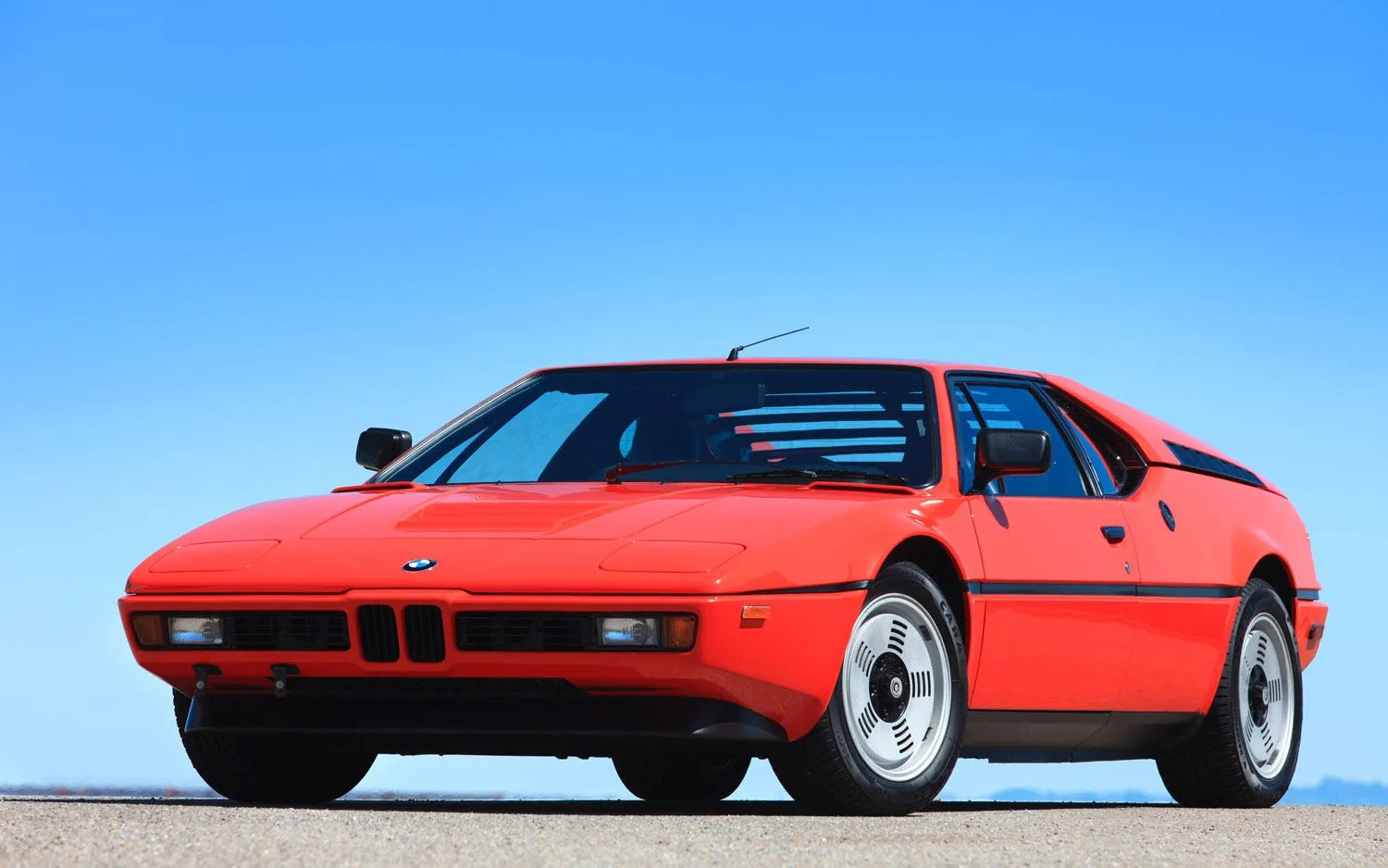
5. BMW M1
Purpose shaped the BMW M1 from its inception, resulting in a machine built to support racing ambition. Sharp wedge styling, mid-engine placement, and wide proportions gave it a commanding presence. Design choices reflected performance intent rather than comfort or luxury priorities.
A naturally aspirated inline six engine powered the M1, delivering responsive acceleration and a distinctive sound. Weight distribution supported balanced handling, while manual transmission engagement reinforced driver involvement. Performance focused on precision rather than convenience.
Interior layout remained simple and focused. Controls followed functional placement, seating supported control, and materials reflected durability. This environment suited competitive driving rather than casual cruising. Road behavior emphasized stability and feedback.
Steering feel remained direct, suspension tuning favored control, and chassis balance rewarded smooth technique. The experience felt raw yet rewarding. A modern revival could blend motorsport heritage with updated safety and efficiency standards. Limited production could preserve exclusivity while honoring intent.
A renewed BMW M1 would reconnect performance heritage with contemporary engineering discipline.
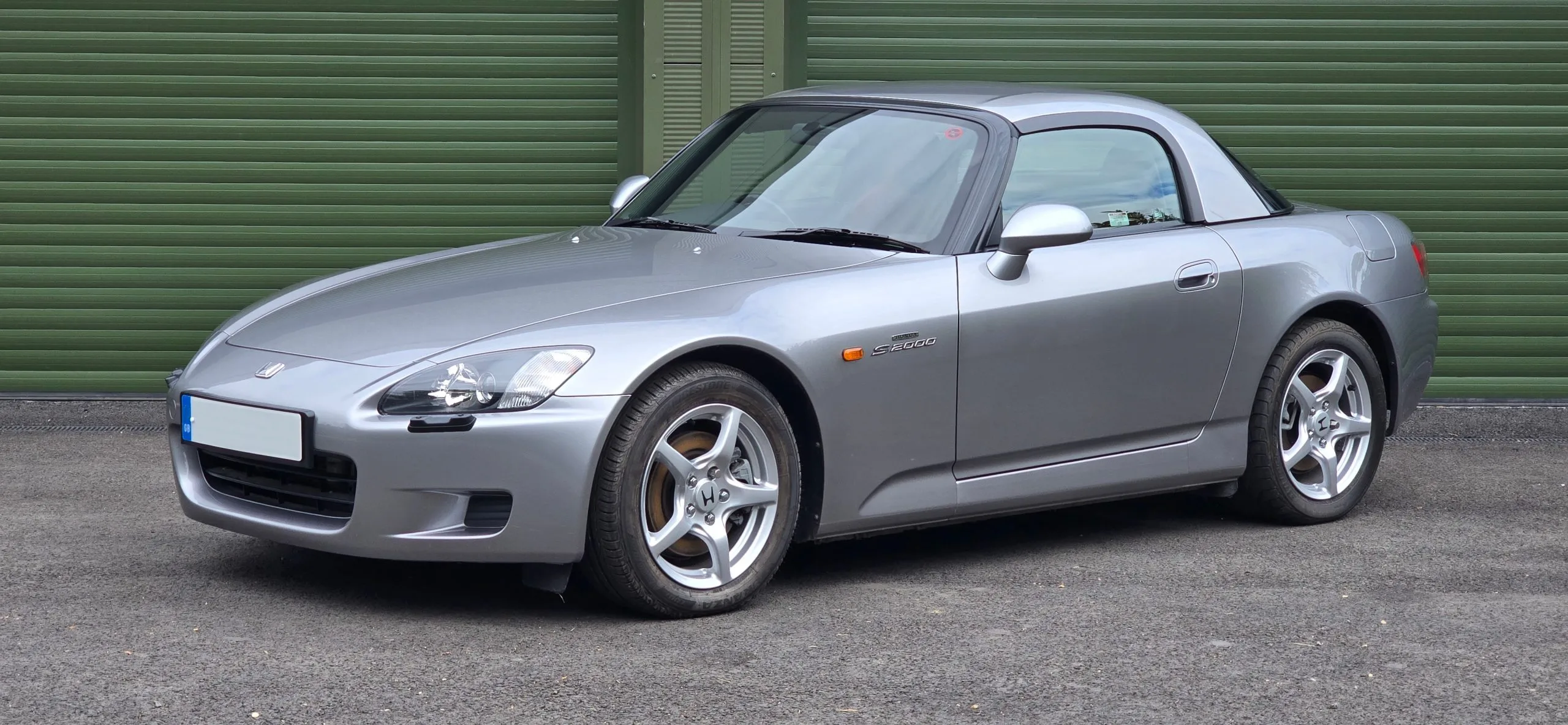
6. Honda S2000 AP1
Precision defined the Honda S2000 AP1 from the moment it entered production. Designed as a celebration of the engineering discipline, the roadster carried proportions that placed function above ornament. A long bonnet, compact cabin, and short rear section worked together to support balance and agility.
Visual restraint played a central role, allowing the car to appear purposeful without exaggerated styling cues. Even when stationary, it suggested motion through stance alone. Mechanical character set the S2000 apart.
A naturally aspirated four-cylinder engine capable of extremely high revolutions delivered power in a way that rewarded commitment. Rather than relying on low-end force, performance arrived as revs climbed, encouraging deliberate gear selection.
Manual transmission engagement felt exact, with short throws and mechanical clarity that deepened driver involvement. Rear wheel drive balance added another layer of control, especially through corners. Cabin design followed a clear philosophy. Digital instrumentation presented information with clarity, while switch placement reduced distraction.
Seating positions aligned the driver and machine, promoting confidence at speed. Materials focused on durability rather than decoration, reinforcing the vehicle’s performance-driven purpose. Limited storage and minimal features reflected priorities rather than compromise.
Road behavior highlighted the benefits of careful tuning. Steering response remained direct, suspension feedback stayed honest, and chassis balance rewarded smooth inputs. The car responded best when driven with intention, building trust through predictability. This created a learning experience rather than reliance on electronic intervention.
A modern revival of the Honda S2000 AP1 would benefit from advances in lightweight materials and improved safety integration while preserving high-revving character. Hybrid assistance could support efficiency without overshadowing engine identity. Such a return would reaffirm the value of mechanical purity shaped by thoughtful engineering.
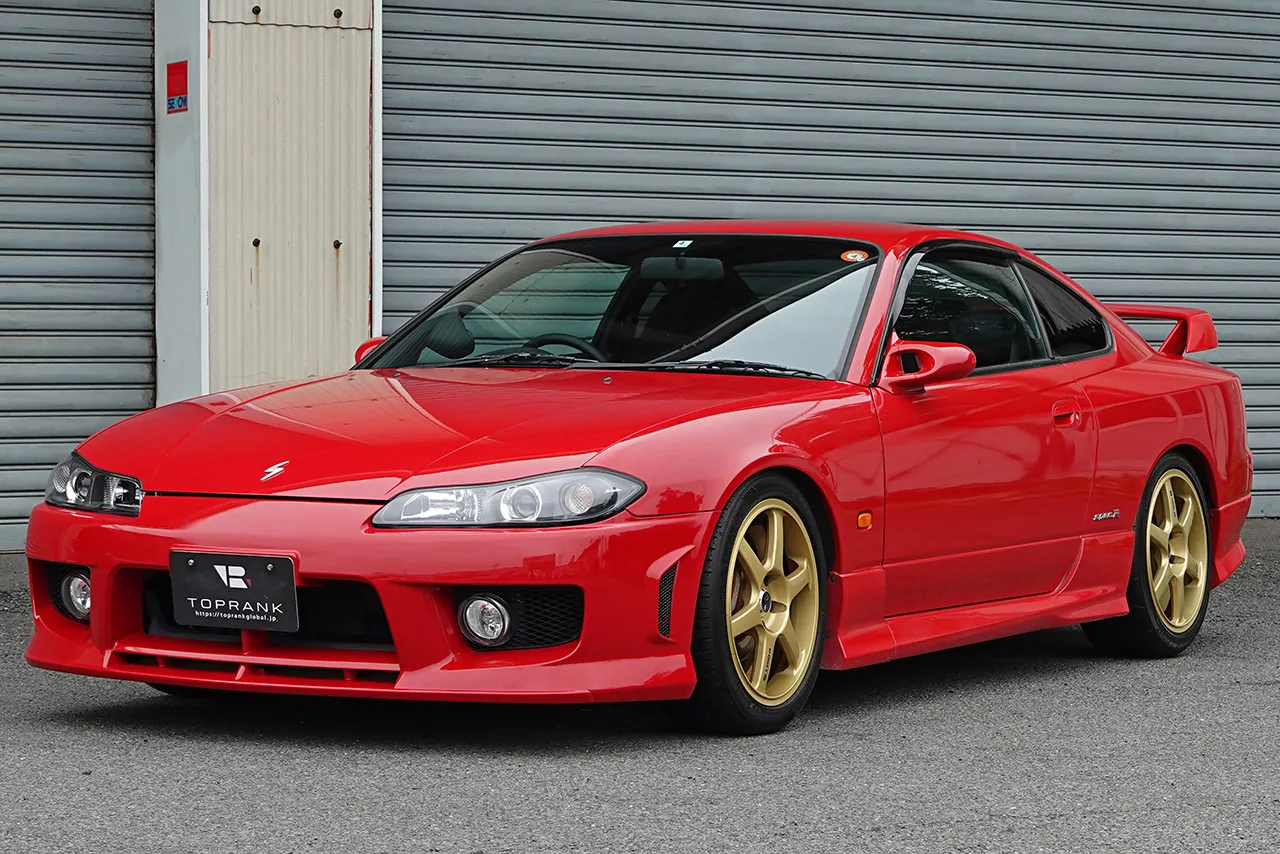
7. Nissan Silvia S15 Spec R
Aggressive confidence shaped the Nissan Silvia S15 Spec R. Compact dimensions combined with sharp lines to produce a coupe that communicated performance without excess mass. Wide arches, purposeful headlights, and a low stance supported its reputation as a driver-focused machine. Styling emphasized intent rather than luxury, aligning with its performance goals.
Turbocharged power defined the driving experience. A responsive four-cylinder engine delivered boost smoothly, providing strong acceleration without unpredictability. Rear wheel drive balance encouraged controlled slides and confident corner exits.
Manual transmission operation allowed drivers to manage power delivery with accuracy, supporting both daily use and spirited driving sessions. Interior layout favored simplicity. Controls remained intuitive, seating supported lateral movement, and visibility proved adequate for a coupe.
Materials reflected durability and practicality, reinforcing the car’s focus on driving rather than comfort indulgence. Rear seating existed for occasional use, maintaining usability. Handling reputation grew from suspension tuning and chassis balance. Steering feedback stayed direct, allowing precise placement through bends.
Weight distribution supported neutral behavior, making the car approachable while still rewarding skill. This dynamic made Silvia popular among drivers seeking engagement without intimidation. A modern interpretation could retain turbocharged character while integrating updated safety and emissions compliance.
Lightweight construction and refined suspension systems would enhance responsiveness. Design evolution could sharpen edges while preserving compact proportions. Reintroducing the Nissan Silvia S15 Spec R concept would provide drivers with a focused coupe that values balance, responsiveness, and mechanical engagement.
8. Pontiac Fiero GT
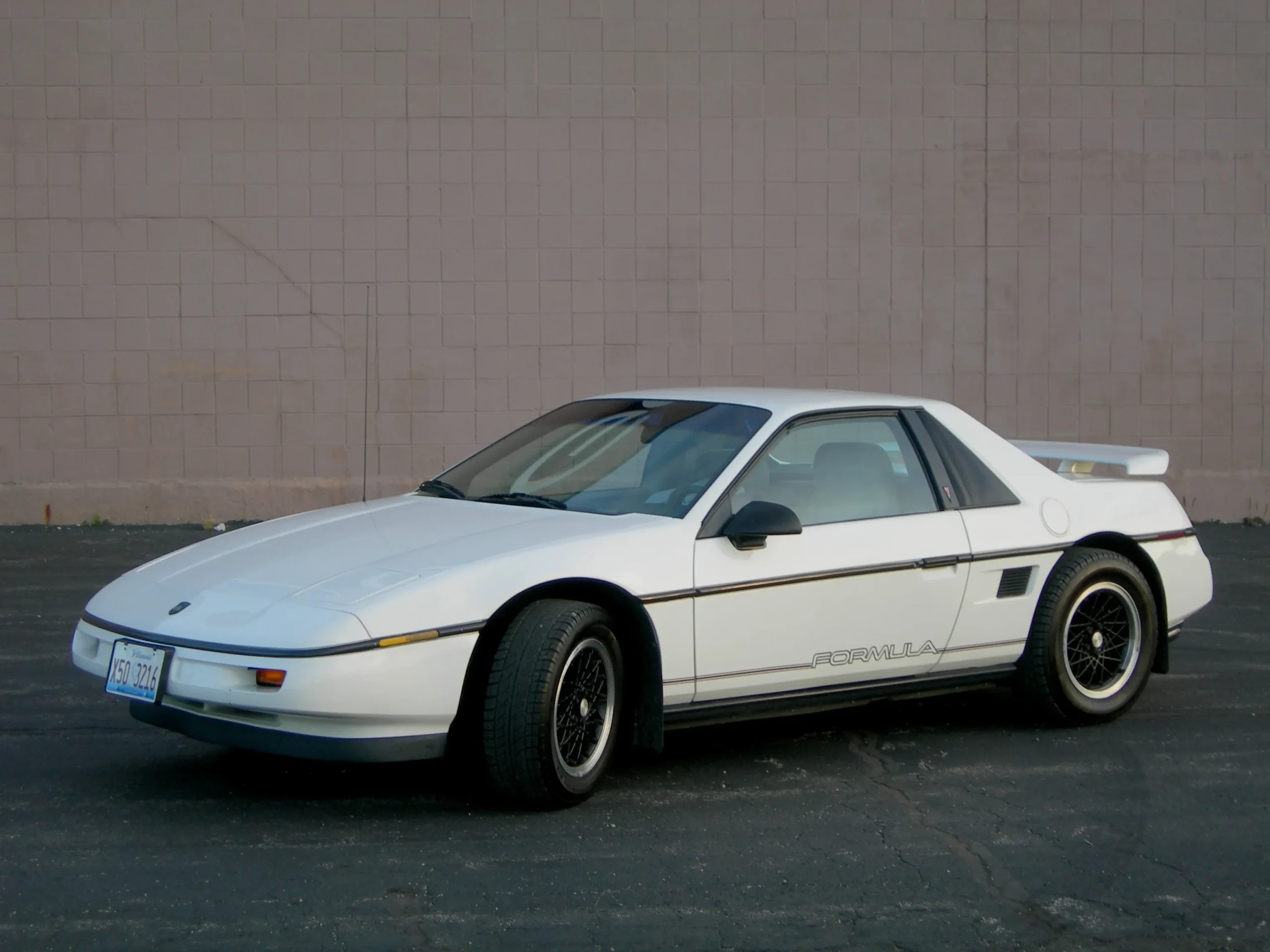
Mid-engine ambition defined the Pontiac Fiero GT, positioning it as a bold statement during its production years. The vehicle represented a deliberate effort to introduce unconventional sports car architecture to a wider market.
Compact dimensions and a wedge-shaped profile gave it a distinctive visual identity that separated it from traditional domestic coupes. As production progressed, exterior design matured, with later versions displaying improved cohesion, stronger visual intent, and a clearer sense of purpose that aligned more closely with performance aspirations.
Power was supplied by a V6 engine mounted behind the passenger compartment, a layout chosen to enhance balance and directional stability. Although output figures appear modest by current standards, responsiveness benefited from thoughtful weight distribution rather than sheer force.
Acceleration felt controlled and predictable, allowing drivers to experience mid-engine dynamics without excessive demands. Manual transmission availability increased engagement, offering a direct connection between driver input and vehicle response at manageable speeds.
Interior arrangement reflected functional priorities. Seating comfort improved through later refinements, addressing early criticisms while maintaining simplicity. Controls followed a logical layout that reduced distraction, and outward visibility benefited from the car’s compact proportions.
Materials focused on cost control, yet the interior design supported everyday usability. Storage solutions demonstrated creativity, with thoughtful compartment placement compensating for limited cabin space.
Chassis development played a central role in the Fiero GT’s improvement. Early suspension shortcomings received attention through successive revisions, resulting in increased stability and more predictable handling characteristics.
Steering response improved through balanced weight distribution, allowing drivers to feel confident during cornering. These changes enhanced road behavior, particularly on winding routes where balance and feedback mattered most.
A modern interpretation of the Pontiac Fiero GT could address earlier limitations through contemporary engineering. Lightweight materials would improve performance and efficiency, while modern powertrains could deliver stronger output without sacrificing control.
Updated safety structures and improved interior quality would align the vehicle with present expectations. Exterior design could preserve the original wedge influence while incorporating refined aerodynamics.
Reviving the Pontiac Fiero GT concept would acknowledge lessons learned while embracing modern capability. Such an approach would celebrate accessible mid-engine design supported by thoughtful refinement and renewed engineering discipline.
9. Alfa Romeo GTV6
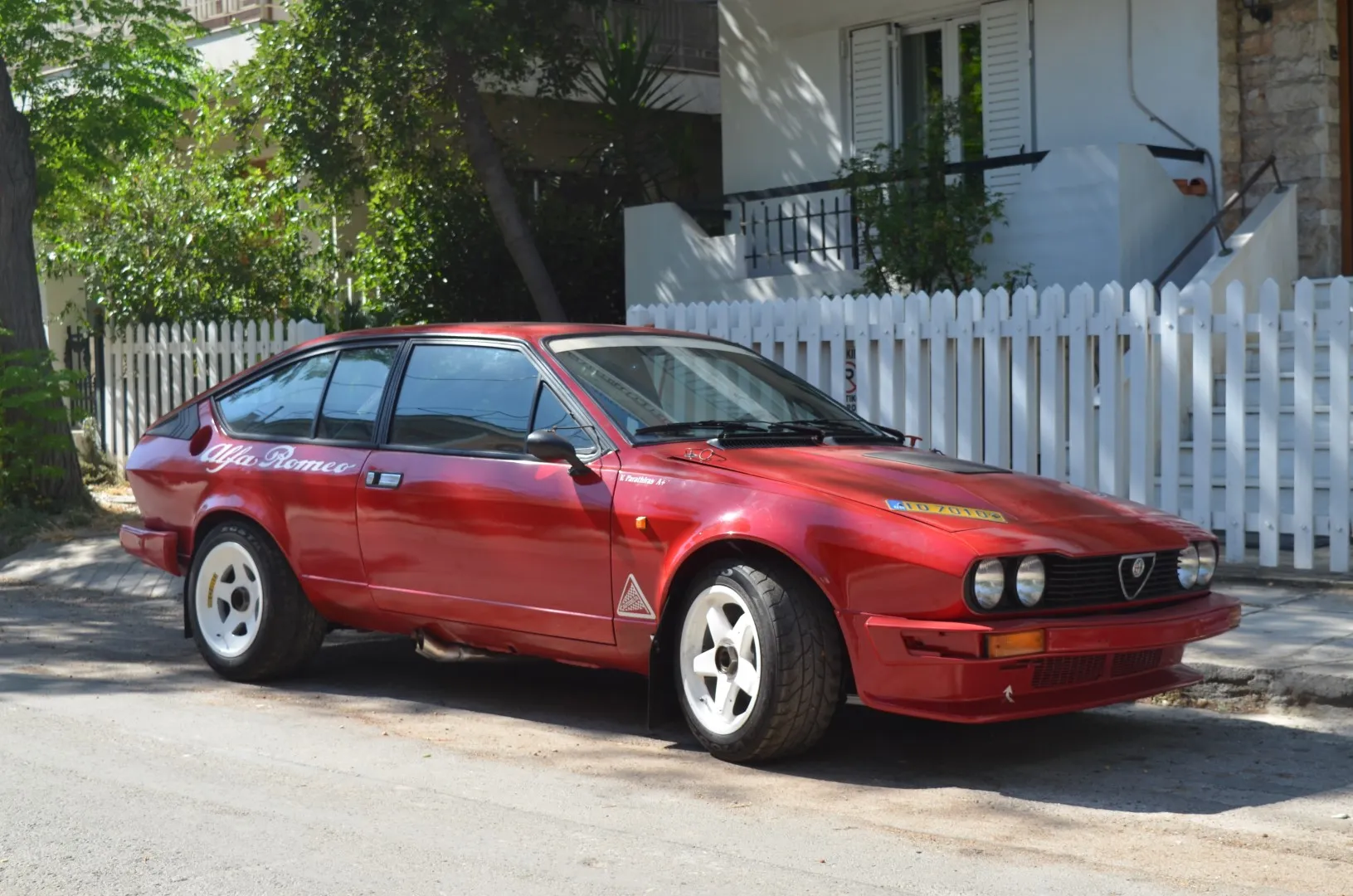
Italian engineering and design philosophy shaped the Alfa Romeo GTV6 into a sports coupe that expressed character through restraint. Its proportions were elegant and compact, with subtle curves and refined detailing that avoided excess while projecting confidence. Every line appeared intentional, balancing visual appeal with functional expression.
The low roofline, tapered rear, and slightly flared wheel arches contributed to a silhouette that appeared purposeful at all angles, combining sophistication with a sense of controlled motion. Styling communicated emotion without relying on flamboyance, allowing the vehicle to maintain dignity decades after its introduction.
Power delivery came from a naturally aspirated V6 engine, a unit renowned for smooth revving and a sonorous exhaust note. The engine offered linear performance that encouraged engagement rather than emphasizing raw output figures.
Acceleration felt measured yet lively, giving the driver the ability to manage pace with precision. Rear wheel drive allowed a balanced platform, and manual transmission operation amplified the connection between driver and machine, making every gear move a deliberate action.
Handling characteristics were inherently playful but remained predictable, rewarding technique and attentiveness rather than over-reliance on electronic aids. The cabin reflected a philosophy of driver focus and ergonomics. Instrumentation was angled toward the driver, ensuring information remained within clear view while allowing attention to remain on the road.
Seats were supportive yet comfortable, providing lateral restraint for spirited driving while maintaining usability on longer journeys. Materials emphasized craftsmanship and durability appropriate to the period, giving the interior a timeless quality. The cockpit encouraged appreciation of sound, motion, and mechanical feedback, creating an experience that highlighted engagement rather than isolation.
Chassis and suspension behavior complemented the drivetrain’s intentions. Steering provided clear communication, allowing the driver to sense surface texture and grip limits. Suspension tuning balanced ride comfort with responsiveness, while chassis rigidity rewarded smooth inputs with stability and confidence.
Cornering felt precise, encouraging rhythm and flow rather than abrupt corrections, and the entire behavior contributed to a driving experience that was as emotionally satisfying as it was technically competent.
A modern reinterpretation could enhance reliability while preserving the original engine character, employing contemporary materials, improved tolerances, and refined tuning. Safety enhancements could integrate seamlessly without altering the coupe’s aesthetic or dynamic personality.
Such a revival would reaffirm the Alfa Romeo GTV6’s legacy as a vehicle that combines emotional expression, driver involvement, and elegant design in a manner that remains relevant for discerning drivers.
Also Read: 12 Affordable Sports Cars Built to Outlive Even a Porsche
10. Lotus Esprit S4
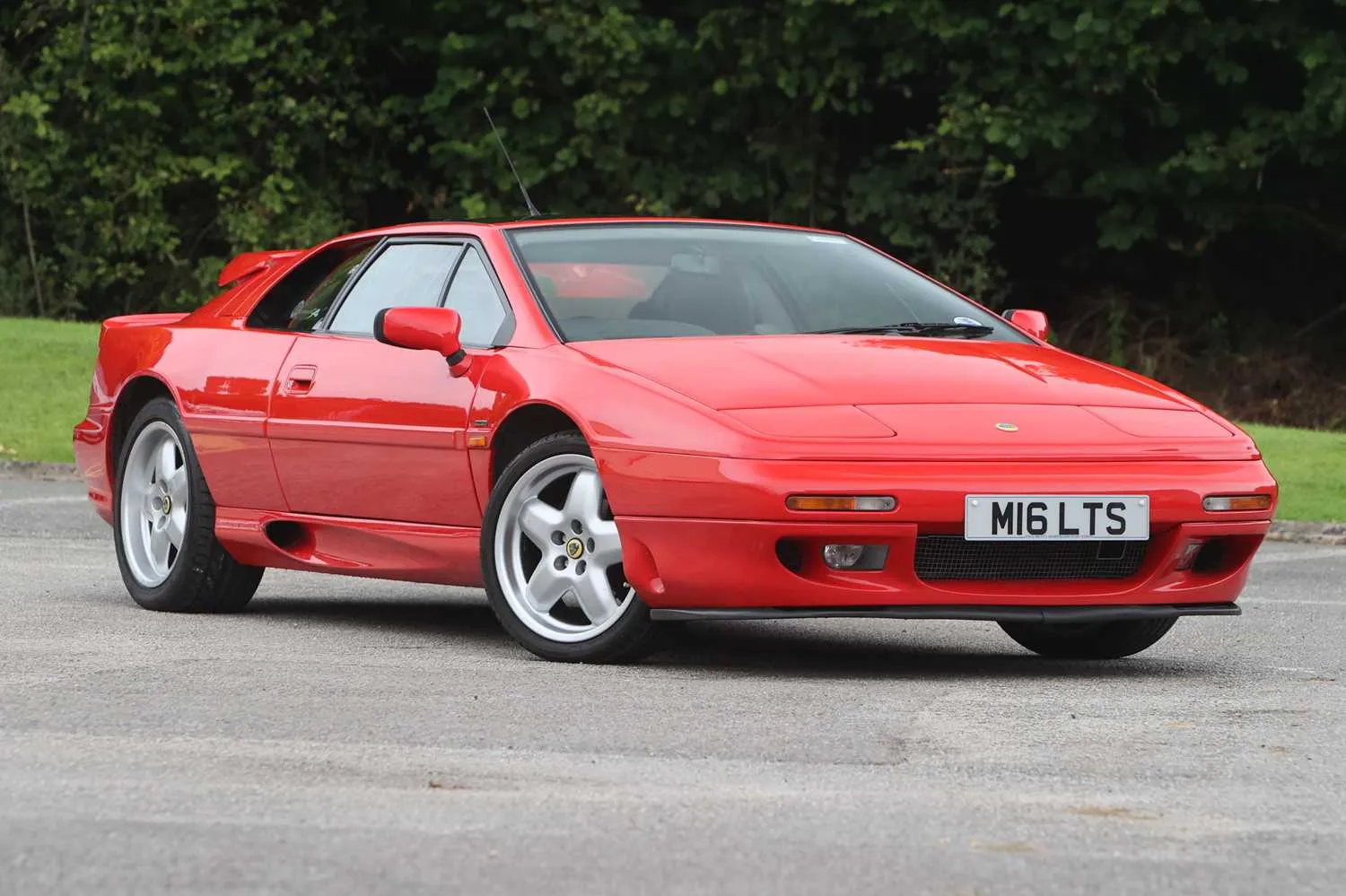
Purpose and engineering discipline defined the Lotus Esprit S4 from its initial conception. The car’s sharp lines, low stance, and wide proportions created a distinctive appearance that signaled intent without exaggeration. Aerodynamic efficiency influenced every contour, producing a shape optimized for balance and stability at speed.
The wedge profile, prominent front splitter, and tapering rear enhanced performance while maintaining visual cohesion, reflecting Lotus’s philosophy of function-led design. Despite the passage of time, its exterior continues to demonstrate precision and clarity of thought in form.
Power was supplied by a midship-mounted turbocharged engine, a layout that directly contributed to weight distribution and handling balance. Performance emphasized responsiveness rather than brute force, allowing the vehicle to accelerate smoothly while maintaining composure through corners.
The chassis and suspension were tuned to reward attentive inputs, encouraging drivers to study the limits of grip with confidence. Manual transmission engagement reinforced involvement, offering mechanical clarity and enhancing the driver’s connection to the car’s dynamics. Lightweight construction ensured agility, making the Esprit S4 an exemplar of responsive sports car engineering.
Interior quality improved during later production phases, reflecting lessons learned in ergonomics and material selection. Seats were positioned to maintain control during spirited driving, while visibility remained adequate despite the car’s low profile.
Controls were logically arranged, ensuring the cabin supported focus rather than distraction. Materials and finishes balanced durability with sophistication, providing an environment suitable for occasional longer drives without diluting performance orientation. Handling defined the Esprit S4’s reputation.
Steering felt precise, suspension behavior remained composed, and chassis dynamics encouraged confidence and predictability. Drivers could modulate cornering forces effectively, experiencing responsiveness without instability. The vehicle rewarded skill and attention, reinforcing a philosophy of engagement rather than artificial assistance.
A modern reinterpretation could retain the vehicle’s lightweight, agile character while integrating contemporary safety structures, efficient powertrains, and advanced engineering techniques. Electric assistance could complement rather than replace driving feedback.
Such a revival would celebrate the Lotus Esprit S4’s focus on purity, balance, and mechanical discipline, aligning a classic philosophy with modern standards while preserving its original intent and identity.
