
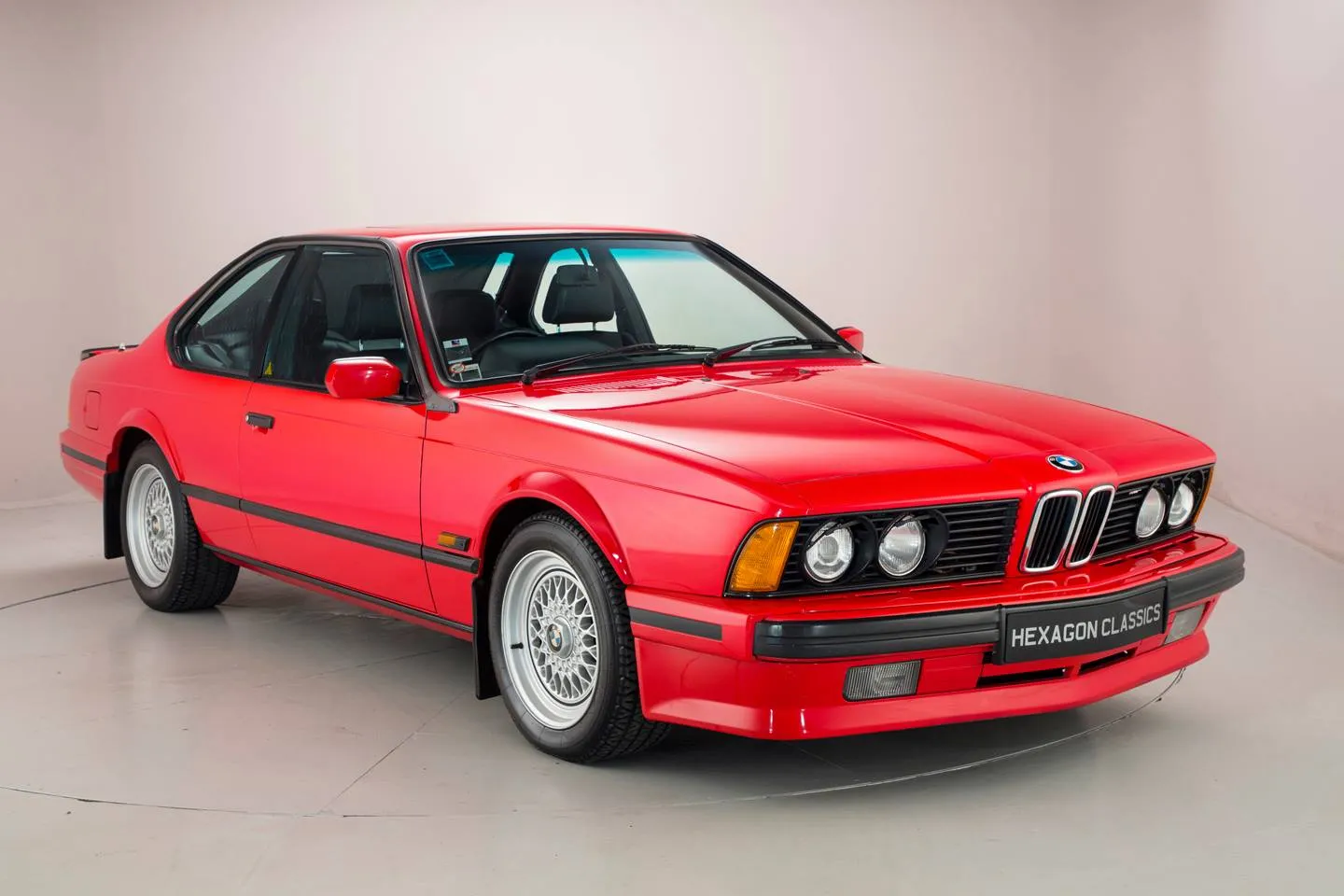
European classic cars have long been associated with refinement, engineering mastery, and aesthetic excellence. From Italian sports cars that promise exhilaration to German sedans boasting precision, the appeal of these machines often carries an aura that raises them beyond mere transportation.
However, legend and reality do not always align. Certain models, despite their historical prestige or iconic styling, fail to deliver the practical performance, reliability, or usability that enthusiasts anticipate. These discrepancies can result from ambitious engineering decisions, outdated technology, or design compromises that seemed visionary on paper but proved problematic in everyday operation.
Interest in classic European cars has surged among collectors and enthusiasts, yet owning a piece of automotive history does not automatically equate to satisfaction. The allure of a nameplate can mask quirks, recurring mechanical issues, or limited comfort that modern drivers find difficult to overlook.
Evaluating these cars with a critical eye helps temper expectations and encourages informed restoration or acquisition decisions. Understanding why a specific model falls short, whether due to drivetrain fragility, handling inconsistencies, or interior ergonomics, provides insight into the balance between myth and reality.
This page aims to examine ten European classic cars that, despite their reputations, fail to live up to the myths surrounding them. Each entry highlights the design intentions, the realities encountered by owners, and the elements that can frustrate modern appreciation.
While these cars carry historical value and visual appeal, understanding their limitations offers a more nuanced perspective. Collectors, restorers, and enthusiasts will benefit from this candid exploration, ensuring that admiration does not obscure the practical truths of ownership.
By scrutinizing these vehicles, the discussion reveals how perception, marketing, and historical reverence can sometimes outpace actual performance.
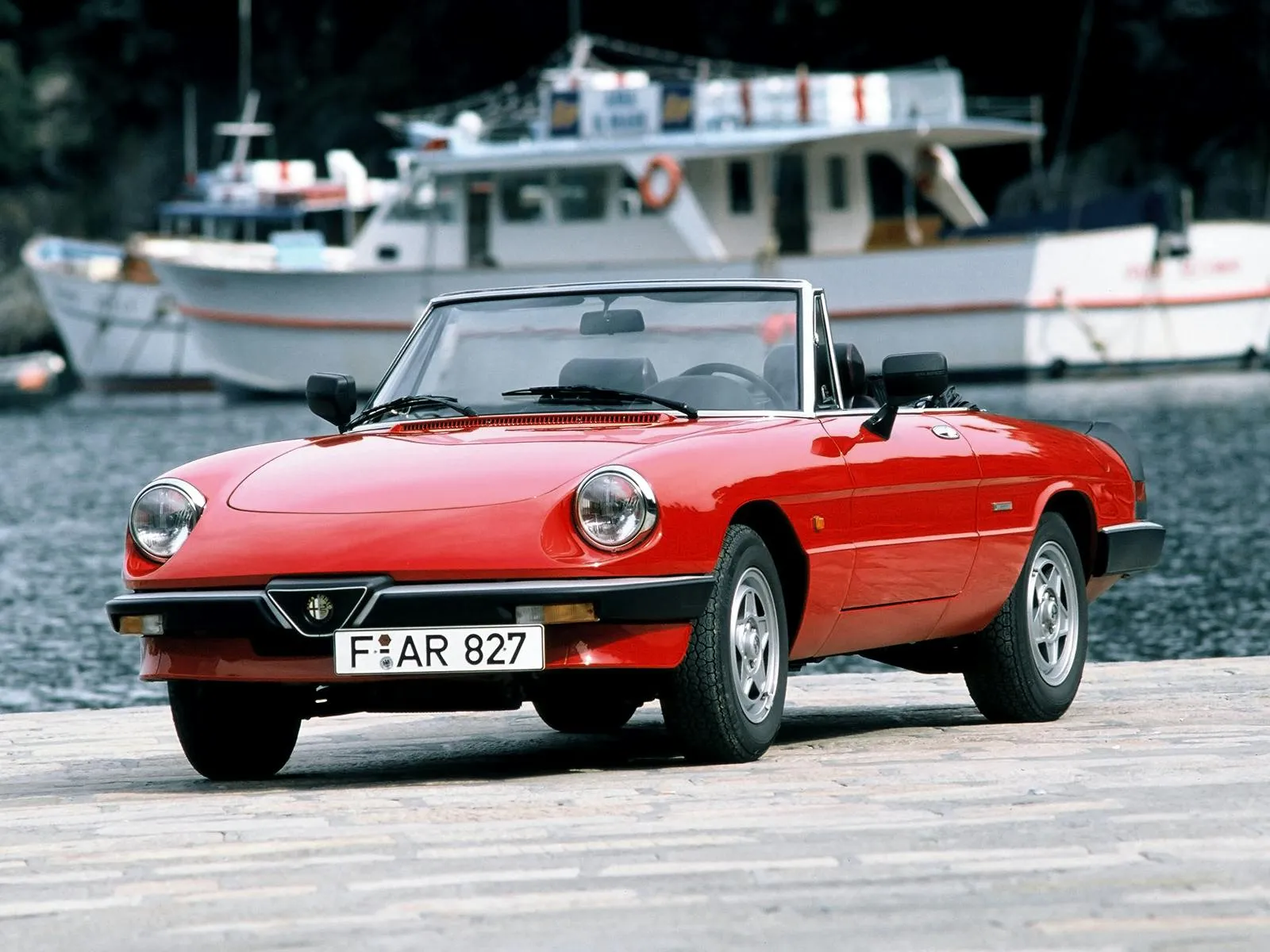
1. Alfa Romeo Spider Series 2 (1970-1982)
The Alfa Romeo Spider Series 2, often celebrated for its curvaceous Italian styling, carries a reputation that exceeds its day-to-day usability. Designed to blend sophistication with sportiness, the car features a low, graceful profile and an open-top roadster design that has become instantly recognizable.
Visual charm alone attracts collectors, and marketing materials from the period promised a thrilling blend of performance and handling that few modern observers could resist. Mechanically, the Spider relied on small-displacement inline-four engines paired with twin-cam technology.
While innovative for its era, these powertrains struggled to deliver consistent performance under extended use. Oil leaks, cooling system fragility, and frequent carburetor adjustments required attentive ownership. Transmission units were precise but demanded maintenance, and even minor neglect could result in challenging repairs.
Enthusiasts often find that the tactile engagement, while appealing, is accompanied by mechanical unpredictability that diminishes everyday confidence. Interior ergonomics, though stylish, reveal compromises when evaluated against modern expectations.
Dashboards and seating positions prioritize aesthetic design over long-distance comfort. Low-slung seats provide excellent posture for spirited driving, yet cabin space is cramped, and visibility is restricted. Weatherproofing remains imperfect, particularly with aging seals, which contribute to minor leaks or drafts.
Restorers frequently contend with the difficulty of sourcing original trim materials while maintaining historical accuracy. Handling presents a mixed experience. While the Spider Series 2 communicates road feedback and offers lively cornering in controlled environments, chassis rigidity and suspension tolerances vary with age.
Body flex can amplify minor alignment issues, affecting steering precision and creating a sensation of instability during aggressive maneuvers. Despite its striking appearance and historical prestige, the Spider Series 2 delivers a driving experience that is nuanced, requiring patience, careful maintenance, and an understanding that the car’s iconic design does not automatically translate to a flawless sports car experience.
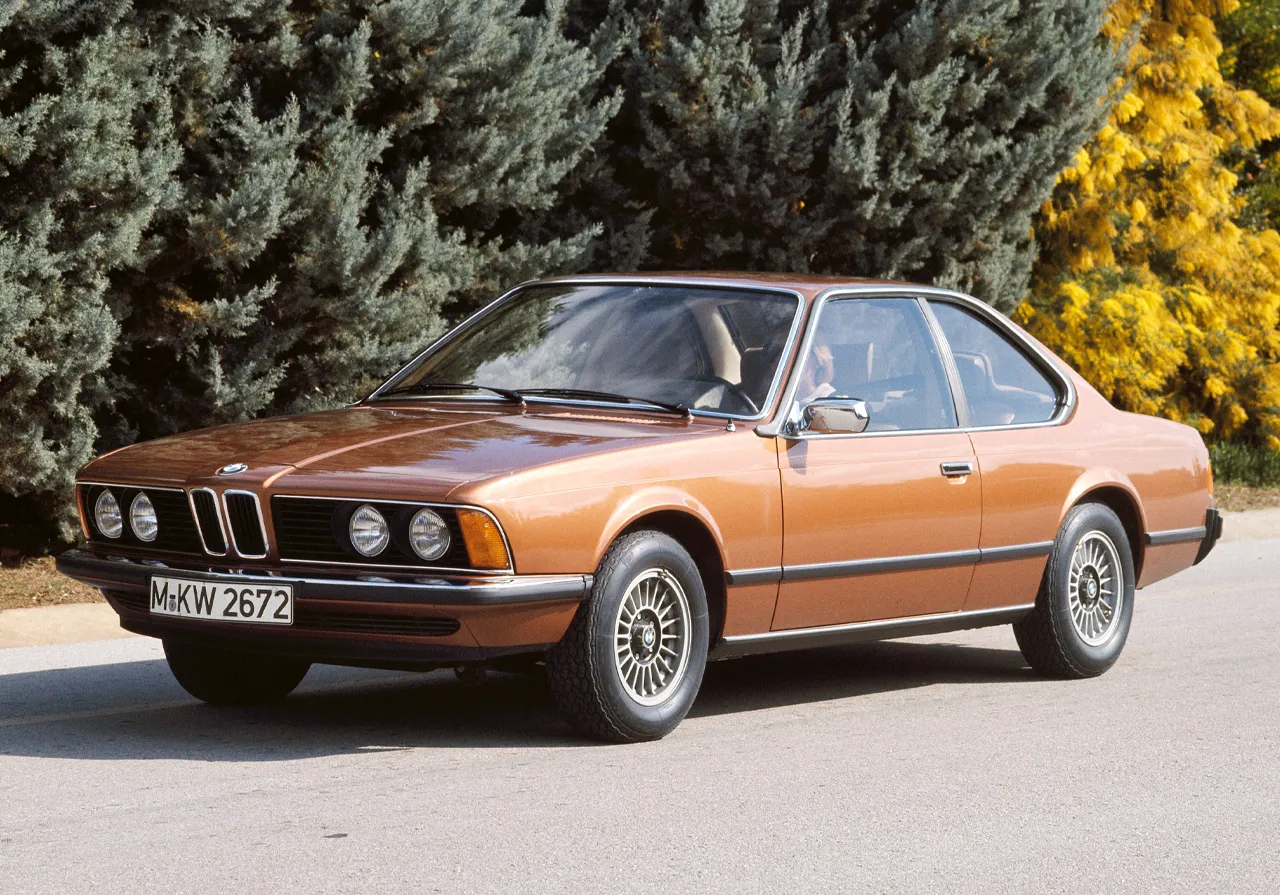
2. BMW E24 6 Series (1976-1989)
The BMW E24 6 Series represents a chapter of German automotive ambition, showcasing a combination of elegance and engineering intent that continues to draw admiration. Its elongated hood, flowing coupe lines, and signature kidney grille establish a commanding presence that remains instantly recognizable.
Advertisements of the era portrayed the E24 as a grand tourer that could deliver both comfort on long journeys and engaging driving dynamics. Enthusiasts seeking this duality often find that reality does not fully align with expectation, revealing the nuanced challenges of owning such a classic machine.
Powertrains within the E24 range demonstrate variation in performance and maintenance requirements. Inline-six engines deliver refinement and smoothness, yet sustaining reliability demands consistent attention.
Cooling systems require monitoring, valve train adjustments must be performed meticulously, and early fuel injection systems present occasional difficulty in achieving optimal performance. Automatic transmission variants offer convenience and ease in urban conditions but lack the tactile connection that drivers associate with spirited driving.
Manual transmission options enhance engagement yet introduce an ongoing need for precise upkeep. These factors highlight a gap between the E24’s reputation for driver-focused performance and the practical considerations of long-term ownership.
Interior appointments reflect the era’s approach to luxury, combining attractive materials with thoughtful design. Seats provide reasonable comfort, and control layouts were intended to place functionality within easy reach.
However, the passage of time affects usability; leather surfaces may show uneven wear, electronic components can fail, and ergonomics fall short when compared with contemporary standards. Prolonged journeys reveal these limitations, particularly for taller drivers or individuals accustomed to more supportive and adjustable seating structures.
Despite this, the cabin retains an air of sophistication that continues to appeal to collectors and enthusiasts alike. Chassis and suspension contribute a mixture of rewards and challenges. Independent rear suspension enhances ride quality, yet wear on bushings and alignment tolerances can produce unpredictable handling if left unattended.
Steering delivers precision when components are fresh, but can feel disconnected as deterioration occurs. Braking response, while competent, requires attentive inspection for safety and consistency. The driving experience, therefore, depends heavily on the condition and maintenance of the car, reminding owners that the E24’s celebrated agility is contingent on diligent care rather than inherent reliability.
The BMW E24 6 Series embodies the tension between aspiration and practical reality. Its aesthetic presence, engineering sophistication, and historical impact create enduring admiration, yet the responsibilities of ownership reveal that refinement, performance, and reliability do not always coincide.
Enthusiasts who invest time and resources gain a rewarding driving experience, but they must approach the E24 with a clear understanding of its mechanical intricacies and long-term demands.
Also Read: Top 10 Low-Stress Classic Cars That Won’t Drain Your Wallet
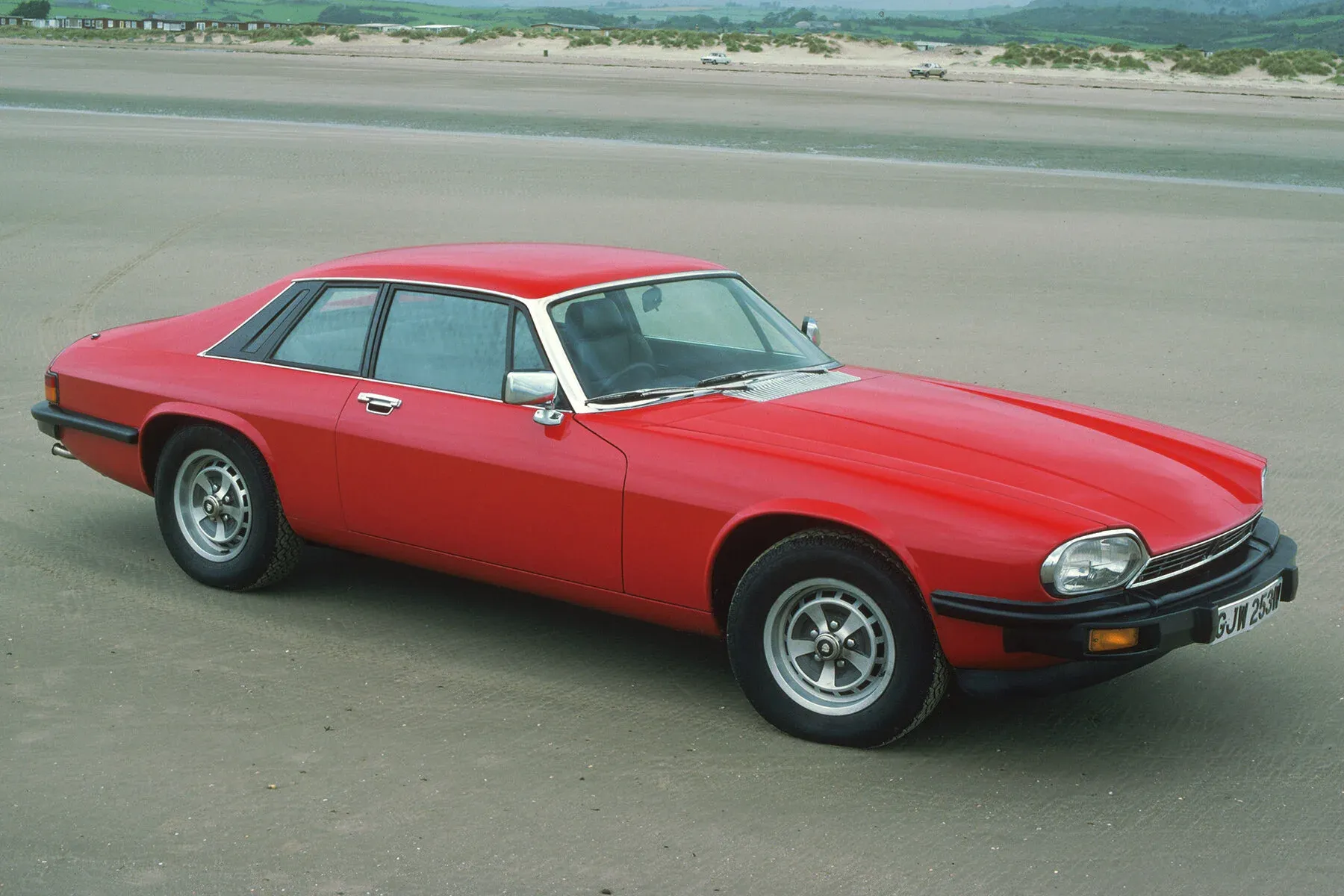
3. Jaguar XJS (1975-1996)
The Jaguar XJS represents British automotive opulence, blending grand touring luxury with bold design, yet the car carries challenges that temper its legendary status. Long hood proportions, sweeping curves, and distinctive rear styling create a sense of drama that appeals to collectors.
Advertisements emphasized the XJS as a refined, capable grand tourer, but mechanical realities often contradict the promise of seamless performance. Engines included V12 and inline-six units. While the V12 produced impressive power on paper, it struggled with fuel efficiency, cooling consistency, and maintenance costs.
Wiring complications and hydraulic systems required specialized attention, making ownership demanding. Reliability varies widely between examples, leaving potential owners with unexpected service obligations.
Transmission performance mirrors the engine’s strengths and weaknesses: smooth when functioning optimally, but sensitive to wear and age. Interior layout communicates luxury through leather upholstery, wood trim, and generous instrument panels.
Comfort remains high for short drives, yet longer trips highlight air conditioning inefficiencies and seating ergonomics that do not meet modern standards. Restoring original materials is often expensive, requiring careful sourcing to maintain historical fidelity while addressing wear and tear.
Handling exhibits a dual personality. Straight-line stability is strong, yet cornering exposes weight distribution issues and chassis flex. Steering feedback can feel muted compared to contemporaneous competitors, and suspension components wear unevenly.
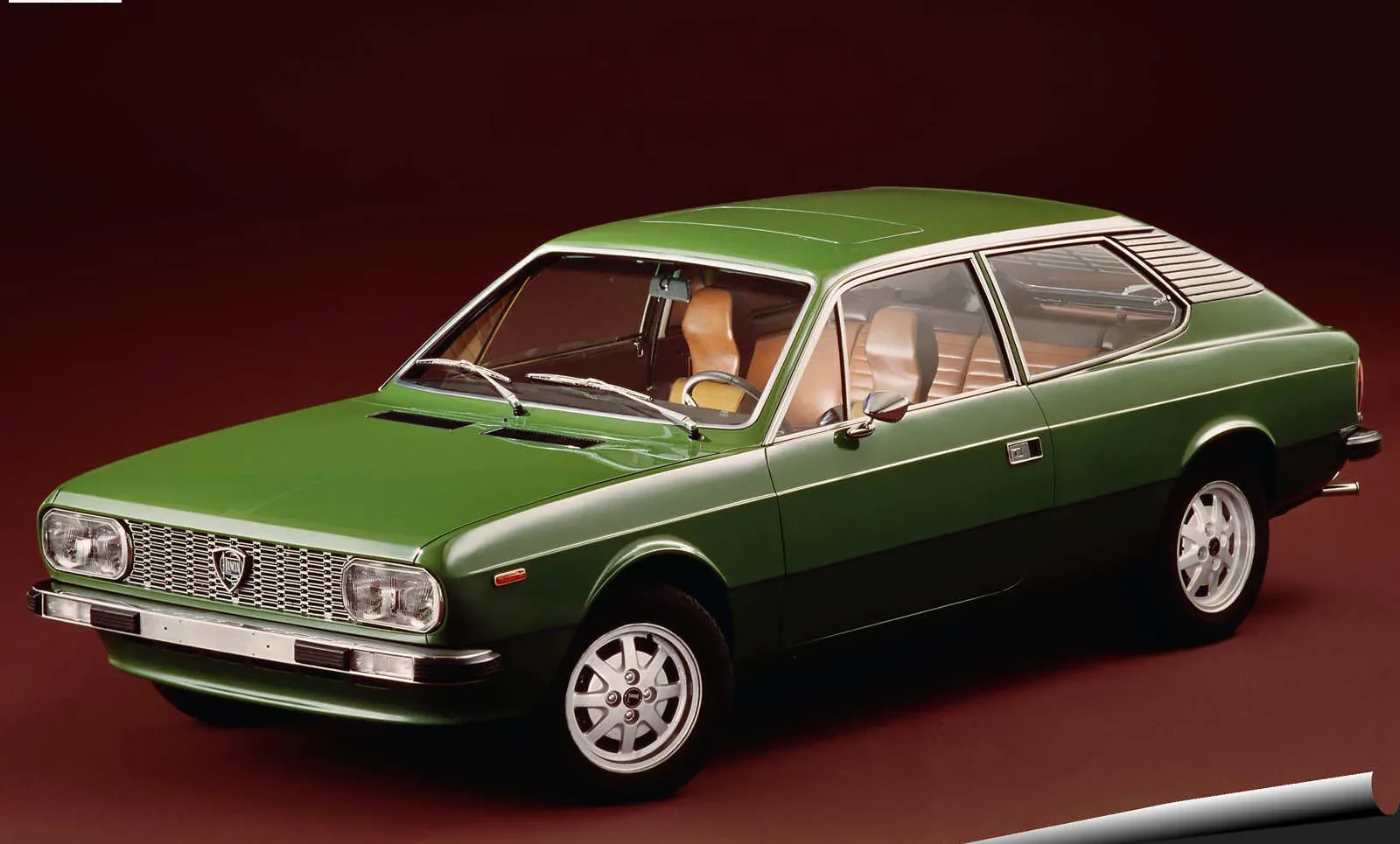
4. Lancia Beta Coupe (1973-1984)
The Lancia Beta Coupe arrived as a stylish Italian sports coupe, promising refinement, distinctive engineering, and driver enjoyment. Its wedge-shaped profile and clean design lines convey sophistication and motion, yet the Beta struggles with durability and long-term reliability that undermine its reputation.
While design remains striking, mechanical fragility challenges expectations. Engines included small-displacement V4 and four-cylinder options, combined with either manual or automatic transmissions. The layout delivered adequate performance but required consistent maintenance.
Carburetors were sensitive to fuel quality, electrical systems were prone to degradation, and engine mounts often required reinforcement. Restorers quickly recognize that returning a Beta to reliable running condition demands careful sourcing of parts and attention to detail.
Interior comfort and layout followed Italian design philosophies of elegance over ergonomics. Seating is compact, dashboards emphasize aesthetic symmetry, and controls prioritize form. Cabin noise is higher than expected for a coupe of its intended sophistication, and air conditioning systems rarely match contemporary expectations.
Aging electrical components introduce further challenges to usability. Handling offered promises of agility through light steering and low mass, yet chassis rigidity issues and suspension wear limit the realization of dynamic potential. Brake components age quickly, and body integrity often suffers from rust-prone areas.
The Beta Coupe demonstrates that Italian style does not guarantee long-term satisfaction without careful restoration and vigilance, leaving enthusiasts with a car that is beautiful yet demanding.
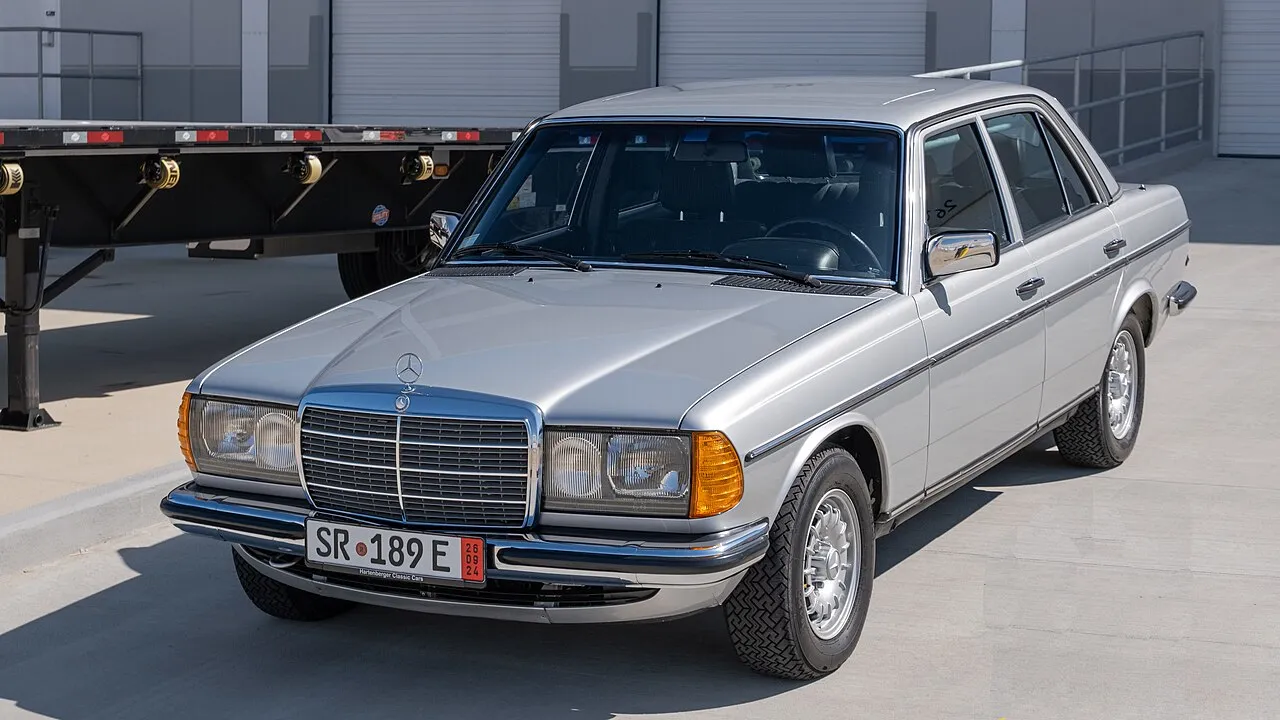
5. Mercedes-Benz W123 280CE Coupe (1977-1985)
Mercedes-Benz W123 series coupes convey solidity, elegance, and reliability in marketing, yet the 280CE reveals subtle discrepancies between myth and experience. Its design emphasizes classic proportions, chromed trim, and a stately presence. Visual charm suggests effortless refinement, though functional and maintenance realities temper this perception.
The 2.8-liter inline-six engine produces adequate performance, yet early fuel injection systems and mechanical components are prone to wear. Manual adjustments to valves, timing, and fuel delivery require knowledge and diligence.
Automatic transmissions, while convenient, demand attention, and parts can be difficult to source. The W123 coupe’s engineering promise does not translate to a carefree ownership experience without preventative care.
Cabin design combines leather, wood accents, and supportive seats. While visually luxurious, controls feel dated, and ergonomics are imperfect by modern standards. Visibility is restricted in certain angles, and long drives expose minor comfort limitations. Electrical systems in older models often require attention, particularly for climate controls or lighting.
Handling is composed and safe, yet the car’s chassis responds conservatively. Steering feedback is muted, suspension feels firm yet compliant, and braking is predictable but lacks immediacy. Restorers may update components, but balancing authenticity with improved usability remains a challenge.
The W123 280CE Coupe continues to impress visually, yet its myth of absolute reliability and refinement demands a nuanced understanding before committing to ownership or restoration.
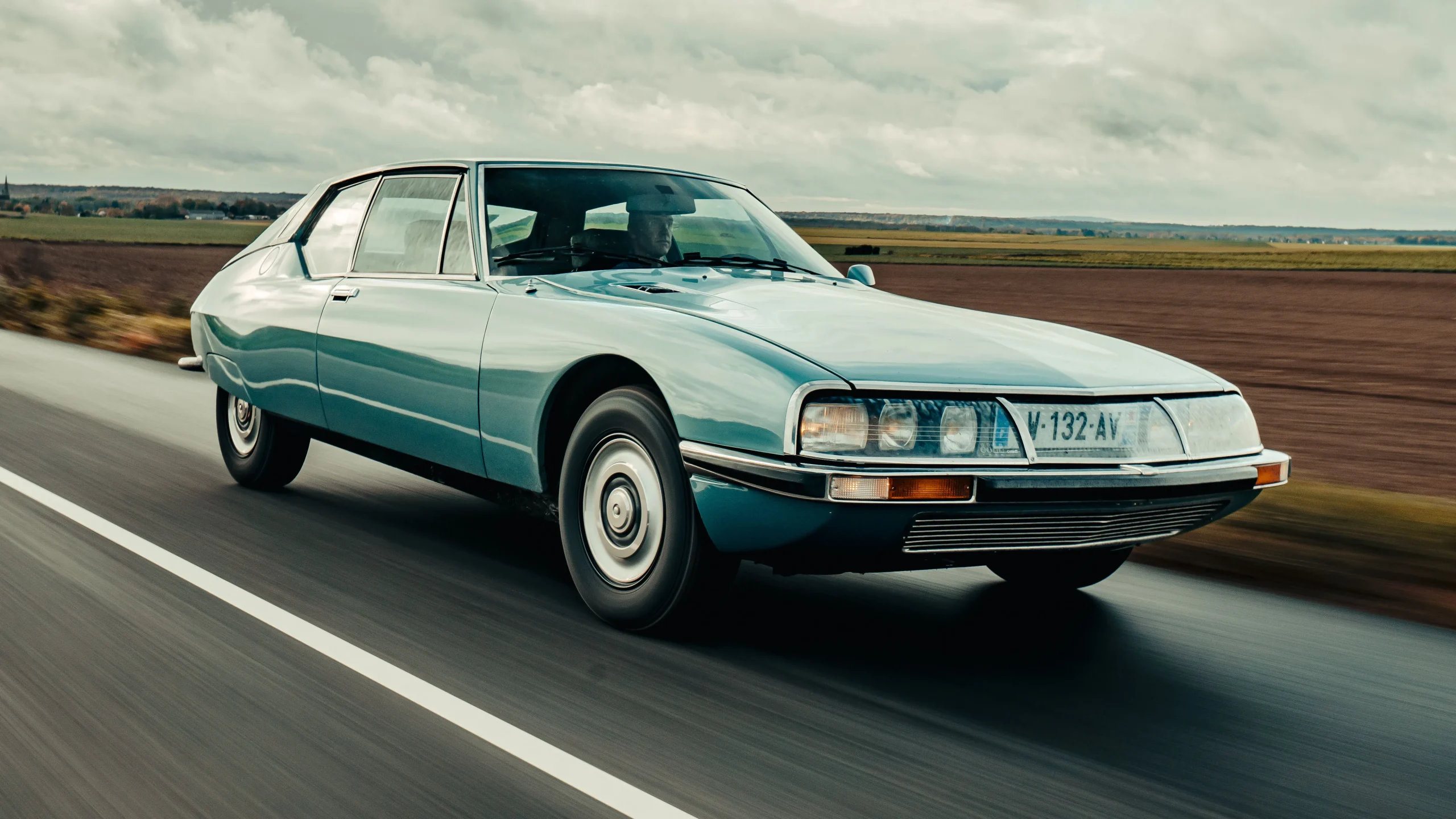
6. Citroën SM (1970-1975)
The Citroën SM was introduced with the promise of futuristic technology and French elegance, yet its ambition often exceeded practical reality. A long, aerodynamic body and distinctive front-end styling suggested innovation and sophistication.
Citroën’s approach emphasized advanced engineering, including hydropneumatic suspension and self-leveling systems designed to provide a smooth and controlled ride. The visual presence of the SM commanded attention, reinforcing its reputation as a revolutionary European grand tourer.
Under the hood, Maserati-sourced V6 engines supplied impressive performance on paper. The combination of French suspension technology and Italian power created a complicated mechanical system that required careful attention. Owners frequently encountered difficulties with hydraulic systems, steering components, and carburetion.
Electrical systems, though innovative, were prone to failure, making reliability a concern for daily use. While the driving experience offered refinement when properly maintained, the SM’s complications often led to frustrating ownership experiences and costly repairs.
Cabin design reflected French taste with unique layouts, leather upholstery, and wood accents. Seating was comfortable, yet interior ergonomics could feel unconventional compared to competitors. Controls were advanced but sometimes unintuitive, placing demands on drivers unfamiliar with Citroën’s idiosyncratic systems.
Visibility remained reasonable for a coupe, but minor blind spots combined with wide front pillars challenged some drivers. The combination of luxury and technical sophistication required consistent care to preserve performance and usability.
Handling was an area of mixed results. Hydropneumatic suspension offered excellent ride quality, yet excessive weight and complicated linkages created occasional unpredictability in cornering. Steering feedback was precise but highly dependent on proper maintenance.
Brake systems, designed for high-speed stability, demanded frequent inspection. The SM demonstrated brilliance in ambition but highlighted the gap between cutting-edge engineering and real-world dependability, leaving its legendary reputation more aspirational than practical.
The Citroën SM exemplifies a car whose image of advanced European luxury often surpassed operational realities. For collectors, it offers a visually stunning and historically interesting vehicle, yet prospective owners must be prepared for the challenges that accompany complicated engineering, demonstrating that innovation does not automatically ensure lasting satisfaction.
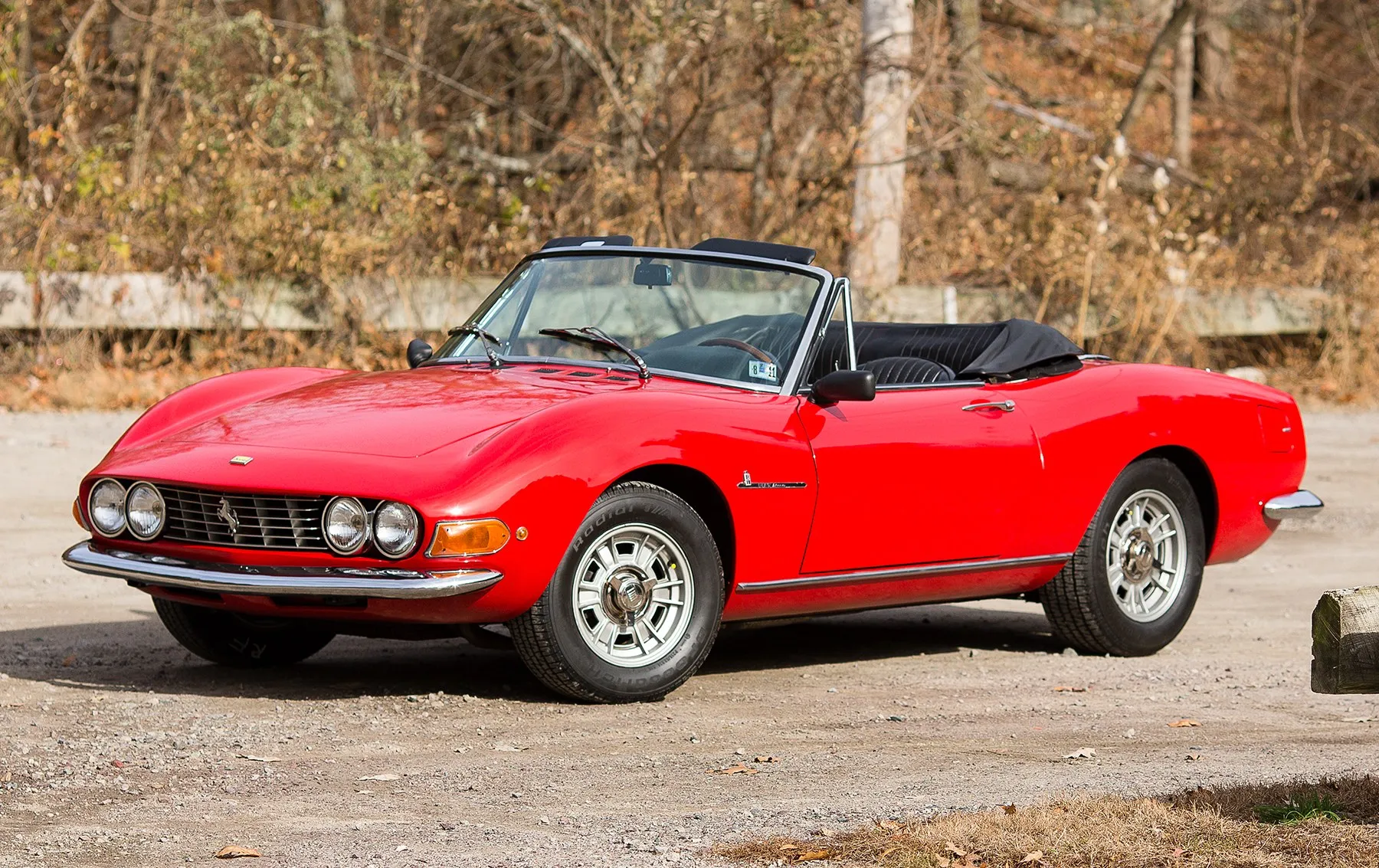
7. Fiat Dino Coupe (1967-1973)
Italian design elegance defined the Fiat Dino Coupe, intended to combine Ferrari-derived engineering with accessible Italian sports car styling. Smooth curves, elongated hood proportions, and refined detailing created a visually arresting presence.
The Dino Coupe’s marketing suggested a blend of exotic performance with everyday usability, but its mechanical foundations often contradicted that promise. Power originated from a Ferrari-designed V6 engine, providing smooth revs and responsive performance when the drivetrain was properly maintained.
However, regular maintenance demands were considerable. Carburetors required frequent adjustment, cooling systems were sensitive, and the entire mechanical layout could challenge those unfamiliar with Italian craftsmanship.
Even minor neglect could result in decreased performance or reliability issues. Transmission units were precise but required careful handling and maintenance. Enthusiasts may enjoy the connection between driver and engine, yet practical ownership exposed vulnerabilities that tempered its myth of accessible performance.
Interior spaces highlighted Italian taste, featuring leather upholstery and thoughtfully arranged instrumentation. Comfort levels were sufficient for short drives, yet the cabin lacked modern ergonomic refinement. Seating positions were low, contributing to driver engagement, but visibility and ingress could be cumbersome.
Dashboard controls required attention to detail, and electrical systems sometimes exhibited fragility. While the interior provided style and historical charm, daily usability presented challenges for owners seeking convenience alongside elegance.
Driving dynamics delivered mixed results. Lightweight construction and responsive steering promised agility, yet suspension geometry and chassis stiffness occasionally compromised precision at higher speeds. Braking systems required careful inspection, and the weight balance could feel uneven during spirited maneuvers.
The Fiat Dino Coupe rewarded careful, attentive driving but did not match the seamless performance expectations set by its Ferrari-inspired heritage. The Dino Coupe’s legend stems from its Italian design and Ferrari-derived engineering, but practical experience highlighted areas where reality fell short.
Enthusiasts can appreciate its aesthetic qualities and historical importance, yet ownership demands diligence and mechanical knowledge, revealing a gap between admiration and usability that tempers the allure of its mythic reputation.
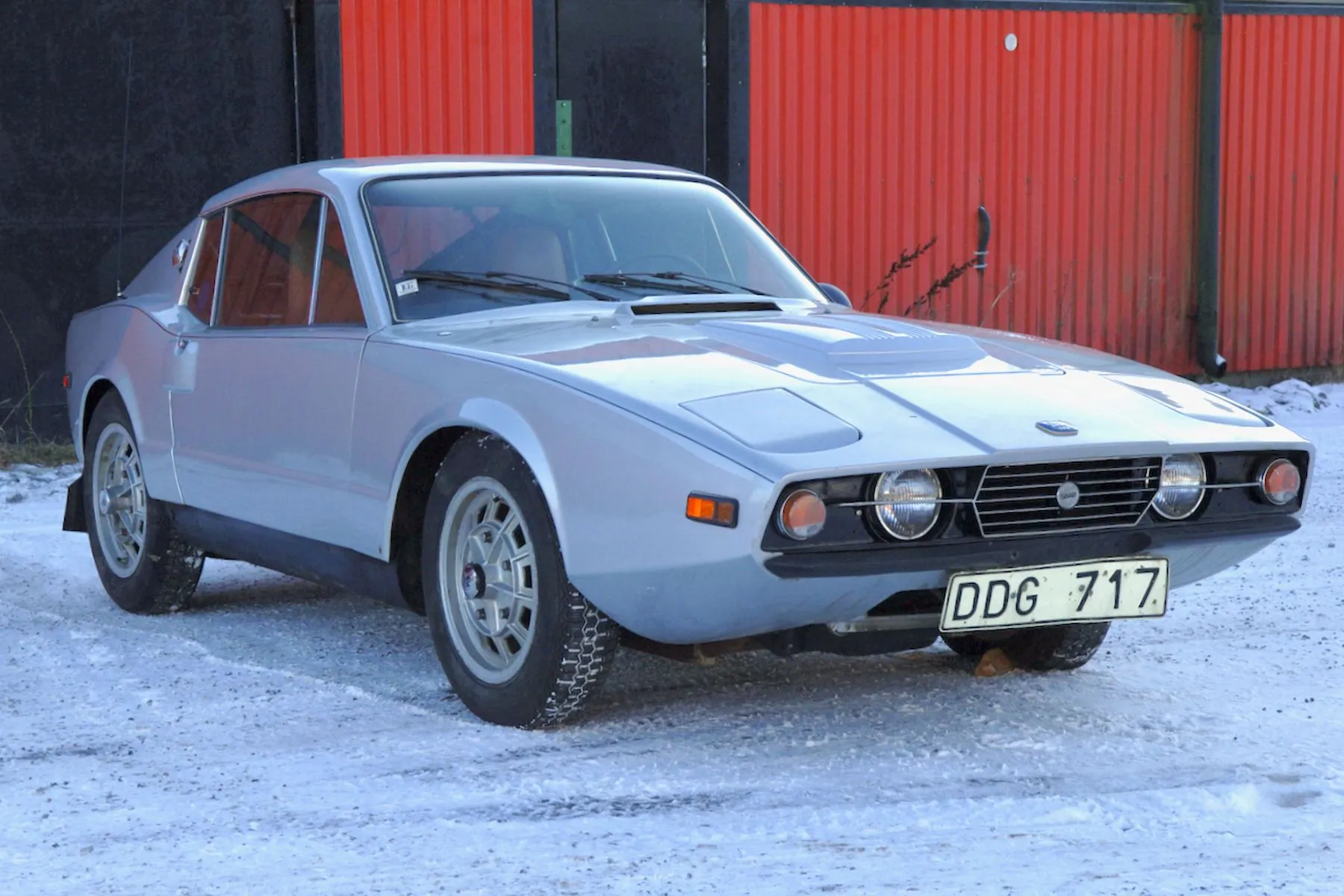
8. Saab Sonett III (1970-1974)
Swedish engineering attempted to redefine small sports car performance with the Saab Sonett III. Its wedge-shaped styling and lightweight fiberglass body gave the impression of an agile, high-performance vehicle. Marketing emphasized technical innovation and Scandinavian minimalism, promising a unique driving experience with reliability uncommon among contemporary European sports cars.
Power came from a small-displacement, fuel-injected inline-four engine. While efficient and relatively smooth, acceleration lacked excitement, especially compared to similarly priced Italian or German competitors. Handling favored understeer for safety, but limited the sporty feedback that drivers expected.
The manual transmission required precise shifting, and component wear could impact engagement as time goes on. Enthusiasts seeking an intense driving experience often found the Sonett III underwhelming, with the car’s reputation exaggerating the enjoyment provided by its modest performance figures.
Cabin appointments emphasized functionality. Seating was low but compact, materials were durable, and instrument clusters presented essential information clearly. Comfort levels were adequate for short journeys, yet long-distance usability revealed limited space and ventilation challenges.
Switchgear and controls were efficient but lacked refinement, reflecting practicality over luxury. Maintenance access could be restrictive due to the compact engine bay, complicating routine service. Chassis dynamics reflected a safety-focused design. Suspension geometry and low weight provided predictability, yet agility suffered, particularly in aggressive cornering.
Steering communicated intentions adequately but lacked richness. Brake performance was functional but required attentive use in spirited driving. The Sonett III represents an example of a European car whose engineering ambitions and innovative appearance promised excitement that did not align fully with reality.
While the Saab Sonett III remains collectible due to rarity and distinct styling, it demonstrates that reputation alone cannot ensure satisfaction. Drivers and enthusiasts often confront mechanical limitations, performance shortfalls, and interior compromises, showing that mythic perception can surpass practical experience.
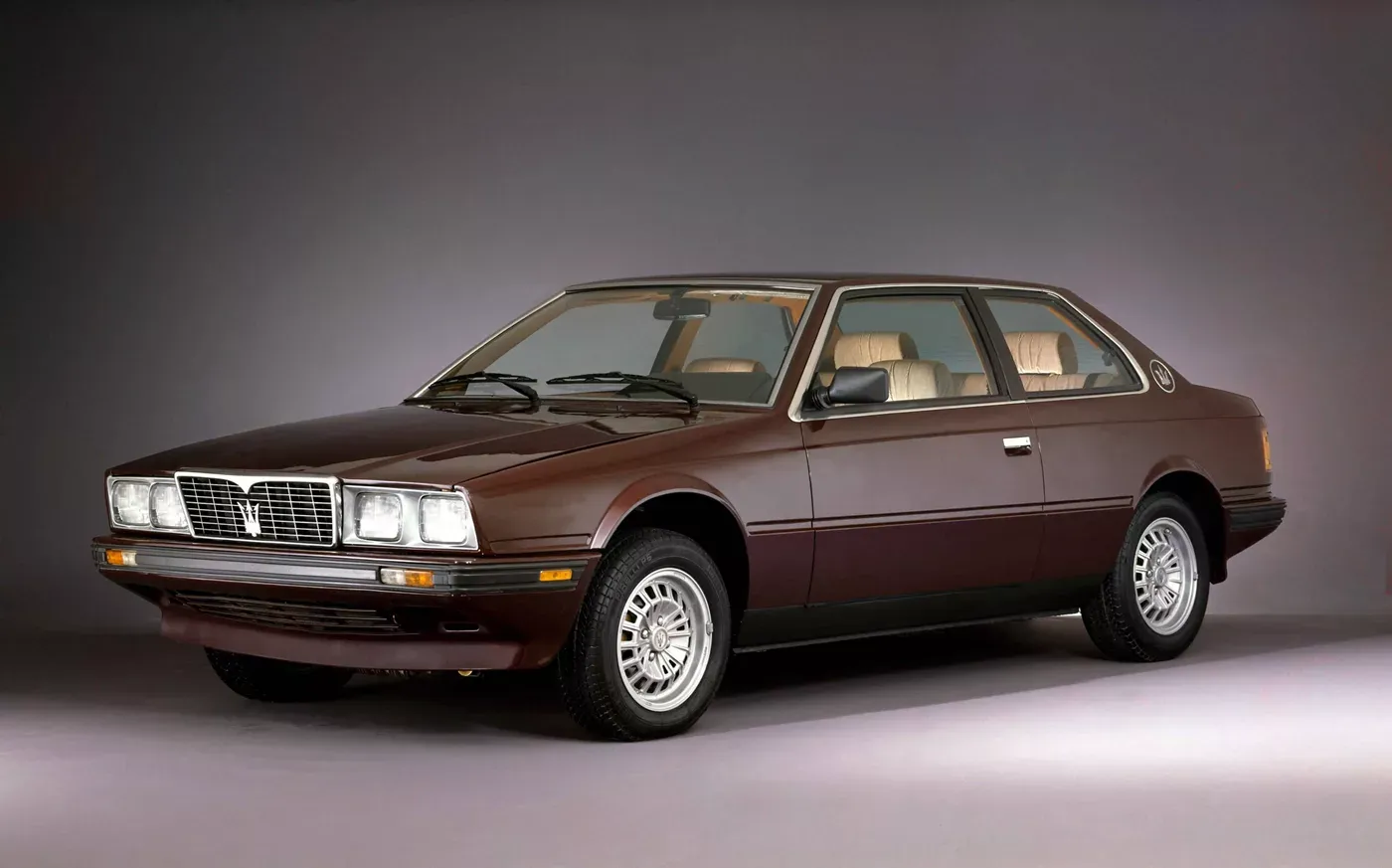
9. Maserati Biturbo (1981-1994)
Maserati sought to deliver Italian luxury and twin-turbocharged excitement with the Biturbo series, yet production realities frequently undermined the myth. Styling emphasized classic Italian proportions, sharp lines, and an aggressive stance intended to suggest performance and sophistication.
Enthusiasts often anticipate a thrilling combination of speed, handling, and luxury, but the Biturbo introduced challenges that temper enthusiasm. Engines featured small-displacement V6 units with twin-turbocharging.
While capable of impressive acceleration under ideal conditions, reliability proved inconsistent. Turbochargers required careful management, fuel delivery systems were sensitive, and frequent mechanical attention was necessary to maintain performance.
Transmission units delivered adequate control but could suffer wear under spirited driving. Electrical gremlins and cooling system issues were common, creating a car that demanded constant vigilance to remain operational.
Interior presentation reflected Maserati’s ambition. Leather, wood, and stylish dashboards conveyed a sense of luxury, yet long-term usability suffered from inconsistent ergonomics and electrical reliability. Controls and instrumentation sometimes failed as time went on, and heating or ventilation issues were not uncommon.
Owners investing in preservation or restoration often faced costly sourcing of authentic components, reflecting a gap between aesthetic promise and practical experience. Chassis behavior combined traditional rear-wheel drive balance with challenging weight distribution.
Steering feedback could feel inconsistent, suspension compliance varied with maintenance, and braking performance required attentive monitoring. Dynamic performance was exciting in controlled conditions, but could disappoint drivers expecting a consistently polished experience.
The Maserati Biturbo serves as a lesson in how exotic design and engineering ambition do not automatically translate to reliability or practicality. Collectors often value its heritage, appearance, and rarity, yet performance and mechanical realities temper its reputation, illustrating a divergence between myth and achievable ownership satisfaction.
Also Read: 10 Affordable 1980s Classic Cars That Deliver Pure Nostalgia
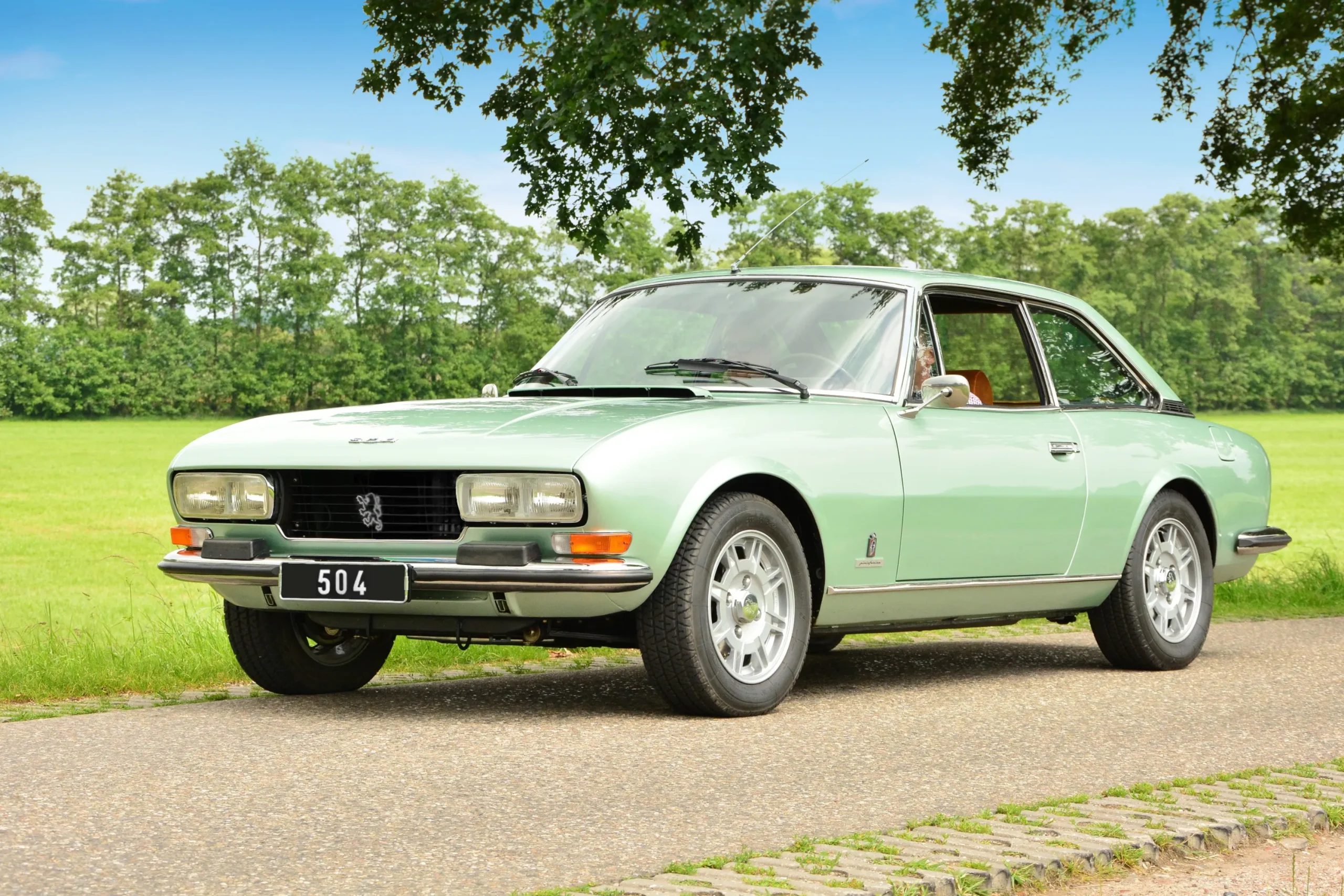
10. Peugeot 504 Coupé/Cabriolet (1969-1983)
The Peugeot 504 Coupé and Cabriolet offered French elegance, combining clean design with a promise of refined driving. Its proportions, angular styling, and tasteful detailing conveyed sophistication, positioning it as a grand tourer for enthusiasts seeking continental charm.
Advertisements and historical references suggested comfort and reliability, yet practical ownership experience revealed limitations. Powertrains included inline-four and V6 options, delivering adequate but unspectacular performance. Acceleration was modest, and gearboxes required attentive operation to maintain smooth moves.
Suspension design provided comfort but lacked precise handling feedback, leaving some drivers disappointed by the cornering response. Fuel efficiency was reasonable, but maintenance demands and aging electrical systems added complications to ownership.
Interior design emphasized comfort with leather, wood trim, and spacious seating for its size. Cabin ergonomics, however, presented compromises. Dashboard layout was visually appealing, yet controls could be unintuitive, and ventilation performance was inconsistent. Convertible and coupe tops required care to maintain sealing and appearance, adding to the challenge of daily usability.
Chassis and ride quality highlighted comfort rather than sporting performance. Suspension tuning favored a compliant ride, yet steering feedback was light and imprecise, diminishing engagement for those expecting dynamic response.
Braking performance remained adequate but required vigilance as time went on. The Peugeot 504 Coupé and Cabriolet demonstrate that style and refinement alone cannot mask limitations in mechanical and driving performance, leaving expectations higher than practical results.
Collectors prize these models for their aesthetic appeal, historical presence, and rarity, yet enthusiasts should approach ownership with realistic appreciation for maintenance needs, modest performance, and operational quirks. Its myth that often exceeds the tangible rewards of regular use.
