
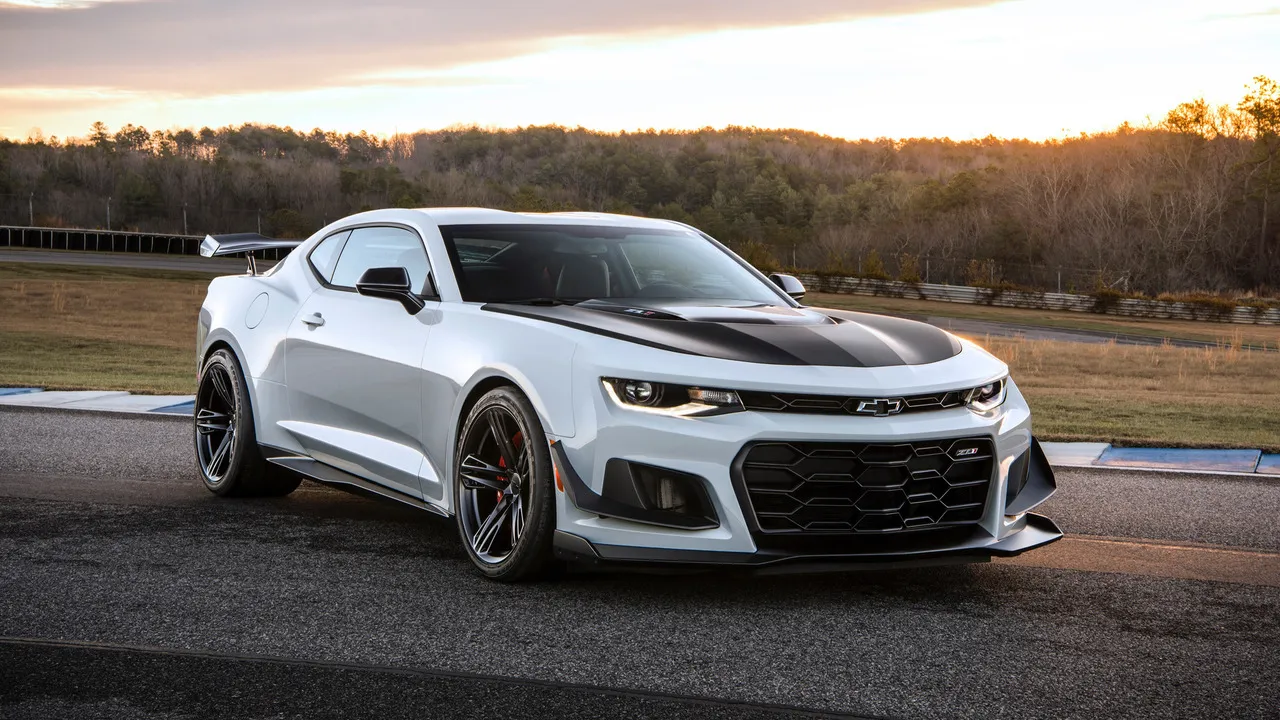
Muscle cars have long been a symbol of raw power, daring design, and the thrill of acceleration that commands attention at every traffic light. From the early days of the American automotive boom to modern high-performance machines, these cars have redefined what drivers expect in terms of speed, handling, and presence.
This list highlights ten muscle cars that not only delivered blistering performance but also permanently raised expectations within the segment. These vehicles combined innovation, engineering mastery, and design excellence to create experiences that enthusiasts remember for a lifetime.
Beyond mere horsepower, these muscle cars introduced features that influenced future designs. They blended aerodynamics, engine technology, and driver-focused ergonomics in ways that challenged competitors and inspired generations of engineers. While some pushed limits on the drag strip, others demonstrated that a muscle car could handle daily roads without losing character or excitement.
Collectors, enthusiasts, and even casual observers can recognize the impact of these machines. Each entry on this list represents a car that pushed boundaries, whether through radical styling, groundbreaking powertrains, or track-capable suspensions. They proved that muscle cars are more than loud engines and aggressive looks; they are statements of engineering ambition and driving passion.
This page details ten vehicles that not only delivered exceptional performance when introduced but also influenced the trajectory of muscle car design and expectations for years to come. From classic icons to modern marvels, these cars exemplify the blend of style, speed, and engineering prowess that defines the muscle car legacy.
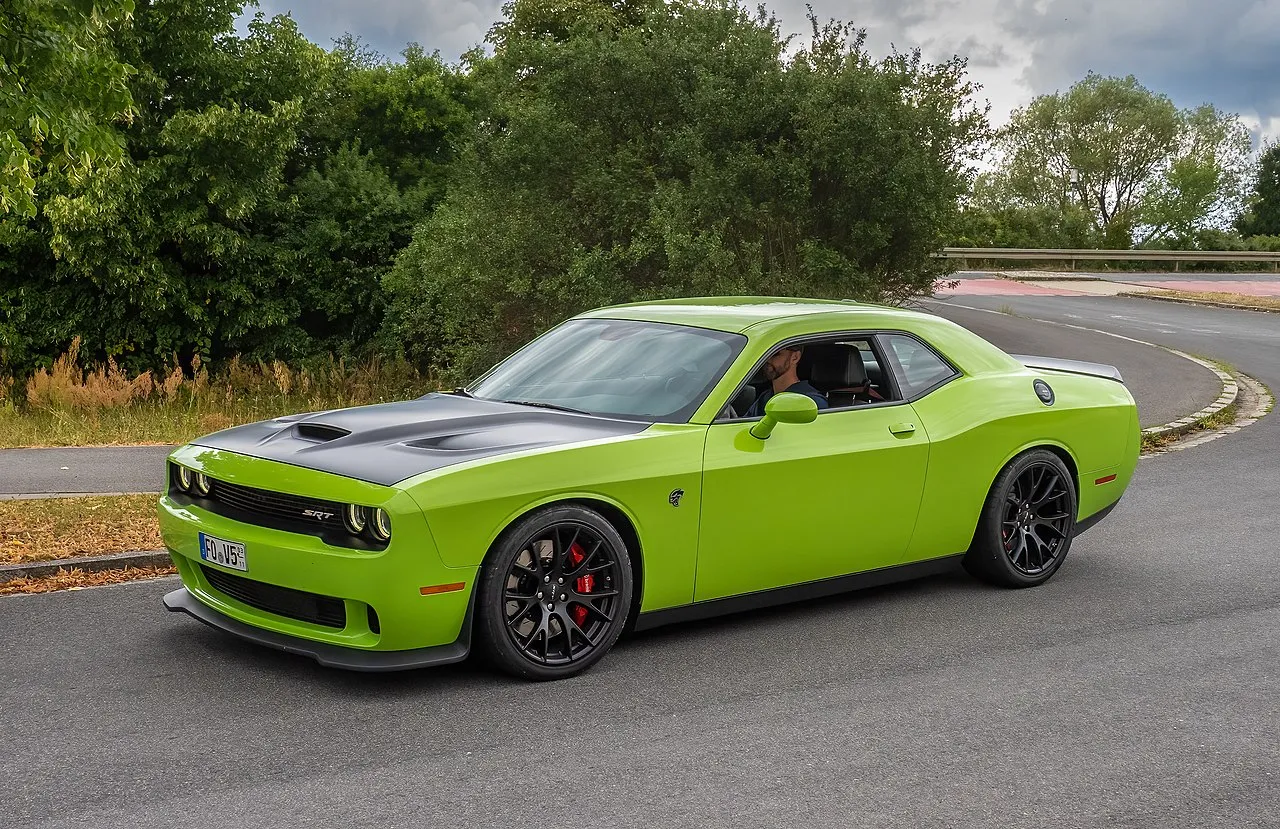
1. Dodge Challenger SRT Hellcat (2015-Present)
Dodge redefined modern muscle performance with the Challenger SRT Hellcat, a vehicle that combines vintage styling cues with a monstrous supercharged V8 engine. The 6.2-liter V8 produces 707 horsepower and 650 pound-feet of torque, enabling acceleration that eclipses many exotic sports cars.
What makes the Hellcat remarkable is how it balances brute power with an everyday usability that allows owners to experience performance without sacrificing comfort. Engineering choices emphasize both raw output and controllable delivery.
Launch control and adaptive traction systems ensure that power reaches the pavement effectively, while Brembo brakes and performance suspension allow the vehicle to stop and handle with confidence despite its size. Designers incorporated functional hood vents and heat management systems to keep engine temperatures in check during sustained high-performance driving, proving that extreme power requires intelligent design.
The cabin combines muscle car nostalgia with modern technology. Comfortable seating, advanced infotainment, and driver-assistance systems create a car that can handle daily commuting alongside spirited weekend runs. The ergonomics considers both aggressive driving and long-distance cruising, ensuring that the driver remains connected to the car without fatigue.
On the road, the Hellcat is both intimidating and exhilarating. Its deep exhaust note communicates authority even at idle, while the throttle response ensures immediate action. Dodge crafted a car that not only challenges rivals in performance benchmarks but also commands attention wherever it goes.
By merging heritage design with state-of-the-art engineering, the Challenger SRT Hellcat permanently raised expectations for what a muscle car could deliver in terms of power, handling, and driver engagement.
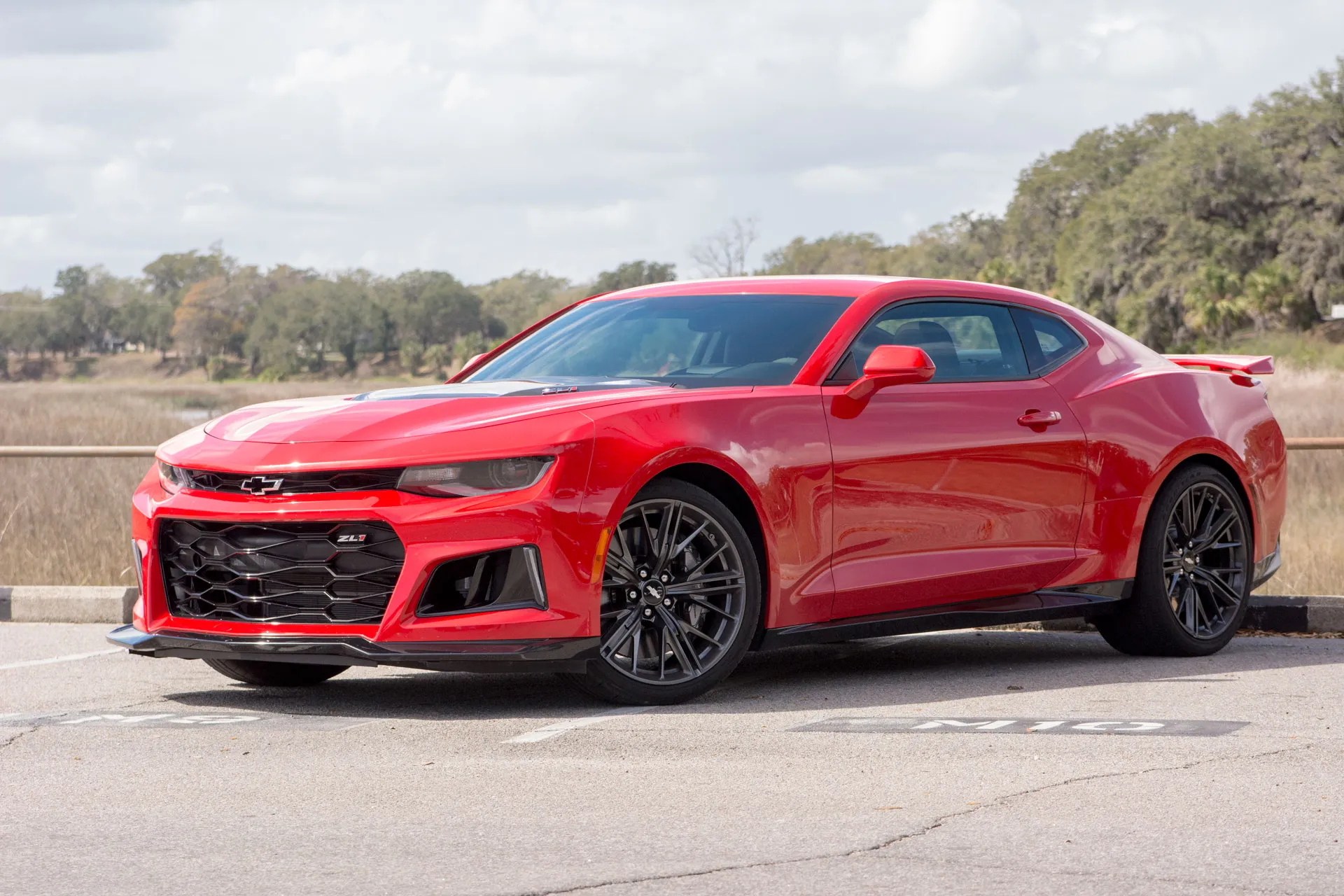
2. Chevrolet Camaro ZL1 (2017-Present)
The Chevrolet Camaro ZL1 represents a turning point in the muscle car market, combining track-focused technology with a design that emphasizes aerodynamic efficiency and aggressive styling. Its supercharged 6.2-liter V8 engine produces 650 horsepower, allowing the Camaro ZL1 to compete with sports cars costing twice as much.
Engineers focused on integrating performance features that improve handling and responsiveness without compromising the raw power expected from a modern muscle car. Advanced aerodynamics contribute to its precision at high speeds.
Front splitters, rear spoilers, and underbody panels work together to maintain stability, while Magnetic Ride Control suspension adjusts in real-time to road conditions. This setup enables drivers to corner confidently, a step forward for a vehicle historically associated with straight-line dominance. Brembo brakes with large rotors provide stopping power that matches its acceleration.
Inside, technology is integrated with driver engagement in mind. Digital instrument clusters, performance data recorders, and adjustable driving modes provide feedback and control, allowing enthusiasts to maximize the car’s capabilities safely. High-quality materials, supportive seating, and intuitive controls make the cabin suitable for daily use without sacrificing the excitement expected from a muscle car experience.
Chevrolet ensured that the ZL1’s performance extends beyond the racetrack. Track-inspired engineering improves stability during spirited drives on highways and winding roads alike. By combining aerodynamics, electronics, and raw engine output, the Camaro ZL1 set a benchmark for muscle cars, showing that these vehicles could offer balance, refinement, and extreme power simultaneously.
This car permanently influenced how manufacturers approached muscle car performance, pushing the segment into a new era of technological integration and driver confidence.
Also Read: Top 10 Muscle Cars That Make Surprisingly Good Daily Drivers
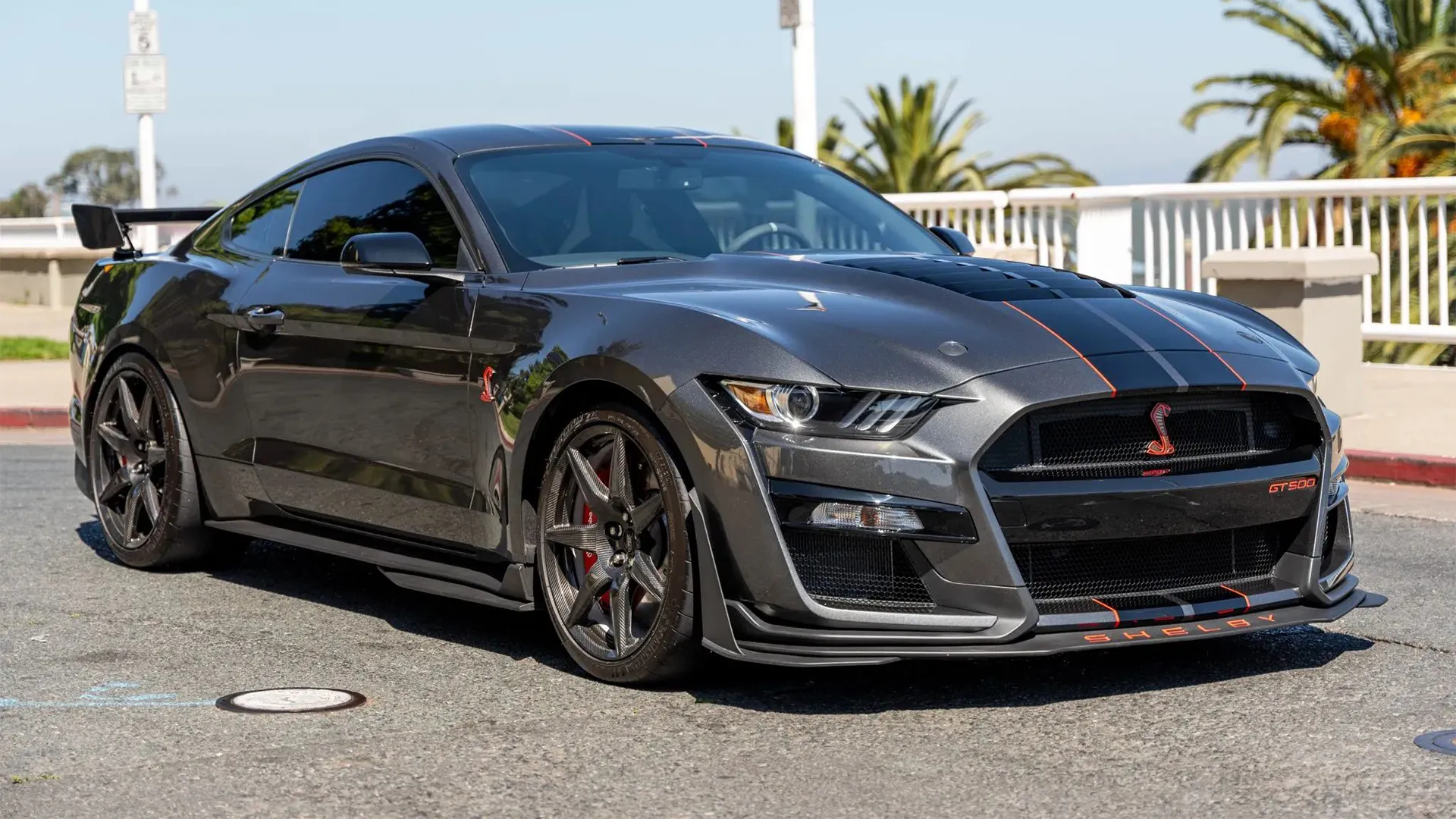
3. Ford Mustang Shelby GT500 (2020-Present)
The Ford Shelby GT500 exemplifies the pinnacle of Mustang performance, combining extraordinary power with advanced engineering to deliver a comprehensive driving experience. Under its hood lies a supercharged 5.2-liter V8 engine, capable of producing 760 horsepower, establishing it as the most powerful production Mustang ever created.
Ford’s design strategy extends beyond raw power, incorporating aerodynamic enhancements, adaptive suspension systems, and high-performance cooling solutions to ensure the car performs optimally both on straight-line acceleration and on demanding road circuits.
Chassis and suspension systems were developed to complement the engine’s immense output. A dual-ball-joint front suspension provides precise wheel articulation, while adaptive dampers adjust ride firmness according to driving conditions. Wide performance tires maintain strong contact with the road surface, allowing confident cornering and responsive steering.
Additional mechanical refinements, such as brake upgrades, intercoolers, and airflow ducts, manage thermal stress during extended spirited driving, preserving reliability under sustained high-speed conditions. These measures reflect careful engineering aimed at balancing extreme performance with practical usability.
Cabin design merges driver-focused ergonomics with functional comfort. Recaro sport seats provide support during aggressive driving, while digital instrumentation displays essential performance metrics clearly. Controls are positioned for intuitive access, ensuring the driver can remain fully engaged with the vehicle’s capabilities.
Systems such as climate control, safety aids, and infotainment have been integrated in a manner that does not interfere with driving focus, allowing the GT500 to function effectively as a daily-use vehicle when required. The interior demonstrates that a high-performance vehicle can still prioritize usability and occupant convenience.
The Shelby GT500 has become a benchmark for modern muscle cars, illustrating that extreme power can coexist with precision handling and practical design. Its engineering philosophy challenges manufacturers to consider every aspect of performance, from engine output and chassis dynamics to interior ergonomics and thermal management.
By achieving this balance, the GT500 has raised the standard for contemporary muscle vehicles, encouraging innovation in both high-speed capability and everyday functionality. It represents a model in which Ford has successfully harmonized aggressive performance with refined usability, creating a machine that leaves a lasting impression on both enthusiasts and competitors alike.
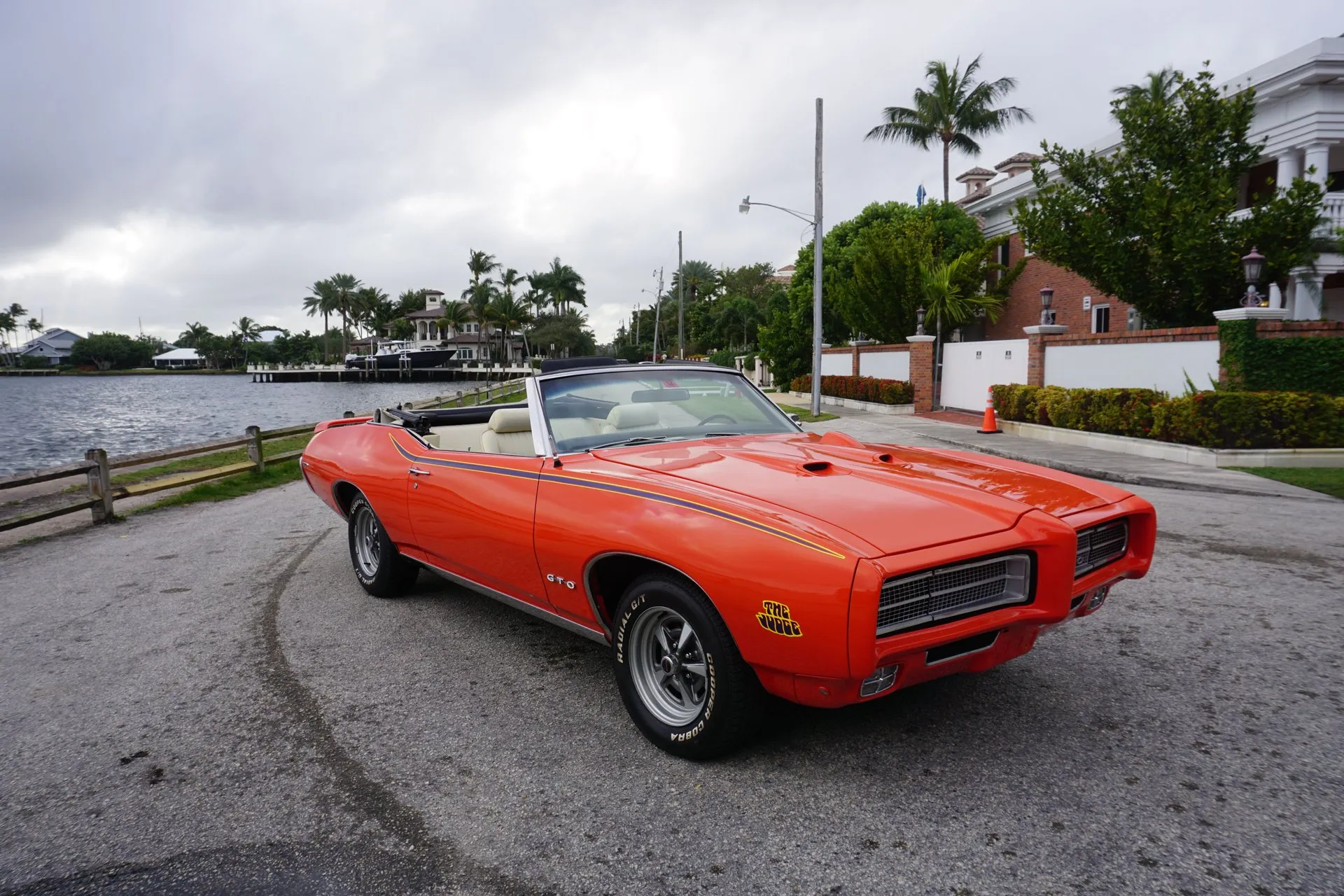
4. Pontiac GTO Judge (1969)
The 1969 Pontiac GTO Judge was a revolutionary muscle car in its era, designed for drivers seeking aggressive styling and unmatched performance. Powered by a 6.6-liter V8 producing up to 370 horsepower in high-output configurations, it dominated drag strips while maintaining road-going comfort.
Its lightweight design, coupled with performance-tuned suspension, made it agile despite its size, reflecting Pontiac’s focus on balance and responsiveness. The Judge package included unique visual elements such as bold stripes, a distinctive rear spoiler, and Rally II wheels, giving it an unmistakable presence.
Pontiac paired style with engineering advancements like Ram Air induction, which improved airflow to the engine, enhancing performance at high speeds. Handling upgrades such as heavy-duty sway bars and shock absorbers contributed to road stability, ensuring the vehicle’s raw power remained controllable.
Interior considerations were more than cosmetic. Bucket seats, optional console-mounted tachometers, and upgraded instrumentation allowed drivers to monitor performance in real-time. Pontiac created a cockpit designed for engagement, combining driver information with ergonomics that prioritized control and comfort.
The 1969 GTO Judge became a template for future performance-oriented muscle cars. It demonstrated that thoughtful engineering, paired with aggressive design, could produce a vehicle that appealed to both enthusiasts and casual observers. Its legacy persists, influencing how automakers balance speed, aesthetics, and driver experience in modern muscle vehicles.
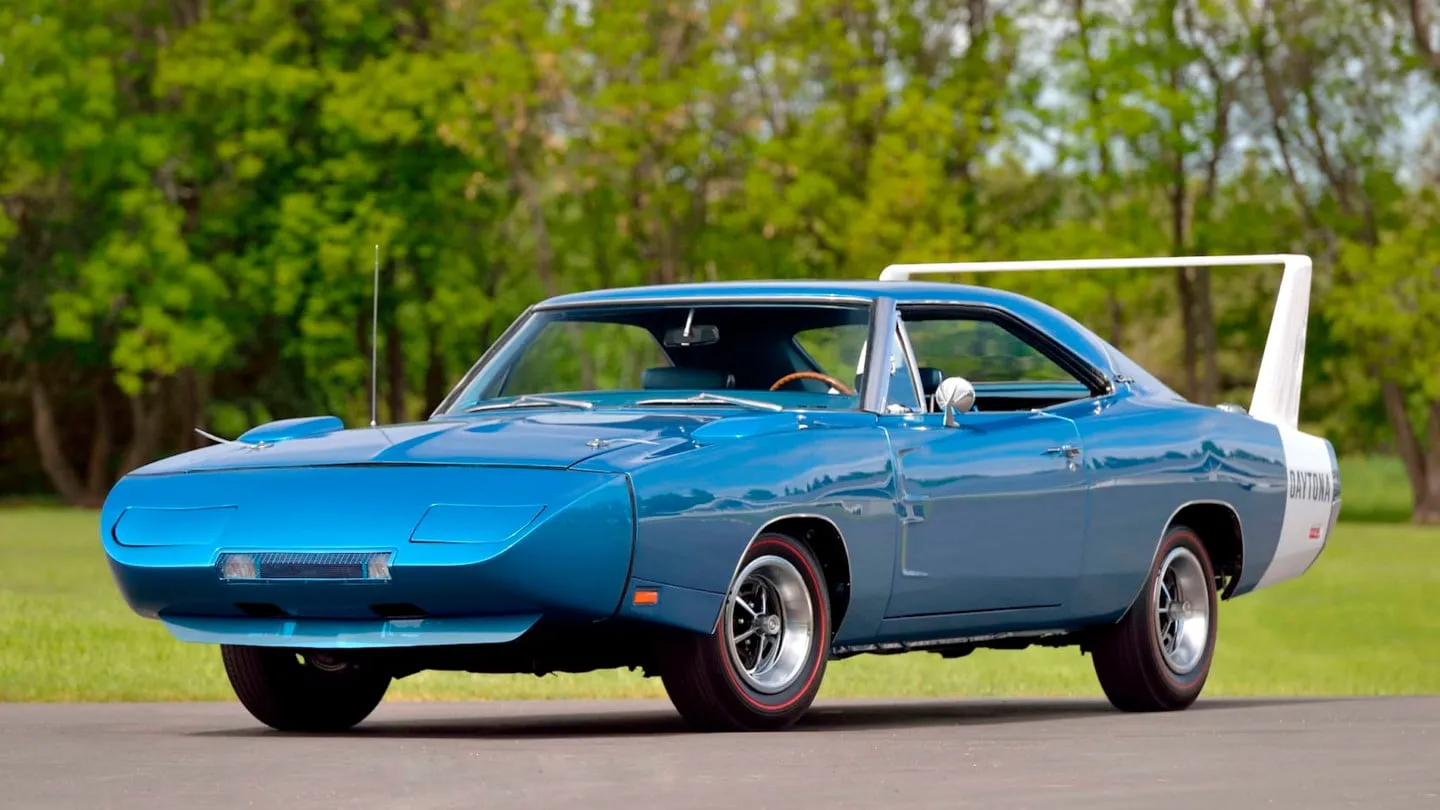
5. Dodge Charger Daytona HEMI (1969)
The 1969 Dodge Charger Daytona HEMI represents a remarkable example of American automotive engineering, blending high-speed capability with striking visual presence. Powered by a 7.0-liter HEMI V8 engine delivering 425 horsepower, this muscle car was designed to excel both on professional racing circuits and regular roads.
Engineers focused on producing a vehicle capable of exceptional acceleration and top-end speed, ensuring that it could compete effectively in NASCAR while retaining practical usability for enthusiasts. Aerodynamic innovation defined the Daytona’s exterior. Its pointed nose cone reduced air resistance, while the tall rear wing improved stability at high velocity.
These elements were not merely aesthetic; they allowed the car to maintain control under extreme conditions. Such design strategies laid a foundation for future high-performance vehicles, demonstrating how aerodynamics could directly enhance speed and handling in production cars. The Daytona’s aggressive styling communicated power and performance even when stationary, creating an immediate visual impact.
Chassis and suspension components were engineered to complement the immense engine output. Heavy-duty sway bars, reinforced suspension arms, and precision-tuned shocks ensured that the vehicle remained composed during rapid acceleration and high-speed cornering.
These mechanical choices allowed drivers to exploit the engine’s full potential without sacrificing control or safety. Engineers’ attention to weight distribution and rigidity reflected a thoughtful approach to balancing raw power with dynamic stability.
The interior combined comfort and functionality in a driver-oriented layout. Supportive seating allowed for long periods of spirited driving, while a straightforward instrument panel provided essential data without distraction.
Controls were durable and simple, reflecting a philosophy of reliability alongside performance. This integration of practicality with racing-inspired design created a vehicle capable of excelling in both everyday use and competitive settings, an approach that was pioneering at the time.
The Charger Daytona HEMI’s influence extends beyond its own production years. Its focus on aerodynamic efficiency, power management, and structural reinforcement reshaped expectations for muscle cars. Manufacturers observed how engineering solutions such as nose cones, rear wings, and reinforced chassis could transform performance capabilities.
Today, the Daytona remains a symbol of innovation and ambition, demonstrating that thoughtful design and engineering foresight can produce a vehicle that is as visually arresting as it is mechanically exceptional.
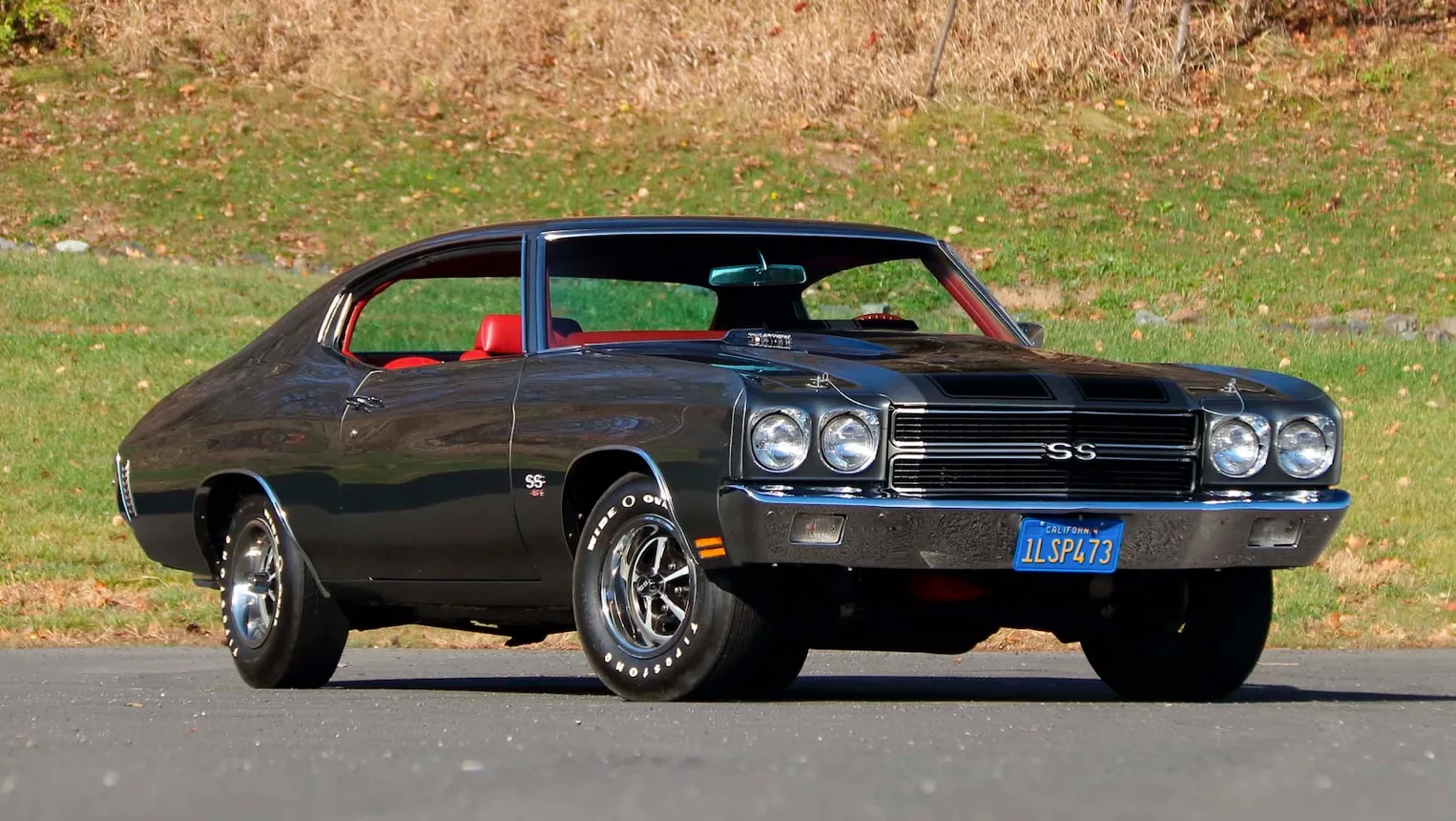
6. Chevrolet Chevelle SS 454 (1970)
Chevrolet achieved a peak in American muscle performance with the 1970 Chevelle SS 454. This car was engineered around a massive 454 cubic-inch V8 producing 450 horsepower, creating a visceral driving experience that defined an era.
Engineers combined raw power with a chassis designed to manage torque and acceleration, allowing drivers to exploit the engine’s capability without sacrificing control. Suspension tuning emphasized balance, even with the immense weight of the drivetrain. Front and rear sway bars, along with heavy-duty shocks, helped stabilize the car during spirited driving and sudden maneuvers.
Steering response was direct, enhancing the feeling of connection between driver and machine, which became a hallmark of classic muscle cars. Tire selection was integral to performance, with wide, high-grip rubber ensuring that engine output translated effectively to road traction.
Aesthetics played a role as much as mechanics. Bold stripes, chrome accents, and the distinctive SS badging created an imposing visual presence. The Chevelle’s long hood, short rear deck, and aggressive stance projected power before the engine even started. This design language reinforced the vehicle’s status as both a performance machine and a cultural icon.
Interior ergonomics focused on functionality and driver engagement. Bucket seats with supportive bolsters allowed control during high-speed runs, while a simple, clear instrument cluster provided essential performance data. Options such as center consoles and floor-mounted shifters enhanced the experience for those who sought precision driving without unnecessary complication.
The Chevelle SS 454’s impact went beyond horsepower. Its combination of styling, engineering, and performance set benchmarks for competitors and influenced muscle car design for years. It demonstrated that extreme power could coexist with handling capability and street usability, cementing its place as a muscle car that permanently raised performance expectations. Collectors and enthusiasts still revere this model for its raw emotion, engineering foresight, and iconic presence.
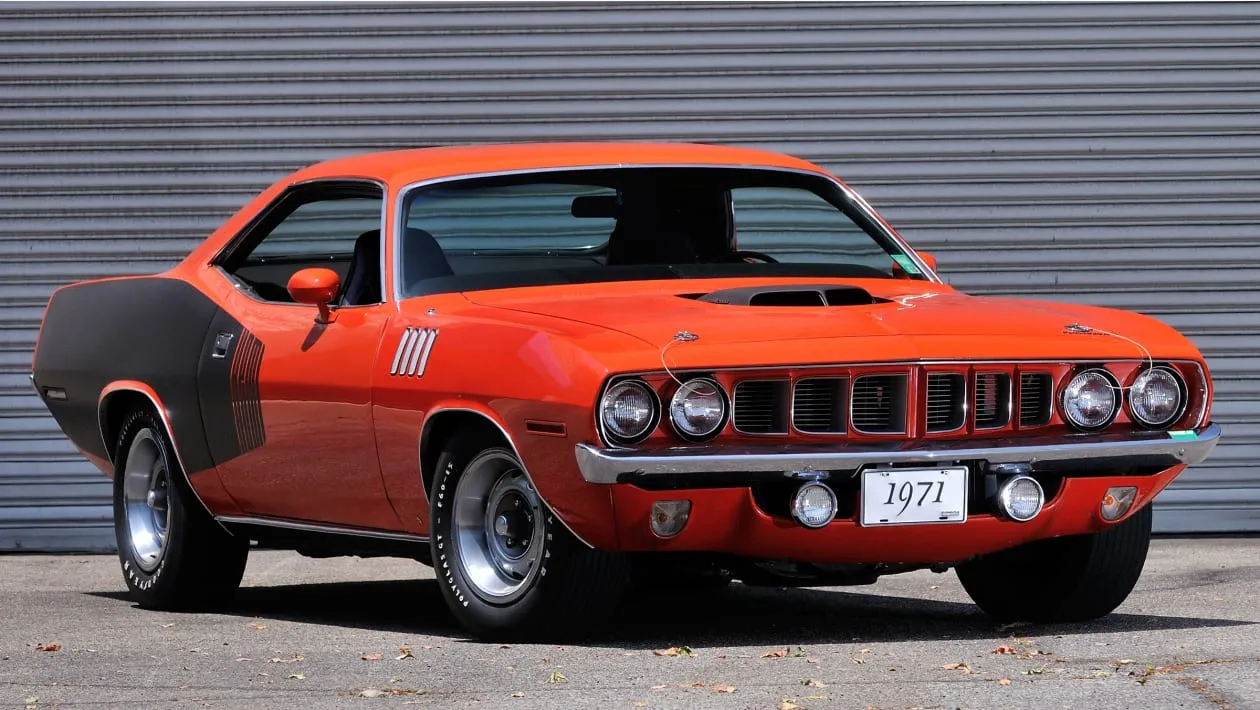
7. Plymouth Barracuda HEMI ‘Cuda (1971)
The 1971 Plymouth Barracuda HEMI, famously known as the ‘Cuda, remains a symbol of peak muscle car engineering. Powered by a 426 HEMI V8 producing 425 horsepower, the ‘Cuda blended street usability with track-ready performance.
Chrysler engineers optimized airflow and combustion efficiency to ensure the engine delivered power consistently across all RPM ranges, creating a driving experience both thrilling and reliable. Chassis and suspension improvements were extensive. Heavy-duty components allowed for precise control despite the high-output engine.
Front torsion bars and rear leaf springs were tuned for cornering stability, while optional performance packages offered enhanced braking and traction control. The vehicle’s short wheelbase contributed to agility, giving it a unique combination of straight-line speed and cornering responsiveness rarely seen in its era.
Visual identity distinguished the ‘Cuda from competitors. The fastback roofline, integrated hood scoops, and rear spoilers created a sense of motion even when stationary. Bold colors and racing-inspired graphics emphasized performance and attitude, turning the car into an object of desire for enthusiasts.
This design approach communicated that engineering and aesthetics could work together to create an unforgettable presence. Inside, the cabin provided a balance of functionality and driver focus. Recaro-style seating supported spirited driving, while performance-oriented gauges allowed the driver to monitor engine vitals closely.
Simple yet purposeful controls ensured that adjustments could be made quickly without distraction. The interior reflected Chrysler’s philosophy of creating a driver-centered environment that complemented mechanical capabilities.
The Barracuda HEMI ‘Cuda influenced muscle car culture, setting standards for engine performance, visual aggression, and driver-focused design. Its combination of aerodynamics, high-output power, and track-ready features inspired future generations of muscle vehicles. Today, it stands as a symbol of the innovation, ambition, and raw performance that defined the golden era of American muscle cars.
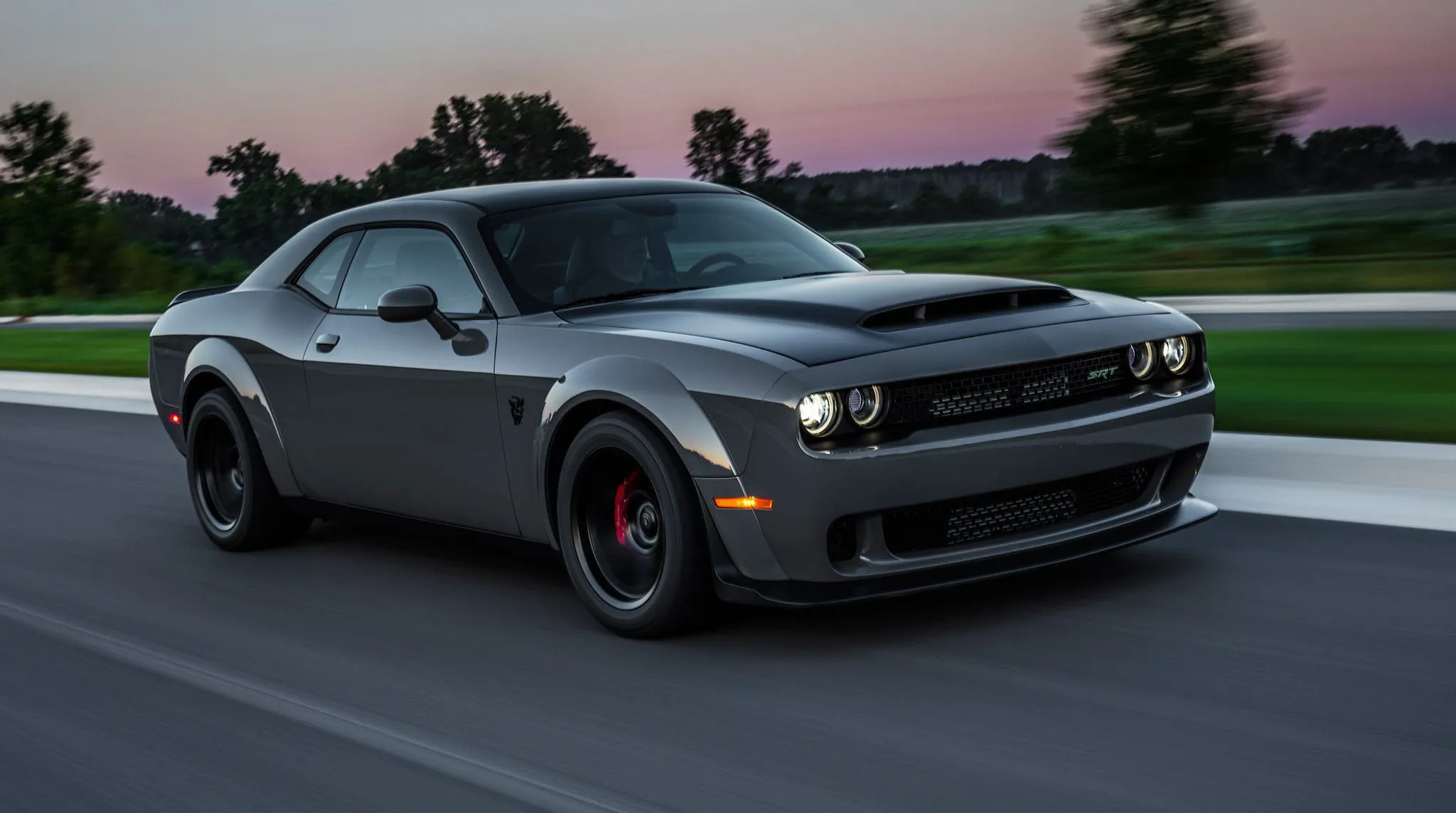
8. Dodge Challenger SRT Demon (2018)
The 2018 Dodge Challenger SRT Demon represents a peak in modern muscle car engineering. With a supercharged 6.2-liter HEMI V8 producing 840 horsepower when using high-octane fuel, it became the most powerful factory muscle car of its time.
Engineers designed the Demon to focus on acceleration and traction, using advanced launch control, transbrake technology, and drag radial tires to achieve quarter-mile times that rivaled purpose-built drag cars. Aerodynamic features were carefully implemented to handle immense power. Functional hood scoops, adjustable air dams, and lightweight components reduced lift and improved high-speed stability.
Structural reinforcements ensured the chassis could withstand extreme g-forces during rapid acceleration, preserving control and driver confidence. Cooling systems, including high-capacity intercoolers, maintained engine efficiency during repeated launches, reflecting meticulous engineering for performance reliability.
Interior design emphasized usability alongside performance. Specialized telemetry displays, performance-focused seating, and simplified driver controls allowed for precise monitoring and adjustment. The cabin layout reduced distractions while providing comfort for longer journeys, making the Demon both a track weapon and a road-legal vehicle.
The Demon redefined expectations for factory muscle cars. Its ability to combine record-setting acceleration, street legality, and driver engagement pushed competitors to innovate and re-evaluate their performance standards.
Beyond statistics, the Demon became an icon, showing that modern muscle cars could blend extreme engineering, attention to detail, and driver excitement without compromise. Its influence persists in how manufacturers design, test, and market high-performance muscle vehicles today.
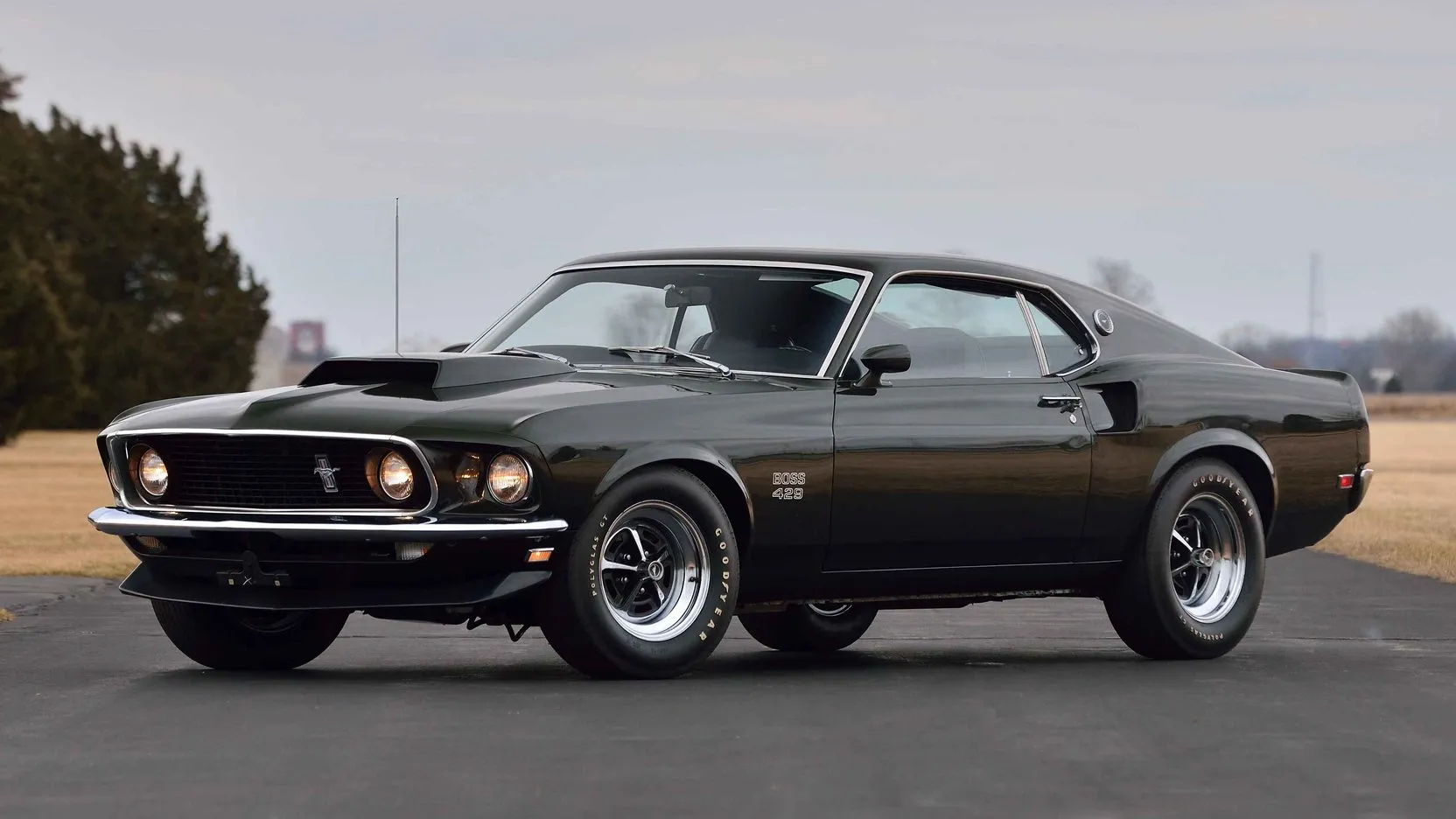
9. Ford Mustang Boss 429 (1969-1970)
Ford’s Mustang Boss 429 was a racing-inspired machine that translated track engineering into a street-legal muscle car. Its 429 cubic-inch V8 engine produced between 375 and 375 horsepower depending on configuration, making it one of the most powerful Mustangs of its era.
Engineers designed a semi-hemi combustion chamber and large-port cylinder heads to maximize airflow and torque delivery, creating unmatched acceleration for production vehicles at the time. The suspension was heavily upgraded to handle the enormous engine output.
Front and rear geometry adjustments, heavy-duty springs, and performance shocks allowed the Boss 429 to maintain stability during high-speed runs. Its wide tire options and reinforced axles supported aggressive launches, allowing drivers to exploit power without risking drivetrain integrity.
Exterior modifications communicated purpose and heritage. A large hood scoop, functional vents, and subtle spoilers indicated performance while maintaining Mustang aesthetics. The Boss 429 became instantly recognizable, projecting both engineering prowess and automotive culture prestige.
Inside, the Mustang focused on driver orientation. Simple, performance-driven controls allowed for easy monitoring, while bucket seating ensured the driver remained connected to the car’s dynamics. Ergonomics supported both spirited driving and everyday usability, reflecting Ford’s understanding of muscle cars as dual-purpose vehicles capable of extreme performance and daily operation.
The Boss 429’s influence extended to engine design, chassis tuning, and marketing strategy for muscle cars. It proved that extreme output, street usability, and aesthetic identity could coexist, leaving a permanent imprint on how manufacturers approached high-performance vehicles.
Its engineering solutions informed future generations of Mustangs and other muscle cars seeking to balance power and drivability.
Also Read: Top 10 V8 Muscle Cars That Defined America’s Horsepower Era
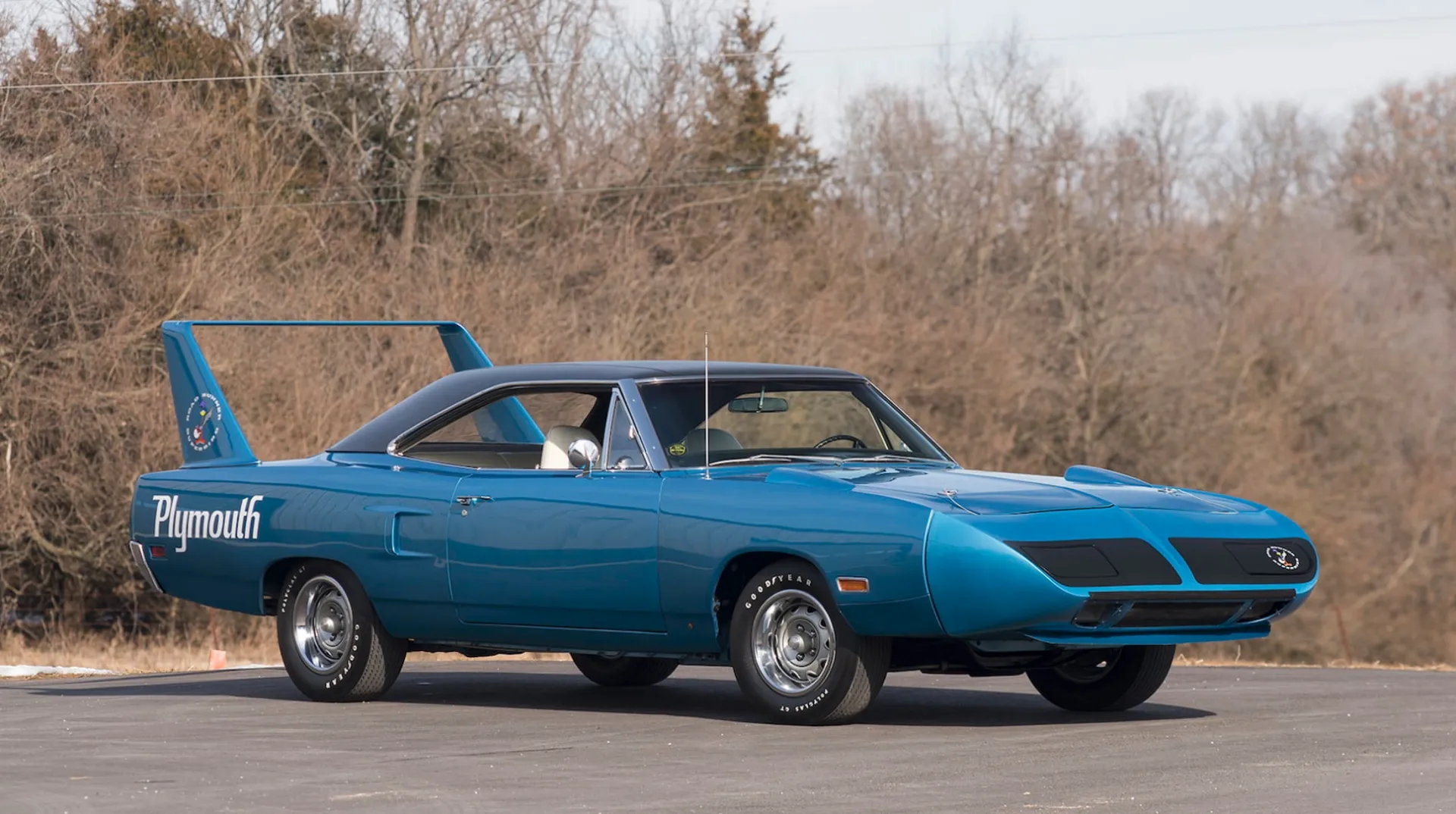
10. Plymouth Road Runner Superbird (1970)
The 1970 Plymouth Road Runner Superbird merged aerodynamics with raw muscle car power, creating one of the most visually arresting and high-performing vehicles in history. Its 426 HEMI V8 engine produced 425 horsepower, capable of rapid acceleration suited for NASCAR homologation and street driving.
Engineers focused on drag reduction and high-speed stability, introducing a pointed nose cone, retractable rear wing, and carefully tuned body panels. Chassis modifications complemented the aerodynamics. Stiffened subframes, reinforced suspension components, and performance shocks allowed the Superbird to handle straight-line speeds safely while maintaining cornering capability.
Tire and wheel packages were carefully selected to balance grip and performance. Structural engineering ensured the vehicle remained predictable and controlled even when traveling at extreme velocities. Aesthetics were inseparable from function.
Its extended nose and high rear wing were designed to reduce lift, but they also created a vehicle instantly recognizable as aggressive and performance-oriented. Bold colors and racing stripes amplified visual impact, turning the Superbird into a rolling statement of speed and intent.
The interior prioritized functionality with minimal distraction. Performance gauges, supportive seating, and intuitive controls allowed drivers to monitor critical systems while maintaining focus. The Superbird demonstrated that aerodynamic innovation and driver usability could coexist in a street-legal muscle car, influencing future designs that sought speed without sacrificing control.
The Plymouth Road Runner Superbird’s combination of aerodynamics, engine output, and striking design permanently influenced muscle car development. It set benchmarks for high-speed stability, street-track usability, and visual identity, inspiring generations of performance vehicles to integrate engineering solutions with bold style statements.
