Braking performance is a critical yet often overlooked factor in vehicle reliability and safety, especially in stop-and-go traffic, mountainous terrain, or urban commuting. Some cars and vans are engineered to handle constant braking without fading, overheating, or wearing out components prematurely, while others reveal weaknesses when pushed beyond their thermal or mechanical limits.
Vehicles like the Toyota Prius, Honda Civic, Chevrolet Bolt EV, Toyota Camry, and Ford Transit showcase advanced braking technologies, including regenerative systems, heavy-duty discs, and electronic aids that maintain stopping power under frequent use.
In contrast, models such as the GMC Acadia, Jeep Wrangler, Mercedes-Benz S550, Land Rover Range Rover, and Nissan Juke struggle with heat management, component wear, or electronic sensitivity, leading to reduced braking efficiency, pedal inconsistencies, and safety concerns.
Understanding which vehicles excel under repeated braking and which require extra care is essential for buyers prioritizing performance, reliability, and long-term ownership
5 Vehicles That Handle Constant Braking Well
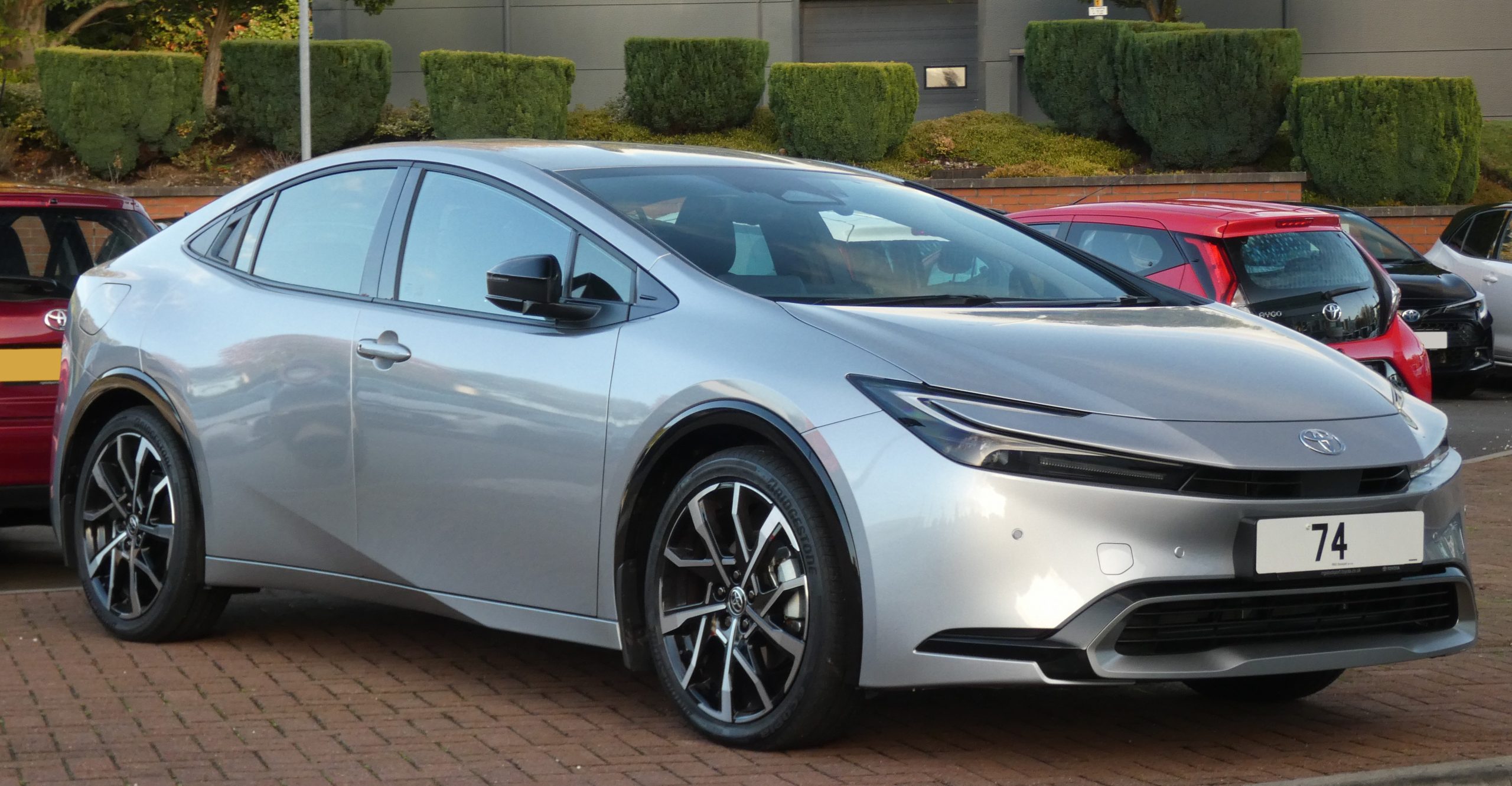
1. Toyota Prius: Efficient, Durable, and Urban-Ready
The Toyota Prius remains a leader in urban hybrid durability, largely due to its sophisticated regenerative braking system. This system uses the electric motor to slow the vehicle while capturing kinetic energy to recharge the hybrid battery. As a result, the Prius relies far less on traditional friction brakes, allowing brake pads to last up to 150,000 miles under ideal conditions.
Key elements include regenerative braking priority, an integrated brake system, and reduced heat generation during frequent stops. The motor-generator (MG2) handles most deceleration, while hydraulic brakes engage only during hard stops or very low speeds, ensuring consistent braking performance even in heavy traffic or downhill driving.
Under the hood, the Prius combines efficiency with adequate power. The front-wheel-drive model features a 194-hp 2.0-liter four-cylinder engine paired with two electric motors, while the all-wheel-drive version adds a rear permanent-magnet motor for 196 total horsepower.
Both use a continuously variable transmission (CVT), providing smooth acceleration. In testing, the front-drive Prius reaches 60 mph in 7.1 seconds, outperforming competitors like the Hyundai Elantra Hybrid, though slightly behind the larger Toyota Camry.
Fuel economy remains a strong suit. The 2026 Prius is expected to maintain city ratings of 49–57 mpg and highway ratings of 50–56 mpg, with AWD models slightly lower. On Car and Driver’s 75-mph highway test, the front-drive Prius Limited delivered 49 mpg, confirming its status as a highly efficient hybrid for daily commuting.
The interior emphasizes functionality with a traditional cockpit layout and driver-oriented gauge cluster. Rear-seat headroom is limited due to the sloping roofline, though legroom is adequate.
Cargo space is generous for a hybrid compact, ranging from 20.3 to 23.8 cubic feet depending on trim. Infotainment options include an 8.0-inch standard touchscreen and an optional 12.3-inch display, with wireless Apple CarPlay, Android Auto, and over-the-air updates available.
Safety and driver-assistance features are comprehensive, including adaptive cruise control, lane-keeping assist, and blind-spot monitoring as standard equipment. Toyota also offers industry-standard warranties, including a 10-year/150,000-mile hybrid component warranty and two years of complimentary maintenance.
The Toyota Prius combines advanced hybrid technology, long-lasting braking components, strong fuel efficiency, and practical interior features, making it a reliable choice for urban driving and long-term ownership.
2. Honda Civic: Reliable, Efficient, and Comfortable
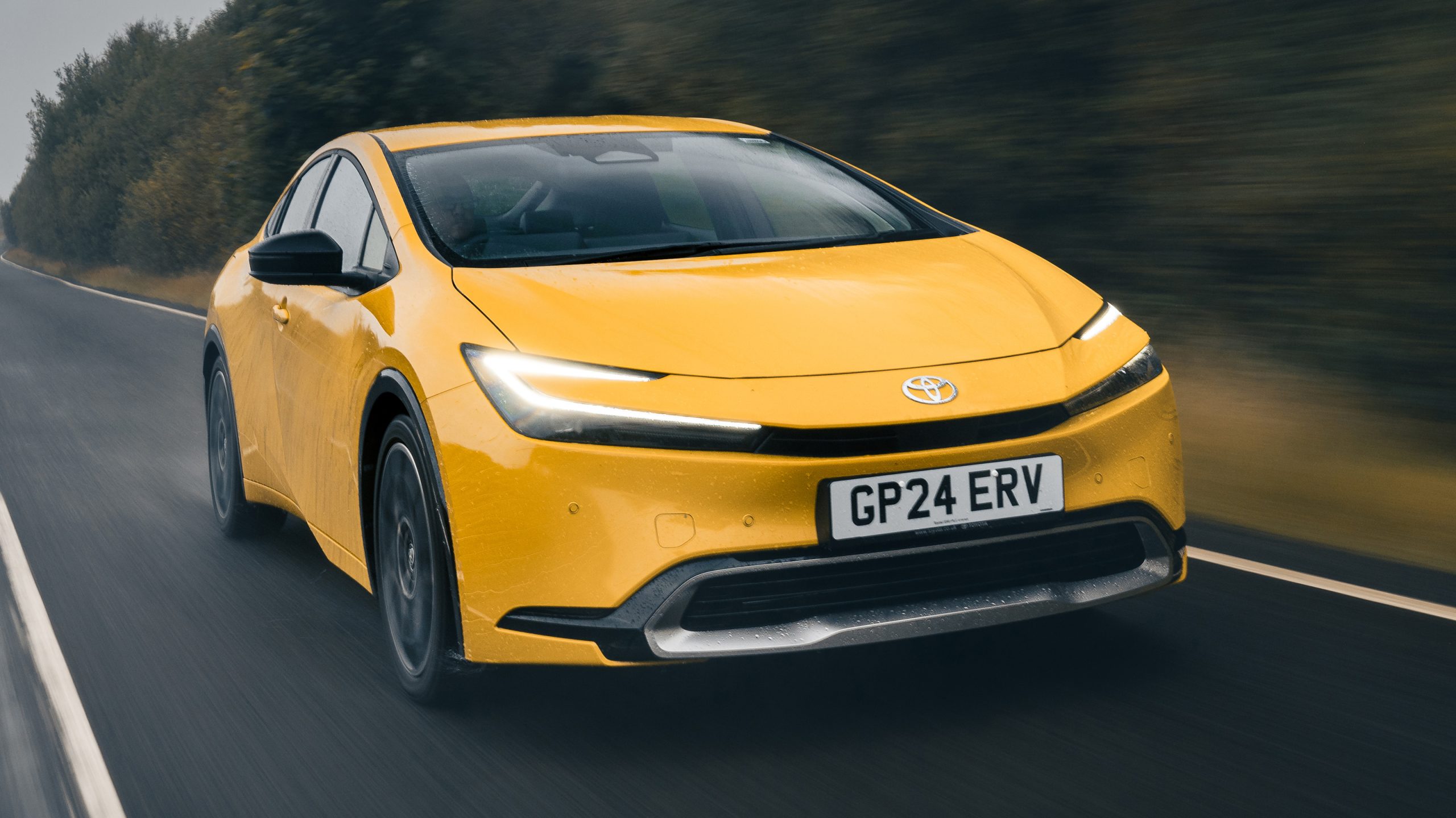
The Honda Civic has long been celebrated for its reliable daily performance and well-engineered braking system. Standard front disc brakes, optional rear discs, and advanced technologies like Electronic Brake Distribution (EBD) and Brake Assist ensure consistent stopping power even under frequent use.
Hybrid models enhance durability further with regenerative braking, allowing drivers to use paddle shifters to increase deceleration without relying on physical brakes.
Additionally, the Collision Mitigation Braking System (CMBS™) automatically applies braking pressure when a potential collision is detected, while robust component design and EBD maintain stability during repeated braking. Engine braking is recommended on long downhill stretches to prevent brake overheating.
The Civic is offered with two powertrains. The nonhybrid sedan features a 150-hp 2.0-liter four-cylinder engine paired with a CVT, delivering adequate urban performance despite a slower 0–60 mph time of 8.9 seconds.
The Civic Hybrid pairs a 2.0-liter four-cylinder engine with two electric motors for a combined 200 hp, achieving a 0–60 mph time of 6.2 seconds faster than the sporty Civic Si while providing smooth, responsive acceleration. Both models are front-wheel drive and use a CVT for seamless power delivery.
Fuel efficiency is a highlight. The Civic Hybrid delivers real-world 47 mpg on highways, closely matching EPA ratings of 50 mpg city and 47 mpg highway. The nonhybrid model achieves 32 mpg city and 41 mpg highway.
Inside, the Civic prioritizes comfort and practicality. Front seats offer generous space and supportive cushioning, while the rear bench accommodates two adults comfortably. Cargo capacity is competitive: the sedan trunk fits six carry-on suitcases, expanding to 17 with rear seats folded; the hatchback adds extra flexibility. Standard cloth upholstery is upgraded to leather on higher trims.
Infotainment options include a 7.0-inch standard touchscreen with wired Apple CarPlay and Android Auto, and a 9.0-inch optional display with wireless connectivity on hybrids. Additional features on higher trims include a 12-speaker Bose stereo, wireless smartphone charging, and in-dash navigation.
Safety features are comprehensive, with automated emergency braking, lane-keeping assist, and adaptive cruise control standard. Optional features include blind-spot monitoring, rear-cross-traffic alert, and parking sensors.
Warranty coverage is typical for the segment: three years/36,000 miles limited, five years/60,000 miles powertrain, and eight years/100,000 miles hybrid-component coverage, with one year of complimentary maintenance.
The Honda Civic blends durable braking, fuel efficiency, and practical comfort, making it a dependable choice for both daily commuting and longer trips, while hybrid models add performance and extended brake life.
3. Chevrolet Bolt EV: Efficient, Durable, and City-Ready
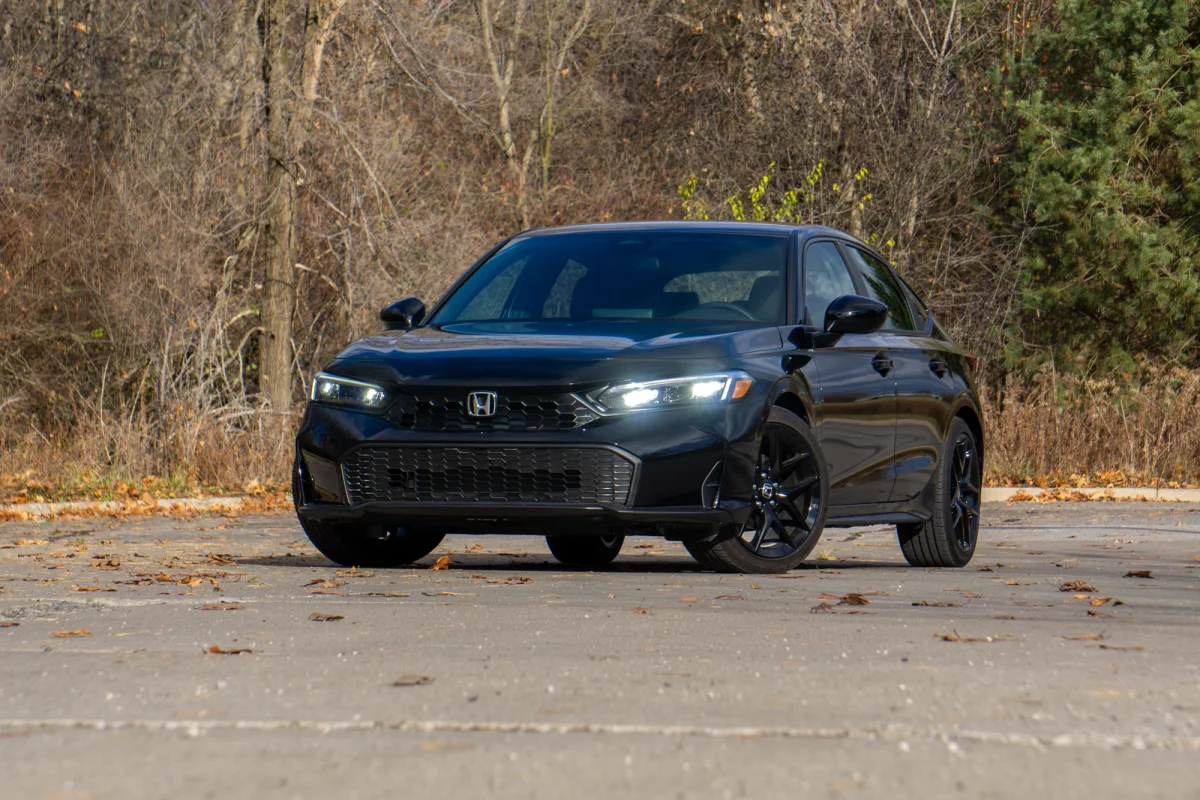
The Chevrolet Bolt EV demonstrates how pure electric vehicles excel in stop-and-go driving thanks to advanced regenerative braking and one-pedal driving. Lifting off the accelerator slows the car using electromagnetic resistance rather than traditional friction brakes, reducing wear on physical components.
The Bolt EV also offers a “Regen on Demand” paddle, allowing drivers to trigger up to 70 kW of regenerative braking for additional stopping power. Its blended braking system integrates regenerative and hydraulic brakes seamlessly, ensuring consistent braking performance even when the battery is full or in cold conditions. Consequently, brake pads last significantly longer than in conventional vehicles.
Under the hood, the Bolt EV’s front-wheel-drive powertrain produces 200 horsepower and 266 lb-ft of torque. Low-end torque provides immediate acceleration from a standstill, making city driving and traffic light starts brisk and responsive.
While acceleration feels slightly less urgent at highway speeds, the Bolt remains capable of passing and merging safely. A dedicated one-pedal mode further enhances urban drivability, letting drivers slow without touching the brake pedal.
The Bolt EV delivers competitive range and charging options. The 2023 model has an EPA-estimated 259 miles per charge and achieved nearly 220 miles in real-world highway testing at 75 mph. DC fast charging adds about 100 miles in 30 minutes, while Level 2 charging fully recharges the battery in roughly seven hours.
Dual-level charging cords support both 120-volt and 240-volt outlets, making home charging easier. Efficiency is strong, with a combined EPA rating of 120 MPGe, though real-world results can vary between 90 and 102 MPGe depending on driving conditions.
Interior upgrades provide a more comfortable and modern cabin. The Bolt now features redesigned front seats, a flat-bottom steering wheel, an 8.0-inch digital gauge cluster, and soft-touch surfaces. Passenger space remains adequate for four adults, and the hatchback offers 17 cubic feet of cargo behind the rear seats, expanding to 57 cubic feet with the rear seats folded.
Infotainment includes a 10.2-inch touchscreen with wireless Apple CarPlay and Android Auto, over-the-air updates, and compatibility with Amazon Alexa and Spotify. Optional features include a Wi-Fi hotspot and wireless charging.
Safety and driver-assistance systems are comprehensive, featuring standard forward-collision warning, automated emergency braking, lane-keeping assist, and lane-departure warning. Optional features include adaptive cruise control, rear cross-traffic alert, and a 360-degree camera.
Warranty coverage includes a three-year/36,000-mile limited warranty, an eight-year/100,000-mile powertrain warranty, and one complimentary maintenance visit.
The Chevrolet Bolt EV combines long-lasting brakes, peppy acceleration, excellent range, and a modern interior, making it a practical and efficient choice for urban commuters and environmentally conscious drivers.
4. Toyota Camry: Durable, Comfortable, and Efficient for Urban Driving
The Toyota Camry is widely recognized for its long-lasting performance, making it a popular choice for high-mileage urban use and taxi fleets. Its braking system is engineered to withstand frequent, stop-and-go driving.
Standard four-wheel disc brakes provide efficient stopping power and heat dissipation, while advanced electronic aids such as Brake Assist and Electronic Brake-force Distribution (EBD) optimize braking pressure and maintain stability in heavy traffic.
Hybrid models add regenerative braking, which uses the electric motor to slow the car, reducing wear on pads and rotors. Additionally, Toyota Safety Sense offers automatic pre-collision braking, further minimizing the intensity of manual braking in dense traffic. Robust brake components and regular maintenance ensure longevity and prevent fade under continuous use.
The Camry Hybrid is available with two powertrains. Front-wheel-drive models combine a 2.5-liter four-cylinder engine with two electric motors, producing 225 horsepower, while all-wheel-drive versions add a rear motor for a total of 232 horsepower. Both use a continuously variable transmission (CVT). The hybrid system delivers responsive acceleration in city driving, aided by the strong torque of the electric motors.
Sportier trims like the SE, XSE, and Nightshade offer tighter suspension tuning and improved body control, though the steering feel remains somewhat light. Acceleration tests show a 0–60 mph time of 6.8 seconds for the XSE AWD and 7.0 seconds for the front-drive Nightshade, positioning the Camry ahead of competitors like the Hyundai Sonata and close to the Honda Accord Hybrid.
Fuel efficiency is a standout feature. EPA estimates for the 2026 Camry Hybrid range from 50–52 mpg city and 49–50 mpg highway for front-drive trims, with all-wheel-drive models slightly lower. Top-trim XSE AWD models see 43 mpg in both city and highway driving.
Inside, the Camry offers a spacious and comfortable cabin with room for adults in both rows. Standard features include cloth upholstery, dual-zone climate control, and rear air vents, while higher trims add leather seats, heated surfaces, ambient lighting, and adjustable rear headrests.
Cargo capacity accommodates seven carry-on suitcases, expanding to 19 with rear seats folded. Infotainment features an 8.0-inch display standard, with optional 12.3-inch screens on higher trims, wireless Apple CarPlay and Android Auto, and an available JBL nine-speaker stereo.
Safety technology is comprehensive, including automated emergency braking with pedestrian and cyclist detection, lane-keeping assist, and adaptive cruise control with lane-centering.
Warranty coverage is competitive, featuring a three-year/36,000-mile limited warranty, five-year/60,000-mile powertrain warranty, ten-year/150,000-mile hybrid component coverage, and two years/25,000 miles of complimentary maintenance.
The Toyota Camry blends durable braking, efficient hybrid powertrains, spacious interiors, and advanced safety features, making it a reliable choice for high-mileage urban driving and long-term ownership.
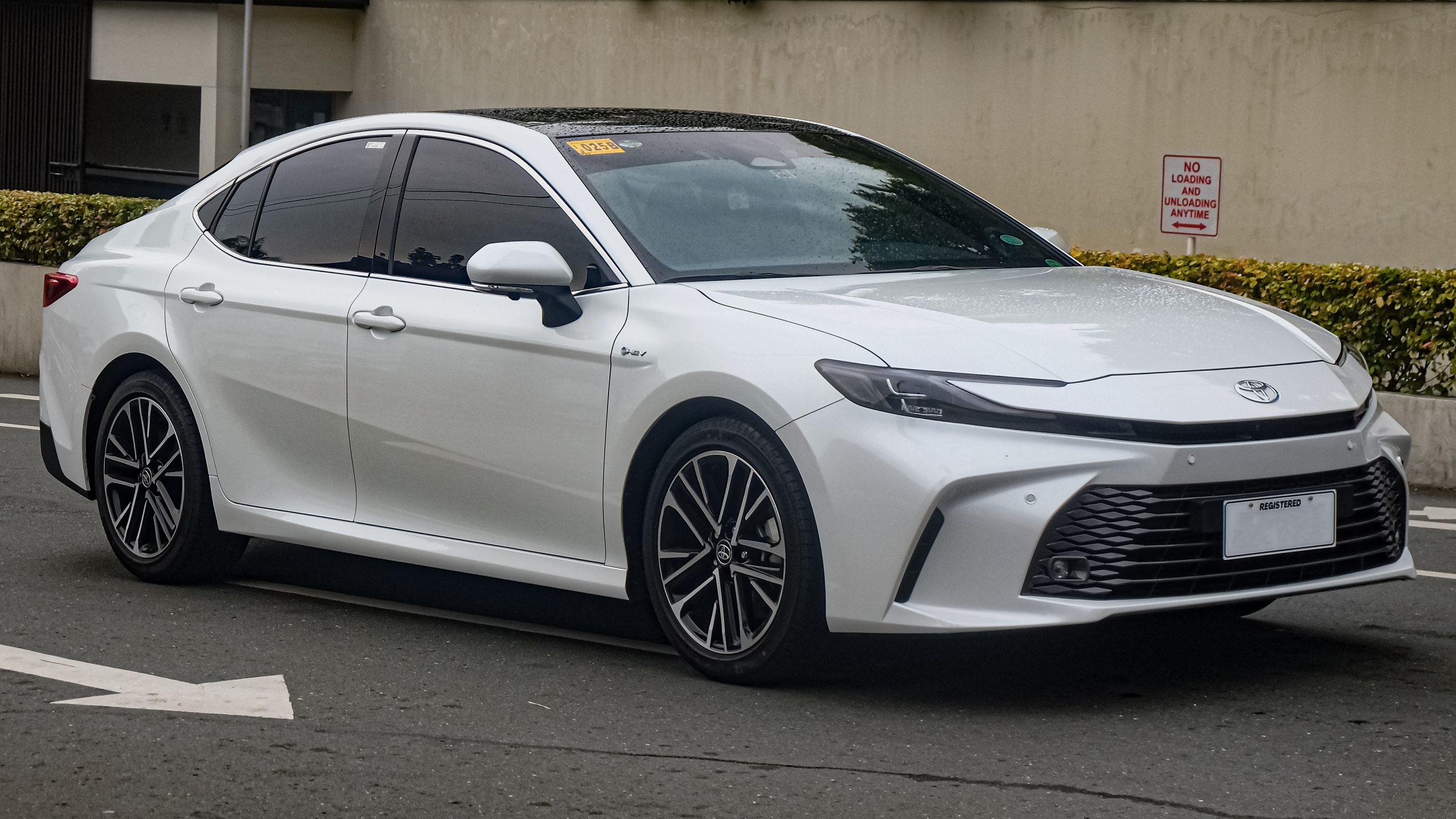
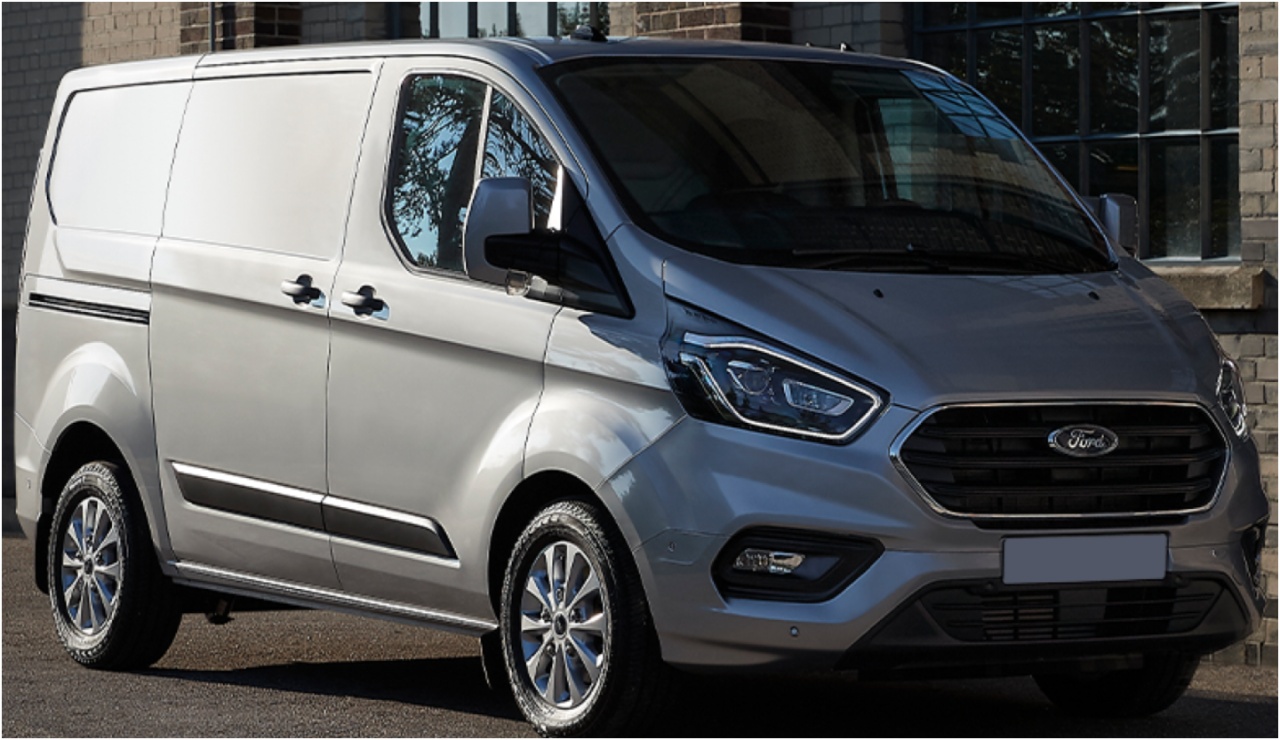
5. Ford Transit: Heavy-Duty Braking and Commercial Versatility
The Ford Transit is purpose-built for commercial and delivery use, with a braking system engineered to handle frequent stops under heavy loads. Equipped with ventilated disc brakes, the Transit resists fade during repeated braking, while heavy-duty calipers, rotors, and pads ensure durability over long workdays.
Anti-lock Braking System (ABS) and Electronic Brake Distribution (EBD) provide stability and traction control, balancing braking force between front and rear wheels.
Heat shields protect components from high temperatures, and Pre-Collision Assist with Automatic Emergency Braking (AEB) helps manage heavy traffic scenarios safely. This combination of features ensures consistent, reliable braking even when the van is fully loaded.
The Transit offers two powertrains paired with a 10-speed automatic transmission. The standard 3.5-liter V-6 produces 275 horsepower and 262 lb-ft of torque, while the EcoBoost twin-turbo 3.5-liter V-6 delivers 310 horsepower and 400 lb-ft of torque. Both engines are available with rear-wheel or all-wheel drive.
Despite its size, the Transit accelerates impressively, reaching 60 mph in 6.7 seconds for the AWD model, faster than competitors like the Ram ProMaster. The van’s suspension provides a compliant yet controlled ride, reducing driver fatigue during long shifts.
Fuel economy is modest, as expected for a full-size van. In 75-mph highway testing, a 3.5T AWD model achieved 16 mpg, while a rear-wheel-drive model reached 17 mpg. Transit models are exempt from federal fuel-economy standards, and real-world results vary depending on load, driving style, and configuration.
Inside, the Transit balances practicality and comfort. The front cabin offers a driver-oriented layout with prominent cupholders, smooth ride quality, and low interior noise. Passenger configurations vary widely, with seating for up to 15 across five rows in passenger models.
Cargo vans provide enormous storage capacity, with even the smallest configuration exceeding 280 cubic feet and the largest approaching 500 cubic feet, dwarfing minivan competitors.
Infotainment is centered around a 12.0-inch touchscreen with Ford Sync 4 software, standard Bluetooth, Apple CarPlay, Android Auto, and a Wi-Fi hotspot. Audio options range from four to eight speakers, with SiriusXM available.
Safety features include automated emergency braking, lane-keeping assist, and lane-departure warning standard, with optional adaptive cruise control, blind-spot monitoring, and a 360-degree camera system.
Warranty coverage is standard for the segment: three years/36,000 miles limited warranty and five years/60,000 miles powertrain coverage, but no complimentary maintenance is included.
The Ford Transit combines robust braking, versatile configurations, powerful engines, and large cargo capacity, making it an ideal workhorse for delivery fleets, commercial operations, and heavy-duty transport.
Also read: 5 Cars That Handle Tight Parking Garages vs 5 That Don’t Fit Well
5 That Don’t
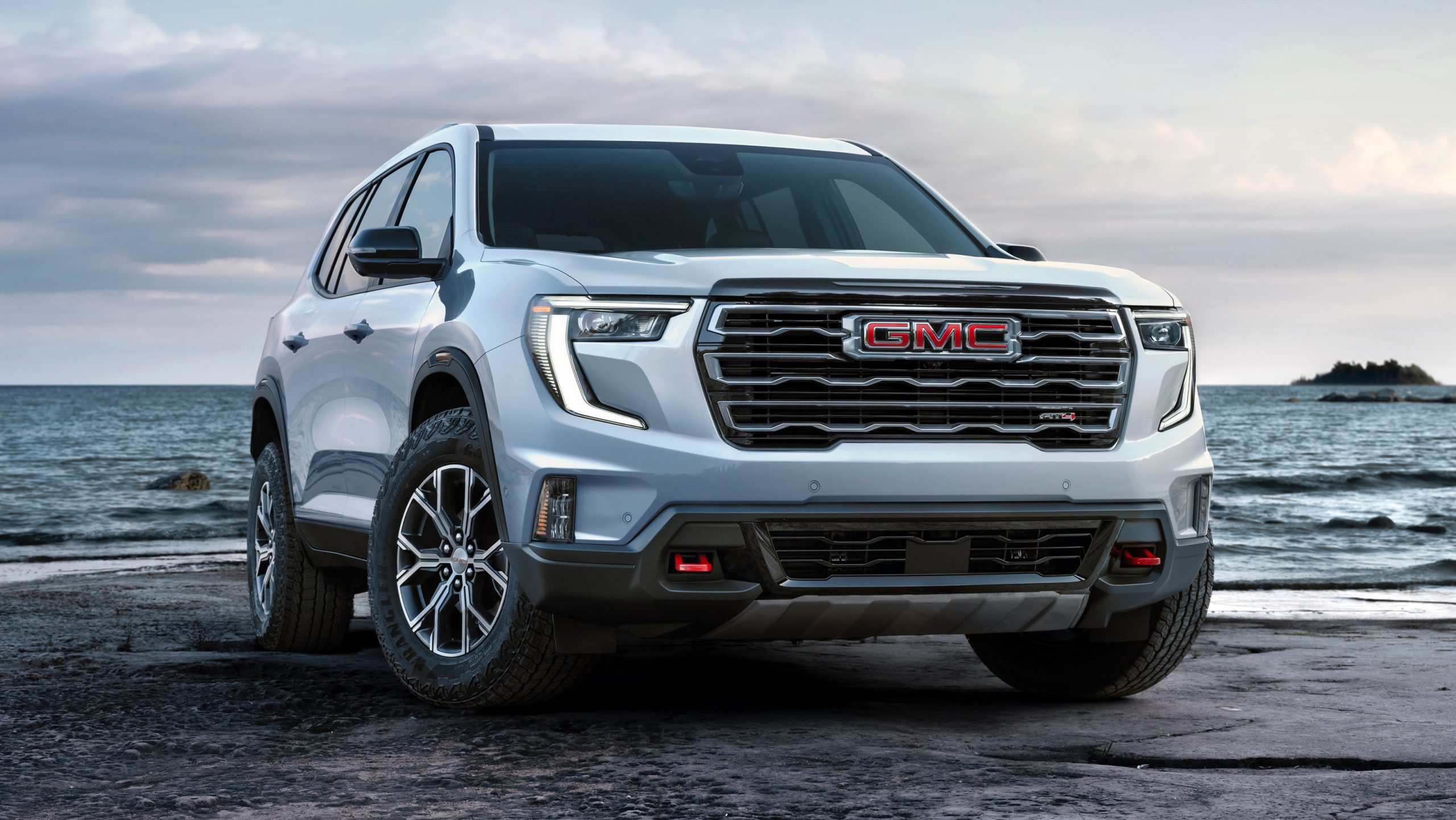
1. GMC Acadia: Braking Concerns and Reliability Issues
The 2026 GMC Acadia has been noted for below-average predicted reliability, with its braking system raising particular concerns. Owners report that frequent or heavy braking can lead to inconsistent performance due to a combination of hydraulic, thermal, and electronic issues.
One major problem involves the master cylinder and brake booster. Leaks from the master cylinder into the vacuum-assisted booster can occur when internal seals fail, resulting in a “spongy” or sinking pedal. This reduces hydraulic pressure, compromising stopping power. A class-action lawsuit in 2025 highlighted a defective master cylinder design in newer models, which could lead to partial or total brake failure.
Heat management is another weak point. As a mid-size SUV, the Acadia generates substantial kinetic energy during braking. In stop-and-go traffic or on long descents, excessive heat can warp rotors or cause uneven pad material deposition. Drivers frequently report vibrations in the steering wheel and pulsating brake pedals, indicating the rotors no longer provide smooth friction.
The Acadia also relies heavily on a Brake Pedal Position (BPP) sensor to communicate with its computer systems. If the sensor is miscalibrated or fails, it may trigger StabiliTrak or traction control unnecessarily, creating a “hard” or stuttering pedal sensation during repeated braking.
Finally, rapid component wear is common. Brake pads can wear out in as little as 14,000 miles, far below industry averages, suggesting that the stock hardware struggles with the vehicle’s weight and heat output.
While the GMC Acadia offers standard SUV capabilities, its braking system shows vulnerabilities under frequent or heavy use. Issues with hydraulic seals, rotor warping, sensor misfires, and accelerated pad wear highlight potential reliability concerns, making the Acadia less dependable for drivers who frequently navigate stop-and-go traffic or hilly terrain.
2. Jeep Wrangler: Braking Challenges in Rugged Use
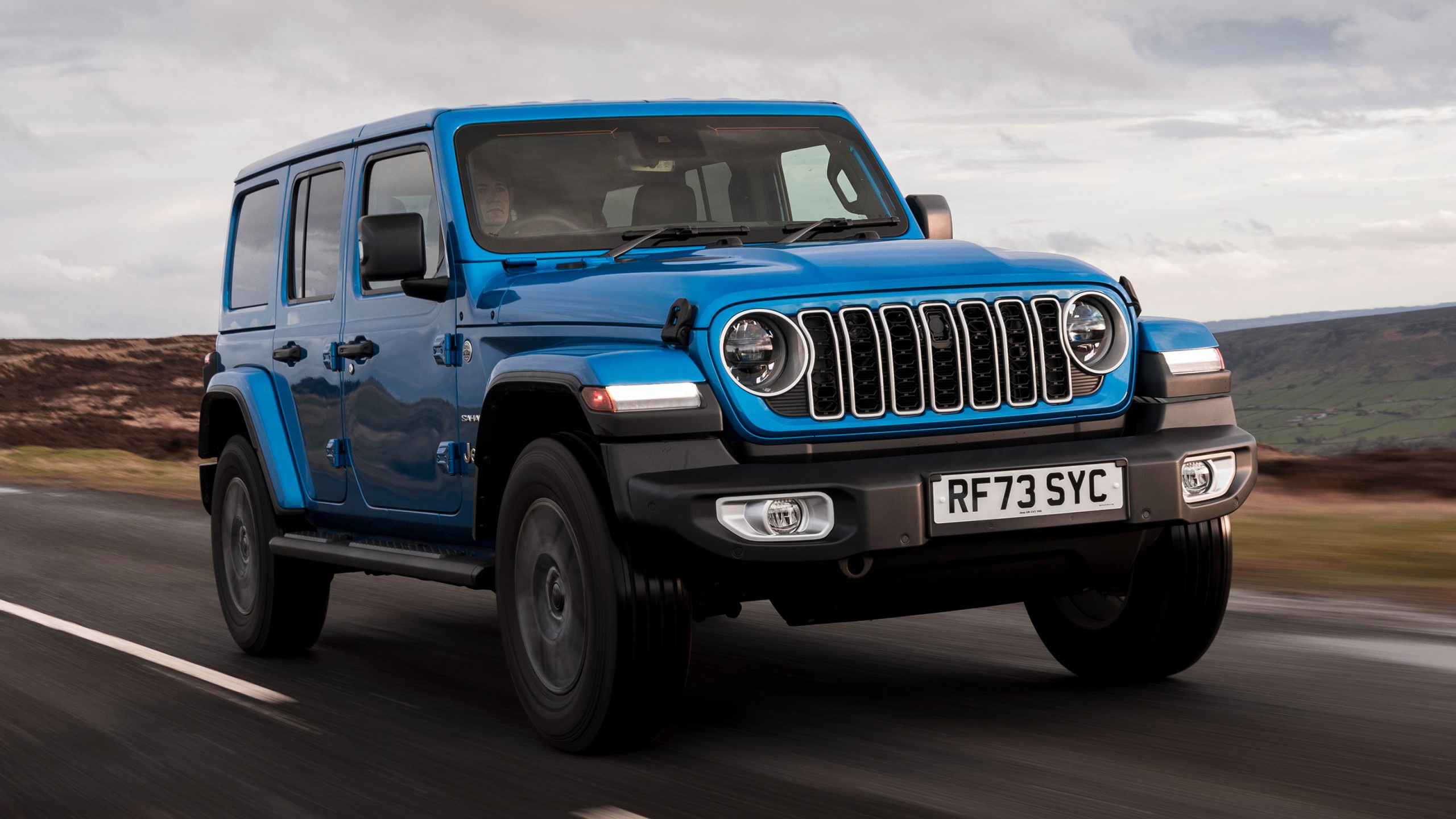
The Jeep Wrangler is known for its off-road capability, but its factory braking system can struggle under frequent or heavy use. Stock rotors and pads are designed for standard commuting with factory-weight wheels, not long mountain descents or repeated stop-and-go driving. Excessive heat buildup during constant braking can cause brake fade, where the pads lose friction, producing a soft pedal and increasing stopping distances.
Modifications common to Wranglers can worsen braking performance. Adding steel bumpers, winches, roof racks, or oversized tires increases both static weight and rotating mass. Larger tires, such as 35-inch or 37-inch models, move the mass farther from the hub, making it more difficult to slow the wheels and increasing 60 to 0 mph stopping distances by more than 80 feet in some cases.
Mechanical issues are also frequent. Sticking calipers, caused by rust on pistons, debris on slide pins, or contaminated brake fluid, create constant drag that overheats rotors and leads to pedal pulsation.
Rubber brake hoses can collapse internally, trapping pressure in the caliper and reducing pedal feel. Off-road systems like Brake Lock Differential use automated braking to control traction, but can contribute additional heat during trail driving.
Improving the brakes requires attention to thermal management and component reliability. Big Brake Kits with larger rotors and multi-piston calipers provide increased heat capacity and stronger clamping force. High-temperature DOT 4 brake fluid prevents boiling under heavy use. Routine maintenance, such as lubricating caliper slide pins and flushing fluid, helps prevent sticking calipers and pressure retention issues.
While the Wrangler excels in rugged terrain, its stock braking system is often inadequate for repeated or intense braking, particularly when the vehicle is modified or heavily loaded. Addressing heat limits and maintaining critical components is necessary to keep braking performance safe and consistent.
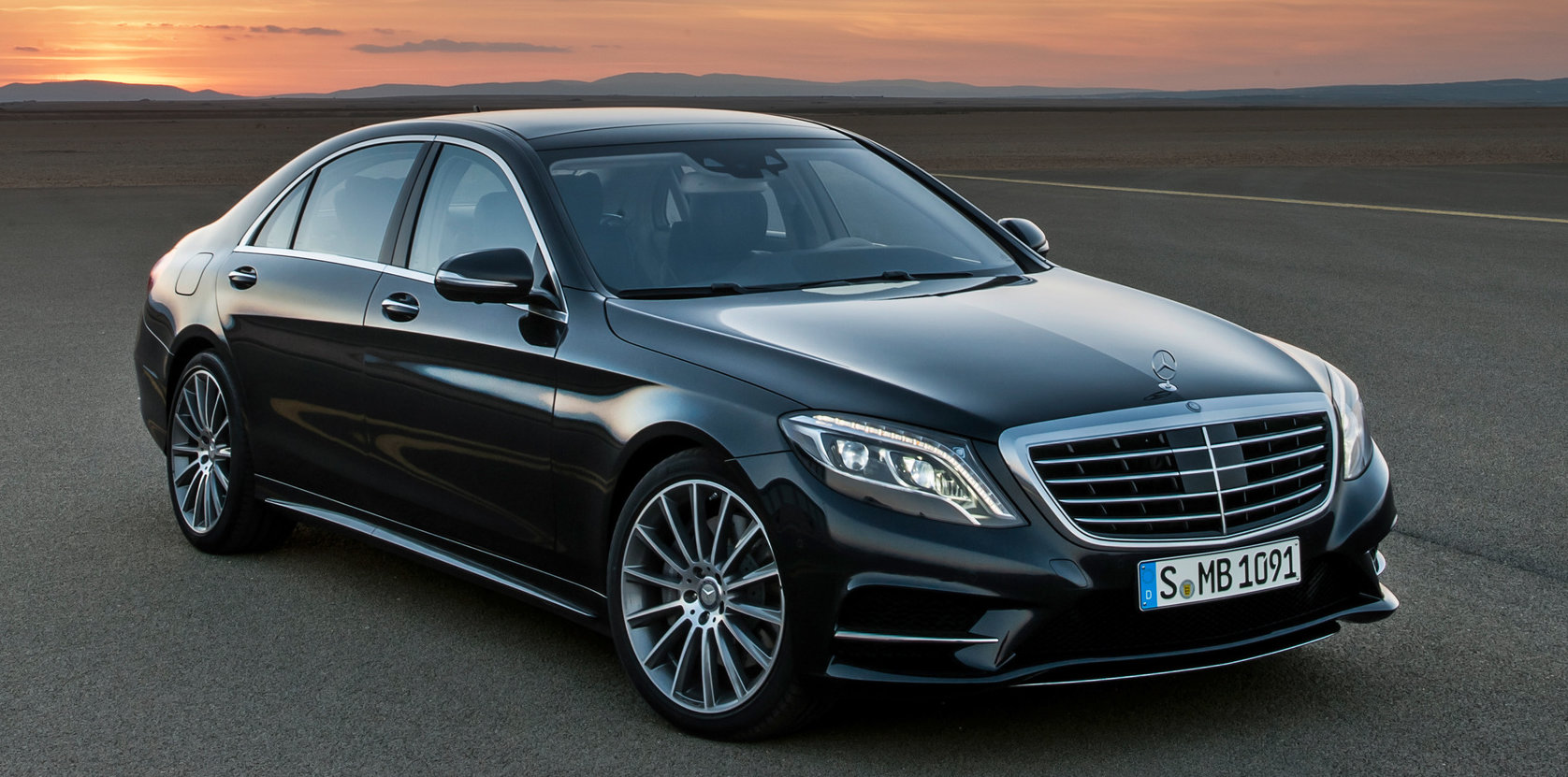
3. Mercedes-Benz S550: Braking Demands of a Luxury Sedan
The Mercedes-Benz S550 is a flagship luxury sedan known for refinement and performance, but its braking system faces challenges under heavy or constant use. Stop-and-go city traffic or prolonged downhill driving can push the system beyond its intended limits due to the vehicle’s substantial mass, heat generation, and material choices.
The S550 typically weighs between 4,700 and 4,800 pounds. Braking converts kinetic energy into heat, and repeated stops generate enormous thermal loads. If the brake rotors and pads cannot dissipate this heat quickly enough, brake fade occurs, reducing stopping power and pedal responsiveness.
Temperatures under heavy use can exceed 700°F, causing the friction material on pads to glaze. This glazing reduces grip, while hydraulic brake fluid may boil due to moisture content, creating a soft or spongy pedal.
Rotor warping is another common issue. Uneven cooling occurs when hot pads remain in contact with a section of the rotor longer than others. The resulting physical distortion leads to vibrations felt through the steering wheel or brake pedal during subsequent stops.
Luxury-oriented pad compounds further affect durability. Mercedes often uses softer pads to provide quiet, smooth braking with strong initial bite, but these materials wear quickly under repeated or heavy braking compared to harder, performance-oriented alternatives. Frequent replacement is necessary to maintain optimal braking performance.
Mitigation strategies include regular brake fluid changes every two years and upgrading to OEM-equivalent high-carbon rotors, which handle heat more effectively and reduce warping. These measures help maintain braking reliability while preserving the comfort and feel expected of an S-Class sedan.
While the S550 delivers exceptional ride quality and precise control under normal conditions, drivers who frequently encounter heavy traffic or mountainous terrain should be aware that its braking system requires proactive maintenance to avoid fade, fluid boiling, or rotor issues. Proper attention ensures the sedan continues to combine luxury, performance, and safety.
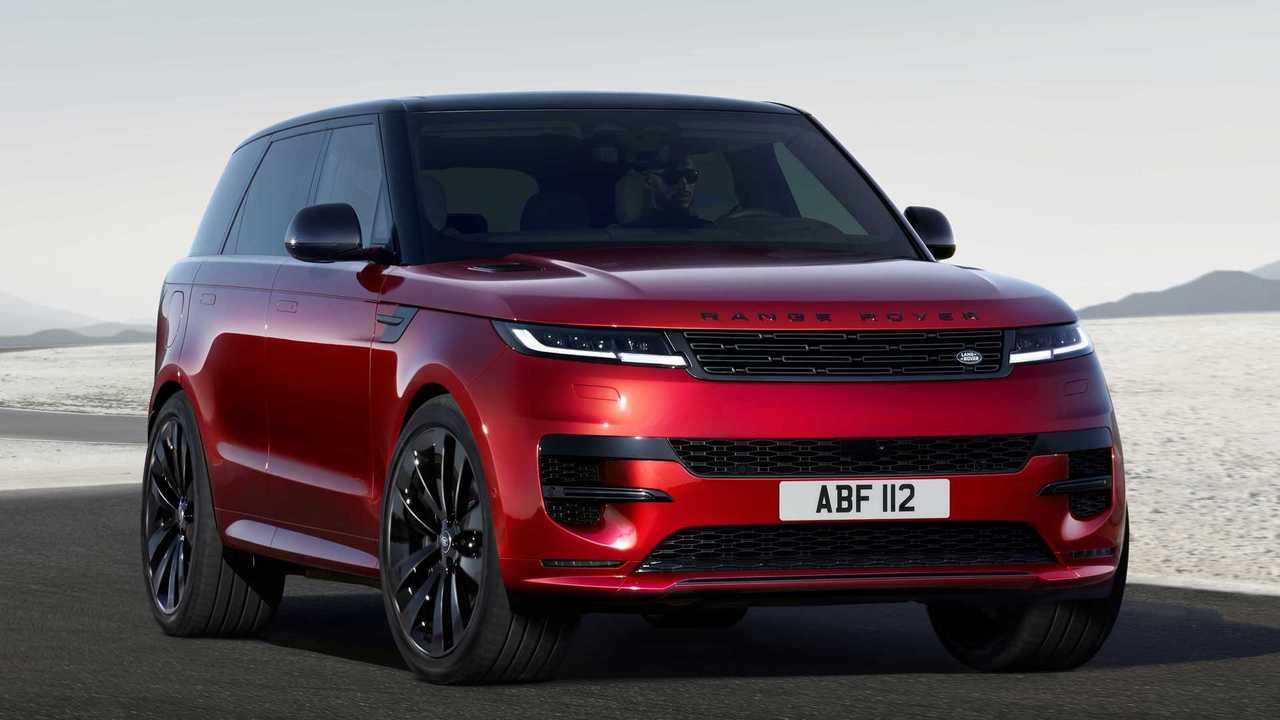
4. Land Rover Range Rover: Braking Challenges in a Heavy Luxury SUV
The Land Rover Range Rover is renowned for its luxury and off-road capability, but its braking system faces challenges under constant use. The vehicle’s exceptional curb weight, often between 5,500 and 6,000 pounds, creates a major thermal burden during frequent stops or long descents.
Converting the momentum of three tons of metal into heat can overwhelm the stock brake rotors and pads, resulting in brake fade, where hot pads release gases that reduce friction and stopping power.
Advanced electronic systems add to the strain. Torque vectoring, adaptive cruise control, and hill descent control apply the brakes even without driver input, keeping them in near-constant use. While these features enhance handling and off-road performance, they prevent the braking system from cooling, increasing rotor temperatures and accelerating pad wear.
Material and design choices also contribute to faster wear. Land Rover often uses soft pad compounds to provide quiet, smooth braking, but these materials degrade quickly under heat. Rear brakes in particular wear prematurely, as electronic systems use them to maintain vehicle level and prevent nose-dive, increasing stress on the pads.
Mechanical consequences of constant heat include warped rotors, which lead to steering wheel vibration and pedal pulsation. Hybrid models can feel even less responsive due to the complex handoff between regenerative and friction braking, creating a non-linear or “wooden” pedal feel.
Owners commonly mitigate these issues with heavy-duty aftermarket rotors and ceramic pads, which handle heat better and offer more consistent performance. Regular maintenance, including inspecting pads, rotors, and brake fluid, is essential for keeping braking reliable in both urban and off-road conditions.
Despite its advanced systems and comfort-oriented design, the Range Rover requires careful attention to braking components. Understanding the limits of the stock hardware and upgrading where necessary ensures safe, consistent stopping performance for such a heavy and complex luxury SUV.
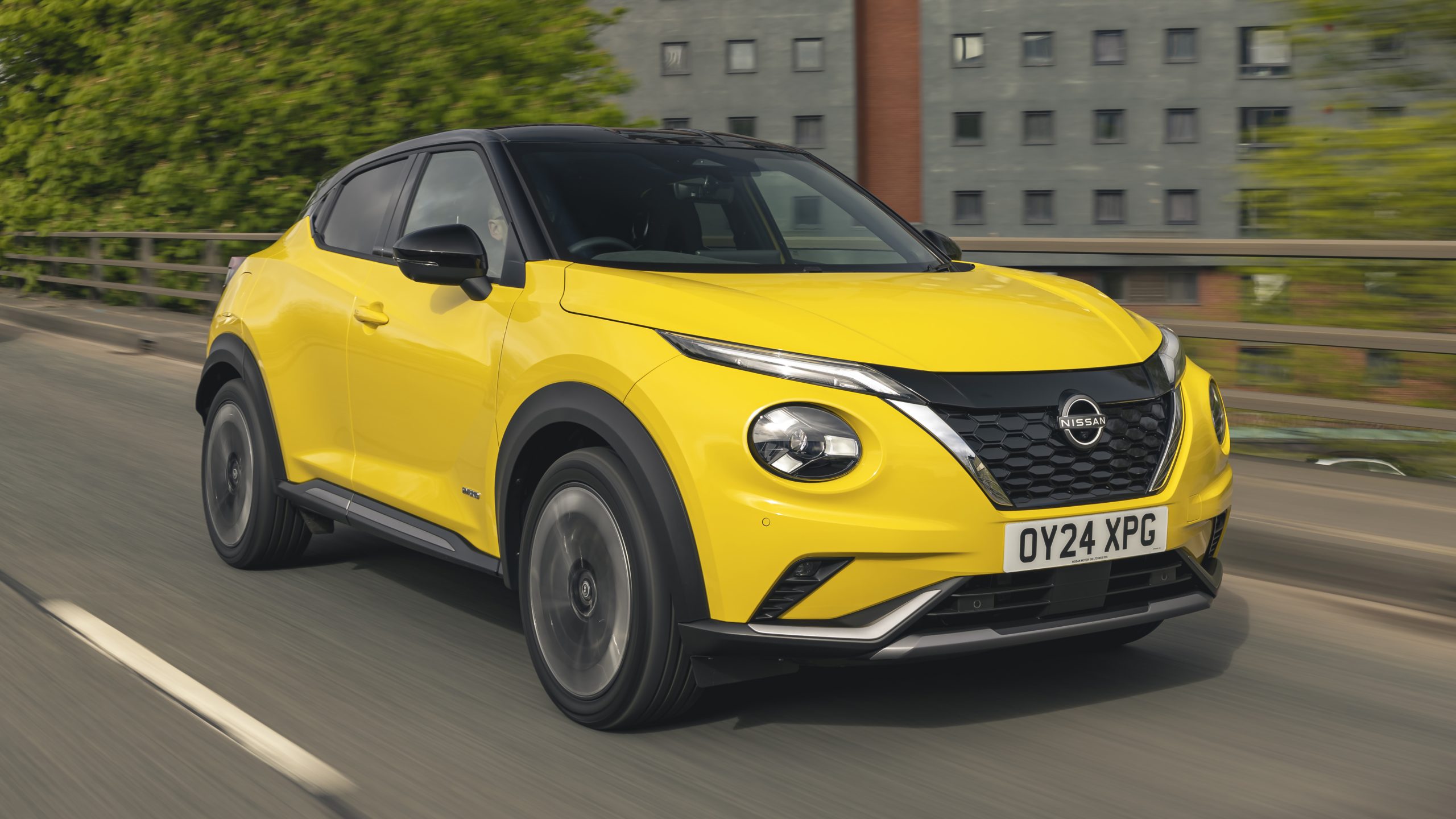
5. Nissan Juke: Braking Limitations in a Compact Crossover
The Nissan Juke is a compact crossover designed primarily for urban driving, but its braking system can struggle under constant or aggressive use. Frequent heavy braking, such as during mountain descents or spirited driving, exposes both mechanical and thermal weaknesses in the system.
One of the main issues is brake fade caused by thermal overload. Excessive heat from repeated stops can generate gases between the pads and rotors, reducing friction and causing the brakes to slip.
High temperatures can also lead to brake fluid boiling, creating air bubbles in the hydraulic lines. Because air is compressible, the brake pedal becomes soft or spongy, reducing stopping power and requiring more effort from the driver.
Rotor sensitivity further affects performance. Many owners report vibrations or pulsations during braking due to Disc Thickness Variation (DTV). Hot spots form when uneven pad deposits develop on the rotor surface, leading to an inconsistent friction surface and a noticeable pulsing in the pedal.
Mechanical components, such as the brake vacuum booster and check valves, can also fail, particularly in earlier models. A weak booster diaphragm can make the pedal intermittently hard, requiring greater physical effort to stop the vehicle.
Integration with vehicle systems amplifies these issues. The Juke’s Continuously Variable Transmission (CVT) provides minimal engine braking, forcing the mechanical brakes to handle all deceleration on long descents. Safety features like Intelligent Emergency Braking (IEB) or ABS may activate prematurely on uneven or slippery surfaces, causing jerky or inconsistent braking feedback.
To mitigate these challenges, drivers should avoid “riding” the brake pedal and use manual shift mode to downshift and assist with speed control on long hills. Routine inspections of pads, rotors, and fluid levels also help maintain performance. While the Juke functions well for everyday city driving, its braking system requires careful management under repeated or aggressive use to ensure safe and reliable stopping.
Brake durability often defines how a vehicle handles demanding driving conditions and long-term use. Cars like the Prius and Bolt EV demonstrate that thoughtful engineering, regenerative systems, and robust components can make repeated braking virtually effortless, extending both safety and maintenance intervals.
Conversely, heavy or technologically complex vehicles such as the Range Rover or S550 may experience fade, warped rotors, or sensor interference, requiring frequent inspections, upgrades, or careful driving habits to maintain consistent stopping power.
Comparing these ten vehicles highlights how weight, design choices, and brake technology directly influence real-world performance, giving drivers a practical perspective on what to expect from daily urban commuting, off-road adventures, or heavy-load hauling.
Selecting a model with proven braking reliability not only enhances safety but also reduces long-term costs, stress, and the likelihood of unexpected failures under constant use.