Choosing a car involves more than looks or performance. Long-term ownership costs and maintenance ease are equally important. Some vehicles are designed with simplicity and reliability in mind, allowing owners to perform routine care with minimal expense and effort. Others prioritize technology, luxury, or high-performance engineering, which can increase repair costs and require specialized service.
This guide examines five cars known for their simple long-term maintenance, including the Toyota Corolla, Honda Civic, Mazda MX-5 Miata, Toyota Camry, and Lexus RX. These vehicles combine proven engineering, durable components, and accessible servicing, providing owners with low-cost, predictable upkeep.
In contrast, we highlight five cars with complex maintenance needs, such as the Land Rover Range Rover, Porsche 911, BMW X7, Mercedes-Benz S-Class, and Audi A8. Their advanced systems, intricate engineering, and premium parts can create high maintenance costs and require specialized knowledge, tools, and service.
Comparing these two groups helps buyers understand how design choices and engineering philosophies affect reliability, convenience, and long-term ownership costs.
5 Cars With Simple Long-Term Maintenance
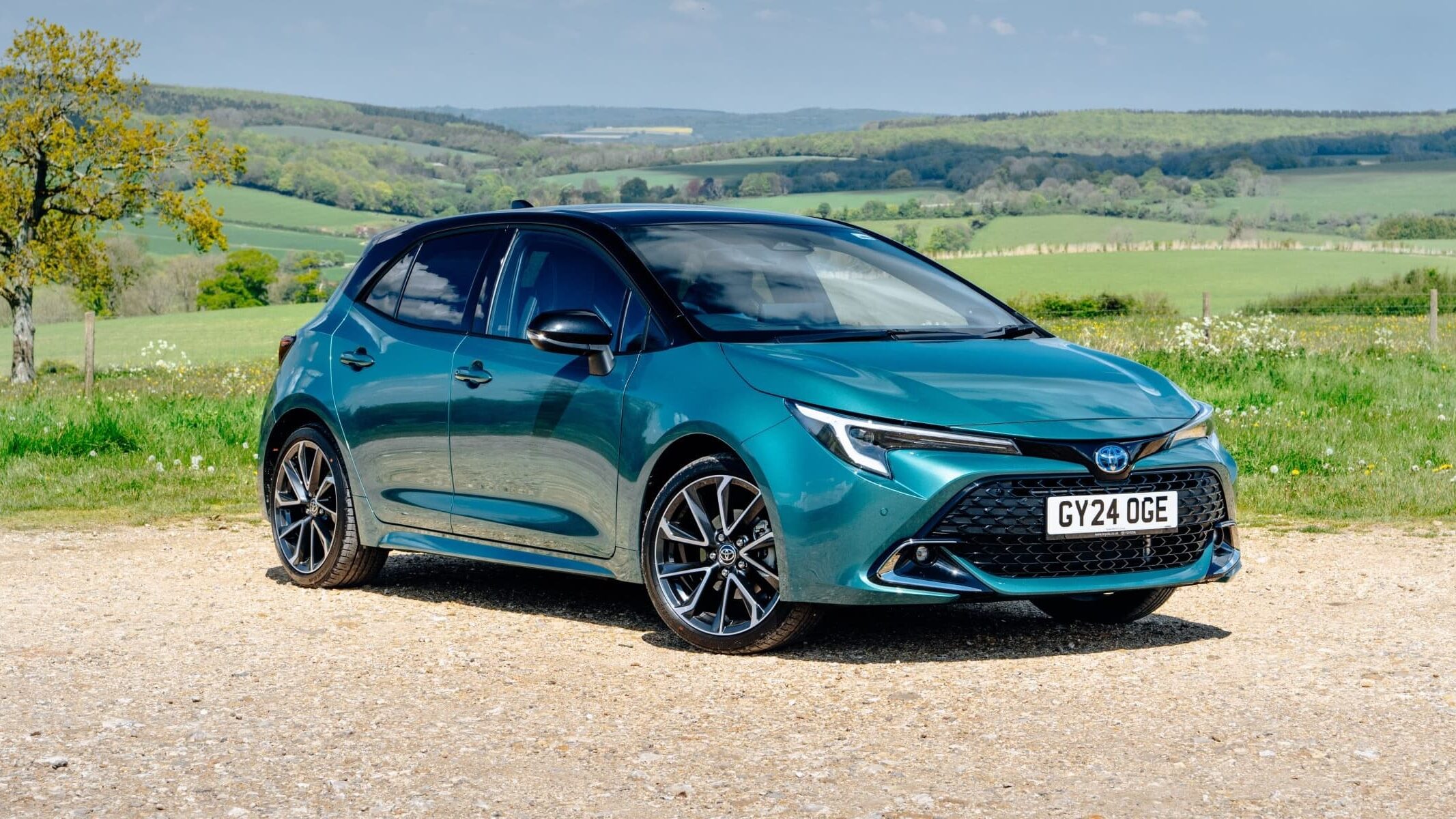
1. Toyota Corolla: Durable, Efficient, and Cost-Effective
The Toyota Corolla is widely regarded as a benchmark for low-cost, long-term ownership, with an estimated 10-year maintenance cost of just $4,228. Its reputation comes from a combination of simple, proven engineering, high-quality manufacturing through the Toyota Production System (TPS), and components built to last, allowing many vehicles to exceed 250,000–300,000 miles when properly maintained.
The Corolla’s 2.0-liter four-cylinder engine and durable transmission are designed to reduce mechanical failures and simplify maintenance. Toyota emphasizes incremental improvements rather than complex, untested technology, resulting in predictable service needs.
TPS ensures strict quality control and continuous improvement, producing highly reliable components. Routine maintenance tasks such as oil changes and filter replacements are easy, and a wide supply of affordable OEM and aftermarket parts keeps repair costs low. Service intervals are practical, often only every 10,000 miles or 12 months.
Performance is steady rather than sporty. The 169-hp engine, paired with a continuously variable transmission (CVT), provides smooth daily driving, though acceleration can feel leisurely. The hybrid sedan achieves 60 mph in 9.0 seconds, while the hatchback reaches it in 8.3 seconds.
Ride quality is comfortable, body control is stable, and handling is more agile than previous models, although steering lacks the sharpness of rivals like the Mazda 3 or Honda Civic. Fuel efficiency is strong, with nonhybrids rated up to 41 mpg highway and hybrids up to 50 mpg combined.
Inside, both sedan and hatchback offer modern, soft-touch interiors with user-friendly infotainment, including an 8-inch touchscreen, Apple CarPlay, Android Auto, and multiple USB-C ports. Sedans provide more rear legroom, while hatchbacks offer 18–23 cubic feet of cargo space depending on configuration. Storage cubbies are limited but supplemented by useful trays and bins.
Safety features include Toyota Safety Sense 3.0 with forward-collision warning, automated emergency braking, lane-keeping assist, and adaptive cruise control. Warranty coverage includes three years/36,000 miles limited, five years/60,000 miles powertrain, and ten years/150,000 miles for hybrid components, along with two years or 25,000 miles of complimentary maintenance.
With a combination of long-lasting engineering, fuel efficiency, modern comfort, and dependable safety, the Toyota Corolla remains a practical, cost-conscious choice for drivers seeking reliability and ease of ownership.
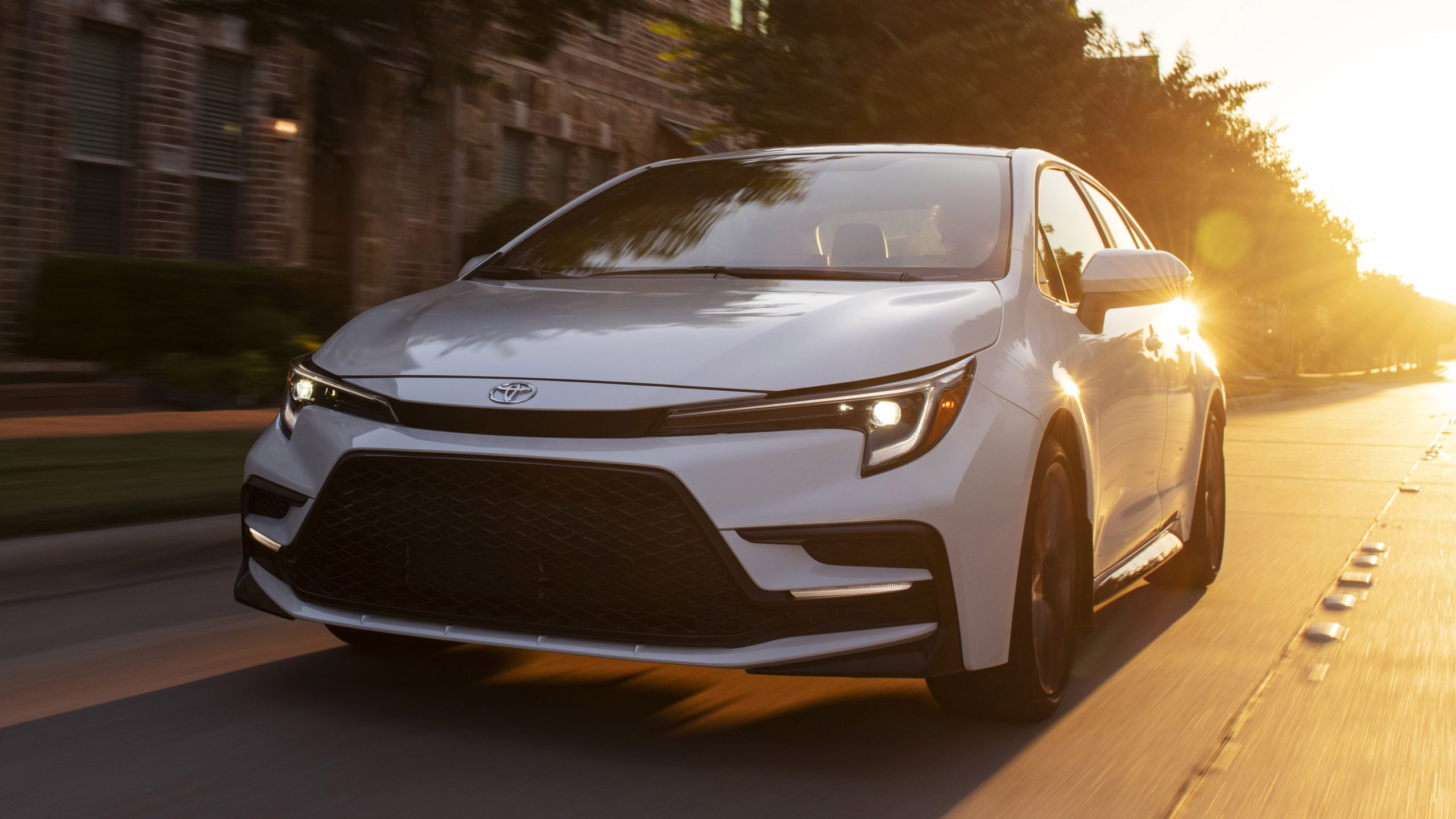
2. Honda Civic: Proven Reliability with Modern Efficiency
The Honda Civic has built a long-standing reputation for reliability, strong resale value, and manageable long-term ownership costs. Even as newer generations introduce advanced technology, the Civic’s core mechanical components remain straightforward, durable, and accessible for independent mechanics.
With proper care, many Civics routinely exceed 200,000 to 300,000 miles, and exceptional cases have reached beyond 500,000 miles with mostly routine maintenance.
A key factor behind this longevity is Honda’s emphasis on durable engineering. Civic engines are constructed using forged engine blocks, a process that creates strong, stress-resistant components capable of enduring years of daily use.
The mechanical design is intentionally simple compared with more complex or luxury-oriented vehicles, allowing engines and transmissions to operate reliably for over a decade with minimal intervention. Honda’s use of high-quality materials further reduces breakdowns and unexpected failures.
Maintenance costs remain low due to widespread parts availability and efficient servicing. RepairPal ranks the Civic among the top compact cars for reliability, with an average annual repair cost of approximately $428, well below the segment average.
Because Civic parts are mass-produced and widely distributed, repairs remain affordable even at higher mileage. Honda’s Maintenance Minder system also contributes to cost efficiency by monitoring real-time driving conditions to determine service needs, helping owners avoid unnecessary or premature maintenance.
Performance varies by powertrain. The standard front-wheel-drive Civic uses a 150-hp 2.0-liter four-cylinder engine paired with a CVT, delivering smooth and adequate performance for daily commuting, though acceleration is modest.
The Civic Hybrid pairs a 2.0-liter engine with two electric motors for a combined 200 horsepower, offering significantly quicker acceleration and a refined driving experience that approaches the sportier Civic Si. Fuel economy is a major strength, with hybrid models achieving up to 50 mpg city and 47 mpg highway, and nonhybrid versions delivering competitive efficiency.
Inside, the Civic offers a clean, functional cabin with generous front-seat comfort and a roomy rear seat for two adults. Cargo capacity is practical in both sedan and hatchback forms.
Standard infotainment includes smartphone integration, with larger screens, premium audio, and wireless connectivity available on higher trims. Safety features such as automated emergency braking, lane-keeping assist, and adaptive cruise control are standard across most trims.
Backed by solid warranty coverage and a history of dependable performance, the Honda Civic continues to appeal to drivers seeking durability, efficiency, and long-term value without unnecessary complexity.
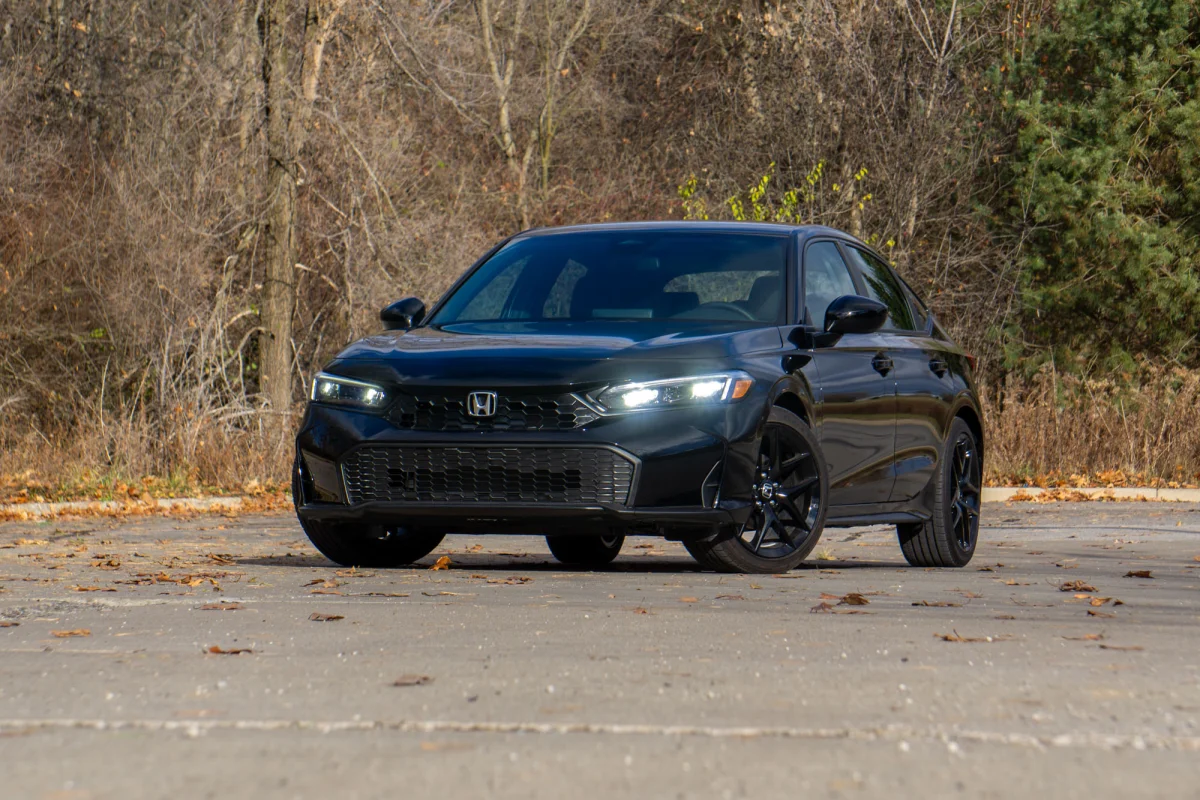
3. Mazda MX-5 Miata: Lightweight Simplicity and Driver-Focused Longevity
The Mazda MX-5 Miata is widely praised for combining driving enjoyment with straightforward, low-stress ownership. Its reputation for simple long-term maintenance comes from a clear engineering philosophy: keep the car light, mechanically uncomplicated, and focused on essentials.
As a result, the Miata consistently ranks among the most reliable sports cars, with many owners reporting well over 200,000 miles through routine care alone.
Mechanical simplicity is central to the Miata’s durability. Mazda avoids unnecessary complexity by using naturally aspirated four-cylinder engines, robust manual transmissions, and conventional suspension layouts.
Fewer moving parts and less reliance on complex systems reduce the likelihood of costly failures. The rear-wheel-drive layout and spacious engine bay further enhance serviceability, making routine jobs like oil changes, belt replacements, and fluid checks easier than in many modern vehicles.
The Miata’s lightweight design also plays a major role in keeping maintenance costs down. With less mass to move, components such as brakes, suspension parts, tires, and drivetrain components experience reduced wear. This not only extends service life but also lowers replacement costs. Annual maintenance expenses remain modest for a sports car, with RepairPal estimating average yearly costs at around $429.
Parts availability is another major advantage. Produced for more than three decades, the Miata benefits from a massive supply of affordable OEM and aftermarket components.
Its popularity has also created an extensive owner community, providing a deep knowledge base for troubleshooting, modifications, and repairs. For DIY enthusiasts, this combination of accessibility, documentation, and mechanical openness makes the Miata especially appealing.
Performance is delivered through a 181-hp 2.0-liter four-cylinder engine paired with either a six-speed manual or automatic transmission. The manual gearbox is a standout, offering crisp shifts and strong driver engagement, while the automatic provides quick, well-timed responses.
Thanks to its low curb weight, the Miata accelerates briskly, reaching 60 mph in as little as 5.5 seconds, and delivers sharp, playful handling with communicative steering. Fuel efficiency remains impressive, with EPA ratings up to 26 mpg city and 35 mpg highway.
Inside, the Miata prioritizes function over excess. The two-seat cabin is snug but well-finished, with intuitive controls and a minimalist layout. Cargo space is limited, though sufficient for light travel. Safety features such as automated emergency braking and adaptive cruise control are standard, while warranty coverage remains typical for the segment.
For drivers seeking an engaging sports car that is easy to maintain, affordable to run, and built with long-term reliability in mind, the Mazda MX-5 Miata continues to stand apart.
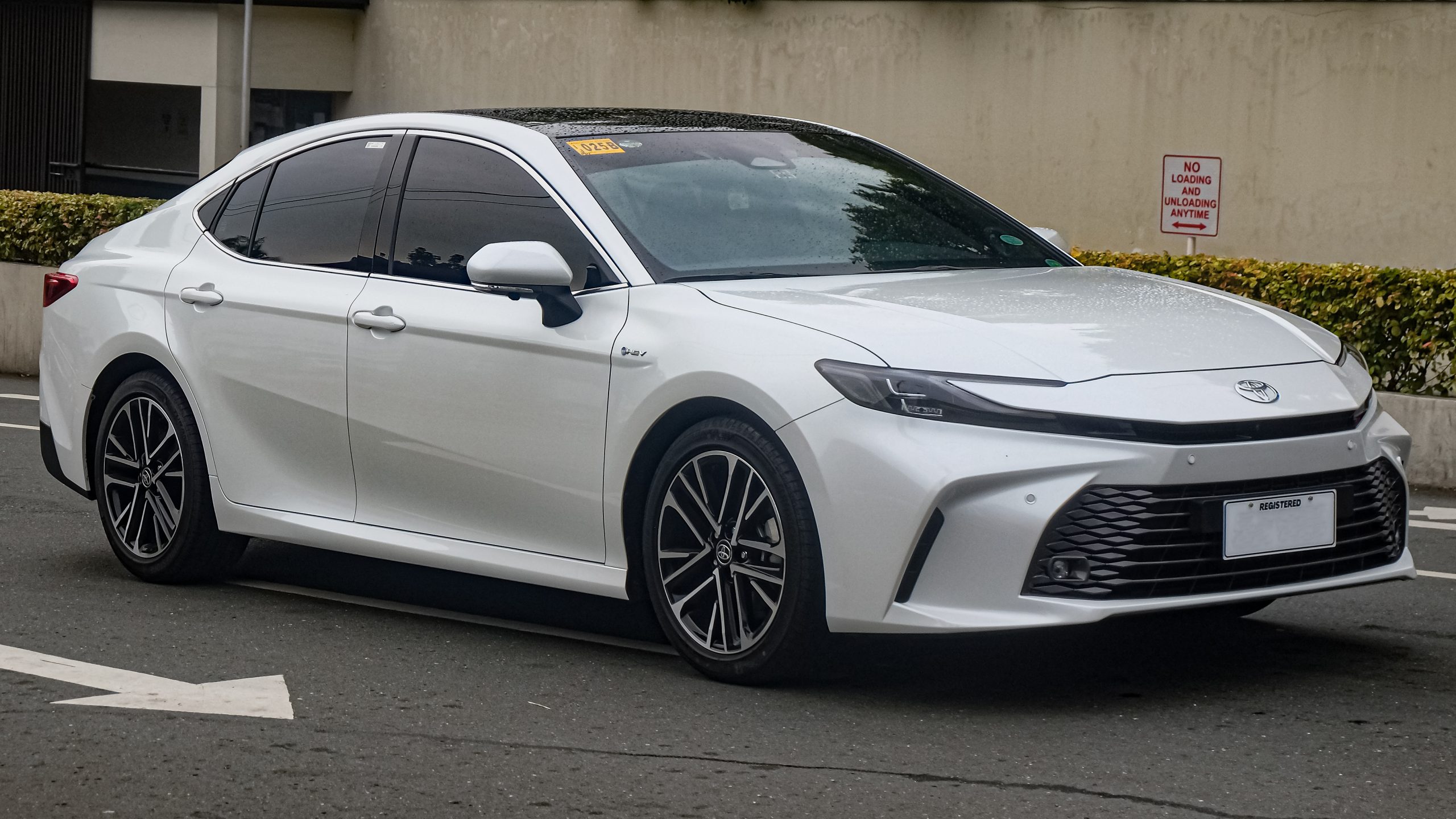
4. Toyota Camry: Conservative Engineering Built for Enduring Ownership
The Toyota Camry has long been associated with dependable, low-stress ownership, largely due to Toyota’s conservative approach to vehicle engineering. Instead of chasing rapid innovation or complex, unproven systems, the Camry is developed through the steady refinement of proven mechanical designs.
This philosophy results in a midsize sedan that is known for durability, predictable maintenance needs, and long service life. With regular care, many Camrys comfortably exceed 200,000 to 300,000 miles while requiring little more than routine fluid and filter changes.
A major contributor to this longevity is the Camry’s use of established powertrains. Engines such as the 2.5-liter four-cylinder are engineered for long-term durability and paired with conventional automatic transmissions that are widely understood by technicians.
Most modern Camry engines rely on timing chains rather than belts, removing a costly maintenance item and reducing long-term service complexity. Toyota’s emphasis on continuous improvement allows potential weak points to be addressed gradually, improving reliability with each generation.
Mechanical simplicity further supports ease of ownership. The Camry’s engine bay is designed for accessibility, enabling faster inspections and repairs. By limiting unnecessary complexity, Toyota reduces the likelihood of major component failures and keeps repairs straightforward.
High-quality materials are used throughout the vehicle, helping components resist premature wear. Hybrid Camry models extend this advantage, as electric motors reduce load on the gasoline engine and braking system, improving component lifespan without increasing maintenance demands.
Running costs remain low thanks to the Camry’s popularity and widespread service support. As one of the world’s best-selling sedans, replacement parts are affordable, easy to source, and often shared across multiple model years.
Nearly any independent repair shop is familiar with the Camry platform, which lowers labor costs and shortens diagnostic time. Maintenance schedules are simple and predictable, typically involving oil changes every 5,000 to 10,000 miles, tire rotations, and periodic fluid checks.
The Camry Hybrid blends this reliability with solid performance and efficiency. Hybrid powertrains produce between 225 and 232 horsepower depending on drivetrain configuration, delivering responsive acceleration while achieving impressive fuel economy ratings of up to 52 mpg city.
The interior offers generous space, modern infotainment options, and advanced safety technology, making it well-suited for daily driving and long-distance travel.
Although some competitors offer longer warranty terms, Toyota supports the Camry with complimentary scheduled maintenance and extensive hybrid coverage. Through careful engineering, durable construction, and accessible servicing, the Toyota Camry continues to be a trusted choice for drivers seeking long-lasting, cost-conscious transportation.
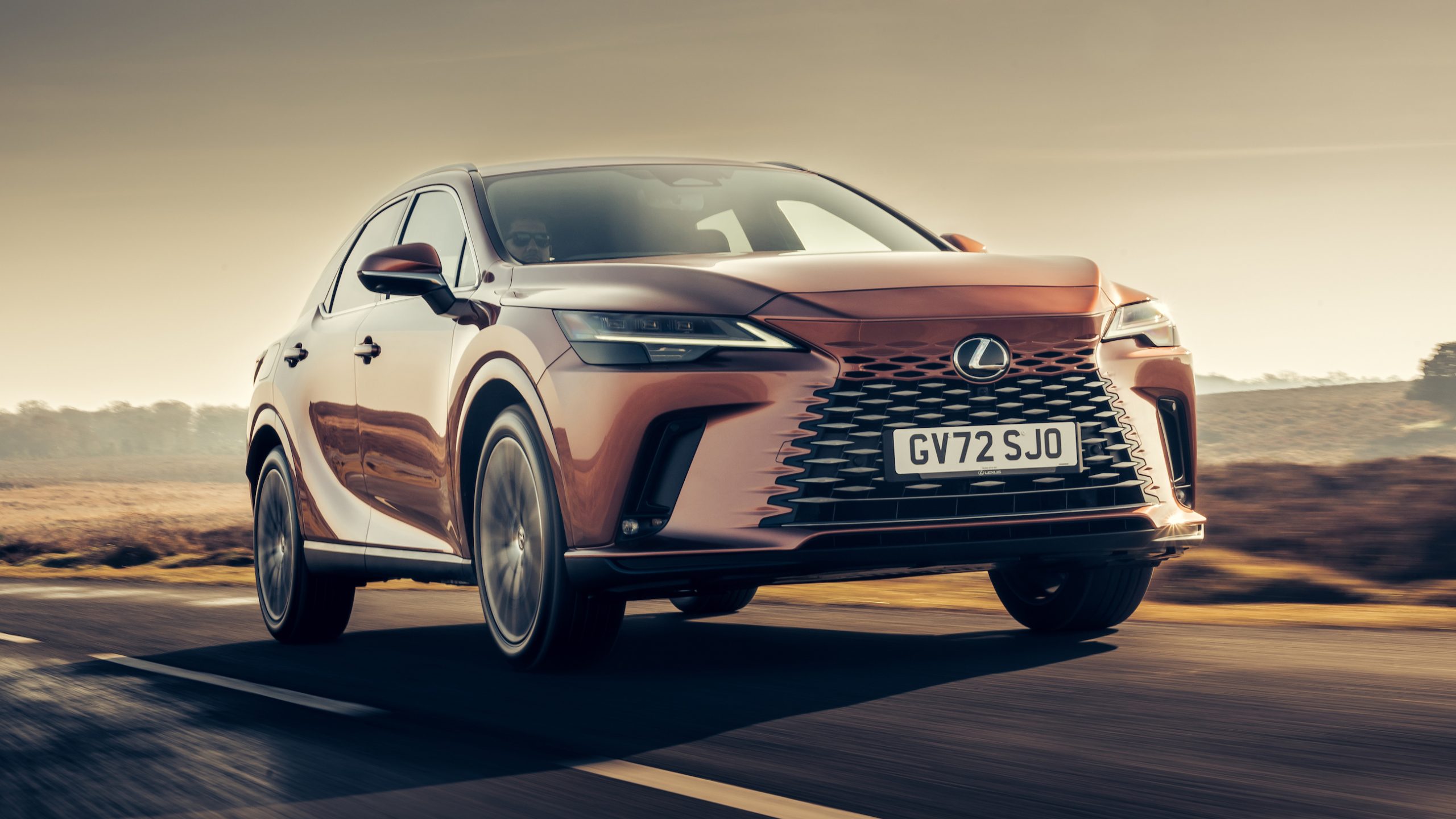
5. Lexus RX: Luxury Comfort Built on Proven Toyota Engineering
The Lexus RX shows that luxury vehicles do not have to be complex or expensive to maintain. By sharing many mechanical components with Toyota models such as the Highlander, the RX delivers a refined driving experience while keeping long-term ownership costs relatively low.
With estimated annual maintenance expenses of about $550, the RX undercuts the typical luxury SUV average and appeals to buyers who want comfort without frequent or costly repairs.
Reliability is rooted in Lexus’s connection to Toyota’s engineering standards. The RX benefits from strict quality control and a design approach that favors refinement of established systems rather than constant technological experimentation.
This reduces the likelihood of unexpected failures and keeps servicing predictable. Lexus also uses high-quality OEM components that tend to wear more slowly, which helps lower maintenance needs over time and supports long vehicle life with routine care.
Hybrid RX models add another layer of efficiency and durability. Variants such as the RX 450h use electric motors to assist the gasoline engine, reducing mechanical strain and extending component life.
Regenerative braking lessens brake wear, and hybrid systems eliminate some traditional service items. Maintenance intervals remain practical, with oil changes typically recommended every 5,000 to 10,000 miles, making long-term upkeep easy to plan and budget.
The RX350 is powered by a 275-horsepower turbocharged 2.5 liter four cylinder engine paired with an eight-speed automatic transmission. Front wheel drive is standard, with All Wheel Drive available.
Performance is calm and composed, prioritizing smooth acceleration and a quiet ride rather than sporty handling. An estimated 0 to 60 mph time of around seven seconds places the RX comfortably within the segment, while fuel economy ratings reach up to 29 mpg on the highway.
Inside, the RX offers a modern and upscale cabin with thoughtful design details, ambient lighting, and high-quality materials. Passenger space is generous in both rows, and the cargo area easily accommodates luggage or groceries.
Technology features include a standard 9.8 inch touchscreen, an optional 14.0 inch display, wireless Apple CarPlay and Android Auto, and a premium audio system. Safety equipment is extensive, with standard automated emergency braking, lane keeping assist, and adaptive cruise control with lane centering.
Warranty coverage includes four years or 50,000 miles of limited protection, six years or 70,000 miles on the powertrain, and one year of complimentary maintenance. By blending luxury refinement with proven Toyota engineering, the Lexus RX delivers a premium SUV experience that remains dependable and manageable to own over the long term.
Also read: 5 Cars That Are Urban-Friendly Daily Drivers vs 5 That Aren’t
5 With Complex Upkeep
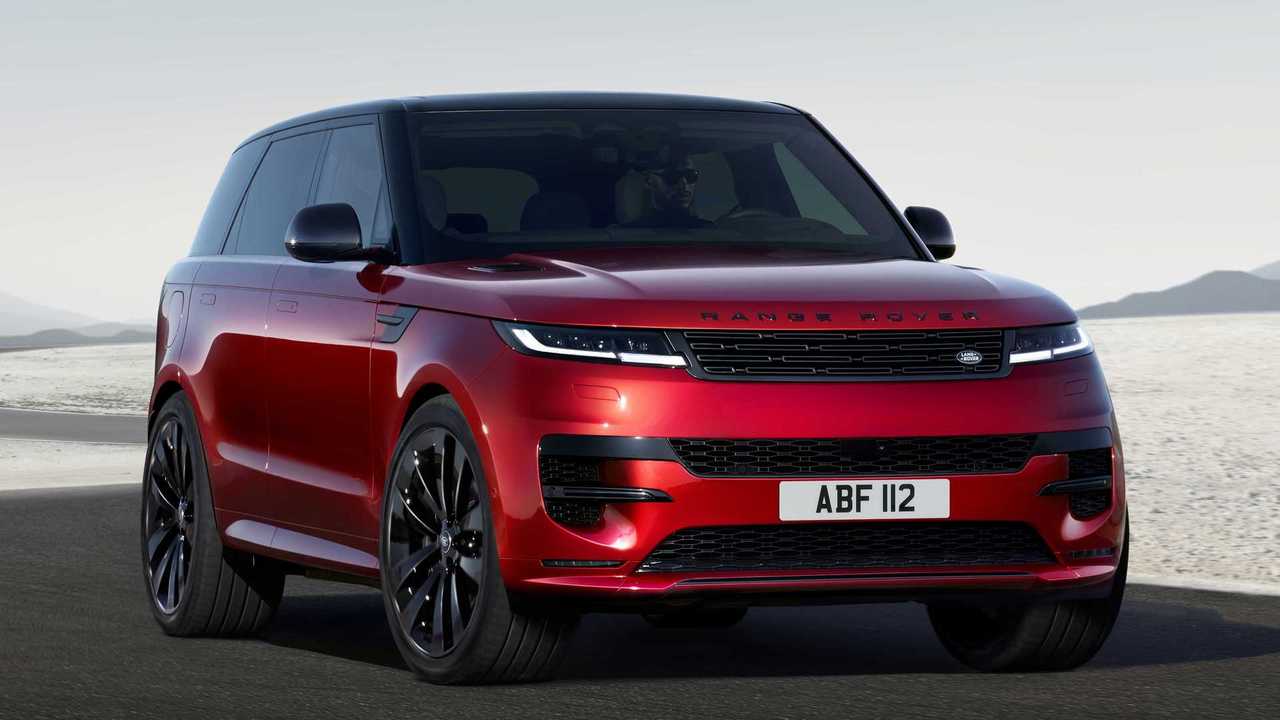
1. Land Rover Range Rover: Luxury, Capability, and the Cost of Complexity
The Land Rover Range Rover is often cited as one of the most expensive vehicles to maintain, with estimated 10-year ownership costs approaching $19,000 to $20,000.
This high cost is not accidental but rather the result of the vehicle’s dual mission: delivering top-tier luxury while also providing extreme off-road capability. Every major system is engineered to balance comfort and performance under heavy stress, which significantly increases long-term maintenance demands.
At the center of these costs is engineering complexity. Range Rovers are equipped with advanced features rarely found on standard SUVs, most notably their air suspension systems. While these systems allow the vehicle to raise itself for more than 11 inches of ground clearance and deliver a smooth, floating ride, they are prone to failures such as leaking air springs, faulty compressors, and malfunctioning height sensors.
When a single component fails, it can trigger a chain reaction of dashboard warnings and system shutdowns. Tight packaging within the engine bay further complicates repairs, as even minor fixes can require hours of labor to remove surrounding components.
Maintenance is also expensive due to specialized labor and parts. Range Rovers rely on proprietary Jaguar Land Rover diagnostic systems, meaning most repairs must be handled by dealerships or highly specialized independent shops. Replacement parts are costly, as the vehicle uses premium materials such as aluminum and high-strength steel, driving prices well above those of many competitors.
Reliability data reinforces these concerns. Industry estimates suggest a Range Rover has roughly a 51 percent chance of requiring a major repair within its first decade of ownership.
Common issues include electrical faults, sensor failures, infotainment problems, and aging plastic components in the cooling system that increase overheating risks. The vehicle’s substantial weight, often around 6,000 pounds, also accelerates wear on consumables like brakes and suspension parts.
When combined with rapid depreciation that can erase half the vehicle’s value within three years, maintenance costs become a defining factor of ownership. The Range Rover delivers exceptional comfort and capability, but it demands a significant financial commitment to keep it operating as intended.
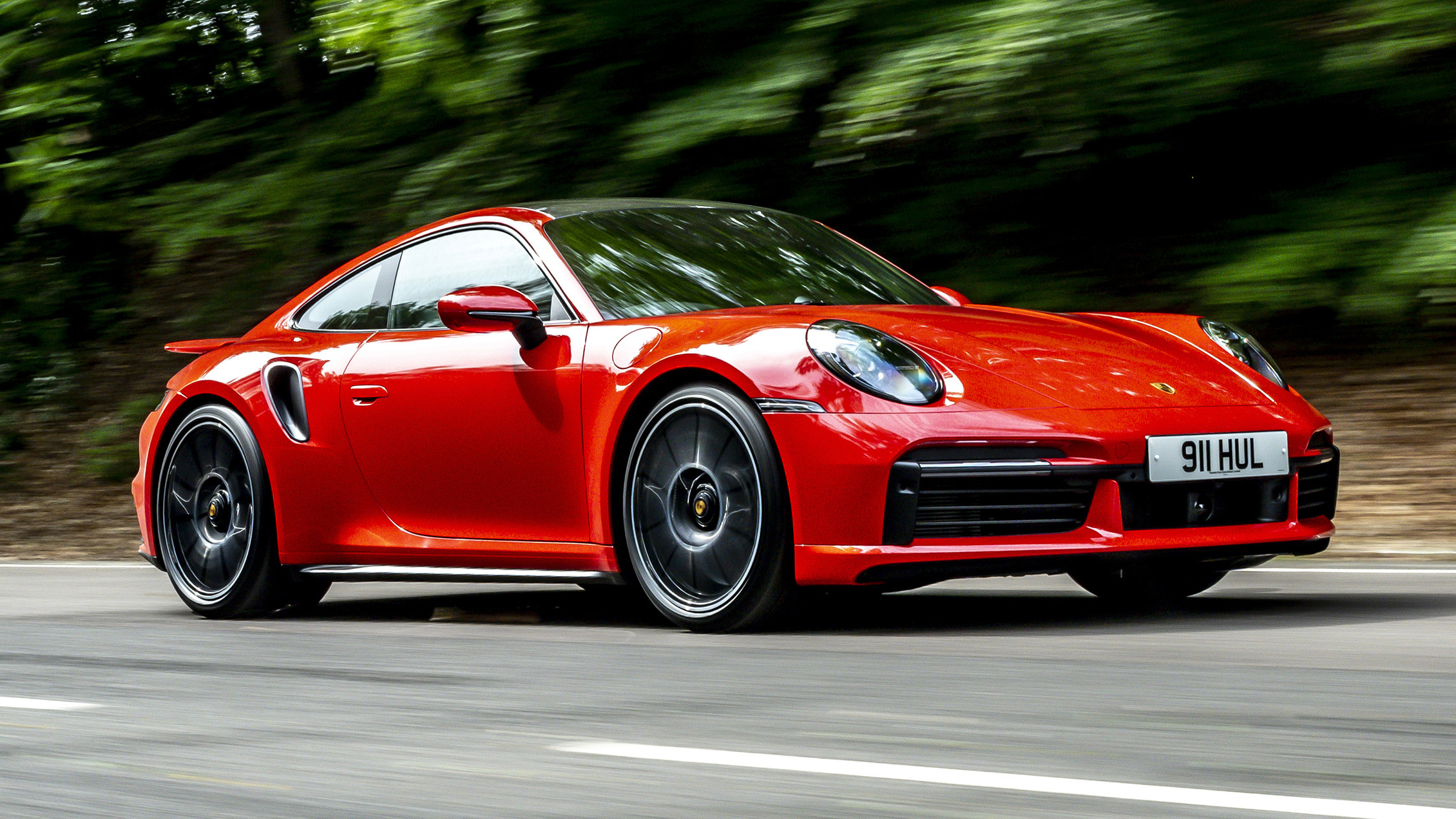
2. Porsche 911: Precision Engineering with Premium Maintenance Costs
The Porsche 911 is widely admired for its performance, durability, and engineering excellence, yet maintaining one requires a level of care and financial commitment well beyond that of a typical vehicle.
While the 911 is mechanically robust, its performance-focused components and unique design mean long-term maintenance costs can exceed $20,000 over a ten-year period. This is the tradeoff for owning a precision machine built to exacting standards.
A major contributor to maintenance complexity is the 911’s unconventional rear engine layout. Placing the engine behind the rear axle improves traction and handling balance, but it significantly limits physical access.
Routine service tasks such as replacing spark plugs, water pumps, or drive belts often require partial disassembly of surrounding components, increasing labor time and cost. Modern models also rely on high-capacity liquid cooling systems with front-mounted radiators that can collect debris. Careful maintenance is essential, as cooling failures can lead to severe engine damage.
The 911’s maintenance demands are further elevated by its use of specialized performance components. High-performance tires designed for rear-engine traction typically last only 15,000 to 20,000 miles and can cost more than $2,000 per set.
Braking systems built to handle extreme heat and repeated high-speed stops wear faster than those on conventional cars and carry premium replacement costs. Precision systems such as Porsche’s PDK dual clutch transmission require strict fluid service intervals, and neglect can result in repairs exceeding $20,000.
Certain generations also present known technical vulnerabilities that demand proactive care. Models built between 1997 and 2008 are known for intermediate shaft bearing issues that can cause catastrophic engine failure if left unaddressed. Older air-cooled 911s face age-related concerns such as oil leaks and head stud failures, requiring technicians with specialized historical expertise.
Annual maintenance costs commonly range from $1,500 to $3,500, but this investment protects the car’s performance, reliability, and strong resale value. Proper upkeep ensures the Porsche 911 remains a rewarding and enduring performance icon rather than a costly liability.
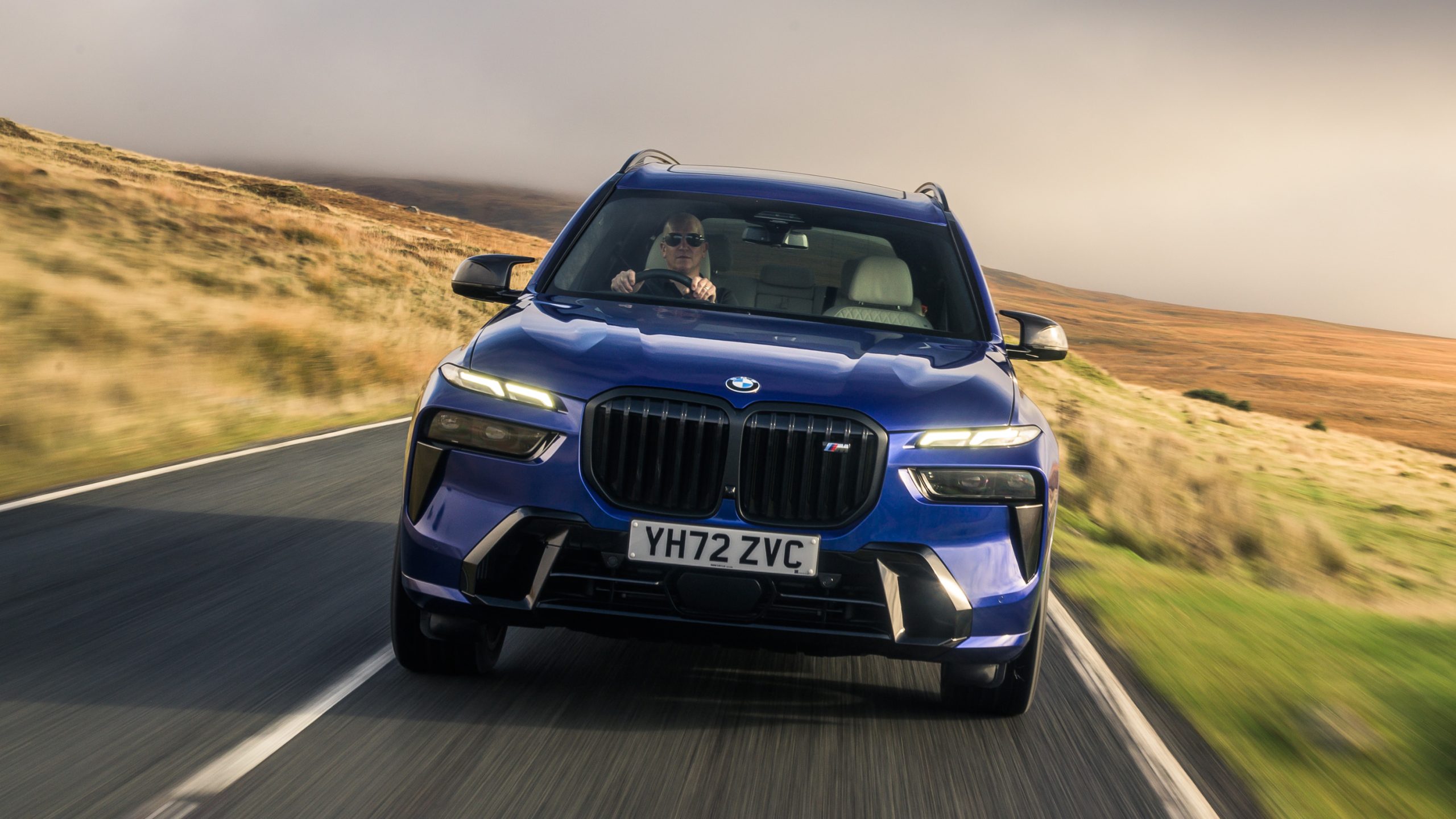
3. BMW X7: Flagship Luxury with High Maintenance Complexity
The BMW X7 represents the peak of BMW’s luxury SUV lineup, combining advanced technology, powerful turbocharged engines, and premium comfort. That same sophistication, however, makes ownership a high-stakes commitment. Maintenance for the X7 is notably more complex than for a typical SUV, driven by mechanical density, deep electronic integration, and a reliance on specialized service expertise.
One major factor is the X7’s sheer size and weight. At roughly 5,300 to 5,600 pounds, the vehicle places significant strain on suspension, brakes, and tires. The standard two-axle air suspension delivers exceptional ride quality but introduces long-term service challenges.
Air springs are prone to leaks over time, and compressors can fail under constant load. Replacing these components requires recalibration of ride height sensors using BMW-specific diagnostic software. The weight and performance tuning also accelerate wear on consumables, with high-performance tires often lasting only 15,000 to 20,000 miles and costing more than $2,000 per set. Brake pads and rotors face similar accelerated wear.
Electronics add another layer of complexity. The X7 relies on dozens of electronic control units that manage comfort, safety, and performance systems. Many issues that appear mechanical are actually software-related, requiring extensive diagnostic time.
Resolving problems in BMW’s iDrive system or advanced driver assistance features typically demands dealership-level tools and specialized knowledge. Even routine battery replacement is complex, as the battery must be electronically registered to the vehicle to prevent charging system issues and electrical faults.
V8-powered versions introduce additional maintenance concerns. These models use a “Hot V” engine layout, positioning turbochargers within the engine’s cylinder banks. While this design improves throttle response, it creates intense heat that accelerates wear on plastic cooling components, seals, and hoses. Accessing these parts is labor-intensive due to tight packaging.
Finally, service requirements often tether owners to dealerships. The X7 depends on proprietary BMW tools, certified fluids, and precise sensor calibration. Many independent shops lack the equipment needed to properly service these systems, making professional upkeep costly but unavoidable for long-term reliability.
4. Mercedes-Benz S-Class: Innovation First, Maintenance Later
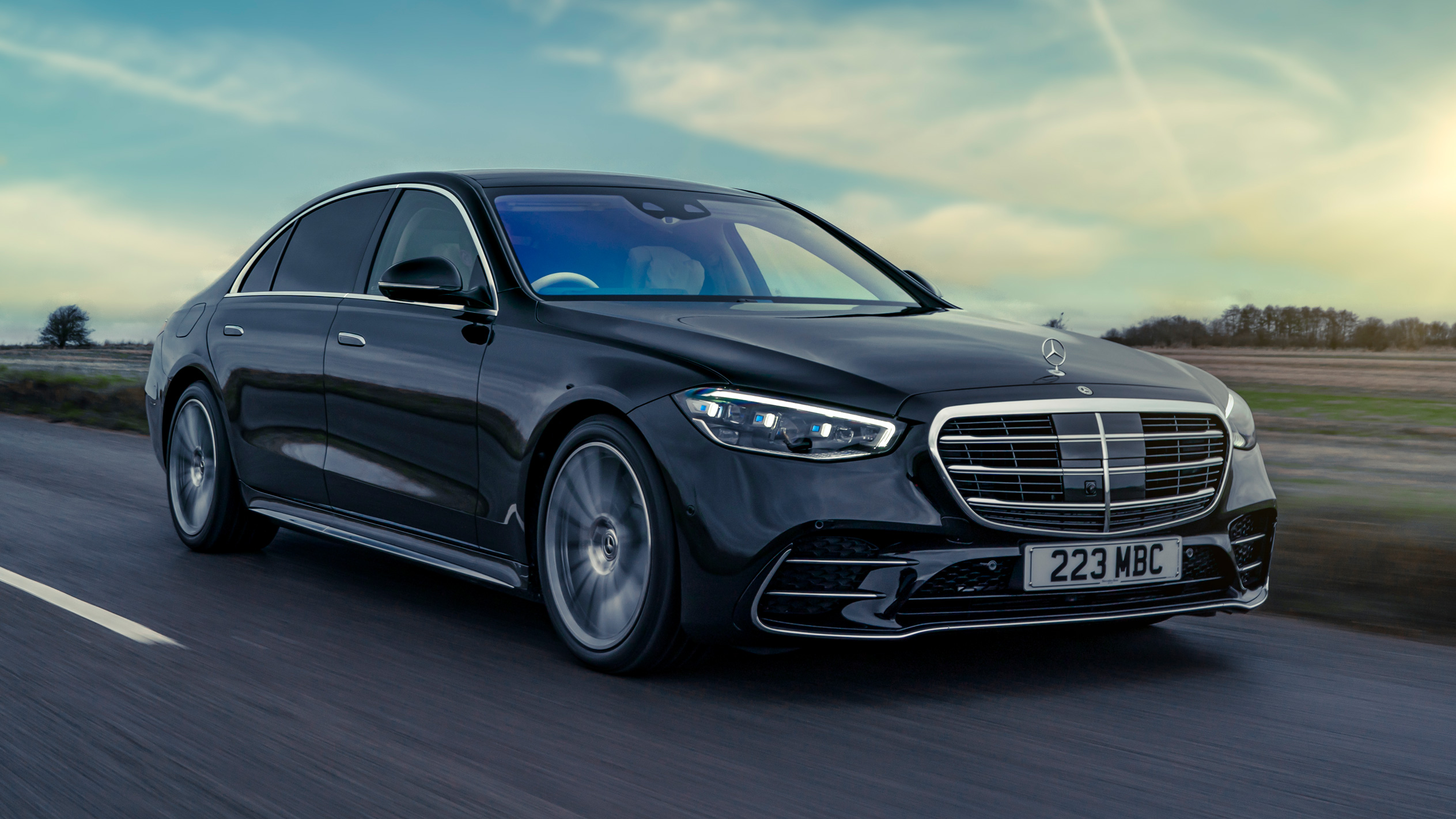
The Mercedes-Benz S-Class is widely regarded as the automotive industry’s technology flagship, often introducing innovations years before they appear in other vehicles. While this leadership defines the S-Class’s prestige and luxury, it also creates a complex and costly long-term maintenance profile. Ten-year ownership costs commonly exceed $13,000, reflecting the challenges of maintaining advanced systems as they age.
A major contributor to upkeep complexity is the S-Class’s sophisticated suspension technology. Most models are equipped with Airmatic or Active Body Control systems that use air springs, hydraulic pumps, and high-pressure lines to deliver exceptional ride comfort.
Over time, these components are susceptible to leaks and wear. When a failing air spring is not addressed promptly, it can overload and destroy the compressor, turning a single part replacement into a full system repair that costs thousands.
Electronics add another layer of difficulty. The S-Class contains dozens of control modules and extensive wiring to support features such as night vision, Magic Body Control, and soft-close doors.
Diagnosing electrical faults requires proprietary Star Diagnostic equipment, which is typically available only at dealerships or specialized repair centers. Even small software issues can cause cascading problems, including parasitic battery drain or malfunctioning infotainment systems.
Maintenance protocols for the S-Class are also more demanding than for typical luxury vehicles. Large engines require up to nine quarts of proprietary synthetic oil, increasing routine service costs. Owners must adhere closely to Mercedes-Benz Service A and Service B schedules, which include frequent brake fluid flushes and transmission services.
Skipping these procedures can accelerate wear and lead to costly mechanical failures. Many replacement parts, including advanced LED lighting units and driver assistance sensors, are only available directly from Mercedes-Benz at premium prices.
Long-term ownership risks increase as the vehicle ages. Between five and seven years, seals, cooling system components, and timing chain guides commonly begin to degrade, driving maintenance expenses sharply higher. While the S-Class delivers unmatched comfort and innovation, sustaining that experience requires a substantial financial commitment over time.
5. Audi A8: High-Tech Luxury with Demanding Maintenance
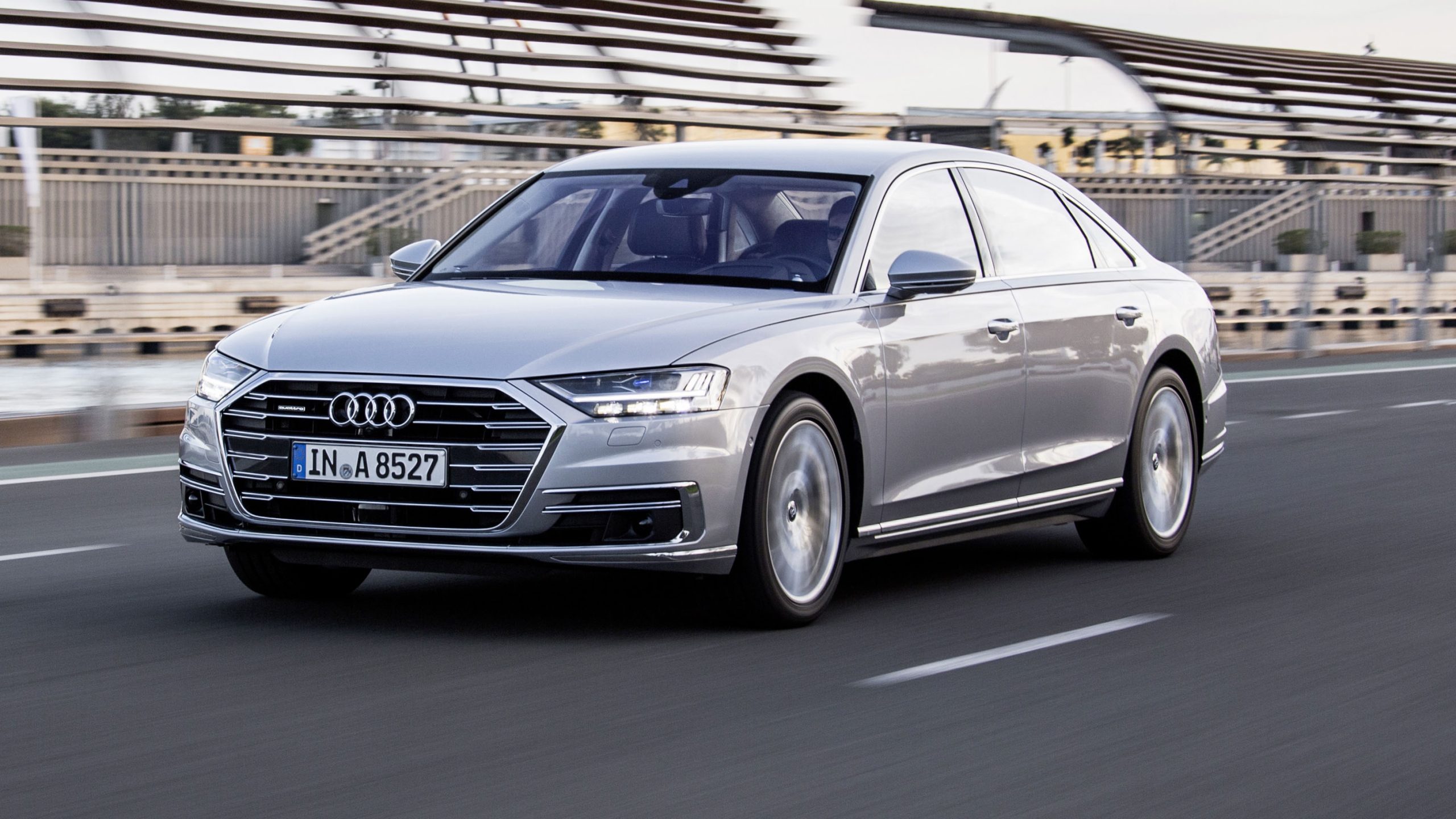
The Audi A8 exemplifies German engineering, combining a high-tech cabin, Quattro all-wheel drive, and flagship engines with advanced driver-assistance systems.
While this sophistication delivers a refined driving experience, it also creates one of the most complex and costly long-term maintenance profiles among luxury sedans. Over ten years, estimated maintenance costs approach $10,258, reflecting the intensive labor and premium parts required.
A significant factor is the A8’s high-tech engineering. Proprietary electronic and electromechanical systems cannot be diagnosed with standard OBD-II tools.
Specialized equipment, typically available only at dealerships or expert independent shops, is necessary to service everything from advanced infotainment to driver-assistance modules. Dense packaging of components further increases labor time, with routine repairs often taking considerably longer than on standard vehicles.
Mechanical systems also contribute to elevated upkeep costs. The adaptive air suspension delivers a smooth ride but frequently fails, with repairs averaging hundreds of dollars per airbag or compressor.
Complex engines, such as the 4.2L V8, have timing chain and tensioner components located deep in the engine bay, making replacements expensive and labor-intensive. The Quattro all-wheel-drive system, coupled with S-Tronic transmissions, requires strict fluid maintenance schedules to prevent catastrophic failures, and gearbox repairs can exceed $2,400.
Premium fluid and parts requirements further raise costs. The A8 typically uses up to eight quarts of fully synthetic oil for a single service, and most components lack affordable aftermarket alternatives, making even basic maintenance costly.
Electrical and infotainment systems are prone to glitches, including frozen screens, unresponsive touch controls, and faulty adaptive headlight sensors. Resolving these issues often requires module replacements and professional recalibration.
Maintaining an Audi A8 in optimal condition demands strict adherence to service schedules, specialized tools, and a willingness to invest in high-cost labor and parts. The combination of advanced technology, intricate mechanical systems, and premium components ensures that ownership requires both diligence and a substantial budget.
Long-term maintenance is a critical factor in vehicle ownership that can influence both costs and convenience. Cars with simple engineering, like the Corolla or Miata, offer predictable service schedules, durable components, and affordable parts, making them ideal for drivers seeking reliability and stress-free ownership.
Vehicles such as the S-Class or Range Rover provide cutting-edge technology, luxury, and performance, but these features come with higher costs, complex repairs, and specialized service requirements. Understanding the balance between simplicity and complexity allows buyers to make informed decisions that match their lifestyle, priorities, and budget while avoiding unexpected long-term expenses.
Also Read: Top 10 Cars That Still Look Like the Future Today