Reliability is one of the most important factors when choosing a vehicle. Some cars and SUVs are built to last for hundreds of thousands of miles with minimal issues, offering durable components, proven engines, and thoughtful design. Others, despite advanced technology or luxury features, face recurring mechanical, electrical, or software problems that can frustrate owners and increase maintenance costs.
In this article, we compare five vehicles known for consistent reliability, including the Toyota 4Runner, Lexus GX, Toyota Corolla, Honda Accord, and Subaru Crosstrek, highlighting the reasons these models are dependable and cost-effective to maintain.
We also examine five vehicles with repeated issues, such as the Ford F-150 PowerBoost Hybrid, Jeep Grand Cherokee, Volkswagen ID.4, Rivian R1T, and Land Rover Range Rover, exploring the root causes behind their frequent repairs. This comparison helps prospective buyers make informed decisions based on long-term performance, durability, and peace of mind.
5 Vehicles Known for Consistent Reliability
1. Toyota 4Runner: Rugged Reliability and Longevity
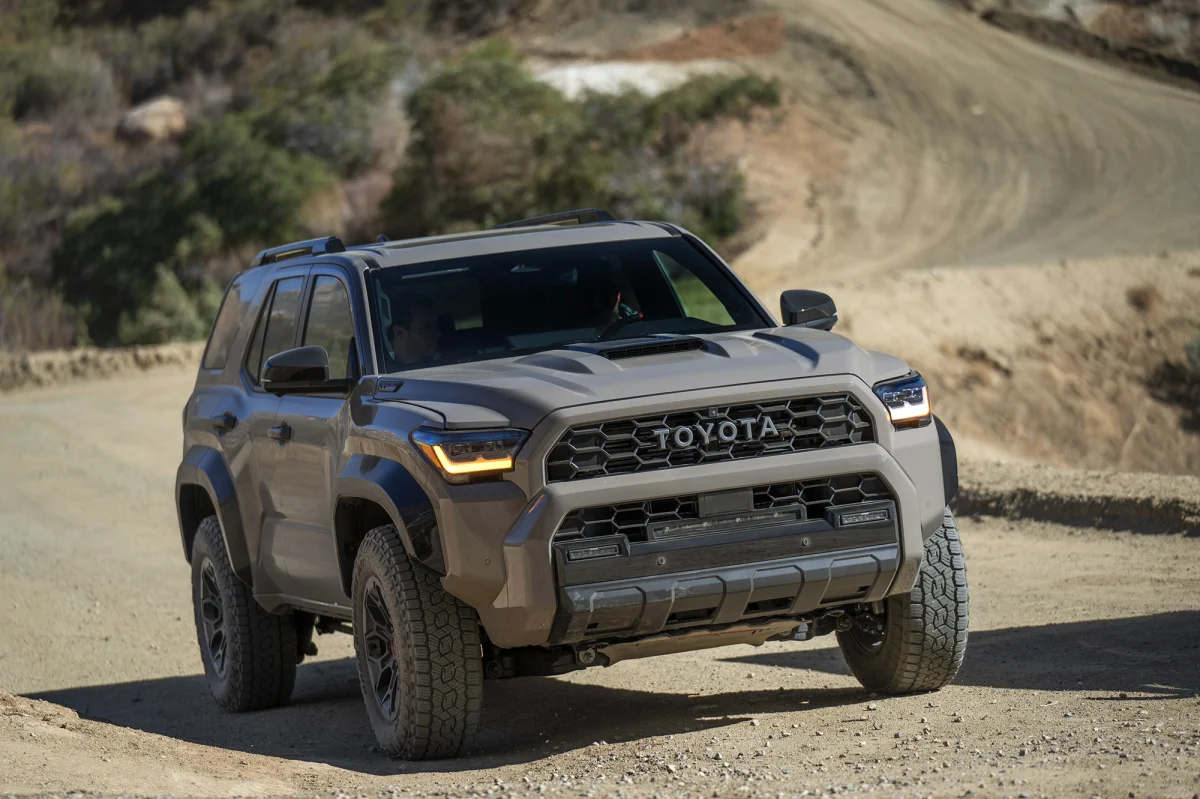
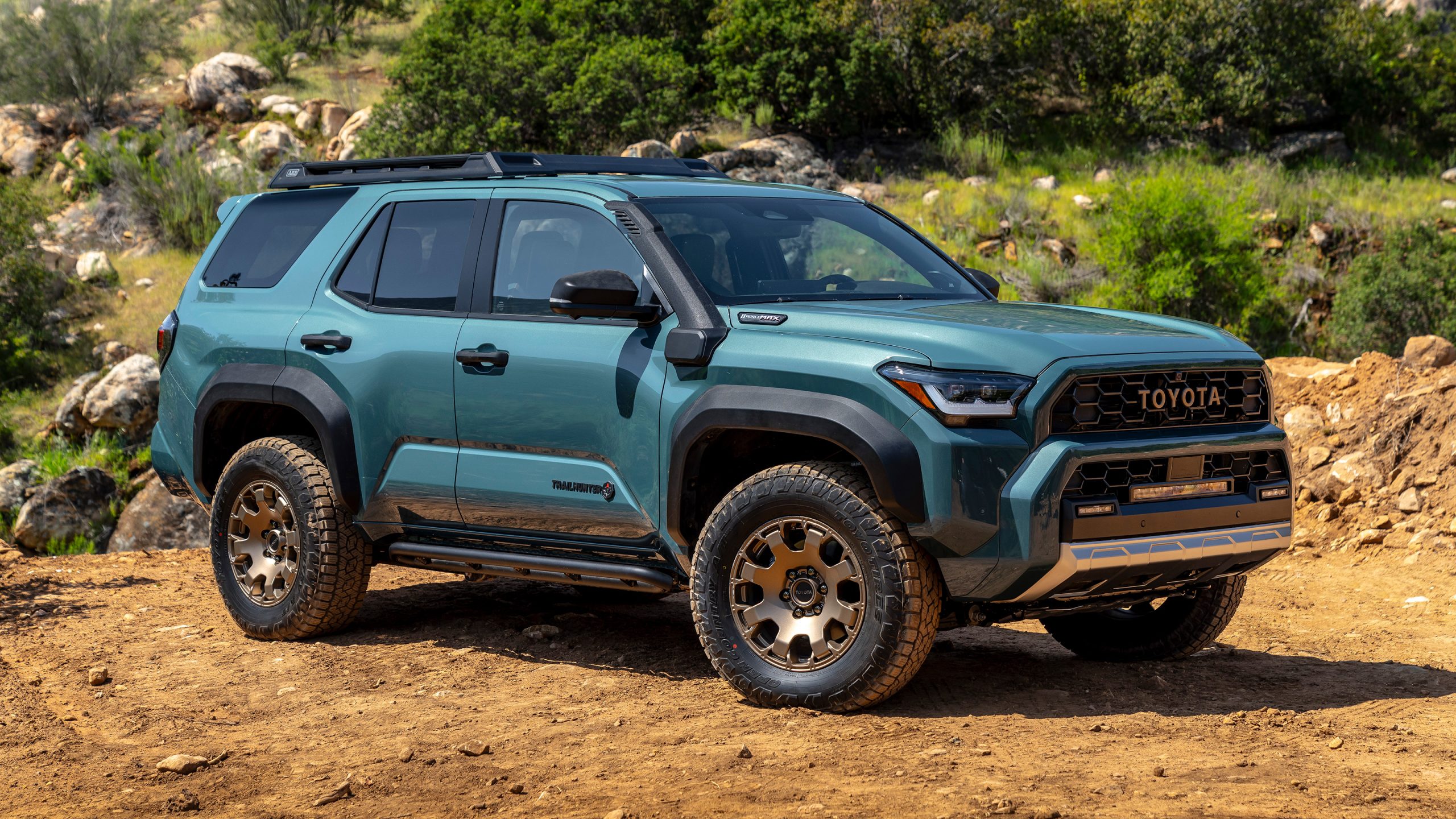
The Toyota 4Runner is a longstanding leader in durability and reliability, often surpassing 200,000 miles with minimal issues. Its traditional body-on-frame construction favors mechanical simplicity over high-tech features, allowing it to endure years of heavy use and off-road adventures.
Many 4Runner owners report vehicles lasting between 200,000 and 300,000 miles, supported by low average annual maintenance costs of approximately $514. Toyota’s slow evolution approach with the fifth-generation 4Runner from 2009 to 2024 has allowed the company to refine the model gradually, reducing the likelihood of major issues and enhancing long-term performance.
The SUV’s reliability is built on robust engineering and a proven powertrain. The 4.0-liter V6 engine, known as the 1GR-FE, paired with a 5-speed automatic transmission, is a mature combination that has been tested extensively in various conditions. Its body-on-frame design, similar to that of a pickup truck, provides superior durability for rough terrain and heavy loads compared to unibody SUVs.
High-quality materials, including durable steel and components designed for longevity, contribute to the vehicle’s strong resale value. While generally dependable, buyers should be aware of potential concerns such as frame corrosion in older models from rust-prone areas and the possibility of a seized four-wheel-drive actuator if the system is not used regularly.
In terms of performance, the 4Runner delivers capable off-road and towing ability. All models feature a 278-horsepower turbocharged 2.4-liter four-cylinder engine paired with an eight-speed automatic transmission. Rear-wheel drive is standard, while full-time four-wheel drive with a two-speed transfer case is optional.
Advanced off-road equipment, such as a locking rear differential, disconnecting stabilizer bars, and off-road cruise control, is available on certain trims. The SUV has a maximum towing capacity of 6,000 pounds, which is competitive in its segment. Its driving dynamics remain truck-like, but improved handling and visibility make it more comfortable for on-road use while still excelling off-road.
The interior balances practicality and comfort. The cabin shares design elements with the Toyota Tacoma, including strategically placed storage and easily reachable controls. An optional third-row seat increases passenger capacity, and features such as an 8-inch infotainment display with wireless Apple CarPlay and Android Auto, optional larger screens, and a wireless charging pad provide modern connectivity.
Safety is addressed with Toyota Safety Sense 3.0, which includes automated emergency braking, lane-keeping assist, and adaptive cruise control. Toyota offers a limited warranty of three years or 36,000 miles and a powertrain warranty of five years or 60,000 miles, along with two years of complimentary maintenance, making the 4Runner a well-rounded SUV for long-term ownership.
2. Lexus GX: Premium Reliability and Rugged Capability
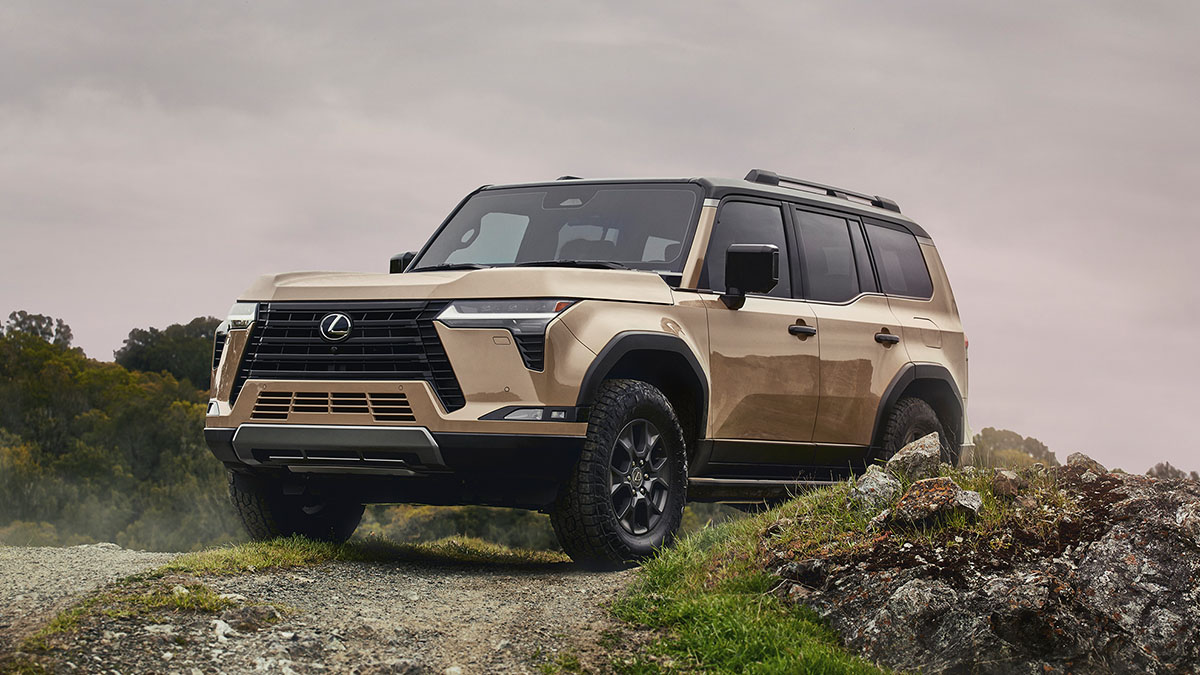
The Lexus GX is a top-tier midsize SUV known for combining luxury with long-term reliability. Built on a platform shared with Toyota’s most durable trucks, it features traditional body-on-frame construction, which allows the frame to absorb impacts and protect both the cabin and powertrain.
Its rugged design, over-engineered mechanical components, and meticulous quality control contribute to the vehicle’s high owner satisfaction. Historically, GX models with V8 engines, such as the 4.6-liter, have been capable of exceeding 300,000 miles with proper maintenance. The GX also employs conservative technology, favoring proven systems over complex electronics, which further reduces the risk of mechanical issues.
The GX550 is powered by a twin-turbocharged 3.4-liter V6 producing 349 horsepower, paired with a 10-speed automatic transmission and full-time four-wheel drive. Off-road-focused trims, including Overtrail and Overtrail+, come equipped with features such as adaptive suspension, crawl control, aluminum skid plates, and selectable drive modes for various terrain conditions.
The SUV feels responsive off the line, though its tall and boxy design results in noticeable body roll on highways.
The Electronic Kinetic Dynamic Suspension System (E-KDSS) can disconnect front or rear anti-roll bars to improve stability, reduce head toss, and increase traction over rough terrain. The GX550 accelerates to 60 mph in 6.2 seconds, outperforming the previous-generation GX460 and even some larger competitors.
Inside, the GX delivers a blend of luxury and practicality. Seats are available in leather or faux-leather, with Overtrail trims offering faux-suede accents. Premium and Luxury trims provide three rows of seats, accommodating up to seven passengers, while Overtrail trims focus on five-passenger seating with enhanced off-road functionality.
The SUV offers a 14-inch infotainment display, a 12.3-inch configurable digital gauge cluster, wireless Apple CarPlay and Android Auto, multiple USB-C ports, and optional Mark Levinson audio. Cargo capacity is substantial, though the high cargo floor can make lifting heavy items more challenging. Despite its off-road emphasis, the interior is refined and suitable for everyday driving.
The GX also emphasizes safety and ownership convenience. Standard driver-assistance features include automated emergency braking, pedestrian detection, lane-departure warning, and adaptive cruise control with lane-centering.
Lexus provides a four-year or 50,000-mile limited warranty and a six-year or 70,000-mile powertrain warranty, along with one year of complimentary maintenance. With its proven powertrains, durable construction, luxury amenities, and capable off-road performance, the Lexus GX remains a strong choice for buyers seeking a premium SUV that balances comfort, longevity, and rugged capability.
3. Toyota Corolla: Dependable, Efficient, and Practical
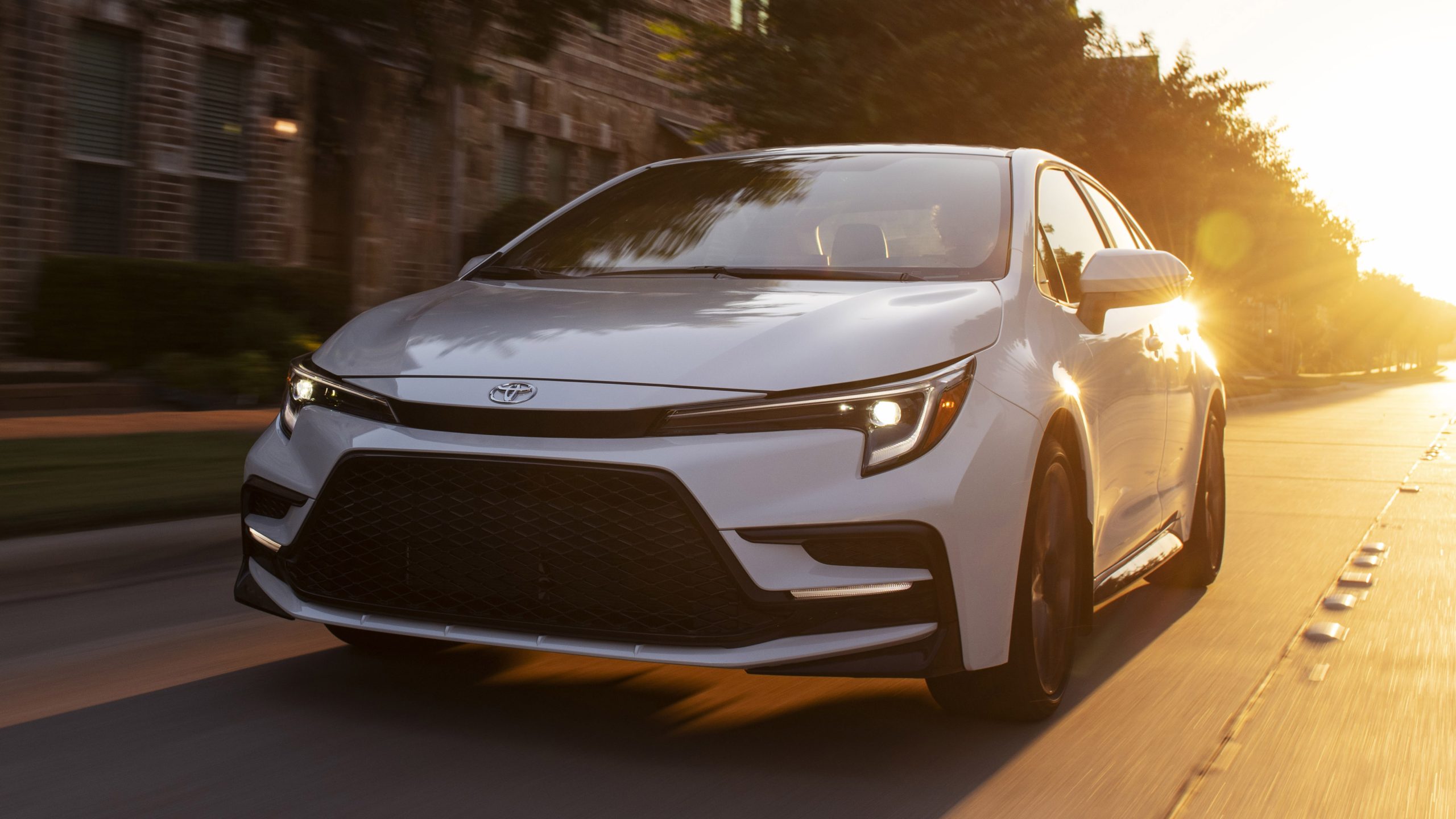
The Toyota Corolla is globally recognized as a benchmark for compact car reliability and durability. The 2022 model earned the 2025 J.D. Power award for its segment, reflecting its consistent dependability. This reputation is built on the Toyota Production System, which emphasizes strict quality control, continuous improvement, and high manufacturing standards.
Coupled with an engineering philosophy that prioritizes simple, proven components over unnecessary complexity, the Corolla maintains a strong track record of long-term reliability.
Over-engineered parts, including suspension and chassis components, provide extra durability, allowing many Corollas to surpass 200,000 to 300,000 miles with minimal repairs. Low maintenance costs further contribute to its affordability and long-term ownership value.
The Corolla’s powertrain balances efficiency with everyday usability. Both the sedan and hatchback feature a 169-horsepower 2.0-liter four-cylinder engine with a continuously variable automatic transmission (CVT). The sedan also offers a hybrid powertrain for improved fuel economy.
In testing, acceleration was steady but not quick, and hard throttle inputs produced noticeable engine noise that reduced refinement. Ride quality is generally comfortable, isolating most road imperfections, while body motions are controlled and agile.
Sport-oriented SE and XSE trims feature stiffer suspension and larger wheels, enhancing cornering performance. Braking is reliable and responsive, though both body styles require 174 to 183 feet to stop from 70 mph, showing that the Corolla prioritizes consistency over sporty performance.
Fuel efficiency is a standout feature, particularly for hybrid models. The standard gas-only Corolla achieves EPA ratings of up to 32 mpg city, 41 mpg highway, and 35 mpg combined. The hybrid sedan is rated up to 53 mpg city, 46 mpg highway, and 50 mpg combined.
Real-world highway testing showed the AWD hybrid delivering 40 mpg, while the front-wheel-drive XSE sedan reached 41 mpg. Hatchback fuel economy ranged from 36 to 40 mpg, depending on configuration. These figures make the Corolla a strong choice for buyers seeking a low-cost, fuel-efficient compact vehicle without sacrificing practicality.
Inside, the Corolla provides a well-designed, comfortable cabin with soft-touch materials and thoughtful ergonomics. Standard features include passive entry, push-button start, and an 8.0-inch touchscreen with Apple CarPlay and Android Auto, with optional upgrades to a 10.5-inch display and a 12.3-inch digital gauge cluster.
Rear-seat legroom favors the sedan, while cargo capacity ranges from 13 cubic feet in the sedan to 18 cubic feet in the hatchback, expandable to 23 cubic feet with the Enhanced Cargo Space option.
Toyota Safety Sense 3.0 comes standard, including forward-collision warning, automated emergency braking, lane-departure warning, and adaptive cruise control. Warranty coverage includes three years or 36,000 miles limited, five years or 60,000 miles powertrain, ten years or 150,000 miles hybrid components, and two years of complimentary scheduled maintenance.
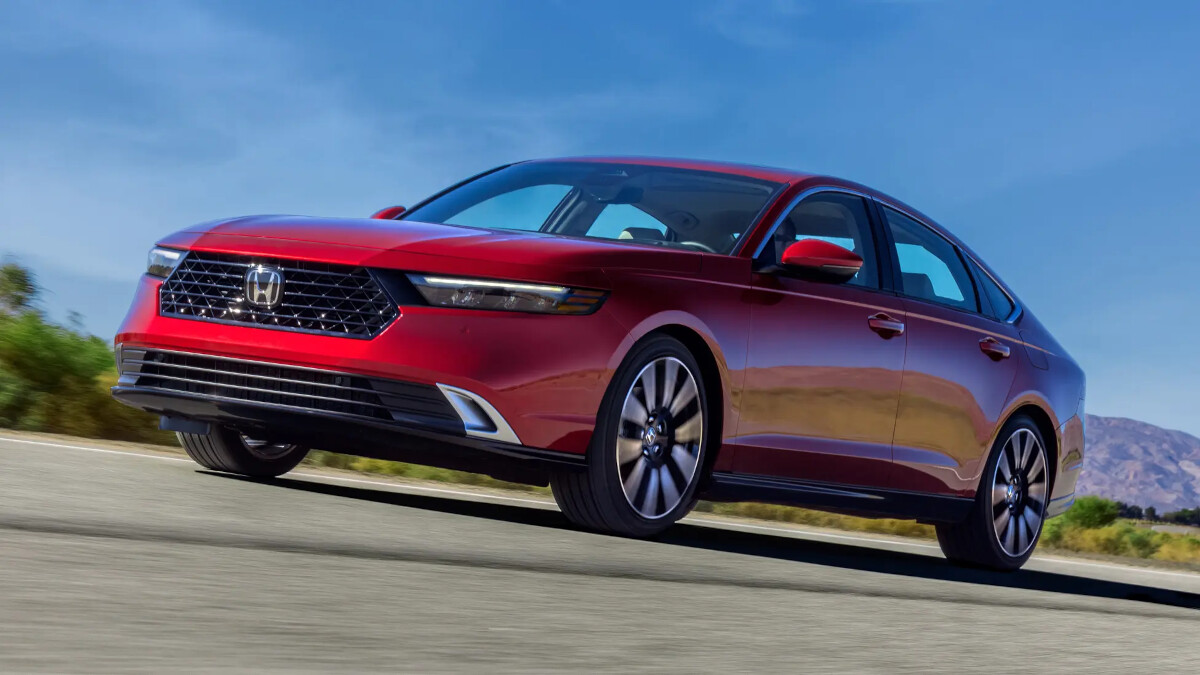
4. Honda Accord: Reliable, Efficient, and Well-Rounded
The Honda Accord has long been recognized for its combination of balanced performance, long-term reliability, and strong resale value. Its reputation is built on superior engineering, rigorous quality control, and durable components designed to withstand high-mileage use.
Key factors contributing to the Accord’s dependability include robust engines and transmissions, efficient design philosophy, over-engineered parts, and easily maintainable systems.
Many Accords routinely exceed 200,000 to 300,000 miles, with some historic models achieving over one million miles on the original engine and transmission. These qualities make the Accord a benchmark in the midsize sedan segment and a reliable choice for drivers seeking a long-lasting vehicle.
The Accord’s powertrains combine efficiency with adequate performance. The LX and SE trims are powered by a 192-horsepower turbocharged 1.5-liter four-cylinder engine paired with a continuously variable automatic transmission and front-wheel drive. Higher trims feature a hybrid system that pairs a 2.0-liter four-cylinder engine with two electric motors, producing a combined 204 horsepower.
Both powertrains deliver smooth, quiet, and composed driving experiences, with precise steering, controlled body motions, and a compliant ride. Acceleration tests show the non-hybrid model reaching 60 mph in 7.3 seconds and the hybrid in 6.7 seconds, keeping it competitive with rivals such as the Toyota Camry while falling short of performance-focused models like the Hyundai Sonata N-Line.
Fuel economy is another strength, particularly with the hybrid. The standard gas-only Accord achieves EPA estimates of up to 29 mpg city and 37 mpg highway, while the hybrid reaches as high as 51 mpg city and 44 mpg highway. Real-world highway testing showed non-hybrid models achieving 40 mpg and the hybrid around 39 mpg.
Interior comfort and practicality complement the powertrain, with a sleek, driver-focused cabin, expansive rear-seat legroom, and 16.7 cubic feet of trunk space expandable by folding the rear seats. Infotainment is modern and accessible, featuring standard 9.0-inch or optional 12.3-inch touchscreens, a 10.2-inch digital gauge cluster, wireless Apple CarPlay and Android Auto, and optional premium audio.
Safety and convenience are emphasized through Honda Sensing, which includes automated emergency braking, lane-keeping assist, adaptive cruise control, and traffic-sign recognition. Standard driver-assistance features across trims ensure strong occupant protection, backed by Honda’s solid build quality.
Warranty coverage includes a three-year or 36,000-mile limited warranty, a five-year or 60,000-mile powertrain warranty, and one year or 12,000 miles of complimentary maintenance. With its combination of proven reliability, efficient powertrains, comfortable interior, and comprehensive safety features, the Honda Accord remains a top choice in the midsize sedan segment for long-term ownership and peace of mind.
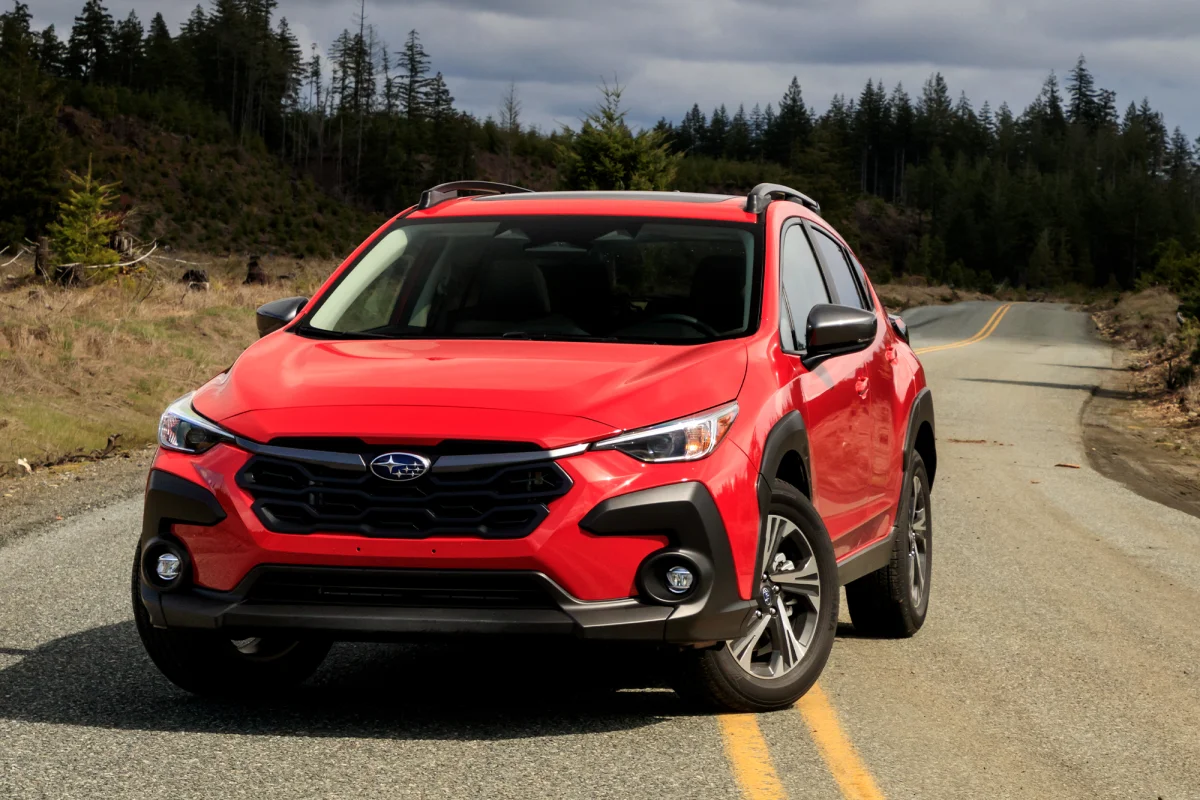
5. Subaru Crosstrek: Reliable, Practical, and Adventure-Ready
The Subaru Crosstrek is often cited as the most reliable vehicle in the Subaru lineup, thanks to its durable construction, refined all-wheel-drive system, and low-stress BOXER engine. Its horizontally opposed engine lowers the center of gravity, reducing vibrations and wear, which enhances long-term durability.
Consistently high safety ratings, strong predicted reliability scores, and low maintenance costs make the Crosstrek a dependable choice in the compact SUV segment. Average annual repair costs are around $492, which is competitive for the class, and modern generations, especially post-2018 models, have resolved earlier CVT transmission issues, reinforcing the vehicle’s reputation for dependability.
All Crosstreks are powered by a 180-horsepower 2.5-liter four-cylinder engine paired with a continuously variable automatic transmission and standard Symmetrical All-Wheel Drive.
This setup provides a soft, composed ride suitable for daily commuting and light off-road use, though it does not offer the sporty handling of vehicles like the Mazda CX-30 or Volkswagen Taos. The Crosstrek does, however, excel in off-road capability, with at least 8.7 inches of ground clearance and features such as hill-descent control and hill-start assist.
The Wilderness trim further increases ground clearance to 9.3 inches and adds aggressive all-terrain tires, making it well-suited for rugged terrain. Acceleration is moderate, with 0–60 mph times ranging from 8.1 seconds for the Limited trim to 8.6 seconds for the Wilderness, reflecting its utility-focused design rather than speed-oriented performance.
Fuel efficiency is competitive for the segment. The EPA estimates for the 2025 Crosstrek with the 2.5-liter engine are 27 mpg city, 33 mpg highway, and 29 mpg combined. On real-world highway testing at 75 mph, the vehicle achieved 36 mpg.
The interior prioritizes comfort and practicality, with generous front-seat legroom at 42.9 inches and headroom at 39.8 inches, and rear-seat legroom of 36.5 inches. Cargo capacity is strong, with 20 cubic feet behind the second row and 55 cubic feet with seats folded.
The cabin is functional, featuring a 7-inch touchscreen on base models or an optional 11.6-inch display, standard Apple CarPlay and Android Auto, and optional premium audio upgrades.
Safety and driver assistance are well-covered through Subaru’s EyeSight system, which includes adaptive cruise control, automated braking, and lane-keeping assist as standard. Additional features such as automatic emergency steering, blind-spot monitoring, and rear cross-traffic alert are available on higher trims.
Warranty coverage aligns with industry standards, offering three years or 36,000 miles for the limited warranty and five years or 60,000 miles for the powertrain, though Subaru does not include complimentary maintenance. The Crosstrek combines proven reliability, practical interior space, capable off-road performance, and standard all-wheel drive, making it a versatile choice for daily driving and outdoor adventures.
Also Read: 5 Cars With Simple Long-Term Maintenance vs 5 With Complex Upkeep
5 With Repeated Issues
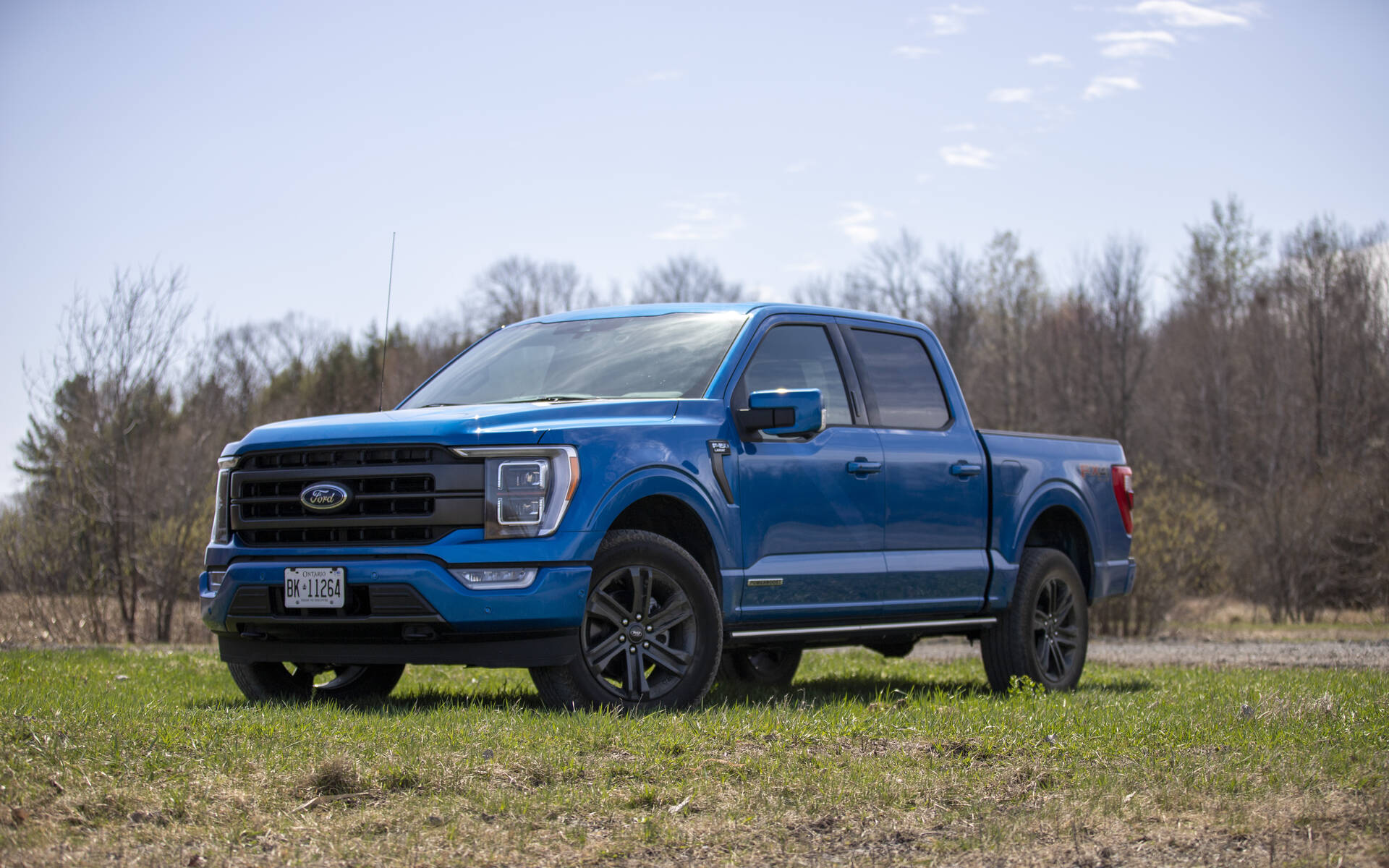
1. Ford F-150 PowerBoost Hybrid: Advanced, but Reliability Concerns Persist
The Ford F-150 PowerBoost Hybrid has garnered a reputation as one of the least reliable vehicles in its class, frequently cited by Consumer Reports for recurring mechanical and electronic issues.
Its complex design, which combines a twin-turbocharged 3.5-liter V6 engine with a 35 kW electric motor and a 1.5 kWh lithium-ion battery, introduces multiple potential failure points that challenge long-term dependability. While innovative, the integration of hybrid technology with traditional truck mechanics has resulted in repeated owner complaints and frequent repairs.
One of the most problematic areas is the 10-speed modular transmission. Reports include harsh shifting, gear slipping, and clunking noises, with some models experiencing severe mechanical failures such as sheared rear axle bolts, particularly in vehicles equipped with the Max Trailer Tow Package.
The drivetrain’s complexity and these high-stress components have prompted multiple recalls to address safety and reliability concerns. Electrical and software issues also contribute to the F-150’s poor reliability scores.
The Accessory Protocol Interface Module (APIM), which manages the infotainment screen, can fail, causing blank or rebooting displays. Owners also report unexplained battery drains and persistent warning lights without identifiable mechanical faults.
The hybrid system itself presents additional challenges. High-voltage junction box fuses have been known to fail, resulting in sudden loss of drive power while in motion. Transitions between electric and gasoline modes can feel rough, often accompanied by unusual vibrations or engine noise.
These issues, combined with real-world fuel economy often falling short of EPA estimates, particularly during towing or highway driving, highlight the trade-offs of hybrid technology in a heavy-duty pickup.
Ford has attempted to address some of these problems through Over-the-Air software updates and enhanced quality checks on 2024 and newer models. While these measures have reduced some software-related issues, the PowerBoost Hybrid continues to face reliability challenges compared to standard gasoline F-150 variants, making it a vehicle that demands careful consideration from prospective buyers.
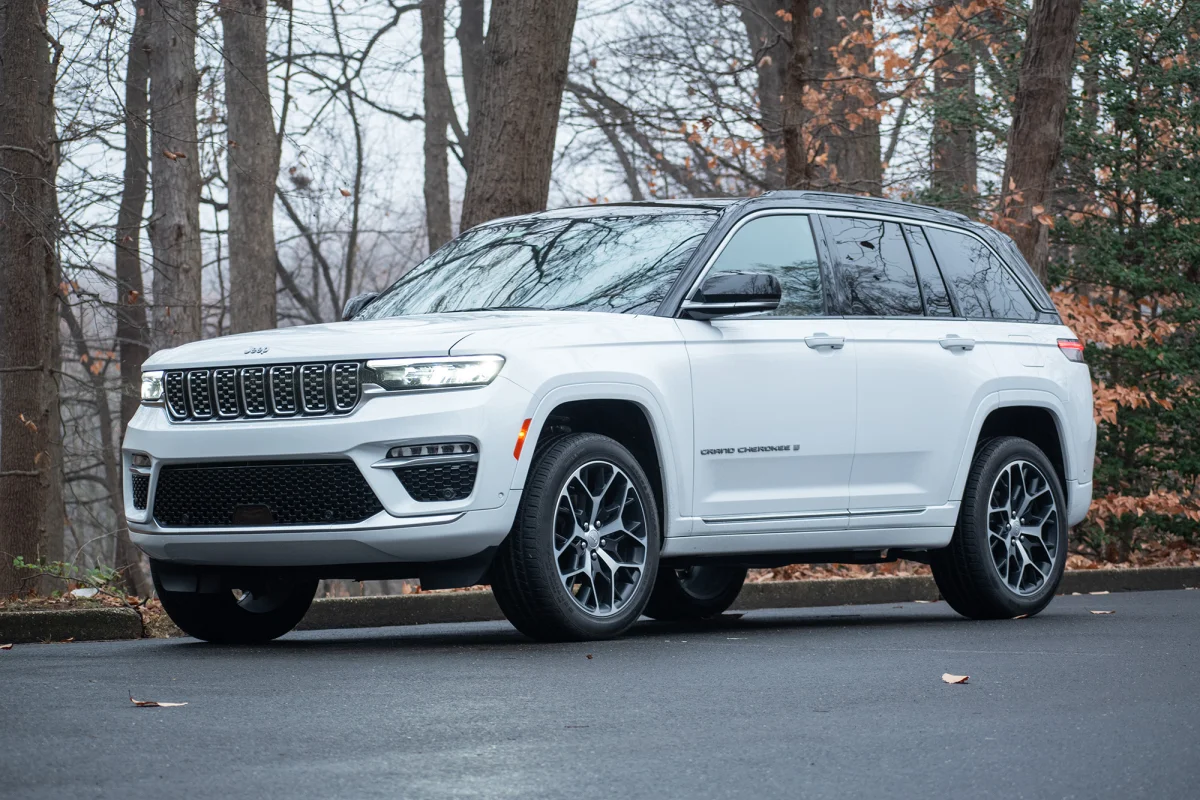
2. Jeep Grand Cherokee: Reliability Hampered by Electronics and Complex Systems
The Jeep Grand Cherokee has a history of reliability challenges, particularly in newer, more complex trims. Many of the recurring issues stem from the vehicle’s advanced electrical architecture, transmission systems, and the introduction of new technologies during each model generation.
While the Grand Cherokee offers impressive off-road capability and a range of engine options, its mechanical and electronic complexity has contributed to lower long-term dependability compared to competitors.
One of the most well-documented problems is the Totally Integrated Power Module (TIPM), the vehicle’s central electrical hub. Older models, particularly from 2011 to 2013, are prone to internal circuit failures or fuel pump relay shorts.
These issues can cause unexpected engine stalling, fuel pumps that fail to turn off, and erratic activation of wipers, lights, or horns. Such electrical malfunctions are a primary reason for the Grand Cherokee’s low reliability rankings.
Transmission and software issues also affect performance. The switch to multi-speed transmissions, including ZF 8-speed and 9-speed gearboxes, has led to rough shifting, delayed engagement, and sudden lurching in models from 2014 to 2017.
A notable 2016 recall addressed a flaw in the electronic shifter that could allow vehicles to roll away when drivers believed the truck was in park. These challenges reflect the broader difficulty of integrating advanced drivetrain technology without compromising durability.
Additional reliability concerns arise from mechanical and technological complexity. Infotainment systems such as Uconnect often freeze or lose data, while the Quadra-Lift air suspension can leak or suffer compressor failures. Hybrid 4xe models have faced battery cell issues with potential fire risks.
Engine-specific problems include cracked cylinder heads and oil leaks in the 3.6L Pentastar V6 and premature water pump failure in the 5.7L HEMI V8. While newer 2018–2020 models show some improvement, prospective buyers should review the NHTSA Recall Database to confirm if their vehicle is eligible for repairs on these common defects.
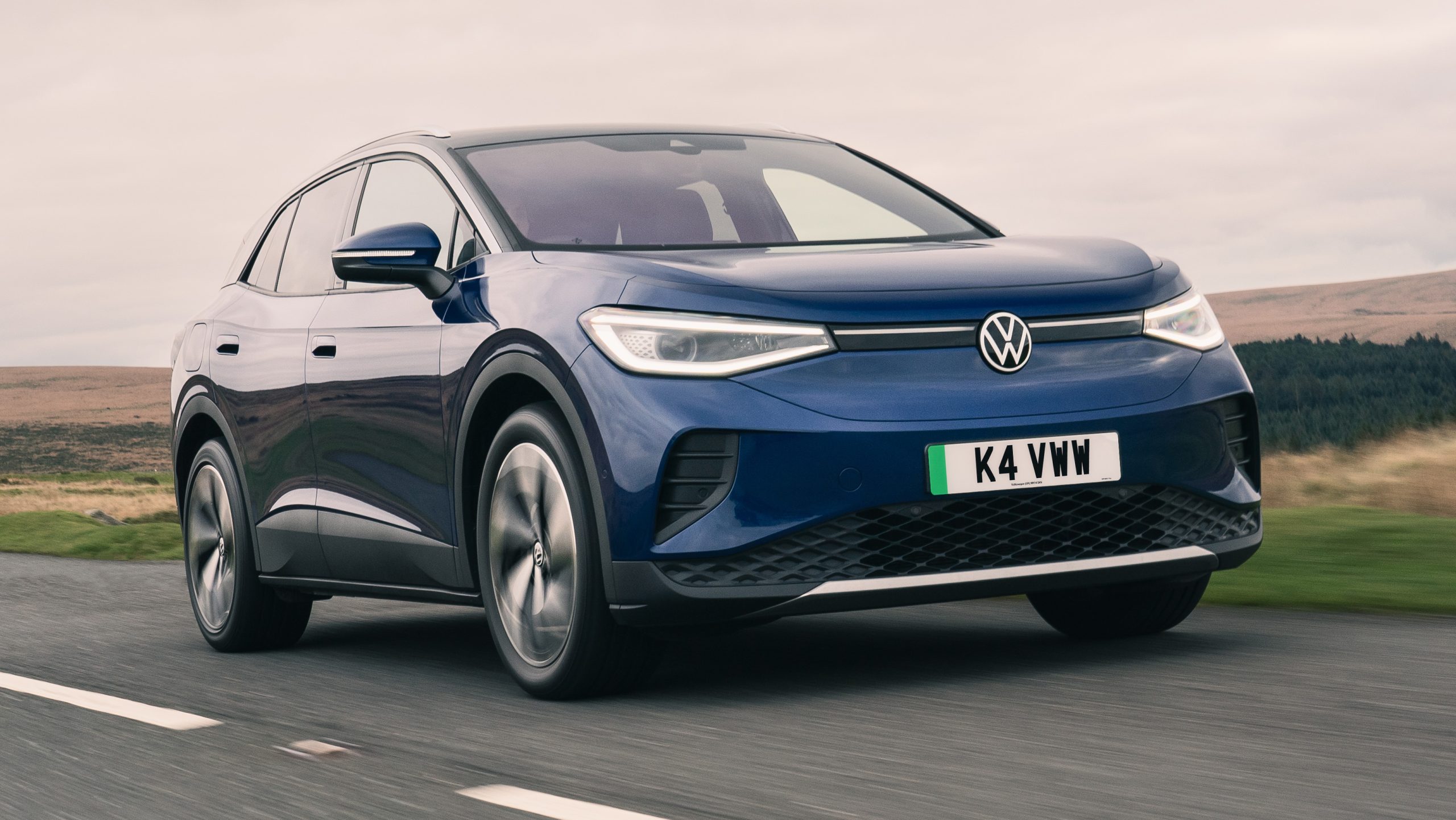
3. Volkswagen ID.4: Reliability Hampered by Software and Battery Issues
The Volkswagen ID.4, Volkswagen’s all-electric SUV, has faced widespread reliability concerns since its introduction, with many issues stemming from software integration problems, battery defects, and manufacturing inconsistencies.
Early production models, particularly U.S.-sourced vehicles, have required multiple recalls and temporary production halts to address safety and mechanical flaws. These persistent problems have affected owner confidence and highlight the challenges of transitioning to a software-defined electric platform.
One of the most serious concerns involves battery manufacturing defects. Recent recalls covering approximately 44,000 ID.4s from 2023 to 2025 focus on fire risks linked to SK Battery America. Misaligned electrodes within the battery modules can cause internal short circuits and thermal runaway.
Compounding the risk, some vehicles lacked Self-Discharge Detection software designed to provide early warnings of overheating. Owners are advised to limit charging to 80 percent, avoid DC fast chargers, and park outdoors until replacements are completed.
Software and infotainment issues are another major source of complaints. In 2024, roughly 80,000 units were recalled because the instrument cluster and touchscreen displays could go black or reset unexpectedly, sometimes disabling the rearview camera or speedometer.
Owners also report laggy interfaces, unresponsive climate controls, and 12-volt battery drains caused by software glitches, occasionally leaving vehicles inoperable.
Mechanical and body integrity problems have also emerged. More than 98,000 vehicles (2021–2024) were recalled due to water intrusion in electronic door handles, causing doors to open unexpectedly. Additional recalls addressed improperly tightened chassis bolts and airbag fasteners, which could compromise safety in a crash.
These recurring issues underscore the difficulties Volkswagen faces in combining advanced software systems with traditional vehicle manufacturing. Owners are encouraged to check their VIN using the NHTSA Recall Lookup Tool to ensure all safety updates have been applied.
4. Rivian R1T: Early-Stage Reliability Challenges
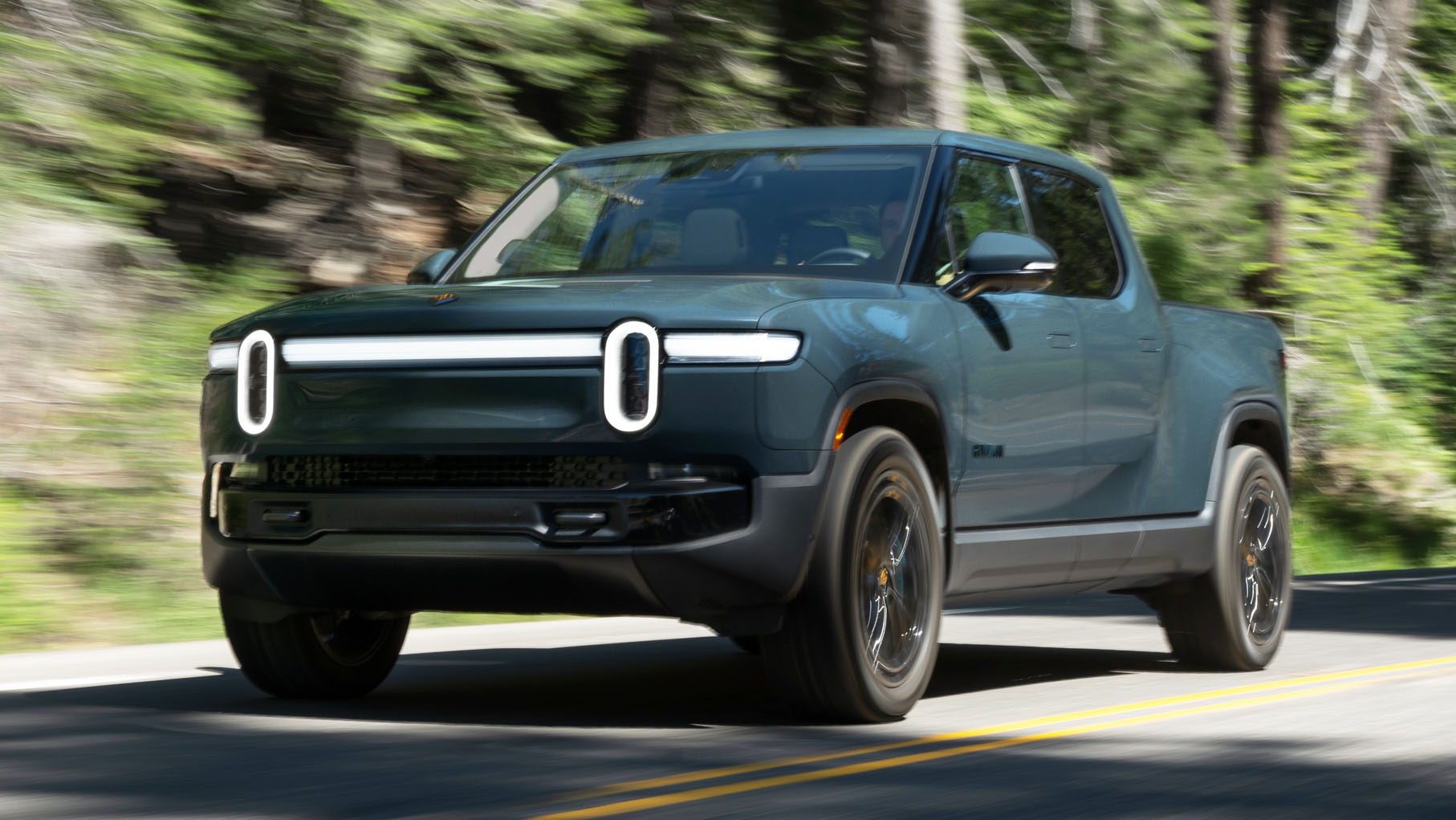
The Rivian R1T electric pickup has impressed many with its high performance, off-road capability, and innovative design, but it continues to face notable reliability challenges.
As a product from a relatively new manufacturer, the R1T suffers from recurring issues tied to charging hardware, build quality, and in-car electronics, reflecting the growing pains of scaling production from prototype to mass-market vehicles. While owner satisfaction is often high, a significant portion of R1T buyers have reported repeated mechanical and software failures.
A common problem involves the 12-volt battery system. Owners frequently see “critically low” battery alerts, often caused by the Body Control Module (BCM) failing to properly reinitialize the low-voltage battery profile after service.
Some Gen 2 models also report leaks in the main battery housings. Suspension issues are another recurring complaint. The air suspension system can develop leaks, compressors fail, and in some cases, the system collapses entirely, with some components needing multiple replacements even after warranty expiration.
Drivetrain and axle noise, such as clunking or popping from the half-shafts, has been widely reported and occasionally leads to electric motor malfunctions. HVAC and thermal management systems are also problematic, with compressors failing or refrigerant leaks entering the cabin.
Build quality concerns, including misaligned panels, sticking tonneau covers, and uneven gear tunnel doors, have been frequent at delivery, contributing to a perception of inconsistent assembly.
Underlying these issues are challenges typical of startup production, including manufacturing scaling problems, service network limitations, and software bugs. Rivian’s service infrastructure is still expanding, which can result in long repair delays or temporary fixes that fail to fully resolve recurring faults.
Over-the-air updates help address software glitches, though they have occasionally introduced new problems, such as misidentifying lead vehicles in Highway Assist. The company has taken steps to improve reliability with its Gen 2 models, redesigning components and refining production processes to reduce early failures, but buyers should expect some risk typical of emerging electric vehicle brands.
5. Land Rover Range Rover: High Complexity Drives Low Reliability
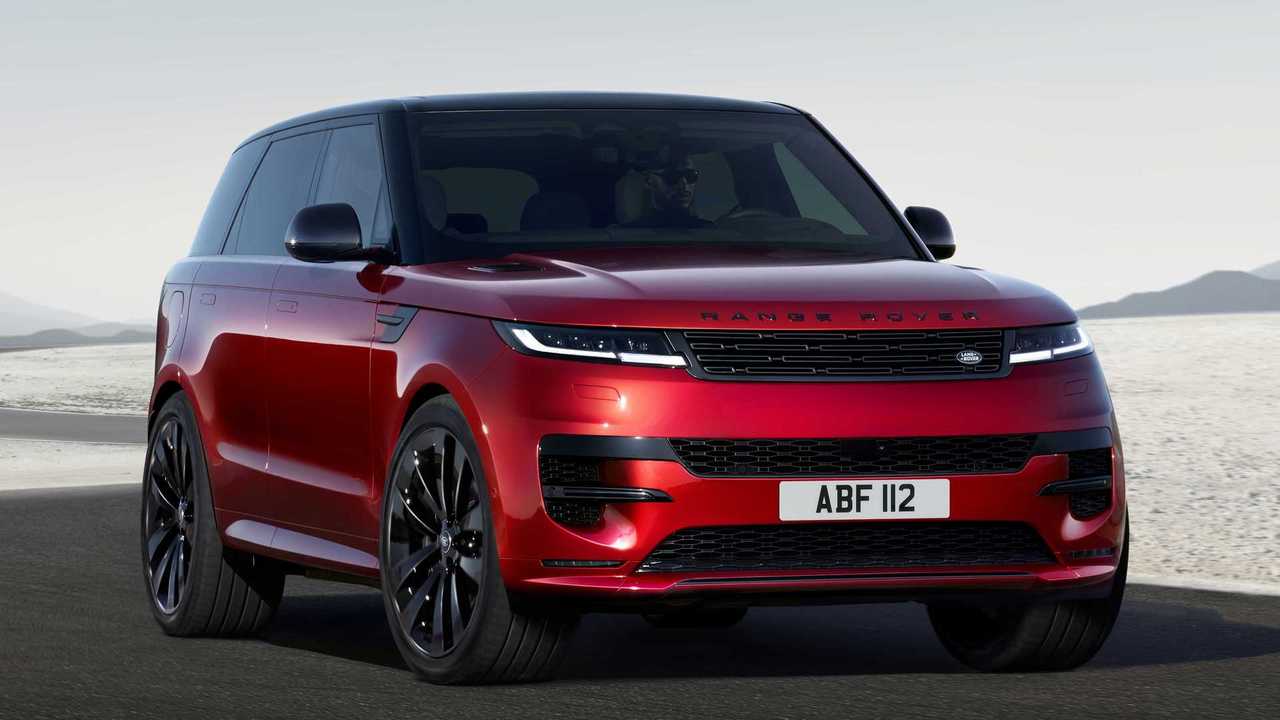
The Land Rover Range Rover has long struggled with reliability, consistently ranking near the bottom of J.D. Power and Consumer Reports surveys for problems per 100 vehicles (PP100). These recurring issues stem from the vehicle’s combination of advanced but often unrefined technology, highly complex mechanical systems, and a design philosophy that prioritizes luxury and performance over long-term durability.
A major source of problems is the Range Rover’s sophisticated electronics. Infotainment systems and digital displays are frequently affected by software bugs, often introduced when new features are released before full refinement.
With hundreds of interconnected sensors and computers, minor issues, such as slightly low battery voltage, can trigger multiple unrelated warning lights or system shutdowns. Door locks, keyless entry, and parking sensors also exhibit intermittent failures, which can be difficult to replicate or permanently resolve.
Mechanical systems are another critical vulnerability. The signature air suspension offers a smooth ride but relies on rubber bags and complex compressors prone to leaks and wear, often requiring costly repairs every five to six years.
High-performance engines generate significant heat, stressing plastic cooling components such as water pumps and crossover pipes, which can crack and lead to engine overheating. Additionally, engines like the Ingenium and turbocharged variants have known weaknesses, including premature timing chain wear and oil dilution, which can cause total engine failure if maintenance is not meticulous.
Engineering choices and supplier inconsistencies further exacerbate reliability problems. Recalls for components such as airbags and brake hoses reflect occasional quality issues from external suppliers. The unique systems in a Range Rover require specialized maintenance and diagnostic tools, limiting repair options for standard garages.
Consequently, owners face a higher likelihood of major repairs of over 50 percent within the first ten years compared to other luxury brands. While the Range Rover delivers exceptional comfort and capability, its high complexity continues to challenge long-term dependability and owner satisfaction.
Choosing a reliable vehicle can save both time and money over the years of ownership. Vehicles like the Toyota 4Runner, Corolla, and Subaru Crosstrek show the value of solid engineering, simple design, and proven components. On the other hand, models such as the Ford F-150 PowerBoost Hybrid and Land Rover Range Rover highlight the challenges of advanced technology, complex systems, and production issues.
Buyers should consider their priorities, including durability, luxury, and performance, while also factoring in potential maintenance demands. Understanding which vehicles have a strong history of reliability compared to those with repeated issues allows consumers to make smarter choices. Selecting a dependable car ensures a smoother ownership experience and long-term satisfaction.
Also Read: Top 10 Cars That Still Look Like the Future Today