German performance cars have long been associated with speed, precision, and engineering discipline, but their lesser discussed strength is endurance.
While many high performance vehicles are built for short bursts of excitement, a select group of German machines were designed with durability deeply embedded into their mechanical DNA.
These cars were not only meant to impress on the autobahn or racetrack, but also to survive years of daily driving, harsh climates, and demanding owners who expect consistency over decades.
This combination of performance and longevity did not happen by accident, as it resulted from conservative engineering choices, overbuilt components, and a philosophy that valued mechanical integrity over short term trends.
The idea of a performance car reaching 500,000 miles may sound unrealistic to casual enthusiasts, yet history and owner experiences show that it is achievable when the foundation is strong.
German manufacturers traditionally tested engines and drivetrains under extreme conditions long before production, ensuring that stress tolerances were well beyond what most drivers would ever encounter.
Thick engine blocks, forged internals, robust cooling systems, and transmissions designed for torque rather than marketing numbers all contributed to vehicles that aged gracefully when maintained properly.
These decisions often made the cars heavier or more expensive, but they also made them last far longer than competitors.
Another critical factor behind these high mileage legends is mechanical simplicity where it matters most.
While German brands are often criticized for complexity, many of their most durable performance models relied on proven technologies refined over many years.
Naturally aspirated engines, hydraulic steering systems, and traditional automatic or manual gearboxes played a major role in long term reliability.
Even when turbocharging was used, it was often implemented conservatively with lower boost levels and stronger supporting hardware. This allowed drivers to enjoy performance without sacrificing lifespan.
Ownership culture also plays a role in pushing these cars toward extreme mileage. German performance cars tend to attract enthusiasts who understand the importance of proper maintenance, warm up routines, and scheduled servicing.
When paired with factory engineering designed to handle abuse, this creates ideal conditions for long term survival. High mileage examples often show remarkably original drivetrains, proving that longevity was not just possible but expected.
This article highlights ten German performance cars that have demonstrated the ability to reach or exceed 500,000 miles while still delivering the driving excitement they were built for.
These vehicles represent the balance between speed and strength, proving that performance does not have to be disposable.
They stand as evidence that when engineering discipline meets thoughtful ownership, a performance car can become a lifelong companion rather than a short lived thrill.
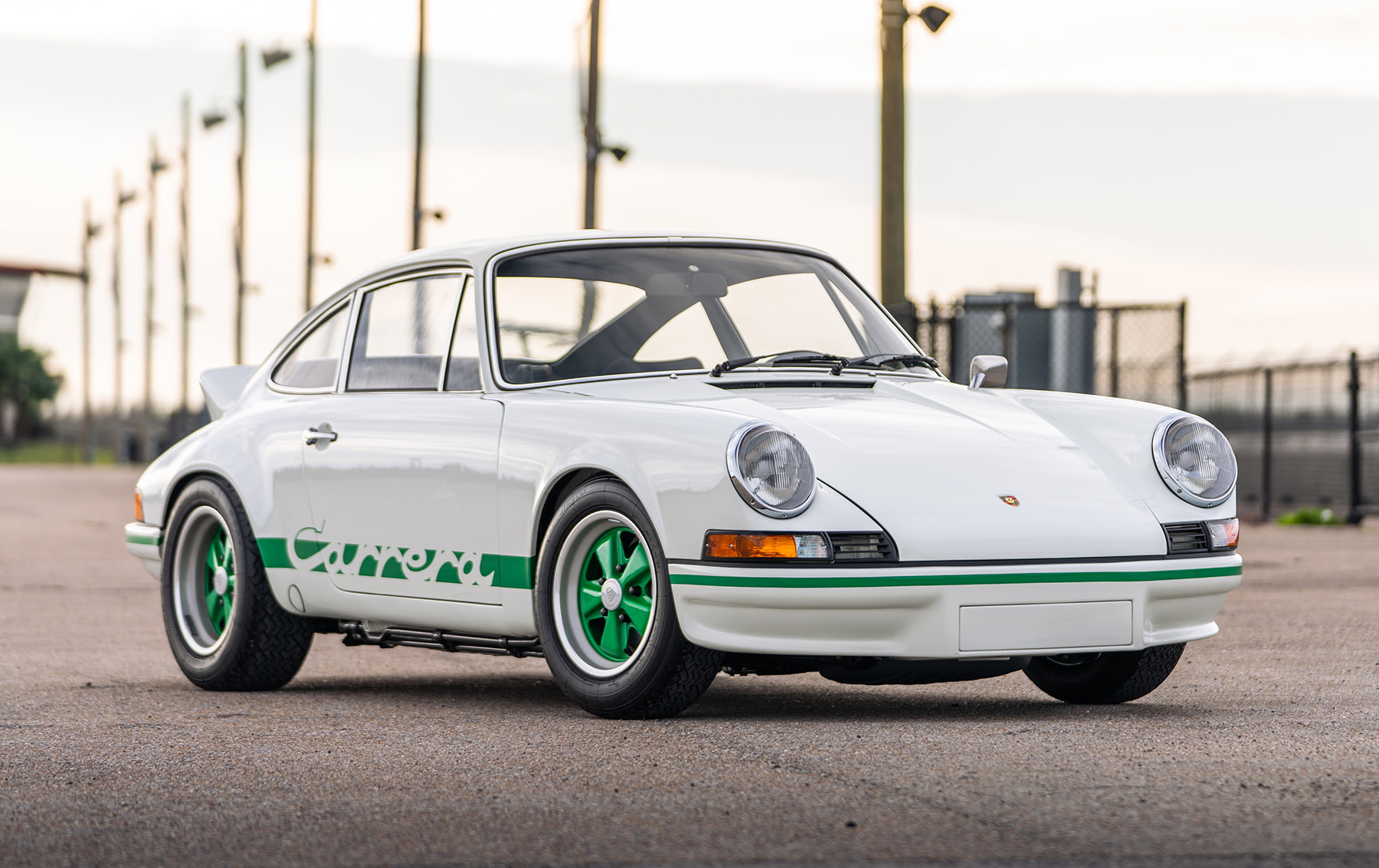
1. Porsche 911 Carrera
The Porsche 911 Carrera has remained one of the most mechanically consistent performance cars ever produced, and that consistency is a major reason for its extreme longevity. Its flat six engine layout provides natural balance, reducing internal stress and vibration over long periods of operation.
Porsche continuously refined this platform instead of reinventing it, allowing weaknesses to be addressed generation after generation. This long development cycle created engines capable of surviving immense mileage without catastrophic wear.
Another reason the 911 Carrera thrives at high mileage is its cooling and lubrication systems. Porsche engineered oversized oil capacity and efficient cooling pathways to maintain stable temperatures even during aggressive driving.
This prevents heat related degradation, which is one of the most common causes of engine failure in performance vehicles. When serviced properly, these systems allow the engine to operate within safe tolerances for hundreds of thousands of miles.
The chassis and drivetrain components are equally robust, with suspension parts designed to handle repeated stress without fatigue. Even when bushings and wear items require replacement, the core structure remains intact and rigid.
Manual gearboxes in particular have proven capable of extraordinary mileage due to their simple yet durable construction. Many high mileage examples still retain their original transmissions with only routine maintenance.
Interior quality also contributes indirectly to longevity, as owners are more likely to keep a car that continues to feel solid and functional. The 911 Carrera cabins resist excessive wear, avoiding the sense of deterioration that pushes owners toward replacement.
This emotional durability keeps cars on the road rather than retired early. As a result, the Porsche 911 Carrera stands as a benchmark for performance cars that can realistically reach half a million miles.
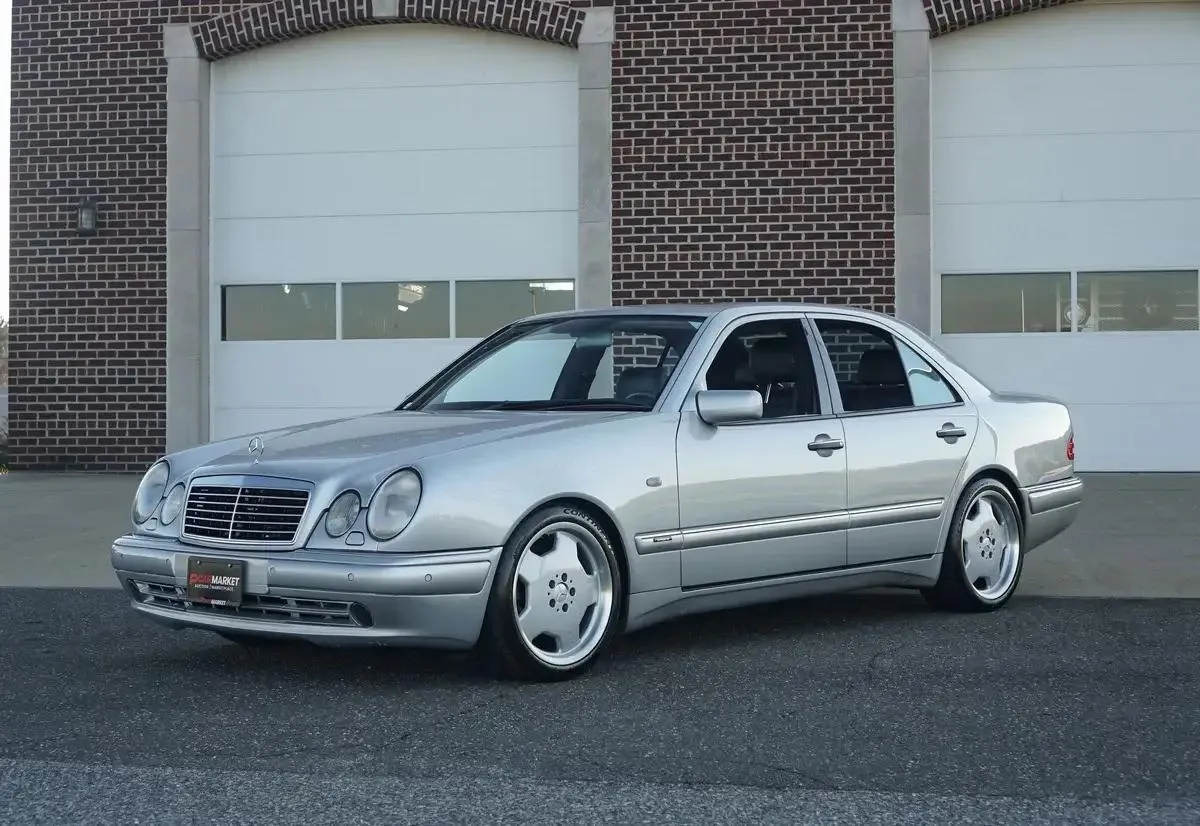
2. Mercedes Benz E55 AMG
The Mercedes Benz E55 AMG represents a time when AMG focused heavily on torque, reliability, and understated brutality. Its supercharged V8 engine was engineered with a conservative approach that favored strength over maximum output.
Thick cylinder walls, forged internals, and low stress tuning allowed this engine to endure prolonged use without internal failure. Many examples have accumulated extreme mileage while maintaining factory compression figures.
The automatic transmission paired with the E55 AMG was selected for durability rather than speed of shifting. While not as sharp as modern dual clutch systems, it was capable of handling massive torque loads without premature wear.
Regular fluid changes keep these gearboxes operating smoothly well beyond what most performance cars achieve. This pairing created a drivetrain that thrives on highway miles.
Cooling systems in the E55 AMG were designed with redundancy in mind, ensuring consistent thermal management under load.
Large radiators, efficient intercoolers, and generous oil cooling capacity protect the engine during extended high speed driving. This is especially important for owners who use the car as intended on unrestricted roads. Stable temperatures equal longer component life.
Beyond the powertrain, the E55 AMG benefits from Mercedes Benz build quality of its era. Strong subframes, durable suspension geometry, and corrosion resistant body construction allow the car to age gracefully.
When maintained properly, the E55 AMG proves that a luxury performance sedan can remain both fast and reliable for hundreds of thousands of miles.
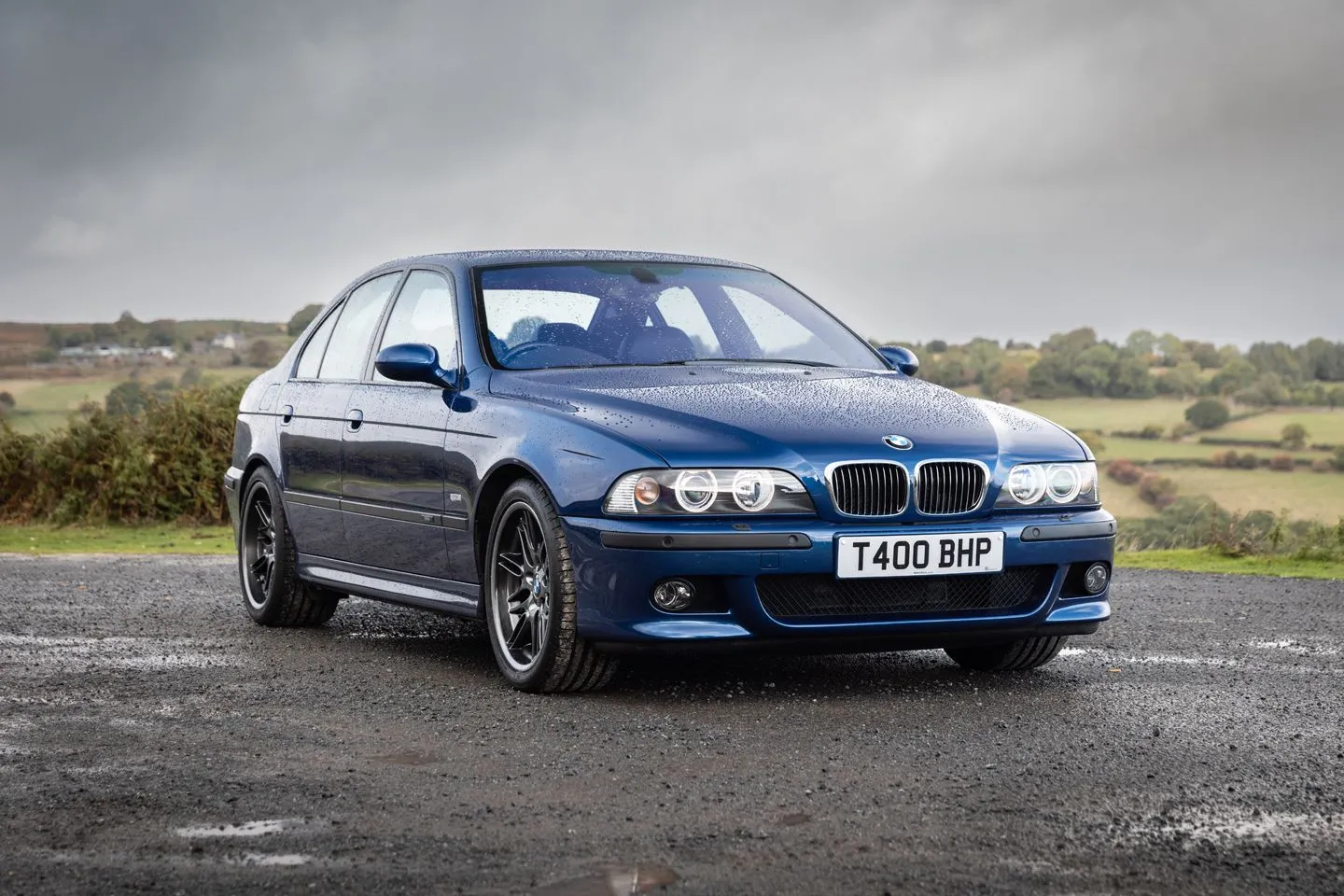
3. BMW M5 E39
The BMW M5 E39 is widely regarded as one of the most balanced performance sedans ever produced, and its durability plays a major role in that reputation. Its naturally aspirated V8 engine delivers power smoothly, reducing mechanical shock and internal strain.
BMW engineered this engine with motorsport-inspired principles that prioritized long term stability alongside performance. Properly serviced examples show remarkable resilience.
A key factor in the E39 M5’s longevity is its manual transmission, which eliminates the complexity found in many modern performance gearboxes.
This transmission was built to withstand repeated high torque shifts without degradation. Clutch replacements are straightforward and do not compromise the gearbox itself. This simplicity allows the drivetrain to remain functional deep into high mileage territory.
The suspension system was designed to balance comfort with control, avoiding overly stiff setups that accelerate wear.
Bushings, control arms, and dampers are serviceable components rather than structural weaknesses. Once refreshed, the car regains its original composure without hidden damage. This modular approach supports long term ownership.
Interior materials in the E39 M5 were chosen for durability rather than visual trends. Leather, plastics, and trim pieces resist cracking and fading, preserving the driving experience over time.
Owners often report that even at extreme mileage, the car still feels cohesive and purposeful. This combination of mechanical integrity and thoughtful design makes the E39 M5 a legitimate 500,000 mile performance car.
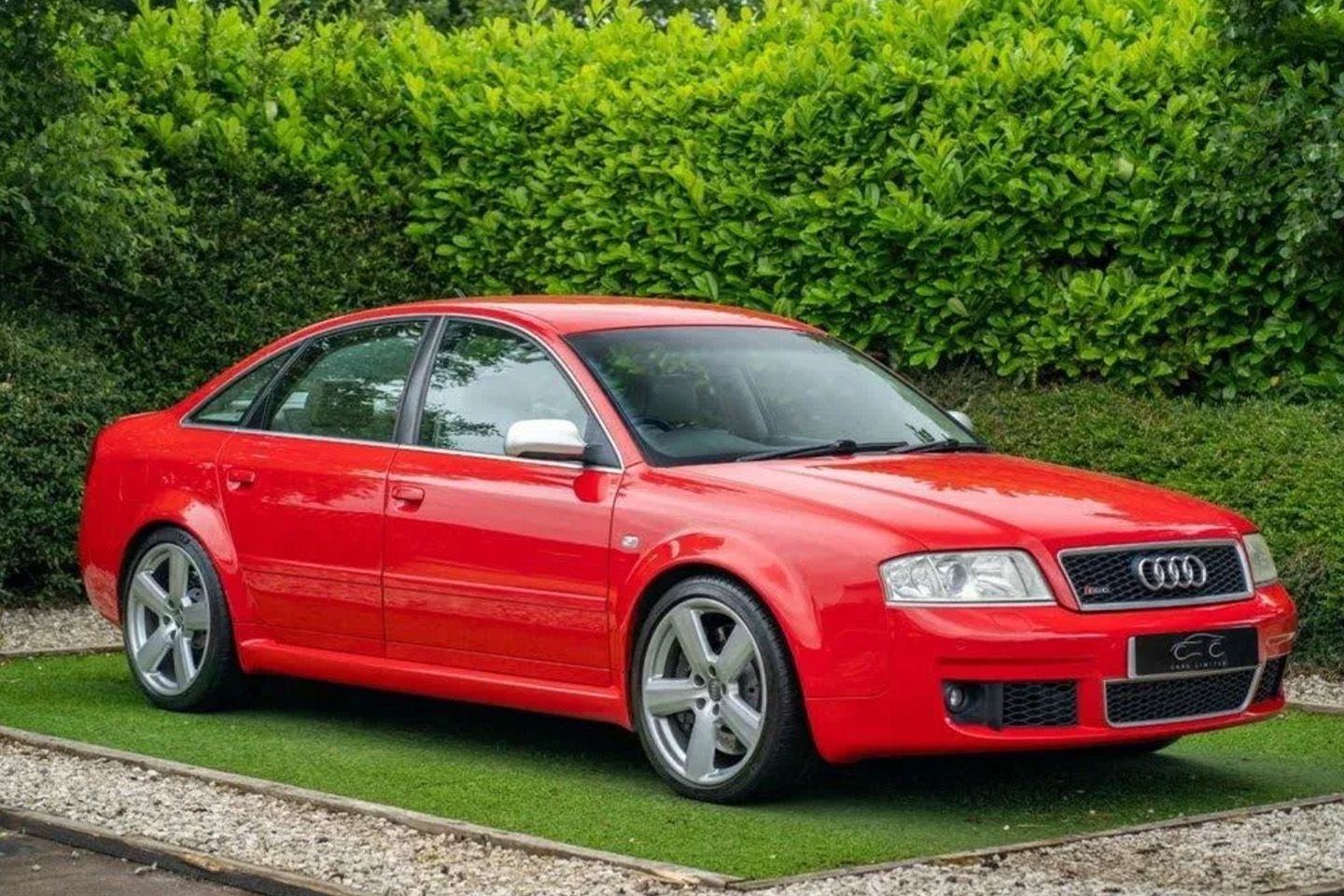
4. Audi RS6 C5
The Audi RS6 C5 introduced supercar levels of power in a practical sedan, yet it was built with endurance in mind. Its twin turbocharged V8 engine was engineered with conservative boost levels and reinforced internals.
Audi prioritized torque delivery and reliability over peak output, ensuring the engine could handle sustained use without excessive stress. When properly maintained, these engines have demonstrated exceptional longevity.
Quattro all wheel drive plays a significant role in reducing drivetrain shock by distributing power evenly. This minimizes wheel spin and sudden load spikes that can damage components.
As a result, differentials and axles experience less fatigue over time. This system allows the RS6 to deliver consistent performance while protecting its mechanical foundation.
The transmission in the RS6 C5, while often criticized, can last extensive mileage with proper care. Regular fluid servicing and cooling upgrades significantly extend its lifespan.
When treated as a long distance performance machine rather than a drag racer, the drivetrain remains dependable. This highlights the importance of usage patterns in achieving high mileage.
Audi’s body construction and interior quality further support long term ownership. Solid panel fitment, corrosion protection, and durable materials help the car maintain its integrity over decades.
The RS6 C5 proves that extreme performance does not automatically limit lifespan when engineering discipline is applied.
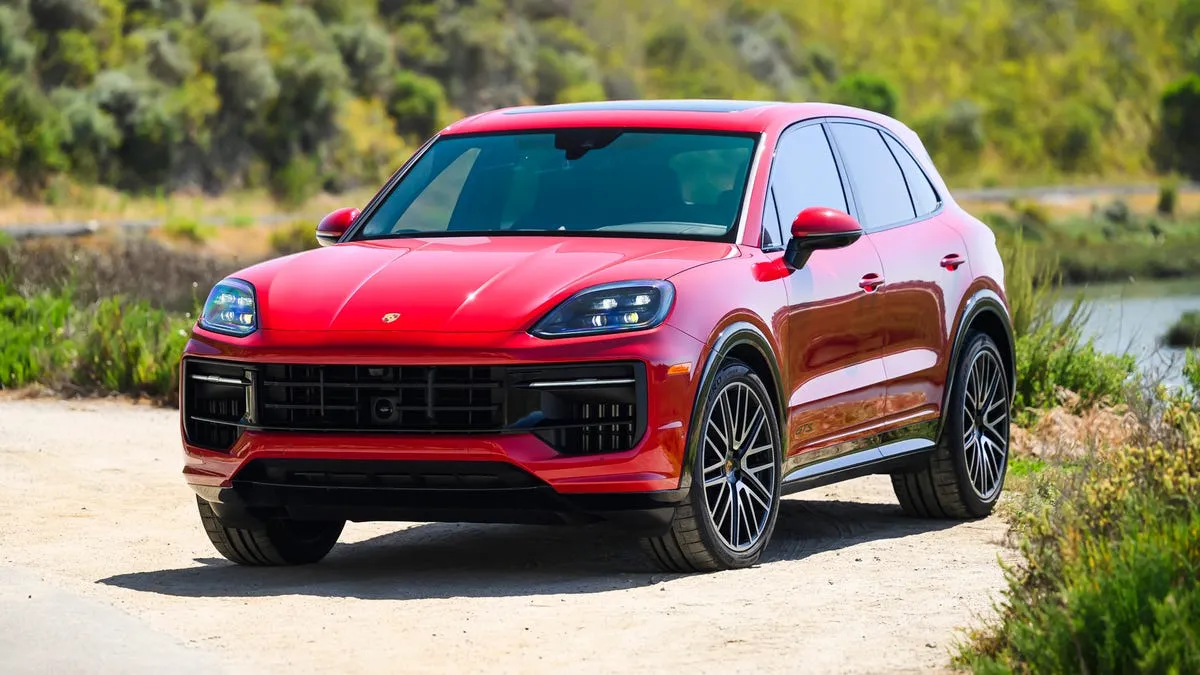
5. Porsche Cayenne Turbo
The Porsche Cayenne Turbo redefined what a performance SUV could be while maintaining Porsche’s engineering standards.
Its turbocharged V8 engine was designed for continuous operation under load, reflecting the demands of a heavy vehicle. Reinforced components and robust cooling systems ensure the engine remains stable even during extended high speed travel. This foundation supports extraordinary mileage potential.
Unlike many high performance SUVs, the Cayenne Turbo was engineered with drivetrain longevity as a priority. The transmission and transfer case were built to handle sustained torque rather than short bursts.
This allows the vehicle to serve as both a daily driver and a long distance machine without accelerated wear. Many owners report consistent performance well beyond typical expectations.
Suspension systems in the Cayenne Turbo balance strength and adaptability, allowing components to absorb stress rather than transfer it to the chassis. Air suspension units, when maintained, contribute to ride quality without compromising structural durability. This reduces fatigue across the entire vehicle. Over time, this design choice pays dividends.
Interior construction and build quality encourage long term use rather than replacement. The Cayenne Turbo remains comfortable and functional even after extensive mileage accumulation. This combination of performance, practicality, and resilience positions it as one of the few SUVs capable of realistically reaching 500,000 miles.
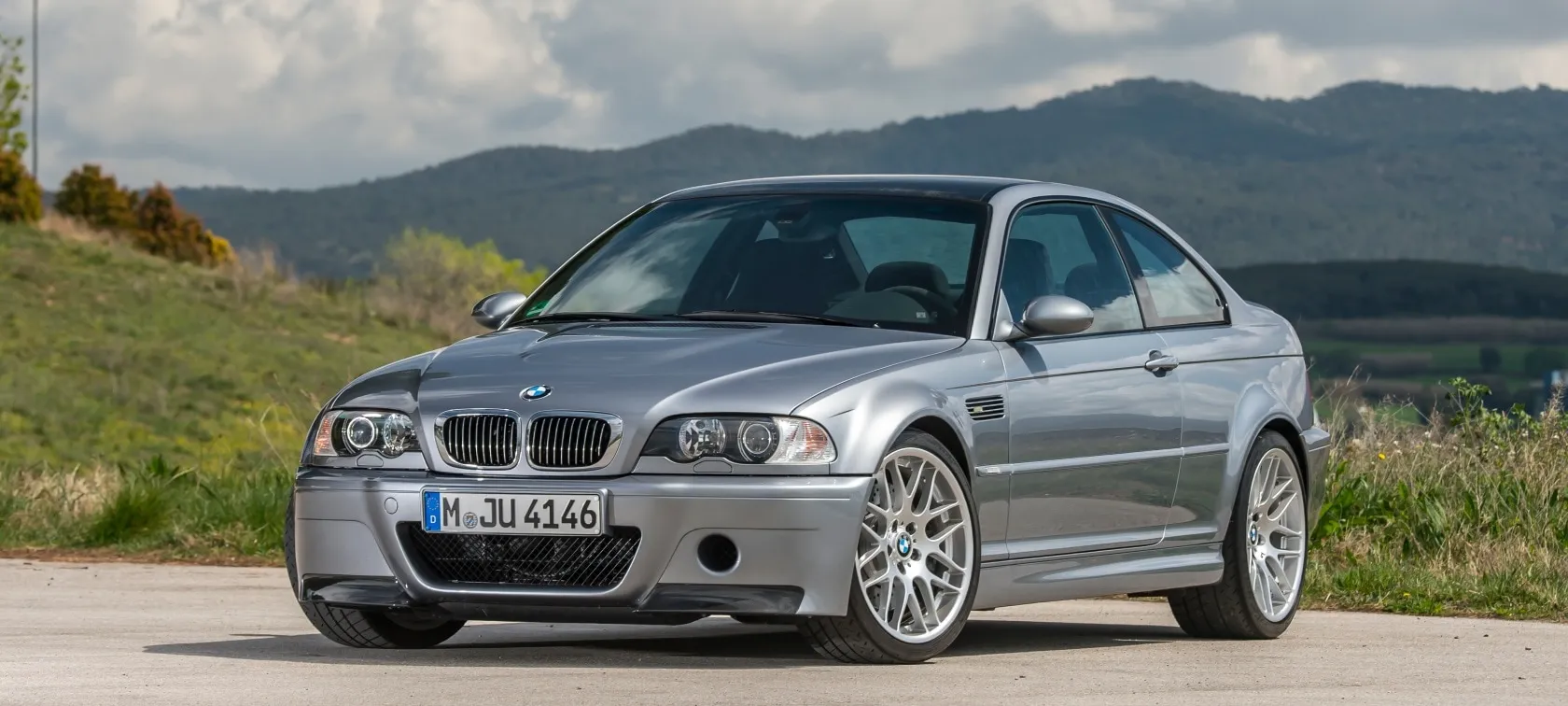
6. BMW M3 E46
The BMW M3 E46 is often celebrated for its naturally aspirated S54 engine, which combines high revving excitement with remarkable mechanical durability. The inline-six engine benefits from precise engineering, including a forged crankshaft, reinforced connecting rods, and individual throttle bodies.
These features reduce internal strain and vibration, allowing the motor to endure extreme mileage without catastrophic failure. Owners who follow strict maintenance schedules, including regular valve adjustments and oil changes, often report engines running smoothly well beyond 300,000 miles, and in some cases approaching 500,000 miles.
The car’s chassis, designed for balanced handling rather than sheer aggression, contributes to longevity by spreading stress evenly across the suspension and subframe, preventing fatigue or premature failure in high-mileage examples.
Additionally, the cooling system, which incorporates high-capacity radiators and dedicated oil coolers, maintains thermal stability under aggressive use, further extending engine life and maintaining consistent performance even after hundreds of thousands of miles.
Beyond the engine, the M3 E46’s manual transmission is a key contributor to its long-term durability. The five-speed and six-speed units are renowned for their robustness, relying on high-quality synchronizers and hardened gears capable of handling repeated high-RPM shifts.
Even though the car’s high-revving engine can generate significant torque at peak output, the drivetrain is engineered to absorb these forces without accelerated wear, provided fluid changes and clutch inspections are performed routinely.
The rear differential, a critical component in handling the power, benefits from conservative gearing and strong materials, allowing it to remain reliable over extended mileage.
Suspension components, such as control arms, bushings, and struts, are designed to be serviceable and replaceable without affecting the structural integrity of the vehicle, meaning the M3 can maintain handling precision even after decades of use.
Interior quality in the E46 M3 complements the mechanical reliability, encouraging owners to keep the car well maintained and avoid neglect. Durable leather seats, supportive bolsters, and high-quality switchgear resist the effects of extended use, maintaining a sense of refinement and driver engagement.
This reinforces the emotional connection that keeps these vehicles on the road rather than retired prematurely. Even with high mileage, the cabin retains its functional and aesthetic appeal, providing comfort without compromising performance.
Combined with the car’s timeless design, this makes the E46 M3 not only a performance icon but also a practical long-term investment for enthusiasts seeking endurance alongside driving pleasure.
Cooling and lubrication are critical in achieving half a million miles, and the E46 M3 benefits from robust engineering in both areas.
The engine’s water pump, thermostat, and radiators are designed to handle thermal stress, while the oiling system incorporates high-flow passages and reliable pumps to maintain pressure under load.
These systems prevent overheating and uneven wear, which are common causes of failure in high-performance vehicles.
Regular inspections and replacement of key components such as the thermostat, hoses, and oil cooler lines ensure that the S54 engine continues to perform reliably even after extended periods of driving. This meticulous design philosophy reflects BMW’s commitment to performance without sacrificing long-term reliability.
Finally, the E46 M3’s combination of lightweight chassis components, balanced weight distribution, and simple yet effective engineering solutions allows it to remain dynamic while avoiding excessive stress on key mechanical parts.
Unlike some modern performance cars that rely heavily on electronic aids and complex systems, the M3 maintains a pure driving experience while minimizing points of failure.
Owners who respect this design philosophy and perform regular maintenance often find that the M3 not only meets but exceeds expectations for durability. As a result, the E46 M3 stands as a testament to German engineering that harmonizes high-revving excitement with the ability to endure hundreds of thousands of miles.
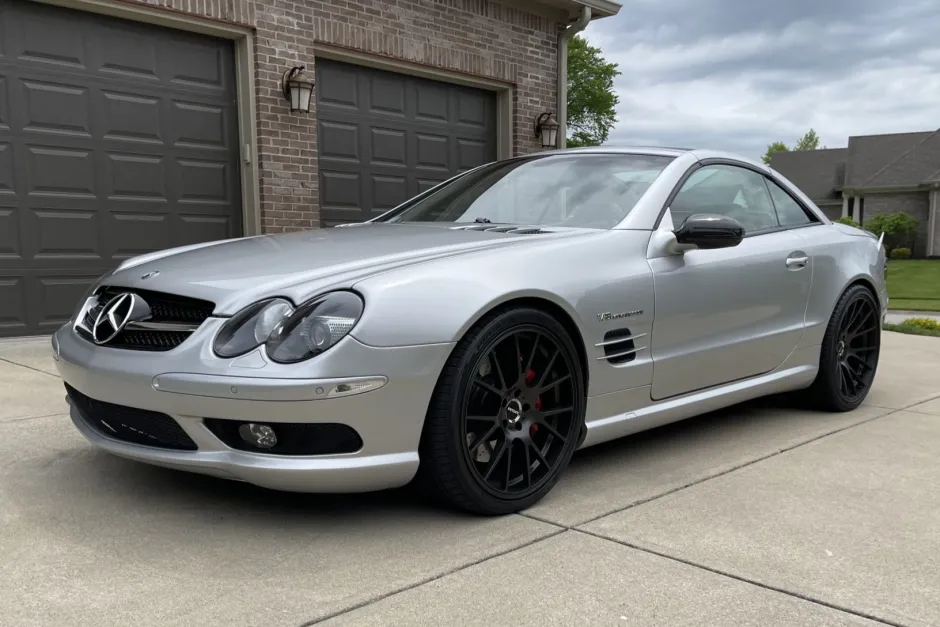
7. Mercedes-Benz SL55 AMG
The Mercedes-Benz SL55 AMG combines luxury with performance in a package that has proven surprisingly resilient over long-term use. Its supercharged V8 engine was built with an emphasis on torque delivery and component longevity rather than extreme peak horsepower.
AMG engineers used forged internals, reinforced cylinder heads, and a robust supercharger assembly to ensure consistent operation even under high thermal and mechanical loads.
The car’s aluminum body panels and corrosion-resistant underpinnings also help maintain structural integrity, reducing fatigue and rust-related issues, which often limit the lifespan of other high-performance vehicles.
High-mileage examples demonstrate that the SL55 AMG can maintain both comfort and performance characteristics for decades with careful ownership.
The automatic transmission, a five-speed AMG unit, is surprisingly durable when serviced regularly. While modern enthusiasts may criticize it for not being as fast as dual-clutch systems, the gearbox was designed to handle significant torque without overheating or premature wear.
Proper fluid changes, attention to seals, and occasional clutch inspections allow the transmission to remain functional well past 300,000 miles, with many examples reaching 500,000 miles without major rebuilds.
The drivetrain also includes reinforced axles and differential components, which are capable of handling prolonged torque spikes associated with spirited driving or highway cruising.
Suspension design is another factor that contributes to the SL55 AMG’s high-mileage capability. Multi-link rear suspension, adjustable damping, and robust bushings allow the car to absorb road imperfections without transferring excessive stress to the chassis.
When components wear, they are easily replaceable, meaning the car can retain its handling and comfort characteristics even after extensive use.
This attention to modularity and serviceability is a hallmark of AMG engineering philosophy, which blends high performance with long-term reliability in a way that few competitors achieve.
Interior durability and comfort reinforce the SL55 AMG’s longevity. Premium leather, high-quality plastics, and well-engineered electronics resist degradation, ensuring that the cabin remains usable and enjoyable even at extreme mileage.
Drivers are more likely to maintain a vehicle that continues to feel well-built and comfortable, indirectly supporting mechanical endurance by encouraging regular service.
AMG’s focus on driver engagement without sacrificing long-term usability ensures that the SL55 AMG remains a capable and practical performance vehicle for owners seeking longevity.
Finally, the SL55 AMG’s supercharged engine is complemented by a cooling system designed to handle repeated stress without compromise. Large radiators, oil coolers, and effective airflow management maintain thermal stability even under sustained highway speeds or spirited driving.
This prevents overheating and premature engine wear, which are common causes of failure in high-performance vehicles. When combined with careful maintenance, these design choices allow the SL55 AMG to reach and exceed 500,000 miles while still delivering the performance and luxury expected of an AMG.
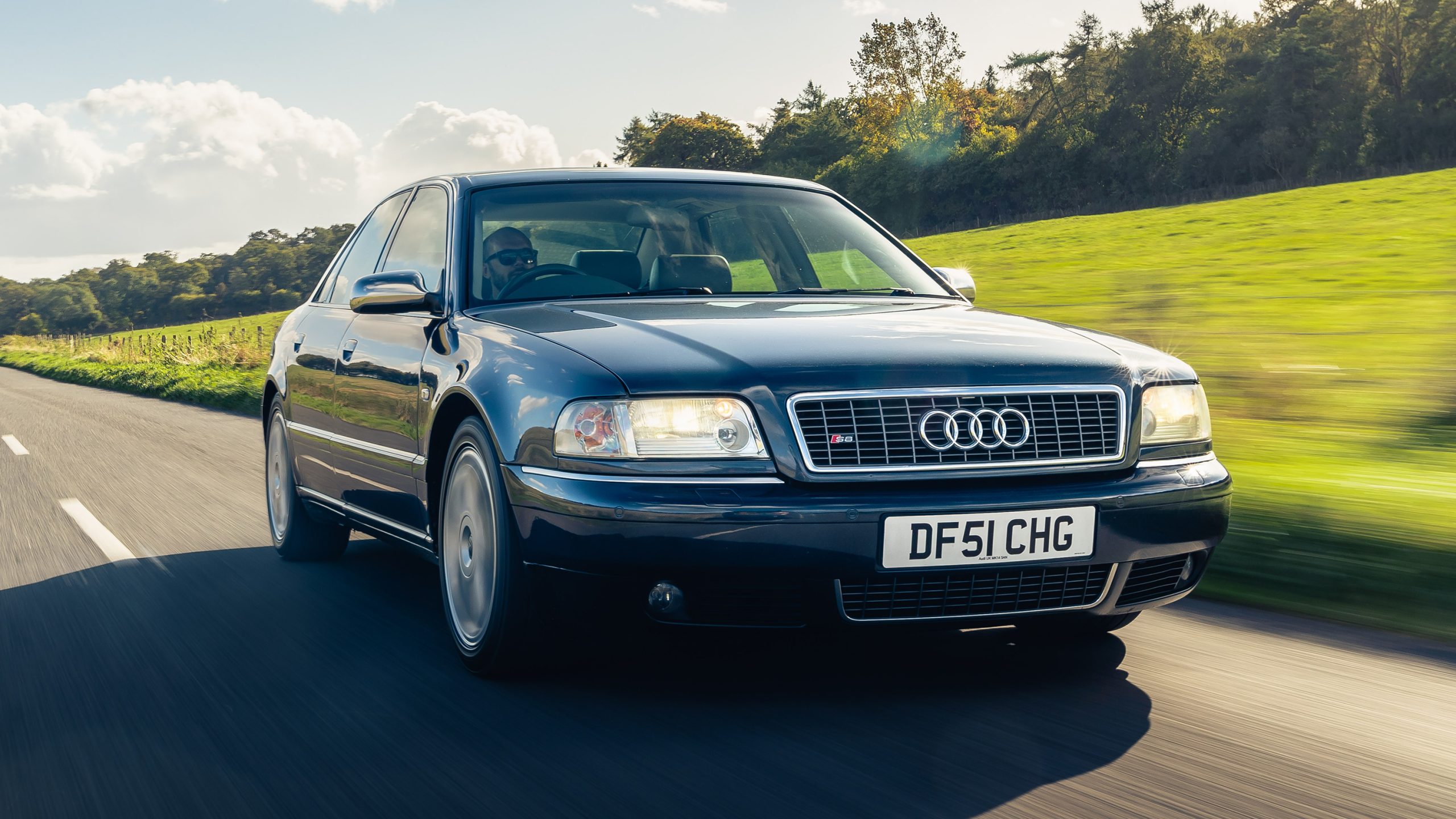
8. Audi S8 D2
The Audi S8 D2 is a performance sedan that combines twin-turbo V8 power with all-wheel drive and a surprisingly durable platform. Its 4.2-liter V8 engine is engineered with reinforced internals, a well-balanced crankshaft, and a reliable lubrication system that ensures long-term durability.
Despite producing over 400 horsepower, the engine operates within conservative stress tolerances, allowing it to withstand hundreds of thousands of miles when maintained properly. The car’s Quattro all-wheel-drive system distributes power evenly, reducing the mechanical strain on individual components and contributing to drivetrain longevity.
The transmission, a five-speed automatic adapted for high torque, is robust and capable of surviving decades of use with proper care. Fluid changes, filter replacements, and occasional inspections allow the gearbox to operate without the common failures seen in other high-performance sedans.
Differential components, driveshafts, and axles are similarly engineered to endure stress, ensuring that the S8 can handle both spirited driving and long-distance travel without premature failure.
This reliability has earned the S8 a reputation among enthusiasts as a performance sedan that can reach extreme mileage without major mechanical overhauls.
Suspension and chassis engineering also play an important role in durability. The S8 D2 features multi-link suspension both front and rear, which absorbs road shocks while maintaining precise handling. Bushings, mounts, and shock absorbers are serviceable and designed to minimize stress transfer to the body.
This attention to detail allows the car to maintain ride quality and handling characteristics even after decades of use. Combined with corrosion-resistant body construction, the chassis remains intact and functional over hundreds of thousands of miles, making the S8 a serious contender for extreme mileage performance ownership.
Interior materials and electronics in the S8 D2 are surprisingly resilient, encouraging owners to maintain the vehicle over long periods. High-quality leather, metal trim, and durable controls retain functionality and appearance, reducing the desire to retire the car prematurely.
This extends the practical lifespan of the vehicle, as owners are motivated to maintain not just the mechanical aspects but the experience of driving a premium performance sedan. The combination of durability, comfort, and performance makes the S8 D2 a unique offering in the world of high-mileage German cars.
Finally, thermal management in the twin-turbo V8 ensures engine longevity even under sustained performance conditions. Efficient intercooling, oil cooling, and heat dissipation allow the engine to maintain stable operating temperatures, preventing the wear and fatigue associated with repeated high-stress driving.
When coupled with routine maintenance, these systems allow the S8 D2 to operate reliably well past 500,000 miles, proving that a large, high-performance luxury sedan can achieve the durability of smaller, simpler vehicles while still delivering exceptional speed and handling.