Classic American cars hold a powerful place in popular memory, often tied to freedom, status, and a time when size and excess were celebrated without apology. Many of these vehicles were once praised for bold styling, booming engines, and the confidence they projected on the road.
Decades later, however, not every legend looks as impressive through modern eyes. Changing tastes, safety expectations, fuel awareness, and design standards have reshaped how these machines are judged today.
Some cars that once turned heads now feel awkward, inefficient, or visually overwhelming. Chrome-heavy exteriors, exaggerated fins, and bulky proportions can appear dated rather than charming. Interiors that were once considered luxurious may now seem cramped, poorly laid out, or uncomfortable for daily use. What was innovative in its era does not always translate well into the present.
Aging is not just about appearance but also about practicality and relevance. Many classic American cars struggle with reliability, handling, and efficiency when compared to even modest modern vehicles. Steering systems feel vague, braking distances feel alarming, and emissions would never meet current expectations. These flaws become more noticeable as time passes.
Nostalgia can soften criticism, but it cannot erase real shortcomings. Collectors may still cherish these vehicles, yet younger generations often struggle to understand the appeal. The gap between romantic memory and present reality grows wider with each passing year. That gap is where graceful aging either succeeds or fails.
This article looks at ten classic American cars that have struggled to age well. Each of them once represented ambition, power, or style in its purest form. Today, they stand as reminders that not every icon improves with time. Their stories are not about failure but about how design choices can become trapped in their era.
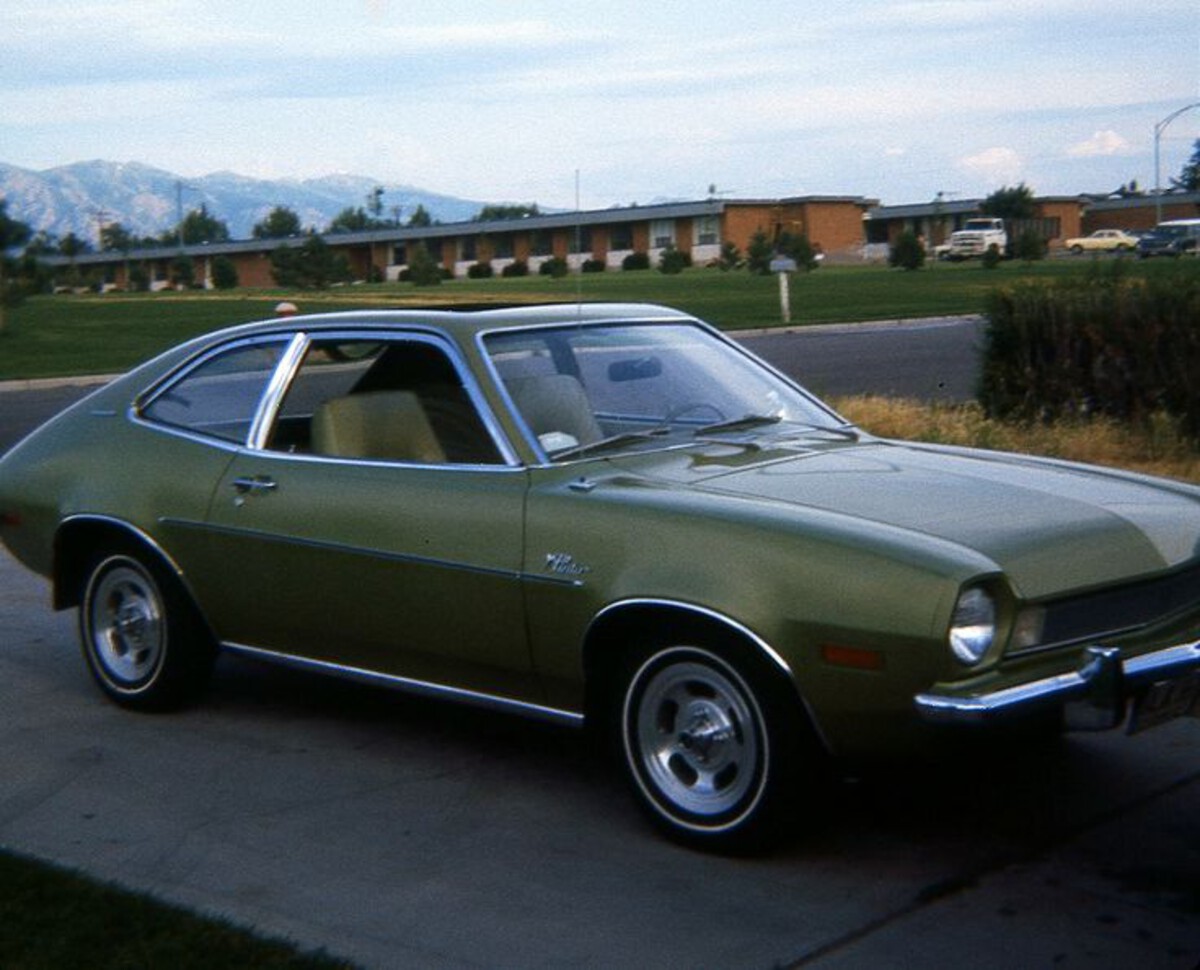
1. Ford Pinto
The Ford Pinto was introduced in the early 1970s as an affordable, compact option at a time when fuel prices were rising and consumer priorities were shifting. Ford aimed to capture the market of city drivers who needed a small, economical car without sacrificing too much comfort.
Its lightweight design and simple mechanics made it accessible to a wide audience, and the car quickly gained popularity due to its low price and practicality. The Pinto represented a bold move by Ford into the small car market, which had traditionally been dominated by imports.
However, the Pinto became infamous for safety concerns almost immediately after release. The car’s rear-mounted fuel tank design made it prone to explosions in rear-end collisions, an issue that sparked lawsuits, protests, and widespread media coverage.
These safety flaws overshadowed the Pinto’s affordability and efficiency, defining the car in the public eye as dangerous rather than innovative. Modern audiences often view it as a symbol of corporate negligence, and no amount of nostalgia can erase its troubled reputation.
Visually, the Pinto fails to hold up against the test of time. Its boxy, compact proportions and minimal detailing make it look bland and uninspired today. Unlike other classic cars that maintain charm through distinct curves or bold lines, the Pinto’s styling is forgettable.
Even enthusiasts who admire its role in automotive history struggle to justify its appearance as attractive. Its exterior offers little emotional connection for drivers or collectors.
Driving a Pinto today reinforces why it hasn’t aged well. Steering feels loose, braking distances are longer than modern drivers expect, and the suspension lacks refinement. The small engine, which once seemed sufficient for its lightweight body, now feels underpowered and sluggish.
Compared with contemporary cars, the Pinto’s road manners feel dated and even frustrating, highlighting how engineering compromises of its era have not stood the test of time.
Despite its issues, the Pinto has a place in automotive history. It represents a significant moment in American manufacturing, highlighting both the potential and pitfalls of cost-driven design. Collectors sometimes purchase them for their notoriety, but the general public rarely admires them for performance or beauty.
The Pinto’s story is more a lesson in caution than a tale of enduring style, showing that even popular cars can become outdated and problematic over the decades.
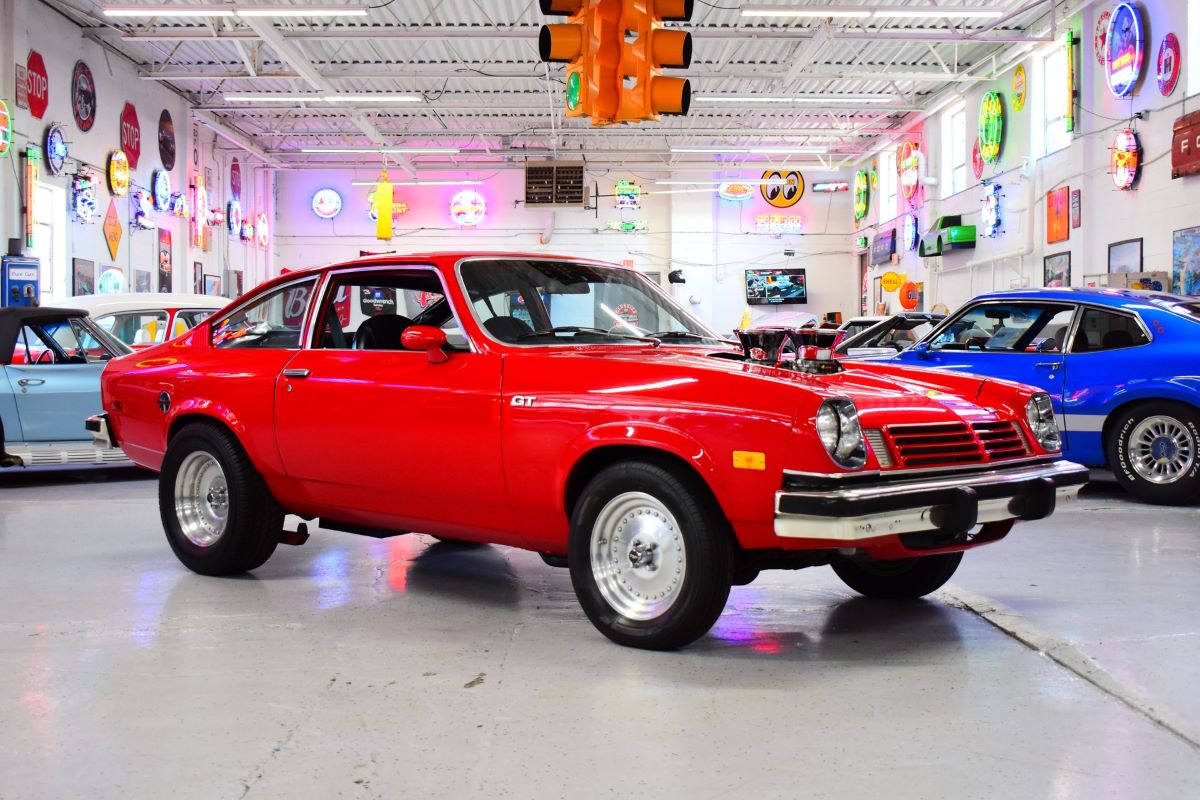
2. Chevrolet Vega
The Chevrolet Vega was launched in 1970 with the goal of competing with smaller, imported vehicles that were gaining popularity in the U.S. market. General Motors positioned the Vega as a modern, lightweight car with innovative features, including an aluminum engine block that promised reliability and efficiency.
Early marketing emphasized the car’s technological advancements and stylish design, aiming to attract young professionals and budget-conscious buyers. At first glance, it seemed like a competitive and forward-thinking choice.
Unfortunately, the Vega quickly gained a reputation for mechanical problems that undermined its initial promise. Engine cooling issues, premature wear, and susceptibility to rust plagued the model. Consumers who had purchased the car expecting a reliable, modern vehicle found themselves facing repeated repairs.
Over time, these problems became widespread, turning the Vega from a symbol of innovation into a cautionary tale for car buyers. Its flaws were both mechanical and reputational, making it difficult for the Vega to age gracefully.
From a styling perspective, the Vega does not inspire admiration today. Its simple, boxy lines and small proportions are neither elegant nor striking, leaving it visually plain compared with other cars of its era.
The car lacks distinctive design elements that would give it charm in hindsight. Without standout features to offset its mechanical issues, the Vega appears forgettable, and few automotive enthusiasts celebrate its aesthetic value.
Driving a Vega now highlights the gap between promise and reality. Its handling is uninspiring, the engine struggles under load, and rusted frames can compromise safety. Even collectors acknowledge that it was more interesting as an idea than as a practical car. The driving experience feels dated, emphasizing how ambition alone cannot preserve a car’s relevance over time.
Despite its shortcomings, the Vega remains an important piece of American automotive history. It shows how innovation without reliability can backfire and tarnish a brand’s reputation. While some collectors preserve them for historical value, the car is rarely admired for beauty or performance. Its legacy is defined by lessons learned, not enduring appeal.
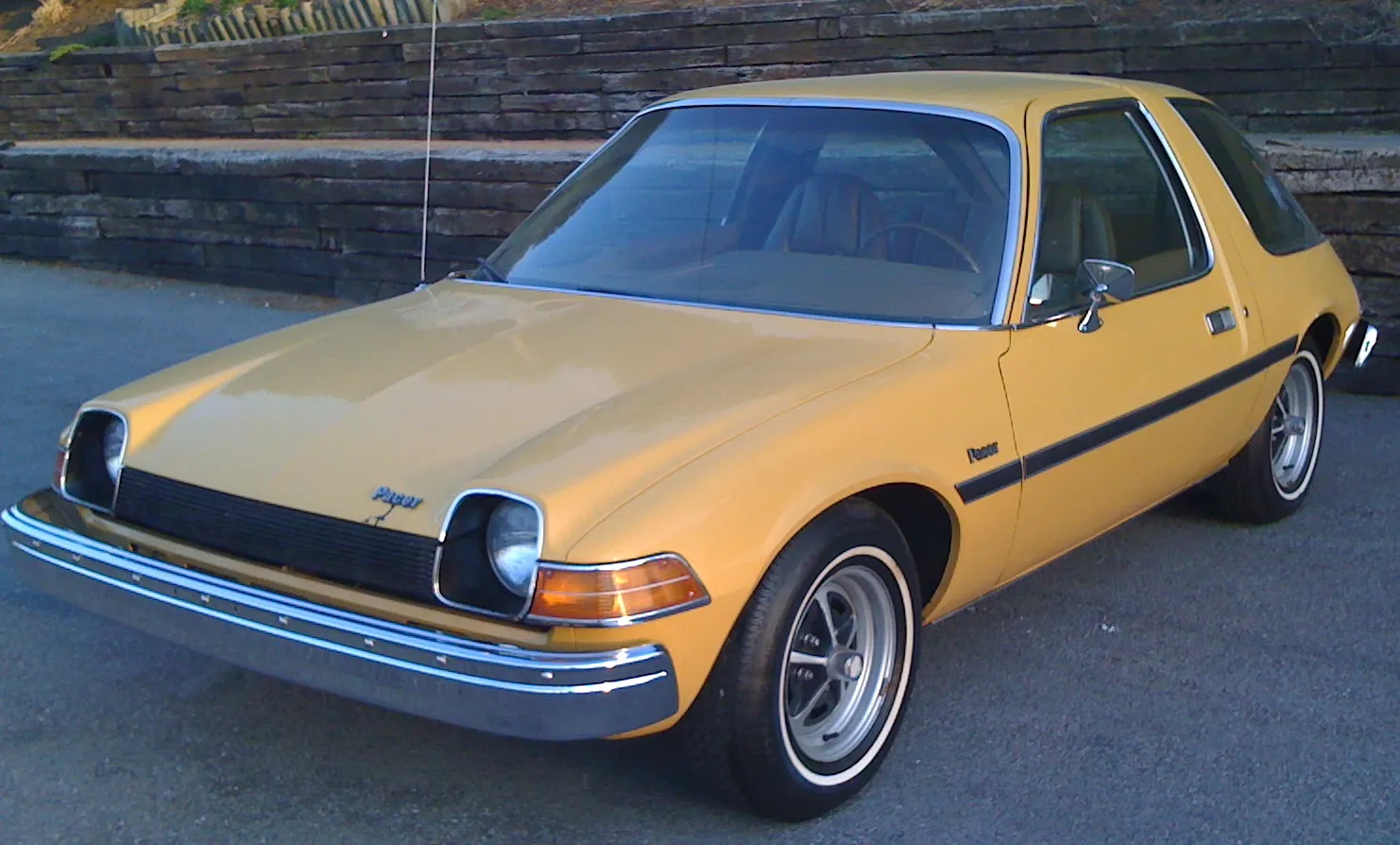
3. AMC Pacer
The AMC Pacer was introduced in 1975 as a unique attempt to redefine compact cars. Its wide body, tall glasshouse, and asymmetrical proportions immediately set it apart from other vehicles on the road.
AMC marketed it as futuristic, spacious, and innovative, hoping the bold design would appeal to adventurous buyers. Inside, the Pacer offered more cabin space than other cars its size, making it feel roomy and practical for passengers. The initial reception was curious and intrigued, with buyers unsure whether they loved or questioned its unusual design.
Over time, the Pacer’s distinctive styling became its greatest liability. What once seemed daring and forward-thinking now appears awkward and disproportionate. Its oversized glass surfaces create an awkward visual profile and increase heat inside the cabin.
The bubble-like design that AMC once celebrated now feels clunky and unbalanced, demonstrating how experimental ideas can struggle with timelessness. Today, few consider the Pacer visually appealing, and it is often cited as an example of design gone wrong.
Performance was never a strong point for the Pacer. Its relatively heavy weight combined with small engines resulted in sluggish acceleration and unrefined handling. Steering can feel vague, and braking performance is weak compared to modern standards. Driving one today reinforces how the car prioritized style over function, with compromises that were once overlooked now glaringly obvious.
Despite its flaws, the Pacer developed a niche following over the years. Enthusiasts often celebrate its oddity, using humor and nostalgia to keep interest alive. However, admiration rarely extends to its driving dynamics or engineering. The car remains a curiosity rather than a classic in the traditional sense, representing innovation that did not age gracefully.
The Pacer’s legacy is a reminder of the risks associated with radical design. While it is memorable for its uniqueness, it is rarely emulated or revered in modern automotive circles. Its story reflects how bold aesthetics and unconventional thinking can fail when they do not align with long-term practicality or taste, solidifying its reputation as a divisive icon.
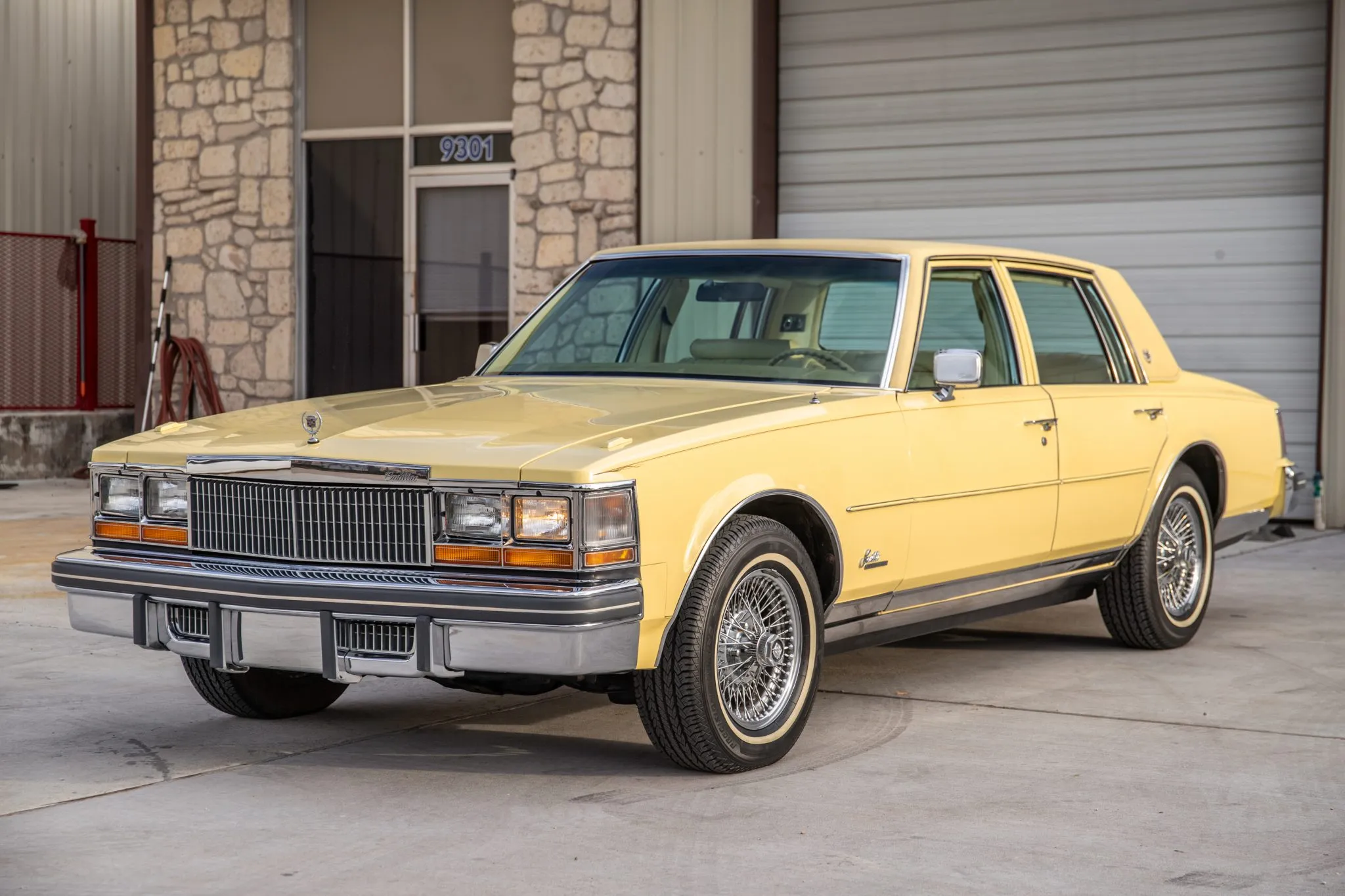
4. Cadillac Seville Diesel
The Cadillac Seville Diesel was introduced in the late 1970s as part of Cadillac’s attempt to respond to rising fuel costs. It aimed to combine traditional American luxury with the efficiency of diesel engines, offering a compromise for buyers seeking status without excessive fuel consumption.
Cadillac positioned it as an innovative choice for a modern luxury market, promising refinement and economy in one package. On paper, it seemed to balance prestige and practicality for a shifting automotive industry.
In reality, the Seville Diesel quickly disappointed owners. The engine was noisy, vibrated excessively, and suffered from reliability problems that tarnished Cadillac’s long-standing reputation for comfort and quality. Many customers felt betrayed, as the car’s luxury image clashed with its mechanical shortcomings.
These issues became widely known and made the vehicle less desirable over time. Reliability concerns continue to define the Seville Diesel more than its innovations.
Stylistically, the Seville Diesel has not aged well. Its formal, squared-off design looks stiff and outdated today, lacking the fluid elegance associated with other Cadillac models. Even at the time, its styling was conservative and did little to distinguish it from competitors. Modern audiences often view it as visually bland, and its exterior fails to evoke the luxurious impression Cadillac intended.
Driving one highlights why it struggled to remain relevant. The diesel engine produces less responsive performance than its gasoline counterparts, and handling feels numb and disconnected. Combined with outdated safety and braking features, the experience feels heavy and uninspiring. It is difficult to reconcile the car’s luxury intent with its dated execution.
Today, the Seville Diesel represents a cautionary moment in Cadillac history. The model demonstrates how an attempt to innovate for market pressures can backfire when performance and refinement are compromised. Collectors may value it for rarity, but few admire it as a classic. Time has exposed its mechanical and stylistic weaknesses rather than softened them.
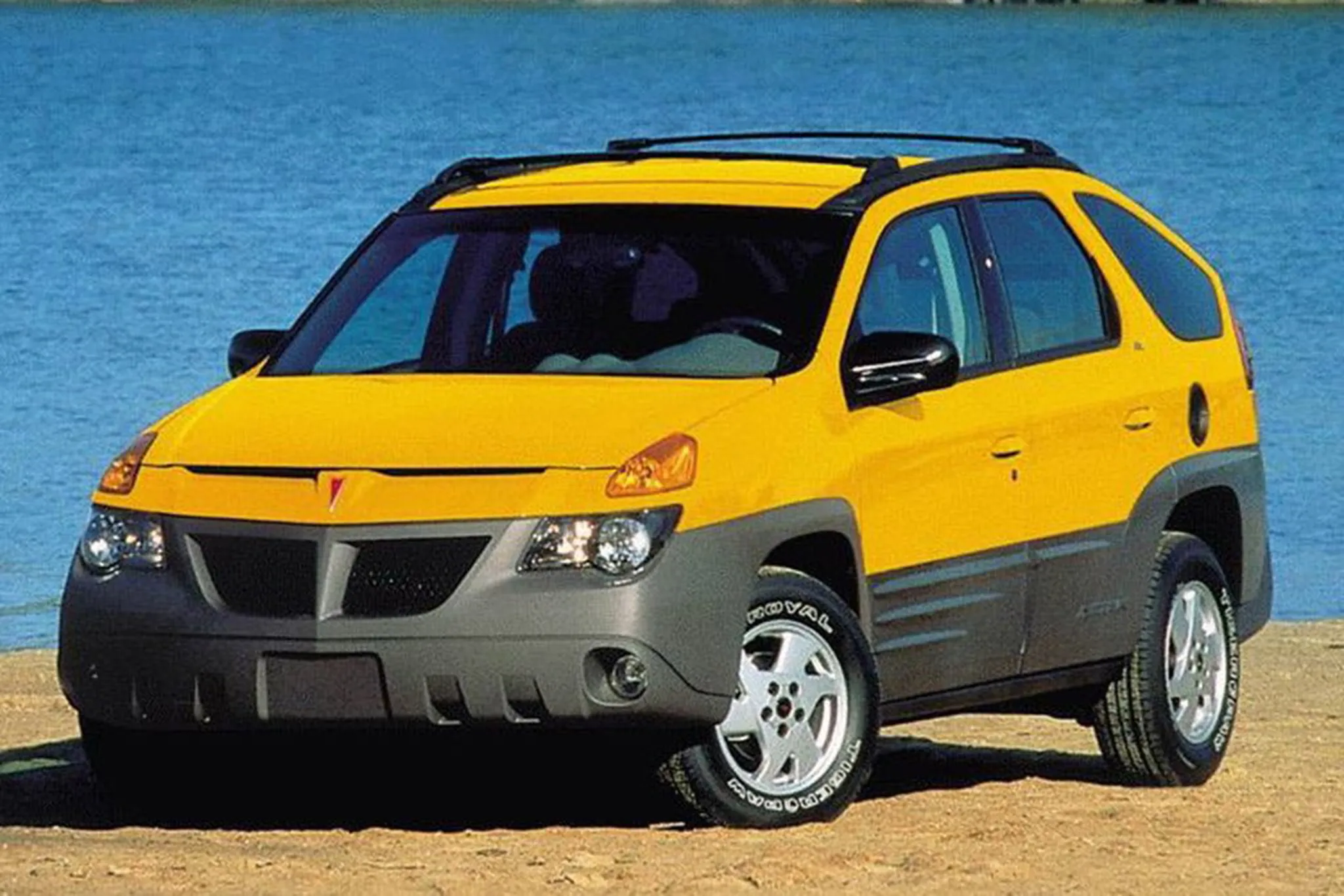
5. Pontiac Aztek
The Pontiac Aztek was introduced in the early 2000s as a versatile crossover SUV aimed at active, outdoor-oriented buyers. Designers emphasized practicality, offering cargo space, camping accessories, and modular interior features. The vehicle’s intentions were clear: combine functionality with comfort for adventurous lifestyles. Marketing highlighted versatility and innovative storage solutions, aiming to make the Aztek feel unique among SUVs.
Despite its utility, the Aztek’s styling became the subject of immediate criticism. Its jagged angles, asymmetrical front, and proportions were widely described as unattractive. Even when new, it was polarizing, with few drivers drawn to its appearance. The bold attempt to stand out visually did not succeed in creating a timeless aesthetic.
Functionality could not compensate for perception. While the interior was practical and adaptable, the car became a cultural punchline, appearing in television and media as an example of bad design.
Its reputation overshadowed its usability, and buyers often overlooked its practical qualities due to the harsh judgment of its appearance. Over time, this negative perception became a defining trait of the model.
Driving the Aztek today shows that it was competent but unremarkable mechanically. The vehicle handles predictably, accelerates adequately, and provides the expected comfort of an SUV of its era. However, none of these qualities are enough to overcome the lasting stigma of its styling. The gap between function and form has ensured that it will rarely be considered a classic.
The Aztek’s legacy highlights how strongly design can influence long-term perception. Even practical and innovative features cannot always offset unattractive styling. Its polarizing looks have prevented it from aging gracefully, leaving it remembered more for controversy than for any meaningful contribution to automotive culture.
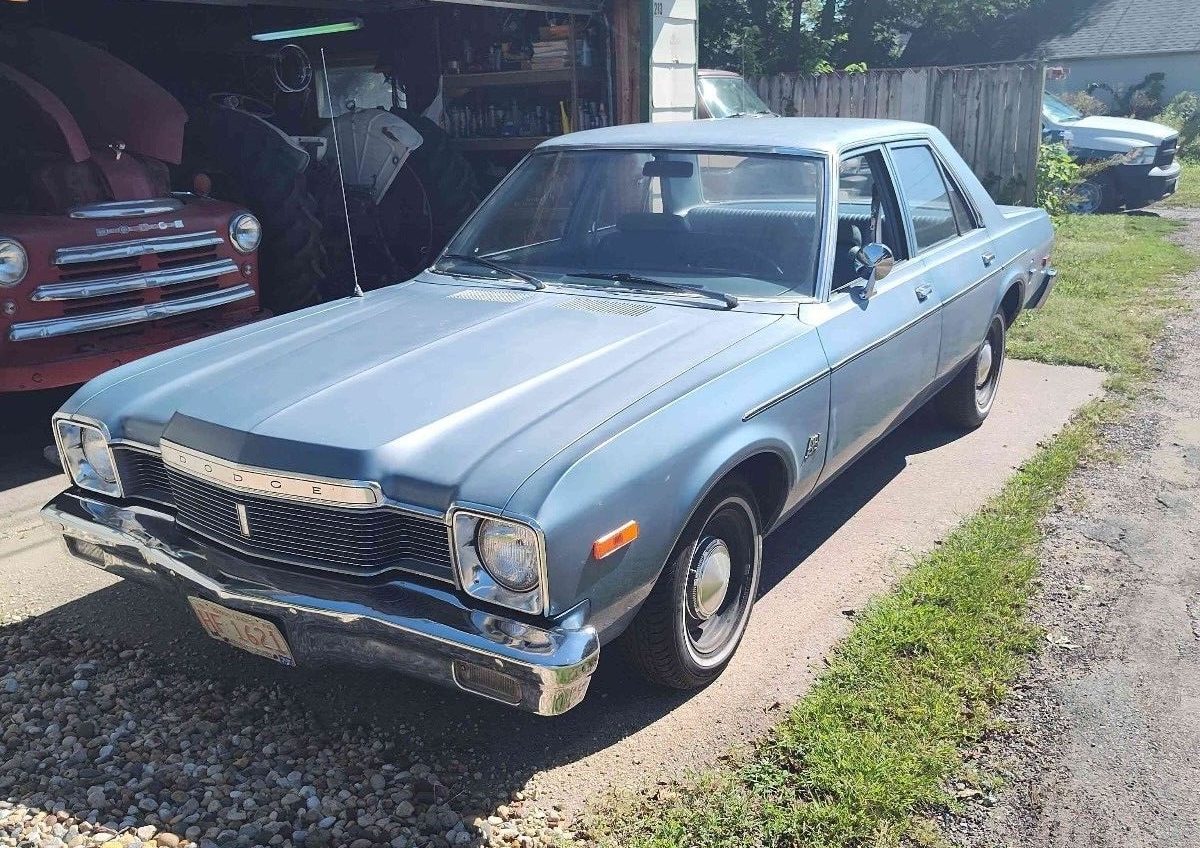
6. Dodge Aspen
The Dodge Aspen was introduced in 1976 as Chrysler’s attempt to compete in the compact and mid-size market. It was designed to replace older, less efficient models and offer improved comfort and performance. Early buyers appreciated its reasonable price, roomy interior, and familiar styling. Initial sales were strong, fueled by brand loyalty and expectations for a dependable, everyday car.
However, quality issues emerged quickly and affected the Aspen’s long-term reputation. Rust-prone panels, engine problems, and suspension failures became common complaints. Owners found themselves dealing with repeated repairs and maintenance costs. These mechanical flaws overshadowed the car’s practical attributes and caused consumers to lose trust.
From a styling perspective, the Aspen is visually bland and undistinguished. Its lines are simple and predictable, lacking dramatic curves or memorable features. Unlike other vehicles from the era that retained charm over decades, the Aspen fades into anonymity. Its design does not inspire nostalgia or admiration today.
Driving an Aspen now underscores its uninspired engineering. Steering and handling feel vague, acceleration is sluggish, and braking is less responsive than modern standards. Even as a classic, it offers little enjoyment or excitement for driving enthusiasts. Practicality alone cannot redeem it.
The Aspen represents a car that succeeded briefly but failed to leave a lasting legacy. Its place in automotive history is defined more by mediocrity than by innovation. Time has highlighted its weaknesses rather than revealing hidden strengths, making it an example of how short-term success does not guarantee timeless appeal.
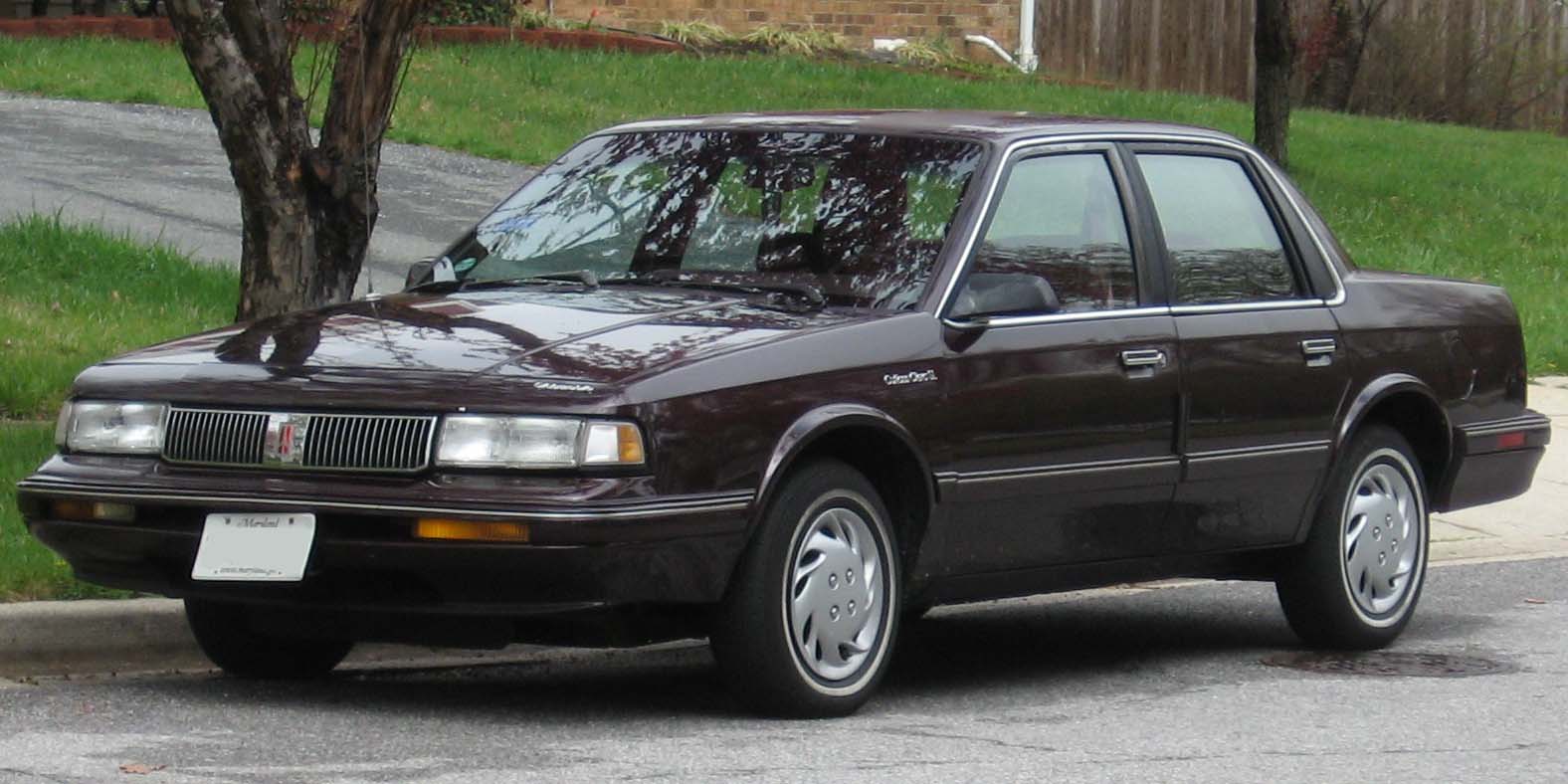
7. Oldsmobile Cutlass Ciera
The Oldsmobile Cutlass Ciera was a staple of American family transportation in the 1980s. It offered comfort, affordability, and a sense of reliability that appealed to middle-class buyers. At the time, it was one of the best-selling models in its class and reflected the general preferences of the market. Many families chose it as a practical daily driver that was easy to maintain and widely available.
Despite initial popularity, the Cutlass Ciera’s styling lacked distinction. Its boxy shape, flat surfaces, and restrained detailing made it conservative rather than striking. While it was functional, it failed to capture the imagination of car enthusiasts or collectors. There was little in its design to provide long-term visual appeal.
Mechanically, the Ciera was competent but unremarkable. Its engines delivered average performance, and handling was adequate for daily commuting. Nothing about the driving experience was thrilling, leaving it as a purely functional vehicle. As tastes evolved, the car’s lack of character became more pronounced.
Over time, the Cutlass Ciera became a symbol of practicality over style. Its conservative design and uninspiring performance meant that it failed to develop a devoted following. Unlike sportier or more distinctive contemporaries, it did not age into a sought-after classic. Its success in its era did not translate into lasting relevance.
Today, the Cutlass Ciera is remembered primarily for its ubiquity rather than its excellence. Collectors rarely pursue it, and it is often overlooked in discussions of American automotive history. Its story illustrates how cars designed for mainstream convenience can struggle to endure in cultural memory when they lack identity or flair.
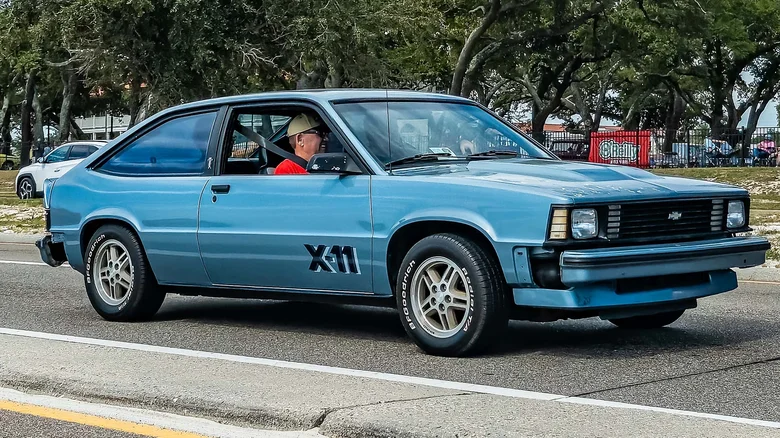
8. Chevrolet Citation
The Chevrolet Citation was introduced in 1980 as Chevrolet’s first front-wheel-drive compact. It was designed to be efficient, modern, and competitive against imports, offering new technology and a fresh design. Early reviews were generally positive, and the car enjoyed strong initial sales. It was marketed as a smart choice for consumers seeking a practical yet modern vehicle.
Unfortunately, the Citation quickly became associated with problems rather than innovation. Build quality was inconsistent, and numerous recalls followed. Handling issues, braking concerns, and unexpected mechanical failures created frustration for owners. The initial optimism surrounding the model faded quickly, replaced by disappointment and criticism.
Styling contributes to the Citation’s lack of appeal today. Its angular hatchback shape and flat surfaces are dated and heavy, lacking elegance or distinctive features. Unlike some contemporaries that have grown on collectors over time, the Citation fails to inspire admiration or nostalgia. Its appearance reinforces its mediocrity.
Driving a Citation now demonstrates its limitations. Front-wheel-drive dynamics were new at the time but feel unrefined by today’s standards. Steering and suspension are uninspiring, and performance is modest at best. The car’s shortcomings in handling and reliability have become more noticeable with age.
The Chevrolet Citation is often remembered as a disappointment rather than a classic. Its early promise was never fulfilled, and its design failed to create lasting interest. Time has emphasized its flaws rather than highlighting strengths, ensuring that it remains a cautionary example of a car that did not age gracefully.
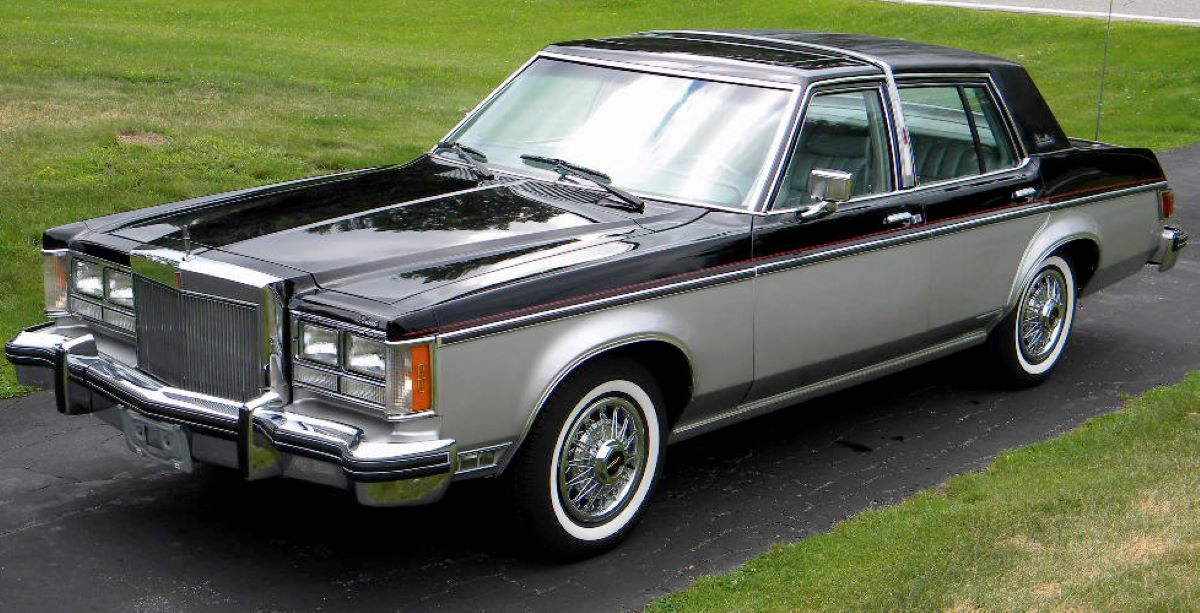
9. Lincoln Versailles
The Lincoln Versailles was introduced in the late 1970s as an attempt to offer a compact luxury sedan. It shared many components with smaller Ford models but was dressed with luxury features to justify the Lincoln badge.
The intention was to appeal to buyers seeking prestige without the size or expense of traditional Lincoln vehicles. Initial marketing emphasized elegance and refinement, presenting the Versailles as an affordable luxury option.
Many buyers and critics saw the Versailles as a superficial attempt at luxury. Its styling lacked authenticity, and the resemblance to cheaper Ford models was obvious. The added luxury elements felt forced, creating an impression of a car trying too hard to appear upscale. This perception undermined confidence in the model from the start.
Aging has amplified these design flaws. The Versailles lacks the presence, proportion, and elegance that define other Lincoln classics. Its visual identity was never strong enough to create lasting admiration. Today, the car is seen as confused in purpose rather than a meaningful luxury offering.
Mechanically, the Versailles was competent but unremarkable. Its performance did not stand out among contemporaries, and the car offered little to excite enthusiasts. Combined with styling issues, these factors left it struggling to maintain interest over decades. Driving it today emphasizes its compromises rather than its intended refinement.
The Lincoln Versailles is a cautionary example of brand misalignment. Time has revealed the consequences of trying to dress a common car in luxury clothing without creating unique identity. Collectors rarely pursue it, and it remains a largely forgotten experiment in American automotive history.
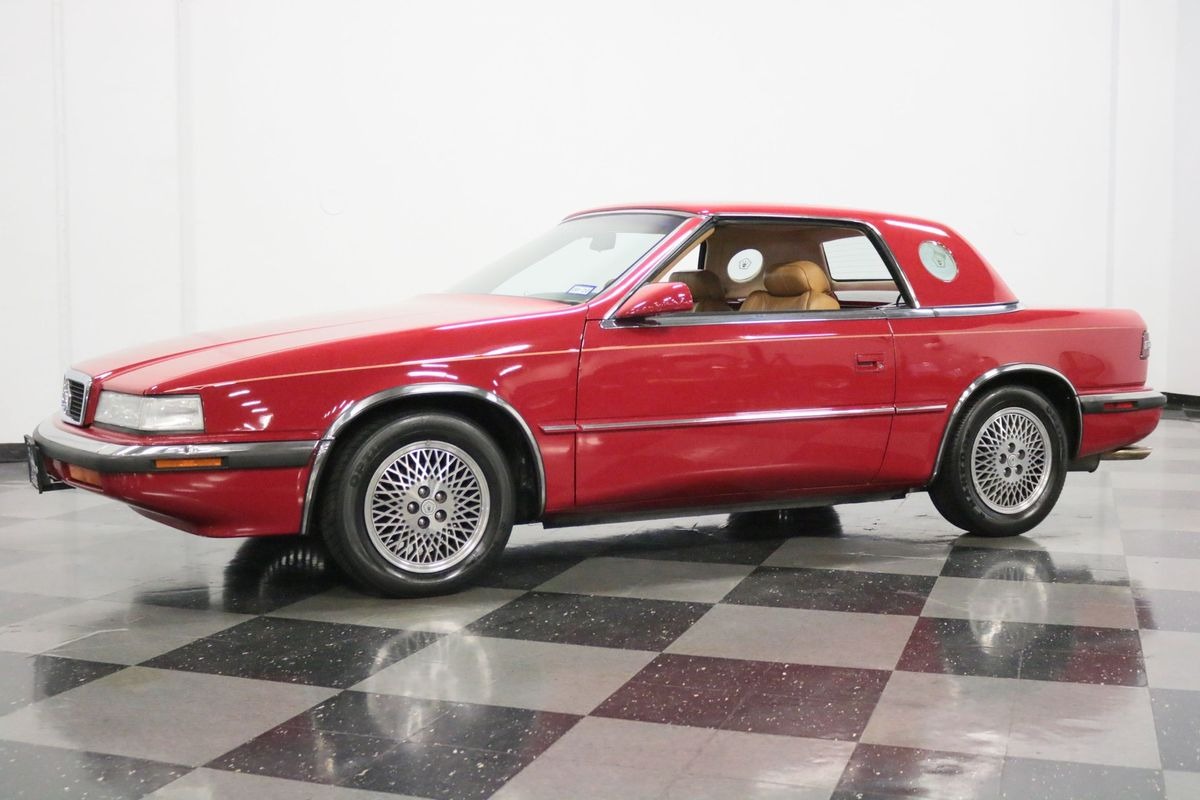
10. Chrysler TC by Maserati
The Chrysler TC by Maserati was introduced in the late 1980s as a collaboration between an American manufacturer and an Italian luxury brand. The goal was to combine American comfort with Italian flair, producing an exclusive luxury coupe for discerning buyers.
Early excitement surrounded the partnership, and marketing emphasized sophistication, style, and exclusivity. On paper, it promised a unique blend of engineering and prestige.
In practice, the TC failed to live up to expectations. Performance was underwhelming, and the styling leaned conservative rather than exotic, surprising buyers who expected Italian drama. Critics quickly noted that it did not deliver the excitement or luxury feel promised by the Maserati association. Enthusiasts were disappointed by the compromise between design, engineering, and branding.
Reliability and quality issues further hurt the TC’s reputation. Buyers expected meticulous craftsmanship, yet the car suffered from inconsistent build quality. The high price did not feel justified, and the vehicle struggled to establish its identity as a true luxury sports coupe. Time has emphasized these shortcomings.
Driving the TC today highlights the disconnect between its ambition and reality. Handling is adequate but not thrilling, and the ride feels more American than Italian. Even collectors who appreciate the rare collaboration often acknowledge that the car lacks character or lasting appeal. It is a vehicle remembered for potential rather than performance.
The Chrysler TC by Maserati remains an example of a well-intentioned experiment that did not endure gracefully. Its rarity provides some curiosity value, but its compromises in design, performance, and identity prevent it from achieving classic status. Time has reinforced the perception of a car caught between two worlds and failing to satisfy either.