Sport utility vehicles have changed dramatically over the decades, moving from simple utility machines to refined vehicles that still retain serious strength and durability.
Off road focused SUVs were originally created to handle rough terrain, poor infrastructure, and demanding work environments where normal passenger vehicles would struggle to survive. These vehicles earned their reputations through reliability, mechanical toughness, and the ability to keep moving when roads disappeared entirely.
As markets evolved, manufacturers began blending comfort with capability, but a few SUVs stood apart by redefining what off road performance could look like.
These models did more than follow existing formulas, as they introduced new engineering ideas, improved traction systems, and stronger chassis designs that influenced generations of vehicles after them. Their success was not measured only by sales numbers, but by how often they were trusted in extreme conditions.
Off road capability is not limited to horsepower or ground clearance alone. It involves suspension articulation, drivetrain durability, approach and departure angles, water fording ability, and the confidence a driver feels when traction is uncertain. The SUVs that truly reshaped this category balanced all of these elements while remaining usable for everyday driving.
Some of these vehicles were built for military roots, while others came from civilian demands for adventure and independence. Each one proved that SUVs could serve as more than family transport, becoming tools for exploration, work, and survival. Their design philosophies often challenged industry norms and forced competitors to rethink their own off road offerings.
This article highlights ten SUVs that left a lasting impact on off road capability. Each model earned its place by pushing boundaries and setting new standards for what an SUV could accomplish beyond paved surfaces. Together, they represent milestones in automotive history that continue to influence modern off road vehicles.
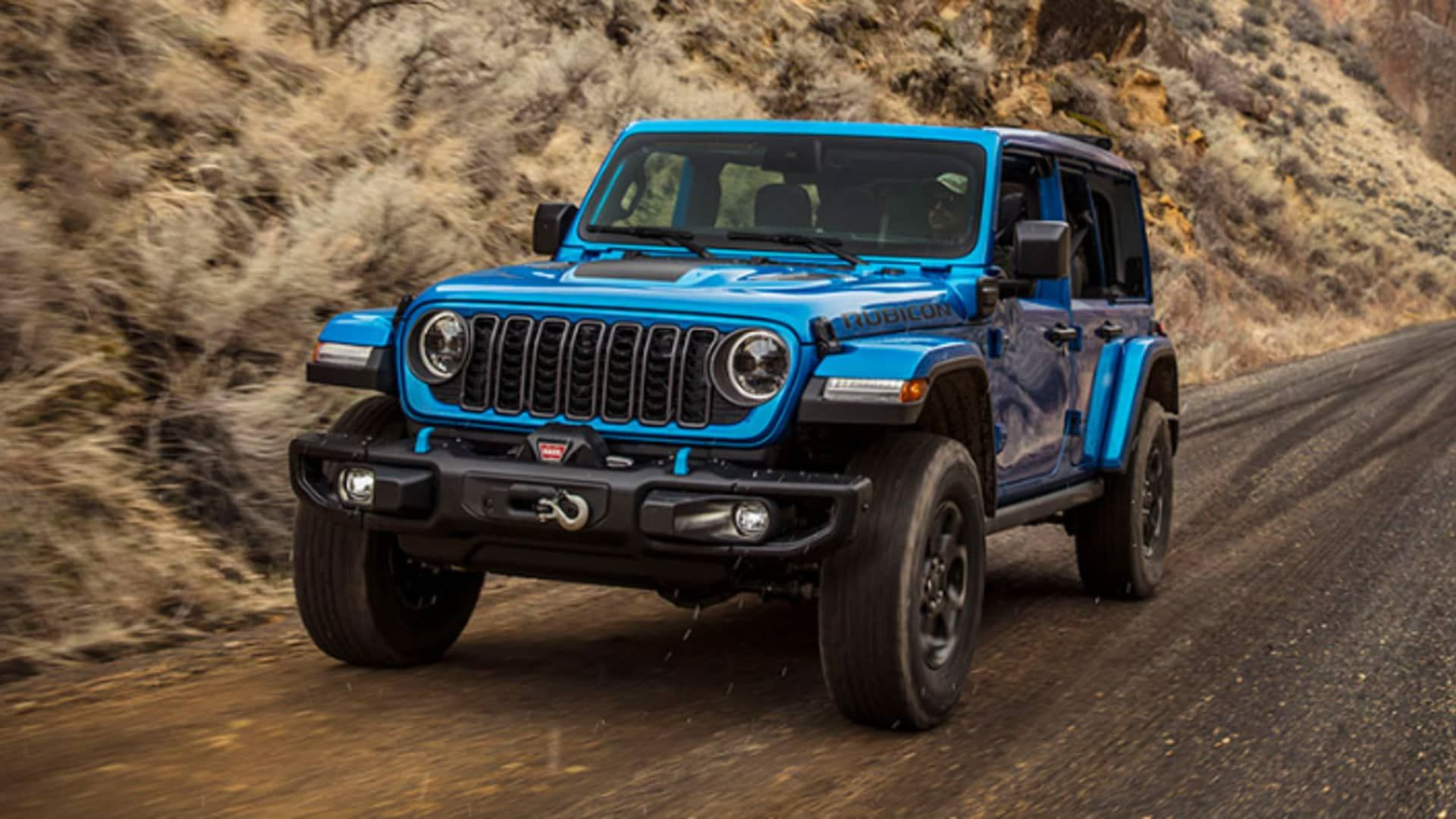
1. Jeep Wrangler
The Jeep Wrangler traces its heritage back to military vehicles that were built to survive extreme conditions, and this legacy continues in every modern generation. Its body-on-frame construction provides remarkable durability, allowing it to endure rugged trails, rocky outcrops, and uneven terrain without compromising structural integrity.
The solid axles ensure that wheels maintain consistent ground contact, providing both traction and stability even when the terrain becomes highly unpredictable. For decades, Jeep has focused on keeping the Wrangler mechanically simple, yet highly effective, which contributes to its reliability in off road situations.
A core strength of the Wrangler is its four-wheel-drive system, which includes a low-range transfer case ideal for precise control in challenging conditions. Low range gearing allows drivers to crawl over rocks, steep slopes, and deep mud slowly and safely, emphasizing controlled movement over raw speed.
Available locking differentials improve traction by distributing power to the wheels that grip best, preventing wheel spin in difficult conditions. This combination of systems ensures that the Wrangler can conquer obstacles that would stop most SUVs dead in their tracks.
Ground clearance, approach, and departure angles give the Wrangler an advantage in climbing steep inclines and descending drops without scraping the underbody. Skid plates further protect critical components such as the fuel tank, transfer case, and oil pan, allowing drivers to navigate rough trails confidently.
Tire selection and suspension options can also be customized to improve grip and articulation for even more extreme off road challenges. This attention to mechanical detail has kept the Wrangler at the forefront of capable off road vehicles for decades.
The Wrangler is more than just a rugged machine; it has become a symbol of outdoor adventure and freedom for enthusiasts worldwide. Its removable doors and roof provide a unique connection to the environment, allowing drivers to feel the terrain beneath them and experience nature in a way few vehicles can offer.
The interior remains functional and straightforward, reflecting the vehicle’s utilitarian roots, while modern iterations add convenience and safety features without compromising capability. This combination of mechanical toughness and cultural appeal has helped maintain the Wrangler’s reputation as an iconic off road SUV.
Beyond raw performance, the Wrangler has influenced the broader SUV market by demonstrating that a vehicle can be both mechanically simple and technically capable. Its innovations, such as electronic sway bar disconnects and advanced traction management systems, have inspired competitors to adopt similar features.
Even in its luxury trims, the Wrangler maintains off road dominance, proving that comfort and adventure can coexist. For drivers seeking a vehicle that can handle harsh trails while retaining character, the Jeep Wrangler remains a definitive choice, continually setting benchmarks for what off road capability means.
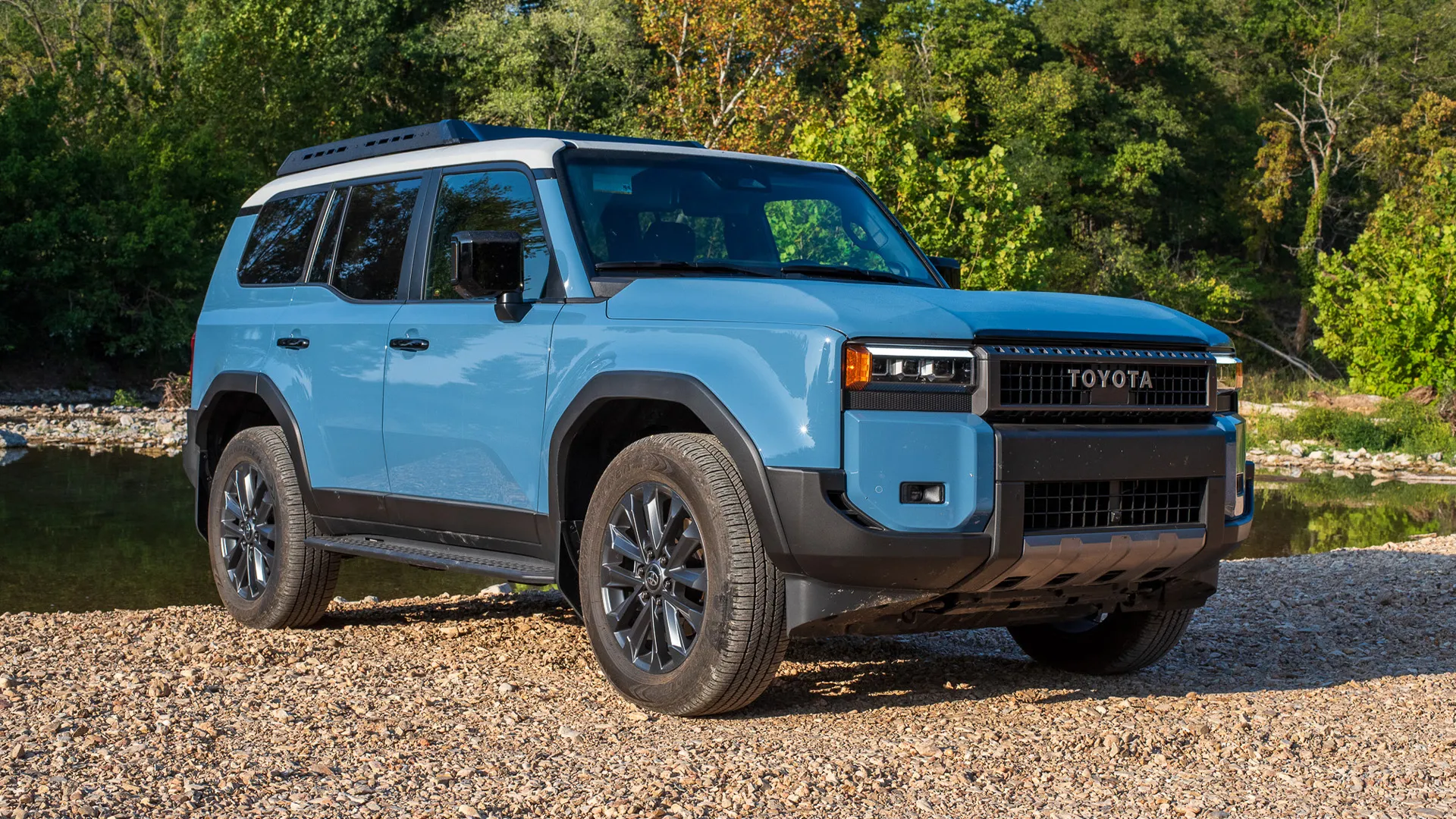
2. Toyota Land Cruiser
The Toyota Land Cruiser has earned a global reputation for reliability and resilience, making it a trusted companion in deserts, mountains, jungles, and other extreme environments. Its engineering philosophy prioritizes longevity, durability, and mechanical simplicity, allowing vehicles to operate reliably for decades with minimal maintenance.
Over the years, the Land Cruiser has evolved to balance off road performance with refined interior comfort, creating a vehicle that excels both on unpaved trails and during long-distance highway travel. Its combination of strength, endurance, and practicality has made it a favorite among expedition drivers and humanitarian organizations alike.
At the core of the Land Cruiser’s capability is its robust ladder frame chassis, which can support heavy loads while absorbing stress from uneven terrain. Its suspension system is engineered to provide both comfort and articulation, allowing the wheels to maintain traction over obstacles while ensuring the ride does not become punishing.
Advanced four-wheel-drive systems enable confident navigation of mud, sand, and rocky terrain, while low-range gearing ensures controlled movement over steep inclines. These engineering features collectively allow the Land Cruiser to traverse conditions that would challenge many other vehicles.
The Land Cruiser also incorporates advanced traction management technologies that enhance performance without overly complicating the driving experience. Systems such as active traction control and electronic stability aids work seamlessly with the mechanical components, improving grip on loose surfaces while remaining intuitive for the driver.
These technologies enhance off road confidence, reducing the risk of becoming immobilized in challenging situations. Toyota’s careful integration of electronics and mechanics has set a standard for reliable and accessible off road driving.
Beyond its mechanical excellence, the Land Cruiser has established a legacy of dependability in extreme situations. Its reputation is built on decades of field experience, where vehicles have carried heavy loads across deserts, riverbeds, and mountainous regions with minimal breakdowns.
For drivers in remote areas, the Land Cruiser is often a lifeline, trusted to perform under circumstances where failure could have serious consequences. This combination of toughness and reliability ensures the vehicle’s enduring appeal across generations.
The influence of the Land Cruiser extends to the broader SUV market, inspiring competitors to develop vehicles that emphasize durability alongside comfort. By proving that an off road vehicle can combine long-term reliability with modern amenities, the Land Cruiser has helped redefine expectations for premium SUVs.
Today, it stands not only as a capable off road machine but also as a benchmark for engineering excellence, demonstrating that true capability is measured not just by performance on trails but also by consistency and resilience over time.

3. Land Rover Defender
The Land Rover Defender is widely regarded as a vehicle designed with pure function in mind, prioritizing off road performance above all else. Its boxy, utilitarian shape maximizes interior space and visibility, while its simple construction allows for easy maintenance even in remote locations.
Over decades, the Defender has been tested in deserts, jungles, and arctic conditions, proving its ability to operate in virtually any environment. The design philosophy centers on durability, simplicity, and adaptability, which has allowed it to serve as a work vehicle, expedition platform, and emergency response tool alike.
Its permanent four-wheel-drive system provides consistent traction across a variety of surfaces, including mud, sand, and rocky inclines. Coupled with low-range gearing and locking differentials, the Defender can navigate extremely challenging terrain with controlled precision.
Suspension geometry and wheel articulation are optimized for maintaining tire contact, ensuring the vehicle remains stable and capable over uneven surfaces. This combination of mechanical robustness and intelligent design has contributed to its reputation as one of the most dependable off road vehicles ever made.
One of the Defender’s most important features is its adaptability. Whether outfitted for agricultural use, military deployment, or extreme expeditions, it has proven itself capable in countless roles. Its modular interior and rugged exterior make it easy to modify for specific requirements, from carrying heavy loads to transporting specialized equipment.
This versatility has ensured that the Defender can meet diverse demands without sacrificing its core off road capability, a rare trait among SUVs.
The Defender has also influenced how off road vehicles are perceived worldwide. Its focus on function over luxury challenged other manufacturers to prioritize mechanical reliability and performance. By maintaining a simple and effective design, Land Rover proved that high capability does not require excessive complexity. Even in modern iterations, the Defender retains its heritage while incorporating improved materials, technology, and comfort features.
Finally, the Defender’s enduring popularity speaks to its impact on automotive design. It has become a symbol of resilience, toughness, and versatility, inspiring competitors to create vehicles that combine durability with performance.
Its ability to handle the harshest terrain while remaining accessible and practical has cemented its place as a benchmark for serious off road SUVs. The Defender remains a reference point for engineers and enthusiasts seeking maximum capability without compromise.

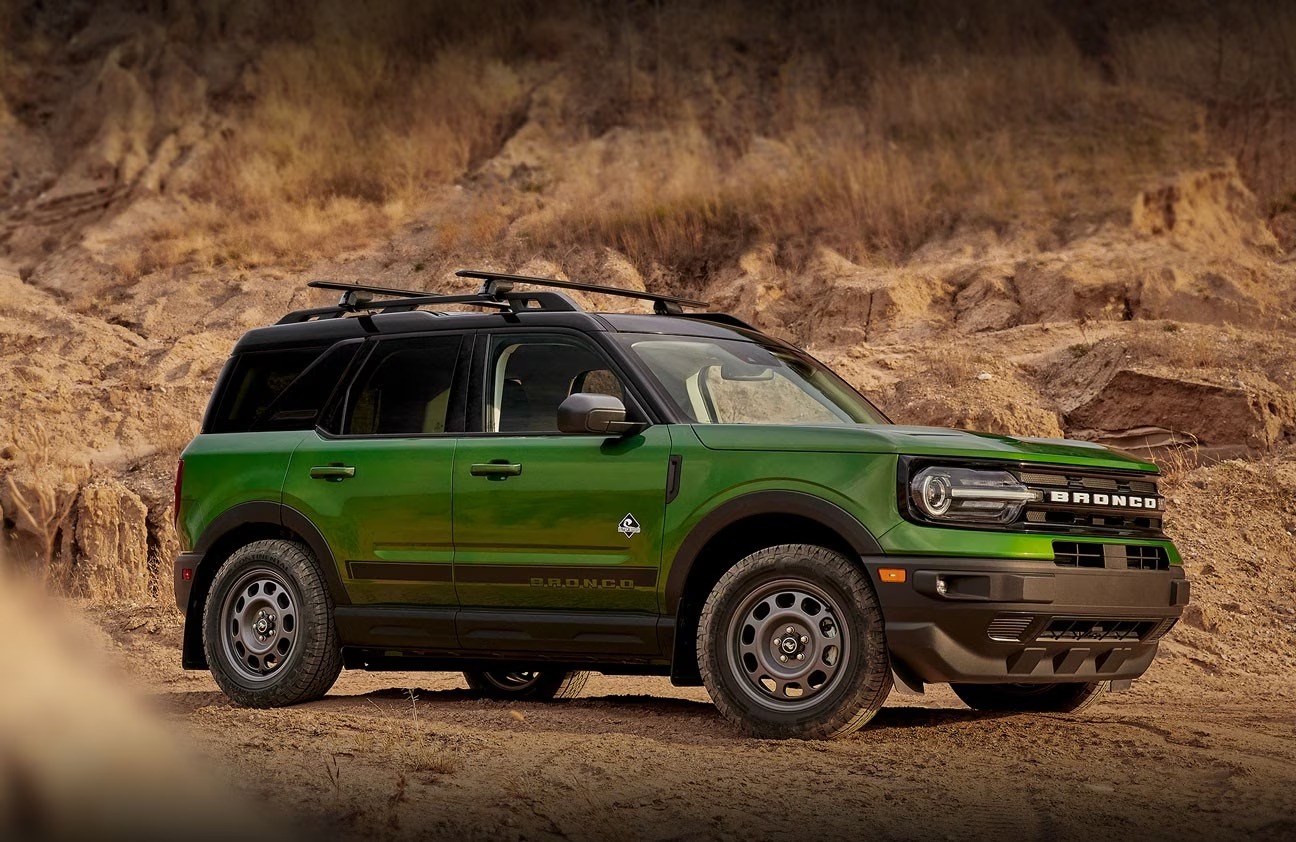
4. Ford Bronco
The Ford Bronco emerged in response to growing interest in recreational off road vehicles, offering a combination of capability, agility, and style that appealed to adventure enthusiasts. Its compact design allowed it to tackle narrow trails, technical terrain, and tight off road conditions more effectively than larger SUVs.
From the beginning, the Bronco was designed with practicality in mind, balancing robust mechanical systems with a form factor suitable for everyday driving. Over time, it developed a strong community of owners who valued both its performance and its adaptability for outdoor lifestyles.
Four-wheel-drive systems in the Bronco emphasize mechanical simplicity and reliability, with manual transfer cases and durable axles providing consistent traction across variable terrain.
Low-range gearing allows drivers to navigate obstacles slowly and carefully, while suspension systems balance agility with strength, offering both off road capability and on road comfort. These features ensure that the Bronco can handle technical trails without sacrificing usability for daily transportation.
The Bronco became a cultural icon by inspiring off-road recreational activity as a mainstream lifestyle choice. Owners frequently customize their vehicles for camping, overlanding, and trail exploration, demonstrating the versatility and ruggedness of the platform. Its popularity encouraged aftermarket support and led to innovations in off-road accessories, further enhancing the vehicle’s capabilities for serious enthusiasts.
By offering both ruggedness and daily usability, the Bronco reshaped expectations for midsize off road SUVs. Drivers no longer had to choose between adventure readiness and comfort, as the Bronco successfully combined the two. Its reintroduction in recent years has reinforced this balance, with modern technology improving traction, stability, and performance without compromising its original adventurous spirit.
The Bronco’s influence extends beyond its own sales, as it prompted other manufacturers to develop vehicles tailored to outdoor recreation. By demonstrating that off road performance could be both practical and engaging, it helped establish a new category of lifestyle-oriented SUVs.
Today, the Bronco continues to set standards for versatility, reliability, and trail-ready engineering, appealing to enthusiasts who demand both capability and enjoyment.
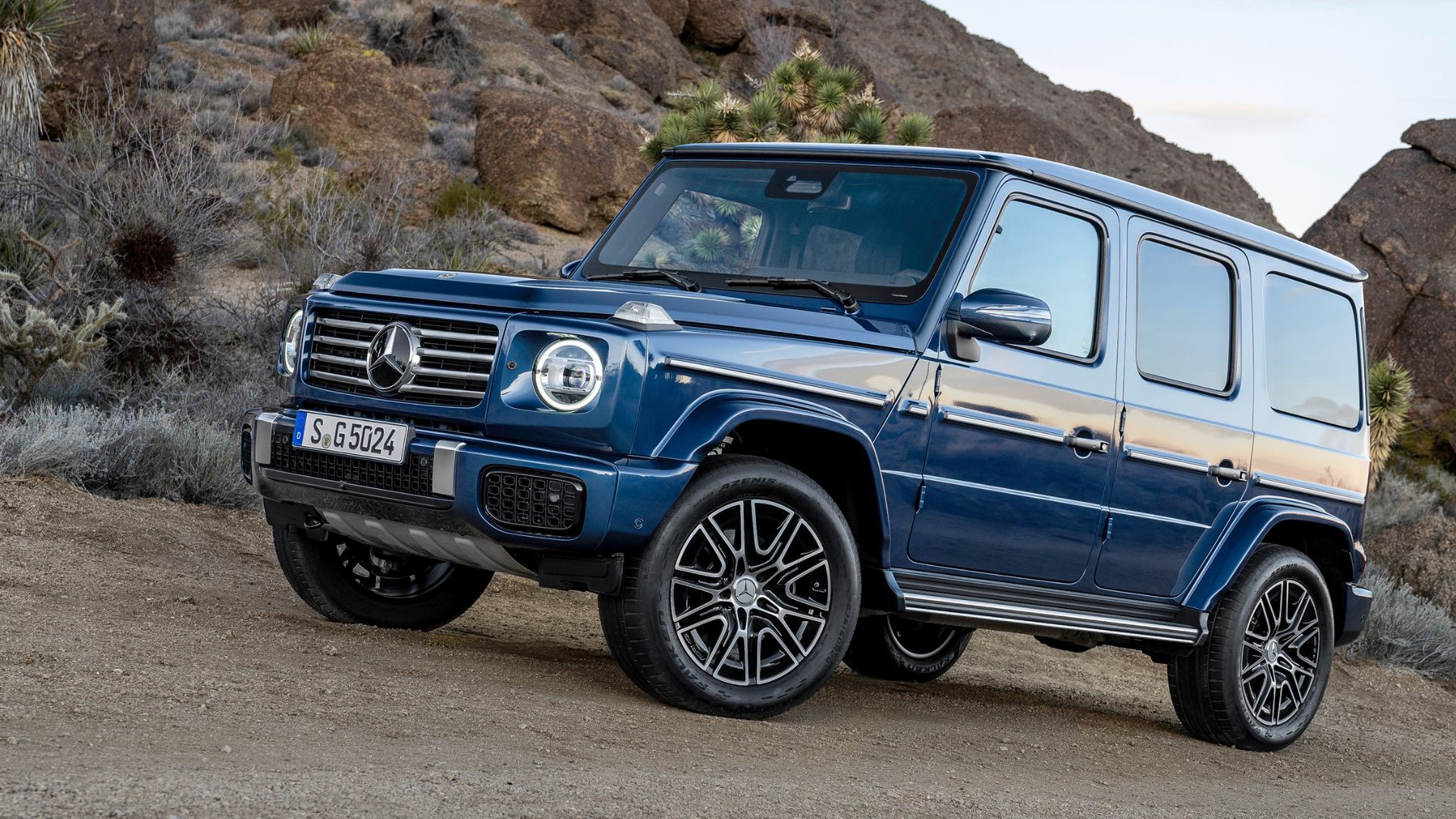
5. Mercedes Benz G Class
The Mercedes Benz G Class has a unique origin as a military vehicle, designed to endure some of the most extreme conditions while maintaining mechanical reliability. Its boxy shape and robust construction reflect a focus on function and durability, which remains evident in every modern version.
Over time, the G Class has evolved to include luxury features, but it never abandoned its off road roots, maintaining legendary capability alongside high-end finishes. Its design philosophy emphasizes toughness, long-term reliability, and adaptability, allowing it to serve as both a practical off roader and a premium status vehicle.
At the core of the G Class’s performance is a strong ladder frame and solid axles, providing exceptional strength for climbing, crossing rough terrain, and towing heavy loads. Three locking differentials allow precise control of traction, distributing power evenly to ensure each wheel contributes effectively on uneven surfaces.
Portal axles in some versions further increase ground clearance without raising the center of gravity excessively, improving its ability to tackle deep obstacles. This engineering makes the G Class capable of handling terrain that challenges most other luxury SUVs.
Despite its reputation for off road dominance, the G Class combines advanced technology with its mechanical strength. Systems for traction control, adaptive suspension, and hill descent allow drivers to navigate challenging conditions with increased safety and confidence.
These modern enhancements complement its rugged structure, ensuring that the vehicle remains both capable and comfortable. Even with a fully equipped luxury interior, the G Class maintains the durability and toughness that originally earned its acclaim.
The G Class redefined expectations for luxury SUVs by proving that high-end refinement and extreme off road capability could coexist. Competitors were inspired to develop vehicles that could combine comfort, performance, and reliability, challenging traditional notions of what luxury off road vehicles could achieve. Its design, both iconic and functional, demonstrates that aesthetic appeal need not compromise mechanical excellence.
Finally, the G Class has left a lasting impact on off road SUV design, showing that vehicles can excel in extreme conditions while offering a high level of refinement. Its balance of strength, durability, and modern technology ensures its continued relevance in a market where both capability and prestige are valued.
For enthusiasts seeking an SUV that embodies luxury without sacrificing real off road ability, the Mercedes Benz G Class remains unmatched.
Also Read: 10 V8 Vehicles That Cost the Least to Maintain

6. Nissan Patrol
The Nissan Patrol has long been recognized as a reliable and capable off road vehicle, particularly in harsh and remote environments. Its reputation was built on decades of service in deserts, mountains, and rural regions, where dependability is critical.
Known for enduring high mileage with minimal maintenance, the Patrol’s engineering emphasizes simplicity and durability, making it a trusted choice for drivers who require a vehicle that won’t fail under pressure. Its robust design allows it to carry heavy loads while navigating difficult terrain, which is why it has earned a loyal following across the globe.
Underneath its rugged exterior, the Patrol features strong engines and durable drivetrains designed for longevity. Its four-wheel-drive system focuses on providing consistent performance, even under extreme stress, rather than relying on overly complex electronics.
Suspension components are tuned to balance comfort with load-bearing capacity, allowing the vehicle to traverse rough trails without sacrificing stability. This combination of mechanical reliability and thoughtful design ensures the Patrol maintains control in challenging environments.
The Patrol’s real-world reputation is built on extensive use in demanding conditions rather than marketing campaigns. It has proven itself in long-distance overland expeditions, emergency services, and work settings where reliability is essential.
Owners often rely on it for extended periods in areas with limited infrastructure, and the Patrol rarely disappoints. Its simplicity and toughness make it accessible for repairs and maintenance even in remote locations.
Beyond its functional strength, the Patrol has influenced global expectations for off road SUVs. Its engineering demonstrates that a vehicle can combine toughness, utility, and longevity without sacrificing practicality. By consistently performing where other vehicles might fail, it has set a benchmark for endurance, particularly in regions where environmental extremes challenge even the most capable SUVs.
The Patrol’s legacy continues to inspire both enthusiasts and manufacturers. Its emphasis on reliability and mechanical resilience has shaped off road vehicle design, encouraging other brands to focus on durability alongside performance. For drivers seeking a vehicle capable of navigating severe terrain with confidence, the Nissan Patrol remains an enduring symbol of dependable off road engineering.
7. Suzuki Jimny
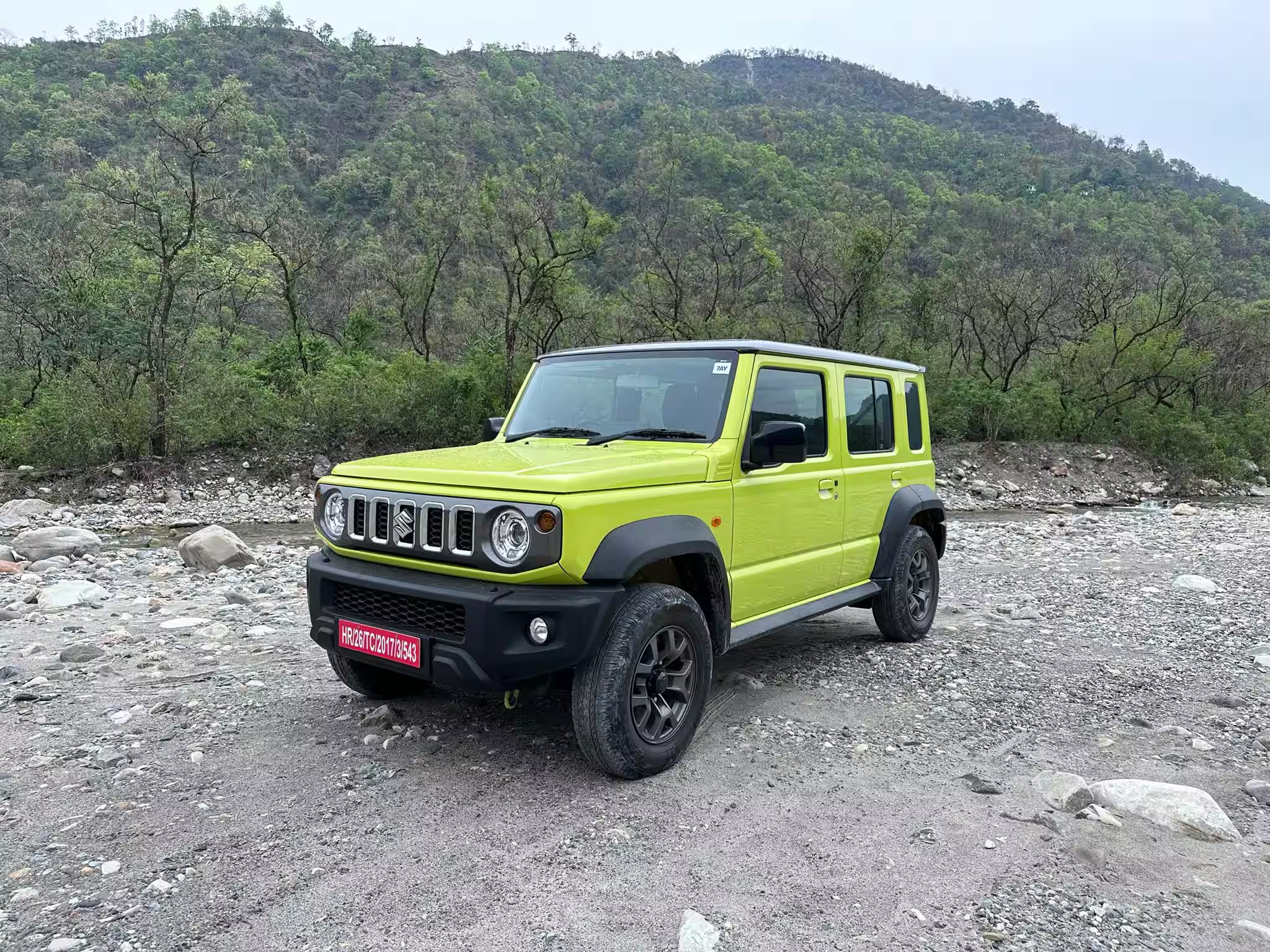
The Suzuki Jimny challenged the conventional idea that off road capability required a large, powerful vehicle. Compact and lightweight, it relies on intelligent design and mechanical simplicity to achieve exceptional performance in tight and technical environments.
Its small size allows access to trails and narrow paths that larger SUVs cannot navigate, making it an ideal choice for adventure seekers and enthusiasts who value maneuverability as much as strength. Despite its modest engine output, the Jimny remains a formidable off road vehicle due to its balanced engineering and practical features.
The Jimny’s ladder frame chassis and solid axles provide true off road strength, allowing it to tackle uneven terrain without compromising durability. Low-range gearing enhances control over obstacles such as steep inclines, rocks, and mud, while its suspension design ensures effective wheel articulation for maintaining traction.
These features allow the vehicle to overcome challenges that would stop many similarly powered vehicles. Its mechanical simplicity also makes it easier to maintain and repair in remote conditions.
The Jimny gained popularity among enthusiasts for its accessibility and versatility. Its straightforward design allows for easy modifications, from lift kits to larger tires, expanding its off road potential.
Many owners use it for overlanding, trail riding, and other outdoor activities, relying on its agility and durability to navigate a variety of challenging environments. Its popularity in both urban and rural settings demonstrates its versatility.
In addition to its performance, the Jimny proved that efficiency and agility could rival sheer size and power. By focusing on smart engineering and balance, Suzuki demonstrated that small SUVs could be serious off road machines. This approach influenced other manufacturers to consider compact vehicles for off road use, reshaping the segment’s expectations.
The Jimny’s continued success is a testament to its innovative design and reliable performance. It has inspired a new generation of compact off road enthusiasts and remains an icon in the global SUV market. Its combination of small size, toughness, and adaptability ensures that it continues to stand out in a field dominated by larger, more powerful vehicles.
8. Toyota 4Runner
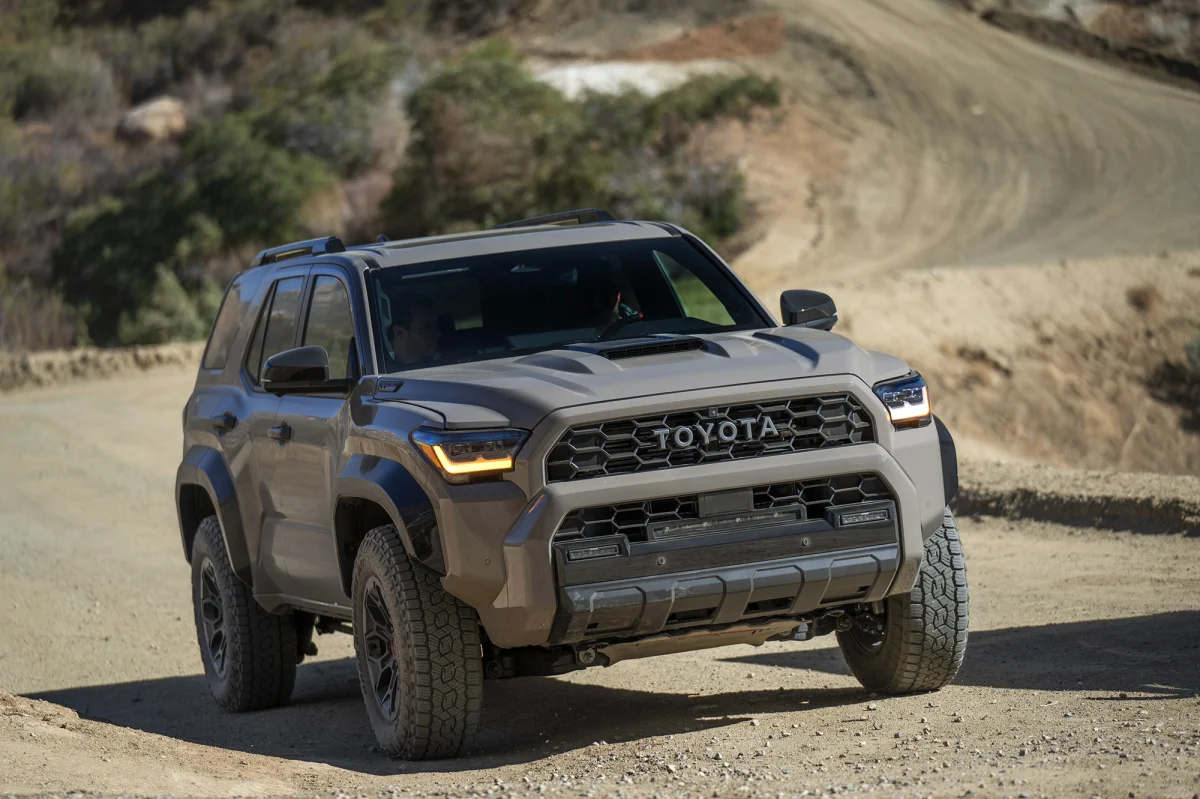
The Toyota 4Runner has built its reputation on a foundation of reliability, versatility, and consistent off road performance. Unlike many modern crossover SUVs, it maintains a traditional body-on-frame construction, providing durability and stability on trails, rocky paths, and uneven surfaces.
Its engineering emphasizes long-term reliability, which has allowed many 4Runners to remain on the road for decades while performing reliably under both off road and everyday driving conditions. Over the years, the 4Runner has become synonymous with dependable mid-size SUVs capable of serious adventure.
Its four-wheel-drive system provides dependable traction across a wide range of conditions, while suspension tuning balances articulation with ride comfort. High ground clearance and carefully designed approach and departure angles allow it to tackle steep inclines and obstacles with confidence.
Optional off road technology, such as locking differentials and terrain management systems, further enhances its capability in challenging environments. These features make the 4Runner a practical choice for both casual outdoor excursions and technical off road adventures.
The 4Runner has earned a strong following among drivers who value durability and long-term performance. Owners often use it for long-distance travel, overlanding, and trail exploration, trusting that it will handle demanding terrain with minimal issues.
Its reputation for longevity makes it a practical investment for those seeking an SUV that can endure years of heavy use. Regular maintenance ensures that even older models continue to perform reliably.
Beyond its mechanical strengths, the 4Runner’s design has influenced mid-size off road SUVs globally. It proves that vehicles in this category can combine rugged capability with passenger comfort, creating a balance that appeals to both off road enthusiasts and families. Its continued popularity reflects the importance of maintaining proven mechanical principles while integrating modern convenience and safety.
The 4Runner demonstrates that consistent performance and thoughtful engineering can define an SUV’s legacy. By prioritizing durability, reliability, and usability, it has set a standard for mid-size off road vehicles. Its combination of mechanical toughness and practicality ensures that it remains a favorite among drivers seeking an SUV that can meet both adventure and daily driving needs.
9. Mitsubishi Pajero
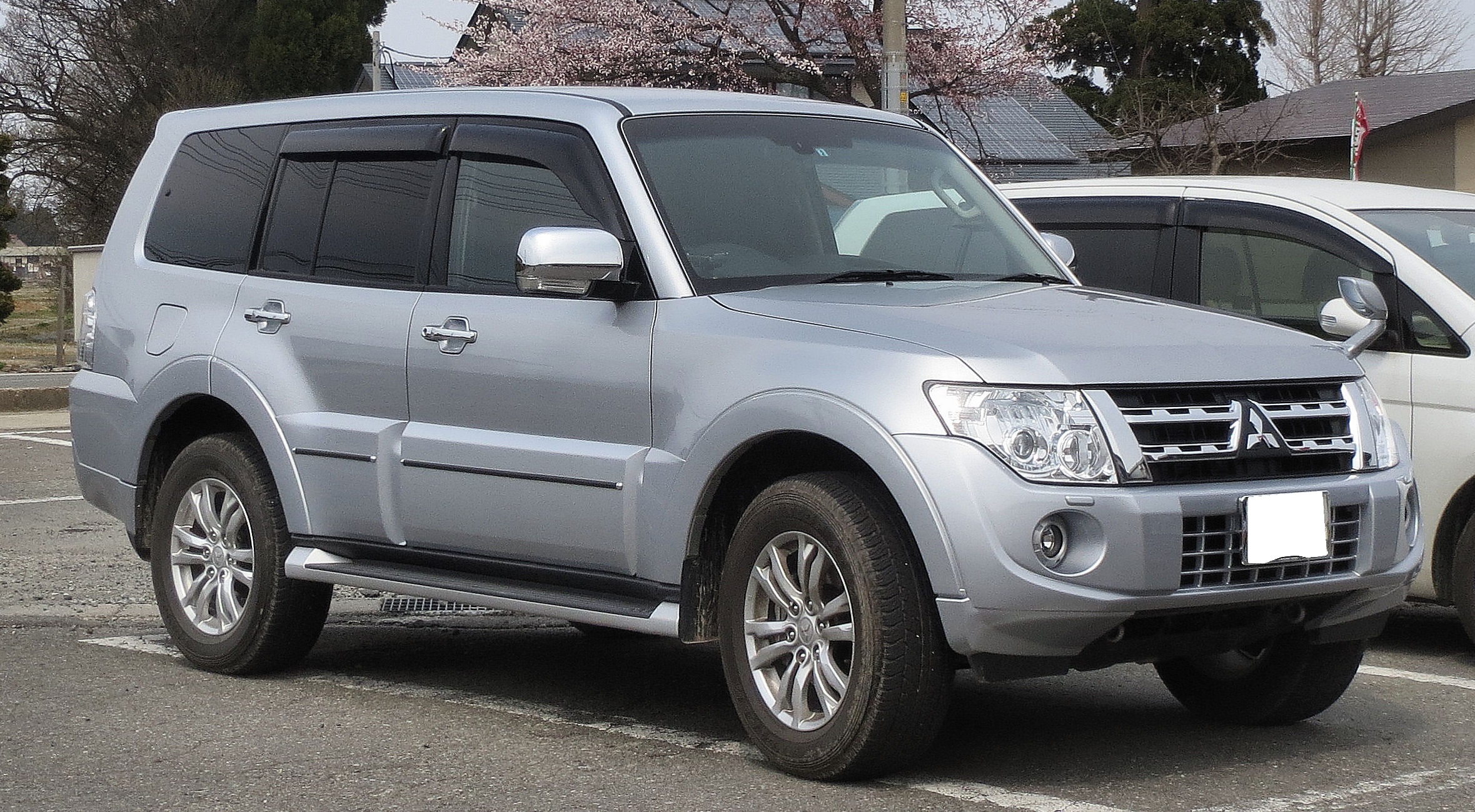
The Mitsubishi Pajero gained recognition for both its competition successes and its practical performance in real world off road conditions. Rally victories, particularly in long-distance endurance events, highlighted its durability, suspension tuning, and handling capabilities.
Beyond motorsport, it became a trusted vehicle for everyday off road use in demanding environments. Its engineering philosophy emphasized a balance between mechanical reliability, comfort, and technological assistance, making it versatile and appealing to a wide range of drivers.
The Pajero’s advanced four-wheel-drive system allows smooth transitions between driving modes, enabling confident control on mud, sand, gravel, and steep inclines. Independent suspension provides stability and comfort on rough terrain, while retaining trail-capable articulation.
Low range gearing, traction aids, and locking differentials work in tandem to give drivers maximum confidence and control in challenging conditions. These features make the Pajero a reliable companion for both recreational and professional off road use.
Technological innovations in the Pajero enhanced safety and performance without undermining mechanical simplicity. Systems such as electronic traction control and active stability worked alongside its rugged chassis to improve vehicle handling on loose or uneven surfaces.
By integrating modern electronics intelligently, Mitsubishi ensured that the Pajero remained capable even in the hands of drivers with varying skill levels. This combination of mechanical and technological innovation contributed to its long-lasting reputation.
Its competitive successes influenced both manufacturers and enthusiasts worldwide, demonstrating how vehicles could excel in extreme conditions while remaining comfortable for everyday use.
The Pajero helped set new benchmarks for drivetrain and suspension design, inspiring off road SUV development in multiple markets. Its ability to blend reliability, technology, and performance created a blueprint for future vehicles in the segment.
The Pajero’s enduring legacy is defined by its versatility and resilience. Its capacity to handle remote terrain, harsh climates, and long distances while maintaining performance and comfort ensures that it remains a reference point for capable off road SUVs. Drivers who prioritize balanced capability, endurance, and practical technology continue to view the Pajero as a trusted and influential choice.
10. Hummer H1
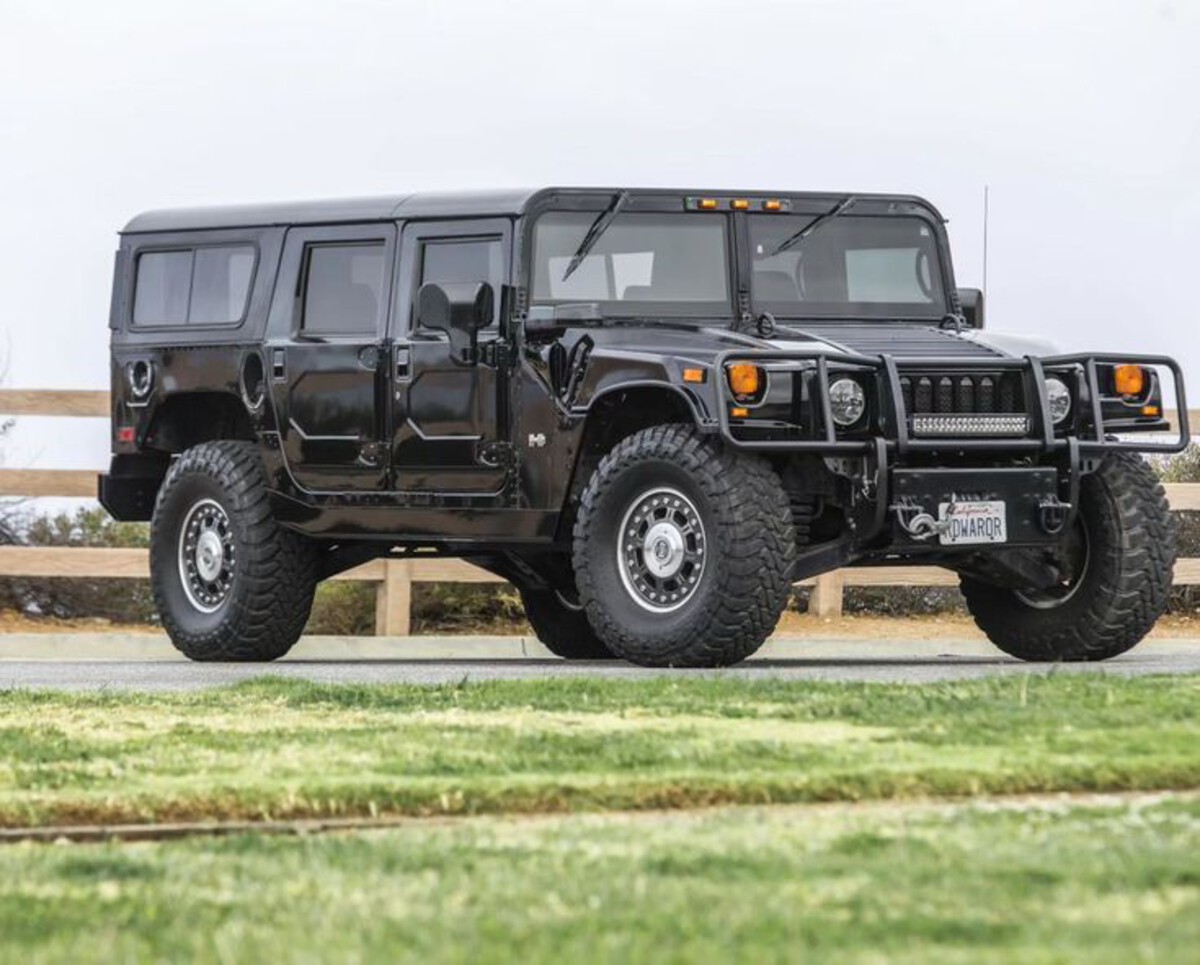
The Hummer H1 brought military-grade off road capability to civilian roads, transforming perceptions of what extreme SUVs could achieve. Built on the design of the Humvee, it offered extraordinary durability, high ground clearance, and wide tracks for maximum stability on sand, mud, rocks, and uneven terrain.
Its sheer size and engineering made it a unique presence, capable of conquering obstacles that would challenge almost any other off road vehicle. With specialized features designed for extreme conditions, it quickly became a benchmark for uncompromising off road performance.
Portal axles and a high suspension allowed the H1 to clear obstacles without compromising drivetrain protection, while central tire inflation systems enabled drivers to adjust tire pressure for optimal traction on different surfaces.
Its wide stance enhanced stability on steep inclines, loose surfaces, and uneven terrain. These features gave the H1 advantages in off road situations where smaller or more conventional SUVs might struggle to maintain control or clearance.
The H1 emphasized functionality over convenience, prioritizing capability and durability over comfort and luxury. Its interior is utilitarian and rugged, designed for purpose rather than style, reflecting its military heritage. Yet, despite its focus on performance, it could transport multiple passengers and heavy cargo while navigating extreme terrain, proving its versatility for civilian use.
Its introduction redefined expectations for extreme off road vehicles, inspiring both enthusiasts and manufacturers to consider what is possible when design focuses solely on terrain mastery.
The H1 demonstrated that true off road dominance required mechanical strength, clearance, and advanced engineering rather than just raw power. Its influence persists in specialized vehicles designed for adventure, military, and expedition purposes.
The Hummer H1 remains a symbol of unmatched off road ability. It continues to be celebrated for pushing boundaries, demonstrating that vehicles could achieve performance levels once thought impossible for civilian use. Its combination of size, engineering, and innovation ensures that it remains a reference point for extreme off road SUVs.