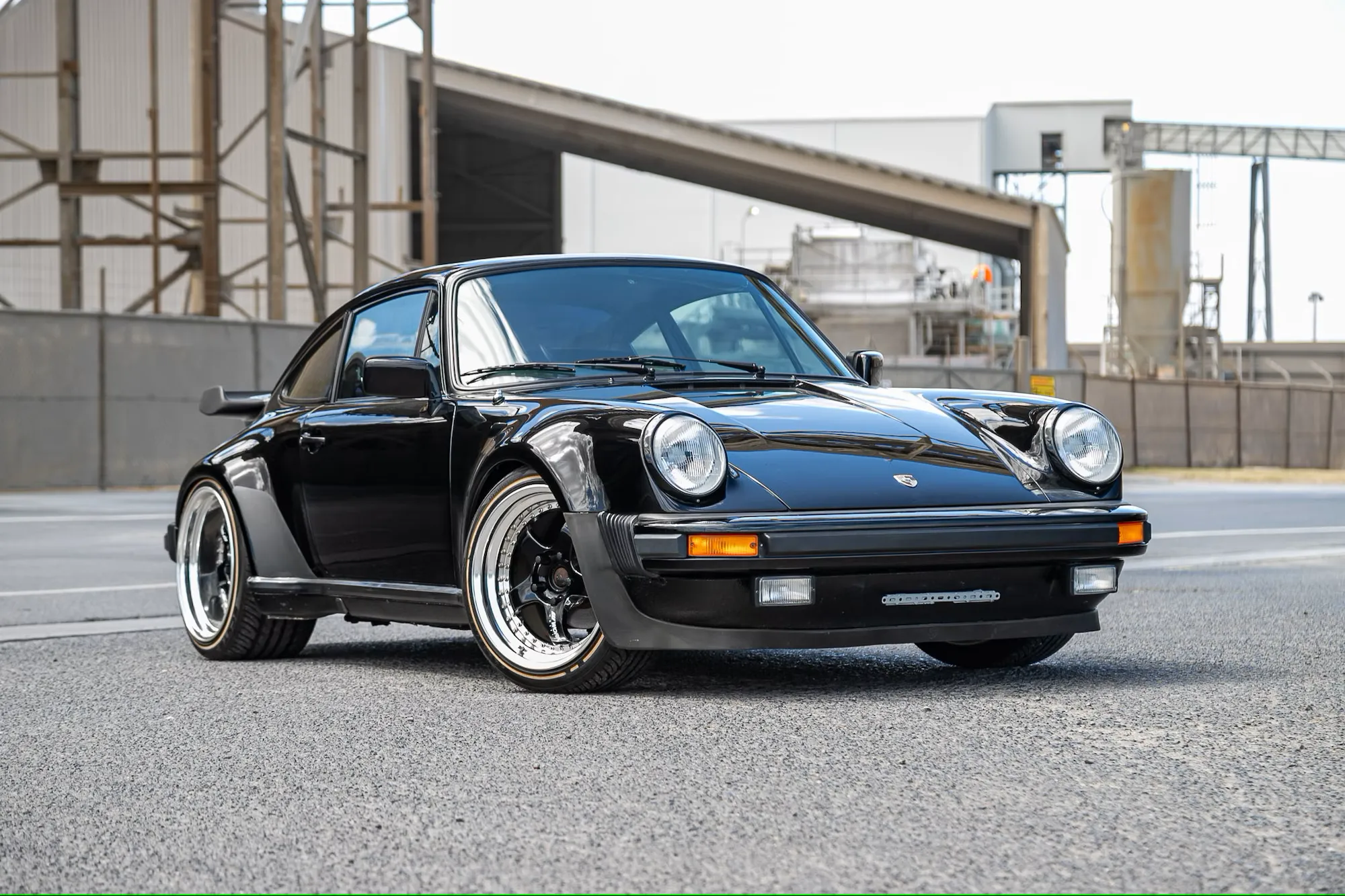
Porsche has built its reputation through a steady commitment to performance, engineering discipline, and a design language that resists unnecessary reinvention. From its earliest days, the company focused on making sports cars that rewarded precision driving rather than raw excess.
This philosophy allowed Porsche to stand apart in an industry often driven by trends and short-lived excitement. Over decades, Porsche vehicles have remained instantly recognizable while quietly evolving beneath the surface to meet new expectations of speed, safety, and efficiency.
What separates Porsche from many other performance manufacturers is the continuity of its identity. Instead of abandoning past ideas, Porsche refined them, trusting that incremental improvement would yield lasting results. The company’s engineers treated racing circuits as laboratories, applying lessons learned on track directly to production models.
This relationship between competition and road cars became central to Porsche’s image and credibility. Each successful model strengthened the belief that Porsche understood performance at a fundamental level.
The brand’s legacy was not shaped by a single breakthrough vehicle, but by a sequence of cars that defined entire eras. Some models introduced technical innovations, while others perfected existing formulas. Certain cars achieved dominance in motorsport, while others became cultural icons far beyond racing. Together, they formed a lineage that reinforced Porsche’s reputation as a builder of serious sports cars rather than luxury statements.
Porsche’s sports cars have also demonstrated remarkable versatility. Many of these vehicles were capable of daily use without sacrificing performance potential. This balance appealed to drivers who wanted engagement without impracticality.
The ability to drive to work during the week and attack a race track on the weekend became a defining trait of the brand. Porsche proved that performance did not have to come at the expense of reliability or usability.
The following ten Porsche sports cars represent milestones that shaped the company’s identity. Each one contributed something essential, whether through innovation, competition success, or cultural impact.
Together, they explain why Porsche continues to command respect across generations of drivers and enthusiasts. These are the machines that transformed Porsche from a small engineering firm into one of the most respected names in automotive history.
Also read: Top 10 Cars That Still Look Like the Future Today
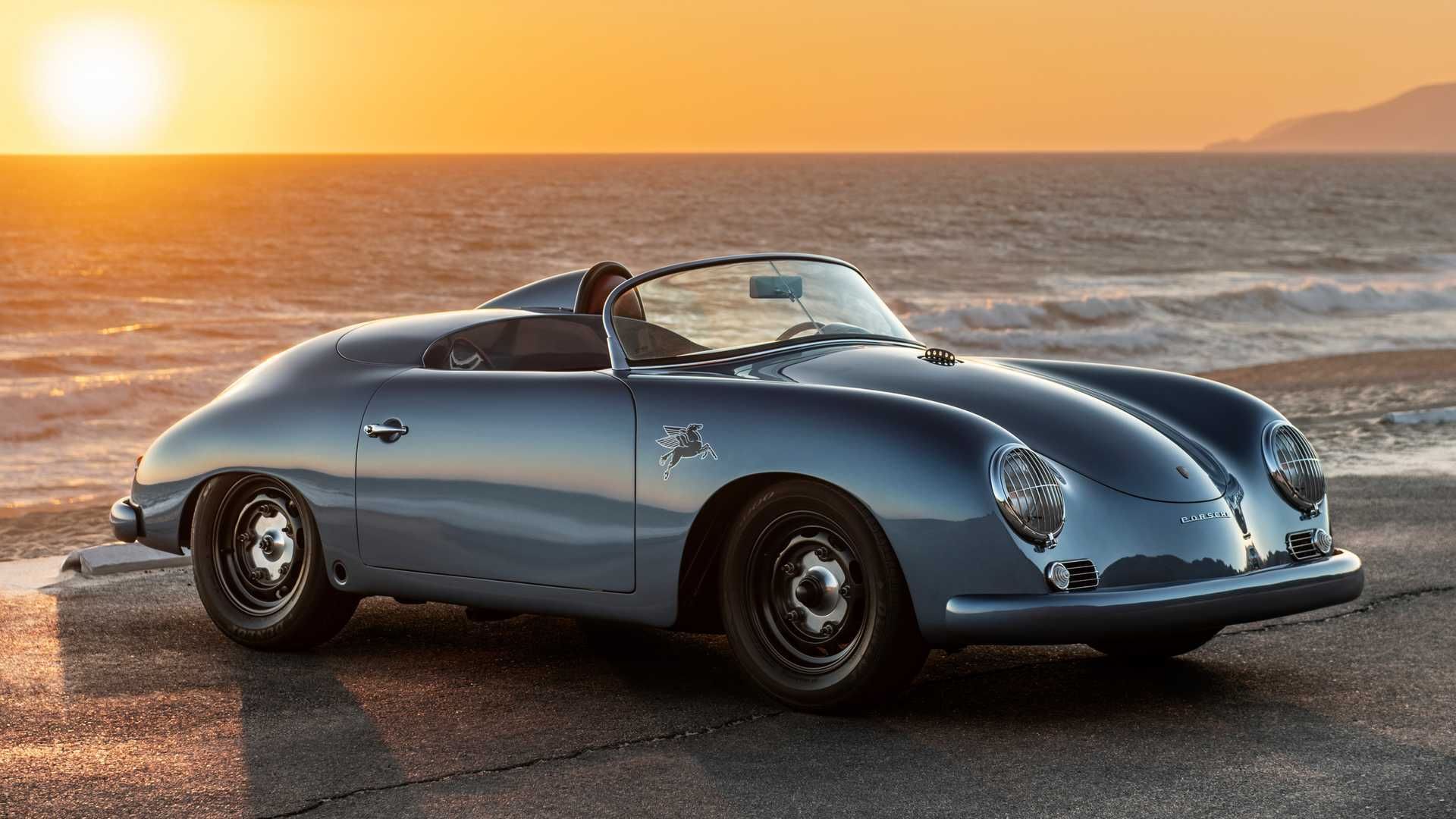
Porsche 356
The Porsche 356 marked the beginning of the company’s journey as a sports car manufacturer. Introduced in the late 1940s, it reflected Ferdinand Porsche’s belief in lightweight construction and mechanical simplicity. The car used modest power, yet delivered engaging performance due to its low mass and balanced layout. This approach would become a cornerstone of Porsche engineering philosophy.
Early versions of the 356 were hand built and produced in small numbers. Despite limited resources, the car quickly proved itself in competition. Success in endurance racing and rally events demonstrated that intelligent design could overcome power disadvantages. These achievements helped establish Porsche’s credibility on an international stage.
The rear engine layout of the 356 influenced decades of Porsche design. While unconventional, it provided excellent traction and a distinctive driving character. Engineers gradually refined suspension and handling to tame the layout’s challenges. The willingness to commit to this configuration showed Porsche’s confidence in its engineering direction.
Beyond performance, the 356 introduced a design language that remains influential today. Its smooth curves and compact proportions emphasized function over decoration. The car avoided unnecessary ornamentation, focusing instead on aerodynamic efficiency. This clean aesthetic would become synonymous with the Porsche name.
Most importantly, the 356 set the foundation for everything that followed. It established Porsche as a manufacturer dedicated to sports cars rather than mass market transportation. The lessons learned during its development shaped future models both on road and track. Without the 356, Porsche’s later success would not have been possible.
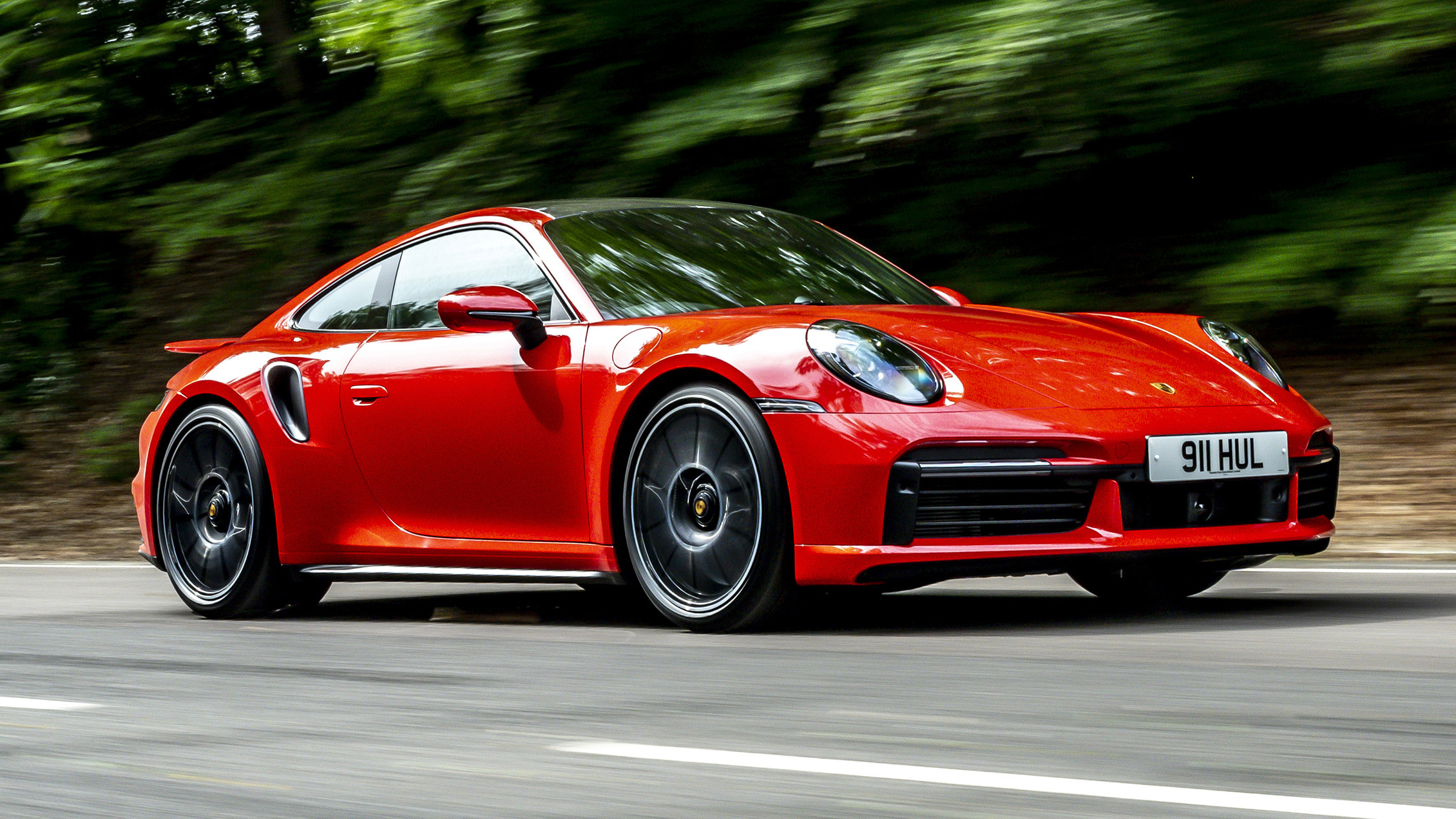
Porsche 911
The Porsche 911 is arguably the most important car in the brand’s history. Introduced in the 1960s, it refined the ideas of the 356 while introducing a more powerful six cylinder engine. The 911’s shape, with its sloping roofline and round headlights, became instantly recognizable. Over time, it evolved without losing its core identity.
The rear engine configuration remained controversial, yet Porsche committed to improving it rather than abandoning it. Continuous development transformed potential weaknesses into strengths. Improved suspension geometry and weight distribution enhanced stability and driver confidence. The result was a car that rewarded skill and precision.
Motorsport success played a critical role in the 911’s reputation. Variants of the car competed in endurance races, rallies, and touring car championships. Victories reinforced the idea that the 911 was more than a stylish road car. It was a serious performance machine capable of withstanding extreme conditions.
The 911 also demonstrated Porsche’s ability to adapt to changing regulations and customer expectations. Safety, emissions, and comfort standards evolved over decades, yet the 911 remained relevant. Each generation improved performance while preserving the driving experience that defined earlier versions.
Today, the 911 stands as a symbol of consistency and excellence. Few cars have remained in production for so long while maintaining such a clear identity. Its influence extends beyond Porsche, shaping how sports cars are designed and evaluated. The 911 did not just define a model line, it defined a philosophy.
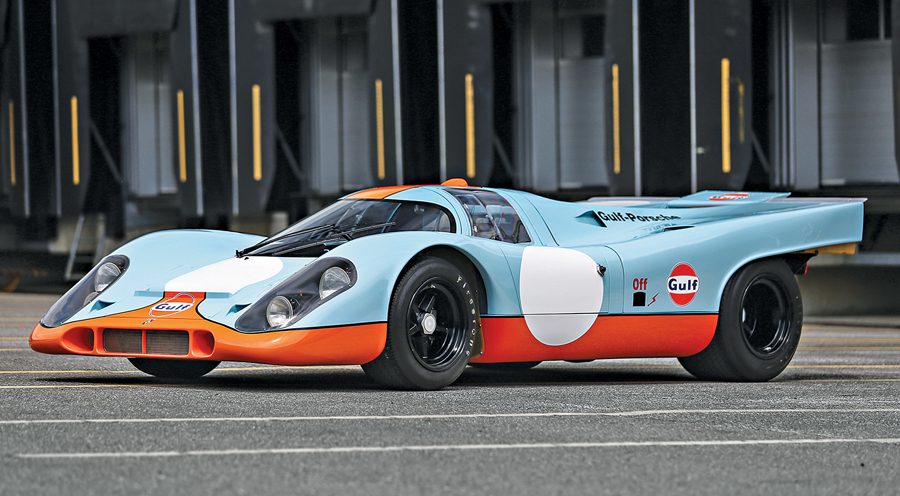
Porsche 917
The Porsche 917 represented a turning point in the company’s motorsport ambitions. Developed to compete in endurance racing, it showcased Porsche’s willingness to pursue outright victory. The car’s flat twelve engine delivered immense power for its time. Combined with lightweight construction, it became a dominant force on the track.
Early versions of the 917 were notoriously difficult to drive. High speeds and unstable aerodynamics challenged even experienced drivers. Porsche responded by refining the bodywork and chassis. These improvements transformed the car into a controllable yet brutally fast machine.
The 917 achieved legendary status through its success at the 24 Hours of Le Mans. Victories in this prestigious event validated Porsche’s engineering expertise. The wins also marked Porsche’s arrival as a top tier motorsport manufacturer. The company could now compete with and defeat established rivals.
Beyond racing results, the 917 influenced future Porsche road cars. Lessons in aerodynamics, materials, and engine design filtered into production models. The experience gained pushed Porsche’s technical capabilities forward. Motorsport once again served as a proving ground for innovation.
The cultural impact of the 917 extended beyond racing circles. Its dramatic appearance and performance captured the imagination of enthusiasts worldwide. Even decades later, it remains one of the most celebrated race cars ever built. The 917 cemented Porsche’s reputation for engineering excellence under pressure.
Porsche 914
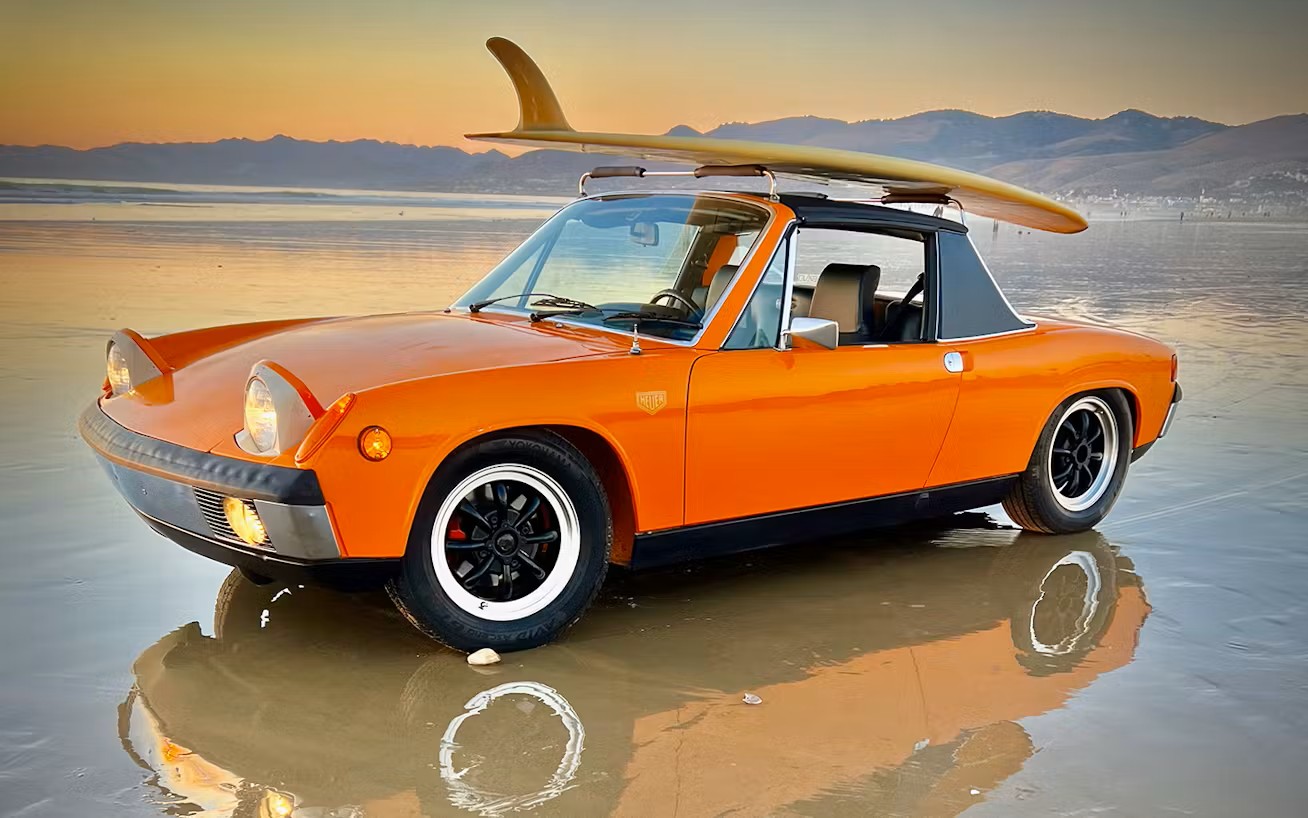
The Porsche 914 represented an effort to expand the brand’s reach while preserving its sports car identity. Developed as a joint project, it introduced a mid engine layout to Porsche’s lineup. This configuration offered balanced handling and predictable performance. It marked a departure from the traditional rear engine design.
Despite mixed reception at launch, the 914 proved capable on the road and track. Its lightweight chassis and responsive steering made it enjoyable to drive. Racing versions achieved success in various competitions. These results highlighted the potential of the mid engine platform.
The 914 played an important role in Porsche’s experimentation with layout and design. Engineers gained valuable experience with weight distribution and chassis tuning. This knowledge would later influence more advanced sports cars. The willingness to explore new ideas demonstrated Porsche’s adaptability.
Design wise, the 914 emphasized practicality and simplicity. Its removable roof panel added versatility without compromising structure. The interior focused on functionality rather than luxury. This approach aligned with Porsche’s performance oriented values.
Although often overshadowed by the 911, the 914 contributed meaningfully to Porsche’s development. It broadened the company’s technical understanding and customer base. Over time, its reputation has grown among enthusiasts. The 914 stands as a reminder that innovation sometimes requires risk.
Also Read: 10 V8 Vehicles That Cost the Least to Maintain
Porsche 959
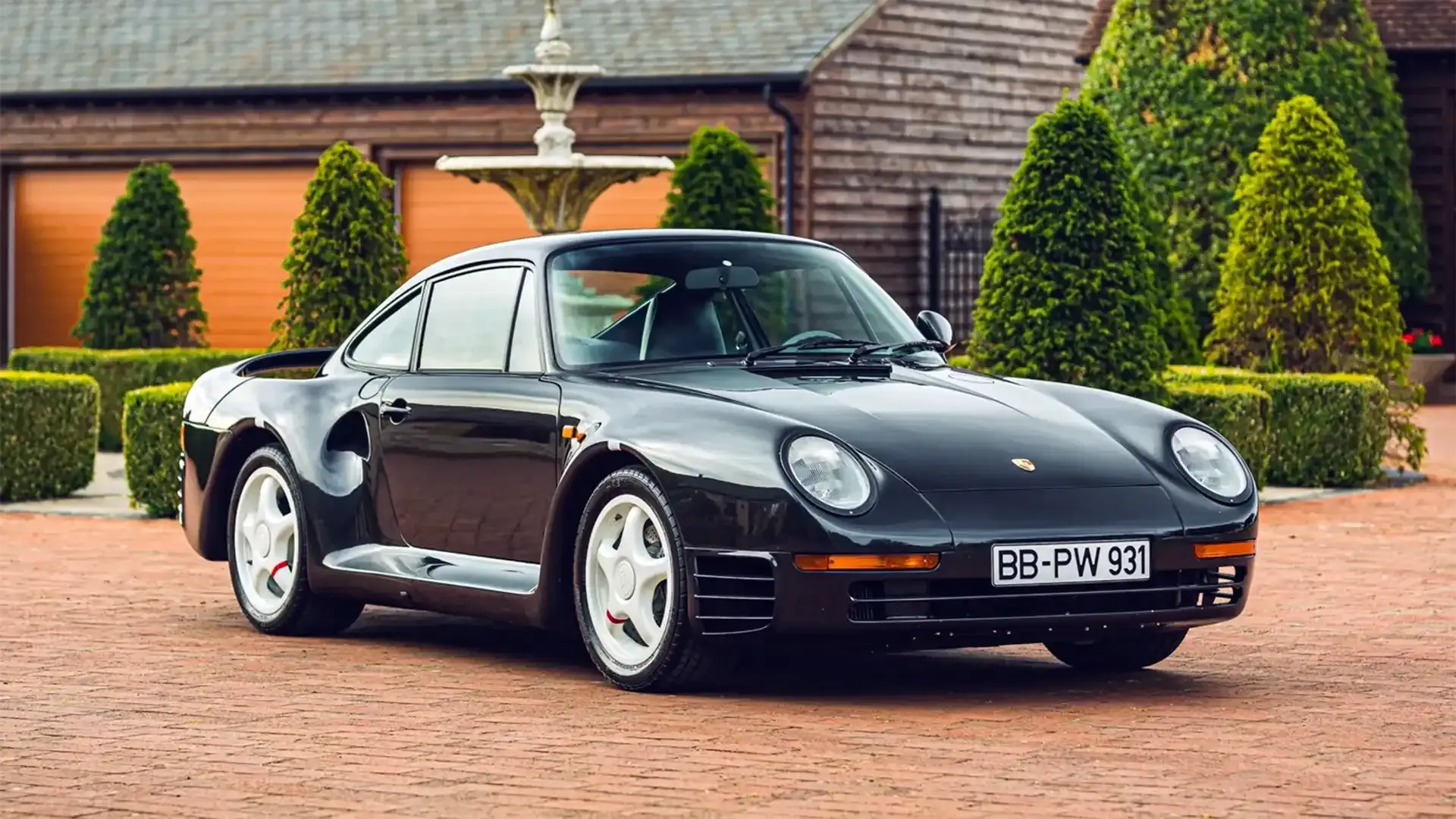
The Porsche 959 was a technological showcase unlike anything the company had produced before. Introduced during the 1980s, it combined advanced electronics with high performance engineering. All wheel drive, adjustable suspension, and turbocharging set new standards. The car demonstrated what was possible when technology met ambition.
Developed in part for competition, the 959 proved its capability in extreme environments. Success in endurance events validated its complex systems. These achievements showed that advanced technology could enhance reliability rather than compromise it. Porsche challenged assumptions about performance car design.
The 959’s engine delivered impressive power while maintaining drivability. Twin turbochargers provided smooth acceleration across the rev range. Engineers focused on balance rather than excess. This philosophy ensured the car remained usable despite its advanced nature.
Visually, the 959 blended familiar Porsche styling with functional enhancements. Integrated aerodynamics improved stability at high speeds. The design communicated purpose without sacrificing elegance. It looked advanced without appearing experimental.
The influence of the 959 extended far beyond its limited production numbers. Technologies introduced in the car became commonplace in later models. It reshaped expectations for what a sports car could be. The 959 stands as a milestone in Porsche’s technical evolution.
Porsche Carrera GT
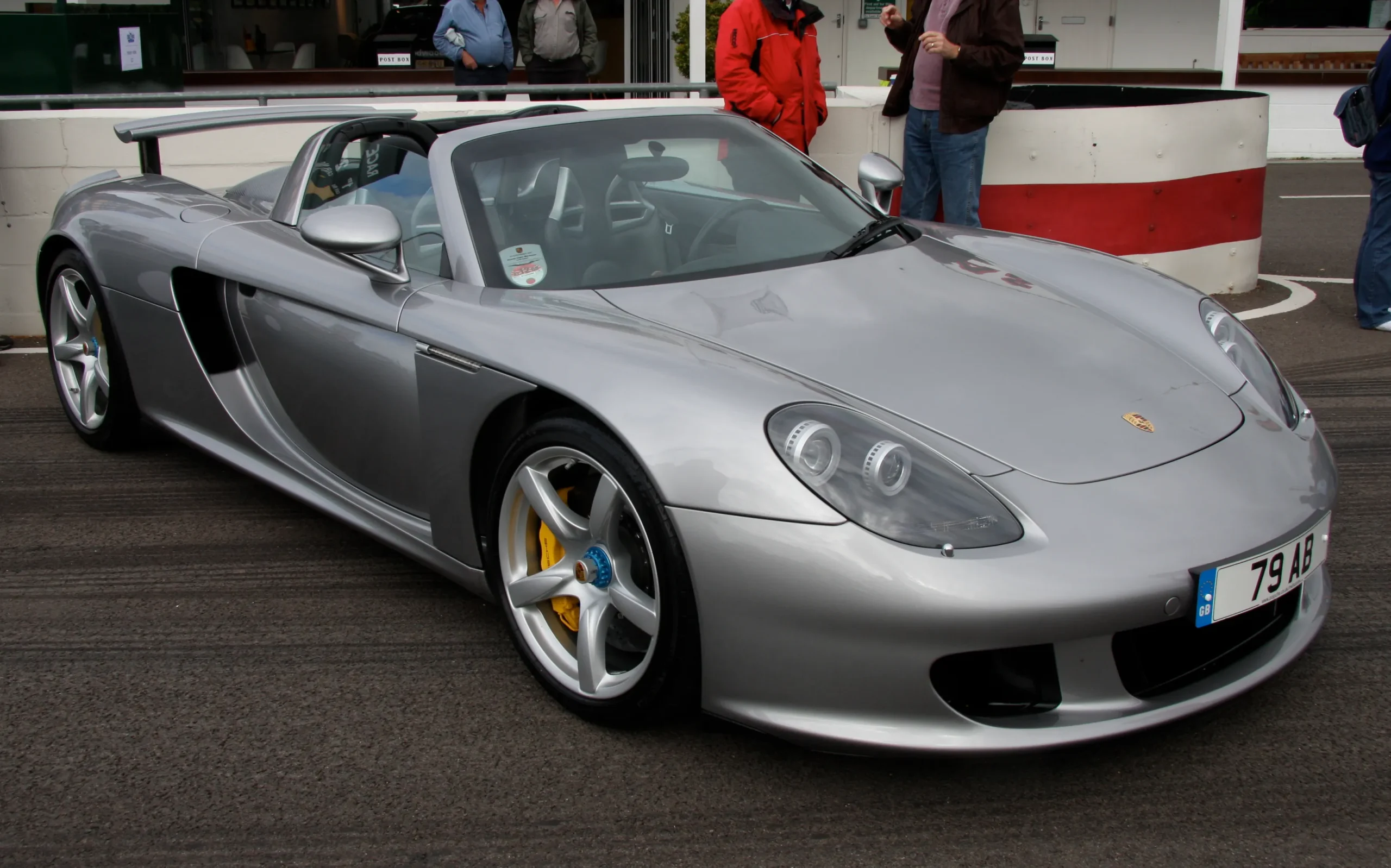
The Porsche Carrera GT represented a return to a more visceral driving experience. Powered by a naturally aspirated V10 engine, it delivered performance without artificial enhancement. The engine’s response and sound became defining characteristics. It appealed to drivers seeking purity over convenience.
Carbon fiber construction played a major role in the Carrera GT’s performance. Lightweight materials improved handling and braking. The car felt direct and demanding, requiring skill and attention. This approach aligned with Porsche’s belief in driver involvement.
The Carrera GT’s manual transmission reinforced its focus on engagement. At a time when automated systems were becoming common, Porsche chose a traditional setup. This decision emphasized control and connection. Drivers were expected to be active participants.
Design elements reflected both heritage and modern engineering. Clean lines and functional aerodynamics created a timeless appearance. The car avoided unnecessary complexity in its visual language. Everything served a purpose.
The Carrera GT remains one of Porsche’s most respected modern sports cars. Its uncompromising nature set it apart from contemporaries. Enthusiasts value it for its honesty and intensity. It represents a high point in analog performance.
Porsche Boxster
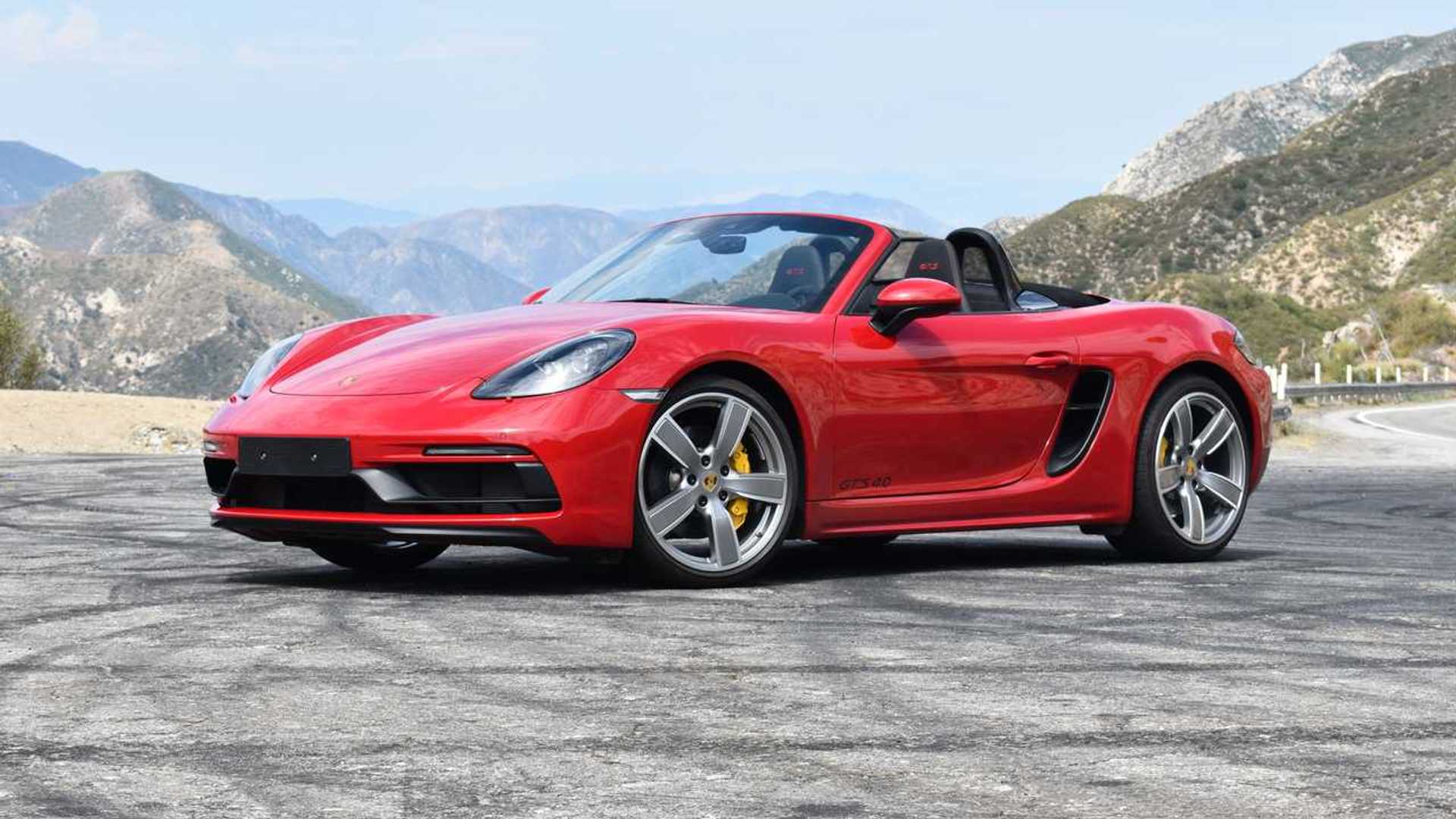
The Porsche Boxster marked a strategic shift for the company during the 1990s. Designed to be more accessible, it introduced a mid engine roadster format. Balanced handling and open top driving defined its character. The Boxster expanded Porsche’s appeal without diluting its identity.
From the beginning, the Boxster emphasized driving enjoyment over raw power. Precise steering and chassis balance made it engaging at legal speeds. This focus reinforced Porsche’s belief that performance is about feel as much as numbers. The car rewarded technique and confidence.
The Boxster also played a crucial role in Porsche’s financial stability. Its success helped fund future development and innovation. By attracting new customers, it strengthened the brand’s long term prospects. The model proved that accessibility and authenticity could coexist.
Design cues linked the Boxster to Porsche heritage. Its proportions and details echoed classic models. This connection ensured it felt like a true Porsche rather than a compromise. The visual continuity reinforced brand recognition.
Over multiple generations, the Boxster continued to evolve. Improvements in power, technology, and refinement enhanced its appeal. Yet its core philosophy remained intact. The Boxster demonstrated that Porsche could grow without losing focus.
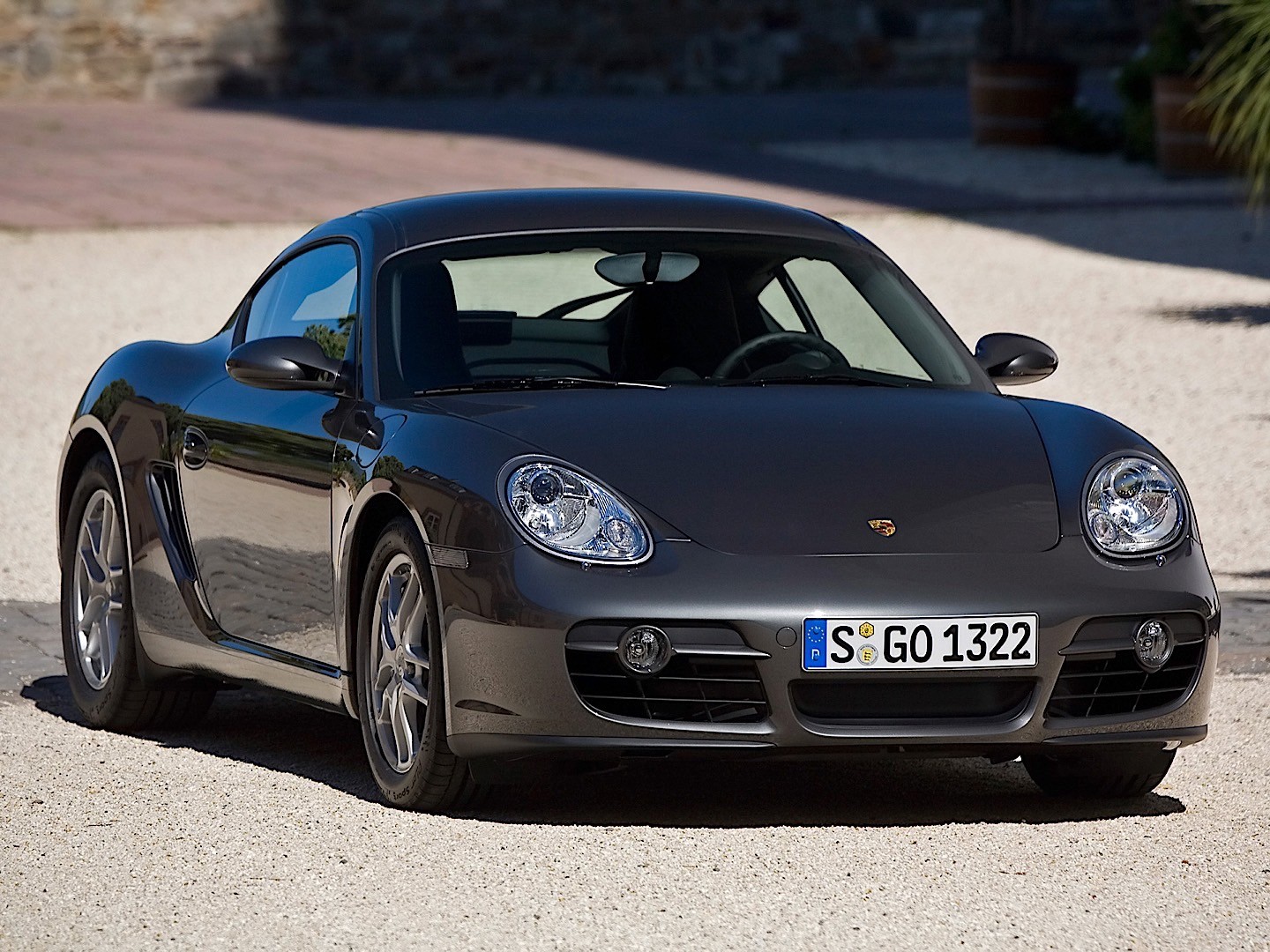
Porsche Cayman
The Porsche Cayman built upon the foundation established by the Boxster. As a fixed roof coupe, it offered increased rigidity and precision. The mid engine layout delivered exceptional balance. Many drivers praised its handling as among the best in the lineup.
From its introduction, the Cayman earned respect for its performance relative to cost. It delivered a driving experience that rivaled more expensive models. This value proposition attracted enthusiasts seeking purity. The car became known for its honesty and capability.
Engine placement allowed for neutral handling characteristics. Steering response and feedback were widely admired. The Cayman encouraged confidence through predictable behavior. It felt composed at both moderate and aggressive speeds.
Design improvements over time refined its appearance. The coupe profile emphasized athletic proportions. Aerodynamic efficiency enhanced stability. The Cayman looked purposeful without excess.
The Cayman’s success reinforced Porsche’s mastery of chassis engineering. It proved that excellence was not limited to flagship models. The car became a benchmark for mid engine sports cars. Its influence extended throughout the industry.
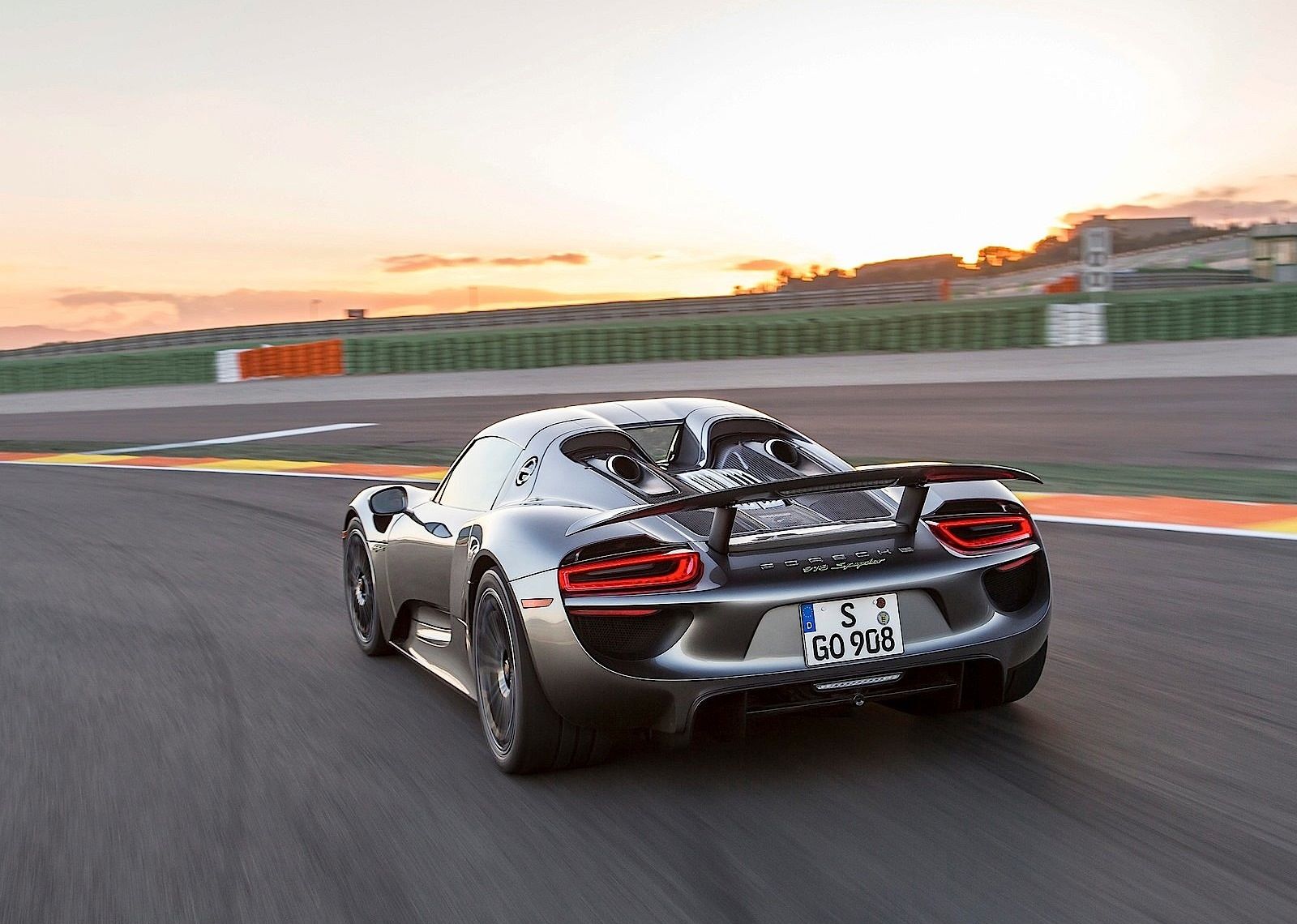
Porsche 918 Spyder
The Porsche 918 Spyder demonstrated how performance and electrification could coexist. Combining a high revving engine with electric motors, it delivered extraordinary output. The hybrid system enhanced acceleration and efficiency. This approach challenged traditional views of performance cars.
Advanced materials and aerodynamics played key roles in the 918’s design. Carbon fiber construction reduced weight while increasing rigidity. Active aerodynamic elements adapted to driving conditions. These technologies worked together seamlessly.
The 918 offered multiple driving modes, allowing adaptability. Drivers could choose efficiency or maximum performance. This versatility expanded the definition of a sports car. It showed that technology could enhance rather than replace driver involvement.
On track, the 918 proved its capabilities with record setting performance. Its handling and braking matched its straight line speed. The car felt composed under extreme conditions. Porsche demonstrated mastery of complex systems.
The legacy of the 918 extends into Porsche’s future direction. It established a blueprint for integrating electrification into performance models. The car balanced innovation with tradition. It stands as a statement of technical confidence.
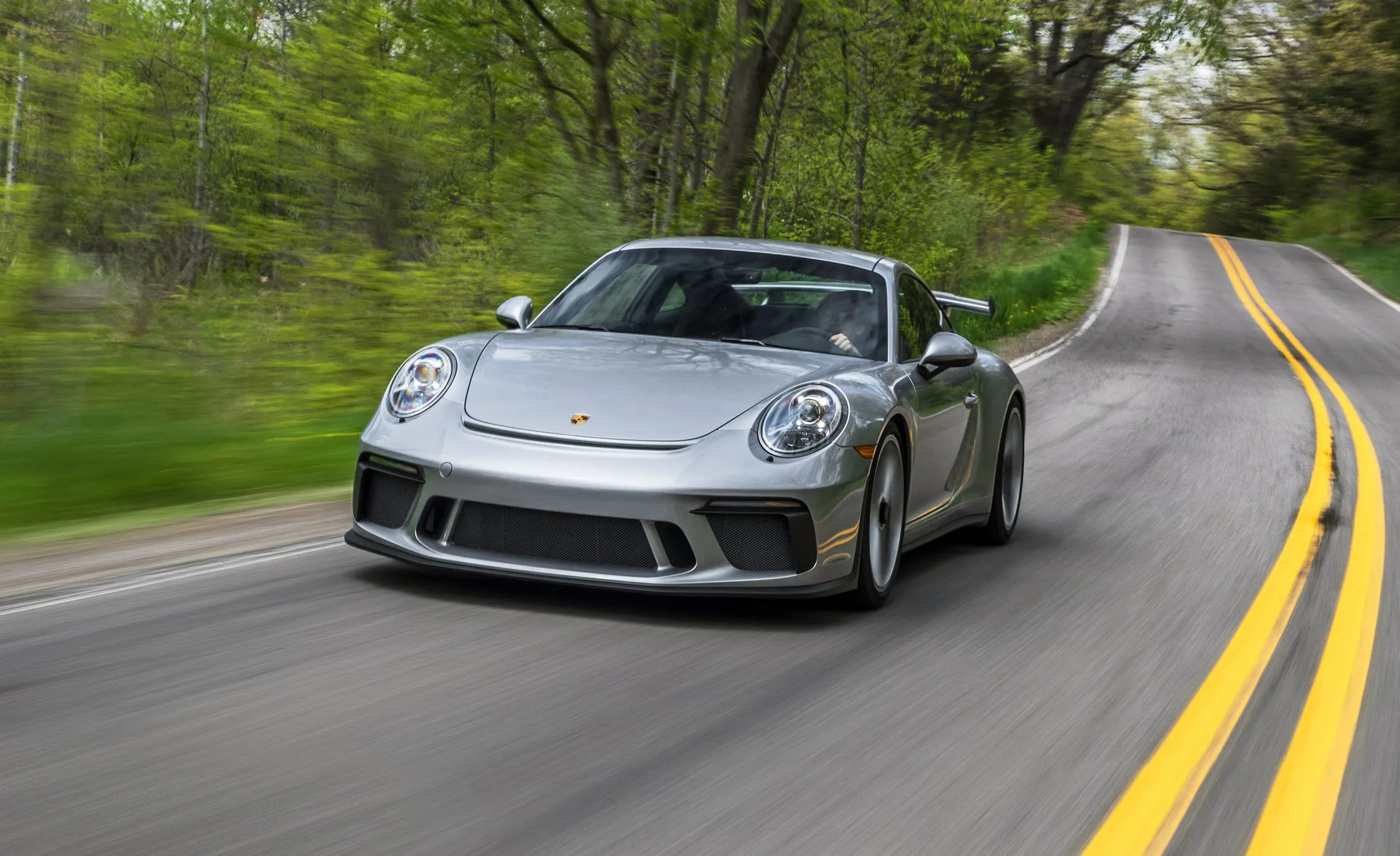
Porsche 911 GT3
The Porsche 911 GT3 represents the purest expression of the 911 concept. Designed with track performance in mind, it emphasizes precision and feedback. A naturally aspirated engine delivers linear power. The car rewards skill and commitment.
Weight reduction and suspension tuning define the GT3 experience. Every component serves performance. Engineers focused on responsiveness rather than comfort. The result is a machine that feels alive in the driver’s hands.
Despite its track focus, the GT3 remains road usable. This dual purpose reflects Porsche’s philosophy. Drivers can enjoy the car in multiple environments. The balance between extremes sets it apart.
Aerodynamic enhancements improve stability without overwhelming the design. Visual elements communicate function clearly. The car looks purposeful and disciplined. Nothing feels unnecessary.
The GT3 has become a benchmark for driver focused sports cars. It represents decades of refinement. By staying true to core values, Porsche created a modern classic. The GT3 continues to strengthen the brand’s legacy.