British sports cars have long stood as symbols of craftsmanship, ambition, and mechanical personality. They reflect a culture that values balance over brute force and character over excess.
From winding country roads to international racing circuits, these machines shaped reputations. Their influence continues through design language, engineering philosophy, and driving emotion.
What makes British sports cars special is not just speed or appearance alone. It is the way these vehicles communicate with the driver through sound and response.
They often feel alive in motion, encouraging skill and engagement rather than raw aggression. This relationship between driver and machine became a defining trait.
Throughout decades of automotive change, British manufacturers faced challenges and reinvention. Limited budgets often demanded clever engineering rather than overwhelming power.
That limitation produced lightweight designs and focused performance approaches.
Many of the most admired sports cars were born from this necessity.
Racing success played a crucial role in shaping the reputation of these vehicles. Victories on famous tracks translated into credibility on public roads.
British brands used motorsport as a testing ground for innovation. Lessons learned under pressure filtered directly into production models.
These sports cars also became cultural symbols far beyond performance numbers. They appeared in films, literature, and popular imagination worldwide.
Ownership often represented individuality and taste rather than status alone. That emotional connection helped cement their long-term influence.
The following ten cars stand as milestones within British automotive history. Each one contributed something distinct to the sports car narrative.
Their impact can be measured in inspiration, imitation, and enduring admiration. Together, they form a legacy that continues to shape expectations today.
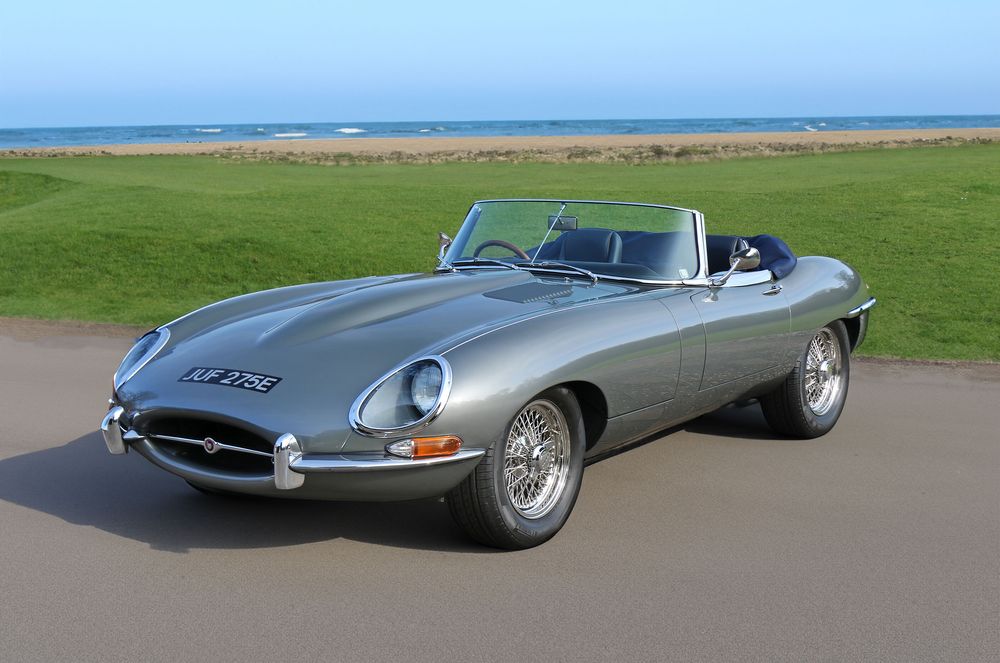
The Jaguar E Type arrived as a bold statement of beauty and capability. Its long bonnet and flowing lines captured attention instantly, making it almost impossible to ignore on the road.
Design and aerodynamics worked together rather than competing, creating a visual harmony that suggested speed even at a standstill.
Few cars before it balanced elegance and aggression so naturally, giving drivers both pride and exhilaration.
Performance matched its appearance in a way that surprised many rivals of the time. It offered speed that challenged far more expensive machines, proving that British engineering could compete globally.
Acceleration and handling were delivered in a smooth and controlled manner, allowing the driver to feel every subtle response. This combination made high-level performance accessible to a wider audience without compromising style or comfort.
Behind the wheel, the E Type delivered a refined yet thrilling experience that engaged all senses. Steering felt direct without being harsh, giving feedback without overwhelming the driver.
The engine provided smooth power rather than violent delivery, blending strength with grace. Every journey felt connected, as if the car responded intuitively to the driver’s intentions.
Racing pedigree strengthened the model’s reputation across continents, reinforcing Jaguar’s status as a performance leader. Its success built upon earlier competition achievements, proving reliability under pressure and speed in challenging conditions.
Engineering decisions were influenced by lessons from endurance racing, ensuring every component served a purpose. This heritage added authenticity to its road presence, combining sophistication with proven capability.
Even decades later, the E Type remains a reference point for design, influencing generations of automotive creators. Many modern cars echo its proportions and philosophy, borrowing its low-slung stance and balanced curves.
It is often cited as one of the most beautiful vehicles ever made, admired by enthusiasts and designers alike. Its lasting mark is both visual and emotional, leaving a legacy that extends far beyond the car itself.

Aston Martin DB5
The Aston Martin DB5 became an icon beyond the automotive sphere, merging performance with luxury in perfect measure. Its association with cinema elevated it into global recognition, instantly linking it to sophistication and elegance.
Every curve of the body was sculpted to convey poise and confidence, while aerodynamic subtlety enhanced both speed and aesthetic appeal. It represented British luxury with a sporting soul, appealing to drivers who valued refinement as much as excitement.
Underneath its refined exterior lay serious performance capability that few competitors could match. The engine delivered smooth, strong power with effortless authority, making both highway cruising and spirited driving equally satisfying.
Long distance comfort did not compromise driving excitement, as the chassis was tuned for responsiveness as well as stability. It was built for both speed and grace, demonstrating that elegance and performance could coexist seamlessly.
Interior craftsmanship emphasized quality and attention to detail that defined Aston Martin as a premium brand. Materials were chosen for tactile feel as much as visual appeal, creating an environment of understated luxury.
The cabin created a sense of occasion for occupants, making even routine journeys feel special. Every feature reflected thoughtfulness and style, reinforcing the car’s prestigious character.
The DB5 helped establish Aston Martin as a global leader in high-end sports cars, bridging the gap between racing heritage and roadgoing elegance. It combined practical usability with performance pedigree, allowing drivers to enjoy daily driving without sacrificing capability.
Its influence guided future model development, ensuring design and engineering philosophies remained consistent. Brand consistency was strengthened through its success, creating a benchmark for British grand touring cars.
Today, the DB5 stands as a symbol of timeless appeal, representing more than just performance or beauty. Collectors prize it for history as much as engineering, and it continues to captivate automotive enthusiasts worldwide.
Its image remains instantly recognizable, blending sophistication with subtle aggression.
Few cars have shaped a brand so completely, leaving a lasting impression across generations.
Lotus Elan
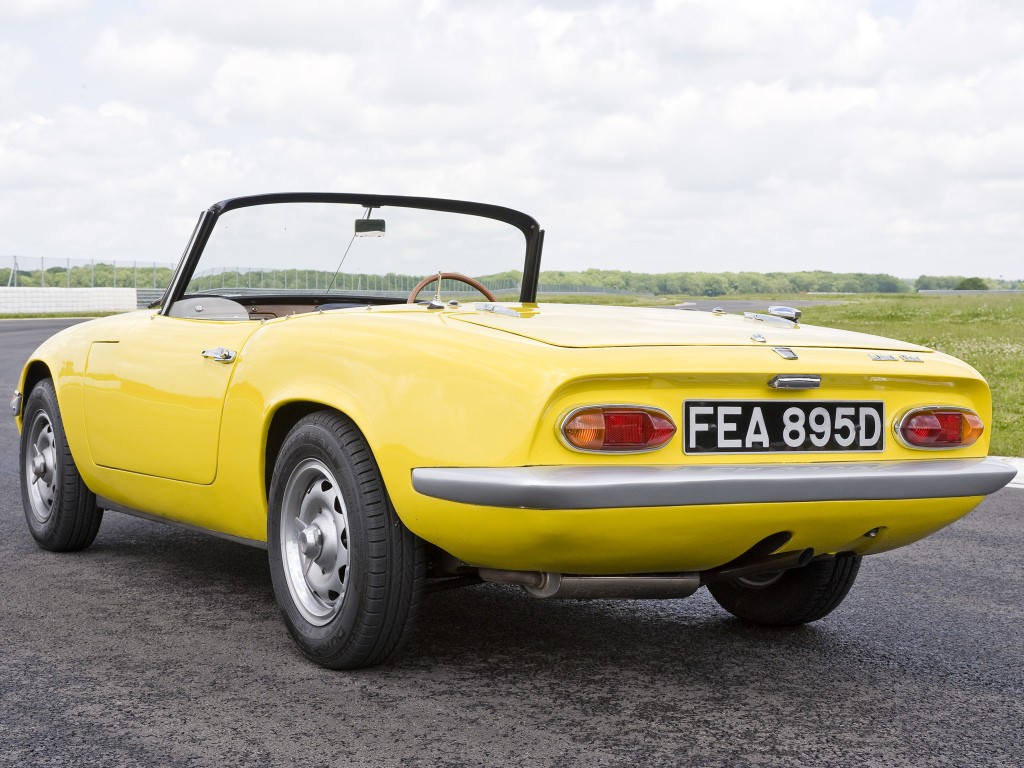
The Lotus Elan demonstrated the power of lightweight philosophy, proving that agility could surpass raw horsepower. Rather than chasing engine size or brute force, it focused on balance, handling, and driver connection, creating a car that felt alive.
This approach transformed driving dynamics, encouraging skillful handling over aggressive acceleration alone. It redefined what a sports car could feel like, setting a standard for responsive, engaging vehicles.
Chassis tuning allowed the Elan to corner with remarkable precision, giving confidence at every turn. Suspension design delivered grip without sacrificing comfort, maintaining composure even on uneven roads.
Every component served a clear purpose, with minimal excess weight or unnecessary complexity. The car’s structure and geometry worked in harmony to enhance predictability and responsiveness.
The engine complemented the car’s agile nature perfectly, providing enough power to feel thrilling without overwhelming the lightweight chassis. Power delivery was smooth, immediate, and responsive, rewarding careful inputs and making acceleration feel connected to the driver’s actions.
Drivers experienced a direct link between control and response, which became the defining characteristic of the model. The Elan rewarded skill and attention, emphasizing enjoyment over raw numbers.
Racing success reinforced the Elan’s technical credibility, demonstrating that clever engineering could outperform heavier rivals. Its design principles influenced competitors throughout Europe, inspiring similar lightweight and balanced sports cars.
Many engineers studied its layout closely, recognizing the value of weight distribution and nimble handling. The Elan quietly reshaped sports car engineering standards, leaving lessons that persisted long after production ended.
The Elan’s legacy lives on through countless modern designs that prioritize driver engagement. Lightweight construction became a respected philosophy, influencing both British and international manufacturers.
Its influence extends far beyond its production years, showing that performance can be achieved without extravagance. It remains a benchmark for handling excellence and driving enjoyment worldwide.

Mini Cooper S
The Mini Cooper S challenged conventional ideas of performance, proving that small cars could dominate both roads and racetracks. Its compact size masked serious competitive ability, surprising rivals in rally and circuit competitions alike.
Agility became its greatest weapon, allowing it to excel in tight corners where larger cars struggled. It proved that intelligent design could overcome limitations of scale and power, redefining expectations.
Handling was the defining characteristic of the Cooper S, with nimble responses and razor-sharp turning ability. Short wheelbase and low weight created immediate and precise reactions, rewarding attentive drivers.
Every corner became an opportunity to exploit its clever engineering, giving an addictive sense of control. The connection between road and driver felt almost telepathic, creating a uniquely rewarding driving experience.
Motorsport success elevated the Mini’s reputation worldwide, as it took on far larger competitors and often emerged victorious. Its rally victories and racing achievements validated its design philosophy, proving that compactness and clever engineering could achieve dominance.
These successes also reshaped public perception, turning the Mini from a city car into a performance legend. It became a symbol of ingenuity and determination, admired across continents.
Interior simplicity focused attention on driving rather than luxury, reinforcing the car’s purposeful nature. Controls were straightforward, intuitive, and within easy reach, allowing concentration on performance.
This reinforced the character of the car, emphasizing skill over gadgets or artificial assistance. Form and function combined seamlessly to create a focused, minimalist sports experience.
The Cooper S influenced generations of compact performance cars, setting a precedent that small size could be advantageous. Its spirit continues in modern interpretations of the hatchback and small sports segments.
It remains a symbol of clever engineering triumph, demonstrating that fun and effectiveness are not dependent on size. Few cars changed expectations so completely, leaving an enduring mark in automotive history.
Jaguar XK120
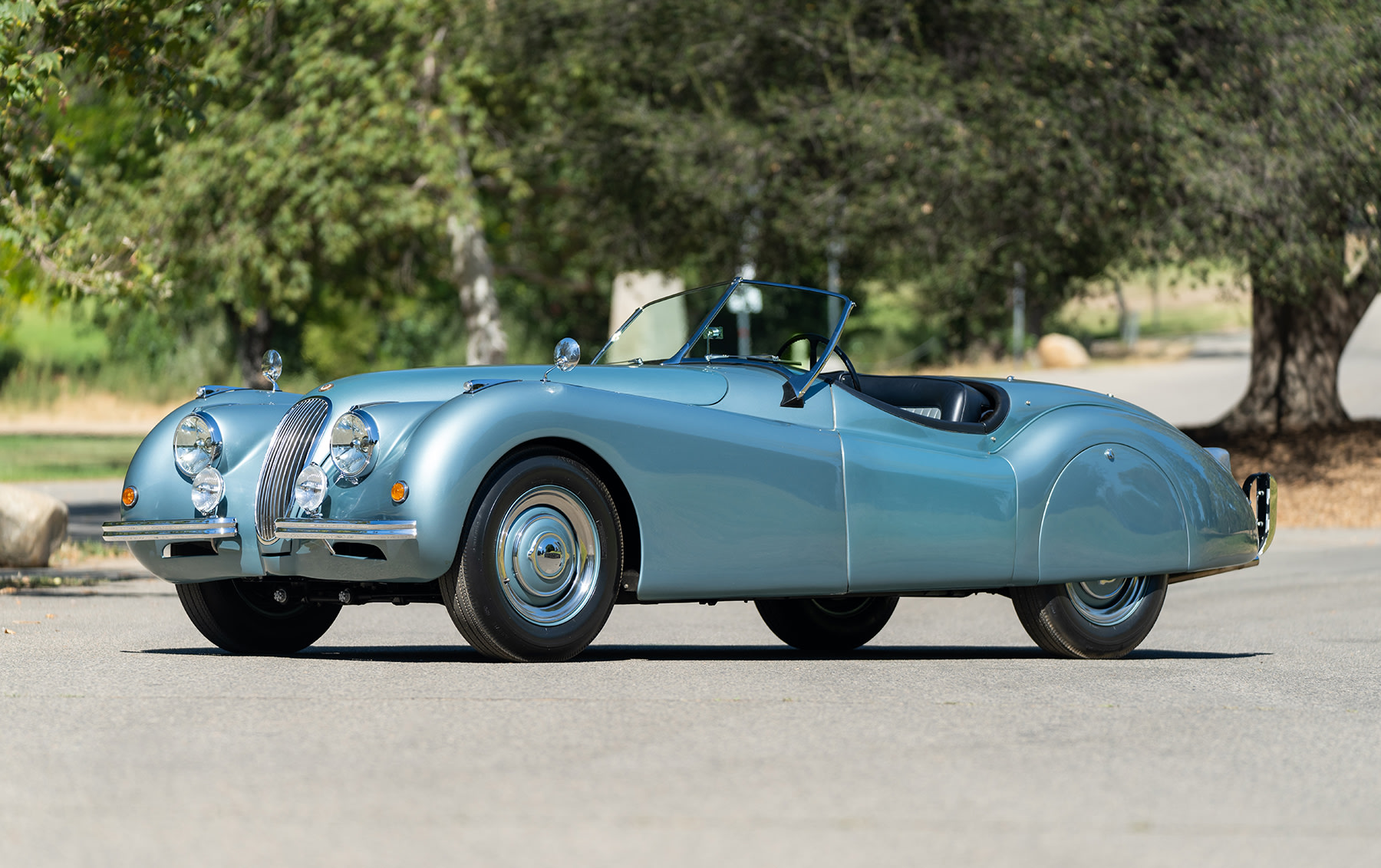
The Jaguar XK120 arrived as a statement of speed, performance, and sophistication during a period of automotive transition. At launch, it was one of the fastest production cars in the world, immediately capturing attention and admiration.
Its sleek and flowing design suggested motion even while stationary, making it visually exciting as well as mechanically impressive. Performance credibility became undeniable, establishing Jaguar as a leading manufacturer of high-quality sports cars.
Design emphasized flowing curves and aerodynamic efficiency, merging form with function elegantly. It looked fast even when parked, with lines that directed airflow and added visual dynamism.
The visual language communicated purpose clearly, combining simplicity with sophistication. Beauty and function aligned seamlessly, establishing a design benchmark for years to come.
Mechanical reliability supported its high-speed ambitions, giving owners confidence for long journeys or spirited drives. The engine proved durable under demanding conditions, showcasing Jaguar’s attention to quality and engineering.
Long distance events highlighted the car’s stamina, proving that performance need not compromise reliability. Driver confidence increased with every mile, reinforcing its reputation for both speed and durability.
Racing participation further enhanced its reputation, demonstrating capabilities in competitive environments. Success in endurance events validated engineering choices, proving that the XK120 could perform under extreme conditions.
Lessons from competition filtered back into production models, improving reliability, handling, and power delivery. This feedback loop strengthened the brand, connecting road cars with motorsport excellence.
The XK120 set the stage for future Jaguar sports cars, influencing models for decades.
It established expectations for speed, handling, and style that became a reference for both drivers and designers.
Its influence extended well beyond its production run, shaping the identity of the marque.
Legacy remains firmly intact, marking it as one of the most significant British sports cars ever created.
Also Read: 10 V8 Vehicles That Cost the Least to Maintain
Aston Martin V8 Vantage
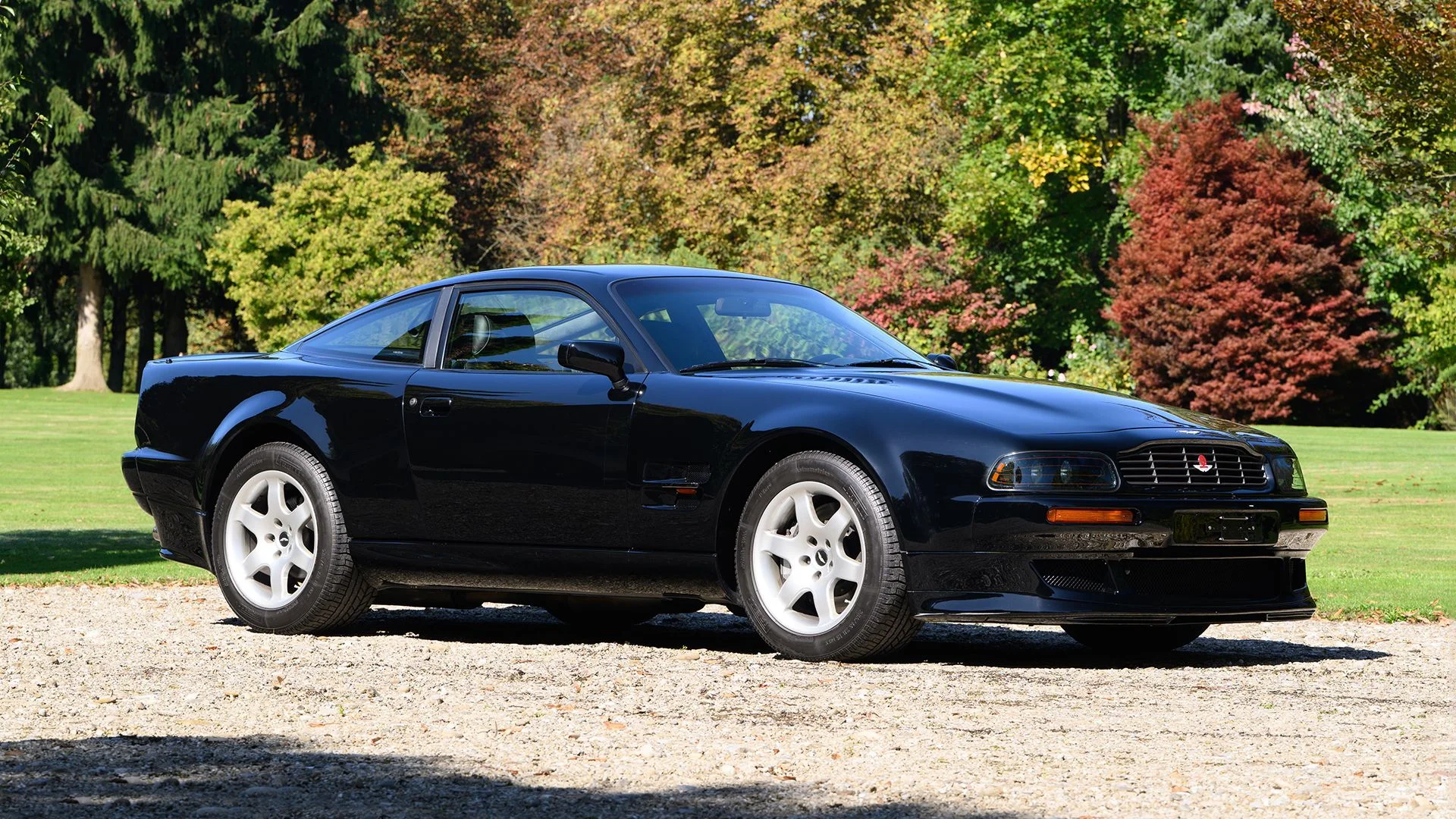
The Aston Martin V8 Vantage represented a shift toward muscular performance, blending raw power with refined design.
Its compact proportions housed a potent V8 engine, creating a combination of agility and strength that demanded attention.
The car’s presence conveyed confidence, with subtle curves enhancing aerodynamics while retaining an elegant silhouette. This balance of aggression and sophistication defined the model as both a grand tourer and a high-performance machine.
Engine performance was the centerpiece of the V8 Vantage, offering immediate response and exhilarating acceleration. Torque delivery was strong and linear, allowing drivers to exploit power without feeling overwhelmed.
Every press of the throttle felt connected to the car’s motion, creating an intimate relationship between driver and machine. The engine’s voice added emotional resonance, amplifying excitement without sacrificing control.
Chassis tuning ensured that the Vantage could handle spirited driving with composure and poise. Suspension geometry and weight distribution allowed confident cornering, blending stability with dynamic responsiveness.
Grip was precise, and the balance between front and rear end made high-speed handling predictable and engaging. This attention to detail reinforced Aston Martin’s reputation for building cars that rewarded skilled driving.
Interior design blended luxury with sporting focus, highlighting comfort without diminishing driver involvement. Materials were premium yet purposeful, with each control positioned for intuitive operation during dynamic maneuvers.
Seating provided both support and elegance, making long drives enjoyable while maintaining engagement. This combination of comfort and performance created a holistic driving experience that few competitors could match.
The V8 Vantage helped modernize the Aston Martin image, appealing to both traditional enthusiasts and a younger audience. It demonstrated that British engineering could combine power, refinement, and reliability in a single package.
Global recognition grew as the car cemented Aston Martin’s reputation as a maker of desirable, capable sports cars. Its influence continues to shape contemporary high-performance British vehicles, leaving a lasting mark on the marque.
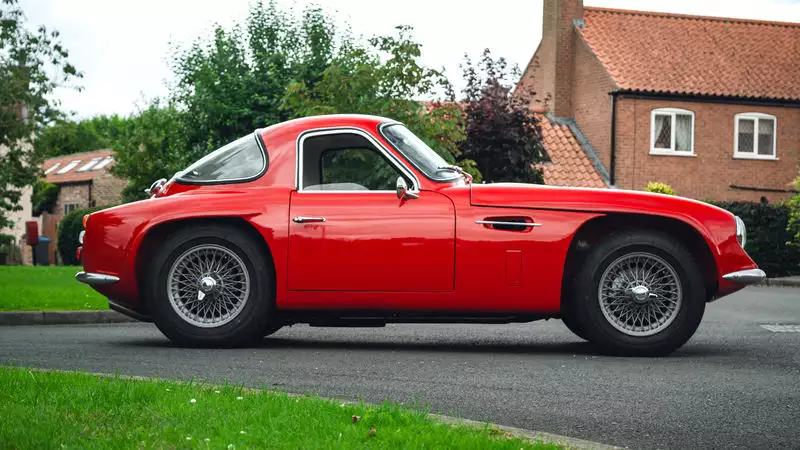
TVR Griffith
The TVR Griffith embraced raw driving excitement, focusing on unfiltered performance rather than luxury or comfort. Its design conveyed a sense of urgency, with sharp edges and aggressive stance reflecting the mechanical character within.
Every component prioritized driver engagement, emphasizing thrill and skill over convenience or restraint. This honesty and intensity defined the Griffith as a car for purists seeking emotion above all else.
Power delivery was aggressive and immediate, requiring respect and precision from the driver. The engine responded instantly to inputs, creating a visceral connection that left no room for hesitation.
Acceleration was dramatic, rewarding careful throttle control while punishing recklessness.
This intensity contributed to the Griffith’s reputation as a car that demanded commitment.
Lightweight construction amplified the car’s dynamic impact, enhancing responsiveness and agility. Minimal electronic intervention kept control firmly in human hands, allowing drivers to explore the car’s full potential.
Suspension and steering tuned for performance reinforced the sense of connectedness between road and driver. The Griffith delivered a raw and authentic experience that few vehicles dared to offer.
Design reflected the car’s uncompromising nature, merging bold styling with functional intent. The exterior lines suggested speed and aggression, while the interior emphasized utility for spirited driving.
Every visual element reinforced the performance-driven philosophy of the car. It made a strong impression at first sight, communicating purpose without apology.
The Griffith earned a loyal following through its personality alone, appealing to enthusiasts who valued engagement over polish. It represented freedom from convention, offering an alternative to more refined sports cars.
Its legacy lies in the emotional connection it creates rather than numerical achievements.
Few cars manage to feel so unapologetically alive on the road as the TVR Griffith.
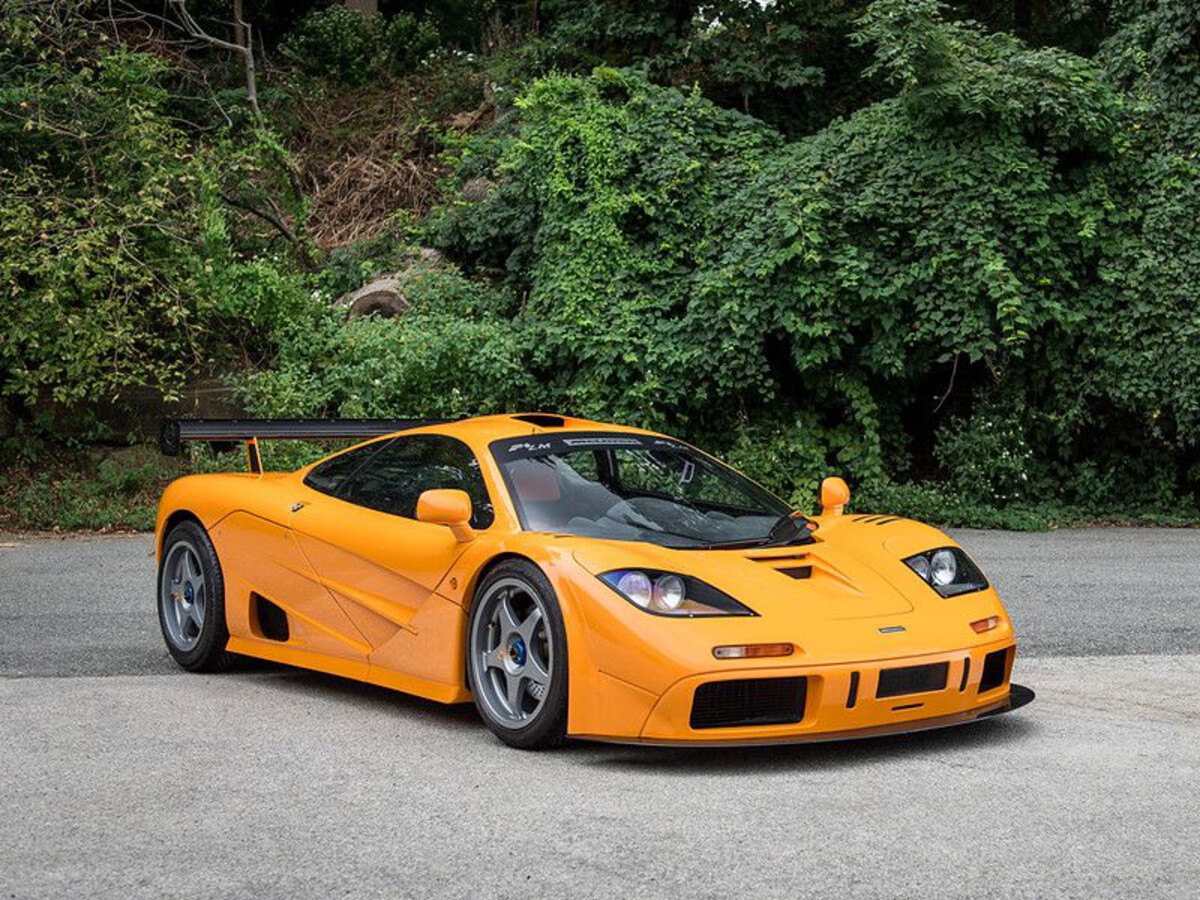
McLaren F1
The McLaren F1 redefined what a road car could achieve, setting new standards for speed, engineering, and innovation. Every design decision focused on performance and driver experience rather than marketing or compromise.
It was engineered to maximize both power and handling, creating a vehicle that felt like a race car for the road. Ambition and precision defined the F1, making it an instant legend upon release.
The central driving position transformed the relationship between driver and car, offering unparalleled visibility and balance. Seating was ergonomically designed to center the driver, enhancing control and awareness at high speeds.
This layout emphasized engagement and precision, putting the driver at the heart of every decision. It was a design choice that combined practicality with a racing-inspired philosophy.
Performance figures surpassed expectations globally, establishing new benchmarks for acceleration and top speed. Despite extreme power, the car remained surprisingly usable for long journeys and regular road conditions.
Engineering discipline allowed speed to coexist with reliability, creating a vehicle that could dominate circuits or highways. Every metric and test result reinforced the F1’s status as a revolutionary achievement in automotive design.
Materials and construction pushed boundaries, with lightweight composites reducing mass while maintaining strength and safety. Every panel and component was optimized for performance, contributing to a precise and balanced package.
The car’s engineering reflected a willingness to challenge norms and explore innovative solutions. Attention to detail was extreme, ensuring that nothing compromised its exceptional capabilities.
The F1’s influence remains unmatched in automotive history, inspiring decades of high-performance vehicles. It demonstrated that engineering excellence could exceed expectation and reshape the market.
Designers and manufacturers continue to reference its achievements, using it as a benchmark for performance and precision. Its mark on the industry is permanent, securing its place among the greatest sports cars ever built.
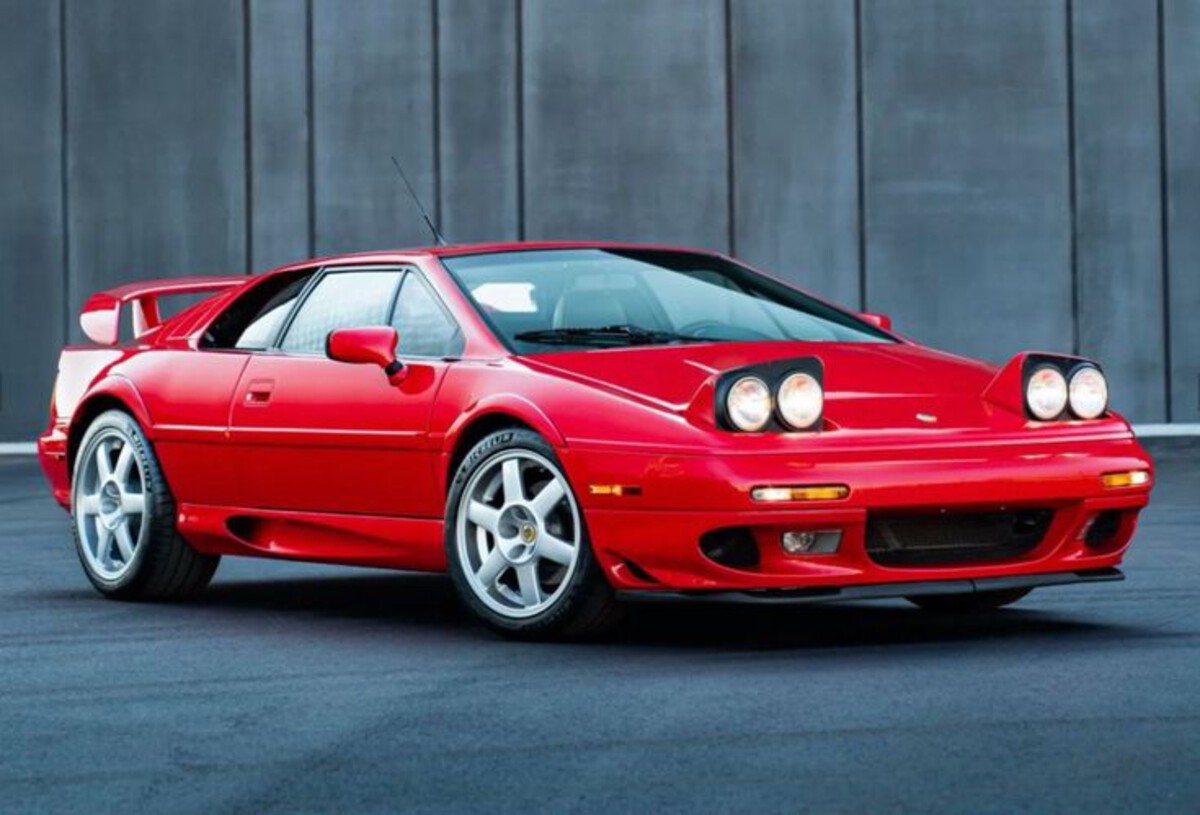
Lotus Esprit
The Lotus Esprit blended exotic appearance with clever engineering, creating a car that was as striking as it was capable. Its angular, futuristic design set it apart from traditional sports cars, giving it a distinctive identity.
Visual impact combined with performance purpose, ensuring that aesthetics and function worked in harmony. The Esprit became a symbol of Lotus’ innovation and dedication to creating unique, engaging vehicles.
The mid-engine layout significantly improved balance and handling, providing predictable responses during spirited driving. Weight distribution optimized traction and cornering, enhancing driver confidence on winding roads.
Every turn showcased the car’s agility, with a chassis that encouraged exploration of its limits. This dynamic capability made the Esprit a true driver’s car, rewarding skill and precision.
Engine choices evolved over the years, with each iteration refining power delivery and responsiveness. Turbocharged options increased performance while maintaining control and predictability.
The Esprit’s mechanical refinement ensured that handling remained precise, even as engine output grew. Power complemented balance rather than overpowering it, creating a harmonious driving experience.
Cultural recognition elevated the Esprit beyond automotive circles, appearing in films and media worldwide. Its striking design made it instantly recognizable, symbolizing exotic performance and British engineering creativity.
Public fascination with the model extended beyond enthusiasts to general audiences, increasing its iconic status. This visibility helped cement its place in sports car history.
The Esprit’s influence persists in modern sports car design, demonstrating the value of lightweight engineering and balanced performance. Engineering principles from the Esprit remain relevant for contemporary vehicles seeking agility and driver engagement.
It demonstrated that exotic appeal could coexist with precision and control, inspiring generations of designers. Legacy endures strongly, making the Lotus Esprit a benchmark for style, engineering, and excitement.
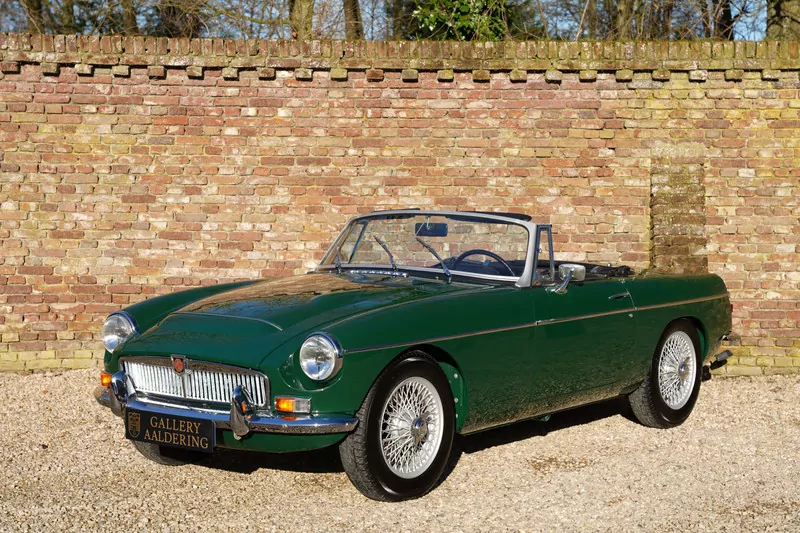
MG B
The MG B made sports car ownership approachable, combining affordability with genuine enjoyment and style. It brought the thrill of open-top motoring to a broad audience, creating a sense of connection that few cars could match.
Its classic British proportions, combined with lightweight construction, ensured responsive and engaging handling. The MG B demonstrated that driving pleasure did not require excessive horsepower or extravagant luxury.
Driving dynamics favored simplicity and involvement, allowing drivers to feel in control at all times. Manual steering, responsive brakes, and straightforward controls ensured that driver skill determined performance.
The car delivered honest feedback, reinforcing a pure connection between driver and machine. This focus on clarity and precision made every drive memorable, emphasizing engagement over technology.
Design emphasized classic proportions and practicality, with lines that were timeless yet functional. It was suitable for everyday use as well as spirited weekend drives, combining charm with versatility.
Convertible options increased its appeal, allowing drivers to enjoy British motoring culture fully. Owners formed emotional connections, ensuring loyalty and admiration long after production ended.
Motorsport participation reinforced the MG B’s sporting credentials, showing that a modest car could achieve success. Club racing communities flourished, supporting enthusiast culture and sharing knowledge about maintenance and performance.
This network enhanced the car’s appeal and longevity, creating a sense of community around ownership. Enthusiast culture became a defining feature, further cementing the MG B’s legacy.
The MG B remains one of the most influential British sports cars, inspiring accessible motoring for generations. Its impact lies in reach rather than extremes, showing that thoughtful design and engagement create lasting impressions.
Driving joy and simplicity made it a beloved model worldwide, proving that charm and effectiveness often outweigh extravagance. Its mark is deeply rooted, standing as a testament to the enduring appeal of British sports car design.