When shopping for a vehicle, build quality and reliability are often the deciding factors between long-term satisfaction and frustration. Some vehicles impress with durable construction, proven powertrains, and thoughtful engineering that withstand daily wear, harsh environments, and years of use.
Models like the Lexus GX 550, Porsche 911 (992.2), Toyota 4Runner, Honda Passport, and Buick Encore GX exemplify this approach, blending advanced technology, rugged materials, and meticulous assembly to deliver confidence on the road.
These vehicles not only offer strong performance but also maintain structural integrity, refined interiors, and dependable mechanical systems, making them smart choices for buyers seeking longevity and peace of mind.
On the flip side, even visually appealing or technologically advanced vehicles can suffer from weak points that compromise reliability and owner experience. Trucks like the Ram 1500 and Rivian R1T, along with hybrid and electric SUVs such as the Mazda CX-90 PHEV, Jeep Grand Cherokee 4xe, and Chevrolet Blazer EV, highlight how software glitches, powertrain complexity, and service challenges can undermine otherwise capable platforms.
By comparing five vehicles known for strong build quality against five with notable weaknesses, prospective buyers gain a clearer picture of what to prioritize when evaluating durability, engineering, and usability.
5 Vehicles With Strong Build Quality
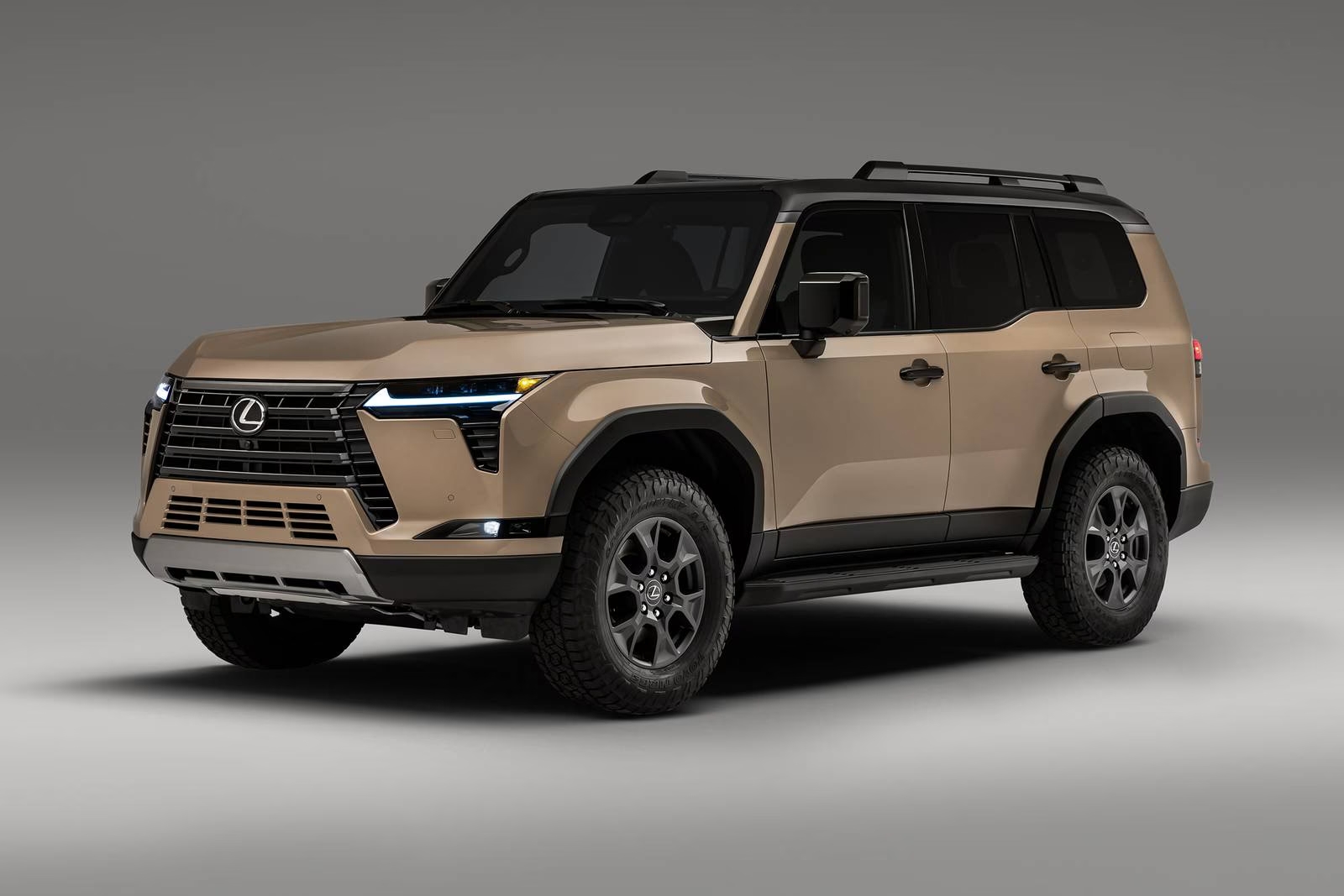
1. Lexus GX 550 (2025): A Purpose-Built SUV with Lasting Strength
The 2025 Lexus GX 550 has been comprehensively re-engineered to deliver serious durability while preserving the refinement expected from the Lexus brand. Built on Toyota’s GA-F body-on-frame platform, shared with the heavy-duty Land Cruiser, the GX 550 is designed for extreme longevity, off-road resilience, and confident on-road performance.
Assembly takes place at Toyota’s Tahara Plant, a facility globally recognized for its exceptionally strict quality standards, which play a major role in the vehicle’s precise fit, finish, and long-term reliability.
Power comes from a twin-turbocharged 3.4-liter V6 engine producing 349 horsepower, paired with a standard 10-speed automatic transmission and full-time four-wheel drive across all trims. This setup provides strong acceleration and improved efficiency over the previous generation.
In testing, the GX 550 reaches 60 mph in approximately 6.2 seconds, making it noticeably quicker than its predecessor and faster than the current Land Cruiser. Towing capability is also a major highlight, with a maximum rating of 9,096 pounds, surpassing many luxury SUV competitors and reinforcing its truck-based engineering.
Off-road capability is central to the GX 550’s design, especially in the Overtrail and Overtrail+ trims. These versions add 18-inch wheels with 33-inch all-terrain tires, aluminum skid plates, a locking rear differential, crawl control, and selectable terrain modes.
The advanced Electronic Kinetic Dynamic Suspension System allows the front or rear anti-roll bars to disconnect independently, improving wheel articulation, traction, and stability on uneven surfaces. A thoughtfully designed transfer case enables tight maneuvering in low-range situations, while excellent outward visibility helps drivers confidently navigate narrow trails.
Despite its rugged underpinnings, the GX 550 maintains Lexus’s reputation for interior quality. The cabin uses high-grade materials, mechanical fasteners instead of plastic clips, and extensive sound dampening to eliminate rattles and creaks, even during off-road driving.
Available features include leather or faux-suede upholstery, a 14-inch infotainment system with wireless smartphone connectivity, a digital gauge cluster, and an optional Mark Levinson premium audio system. Seating configurations vary by trim, with Overtrail models prioritizing cargo and trail use over third-row seating.
The 2025 Lexus GX 550 successfully blends traditional body-on-frame toughness with modern performance, luxury, and technology. It stands out as a durable, well-engineered SUV that is equally capable on demanding trails and daily roads, making it a compelling option for buyers seeking both strength and refinement.
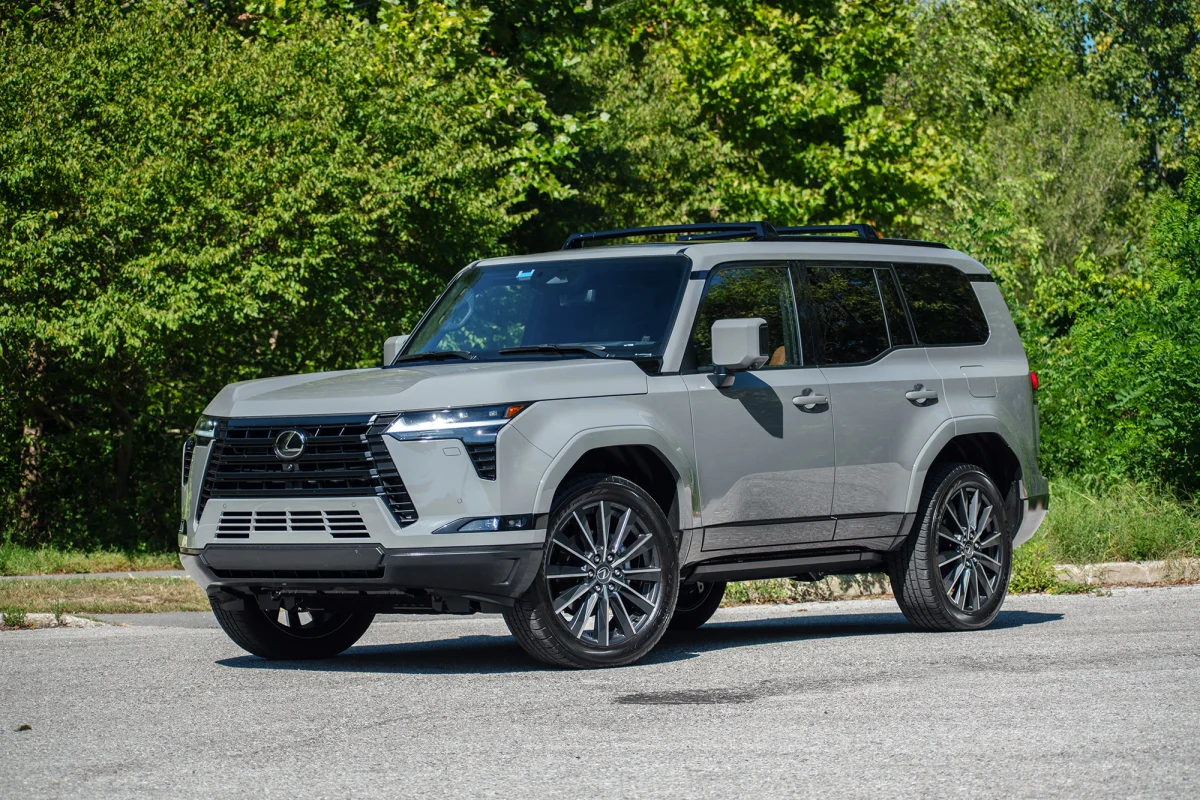
2. Porsche 911 (992.2): Precision Engineering Meets Everyday Usability
The Porsche 911 (992.2) continues the model’s long-standing reputation for exceptional build quality, mechanical durability, and everyday usability, earning consistent praise from owners and industry benchmarks such as the J.D. Power Quality Awards.
Often described as the sports car with Toyota-level reliability, the 992.2 combines meticulous manufacturing standards with engineering designed to withstand both track abuse and daily driving demands.
Central to the 992.2’s strength is its highly rigid chassis, which uses a greater proportion of aluminum to improve stiffness while controlling weight. In select performance applications, Porsche also employs recycled carbon fiber components, showcasing advanced material science without compromising durability.
Precision manufacturing processes, inspired in part by Toyota-style quality control systems, result in extremely tight and consistent panel gaps, high-quality paint finishes, and a body that appears carved from a single piece. This attention to detail reinforces the car’s premium feel and long-term structural integrity.
The drivetrain lineup balances performance with reliability. Standard Carrera models retain a refined 3.0-liter twin-turbo flat-six paired with the eight-speed PDK transmission, delivering 389 horsepower and brisk acceleration while improving efficiency.
The headline innovation arrives with the 992.2 GTS, which introduces Porsche’s first road-going hybrid 911. The T-Hybrid system combines a newly developed 3.6-liter turbocharged flat-six with two electric motors, one integrated into the turbocharger to eliminate lag and another within the gearbox for added thrust.
A compact 1.9 kWh battery supports regenerative energy capture, increasing performance rather than enabling electric-only driving. Total output rises to 534 horsepower, significantly improving responsiveness and speed.
Chassis and aerodynamic updates further enhance stability and durability. Active air flaps, refined underbody panels, and a redesigned rear diffuser improve high-speed composure, while updated suspension geometry and Porsche Active Suspension Management maintain precision and ride quality across varied driving conditions.
These systems are extensively tested, including demanding Nürburgring development cycles, to ensure long-term resilience.
Inside, the 992.2 combines modern technology with classic Porsche design cues. High-quality materials, precise assembly, and well-judged ergonomics create a cabin that stays comfortable on long journeys while remaining durable under frequent use.
While the move to a fully digital instrument cluster and a standard start button represents a step away from tradition, the interior delivers greater usability and a more polished day-to-day experience.
The Porsche 911 (992.2) remains the definitive sports car, expertly balancing precision engineering, durability, everyday comfort, and thrilling performance without compromising its iconic identity.
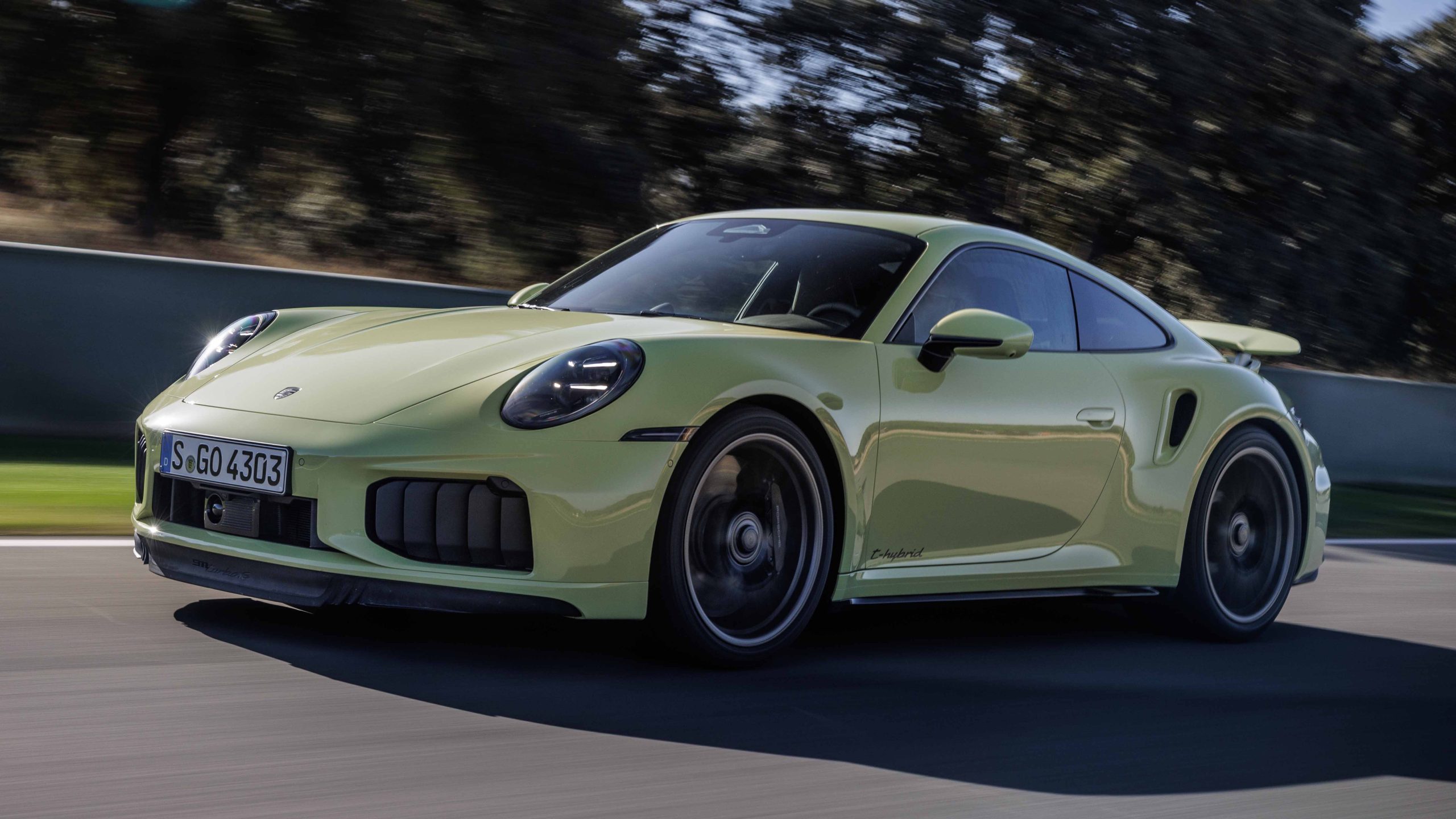
3. Toyota 4Runner: Rugged Durability Meets Practical Utility
The Toyota 4Runner stands out in a market dominated by car-like unibody SUVs thanks to its traditional body-on-frame construction. Built on a high-strength steel ladder frame, the 4Runner emphasizes long-term durability and off-road capability rather than weight savings.
Its simple, durable interior materials are designed for heavy use and easy cleaning, contributing to a predicted reliability score of 95 out of 100 from Consumer Reports. Production takes place at Toyota’s specialized Tahara plant in Japan, where highly skilled Takumi craftsmen enforce meticulous quality control, ensuring every vehicle meets precise standards.
The 4Runner’s chassis and materials reinforce its reputation for toughness. Thick-walled steel components are welded rather than glued, minimizing squeaks, rattles, and potential points of failure. Paint is applied 10 to 15 percent thicker than typical SUVs, offering enhanced protection against corrosion and wear.
Its long-standing 4.0-liter V6 powertrain has proven longevity, frequently surpassing 300,000 miles with proper maintenance, while specialized welding and assembly techniques guarantee structural integrity for years of demanding use.
Performance-wise, the 2025 4Runner features a 278-hp turbocharged 2.4-liter four-cylinder engine paired with an eight-speed automatic transmission. Rear-wheel drive comes standard, while full-time four-wheel drive with a two-speed transfer case is optional.
Off-road-oriented equipment includes locking rear differentials, disconnecting stabilizer bars, off-road cruise control, and adjustable dampers in hybrid models. On-road handling has improved compared with prior models, but the truck-based design ensures the driver always feels the SUV’s rugged character. In testing, the four-wheel-drive model achieved 0-60 mph in 7.5 seconds.
Towing capacity reaches a solid 6,000 pounds, surpassing many rivals, including the Jeep Wrangler. Fuel economy for the 2025 model is rated at 20 mpg city, 26 mpg highway, and 22 mpg combined, reflecting the 4Runner’s balance of performance and efficiency.
Inside, the cabin borrows styling cues from the Toyota Tacoma pickup, with well-placed storage and easy-to-reach controls. Optional third-row seating accommodates occasional passengers or children, while the open-air experience can be enhanced by rolling down windows, sliding the power rear window, or using the optional sunroof.
Infotainment is handled via an 8-inch standard display, with an optional 14-inch screen and a 12.3-inch digital gauge cluster. Wireless Apple CarPlay, Android Auto, USB-C ports, and a digital key system add modern convenience.
Safety is addressed with Toyota Safety Sense 3.0, including automated emergency braking, lane-departure warning, adaptive cruise control with lane-centering, and driver non-responsiveness detection. Warranty coverage includes three years or 36,000 miles for the limited warranty, five years or 60,000 miles for the powertrain, and two years of complimentary maintenance.
The 4Runner blends rugged construction, reliable performance, and practical features into a durable SUV built for off-road adventures and dependable everyday use.
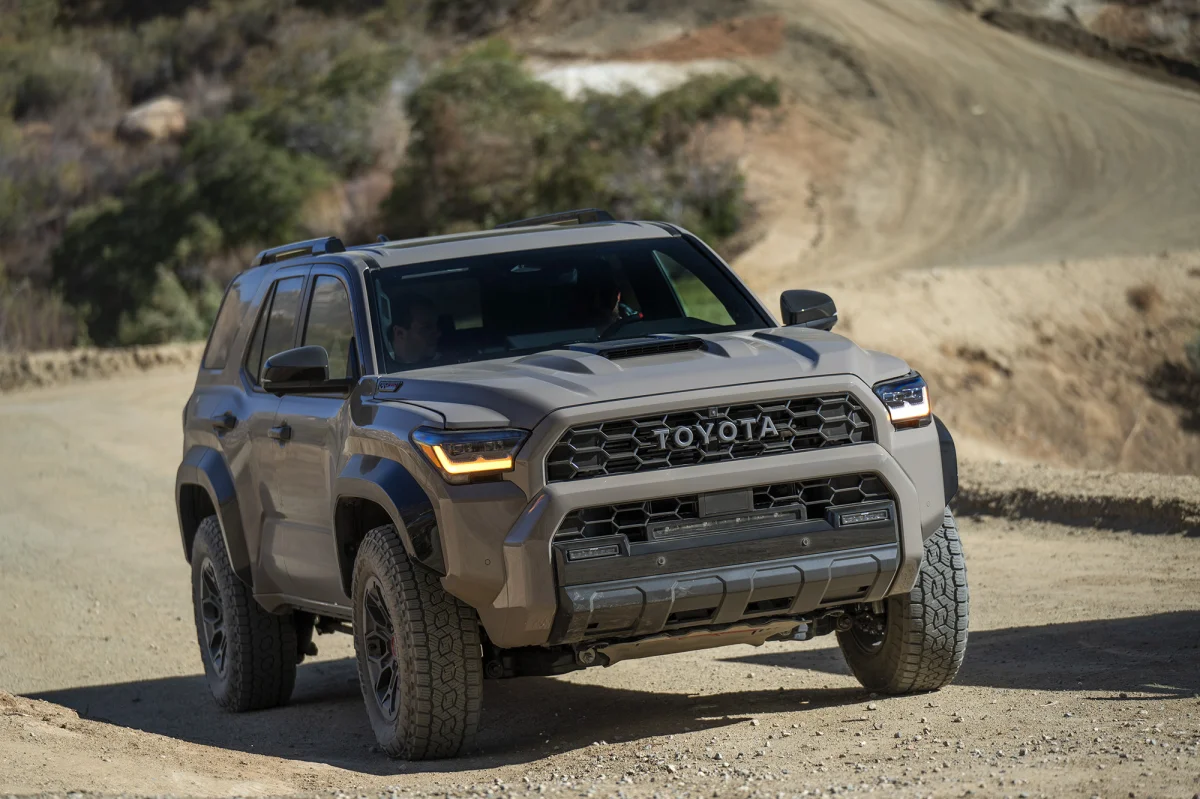
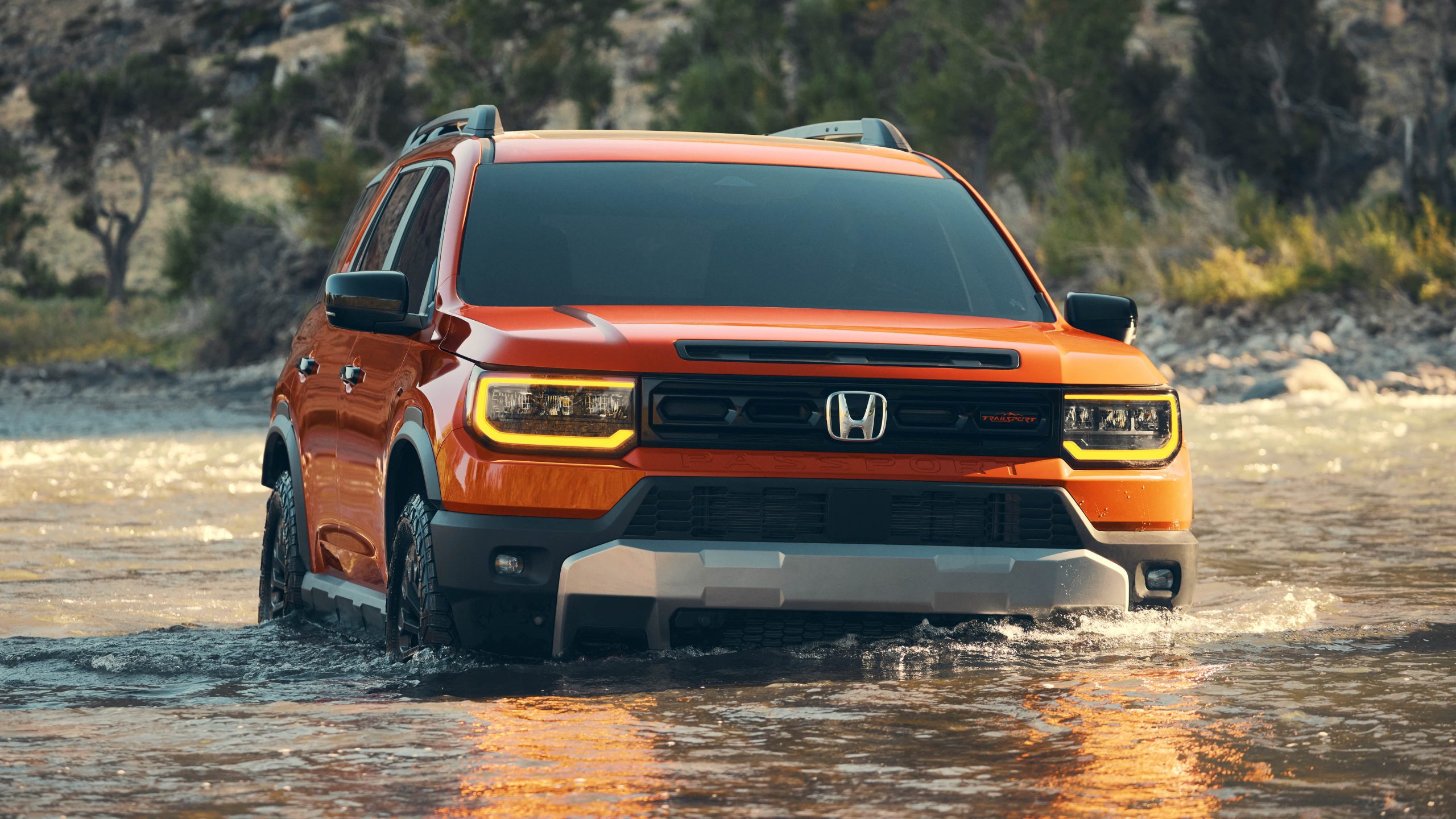
4. Honda Passport: Reliable Performance with Rugged Versatility
The Honda Passport continues to lead in reliability, earning a score of 97 out of 100, thanks to its proven, naturally aspirated V6 engine and simplified electrical architecture. Avoiding the complexity of small-engine turbo setups, the Passport minimizes potential sensor failures and long-term maintenance issues, making it a dependable choice for daily driving and light off-roading.
Its rigid unibody construction, durable 3.5-liter V6 powertrain, and robust engineering contribute to a vehicle built for long-term reliability and structural integrity. TrailSport models add reinforced underbody protection and high-strength recovery points, enhancing off-road capability.
The Passport’s unibody structure provides strong handling, ride comfort, and crashworthiness compared with traditional body-on-frame SUVs. Its 3.5-liter V6 produces 280 horsepower and 262 lb-ft of torque, paired with a 10-speed automatic transmission.
The intelligent Variable Torque Management all-wheel-drive system (i-VTM4) distributes torque efficiently, improving traction on challenging surfaces and reducing drivetrain strain. TrailSport models receive additional off-road enhancements, including skid plates, unique suspension tuning, all-terrain tires, and seven selectable drive modes, including Sport, Trail, and Tow, making them versatile in both off-road and on-road conditions.
Performance testing shows the Passport TrailSport accelerates from 0 to 60 mph in 7.3 seconds, slower than the previous model but well-matched to its robust off-road capability. Towing capacity is a strong 5,000 pounds, exceeding competitors like the Chevy Blazer and Hyundai Santa Fe.
Fuel efficiency is rated at 21 mpg combined for the standard model, with TrailSport trims returning slightly lower figures due to larger all-terrain tires, though real-world highway testing showed excellent results of 25 mpg.
The Passport’s interior has been completely refreshed, offering a simple layout, durable materials, and improved ergonomics. Front seats are power-adjustable and heated, with TrailSport models featuring synthetic leather upholstery, a panoramic sunroof, and all-season floor mats.
TrailSport Elite variants add ventilated leather seating, a heated steering wheel, rear climate controls, and a 12-speaker Bose audio system. The cabin benefits from increased rear-seat legroom and cargo capacity, accommodating up to 38 carry-on suitcases with the rear seats folded.
Technology includes a 12.3-inch infotainment touchscreen, a 10.2-inch digital instrument cluster, wireless Apple CarPlay and Android Auto, a 5G LTE Wi-Fi hotspot, wireless charging, USB-C ports, and optional 110-volt outlets in TrailSport trims.
Safety is comprehensive with Honda Sensing, offering automated emergency braking, adaptive cruise control, blind-spot monitoring, and rear cross-traffic alert. Warranty coverage includes three years or 36,000 miles limited, five years or 60,000 miles powertrain, and one year or 12,000 miles of complimentary scheduled maintenance.
The Honda Passport balances rugged capability, reliable performance, and practical technology, making it an ideal SUV for drivers seeking durability, comfort, and confidence in all driving conditions.
5. Buick Encore GX: Compact SUV with Solid Build and Dependable Quality
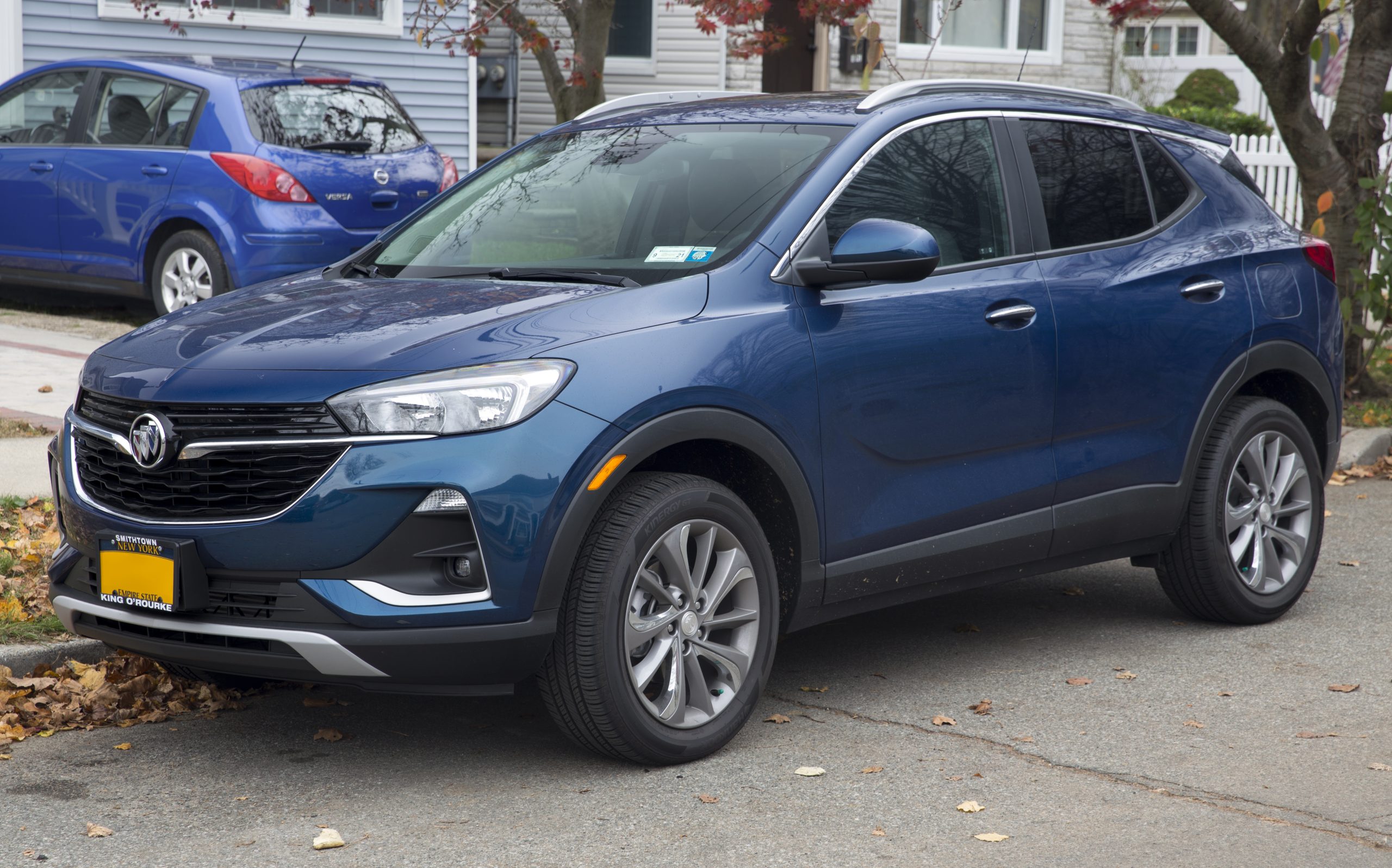
The Buick Encore GX has become a standout in the small SUV segment, earning recognition as the highest-ranked model for initial quality in 2025. Its success comes from a combination of careful engineering, durable materials, and a focus on passenger comfort.
The Encore GX delivers a quiet, refined cabin, intuitive infotainment, and precise assembly that gives it a premium feel. Safety is a key strength, with a 5-star NHTSA rating and “Good” IIHS crashworthiness scores, reflecting a robust structure designed to protect occupants.
The Encore GX’s build quality is rooted in solid construction and high-quality materials. Durable components, carefully fitted, reduce the risk of mechanical issues and contribute to long-term reliability. Buick’s QuietTuning technology, including active noise cancellation and acoustic materials, helps minimize engine, road, and wind noise, resulting in a more serene cabin experience.
Higher trims, such as the Avenir, feature premium finishes and integrated technology, while the vehicle’s reliability and low maintenance needs make it competitive with more expensive luxury options. Some reports note minor wear in certain interior areas, but the consensus emphasizes the 2025 Encore GX as a well-constructed and dependable vehicle.
Performance comes from a choice of two turbocharged three-cylinder engines. The base 1.2-liter engine produces 137 horsepower, while the optional 1.3-liter unit delivers 155 horsepower. Front-wheel-drive models use a CVT, and all-wheel-drive versions upgrade to a nine-speed automatic.
Acceleration is moderate, with the AWD Encore GX Avenir reaching 60 mph in 8.8 seconds. The ride is smooth and controlled, though not sporty. When equipped with the Trailering Package, towing capacity reaches 1,000 pounds. Fuel efficiency ranges from 26 to 31 mpg, depending on drivetrain and engine, with real-world testing occasionally exceeding EPA estimates.
The interior balances practicality with modern design. Fold-flat front passenger seats and generous cargo space allow for flexible storage, fitting up to 16 carry-on suitcases with the rear seats down.
Technology includes an 11-inch central touchscreen, an 8-inch digital driver display, wireless Apple CarPlay and Android Auto, a mobile Wi-Fi hotspot, and user-friendly infotainment software. Safety systems include automated emergency braking, lane-departure warning, lane-keeping assist, and optional adaptive cruise control.
Warranty coverage is standard for the segment, with three years or 36,000 miles limited warranty, five years or 60,000 miles powertrain protection, and complimentary maintenance on the first visit.
The Buick Encore GX combines solid engineering, reliable performance, and practical features in a compact SUV package. Its quiet cabin, strong construction, and dependable systems make it a compelling choice for buyers seeking a well-built and user-friendly small SUV.
Also read: 5 Cars That Stay Quiet Over Time vs 5 That Develop Noise Issues
5 With Weak Points
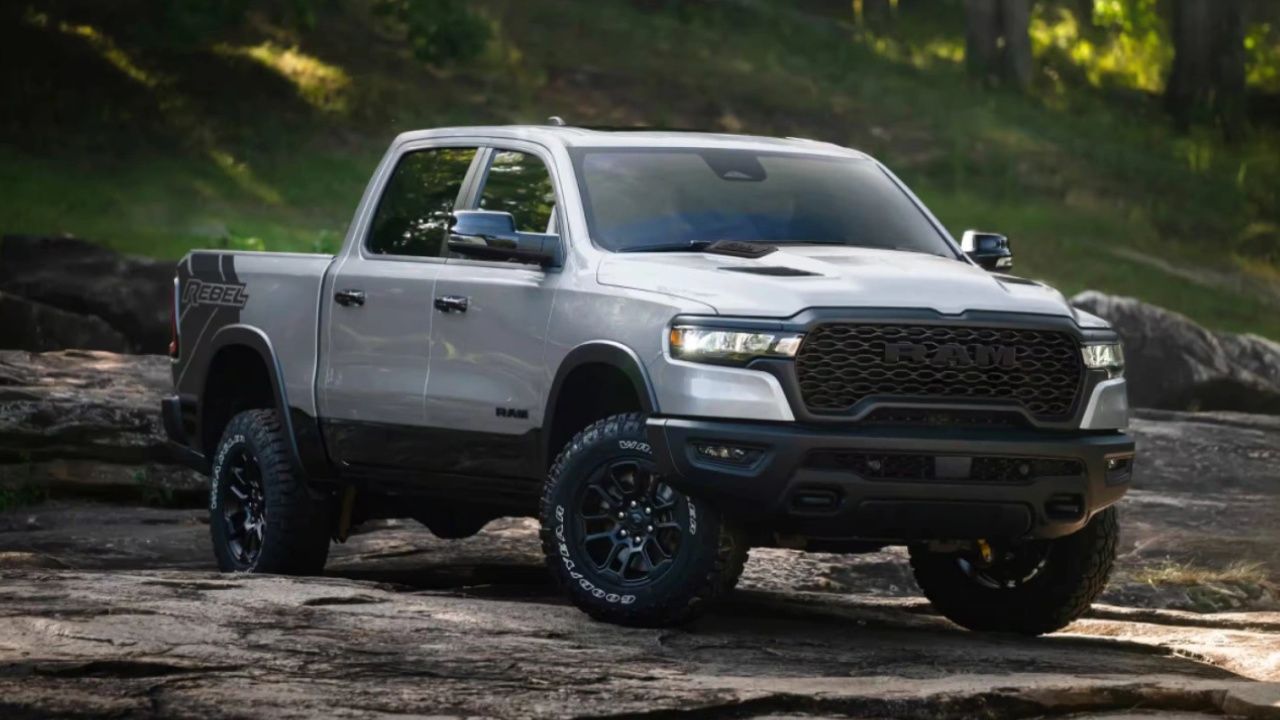
1. Ram 1500 (2025-2026): Robust Engineering Meets Advanced Durability
The 2025-2026 Ram 1500 combines strong build quality with advanced engineering, offering a durable and capable full-size pickup despite recent reliability concerns. While the model has struggled in reliability ratings, earning a low score of 5/100 due to issues like the air suspension system and occasional electrical glitches in the 12-inch Uconnect touchscreen, its structural integrity and engineering remain noteworthy.
At the heart of the Ram 1500’s durability is its high-strength steel frame. The truck incorporates 98% steel in the frame and 54% high-strength steel in body structures, allowing components to be lighter and thinner without sacrificing strength.
The frame features a hydroformed tubular front section and eight cross members, enhancing rigidity for demanding driving conditions. This robust foundation supports impressive capabilities, including a maximum towing capacity of over 11,500 pounds and a payload of up to 2,300 pounds when properly equipped.
The suspension system complements the strong frame with a focus on comfort and durability. A rear coil-spring suspension provides smoother handling compared to traditional leaf springs, while the optional Active-Level™ Four Corner Air Suspension automatically adjusts ride height to improve off-road capability, reduce highway aerodynamic drag, and facilitate easier ingress and egress.
The engines, particularly the 3.0-liter Hurricane inline-six introduced in 2025, feature a deep-skirt cast-aluminum block, cross-bolted steel main bearing caps, and a structural aluminum oil pan, ensuring long-lasting performance under heavy use.
Ram emphasizes confidence in its engineering through a generous warranty. The 2026 Ram 1500 offers a 10-year/100,000-mile limited powertrain warranty, covering the engine, transmission, and axles, double the previous coverage of the 2025 model. This extended warranty underscores the brand’s commitment to durability and long-term ownership peace of mind.
Despite minor reliability setbacks, the 2025-2026 Ram 1500 demonstrates exceptional structural integrity, advanced suspension engineering, and durable powertrain components, making it a solid choice for buyers seeking a capable, long-lasting full-size pickup.
2. Rivian R1T: Adventure EV with Impressive Capabilities but Growing Pains
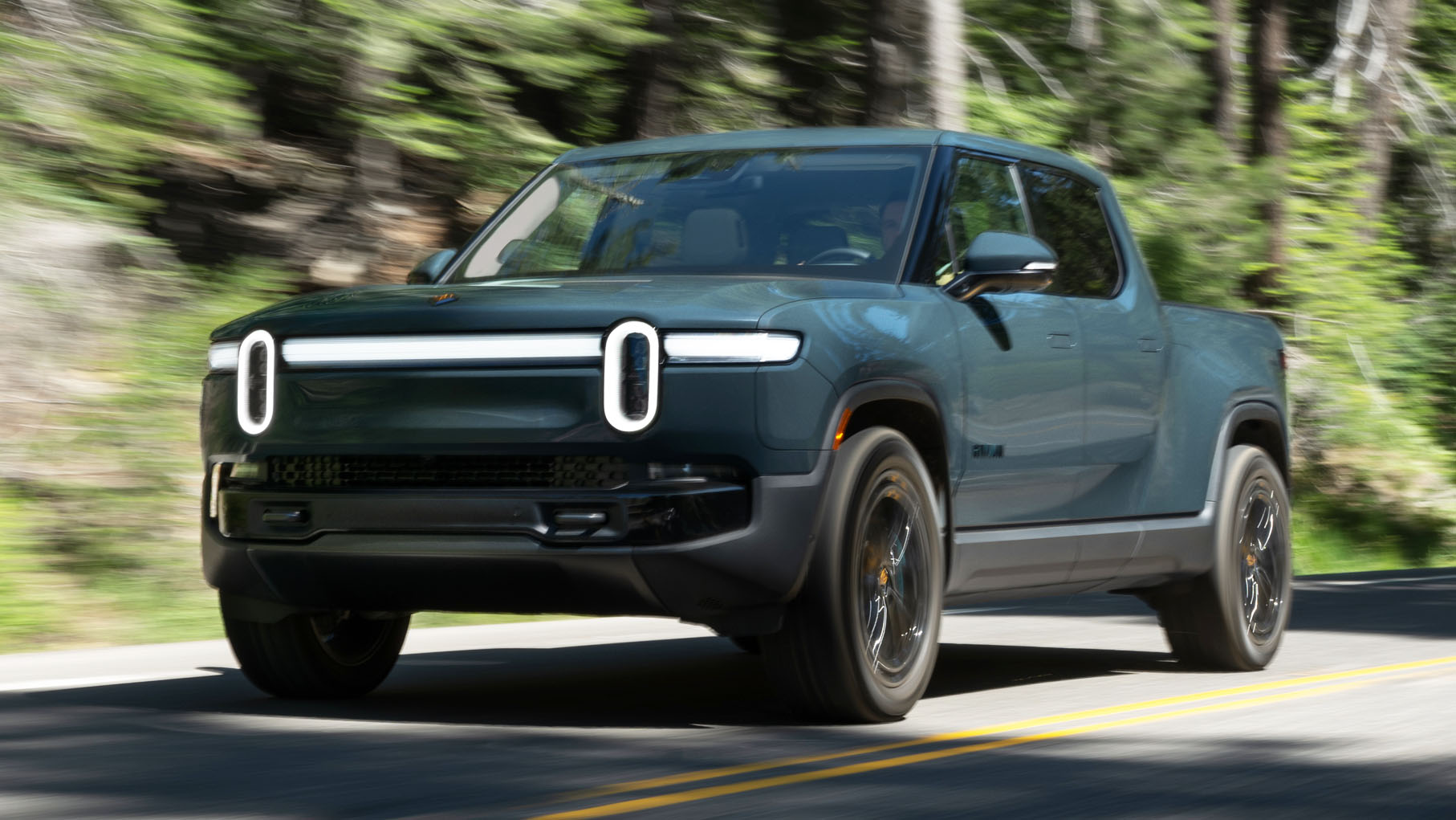
The Rivian R1T is an innovative entrant in the electric adventure truck segment, offering strong off-road capability, impressive towing, and a high-tech driving experience. However, as a young manufacturer, Rivian faces notable challenges in reliability, service infrastructure, and user-friendly design.
Owners frequently report inconsistent fit-and-finish, including misaligned panels, excessive wind noise at highway speeds, and software glitches that can temporarily disable infotainment or drive modes. Consumer Reports consistently ranks the R1T low for predicted reliability due to recurring hardware issues.
Mechanical weak points have emerged, such as the powered tonneau cover being prone to jamming or breaking, and half-shafts producing clicking sounds under the truck’s significant torque.
Rivian has also issued recalls, including a January 2026 recall affecting approximately 20,000 units for defective toe link joints, which can lead to steering failure. While the truck excels in performance, these issues highlight the growing pains of a startup automaker still refining its production processes.
Service and repair infrastructure is another limitation. Rivian lacks a traditional dealership network, creating long wait times for repairs and complex logistics for owners living far from service centers. The body design, particularly large continuous rear fender panels, makes even minor repairs costly, sometimes exceeding the value of the truck in cases of minor collisions.
The R1T’s software-heavy design also introduces ergonomic frustrations. Many essential controls, such as vent adjustments or steering wheel positioning, are accessed only through touchscreen menus, which can be distracting while driving. Vampire drain from onboard systems and cameras reduces battery range when parked, further complicating daily use.
While marketed as a midsize truck, the R1T compromises on utility compared to full-size pickups. The cabin lacks a traditional glovebox, and the 4.5-foot truck bed is shorter than competitors’. Towing up to 11,000 pounds significantly reduces driving range, limiting long-distance hauling unless a robust charging network is available.
Despite these challenges, the Rivian R1T remains a compelling option for adventurous EV buyers seeking cutting-edge technology and off-road capability, provided they can navigate the current reliability and service limitations.
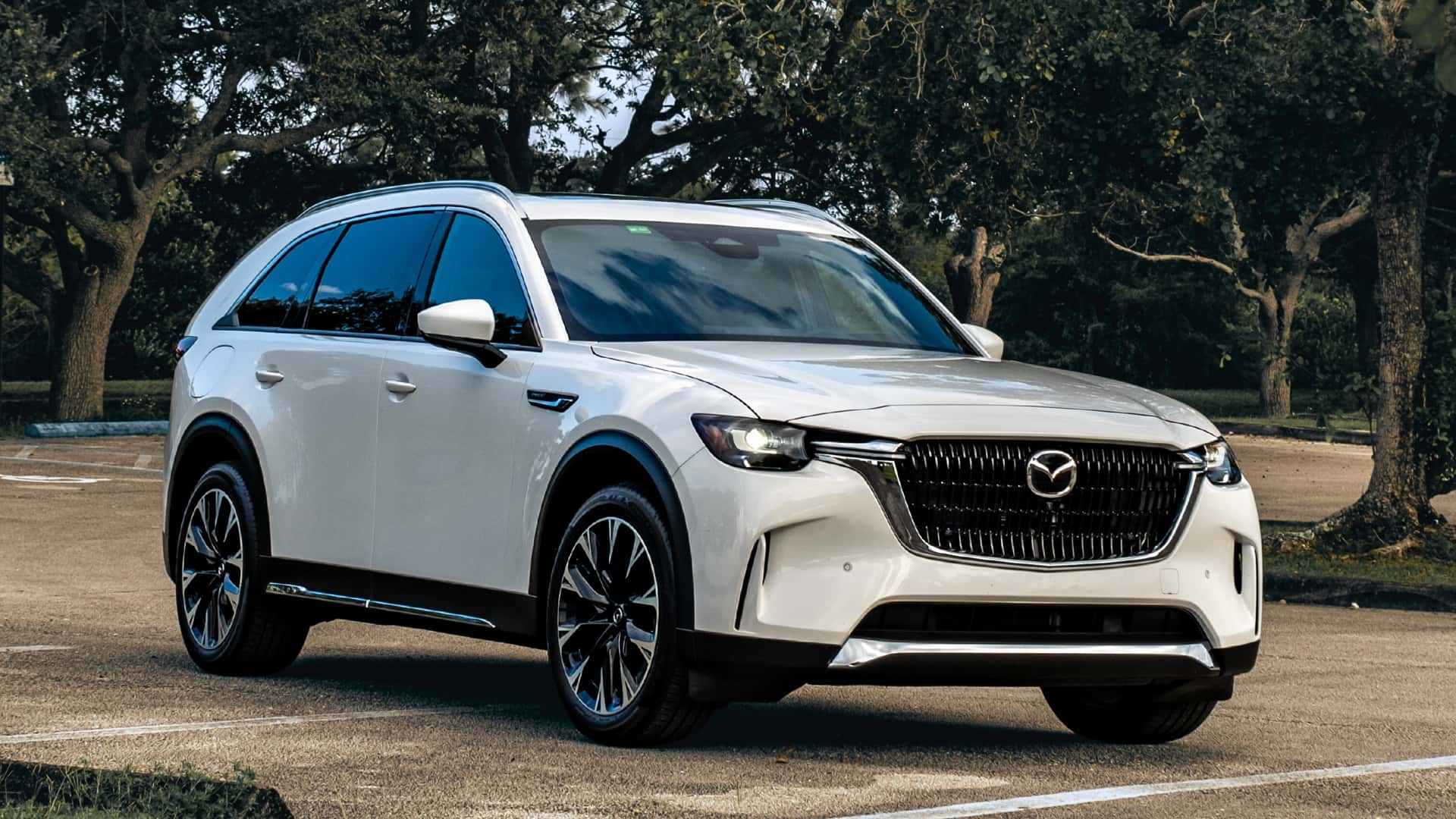
3. Mazda CX-90 PHEV: Luxury and Performance Marred by Early Reliability Issues
The Mazda CX-90 Plug-in Hybrid delivers strong performance and upscale interior quality but struggles with first-year reliability due to its complex new platform. Despite praise for its inline-six-like power and refined cabin, the PHEV model earns a low reliability score of 20/100. Key weaknesses span powertrain refinement, interior usability, and software stability.
The powertrain is the most frequent source of complaints. The 8-speed multi-plate clutch transmission, unlike a conventional torque-converter automatic, can feel jerky, especially in stop-and-go traffic.
The transition when the gasoline engine assists the electric motor, often called the “handshake,” can cause shuddering, disrupting smooth acceleration. Brake feel is inconsistent because the system balances regenerative braking and friction braking, making smooth stops challenging to master.
Interior packaging also falls short compared to competitors. The CX-90’s third row is cramped, with limited legroom and a high floor that makes long trips uncomfortable for adults.
Cargo capacity is limited with all seats in use, and center console storage is shallow. Mazda’s rotary dial infotainment controller, while designed for safer eyes-on-the-road operation, complicates navigation of Apple CarPlay, Android Auto, and vehicle menus, frustrating some users.
Early production models have experienced first-year reliability issues. Multiple recalls and service bulletins address the steering rack, suspension squeaks, and powertrain software. Owners have reported digital dashboard warnings requiring system resets or dealer intervention, though many of these are corrected via software updates.
Real-world PHEV efficiency can also disappoint. While the 26-mile electric range is reasonable, it drops significantly in cold weather, and the gasoline engine may activate more frequently for cabin heating, reducing the effectiveness of short commutes on electric power alone.
The Mazda CX-90 PHEV blends strong performance and a luxury-focused interior with notable early reliability and usability challenges. Its innovative hybrid system and first-year software and hardware quirks make it less predictable than competitors, requiring prospective buyers to weigh advanced technology against practical reliability concerns.
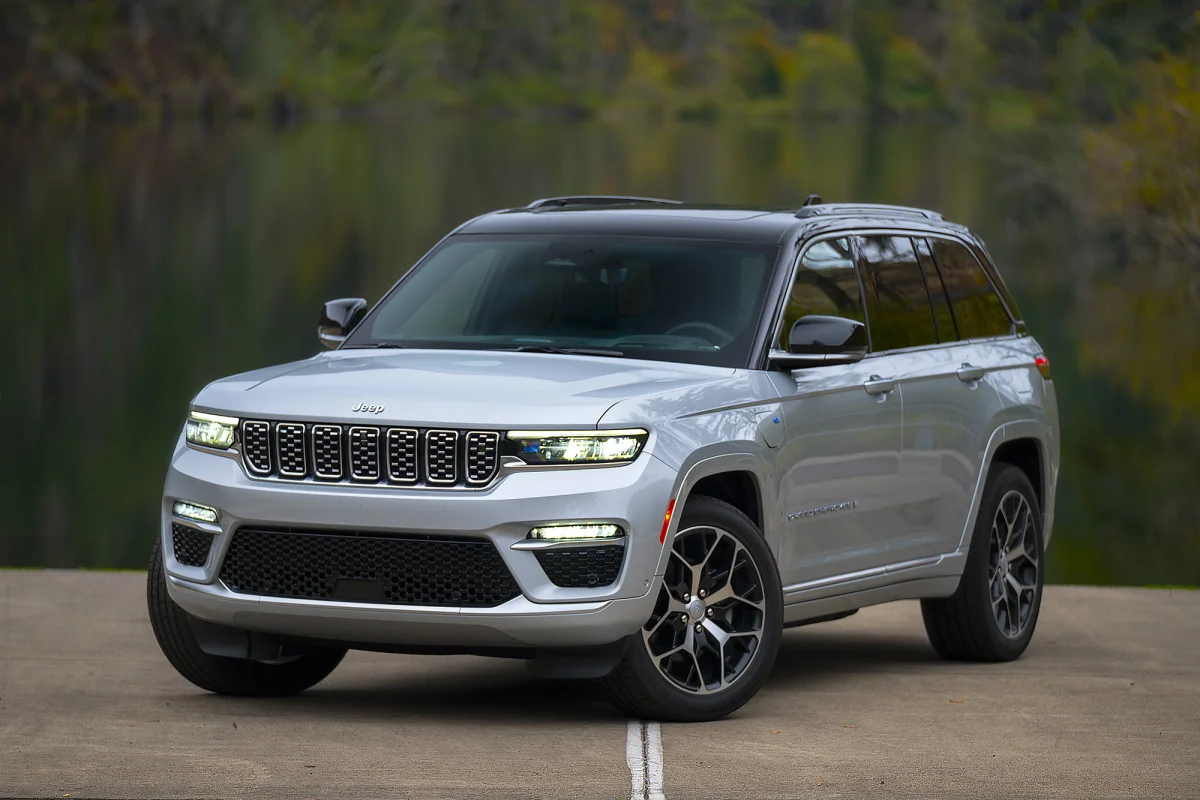
4. Jeep Grand Cherokee 4xe: Electrified Ambition Hampered by Reliability and Refinement Issues
The Jeep Grand Cherokee 4xe represents Jeep’s effort to electrify its iconic SUV, combining plug-in hybrid technology with traditional off-road capability. Despite its potential, the 4xe faces significant challenges, earning a low reliability rating of 10/100.
The primary weaknesses stem from hybrid system integration, high-voltage battery concerns, and the complexity of blending a conventional 4×4 drivetrain with electrification.
Reliability is the 4xe’s most critical issue. Owners report frequent mechanical and electrical problems, including recalls for high-voltage battery fires and software glitches in the powertrain control module that can cause stalling.
Some vehicles experienced contamination from leftover casting sand in the engine cooling system, resulting in heater failures. These defects, highlighted by the National Highway Traffic Safety Administration, raise concerns about long-term ownership and dependability.
The Fuel and Oil Refresh Mode (FORM) presents another frustration. Designed to prevent engine damage from stale fuel or oil dilution, FORM often forces the gasoline engine to run, even when electric mode is available. As a result, owners may be unable to use the advertised 25 miles of electric range, especially in colder climates, undermining the PHEV’s efficiency benefits.
Driving dynamics also reveal shortcomings. The transition between the 2.0-liter turbo engine and electric motor can feel jerky, regenerative braking lacks linearity, and the extra 800-pound battery pack strains the suspension, producing a ride that feels unsettled over rough roads. These factors reduce the otherwise capable 4xe’s refinement and comfort.
Financially, the 4xe carries a high cost premium over the standard V6 Grand Cherokee. Without daily charging or government incentives, fuel savings are minimal, and the payback period can exceed typical ownership duration.
While the Jeep Grand Cherokee 4xe delivers strong torque, off-road prowess, and innovative electrification, persistent reliability issues, unrefined driving experience, and high costs limit its appeal, making it a challenging choice for buyers seeking a dependable and efficient hybrid SUV.
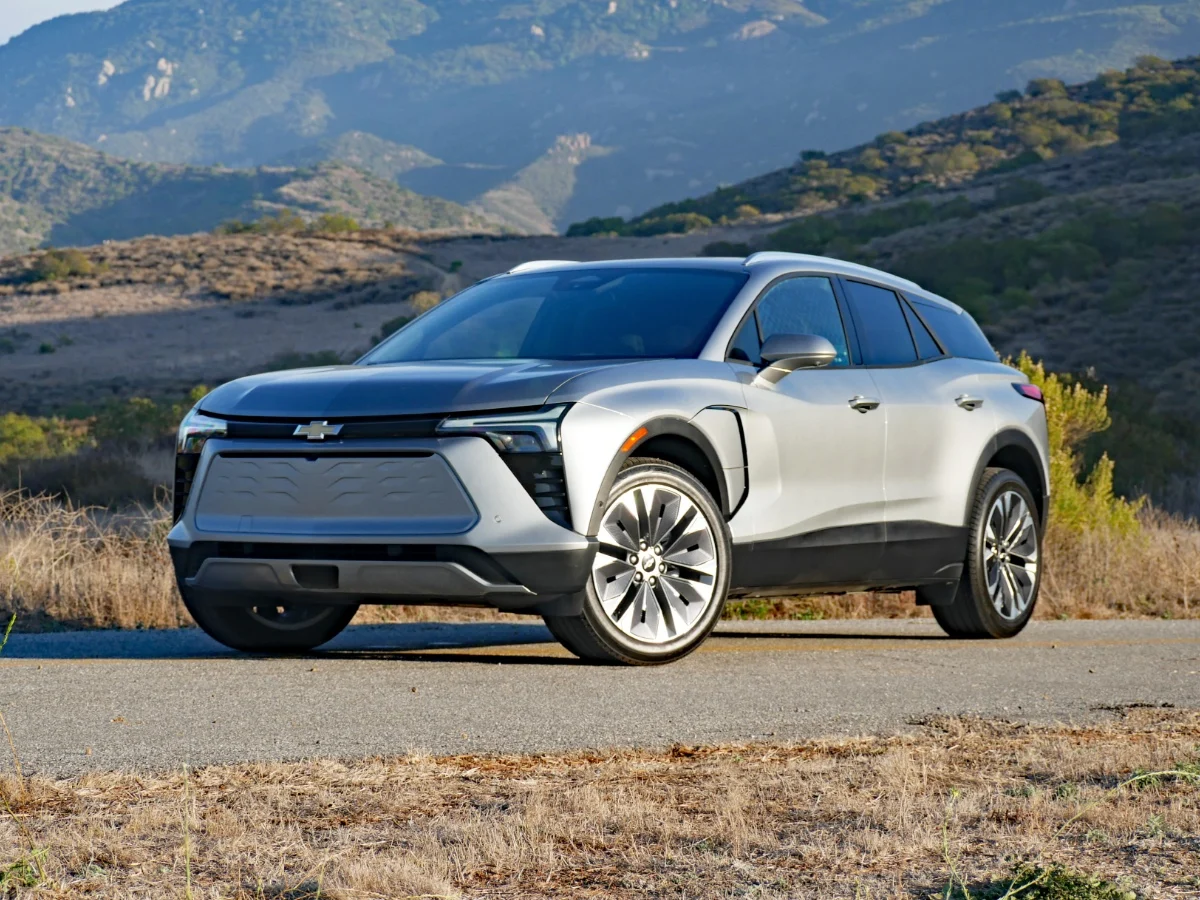
5. Chevrolet Blazer EV: Striking Design Undermined by Software, Charging, and Interior Flaws
The Chevrolet Blazer EV, built on GM’s Ultium platform, combines bold styling with a smooth ride, but it faces significant reliability and usability challenges. Consumer Reports and industry experts have flagged recurring software glitches, limited charging performance, and interior compromises that affect daily driving and long-term satisfaction.
Software instability is the Blazer EV’s most pressing issue. Shortly after the 2024 launch, a stop-sale order was issued due to multiple faults, including boot-looping infotainment screens and complete system failures that stranded drivers. As recently as 2026, safety recalls addressed damaged parking brake wiring harnesses that could trigger unintended brake activation, highlighting persistent engineering weaknesses.
GM’s tech decisions have also sparked criticism. The Blazer EV removes Apple CarPlay and Android Auto in favor of a native Google Built-In system. While functional, this system requires a separate data subscription for full features, is prone to glitches such as app freezes and GPS signal loss, and many drivers find it less intuitive than smartphone mirroring.
Charging and performance present additional drawbacks. The 85-kWh battery peaks at just 150 kW, slower than competitors like the Hyundai IONIQ 5 and Kia EV6. Real-world charging rates drop sharply after a few minutes, increasing recharge times. The vehicle’s weight, exceeding 5,300 pounds, reduces acceleration and agility compared with lighter EVs.
Interior and ergonomic shortcomings also detract from the experience. The aggressive exterior design creates a small rear window and thick roof pillars, limiting visibility.
Critics note hard plastics, uncomfortable front seats with minimal lumbar support, and unusual controls, including low-mounted dashboard vents that blow air at the driver’s elbows and a start system that relies on a brake-pedal sensor instead of a conventional button.
The Chevrolet Blazer EV delivers eye-catching styling and EV innovation, but software instability, slow charging, and interior compromises reduce its practicality and driver satisfaction in a competitive electric SUV market.
Selecting a vehicle today requires more than just style or speed; it demands attention to long-term reliability, thoughtful design, and proven engineering. Vehicles with strong build quality, like the Lexus GX 550 or Porsche 911, show how precision manufacturing, durable materials, and well-tested powertrains provide confidence over years of ownership.
Conversely, models such as the Rivian R1T, Mazda CX-90 PHEV, or Chevrolet Blazer EV demonstrate the potential pitfalls of first-year technologies, software-heavy interfaces, and complex hybrid systems. Understanding these strengths and weaknesses allows buyers to make informed decisions, balancing performance, comfort, and dependability.
Choosing a vehicle with proven durability can reduce maintenance costs, improve safety, and ensure satisfaction, while vehicles with known weak points require careful consideration of trade-offs before purchase.
Also read: Top 10 Cars That Still Look Like the Future Today