High-mileage vehicles reveal which cars are built to last and which may face chronic problems over time. Some models are known for exceptional durability, combining strong engines, robust chassis, and straightforward, serviceable systems that allow them to exceed 250,000 miles with proper maintenance.
Vehicles such as the Toyota Sequoia, 4Runner, Honda Civic, Lexus IS, and Toyota Highlander Hybrid demonstrate this kind of longevity, offering drivers reliability alongside comfort, efficiency, and performance. These cars benefit from proven engineering, widely available replacement parts, and supportive warranty coverage.
In contrast, other vehicles, even if popular or technologically advanced, can struggle to maintain reliability as mileage increases. Trucks and SUVs such as the Ram 1500, Jeep Grand Cherokee 4xe, GMC Acadia, Chevrolet Blazer EV, and Volkswagen ID.4 face challenges from engine design, electronics, hybrid systems, or electric powertrain issues.
Understanding which vehicles perform well at high mileage and which encounter recurring problems can help buyers make informed choices for long-term ownership.
5 Cars That Handle High Mileage Well
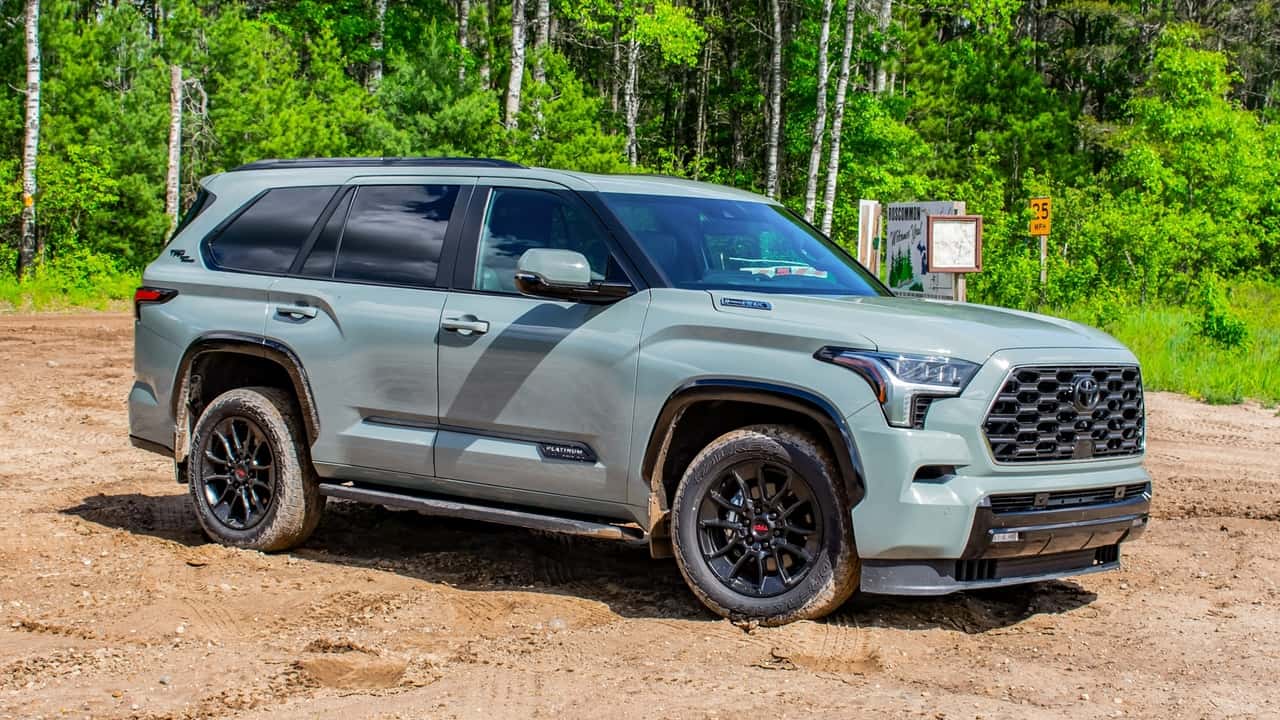
1. Toyota Sequoia: The Full-Size SUV Built to Last
The Toyota Sequoia is highly regarded for its exceptional longevity. According to iSeeCars, it is the vehicle most likely to reach 250,000 miles, with a 39.1 percent chance, which is over eight times the industry average. This durability comes from its over-engineered V8 engines, specifically the 4.7L and 5.7L, and its robust body-on-frame construction shared with the Tundra pickup.
Toyota’s quality control ensures that both older and newer models maintain high reliability. Early models from 2001 to 2007 feature simple mechanical systems with minimal electronic complexity, while later models continue to offer durable interiors, reliable electronics, and high-quality components.
The Sequoia’s long lifespan is supported by bulletproof engines, a heavy-duty truck-based frame, straightforward mechanical design, and proven reliability. With proper maintenance, these SUVs can often exceed 250,000 to 400,000 miles.
Regular maintenance is essential, including replacing worn suspension and brakes, performing thorough fluid changes, inspecting for rust, and taking advantage of widely available parts that are often shared with other Toyota and Lexus models.
The latest Sequoia models come with the iForce MAX hybrid powertrain, which combines a twin-turbo 3.4L V6 engine with an electric motor to produce 437 horsepower and 583 pound-feet of torque. A 10-speed automatic transmission is standard. Rear-wheel drive comes standard, with four-wheel drive available on most trims.
The TRD Pro trim adds off-road features such as upgraded Fox dampers, skid plates, a locking rear differential, and 33-inch tires. Acceleration varies by trim, with the Capstone reaching 60 miles per hour in 5.6 seconds. Towing capacity ranges from 8,980 to 9,520 pounds, exceeding many competitors. Fuel economy is rated up to 21 miles per gallon city, 24 highway, and 22 combined, slightly lower on four-wheel-drive models.
The Sequoia seats up to eight passengers with a standard second-row bench, while optional captain’s chairs reduce capacity to seven. Rear headroom is limited, especially with the panoramic sunroof, and cargo space is modest at 12 cubic feet behind the third row, although folding the seats increases capacity.
Higher trims offer luxury features such as heated and cooled seats, premium audio, and wood and chrome trim. A 14-inch touchscreen provides infotainment with Apple CarPlay, Android Auto, and a Wi-Fi hotspot. Standard driver-assistance features include forward-collision warning, automated emergency braking, lane-keeping assist, and adaptive cruise control.
Toyota backs the Sequoia with a three-year or 36,000-mile limited warranty, five-year or 60,000-mile powertrain warranty, 10-year or 150,000-mile hybrid coverage, and two years or 25,000 miles of complimentary maintenance.
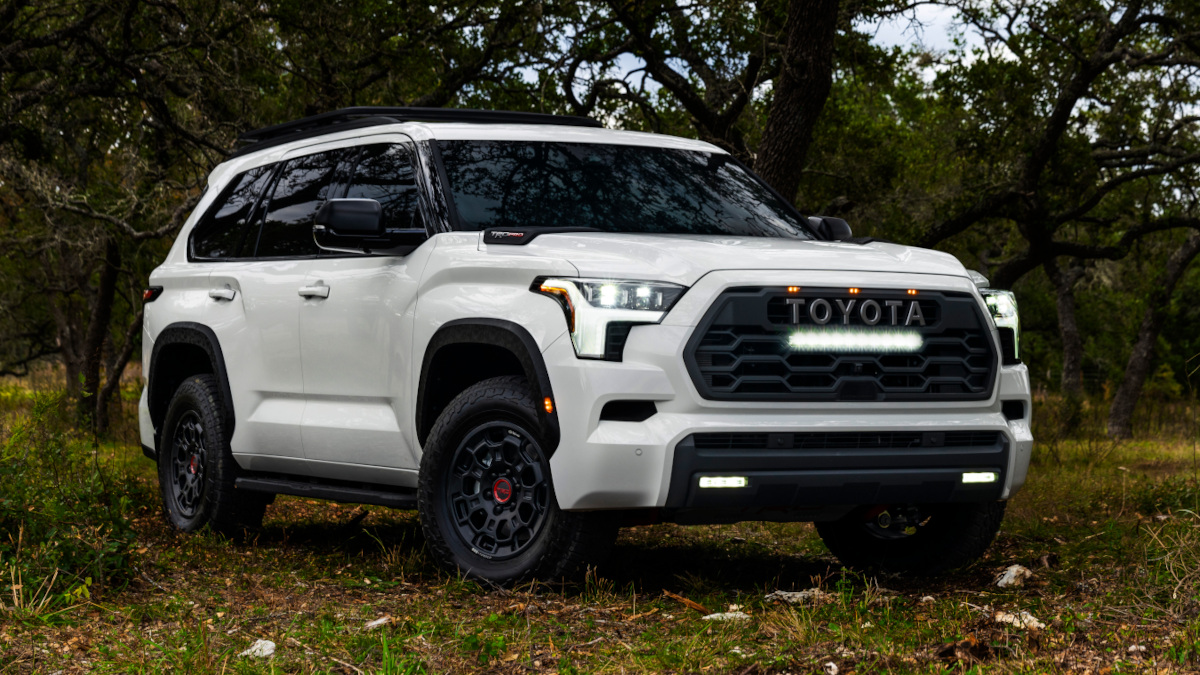
2. Toyota 4Runner: Rugged, Durable, and Built for the Long Haul
The Toyota 4Runner is widely recognized as one of the most durable SUVs ever built, with a 32.9 percent chance of reaching 250,000 miles. Its longevity is largely attributed to a rugged body-on-frame construction, reliable V6 powertrains, and mechanically simple, over-engineered components.
Built for off-road use, the 4Runner frequently surpasses 200,000 to 300,000 miles with proper maintenance. Key factors in its durability include robust engineering with a truck-based frame that withstands rough terrain, overbuilt engines such as the 3.4L 5VZ-FE and later 4.0L V6 with thick cast-iron blocks, and under-stressed powertrains designed for reliability rather than peak performance.
Early generations benefit from minimal electronics, reducing potential failure points, while widespread aftermarket and OEM parts support ensures maintenance is manageable for decades. Routine service, consistent oil changes every 5,000 miles, and attention to frame rust and corrosion are essential to maximize lifespan.
The 2026 4Runner lineup features a 278-hp turbocharged 2.4L four-cylinder paired with an eight-speed automatic transmission. Rear-wheel drive is standard, while full-time four-wheel drive is optional and includes a two-speed transfer case with high and low range.
Off-road packages offer equipment such as disconnecting stabilizer bars, a locking rear differential, off-road cruise control, and adjustable dampers on hybrid models. On-road, the 4Runner shows improved handling compared with previous generations, though its truck-based construction makes it feel large and ponderous.
In testing, the four-wheel-drive 4Runner accelerated to 60 mph in 7.5 seconds. Its maximum towing capacity is 6,000 pounds, exceeding many competitors. Fuel economy for the 2025 model was rated at 20 mpg city, 26 mpg highway, and 22 mpg combined.
The interior mirrors the Tacoma pickup in design and layout, with well-placed storage and accessible controls. An optional third row accommodates children or occasio
nal passengers. Features such as power windows, a sliding rear window, and an optional sunroof allow an open-air experience reminiscent of a convertible SUV. Infotainment includes a standard 8.0-inch touchscreen with Toyota’s latest software, wireless Apple CarPlay and Android Auto, USB-C ports, digital key access, and an optional larger 14-inch display with a 12.3-inch digital gauge cluster.
Safety is comprehensive with Toyota Safety Sense 3.0, including automated emergency braking, lane-departure warning, adaptive cruise control with lane centering, and driver non-responsiveness detection.
Warranty coverage is standard for the class: three years or 36,000 miles limited, five years or 60,000 miles powertrain, and two years or 25,000 miles of complimentary scheduled maintenance, supporting the 4Runner’s reputation as a long-lasting, capable SUV.
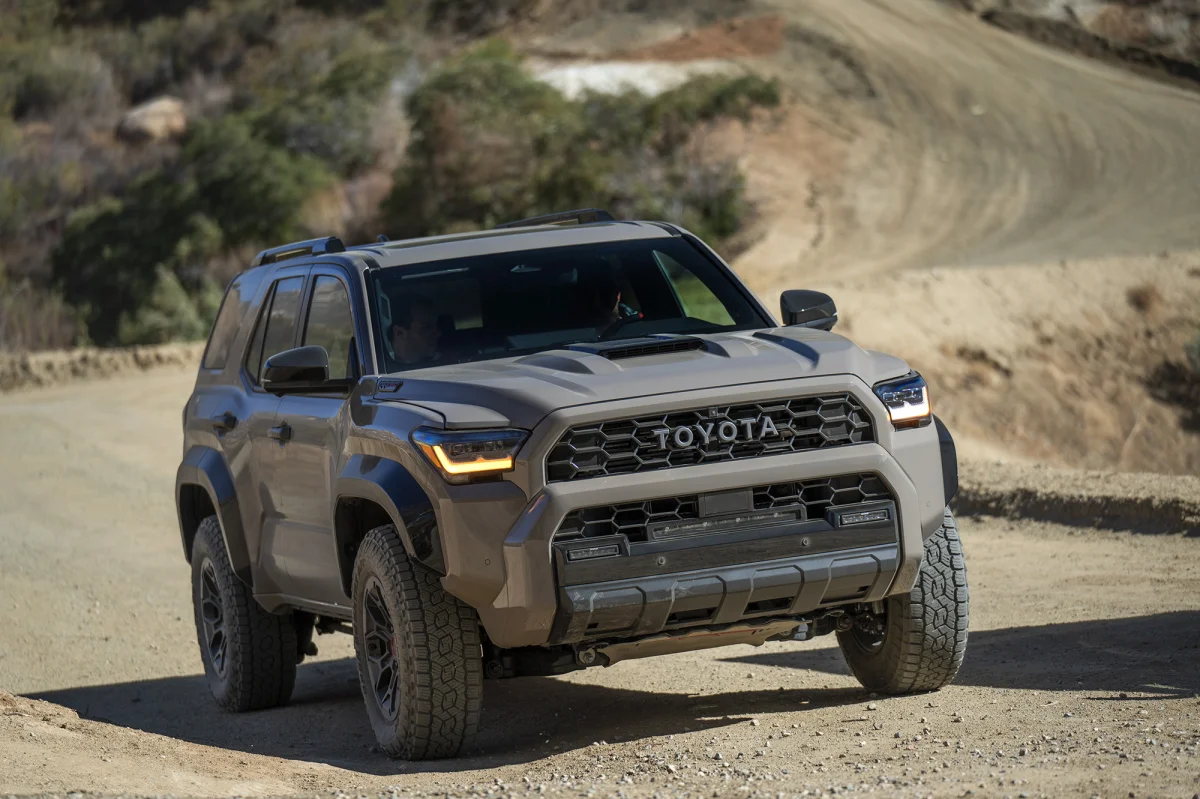
3. Honda Civic: Reliable, Long-Lasting, and Efficient
The Honda Civic has long been recognized for its reliability and longevity, with iSeeCars naming it the most reliable new car for the money in 2026. Civic models are capable of exceeding 200,000 to 300,000 miles with proper care, thanks to over-engineered, durable engines, consistent manufacturing quality, and straightforward maintenance.
Notable engines like the K-series and D-series feature aluminum blocks with cast-iron cylinder sleeves and forged internals, making them particularly long-lasting. Older, non-turbo models are especially favored for simplicity, using robust torque converter automatic transmissions and mechanical systems with fewer electronic failure points.
The Civic’s low-stress engine operation, high-quality components, and accessible, affordable parts all contribute to its enduring reputation. Key factors in achieving high mileage include consistent maintenance such as oil changes and timely repairs, careful driving habits that avoid harsh acceleration and braking, and highway commuting, which is less strenuous than stop-and-go city driving.
The Civic’s engine lineup includes a 150-hp 2.0-liter four-cylinder for nonhybrid models and a hybrid variant pairing a 2.0-liter engine with two electric motors to produce 200 horsepower. Both use front-wheel drive and a continuously variable automatic transmission.
While the nonhybrid model is slower, reaching 60 mph in 8.9 seconds, the Civic Hybrid delivers 6.2-second acceleration, rivaling sportier trims like the Civic Si. Fuel efficiency is excellent, with the hybrid achieving up to 50 mpg city, 47 mpg highway, and 47 mpg combined, and the nonhybrid offering up to 32 mpg city and 41 mpg highway.
Interior space is comfortable and practical. Both sedan and hatchback configurations seat five, with the rear bench accommodating two adults comfortably. Cargo capacity is generous for the class, with folding rear seats expanding storage for longer trips. The cabin layout is clean and functional, with higher trims offering leather upholstery, a sunroof, and additional comfort features.
Infotainment includes a standard 7.0-inch touchscreen with wired Apple CarPlay and Android Auto, while options include a 9.0-inch display with wireless connectivity, a 10.2-inch digital gauge cluster, navigation, wireless charging, and premium 12-speaker Bose audio.
Safety features are comprehensive, including standard automated emergency braking, lane-keeping assist, and adaptive cruise control. Optional features include blind-spot monitoring, rear-cross-traffic alert, and parking sensors.
Honda provides a three-year or 36,000-mile limited warranty, five-year or 60,000-mile powertrain coverage, eight-year or 100,000-mile hybrid component warranty, and one year or 12,000 miles of complimentary maintenance, making the Civic a dependable, long-lasting, and cost-effective choice in the compact car segment.
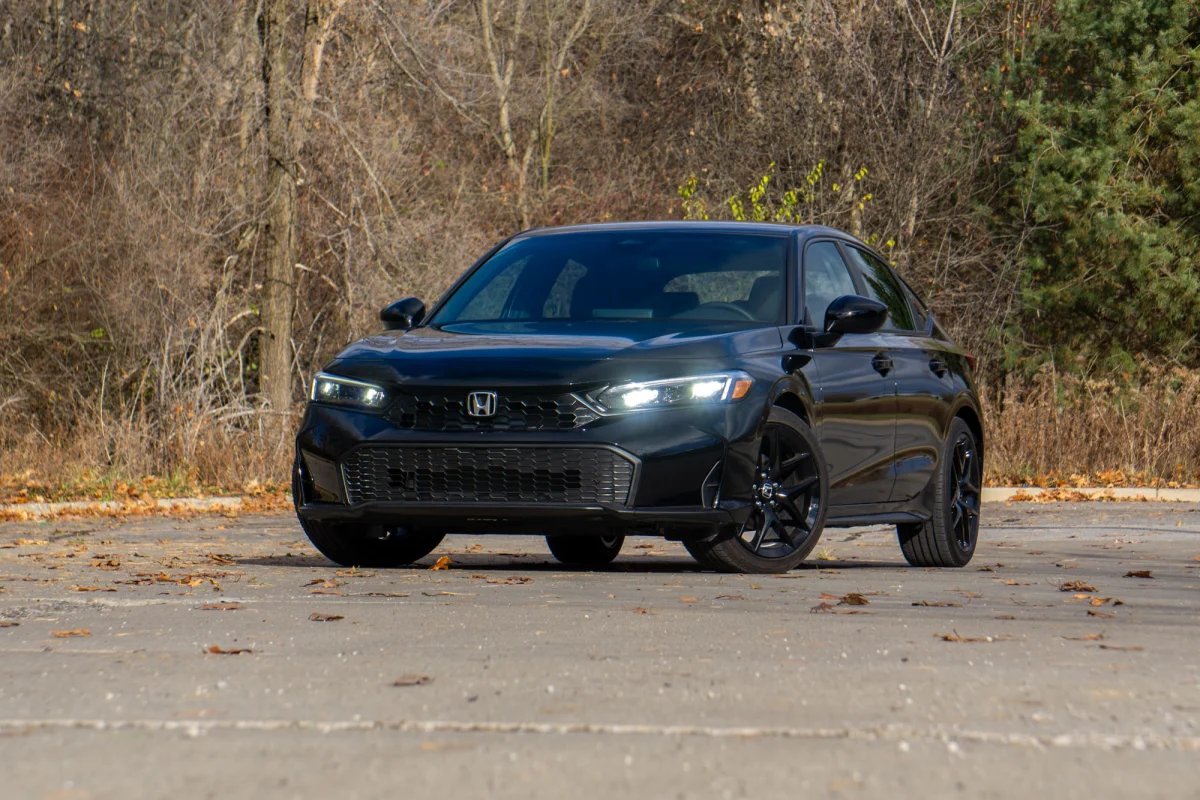
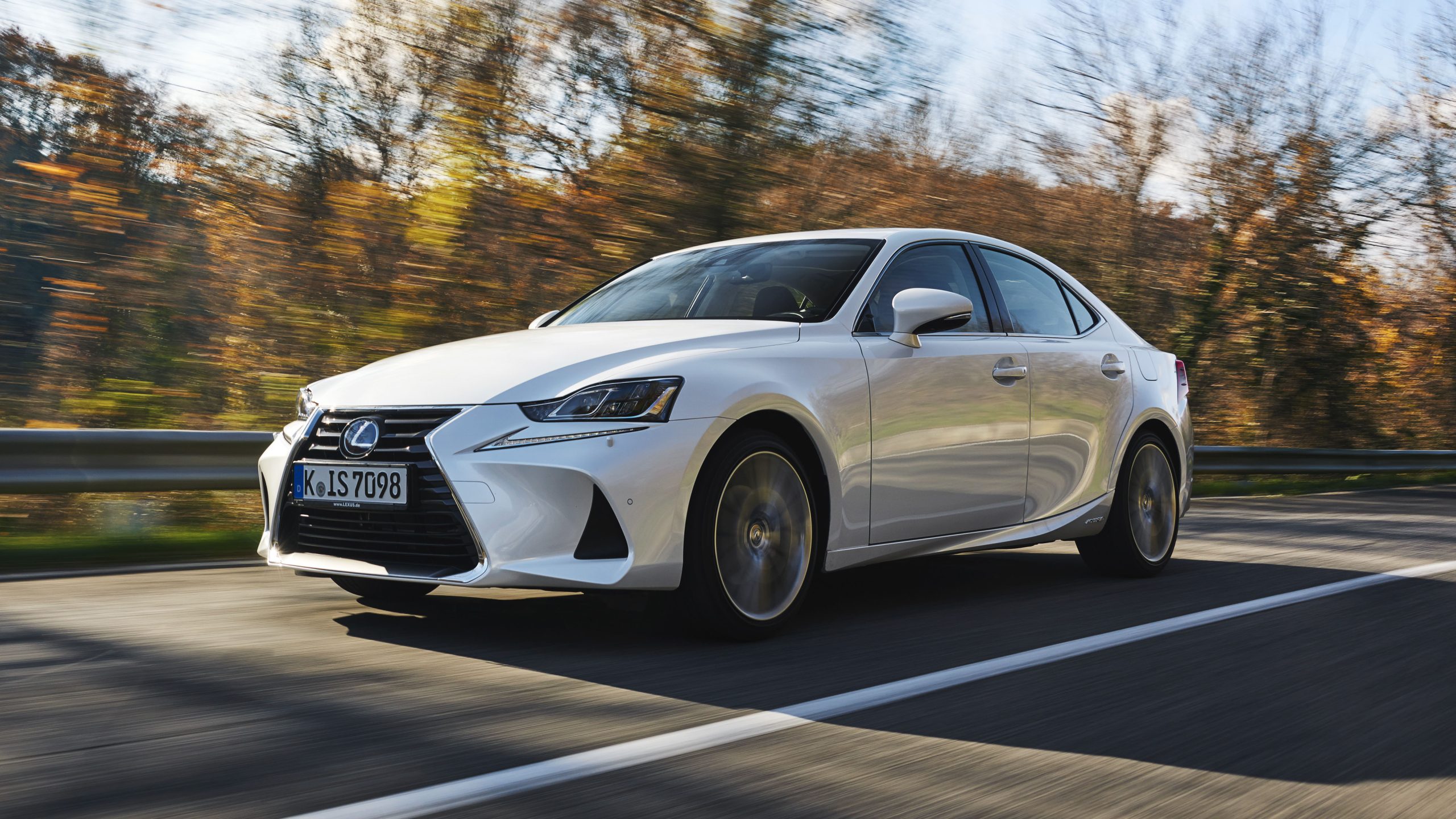
4. Lexus IS: Luxury and Longevity Combined
The Lexus IS is a luxury sedan known for its high-end refinement and remarkable reliability. Among passenger cars, it holds the highest probability of reaching 250,000 miles, with a 27.5 percent chance.
Unlike many luxury vehicles that often suffer mechanical fragility at high mileage, the IS combines Toyota’s over-engineering with durable components, resulting in a sedan that can easily exceed 200,000 to 300,000 miles with proper maintenance.
Core elements contributing to this longevity include reliable engines paired with durable Aisin 5-, 6-, or 8-speed automatic transmissions, timing chains instead of belts, rigorous quality control, and robust construction with reinforced steel panels that protect critical components. While older or high-mileage IS models may require maintenance of suspension and rubber parts, the fundamental powertrain is built to last.
The Lexus IS350 comes equipped with a 311-horsepower 3.5-liter V6 engine. Rear-wheel-drive models utilize an eight-speed automatic transmission, while all-wheel-drive versions employ a six-speed automatic. The drivetrain provides a smooth balance between comfort and performance, with the IS350 achieving 0–60 mph in 5.6 seconds for RWD and 5.5 seconds for AWD models.
While not as aggressive as rivals like the Cadillac CT4-V or Genesis G70, the IS delivers confident handling on twisty roads while maintaining a refined, comfortable ride. Fuel economy for the 2025 IS350 reaches up to 20 mpg city, 28 mpg highway, and 23 mpg combined, making it reasonably efficient for a luxury V6 sedan.
Inside, the Lexus IS offers a luxurious cabin with power-adjustable front seats, dual-zone automatic climate control, push-button start, and an optional power sunroof. Rear seating is compact, suitable for children or shorter adults, and cargo capacity measures five carry-on suitcases in the trunk, expanding to 15 with the rear seats folded.
Infotainment is centered around a 12.3-inch touchscreen paired with a 12.3-inch digital gauge display. Standard connectivity includes Bluetooth, wireless Apple CarPlay, and Android Auto, with in-dash navigation and a 10-speaker stereo. A premium 17-speaker Mark Levinson audio system is available as an upgrade.
Safety and driver-assistance features are comprehensive, with automated emergency braking, pedestrian detection, adaptive cruise control with lane-centering, and lane-keeping assist standard.
Additional convenience features include automatic high-beam headlights and road-sign recognition. Warranty coverage is strong, featuring a four-year/50,000-mile limited warranty, a six-year/70,000-mile powertrain warranty, and one year/10,000 miles of complimentary scheduled maintenance.
The Lexus IS stands out as a luxury sedan that successfully combines refinement, comfort, and performance with long-term durability, making it a rare choice among high-mileage luxury vehicles.
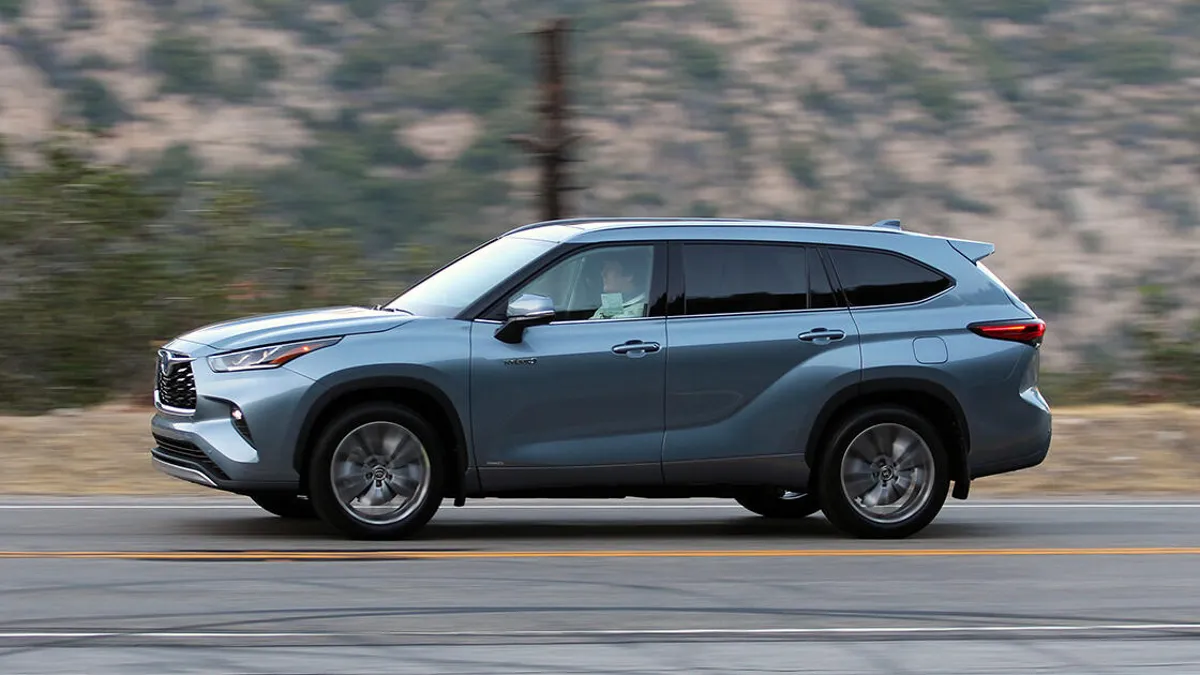
5. Toyota Highlander Hybrid: Long-Lasting Efficiency
The Toyota Highlander Hybrid defies the misconception that hybrids are short-lived, boasting a 31.0 percent chance of reaching 250,000 miles, making it the longest-lasting hybrid currently on the market. Its longevity comes from Toyota’s proven hybrid powertrain, which reduces engine stress, combined with durable components built to exceed 200,000 to 300,000 miles.
Key factors contributing to the Highlander Hybrid’s durability include the efficient 2.5-liter engine, a wear-reducing Electronic Continuously Variable Transmission (ECVT), and reliable hybrid batteries.
Nickel-Metal Hydride (NiMH) batteries typically last between 150,000 and 200,000 miles, while regenerative braking minimizes brake wear. The hybrid system eliminates components such as belts, starters, and alternators, reducing maintenance needs and wear points.
The 2025 Highlander Hybrid delivers stable handling and a smooth ride, making it a comfortable family SUV. Nonhybrid models feature a 265-horsepower turbocharged 2.4-liter four-cylinder engine with an eight-speed automatic transmission and all-wheel drive, but the hybrid version is better suited for longevity and efficiency.
In testing, the Highlander Hybrid accelerates from 0 to 60 mph in 7.2 seconds, providing adequate performance for its class. Towing capacity reaches 5,000 pounds, similar to competitors such as the Hyundai Palisade and slightly less than the Kia Telluride. Fuel economy estimates for the all-wheel-drive model are 21 mpg city and 28 mpg highway, typical for a mid-size three-row SUV.
The interior combines quality materials with practical design. Front seats are comfortable, while Limited and Platinum trims add leather upholstery, ventilated seats, and a 12.3-inch infotainment touchscreen. Second-row seating on XLE and Limited models can accommodate three adults on a bench seat, raising capacity to eight, while the third row is suitable for children.
Cargo capacity ranges from 23 cubic feet behind the third row to 57 cubic feet behind the second row. Infotainment features include an 8.0-inch standard touchscreen, optional 12.3-inch display, wireless Apple CarPlay and Android Auto, wireless charging, and premium JBL audio on higher trims.
Safety is comprehensive, with adaptive cruise control, lane-keeping assist, automated emergency braking with pedestrian detection, traffic-sign recognition, and blind-spot monitoring as standard. Optional features include a 360-degree camera system and front and rear parking sensors.
Toyota provides a three-year/36,000-mile limited warranty, a five-year/60,000-mile powertrain warranty, and two years/25,000 miles of complimentary maintenance, making the Highlander Hybrid a dependable, long-lasting choice in the hybrid SUV segment
.
Also Read: 5 Cars That Stay Quiet Over Time vs 5 That Develop Noise Issues
5 That Struggle
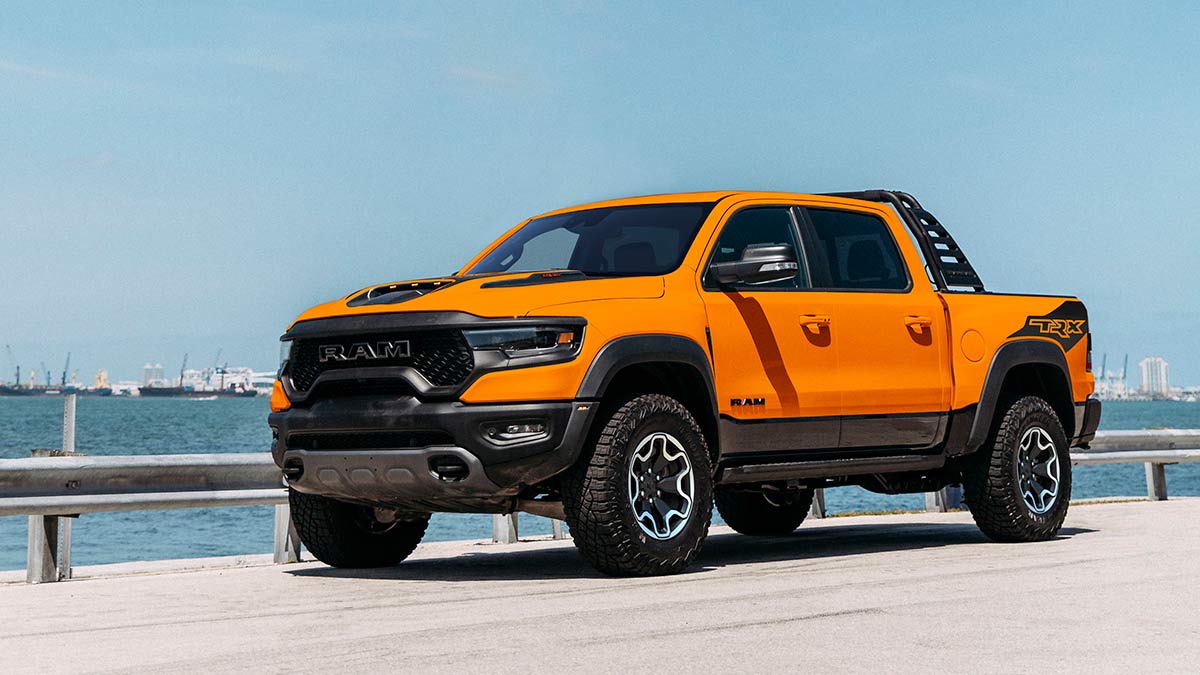
1. Ram 1500: High-Mileage Potential with Significant Challenges
The Ram 1500 remains a top-selling full-size pickup, but the 2026 model earned a low 5/100 reliability score from Consumer Reports, reflecting frequent early mechanical failures. While many Ram 1500 trucks can surpass 200,000 to 300,000 miles with strict maintenance, high-mileage owners face recurring issues related to engine design, complex electronics, and chassis wear.
A common concern is the “Hemi Tick” in the 5.7L Hemi V8. This noise may be a harmless injector click, but it can also signal serious problems such as camshaft and lifter failure.
In models from 2009–2019, needle bearings in the roller lifters can seize, damaging camshaft lobes and requiring a full engine rebuild. High-heat cycles also affect exhaust manifolds, causing bolts to snap or cast-iron manifolds to warp, creating ticking noises during cold starts.
Drivetrain components show wear over time. Older 4-speed and 6-speed transmissions can experience hard shifting or gear slipping after 100,000 miles, especially if fluid maintenance is neglected. Trucks with air suspension on premium trims often encounter leaks or compressor failures, which are expensive to repair compared with standard coil springs.
Electrical and structural issues are also prevalent. The Totally Integrated Power Module (TIPM) can fail at high mileage, causing stalling, fuel pump malfunctions, and erratic lighting.
Corrosion in wheel wells and rocker panels is common, and rear window seal leaks can damage electrical components stored under the rear seats. Newer fifth-generation models with the eTorque mild-hybrid system can experience Motor Generator Unit failures, potentially leaving drivers stranded.
Maintaining a high-mileage Ram 1500 requires proactive care, including cooling system flushes, frequent oil changes every 5,000 miles, and suspension inspections. While capable of long life, these trucks demand diligent maintenance and attention to known weak points to remain reliable and roadworthy over the long term.
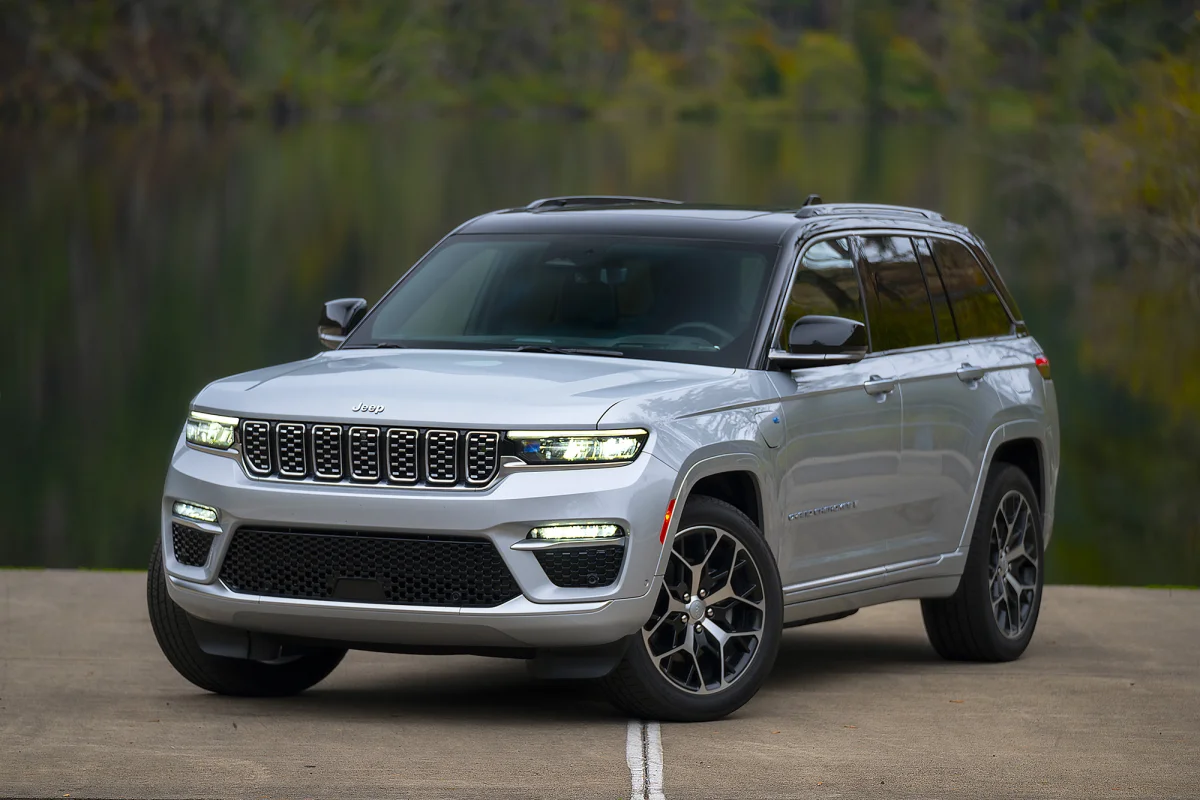
2. Jeep Grand Cherokee 4xe: High-Tech, High-Risk Hybrid
The Jeep Grand Cherokee 4xe plug-in hybrid is one of the least reliable vehicles in its class, earning a 10/100 score due to complex electrical systems, hybrid components, and mechanical stress. Unlike standard Grand Cherokees, which can last 150,000 to 300,000 miles, the 4xe introduces unique long-term failure points that challenge high-mileage ownership.
At the heart of the 4xe is a 2.0-liter turbocharged four-cylinder engine tasked with moving a 5,500-pound SUV. When the hybrid battery is depleted, this small engine must work harder than a traditional V6 or V8, increasing mechanical wear and potentially shortening its lifespan.
The hybrid design essentially combines two powertrains in one, with an internal combustion engine and a full electric drive system. This dual setup requires maintenance of sensors, cooling systems, and specialized hybrid components that are absent on standard models, raising the probability of high-mileage failures.
Battery degradation is another concern. The 14.0–16.0 kWh lithium-ion pack naturally loses capacity over time, reducing the electric-only range below the original 25–26 miles. This forces the gas engine to operate more frequently, further stressing the internal combustion system.
Owners also report persistent electrical glitches, including communication errors between hybrid control modules, sudden propulsion loss, and “limp mode” events caused by aging wiring or software.
The transition between electric and gas power can become harsh over time, producing a jerky driving experience and indicating premature wear in electronic shift mechanisms. While routine maintenance is manageable, replacement of 4xe-specific parts, such as the electric coolant heater or charging module, can be costly.
The Jeep Grand Cherokee 4xe offers modern hybrid efficiency and off-road capability but comes with high long-term maintenance demands. Prospective owners should be prepared for battery care, electronic repairs, and higher-than-average costs to keep the vehicle reliable as mileage increases.
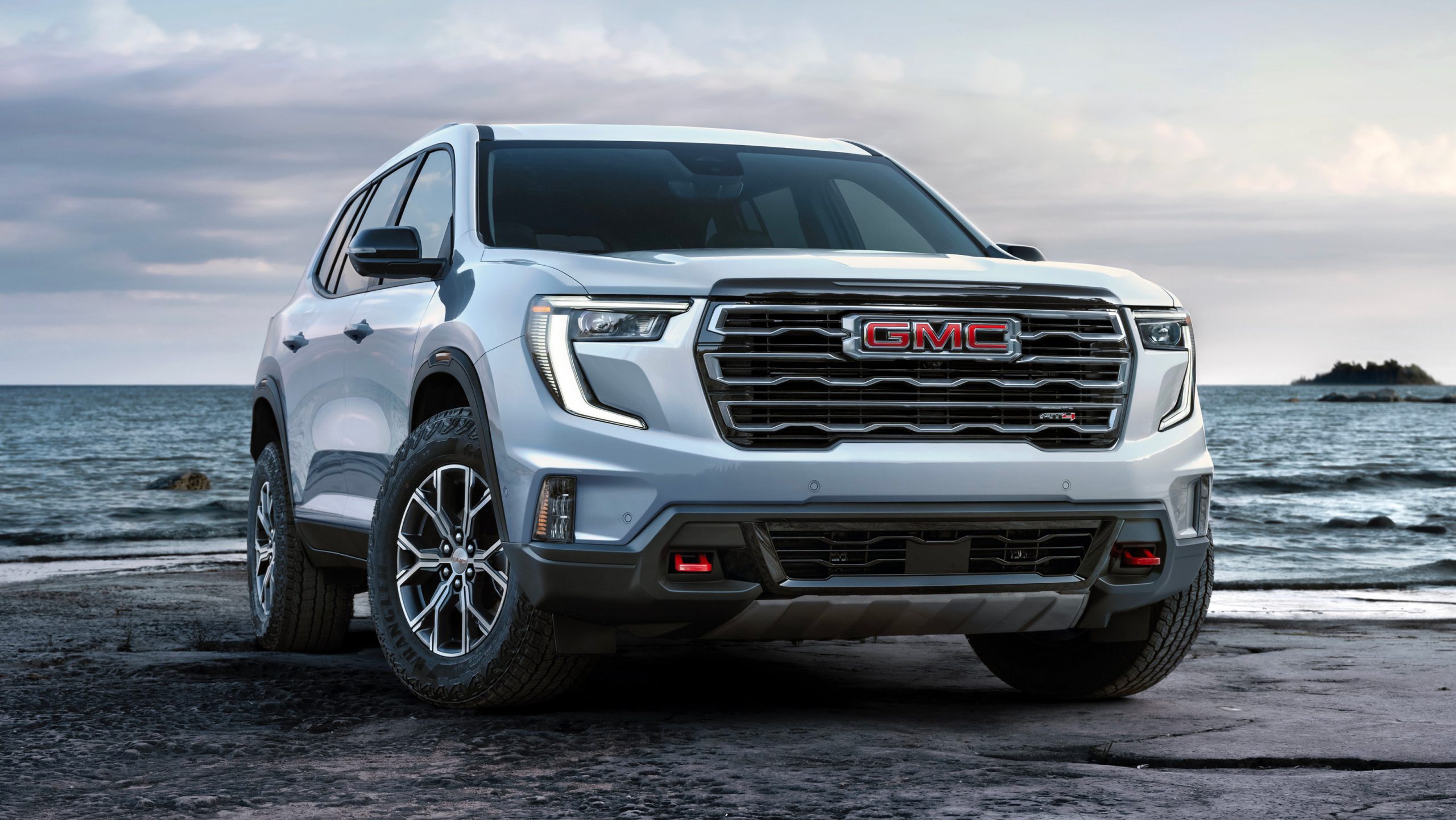
3. GMC Acadia: High-Mileage Challenges in a Mid-Size Crossover
The GMC Acadia has been flagged for low predicted reliability, earning a 14/100 score from Consumer Reports due to frequent transmission and electronic issues. First-generation models (2007–2016) are particularly prone to high-mileage struggles, which can make reaching 200,000 miles challenging without careful maintenance. Engine and transmission vulnerabilities often become costly once the warranty expires.
One of the most common issues is premature timing chain failure on the 3.6-liter V6 engine. Chains are prone to stretching, often failing around 150,000 miles. Ignoring early signs, such as rattling or a “Check Engine” light, can lead to catastrophic engine damage, with repairs frequently exceeding $2,000.
Transmission problems are another recurring concern. Early models, particularly 2007–2009 and 2012–2013, often experience broken wave plates or torque converter failures, resulting in shifting hesitation or complete failure between 75,000 and 120,000 miles. Transmission replacements can cost between $3,000 and $7,000.
High oil consumption is typical, with the 3.6-liter engine burning roughly a quart every 1,500 miles. Low oil levels accelerate timing chain wear, creating a destructive cycle. Direct Injection (GDI) engines also accumulate carbon deposits on intake valves, leading to rough idling, power loss, and reduced fuel economy. Aging components like clogged fuel filters and worn piston rings worsen performance as mileage increases.
Electrical and accessory failures are common in high-mileage Acadias, including power steering rack issues, leaking AC evaporators, and malfunctioning driver-assistance sensors. Compared with competitors like the Toyota Highlander or Honda Pilot, the Acadia ranks 23rd out of 26 midsize SUVs according to RepairPal.
Owners can extend the vehicle’s lifespan by using full synthetic oil and following strict 3,000–5,000-mile service intervals. While capable of lasting 200,000 miles, the Acadia demands vigilant maintenance and attention to known mechanical and electrical weaknesses to remain reliable at high mileage.
4. Chevrolet Blazer EV: Early Reliability Challenges on a New Platform
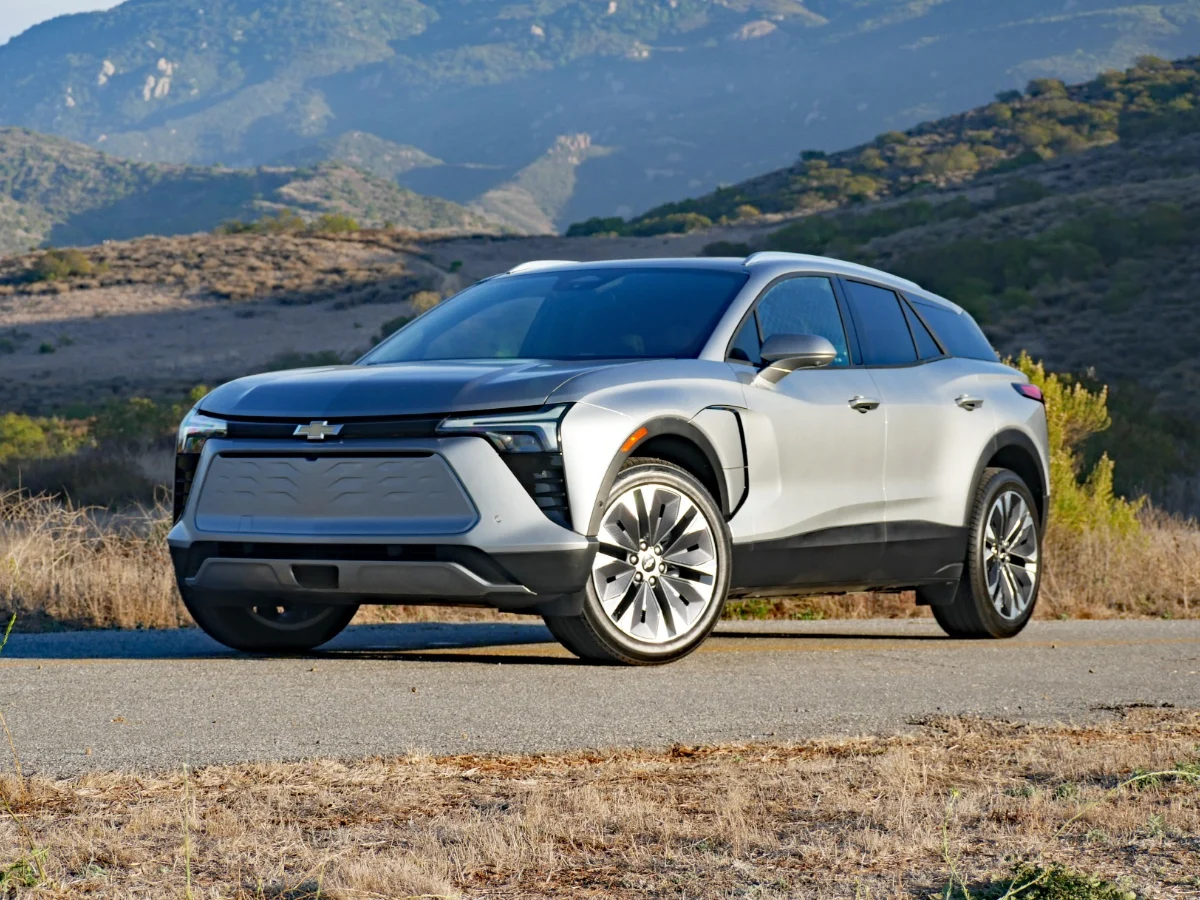
The Chevrolet Blazer EV, built on General Motors’ new Ultium platform, has struggled with reliability, earning a low 19/100 rating. As a first-generation model, the Blazer EV faces growing pains in both software and hardware integration, suggesting that long-term ownership may be challenging. While high-mileage data is limited, early reports reveal persistent issues that could affect durability and usability.
Software problems are the most common concern. Testers have reported multiple fault codes, infotainment failures, and system “boot loops” within the first few thousand miles. These issues arise from the complex interaction between the battery, motor, and cabin electronics, and may worsen over time as the car experiences more power cycles, sometimes preventing the vehicle from shifting into drive.
Battery and thermal management are also points of concern. Users have noted DC fast-charging inconsistencies, with speeds dropping sharply after just 15 minutes.
Degradation of cooling pumps or sensors could force the system to limit charging further, complicating long-distance travel at higher mileage. Range loss in cold climates has also been reported, with efficiency declining from 3.3 miles per kWh to as low as 2.5 miles per kWh.
Mechanical issues have appeared unusually early for a new EV. Reports include metal shavings in differential fluid and windows losing auto-up functionality, indicating potential build-quality weaknesses compared to competitors like Tesla or Hyundai.
High-mileage ownership is further complicated by steep depreciation. Kelley Blue Book notes that the Blazer EV can lose more than half its value within two years, and higher mileage accelerates this financial strain.
The Chevrolet Blazer EV delivers modern electric SUV features and the benefits of GM’s Ultium platform, but early reliability concerns, software fragility, battery limitations, and depreciation challenges suggest that prospective owners should carefully weigh the risks before committing to high-mileage use.
5. Volkswagen ID.4: Early EV Popularity Shadowed by Reliability Challenges
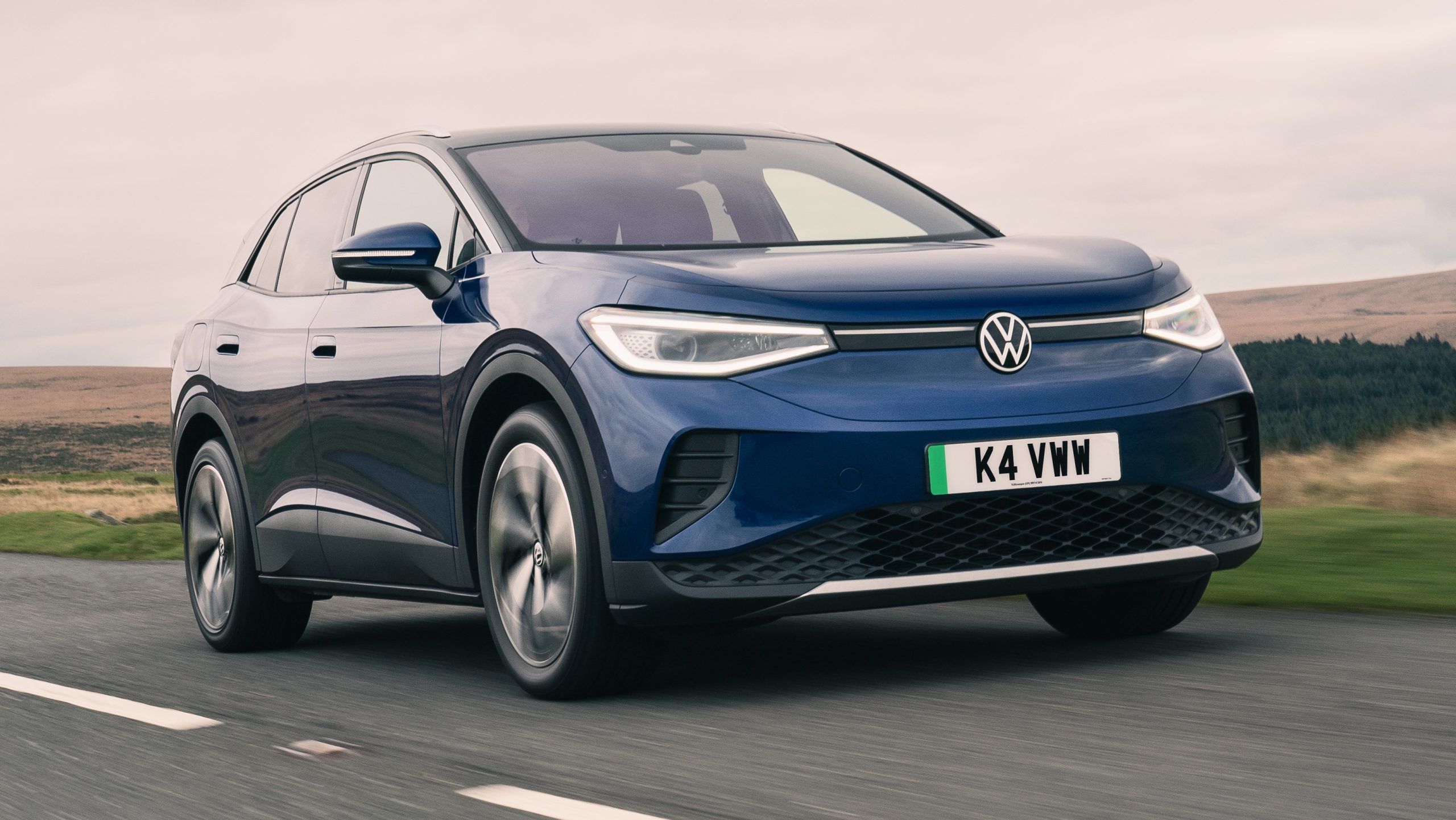
The Volkswagen ID.4 has gained popularity as an electric SUV, but its reliability score of 29/100 reflects persistent issues that may affect high-mileage owners. While many ID.4s operate without major problems, early-generation electric vehicles like this model are prone to software bugs, battery degradation, and accelerated hardware wear, creating long-term ownership challenges.
Battery performance declines naturally over time. Real-world data from Voltest shows most ID.4s maintain 81% to 91% capacity after 50,000 miles, but frequent DC fast charging or repeated 100% charges can accelerate permanent capacity loss.
Some drivers report highway range estimates dropping from around 275 miles to approximately 215 miles in cold weather or after heavy use. Reduced battery efficiency places additional strain on mechanical and electrical components, highlighting the importance of careful charging habits for longevity.
Software and electronics are another common source of frustration. High-mileage owners often experience black screen events, where infotainment and driver displays go blank, requiring hard resets.
GPS systems may lose accuracy or display incorrect speed limits, and remote app connectivity becomes less reliable over time, with “phantom drain” and failed connections increasing as telematics hardware ages. These glitches can impair convenience and safety, emphasizing the challenges of maintaining early-generation EV software.
The ID.4’s weight and high torque also accelerate wear on mechanical components. Original tires, especially on rear-wheel-drive models, can wear out before 30,000 miles, prompting costly replacements.
Suspension components such as front-end links and bushings may fail as early as 15,500 miles, causing squeaks and rattles. Additionally, high-mileage units are frequently included in recalls related to door handle water ingress and high-voltage battery fire risks, creating long dealership wait times for repairs.
Service availability further complicates long-term ownership. Once vehicles surpass the four-year/50,000-mile warranty, access to trained EV technicians becomes limited. Specialized repairs, such as replacement of onboard charger (OCDC) modules, can be delayed for weeks due to technician shortages.
The Volkswagen ID.4 offers modern EV technology and an attractive driving experience, but high-mileage ownership presents challenges. Battery degradation, software instability, mechanical wear, and service limitations require proactive maintenance, careful charging, and patience from owners to ensure reliability and longevity.
High-mileage performance clearly separates vehicles designed for endurance from those that face reliability challenges over time. Cars like the Toyota Sequoia and 4Runner succeed because of their durable construction, proven engines, and simple maintenance.
The Honda Civic and Lexus IS show that both compact and luxury vehicles can combine refinement with long-term dependability. Hybrid models such as the Toyota Highlander Hybrid demonstrate that efficiency does not have to come at the cost of durability.
On the other hand, modern vehicles with complex engines, hybrid components, or first-generation electric systems often encounter high-mileage issues.
The Ram 1500, Jeep Grand Cherokee 4xe, GMC Acadia, Chevrolet Blazer EV, and Volkswagen ID.4 highlight risks such as software glitches, battery degradation, and mechanical strain that can limit reliability. Buyers seeking vehicles that last should prioritize models with proven engineering, durable components, and maintenance that is manageable over the long term.
Also Read: Top 10 Cars That Still Look Like the Future Today