When shopping for a vehicle, the sticker price is only part of the story. Long-term ownership costs, especially replacement parts and maintenance, can dramatically change how affordable a car really is over time. Some vehicles are engineered with simplicity, mass production, and shared components in mind, making parts inexpensive and easy to source.
Others prioritize performance, exclusivity, or cutting-edge technology, which often leads to higher repair bills and specialized service requirements. This comparison highlights how those design philosophies play out in real ownership costs.
By examining five vehicles known for affordable, widely available parts alongside five models infamous for costly replacements, the contrast becomes clear.
From budget-friendly compacts like the Toyota Corolla and Nissan Versa to ultra-luxury SUVs such as the Bentley Bentayga and high-performance German flagships, this list shows how engineering choices, production scale, and brand positioning directly affect what owners pay long after the purchase is complete.
5 Vehicles With Affordable Parts
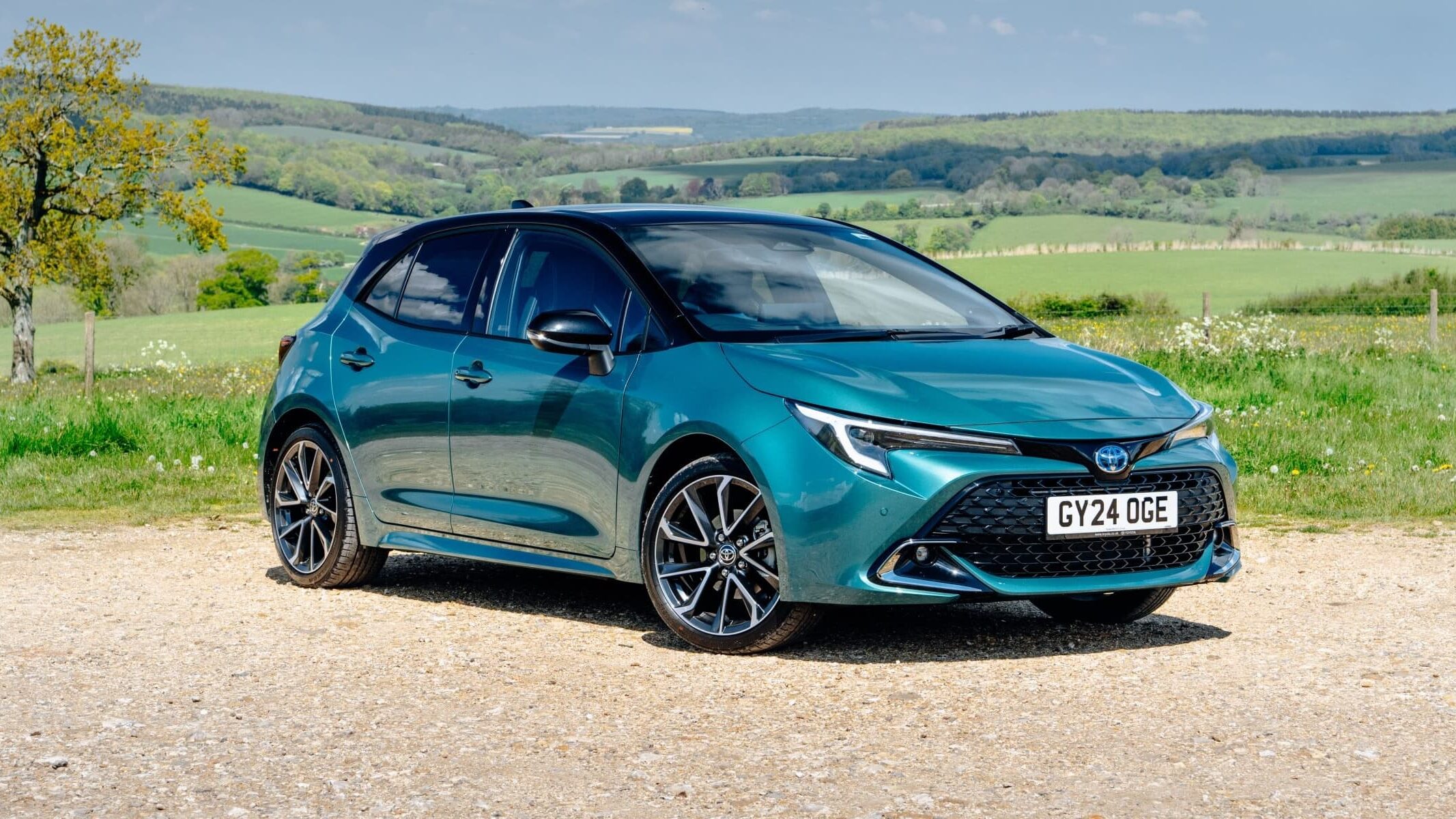
1. Toyota Corolla: Affordable, Reliable, and Efficient
The Toyota Corolla has earned a reputation as one of the most cost-effective and reliable compact cars, with a projected 10-year maintenance cost of around $4,434. Its affordability stems from widespread parts availability, simple engineering, and durable components.
Being one of the best-selling cars worldwide, the Corolla benefits from a competitive aftermarket and plentiful OEM parts, keeping repair costs low. Its conventional design minimizes complex systems, reducing both repair frequency and labor costs, while standardized components across model years further enhance affordability.
Toyota also offers capped-price servicing and straightforward maintenance schedules, helping owners avoid unexpected expenses.
Powering the Corolla is a 169-hp 2.0-liter four-cylinder engine paired with a continuously variable automatic transmission (CVT). The sedan and hatchback deliver a smooth ride and competent handling, though acceleration can feel leisurely, particularly in hybrid models.
Hybrid variants combine efficiency with practicality, achieving up to 53 mpg city and 50 mpg combined. Nonhybrid models also remain fuel-efficient, with EPA ratings up to 32 mpg city and 41 mpg highway.
The interior is practical and well-appointed, featuring soft-touch materials, passive entry, push-button start, and optional upgrades such as dual-zone climate control, ambient lighting, and heated seats. The sedan provides more rear legroom, while the hatchback offers up to 23 cubic feet of cargo space with the Enhanced Cargo Space option.
Infotainment includes an 8.0-inch touchscreen with Apple CarPlay and Android Auto, optional 10.5-inch screens, a digital gauge cluster, multiple USB-C ports, wireless charging, and an optional JBL audio system.
Safety is comprehensive, with Toyota Safety Sense 3.0 standard on all models. Features include automated emergency braking, forward-collision warning, adaptive cruise control, lane-departure warning, lane-keeping assist, automatic high beams, and road-sign assist.
Warranty coverage is competitive, offering a three-year/36,000-mile limited warranty, five-year/60,000-mile powertrain coverage, ten-year/150,000-mile hybrid component warranty, and two years/25,000 miles of complimentary maintenance.
The Toyota Corolla combines low-cost maintenance, dependable performance, and a practical interior, making it an ideal choice for drivers seeking long-term reliability and affordability without sacrificing fuel efficiency, safety, or comfort.
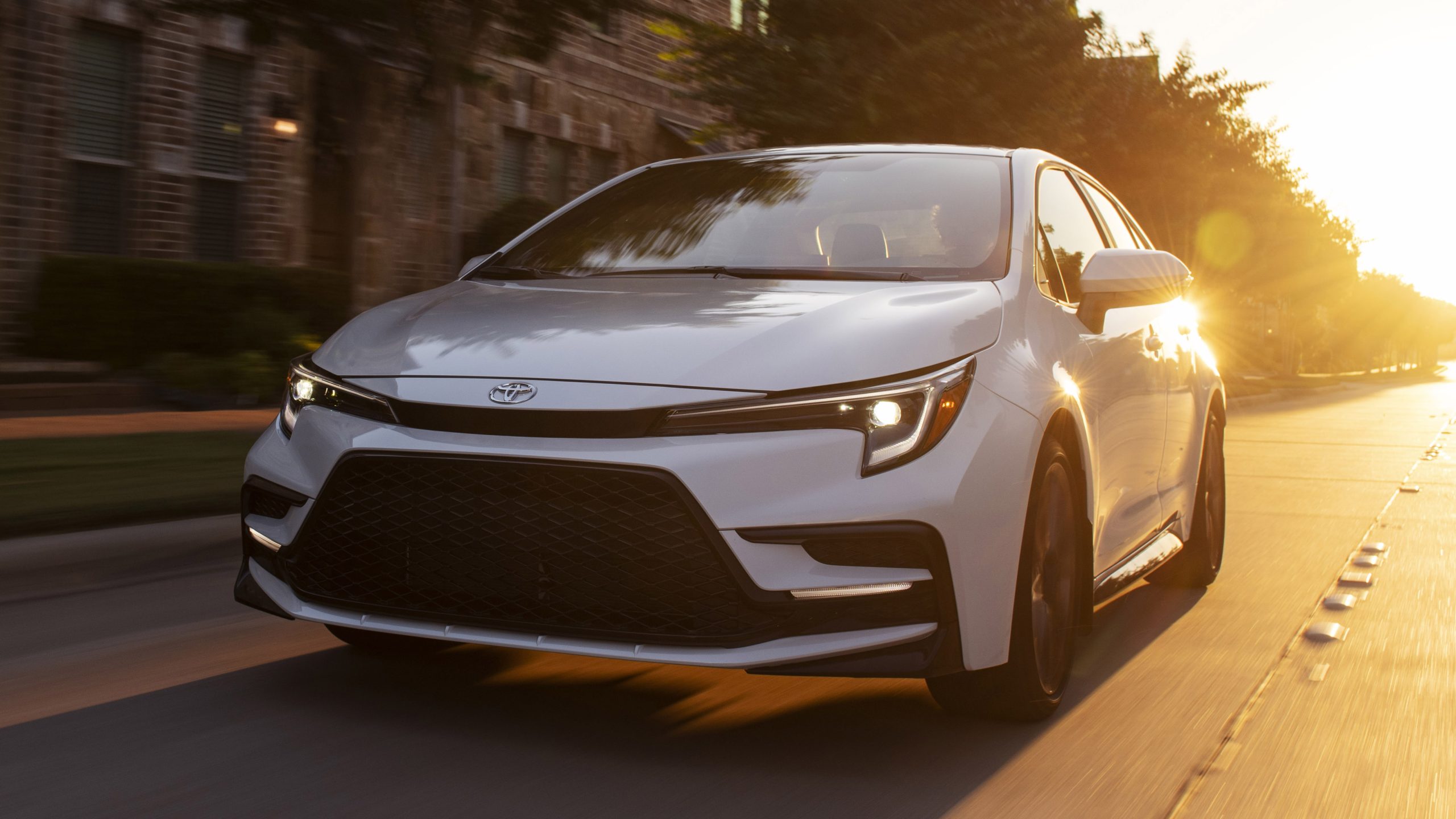
2. Nissan Versa: Budget-Friendly Ownership with Simple, Low-Cost Engineering
The Nissan Versa is widely recognized as one of the most affordable new cars to purchase and maintain, with estimated 10-year maintenance costs of about $5,786. Its low ownership costs come from a design philosophy centered on simplicity, high-volume production, and cost control rather than advanced or premium technology.
By using standardized components and straightforward mechanical systems, the Versa keeps both parts prices and labor costs accessible for long-term owners.
One of the main reasons the Versa remains inexpensive to maintain is its simple mechanical engineering. The car relies on a naturally aspirated four-cylinder engine paired with either a basic five-speed manual transmission or a conventional continuously variable transmission.
These systems are widely understood by technicians and require no specialized tools, which helps keep repair bills manageable. Nissan also produces the Versa in large volumes, and many of its parts are shared with other Nissan models, ensuring strong supply and competitive pricing in both OEM and aftermarket channels.
Manufacturing and sourcing from Mexico and the United States further reduces costs through regional trade efficiencies.
Power comes from a 122-horsepower four-cylinder engine driving the front wheels. Performance is modest, with acceleration best described as adequate for city and suburban driving. In testing, the Versa SR reached 60 mph in about 9.5 seconds.
While highway passing requires patience, the CVT helps smooth out engine noise and contributes to a comfortable driving experience. Ride quality is a strong point, with suspension tuning that absorbs road imperfections well. Steering feel and brake response are also improved compared with earlier generations.
Fuel economy is another strength. CVT-equipped models are rated up to 32 mpg city and 40 mpg highway, while real-world testing has shown highway results of 40 mpg. Manual transmission models are less efficient but still reasonable for the class.
Inside, the Versa offers a surprisingly refined cabin for an entry-level sedan. Materials are improved, with soft-touch surfaces on the dashboard and doors.
Higher trims add features such as heated front seats, a leather-wrapped steering wheel, automatic climate control, remote start, and a wireless charging pad. Rear seating comfortably accommodates two adults, and the trunk can hold six carry-on suitcases, expanding to 17 with the rear seats folded.
Infotainment includes a standard touchscreen, Apple CarPlay, and Android Auto on most trims, multiple USB ports, and intuitive physical controls. Safety equipment is generous, with standard automated emergency braking, lane-departure warning, and available blind-spot monitoring and adaptive cruise control.
Warranty coverage includes three years or 36,000 miles for basic protection, five years or 60,000 miles for the powertrain, and two years or 24,000 miles of complimentary maintenance. The Nissan Versa stands out as a practical, low-cost vehicle designed to minimize long-term ownership expenses while delivering dependable transportation.
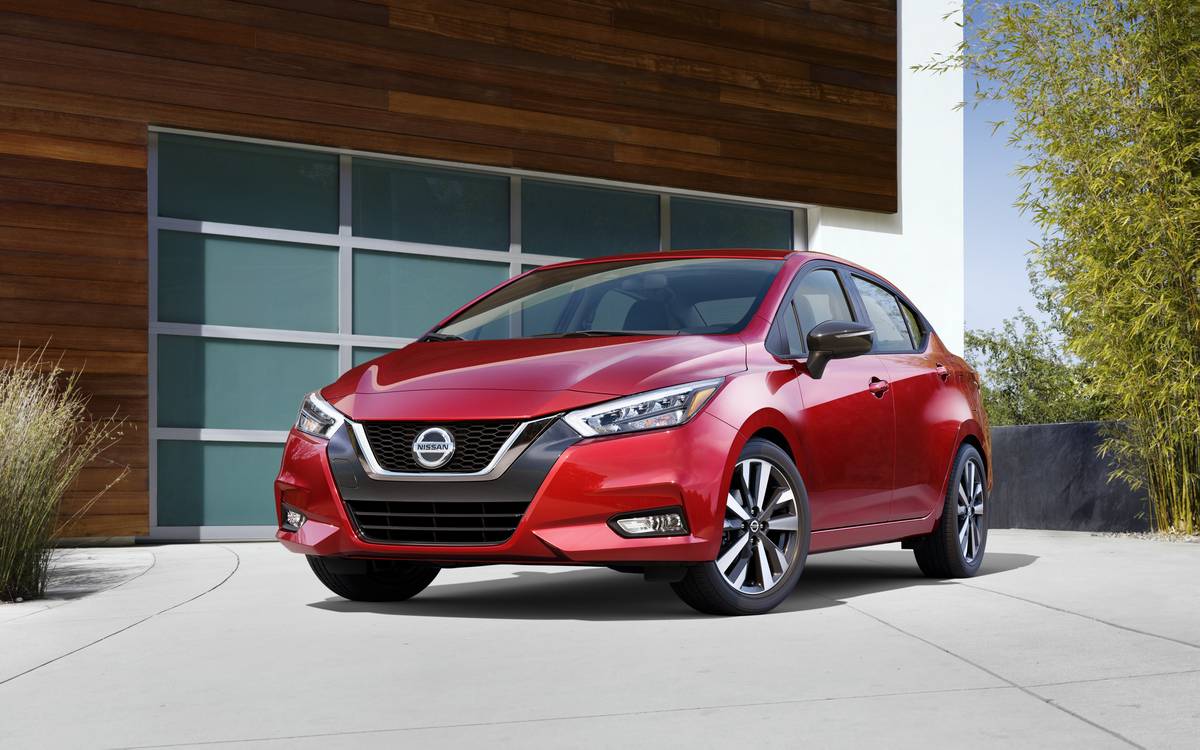
3. Honda Civic: Longstanding Reliability Supported by Abundant, Low-Cost Parts
The Honda Civic has earned a decades-long reputation for dependability and value, supported by a massive global production history that keeps parts affordable and easy to source. With an estimated 10-year maintenance cost of roughly $5,632, the Civic remains one of the most economical compact cars to own.
Its low upkeep costs stem from high production volume, extensive aftermarket support, shared components across Honda’s lineup, and engineering that prioritizes durability and simplicity.
One of the primary reasons Civic parts remain inexpensive is scale. As one of the best-selling cars worldwide for generations, the Civic benefits from parts produced in extremely high volumes. This reduces per-unit manufacturing costs and ensures widespread availability through dealerships, independent repair shops, and online marketplaces.
A large and competitive aftermarket further drives prices down by offering quality non-OEM alternatives for routine maintenance and common repairs. Honda’s practice of sharing components across multiple models also helps standardize parts, making replacements easier to find and cheaper to produce.
Reliability plays a major role in affordability as well. Civics are engineered to last for high mileages, which means components are designed for longevity and do not require frequent replacement.
The Civic’s relatively straightforward mechanical layout, especially in non-performance trims, makes it easier to service and reduces labor costs. This combination of durability and simplicity lowers both repair frequency and repair expense across long-term ownership.
Current Civic models offer two primary powertrains. The nonhybrid uses a 150-horsepower 2.0-liter four-cylinder engine paired with a continuously variable transmission and front-wheel drive. While not especially quick, it feels responsive enough for daily driving thanks to light weight, balanced handling, and a comfortable ride.
The Civic Hybrid pairs a 2.0-liter four-cylinder engine with two electric motors for a combined 200 horsepower. This setup delivers much stronger acceleration, reaching 60 mph in about 6.2 seconds, while remaining smooth and efficient.
Fuel economy is another strong point. Hybrid models achieve up to 50 mpg city and 47 mpg highway, while nonhybrid versions still deliver competitive efficiency for the class. Interior design emphasizes practicality, with comfortable seating, clean controls, and generous storage. Both sedan and hatchback body styles offer useful cargo space, making the Civic versatile for daily use and longer trips.
Technology features include touchscreen infotainment with Apple CarPlay and Android Auto, available digital gauges, and optional premium audio. Safety equipment is also robust, with standard automated emergency braking, lane-keeping assist, and adaptive cruise control.
Warranty coverage is typical for the segment, but the Civic’s true strength lies in its proven reliability, plentiful parts supply, and consistently low cost of ownership.
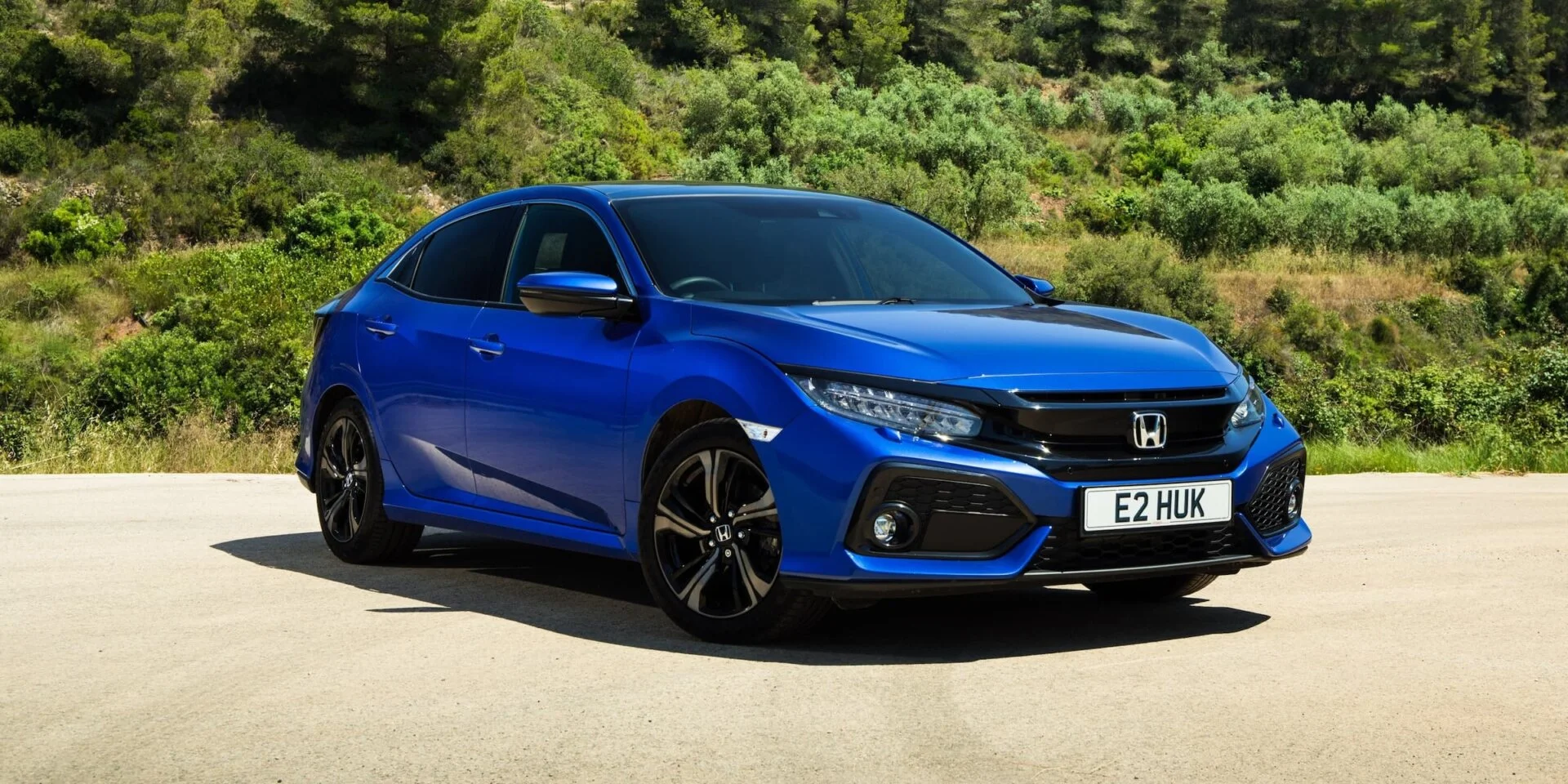
4. Toyota Prius: Exceptionally Low Ownership Costs Backed by Proven Hybrid Reliability
The Toyota Prius stands out as one of the least expensive vehicles to maintain over the long term, with an estimated 10-year maintenance cost of about $4,359. Despite its hybrid complexity, the Prius benefits from reduced mechanical wear, strong component durability, and decades of production scale.
These factors combine to make it one of the most cost-efficient cars on the road, especially for owners who prioritize long-term value and fuel savings.
A major reason for the Prius’s affordability is reliability by design. Toyota engineered the Prius for longevity, and many core components regularly exceed 100,000 miles with minimal issues. The hybrid system reduces stress on the gasoline engine by allowing the electric motors to handle low-speed driving and frequent stop-and-go situations.
This results in less engine wear, fewer oil-related issues, and extended service intervals compared to traditional gas vehicles. Brake wear is also significantly reduced due to regenerative braking, which lowers the frequency and cost of brake replacements.
Production scale plays a crucial role in keeping parts inexpensive. As one of the most widely sold hybrids in the world for nearly three decades, the Prius benefits from mass production efficiency. High demand ensures that replacement parts are produced in large volumes, driving down unit costs.
In addition, the Prius enjoys extensive aftermarket support, with many third-party manufacturers offering competitively priced alternatives to factory components. This creates strong price competition and makes repairs more accessible both at dealerships and independent shops.
Maintenance requirements are relatively minimal. Routine service typically consists of fluid changes, filters, and inspections rather than major mechanical repairs.
While specialized components such as the hybrid battery can be costly if replaced outside warranty coverage, Toyota’s hybrid components are covered for up to 10 years or 150,000 miles, significantly reducing financial risk for most owners. In real-world ownership, many hybrid batteries last well beyond their warranty period.
The current Prius pairs a 2.0 liter four cylinder engine with electric motors and a continuously variable transmission. Front wheel drive models produce 194 horsepower, while all wheel drive versions add a rear electric motor and reach 196 horsepower. Performance is noticeably improved compared to earlier generations, with a 0 to 60 mph time of about 7.1 seconds for Front Wheel Drive models.
Fuel efficiency remains a defining strength. EPA ratings range from the low 50 mpg range to as high as 57 mpg city, depending on trim and drivetrain.
Interior design balances practicality with modern technology, offering ample cargo space, comfortable seating, and advanced infotainment with wireless smartphone integration. Safety features such as adaptive cruise control, lane keeping assist, and blind spot monitoring come standard.
Taken together, the Prius combines low maintenance costs, exceptional fuel economy, and long-term durability, making it one of the most financially sensible vehicles available.
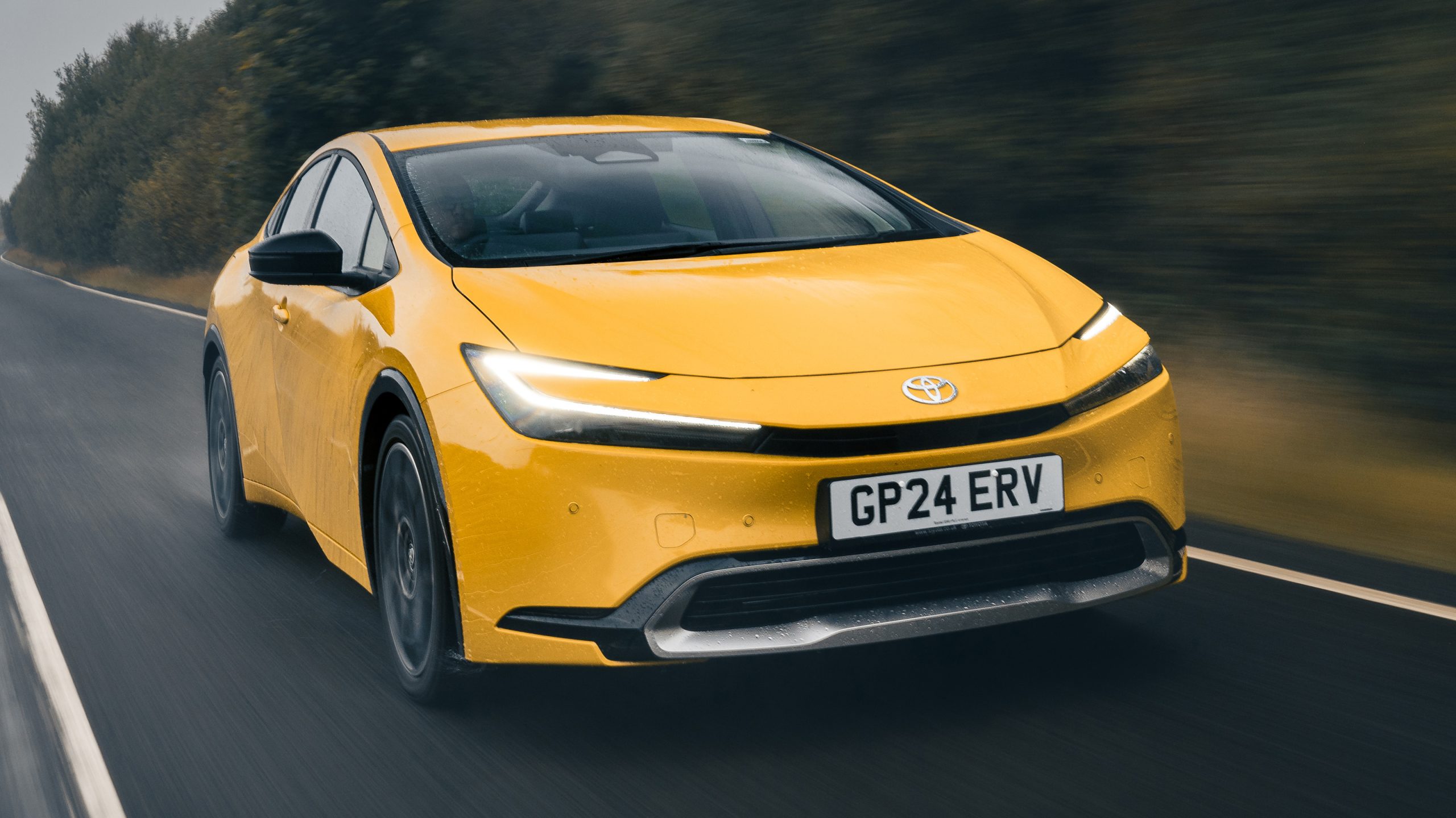
5. Hyundai Elantra: Low Ownership Costs Supported by High-Volume Production
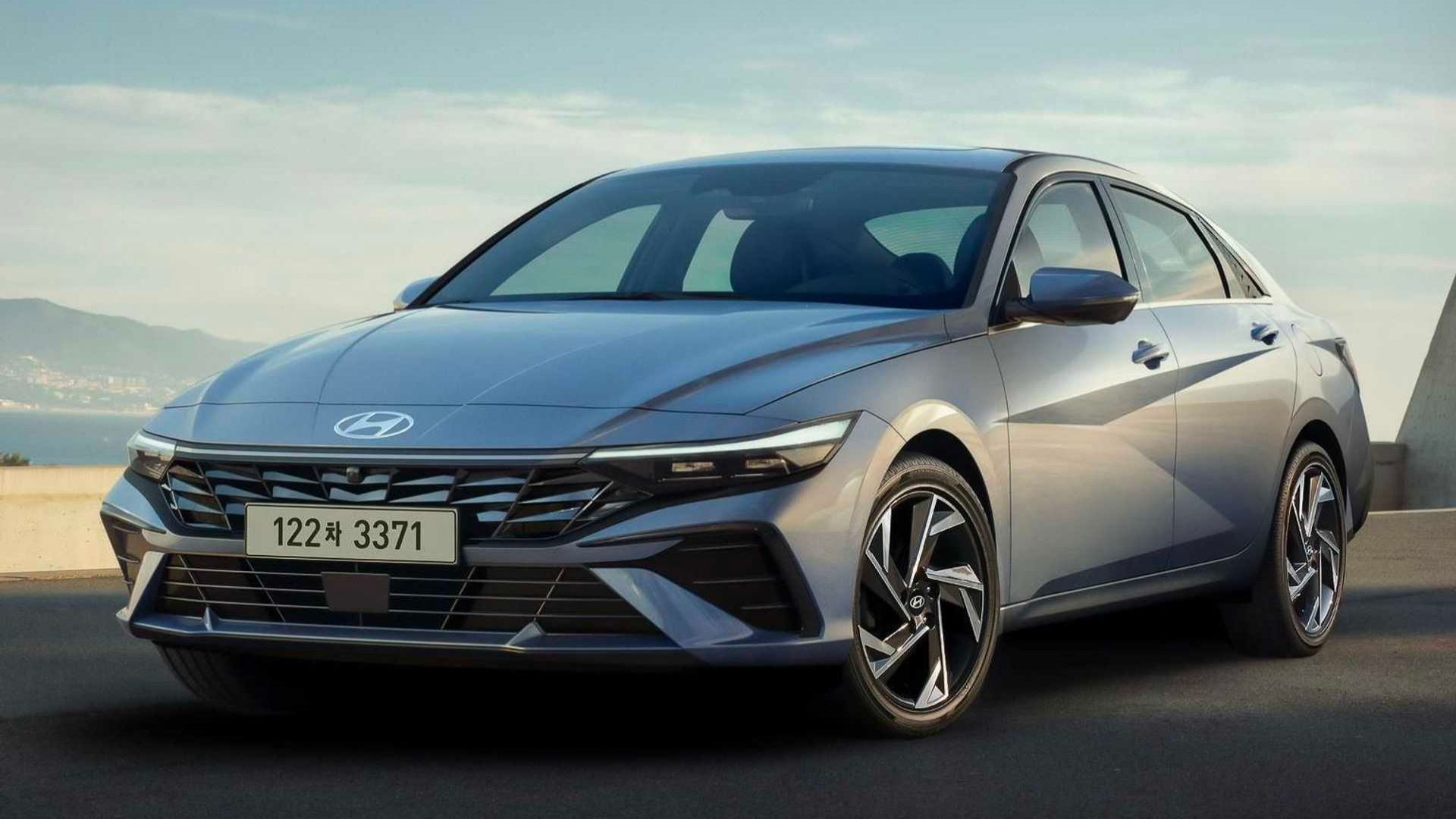
The Hyundai Elantra is widely regarded as a cost-effective compact sedan, combining affordable parts, competitive pricing, and one of the longest warranties in the industry.
With an estimated 10-year maintenance cost of about $6,338, the Elantra remains inexpensive to own largely because of Hyundai’s manufacturing strategy and design philosophy. High production volume, strong supply chain control, and simplified engineering help keep repair and replacement expenses manageable for long-term owners.
A key factor behind the Elantra’s low parts costs is Hyundai’s vertical integration. Through subsidiaries such as Hyundai Mobis, the company produces many of its own components, including electronics, modules, and engine-related parts.
This approach reduces dependence on outside suppliers and eliminates additional markups, allowing Hyundai to price replacement parts more competitively. Shared platforms and components across multiple Hyundai and Kia models further lower production costs by spreading development and tooling expenses over millions of vehicles.
High-volume manufacturing also plays a significant role. The Elantra is one of Hyundai’s best-selling global models, ensuring that both original equipment and aftermarket parts are widely available.
A robust aftermarket ecosystem provides alternatives that are often significantly cheaper than factory parts, giving owners flexibility when maintaining or repairing their vehicles. Localized manufacturing in North America reduces shipping costs and import fees, which helps keep parts prices stable and accessible.
From a mechanical standpoint, the Elantra is engineered for efficiency rather than complexity. Its components are designed to be reliable, easy to source, and relatively simple to service. Routine maintenance costs remain reasonable, and five-year ownership expenses are often lower than those of many competitors in the compact sedan segment.
Hyundai’s warranty coverage adds another layer of value, with five years or 60,000 miles of limited warranty, 10 years or 100,000 miles on the powertrain, and complimentary maintenance for three years or 36,000 miles.
In daily driving, the Elantra prioritizes comfort and fuel economy over performance. The base four-cylinder engine delivers adequate power for commuting, though acceleration is modest and passing requires planning.
The continuously variable transmission is tuned for smoothness and efficiency, keeping fuel consumption low while minimizing harshness. Handling is predictable and composed, with the sport-tuned N Line available for drivers seeking a more engaging experience.
Interior space is a strong point, particularly in the rear seat, where adult passengers are well accommodated. The cabin features intuitive climate controls, comfortable seating, and user-friendly technology.
Available dual screens, wireless smartphone integration on select trims, and multiple charging options enhance everyday usability. Fuel economy is another highlight, with EPA combined ratings in the mid-30 mpg range and real-world results often exceeding expectations.
Taken together, the Hyundai Elantra delivers solid value through affordable parts, efficient design, and exceptional warranty support, making it an appealing choice for budget-conscious buyers seeking dependable transportation.
Also Read: 5 Cars That Stay Quiet Over Time vs 5 That Develop Noise Issues
5 With Costly Replacements
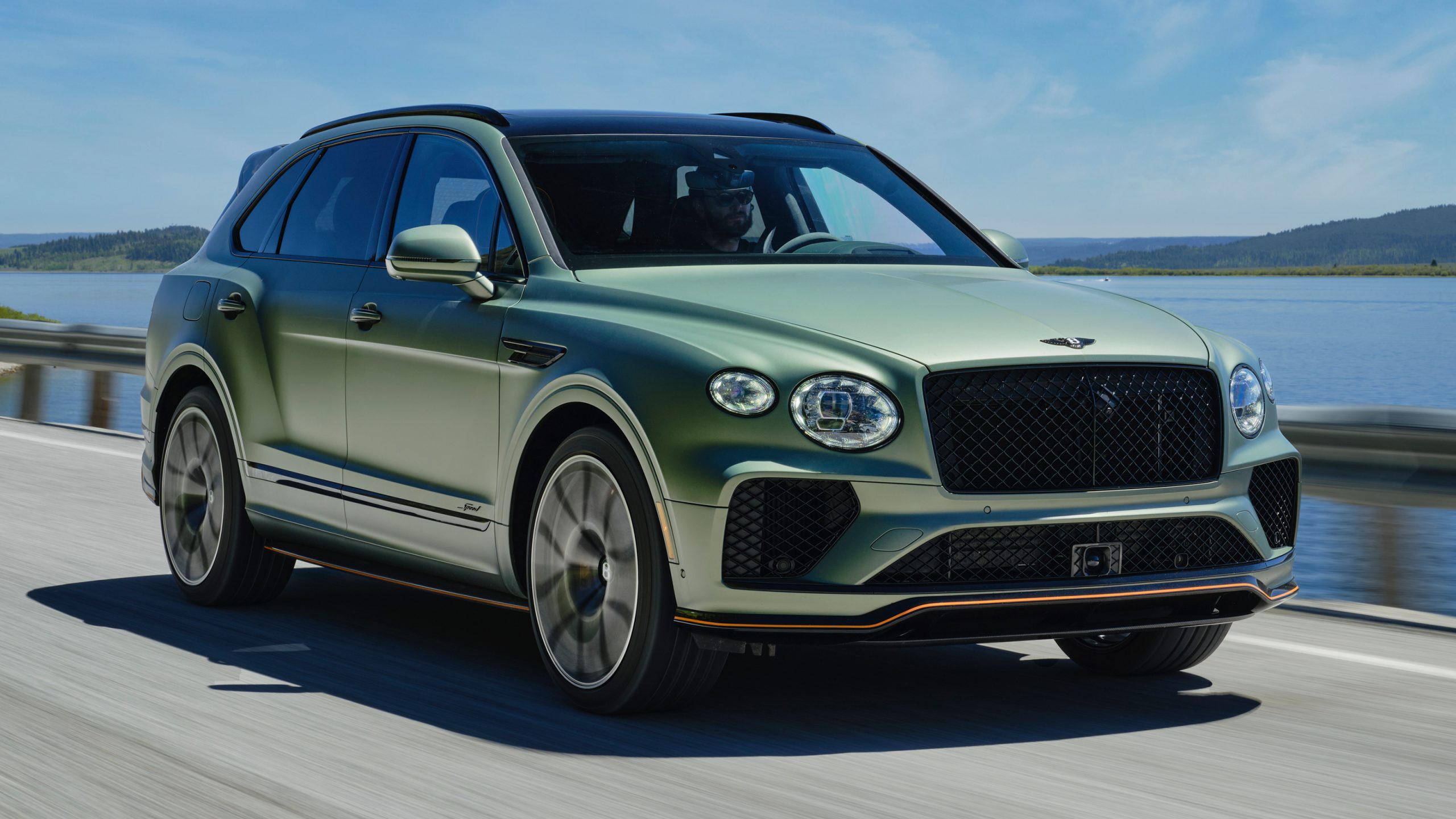
1. Bentley Bentayga: Why Ownership and Replacement Costs Are Exceptionally High
The Bentley Bentayga is among the most expensive SUVs in the world to maintain, with estimated 10-year ownership costs approaching $28,860. These extreme expenses stem from the vehicle’s identity as a handcrafted luxury product rather than a mass-produced machine.
Every aspect of the Bentayga, from its components to its servicing requirements, is designed around exclusivity, and that exclusivity carries a significant financial burden for long-term owners.
A major driver of cost is the handcrafted nature of its components. Unlike mainstream luxury SUVs that rely on shared platforms and standardized parts, many Bentayga components are bespoke and tied directly to the vehicle’s specifications. Assembly time can range from roughly 130 to 400 hours per vehicle, and replacement parts must often be custom-matched.
Interior trim pieces such as wood veneers or carbon fiber panels are book-matched and hand-finished, meaning even minor cosmetic repairs can cost thousands of dollars due to the labor and materials involved.
Routine maintenance is also far more expensive than average. Data suggests the Bentayga costs more than $16,000 above the luxury SUV segment norm over a decade.
There is also a high probability of major repairs during that period. Even basic service items carry inflated pricing, with Bentley-specific oil filters costing several times more than standard equivalents and replacement keys exceeding $2,500. These elevated costs apply to nearly every wear item on the vehicle.
Depreciation further amplifies the financial impact. The Bentayga can lose nearly half of its value within five years. For buyers spending well over $200,000, this translates into a six-figure loss in equity, making replacement with a newer model an exceptionally costly decision.
Finally, servicing limitations add another layer of expense. Advanced systems such as air suspension and active roll control rely on proprietary software that requires factory-certified technicians. This restricts owners to dealership service centers, where labor rates are among the highest in the automotive industry.
2. Porsche Cayenne: Why High Performance Comes With High Maintenance Costs
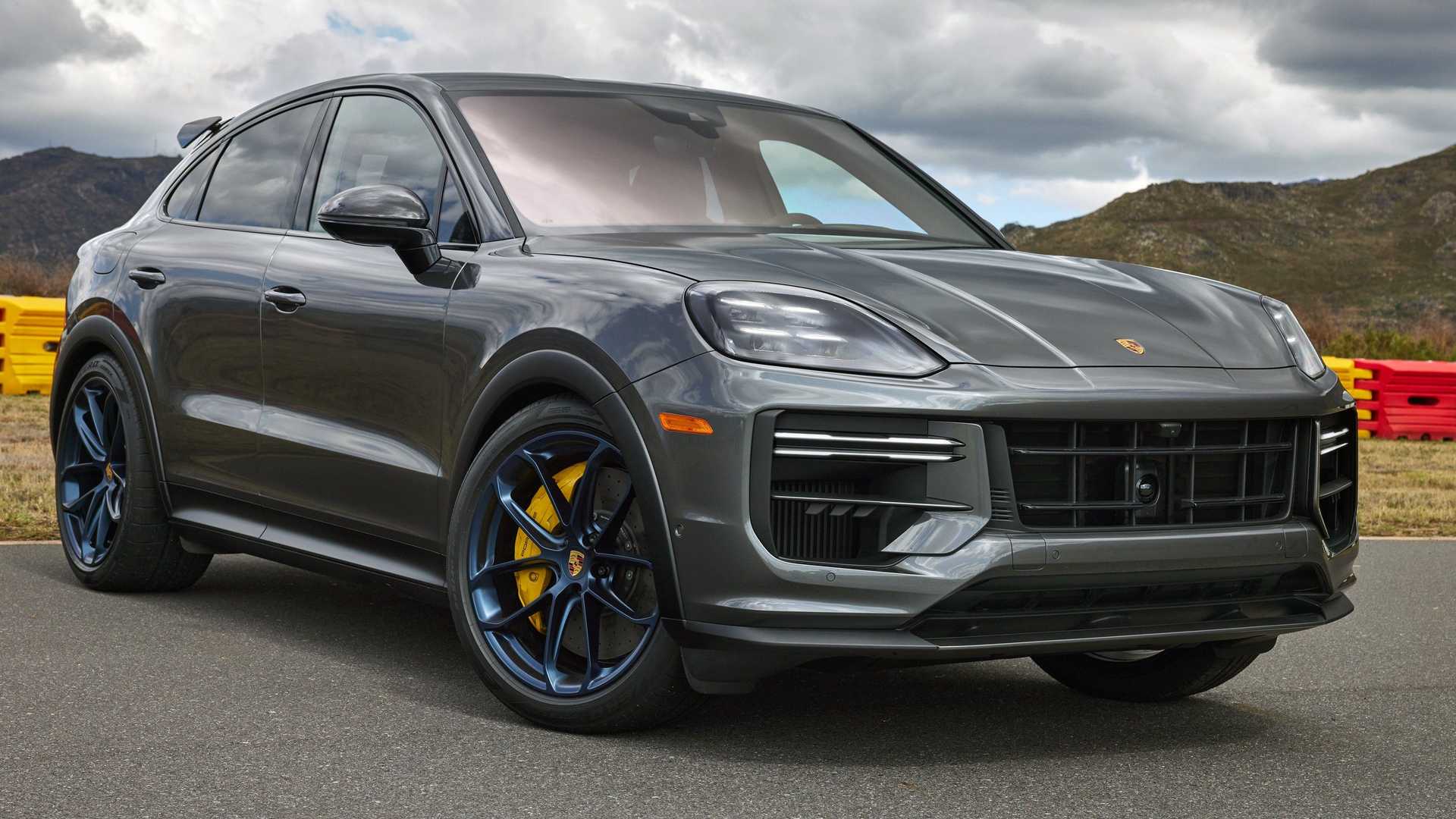
The Porsche Cayenne blends luxury and sports car performance, but that combination brings substantial long-term ownership expenses. Estimated 10 year maintenance costs exceed $21,000, largely because the Cayenne relies on specialized components, complex engineering, and premium branded parts that are expensive to replace and service.
A primary factor behind these costs is the use of high-performance parts. The Cayenne is equipped with large, advanced brake systems, wide performance tires, and Porsche-specified synthetic oils that are far more costly than those used in mainstream SUVs.
Brake services alone can range from $1,000 to $2,500, depending on trim level, as higher performance variants require larger rotors and more sophisticated materials to handle heat and repeated hard use.
Engineering complexity also plays a major role. The Cayenne’s tightly packaged engine bays and advanced drivetrains often require significant labor time even for routine repairs.
Accessing components such as engine mounts or fuel pumps can involve removing surrounding systems, which drives labor costs upward. Dealership technicians and Porsche-certified specialists also command higher hourly rates due to the training required to work on these vehicles.
Proprietary systems further increase replacement costs. Optional features such as air suspension rely on model-specific components that have no inexpensive alternatives.
A single air suspension strut can cost more than $1,500 in parts alone, and failures typically occur as the vehicle ages. Similarly, many electronic and drivetrain components require OEM parts to avoid warning lights or system errors, limiting the use of cheaper aftermarket options.
Older Cayenne models are also known for several expensive failure points. Plastic coolant pipes can crack and leak, leading to repairs of around $1,500, while transfer case failures in certain years can approach $4,000. These issues are not guaranteed, but when they occur, they create sudden and significant repair bills.
Together, specialized hardware, labor-intensive repairs, and premium branded components explain why the Porsche Cayenne remains one of the most expensive midsize luxury SUVs to maintain over time.
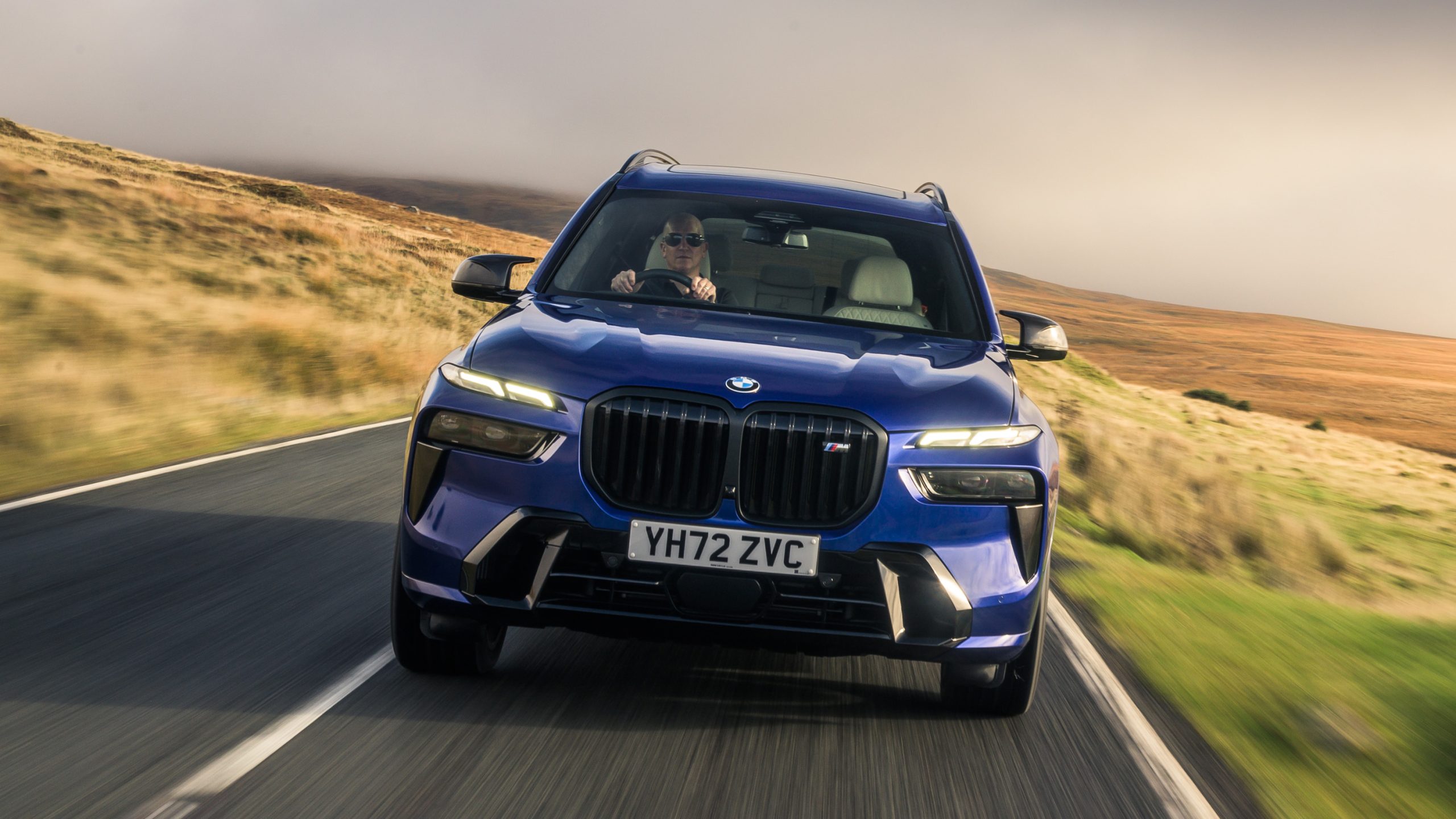
3. BMW X7: Why Flagship Luxury Leads to Premium Maintenance Costs
The BMW X7 sits at the top of BMW’s SUV lineup, offering cutting-edge comfort, performance, and technology. That level of sophistication comes with a substantial financial commitment. Over a 10-year ownership period, maintenance and repair costs are projected at roughly $20,420, which is about $8,000 higher than the luxury SUV segment average.
The primary driver of these costs is the X7’s complex engineering. Advanced systems such as two axle air suspension, electronically controlled dampers, and the Vertical Dynamic Platform are built with tight tolerances and high-quality materials. While these systems deliver an exceptionally smooth and controlled ride, they rely on expensive OEM components that are costly to replace once they age or fail.
Specialized labor further increases expenses. Many repairs require BMW-certified technicians and proprietary diagnostic tools. Even routine services can be surprisingly costly.
For example, replacing the battery is not a simple swap, as it must be electronically registered to the vehicle’s computer, pushing the cost close to $500. Labor rates at authorized service centers reflect the training and tools required to work on these systems.
Everyday wear items are also premium grade. Performance-oriented trims use large wheels and high-performance tires that can cost around $700 per tire. Brake service is another major expense, with dealership pad and rotor replacements exceeding $3,000 on M Sport models due to their size and material quality.
Import-related costs add another layer. Many genuine BMW parts are produced in Europe, and shipping, customs fees, and currency fluctuations increase final prices for owners outside that market.
The X7 also carries a higher risk of major repairs compared to rivals. Air suspension components can cost more than $2,000 per corner to replace, and full system failures may exceed $7,000. Early V8-powered models with the N63 engine are known for complex designs that can lead to expensive long-term repairs. Advanced infotainment and driver assistance systems also rely on costly sensors and control modules.
To control expenses, owners are advised to follow BMW’s condition-based service schedule closely and consider extended warranty coverage once the factory warranty expires.
4. Land Rover Range Rover: Prestige, Capability, and the High Cost of Ownership
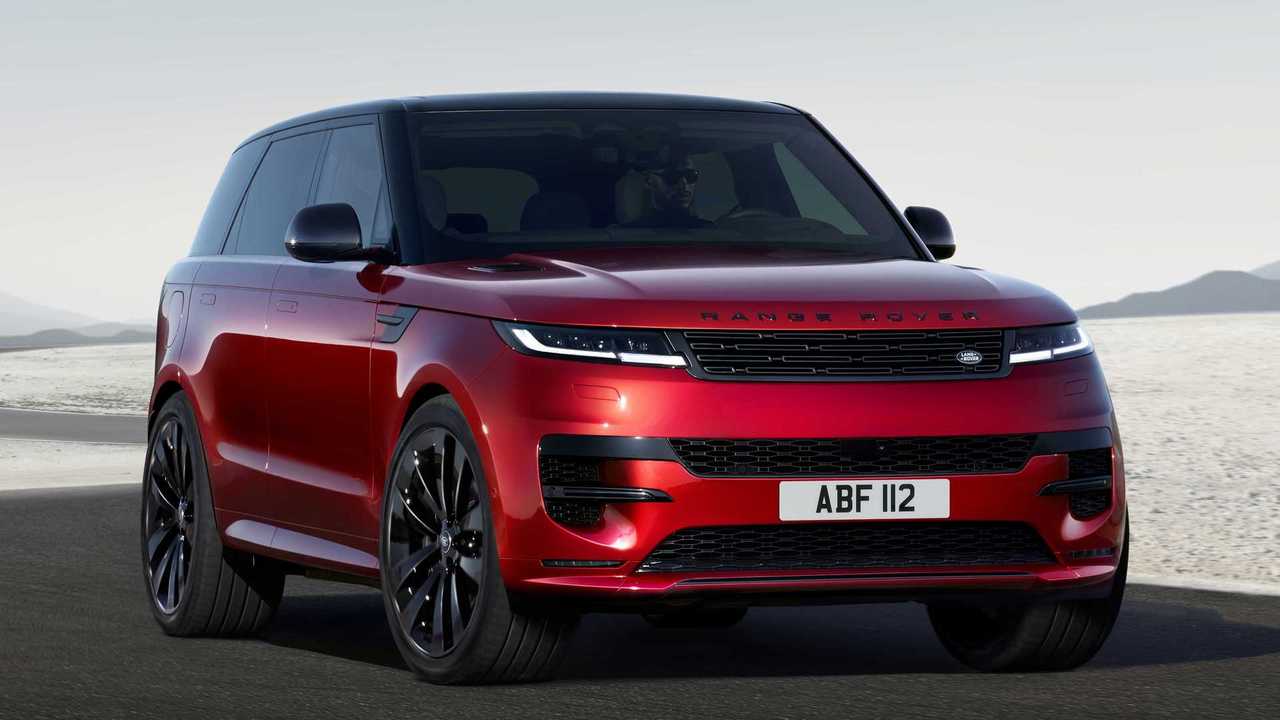
The Land Rover Range Rover is celebrated for blending luxury, off-road capability, and commanding presence, but this reputation comes with substantial long-term costs. Industry data from CarEdge estimates that maintenance and repair expenses average about $19,749 over a 10-year ownership period.
This places the Range Rover roughly $7,300 above the typical luxury SUV average, making it one of the most expensive vehicles in its class to keep on the road.
A major contributor to these costs is the vehicle’s complex engineering. Range Rovers are designed to perform in demanding off-road environments while still delivering a refined luxury experience.
Systems such as Terrain Response, adaptive air suspension, and highly integrated electronic control networks rely on specialized parts that are costly to produce and replace. The air suspension system, in particular, is a common failure point, with repairs often ranging from $1,500 to $4,000 depending on severity and labor.
Material choices also play a role. The Range Rover uses lightweight aluminum panels and high-strength steel to improve performance and efficiency. Many of these components are produced overseas, which means replacement parts often must be imported.
Shipping costs, tariffs, and limited availability increase prices even for routine repairs. Standard services like oil changes can be surprisingly expensive because they require specific high-grade fluids and genuine OEM filters.
Labor costs further inflate ownership expenses. Range Rovers require certified technicians who are trained to work with the brand’s proprietary systems and diagnostic software. This specialized expertise commands higher hourly rates at dealerships and independent specialists alike.
Reliability history compounds the issue. There is an estimated 51 percent chance that a Range Rover will need a major repair within its first decade, a rate notably higher than many luxury rivals. Common high-severity issues include electrical malfunctions, transmission failures that can approach $7,000, and engine-related problems.
For owners, the appeal of prestige and capability comes with the understanding that maintaining a Range Rover demands a significant financial commitment over time.
5. RAM Heavy Duty Trucks: The High Cost of Long-Term Ownership
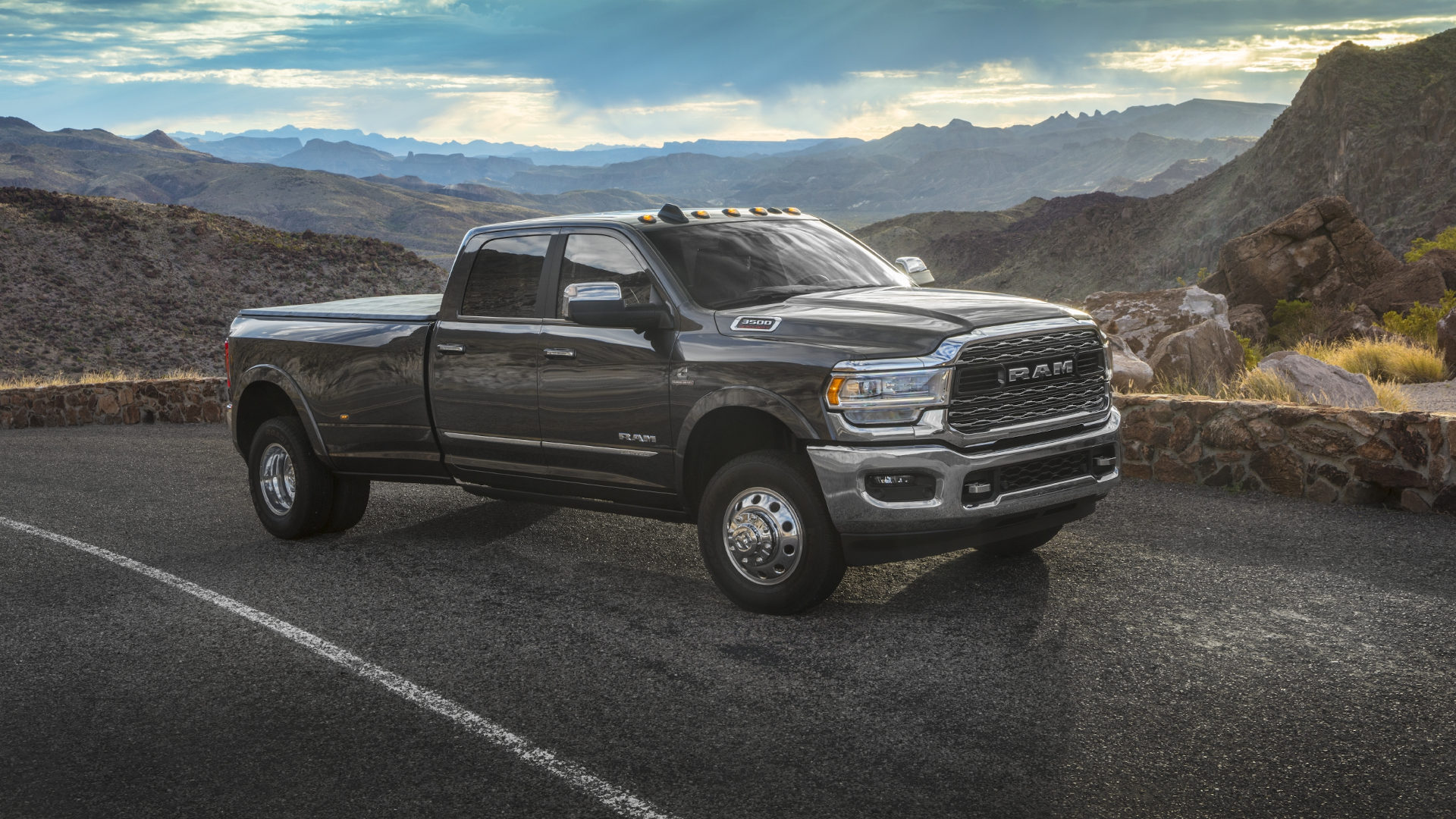
RAM Heavy Duty trucks, including the 2500 and 3500 series, stand out as one of the most expensive non-luxury vehicles to maintain over time. Despite lacking the premium branding of luxury SUVs, these trucks can exceed $26,000 to $27,000 in maintenance and replacement costs over a 10-year ownership period.
The primary reason is that they are engineered for extreme workloads rather than everyday commuting, and that durability comes with expensive components and service requirements.
One of the largest cost drivers is the optional Cummins turbo diesel engine. While highly respected for towing strength and longevity, it relies on complex emissions systems such as diesel particulate filters and EGR coolers.
When these components fail, repairs can be extremely costly and are often unavoidable as the truck ages. Diesel fuel systems also operate under high pressure, making components like fuel injectors significantly more expensive, often ranging from $3,000 to $5,000 for replacement.
Heavy-duty hardware further increases ownership costs. Transmissions designed to handle massive torque loads can exceed $5,000 to replace, while reinforced solid axles, suspension parts, and driveline components are far more expensive than those found in light-duty trucks. These parts are built to survive heavy towing and hauling, but come with higher replacement prices when wear or failure occurs.
Routine maintenance is also more expensive. Diesel engines require larger oil capacities, specialized filters, and more costly fluids, which raises the price of even basic service visits. RAM Heavy Duty trucks also experience relatively frequent unscheduled repairs, with annual repair costs averaging over $1,000 and a high severity rate when problems arise.
Modern electronics add another layer of complexity. Advanced infotainment, safety systems, and electronic controls can suffer from faults that require specialized diagnostic tools and expert technicians. When combined, these factors explain why RAM Heavy Duty trucks often cost far more to maintain than many luxury vehicles over the long term.
The difference between affordable and costly replacement parts ultimately comes down to priorities. Vehicles designed for mass-market appeal focus on reliability, standardized components, and ease of repair, which keeps ownership costs predictable and manageable.
Models like the Corolla, Civic, Prius, Versa, and Elantra prove that long-term value does not require sacrificing safety, efficiency, or modern features. On the other end of the spectrum, luxury and performance-focused vehicles deliver exceptional comfort, capability, and prestige, but they demand a financial commitment that extends far beyond the showroom.
Handcrafted components, advanced suspension systems, proprietary electronics, and specialized labor all contribute to higher replacement costs in vehicles like the Bentayga, Cayenne, X7, and Range Rover. Understanding these trade-offs is essential for buyers who plan to keep their vehicle long term. Choosing the right car is not just about how it drives today, but how much it will cost to keep running years down the road.
Also Read: Top 10 Cars That Still Look Like the Future Today