Extreme heat is a severe test for any vehicle, exposing weaknesses in engines, cooling systems, and electronic components that might go unnoticed in milder climates. Some cars are engineered to handle high temperatures with ease, using advanced cooling systems, heat-resistant materials, and robust powertrains to maintain performance and reliability even in desert-like conditions.
Vehicles like the Toyota Land Cruiser, Nissan Patrol, Tesla Model 3, Toyota Camry, and Ford F-150 excel in these environments, demonstrating that thoughtful engineering can keep cabins cool, engines stable, and drivetrains protected under relentless heat.
Conversely, other vehicles struggle when ambient temperatures rise. Models such as the Nissan LEAF, Mazda RX-8, Fiat 500, Volkswagen GTI Mk4, and Chrysler Sebring 2.7L V6 reveal vulnerabilities in passive cooling, compact engine layouts, and aging components.
These weaknesses can lead to overheating, reduced performance, and even long-term mechanical damage, highlighting the importance of design considerations for hot-weather resilience.
5 Cars That Perform Well in Extreme Heat
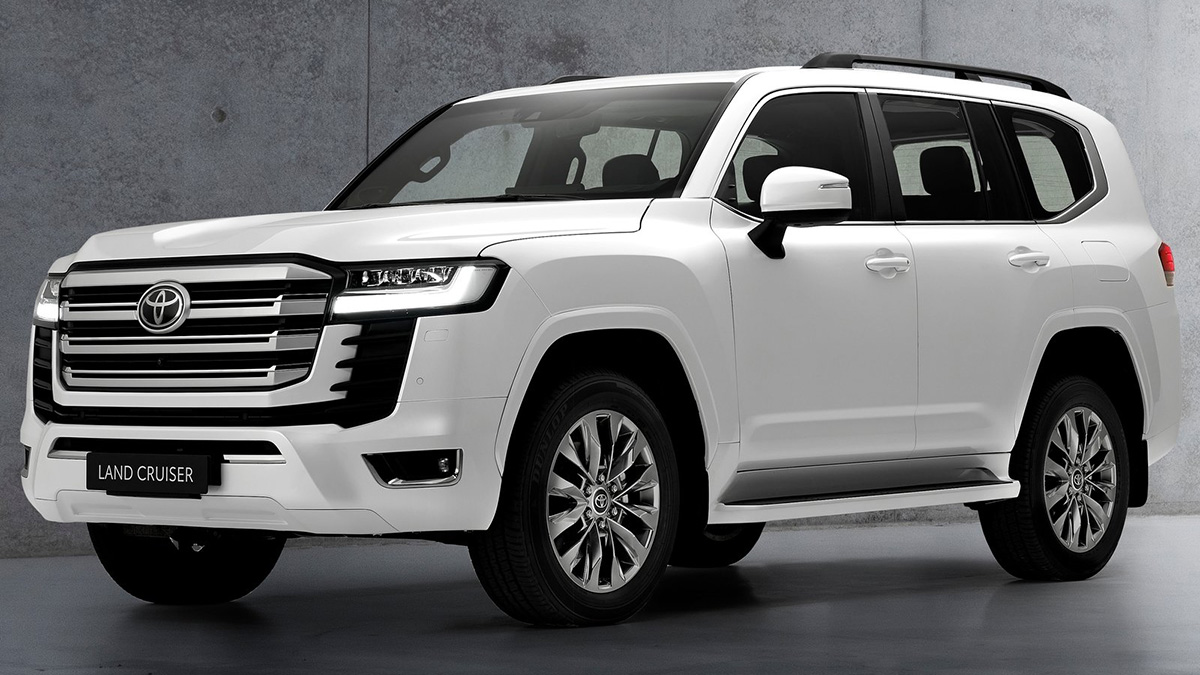
1. Toyota Land Cruiser: Engineered for Extreme Heat and Modern Adventure
The Toyota Land Cruiser has long been synonymous with durability in harsh environments, and its latest generation continues that legacy with a strong focus on extreme-heat performance and modern efficiency. Originally engineered with Middle Eastern desert conditions in mind, the Land Cruiser is capable of idling for hours in temperatures exceeding 50°C without overheating.
This resilience is achieved through an oversized radiator, one of the most effective multi-zone air-conditioning systems in the world, and a suite of high-capacity cooling and heat-management technologies.
Toyota’s commitment to desert reliability is evident in the Land Cruiser’s rigorous testing regime. Models such as the new Land Cruiser Prado are subjected to sustained operation in 45°C-plus heat, deep sand, and high-load conditions. Advanced oil coolers help maintain proper engine oil viscosity, while heat-resistant materials reduce degradation over time.
Built on Toyota’s GA-F platform, the Land Cruiser benefits from high structural rigidity and durability, ensuring critical components can withstand intense thermal and mechanical stress. Desert-focused trims, like the GR-S, further enhance performance with sand-optimized wheels, upgraded suspension, and increased ground clearance.
Mechanically, the new Land Cruiser represents a significant shift from its V-8 heritage. Toyota has introduced a hybrid powertrain combining a turbocharged 2.4-liter four-cylinder engine with two electric motors, producing a total of 326 horsepower. Paired with an eight-speed automatic transmission and a full-time four-wheel-drive system, the Land Cruiser retains serious off-road credentials.
Features such as a locking center differential, low-range gearing, crawl control, and hill-descent control ensure confident performance in challenging terrain.
While the hybrid system delivers strong torque, real-world driving reveals some inconsistency in electric boost due to the relatively small battery pack. On-road, however, the Land Cruiser stands out for its smooth, quiet ride compared to rivals like the Ford Bronco and Jeep Wrangler.
Performance figures place the Land Cruiser more in the comfort-focused end of the segment, with a 0–60 mph time of 7.7 seconds. It compensates with a solid 6,000-pound towing capacity, outperforming most direct competitors. Fuel economy is rated at 22 mpg city and 25 mpg highway, though real-world testing shows slightly lower highway efficiency.
Inside, the downsized, two-row Land Cruiser balances ruggedness with comfort. Depending on trim, features range from heated seats and a steering wheel to ventilated seats, leather upholstery, and a large 12.3-inch touchscreen. Standard safety technology, generous driver-assistance features, and Toyota’s strong hybrid warranty round out a vehicle designed to thrive where heat, sand, and distance test every component.
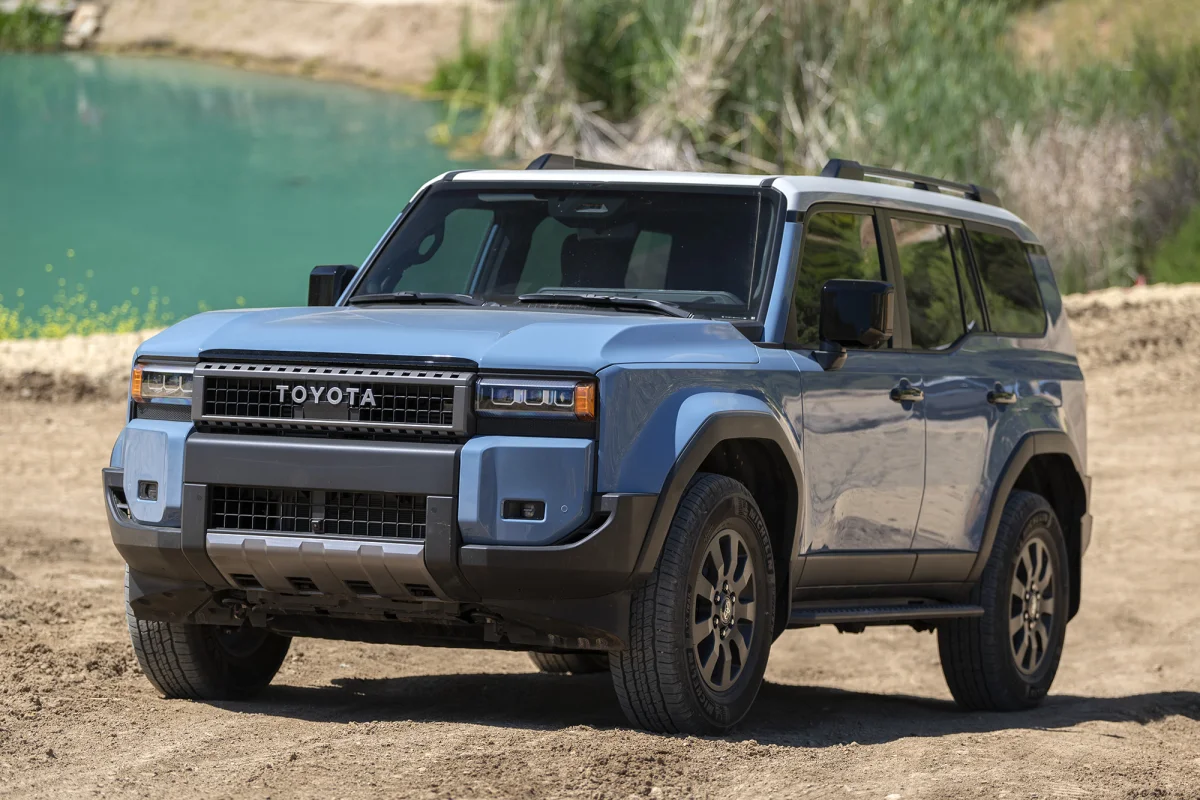
2. Nissan Patrol: Purpose-Built for Extreme Heat and Desert Dominance
The Nissan Patrol has earned its reputation as the “King of the Desert” by being engineered specifically to thrive in extreme heat, deep sand, and punishing long-distance use.
Now in its seventh generation, the Patrol remains a full-size, body-on-frame SUV designed primarily for the Middle East and other hot-climate regions where durability, cooling performance, and mechanical simplicity matter more than emissions targets or electrification.
Central to the Patrol’s strength in high temperatures is its advanced thermal engineering. Buyers can choose between a 3.5-liter twin-turbo V6 producing 419 bhp or a naturally aspirated 3.8-liter V6. Both engines use high-heat-resistant components, reinforced turbochargers, upgraded intercoolers, and scavenge oil pumps to maintain consistent lubrication under extreme exhaust gas temperatures.
Functional fender vents actively release heat from the engine bay, while reinforced cooling systems allow the Patrol to handle sustained dune driving, heavy towing, and prolonged idling without overheating. Even the infotainment and interior electronics are designed to resist thermal degradation.
Cabin comfort is another area where the Patrol excels. Its air-conditioning system is widely regarded as one of the most powerful in the segment, a critical feature in desert climates. Newer models introduce Nissan’s Biometric Cooling technology, which uses infrared sensors to monitor occupants’ body temperatures and automatically adjust airflow.
Heat-reduction window film comes standard, and Nissan is testing advanced radiative paint that can lower cabin temperatures by up to 12 degrees. These features ensure the Patrol remains comfortable even in extreme ambient heat.
Unlike many modern rivals, the Patrol deliberately avoids diesel or hybrid powertrains. This decision reflects both regional market preferences and Nissan’s focus on reliability. Electrification would add weight and complexity, potentially compromising the Patrol’s reputation for toughness.
Instead, Nissan emphasizes proven mechanical durability, a large 100-liter fuel tank for long-range travel, and straightforward engineering. The Patrol retains body-on-frame construction, paired with independent suspension, adjustable air springs, a nine-speed automatic transmission, low-range gearing, and a built-in tire compressor optimized for sand driving.
On the road, the Patrol is more refined than its predecessor, with strong performance from the twin-turbo V6, though it still falls short of the on-road polish offered by luxury SUVs such as the Range Rover. Inside, dual 14.3-inch screens and modern technology contrast with conservative materials and design. Space remains a key strength, offering seating for up to seven and generous cargo capacity.
The Nissan Patrol is a highly specialized vehicle. It may lack global appeal or cutting-edge innovation, but in the environments it was designed for, extreme heat, sand, and long distances, it remains exceptionally capable and deeply trusted.

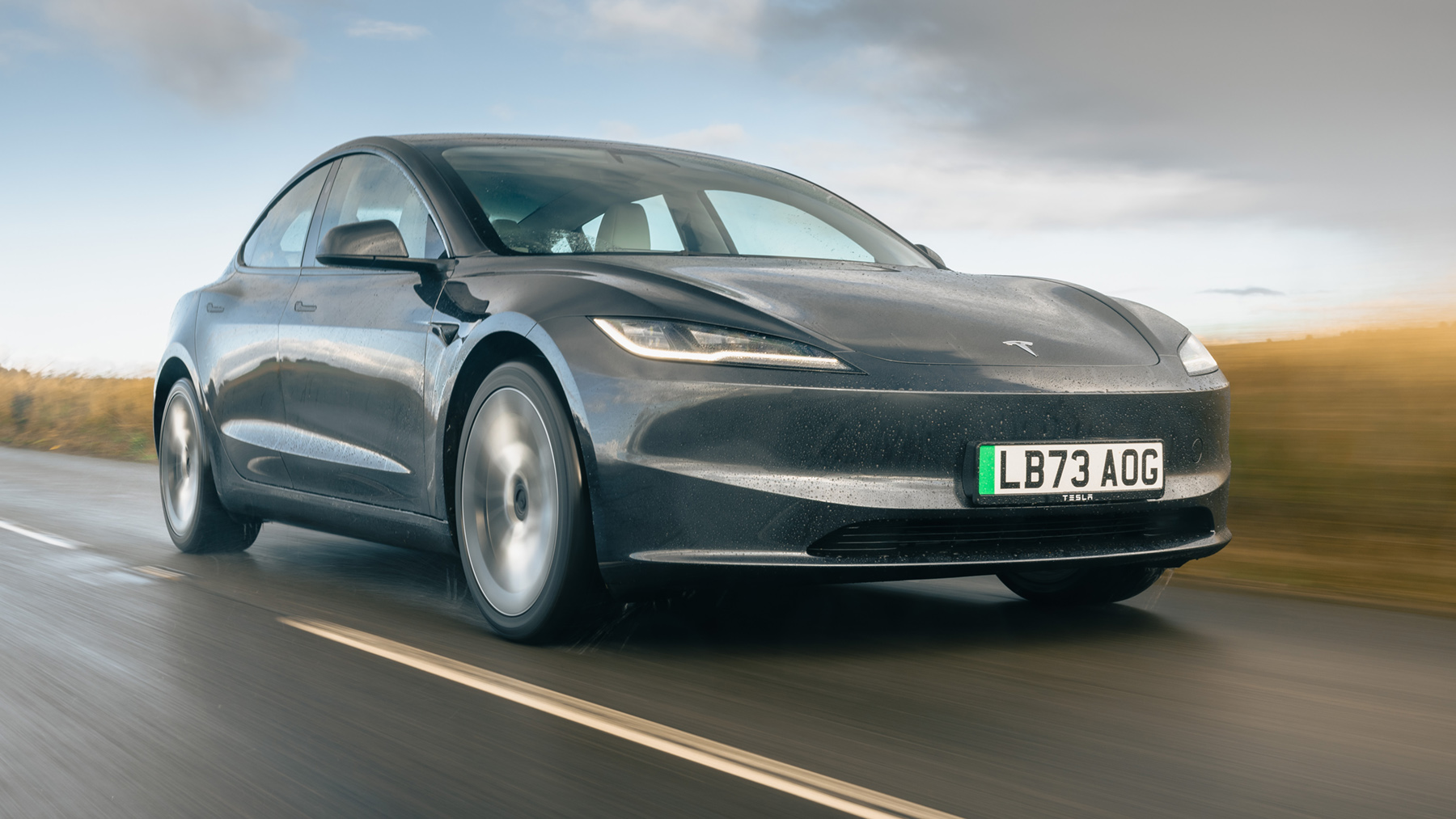
3. Tesla Model 3: Smart Thermal Management for Extreme Heat Efficiency
The Tesla Model 3 demonstrates that electric vehicles can perform exceptionally well in extreme heat, largely because they avoid the thermal stresses associated with internal combustion engines.
Without engine explosions, exhaust heat, or oil breakdown to manage, the Model 3 relies instead on advanced software-driven thermal systems that actively protect both passengers and the battery. This makes it particularly well-suited to hot climates when compared with many traditional vehicles.
A key strength of the Model 3 is its liquid-cooled battery thermal management system. The car continuously monitors battery temperature and actively cools the pack to keep it within an optimal operating range, even in ambient temperatures exceeding 110°F or during repeated fast charging sessions.
This ensures consistent performance, protects long-term battery health, and reduces the risk of power loss due to overheating. Tesla’s air conditioning system is also highly effective, capable of rapidly cooling the cabin in extreme heat without excessive noise or vibration.
One of the Model 3’s most useful heat-focused features is Cabin Overheat Protection. When the car is parked, this system prevents interior temperatures from exceeding roughly 105°F by automatically activating ventilation or air conditioning.
This not only protects interior materials and electronics but also makes re-entering the vehicle far more comfortable. Owners can also use the Tesla mobile app to precondition the cabin before driving, ensuring a cool interior without relying on passive cooling alone.
Tesla’s smart airflow technology further improves efficiency. The Ventilation 2.0 system allows targeted airflow toward occupants, maximizing cooling effectiveness while minimizing energy waste.
While high temperatures can reduce driving range by up to 17 to 18 percent in extreme conditions, largely due to increased air conditioning use, the Model 3 remains among the most energy-efficient vehicles in its class. EPA estimates range from roughly 298 to 363 miles, depending on configuration, with real-world testing still showing strong results compared to rivals.
Performance is another standout area. With power outputs ranging from 286 horsepower in the single-motor version to 510 horsepower in the dual-motor Performance model, the Model 3 delivers instant acceleration and a low center of gravity thanks to its underfloor battery placement. The Performance version reaches 60 mph in just 2.8 seconds, rivaling far more expensive performance sedans.
Inside, the minimalist cabin emphasizes technology over traditional luxury. A large central touchscreen controls nearly all functions, while optional rear-seat displays add convenience.
Space is adequate up front, though rear-seat comfort is limited for adults. The Tesla Model 3 combines intelligent thermal management, strong performance, and high efficiency, making it a compelling choice for drivers in hot climates who prioritize technology and ease of use.
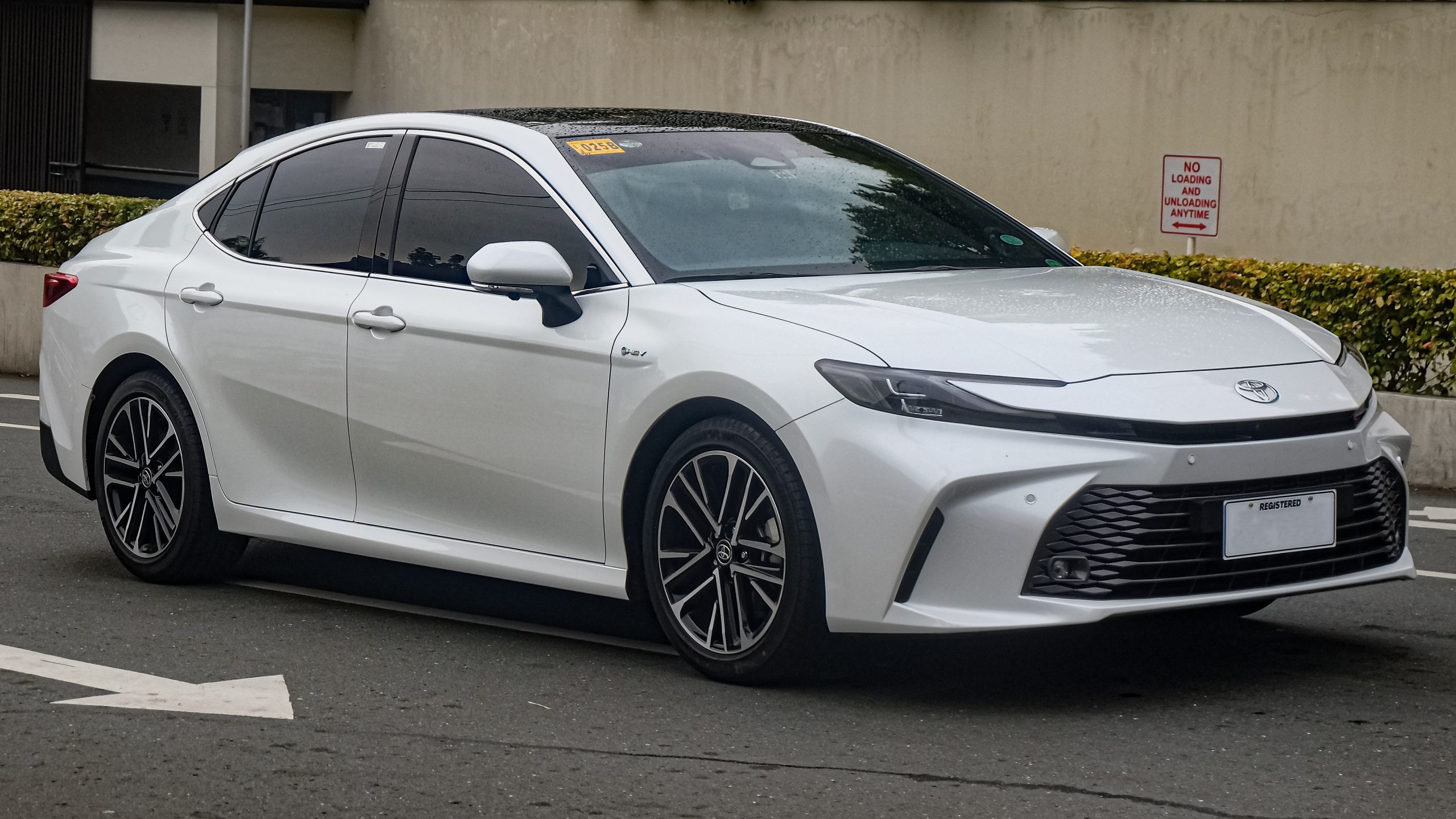
4. Toyota Camry: Simple, Proven Engineering for Extreme Heat Reliability
The Toyota Camry has built a global reputation for thriving in extreme heat through simple, proven engineering rather than complexity. This approach explains why the Camry is a preferred taxi in some of the world’s hottest cities. Its combination of fast, powerful air conditioning, efficient engine cooling, and carefully managed hybrid thermal systems allows it to operate reliably in high temperatures day after day.
A major factor behind the Camry’s heat tolerance is its highly effective climate control system. The air conditioning is designed to deliver what many owners describe as instant cold air, rapidly lowering cabin temperatures even after prolonged sun exposure. This quick cooling is not only vital for passenger comfort but also plays a key role in protecting the hybrid battery system.
In hybrid models, the battery pack is located beneath the rear seat and is cooled using air drawn directly from the cabin. By relying on conditioned interior air, Toyota ensures the battery remains within its optimal temperature range even during extreme heat, improving longevity and reliability.
The Camry’s hybrid powertrain is engineered with thermal efficiency as a priority. Its 2.5 liter four cylinder engine is designed to warm up quickly and regulate heat effectively, reducing stress on components during hot weather operation.
Lighter internal components and smart thermal management strategies help minimize excess heat buildup, while durable materials ensure consistent performance under sustained high temperatures. These design choices contribute to the Camry’s reputation for avoiding overheating issues even in demanding conditions.
Two hybrid configurations are available, with front wheel drive models producing 225 horsepower and all wheel drive versions increasing output to 232 horsepower through an additional rear electric motor.
A continuously variable automatic transmission delivers smooth and responsive performance, especially in city driving, where electric motors provide strong low-speed acceleration. Real-world testing shows the Camry is quick enough for everyday use, reaching 60 mph in under seven seconds, while remaining composed and predictable.
Fuel efficiency remains a standout advantage in hot climates where air conditioning use is constant. EPA ratings reach up to 52 mpg in the most efficient trims, and real-world highway testing closely matches official estimates. This balance of efficiency and durability makes the Camry especially appealing for high-mileage use.
Inside, the Camry offers a spacious and comfortable cabin with standard dual-zone climate control and rear air vents to maintain even cooling throughout. Optional features like acoustic glass, heated seats, and upgraded infotainment enhance comfort without sacrificing reliability.
Combined with strong safety technology, generous hybrid warranties, and low maintenance demands, the Toyota Camry remains a benchmark for dependable performance in extreme heat environments.
5. Ford F-150: Heavy-Duty Cooling Engineered for Extreme Heat and Hard Work
The Ford F-150 is engineered to perform in extreme heat because it is designed first and foremost to tow heavy loads, haul equipment, and climb long grades under full power. These demands require enormous cooling capacity, and Ford backs that up with extensive high-temperature torture testing in environments exceeding 120°F.
As a result, standard summer heat presents little challenge for an F-150, especially when equipped with packages such as the Max Trailer Tow Package, which adds upgraded fans, radiators, and heat exchangers.
A major contributor to the F-150’s heat resilience is its powertrain cooling design. Ford’s EcoBoost engines use dedicated air-to-air intercoolers to reduce intake temperatures, allowing consistent power delivery even in extreme heat.
High-output engines, including the 5.2-liter supercharged V8 and the twin-turbo 3.5-liter V6, rely on advanced aluminum heat exchangers and carefully engineered airflow to minimize heat soak. Newer models also use specialized synthetic transmission fluid that remains stable at higher temperatures, reducing thermal stress during towing and heavy use.
Chassis and suspension components are also designed with heat in mind. F-150 Raptor models feature FOX Live Valve internal bypass shocks with large anodized aluminum bodies that resist heat buildup during sustained high-speed desert driving.
The truck’s military-grade aluminum alloy body reduces overall weight compared with steel, easing the load on the engine and cooling system when operating in high ambient temperatures.
Electrified variants further enhance hot weather performance. The F-150 PowerBoost hybrid maintains full air conditioning performance even when the gasoline engine is off, keeping the cabin cool during idling or job site stops.
The all-electric F-150 Lightning uses active battery thermal management to regulate temperatures during demanding tasks such as towing in hot conditions, ensuring consistent output and protecting battery health.
Optimized airflow plays a key role across the lineup. Redesigned grilles, intake ducts, and underhood venting maximize air movement through radiators and intercoolers, preventing overheating in temperatures well above 100°F. Performance-oriented and towing-focused trims receive additional cooling hardware to match their intended workloads.
Beyond heat management, the F-150 offers a wide range of engines from a 325-horsepower twin-turbo V6 to a 430-horsepower hybrid, all paired with a 10-speed automatic transmission and available rear or Four Wheel Drive. Towing capacity reaches up to 13,500 pounds, with payload ratings competitive in the full-size truck segment.
Inside, the F-150 balances work-focused utility with comfort, offering spacious seating, large infotainment displays, and practical features such as a fold-flat work surface and available onboard power generator.
While it may not offer complimentary maintenance, the Ford F-150’s combination of massive cooling capacity, proven durability, and real-world testing makes it one of the most capable vehicles for extreme heat and heavy-duty use.

Also Read: 5 Cars That Require Minimal Repairs vs 5 That Need Frequent Fixes
5 That Don’t
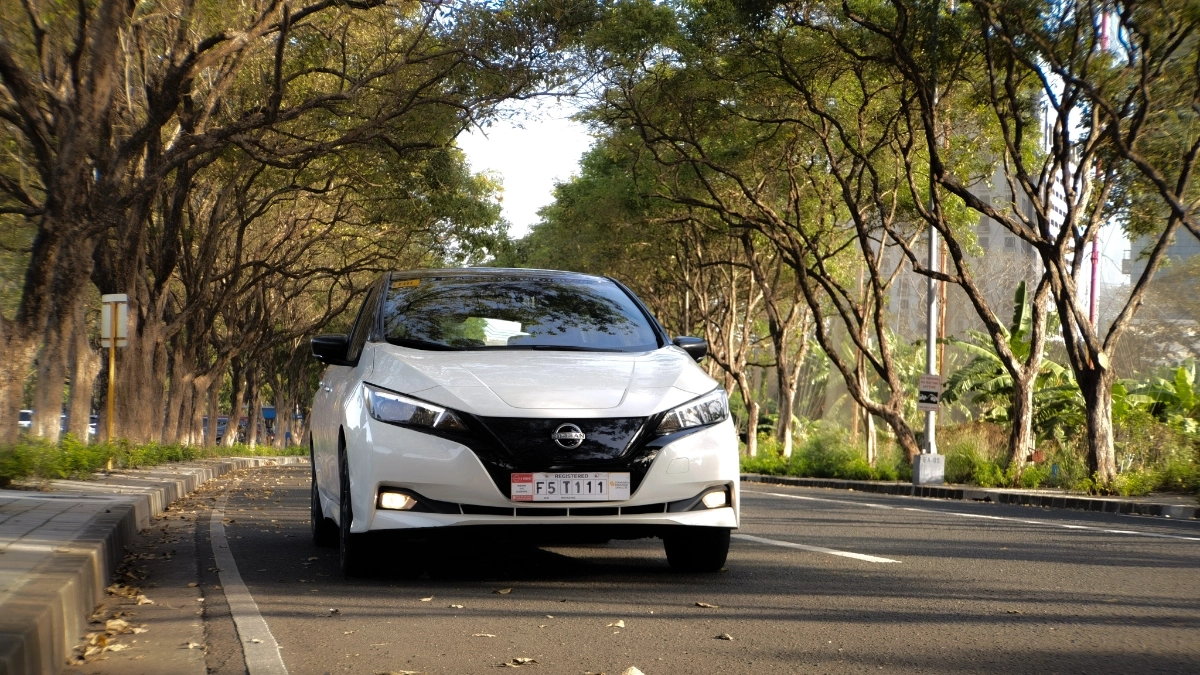
1. Nissan LEAF: Passive Battery Cooling and Heat-Related Limitations
The Nissan LEAF faces well-documented challenges in extreme heat due to its reliance on passive air cooling for the battery pack. Unlike most modern electric vehicles that use active liquid cooling systems with pumps and radiators, the LEAF depends on ambient airflow and natural heat dissipation.
In hot climates, this design choice creates serious constraints that affect charging speed, driving performance, and long-term battery durability.
The core problem lies in heat retention. In very warm environments, there is little cool air available to absorb heat from the battery. As a result, thermal energy builds up inside the densely packed cells and can remain trapped for hours, even after the vehicle is parked. This lingering heat becomes more severe during repeated driving or charging sessions, especially in summer conditions.
One major consequence of this design is a phenomenon commonly known as Rapidgate. Fast charging naturally produces additional heat, and when the battery temperature rises too high, the Battery Management System steps in to protect the pack.
Charging speeds are then heavily restricted, sometimes dropping from a typical 50 kW to below 20 kW. On long trips, this can turn a planned short charging stop into a lengthy delay, with each successive fast charge taking longer than the last.
High temperatures also accelerate battery degradation. Lithium-ion batteries degrade more quickly when exposed to sustained heat, even when the vehicle is not being driven.
Studies of electric vehicles in hot regions have shown faster capacity loss, and LEAF owners in places such as Arizona and Florida have frequently reported early loss of battery capacity indicators. These issues became significant enough in the past to result in legal disputes over premature battery wear.
Extreme heat further impacts usability by forcing the vehicle into protective operating modes. If battery temperatures approach critical levels, the LEAF may enter Turtle Mode, sharply reducing available power and acceleration to prevent damage.
At the same time, heavy air conditioning use can reduce driving range by 17 to 25 percent. Although later models introduced software improvements to better manage these risks, the absence of active liquid cooling remains the LEAF’s most limiting factor in hot climates.
2. Mazda RX-8: Rotary Engine Heat and Reliability Challenges
The Mazda RX-8 struggles in extreme heat because of the inherent characteristics of its Renesis rotary engine. Unlike piston engines, which benefit from alternating intake and combustion strokes that help regulate temperature, the rotary design concentrates combustion in a single area of the housing.
This creates constant thermal stress on the same surfaces, resulting in significantly higher internal heat levels, especially in hot climates or stop-and-go driving.
One of the most common heat-related issues is the RX-8’s hot start problem. After driving in high temperatures, the engine can become heat-soaked, causing the aluminum housings and rotors to expand.
Because the rotary engine depends on extremely precise compression seals, even slight thermal distortion allows air to leak past the seals. If the engine has any wear, compression can drop below the level needed for ignition, preventing the car from restarting until it cools down.
Cooling system behavior further compounds the issue. From the factory, the RX-8’s cooling fans are programmed to activate at relatively high temperatures, often around 206°F, in order to meet emissions requirements.
In extreme heat, this delay means the engine may already be approaching dangerous thermal levels before full cooling engages. The stock radiator also uses plastic end tanks, which are prone to cracking after repeated heat cycles, risking sudden coolant loss.
Heat also affects the RX-8’s ignition and exhaust systems. The ignition coils sit in a confined area above the engine where heat accumulates. Prolonged exposure causes premature coil failure, leading to misfires. Unburned fuel then enters the catalytic converter, which can overheat severely and restrict exhaust flow. This trapped heat can quickly escalate into catastrophic engine damage.
Oil temperature management presents another weakness. In rotary engines, oil contributes significantly to cooling, but the RX-8’s oil thermostats do not fully open until very high temperatures are reached. In heavy traffic during heatwaves, oil can lose viscosity before adequate cooling occurs.
Finally, the engine relies on rubber coolant O-rings rather than metal head gaskets. When exposed to excessive heat, these seals harden and fail, allowing coolant into the combustion chambers and often requiring a full engine rebuild.

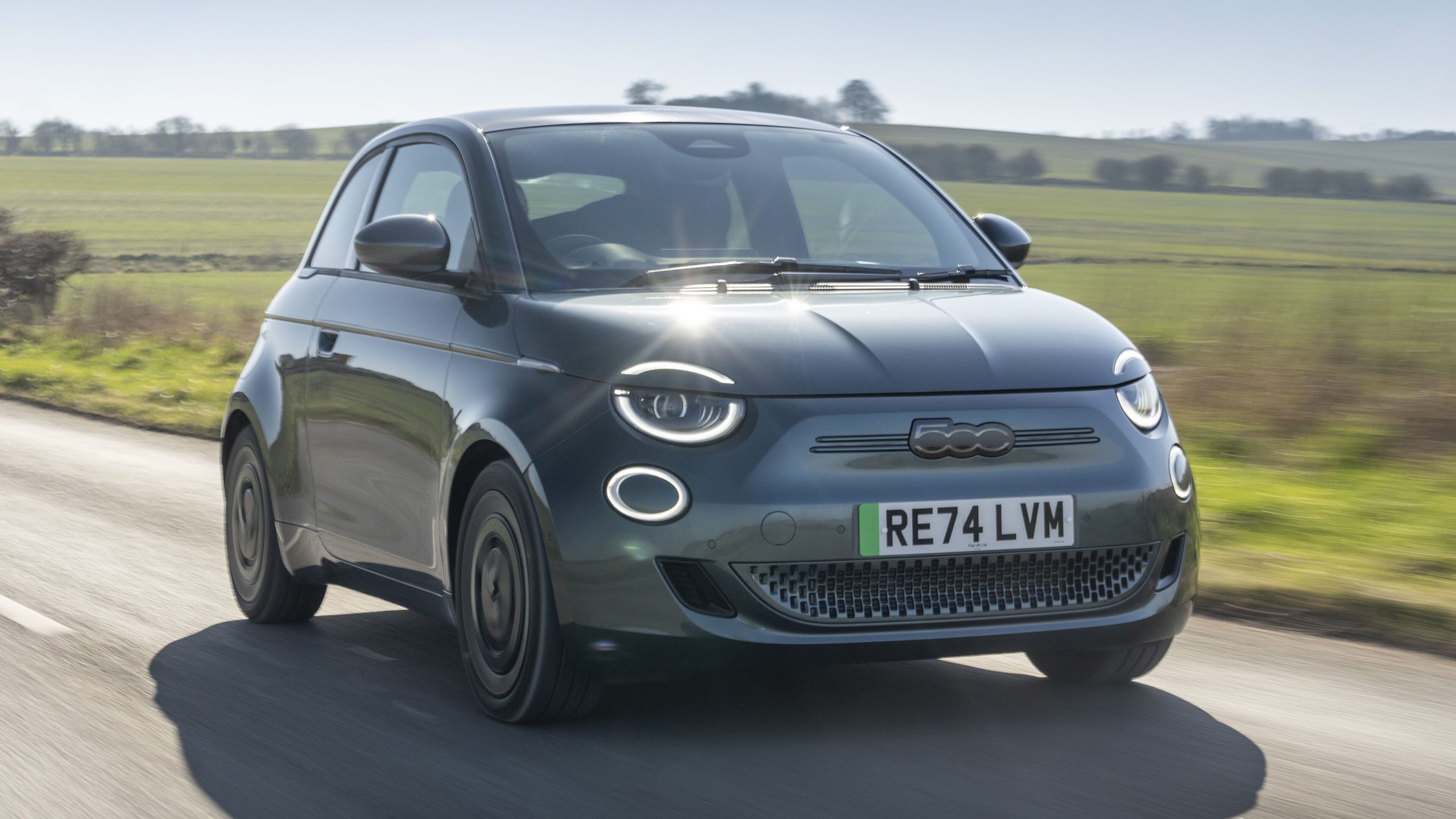
3. Fiat 500: Compact Design Struggles in Extreme Heat
The Fiat 500, especially performance-oriented trims like the Abarth, faces notable challenges in extreme heat due to its compact engine bay and tightly packed components. Small cars often experience high-temperature limitations, but the 500 has specific vulnerabilities that can affect performance, reliability, and comfort.
A primary issue is engine bay heat soak. The Fiat 500 houses a relatively large engine in a small compartment with limited airflow. In high temperatures, heat accumulates and radiates to surrounding components. Turbocharged models are particularly affected, as hot intake air reduces the turbocharger’s efficiency, leading to sluggish acceleration and occasional limp mode warnings.
The cooling system is another critical weak point. Many components are heat-sensitive: plastic thermostat housings can warp or crack, high-speed radiator fan relays may fail, and rubber hoses with plastic clamps can soften or become brittle. Any of these issues can reduce cooling efficiency, risking engine overheating, especially during stop-and-go driving in hot climates.
Extreme heat can also cause vapor lock and fuel delivery problems. In older or poorly maintained vehicles, fuel may vaporize in the lines before reaching the engine, preventing starts or causing stalling.
Additionally, component degradation is accelerated by heat. High temperatures reduce battery life by increasing internal chemical reactions, while engine oil thins, lowering its ability to lubricate critical moving parts. This combination of factors raises wear rates and increases the likelihood of overheating or mechanical failure.
To mitigate these issues, Fiat 500 owners are advised to perform regular maintenance, including flushing the cooling system, inspecting hoses for softness or brittleness, and using high-quality synthetic oils designed to retain viscosity under extreme heat. Without careful attention, the 500’s compact design can make hot-weather driving uncomfortable, reduce performance, and accelerate wear on key components.
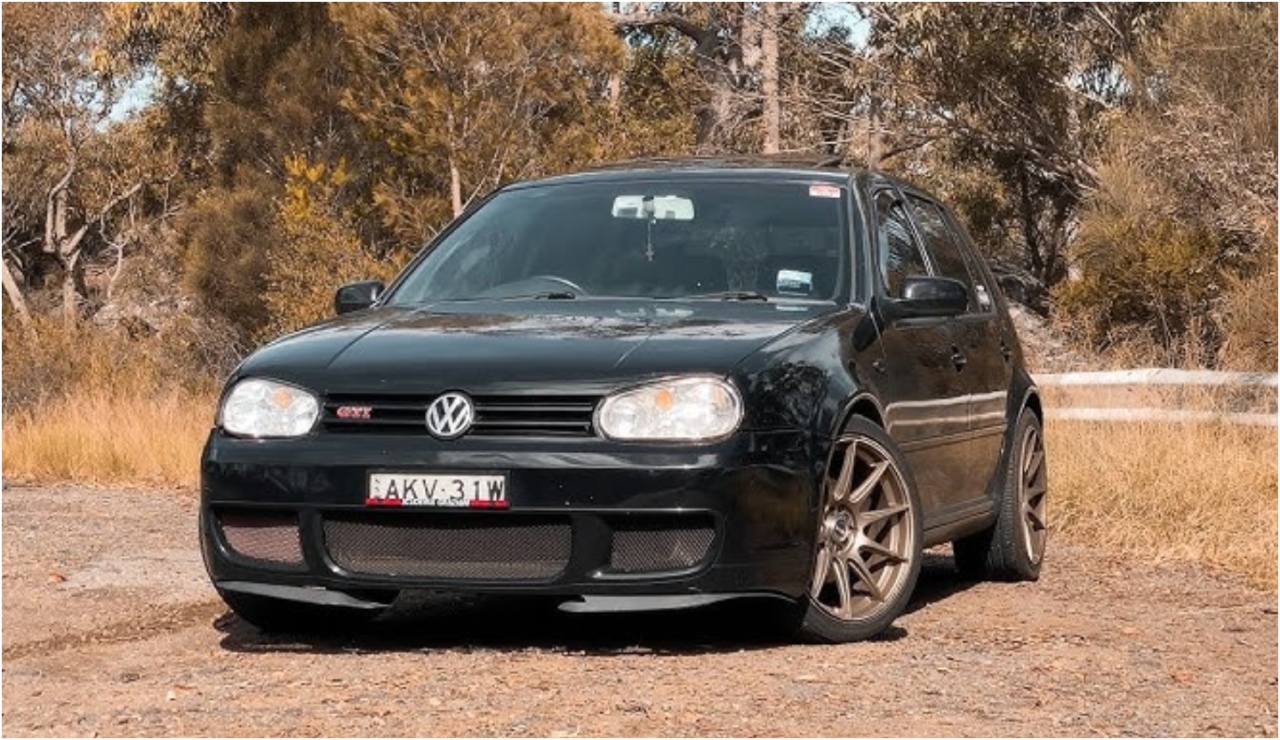
4. Volkswagen GTI Mk4: Heat-Related Weaknesses and Cooling Challenges
The Volkswagen GTI Mk4, produced between 1999 and 2005, remains a favorite among car enthusiasts, but it exhibits several vulnerabilities in extreme heat due to its aging materials, turbocharged engines, and specific design choices. High temperatures can exacerbate weaknesses in the cooling system, electrical components, and intake management, reducing both performance and reliability.
A primary concern is the plastic cooling components. Volkswagen used plastic extensively in parts like coolant flanges, thermostat housings, and the coolant distribution pipe known as the “crack pipe.”
After decades of heat cycling, these parts become brittle. In high ambient temperatures, the added pressure in the system can cause hairline cracks or sudden failures, leading to rapid coolant loss and overheating. This issue is particularly severe in older, unmaintained vehicles.
Radiator fan and airflow problems also contribute to heat-related struggles. The Mk4’s radiator fans rely on internal resistors to switch between low and high speeds.
Often, the low-speed resistor fails, preventing the fans from operating until the engine reaches dangerously high temperatures. During stop-and-go driving in hot conditions, the lack of constant low-speed airflow limits heat dissipation, causing the coolant temperature to climb quickly.
Heat soak is a major issue in turbocharged models, especially those with the 1.8T engine and side-mount intercooler. The compact intercooler is located in the passenger-side wheel well, where it struggles to shed heat efficiently.
In high ambient temperatures, the intake air remains hot and less dense, prompting the engine control unit to pull back timing and reduce boost. This results in noticeable sluggishness compared to cooler conditions.
Finally, electrical and sensor components are sensitive to heat. Crank position sensors can fail when hot, leaving the engine unable to restart. Ignition coil packs may develop micro-cracks under high temperatures, causing misfires. Coolant temperature sensors, particularly the original black models, often provide inaccurate readings, which can cause the engine to run too lean or rich for the conditions.
While the Mk4 GTI is a robust and enjoyable platform, its vulnerabilities in extreme heat stem from aging plastics in the cooling system, limited intercooler efficiency, and heat-sensitive electrical components. Proper maintenance, timely replacement of plastic components, and attention to cooling and airflow can help mitigate these issues, but high temperatures will always challenge this classic turbocharged design.
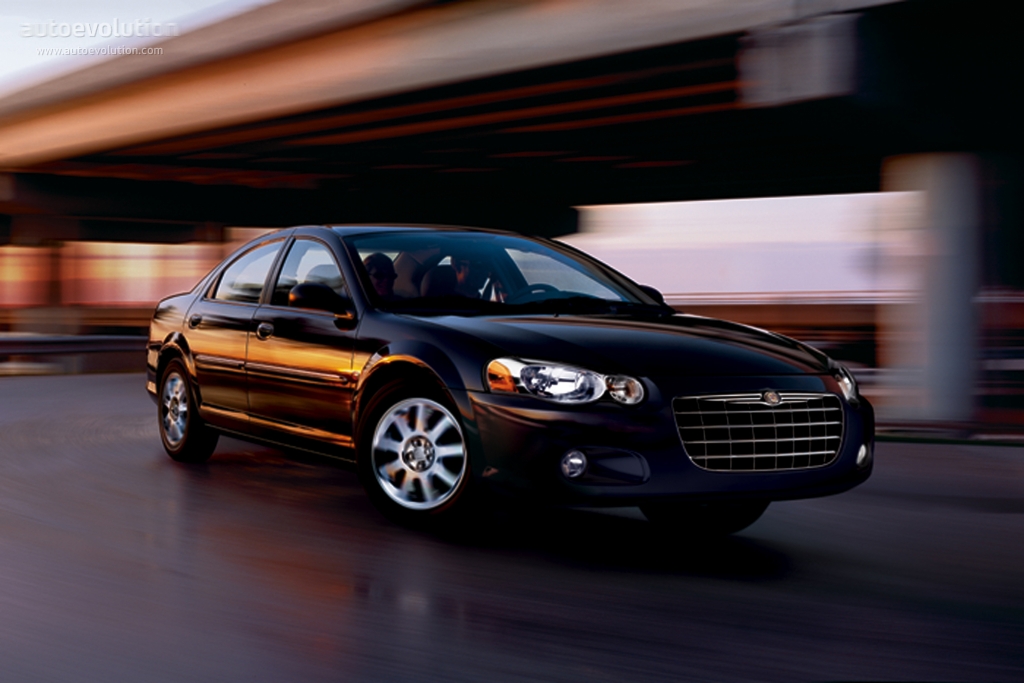
5. Chrysler Sebring 2.7L V6: Heat-Related Engine Challenges
The Chrysler Sebring with the 2.7L V6 engine (EER family) is highly sensitive to extreme heat due to its compact design and thermally vulnerable components. Unlike many vehicles that can tolerate high temperatures, the 2.7L Sebring faces several challenges that increase the risk of overheating and engine damage in hot conditions.
A primary concern is oil sludge formation. The engine has narrow oil passages and a small oil capacity, which limits heat dissipation. In high temperatures, engine oil breaks down and turns into a thick, peanut-butter-like sludge. This clogs the oil pickup screen, depriving the engine of lubrication and causing internal temperatures to rise rapidly, often leading to engine seizure.
The internal water pump design adds another layer of risk. The pump is located inside the engine and driven by the timing chain. When the seals fail, often accelerated by heat, coolant mixes directly with engine oil. This mixture eliminates both lubrication and cooling, causing catastrophic engine failure without any visible leaks outside the vehicle.
The cooling system is fragile, with plastic components such as the coolant bleeder housing that warp or crack under heat stress. Any small crack reduces system pressure, lowering the boiling point of the coolant. Air pockets trapped near the thermostat can make the temperature gauge appear normal while cylinder heads overheat.
Heat soak in the cramped engine bay further worsens the situation. Limited airflow prevents heat from dissipating naturally, and radiator fans often cannot move enough air through the radiator to counteract heat from the engine and the air conditioning condenser during stop-and-go traffic in hot weather. This prolongs overheating and accelerates wear on key components.
The combination of narrow oil passages, internal water pump, fragile cooling components, and restricted engine bay airflow makes the Chrysler Sebring 2.7L V6 especially vulnerable in high temperatures. Careful maintenance, frequent oil changes, and monitoring of the cooling system are critical to reduce the risk of engine failure in hot climates.
Understanding how vehicles respond to extreme heat is essential for both everyday drivers and enthusiasts. Cars designed with robust cooling, thermal management, and heat-resistant components can maintain performance, comfort, and safety even in the hottest climates.
The Toyota Land Cruiser, Nissan Patrol, Tesla Model 3, Toyota Camry, and Ford F-150 showcase how engineering foresight ensures reliability when temperatures soar.
By contrast, vehicles such as the Nissan LEAF, Mazda RX-8, Fiat 500, Volkswagen GTI Mk4, and Chrysler Sebring 2.7L V6 demonstrate how design limitations, compact engine bays, and aging or passive cooling systems create challenges under extreme heat.
Drivers in hot regions must consider these vulnerabilities when choosing a car, as thermal stress can compromise performance, accelerate wear, and increase maintenance demands. Selecting a vehicle with proven heat resilience ensures peace of mind, consistent operation, and reduced risk of heat-related failures.
Also Read: Top 10 Cars That Changed Automotive Engineering Forever