
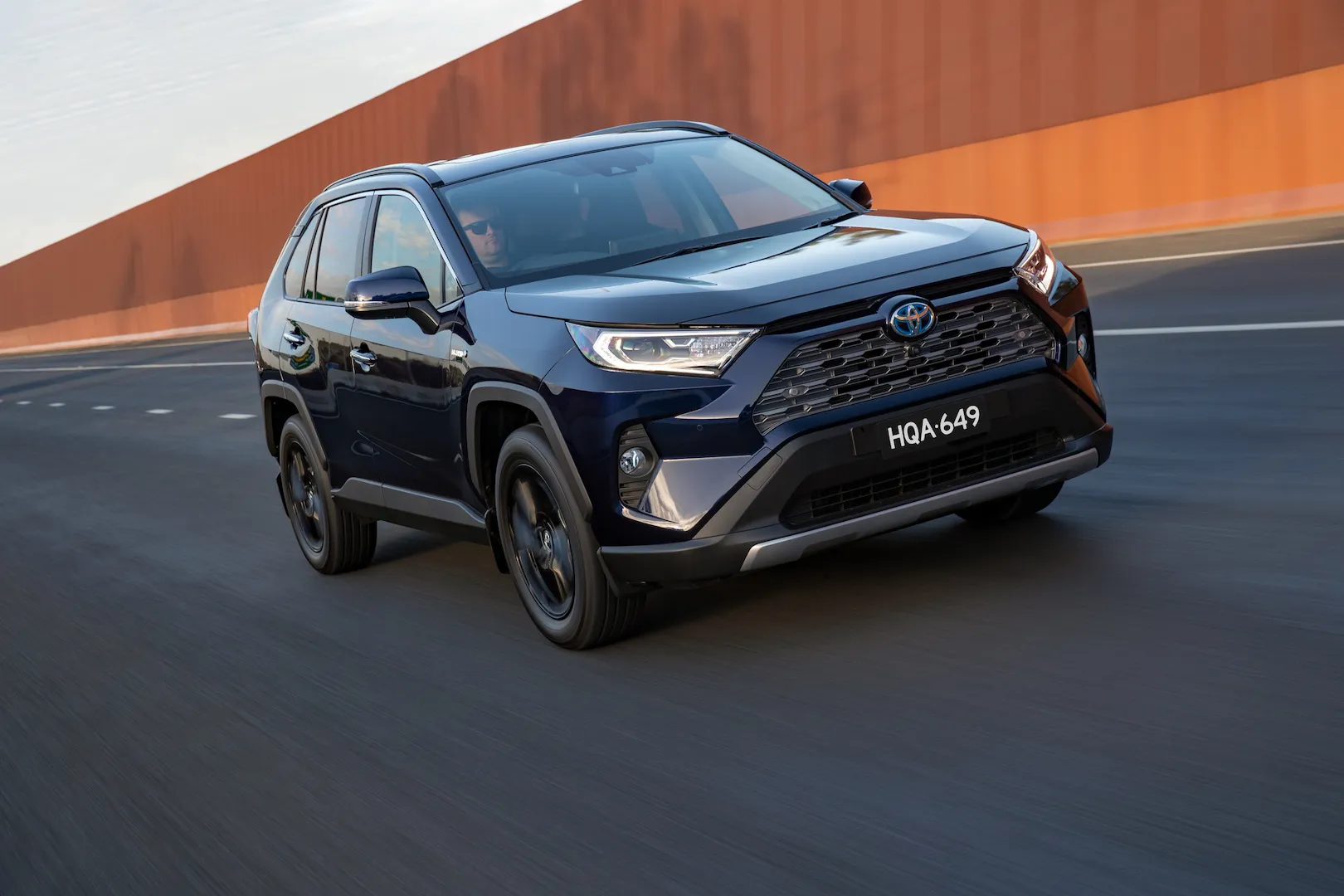
City driving asks a lot from a vehicle. Tight parking spots, crowded streets, frequent stops, unpredictable traffic patterns, and short daily trips can quickly turn a dream car into a daily headache. SUVs promise space, safety, and confidence, yet not every SUV feels at home between traffic lights and parallel parking lines.
Some feel agile, calm, and easy to live with during weekday errands. Others feel oversized, thirsty, and stressed in places built for compact movement. Urban drivers often want an SUV that feels friendly rather than intimidating.
Visibility matters. Steering response matters. Fuel use, cabin quietness, and parking convenience matter more than brute strength or trail ability. The right SUV can glide through a downtown commute and slip into a tight garage without drama. The wrong one can feel like a stubborn guest that never quite fits.
This page looks closely at ten SUVs through a city-focused lens. Five shine when surrounded by concrete, crosswalks, and curbside parking. Five struggle when removed from wide highways and open spaces. Each vehicle is evaluated based on daily usability, comfort, size, efficiency, and how relaxed it feels during urban routines.
Every vehicle is different, and every driver has personal needs, yet clear patterns appear when SUVs meet city streets.
5 SUVs That Work Well in Cities
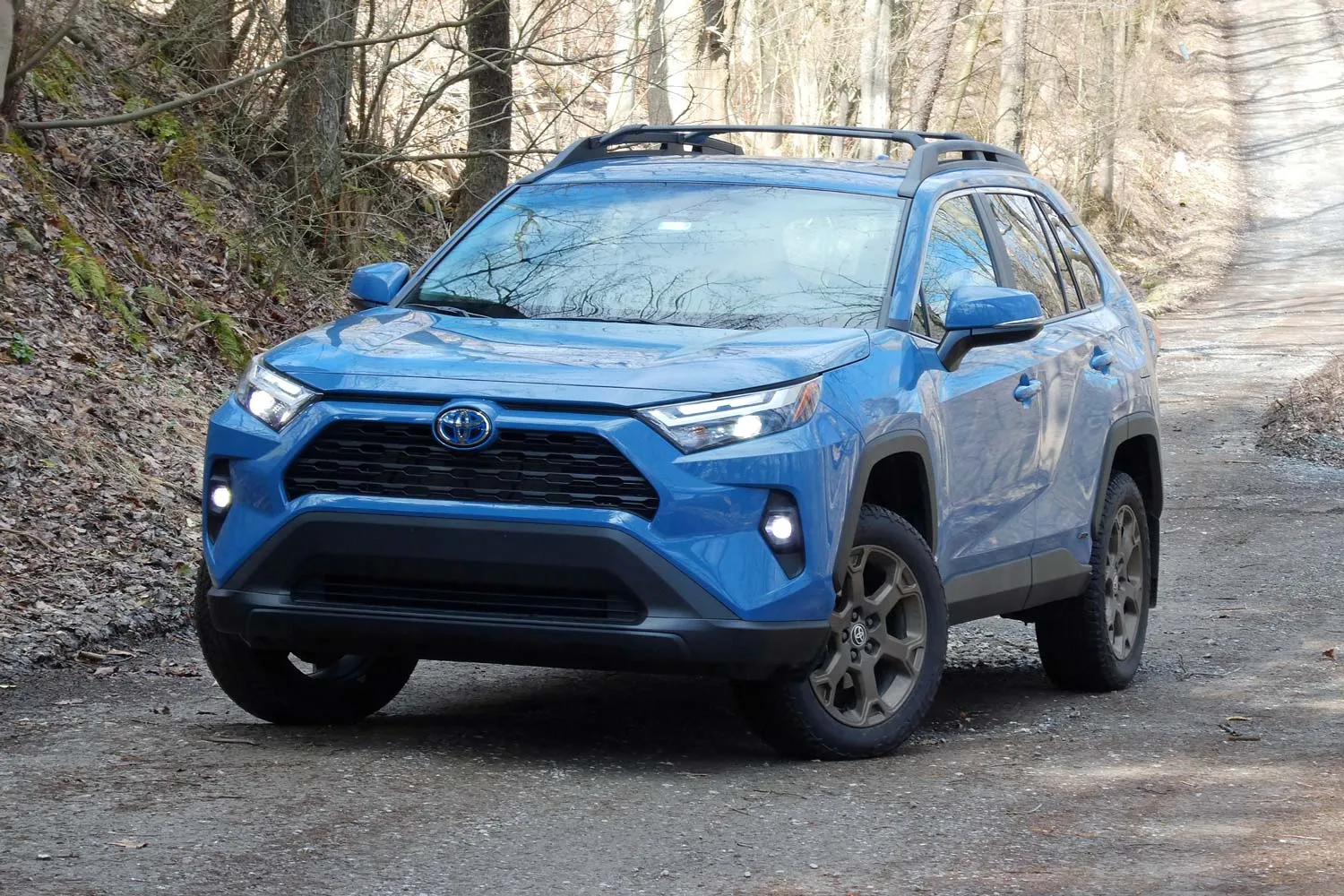
1. Toyota RAV4 Hybrid
Urban driving rewards efficiency, calm responses, and thoughtful design, and the Toyota RAV4 Hybrid checks those boxes with confidence. Hybrid power suits city routines where stop-and-go traffic dominates the day.
Electric assistance smooths low-speed movement, making creeping through traffic feel quiet and controlled rather than jittery. Fuel stops become less frequent, which suits commuters who would rather focus on their schedule than gas station visits.
Visibility stands out immediately. Seating height offers a confident view without placing the driver too far above surrounding cars. Slim pillars and well-placed mirrors reduce blind spots, which helps during lane changes on busy streets. Steering feels light enough for parking garages yet precise enough to inspire trust when turning across traffic.
Interior layout favors daily practicality. Controls sit where expected, screens respond quickly, and storage cubbies handle the small items that pile up during city life. Groceries, backpacks, gym bags, and work gear all fit without creative stacking. Rear seats fold easily for larger errands without turning the vehicle into an awkward box.
Ride quality leans toward comfort rather than stiffness. Broken pavement, speed bumps, and uneven road patches feel muted instead of jarring. Noise levels stay low, even during longer drives across town. Conversations remain easy, music sounds clear, and stress stays manageable.
Size plays a major role in urban friendliness. Toyota RAV4 Hybrid avoids feeling bulky. Parking requires attention, yet it never feels intimidating. Turning circles remain reasonable, helping with tight corners and narrow streets. Sensors and cameras add confidence without replacing driver awareness.
Reliability history also matters in cities where breakdowns cause instant disruption. Toyota’s track record reassures owners who rely on their vehicle daily. Routine upkeep remains straightforward, and hybrid systems have proven durable across years of real-world use.
City drivers often want an SUV that blends into daily life rather than demanding constant attention. Toyota RAV4 Hybrid delivers that balance through smart engineering and thoughtful proportions.
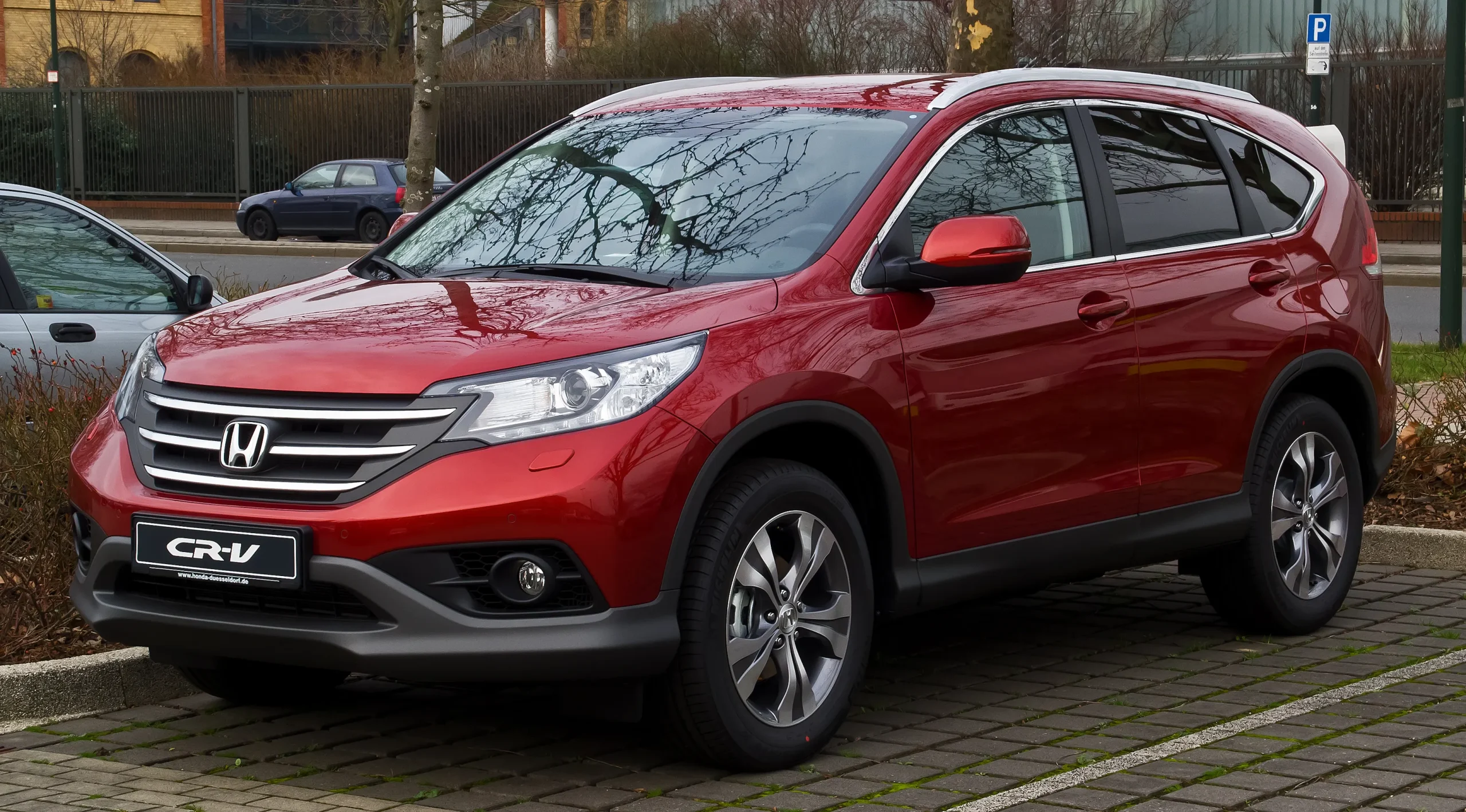
2. Honda CR-V
Comfort, space, and intuitive behavior define the Honda CR-V, making it a natural companion for urban routines. City driving can feel chaotic, yet this SUV responds with calm predictability. Throttle response feels measured, allowing smooth starts at green lights and easy pacing in traffic queues.
Cabin design emphasizes openness. Large windows and a well-positioned driving seat improve awareness of surrounding vehicles, cyclists, and pedestrians. Parking maneuvers feel less stressful thanks to clear sightlines and responsive steering. Tight garages and curbside spots become manageable tasks rather than dreaded challenges.
Interior space surprises many first-time drivers. Despite compact exterior dimensions, passengers enjoy generous legroom and headroom. Families, rideshare drivers, and professionals appreciate how easily people and belongings fit without squeezing. Rear cargo space accommodates daily needs without requiring seat folding for routine errands.
Ride quality favors softness, which suits uneven pavement and constant stops. Potholes and patched asphalt fade into the background rather than sending sharp feedback through the cabin. Long commutes remain comfortable, even during rush hours that stretch longer than expected.
Technology supports convenience instead of distraction. Touchscreens feel responsive, menus stay simple, and physical buttons remain available for common tasks. Drivers spend less time searching through menus and more time focusing on the road. Driver assistance features operate smoothly, adding reassurance without abrupt interference.
Fuel efficiency aligns well with city demands. While not extreme, consumption remains reasonable, which helps reduce running costs for daily use. Maintenance needs stay predictable, supported by Honda’s reputation for durability.
Size again plays a critical role. Honda CR-V fits into urban environments without dominating them. It feels confident without arrogance, capable without excess. City streets reward vehicles that feel approachable, and this SUV earns its place through balance rather than spectacle.
Also Read: Top 10 SUVs That Successfully Balance Speed And Reliability
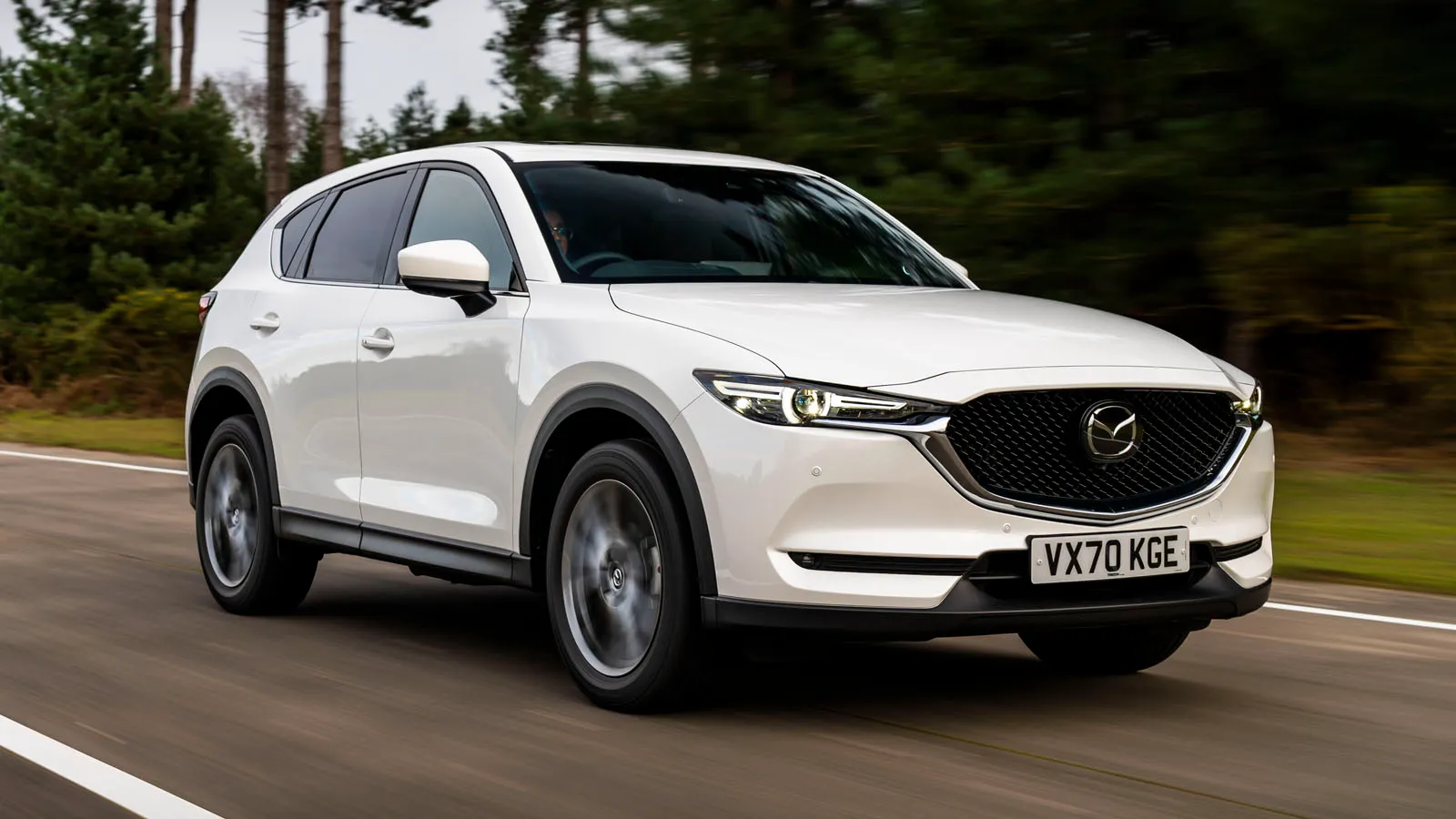
3. Mazda CX-5
Style and agility often feel rare in SUVs, yet the Mazda CX-5 blends both in a way that suits city life. Driving through dense traffic demands quick reactions and predictable responses, and this vehicle delivers a connected feel that encourages confidence.
Steering response feels crisp, allowing precise adjustments during lane changes and turns. Urban corners feel controlled, even when traffic patterns change suddenly. Suspension tuning favors composure, keeping the body stable without sacrificing comfort over uneven surfaces.
Cabin design leans toward simplicity with a refined touch. Materials feel upscale, controls feel solid, and the layout avoids clutter. City drivers often appreciate interiors that feel calm after long workdays, and this SUV provides that sense of order.
Visibility remains strong, aided by thoughtful window placement and camera assistance. Parking assistance systems offer helpful guidance during tight maneuvers without overwhelming the driver with alerts. Parallel parking and multi-level garages feel less intimidating.
Noise isolation deserves attention. City environments generate constant sound from traffic, construction, and crowds. Mazda CX-5 keeps much of that noise outside, creating a quieter space that helps reduce fatigue. Short trips feel relaxing, while longer drives remain pleasant.
Cargo capacity suits daily needs well. Shopping bags, work equipment, and weekend supplies fit easily. Rear seats fold smoothly when additional room becomes necessary. Flexibility matters when schedules change unexpectedly.
Fuel efficiency supports frequent short trips, and engine response remains smooth at low speeds. Acceleration feels controlled rather than aggressive, which suits urban pacing. Maintenance costs stay reasonable, supported by reliable engineering.
Mazda CX-5 appeals to drivers who want city practicality wrapped in a stylish, engaging package. Streets filled with traffic lights and narrow lanes reward vehicles that feel responsive and refined, and this SUV meets that challenge with poise.
4. Hyundai Tucson Hybrid
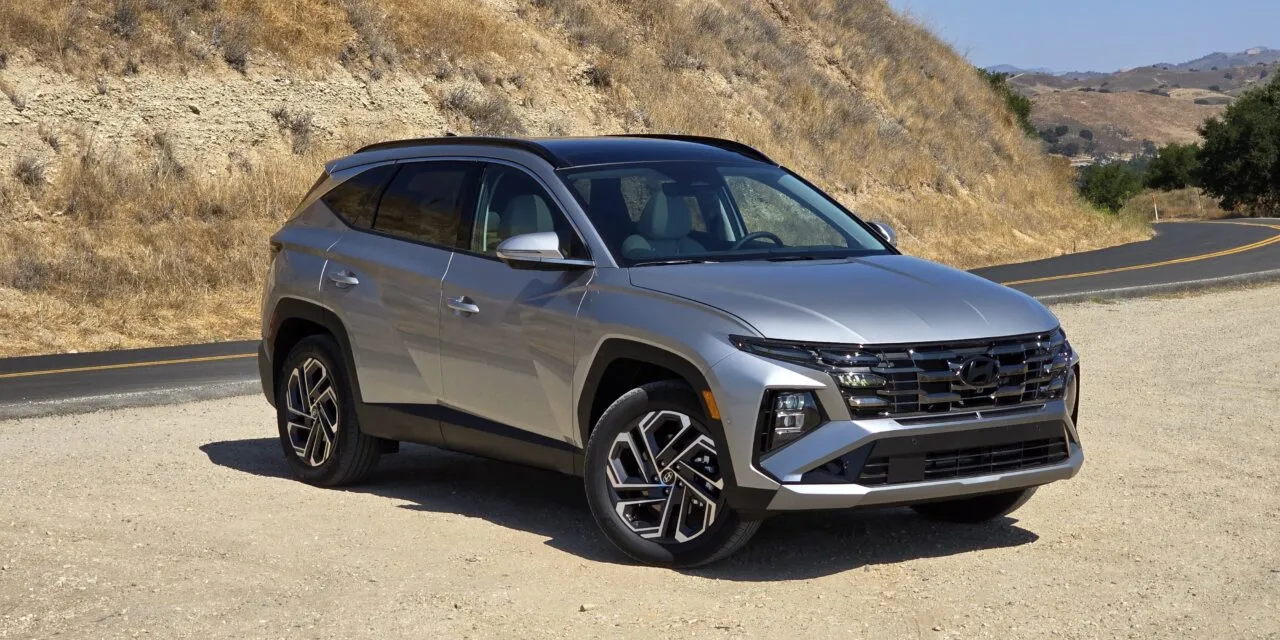
Technology-focused design and efficiency help the Hyundai Tucson Hybrid feel comfortable in city environments. Hybrid assistance smooths movement during frequent stops, allowing quiet starts and relaxed progress through traffic.
Exterior proportions strike a smart balance. The SUV appears modern without appearing oversized. Urban streets benefit from vehicles that fit naturally among sedans and compact cars, and the Tucson Hybrid avoids the visual bulk that can intimidate nearby drivers.
Inside, the cabin feels spacious and airy. Controls are lean digital yet remain intuitive. Screens display information clearly, reducing distraction during busy commutes. Storage solutions handle daily clutter with ease, from water bottles to charging cables.
Ride comfort remains a priority. Suspension tuning absorbs rough patches without floating excessively. Speed bumps and uneven intersections feel controlled rather than abrupt. This quality becomes important during daily routines where roads rarely feel perfect.
Visibility supports confidence. Seating position offers a clear view ahead, while camera systems assist during parking and low-speed maneuvers. Tight city parking spaces feel less demanding with supportive technology working quietly in the background.
Fuel efficiency stands as a strong advantage. Hybrid systems shine during city use, cutting fuel consumption during slow traffic and frequent stops. Owners benefit from reduced fuel expenses without changing driving habits.
Safety systems add reassurance without feeling intrusive. Alerts remain timely, steering assistance feels smooth, and braking interventions avoid sudden surprises. City traffic involves unpredictable behavior from others, and supportive technology helps maintain calm.
Hyundai Tucson Hybrid suits drivers who value modern design paired with urban practicality. Daily commutes, errands, and weekend trips feel easier when a vehicle supports rather than complicates city life.
5. Subaru Crosstrek
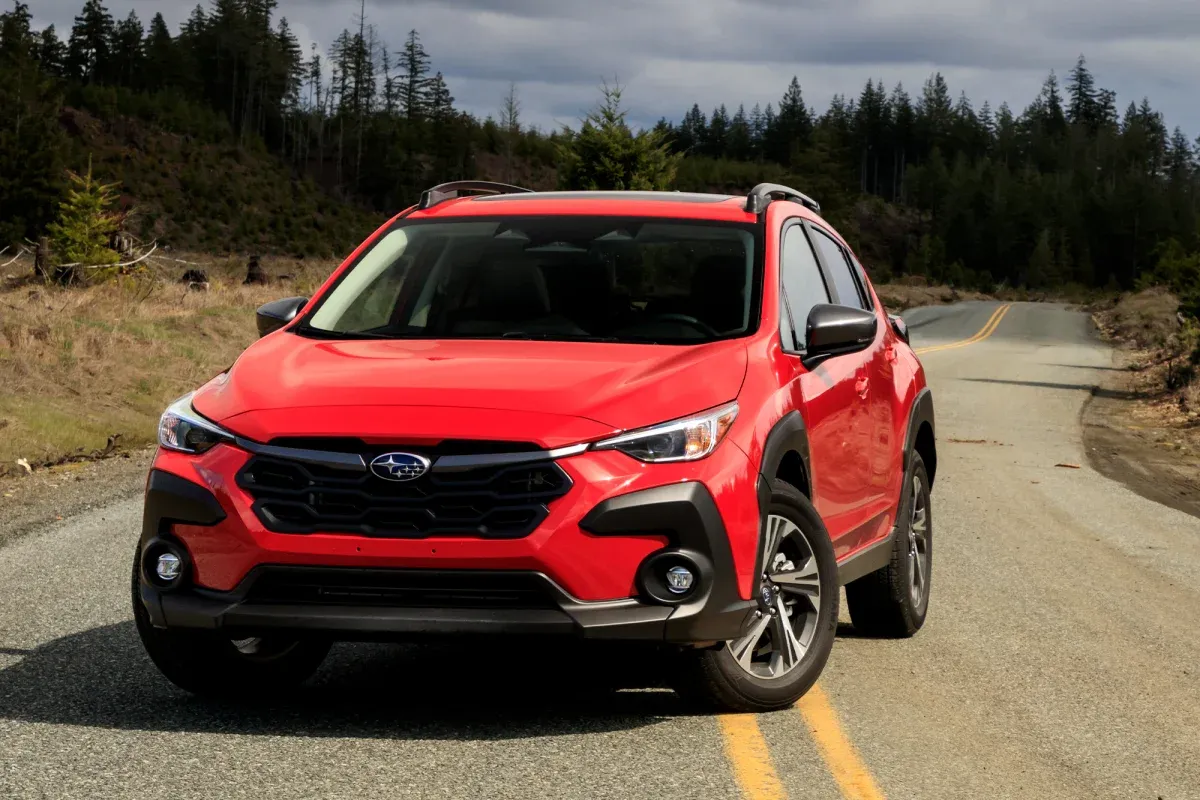
Compact proportions and thoughtful engineering make the Subaru Crosstrek a strong fit for urban settings. Smaller size immediately benefits city drivers dealing with limited space and tight streets. Parking becomes easier, and maneuvering through congestion feels less stressful.
The driving position provides confidence without placing the driver too high above traffic. Visibility remains clear in multiple directions, which helps when scanning intersections and merging into busy lanes. Steering response feels predictable, supporting smooth movements in crowded conditions.
Interior design favors durability and simplicity. Controls feel intuitive, and materials withstand daily wear from active lifestyles. City living often blends work, errands, and social plans, and this cabin adapts easily to changing needs.
Ride comfort balances firmness and softness. Road imperfections feel manageable, and body control remains stable during turns. Urban roads vary widely in quality, and this suspension setup handles those changes without fuss.
Fuel economy supports daily use, especially during short trips. Engine behavior stays smooth at low speeds, helping reduce driver fatigue. Acceleration feels sufficient rather than aggressive, aligning with city pace.
Cargo flexibility supports daily life. Grocery runs, backpacks, and hobby gear fit easily. Rear seats fold flat for larger items without complicated adjustments. Versatility matters when city plans change quickly.
Reliability reputation adds peace of mind. Subaru engineering focuses on durability, which suits drivers who rely on their vehicle daily. Unexpected downtime feels disruptive in cities, and dependability remains a valuable trait.
Subaru Crosstrek appeals to urban drivers who want compact convenience paired with everyday toughness. City streets reward vehicles that feel adaptable, and this SUV delivers that adaptability without demanding extra attention.
5 SUVs That Don’t Work Well in Cities
1. Chevrolet Suburban
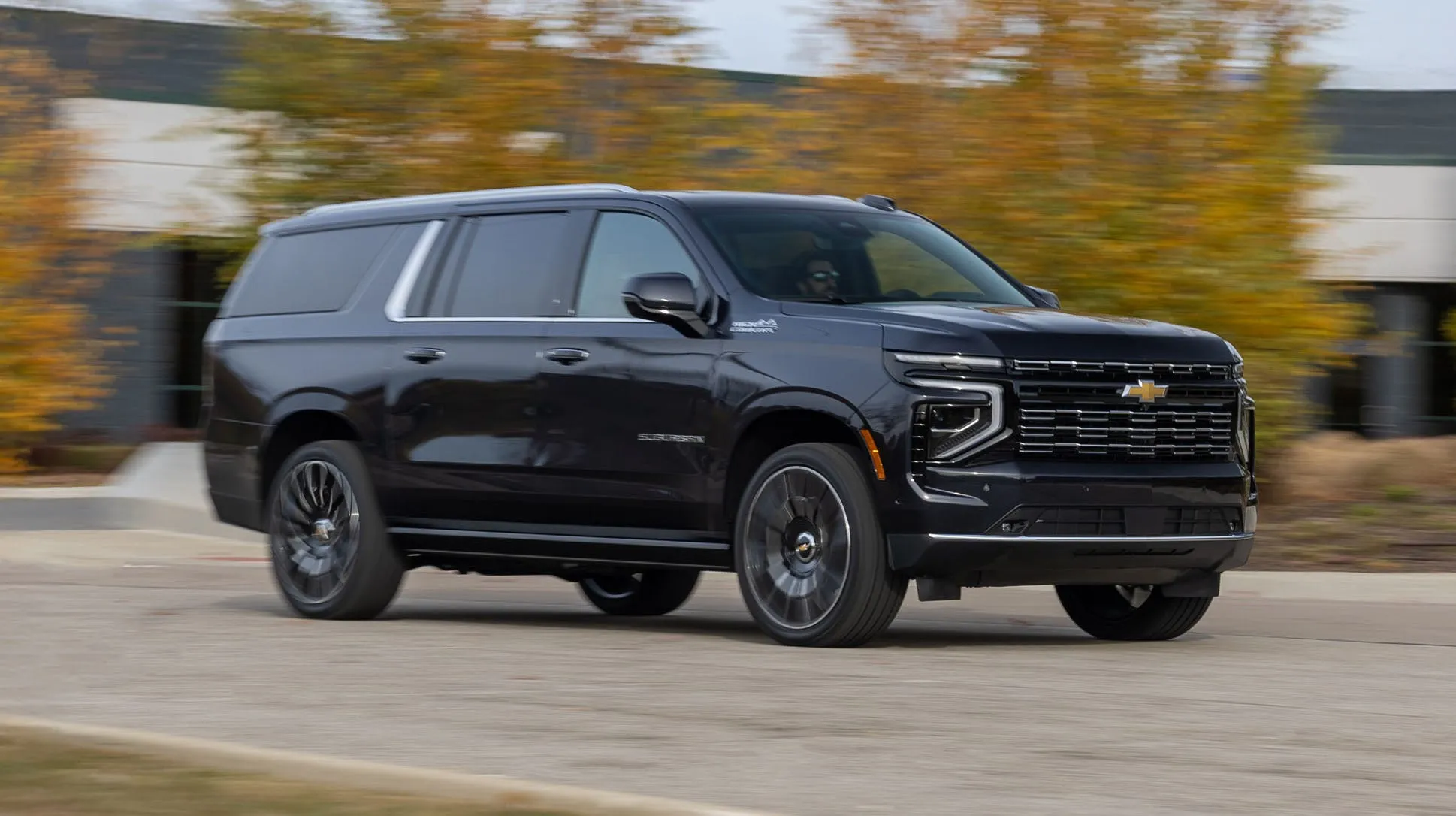
Big presence defines Chevrolet Suburban, and that presence becomes a daily challenge inside city limits. Length alone changes how every drive feels. Parking lots demand planning, while curbside spaces often feel impossible rather than inconvenient. Even when a space appears open, second thoughts arrive quickly once the turning radius enters the picture.
Driving through narrow streets introduces constant calculation. Steering requires patience, especially during tight turns or U-turns. Multi-point turns become routine rather than rare, which adds time and stress to simple errands. Drivers often feel like guests squeezing into areas designed for smaller vehicles.
Fuel consumption presents another concern. City traffic emphasizes frequent stops, idling, and short trips. Those conditions rarely align with large engines designed for towing and long highway stretches. Fuel stops arrive often, adding cost and inconvenience to daily routines.
Interior space impresses, yet much of it goes unused during city life. Large families or group travel may justify the size, though solo commuters gain little benefit from such volume. Maneuvering a vehicle built for long road trips through downtown streets feels mismatched.
Ride comfort remains smooth on open roads, yet broken city pavement highlights suspension tuning aimed at heavier loads. Speed bumps and potholes feel more pronounced due to weight and wheelbase length. Quietness suffers as engine noise becomes more noticeable during stop-and-go driving.
Technology assists somewhat, yet cameras and sensors cannot fully overcome physical size. Tight garages remain stressful despite electronic help. Anxiety replaces relaxation during routine parking maneuvers. Chevrolet Suburban suits open highways and extended travel far better than daily city commutes. Urban environments reward flexibility and compact thinking, qualities this SUV struggles to deliver.
2. Ford Expedition
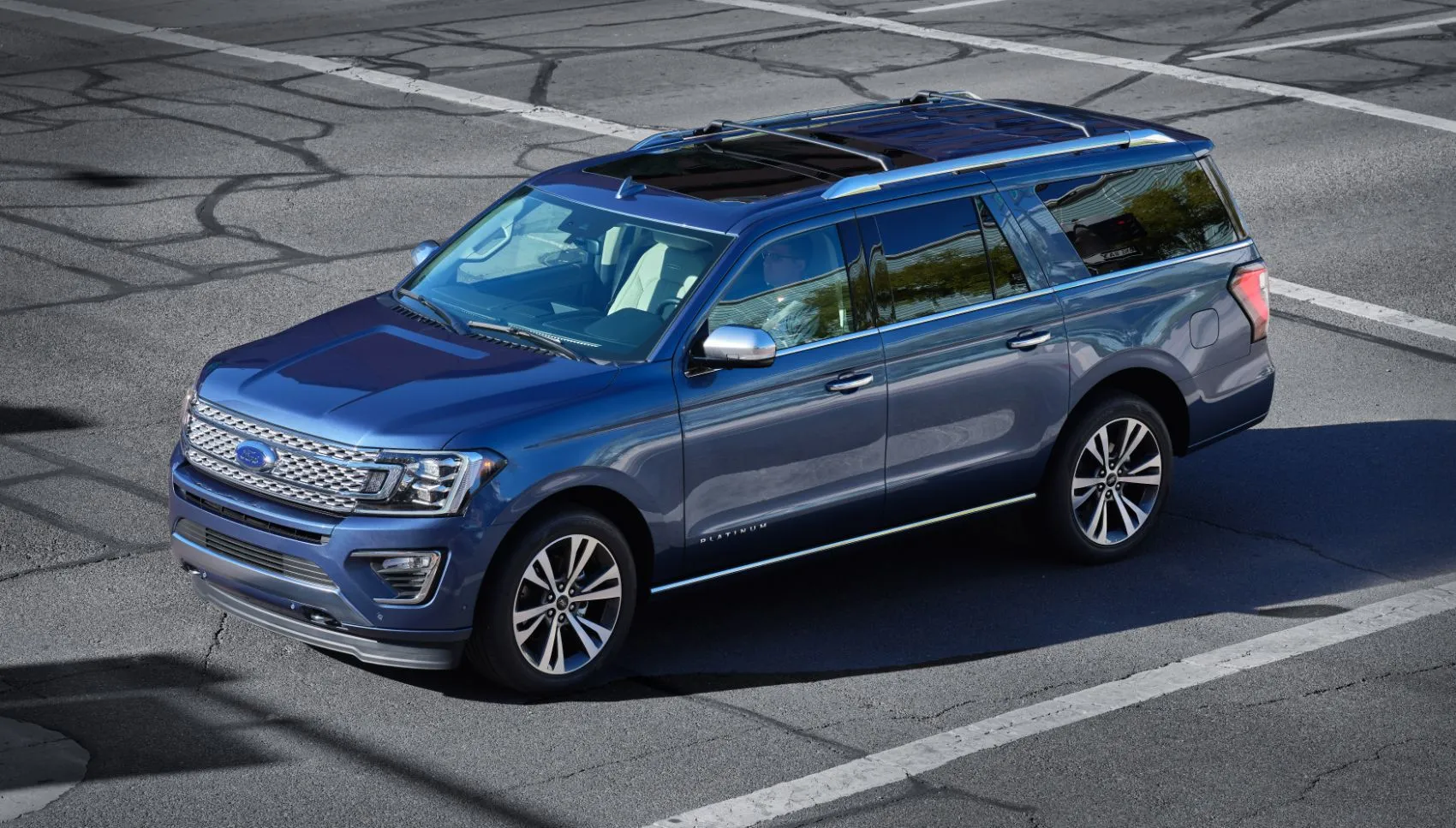
Ford Expedition brings strength and capability, yet city streets rarely call for such traits. Size immediately alters the driving experience. Parking garages feel restrictive, and older urban layouts challenge the vehicle’s width and length at every turn.
Low-speed handling reveals its limits. Steering feels heavy during parking maneuvers, demanding effort rather than ease. Tight corners require wide arcs, which conflict with traffic patterns designed for smaller vehicles. Each turn becomes a deliberate action instead of a smooth habit.
Fuel usage adds another layer of frustration. Frequent stops and idle time drain fuel quickly, which clashes with daily commuting needs. Short trips never allow the engine to operate efficiently, resulting in repeated visits to the pump.
Interior quality remains comfortable, though daily use highlights unused capacity. Extra seating rows and cargo room feel excessive when transporting groceries or briefcases. Space becomes more burden than a benefit in dense areas.
Ride quality varies. Smooth roads feel controlled, yet uneven pavement exposes stiffness meant to handle heavy loads. City streets rarely provide ideal surfaces, which leads to a less relaxed experience during daily drives. Visibility challenges appear due to height and body shape. Blind spots feel larger, especially when checking for smaller cars or cyclists. Technology helps, though awareness still demands extra attention.
Ford Expedition works best where roads stretch wide and parking space comes easily. Urban routines favor vehicles that respond quickly and fit naturally, and this SUV often feels like it belongs somewhere else.
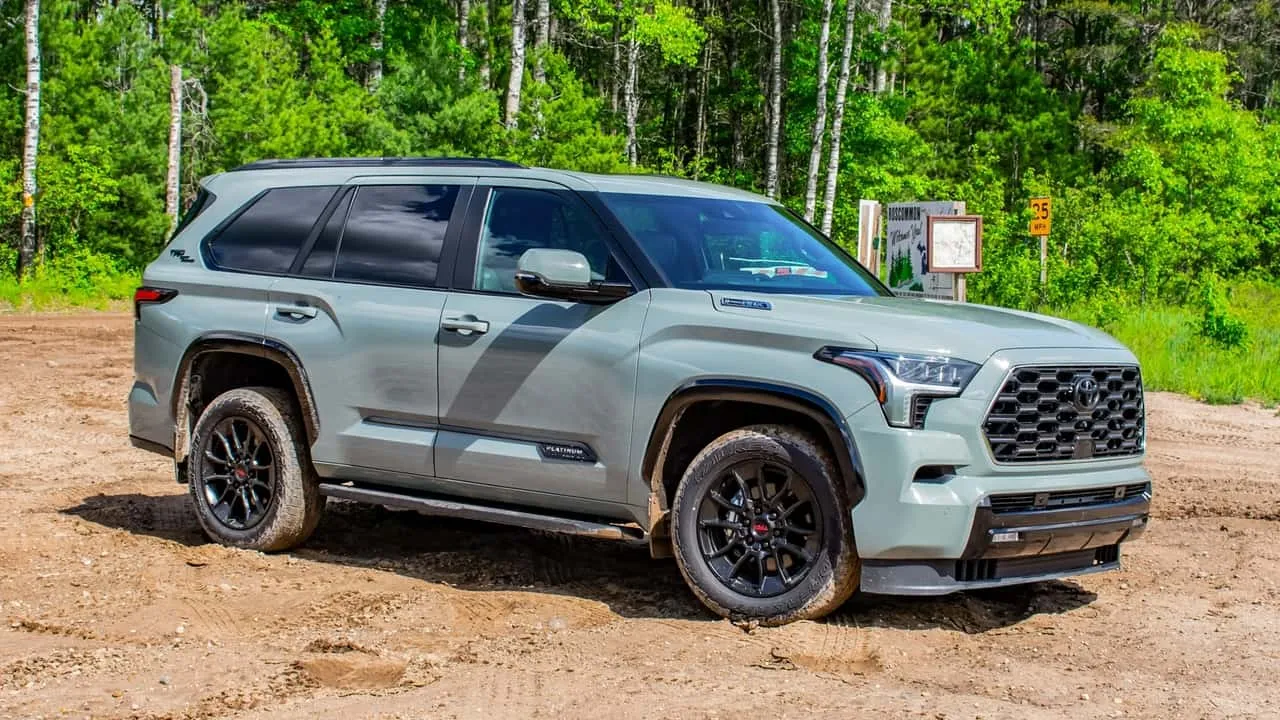
3. Toyota Sequoia
Toyota Sequoia carries a reputation for durability, yet city driving highlights its less friendly traits. Physical size dominates every interaction with the environment. Narrow streets, compact parking lots, and tight intersections feel restrictive rather than welcoming.
Turning radius stands out as a frequent challenge. Simple maneuvers require planning, patience, and sometimes assistance from others. Urban driving already involves unpredictability, and added bulk amplifies stress rather than reducing it.
Fuel economy remains a concern. City traffic emphasizes inefficiency for large engines, leading to high consumption during daily use. Short trips prevent optimal performance, making ownership costly for commuters.
Cabin comfort remains strong, though excess space often goes unused. Seating capacity and cargo volume shine during group travel, yet everyday errands rarely require such room. Carrying air feels wasteful when city efficiency matters.
Ride quality favors stability at speed rather than comfort at low speeds. Rough pavement and speed bumps transmit more motion than expected, reminding drivers of the vehicle’s weight and construction. Parking assistance features provide support, yet physical limits remain.
Tight garages still demand caution, and street parking becomes an exercise in patience. Toyota Sequoia excels during long journeys and family adventures. City streets rarely reward those strengths, leaving urban drivers feeling mismatched with their surroundings.
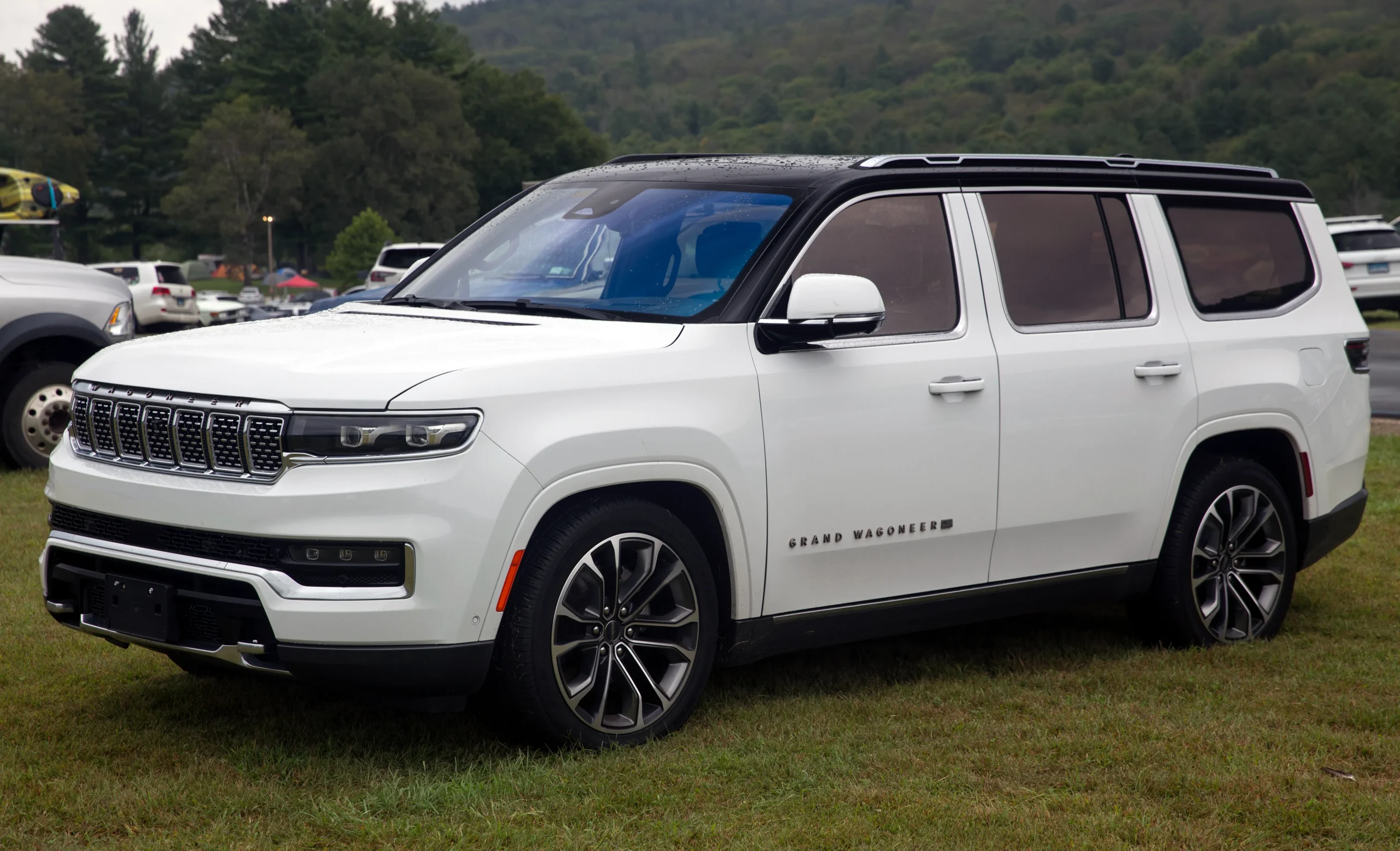
4. Jeep Grand Wagoneer
Luxury and size define the Jeep Grand Wagoneer, and this combination creates visible tension between comfort and daily practicality within city environments. The vehicle’s expansive body occupies substantial road space, making narrow streets and compact lanes feel restrictive rather than accommodating.
Routine journeys require heightened attention, as drivers must constantly assess spacing, clearance, and timing before making even ordinary movements. Low-speed control exposes further limitations. Steering reactions appear measured and deliberate, which reduces ease during parking exercises and tight cornering.
Multi-level car parks and roadside spaces demand patience and careful judgment. Urban traffic typically rewards quick response and light handling, but this vehicle places visual authority ahead of nimble motion, leading to a sense of strain during congested travel.
Fuel usage presents another concern for city-based ownership. Short-distance trips and frequent stops encourage heavy consumption, increasing operating costs without providing matching daily advantages. Stop heavy traffic conditions prevent efficient engine operation, making regular commuting an expensive obligation rather than a convenient routine.
For drivers focused on moderation, this aspect quickly becomes discouraging. Interior presentation reflects high craftsmanship and refined materials, although much of this luxury remains underutilised during city use.
Expansive seating arrangements and generous cargo capacity often sit unused while transporting minimal passengers or modest loads. Urban drivers frequently value efficient layout and functional restraint, qualities that feel secondary within this cabin.
Ride quality performs admirably on smooth road surfaces, delivering a composed and cushioned experience. However, uneven pavement, patched asphalt, and speed control humps reveal firmness beneath the polished surface. City roads seldom provide consistency, which disrupts the calm ambience expected from a premium sport utility vehicle.
Visual awareness also becomes demanding due to height and width. Smaller cars, cyclists, and pedestrians require sustained observation, increasing mental effort during busy hours. Assistance systems offer guidance, but physical proportions continue to dominate the experience.
The Jeep Grand Wagoneer aligns best with settings that offer generous space and open movement. Urban streets favour moderation, flexibility, and ease of handling, priorities that remain secondary within this design. Such conditions leave drivers constantly adjusting their behaviour to suit their surroundings rather than enjoying relaxed mobility. Daily errands become planned exercises instead of spontaneous actions.
For metropolitan professionals who value efficiency, predictability, and measured operation, this mismatch between scale and setting reduces satisfaction and weakens suitability for sustained urban duty. Long-term ownership, therefore, demands a compromise that city residents prefer to avoid.
Also Read: Top 10 Best SUVs That Redefined Off-Road Capability
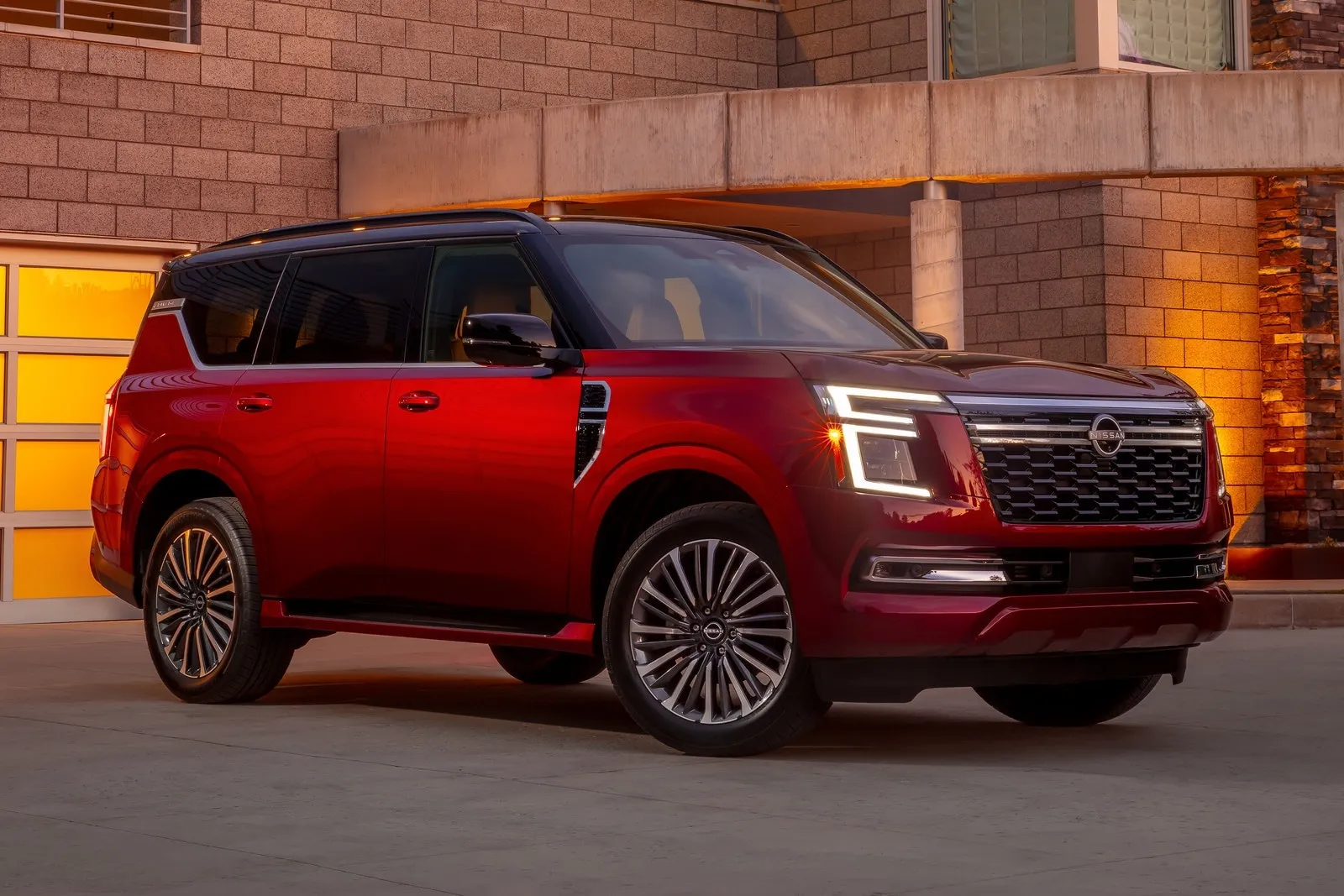
5. Nissan Armada
The Nissan Armada presents a commanding appearance when introduced to city streets, yet this commanding presence often proves unsuitable for dense urban settings. Its expansive body occupies considerable space, placing immediate pressure on parking areas, narrow roads, and ageing city infrastructure.
Everyday tasks such as shopping or office commutes demand planning, as spontaneous movement becomes difficult within restricted environments. Low-speed operation highlights further challenges. Steering requires visible effort during parking exercises, and tight corners demand careful judgment.
Urban driving frequently depends on swift reactions and smooth directional changes, but this vehicle responds with a weighty feel that limits flexibility. Daily manoeuvres, therefore, feel deliberate rather than instinctive, increasing driver fatigue during prolonged traffic conditions.
Fuel consumption adds to the burden of ownership within cities. Stop heavy traffic increases fuel demand, resulting in repeated refuelling that affects running costs. Short-distance travel prevents efficient engine performance, making frequent trips less economical. For drivers managing regular commutes, this pattern quickly becomes discouraging.
Interior space remains extensive, though most city routines rarely require such capacity. Additional seating rows and large cargo areas remain unused during typical workday journeys. Urban motorists often prefer measured space that aligns with daily needs, yet this vehicle delivers excess rather than proportion. Comfort inside focuses more on firmness and stability than on gentle ride quality.
City road surfaces expose this tuning clearly. Broken asphalt and uneven surfaces transmit noticeable movement into the cabin, reducing comfort during repeated trips. Engine noise becomes more apparent during slow movement, disrupting cabin calm and contributing to driving fatigue. While assistance systems support visibility and awareness, they cannot compensate for the physical size of the vehicle.
Parking remains a persistent concern. Tight garages and roadside spaces demand constant caution and patience, even with electronic aids in place. Such conditions turn simple parking into a calculated process that consumes time and attention.
The Nissan Armada performs best where roads widen and distances lengthen. Urban environments favour restraint, agility, and responsive control, characteristics that remain secondary within this design. Daily city routines, therefore, highlight limitations rather than strengths, leaving the vehicle feeling unsuited to metropolitan demands.
