
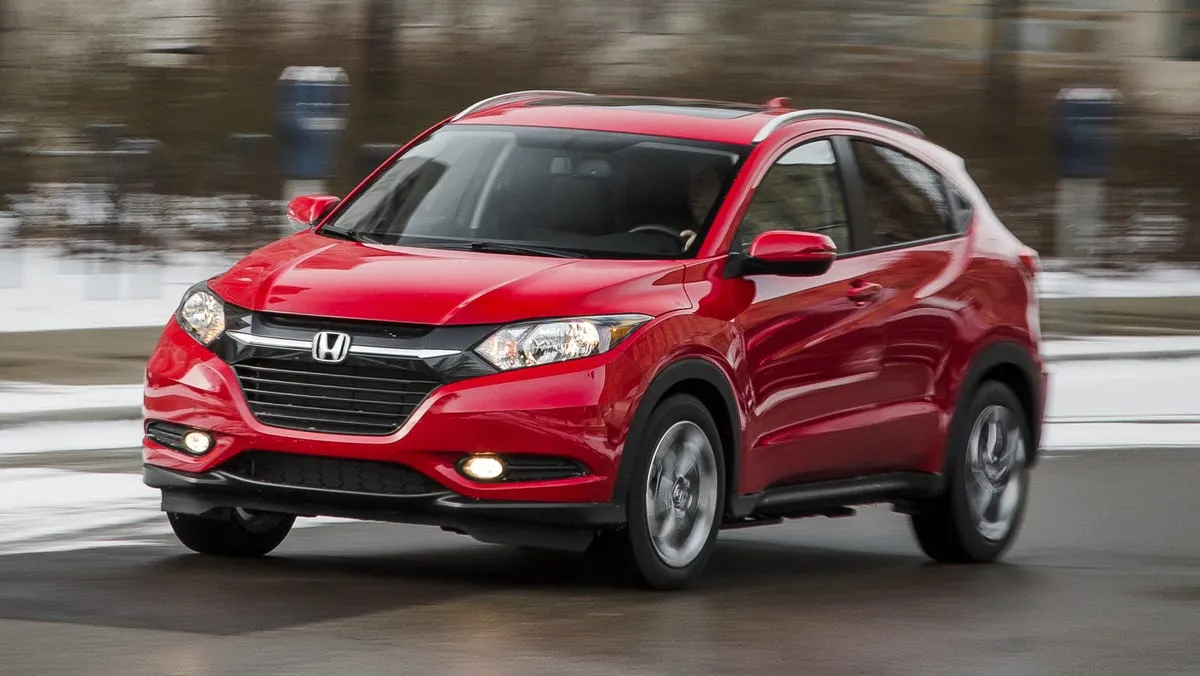
City streets, suburban lanes, parking garages, and crowded shopping centers place very specific demands on a vehicle. For drivers who spend most of their time in these environments, maneuverability often matters more than raw power or bold styling. Crossovers promise a balance between car-like comfort and SUV practicality, yet that promise is not delivered equally across the segment.
Some crossovers feel light on their feet. Steering responds quickly, visibility feels natural, and parking rarely turns into a mental workout. These vehicles seem to cooperate with the driver, shrinking stress levels during daily routines. Others feel bulky, hesitant, or awkward in tight spaces, requiring extra effort during turns, U-turns, and parking maneuvers.
Ease of maneuvering goes beyond size alone. Steering calibration, wheelbase length, visibility, throttle response, and even seat positioning all play a role. A well-designed crossover can feel friendly and predictable even in busy conditions, while a poorly matched one can feel demanding despite advanced technology.
This page focuses on ten crossovers evaluated strictly through the lens of maneuverability. Drivers looking for relaxed daily movement, smooth parking experiences, and confident control will find clear patterns in the vehicles that truly fit modern driving environments.
5 Crossovers That Are Easy to Maneuver
1. Honda HR-V
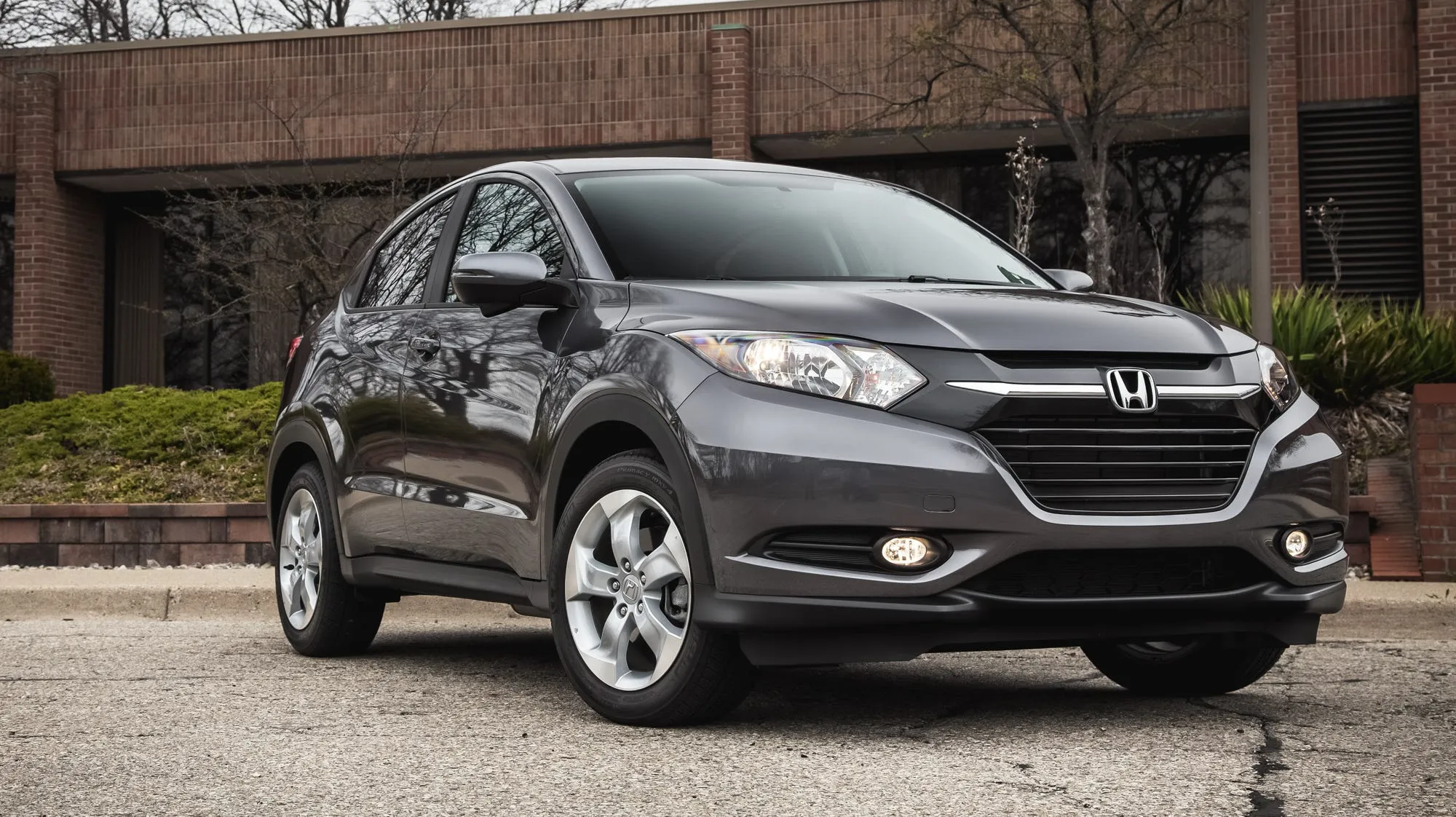
Compact dimensions give the Honda HR-V an immediate advantage when maneuverability matters. Streets filled with traffic, narrow lanes, and tight corners rarely feel intimidating from behind the wheel. Steering feels light without feeling vague, allowing precise control during low-speed movements such as parking and quick lane changes.
Visibility plays a strong role in this crossover’s ease of use. Seating height offers a clear view ahead, while slim pillars reduce blind spots. Checking surroundings feels natural, which builds confidence during merges and intersections. Urban driving often demands quick judgment, and this vehicle supports that process rather than complicating it.
Turning radius remains tight enough to handle U-turns on smaller roads without hesitation. Parking garages and parallel spaces feel manageable, even for drivers who dislike confined environments. Controls respond smoothly, making small steering corrections easy during close-quarter maneuvers.
Interior layout contributes quietly to maneuverability. Controls remain intuitive, reducing distraction during busy driving moments. Clear instrumentation helps drivers maintain focus, while predictable throttle response allows smooth starts and stops in traffic.
Ride quality supports daily driving without excessive softness. Speed bumps and uneven pavement feel controlled, preventing unnecessary body movement that can complicate low-speed handling. Calm suspension behavior keeps the vehicle settled during turns.
Cargo flexibility adds to daily convenience without increasing exterior bulk. Folding rear seats allow larger items without turning the crossover into a cumbersome shape. Daily errands feel simple rather than calculated.
Fuel efficiency complements maneuverability by encouraging relaxed driving habits. Drivers rarely feel pressure to accelerate aggressively, which suits crowded environments. Reliability reputation strengthens confidence for those who depend on their vehicle every day.
Honda HR-V suits drivers who value ease, clarity, and responsiveness. Tight environments reward vehicles that feel cooperative, and this crossover delivers that quality through thoughtful proportions and balanced tuning.
2. Toyota Corolla Cross
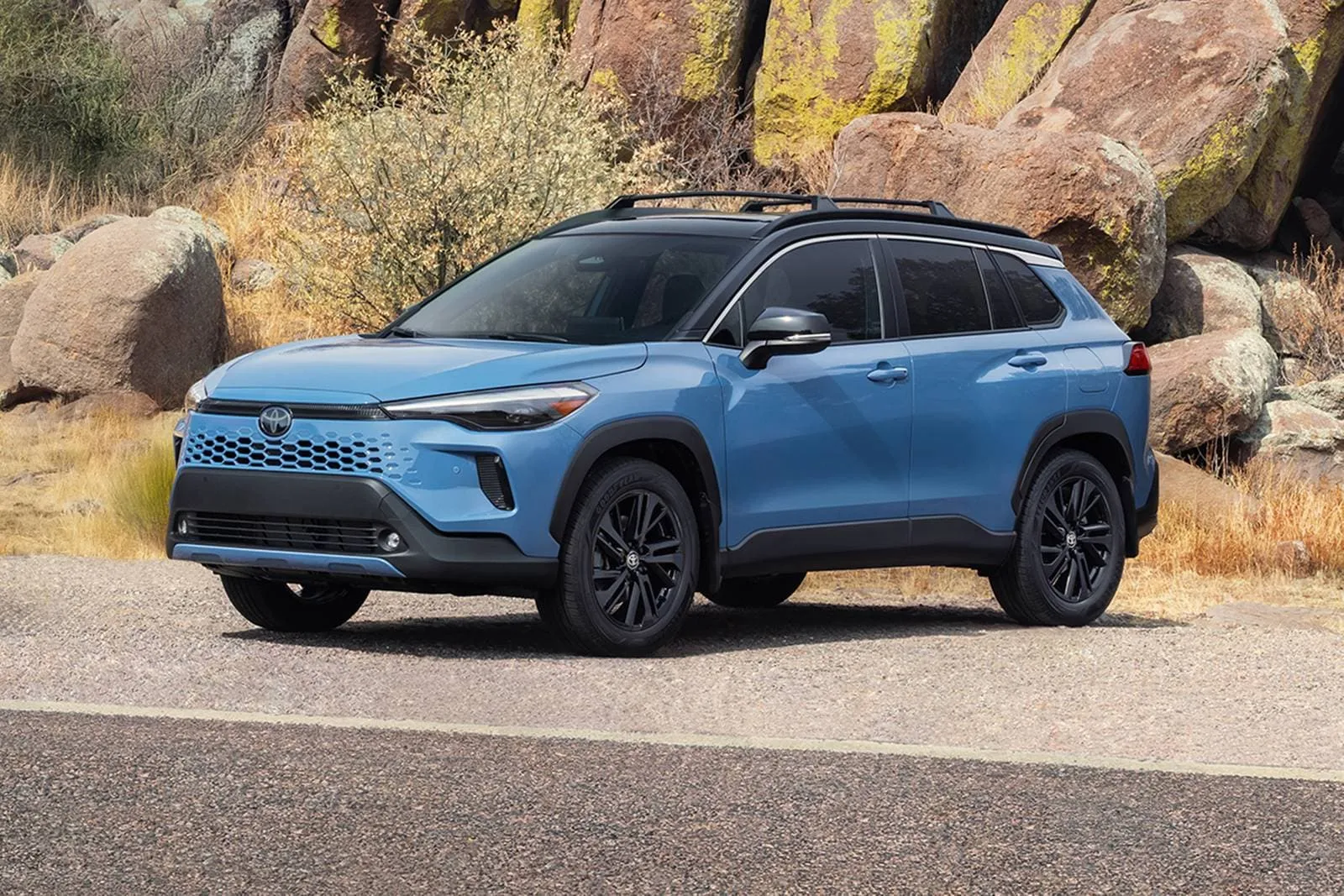
Smooth control defines the Toyota Corolla Cross, creating a crossover that feels comfortable in restricted spaces. Compact sizing immediately benefits drivers dealing with tight streets and busy parking areas. Steering inputs translate cleanly into motion, making the vehicle feel predictable during low-speed operation.
Visibility remains one of its strongest traits. Elevated seating offers a clear view without creating an exaggerated sense of height. Mirrors and window placement support confident awareness of surrounding traffic, which helps during lane changes and merges.
Parking experiences feel straightforward. Turning radius supports easy entry into narrow spaces, and the vehicle responds well to gentle steering corrections. Parallel parking becomes a task rather than a challenge, reducing anxiety for less experienced drivers.
Interior design favors simplicity and clarity. Controls remain accessible, reducing time spent searching through menus. That clarity allows drivers to focus on their surroundings rather than dashboard distractions. Calm cabin layout supports relaxed driving habits.
Suspension tuning leans toward comfort without sacrificing control. Uneven pavement and patched roads feel manageable, helping maintain composure during daily use. Body movement remains controlled, which supports steady steering feedback.
Throttle response feels smooth and measured. Sudden acceleration rarely surprises the driver, which helps maintain balance in traffic. Braking response feels progressive, supporting precise stopping in crowded areas. Fuel consumption stays reasonable, which suits frequent short trips. Owners benefit from lower running costs without changing driving habits. Reliability history adds reassurance for long-term daily use.
Toyota Corolla Cross works well for drivers who want an easygoing crossover that feels predictable and calm. Streets filled with congestion reward vehicles that reduce effort, and this model does exactly that.
Also Read: Top 10 Electric Crossovers That Might Actually Age Well
3. Mazda CX-30
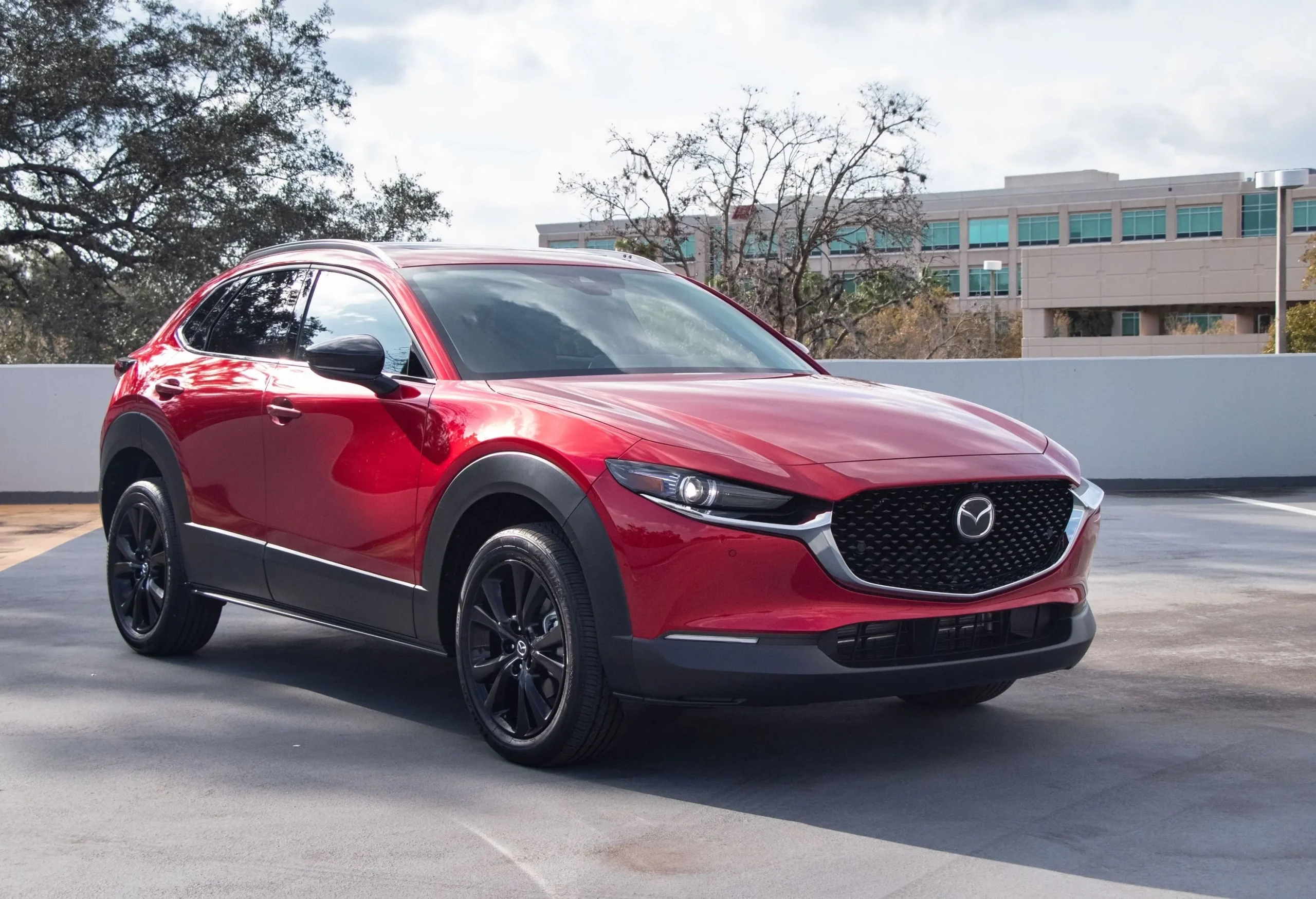
Agility shapes the personality of the Mazda CX-30, making maneuverability a defining strength. Steering response feels direct, encouraging confident movement through narrow streets and sharp turns. Drivers often feel connected to the road without experiencing nervousness.
Compact proportions allow this crossover to slip easily into tight spaces. Parking maneuvers feel controlled, and turning around in confined areas requires less planning. City driving becomes smoother when a vehicle responds quickly and consistently.
Interior seating position enhances control. Drivers sit comfortably with clear sightlines in multiple directions. Blind spots feel minimal, which supports quick decisions during merges and intersections. Awareness remains high without excessive head movement.
Suspension tuning balances firmness and comfort. Body control stays composed during turns, while rough pavement fails to upset stability. This balance helps maintain confidence when roads change quality unexpectedly.
Cabin layout emphasizes driver focus. Controls feel purposeful, and screens avoid unnecessary clutter. Reduced distraction helps drivers react smoothly in busy environments. Smooth throttle response allows controlled starts without sudden lunges.
Noise isolation adds to comfort during frequent stops. Traffic sounds remain muted, reducing fatigue during long commutes. Calm interiors help drivers maintain patience in slow-moving conditions. Cargo space suits daily needs without inflating exterior dimensions. Flexibility remains available without sacrificing maneuverability. Folding seats adapt easily to changing plans.
Mazda CX-30 fits drivers who value responsive control wrapped in a compact shape. Tight environments reward precision, and this crossover offers that precision with confidence and style.
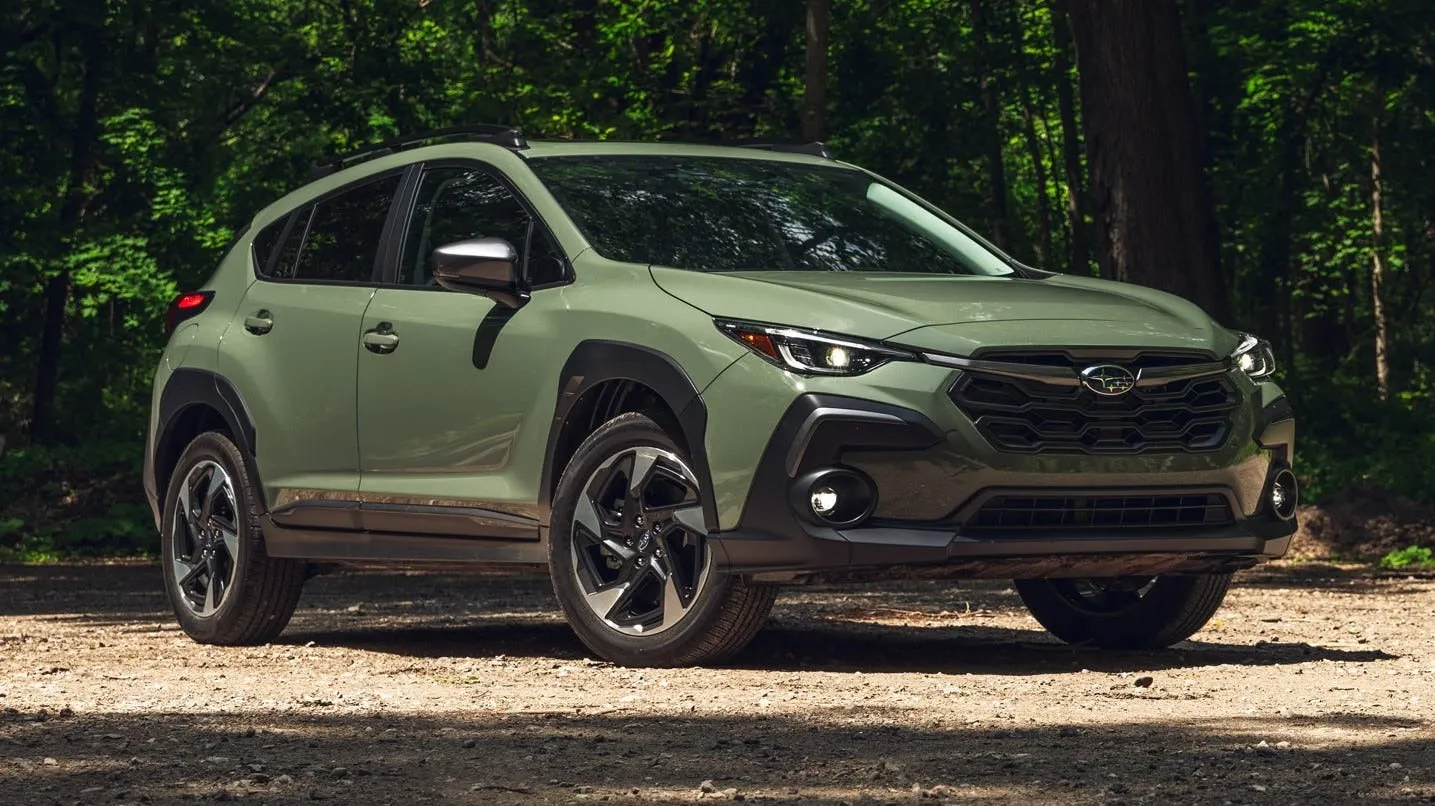
4. Subaru Crosstrek
Compact stance and predictable behavior define Subaru Crosstrek’s maneuverability. City streets and suburban roads feel manageable thanks to balanced steering and controlled body movement. Drivers rarely feel overwhelmed during tight maneuvers.
Visibility contributes strongly to ease of control. Upright seating and generous window area support confident awareness of surroundings. Checking cross traffic, cyclists, and pedestrians feels intuitive rather than forced.
Turning radius remains reasonable for urban use. U-turns and parking lot maneuvers require minimal correction. Low-speed handling feels steady, reducing stress during busy periods. Suspension tuning absorbs uneven pavement effectively. Speed bumps and road repairs feel controlled, helping maintain stability during turns. That composure supports confident steering response.
Interior design favors functionality. Controls feel familiar, and the layout reduces distraction. Drivers spend less time adjusting settings and more time focusing on movement and positioning. Throttle response remains smooth, preventing abrupt motion in traffic. Gradual acceleration supports precise spacing between vehicles. Braking behavior feels predictable, which helps during sudden stops.
Cargo space adapts well to daily routines. Groceries, backpacks, and gear fit without crowding. Folding seats expand capacity without altering driving behavior. Reliability reputation adds reassurance. Dependable performance matters when a vehicle serves daily needs. Subaru Crosstrek supports drivers who want confidence without bulk.
This crossover suits drivers seeking steady control and practical maneuverability. Tight driving environments reward consistency, and this model delivers that quality through balanced engineering.
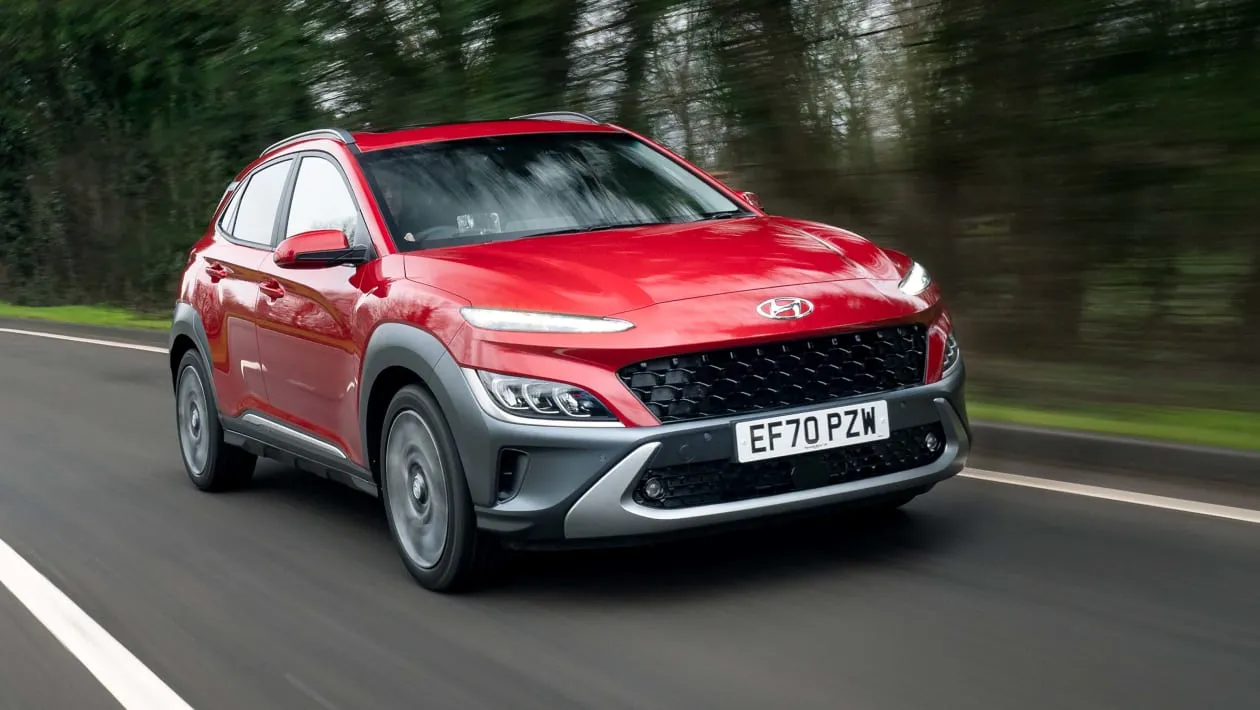
5. Hyundai Kona
The Hyundai Kona presents a refined balance between visual appeal and practical control, offering a driving experience well-suited to confined environments. Its compact build allows it to move with ease through narrow roads, busy intersections, and limited parking areas. This measured size reduces strain during daily travel and supports confident movement where space is limited.
Steering response feels well judged for routine driving. Directional input is quick enough to encourage assurance without creating instability. This balance allows drivers to guide the vehicle smoothly through tight corners and traffic queues without unnecessary correction. Low-speed handling remains composed, which contributes to a relaxed driving posture during frequent stops.
Clear outward visibility strengthens driver confidence. Seating height provides an elevated view without exaggeration, while window placement supports broad awareness of surrounding activity. This clarity assists with quick judgment during lane changes, intersections, and merging situations. Blind areas remain controlled, even when traffic density increases.
Parking procedures feel straightforward. A reasonable turning circle allows the vehicle to slip into narrow spaces with minimal adjustment. Steering feedback remains predictable, reducing the tendency to overcorrect during close-range movement. Both multi-storey garages and roadside parking spaces feel manageable rather than stressful.
Interior arrangement favors attention and order. Controls sit within easy reach, and display screens remain positioned to avoid visual overload. This simplicity supports driver focus during busy travel periods. Straightforward interface design reduces distraction and supports calm decision-making.
Ride comfort reflects careful suspension tuning. Uneven road surfaces feel softened, limiting excessive movement during slow turns. Stability remains intact, allowing consistent steering control even when pavement quality varies. This quality proves valuable during repeated short trips across mixed road conditions.
Engine response suits everyday use. Acceleration builds smoothly, supporting steady spacing between vehicles in traffic. Fuel consumption remains moderate, aligning well with frequent short-distance travel. Owners benefit from efficiency without adjusting driving habits.
Cargo capacity meets routine demands effectively. Folding rear seats provide added room when necessary, while the compact exterior remains unchanged. Errands feel efficient rather than burdensome.
Hyundai Kona appeals to drivers seeking responsive handling paired with a practical design. Its proportions and tuning support cooperation between vehicle and driver, making daily movement through confined settings feel controlled and dependable.
5 Crossovers That Are Not Easy to Maneuver
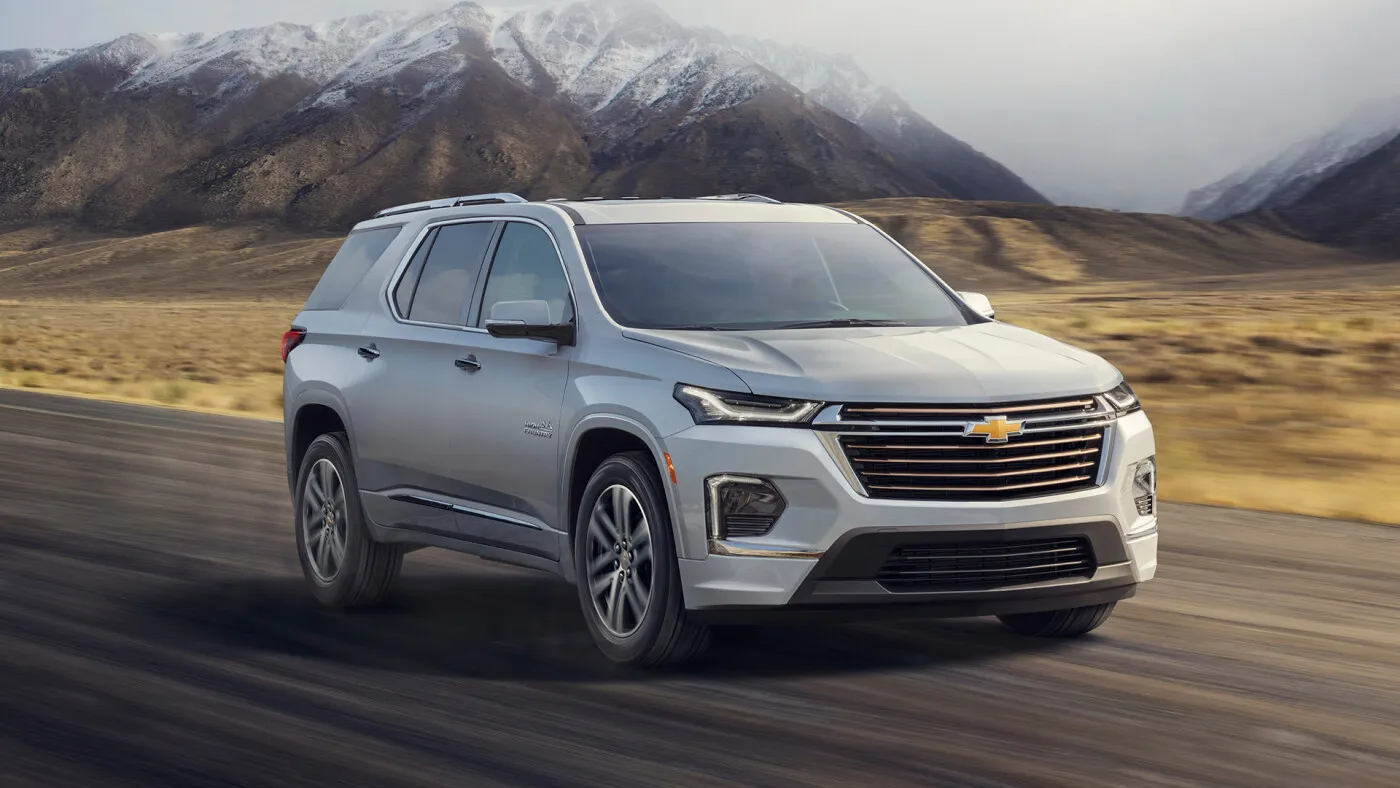
1. Chevrolet Traverse
Sheer size shapes the driving experience of the Chevrolet Traverse, and that size quickly becomes a drawback when maneuverability matters. Long body length and wide proportions demand constant attention in tight spaces.
Urban streets, compact parking areas, and crowded shopping centers expose the limits of its design. Simple turns often require extra space, while narrow lanes feel less forgiving. Low-speed control highlights these challenges clearly.
Steering feels tuned for stability rather than quick response, which makes parking maneuvers feel slow and deliberate. Tight corners demand careful planning, and U-turns frequently require multiple adjustments. Drivers accustomed to lighter crossovers may find the effort tiring during daily routines.
Visibility adds another layer of difficulty. Thick pillars and extended body panels reduce awareness during lane changes and parking. Cameras and sensors offer assistance, yet they serve more as coping tools than true solutions. Drivers still rely heavily on caution rather than confidence.
Throttle response leans toward smoothness, though combined with vehicle weight, it can feel hesitant during quick adjustments. In traffic, this behavior limits flexibility when sudden movement becomes necessary. Braking remains composed, though stopping distances feel longer than expected at low speeds.
Interior space impresses, yet that volume contributes little to maneuverability. Extra seating rows and wide cargo areas sit unused during typical commutes, while exterior bulk continues to influence every maneuver. Ride comfort remains steady on smooth roads, though uneven pavement reveals stiffness beneath the surface.
Noise levels increase during low-speed operation, adding to driver fatigue. Frequent steering corrections combined with constant awareness demands make city driving feel like work rather than routine. Chevrolet Traverse suits open roads and family travel better than confined environments. Maneuverability takes a back seat to space, leaving daily urban driving less comfortable than many expect.
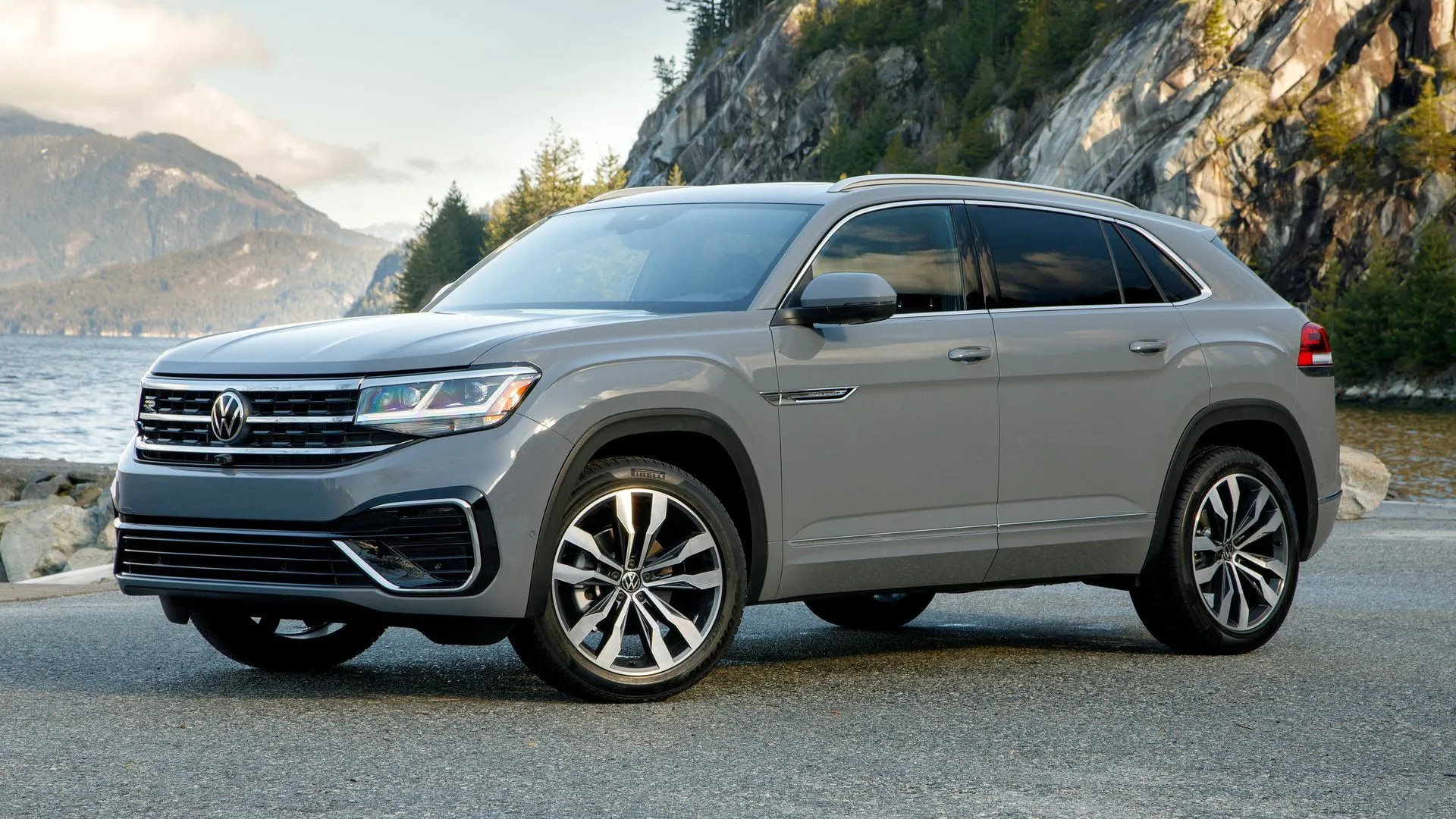
2. Volkswagen Atlas
Width defines the Volkswagen Atlas, and that width becomes immediately apparent during low-speed driving. Parking garages, narrow streets, and older infrastructure place constant pressure on the driver. Simple positioning requires careful alignment, and minor misjudgments feel amplified.
Steering response feels controlled yet heavy during parking maneuvers. Turning the wheel demands effort, particularly when space feels limited. Tight corners and sharp bends require slower speeds, reducing flow in busy traffic conditions.
Visibility suffers due to body proportions. Blind spots feel larger, especially when checking for smaller vehicles or pedestrians. Driver assistance features provide alerts, though they cannot fully replace clear sightlines.
Acceleration remains smooth, yet combined with vehicle weight, it feels less responsive during quick movements. Stopping heavy traffic reveals hesitation when immediate action becomes necessary. Braking remains reliable, though repeated stops increase mental workload.
Interior comfort remains strong, though that comfort does not translate into easier handling. Seating capacity and cargo volume feel excessive during everyday driving. Urban drivers often prefer proportionate design rather than sheer scale.
Ride quality favors stability, though uneven pavement transmits noticeable movement. Low speed bumps and patched asphalt interrupt smooth progress. Noise intrusion becomes more noticeable during city travel, affecting cabin calm.
Volkswagen Atlas works best when space feels abundant. Tight driving environments reward agility and compact control, qualities that remain secondary here.
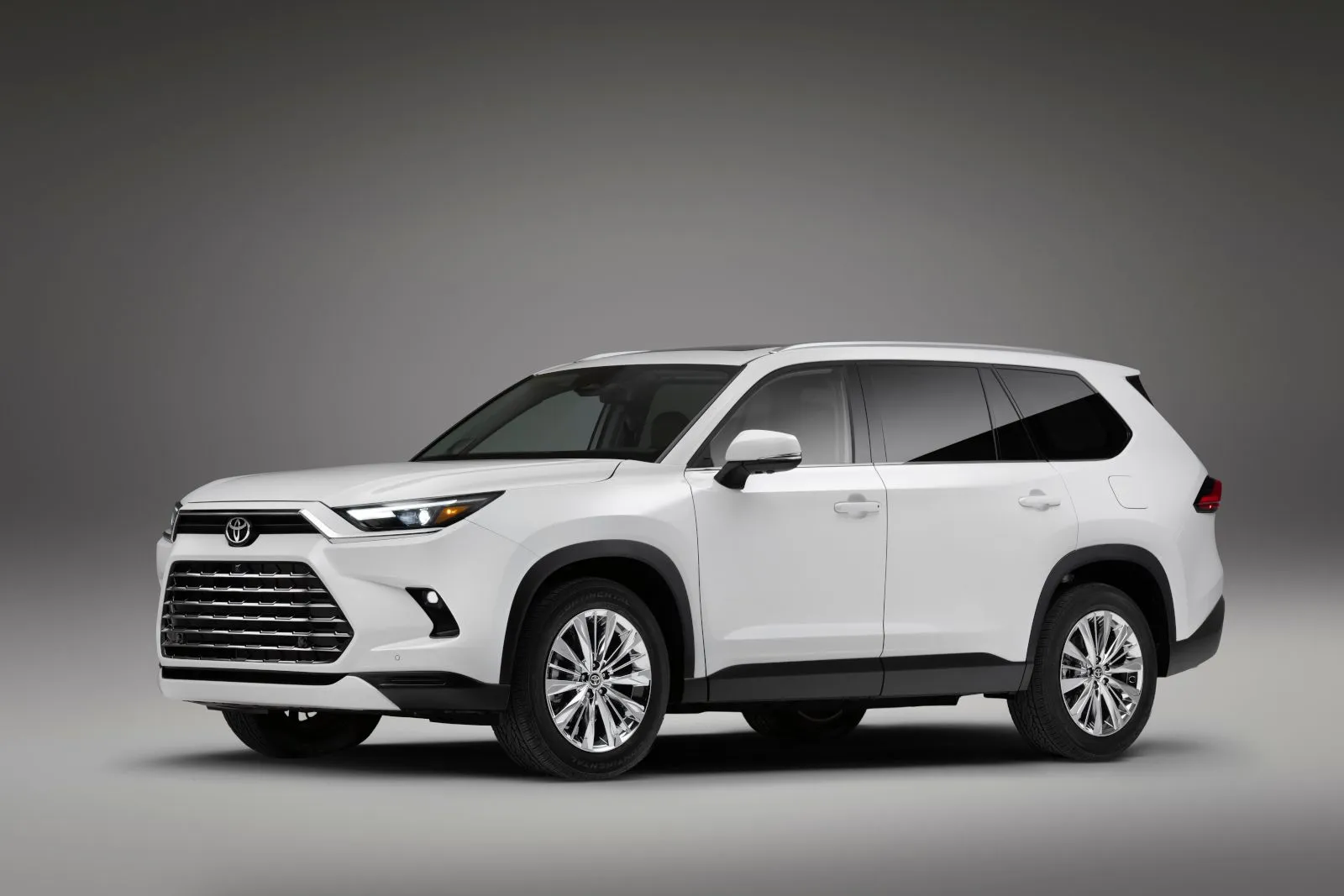
3. Toyota Highlander
Mid-size classification suggests balance, yet the Toyota Highlander leans closer to bulk when maneuverability enters the discussion. Length and width demand careful planning during turns and parking. Narrow streets highlight limitations quickly.
Steering calibration prioritizes smoothness over agility. Parking maneuvers feel slower than expected, and tight corners require patience. Urban driving often benefits from immediate response, which feels muted here.
Visibility challenges emerge due to thick pillars and extended rear sections. Parking in crowded areas requires constant reliance on cameras and sensors. Confidence takes time to build, especially for drivers new to larger crossovers.
Throttle response feels refined, though weight reduces responsiveness during sudden adjustments. Stopping heavy traffic reveals delays that complicate spacing between vehicles. Braking remains controlled, yet repeated stops feel demanding.
Interior layout emphasizes comfort and space. While pleasant, this focus contributes little to maneuverability. Extra seating rows rarely see daily use, while exterior proportions influence every turn.
Suspension tuning absorbs highway imperfections well, yet city pavement exposes firmness. Speed bumps and road repairs interrupt smooth movement, affecting steering control.
Toyota Highlander suits drivers seeking comfort and space, though maneuverability remains secondary. Confined environments reveal that compromise clearly.
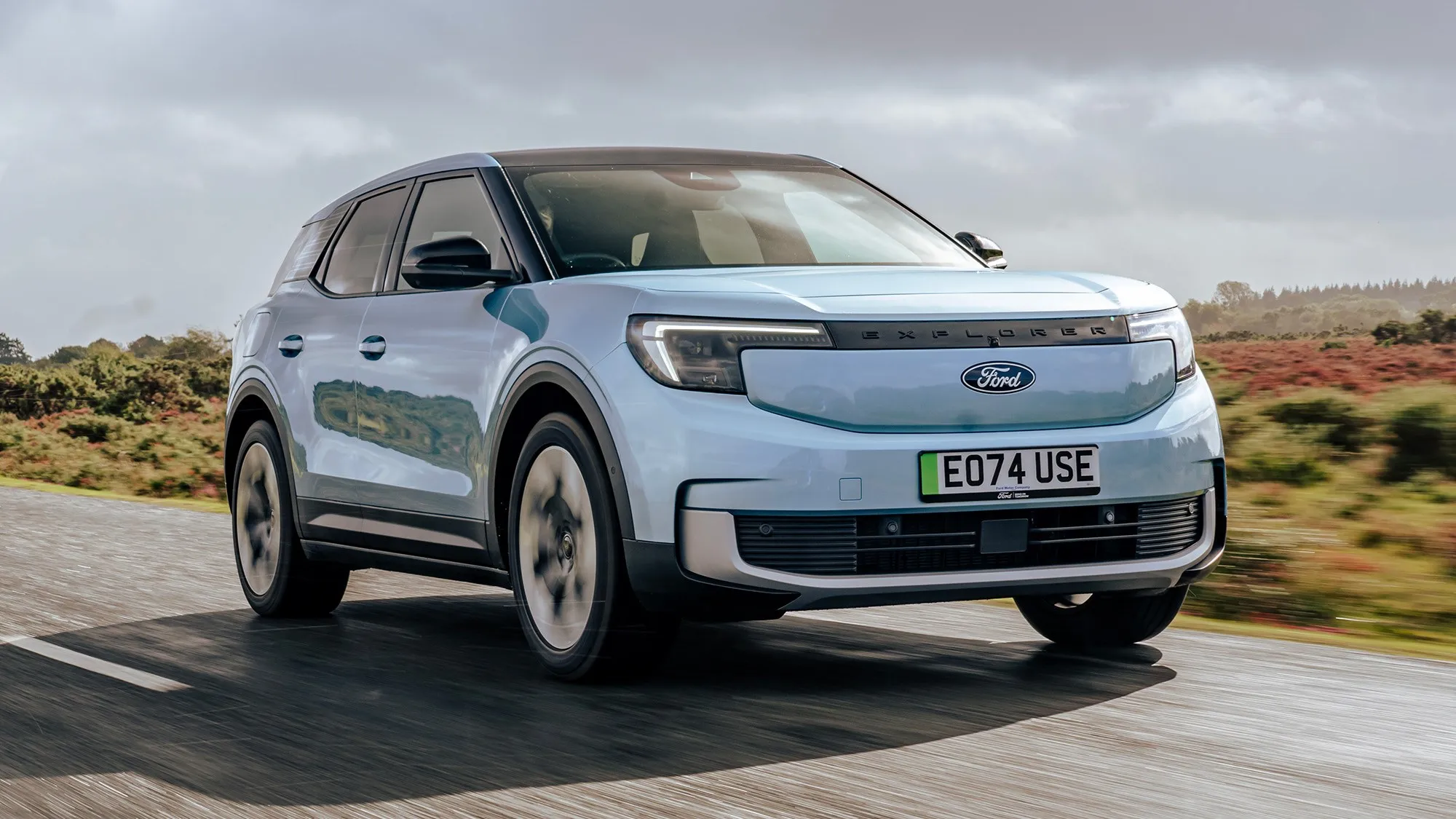
4. Ford Explorer
Bold exterior styling and wide body dimensions define the Ford Explorer’s presence on the road, and this presence introduces clear challenges in settings where space is limited. Tight parking garages, narrow streets, and crowded urban corridors demand careful positioning and reduced speed.
Routine movements that feel simple in smaller vehicles require added concentration and planning in this crossover. Low-speed handling reveals a firm steering character. Directional input feels controlled but not light, which affects ease during parking procedures.
Tight corners require patience, and repeated steering adjustments become common in confined areas. Urban traffic often rewards swift, fluid reactions, yet this vehicle encourages measured and deliberate motion instead.
Visual awareness presents mixed results. Raised seating provides a clear view ahead, supporting forward observation in traffic. However, side and rear visibility feel restricted due to the body shape and pillar design. Driver assistance systems offer helpful prompts, but reliance on caution remains high during lane changes and reverse maneuvers.
Power delivery stands out during open road driving, though managing that strength smoothly at lower speeds demands restraint. Stop heavy traffic situations expose the need for careful throttle control to avoid abrupt movement. Braking performance remains dependable, yet frequent stopping increases physical effort during extended city journeys.
Interior accommodation leaves a strong impression, though daily urban use rarely demands such capacity. Large cargo space and multiple seating rows often remain unused during routine commutes and short errands. Ride comfort stays balanced on well-maintained roads, but uneven pavement introduces noticeable disruption that affects stability during slow travel.
Noise intrusion becomes more evident at lower speeds. Engine sound and road feedback enter the cabin more clearly, reducing the calm atmosphere many drivers seek during regular commuting. Prolonged exposure to such conditions may contribute to driving fatigue.
City-based ownership places constant emphasis on maneuverability, restraint, and clear visibility. Within these conditions, the Ford Explorer requires consistent attention and effort. Drivers must carefully judge spacing, speed, and positioning during even ordinary tasks.
While the vehicle performs confidently where space allows free movement, confined environments highlight its physical limits. For motorists whose daily routines involve dense traffic and restricted parking, these traits may reduce convenience. Each journey demands planning rather than spontaneity.
Those priorities often shape long-term satisfaction, particularly for drivers seeking ease and comfort during frequent short trips.
Also Read: 10 Crossovers That Make Sense for Urban Commutes
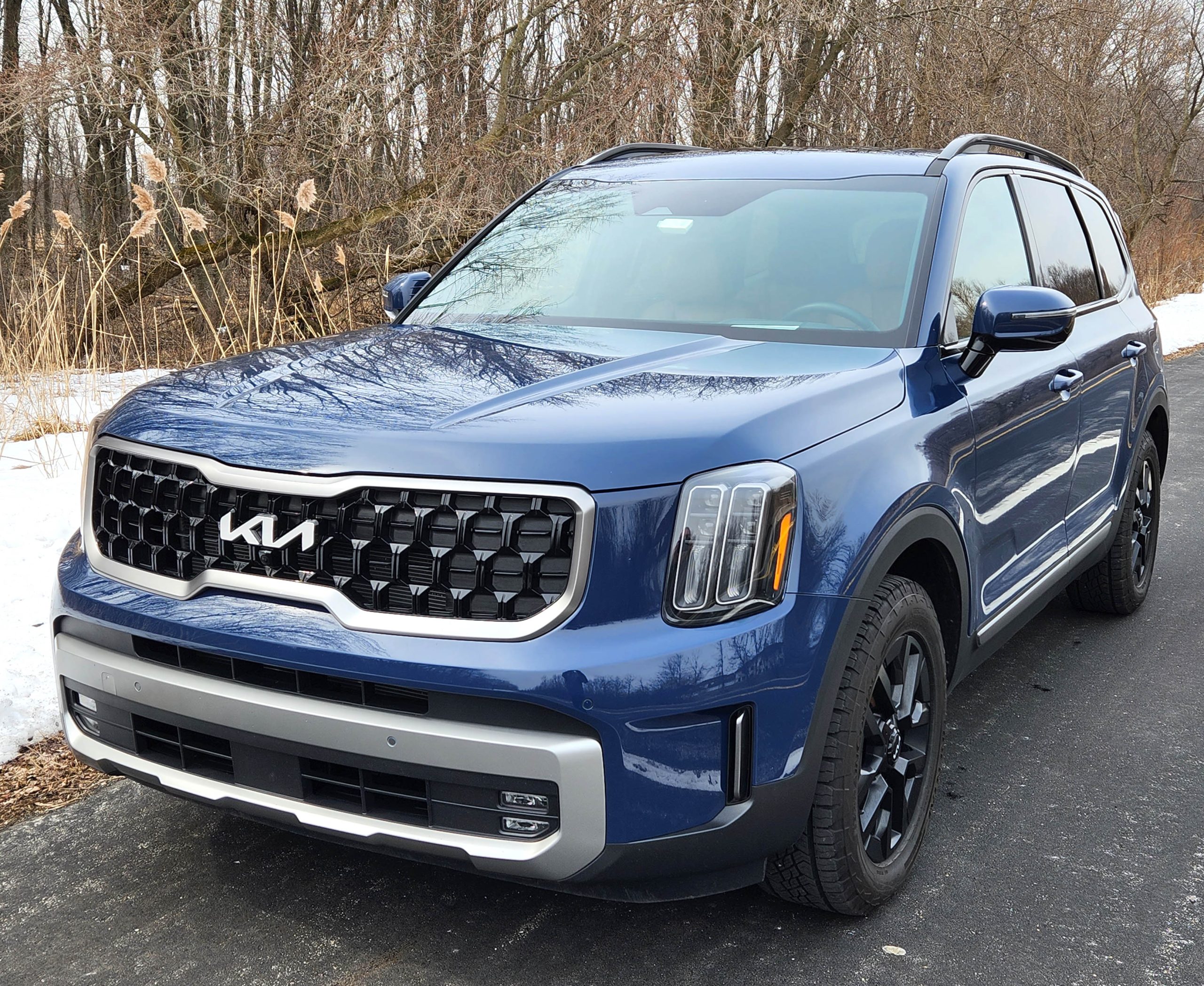
5. Kia Telluride
Strong road presence defines the Kia Telluride, and this same presence becomes demanding within confined urban settings. Broad body proportions combined with a long wheelbase introduce difficulty during parking and tight turning situations.
Narrow streets and limited parking areas quickly expose these limitations, requiring deliberate judgment for even routine movements. Low-speed handling reflects a design focus on stability rather than agility.
Steering input feels measured, which reduces the ease of quick corrections. Parking exercises demand planning, while restricted spaces require patience and precision. Sudden directional changes feel abrupt, limiting driver confidence in heavy traffic.
Visibility presents another area of concern. Vehicle height and pillar placement restrict clear sightlines, especially along the sides and rear. Camera systems assist, yet physical dimensions continue to influence awareness. Continuous observation becomes necessary, increasing mental effort during congested travel periods.
Engine response remains smooth, though vehicle mass affects responsiveness at lower speeds. Stop heavy traffic conditions reveal hesitation when immediate movement is required, complicating safe spacing between vehicles. Braking behavior stays consistent and controlled, although repeated stopping increases physical and mental fatigue during extended city travel.
Interior design delivers comfort and refinement, though much of the available space remains unused during typical daily routines. Large seating capacity and generous cargo volume offer limited benefit for short trips. Ride quality favors long-distance stability, yet uneven urban road surfaces reveal firmness beneath the suspension tuning.
Cabin noise becomes more noticeable during slow movement. Engine sound and road feedback reduce the sense of calm expected during relaxed driving. Parking assistance features contribute helpful guidance, though they cannot reduce the physical size that drives most of these challenges.
Kia Telluride performs best in environments that allow generous spacing and steady movement. Urban driving places frequent demands on maneuverability, restraint, and rapid response. Within such settings, this vehicle requires heightened attention and effort, making daily use feel more demanding than many drivers anticipate.
Extended ownership in dense areas may lead to frustration as routine tasks consume additional time and energy. Drivers must constantly evaluate space, timing, and positioning, which reduces convenience. While design strengths remain evident on wider roads, confined surroundings amplify physical limits.
Those prioritizing ease of movement, relaxed control, and minimal effort may find alternative options better aligned with everyday urban requirements for long-term use periods.
