
Picture a normal week filled with grocery runs, airport pickups, weekend projects, and the occasional road trip that demands careful packing. Cargo space suddenly stops being a number on a brochure and becomes something far more personal. Bags need to stack properly.
Seats should fold without a fight. The load floor has to make sense instead of wasting depth or height. An SUV that looks spacious from the outside can easily disappoint once the tailgate opens. Modern SUVs promise versatility, yet not all of them respect how people actually carry things.
Some models deliver wide openings, flat load floors, and clever storage touches that turn everyday hauling into a smooth experience. Others lean heavily on styling, third row gimmicks, or dramatic rooflines that eat into usable space. What remains is cargo volume that looks impressive on paper but feels awkward in real life.
This pagetakes a close look at cargo space with practicality as the priority. Attention goes beyond raw measurements and focuses on shape, accessibility, seat folding behavior, and how easily items fit without constant rearranging.
The first part highlights five SUVs that use their cargo areas wisely, supporting daily life without frustration. The next part moves the focus to five SUVs, where space exists but feels poorly executed, leaving owners working harder than they should.
Each vehicle appears with its full name and model, with no repetition. Both sections connect as one complete guide built for readers who value function as much as comfort. Let’s begin with SUVs that quietly get cargo space right.
5 SUVs With Practical Cargo Space
1. Honda Pilot 2024
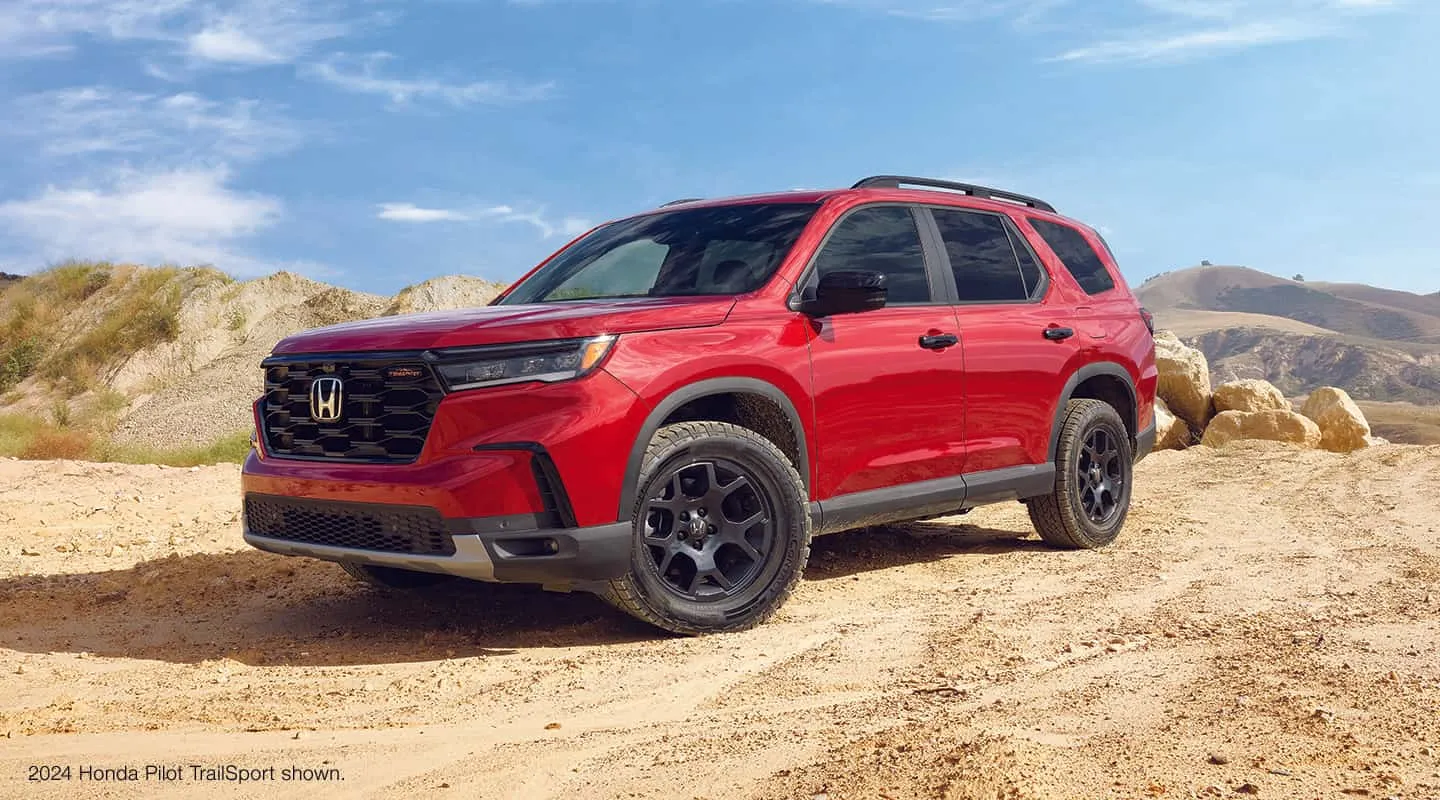
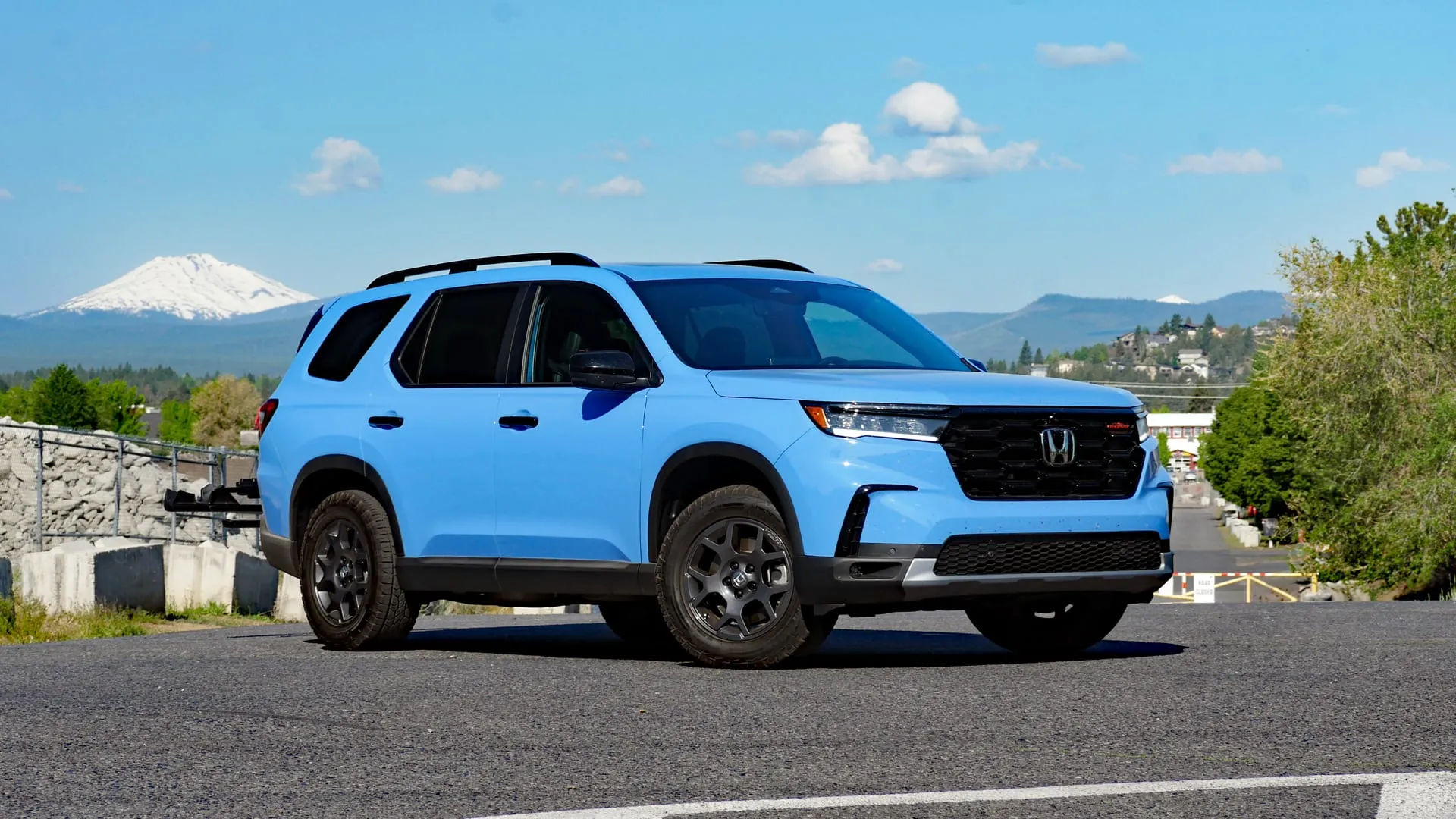
Step behind the Honda Pilot 2024, and practicality becomes obvious before a single seat is folded. The cargo opening feels wide and inviting, removing the usual struggle of angling bulky items through narrow gaps. This SUV favors square dimensions instead of dramatic curves, allowing boxes, suitcases, and sports equipment to sit naturally without wasted corners.
Behind the third row, space already feels usable rather than symbolic. Folding that third row creates a flat surface that stretches deep into the cabin, turning the Pilot into a dependable hauler for home improvement supplies or extended travel packing.
Seat folding requires minimal effort, with a smooth motion that avoids awkward lifting or tugging. Once flat, the load floor stays level, reducing the need for padding or creative stacking. Small details strengthen the experience. Tie-down points appear in logical positions, helping secure items that might move during travel.
Side panels do not intrude aggressively into the cargo area, preserving width where it matters most. Underfloor storage adds another layer of convenience, offering a hidden place for tools, emergency gear, or valuables without reducing primary space.
Daily usability stands out during errands. Grocery bags remain upright rather than tipping over due to uneven flooring. Strollers slide in without forcing seat adjustments. Weekend gear fits without demanding compromise from passenger comfort. Even with all rows in use, the space still supports real cargo rather than limiting owners to backpacks only.
Honda Pilot 2024 succeeds because it respects everyday hauling needs. Nothing feels exaggerated for show. Everything feels measured for use. That balance makes this SUV a reliable companion for families and individuals who expect their cargo space to work without explanation or apology.
2. Toyota Highlander 2024
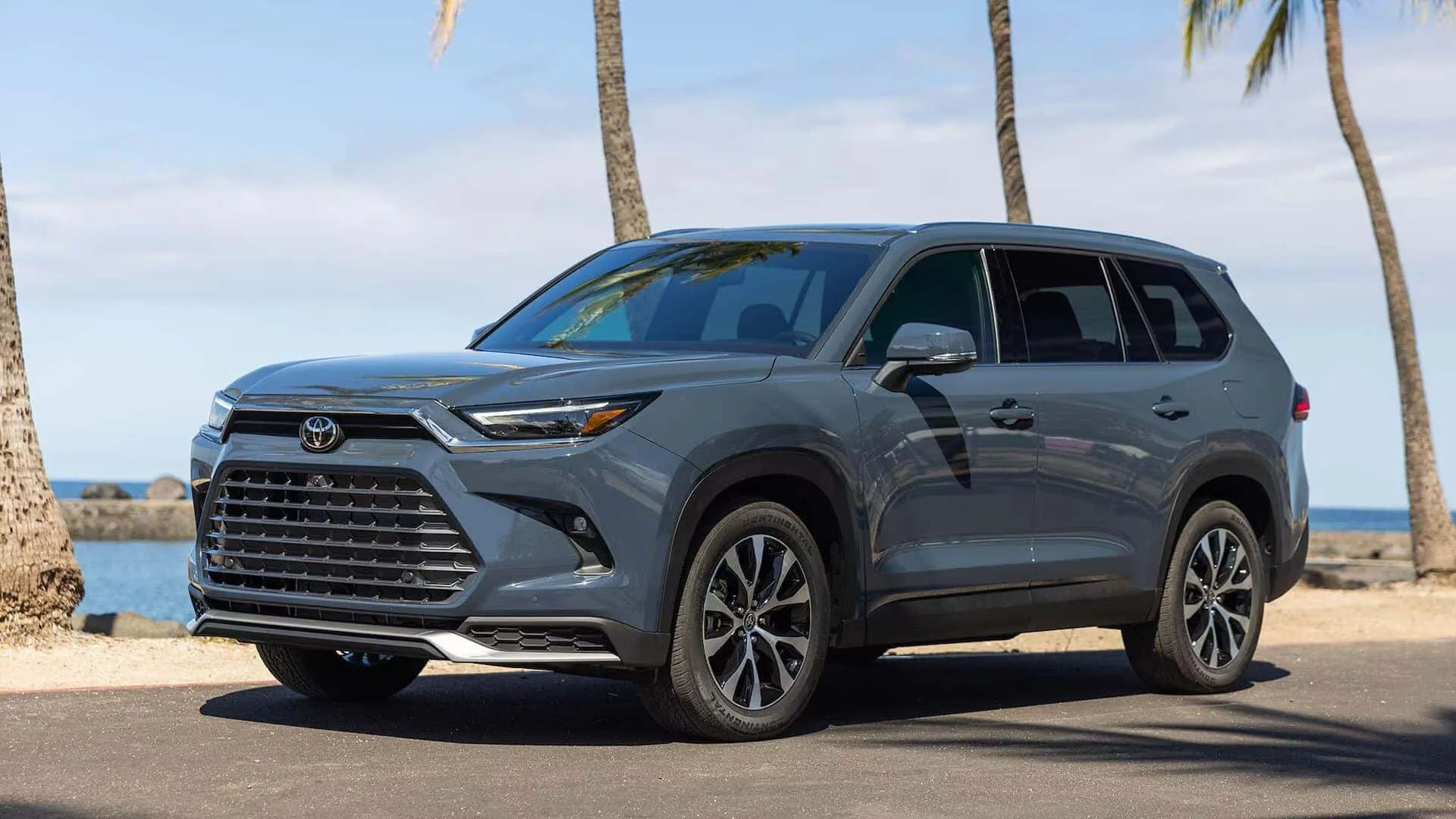
The cargo space inside the Toyota Highlander 2024 feels carefully planned rather than generously guessed. The rear opening sits at a comfortable height, making loading and unloading less tiring during repetitive tasks. A low liftover height reduces strain, especially when dealing with heavy or awkward items.
Third row folding creates a wide and consistent surface that supports large loads without odd angles. Unlike SUVs that sacrifice shape for styling, the Highlander maintains usable proportions from floor to ceiling. Suitcases stack efficiently, and longer items slide forward without obstruction. Second row seats fold smoothly as well, extending cargo length for larger hauling needs.
Attention to detail shows in the side walls. Minimal intrusion preserves valuable inches, while thoughtful recesses create space for smaller items that might otherwise roll around. A flat floor design keeps cargo stable, reducing the need for cargo organizers or straps during casual trips.
Real-life usage highlights strengths quickly. Airport runs accommodate multiple suitcases without blocking rear visibility. Hardware store visits allow lumber or flat-packed furniture to rest evenly. Family travel benefits from a predictable space that removes packing anxiety.
Toyota Highlander 2024 also avoids overcomplication. Controls for seat folding remain intuitive, and power tailgate operation responds smoothly without delay. Lighting inside the cargo area stays bright enough for nighttime loading, eliminating guesswork.
This SUV earns its reputation through consistency. Cargo space does not surprise or disappoint. It simply works as expected, trip after trip. For drivers who value dependable functionality without drama, the Toyota Highlander 2024 delivers a reassuring experience every time the rear hatch opens.
Also Read: Top 10 Inexpensive SUVs Owners Commonly Regret Purchasing

3. Subaru Outback 2024
Cargo arrangement inside the Subaru Outback 2024 reflects a deliberate focus on the practical movement of items rather than visual drama. Instead of chasing vertical volume, the design favours length and lateral spread, resulting in a low-positioned and expansive cargo area.
This layout supports the transportation of long objects without forcing awkward positioning. Items such as outdoor equipment, flat-packed furniture, wooden planks, and even bicycles settle naturally, reducing stress during loading. The rear hatch lifts high and wide, providing clear access without obstruction.
Once opened, the load floor presents a flat surface finished with a textured material that improves grip. This feature limits unwanted movement when carrying loose or oddly shaped items during motion. Rear seats fold down almost fully flat, extending the cargo area into a long, continuous platform.
The absence of raised edges or deep gaps allows items to slide in smoothly, supporting both short errands and extended journeys. Built-in storage features strengthen usability. Integrated hooks assist in securing shopping bags, preventing spills during travel.
Side compartments provide practical locations for tools, emergency supplies, or cleaning materials, keeping the main floor uncluttered. Underfloor storage offers an additional layer of organisation while preserving usable space above. Roof rails align neatly with the vehicle structure, enabling extra carrying capacity without interfering with interior cargo efficiency.
Routine activities demonstrate the value of this approach. Grocery shopping remains orderly, even when bags are loosely packed. Camping trips benefit from fast loading, with tents, coolers, and cooking gear fitting easily. Long-distance travel becomes less demanding, as luggage fits without spilling into passenger footwells or obstructing seating comfort. The shape encourages sensible packing rather than trial-based arrangement.
Inside the cargo area, styling remains restrained. Lines appear clean and purposeful. Materials prioritise durability over decorative flourish. Every element feels intentional, supporting daily utility rather than visual excitement. Subaru Outback 2024 suits drivers who value functionality, clarity, and thoughtful space planning. The cargo area works quietly and efficiently, offering dependable support for active routines without unnecessary complication.
4. Kia Telluride 2024
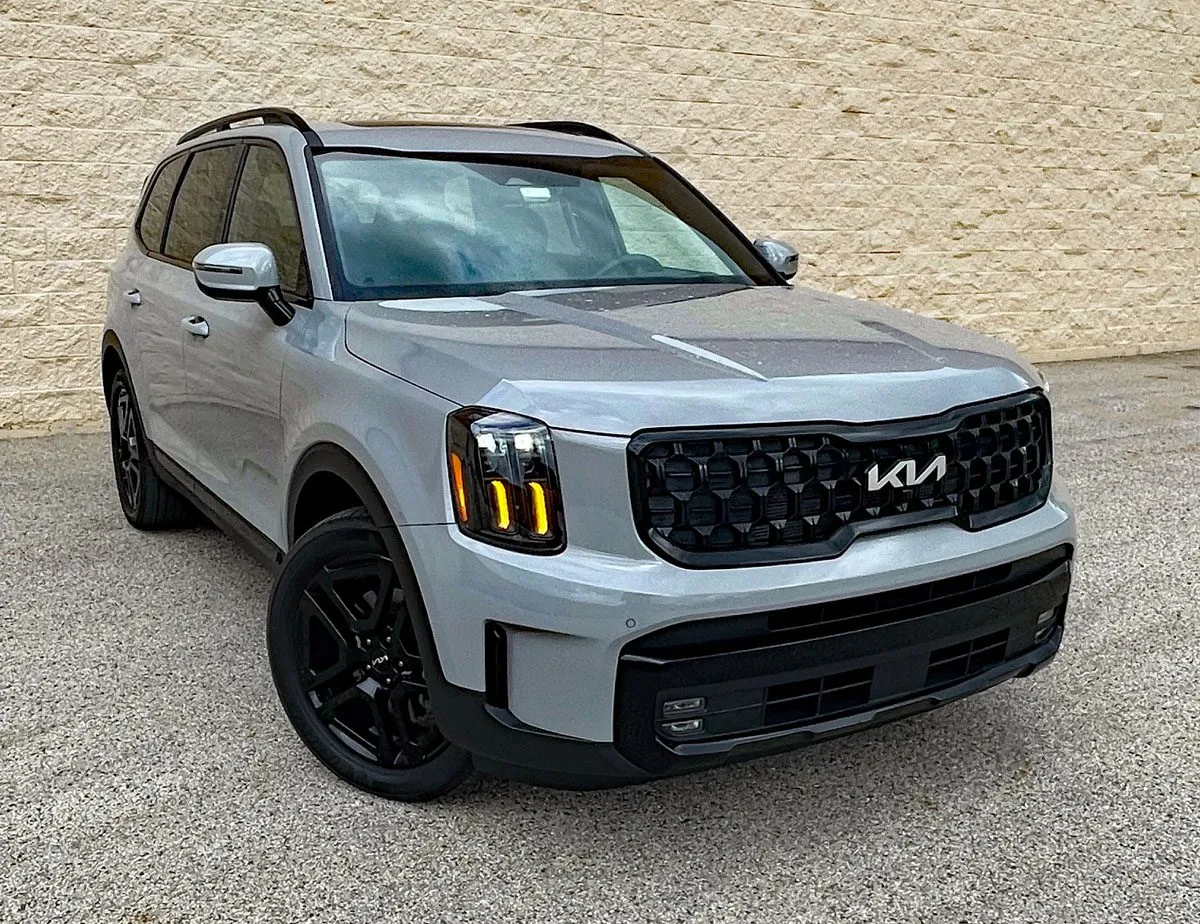
Opening the rear of the Kia Telluride 2024 immediately reveals a sense of generous capacity shaped by intelligent proportions. Width defines the space first, allowing large items to sit naturally without pressing against interior panels. Height follows closely, supporting stacked cargo while preserving clear rearward visibility. The result feels accommodating rather than restrictive.
Folding the third row produces a broad and level surface that extends forward smoothly. Folding the second row increases usable length further, transforming the interior into an area capable of handling heavy-duty transport. Seat mechanisms operate smoothly, maintaining alignment without resistance. This consistency reduces effort during repeated configuration changes.
Functional additions reinforce everyday usefulness. Cargo rails and tie-down points allow secure fastening of items, reducing movement during travel. Storage compartments along the sides support smaller belongings, keeping the floor clear. Interior lighting reaches deep into the space, improving visibility during nighttime loading. A power-operated tailgate with adjustable height supports ease of access, especially in garages with limited ceiling clearance.
Daily use confirms the value of this design. Family travel becomes simpler when strollers, suitcases, and supplies fit together without rearranging passengers. Home improvement tasks benefit from a flat and supportive shape that accommodates boards, boxes, and equipment evenly. Road trips require less preparation, as the space adapts readily to varying needs.
Kia Telluride 2024 succeeds by pairing size with thoughtful structure. No area feels wasted or awkward. Each dimension supports real use rather than presentation. Cargo capacity stands as a genuine strength, offering confidence that daily and occasional hauling demands can be handled without compromise.
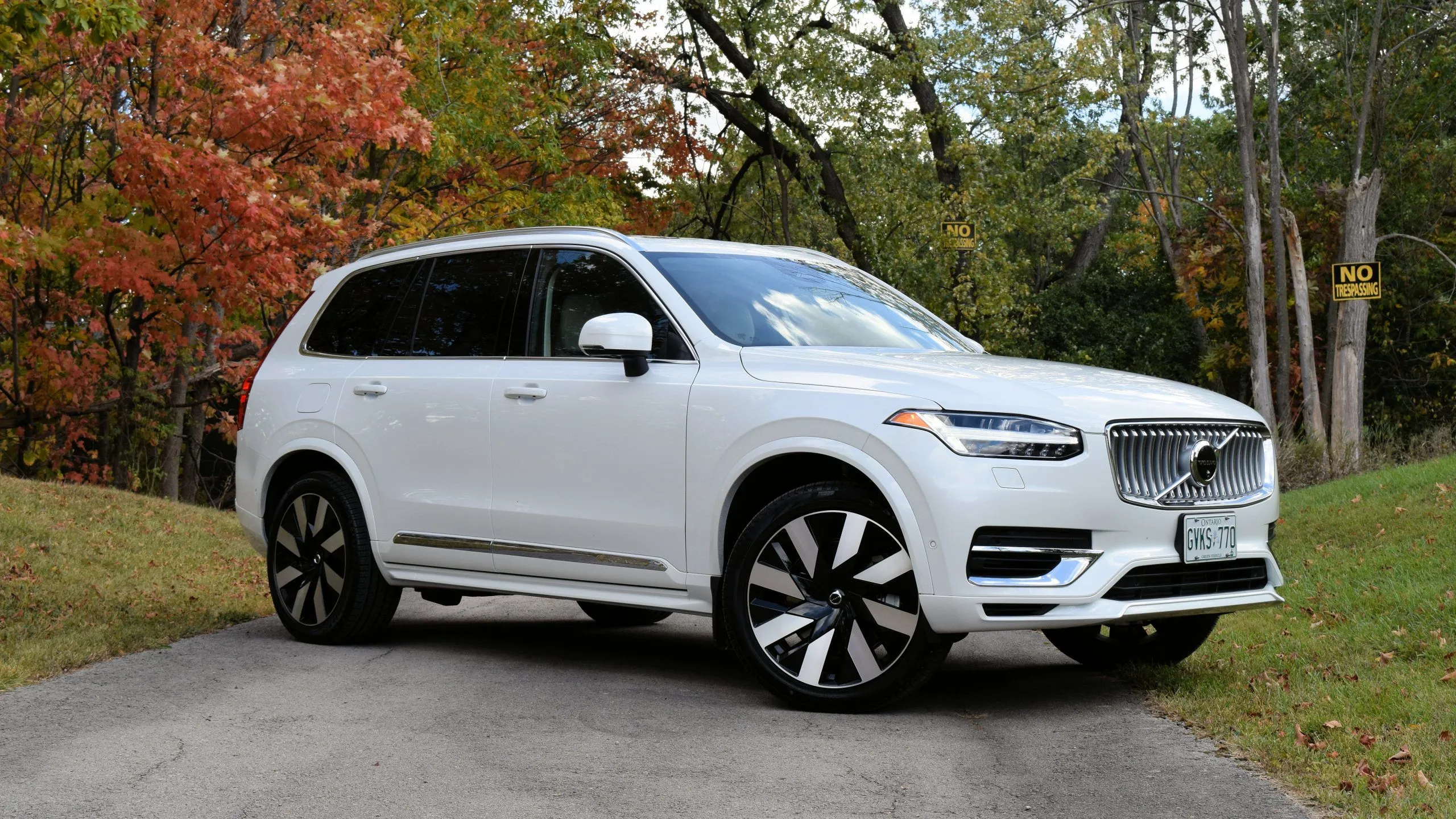
5. Volvo XC90 2024
Cargo design within the Volvo XC90 2024 reflects a balance between refined presentation and everyday practicality. The space relies on clean geometry rather than exaggerated dimensions, creating an environment that feels calm and easy to manage. The rear opening provides generous width, supporting smooth loading, while the load floor remains flat and stable.
Folding the third row creates a continuous surface free from disruptive steps. Folding the second row extends capacity further while maintaining alignment across the floor. This consistency supports the transport of larger items without awkward angles. Side panels remain flush, avoiding protrusions that reduce usable inches.
Underfloor storage adds discreet organisation, offering space for valuables, emergency tools, or accessories. Hooks and anchor points appear carefully positioned, allowing items to be secured without clutter. Lighting stays soft yet effective, improving visibility without harsh glare or distraction.
Every day hauling benefits from this measured design. Grocery loads remain organised. Travel luggage fits efficiently without forcing tight placement. Furniture pieces slide in smoothly, aided by the flat floor and wide access. Even with passengers seated, the cargo area continues to support practical needs rather than serving as a symbolic feature.
Volvo XC90 2024 demonstrates that usability and refinement can coexist comfortably. Practical decisions quietly support daily routines while preserving a composed atmosphere. The cargo space feels purposeful, reliable, and well considered, offering drivers confidence that functionality has not been sacrificed for style.
5 SUVs With Wasted Cargo Space
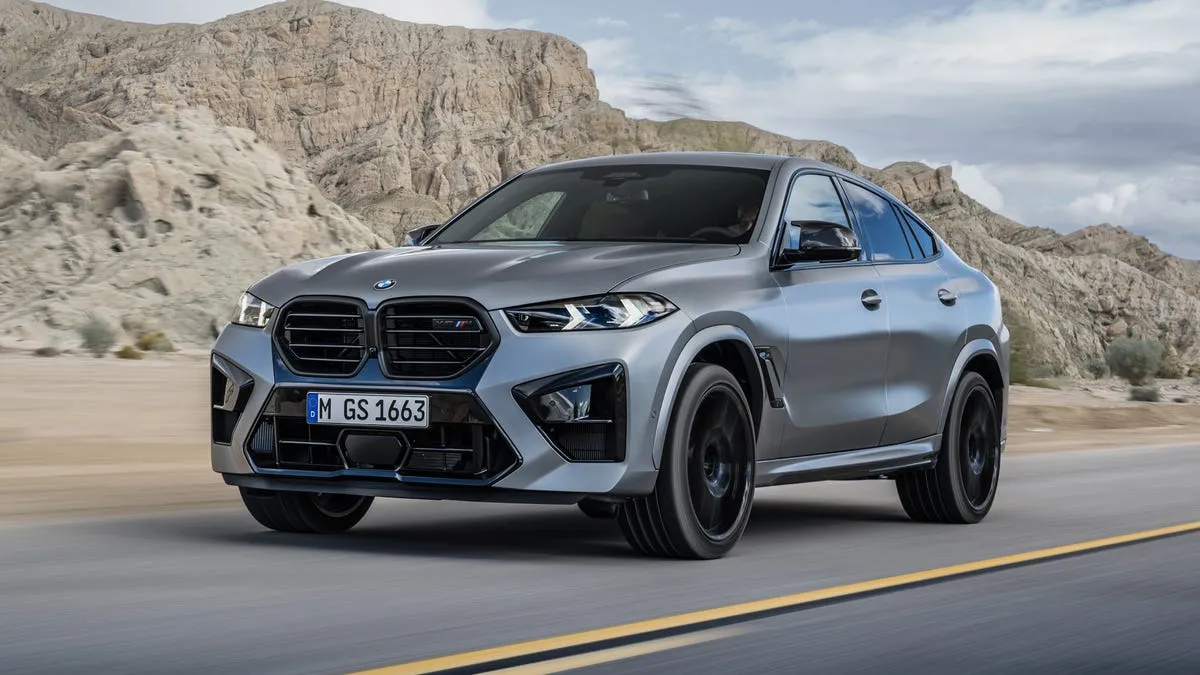
1. BMW X6 2024
Visual drama shapes the BMW X6 2024, yet that same design philosophy works against cargo usefulness. The sharply sloped rear roofline creates an immediate limitation once the tailgate opens. While exterior dimensions suggest generosity, the interior tells a different story. Height disappears quickly toward the rear, forcing owners to stack items carefully or abandon taller cargo entirely.
Loading bulky objects becomes an exercise in compromise. Suitcases must lie flat, boxes require rotation, and oddly shaped items often fail to fit without folding seats that were never intended to be moved for small errands. The opening itself narrows toward the top, reducing flexibility during loading and unloading.
Seat folding does little to rescue the situation. While rear seats do fold, the resulting surface lacks the flat continuity seen in more utility-focused SUVs. Raised sections and uneven transitions interrupt usable length, creating gaps that demand creative packing. Side panels intrude into the cargo bay, stealing width exactly where it matters most.
Daily use exposes the mismatch between appearance and function. Grocery bags slide forward due to sloped flooring. Sports gear stacks awkwardly. Airport trips require restraint when traveling with multiple passengers, as luggage volume quickly overwhelms available space.
Interior materials remain premium, yet refinement does not compensate for inefficiency. Cargo accessories appear limited, and anchor points sit in less helpful positions. Lighting helps visibility, though it highlights how little vertical space exists near the tailgate.
BMW X6 2024 prioritizes style above utility. Owners who value cargo practicality may find themselves constantly adjusting expectations. The space exists, yet much of it feels decorative rather than supportive of real hauling needs.
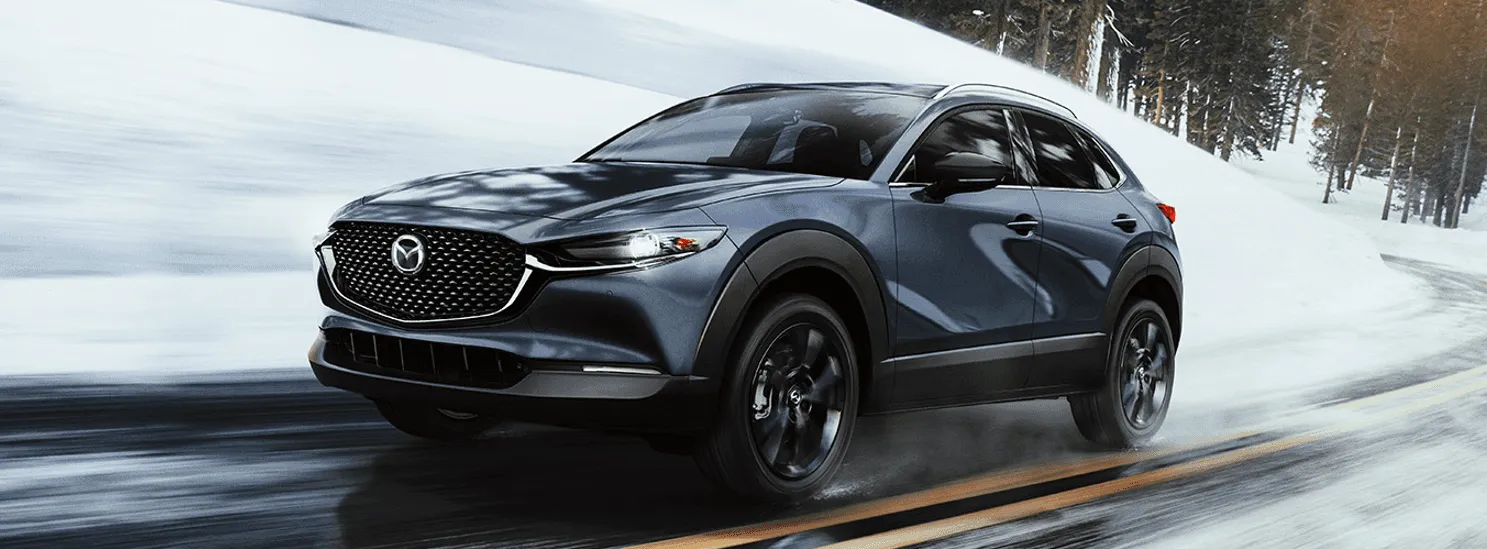
2. Mazda CX-30 2024
Compact exterior proportions shape the identity of the Mazda CX-30 2024, yet the limitations of its cargo area stem more from design choices than from physical size. At first contact, the rear cargo opening feels restrictive. Although published dimensions suggest reasonable capacity, the narrow access point immediately complicates loading.
Items that should fit comfortably often require repeated repositioning simply to pass through the opening. The impression of available depth quickly fades once vertical clearance becomes an issue, as inward-sloping interior panels reduce usable height toward the rear.
Seat folding introduces further inconvenience. When the rear seats are lowered, the resulting surface lacks continuity. Raised sections and uneven transitions interrupt the load floor, making it unsuitable for long or flat items. This unevenness forces owners to improvise with padding or accept unstable placement. During motion, cargo tends to slide toward these gaps, requiring frequent stops to adjust positioning, especially on longer trips.
Interior side walls curve aggressively, particularly near the floor. This curvature reduces the effective width where stability matters most. Standard boxes, storage bins, or luggage sets fail to sit flush, leaving awkward voids that cannot be used efficiently. Although underfloor storage is present, its shallow depth limits usefulness, accommodating only small accessories rather than meaningful cargo.
Daily activities quickly expose these shortcomings. Grocery bags demand careful arrangement to avoid tipping or crushing. Transporting small household furniture becomes frustrating, as items refuse to lie flat. Travel packing requires restraint, especially when passengers occupy the rear seats. The space forces compromise rather than offering support.
Driving performance remains a strong attribute, with responsive handling and refined road manners. However, cargo functionality feels secondary to styling and cabin presentation. The area technically exists, yet rarely performs as expected under routine demands.
Buyers who prioritize ease of hauling may find the Mazda CX-30 2024 disappointing once real-world use begins, as form repeatedly interferes with function during ordinary ownership.
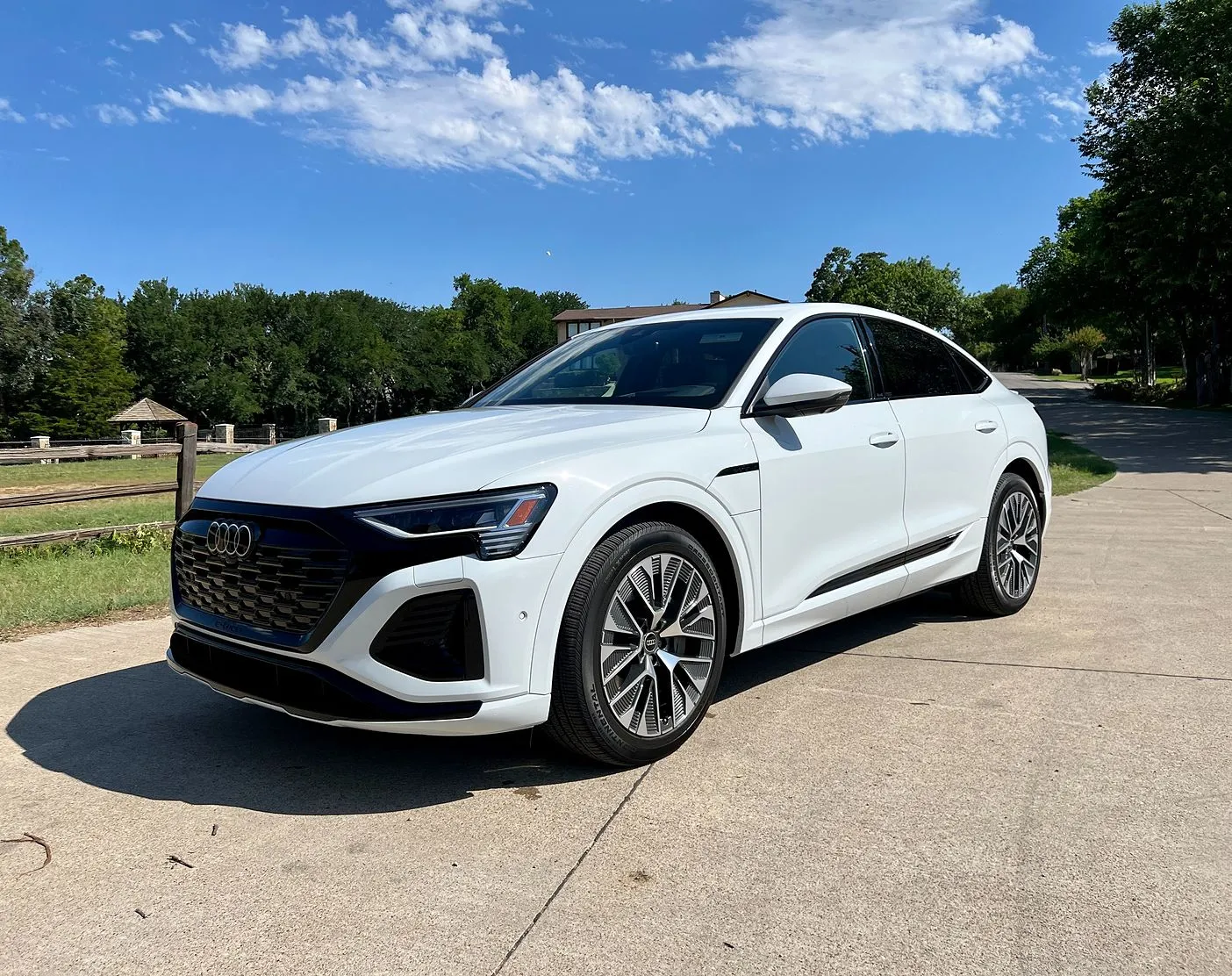
3. Audi Q8 2024
A bold presence defines the Audi Q8 2024, projecting confidence through size and premium detailing. Expectations for generous cargo accommodation follow naturally, yet the execution reflects styling-driven priorities.
The rear roofline slopes sharply, reducing vertical clearance in a manner that limits practicality almost immediately. Taller items encounter resistance quickly, forcing owners to fold seats more often than anticipated. Tailgate access presents another challenge. While width appears acceptable, usable depth proves misleading.
Items must remain low profile to avoid interference with the rear glass. Folding the rear seats increases length but introduces an uneven surface that complicates stability. Angled transitions disrupt the placement of larger loads, requiring careful balancing to prevent shifting.
Side trim panels intrude subtly yet consistently. These intrusions reduce effective width, becoming especially problematic when transporting flat-packed furniture or luggage designed around standard dimensions. Cargo anchors are present, though their positioning favors visual symmetry rather than functional restraint, limiting their effectiveness during transit.
Every day usage highlights inefficiency. Sports equipment stacks awkwardly due to restricted height. Travel bags require precise placement to avoid blocking visibility. Routine home improvement trips often exceed comfortable limits sooner than expected, despite the SUV’s outward size.
Interior refinement remains undeniable. Materials, lighting, and finishes project luxury throughout the cabin. Yet refinement does not compensate for compromised usability. The cargo area feels shaped by exterior aesthetics rather than practical need.
Owners seeking dependable hauling capability may feel constrained, finding that the Audi Q8 2024 prioritizes visual statement above functional space, leaving much of its potential unrealized during daily use.
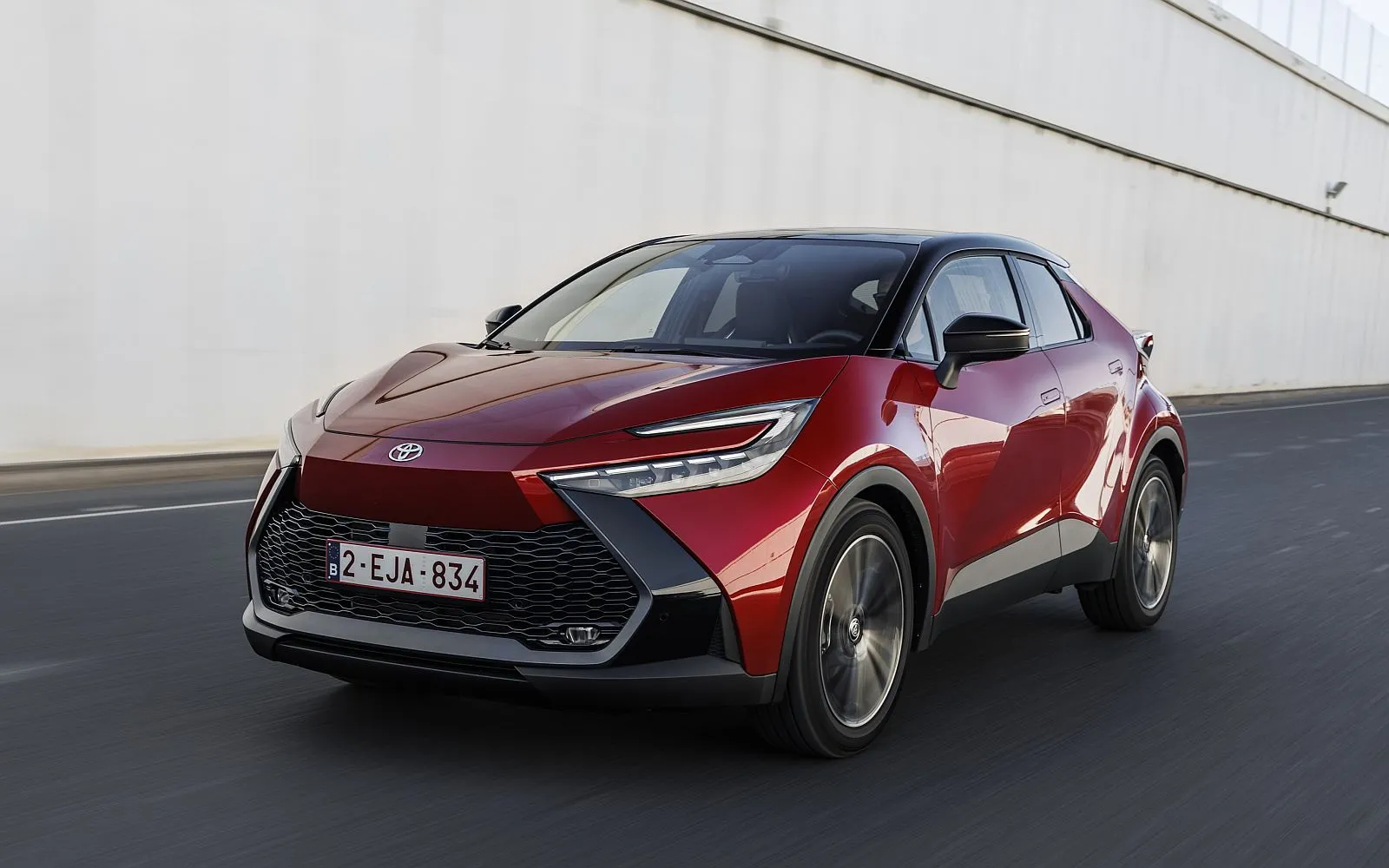
4. Toyota C-HR 2024
Sharp lines and compact agility characterize the Toyota C-HR 2024, yet these same traits undermine its cargo effectiveness. The rear window line rises aggressively, cutting into vertical capacity while also limiting rearward visibility. This design choice immediately restricts what can be carried comfortably, even before seats are folded.
Access through the cargo opening feels narrow, complicating the loading of bulky items. Depth remains modest, and the load floor sits higher than expected, reducing effective volume. Folding the rear seats creates an uneven surface that interrupts longer cargo, making transport of extended items unnecessarily difficult.
Side panels curve inward sharply, creating irregular shapes that waste usable space. These contours prevent boxes from sitting flush, leaving awkward gaps that cannot be filled efficiently. Underfloor storage offers little relief, providing minimal room for organization beyond small essentials.
Daily routines expose limitations quickly. Grocery shopping requires careful stacking to prevent spills. Luggage fills the available area rapidly, leaving little margin when traveling with passengers. Household errands become exercises in compromise, as passenger comfort competes directly with cargo needs.
Toyota C-HR 2024 suits light hauling and short trips where minimal storage is required. Styling decisions dominate the design, while practicality receives limited attention. Owners seeking reliable cargo flexibility may find themselves wishing for a more functional approach, as the space struggles to support common daily demands.
Also Read: Top 10 Electric SUVs Coming Soon That Are Worth Waiting For
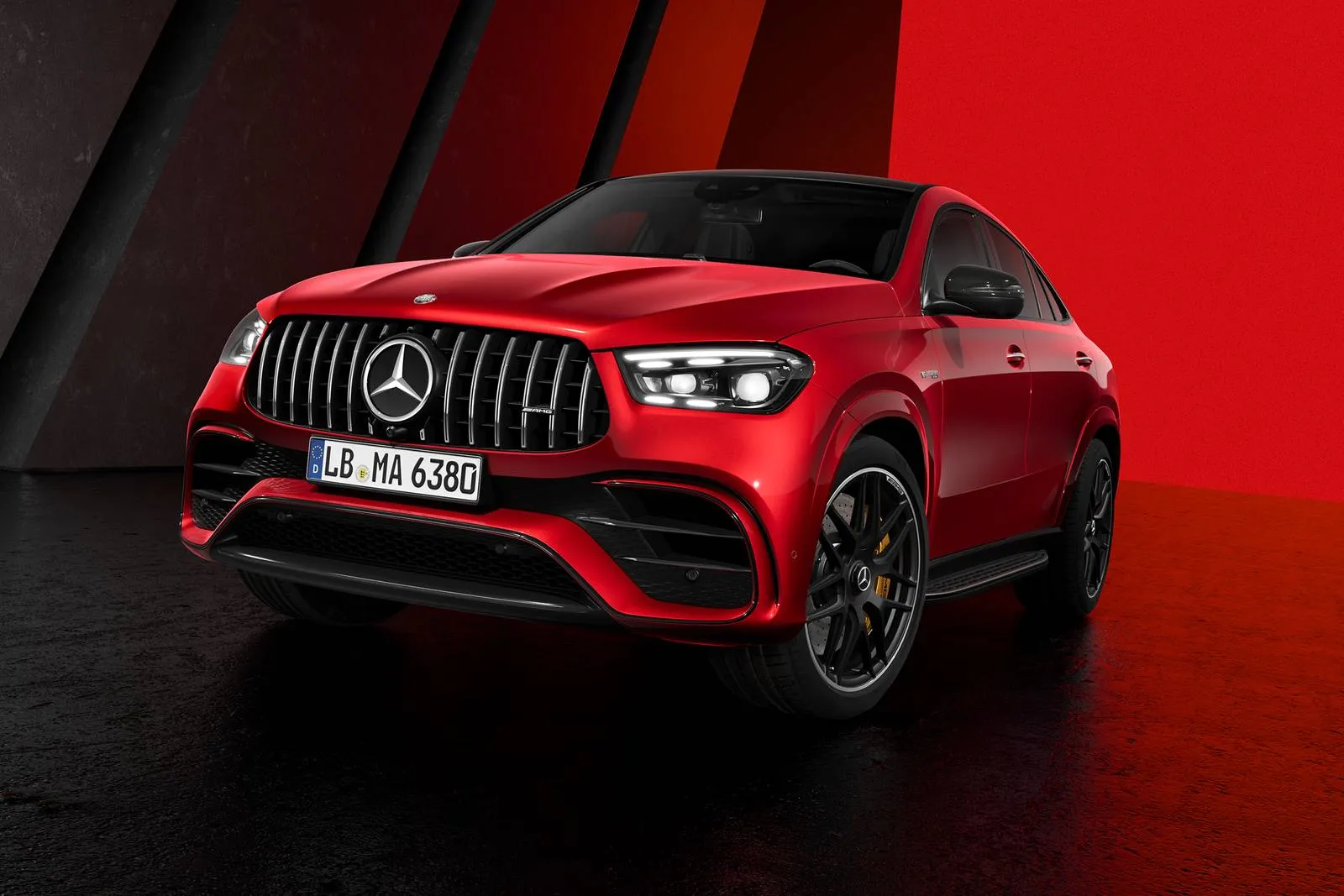
5. Mercedes-Benz GLE Coupe 2024
Luxury defines the interior and exterior of the Mercedes-Benz GLE Coupe 2024, presenting a cabin and cargo area wrapped in high-quality materials and sleek, coupe-inspired lines. While the vehicle impresses through refinement and aesthetic attention, these stylistic choices reduce the effectiveness of the cargo space.
The sharply sloping roofline diminishes vertical clearance, making it challenging to accommodate taller items and limiting upright storage flexibility. Buyers expecting generous headroom for cargo may find the interior less forgiving than standard SUVs of similar size.
Access through the rear hatch introduces additional limitations. The tailgate narrows toward the upper edge, requiring care when loading larger objects. Folding the rear seats extends usable length, but the resulting surface is uneven, creating gaps and raised sections that interrupt smooth placement.
Transporting bulky or long items requires careful positioning to prevent shifting during travel. Side panel intrusions further reduce the width available at floor level, leaving less functional space than external measurements might suggest. Practical tasks highlight the restrictions. Packing luggage for travel requires planning, as height and width limitations demand careful organization.
Grocery or shopping runs may require adjustment of items to prevent overloading, while larger household goods sometimes fail to fit without reconfiguring the seating arrangement. Even with proper care, the space is not as versatile as more conventionally shaped SUVs, requiring compromises during everyday usage.
Despite these constraints, interior materials and finishes remain exceptional. Surfaces feel solid and premium, contributing to a refined environment that reinforces the vehicle’s luxury positioning. Anchors, hooks, and storage solutions exist, yet they appear secondary to maintaining a visually cohesive cabin rather than maximizing usability. The emphasis clearly favours style over functional adaptability.
Mercedes-Benz GLE Coupe 2024 caters to buyers who prioritise design, elegance, and comfort over pure practicality. While cargo capacity exists and can accommodate moderate loads, much of the space remains underutilised due to design choices that prioritise visual impact.
For those seeking a vehicle where everyday hauling performance is central, the GLE Coupe requires concessions, as luxury styling frequently limits flexibility and convenience for routine transport. The vehicle demonstrates that appearance and refinement can dominate cargo practicality in ways that owners must consider before purchase.
