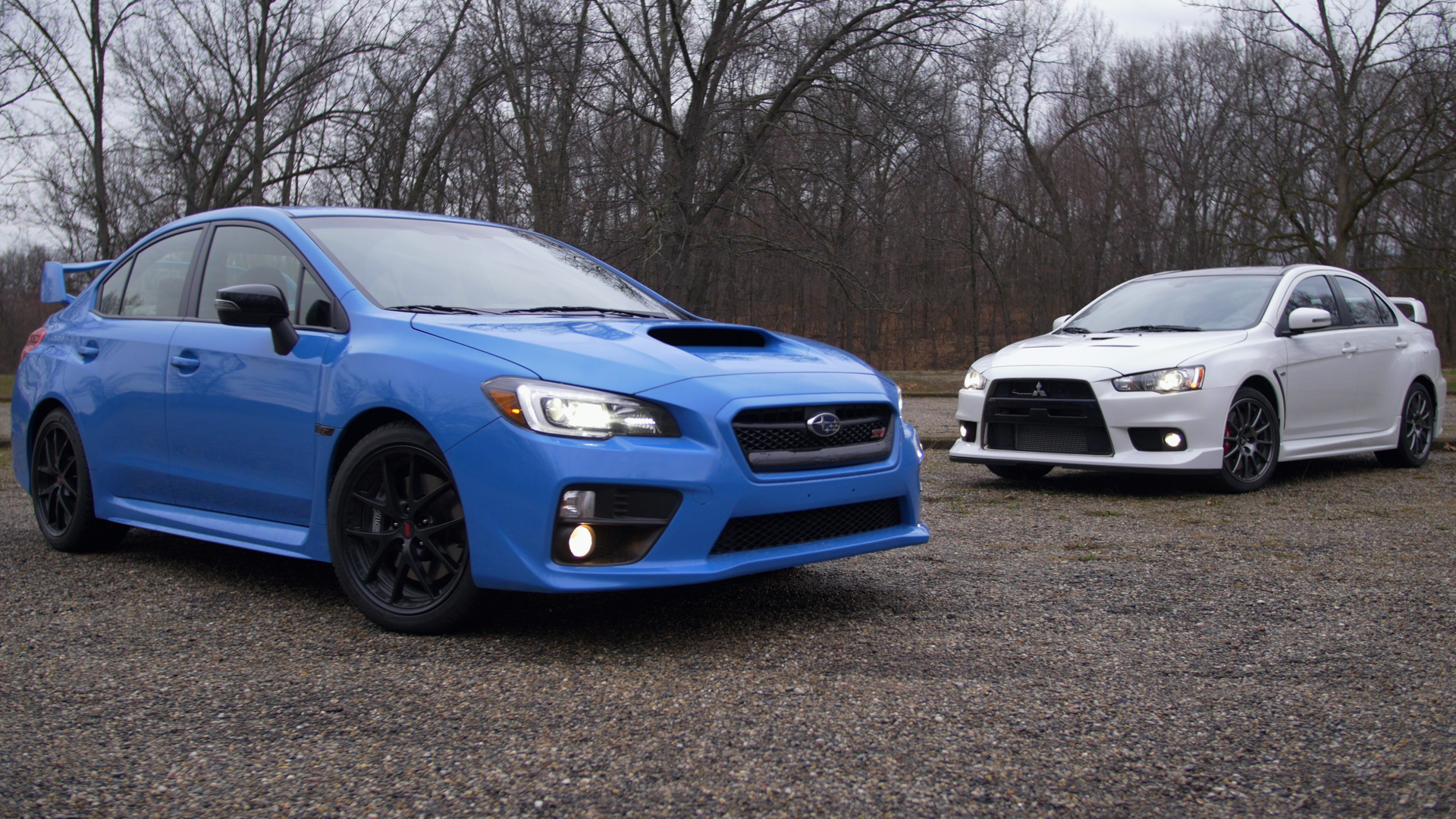
Japan has long been known for producing iconic sports cars that deliver an engaging driving experience without the excessive price tags that often accompany performance vehicles. Enthusiasts around the world cherish the unique blend of engineering, handling, and style that Japanese Domestic Market sports cars offer.
While some JDM cars have appreciated in value and become collector’s items, there remains a vibrant segment of affordable options that provide thrilling performance without breaking the bank. These cars appeal to drivers who want excitement on public roads, weekend track days, or a project car that responds to tuning and upgrades with enthusiasm.
From nimble coupes to spirited sedans, the JDM world offers something for every type of driver and budget. This article highlights ten such cars that combine reliability, aftermarket support, and driving engagement in a way that makes them genuinely worth buying.
Many budget‑friendly JDM cars hail from the 1990s to early 2000s, a golden era for Japanese performance vehicles. During that time, manufacturers focused on balancing horsepower with light weight, creating vehicles that rewarded driver skill more than sheer engine size.
Enthusiasts respect these cars because they still represent a time when engineering simplicity and driver involvement were paramount. In the present day, values for classic JDM performance cars have risen, but savvy buyers can still find examples of certain models at reasonable prices.
Purchasing the right JDM sports car requires research, patience, and a good eye for condition. Knowing which models have robust aftermarket communities and replacement parts available helps mitigate the risks of age and wear, making ownership more rewarding and less stressful.
Affordability does not always mean compromise, especially in the JDM world. Many of the cars on this list deliver power that rivals newer vehicles, thanks to turbocharging and engine efficiency that remain impressive years after production ended.
Suspension and chassis design in these cars were often ahead of their time, contributing to sharp handling and confidence‑inspiring dynamics. Enthusiasts also appreciate the unique styling cues that Japanese manufacturers gave their sport models, from aggressive front fascias to purposeful aerodynamic details.
Whether you seek straight‑line speed, balanced cornering, or simply a fun daily driver, several options deliver strong performance and character. Each car featured here has earned respect within the community for reasons that go beyond price alone.
In considering budget‑friendly JDM cars, it is important to think about long‑term ownership costs. Some models benefit from strong parts availability, while others may require more investment in maintenance and repair. Insurance costs, fuel economy, and the availability of skilled mechanics should factor into any buying decision.
Enthusiasts often form clubs and online groups dedicated to specific models, providing a network of advice, shared resources, and support for owners. This sense of community enhances ownership, making these cars not just vehicles but gateways into a passionate culture. With this in mind, let’s explore ten JDM sports cars that remain worth buying for their performance, value, and timeless appeal.
Also Read: 5 Cars That Handle High Mileage Well vs 5 That Struggle
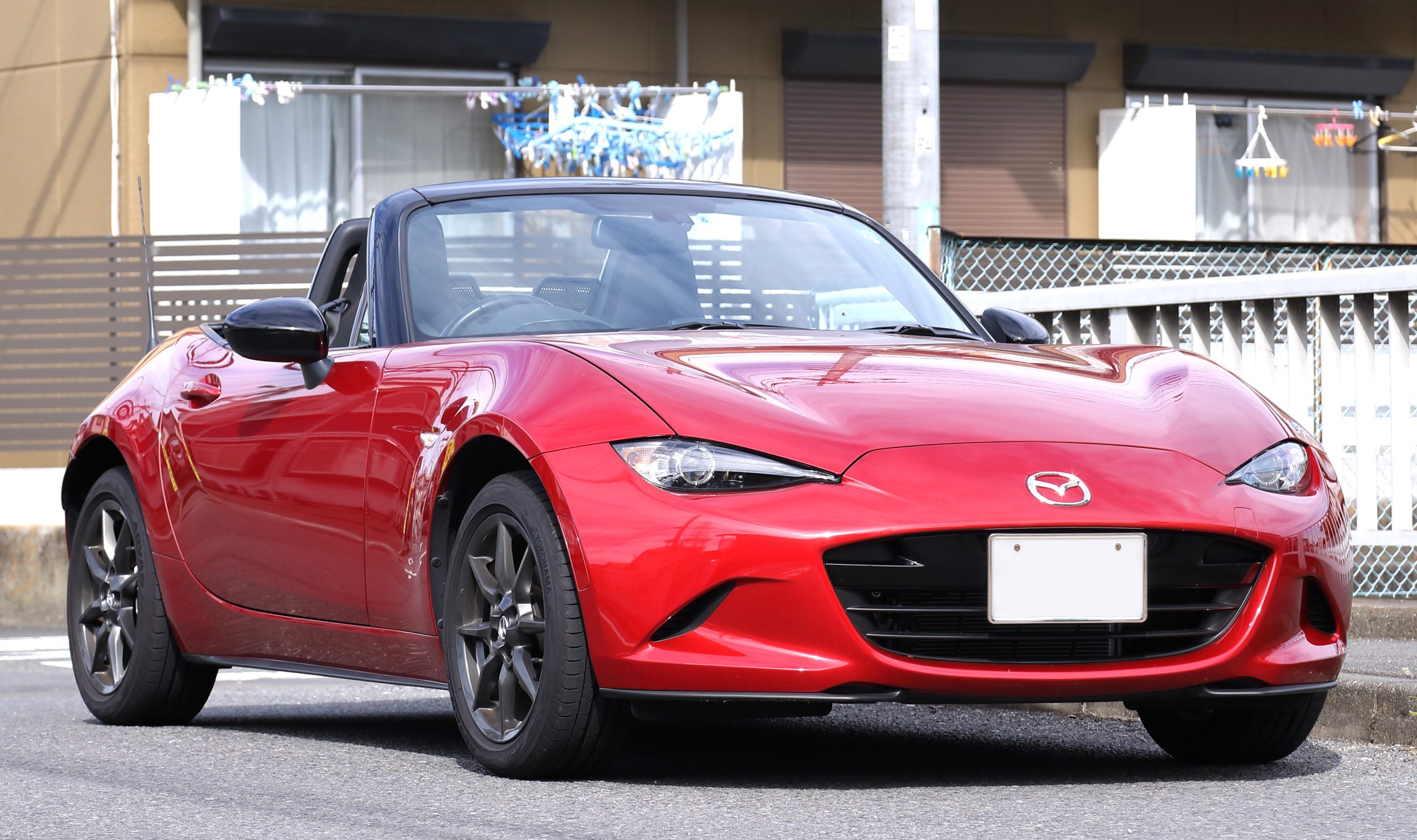
1. Mazda MX‑5 Miata (NA / NB)
The Mazda MX‑5 Miata is one of the most celebrated budget sports cars in automotive history because of its simplicity and balance. Early‑generation NA models introduced a lightweight, responsive chassis paired with modest power that rewarded precise driving.
The NB models continued this tradition, refining the suspension and controls while preserving the core philosophy of fun over outright speed. Enthusiasts love the MX‑5 because it inspires confidence, encourages cornering with ease, and offers a tactile driving experience that many modern cars lack. A well‑maintained example remains affordable compared to other classics, making it a desirable choice for those seeking engagement without complexity.
One of the defining traits of the MX‑5 is its near perfect weight distribution, which delivers predictable handling in a variety of conditions. The manual gearbox is crisp and direct, further enhancing the driver’s connection to the road. Steering feel is communicative, allowing drivers to place the car precisely through slaloms and sweeping curves.
With a modest power output, the challenge becomes maintaining momentum rather than blasting through gears, which reinforces skillful driving over horsepower. This characteristic makes the Miata especially rewarding on back roads and race tracks that favor agility.
The individual aftermarket community for the MX‑5 is enormous, spanning basic maintenance parts to high‑performance upgrades. Owners can access coilover kits, limited‑slip differentials, upgraded brakes, and tuning support that transforms the car’s capabilities significantly.
There is also extensive documentation and resources, from forums to build guides, that help buyer confidence. This means even a budget example can grow into a weekend track weapon or an enjoyable daily driver with progressive enhancements. The ability to personalize and evolve the car keeps owners invested and proud of their machines long after purchase.
For many buyers considering their first sports car, the MX‑5 represents a gateway into enthusiast culture. It strikes a balance between approachable power and dynamic handling that invites improvement. Insurance remains relatively affordable compared to more powerful counterparts, and the simplicity of the design keeps routine maintenance manageable.
Whether cruising scenic routes or participating in car club events, the Miata’s charm endures. With strong support for parts and advice, owning one is both practical and joyful.
The Mazda MX‑5 Miata stands out as a budget‑friendly JDM sports car that consistently delivers character and performance. Its enduring popularity ensures that examples remain available at accessible prices. Through its balanced approach to driving, it offers satisfaction in nearly every aspect of ownership.
Enthusiasts often remark that the Miata makes even ordinary drives feel special. For anyone seeking a pure connection between driver and machine without extravagant costs, this classic roadster remains hard to beat.
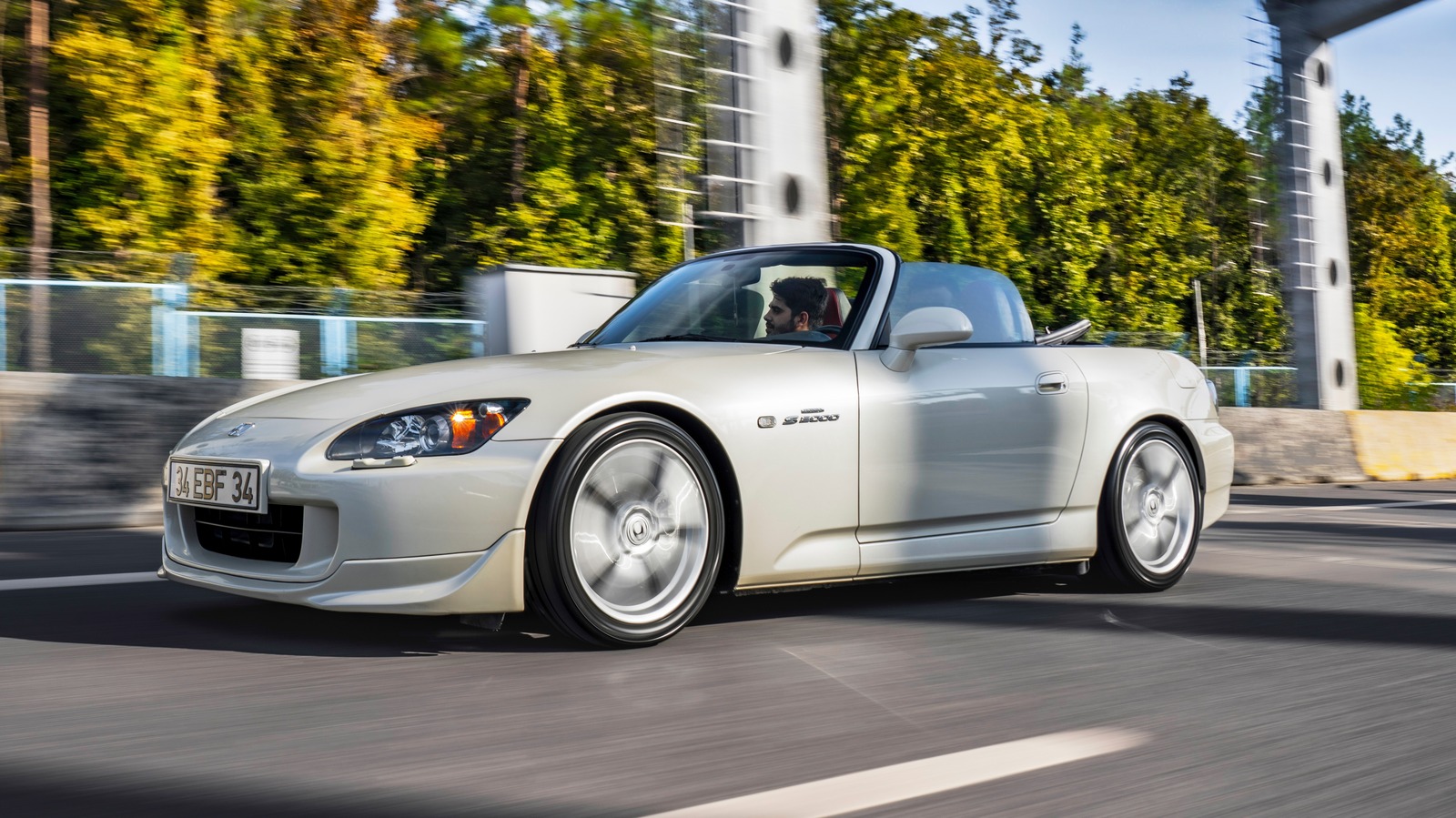
2. Honda S2000 AP1 / AP2
The Honda S2000 stands as one of the most revered Japanese sports cars of its era, known for its high‑revving engine and precise chassis. Production began with the AP1 generation, later refined into the AP2 with subtle improvements. What sets this car apart is its naturally aspirated four‑cylinder engine that screams to high RPMs with smooth power delivery.
Combined with a balanced rear‑wheel‑drive layout, the S2000 inspires confidence and rewards technical driving. Enthusiasts often seek these cars for spirited road use and track days alike due to their engaging dynamics and durability.
When driven enthusiastically, the S2000’s engine becomes an emotional centerpiece of the experience. It delivers a linear power curve that encourages maintaining rpm and rotational momentum.
The gearbox is sharp and precise, contributing to the connected feel between driver and car. Suspension tuning is firm yet compliant enough for daily roads, giving shapely control in corners without undue harshness. Brake feel remains robust, instilling faith when approaching speed changes or elevation shifts on winding roads.
Inside, the S2000 cabin blends simplicity with performance‑oriented ergonomics. Controls are placed with intention, and visibility remains generous for navigating tight courses. While the cabin may show age over time, later models have enhanced features that improve usability without diluting the sporty character.
The convertible top adds a sense of freedom, whether cruising scenic routes or enjoying clear skies. Owners often highlight the car’s reliability when well maintained, which elevates confidence in long‑term ownership.
Like many JDM classics, the S2000 community provides strong aftermarket support and tuning resources. Enthusiasts can access upgrades from corner balancing to lightweight flywheels and high‑performance brake kits.
Track‑focused modifications enable owners to extract greater potential while preserving the car’s inherent balance. Routine parts remain accessible, and many specialists are familiar with S2000 service requirements. This makes maintenance and upgrades more attainable even for first‑time owners.
For buyers prioritizing an immersive driving experience without extreme purchase prices, the Honda S2000 remains an aspirational choice. Its blend of precision engineering and enthusiastic performance culture creates a lasting appeal. While values have risen over time, well‑priced examples still exist for those willing to search.
This car represents a benchmark in driver engagement that few competitors match at similar budgets. It continues to captivate those who value emotion and connection over raw statistics.
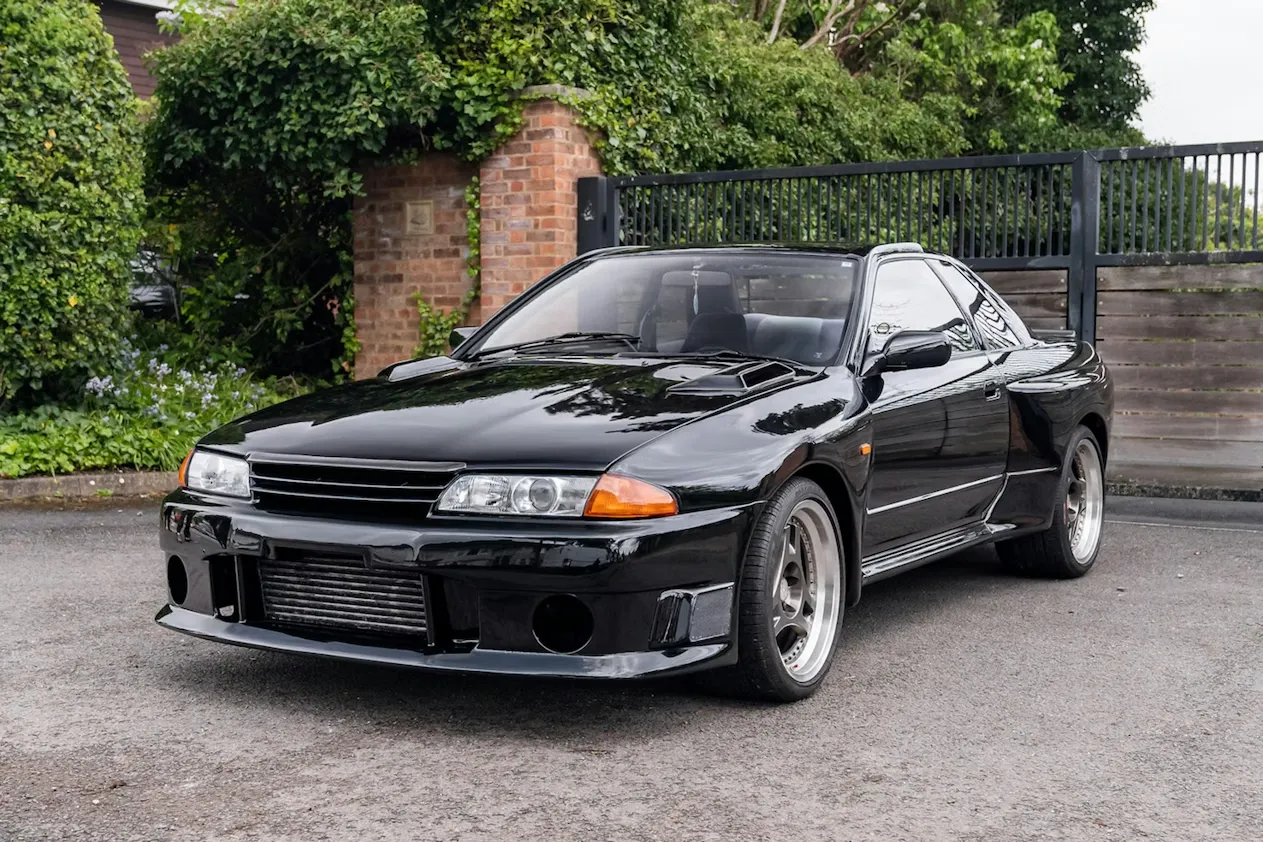
3. Nissan Skyline R32 GTS‑T
The Nissan Skyline R32 GTS‑T represents a unique era of Japanese sports cars where performance and refinement forged a cultural legend. Positioned below its more famous GT‑R sibling, the GTS‑T nevertheless delivers impressive capability with a turbocharged RB series engine.
This allowed drivers to enjoy strong acceleration and a robust torque band while retaining everyday usability. The all‑wheel‑drive system in some variants enhances traction and stability, making it capable in diverse conditions.
Performance enthusiasts admire the RB20DET engine for its tuning potential. With sensible enhancements, power can rise dramatically beyond stock figures. The engineering foundation supports turbo upgrades, improved intercooling, and strengthened internals with relative ease.
This makes the GTS‑T an attractive choice for budget tuners who want serious performance without escalating costs excessively. It strikes a balance between stock comfort and future performance potential that few cars achieve at similar price points.
Chassis dynamics focus on stability without sacrificing responsiveness. Steering feedback remains communicative, and suspension geometry supports confident lane changes and corner transitions. While not as nimble as lighter sports cars, the Skyline’s feel inspires trust through a combination of weight distribution and structural rigidity.
For enthusiasts who enjoy spirited road driving, this translates into a composed and engaging experience. The car’s character rewards those who refine technique rather than brute force.
Interior spaces in the GTS‑T blend driver orientation with practical comfort. Seats hold well during enthusiastic driving, and the layout supports immersion in performance without unnecessary distractions. While electronics from older models may feel dated, many owners embrace the classic ergonomics with a sense of nostalgia. Maintenance and parts availability remain reasonable due to the engine’s popularity and widespread use.
Nissan Skyline R32 GTS‑T remains a compelling budget choice for those seeking JDM performance with tuning potential and everyday usability.
Its engineering heritage continues to impress enthusiasts and tuners alike. With a solid aftermarket and reputation for durability, it stands as a gateway into more serious performance territory. For anyone desiring a blend of culture, capability, and value, this model remains a worthwhile contender.
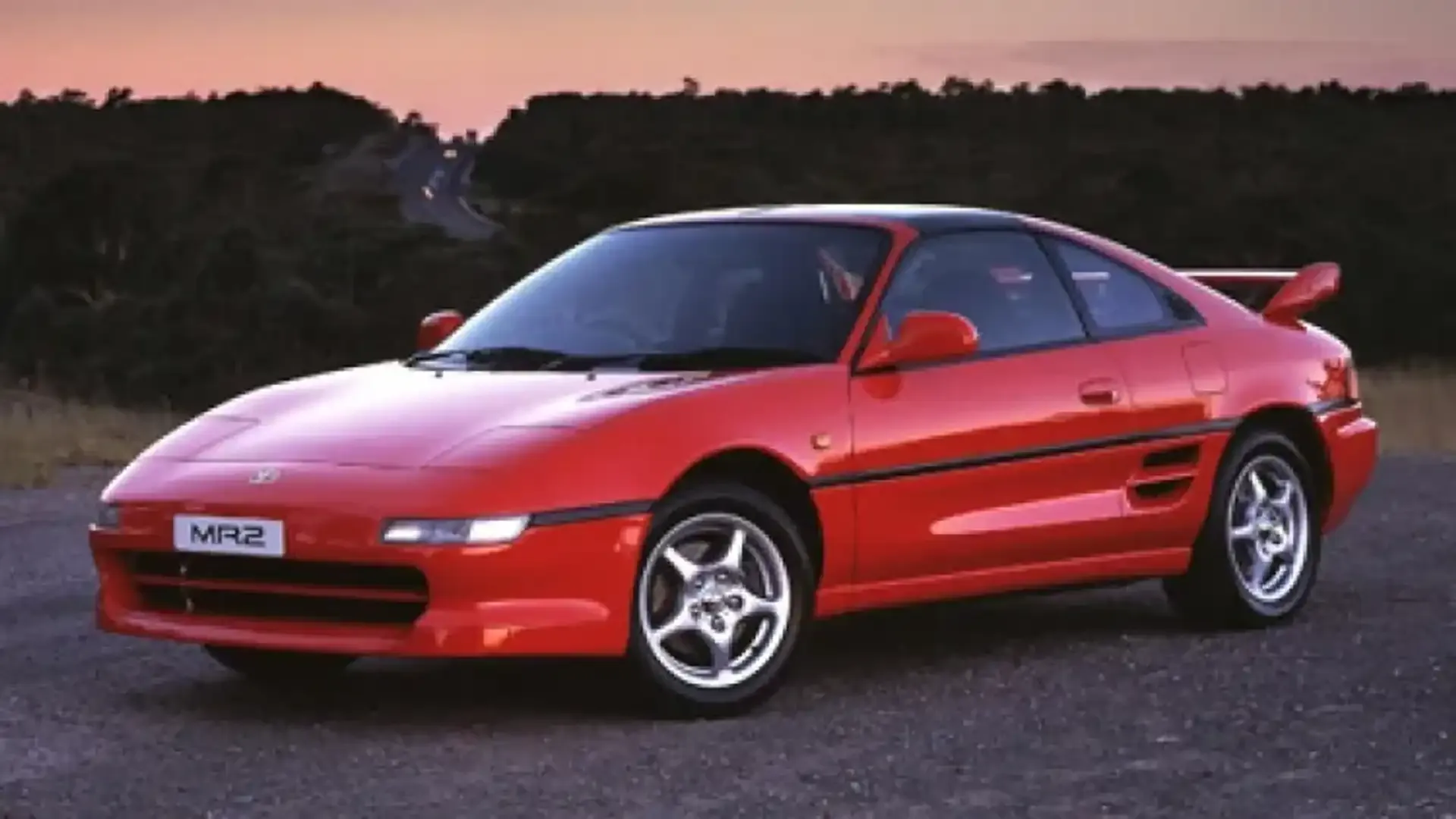
4. Toyota MR2 SW20
The Toyota MR2 of the SW20 generation offers an intriguing blend of mid‑engine balance and engaging dynamics. Unlike many front‑engine sports cars, its midship layout positions key mechanical components toward the center of the chassis. This improves balance and response, delivering handling traits that drivers appreciate on twisty terrain.
Power delivery from the naturally aspirated or turbocharged engines pairs with precise steering, creating a rewarding driving feel. While some models carry age‑related quirks, well maintained examples still provide strong performance at reasonable prices.
Mid‑engine vehicles often exhibit a unique sensation of balance, and the MR2 captures this with poise. The weight distribution feels intuitive under acceleration and into corners, giving drivers confidence to explore the limits gradually.
Suspension tuning remains firm but communicative, allowing drivers to place the car accurately through changes in direction. Brakes respond with predictability, supporting aggressive driving without drama. These qualities make the MR2 suitable for drivers seeking a dynamic yet manageable sports car.
The turbocharged variants introduce an additional layer of excitement with boosted power and torque. When properly tuned, these models deliver quick mid‑range performance without compromising chassis balance. Enthusiast communities support a variety of upgrades including improved cooling, gearbox enhancements, and suspension refinement. This allows owners to tailor the car to personal preferences, whether for road or track use. The MR2’s adaptability enhances its appeal as a budget performance platform.
Interior spaces aim to complement the car’s athletic focus. While compact by nature, driver positioning feels purposeful and supportive. Controls remain within easy reach, and visibility supports confident maneuvering.
Some models include desirable amenities that improve usability without diluting the sporty intent. Owners often find the cabin to be comfortable for extended drives, adding to the car’s versatility as both daily transport and weekend fun machine.
For enthusiasts who value balance, responsiveness, and distinctive engineering, the Toyota MR2 SW20 stands out as a worthwhile JDM sports car. Its mid‑engine design delivers a driving experience that feels special even at modest speeds. With robust aftermarket support and a passionate community, maintenance and upgrades remain accessible. The MR2 remains beloved for its character and rewards attentive ownership with spirited performance and memorable handling.
Also Read: 5 Cars That Require Minimal Repairs vs 5 That Need Frequent Fixes
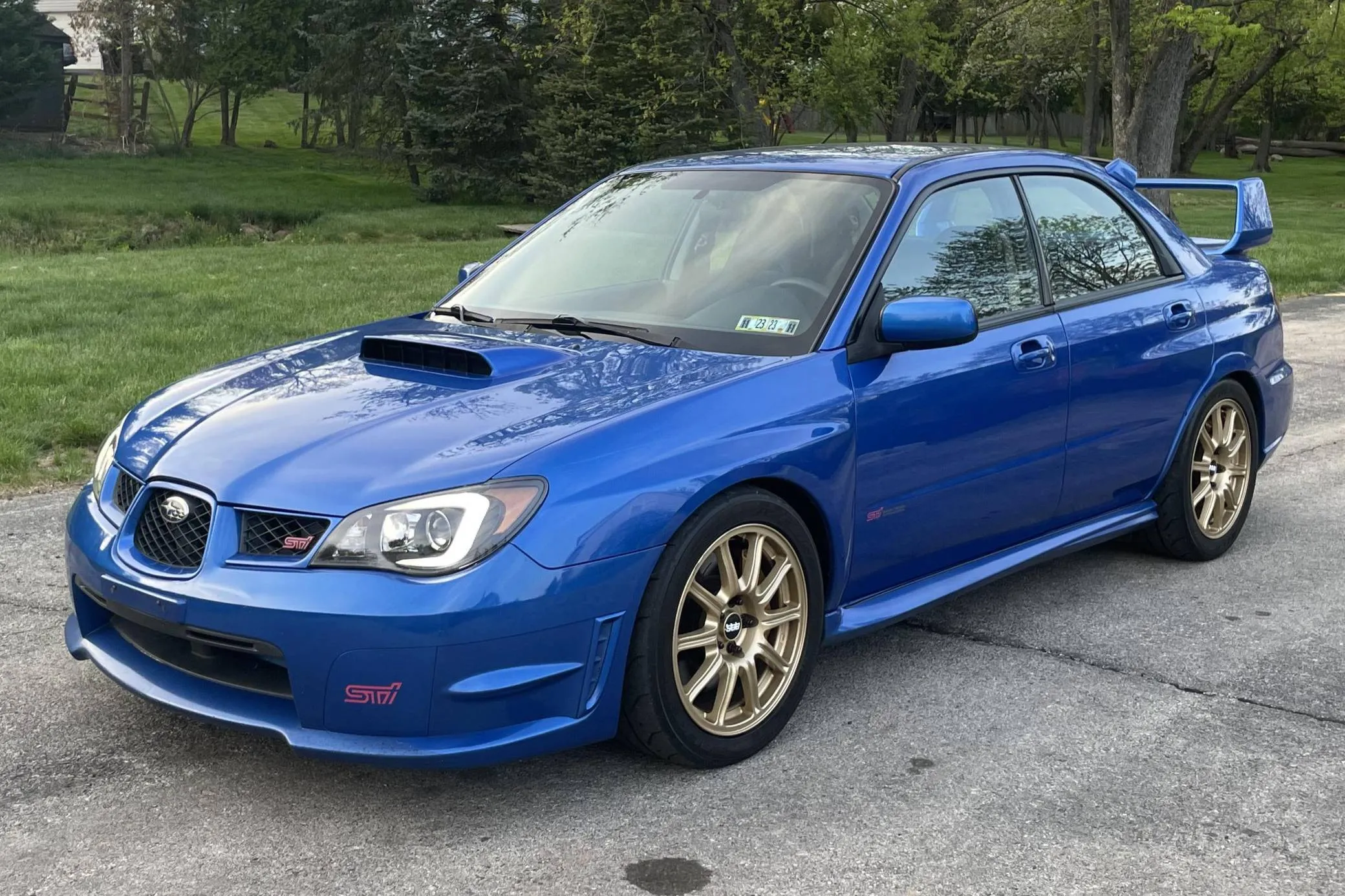
5. Subaru Impreza WRX GC8
The Subaru Impreza WRX from the first generation, identified by the GC8 designation by enthusiasts, represents rally‑bred performance in a practical package. With all‑wheel drive as standard, it delivers confident traction in all weather conditions while remaining engaging on paved roads.
The turbocharged boxer engine offers a broad torque band that makes acceleration responsive and enjoyable. These qualities, combined with a compact yet practical layout, make it appealing to those who want performance without sacrificing everyday usefulness.
All‑wheel drive transforms the driving experience by enhancing grip and stability. Enthusiasts value how the car launches confidently from standstill and maintains composure through corners. The system’s ability to distribute torque effectively supports spirited driving with reduced risk of loss of control.
Suspension tuning further contributes to a sense of governance and predictability. Whether traversing a mountain pass or commuting daily, the Impreza WRX balance of power and grip feels rewarding.
Interior design is simple but functional, emphasizing driver focus. Controls are logically arranged, and visibility is strong despite the compact body. Seats provide support for spirited cornering, and cabin ergonomics encourage long drives without fatigue. While some trims may feel sparse, they provide an uncluttered driving environment that complements the car’s performance-oriented nature. The GC8 WRX embodies a “driver first” approach in a small, practical package.
Maintenance and parts availability are among the strongest points for the GC8 WRX. The engine’s design, combined with widespread popularity, ensures replacement parts are common and affordable.
Routine services such as timing belt changes, suspension refreshes, and brake maintenance are well-documented. Owners can find tutorials, guides, and online communities that help troubleshoot any issue efficiently. This makes ownership manageable even for those new to JDM cars.
The WRX’s rally heritage adds to its appeal. Enthusiasts are drawn to its motorsport background and the ability to replicate that feeling on regular roads. The car handles rough conditions, steep inclines, and tight corners with confidence. Many owners take pride in modifying their cars to pay homage to Subaru’s competition history. The combination of heritage, AWD performance, and practicality has cemented the GC8 WRX as a cultural icon in the JDM world.
Subaru Impreza WRX GC8 offers a rare mix of practicality, performance, and tunability for budget-conscious buyers. Its engaging drive, strong community, and upgrade potential make it a compelling choice. For those who value an all-weather sports car with personality, the WRX stands out. This model exemplifies how a car can remain affordable while still delivering driving excitement that rivals more expensive counterparts.
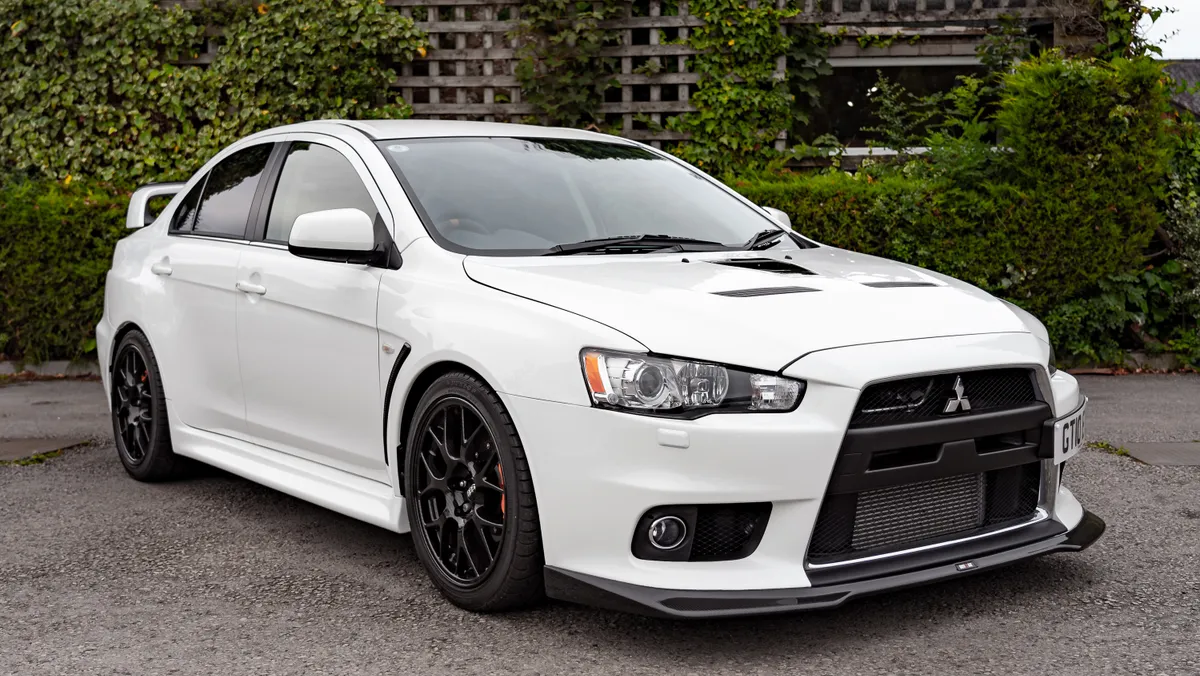
6. Mitsubishi Lancer Evolution IV–VI
The Mitsubishi Lancer Evolution series quickly gained fame as one of Japan’s most capable all-wheel-drive performance sedans. Generations IV through VI represent the sweet spot for budget-friendly options.
These models combine turbocharged engines with AWD traction, producing excellent acceleration and cornering capabilities. Lightweight construction and responsive suspension contribute to the car’s precise handling. The Evolution remains appealing for those seeking rally-inspired performance in an everyday package.
Driving the Evo is an experience defined by feedback and control. Steering feels sharp and direct, giving drivers confidence when navigating tight corners or fast sweepers. Turbocharged engines deliver strong mid-range torque, making acceleration engaging without excessive effort.
Suspension tuning balances firmness with compliance, allowing spirited driving on both rough and smooth surfaces. This makes the Evo suitable for street, track, or occasional rally use.
Aftermarket support for the Evolution series is substantial. Upgrades range from turbo enhancements and ECU tuning to suspension and brake improvements.
Enthusiasts appreciate the ability to modify these cars safely and effectively, unlocking significant performance gains. Reliability remains solid when modifications are carefully managed. The availability of parts and performance guidance ensures the car can evolve without becoming prohibitively expensive.
The interior reflects a driver-centric philosophy. Gauges and controls are arranged for quick reference, and seats provide adequate support during aggressive driving. Despite its compact dimensions, the cabin remains practical for daily commuting. Ergonomics are straightforward, emphasizing function over unnecessary luxury. This combination of performance-oriented design and practicality enhances the car’s appeal.
The Mitsubishi Lancer Evolution IV–VI offers a unique blend of speed, control, and character at an accessible price point. Its turbocharged power, AWD grip, and tuning potential have earned it a passionate following. Enthusiasts value its connection to rally heritage, which elevates ownership beyond the standard sports sedan experience. For buyers seeking excitement and capability, these models remain a smart choice.
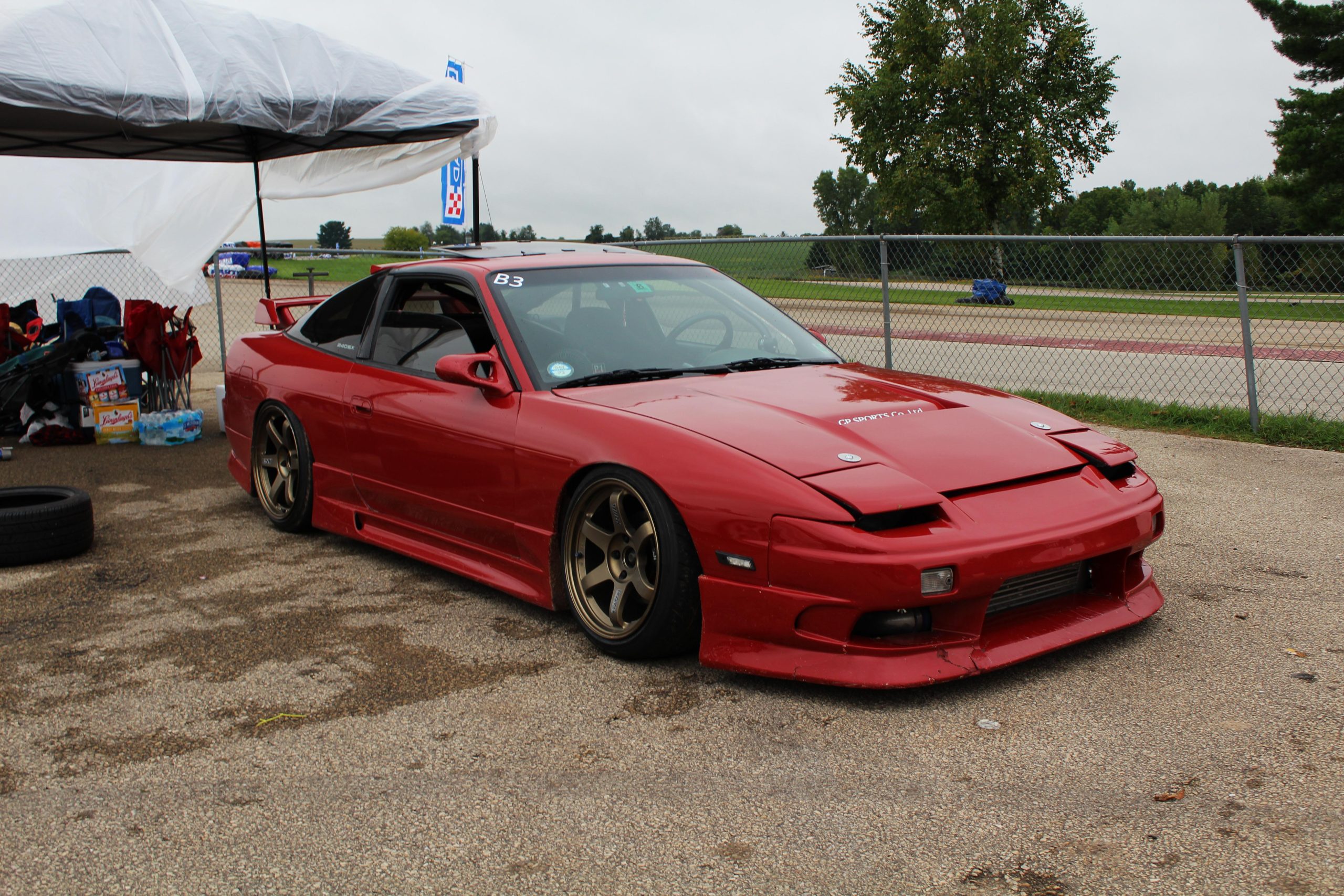
7. Nissan 240SX S13 / S14
The Nissan 240SX, particularly the S13 and S14 generations, has become a cornerstone for budget JDM enthusiasts. Known for rear-wheel-drive dynamics, these coupes deliver excellent handling and a lightweight platform ideal for modifications.
Their simple engine layouts allow for tuning and upgrades without excessive cost. Affordable pricing and widespread availability make them a practical entry into the JDM scene, offering performance, style, and community support.
Handling is a standout feature of the 240SX. The rear-wheel-drive layout, combined with responsive suspension, allows precise placement through corners. Steering feel is communicative, rewarding skillful input. The car’s balance encourages drivers to push limits safely while learning car control. This makes it a favorite among drifting enthusiasts and track-day participants alike.
The S13 and S14 have thriving aftermarket communities. Engine swaps, turbo conversions, suspension kits, and brake upgrades are readily available. These modifications can transform a stock 240SX into a high-performance platform while maintaining reliability. Extensive online resources and community knowledge make DIY upgrades accessible. The car’s tuning potential ensures longevity as a hobbyist vehicle.
Interior design is simple but functional. Seats provide sufficient lateral support for spirited driving, and controls remain within easy reach. Visibility is generally good, enhancing confidence in tight situations. While older models may show wear, the cabin’s design keeps the focus on driving rather than luxury. Owners value the layout’s practicality and the ease of customization.
The Nissan 240SX S13 and S14 continue to attract enthusiasts due to affordability, modifiability, and driving enjoyment. Rear-wheel-drive dynamics combined with tunable engines make them versatile platforms. Whether for daily driving, track use, or drifting, they provide satisfaction without extreme cost. Their legacy as affordable JDM performance cars remains intact.
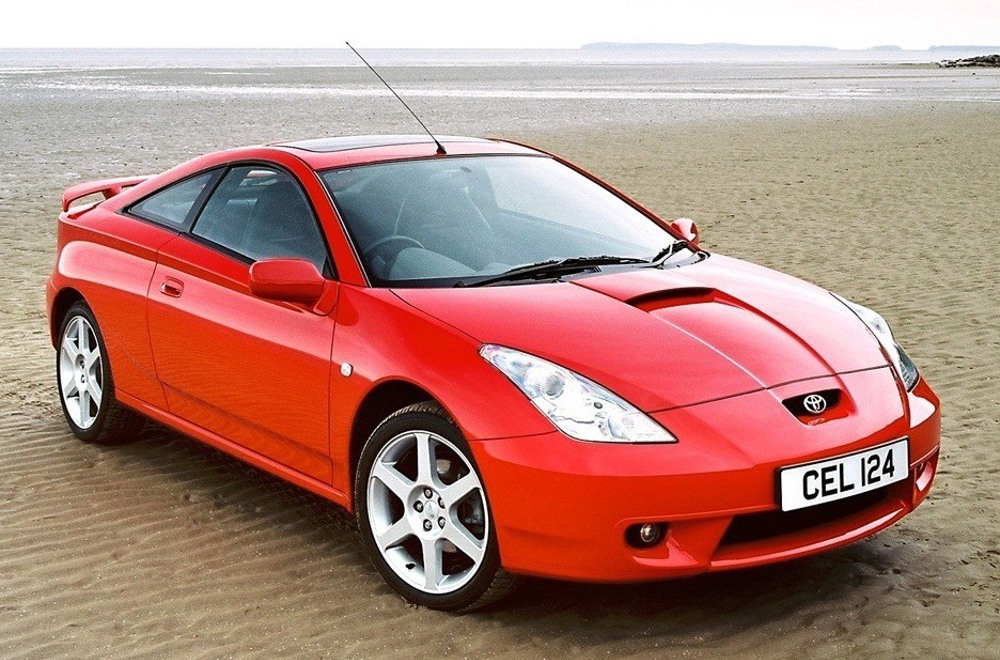
8. Toyota Celica GT‑Fours ST185 / ST205
The Toyota Celica GT‑Four series offered turbocharged all-wheel-drive performance with rally heritage, making it a standout in the budget JDM market.
The ST185 and ST205 models combined lightweight construction with robust turbo engines. All-wheel-drive traction provided stability and control in various conditions. Enthusiasts appreciated the car’s balance, precise handling, and rally-inspired feel, all packaged in a stylish coupe.
Acceleration is strong thanks to turbocharged engines that produce responsive mid-range torque. Transmission is manual, with short throws for spirited driving. Steering remains precise and communicative, enhancing driver confidence. Suspension tuning balances sportiness and comfort, allowing enjoyment on roads and track environments. This combination creates a car that is both usable daily and exciting to drive aggressively.
Aftermarket support for the GT‑Four is extensive, thanks to the car’s motorsport history. Performance parts, engine upgrades, and suspension components are widely available. Turbo tuning and ECU enhancements can significantly improve acceleration and throttle response. Enthusiasts can customize the car to suit track, rally, or street needs. This flexibility adds to its long-term appeal as a performance vehicle.
Inside, the Celica GT‑Four focuses on driver ergonomics. Seats hold occupants during spirited driving, and controls remain accessible and intuitive. Despite the compact nature of the coupe, cabin comfort is reasonable for longer trips. The interior emphasizes function over luxury, reinforcing the car’s performance-oriented nature. Practicality remains part of its enduring charm.
The Toyota Celica GT‑Four ST185 and ST205 remain highly desirable for those seeking turbocharged all-wheel-drive excitement at a reasonable cost. Their combination of rally-bred engineering, balanced chassis, and modification potential makes them accessible performance icons. Enthusiasts continue to appreciate these cars for their legacy, driving experience, and relative affordability.
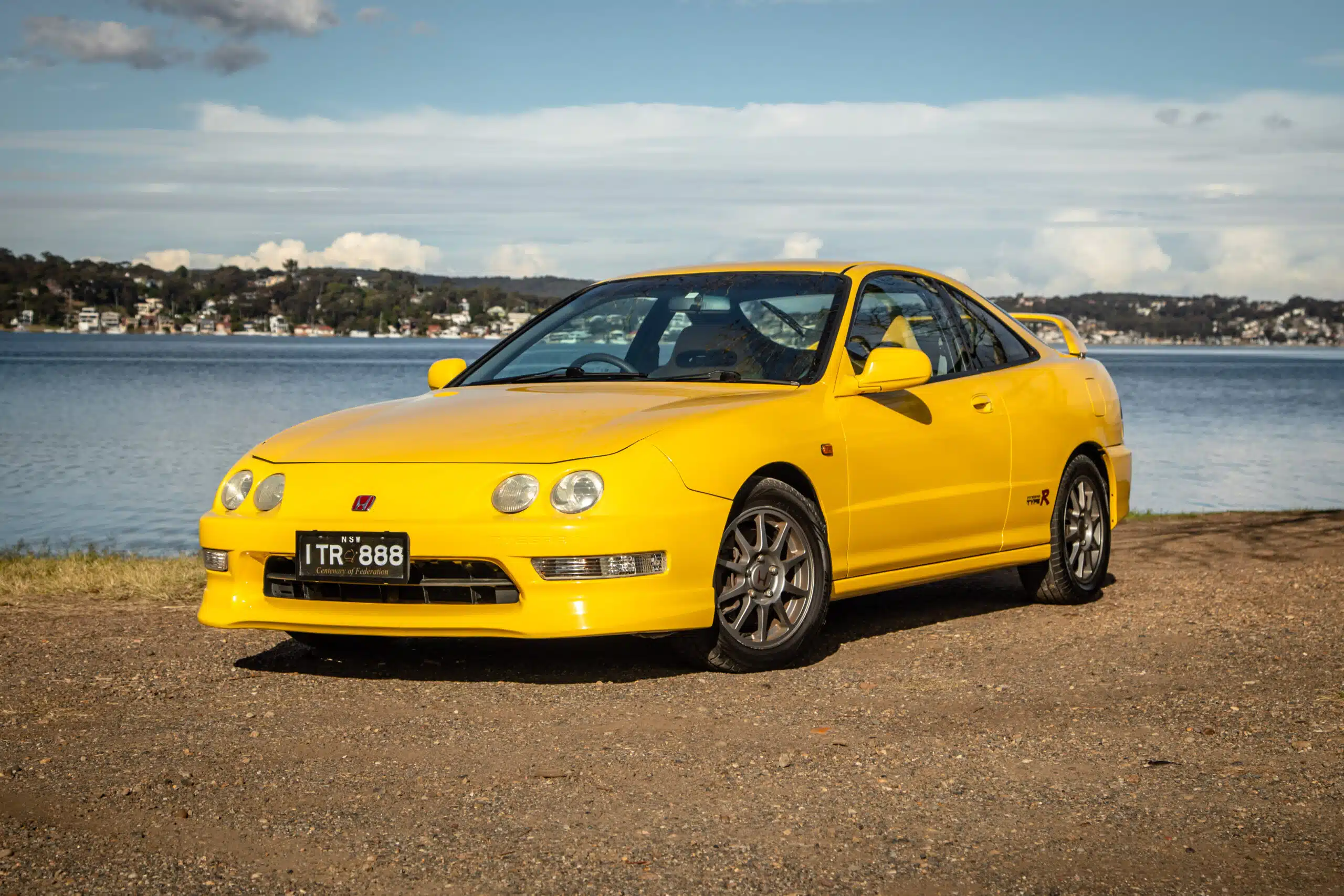
9. Honda Integra Type R (DC2)
The Honda Integra Type R DC2 is a legendary front-wheel-drive sports car that prioritizes precision and handling above all else. With a high-revving naturally aspirated engine, it delivers thrilling performance without relying on forced induction.
The chassis is light and rigid, contributing to exceptional cornering ability. This combination of engineering and driver focus made the Type R an icon among enthusiasts, especially for those seeking a pure, budget-conscious performance car.
Handling in the DC2 is precise and communicative. Steering feedback is crisp, allowing drivers to feel subtle changes in grip and respond accordingly.
The suspension is tuned for control, balancing sportiness and comfort to make spirited drives rewarding. Brakes offer solid performance, giving confidence in deceleration and corner entry. Drivers often describe the Integra Type R as connected, where skill and attention are directly rewarded.
The engine is a highlight, known for its high redline and linear power delivery. The naturally aspirated VTEC system provides strong acceleration at high RPMs, encouraging a disciplined, momentum-focused driving style.
Transmission and clutch feel sharp and responsive, contributing to the car’s engaging character. While it may not boast massive horsepower, the DC2’s balance and rev-happy nature make it exhilarating on twisty roads.
The aftermarket community for the Integra Type R is strong. Upgrades range from suspension enhancements to intake and exhaust modifications that increase both power and responsiveness. Maintenance parts are relatively accessible, and many performance improvements can be done without sacrificing reliability. Enthusiasts often share knowledge and guidance online, making the car approachable even for first-time JDM owners.
Ownership of a DC2 Integra Type R combines practicality with excitement. Seating and cabin ergonomics support daily driving, while the car’s lightweight design and driver-oriented controls make it rewarding on challenging roads.
For those seeking an affordable yet legendary JDM car, the Integra Type R offers a rare combination of reliability, tuning potential, and driver engagement. Its legacy as a front-wheel-drive sports car continues to impress enthusiasts worldwide.
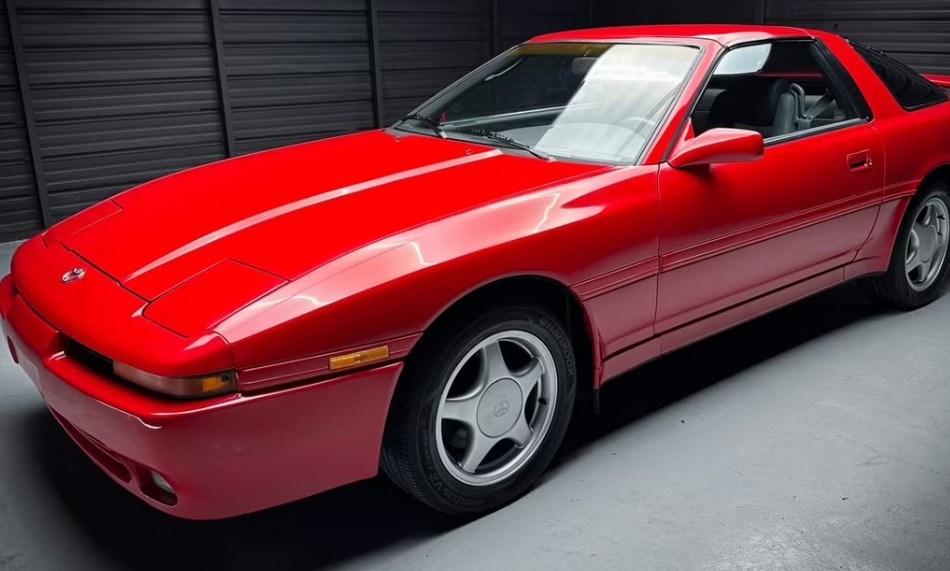
10. Toyota Supra MK3 / MK4 (Budget Models)
The Toyota Supra, particularly the MK3 and early MK4 models available on a budget, represents Japanese sports car excellence in performance and style.
These cars provide smooth yet powerful engines, capable handling, and a design that has aged gracefully. While the top-tier turbo MK4 versions are expensive, naturally aspirated or lower-trim models remain accessible to enthusiasts seeking JDM performance. Both generations offer strong chassis engineering, making them engaging and capable platforms for modification.
Driving the MK3 or lower-trim MK4 is an enjoyable experience for both new and experienced enthusiasts. Power delivery is smooth, and the cars maintain excellent balance through corners.
Steering and suspension communicate effectively with the driver, creating a sense of control and involvement. Braking performance is reliable, allowing spirited driving without sacrificing safety. Even non-turbo models provide an energetic drive that satisfies weekend drivers and daily commuters alike.
The engines in these models are known for their durability and tuning potential. The inline-six engines, in particular, can handle moderate modifications with reliability if maintained properly.
The aftermarket offers turbo kits, suspension upgrades, and braking enhancements for those looking to increase performance gradually. This allows budget-conscious enthusiasts to incrementally improve power and handling over time. The Supra’s mechanical foundation makes it a long-lasting, versatile platform.
Inside, the cabin design supports a driver-focused experience. Seats are comfortable and supportive, while the dashboard layout prioritizes clarity and accessibility.
Controls remain intuitive, and the driving position encourages engagement on twisty roads. Even with minor age-related wear, the cabin retains its sporty feel. For enthusiasts seeking a classic Japanese sports car without excessive cost, the interior is functional and motivating.
The Toyota Supra MK3 and affordable MK4 models continue to be highly sought after by JDM enthusiasts. Their combination of performance, handling, and tuning potential make them excellent choices for those seeking excitement on a budget. While they offer a strong base for modifications, even stock examples provide a satisfying, connected drive. The Supra’s enduring reputation ensures it remains a standout option for affordable JDM performance.