
Owning a pickup is often about balancing capability with practicality. Some trucks handle daily errands, family outings, and weekend projects while maintaining the ability to tow light loads without fuss. Others promise strength but deliver complications that make routine towing stressful.
Choosing the right pickup for light towing requires attention to size, engine response, braking stability, and suspension tuning. It is not merely about the maximum trailer weight; it is about how the truck performs in realistic, everyday scenarios. Towing a small trailer, a utility boat, or a lightweight camper should feel intuitive rather than daunting.
Trucks that manage this effectively combine strong low-end torque, stable chassis dynamics, and user-friendly hitches with predictable braking performance. The right vehicle can make towing simple, safe, and even enjoyable, transforming weekends into opportunities rather than challenges.
On the other hand, some pickups create tension when attempting these tasks. Poor rear suspension balance, imprecise steering, and weak braking amplify the stress of towing, especially in city driving or winding roads.
This guide evaluates ten trucks in two categories. Each vehicle listed appears only once, ensuring readers can compare distinct options. Subheadings present clear, detailed insights into each truck’s towing performance, allowing owners to make informed decisions before purchase.
By focusing on practical performance rather than marketing claims, this guide aims to clarify which pickups deliver dependable towing and which may require compromises that affect daily usability. Whether hauling a small trailer to a weekend destination or transporting lightweight equipment, understanding a truck’s capabilities prevents surprises and supports smarter ownership.
Here, we begin with pickups that balance strength, control, and convenience, providing solid options for drivers who need light towing without sacrificing daily practicality.
5 Pickups That Handle Light Towing Well
1. Ford Ranger 2024
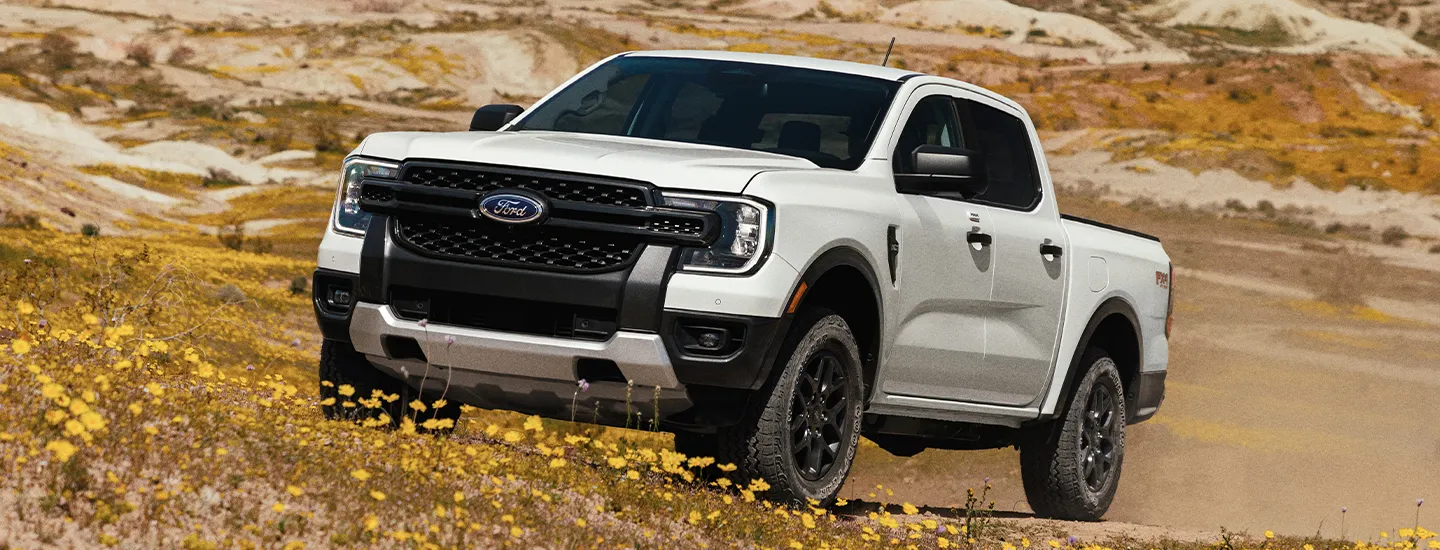
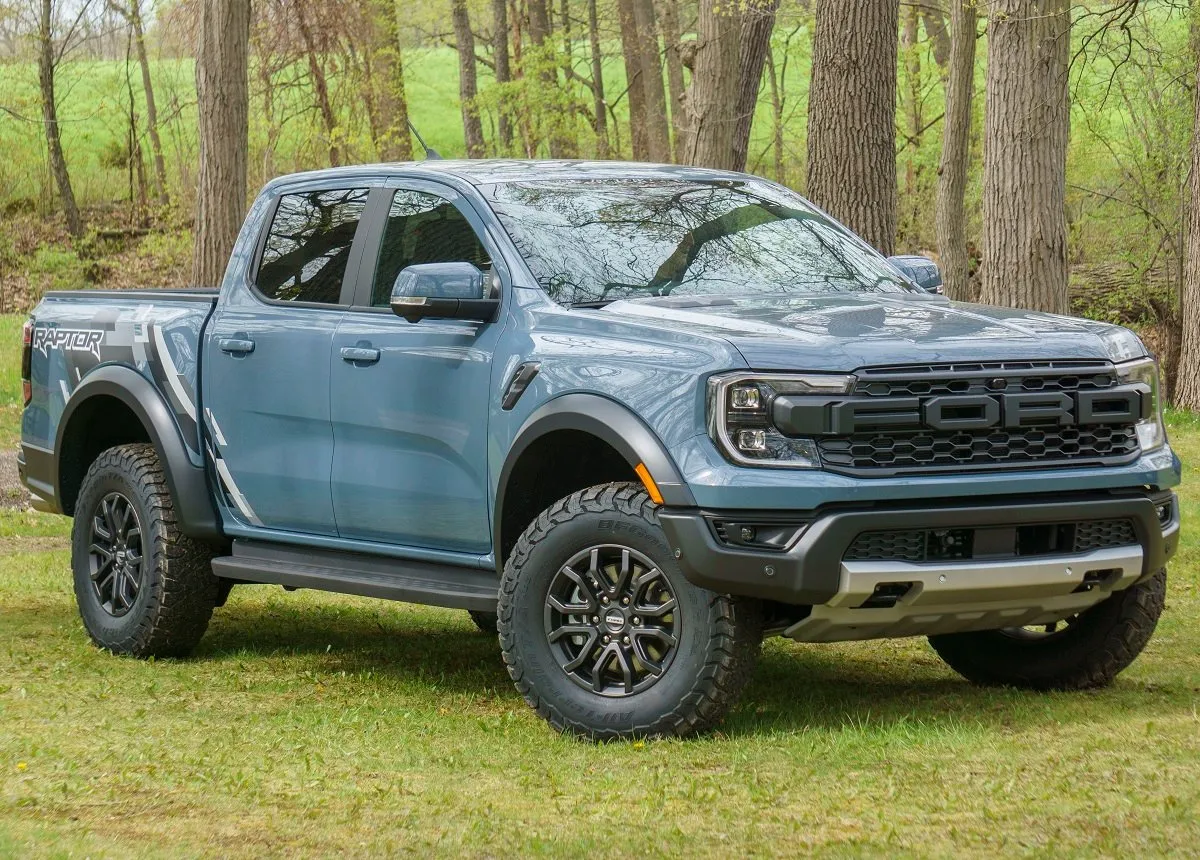
Ford Ranger 2024 combines compact size with practical towing ability, making it ideal for drivers who require moderate trailer work without compromising everyday maneuverability. Equipped with a 2.3-liter turbocharged four-cylinder engine, the Ranger produces ample torque across a usable range.
Low-end responsiveness supports light towing, allowing for steady acceleration when hauling small trailers or utility loads. Drivers report that engine output feels predictable, avoiding abrupt surges that can destabilize lightweight trailers. Chassis and suspension tuning contribute heavily to its towing aptitude.
Independent front suspension and a leaf-sprung rear maintain stability when weight is applied, keeping the cabin level and minimizing sway. Braking systems respond consistently, while electronic stability control ensures the trailer remains aligned during lane changes or curves.
Coupled with an integrated trailer sway control system, this pickup delivers confidence even in urban traffic or on curving roads. Cabin ergonomics support towing practicality. Controls for trailer brakes, tow modes, and hitch adjustments are accessible without requiring attention to obscure menus.
The cab layout promotes comfort during extended towing sessions, and visibility benefits from thoughtfully positioned mirrors that reduce blind spots behind trailers. Bed and hitch design also simplifies attachment, reducing time spent connecting or checking connections before departure.
Daily usage complements towing performance. Whether running errands, commuting, or carrying equipment, the Ranger remains easy to park and maneuver. Its manageable size ensures that light towing does not introduce excessive stress in city environments, unlike larger pickups that may feel cumbersome when attached to a trailer.
Cargo management features such as adjustable tie-downs enhance utility without limiting towing capability. For weekend projects, small campers, or utility transport, the Ford Ranger 2024 achieves balance. It avoids the extremes of oversized trucks while providing a reliable and controlled towing experience.
Predictable handling, responsive brakes, and thoughtful integration of towing aids create a pickup that works seamlessly in both daily and light towing scenarios, making it a strong choice for practical ownership.
2. Chevrolet Colorado 2024
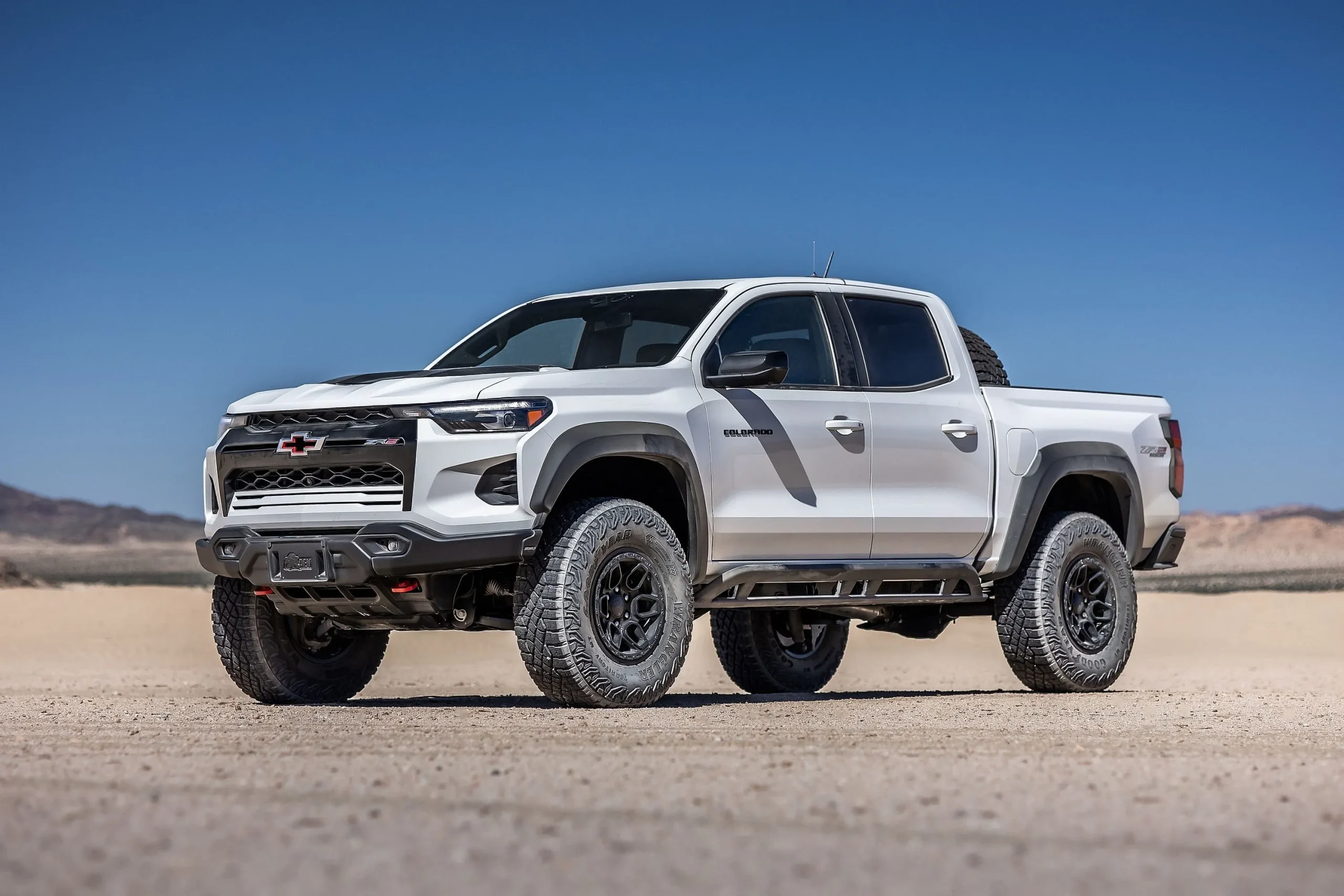
Chevrolet Colorado 2024 offers a midsize footprint that accommodates towing without introducing excessive stress to handling or braking systems. Its 2.7-liter turbocharged engine provides sufficient power for light trailers, producing smooth and responsive torque suitable for urban and suburban use. Drivers benefit from predictable acceleration, which reduces trailer sway while allowing for manageable passing and merging maneuvers on highways.
Suspension design supports consistent performance under load. Independent front suspension and a multi-link rear setup maintain ride quality, preventing the back end from sagging excessively while towing. Integrated trailer sway control and electronic stability management create an extra layer of confidence, especially during cornering or sudden braking.
This combination ensures that small loads, such as boat trailers or utility trailers, feel secure during routine drives. Interior integration emphasizes driver convenience. Trailer brake controllers, hitch alignment guides, and dedicated tow modes are logically positioned, allowing operators to adjust settings quickly.
Visibility remains strong with thoughtfully designed mirrors and camera systems that provide clear rearward views. Controls are intuitive, making hitch checks and towing adjustments simple, even for less experienced users.
Cargo and bed design also contribute to towing ease. The Colorado 2024’s truck bed accommodates equipment efficiently, with tie-down points that keep gear secure. Hitch placement is practical and compatible with common light trailer setups, reducing the need for extra adapters or adjustments.
Small hauling tasks blend seamlessly with towing activities, ensuring that daily use is uninterrupted by occasional load requirements. Daily handling remains comfortable even with a trailer attached. Steering is responsive without feeling twitchy, and braking maintains a balance between stopping distance and trailer stability.
Commuting, errands, and weekend trips feel natural, avoiding the compromises often associated with heavier full-size pickups. Chevrolet Colorado 2024 demonstrates how midsize design can merge everyday usability with light towing capability.
Its combination of responsive engine performance, stable suspension, and integrated towing aids ensures that light loads are manageable without detracting from regular driving experiences. For those seeking a practical and controlled approach to small-scale towing, this truck represents a thoughtful option that balances strength, predictability, and ease of use.
Also Read: 5 Pickups With Manageable Size vs 5 That Feel Too Large
3. Toyota Tacoma 2024
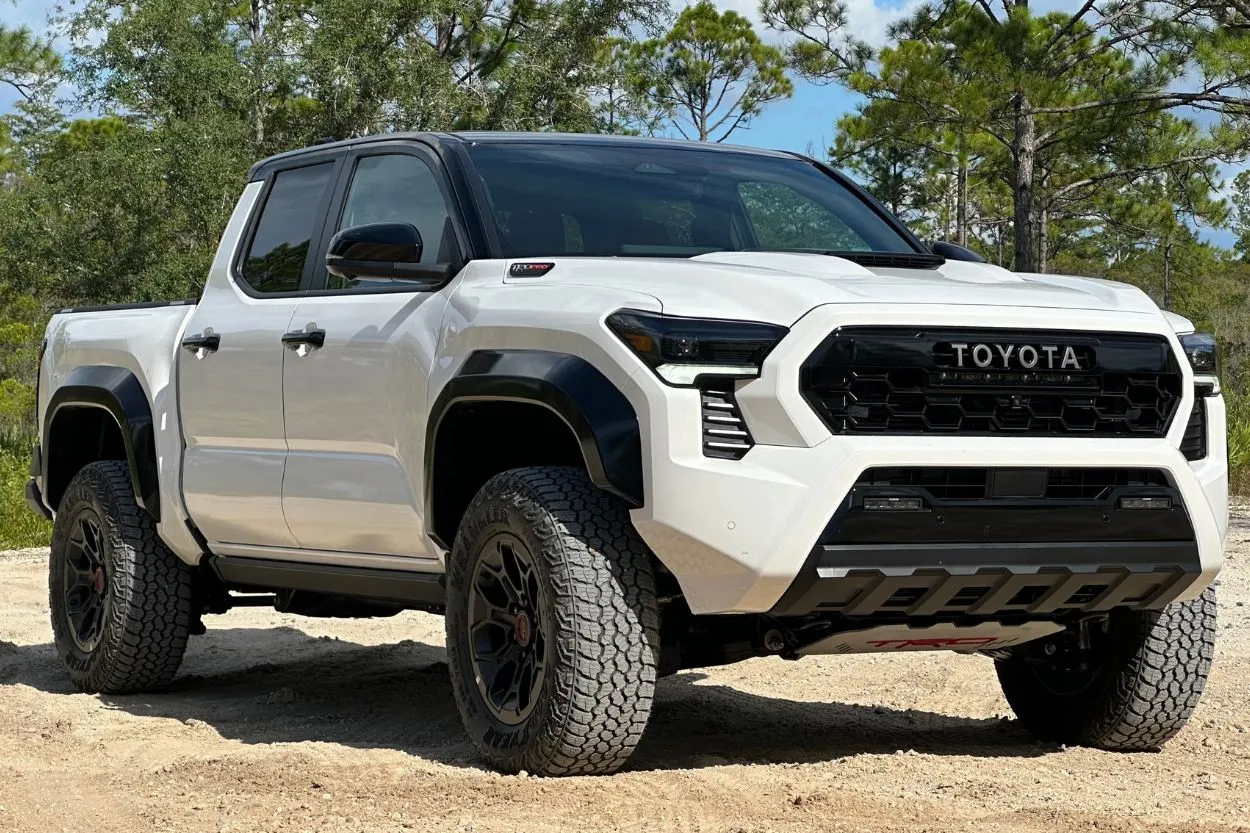
Toyota Tacoma 2024 remains a trusted choice for moderate towing duties, pairing a reliable 3.5-liter V6 with a transmission tuned for smooth and consistent performance. Torque delivery supports gradual acceleration, which is essential when moving lightweight trailers. This predictable output reduces sudden lurches, allowing drivers to maintain control during highway merging and cornering while pulling a trailer.
Frame construction contributes to stability under load. A ladder frame with reinforced cross-members provides rigidity without excessive weight, ensuring that the truck resists flexing when a small trailer is attached. Rear leaf springs are carefully tuned to maintain a flat stance and prevent bottoming out during moderate towing, while front suspension absorbs road irregularities to protect both driver comfort and trailer alignment.
The cabin enhances driver confidence. Controls for trailer brakes and tow mode selection are well placed and straightforward. Mirrors extend for improved rear visibility, reducing guesswork during lane changes and reversing. Instruments display towing parameters clearly, assisting in monitoring weight distribution and trailer sway indicators.
Practical features extend to the bed and hitch arrangement. Tie-downs, bed rails, and available spray-in liners increase utility while towing equipment or gear. Hitch receivers and wiring connections are factory positioned for easy attachment, allowing setup without specialized tools.
Daily tasks such as shopping, commuting, and equipment transport integrate seamlessly with towing needs, avoiding the tension often experienced with larger or more performance-focused trucks. Tacoma 2024’s approach to light towing emphasizes reliability and driver reassurance.
Brake feel, suspension response, and engine behaviour collectively make towing predictable and manageable. Whether hauling a small utility trailer, a lightweight camper, or weekend recreational gear, drivers experience control without overcompensation.
Tacoma’s consistent performance and thoughtful integration of practical systems make it an ideal midsize pickup for those requiring steady, trouble-free light towing.
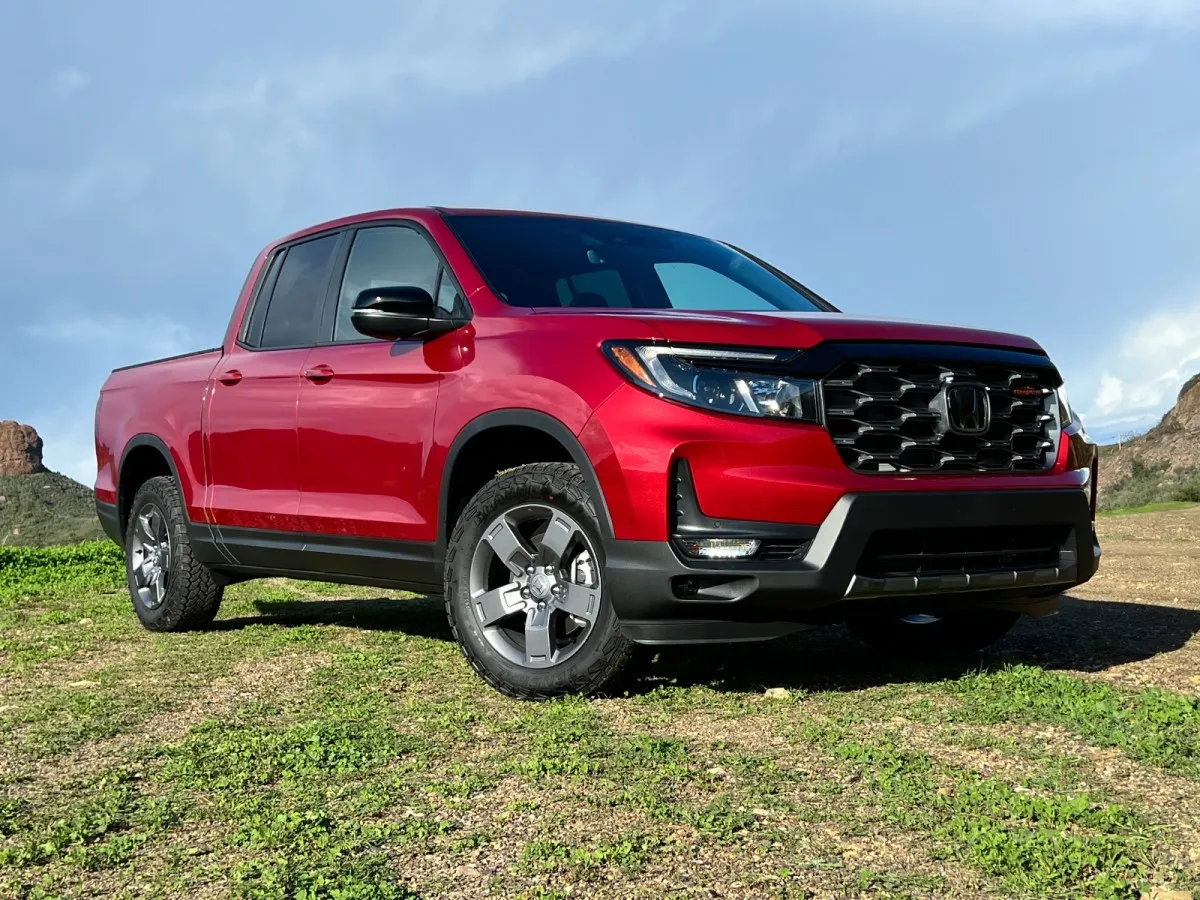
4. Honda Ridgeline 2024
Honda Ridgeline 2024 distinguishes itself among midsize pickups by blending car-like comfort with towing competence. Its 3.5-liter V6 engine produces smooth, linear torque ideal for moving light trailers. Drivers notice that acceleration is controlled and predictable, reducing trailer sway while providing sufficient power for highway overtaking.
Unibody construction enhances driving stability. While traditional pickups rely on body-on-frame design, Ridgeline’s integrated chassis improves cornering behaviour and limits the body roll commonly associated with light trailer towing.
Rear suspension is tuned to balance comfort and load-bearing capacity, allowing predictable handling without compromising cab stability. Trailer sway control and integrated tow assist features further reduce the risk of instability. Cabin ergonomics support practical towing. Controls for tow mode selection, trailer brake adjustment, and monitoring are intuitive and easy to access.
Visibility remains strong, aided by large mirrors and optional rear cameras, ensuring accurate judgment during reversing and lane changes. Drivers unfamiliar with towing can engage systems that assist with alignment and load distribution, simplifying the experience.
The bed design supports towing activities while retaining cargo flexibility. Dual-action tailgate, adjustable bed liners, and underfloor storage contribute to organised loading without interfering with hitch operation. Daily errands blend with towing chores seamlessly, allowing the pickup to operate effectively in urban, suburban, and recreational scenarios.
Ridgeline 2024 demonstrates how midsize design can manage light towing with comfort and predictability. It merges manageable size, responsive engine performance, and intelligent suspension tuning to reduce stress on drivers while hauling.
Its smooth operation and well-integrated support systems make it a reliable option for owners seeking a vehicle capable of routine driving as well as controlled light towing.
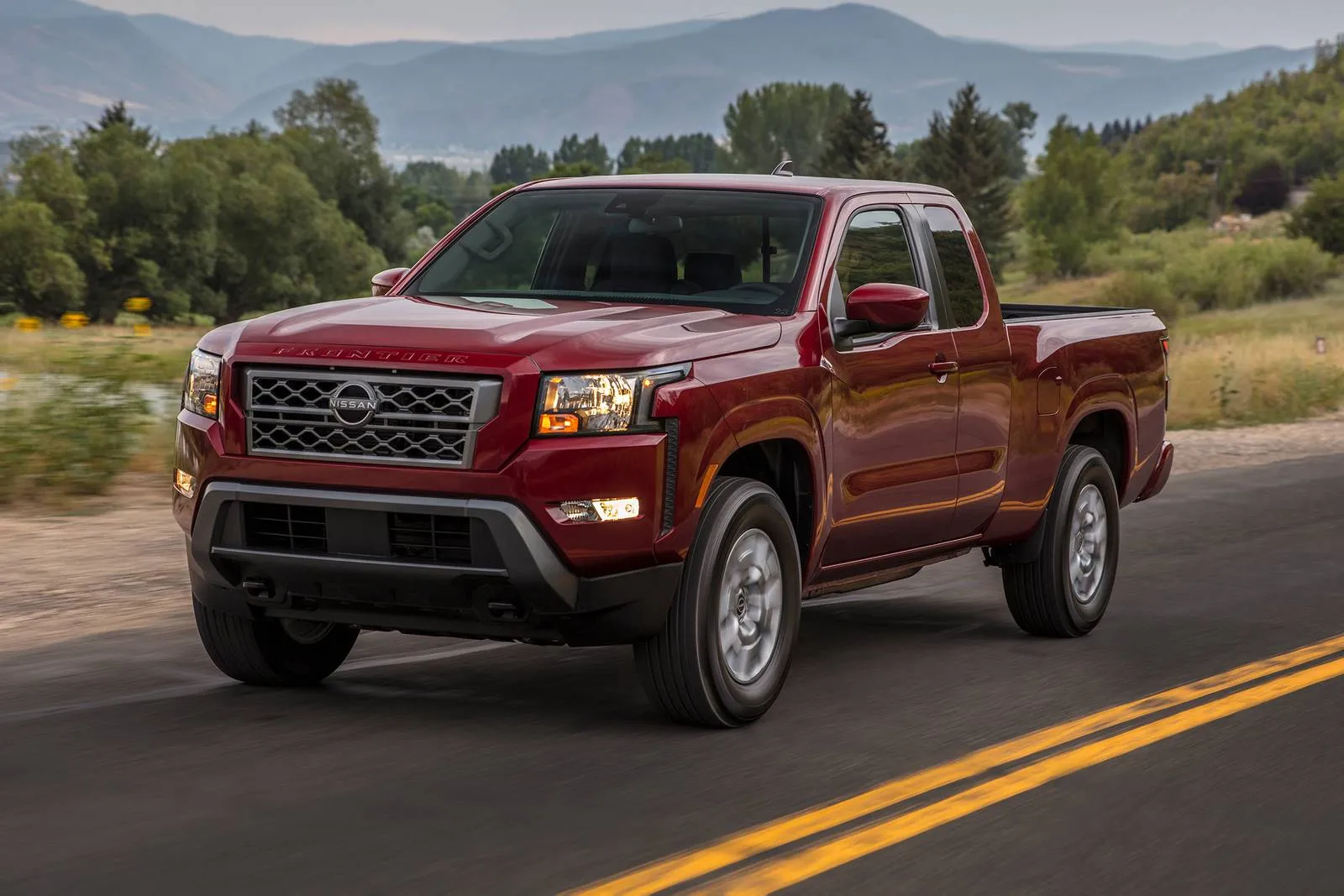
5. Nissan Frontier 2024
Nissan Frontier 2024 returns to the midsize pickup scene with strong low-end torque and a practical approach to light towing. The 3.8-liter V6 engine delivers controlled power, making it simple to accelerate gradually while pulling trailers. This responsiveness minimizes swaying and ensures stable behaviour during turns or on inclines, even with small loads.
Frame and suspension design emphasise reliability. Body-on-frame construction with reinforced cross-members provides rigidity, while rear leaf springs maintain balance under trailer load. The front independent suspension absorbs road imperfections, ensuring that the trailer remains stable during typical driving conditions.
Trailer sway control and electronic stability systems assist in maintaining alignment and preventing abrupt movements during sudden braking. Cabin functionality promotes safe towing. Controls for trailer brakes and tow settings are well-positioned and accessible.
Side mirrors are proportioned to provide clear rear visibility, and integrated camera systems offer guidance when reversing with a trailer attached. Instrument panels present relevant information clearly, helping the driver monitor load conditions and anticipate handling adjustments.
Bed and hitch design improve practical usability. Factory-installed hitches, tie-down points, and bed liners allow cargo and trailer loads to coexist without interference. Routine tasks, from commuting to errands and weekend recreation, blend with towing requirements, reducing the mental burden often experienced in larger pickups.
Nissan Frontier 2024 achieves a balance between daily usability and light towing competence. The combination of engine responsiveness, stable suspension, and supportive driver aids ensures that small trailers can be transported with confidence.
This pickup demonstrates that midsize design, when thoughtfully executed, can provide both dependable daily operation and predictable towing performance.
5 Pickups That Struggle with Light Towing
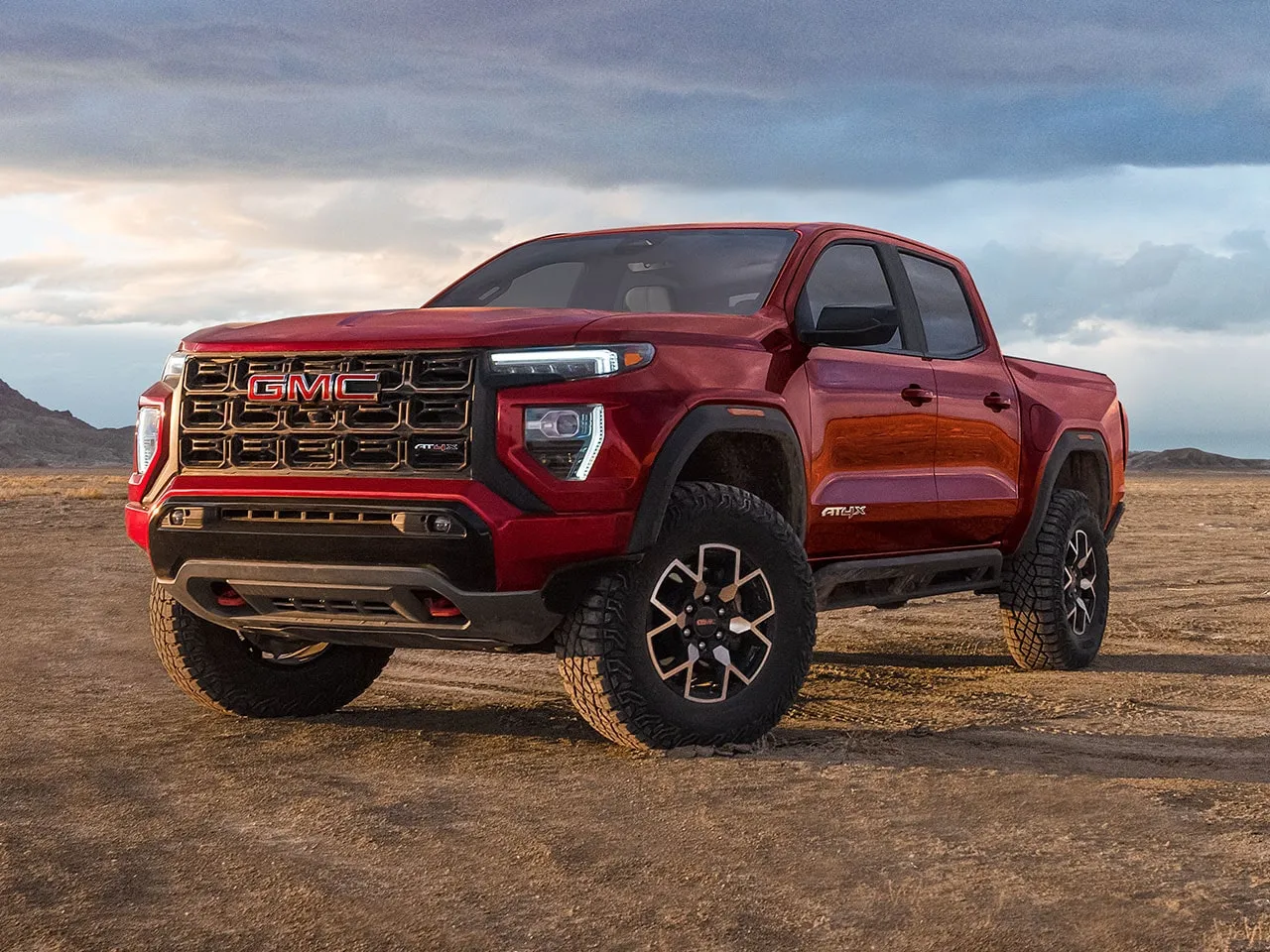
1. GMC Canyon 2024
GMC Canyon 2024 carries the appeal of a rugged midsize pickup, yet light towing exposes certain limitations. Its 3.6-liter V6 produces sufficient horsepower, but torque delivery is uneven at low speeds, which can make trailer starts feel jerky.
Drivers report needing frequent throttle modulation to maintain consistent movement when towing small trailers, reducing confidence during stop-and-go driving or in tight urban spaces. Suspension setup contributes to the difficulty. While tuned for comfort and load capacity, the rear leaf springs allow noticeable sag when a trailer is attached.
This sag affects both ride height and alignment, requiring extra care during lane changes and curves. Electronic stability and sway control systems react, but they do so with a slight lag, which can lead to minor trailer instability during sudden braking or rapid acceleration.
Cabin controls for towing are present but not intuitive. Trailer brake adjustment requires driving through multiple menus, and tow mode selection is sometimes buried among unrelated settings. Mirrors, while large, do not fully compensate for limited rear visibility when towing, forcing reliance on cameras for precise maneuvering.
Practical hauling becomes challenging under routine conditions. Attaching a small camper or utility trailer demands planning, and uneven load distribution may require readjustments mid-trip. Braking distances extend slightly under light loads, which is noticeable in city traffic.
Maneuvering tight corners or performing parallel parking while towing can feel tense, reducing the ease that midsize pickups typically offer. Cargo space and bed configuration are adequate for standard loads, but the combined effect of suspension sag and torque delivery creates a sense of instability during towing.
For weekend projects or light recreational tasks, the GMC Canyon 2024 may require more focus and care than similar pickups designed for smooth towing. Drivers seeking low-stress hauling may find the experience less satisfying than expected.
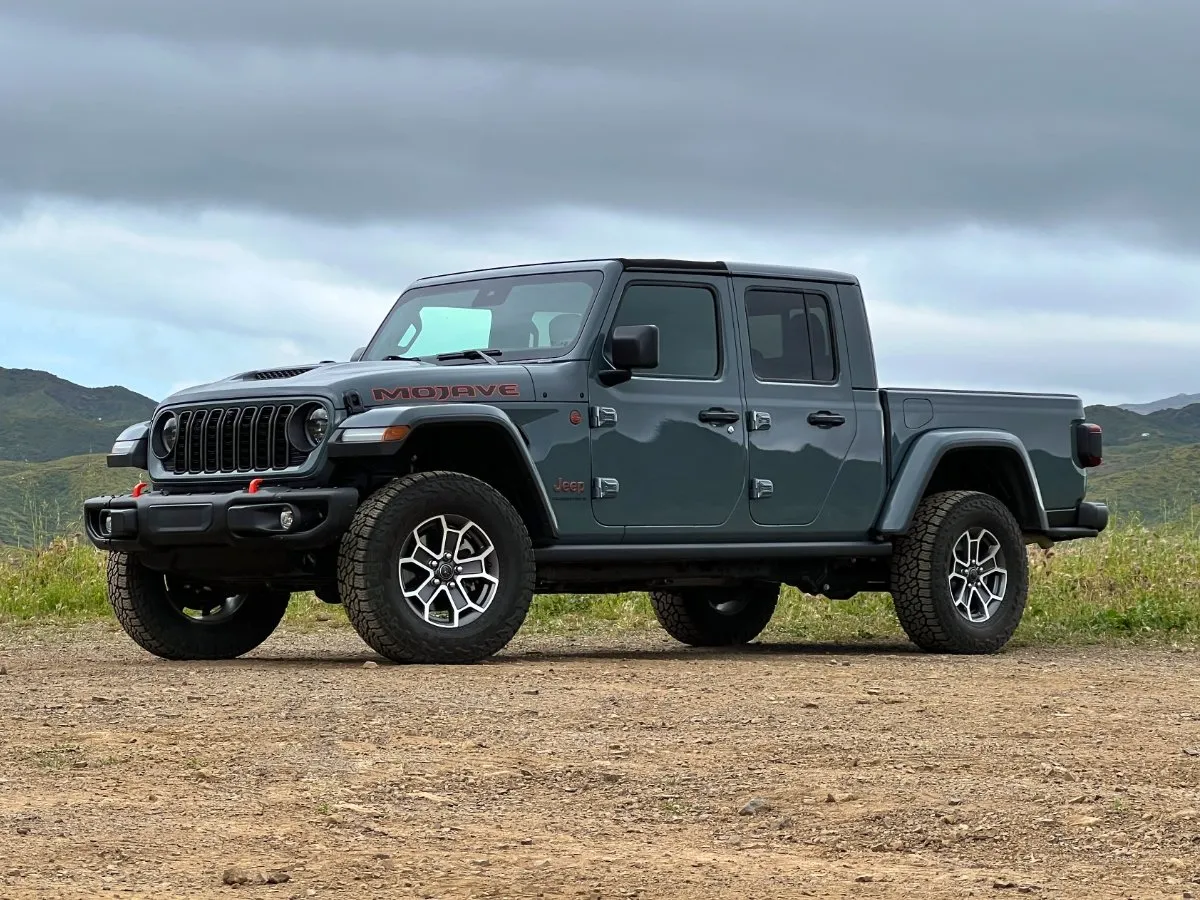
2. Jeep Gladiator 2024
Jeep Gladiator 2024 blends off-road capability with pickup design, yet light towing reveals weaknesses in day-to-day operation. Its 3.6-liter V6 engine provides sufficient peak power, but torque curves are geared toward off-road responsiveness rather than smooth low-speed towing. The result is that trailers can feel unstable when starting from a stop or driving through urban intersections.
Frame and suspension influence towing performance. Heavy-duty leaf springs at the rear create pronounced rear-end sag when trailers are attached, altering steering feel and braking stability. On uneven roads, the trailer may sway slightly, demanding the driver’s attention. Electronic systems attempt to correct this, yet lag in response means minor overcorrections are necessary, which reduces confidence during longer trips.
Cabin controls and visibility present further challenges. Two mode settings are available, but accessing them requires multiple menu steps. Mirrors do not fully compensate for the vehicle’s width and trailer attachment, and blind spots remain important despite optional camera systems. Reversing with a trailer attached requires careful alignment and frequent stops to check positioning.
Daily towing tasks highlight these limitations. Small utility trailers or lightweight campers require driver attention to prevent sway or uneven weight transfer. Braking distances extend due to the combined mass of truck and trailer, and sudden maneuvers feel less predictable than in midsize pickups designed for towing balance. Cargo placement in the bed may interfere with hitch operations, reducing flexibility during errands or weekend projects.
Gladiator 2024 excels in off-road adventures, but light towing demands reveal compromises in suspension response, low-speed torque control, and cabin ergonomics. Those seeking a pickup that combines city or highway towing ease with weekend hauling may find the experience requires additional caution and planning.
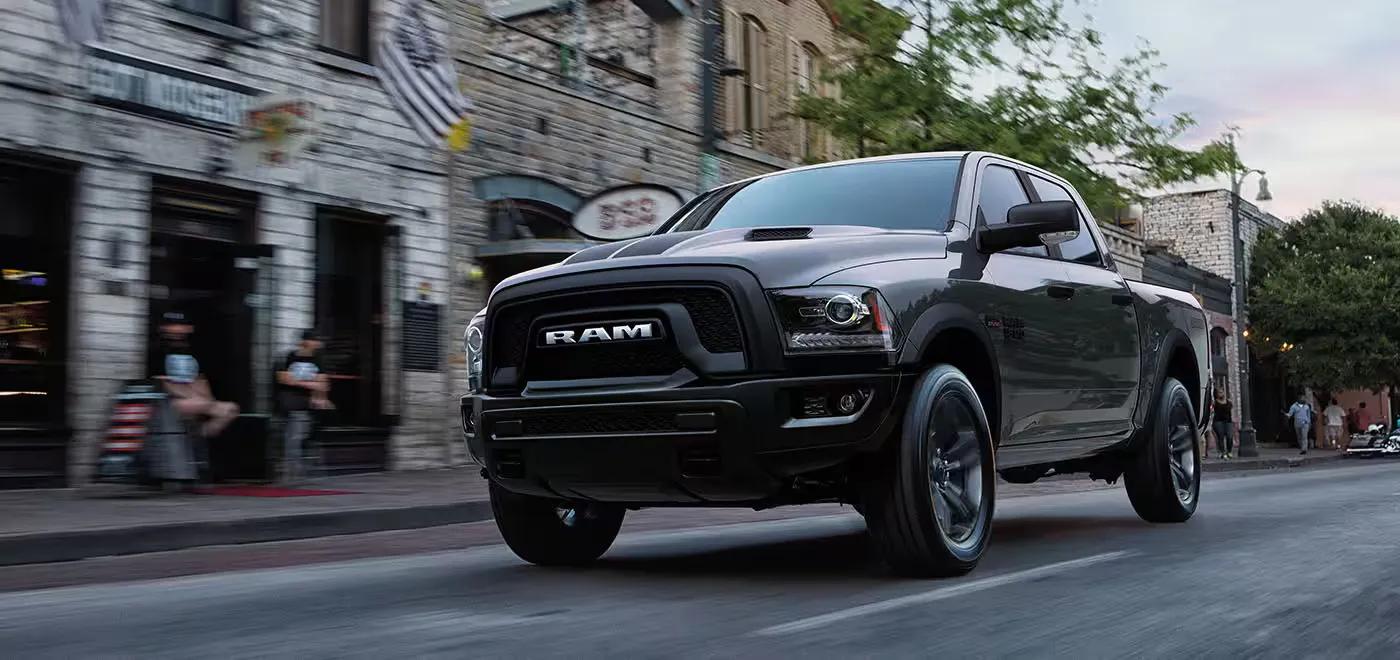
3. Ram 1500 Classic 2024
Ram 1500 Classic 2024 carries a reputation for comfort and capability, yet its approach to light towing may challenge less experienced operators. Its 3.6-liter V6 produces smooth horsepower, but throttle response under light load feels sluggish, particularly during acceleration from stops. Drivers must modulate input carefully to avoid trailer jerk or unsteady starts.
Suspension characteristics contribute to instability. Coil springs and soft damping provide ride comfort at the expense of controlled trailer handling. When towing a small camper or utility load, the rear end may squat unevenly, and cornering produces noticeable body roll. Trailer sway control systems exist but require active engagement to manage minor deviations, which reduces spontaneous confidence when driving urban streets or curving roads.
Cabin controls for towing are functional but not seamlessly integrated. Adjusting trailer brakes or engaging tow modes involves multiple steps, requiring attention away from driving. Visibility behind the vehicle remains partially obstructed by the cab design and mirrors, demanding reliance on backup cameras during tight maneuvers.
Practical towing during errands or weekend trips exposes these limits. Cargo arrangement may interfere with hitch alignment, and braking while towing produces a noticeable weight move that requires active correction. The pickup can carry light loads, but driver attention is constantly necessary to prevent minor handling issues from escalating.
Ram 1500 Classic 2024 prioritizes comfort and ride smoothness, which comes at a cost when pulling small trailers. While it can move light loads, performance is less intuitive than midsize trucks optimized for easy, stress-free towing. Drivers seeking low-effort hauling may find themselves repeatedly adjusting speed, braking, and load distribution.
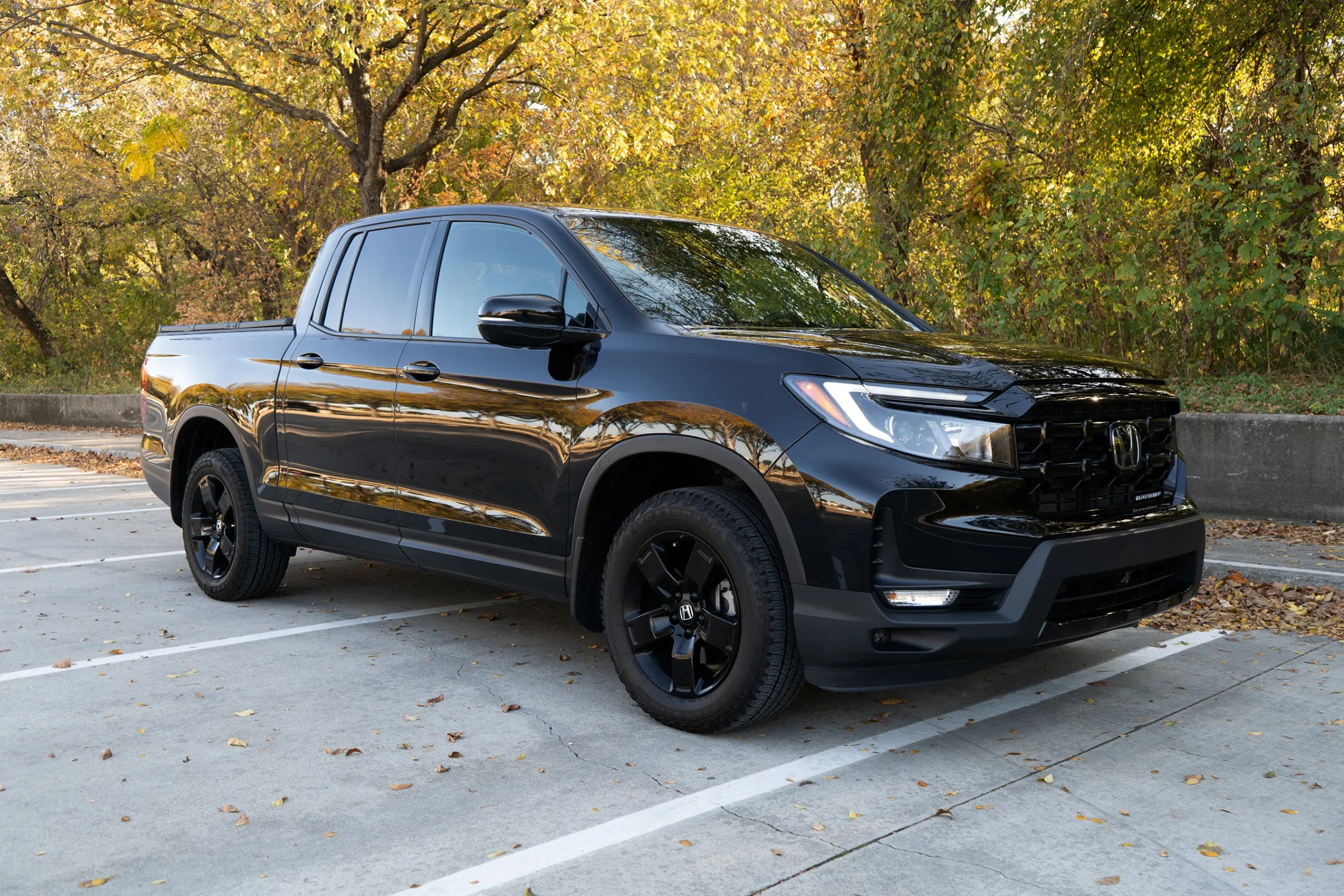
4. Honda Ridgeline Black Edition 2024
Honda Ridgeline Black Edition 2024 emphasizes appearance and comfort, yet its towing performance under light loads is modest. The 3.5-liter V6 engine generates adequate power, but torque delivery is tuned for smooth acceleration rather than responsive trailer handling. Starting from stops with a trailer attached requires careful modulation to avoid abrupt movement.
Suspension design prioritizes ride comfort over load stability. The unibody frame improves daily handling, but towing introduces body flex that can amplify trailer sway. Rear suspension compresses noticeably under light trailer loads, affecting vehicle balance during turns or lane changes. Trailer stability control assists but does not fully counteract the limitations, making caution essential.
Control placement inside the cabin complicates operations. Trailer brake adjustment and tow mode selection are accessible, yet not immediately intuitive. Mirrors provide extended views, but the wide bed and integrated roof rails create blind spots when attaching or maneuvering trailers in tight areas.
Routine towing highlights these shortcomings. Grocery or weekend hauling is manageable but demands careful attention to weight distribution. Acceleration, braking, and cornering require active modulation to maintain stability. Cargo placement within the bed may conflict with hitch operations, reducing flexibility. Long trips with trailers feel less comfortable than expected due to these handling nuances.
Ridgeline Black Edition 2024 presents a refined driving experience but struggles when light towing is introduced. Predictable, stress-free hauling is not its strong suit. For drivers focused on towing ease and intuitive trailer management, alternatives designed for light load performance may offer superior reliability and confidence.
Also Read: 5 Pickups That Are Easy to Maintain vs 5 That Aren’t
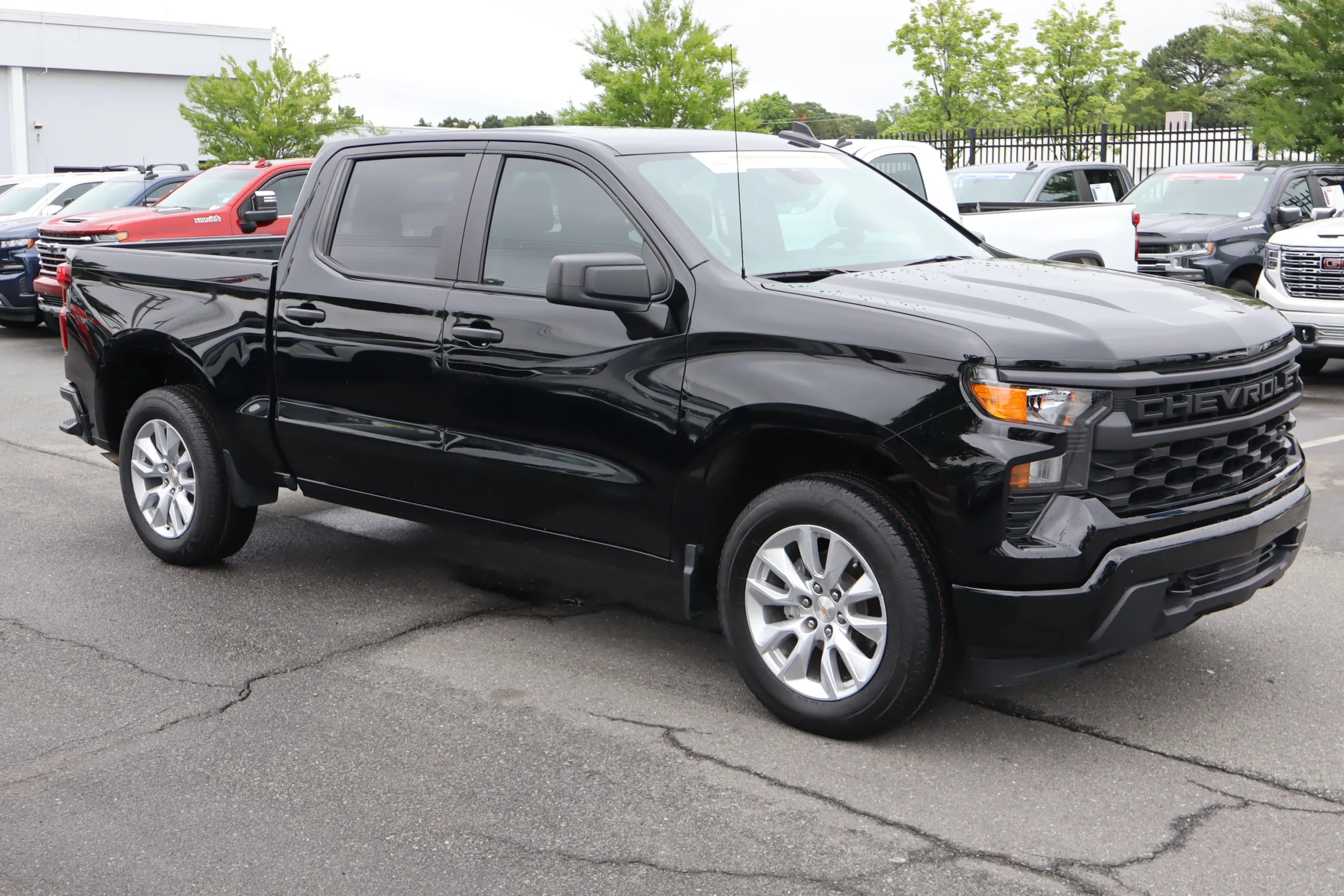
5. Chevrolet Silverado 1500 Custom 2024
Chevrolet Silverado 1500 Custom 2024 embodies a full-size pickup with ample power, yet light towing exposes a mismatch between mass and low-load precision. Its 5.3-liter V8 provides strong output, but the vehicle’s size and suspension tuning make small trailers feel disconnected from steering input. Acceleration from stops can be abrupt, demanding careful throttle control to avoid jerky motion.
Suspension setup emphasizes heavy-load performance rather than light trailer balance. Rear leaf springs allow rear-end sag under even modest towing, introducing uneven weight distribution. Body roll and slight trailer sway occur on curves or during emergency braking. Electronic stability control and sway management systems assist, yet intervention timing feels delayed compared to pickups designed for small trailer handling.
Cabin ergonomics provide basic towing support. Controls for trailer brakes and tow mode exist, yet they lack intuitive positioning. Visibility behind the truck remains partially compromised by wide pillars and a high bed, forcing reliance on cameras for accurate hitch alignment. Reversing with a trailer requires multiple adjustments to avoid misalignment.
Daily usage exposes these issues. Light utility trailers, small campers, or boat trailers require driver attention to prevent instability. Braking and acceleration require modulation that is less natural than in midsize pickups optimized for towing balance. Cargo in the bed may further influence hitch clearance, adding complications to routine trips.
Chevrolet Silverado 1500 Custom 2024 demonstrates the challenges full-size pickups face when tasked with small, light towing loads. Its strengths lie in heavy-duty capacity and raw power, yet light towing demands careful operation. Drivers seeking an intuitive, low-stress experience for modest trailers may find this pickup cumbersome compared to midsize trucks designed for such tasks.
