Desert driving demands a unique combination of durability, ground clearance, traction, and heat resilience that few vehicles can truly master. While some SUVs and trucks are engineered to thrive in shifting sand, rocky terrain, and extreme temperatures, many high-performance or luxury cars excel only on paved roads and smooth highways.
This guide explores five vehicles built for desert driving, including the Toyota Land Cruiser 300 Series, Ford F-150 Raptor R, Nissan Patrol Y62, Jeep Wrangler Rubicon, and Land Rover Defender 110. These vehicles combine specialized suspensions, reinforced underbodies, high-clearance chassis, and advanced traction systems to tackle dunes and rough trails with confidence.
In contrast, models like the Tesla Model 3, Honda Civic Type R, BMW 7 Series, Chevrolet Express Van, and Mini Cooper S illustrate how low clearance, sensitive electronics, and performance-oriented designs make certain cars poorly suited for sandy and high-heat environments. Understanding these differences highlights why desert capability is about engineering, not just power or prestige.
5 Vehicles Built for Desert Driving
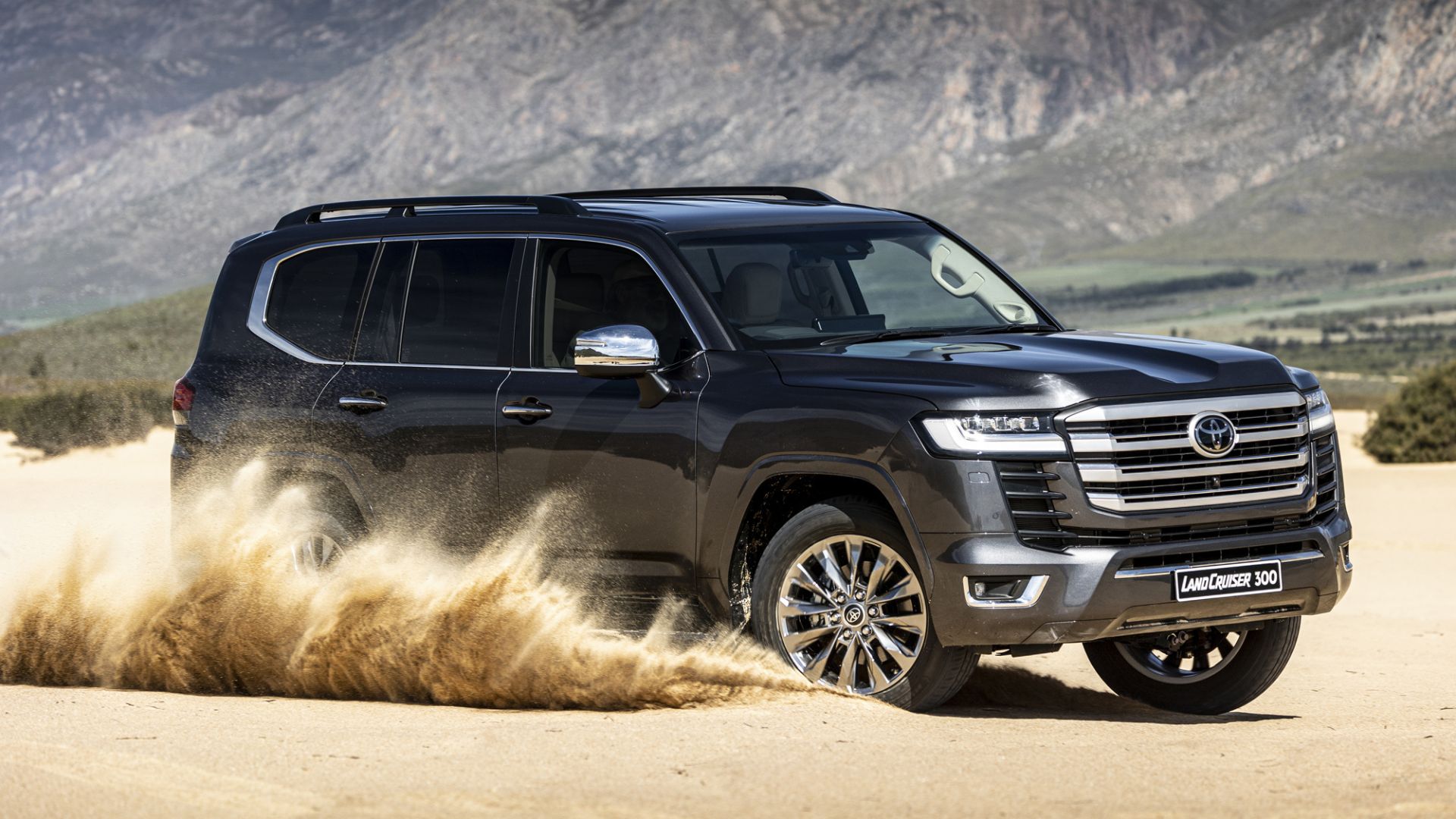
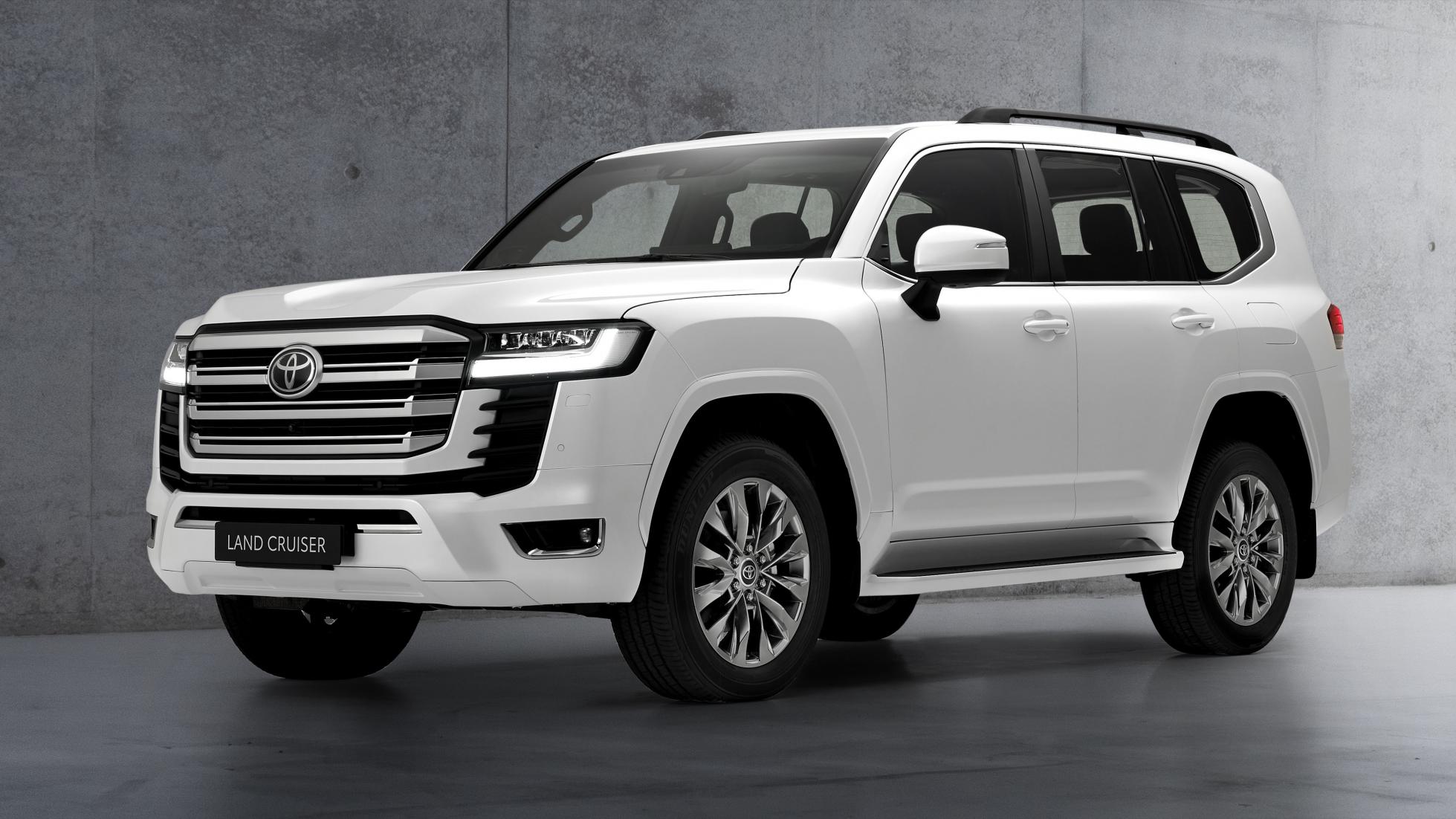
1. Toyota Land Cruiser 300 Series: The Ultimate Desert Workhorse
The Toyota Land Cruiser 300 Series has long been regarded as the benchmark for desert reliability, and its latest iteration reinforces this reputation with purpose-built design and advanced off-road technology.
Engineered on the lightweight yet robust TNGA-F body-on-frame platform, the 300 Series combines structural rigidity, high-mounted air intakes, and heat-resistant cooling systems to endure extreme temperatures and harsh desert conditions. Its body-on-frame construction, coupled with advanced suspension, ensures stability over soft sand, rocks, and uneven terrain.
At the heart of the 300 Series are powerful twin-turbo engines: a 3.3L diesel producing 227 kW and 700 Nm, and a 3.5L petrol option. These powertrains deliver high torque, ideal for sand driving and towing. Off-road features like Crawl Control act as an automated throttle and braking system, allowing drivers to focus on steering, while Multi-Terrain Select optimizes performance for specific surfaces.
The GR Sport variant adds Electronic Kinetic Dynamic Suspension System (EKDSS) for improved ground contact and articulation, while all models benefit from 235 mm ground clearance and a 32-degree approach angle.
Practicality is key: the base GX model, priced from $97,990, offers fabric upholstery, rubber mats, and a wide track with 17-inch all-terrain tires. It includes full-time AWD, selectable high- and low-range gears, six drive modes, adaptive cruise control, reverse camera, dual-zone climate control, and Toyota Connected Services.
The 300 Series also shines at towing, with a GVM of 3,280 kg, a 110-litre fuel tank, an 11.8 m turning circle, and robust brakes and suspension suitable for heavy camper trailers.
On a 6,000 km outback journey towing a fully equipped camper, the Land Cruiser 300 Series proved effortless, combining quiet, comfortable long-distance cruising with immense power for overtaking and hill climbs. The vehicle handled desert obstacles with ease, with steering, braking, and stability all performing exceptionally. Fuel consumption averaged 14.5 L/100 km, giving a range of roughly 700 km between fills.
Minor drawbacks include intrusive adaptive cruise corner corrections and default lane-keeping assist, which can be bothersome while towing. Nevertheless, the GX’s spacious cabin, smooth ride, and comprehensive off-road capabilities make it ideal for long-distance desert travel.
For outback reliability, towing capacity, and desert-specific performance, the Land Cruiser 300 Series remains the gold standard, living up to Toyota’s reputation for durability and versatility in extreme conditions.
2. Ford F-150 Raptor R: The Ultimate High-Speed Desert Beast
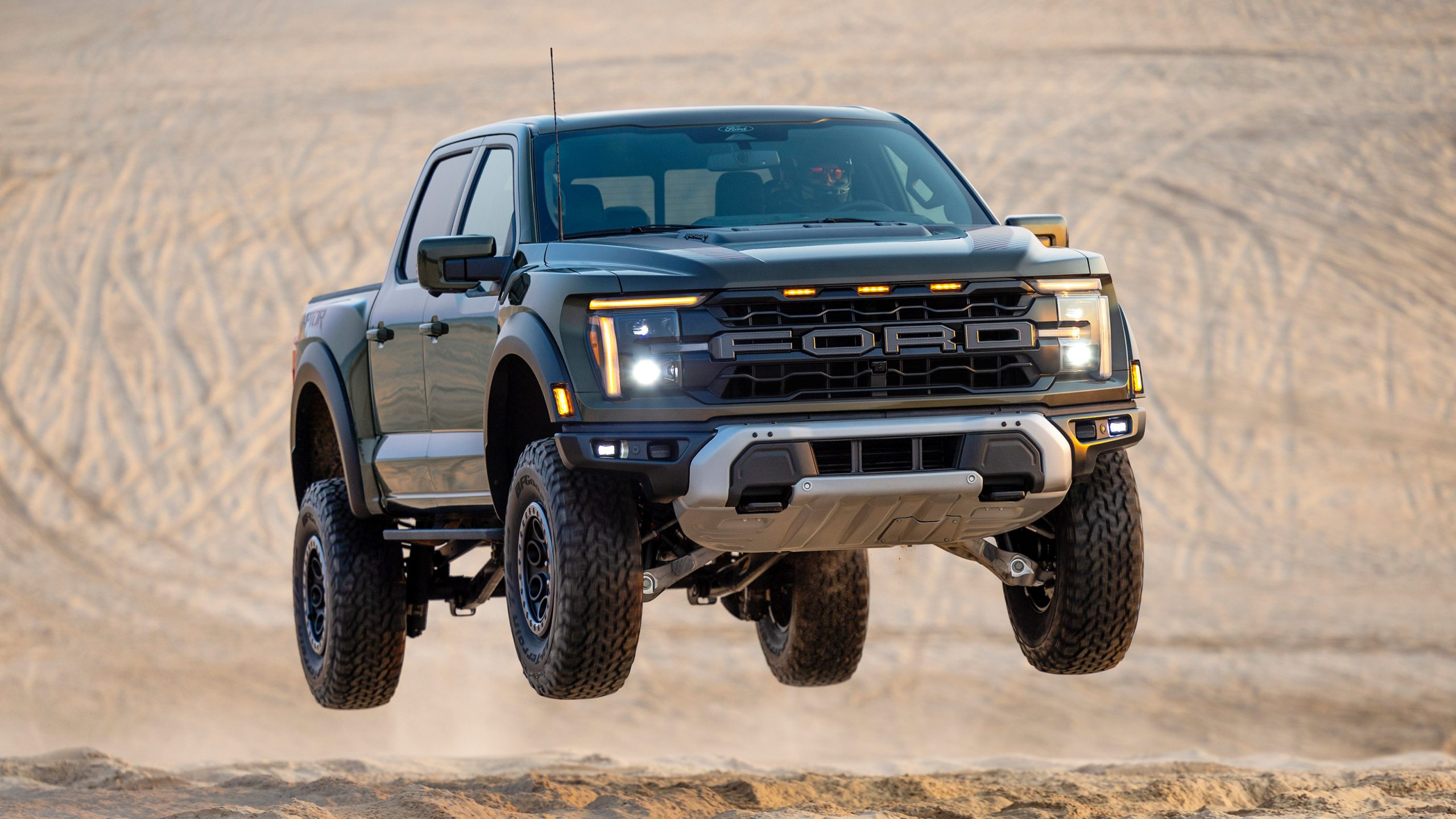
The Ford F-150 Raptor R is a factory-built “trophy truck” designed for high-speed desert domination, drawing inspiration from Baja racing. At its core is a supercharged 5.2-liter V8 producing 720 hp and 640 lb-ft of torque, optimized for low- to mid-range power, giving it blistering acceleration even when hauling its nearly 6,000-pound frame.
Its reinforced, fully boxed high-strength steel frame, Dana axles, and larger oil cooler ensure durability under extreme heat and continuous desert driving.
Off-road capability is defined by its advanced Fox Dual Live Valve shocks with internal bypass technology, offering 13 inches of front suspension travel and 14.1 inches in the rear. These shocks dissipate heat efficiently, allowing the Raptor R to skim over dunes and rough terrain without bottoming out.
The truck also features 37-inch all-terrain tires, high approach and departure angles, and specialized bumpers, ensuring clearance over rocks and sand. Ford’s Terrain Management System includes a dedicated “Baja” mode, which optimizes throttle response, shift points, and suspension damping for high-speed desert performance, while Rock Crawl mode provides precise control over boulder-strewn trails.
On-road performance is equally impressive for a vehicle of its size. The Raptor R sprints from 0–60 mph in 3.6 seconds and completes a quarter mile in 12.1 seconds, outperforming competitors like the Ram 1500 TRX.
While its soft suspension and off-road tires compromise braking performance on pavement, coming to a stop in 151 feet, its ride quality is compliant, absorbing bumps and imperfections with minimal cabin noise. Steering is well weighted, and a 360-degree camera aids maneuvering in tight spots, making it surprisingly manageable on highways and city streets.
Interior features match its performance pedigree, with a 12-inch touchscreen, a configurable 12-inch digital instrument cluster, a head-up display, and a 14-speaker Bang & Olufsen sound system. Carbon-fiber trim, suede upholstery, and other Raptor-specific touches reinforce the truck’s high-performance identity.
In off-road testing, the Raptor R excelled in dynamic environments, from high-speed dune runs to aerial jumps in Baja mode. Its suspension and chassis absorbed impacts with ease, maintaining stability and control across uneven terrain. Trail One Pedal Drive and the rear locker further enhance off-road precision, ensuring it handles both extreme high-speed and technical driving scenarios.
Priced from $114,545 fully equipped, the F-150 Raptor R is the pinnacle of Ford’s off-road engineering, combining monstrous V8 power, advanced suspension technology, and rugged desert durability. It remains unmatched as a high-speed desert truck, delivering a thrilling, audibly ferocious, and capable driving experience both on and off the pavement.
3. Nissan Patrol Y62: The Middle East Desert Legend and Family SUV
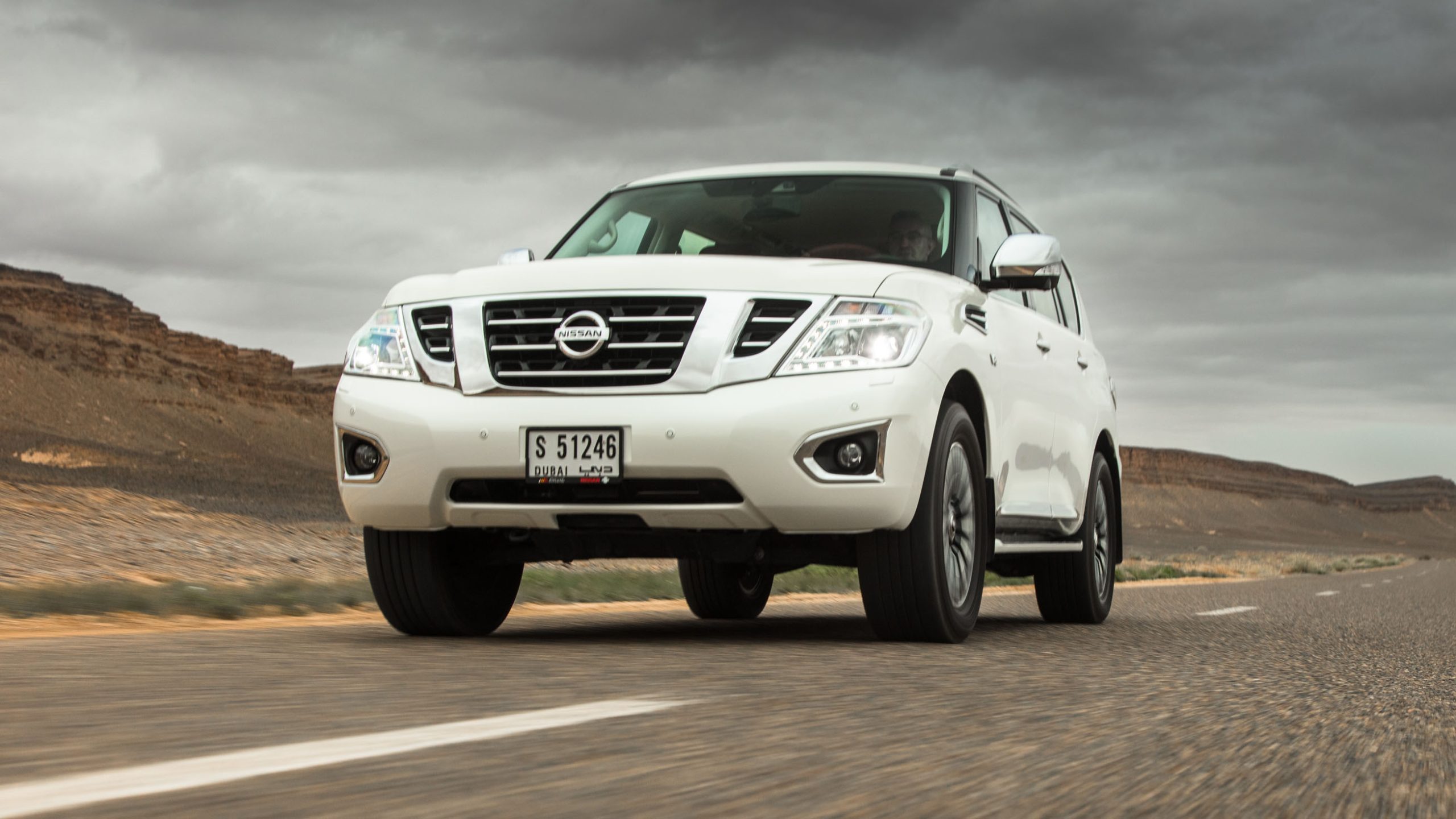
The Nissan Patrol Y62 is renowned for its desert capabilities, especially in the Middle East, due to its combination of powerful performance, advanced suspension, and durable construction. It is powered by a 5.6-liter V8 engine producing 298 kW and 560 Nm of torque, paired with a seven-speed automatic transmission and a two-speed transfer case for low-range driving.
The ladder-frame chassis and robust drivetrain allow the Patrol to climb dunes, cross rocky terrain, and perform reliably in deep sand. Its Hydraulic Body Motion Control (HBMC) suspension increases wheel travel while reducing body roll, keeping all four tires in contact with the ground on uneven surfaces.
The Patrol is equipped with specialized sand modes that optimize traction and power distribution in soft terrain. Additional features, such as a tire pressure monitoring system, hill descent control, and cameras, assist with off-road control. High ground clearance, reinforced components, and enhanced cooling systems help the Patrol endure extreme heat while maintaining engine performance and cabin comfort.
Despite its focus on desert performance, the Patrol is also a practical family vehicle. The 2025 model brings modern technology, including a 12.3-inch infotainment touchscreen with wireless Apple CarPlay and Android Auto, a 7-inch digital instrument cluster, satellite navigation, wireless phone charging, and a 360-degree camera.
Interior upgrades include quilted leather-accented seats in the base and mid-spec grades and Alcantara trim with high-gloss accents in the top Warrior model. Seating capacity reaches up to eight passengers, with a generous cargo space of 467 liters with the third row up, 1,413 liters with the third row folded, and 2,623 liters with all rear seats folded.
On-road, the Patrol provides a comfortable and composed drive with well-weighted steering and smooth suspension. The V8 delivers adequate power for overtaking and hill climbs, although the 2,786-kilogram kerb weight limits acceleration. Fuel consumption is approximately 14.4 liters per 100 kilometers combined. The Patrol also offers a 3,500-kilogram braked towing capacity, allowing it to handle heavy trailers or camper vans.
Pricing for the 2025 Patrol ranges from $90,600 for the base Ti to $105,660 for the Warrior. Its V8 engine, modern cabin features, and proven off-road performance make it a strong competitor against other large SUVs such as the Toyota LandCruiser 300 Series.
The Patrol’s 10-year or 300,000-kilometer warranty adds additional value and reassurance for long-term ownership, ensuring it remains a top choice for families and desert enthusiasts.
4. Jeep Wrangler Rubicon: The Off-Road Adventurer
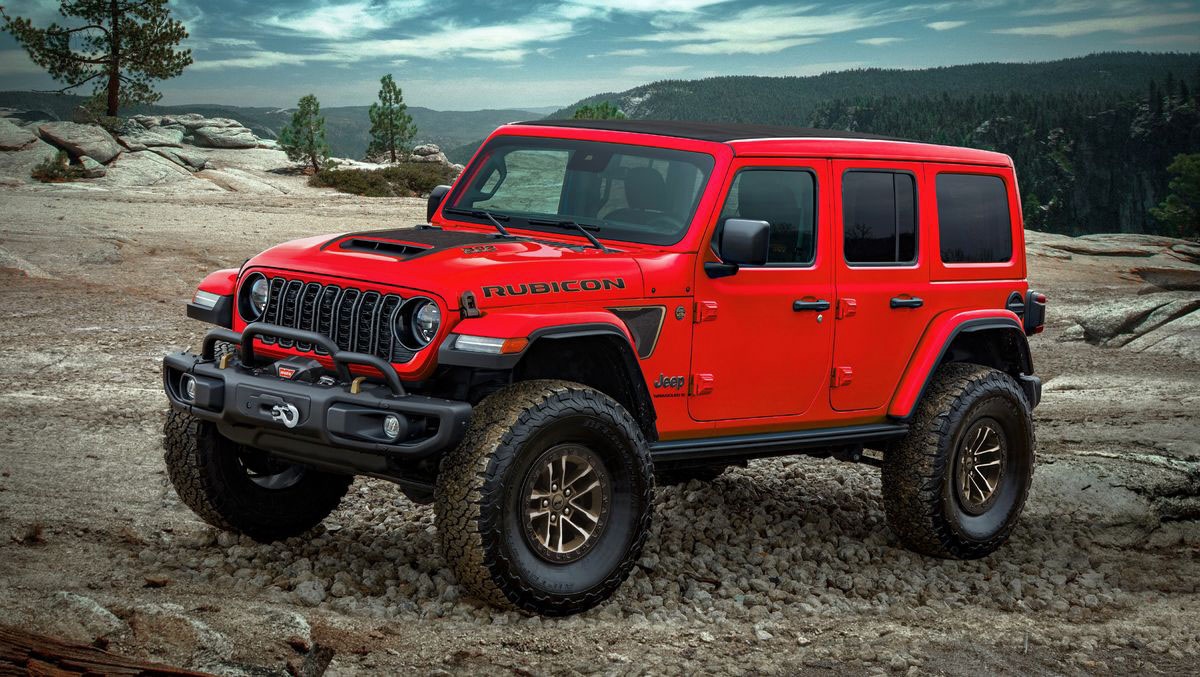
The Jeep Wrangler Rubicon is engineered for desert and off-road driving with components that maximize traction, durability, and clearance in sand and rocky terrain. Its Rock-Trac HD full-time 4WD system provides a 4:1 low gear ratio, delivering immense torque at low speeds, which is essential for climbing dunes or overcoming obstacles without getting stuck.
Tru-Lok electronic locking differentials lock the front and rear axles so that all wheels spin at the same speed, preventing any single tire from losing traction in soft sand. An electronic sway bar disconnect further enhances wheel articulation over uneven surfaces, while 33-inch all-terrain tires, Dana 44 axles, and reinforced skid plates ensure the Rubicon can withstand extreme heat and rough terrain.
The Rubicon is officially Trail Rated, confirming its capability in terms of articulation, maneuverability, and water fording. High-clearance fender flares, steel rock rails, and full underbody protection guard against rocks, sand, and other hazards, making it exceptionally resilient in harsh environments.
The combination of low-speed torque, heavy-duty components, and advanced suspension makes it a top choice for off-road enthusiasts seeking both performance and reliability in desert and rocky conditions.
Despite its rugged capabilities, the Wrangler Rubicon is not designed for long-distance comfort or storage. The cabin is compact, with limited storage space, minimal door pockets, and a small glovebox, making organization challenging for daily use or family trips.
Taller drivers may find the seats cramped, and ergonomics, including footwell space and elbow support, can be awkward. Convertible-like canvas roofs provide an open-air experience, but the interior feels more utilitarian than refined.
On-road, the Wrangler is slower and heavier compared to standard SUVs. Steering and responses are deliberate, braking is limited, and fuel economy is low, averaging around 18 miles per gallon. The Wrangler’s large, aggressive tires and soft suspension make high-speed handling slower, yet the driving experience is engaging and fun.
The Rubicon’s true appeal lies in adventure and exploration. Its off-road systems, traction control, and solid build allow it to tackle green lanes, sandy dunes, and rocky tracks with confidence.
While it is not a fuel-efficient or luxurious highway cruiser, the Jeep Wrangler Rubicon encourages a slower, more immersive driving experience, rewarding drivers with unmatched off-road performance and a sense of freedom and adventure.
5. Land Rover Defender 110: Modern Capability Meets Desert Heritage
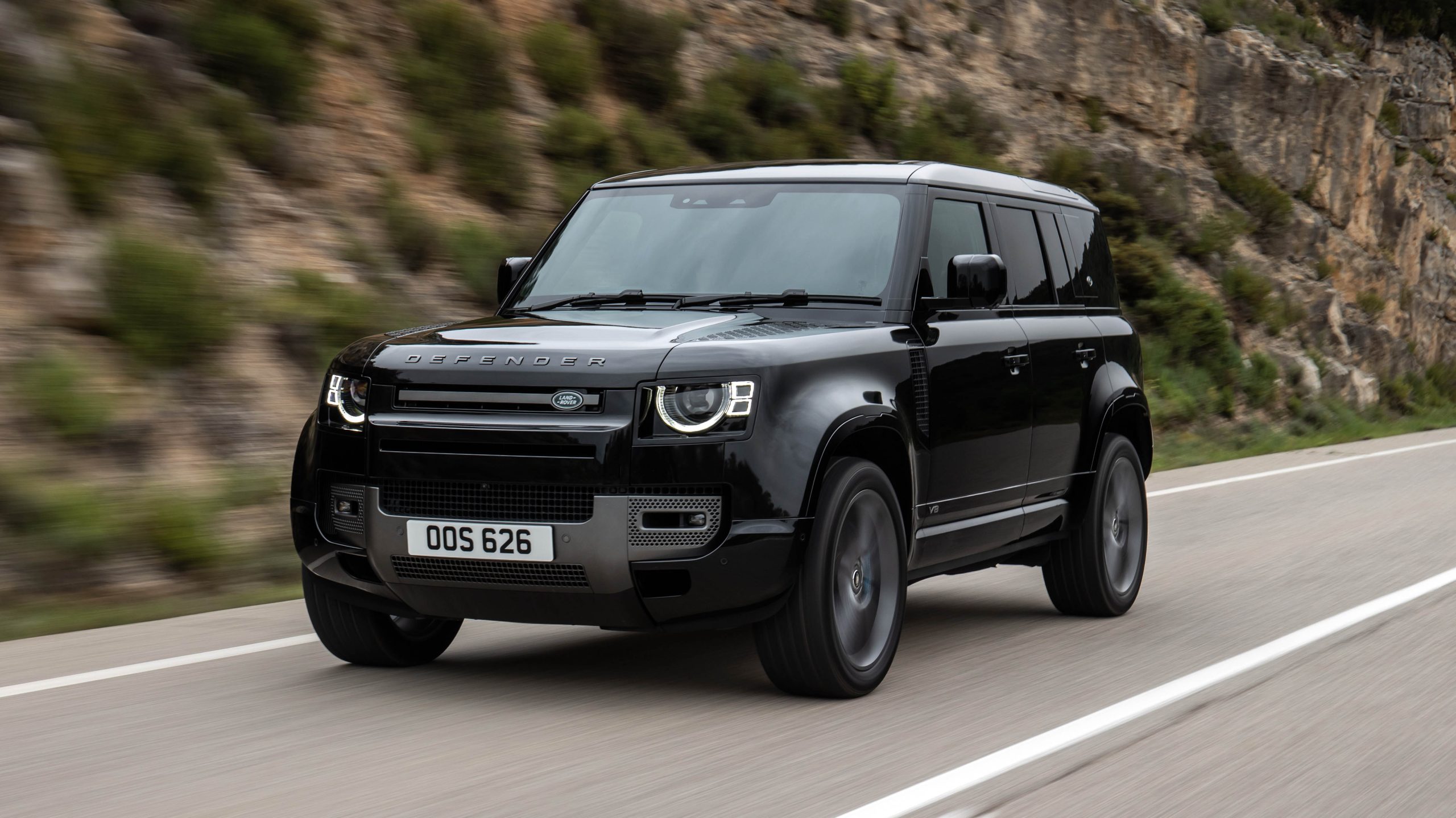
The Land Rover Defender 110 is engineered for desert and off-road driving with advanced technology and rugged construction. Its Terrain Response 2 system includes a dedicated Sand Mode that adjusts throttle response, locks the center differential, and modifies traction control to prevent the vehicle from getting stuck in soft sand.
Combined with full-time all-wheel drive and an optional Electronic Active Differential, the Defender 110 delivers exceptional grip on shifting surfaces, while air suspension provides up to 11.5 inches of ground clearance to clear tall dunes and other obstacles.
Short overhangs and excellent approach and departure angles enhance its ability to handle steep inclines, while a rigid aluminum monocoque chassis offers three times the stiffness of traditional body-on-frame designs, ensuring durability under harsh conditions.
The Defender 110 balances off-road performance with everyday practicality. Its air suspension and optional coil setups allow the vehicle to adjust ride height for both off-road clearance and on-road comfort. Cargo space is generous, accommodating essential equipment for extended trips, extra fuel, water, and adventure gear.
The vehicle’s interior combines modern technology with functional design, offering seating for up to seven passengers, ample storage, and optional V8 power for those seeking both utility and performance. The cabin is designed to withstand rough use, making it suitable for families as well as professional users such as rescue crews, utility workers, and expedition teams.
Externally, the Defender 110 retains the boxy, iconic Land Rover silhouette while integrating subtle curves for a modern look. The design emphasizes clarity of body boundaries, assisting with precise off-road driving, while maintaining structural strength through its aluminum monocoque construction.
The combination of rugged design, advanced suspension, and protective features like approach and departure angles of 38 and 40 degrees makes the Defender 110 both capable and confident in extreme environments.
Beyond off-road capability, the Defender 110 functions well as a family and utility vehicle. It is stately and comfortable on-road, resists interior wear and tear, and offers practical versatility for everyday tasks such as school runs or carrying bulky equipment.
The optional supercharged V8 adds performance for towing, long-distance travel, or spirited driving across open terrain. The Defender 110 excels in combining heritage-inspired off-road prowess with modern comfort, technology, and practicality, making it a top choice for adventurers, professionals, and families seeking a durable and versatile 4×4.
Also Read: 5 Cars That Tolerate Humid Conditions vs 5 That Develop Issues
5 That Aren’t
5. Tesla Model 3: Advanced on Roads, Vulnerable in Desert Conditions
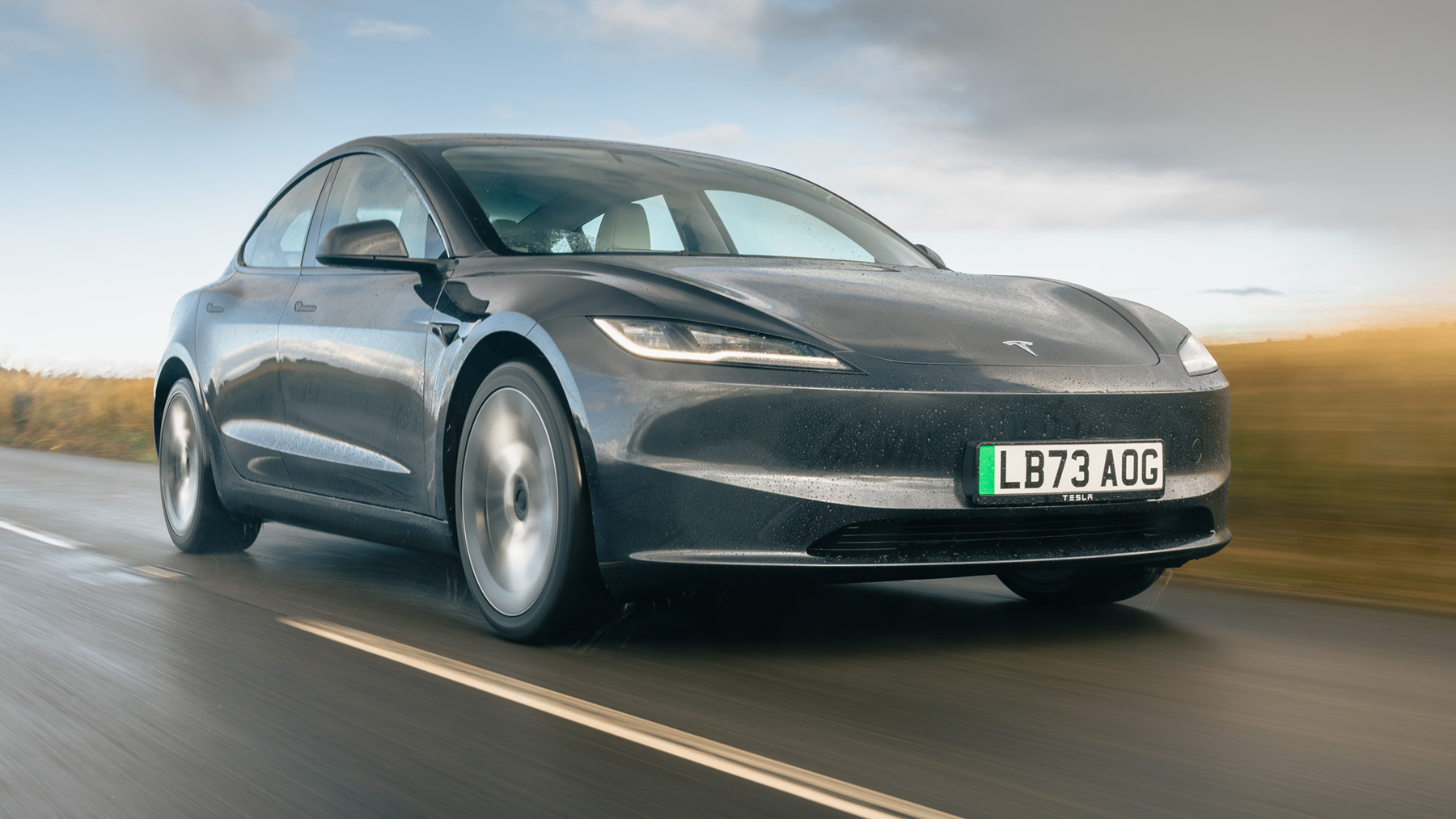
The Tesla Model 3 excels on paved roads with its dual-motor all-wheel-drive system and precise handling, but it is poorly suited for extreme desert environments. 4
Its low 5.5-inch ground clearance and aerodynamic underbody make it vulnerable to sand, uneven terrain, and potential damage to critical components like coolant lines and battery packs. Even minor contact with sand ridges or stones can result in costly repairs, sometimes exceeding $15,000.
High temperatures pose another challenge. Extreme desert heat significantly impacts efficiency, with the air conditioning and thermal management systems consuming up to 25% of battery energy under conditions above 110°F. Real-world testing shows range losses of up to 44% compared to official estimates.
Prolonged exposure to heat also accelerates battery degradation, as lithium-ion cells age faster when ambient temperatures exceed 86°F. Tesla owners in hot climates must rely on Cabin Overheat Protection to maintain safe operating conditions, which further drains energy when the car is parked.
Sand and dust create additional hazards. Fine particles accumulate in the rear Aero shield, wheel wells, and underbody, sometimes exceeding 30 pounds. This buildup can cause corrosion, damage moving parts, and abrade paintwork. Mud flaps may trap sand behind them, intensifying wear on exposed metal surfaces.
While the Model 3 features sophisticated thermal management and energy-saving technologies, its design priorities favor urban and highway driving over off-road resilience.
Without substantial modifications, such as suspension lift kits and specialized sun protection, the Model 3 is ill-equipped to handle frequent desert use. Its low clearance, heat sensitivity, and susceptibility to sand accumulation make it a risky choice for drivers seeking reliable performance in harsh, sandy, or high-temperature conditions.
2. Honda Civic Type R: A Track Car Unsuitable for Desert Driving
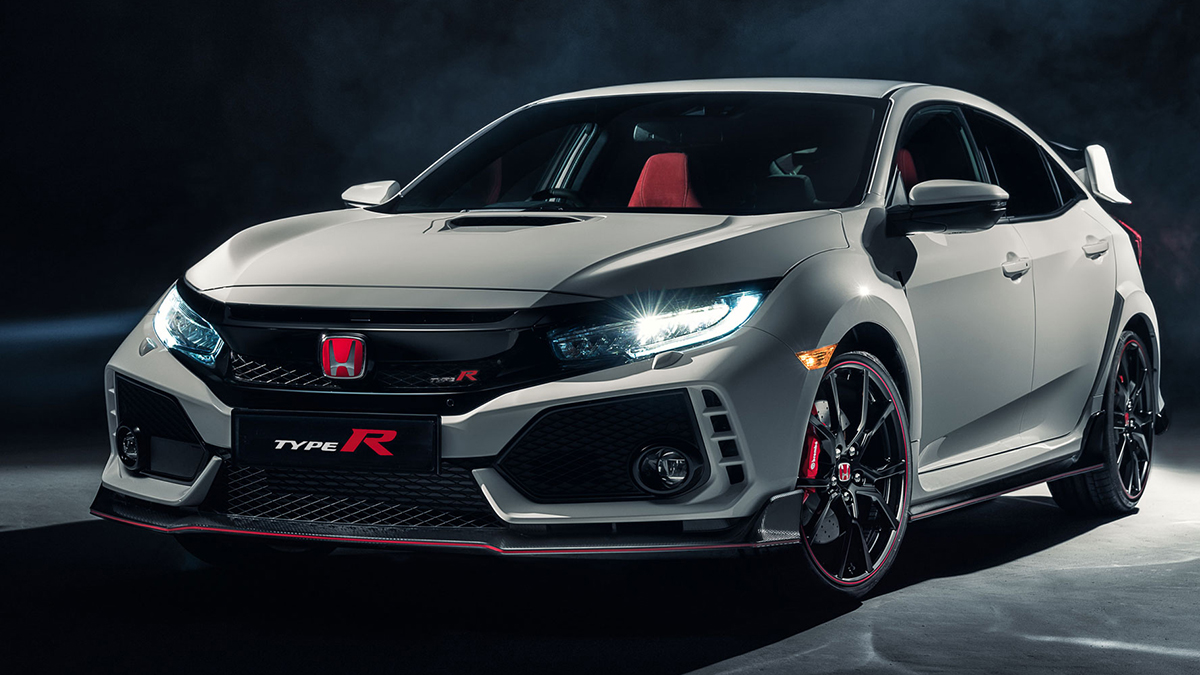
The Honda Civic Type R is a front-wheel-drive, high-performance sports car engineered for tarmac and track environments, not desert conditions. Its low ground clearance, stiff suspension, and performance-focused tires make it highly vulnerable in soft sand, rocky trails, and extreme heat.
The car’s aerodynamic body, including a front splitter and underbody panels, is optimized for downforce at high speeds on asphalt, but these components are easily damaged by sand and uneven surfaces.
Ground clearance is only 123 mm (4.8 inches), leaving the Type R prone to scraping or getting high-centered in sandy or rocky terrain. Its front-wheel-drive layout, even with a limited-slip differential, cannot maintain traction in loose sand, causing the front end to dig in and quickly immobilize the vehicle. Unlike all-wheel-drive systems, there is no rear-axle power to help push the car forward.
The tires and wheels further limit desert capability. The Type R comes with 19-inch low-profile Michelin Pilot Sport 4S tires designed for chemical grip on asphalt. These tires lack the deep tread required for soft sand, and their thin sidewalls prevent reducing tire pressure, a common desert technique, without risking rim damage.
Heat management is another concern. The turbocharged 2.0-liter K20C1 engine produces substantial heat, and in desert temperatures above 40°C (104°F), the front-mounted intercooler struggles, forcing the ECU to reduce power to protect the engine. This compromises the car’s ability to maintain momentum in challenging terrain.
Finally, the Type R’s high-flow intake and cooling ducts are prone to clogging in sandy environments. Fine desert particles can block filters and damage delicate radiator and intercooler fins, increasing the risk of overheating and mechanical failure.
In short, while the Civic Type R is a track-focused engineering marvel, it is fundamentally mismatched for desert driving. Its low stance, FWD layout, stiff suspension, and sensitive intake system make it ill-suited for sand, rocks, and extreme heat, making desert use highly impractical without major modifications.
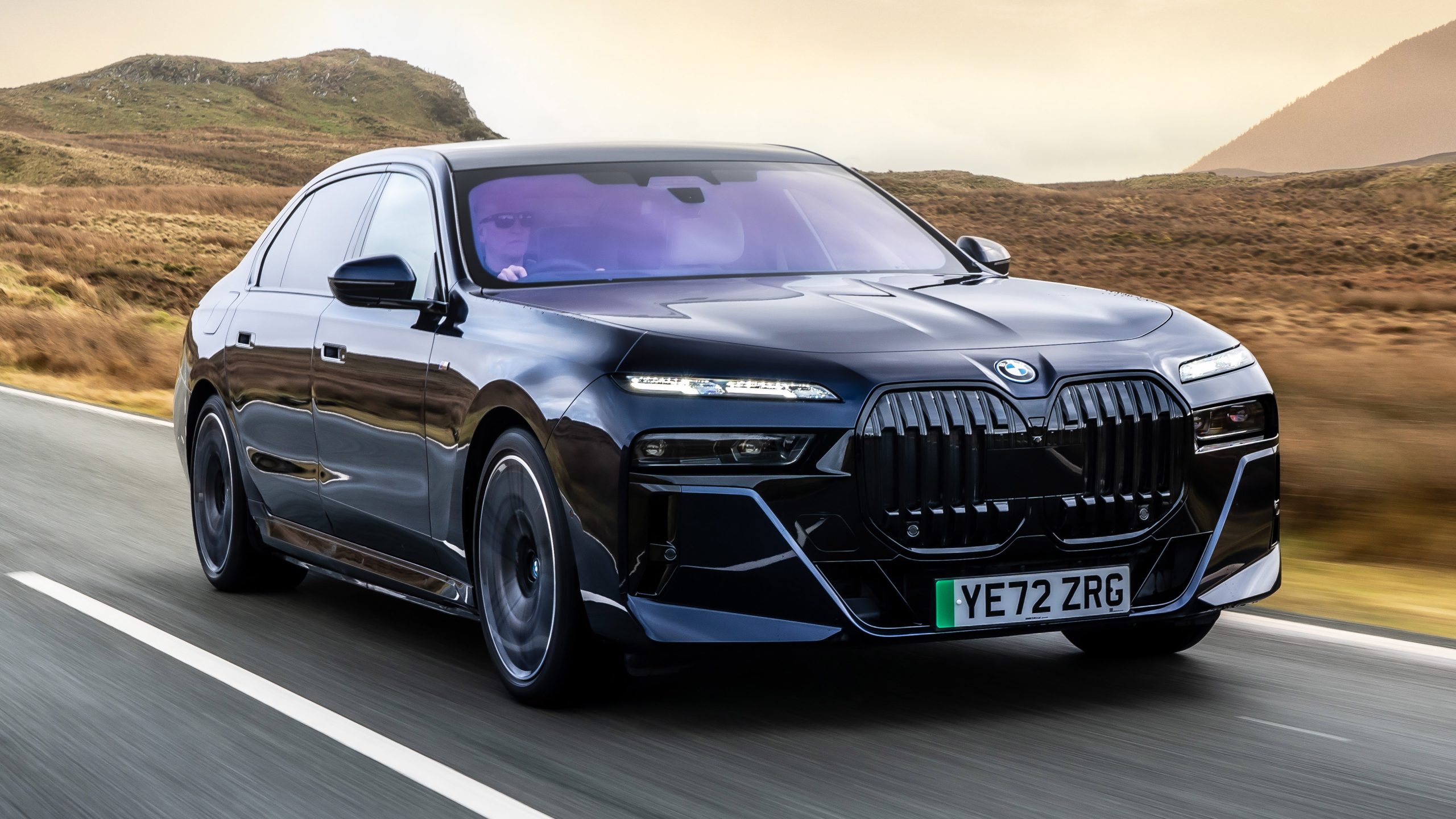
3. BMW 7 Series: A Luxury Sedan Unsuitable for Desert Terrain
The BMW 7 Series is a pinnacle of luxury and engineering, designed for high-speed comfort on paved roads, but it is fundamentally unfit for desert conditions. Its low ground clearance, heavy weight, and sensitive technology make it highly vulnerable in sand, heat, and uneven terrain.
Ground clearance is just 135mm (5.3 inches), placing the chassis close to the ground. In desert environments, this increases the risk of high-centering, where the car’s underbody rests on a crest of sand while the wheels lose traction. Combined with the 7 Series’ long wheelbase, this makes traversing dunes extremely difficult.
Weight is another critical limitation. The sedan, particularly the i7 electric model, exceeds 2,500kg (5,500 lbs). Such mass concentrated on narrow tires causes the vehicle to sink into soft sand rather than float over it. Low-profile, run-flat tires further prevent air-down techniques, as reducing pressure risks rim damage or tire failure.
Cooling and airflow systems are optimized for highway speeds, not slow crawling through sand. Low-speed desert driving generates significant engine and transmission heat, which the fans and radiators may struggle to dissipate. Fine desert dust, or “fesh-fesh,” can clog air intakes and filters, reducing engine efficiency and increasing the risk of overheating.
Technology and body protection are also compromised in the desert. The 7 Series relies on ultrasonic sensors, cameras, and radar modules, all exposed to abrasive sand that can scratch lenses or damage components. The underbody is shielded with plastic aerodynamic panels rather than steel skid plates, leaving critical components like the oil pan and air suspension bellows vulnerable to impacts from hidden rocks or sand ridges.
While the BMW 7 Series excels on smooth roads, its low stance, heavy weight, delicate tires, and sensitive electronics make it entirely unsuitable for desert driving. In sand, dunes, or extreme heat, it risks becoming immobilized or sustaining costly damage.
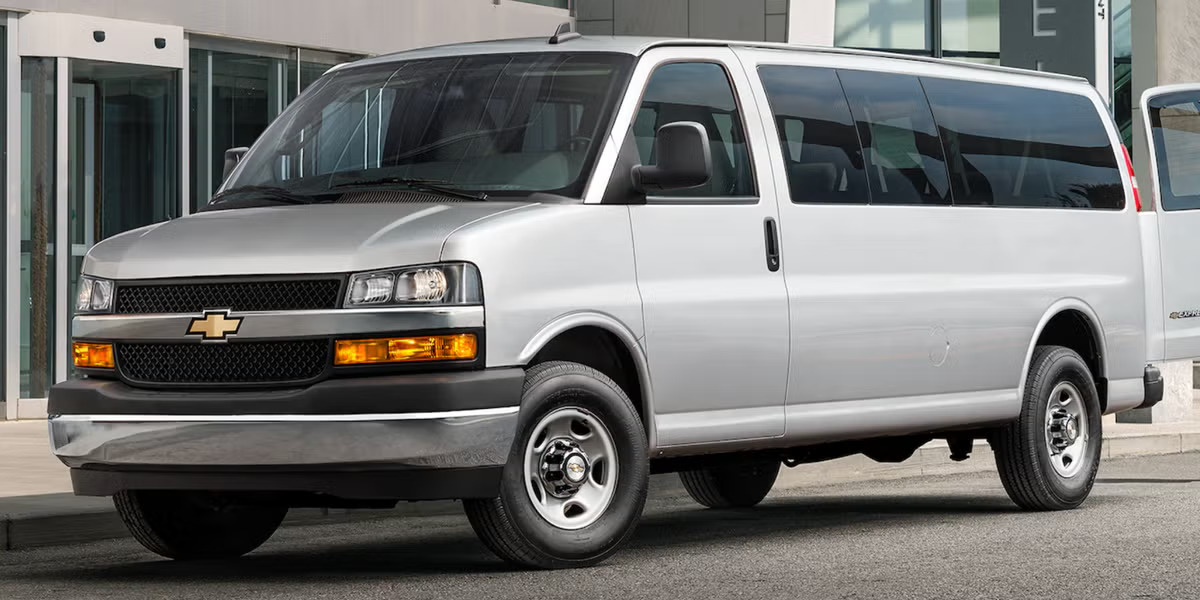
4. Chevrolet Express Van: A Highway Vehicle Unsuitable for Desert Driving
The Chevrolet Express Van is a reliable and durable commercial vehicle built for highways, cargo transport, and towing, but it is poorly equipped for desert environments. Its rear-wheel-drive configuration, low ground clearance, and long wheelbase make it prone to getting stuck in soft sand and vulnerable to damage on uneven terrain.
The drivetrain is the main limitation. Most Express Vans are offered in Rear-Wheel Drive or All-Wheel Drive without a true four-wheel-drive system. They lack a low-range transfer case, which is essential for generating the torque needed to move through deep sand.
The AWD system uses viscous couplings that can overheat under prolonged stress, leaving the van stranded. Open differentials further reduce traction by sending power to wheels that are spinning instead of to wheels with grip.
The van’s dimensions make it difficult to handle in desert conditions. With wheelbases of 135 inches or 155 inches, the breakover angle is poor, which increases the risk of high-centering on dunes. Standard ground clearance is low, exposing the front crossmember and other critical components to rocks, ruts, and uneven surfaces.
The vehicle’s significant weight, which can approach 9,900 pounds fully loaded, causes it to sink quickly into soft sand unless fitted with wide tires for better flotation. Large size and limited maneuverability also make narrow desert tracks hard to drive.
Exposed systems add to the vulnerability. Brake lines, ABS sensors, and underbody components are at risk from heat, sand, and debris, increasing the chance of damage or premature failure during off-road use.
Some owners install aftermarket 4×4 conversions to address these limitations, adding suspension lifts, solid axles, and locking differentials. Without these modifications, the Express Van remains a pavement-oriented vehicle that excels on highways and in towing but is not designed to handle desert conditions safely or reliably.
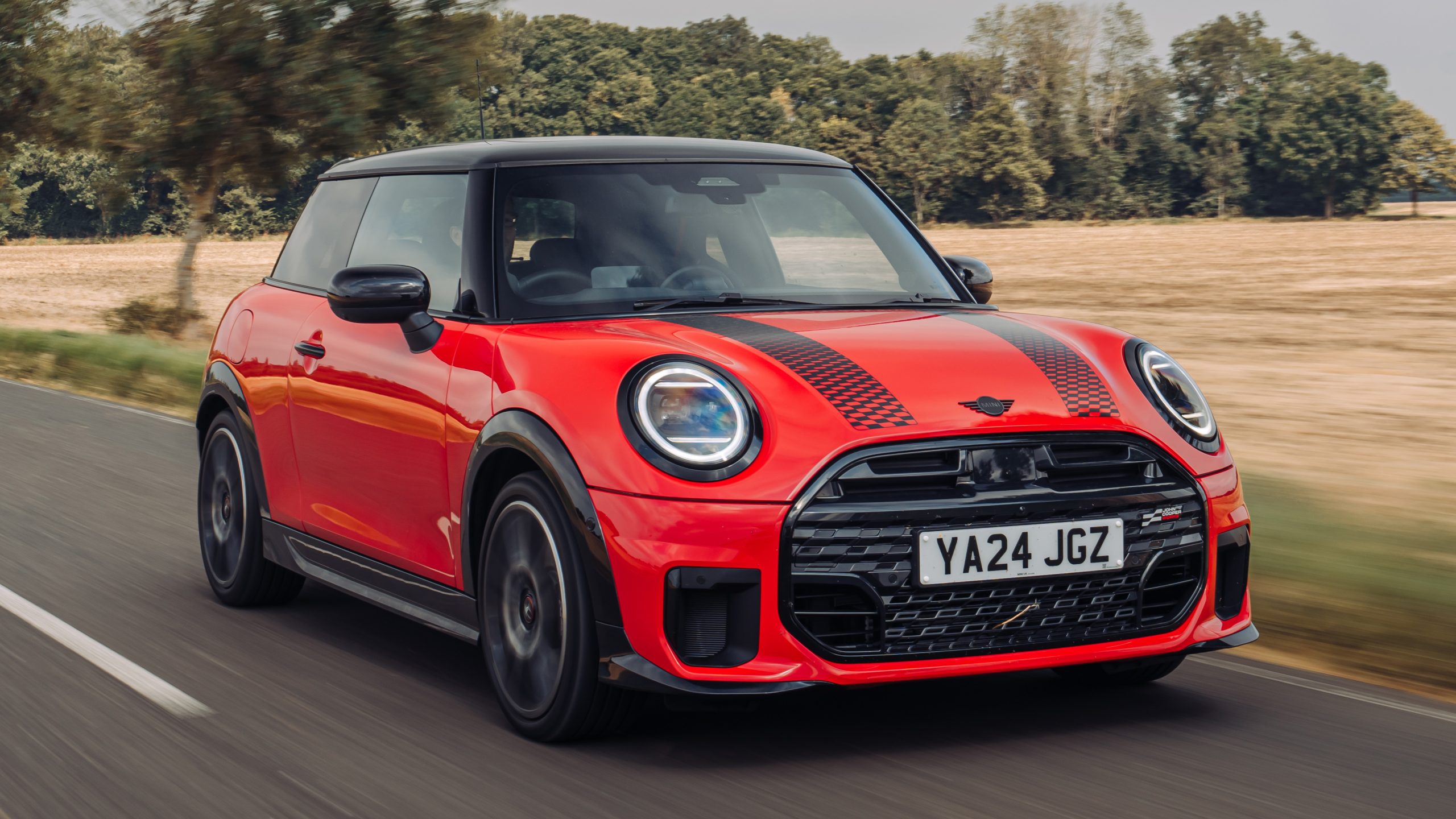
5. Mini Cooper S: Unsuitable for Desert Terrain
The Mini Cooper S is a precision urban performance car, designed for tight cornering, low-speed agility, and high-speed stability on paved roads. While it excels in city environments and on smooth tracks, its engineering makes it highly unsuited for desert conditions. Its low ground clearance, front-wheel-drive layout, and sensitive turbocharged engine create serious limitations in sand, heat, and abrasive environments.
Ground clearance is a major issue. The Mini’s low ride height and front chin spoiler mean the car can easily get high-centered on dunes, leaving the wheels spinning while the chassis rests on soft sand. The front spoiler is vulnerable to damage, and the low air intake can scoop in sand, obstructing airflow to the radiator or snapping off on rough terrain.
The turbocharged engine generates significant heat, and desert conditions exacerbate this. At low speeds over sand, insufficient airflow causes heat soak, reducing engine power. Plastic cooling components, such as thermostat housings, are prone to cracking under extreme thermal stress, increasing the risk of mechanical failure.
The intake system and air filter are also problematic. Fine, abrasive desert dust can quickly clog the filter, and any dust that enters the engine accelerates wear on turbocharger blades and cylinder walls, potentially causing severe damage.
Traction is limited by the front-wheel-drive layout. Without all-wheel drive or locking differentials, the Mini cannot distribute torque effectively, so the front wheels dig into soft sand. Low-profile run-flat tires cannot be aired down safely to increase flotation, further reducing capability.
Lastly, the stiff suspension, tuned for high-speed stability on tarmac, cannot absorb constant impacts from uneven desert terrain. Prolonged exposure to washboard sand roads risks premature failure of strut towers, bushings, and other suspension components.
The Mini Cooper S is a remarkable track and city performer, but it is fundamentally incompatible with desert driving. Its low clearance, fragile components, FWD drivetrain, and sensitive engine make it ill-equipped to handle dunes, sand, heat, or rough off-road conditions.
Desert-capable vehicles prioritize functionality, robustness, and adaptability over speed, luxury, or aesthetics. The Toyota Land Cruiser, Ford Raptor, Nissan Patrol, Jeep Rubicon, and Land Rover Defender excel because their designs consider ground clearance, traction, suspension travel, and cooling under extreme conditions.
In contrast, vehicles like the Tesla Model 3, Honda Civic Type R, BMW 7 Series, Chevrolet Express Van, and Mini Cooper S reveal the pitfalls of taking a road-focused design into harsh, sandy terrain.
Low clearance, fragile components, sensitive electronics, and inadequate power distribution make these vehicles prone to getting stuck, overheating, or sustaining costly damage. For adventurers, families, and professionals seeking reliable desert performance, choosing the right platform is critical.
Desert driving is not just about power; it requires specialized engineering that ensures durability, versatility, and confidence, turning a challenging environment into an opportunity for exploration rather than frustration.
Also Read: Top 10 Cars That Changed Automotive Engineering Forever