Summer heat can turn even the most luxurious vehicle into an uncomfortable ride, making cabin cooling, material resilience, and thermal management critical considerations for drivers. Some vehicles are engineered with advanced air conditioning, ventilated seats, heat-resistant materials, and intelligent thermal systems that keep passengers comfortable even when outside temperatures soar.
The Toyota Camry Hybrid, Tesla Model Y, Lexus LX 600, Ford Expedition, and Kia Telluride exemplify this approach, combining efficient cooling technologies with thoughtful interior design to maintain a pleasant environment throughout long drives.
Conversely, other vehicles struggle to manage extreme heat due to design compromises, limited cooling capacity, or complex battery and thermal management systems.
The Rivian R1T, Chevrolet Blazer EV, Fiat 500e, Range Rover Sport (older generations), and Chrysler Pacifica Hybrid often experience cabin overheating, reduced performance, or AC inefficiencies in high-temperature conditions. Comparing these five vehicles that excel against five that falter highlights how engineering decisions directly impact summer comfort and usability.
5 Cars That Stay Comfortable in Hot Summers
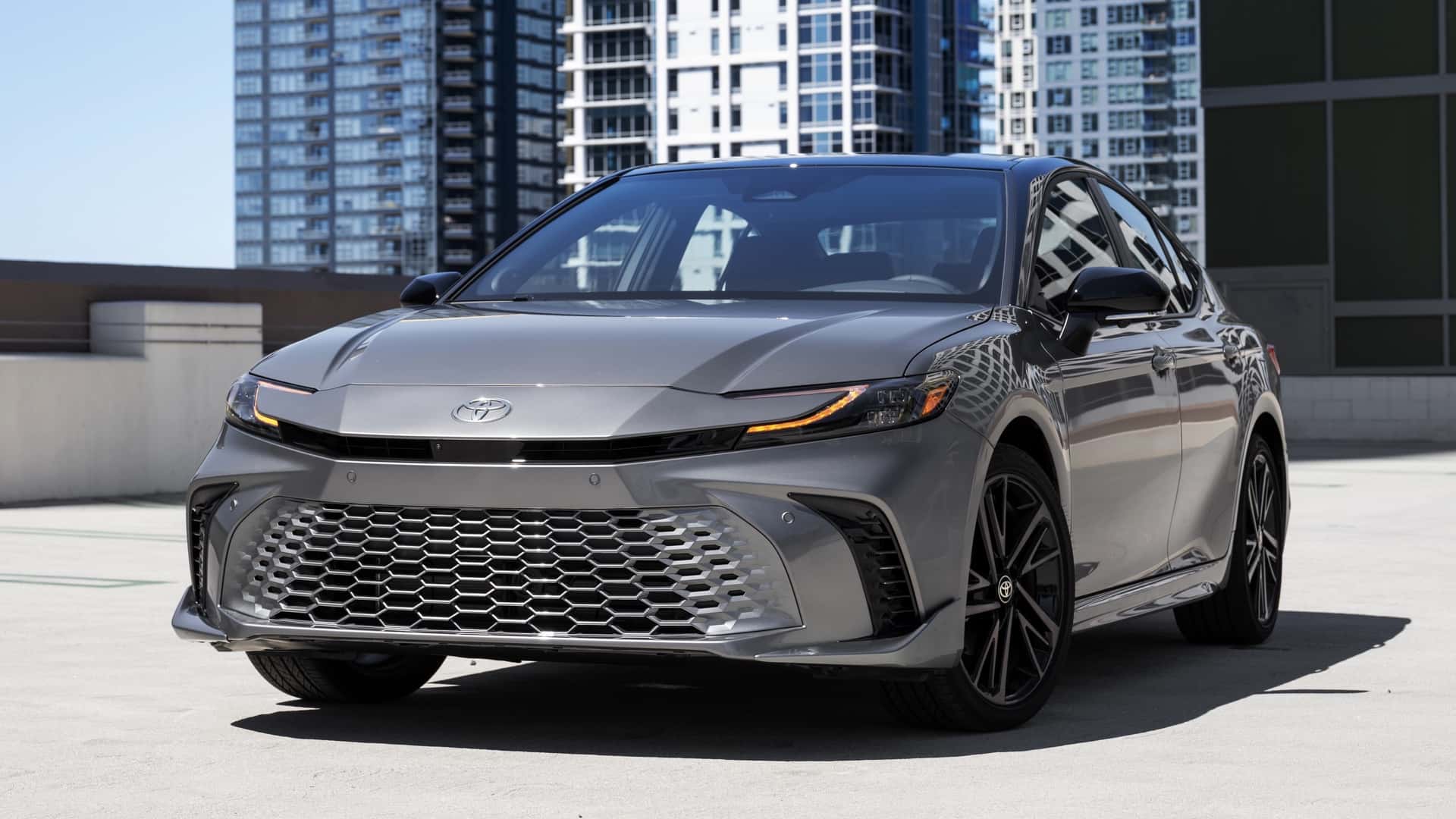
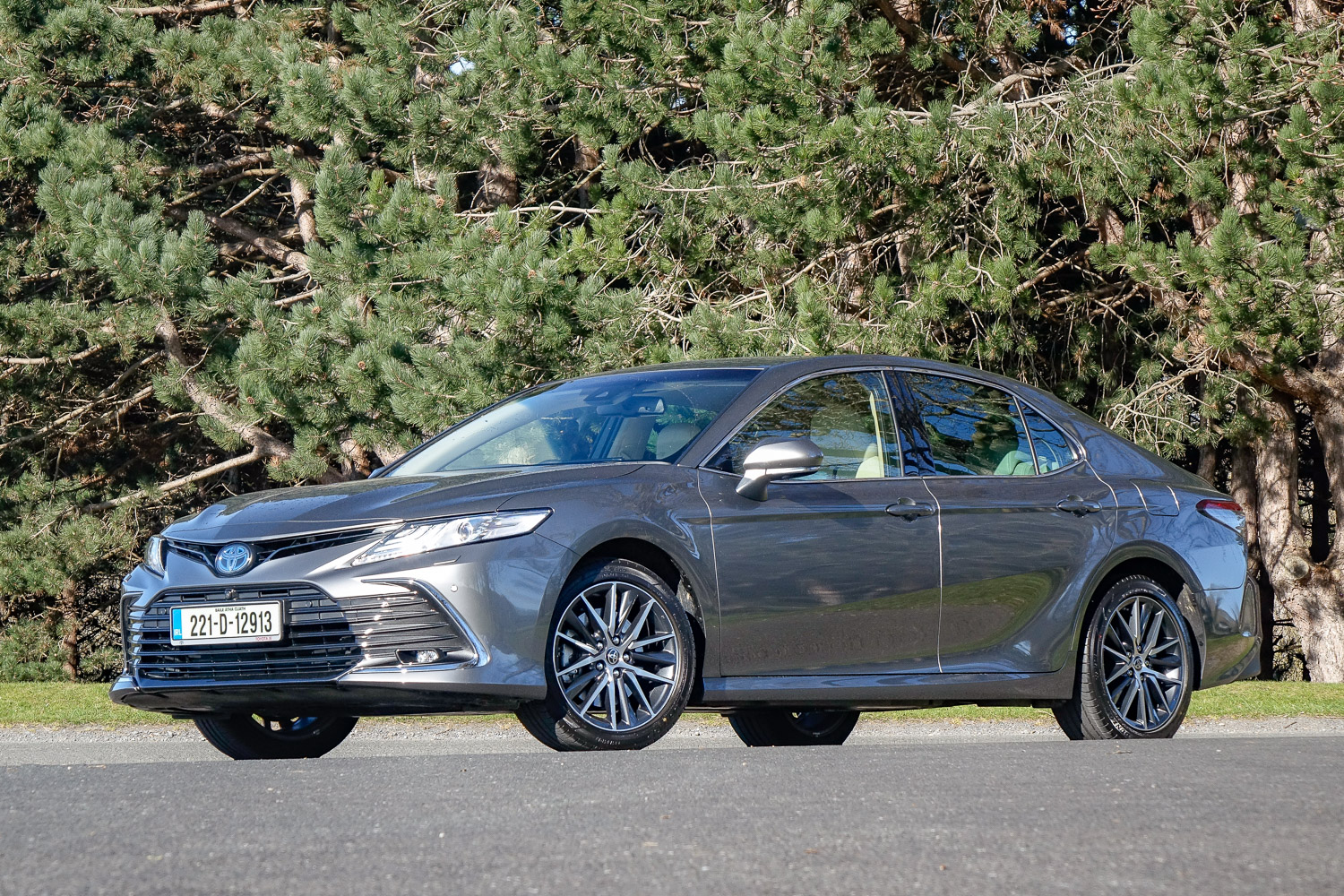
1. Toyota Camry Hybrid: A Refined Hybrid Sedan for 2025
The Toyota Camry Hybrid continues to build on its reputation for reliability, efficiency, and everyday comfort in the 2025 model year. Now offered exclusively as a hybrid, the Camry reflects Toyota’s long-standing leadership in electrification while maintaining its role as a practical and approachable midsize sedan.
Rather than a dramatic redesign, Toyota has focused on meaningful refinements that enhance comfort, technology, and driving enjoyment.
One of the Camry Hybrid’s strongest attributes is its ability to remain comfortable in hot climates. Toyota’s air conditioning systems are known for their durability and powerful cooling, and the Camry Hybrid benefits from a high-efficiency electric compressor that delivers immediate, consistent cooling even in stop-and-go traffic.
Excellent cabin insulation helps reduce heat intrusion, while available features such as ventilated front seats, rear sunshades on select trims, and remote climate control further improve passenger comfort. The hybrid system also allows the air conditioning to continue operating smoothly while the vehicle is stationary.
In addition, the traction battery under the rear seat is actively cooled using conditioned cabin air, helping maintain performance and long-term reliability in high temperatures.
For 2025, the Camry receives subtle but noticeable updates. The front fascia has been refreshed, the interior has been restyled, and all trims benefit from newly redesigned seats.
Technology is a major focus, with a standard 7.0-inch digital instrument cluster, an 8.0-inch infotainment touchscreen, wireless Apple CarPlay and Android Auto, wireless charging, and Toyota Safety Sense 3.0 included on every model. Higher trims add larger 12.3-inch displays, a head-up display, and premium audio features, giving the Camry a more modern and upscale feel.
Performance also sees improvement. The standard 2.5-liter four-cylinder engine paired with dual electric motors produces 225 horsepower in front-wheel-drive form and 232 horsepower with the available all-wheel-drive system.
Acceleration is responsive for a midsize sedan, with a 0 to 60 mph time of approximately 6.9 seconds. Fuel economy remains a key strength, with the most efficient versions achieving up to 53 mpg in city driving.
The 2025 Toyota Camry Hybrid stays true to its core values of comfort, efficiency, and reliability. By refining its design, enhancing technology, and standardizing hybrid power, Toyota has created a well-rounded sedan that continues to appeal to a broad audience seeking value and confidence in their daily drive.
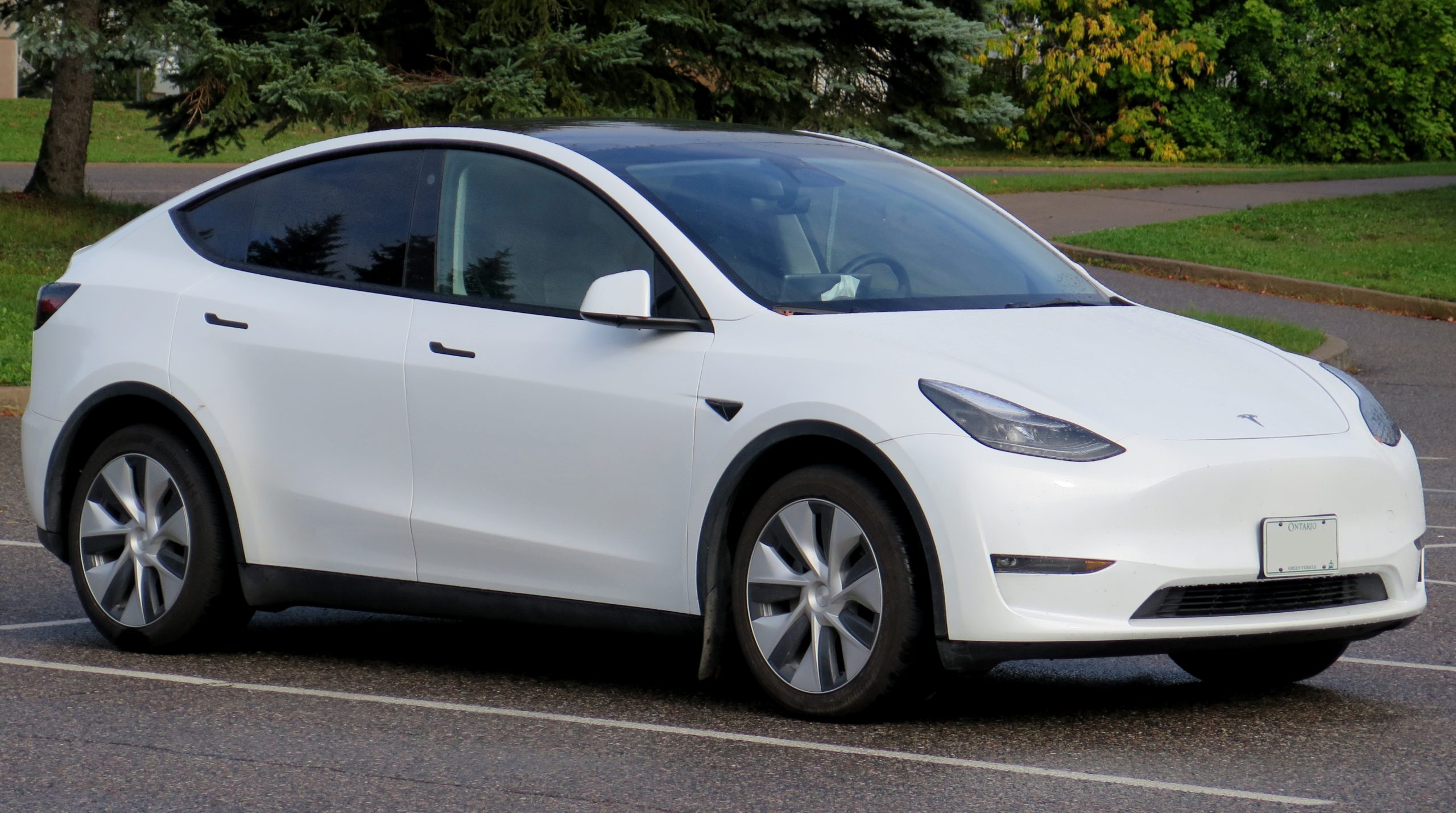
2. Tesla Model Y: Smart Summer Comfort Meets Electric Performance
The Tesla Model Y is engineered to remain comfortable in hot summer conditions by relying on advanced cabin technology and intelligent thermal management rather than traditional mechanical solutions.
This approach is especially important given the vehicle’s expansive glass roof and minimalist interior design. Features such as Cabin Overheat Protection, remote preconditioning, an efficient heat pump, and specialized glass coatings work together to keep interior temperatures manageable even in extreme heat.
A key highlight is Tesla’s Cabin Overheat Protection, which uses the battery-powered HVAC system to prevent the interior from exceeding about 40°C when the vehicle is parked. This helps protect occupants, pets, and interior materials from excessive heat buildup.
Complementing this is app-based preconditioning, which allows drivers to cool the cabin before entering the car. Additional modes, such as “Keep Climate On” and Dog Mode, let the air conditioning continue running while parked, making short stops safer and more convenient. Newer Model Y versions also offer ventilated front seats, which provide direct cooling and improve comfort on especially hot days.
The panoramic glass roof, while visually striking, is often a concern in sunny climates. Tesla addresses this with tinted, laminated glass that blocks approximately 99 percent of UV rays and significantly reduces infrared heat.
Updated Juniper models feature improved glass composition for even better heat rejection. Many owners further enhance comfort with aftermarket roof sunshades and ceramic window tinting, which can noticeably reduce radiant heat inside the cabin.
Thermal efficiency is another strength of the Model Y. Vehicles built from 2021 onward use a highly efficient heat pump system that cools the cabin quickly without a major impact on driving range. Unlike internal combustion vehicles, the electric air conditioning system delivers near-instant cold air, which is especially noticeable when re-entering a hot car.
Beyond climate comfort, the Model Y delivers strong performance and usability. Depending on configuration, power output ranges from roughly 300 horsepower in rear-wheel-drive models to 375 horsepower in dual-motor all-wheel-drive versions, with the Performance trim offering even quicker acceleration.
A Long Range AWD Model Y can reach 60 mph in under four seconds, while still providing over 300 miles of driving range. Interior design is minimalist and tech-focused, centered around a large touchscreen that controls most vehicle functions, supported by ample cargo space and optional third-row seating.
While the glass roof can attract heat, Tesla’s combination of smart software features, efficient HVAC design, and thoughtful materials ensures the Model Y remains comfortable, capable, and well-suited for hot summer driving.
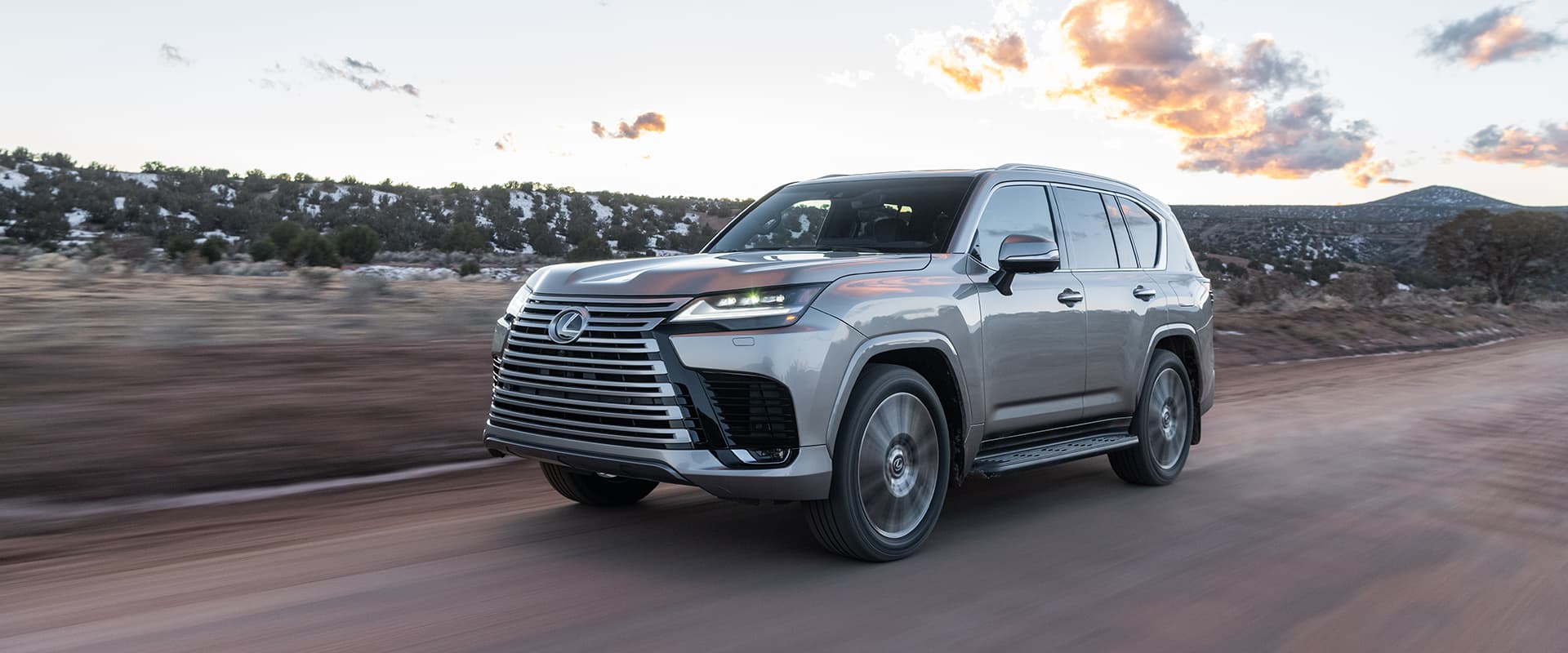
3. Lexus LX 600: Luxury Cooling and Capability Built for Extreme Heat
The Lexus LX 600 is engineered with hot and demanding climates in mind, making it especially well-suited for regions such as the Middle East, where extreme temperatures are routine. Lexus combines high-output climate technology, premium materials, and thoughtful convenience features to ensure the cabin remains comfortable even during peak summer conditions.
At the heart of the LX 600’s summer readiness is its advanced Climate Concierge system. This setup intelligently synchronizes four-zone automatic climate control with heated and ventilated seating, allowing each occupant to enjoy personalized comfort.
Dedicated rear-seat climate controls and ceiling-mounted air vents ensure strong and consistent airflow throughout the cabin, particularly for second- and third-row passengers. Both front and second-row seats are available with ventilation, helping to reduce heat buildup and improve comfort during long drives in high temperatures.
Another standout feature is the remote engine start function, which allows the air conditioning system to begin cooling the cabin before occupants enter the vehicle.
This pre-cooling capability is especially valuable in hot weather, reducing interior temperatures and minimizing initial heat soak. The LX 600 also includes a built-in center console cool box, designed to keep beverages and snacks chilled, a small but meaningful luxury feature in extreme heat.
Lexus has paid close attention to materials and construction as well. The interior uses heat-resistant leathers, trims, and soft-touch surfaces that remain comfortable to the touch even after prolonged sun exposure. Thick body panels, highly insulating doors, and available rear sunshades help block radiant heat, while the exterior paint and clear coat are engineered with enhanced UV protection to withstand harsh sunlight over time.
Beyond comfort, the LX 600 delivers strong performance and capability. Power comes from a twin-turbocharged 3.4-liter V6 producing 409 horsepower and 479 lb-ft of torque, paired with a 10-speed automatic transmission and standard four-wheel drive.
Acceleration to 60 mph takes about 6.1 seconds, which is respectable for a large luxury SUV. The LX also boasts an 8,000-pound towing capacity, reinforcing its role as both a luxury vehicle and a capable workhorse.
Inside, the cabin emphasizes refinement and technology, with quilted leather upholstery, wood trim, and a multi-screen dashboard featuring a 12.3-inch infotainment display. Safety systems such as adaptive cruise control, lane-keeping assist, and blind-spot monitoring come standard, along with Lexus’ strong warranty and complimentary maintenance coverage.
The Lexus LX 600 blends premium comfort, powerful climate management, and rugged capability, making it an ideal luxury SUV for drivers who regularly face extreme heat without sacrificing refinement or confidence.
4. Ford Expedition: Full-Size Cooling Power Built for Extreme Summer Heat
The Ford Expedition is engineered to remain comfortable in some of the harshest summer conditions, making it a standout among full-size SUVs when temperatures soar. Designed using real-world data from extreme-climate regions such as the Middle East, the Expedition prioritizes rapid, consistent cooling across its large cabin, even when fully loaded with passengers and cargo.
A major strength of the Expedition is its heavy-duty air conditioning system. Large SUVs often struggle to cool the third row, but the Expedition addresses this with a massive HVAC setup featuring tri-zone automatic climate control, dedicated rear blowers, and roof-mounted air vents.
This system is designed to pull cabin temperatures down from around 100°F to a comfortable 70°F in a very short time. Rear passengers benefit from their own climate controls, ensuring consistent airflow and cooling in both the second and third rows. A Max A/C mode further accelerates cooling by delivering the coldest air possible as quickly as possible, an essential feature during extreme heat.
Seating comfort also plays a key role in summer usability. Available ventilated seats in the front and second row circulate cool air through perforated leather upholstery, helping reduce heat buildup and discomfort on long drives. Higher trims use premium leather materials that are extensively tested for resistance to fading, cracking, and drying under prolonged sun exposure.
Technology and convenience features further enhance hot-weather comfort. Using the FordPass app, drivers can remotely start the Expedition and pre-set the cabin temperature before entering, significantly reducing heat soak. Many models also include a console-mounted cool box, allowing passengers to keep drinks cold during long summer trips.
The Expedition’s heat resilience goes beyond the cabin. It undergoes rigorous hot-weather testing in environments where temperatures exceed 50°C to ensure the engine, cooling systems, and air conditioning perform reliably. Heat-resistant interior materials and optimized engine cooling systems help maintain durability and efficiency under constant thermal stress.
Beyond climate performance, the Expedition delivers strong power and capability. A twin-turbocharged 3.5-liter V6 produces either 400 or 440 horsepower, paired with a smooth 10-speed automatic transmission.
Despite its size, the Expedition accelerates quickly, with the high-output version reaching 60 mph in under five seconds. It also offers impressive towing capacity, up to 9,600 pounds, making it as capable as it is comfortable.
Inside, the Expedition provides a spacious, flexible interior with adult-friendly third-row seating, power-folding seats, and a massive digital display system powered by Google-based software. Combined with available hands-free BlueCruise driving assistance, the Expedition delivers a relaxed and controlled driving experience.
The Ford Expedition stands out as a full-size SUV purpose-built for extreme heat, combining powerful cooling, durable materials, advanced technology, and serious capability to keep occupants comfortable all summer long.
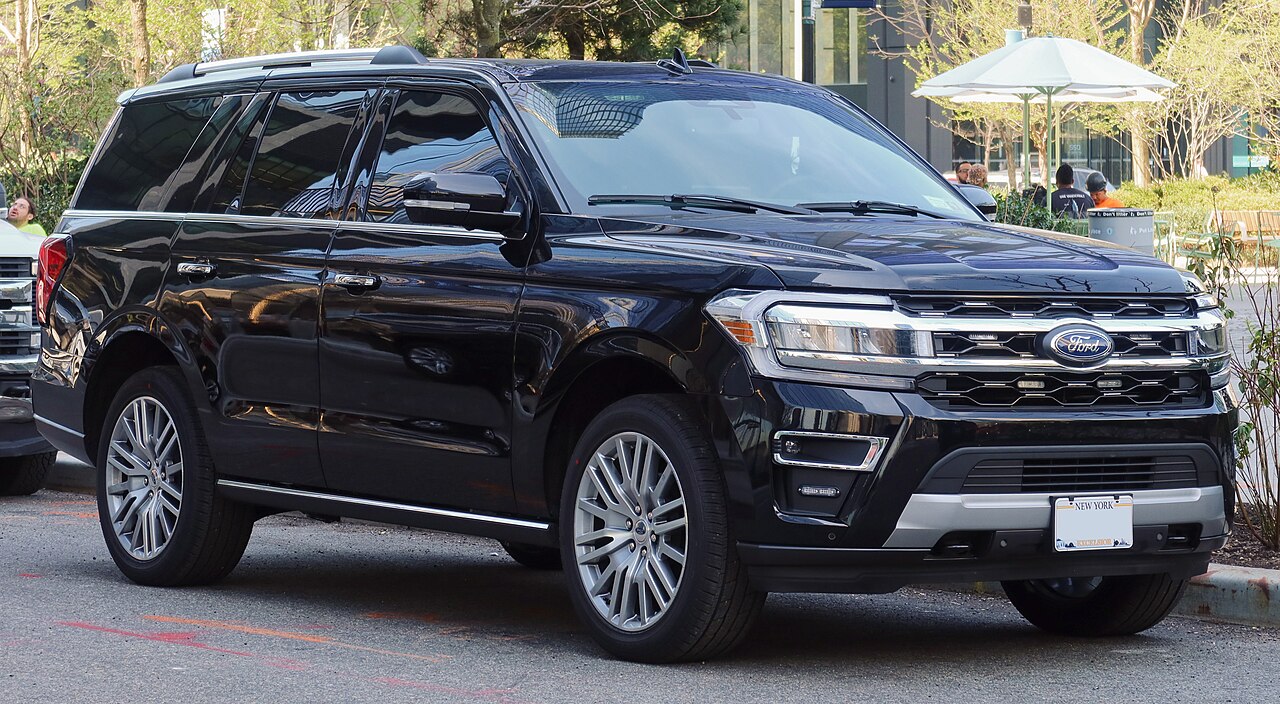
5. Kia Telluride: Thoughtful Cooling and Family Comfort in Summer Heat
The Kia Telluride has earned a strong reputation for passenger comfort, and its hot-weather performance is one of the key reasons. Designed with families and long-distance travel in mind, the Telluride combines effective climate control, innovative seating ventilation, and practical shading features to keep all three rows comfortable during summer driving.
One of Telluride’s standout features is its highly effective ventilated front seats. Unlike systems that simply circulate cabin air, Kia’s design uses fans that actively pull heat away from the occupant’s body.
This approach reduces the sticky, overheated feeling common on hot days and provides noticeable relief during long drives. On higher trims, rear seats can also be heated and ventilated, extending comfort to second-row passengers.
The Telluride’s tri-zone automatic climate control system further enhances summer comfort by allowing separate temperature settings for the driver, front passenger, and rear occupants. Roof-mounted air vents ensure that cooled air reaches the second and third rows directly, an area where many midsize SUVs struggle.
Kia also includes a Diffuse airflow mode, which softens the delivery of air so it cools the cabin without blowing harshly on passengers’ faces, making the experience more pleasant over extended periods.
Sun protection is another strong point. Available manual second-row sunshades help block direct sunlight from the side windows, reducing heat buildup and glare for rear-seat passengers.
Combined with available leather upholstery and high-quality interior materials, the cabin remains cool, comfortable, and durable even under prolonged sun exposure. Remote start with climate control adds convenience by allowing drivers to pre-cool the vehicle before entering, minimizing initial heat soak.
Beyond climate comfort, the Telluride delivers solid all-around performance. Every model is powered by a naturally aspirated 3.8-liter V6 producing 291 horsepower, paired with an eight-speed automatic transmission.
Front-wheel drive is standard, with all-wheel drive available for added traction. Acceleration is competitive for the segment, with a 0 to 60 mph time of around 6.8 seconds. The ride is firm but controlled, and available self-leveling rear air suspension improves stability when carrying passengers or towing.
Inside, the Telluride’s interior is one of the most upscale in its class, particularly in higher trims. Spacious seating for seven or eight passengers, generous cargo capacity, and excellent build quality make it well-suited for family use. Technology features include a large 12.3-inch infotainment display, smartphone integration, available premium audio, and a comprehensive suite of standard safety systems.
The Kia Telluride stands out as a midsize three-row SUV that prioritizes intelligent cooling and passenger comfort. With strong ventilated seats, effective airflow management, and practical summer-focused features, it remains a top choice for drivers facing hot climates without sacrificing style, space, or value.

Also Read: 5 Cars That Tolerate Humid Conditions vs 5 That Develop Issues
5 That Don’t
1. Rivian R1T: Hot-Weather Challenges Behind the Innovative Design
The Rivian R1T is widely praised for its bold design, off-road capability, and cutting-edge electric technology, but it has drawn criticism for how it handles extreme summer heat. Many of its hot-weather shortcomings stem from design and engineering choices that prioritize performance, efficiency, and aesthetics, sometimes at the expense of cabin comfort.
One of the most significant issues is thermal system overload. Unlike most vehicles, the R1T relies on a shared air-conditioning compressor to cool the passenger cabin, high-voltage battery, and electric motors. In very hot conditions, the system prioritizes battery protection to prevent long-term damage. As a result, cooling capacity is often diverted away from the cabin, leading to slower interior cool-down times and reduced comfort.
This thermal balancing act can also affect charging performance, with fast-charging speeds dropping sharply to limit heat buildup. When operating at maximum output, the compressor and cooling fans can become loud, producing vibrations that are noticeable through the steering wheel and pedals.
The R1T’s extensive use of glass further compounds these challenges. Its large panoramic all-glass roof lacks a physical sunshade, which allows significant heat to radiate into the cabin. Even with UV-blocking coatings, the glass acts as a heat reservoir, intensifying the greenhouse effect.
Owners frequently report cabin temperatures exceeding 130°F when the vehicle is parked in direct sunlight, making it difficult for the HVAC system to regain control once driving begins.
As a newer automaker, Rivian has also faced early production and software-related hurdles. Some vehicles have reportedly left the factory with low refrigerant levels, limiting cooling performance from day one. In addition, early models lacked a dedicated cabin overheat protection feature that automatically activates the air conditioning to cap interior temperatures, a function now common among several EV competitors.
To mitigate these issues, owners often rely on workarounds. App-based preconditioning before driving, reflective roof and windshield sunshades, and careful HVAC settings, such as using Auto mode with air recirculation enabled, can significantly improve comfort.
While the Rivian R1T excels in innovation and capability, its hot-weather performance highlights the trade-offs of its ambitious design, especially for drivers in extreme climates.
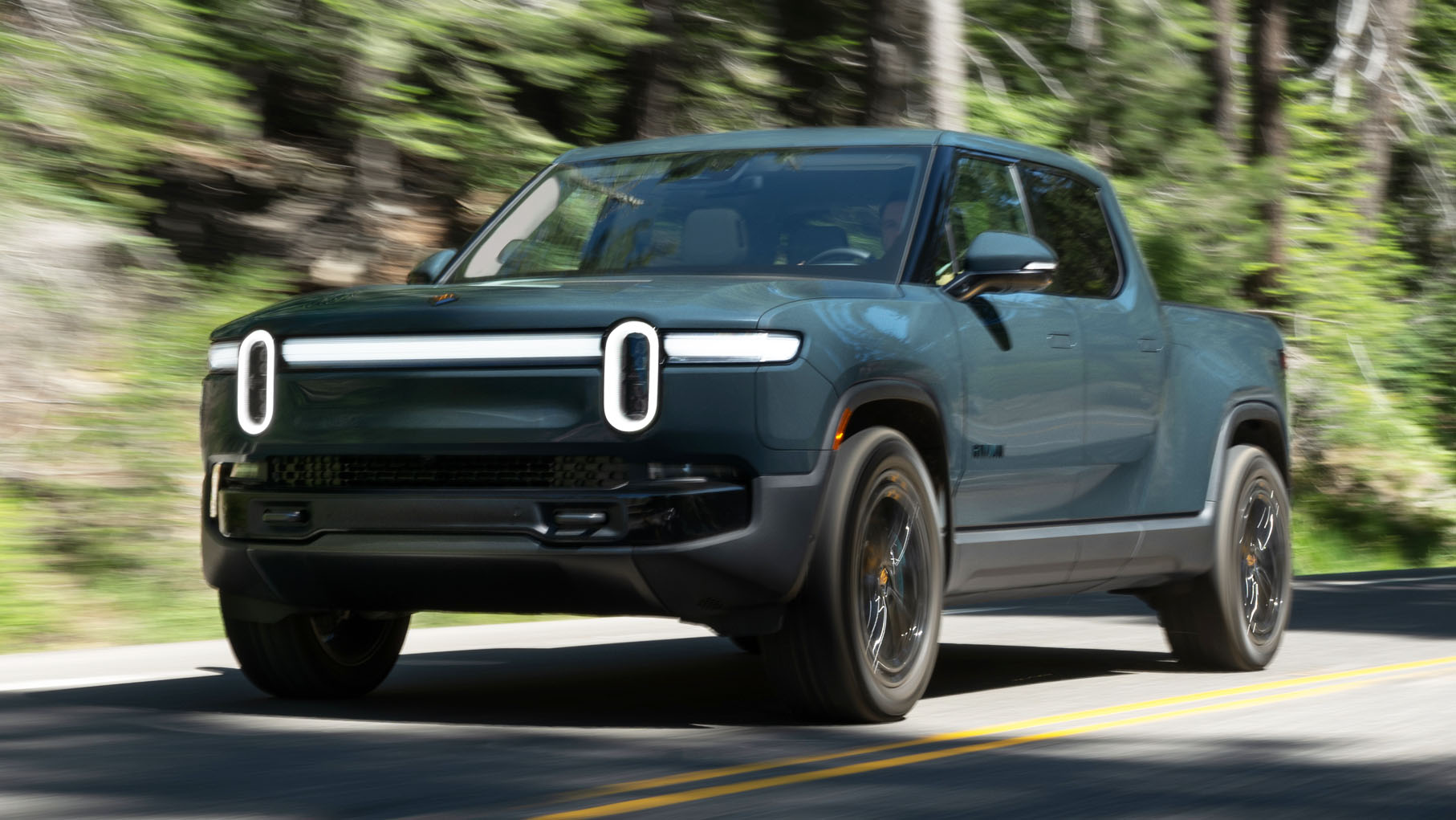
2. Chevrolet Blazer EV: Summer Heat and Thermal Management Challenges
The Chevrolet Blazer EV has encountered notable challenges when operating in extreme summer heat, particularly in the 2024 to 2026 model years. Many of these issues are tied to the vehicle’s thermal management strategy, which is designed to aggressively protect the battery and drivetrain but can negatively affect charging performance and, in some cases, cabin comfort.
A primary concern is conservative battery thermal management. The Blazer EV’s battery management system is programmed to limit heat buildup in high ambient temperatures. When outside temperatures climb above roughly 90°F to 100°F, the system may sharply reduce DC fast-charging speeds to prevent battery damage.
While this approach protects long-term battery health, it can result in severely throttled charging sessions, frustrating drivers who rely on fast charging during road trips. Some reports suggest the software is overly cautious, choosing extreme throttling rather than allowing the battery to operate at slightly higher temperatures.
Another issue involves competition between cabin cooling and battery cooling. In very hot conditions, the HVAC compressor may be overworked, especially during DC fast charging.
When the air conditioning is running at full output to keep the cabin cool, the system may struggle to simultaneously manage battery temperatures. In some cases, this imbalance can cause charging sessions to slow dramatically or stop altogether until temperatures stabilize.
Sensor-related problems have also contributed to summer performance complaints. Certain Blazer EVs have experienced failures or inaccuracies with the ambient temperature “F-sensor.” When this sensor incorrectly reports higher-than-actual temperatures, the vehicle may prematurely throttle or halt charging as a protective measure, even when conditions do not warrant it.
High-power charging itself adds stress in hot weather, as charging above 100 kW generates significant heat. If the vehicle is not preconditioned before charging or driving, the cooling system must work harder, increasing the likelihood of thermal limits being reached.
To reduce these issues, owners are advised to precondition the vehicle while plugged in, limit fast charging to around 80 percent in extreme heat, keep software up to date, and have temperature sensors inspected if problems persist. The Blazer EV’s summer struggles highlight the trade-offs of conservative thermal protection in demanding conditions.
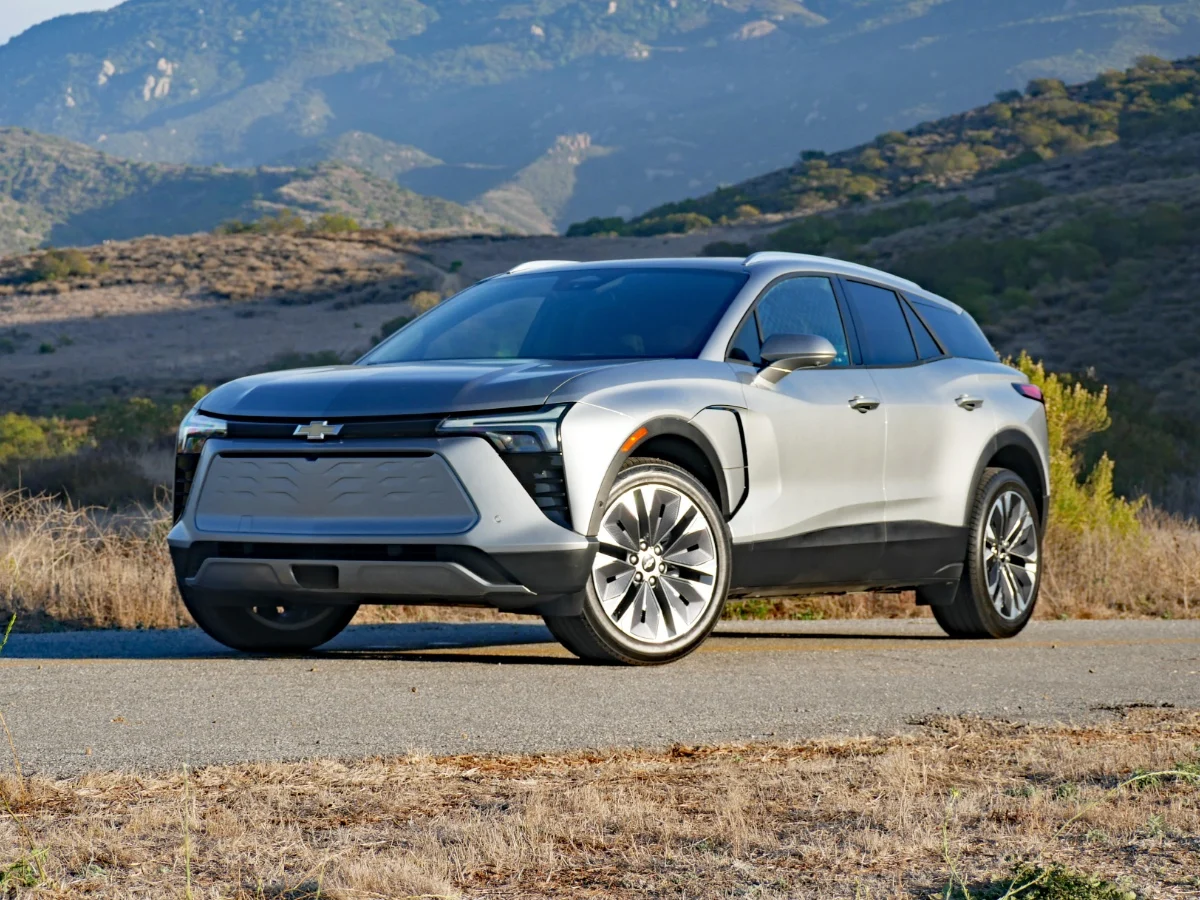
3. Fiat 500e: Style and Efficiency Tested by Extreme Summer Heat
The Fiat 500e is designed as a compact, stylish electric city car, but its performance in extreme summer conditions has raised concerns among owners. The challenges largely stem from the vehicle’s small size, limited thermal capacity, and the high energy demands placed on its battery and cooling systems during hot weather.
At the center of the issue is the lithium-ion battery. Like all EV batteries, the 500e’s pack operates most efficiently within a moderate temperature range of roughly 20°C to 30°C. In high ambient heat, the battery’s internal resistance increases, generating additional heat during driving.
Although the 500e uses a liquid-cooled battery system, prolonged exposure to extreme temperatures can overwhelm its cooling capacity. When this happens, the vehicle automatically reduces power output to protect the battery from damage, resulting in slower acceleration or, in severe cases, a reduced-power “limp” mode.
Cabin comfort further complicates matters. The Fiat 500e’s air conditioning system is relatively small, and maintaining a cold cabin in hot, humid environments can be difficult. More importantly, running the AC places a heavy load on the battery.
Unlike gasoline cars that use engine byproducts to help manage cabin climate, the 500e relies entirely on its main battery to power the compressor. During peak summer conditions, drivers commonly experience a 20 to 30 percent reduction in driving range, forcing a trade-off between comfort and distance.
Charging performance also suffers in high heat. After driving on hot pavement, the battery may be too warm to accept high charging speeds. In these situations, the onboard charging system prioritizes cooling the battery before allowing full power, leading to noticeably slower charging sessions. Energy that could go toward charging is instead diverted to cooling fans and pumps.
Finally, prolonged heat accelerates wear on auxiliary components. The 12-volt battery is particularly prone to premature failure in hot climates, and plastic cooling system parts can become brittle over time, increasing the risk of leaks and system faults.
While the Fiat 500e excels as a chic urban commuter, extreme summer heat exposes the limits of its thermal design and highlights the compromises of a small electric platform.
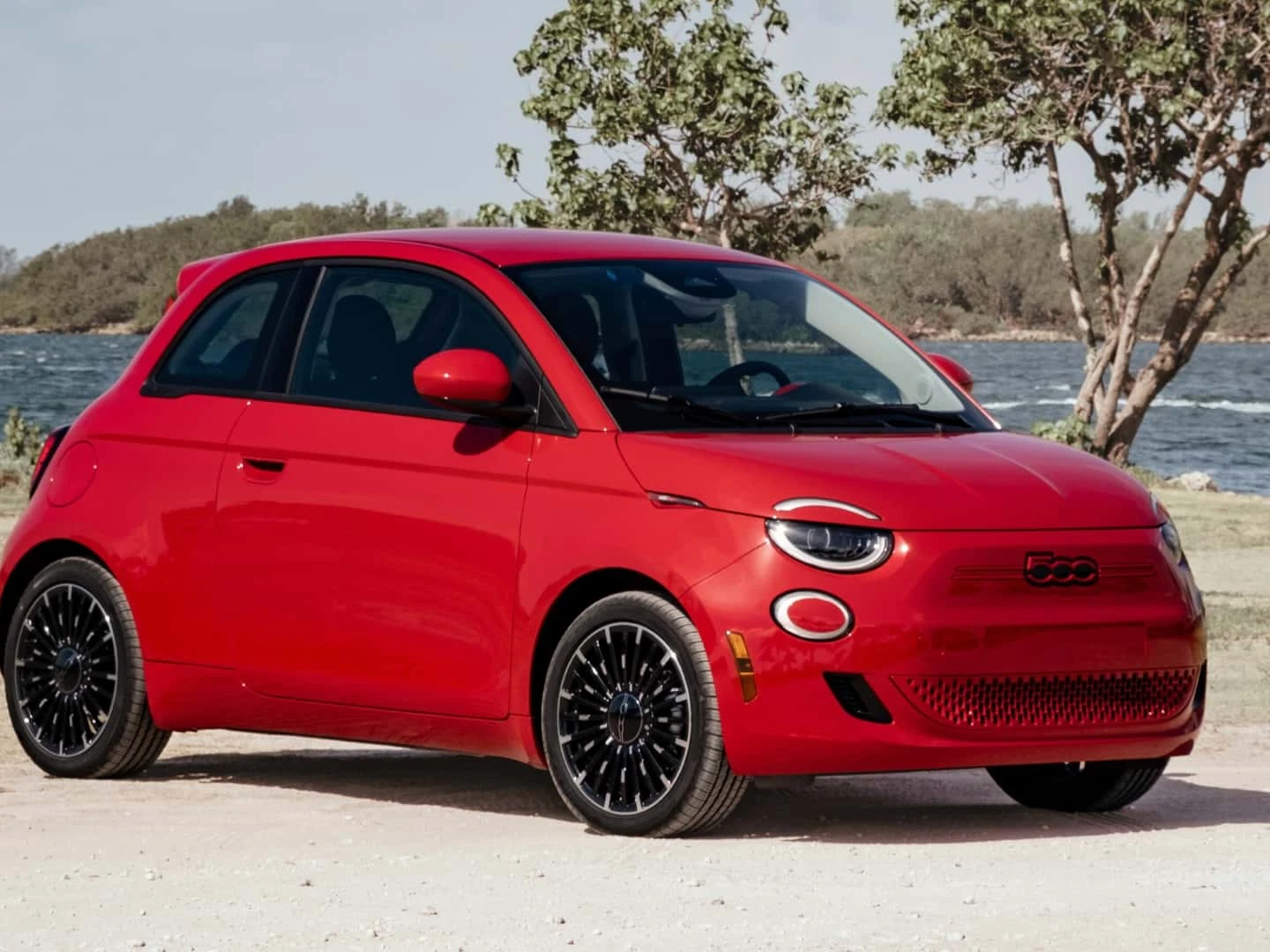
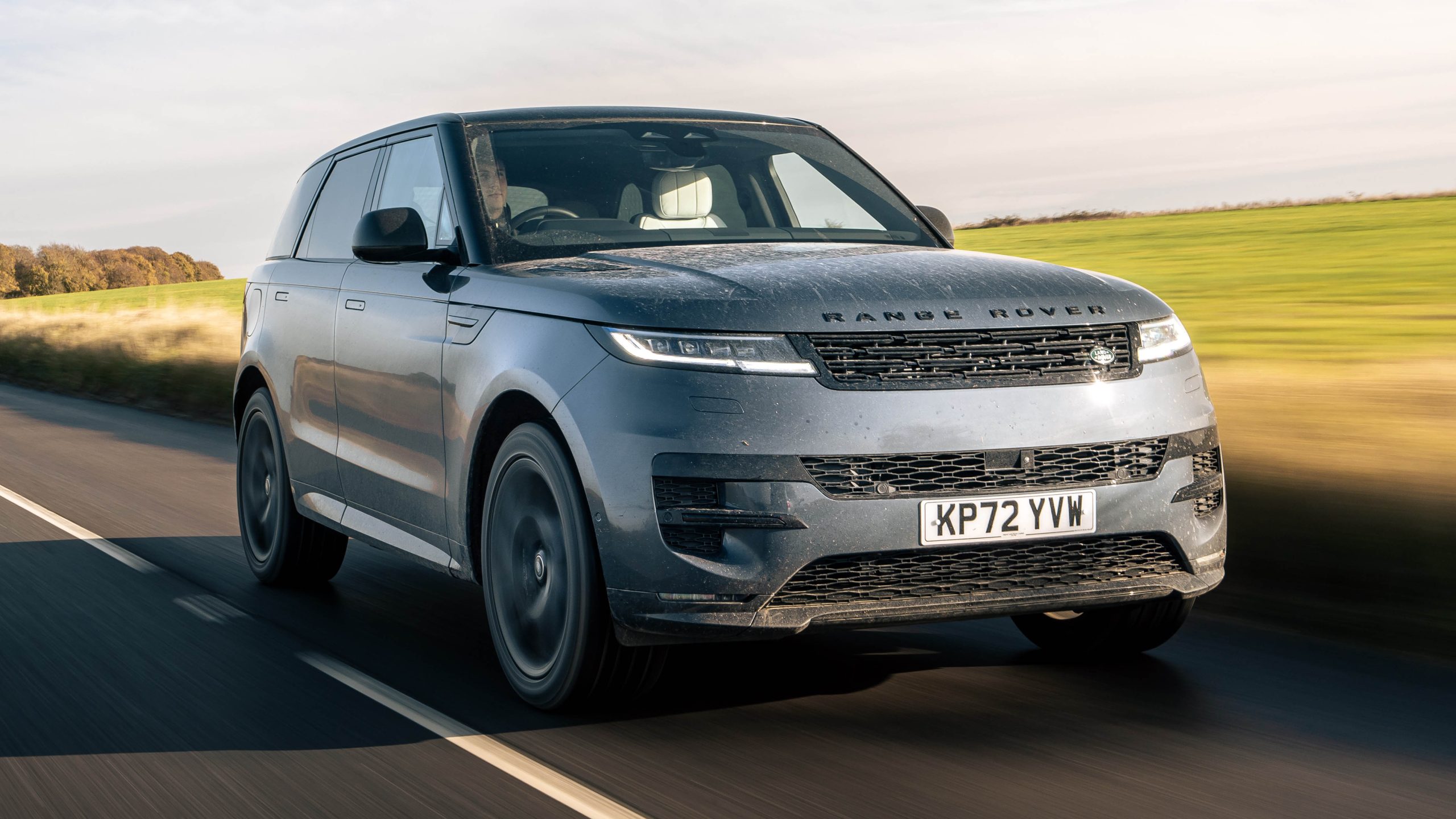
4. Range Rover Sport (Older Generations and PHEV): Summer Heat and Cooling Challenges
Older generations of the Range Rover Sport, including early plug-in hybrid variants, are luxurious and capable, but extreme summer heat can expose weaknesses in their thermal management systems.
One of the main issues is heat soak, where high engine bay temperatures reduce the effectiveness of the air conditioning system, particularly in stop-and-go traffic. This can cause the cabin air to fluctuate between cold and lukewarm, making it difficult to maintain a consistently comfortable interior.
Heat management is especially complex in plug-in hybrid models, which must dissipate heat from both the internal combustion engine and the high-voltage battery.
During sustained driving or repeated charging in high ambient temperatures, excess heat can accumulate faster than the system can remove it. To protect components, the vehicle may reduce output, which can indirectly limit air conditioning performance and cabin comfort.
Running the air conditioning in extreme heat places significant strain on the vehicle’s electrical and cooling systems. PHEV models, which rely on battery power for auxiliary functions, may see reduced climate control effectiveness under heavy load. Some efficiency-focused drive modes can further limit AC output to conserve energy, which can leave passengers feeling warmer in hot conditions.
Another concern in hot climates is the vulnerability of the 12-volt battery. Many older Range Rover Sport models use lead-acid batteries that degrade more quickly in high temperatures. A weakened 12V battery can trigger electrical issues, including climate control malfunctions, warning lights, or difficulty starting the vehicle.
Long-term exposure to extreme heat also accelerates wear on hoses, seals, and plastic cooling components. Heat-induced fatigue can lead to coolant leaks, reduced system efficiency, and increased maintenance requirements.
While the Range Rover Sport provides a premium driving experience, extreme summer heat highlights the limitations of its cooling and electrical systems, particularly in older PHEV models and during heavy traffic or slow-speed driving.
5. Chrysler Pacifica Hybrid: Summer Heat and Thermal Management Challenges
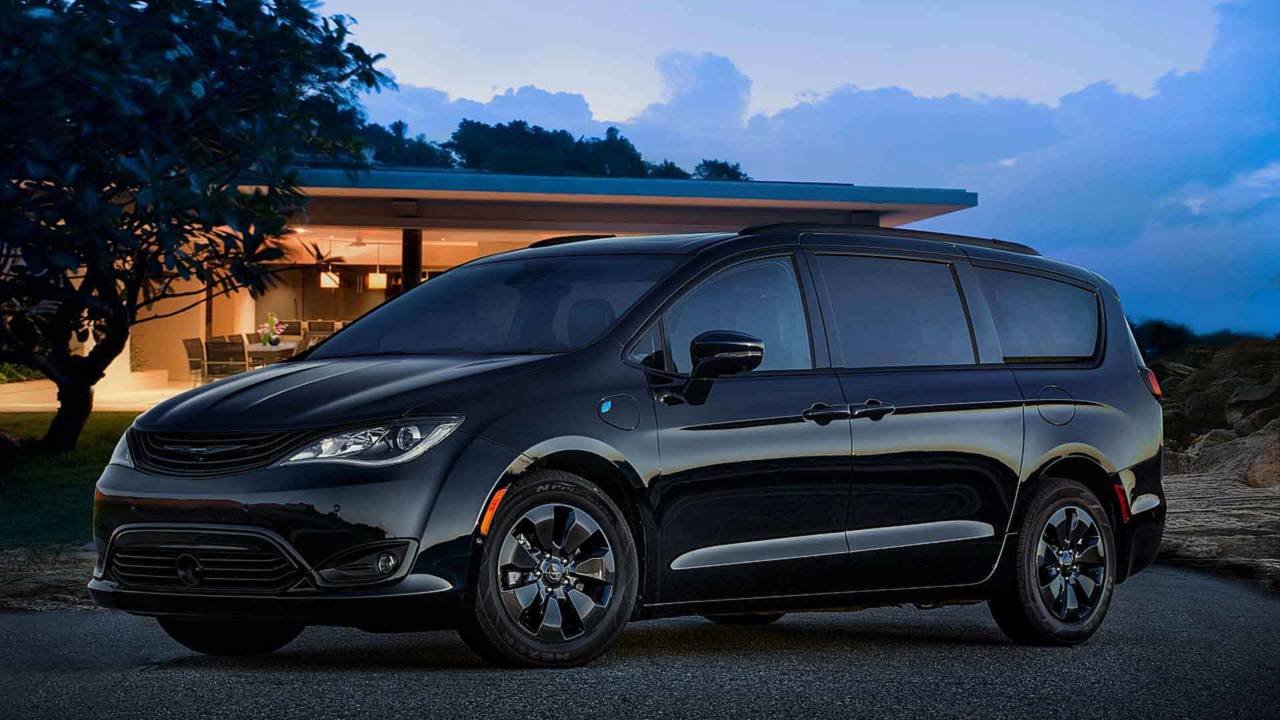
The Chrysler Pacifica Hybrid faces unique challenges during hot summer conditions due to its dual role as a large passenger minivan and a plug-in hybrid. Its air conditioning system not only cools the cabin but also regulates the high-voltage hybrid battery through a dedicated coolant chiller. This interconnected thermal management means that any AC issues directly affect both comfort and the vehicle’s operational safety.
One of the primary concerns is the risk of system overload. If the AC experiences common failures, such as refrigerant leaks or a malfunctioning compressor, the vehicle may struggle to keep the battery at safe operating temperatures.
In extreme heat, this can trigger battery conditioning warnings or even temporarily disable the vehicle to prevent permanent battery damage. The reliance on a single system to manage both cabin and battery cooling amplifies the effects of heat stress, particularly in stop-and-go traffic or during long summer drives.
High temperatures also impact performance and efficiency. The large interior requires significant AC power, which draws heavily from the hybrid battery. Combined with reduced battery efficiency in hot weather, this often forces the gas engine to run more frequently to maintain power and cooling.
Owners frequently report loud compressor operation and high fan speeds as the system works overtime. Additionally, charging performance can be affected, with the vehicle slowing DC fast-charging rates if the battery cannot dissipate heat quickly enough.
To manage these summer challenges, proactive maintenance and usage strategies are recommended. Ensuring refrigerant levels are topped up helps prevent AC shutdowns. Pre-conditioning the cabin using the Uconnect mobile app while the vehicle is plugged into a Level 2 charger preserves battery energy for driving. Keeping battery cooling vents clear ensures optimal airflow and system efficiency.
The Pacifica Hybrid’s integrated cabin and battery cooling system is essential for both comfort and reliability, but extreme heat exposes the limitations of this design, making careful preparation and maintenance crucial for summer driving.
Extreme summer conditions can expose both the strengths and limitations of a vehicle’s climate and thermal management systems. Cars like the Camry Hybrid, Tesla Model Y, LX 600, Expedition, and Telluride demonstrate that thoughtful engineering, from high-efficiency compressors to ventilated seats and preconditioning features, allows passengers to remain comfortable regardless of outside temperatures.
In contrast, the Rivian R1T, Blazer EV, Fiat 500e, Range Rover Sport, and Pacifica Hybrid illustrate the challenges of balancing cabin comfort with battery protection, compact cooling systems, or hybrid powertrain demands.
Understanding these differences helps prospective buyers make informed choices based on climate conditions, while also emphasizing the importance of thermal management in both safety and daily driving enjoyment during hot summers.
Also Read: Top 10 Cars That Changed Automotive Engineering Forever