
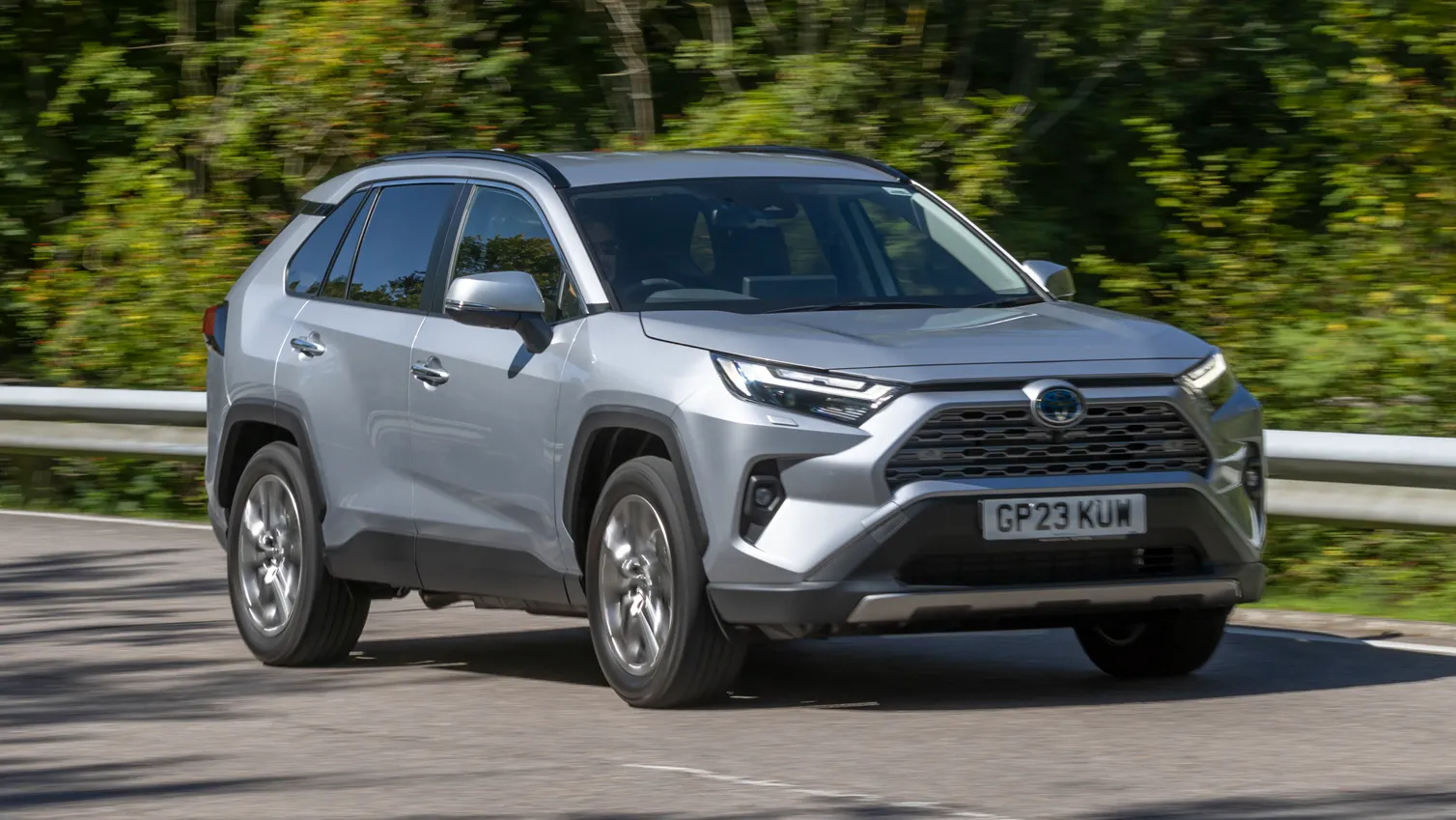
Daily driving rarely happens on perfect pavement. Rough patches, uneven joints, worn asphalt, and surprise potholes show up without warning. For drivers choosing a crossover, ride comfort often becomes the quiet factor that shapes long-term satisfaction. Horsepower numbers fade from memory, styling becomes familiar, yet suspension tuning and chassis balance continue to affect every commute, grocery run, and road trip.
Crossover buyers usually expect calm behavior, controlled motion, and a cabin that stays settled when roads misbehave. Some manufacturers achieve this through careful suspension calibration, seat design, wheel sizing, and body control.
Others chase sharp handling or bold styling, sacrificing comfort in the process. Ride quality is not about floating softness alone. It involves how well a vehicle absorbs imperfections without feeling loose, how it handles highway expansion joints, and how it responds to broken city streets.
This page separates crossovers that deliver a polished ride from those that struggle to smooth things out. Each model earns its place based on real-world behavior rather than marketing promises. The first part focuses on five crossovers known for comfort-oriented tuning and composed road manners.
In the next part, we will examine five that fall short, where firmness, vibration, or poor damping affects everyday use. Comfort may sound subjective, yet patterns emerge when thousands of drivers share similar experiences. Suspension design, wheel size choices, and vehicle weight all play roles.
By looking closely at how these vehicles behave during ordinary driving, shoppers can better match expectations with reality. Smooth rides do not happen by accident, and the following vehicles prove that careful engineering still matters.
5 Crossovers With Smooth Ride Quality
1. Toyota RAV4 Hybrid
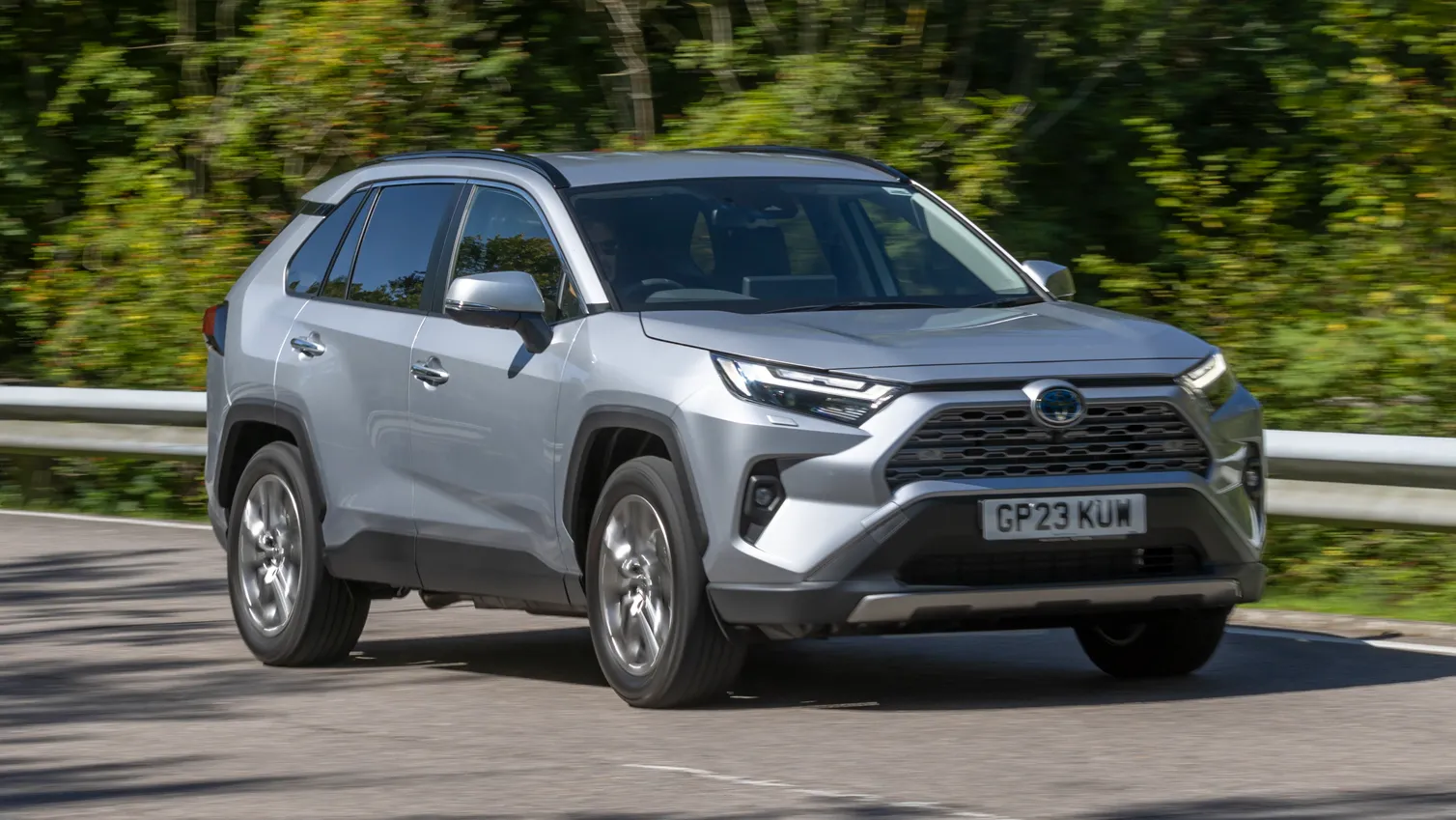
Comfort-focused engineering defines how the Toyota RAV4 Hybrid behaves on public roads. Rather than chasing aggressive handling or sporty feedback, this model emphasizes balance and predictability. Hybrid hardware adds weight low in the chassis, helping the vehicle feel planted without becoming stiff.
Road imperfections tend to fade into the background instead of announcing themselves through the cabin. Suspension tuning favors controlled softness. Small bumps disappear quietly, while larger disruptions get absorbed without sharp jolts.
City streets filled with patched asphalt feel less tiring because motion remains restrained. Highway driving highlights another strength, as the RAV4 Hybrid tracks straight with minimal body movement over expansion joints. Long drives feel less demanding because the vehicle avoids constant vertical motion.
Power delivery also supports ride comfort. Electric assistance smooths throttle response, preventing sudden surges that could unsettle the chassis. Acceleration feels linear, helping passengers remain comfortable during stop-and-go traffic. Steering effort stays light and relaxed, matching the vehicle’s calm demeanor. Nothing feels rushed or abrupt.
Cabin isolation plays a supporting role. Road noise stays muted, and vibration rarely reaches occupants. Seat cushioning complements suspension behavior, reducing fatigue during extended travel. Wheel and tire choices favor sidewall compliance, allowing rubber to assist in absorbing rough surfaces.
Toyota engineers clearly prioritized daily usability. Sharp cornering responses take a back seat to consistency and ease. Drivers seeking a crossover that feels cooperative rather than demanding often gravitate toward this model. Ride comfort remains one of its strongest qualities, especially for households that value calm transportation over sporty flair.
2. Lexus RX 350
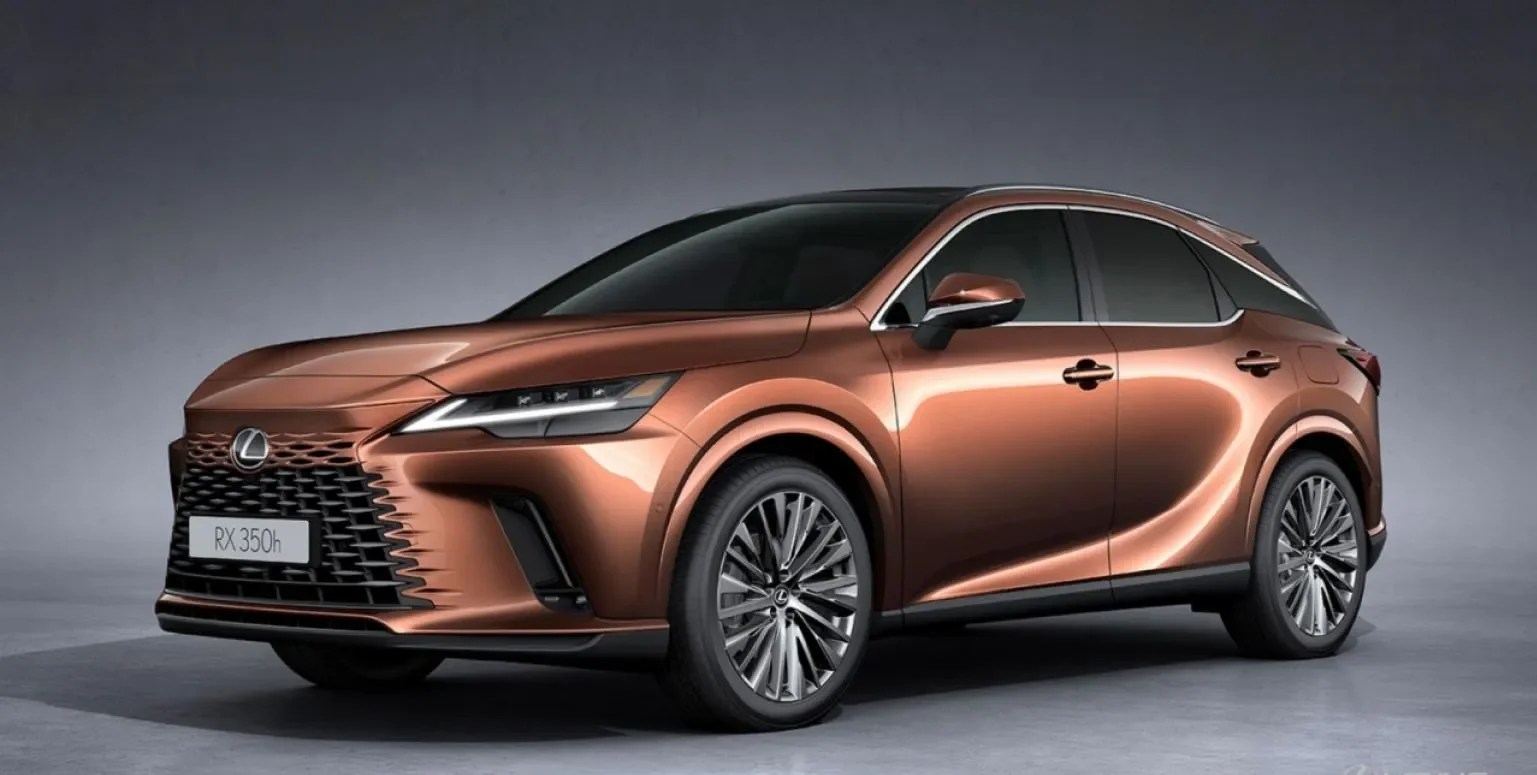
Luxury expectations shape every aspect of the Lexus RX 350 ride experience. From the moment wheels begin turning, smoothness defines how this crossover interacts with pavement. Suspension components work quietly, filtering road disturbances before they reach the cabin. The result feels refined without drifting into excessive softness.
Adaptive damping available on certain trims allows the RX 350 to adjust its behavior based on conditions. Rough surfaces get handled with gentle absorption, while smoother highways encourage stable cruising. Body control stays composed, preventing excessive lean during turns while preserving comfort. This balance suits drivers who want confidence without harsh feedback.
Engine response contributes to the experience. Power delivery feels measured and calm, avoiding abrupt changes that could disrupt passenger comfort. Transmission moves occur smoothly, reinforcing the relaxed driving character. Steering tuning avoids heaviness, allowing easy corrections without nervous reactions.
Interior isolation stands out. Road and wind noise remain subdued, creating an environment suited for conversation or quiet reflection. Seats offer supportive cushioning, helping occupants remain comfortable during longer journeys. Larger wheel options remain carefully matched with suspension tuning to prevent ride degradation.
Lexus positions the RX 350 as a luxury-oriented family vehicle, and ride quality supports that identity. Broken pavement, speed bumps, and uneven surfaces feel less intrusive. Drivers seeking comfort without sacrificing stability often appreciate how effortlessly this crossover handles real-world conditions. Ride behavior feels intentional, polished, and consistent across varied environments.
Also Read: Top 10 Electric Crossovers That Might Actually Age Well
3. Subaru Outback
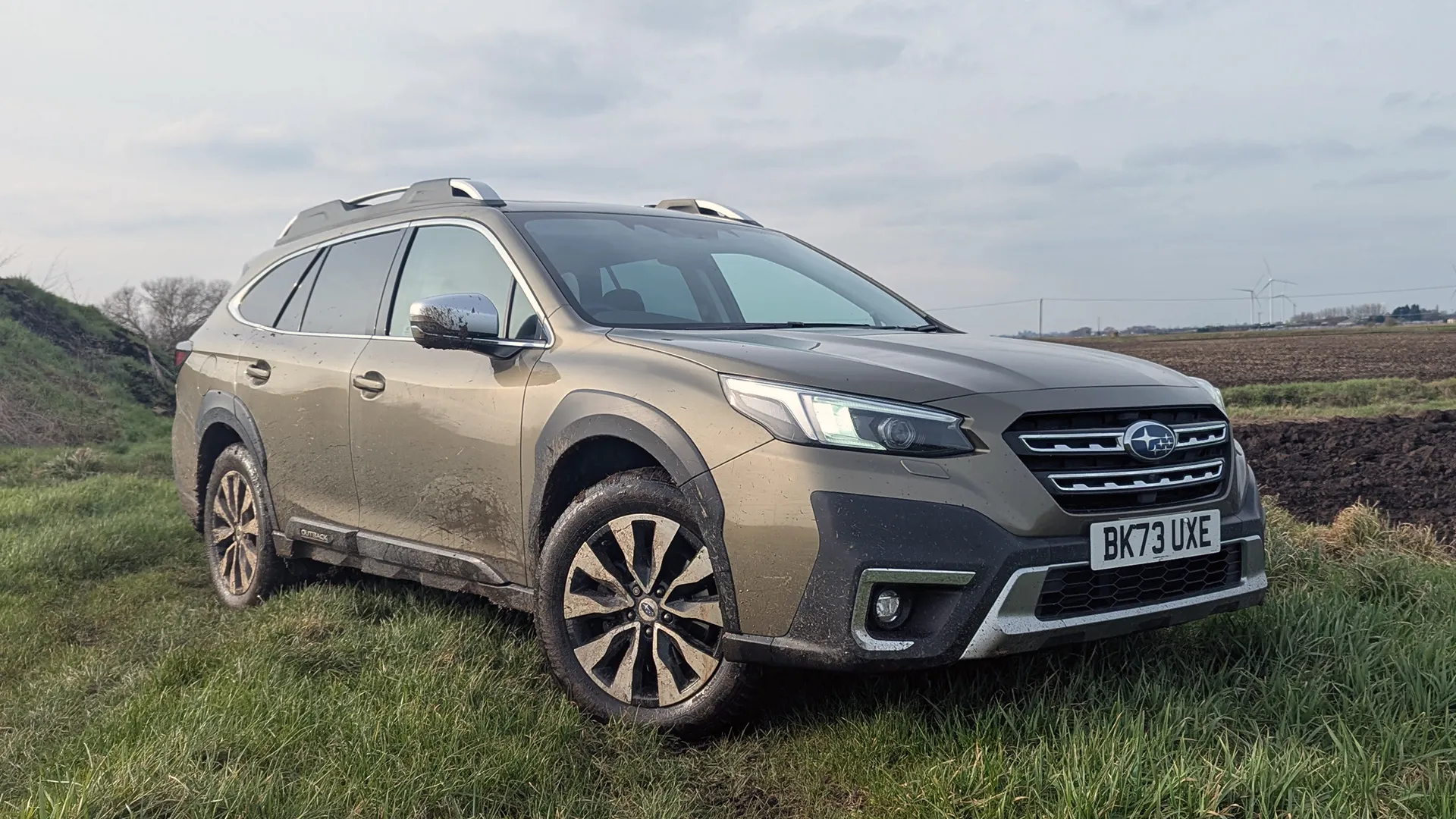
Raised wagon proportions give the Subaru Outback a distinct advantage when it comes to ride comfort. Longer suspension travel allows wheels to move more freely over uneven surfaces, reducing harsh impacts. Roads that would unsettle firmer crossovers feel manageable and composed inside the cabin.
Symmetrical All Wheel Drive adds stability without introducing stiffness. Weight distribution helps the Outback remain settled, especially on imperfect pavement. Suspension tuning favors absorption rather than sharp feedback, which benefits passengers during extended trips. Rural roads, gravel paths, and worn highways all receive similar treatment, maintaining comfort without drama.
Engine response remains smooth rather than aggressive. Power builds gradually, avoiding sudden movements that could disturb balance. Steering effort feels natural and predictable, matching the vehicle’s relaxed approach. Vertical motion stays controlled, preventing excessive bounce after bumps.
Cabin design supports ride comfort. Seats provide generous cushioning, and upright visibility reduces driver fatigue. Tire choices emphasize compliance, allowing rubber to absorb minor imperfections before suspension components engage. Noise suppression keeps road sounds at reasonable levels, enhancing calmness.
Subaru’s focus on versatility shows through ride behavior. Instead of optimizing for one driving scenario, the Outback performs consistently across many environments. Comfort remains reliable whether traveling through urban streets or long stretches of highway. Drivers who value smooth travel over sharp handling often find this model reassuring and easy to live with.

4. Honda CR-V
Balanced engineering defines how the Honda CR-V handles everyday driving surfaces. Ride quality avoids extremes, sitting comfortably between softness and firmness. Suspension calibration smooths out irregularities without allowing excess body movement, creating a composed experience for both driver and passengers.
Urban driving highlights the CR-V’s strengths. Potholes and speed bumps register as gentle motions rather than harsh impacts. Highway travel feels settled, with minimal vertical movement over expansion joints. Steering remains light and predictable, supporting relaxed driving rather than aggressive input.
Powertrain behavior also supports comfort. Turbocharged engines deliver torque smoothly, avoiding sudden surges. Transmission behavior stays unobtrusive, allowing the suspension to remain the focus. Braking transitions occur smoothly, preventing nose dive that could disturb passenger comfort.
Interior design contributes indirectly. Seats balance support and softness, reducing fatigue during longer trips. Noise insulation keeps road and wind sounds subdued, enhancing the perception of smoothness. Wheel sizes remain reasonable, preventing low-profile tires from introducing harshness.
Honda designed the CR-V for families and commuters, and ride quality reflects that mission. Instead of chasing excitement, this crossover delivers predictable comfort across varied conditions. Drivers seeking a dependable vehicle that handles rough pavement without complaint often find satisfaction here.
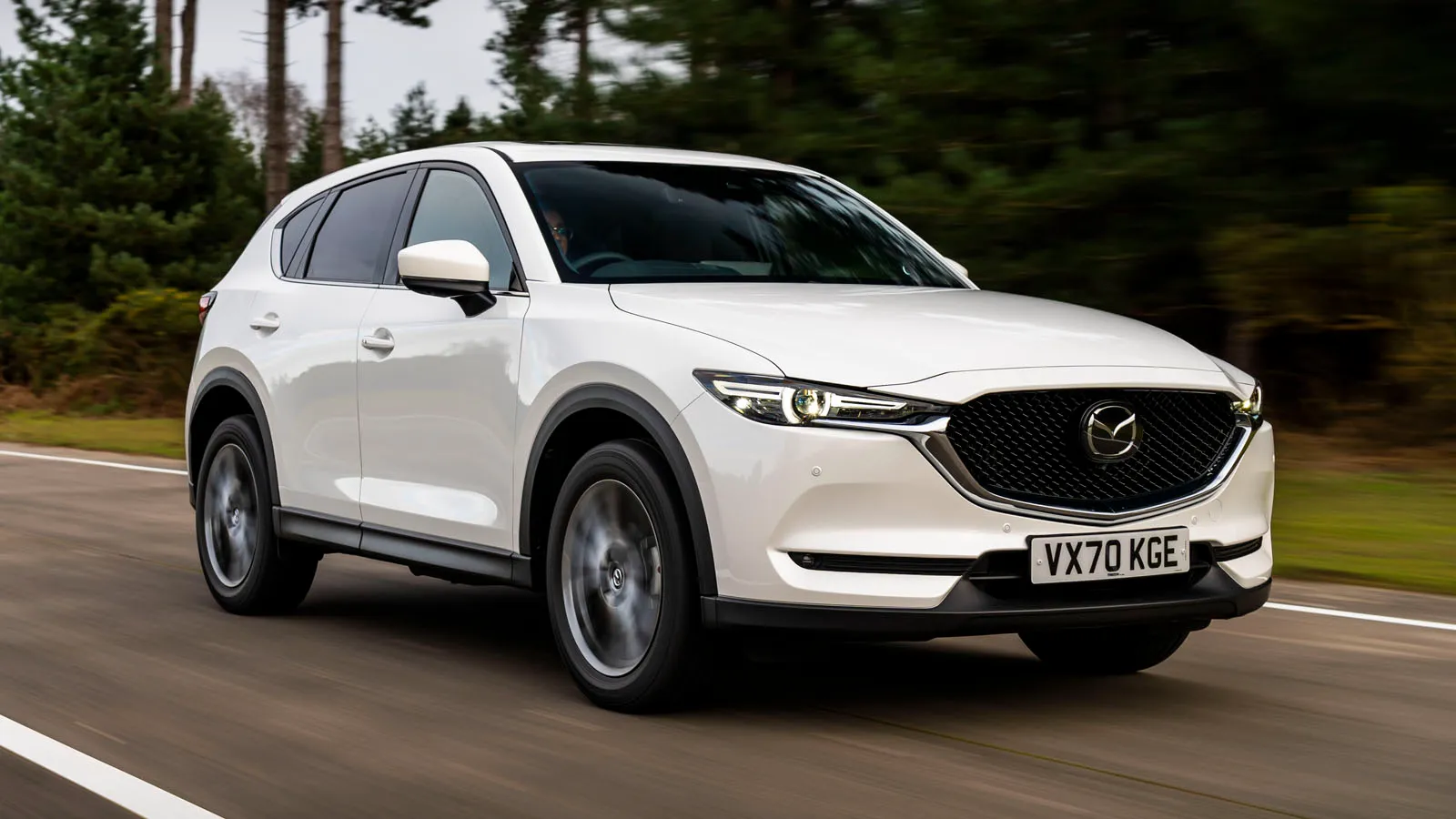
5. Mazda CX-5
Mazda CX-5 achieves a rare balance between engaging driving dynamics and passenger comfort through deliberate engineering decisions. Suspension tuning reflects careful thought, providing responsiveness without sacrificing smoothness.
Unlike sport-focused crossovers that transmit road imperfections harshly into the cabin, the CX-5’s chassis absorbs bumps gracefully, creating a refined experience on urban streets and highways alike. Wheel and suspension geometry allow the vehicle to react quickly to irregular surfaces while maintaining control. Vertical motion is restrained, preventing excessive bouncing or pitching.
Passengers encounter minimal jostling even on uneven pavement, which reduces fatigue during long trips. The combination of compliant springs, well-damped shock absorbers, and thoughtfully placed bushings ensures that the vehicle communicates necessary feedback to the driver without becoming uncomfortable for occupants.
Steering in the CX-5 reinforces confidence while remaining calm. Feedback is precise enough to aid control but never overemphasizes road imperfections. Small steering corrections feel natural and predictable, supporting smooth directional changes.
Acceleration is similarly composed, with linear power delivery that preserves chassis balance and prevents jolting, while gear transitions remain seamless, allowing the suspension to continue performing optimally without interruption.
Interior design enhances the perception of smoothness. Seats provide firm yet yielding support that cushions passengers from minor shocks without feeling spongy. Sound insulation is carefully applied to reduce intrusion from road and wind noise, allowing conversations or quiet reflection during travel.
Tire selection further complements ride comfort, as sidewalls are chosen to absorb smaller irregularities without compromising handling responsiveness. The CX-5 demonstrates that a vehicle can combine attentiveness to driver engagement with practical comfort.
Engineers have avoided extremes, crafting a suspension that is neither too stiff nor excessively soft, allowing passengers to experience refinement without sacrificing control. The result is a crossover capable of tackling daily commutes, long-distance trips, and variable pavement conditions without causing undue fatigue or discomfort.
For drivers seeking a crossover that blends enjoyable handling with thoughtful comfort, the Mazda CX-5 stands out. Its approach to suspension, steering, power delivery, and interior refinement reflects intentional design decisions aimed at reducing stress from road conditions while maintaining driver connection.
Smooth travel in this model is deliberate, consistent, and refined, demonstrating that thoughtful engineering can achieve a harmonious blend of comfort and dynamic performance in a compact crossover.
5 Crossovers With Ride Quality Challenges

1. Jeep Compass
The Jeep Compass delivers styling and capability in a compact package, yet its ride quality often proves troublesome on imperfect roads. While it performs reasonably off-road, the suspension tuning for ruggedness comes at the expense of highway and city comfort. Drivers report that small bumps transmit more sharply into the cabin than expected for a crossover of its size.
Suspension geometry contributes to the issue. The Compass employs a relatively short wheel travel setup designed to maintain ground clearance for light off-road use. On paved surfaces, this results in a firm ride that exaggerates minor imperfections.
Drivers may feel sharp jolts when passing over potholes or expansion joints, and repeated impacts can lead to fatigue on longer journeys. Curved roads amplify this sensation, as body roll interacts with the firm shocks and limited suspension compliance.
Wheel and tire choices also affect comfort. Larger alloy wheels with low-profile tires transmit road irregularities directly to the cabin. While visually appealing, this combination sacrifices absorption of surface flaws. Steering feedback, although precise, transmits subtle vibrations and bumps, further emphasizing the firm suspension behavior.
Passenger perception adds another layer. Seats provide adequate support but cannot fully mitigate the impact of firm shocks and compressed suspension. Rear occupants often notice increased vibration and occasional jostling during abrupt changes in pavement texture.
Highway speeds expose an additional factor: crosswinds amplify subtle vertical and lateral motion, making the ride feel unsettled. Cabin isolation partially masks road noise, yet mechanical disturbances remain perceptible.
The suspension, while competent off-road, lacks the refinement needed to absorb uneven surfaces silently. Some owners find themselves constantly adjusting speed and steering input to maintain comfort, reducing the sense of relaxed driving expected in a crossover.
Despite these challenges, the Compass maintains predictable handling for urban maneuvering. Its drivetrain and steering remain consistent, allowing drivers to compensate for ride harshness. However, comfort-focused buyers may find this crossover less appealing, especially for regular highway travel or rough city streets.
For those seeking capability above soft suspension response, this model offers a capable yet firm experience that demands careful attention to surface conditions and driver input over extended trips.
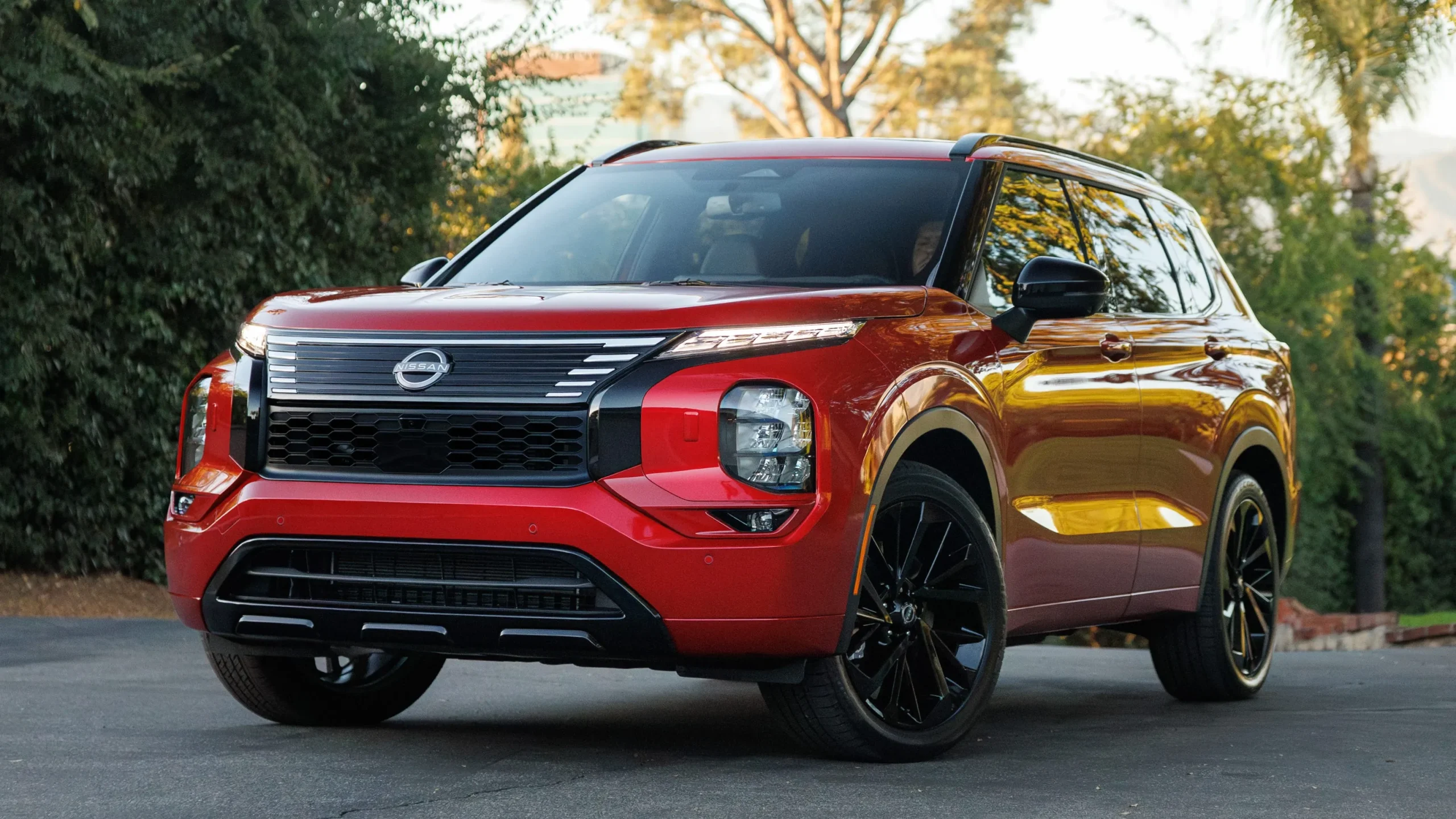
2. Nissan Rogue
The Nissan Rogue emphasizes styling and utility, yet its suspension design struggles to filter rough pavement effectively. On poorly maintained streets, vertical motion becomes noticeable, affecting both driver confidence and passenger comfort. Shocks and struts respond quickly but often leave a pronounced feeling of disturbance when encountering potholes or uneven asphalt.
Ride stiffness is compounded by limited wheel travel. The Rogue’s compact architecture restricts the ability of suspension components to absorb repeated impacts gracefully. Minor surface flaws that other crossovers smooth over become jolts felt throughout the cabin. Drivers may find the sensation distracting during routine city driving, particularly when speed increases over damaged roads.
Powertrain behavior can amplify discomfort. Acceleration and regenerative braking create subtle pitching, magnifying the perception of suspension firmness. Low-speed bumps are transmitted more directly, forcing occupants to brace themselves or adjust posture frequently. Steering, while precise, relays small bumps and vibrations, preventing a fully composed driving experience.
Interior cushioning attempts to offset road harshness but has limited effectiveness. Front seats offer moderate padding, while rear passengers experience more pronounced vertical motion. Extended highway travel exposes additional limitations, as minor oscillations can develop into noticeable vertical motion cycles, creating a less relaxed environment over long distances.
Tire choice and wheel size also influence performance. Larger wheels with thinner sidewalls accentuate vibration, emphasizing the Rogue’s inability to smooth certain irregularities. Noise filtering within the cabin mitigates some road sounds, yet mechanical shocks and minor impacts remain perceptible.
The Nissan Rogue remains competitive in styling, safety features, and cargo versatility. However, its ride quality on imperfect surfaces leaves room for improvement. Drivers prioritizing calm, composed comfort may find themselves adjusting speed or route selection to reduce exposure to bumps, limiting the casual experience typically expected from a crossover. Daily driving may require extra attention to maintain a sense of smooth travel.
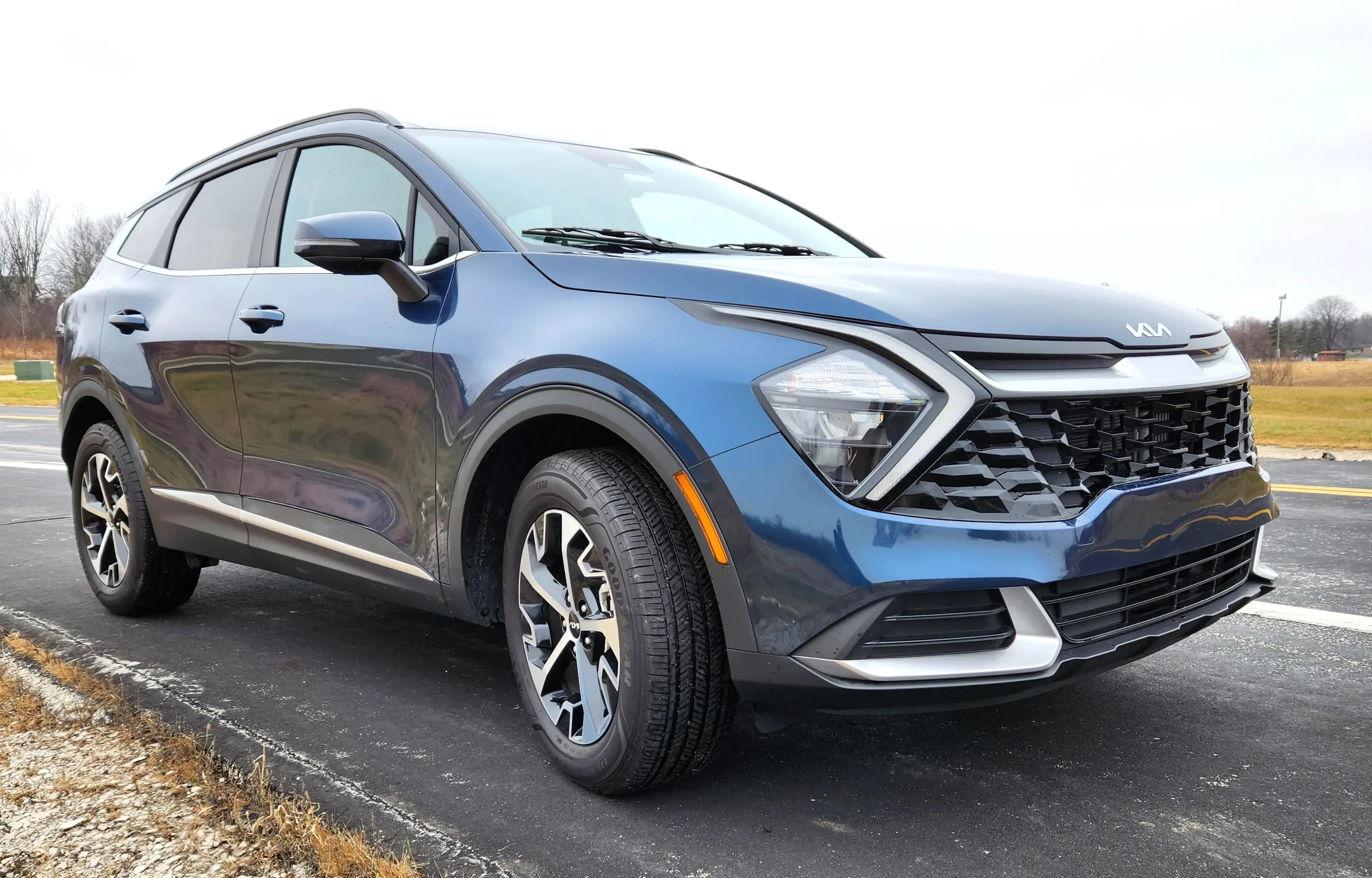
3. Kia Sportage
Kia Sportage offers a compelling blend of features and affordability, yet its suspension often struggles to deliver a truly smooth ride. Firm spring rates and compact wheelbase geometry contribute to a sensation of rigidity, especially over broken city streets or patchy asphalt. Every minor imperfection is communicated through the chassis into the cabin, making travel less effortless than expected.
Shocks absorb larger irregularities but respond with noticeable rebound. Passengers may feel a brief jolt followed by oscillation, which can be unsettling during extended trips. Urban potholes transmit directly into seats, and rough highway surfaces exacerbate vertical motion. Steering feedback, though accurate, relays small bumps, requiring constant micro adjustments to maintain composure.
Wheel and tire combinations amplify ride stiffness. Medium to large alloy wheels with low-profile tires transmit vibrations more directly than smaller, higher-profile options. Even at modest speeds, occupants notice the mechanical feedback, and rear passengers feel exaggerated movement over uneven pavement. Cabin insulation dampens sound but cannot counter physical shocks.
Acceleration and braking contribute to pitching and a slight nose dive, highlighting vertical dynamics. When driving over undulating surfaces, the chassis may feel unsettled, forcing attention toward handling rather than passenger comfort. Seat padding helps, but cannot eliminate the perception of a firm ride.
Although handling precision remains respectable, comfort takes a secondary role. The suspension prioritizes control and cornering stability, leaving some road irregularities more pronounced. Drivers who frequently encounter rough city streets may experience fatigue or increased attention demand during routine commuting.
The Kia Sportage remains attractive for value, technology, and safety. However, those seeking calm, refined travel may find the suspension and chassis less accommodating. Roads that are uneven or full of minor imperfections can turn short drives into perceptible jostling experiences, highlighting a compromise between handling ambitions and passenger comfort.

4. Ford Escape
Ford Escape emphasizes agility and modern styling, yet its ride quality often attracts criticism on imperfect roads. Compact suspension architecture and tuned damping create a firm feel that transmits road disturbances more directly to occupants than larger or comfort-oriented crossovers.
City streets with potholes or irregular asphalt tend to accentuate the sensation. Wheel travel is limited to prioritize steering responsiveness and handling precision. While this improves cornering feel, it makes vertical absorption less effective.
Drivers experience jolts over small bumps and uneven surfaces, and the cabin may feel less settled during extended urban trips. Steering effort transmits subtle vibrations, adding to the perception of a stiffer ride.
Powertrain and transmission interactions influence comfort. Quick acceleration or deceleration can momentarily unsettle the chassis, accentuating minor imperfections. Braking transitions contribute to nose-dive, revealing limitations in shock compliance. The effect is noticeable during city driving and moderate highway travel, where small bumps repeat frequently.
Seating attempts to offset road harshness, yet front and rear padding has limited effect against transmitted suspension motion. Noise insulation mitigates some road sound, but mechanical vibrations remain perceptible. Passengers in the rear experience amplified vertical movement due to shorter wheelbase proportions.
Ford Escape retains competitive handling, fuel economy, and technology features. However, the ride lacks the polish expected from comfort-focused crossovers. Drivers may feel required to adjust speed, avoid surface imperfections, or increase attention to maintain composure.
Daily commuting and longer drives expose the stiffness, making smoothness less predictable than on competitors focused on comfort.
Also Read: 10 Crossovers That Make Sense for Urban Commutes
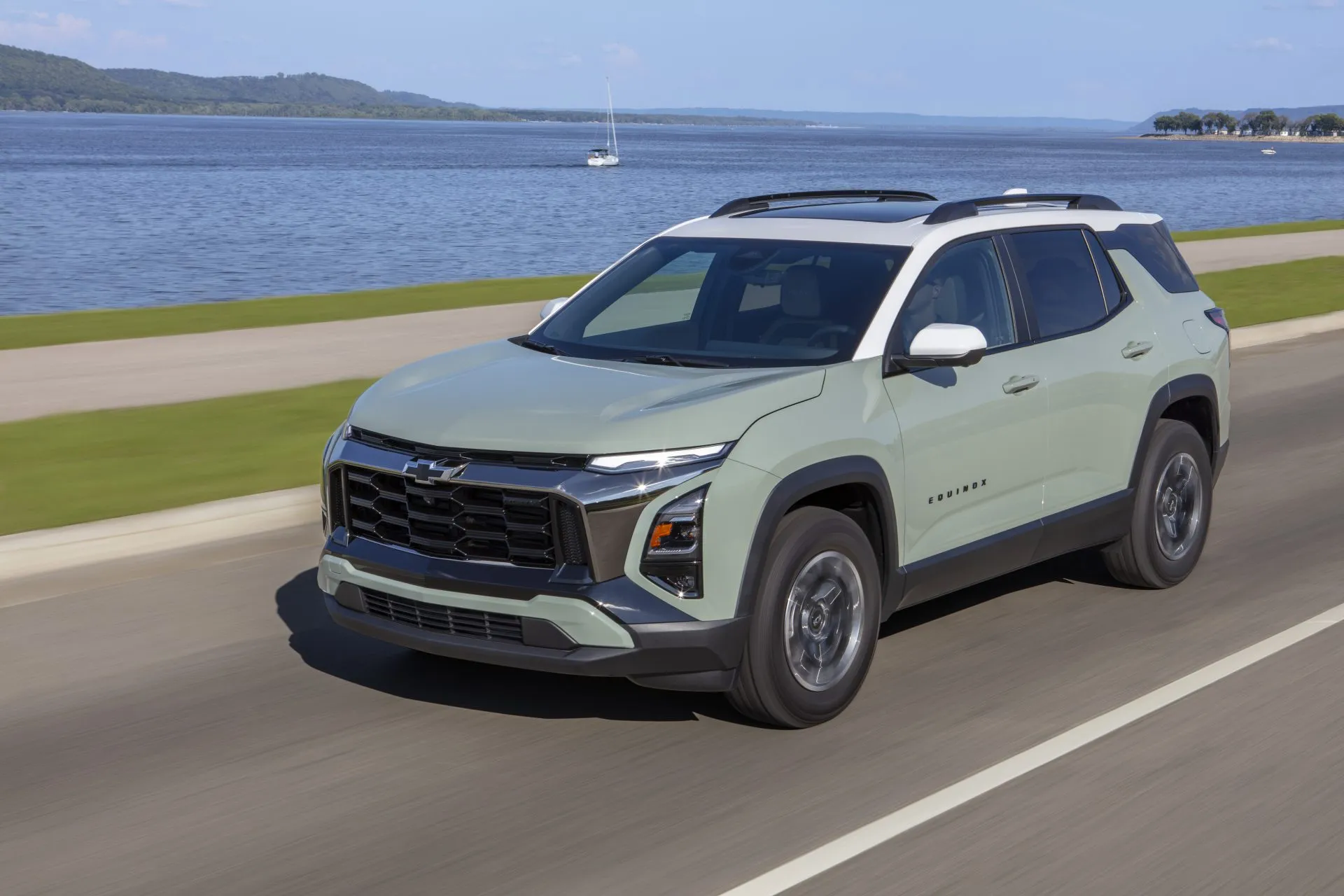
5. Chevrolet Equinox
Chevrolet Equinox emphasizes design, cargo utility, and efficient powertrains, yet its ride often struggles on broken pavement. Suspension stiffness and compact chassis geometry transmit minor bumps into the cabin. Vertical motion remains noticeable during city driving, especially over potholes or speed bumps.
Short suspension travel reduces absorption capability, exaggerating minor surface flaws. Wheel and tire choices further amplify vibration. Alloy wheels with low-profile tires pass shocks directly into the cabin, limiting comfort during extended trips. Steering conveys small bumps, contributing to a less settled feel for drivers and passengers alike.
Powertrain and braking behavior can add to perceived harshness. Acceleration generates a slight pitch, and braking induces forward weight transfer, highlighting suspension limitations. Cabin isolation reduces noise but cannot eliminate vertical motion transmitted through chassis components. Front and rear occupants perceive repeated disturbances, particularly on uneven urban streets.
Extended highway travel does little to alleviate the issue. Small undulations in asphalt result in perceptible body motion, increasing driver attention demand. Seat cushioning softens impact slightly, but cannot compensate for the chassis rigidity.
The combination of firm suspension, minimal wheel travel, and low-profile tires produces an unmistakable sensation of road imperfection, contrasting sharply with comfort-focused crossovers. Chevrolet Equinox retains practicality, styling, and utility. Nevertheless, drivers seeking composed, calm travel on imperfect surfaces may find ride behavior less accommodating.
City commuting and daily errands often involve repeated exposure to minor jolts, which can turn short trips into physically noticeable experiences. For comfort-conscious buyers, this model emphasizes functionality over refined travel.
