The 1970s produced some of the most memorable performance cars in automotive history, vehicles that combined aggressive styling with powerful engines and visceral driving experiences. For many enthusiasts and collectors today, these muscle cars remain beloved icons of an era where horsepower and attitude defined the automotive industry.
Despite decades passing, a number of these classic machines are still available to buy at prices within reach of many fans, offering a chance to own a piece of American automotive heritage without spending a fortune. The appeal of 1970s muscle cars lies not only in their straight‑line speed but also in the sense of connection they foster between driver and machine.
Unlike many modern vehicles brimming with computerized controls, classic muscle cars provide a raw, mechanical feel that makes each drive memorable.
Many of the affordable models that survive today have benefited from dedicated owner communities and a healthy supply of replacement parts, making maintenance and restoration feasible for hobbyists. The cars that remain accessible often come from the later side of the decade when insurance and fuel costs suppressed demand at the time, leaving a number of them behind at sensible prices now.
For buyers seeking muscle car character without the extreme rarity premiums attached to some models, these nine choices represent some of the best value on the market.
What they all share is a blend of style, power, and an enduring reputation that keeps interest high among car lovers. Their continued availability also speaks to how well they were built, as many examples have survived decades of use and still deliver spirited performance when properly cared for.
In this article, each featured car is examined for its attributes, why it remains affordable, and what makes it desirable today. From Pony Car classics to sleeper performance machines, the list highlights a variety of options that appeal to both purists and newcomers to classic car collecting.
For those unfamiliar with classic muscle cars, affordability in this context means examples that can be found without paying extreme premiums often reserved for rare or numbers‑matching models. Condition, originality, and documentation still influence price strongly, but many of these cars provide a practical entry point for enthusiasts on a budget.
Throughout this article, attention is given to what makes each model interesting, including styling details, engine options, and how they fit into the broader narrative of 1970s automotive performance.
If you seek a classic muscle car that carries character and offers rewarding ownership without excessive cost, the following nine choices serve as excellent starting points. Each has its own story and continues to inspire passion among collectors and drivers around the world.

1. Ford Mustang Mach 1
The Ford Mustang has long been a staple of American muscle, and the Mach 1 variant from the 1970s stands out as an accessible performance choice. With bold graphics, aggressive hood treatments, and a focus on power over luxury, the Mach 1 captured imaginations upon release.
Many surviving examples can be found in decent condition, making them realistic purchases for individuals seeking classic performance on a budget. Enthusiast support and parts availability remain strong, helping keep ownership costs reasonable.
Under the hood, Mach 1 models offered a range of engines depending on year and specification, including V8 options that delivered satisfying acceleration. While later 1970s emissions regulations tempered output compared to earlier eras, the combination of V8 torque and rear‑wheel drive still provided ample driving enjoyment.
Buyers often seek the larger displacement engines for their sound and presence, even if peak power figures are lower than modern expectations. For the enthusiast, the sensory experience of a classic Mustang V8 still resonates.
The Mustang Mach 1’s handling characteristics reflect its era, with body roll and a firm ride that remind drivers of its vintage roots. Many owners choose to upgrade suspension components to improve cornering while preserving originality.
Despite this, the car’s aesthetic appeal often steals the show, with trademark Coke bottle shape and distinctive trim that turn heads at meets and cruises. The community around Mustang preservation and restoration is vast, offering guidance and parts for nearly every need.
Acquiring a 1970s Mach 1 today usually means weighing originality against condition, as well maintained examples command higher prices. For budget buyers, a car that needs minor cosmetic or mechanical work can be an excellent project with future rewards.
Because the Mach 1 nameplate carries significant nostalgia, these cars often retain value well compared to less famous siblings. Whether used as a show car or weekend driver, the Mustang Mach 1 remains a muscle classic with enduring appeal.
Enthusiasts often describe the Mach 1 experience as visceral and engaging, with a connection to the road that modern cars struggle to replicate. The sound of the V8 at idle and under acceleration creates an emotional response unique to classic muscle cars. For many owners, this sensory element outweighs any perceived shortcomings in handling or refinement.
The Mustang Mach 1 thus continues to offer not just transportation but a passionate driving experience that resonates across generations.
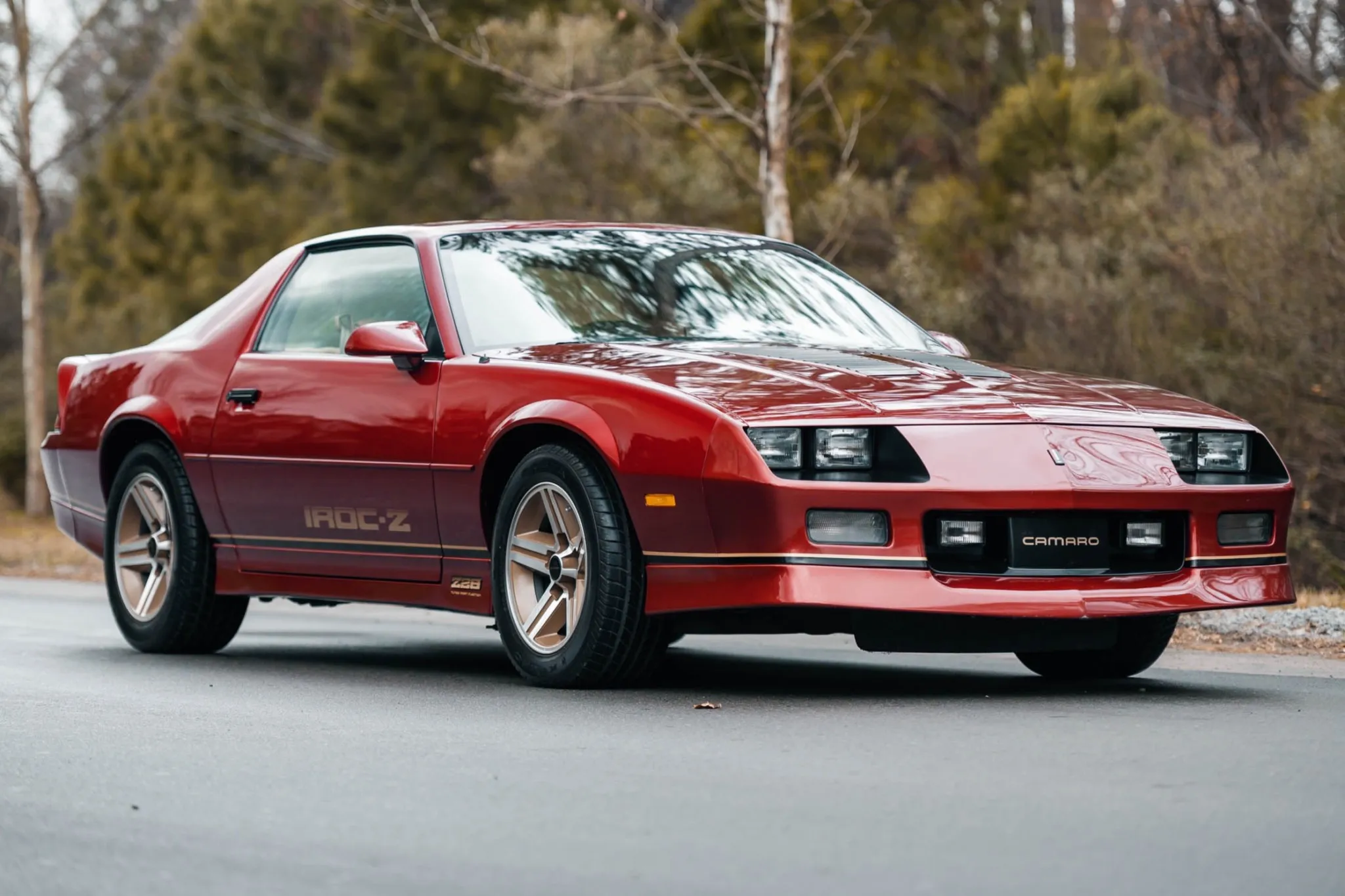
2. Chevrolet Camaro (Late 1970s)
The Chevrolet Camaro from the late 1970s represents a strong value proposition for muscle car fans seeking classic style with manageable ownership costs. Entering its second generation by this time, the Camaro adopted sleeker lines and a more aerodynamic profile that appealed to enthusiasts and mainstream buyers alike.
Its popularity at the time ensured a plentiful supply, and today this translates to a healthy number of available examples for collectors. Whether in base form or dressed up with performance options, the Camaro remains a cornerstone of affordable muscle.
Engine choices for these Camaros varied widely, from spirited six cylinders to throaty V8s that delivered authentic muscle car performance. Although emissions constraints reduced peak horsepower relative to early decade models, the V8 variants still provided robust acceleration and an entertaining driving dynamic.
Buyers today often focus on well cared for V8 cars as they combine classic aesthetics with a driving experience that reflects the Camaro’s racing heritage. The six cylinder versions, while less powerful, also offer lighter weight and better fuel economy for casual cruising.
Inside, the Camaro delivered a driver-oriented cockpit with gauges and controls that emphasized function over frills. The seats were designed to hold occupants during spirited driving, and many cars featured rally instrumentation that added to the sporty feel.
Over time, interior materials may show wear, making restoration or refurbishment a common path for owners seeking to refresh their vehicles. Strong community resources provide inexpensive aftermarket parts that help bring interiors back to life.
From a handling perspective, the Camaro of this era balanced straight‑line performance with competent road manners for its time. Steering feel and suspension tuning give it a character distinct from modern sports cars, offering feedback that many vintage enthusiasts appreciate.
As with any classic car, upgrades to shocks, bushings, and tires can enhance the driving experience without sacrificing original charm. The Camaro’s styling cues, such as bold front ends and sculpted fenders, continue to attract admirers at car shows and events.
Finding a late 1970s Camaro at an affordable price often depends on condition and originality, but the widespread production means choices exist across the market. Cars with original drivetrain components and documentation fetch higher values, while those needing restoration can still serve as rewarding projects.
The Camaro’s reputation as an accessible classic muscle car remains strong, supported by its racing pedigree and widespread fan base. For many enthusiasts, this model embodies the essence of affordable performance from the era.
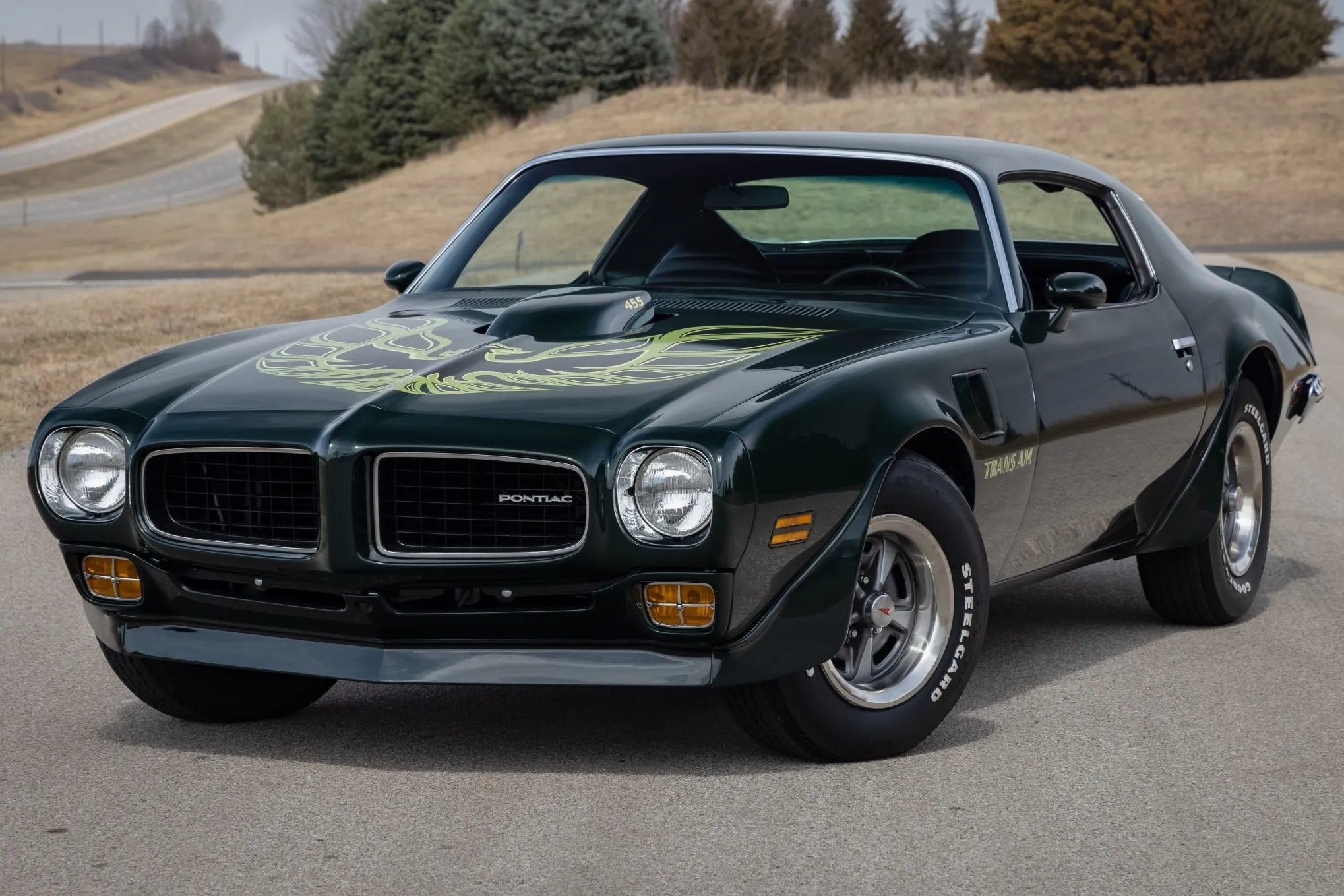
3. Pontiac Firebird
The Pontiac Firebird emerged as a charismatic alternative to its corporate cousin, the Chevrolet Camaro, with styling and performance that carved its own niche in the muscle car industry. In the 1970s, Firebirds offered expressive design elements like shaker hoods and sporty accents that set them apart visually.
Many surviving units today remain collectible without commanding extreme prices, making them attractive to buyers seeking a unique classic. Firebird ownership combines aesthetic appeal with a sense of community among dedicated fans.
The Firebird’s handling dynamics reflect its muscle car heritage, combining straight‑line capability with balanced road manners for everyday driving. Steering feedback and suspension tuning give it a distinct personality that appeals to traditionalists who enjoy analog feel.
While not matching modern sports car precision, the Firebird rewards thoughtful driving with a sense of connection that complements its visual flair. Upgrades to brakes and chassis components further refine performance for spirited use.
Affordability among available Firebirds today often depends on rarity and condition, yet the model remains more accessible than many premium collectibles. Cars with documented history, matching numbers, and preserved originality command higher interest, while solid projects provide entry points for new collectors. Enthusiast communities host events and forums that support ownership and knowledge sharing, helping preserve these machines for future generations. The 1970s Pontiac Firebird thus stands as an appealing blend of performance, style, and value in the muscle car world.
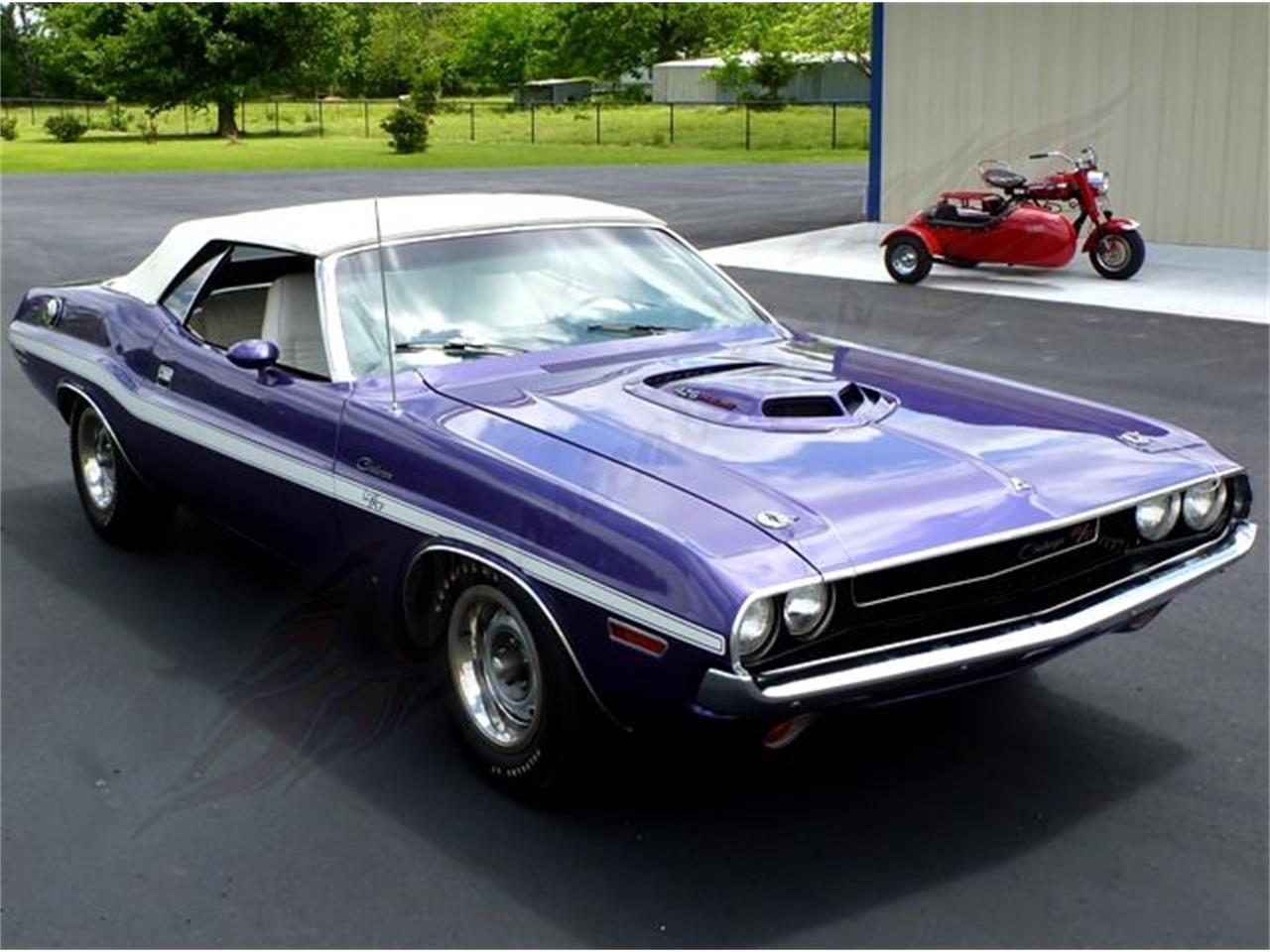
4. Dodge Challenger (Early 1970s)
The Dodge Challenger of the early 1970s represents one of the most iconic names in American muscle car lore, fused with powerful engines and bold design that defined an era. Although classic examples from this period can vary widely in price, certain affordable specimens are still available that capture the Challenger’s spirit without prohibitive cost.
Its long hood, aggressive stance, and distinctive grille ensure instant recognition among enthusiasts and casual observers alike. Owning a Challenger connects drivers to one of the most storied chapters in performance car history.
Powertrain options for the Challenger included a variety of V8 engines designed to deliver strong acceleration and robust torque. Even lower output variants carry the characteristic rumble and presence that drivers seek in a true muscle car experience.
While premium editions with rare high performance engines command premium prices, more common configurations provide accessible enjoyment for collectors. The driving feel of the Challenger pairs potent thrust with a visceral feedback loop that many owners find addictive.
Inside, Challengers offered roomy interiors relative to some competitors, with seating that balanced comfort and support for spirited driving. Period details like classic gauge clusters and optional tachometers contributed to the driver‑centric experience.
Wear over decades is common, making restoration of seats, dash components, and trim a frequent undertaking for owners wishing to refresh their cars. Community resources and aftermarket suppliers make these projects achievable without undue expense.
From a dynamics perspective, the Challenger reflected its era’s engineering priorities, with suspension tuning that emphasized straight‑line focus and a distinctive road presence. Steering and handling were competent for the time but carry the vintage feel that sets classic cars apart from modern counterparts.
Many owners embrace this character, appreciating the way the car responds to inputs with a mechanical authenticity no longer common. Thoughtful upgrades to brakes and chassis components can enhance everyday usability without diminishing originality.
Finding an affordable early 1970s Challenger today often involves trade‑offs between condition, originality, and completeness. Cars with numbers-matching engines and documented restoration histories command premiums, but solid drivers and projects remain within reach for many collectors.
Enthusiasts often recommend thorough inspection of structural components and engine condition due to the age of available examples. For those willing to take on a project, the Challenger Rewards patience with a presence and performance character that few cars can match.
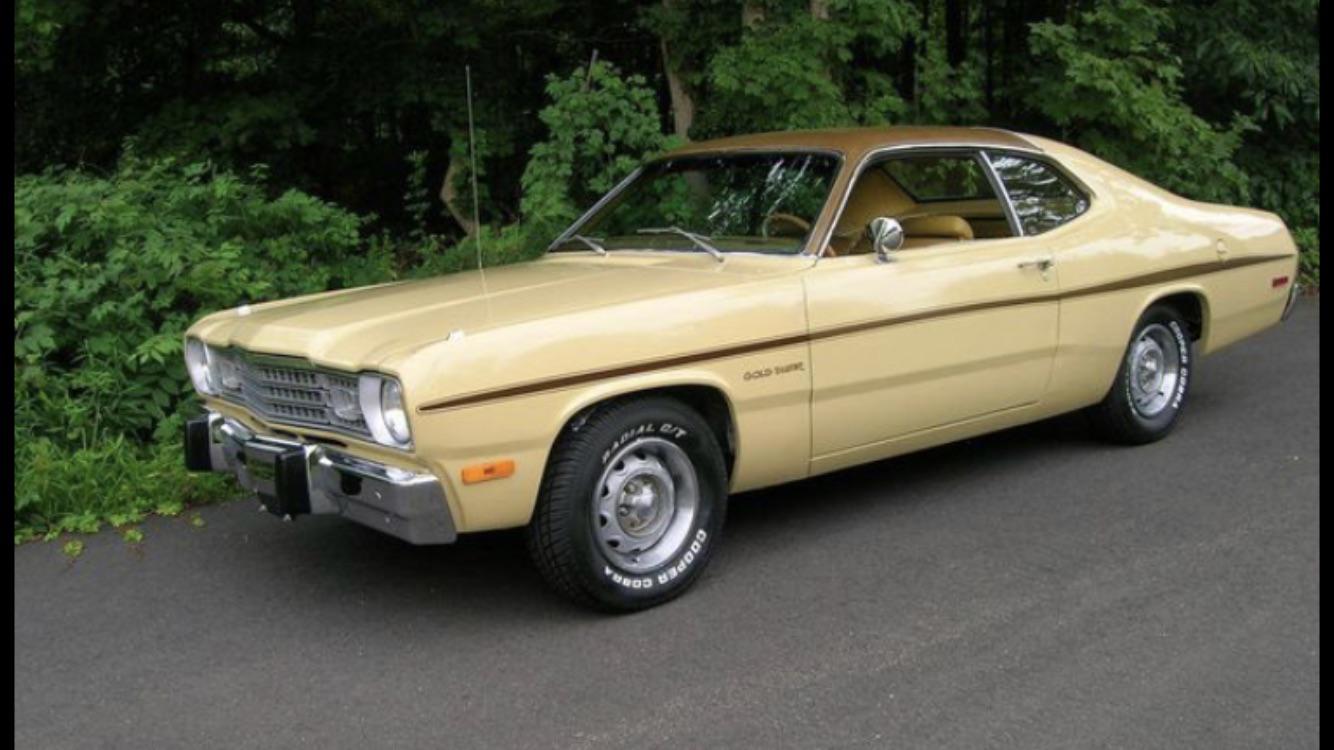
5. Plymouth Duster
Plymouth Duster embodies a unique chapter of affordable performance from the 1970s, combining compact dimensions with energetic engine options that offered fun without excess cost. The Duster’s lightweight body and responsive feel made it a favorite among buyers who wanted performance with manageable size.
Today, the Duster continues to attract attention for its balance of simplicity, style, and relative affordability compared with bigger muscle cars. Collectors often regard it fondly for its unpretentious character and enthusiast‑friendly ownership.
Engine offerings for the Duster ranged from efficient six cylinder units to V8 choices that delivered punchy acceleration for the car’s weight. While not all configurations achieved high horsepower, the combination of lower curb weight and torque created lively performance on regular roads.
Enthusiasts often seek V8 equipped versions for the classic muscle car sensation, while six cylinder models appeal to those who prefer nimble handling and easier upkeep. Regardless of engine, the Duster retained a spirited feel that reflects its design ethos.
Handling dynamics for the Duster were often praised for their balance, with compact proportions that made cornering intuitive. Suspension tuning gave it a planted feel for its class, providing confidence on winding roads and during daily use.
While not as powerful as larger muscle cars, the Duster’s agility made it fun to pilot, especially on routes where handling mattered more than straight‑line speed. Tires and suspension upgrades further enhance capability without compromising originality.
Affordable examples of the Plymouth Duster remain on the market due to its historical underdog status compared to more glamorous muscle cars. This lower demand during the classic car boom of past decades helped preserve more examples in reasonable condition.
Today, a solid Duster represents a rewarding choice for collectors who want a classic machine with genuine performance character and manageable cost. Enthusiast forums and parts networks support ownership and restoration, helping keep these cars on the road for decades to come.
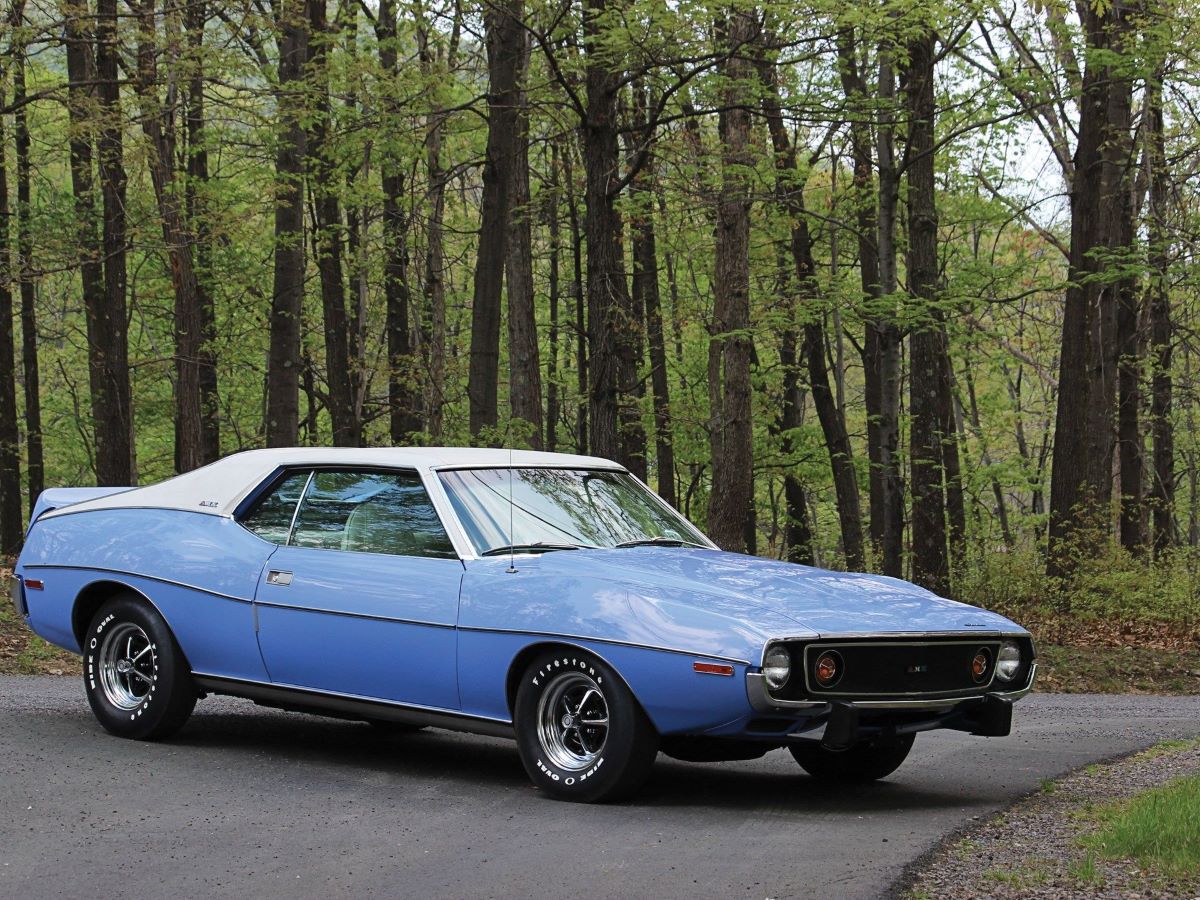
6. AMC Javelin
American Motors Corporation produced the Javelin to compete with other pony cars of the era, and it quickly gained a following among buyers seeking distinctive styling and lively performance. The Javelin’s swept back roofline and aggressive stance made it stand out from mainstream competitors, while its engineering offered capable driving dynamics.
Today, the Javelin remains more affordable than many of its better‑known rivals, providing an accessible entry point into classic muscle car ownership. Enthusiasts appreciate its quirky personality and relative rarity without excessive pricing.
Engine choices for the Javelin included a series of inline and V8 options that catered to varying tastes and performance needs. V8 models, in particular, offered punchy acceleration and a soundtrack that complemented the car’s bold appearance.
While emissions restrictions did reduce peak output in later years, the available power was still engaging for drivers seeking visceral feedback. The combination of robust torque and spirited handling made the Javelin rewarding to drive at legal speeds.
Handling characteristics for the Javelin were competitive for its time, combining balanced suspension with responsive steering that encouraged enthusiastic driving.
The car’s chassis felt planted at speed, and its dynamics rewarded smooth inputs and careful throttle modulation. While not as refined as later performance cars, the Javelin’s analog feel remains appealing to purists who enjoy a direct connection between driver and machine. Braking and suspension upgrades further enhance everyday usability.
Affordable Javelins are often found on the market due to their niche appeal during the classic car boom, which left many examples undervalued compared with mainstream rivals. Collectors who appreciate AMC’s independent approach to performance often seek Javelins for their blend of style, character, and relative scarcity.
Parts availability remains sufficient to support restoration, thanks to dedicated enthusiast networks and aftermarket suppliers. The Javelin thus continues to attract drivers who seek a distinctive classic muscle car with a personality all its own.
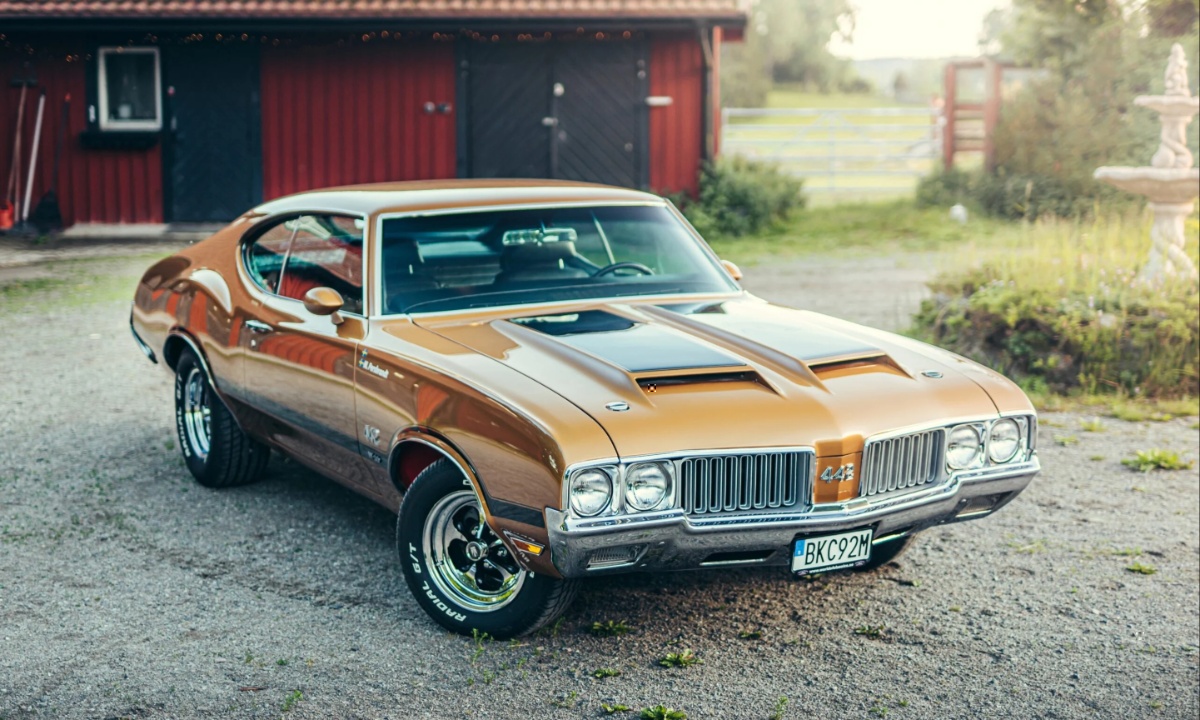
7. Oldsmobile 442
The Oldsmobile 442 emerged from a tradition of performance at the General Motors brand, offering robust engines and a focus on balanced capability rather than showy excess. In the 1970s, the 442 nameplate stood for four barrel carburetor, four speed gearbox, and dual exhaust, signaling serious performance intent.
Today, well preserved examples remain desirable yet affordable relative to more high profile muscle cars from the same era. Enthusiasts appreciate the 442’s blend of power, comfort, and understated aggression that makes it a rewarding classic.
Underneath the hood, the 442 featured potent V8 engines that offered substantial torque and a satisfying powerband for drivers. Though regulations softened peak output compared with earlier years, the engine’s character still conveys strength and aural pleasure.
Paired with manual or automatic transmissions, the 442 delivered a driving experience that matched its performance aspirations. Owners often highlight the engine’s flexibility and responsiveness as hallmarks of the model.
Handling for the Oldsmobile 442 combined straight‑line muscle with composed road manners that suited diverse driving scenarios. Suspension tuning allowed the car to absorb imperfections while still offering stable responses to steering inputs.
Though not as nimble as later sports cars, the 442’s dynamics reflected a balanced approach to performance and comfort that many owners appreciate. Braking performance, when upgraded with modern components, improves confidence for everyday use.
Finding an affordable Oldsmobile 442 today depends on condition, rarity of options, and preservation of original components. While pristine, numbers matching examples can command higher prices, solid drivers and project cars remain within reach for classic car enthusiasts.
The 442’s reputation as a tasteful performance machine maintains interest among collectors, while large parts catalogs support restoration and maintenance needs. For individuals seeking a classic muscle car that blends power with a refined personality, the Oldsmobile 442 presents an attractive choice.
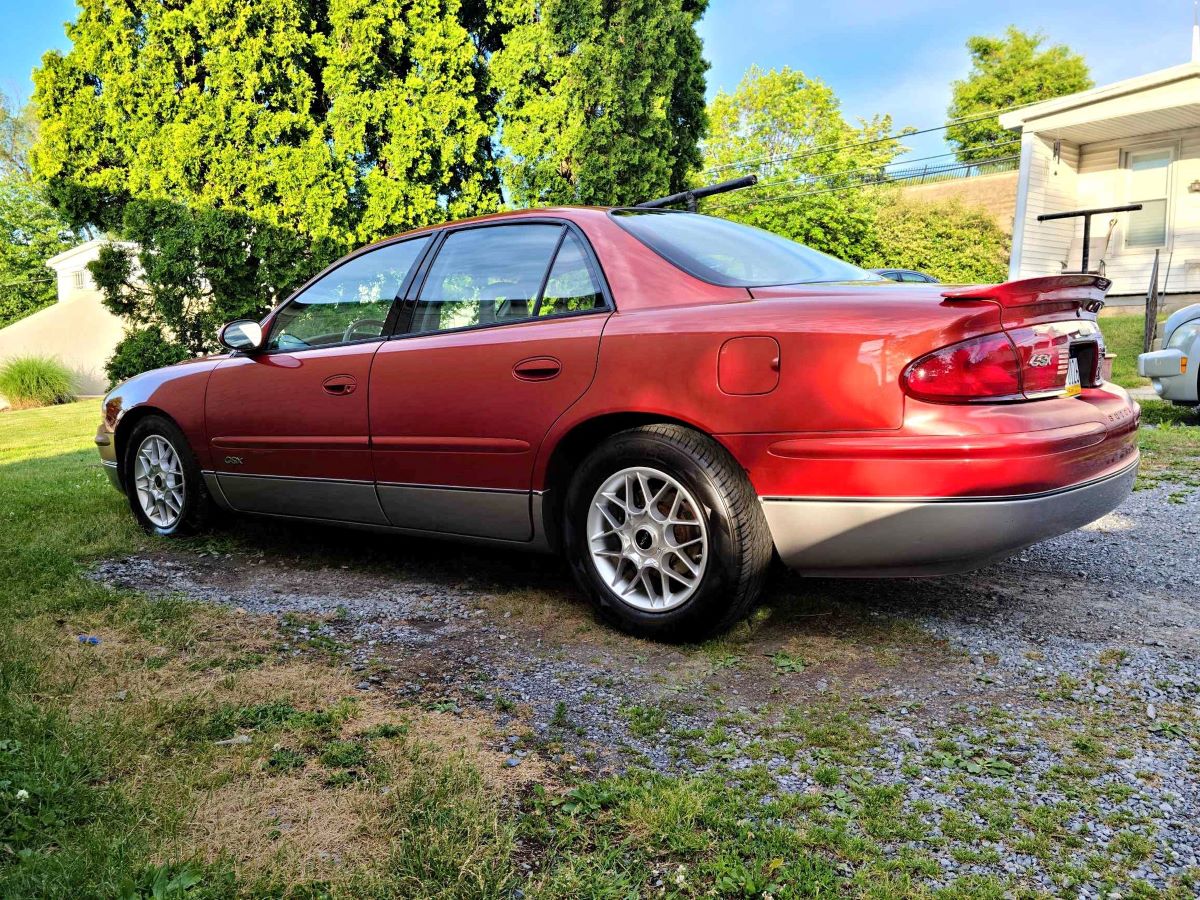
8. Buick GS
The Buick GS series offered an interesting variation on the muscle car theme, combining Buick’s reputation for comfort with genuine performance potential under the hood. In the 1970s, the GS models carried sporty styling cues and powerful engine options that appealed to drivers seeking performance without sacrificing refinement.
Today, many GS models remain affordable compared with more celebrated muscle cars from the same period, attracting enthusiasts who appreciate its unique balance. The Buick GS embodies a performance ethos that pairs strength with subtlety.
Engine selections for the GS included robust V8 units capable of delivering satisfying acceleration and torque, making highway cruising and spirited driving engaging. Emissions regulations impacted peak numbers, but the engines still provided ample presence and sound that enthusiasts cherish.
Manual and automatic transmissions were both available, giving buyers flexibility in selecting their preferred driving experience. The balance of power and smooth delivery made the GS appealing to drivers who enjoyed performance with comfort.
Inside, the Buick GS interior reflected comfort‑oriented appointments with quality materials and supportive seats that made longer drives enjoyable. Instrumentation focused on clarity, with gauges laid out to keep the driver informed without distraction.
Upholstery and trim materials often held up well over time, though aging components may benefit from restoration to recapture original luster. Aftermarket parts and upholstery resources support bringing interiors back to life without excessive cost.
Handling dynamics for the GS offered a composed ride with enough responsiveness to satisfy performance cravings without harshness. Suspension tuning balanced comfort and agility, letting drivers enjoy confident road manners without sacrificing ride quality.
While the GS was not purpose‑built for track performance, its chassis and steering provided a satisfying connection to the road during everyday use. Braking upgrades often enhance confidence, especially in mixed driving scenarios.
Affordable Buick GS examples are available today due to their reputation for comfort alongside performance, which historically broadened their appeal beyond strictly performance enthusiasts. This broader buyer base sometimes kept values moderate, leaving a supply of cars in various conditions for today’s collectors.
Well‑preserved GS models command respect and often become centerpiece vehicles for classic car gatherings. The Buick GS thus remains a compelling choice for those seeking a refined yet muscular classic experience.
9. Chevrolet Nova
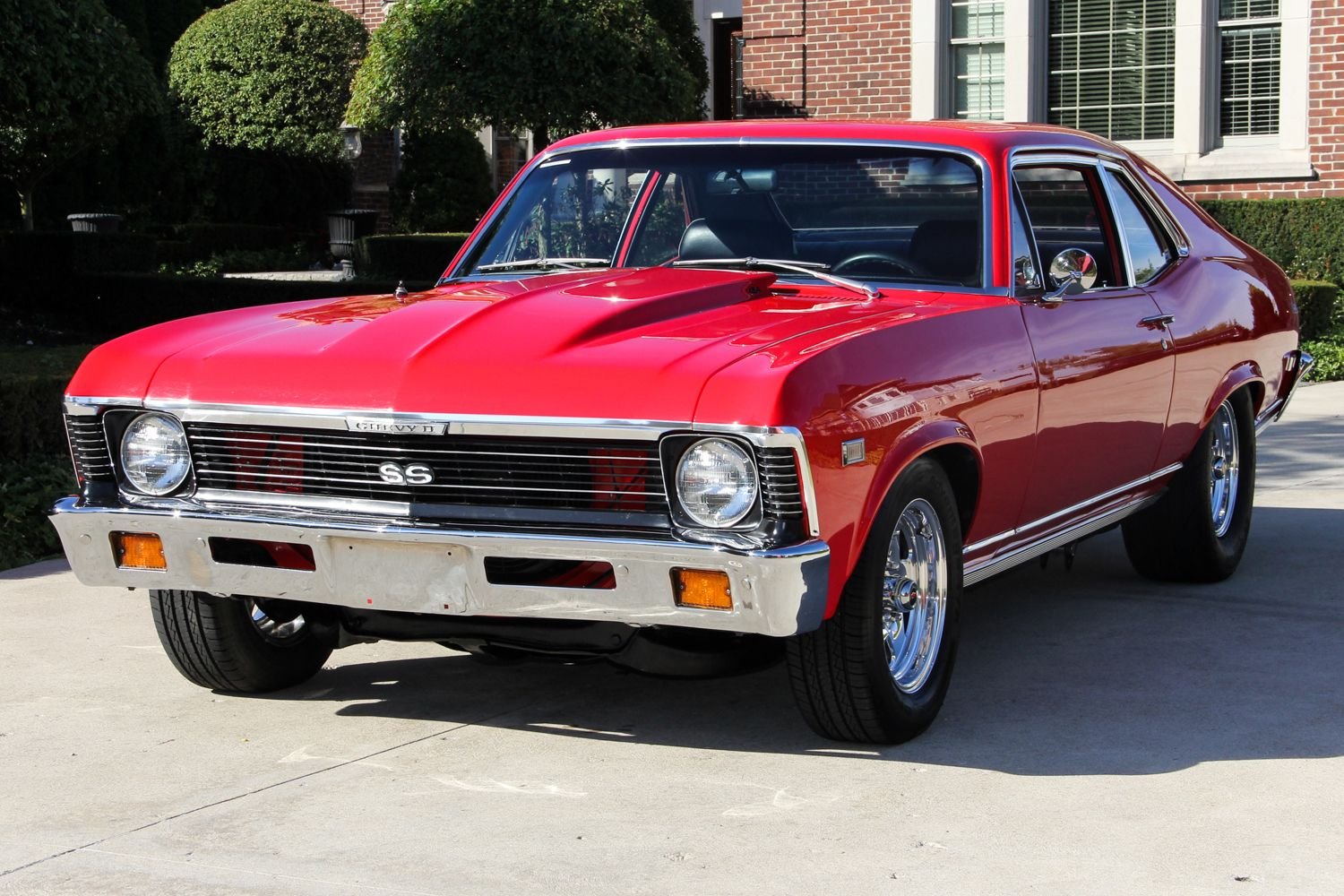
The Chevrolet Nova of the 1970s stands as one of the more understated muscle car options available today, offering clean lines, practical dimensions, and performance potential that belies its humble exterior. While not as ostentatious as some contemporaries, the Nova produced engaging driving experiences, especially when equipped with V8 power.
Today, Novas remain among the more accessible classic muscle cars in terms of price and maintenance demands. Their simplicity, reliability, and enthusiast support make them enduring favorites.
Engine options for the Nova included efficient six cylinder units and spirited V8s that delivered brisk acceleration for the car’s weight. Muscle car versions equipped with larger displacement engines gave drivers authentic performance within a manageable footprint.
Manual transmissions heightened driver involvement, while automatics provided smooth shifts for relaxed cruising. The Nova’s powertrain choices ensured appeal across a wide range of buyers seeking classic performance.
Inside, the Nova offered a functional cabin with straightforward controls and supportive seating that made daily driving comfortable. Gauges provided clear information without unnecessary complexity, reinforcing the car’s practical character. Over time, fabrics and trim may wear, prompting owners to refresh interiors with period‑correct materials or personalized touches. Aftermarket parts for upholstery and trim help maintain affordability for restorations.
Handling in the Nova reflected a balance of comfort and responsiveness, with suspension tuning that made everyday driving engaging without harshness. Steering feedback offered sufficient communication to encourage attentive driving, while the chassis felt poised on a variety of road surfaces.
Upgrading shocks, sway bars, and tires often enhances handling without compromising the vehicle’s character. This blend of attributes makes the Nova enjoyable on weekend drives and extended cruising alike.
Finding affordable Chevrolet Novas today is usually straightforward due to their historical popularity and robust production numbers. Cars in varying conditions remain on the market, giving buyers opportunities to select examples that match their goals and budgets.
Well kept Novas with desirable engine options draw interest from collectors, while solid drivers provide practical ownership experiences. The Nova’s combination of simplicity, performance potential, and accessibility continues to attract enthusiasts seeking classic muscle car thrills without excessive cost.
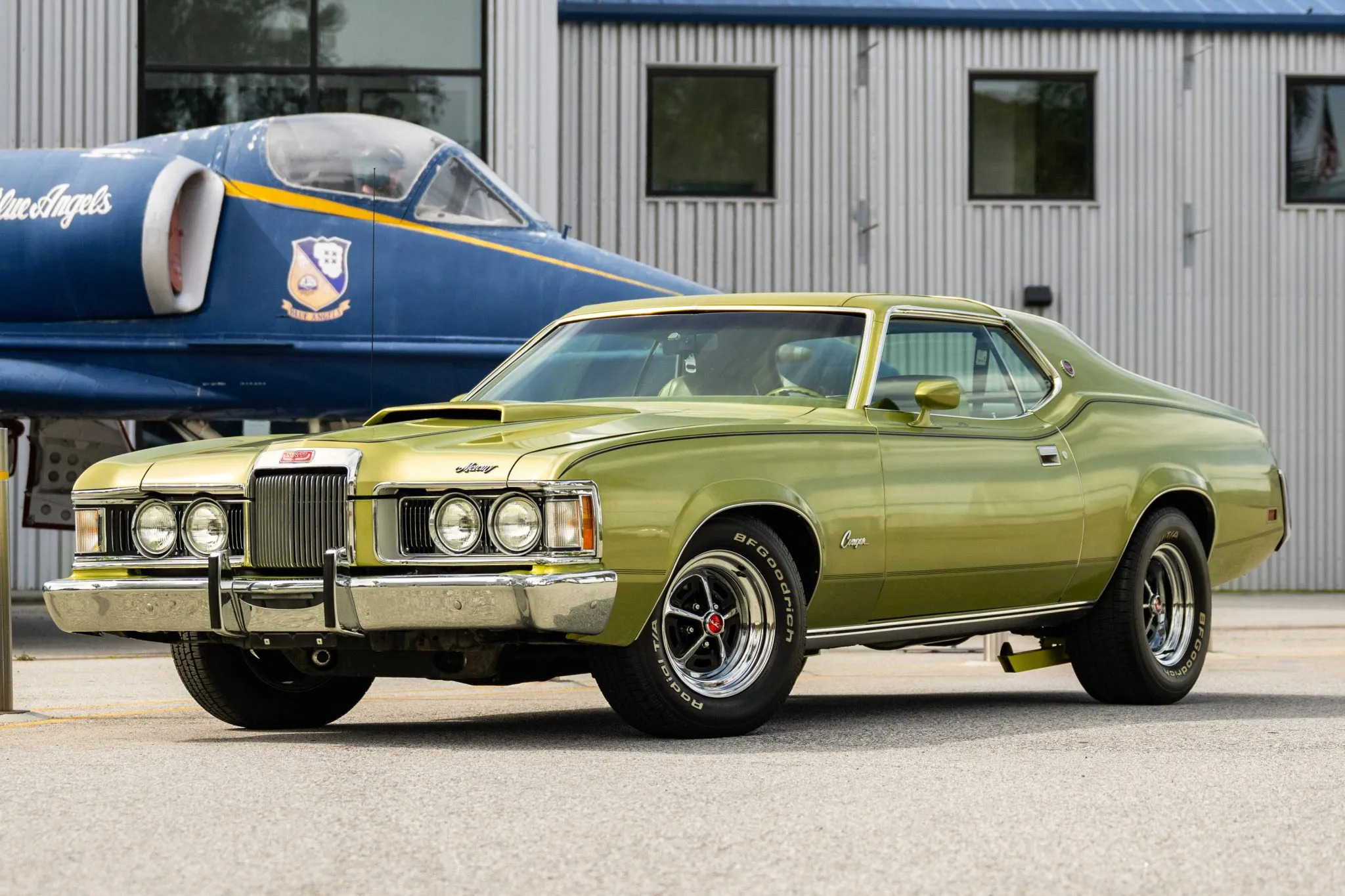
10. Mercury Cougar
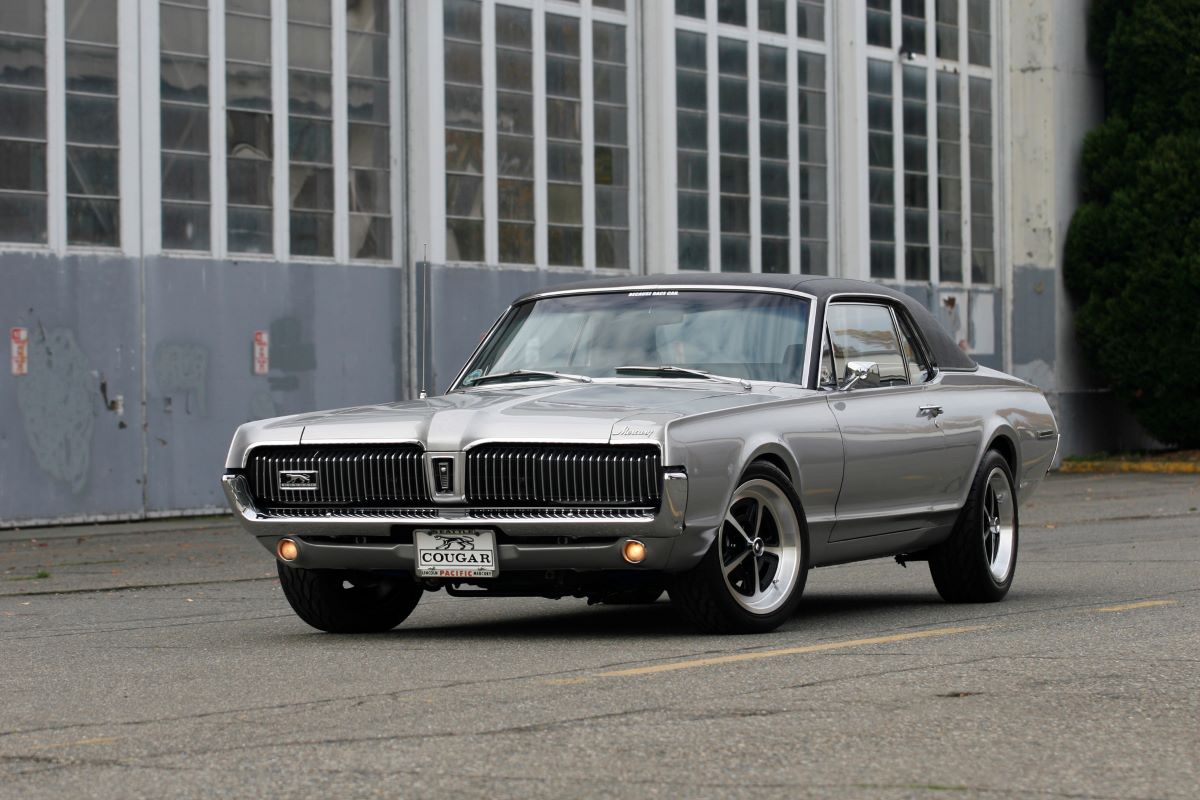
The Mercury Cougar of the 1970s offered a blend of style and performance that appealed to buyers seeking something more refined than standard pony cars. With sleek lines, hidden headlights, and a distinctive grille, the Cougar presented a premium appearance while still delivering V8 muscle under the hood.
Many examples survived the decades in good condition, making them relatively affordable choices for collectors who want a car with both presence and performance. Enthusiast support helps keep parts and restoration manageable for these vintage vehicles.
Cougar engines ranged from smooth six cylinder units to powerful V8s that delivered satisfying acceleration and torque. Later 1970s models saw reduced output due to emissions rules, but even these engines retained the character and growl associated with classic American muscle.
Buyers often favor larger displacement V8s for the authentic experience, while smaller engines offer lighter weight and simpler maintenance. The combination of visual appeal and spirited performance makes the Cougar a compelling classic.
Inside, the Mercury Cougar combined comfort with sporty touches, including supportive seats, center consoles, and driver-focused instrumentation. Interior materials were typically higher grade than some competitors, contributing to a more refined feel. Over time, upholstery and trim may age, but restoration parts are widely available through enthusiast channels. Owners often restore interiors to period-correct standards while adding minor updates for comfort and reliability.
Handling dynamics reflected the Cougar’s balanced design, with a chassis capable of spirited cornering while remaining composed on highways. Steering feedback and suspension tuning provided a connected driving experience without sacrificing ride comfort.
While not a racecar, the Cougar’s combination of poise and muscle made it enjoyable for everyday drives and weekend cruises alike. Upgrades to brakes and bushings can enhance performance while preserving the car’s original character.
Today, the Mercury Cougar remains an attainable muscle car for enthusiasts who value style, comfort, and performance. Its relative affordability stems from being overshadowed by more famous contemporaries, but collectors have begun to recognize its unique charm and versatility.
Well-preserved examples offer both a visually striking presence and a rewarding driving experience. For anyone seeking a 1970s classic with personality and muscle, the Cougar provides an excellent addition to a garage of affordable American performance cars.