Classic cars often carry a sense of nostalgia and excitement, and American models from the mid-20th century are no exception. Many people dream of owning a car that once ruled the streets, drawing admiration wherever it goes. Collectors frequently assume that these vehicles will increase in value over time, making them a seemingly attractive investment.
However, not every classic car is a financial success, and certain models consistently fail to meet the expectations of buyers who hope to profit. The reasons for this vary, ranging from limited demand to high maintenance costs, or sometimes a combination of both.
Understanding which vehicles rarely offer a strong return is critical for anyone considering a purchase in the classic car market. Some models are charming, yet they lack historical significance, rarity, or engineering qualities that elevate a car’s investment potential.
Enthusiasts may still find joy in driving them, but that enjoyment rarely translates into financial gain. Beyond the initial cost, ongoing upkeep can quickly consume any anticipated appreciation. Parts may be hard to locate, labor costs are often high, and certain mechanical designs are prone to frequent repairs.
Furthermore, cars that were mass-produced or had a short-lived popularity often fail to achieve collector status. Even vehicles with unique styling can fall victim to market trends or shifting tastes over the decades. In addition, many classic cars suffer from incomplete or poorly documented histories, making it harder for buyers to verify authenticity.
This further diminishes resale potential, particularly among discerning collectors who value provenance as much as aesthetics. Insurance premiums, storage concerns, and the risk of depreciation during market fluctuations also add to the challenges of ownership.
While the dream of owning a vintage American car is enticing, it is essential to separate emotional appeal from financial reasoning. Some cars simply retain their beauty without promising profitable returns, and recognizing these pitfalls can save future collectors from disappointment.
The following list highlights ten classic American cars that, despite their iconic looks or cultural significance, rarely make wise investments. Each example illustrates factors that limit financial growth, helping enthusiasts make informed decisions before purchasing a classic vehicle.
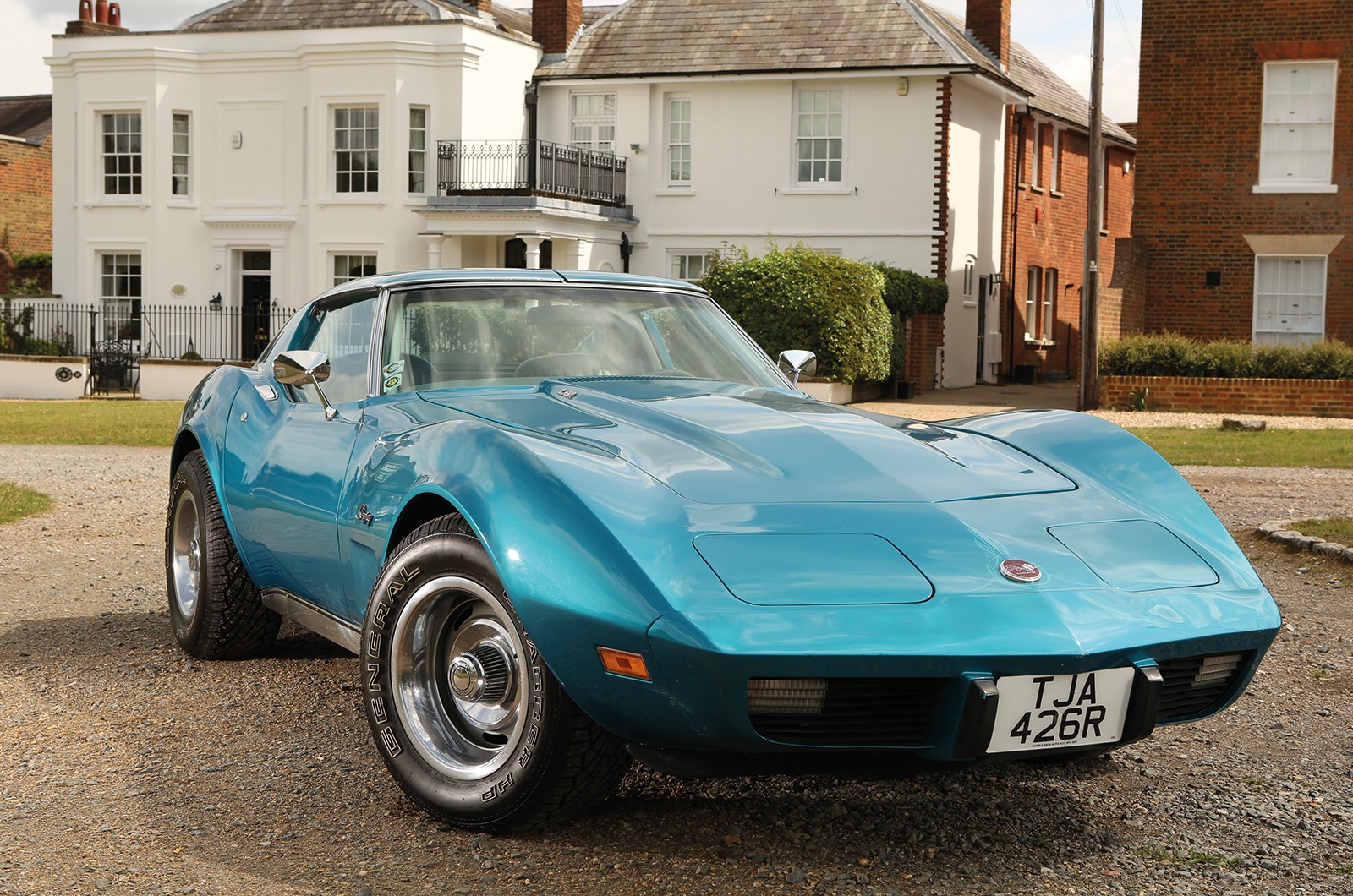
1. Chevrolet Corvette C3 (1968–1982)
The Chevrolet Corvette C3 is an instantly recognizable American sports car, celebrated for its curvy body lines and strong engine options. Despite its popularity during its production era, this generation of Corvettes rarely appreciates significantly in value.
The mass production of these cars means that many examples exist, lowering their scarcity and investment potential. Buyers often underestimate the ongoing maintenance costs, which can quickly outweigh potential gains.
Rust is a significant concern for C3 Corvettes, particularly in models from the early years, as corrosion affects both body panels and structural components. Many cars have been stored improperly or suffered from water damage over the decades, further reducing their market appeal.
Engines and transmissions, although powerful, may require extensive rebuilds to maintain performance. These costs make it difficult to recoup an investment in the resale market.
Interior quality in C3 Corvettes also affects value, as original materials often degrade with age. Dashboards crack, seats tear, and electrical systems fail, requiring substantial restoration work.
Collectors seeking an investment-grade vehicle often avoid these cars due to the amount of labor needed to restore them to acceptable condition. Replacement parts are available but vary in quality and price, complicating restoration projects.
Although the C3 Corvette has cultural recognition and a nostalgic fan base, it rarely reaches the levels of appreciation seen in earlier or later Corvette models. Factors such as high production numbers, limited historical significance, and inconsistent condition make it a poor candidate for a financial investment. Enthusiasts may still find them enjoyable for driving or display, but long-term profits are unlikely.
Even special editions or high-performance trims, like the L82 or ZR1 packages, do not consistently increase in value. Limited buyer interest in these specific variants makes selling a restored car challenging. While visually striking, these cars remain more of a collector’s hobby than a lucrative financial opportunity.
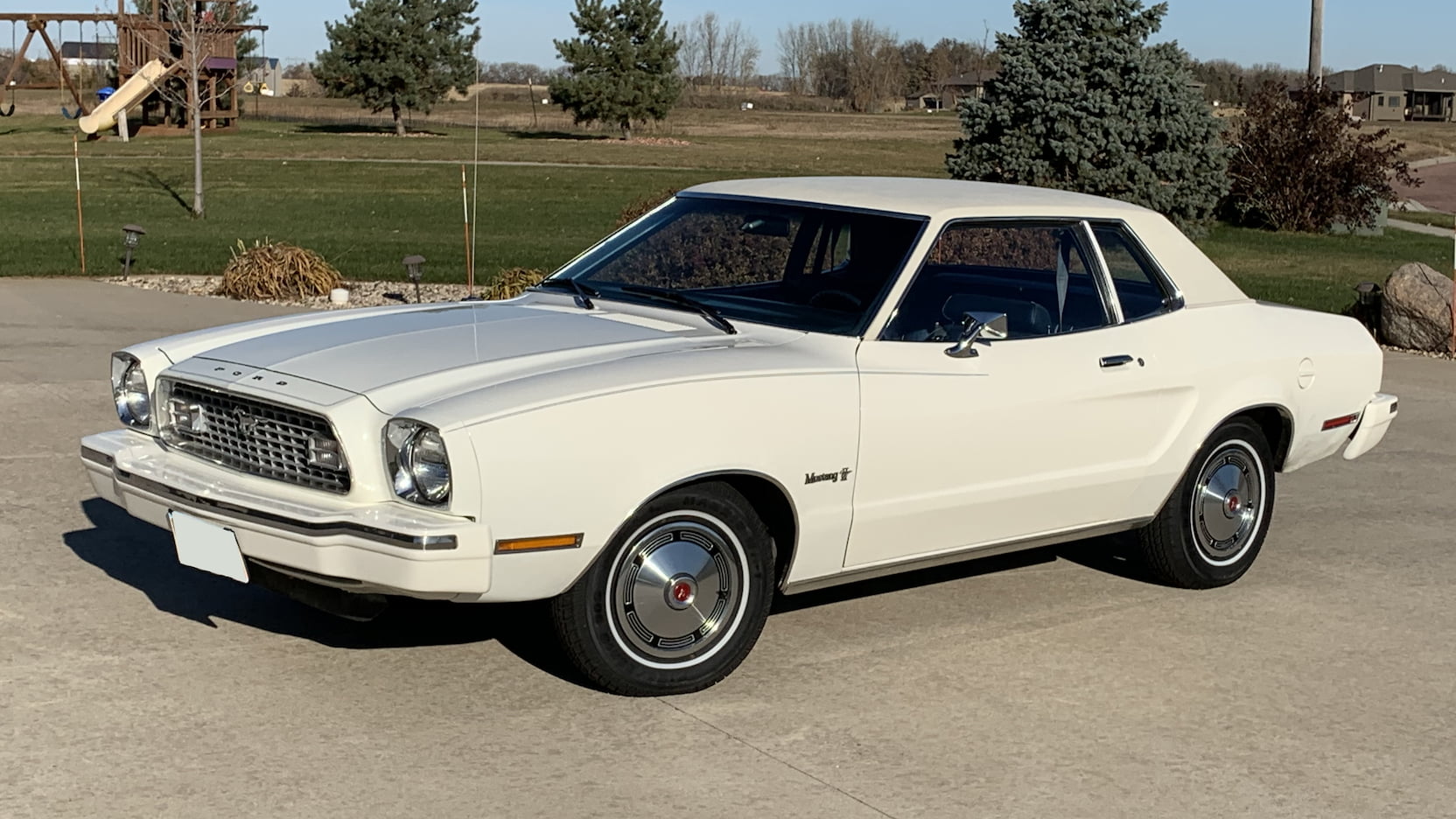
2. Ford Mustang II (1974–1978)
The Ford Mustang II was introduced during an era of rising fuel prices and stricter emissions regulations. Although it helped Ford maintain the Mustang nameplate, this generation is widely criticized for its lack of performance and compromised design. As a result, its appeal to classic car investors is minimal, despite its historical context. Limited horsepower, lightweight construction, and uninspired styling make it less desirable compared with earlier or later Mustangs.
Reliability issues also plague the Mustang II, particularly with engines prone to overheating or mechanical failure. Parts are generally available, but restoration costs can accumulate quickly, especially for models with original equipment or trim.
Rust and poor-quality paint further reduce market value, requiring attention that may not translate to increased resale. The relatively bland design of the Mustang II fails to capture the imagination of collectors who prioritize style or performance.
While the Mustang II was popular among the general public during its release, it lacks the iconic status of the first-generation Mustangs. Enthusiasts often overlook it, which affects long-term investment potential. Even rare trims or special editions struggle to generate demand among serious buyers. Documentation and originality are also significant concerns, as many vehicles were modified or poorly maintained over the years.
Price appreciation for the Mustang II remains modest, with most sales reflecting nostalgic value rather than true investment growth. The car’s small engines, lightweight frame, and limited performance credentials are factors that collectors consider when assessing potential returns. Enthusiasts may enjoy driving these models casually, but financial gains are unlikely over time.
Even restored or mint-condition examples often fail to command premium prices. This makes the Mustang II more suitable as a personal hobby car rather than a strategic investment in the classic car market. Market trends rarely favor these models, keeping prices relatively stagnant.
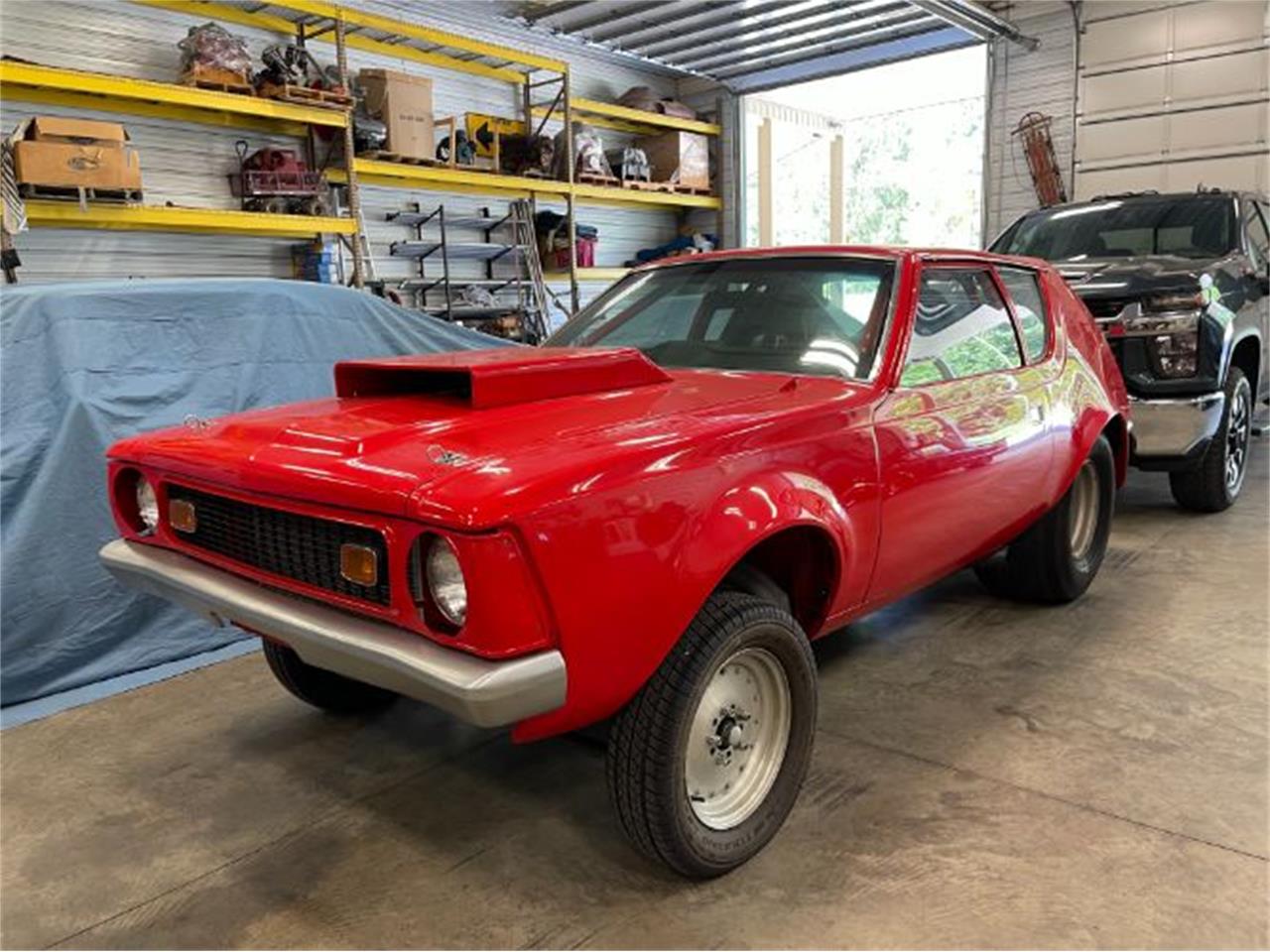
3. AMC Gremlin (1970–1978)
The AMC Gremlin is a uniquely styled subcompact car that evokes strong reactions from enthusiasts and critics alike. Its unusual design, characterized by a truncated rear end and small size, has made it memorable, but it does not guarantee investment returns. Production numbers were relatively high, limiting scarcity. Combined with mediocre performance and low original build quality, the Gremlin is rarely sought after by serious collectors.
Mechanically, the AMC Gremlin suffers from reliability issues common to AMC vehicles of the period. Engines often require rebuilds, and suspension components wear quickly. Parts are available, but sourcing authentic pieces for a high-quality restoration can be costly. Owners should expect significant investment in maintenance without assurance of resale value.
Interior finishes and materials were often subpar, showing wear quickly and complicating restoration. Dashboards, seats, and trim pieces are difficult to replace authentically, which lowers market appeal. Many surviving Gremlins have been modified, making it challenging to find examples suitable for collectors who prioritize originality.
The car’s quirky appearance and pop culture notoriety have not translated into significant investment growth. Unlike other classic cars that achieve high status due to performance, rarity, or design influence, the Gremlin is often considered a novelty. Buyers are cautious, limiting the pool of potential resale customers.
Even limited edition models or higher-performance versions, like the X package, rarely achieve significant price increases. While the AMC Gremlin is entertaining to drive and owns a unique place in automotive history, it is far from a wise investment for those seeking financial appreciation.
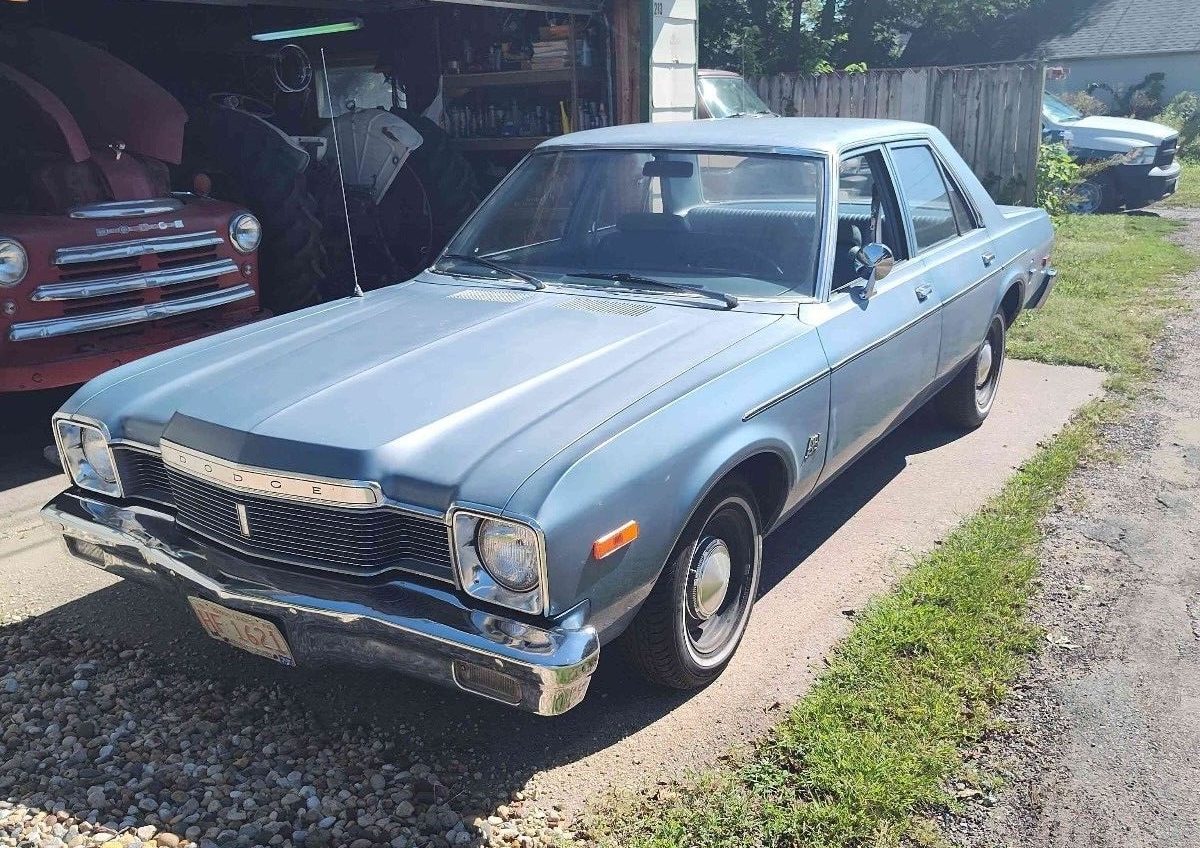
4. Dodge Aspen (1976–1980)
The Dodge Aspen was Chrysler’s attempt to compete in the mid-size market during the late 1970s. While the car was practical and reasonably priced, it lacks appeal among collectors looking for investment potential. Mass production, bland styling, and average performance contributed to low desirability. Enthusiasts rarely pay premiums for these cars, limiting resale value.
Mechanical reliability is another concern, as engines and transmissions require regular maintenance. Rust is prevalent in many examples, and repairing body panels or structural issues can be expensive. Interior components deteriorate quickly, and original parts are often difficult to source. These factors make restoring an Aspen both costly and time-consuming.
The Dodge Aspen also suffers from negative reputation due to recalls and quality issues during its production. This history discourages potential buyers who are concerned with reliability or originality. Even well-maintained examples rarely attract attention from collectors. The market remains small and localized, making sales challenging.
While the car’s boxy design may appeal to some nostalgia-driven buyers, it does not confer the status needed to make it a lucrative investment. Prices have remained relatively flat over the decades, reflecting modest demand and limited collector interest. Investors are unlikely to achieve meaningful returns.
Even high-performance trims, such as the R/T package, are not immune to depreciation. Despite having some power and styling differentiation, these models are still overshadowed by more celebrated muscle cars, making investment prospects bleak.
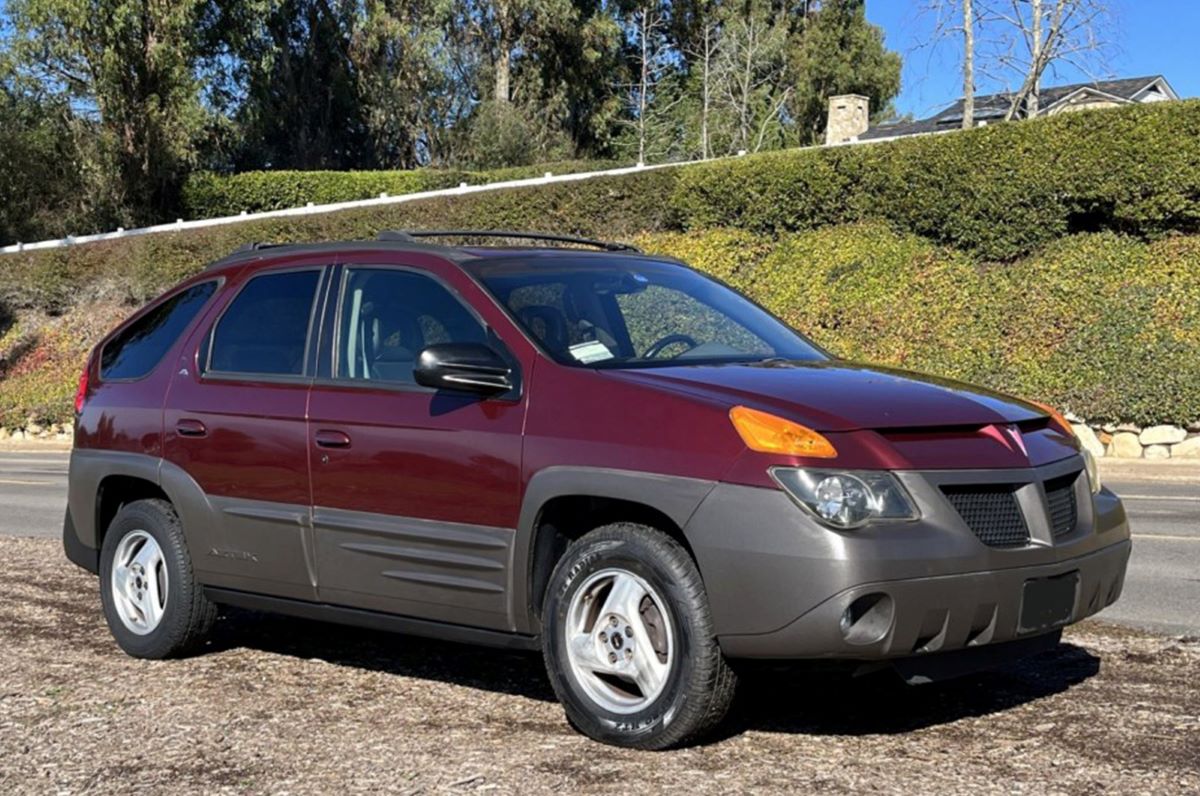
5. Pontiac Aztek (2001–2005)
Although technically more modern than most vehicles on this list, the Pontiac Aztek demonstrates that unusual styling alone does not guarantee investment potential. Its polarizing design and limited popularity have kept resale prices low, despite niche fan interest. Mass production further reduces scarcity, discouraging investors. Even in excellent condition, Azteks rarely appreciate in value.
The vehicle’s mechanical reliability is average, but the interior and exterior components often degrade quickly. Plastics fade, trim pieces crack, and electronics become unreliable. Repairs are manageable, yet they rarely enhance the car’s market appeal. Buyers remain cautious due to its controversial reputation.
Cultural relevance has not translated into collector desirability. While it has been featured in television and popular media, nostalgia does not necessarily increase value. The Aztek’s awkward proportions and impractical design make it difficult to attract serious buyers. Enthusiasts may enjoy its quirky character, but it is not a profitable investment.
Even rare or limited models are unlikely to see significant price growth. Investors seeking long-term financial gain would be better served by vehicles with stronger historical significance or more widespread recognition. Resale potential is minimal, keeping prices relatively stagnant over time.
The Aztek serves as a cautionary example of how novelty and uniqueness alone do not translate into monetary appreciation. While it may appeal to niche collectors, the broader market views it as an unlikely candidate for a serious investment.
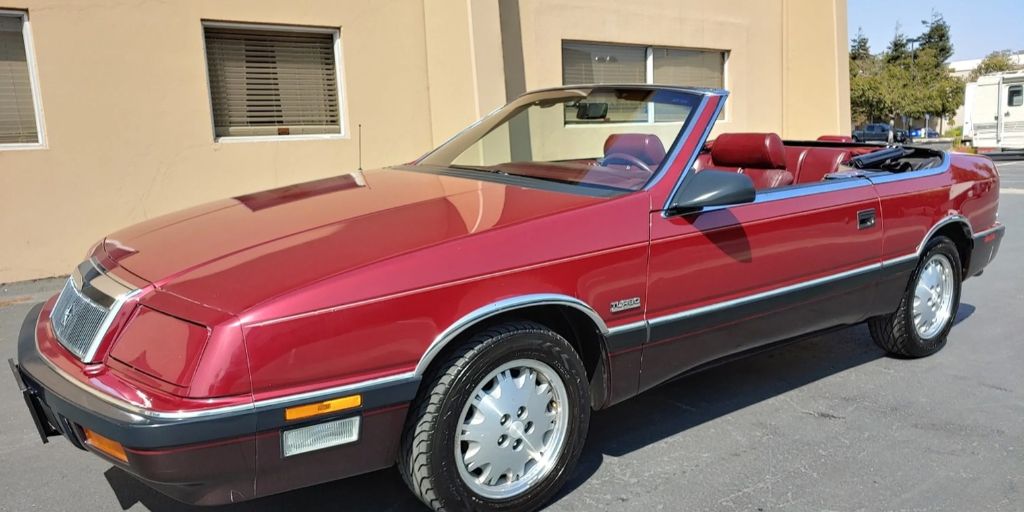
6. Chrysler LeBaron (1977–1995)
The Chrysler LeBaron gained popularity as an affordable luxury vehicle during the late 1970s through the 1990s. Despite its reputation for comfort and quiet interiors, it rarely appeals to collectors seeking strong investment returns. Its large production numbers, unremarkable styling, and abundance in the used car market prevent significant appreciation. Many buyers see it as a practical sedan rather than a collectible classic.
Mechanical reliability is uneven across model years, with engines prone to overheating and electrical issues in later examples. Suspension components wear quickly, and rust often affects undercarriages and wheel wells. Restoring a LeBaron to investment-grade condition can be expensive, yet the market rarely rewards that effort. Parts are available but sometimes of inconsistent quality, making professional restoration labor-intensive.
Interior components further limit value, as soft-touch materials and plastics degrade over time. Dashboards crack, seats sag, and electronic accessories fail. Buyers who prioritize originality often encounter difficulties sourcing authentic replacement parts. Without these, the vehicle loses credibility in the collector market, suppressing potential returns.
Although the LeBaron offered luxury amenities and some sporty trims, it lacks the historical significance or desirability of contemporaries like the Lincoln Town Car or Cadillac Seville. Collector attention is minimal, meaning resale opportunities are limited. Enthusiasts may enjoy driving a well-maintained example, but appreciation in value is slow at best.
Even rare editions or convertibles fail to command significant premiums. While these models may provide comfort and style, financial gains remain modest. Investors tend to avoid the LeBaron, choosing vehicles with stronger cultural relevance or performance pedigree instead.
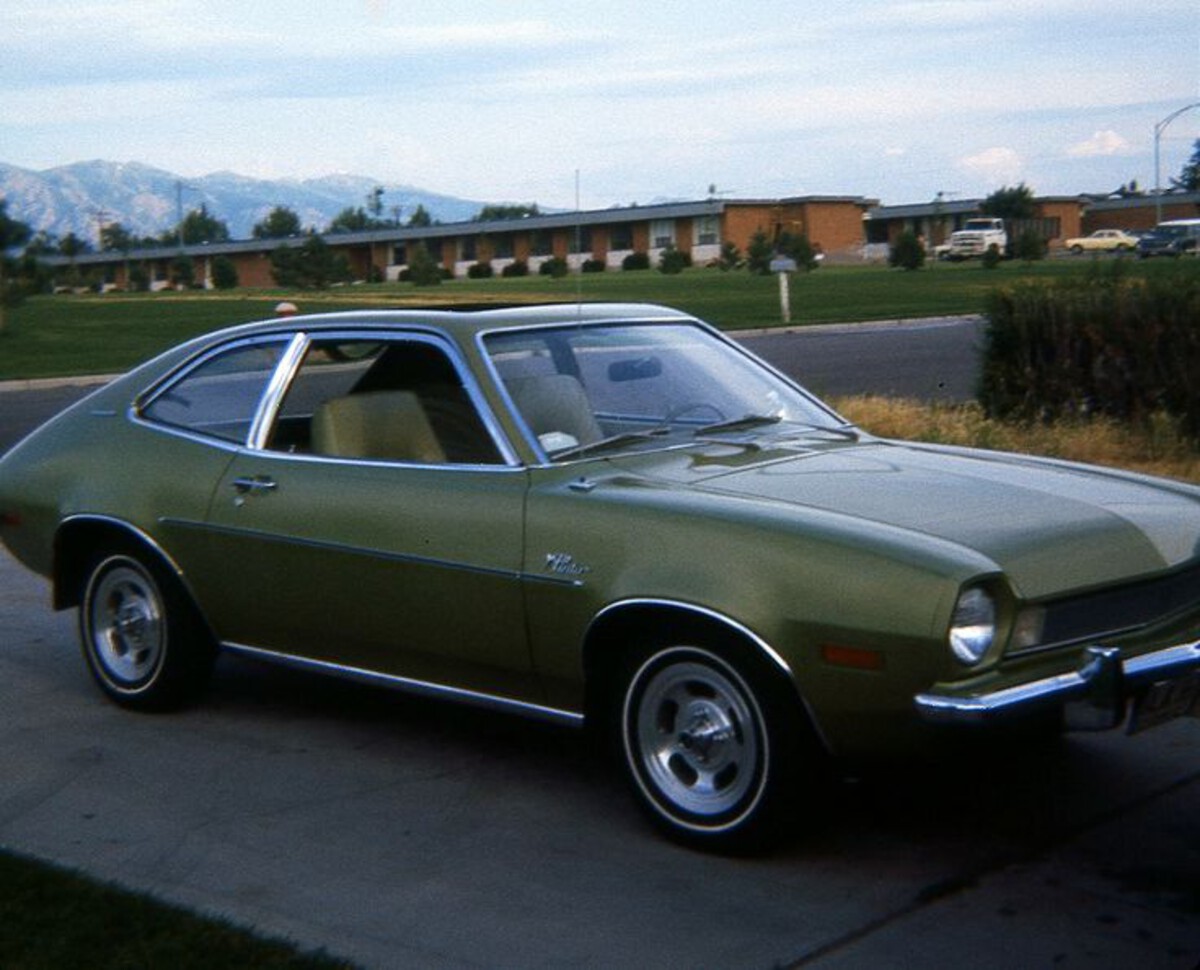
7. Ford Pinto (1971–1980)
The Ford Pinto is infamous for its controversial safety record, which has overshadowed any positive qualities it once held. While some enthusiasts may appreciate it as a historical artifact, it is rarely a profitable investment. Its high production volume and negative reputation limit collector interest, keeping resale values low. Nostalgia alone does not make it financially attractive.
Mechanically, the Pinto was simple, yet many examples have suffered from neglect over the decades. Rust, engine wear, and transmission failures are common, requiring attention for a car to remain drivable. Restoration costs can quickly exceed any potential appreciation, deterring prospective investors. Authentic parts are available but sometimes expensive due to scarcity of well-preserved examples.
Interior quality was basic, with vinyl seats and minimal amenities. These materials degrade quickly, making original-condition interiors rare and challenging to restore. Without an original interior, collector credibility diminishes, further suppressing investment potential. Even minor cosmetic imperfections can significantly affect resale pricing.
The car’s cultural notoriety is insufficient to generate strong demand among serious buyers. While some collectors seek it as a conversation piece, they represent a small fraction of the market. The Pinto’s association with safety scandals limits broad appeal, leaving its market stagnant.
Even special models like the Pinto Runabout or hatchback variants have not demonstrated meaningful price growth. While the car holds historical significance, it is more of a curiosity than a profitable classic. Investors typically avoid it in favor of more respected vehicles.
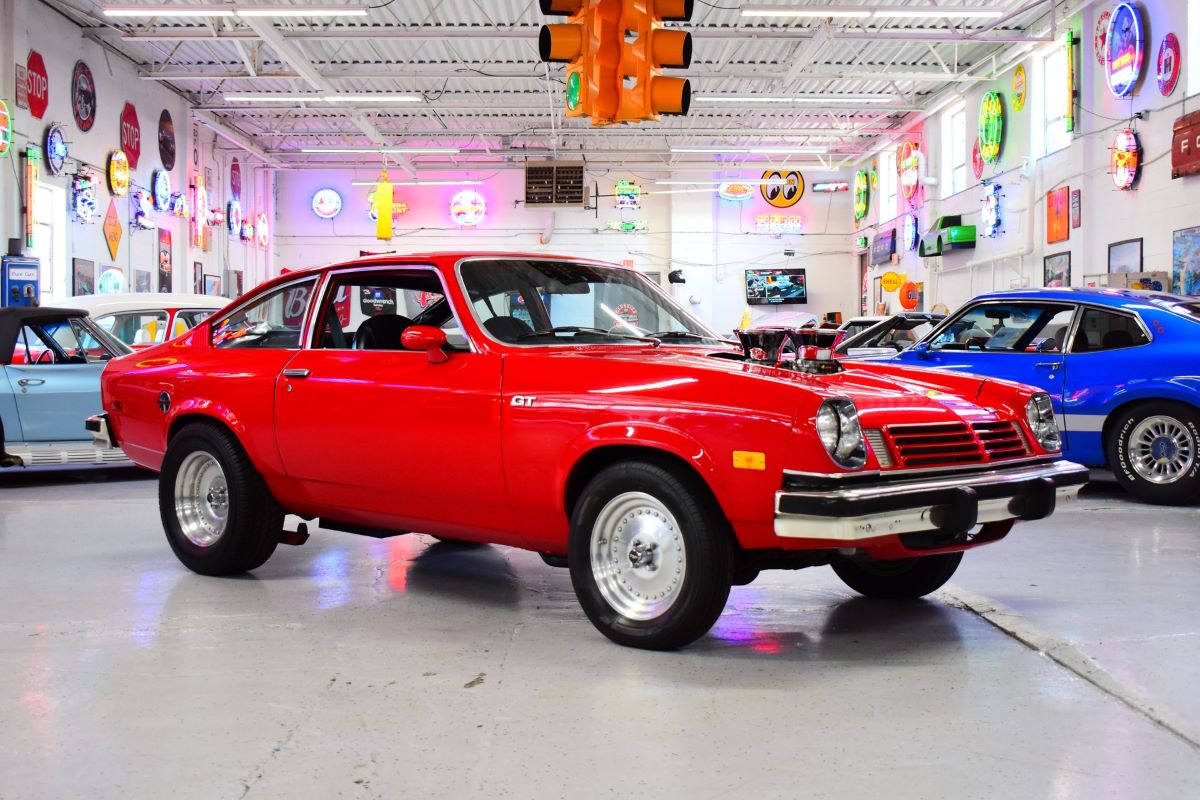
8. Chevrolet Vega (1970–1977)
The Chevrolet Vega was designed as an affordable compact car with advanced engineering for its time, including an aluminum engine block. Despite these innovations, the Vega has a poor reputation for reliability and durability, which harms its investment potential. Rust, engine failures, and design flaws are common, reducing the number of examples suitable for restoration. Buyers are often wary, limiting resale prospects.
Mechanical maintenance can be expensive, particularly when dealing with the aluminum engine or rusted body panels. Rebuilding a Vega to reliable condition requires expertise and dedication, yet the financial reward is rarely significant. Replacement parts are available but may vary in quality, adding to restoration challenges. Collectors typically avoid models that require extensive investment to reach acceptable condition.
The interior was minimalistic, and materials deteriorate quickly over time. Cracked dashboards, torn seats, and failing electronics reduce market appeal. Many surviving Vegas are in poor condition or heavily modified, complicating attempts to find original, investment-grade examples. A high level of authenticity is necessary to attract serious buyers.
The Vega also suffers from negative press regarding mechanical failures and quality issues, which has influenced long-term perception. Even rare trims or performance versions, such as the Cosworth Vega, struggle to gain traction in the collector market. Enthusiasts may enjoy them, but financial returns are limited.
While it represents an interesting engineering experiment, the Chevrolet Vega rarely achieves significant appreciation. Its combination of historical notoriety, mechanical fragility, and interior deterioration make it a poor choice for investors seeking classic cars with reliable financial growth.
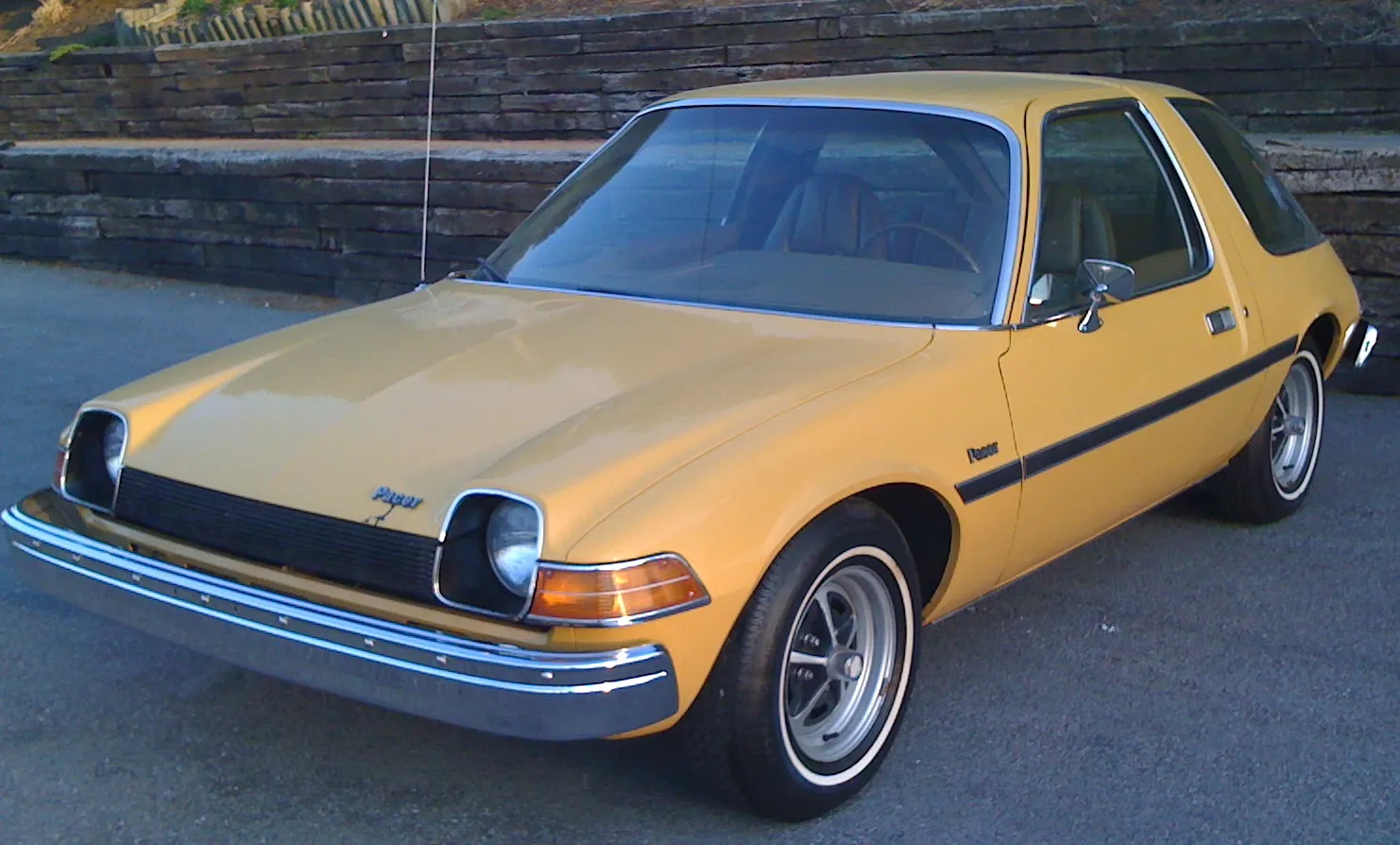
9. AMC Pacer (1975–1980)
The AMC Pacer is one of the most distinctive cars of the 1970s, featuring a wide, rounded body and large glass areas. Despite its unique styling, it rarely makes a wise investment choice. Mass production, mediocre performance, and high maintenance requirements limit desirability. The Pacer is often more of a quirky collector piece than a serious investment vehicle.
Mechanically, the Pacer shares issues common to AMC vehicles of the era, including engine overheating, transmission wear, and suspension degradation. Restoring a Pacer can be costly, especially if rust or previous modifications are present. The availability of original parts varies, and authenticity is critical for resale value, making restoration efforts challenging.
The interior was futuristic for its time, but materials degrade quickly. Cracked dashboards, worn upholstery, and failing electronics are common issues. Many Pacers have been modified over the years, reducing the availability of original-condition examples. These factors contribute to limited market appeal for collectors.
While the car’s design has earned it a place in pop culture, nostalgia does not equate to financial success. Serious collectors often prefer muscle cars or luxury vehicles from the same era. Limited editions or unusual trims offer small premiums, but they rarely justify the investment required for restoration.
Even restored or low-mileage Pacers struggle to achieve meaningful appreciation. While they remain iconic in appearance, their quirky design, mechanical issues, and limited collector interest make them a poor choice for long-term investment.
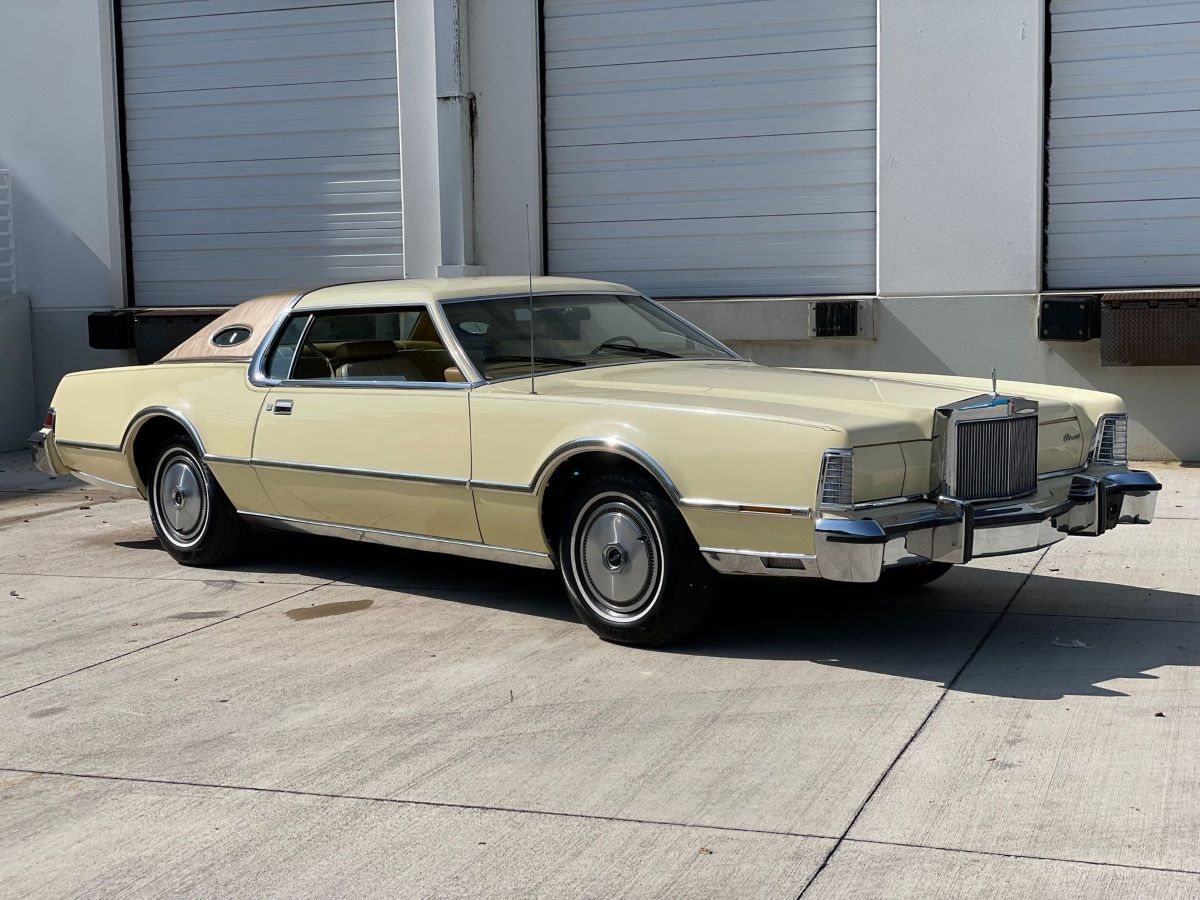
10. Lincoln Continental Mark V (1977–1979)
The Lincoln Continental Mark V represents American luxury in the late 1970s, known for its long hood, sharp angles, and plush interiors. Despite its striking presence, it rarely offers strong investment potential. High production numbers, limited historical significance, and fuel-inefficient designs reduce desirability among collectors. While appealing visually, it is often seen as a period piece rather than a financial asset.
Mechanically, the Mark V features a large V8 engine and complex systems that are expensive to maintain. Parts are available but costly, and repairs require specialized knowledge. Rust and electrical issues further complicate restoration, limiting the pool of buyers willing to pay premiums for well-maintained examples.
Interior quality was luxurious for the era, with leather and wood accents, yet these materials age poorly. Cracked dashboards, worn seats, and malfunctioning electronics are common. Restoring interiors to original condition is labor-intensive, and buyers may hesitate to invest heavily in cosmetic improvements without assurance of return.
The car’s reputation for size and comfort does not translate into collector appeal. Unlike muscle cars or rare luxury vehicles, the Mark V lacks cultural or performance prestige. Even limited editions, such as the Designer Series, attract interest only from niche collectors and do not significantly increase market value.
Price appreciation for the Lincoln Continental Mark V is slow, and demand remains limited. While enthusiasts may enjoy owning and driving one, financial gains are unlikely. Its combination of mechanical complexity, maintenance costs, and low collector attention make it a challenging investment.