Ford has a long-standing reputation for innovation, constantly pushing the boundaries of automotive design and technology. Throughout its history, the company has not only produced some of the most iconic vehicles in the automotive world but has also created concept cars that capture the imagination of enthusiasts and engineers alike.
Concept designs often serve as a playground for designers, allowing them to experiment with form, function, and futuristic technology in ways that production models cannot. These vehicles showcase Ford’s willingness to take risks and challenge conventional expectations, offering a glimpse into possible futures for mobility.
Unlike production cars, which must adhere to practicality, cost constraints, and market demands, concept cars embody creativity in its purest form. They can incorporate radical design choices, innovative materials, and cutting-edge technology that may never reach dealership showrooms.
Yet, these designs influence the evolution of real cars over time, shaping aesthetics, aerodynamics, and even engine technology. Some Ford concepts have remained largely forgotten, tucked away in the corners of automotive museums, while others have become legendary in their own right.
They often feature bold exteriors with sharp angles, fluid lines, and exaggerated proportions that defy traditional styling rules. Inside, concept vehicles explore the possibilities of futuristic interiors, including advanced control interfaces, digital dashboards, and seating arrangements that prioritize comfort or utility in unconventional ways.
Many also experiment with alternative energy sources, hinting at hybrid, electric, or even autonomous capabilities long before these technologies become mainstream. Enthusiasts and critics alike are drawn to these designs because they represent the intersection of artistry and engineering.
Each concept tells a story about the era in which it was created, reflecting contemporary trends, societal interests, and the brand’s vision of the future. Moreover, concept cars are more than just exercises in style; they often incorporate serious advancements in safety, performance, and materials science.
Some of the innovations developed for these vehicles eventually trickle down into production models, shaping the driving experience for decades. The allure of concept cars lies in their ability to evoke wonder and speculation. They invite viewers to imagine a world where vehicles are not limited by current technology, regulations, or market expectations.
Ford’s portfolio of concepts is particularly rich because it spans multiple decades and styles, from sleek sports car studies to rugged utility visions and even avant-garde electric experiments. Each design stands as a testament to the brand’s commitment to innovation, demonstrating that automotive excellence is not confined to the vehicles that reach the showroom floor.
By examining these ten exceptional Ford concept designs, it becomes clear how the company has continuously challenged traditional boundaries, offering imaginative glimpses into what could have been. These concepts are remarkable not only for their visual appeal but also for the daring ideas they introduced, some of which continue to influence modern automotive design today.
The following sections highlight the top ten Ford concept designs that have captured attention, exceeded expectations, and, in many ways, outshined even the most beloved classic production models.
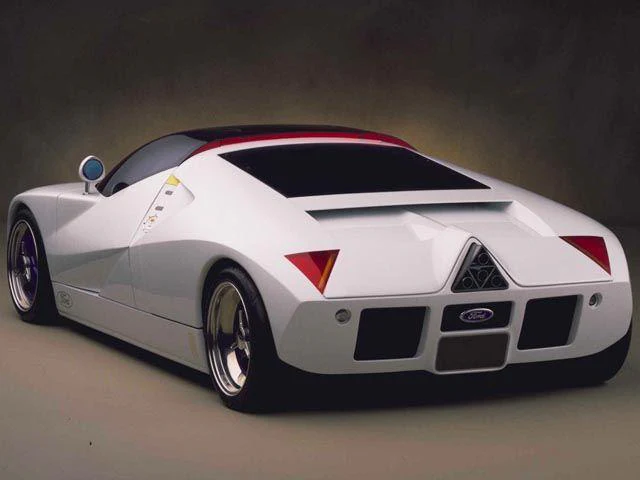
1. Ford GT90 Concept
The Ford GT90 was an audacious interpretation of Ford’s high-performance lineage. It pushed the boundaries of speed, design, and engineering in a way that few concepts have ever done. Its low, aerodynamic profile was intended to reduce drag while emphasizing aggression and power. Every line and curve was meticulously designed to communicate motion even when the car was standing still.
Under the hood, the GT90 featured a V12 engine capable of delivering exceptional horsepower. This setup was far more ambitious than what most production sports cars of its time offered. It also represented Ford’s commitment to exploring engineering possibilities beyond traditional configurations. Engineers experimented with materials, cooling systems, and weight distribution to maximize performance potential.
The interior of the GT90 was equally futuristic, blending driver-focused ergonomics with advanced instrumentation. Digital displays replaced traditional gauges, providing a glimpse into the future of automotive controls. Seating and controls were positioned for optimal comfort and precision handling. Designers also explored unusual materials that gave the interior a unique tactile and visual appeal.
Aerodynamic elements were prominent, including large rear diffusers, integrated spoilers, and air intakes that enhanced both cooling and stability. These features were not only functional but also gave the GT90 a distinctive appearance unmatched by most contemporaries. Its silhouette became an inspiration for later supercar designs.
Despite never reaching production, the GT90 left a lasting legacy. It demonstrated Ford’s willingness to dream big and take risks in the supercar segment. Its influence can be traced in later models and concept vehicles, particularly in terms of bold design and high-performance engineering.
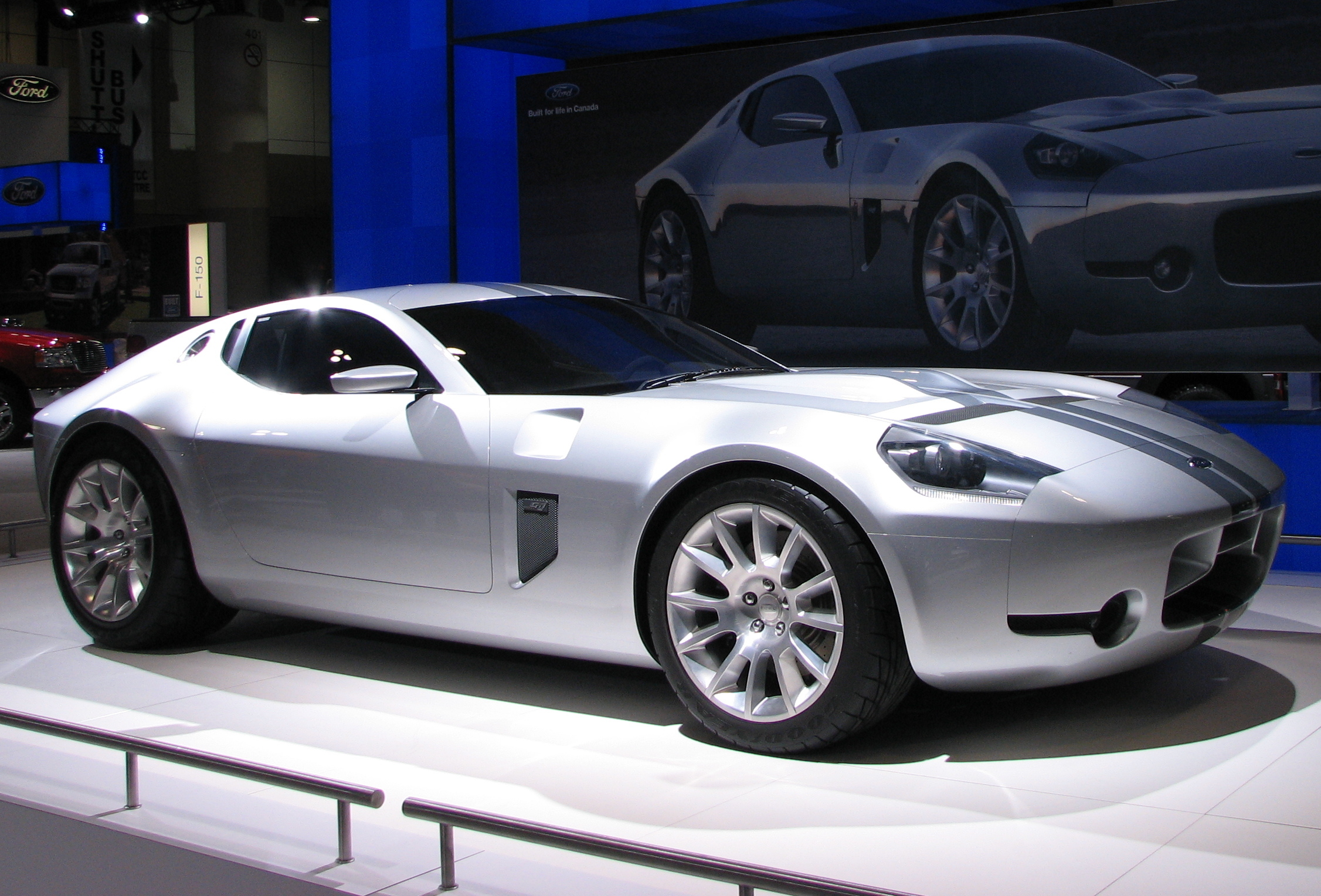
2. Ford Shelby GR-1
The Shelby GR-1 was Ford’s homage to the classic Shelby Cobra, yet it reimagined the sports car for a modern era. Its flowing lines and sculpted body panels reflected a balance between elegance and aggression. Designers focused on proportion, ensuring the GR-1 looked fast even when stationary. The long hood, short rear deck, and wide stance emphasized a traditional sports car aesthetic with futuristic touches.
Underneath, the GR-1 incorporated a V10 engine, offering impressive performance while remaining true to its racing heritage. Engineers used lightweight materials to enhance speed and handling. Its chassis was designed for rigidity and responsiveness, providing a driving experience that matched its visual excitement.
The interior mirrored its exterior philosophy, blending classic sports car cues with modern technology. Leather and metal finishes created a premium feel, while controls were designed for intuitive access. Digital instrumentation integrated seamlessly with analog touches, offering a balance of tradition and innovation.
Aerodynamic considerations were carefully implemented to optimize performance. Rear diffusers, vented hoods, and side skirts helped manage airflow and stability at high speeds. These elements were both functional and visually striking, giving the GR-1 a commanding presence.
Though it remained a concept, the Shelby GR-1 influenced Ford’s approach to modern sports cars. Its design language and engineering principles appeared in later models, proving that a concept car can shape the future of production vehicles without ever hitting the streets.
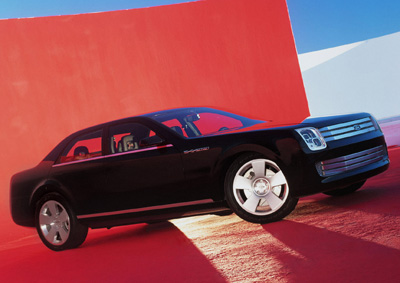
3. Ford 427 Concept
The Ford 427 Concept celebrated power and performance in a bold, unapologetic design. Its muscular proportions, wide stance, and pronounced fenders signaled dominance on the road. Designers aimed for a blend of classic American muscle and contemporary aerodynamics. Every surface was carefully considered to enhance both aesthetics and efficiency.
Powering the 427 Concept was a high-output engine, reflecting Ford’s dedication to performance engineering. Advanced materials and design techniques were used to reduce weight and increase strength. Suspension tuning emphasized precise handling despite the car’s powerful profile. This combination of engineering and design demonstrated Ford’s forward-thinking approach to performance vehicles.
The cabin balanced sportiness with comfort, offering a driver-focused layout. High-quality materials were combined with futuristic displays, creating an interior that felt modern yet familiar. The seating position and control layout emphasized driving engagement, making it a true performance-oriented space.
Aerodynamic elements were carefully sculpted into the body. Hood vents, rear spoilers, and underbody diffusers not only enhanced airflow but also contributed to a visually aggressive stance. The 427 Concept’s aerodynamic profile was designed to minimize drag while maximizing high-speed stability.
Although the Ford 427 Concept never entered production, it remains an important milestone. It highlighted the potential for blending muscle car heritage with futuristic design, inspiring subsequent concept vehicles and influencing the evolution of performance-oriented Ford models.
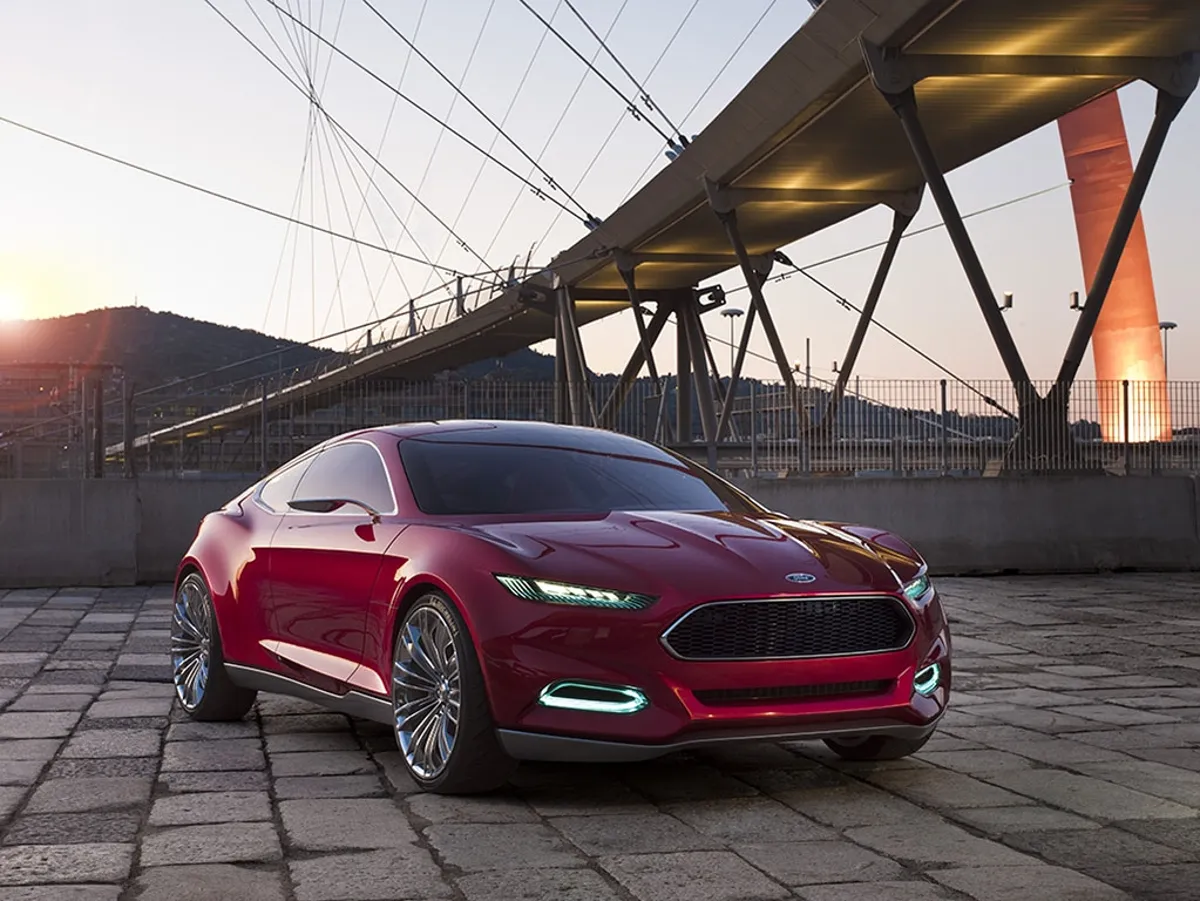
4. Ford Evos Concept
The Evos Concept represented a new vision for Ford sedans, combining elegance with innovative technology. Its smooth lines and flowing roofline gave it a dynamic yet refined appearance. The front fascia featured slim, futuristic headlights and a distinctive grille, setting it apart from conventional sedans of its time.
Technology played a key role in the Evos Concept, including advanced driver assistance systems and digital interfaces. The interior emphasized connectivity and comfort, featuring a wide digital dashboard and configurable seating arrangements. Materials were modern and sustainable, reflecting growing environmental awareness.
Aerodynamic efficiency was a primary focus, with sculpted surfaces and integrated spoilers reducing drag. This allowed the Evos Concept to achieve higher fuel efficiency and improved stability. Designers combined functionality with aesthetics in a seamless manner.
The concept also explored alternative powertrains, with hybrid and electric options considered. This represented Ford’s early experimentation with environmentally conscious performance. The vehicle served as a platform for testing new propulsion technologies and sustainable materials.
The Evos Concept left a lasting impact on Ford’s sedan design language. Many elements influenced production models, including grille design, dashboard layouts, and aerodynamics. It demonstrated how forward-looking concepts could inform real-world vehicles without compromising style or functionality.
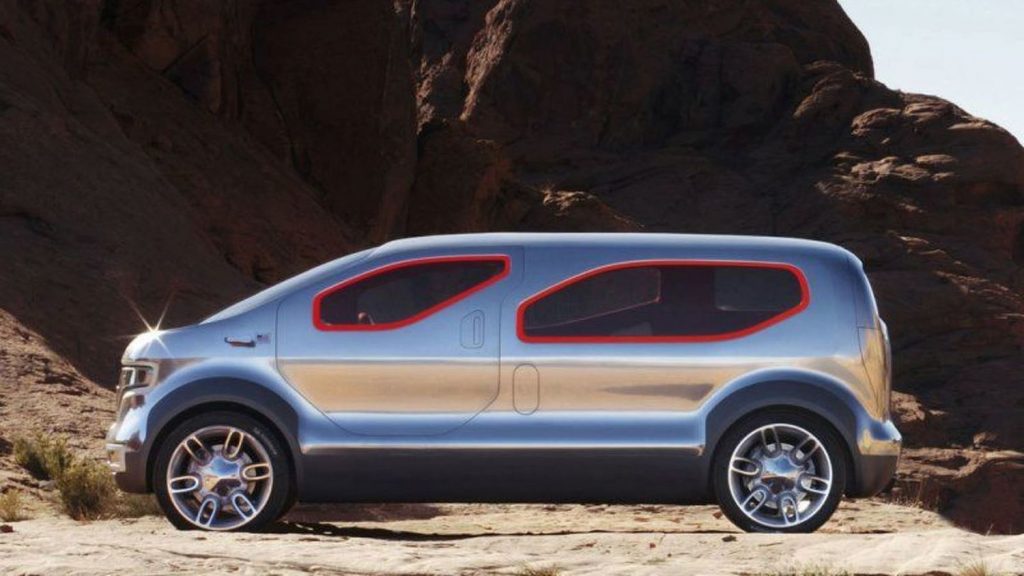
5. Ford Airstream Concept
The Airstream Concept was a bold exploration of futuristic mobility, blending SUV ruggedness with sleek design. Its exterior was characterized by flowing lines, large wheels, and a commanding presence. Designers focused on creating a vehicle that felt both capable and stylish, with a futuristic edge.
The vehicle incorporated advanced hybrid technology, highlighting Ford’s experimentation with efficiency and performance. Its powertrain was designed to balance power with environmental responsibility. Lightweight construction enhanced handling and reduced energy consumption.
Inside, the Airstream Concept emphasized comfort and modularity. Seating arrangements could be reconfigured to prioritize passenger space or cargo. Digital controls and touch interfaces dominated the cabin, reflecting a shift toward technology-driven interiors.
Aerodynamics were carefully integrated, with sculpted panels, active vents, and a smooth underbody. These features enhanced stability while contributing to the concept’s futuristic aesthetic. Designers managed to combine utility with visual sophistication.
Although never produced, the Airstream Concept influenced Ford’s SUV and crossover development. Its blend of style, technology, and efficiency provided a template for future designs, illustrating how concepts can shape the evolution of mainstream vehicles.
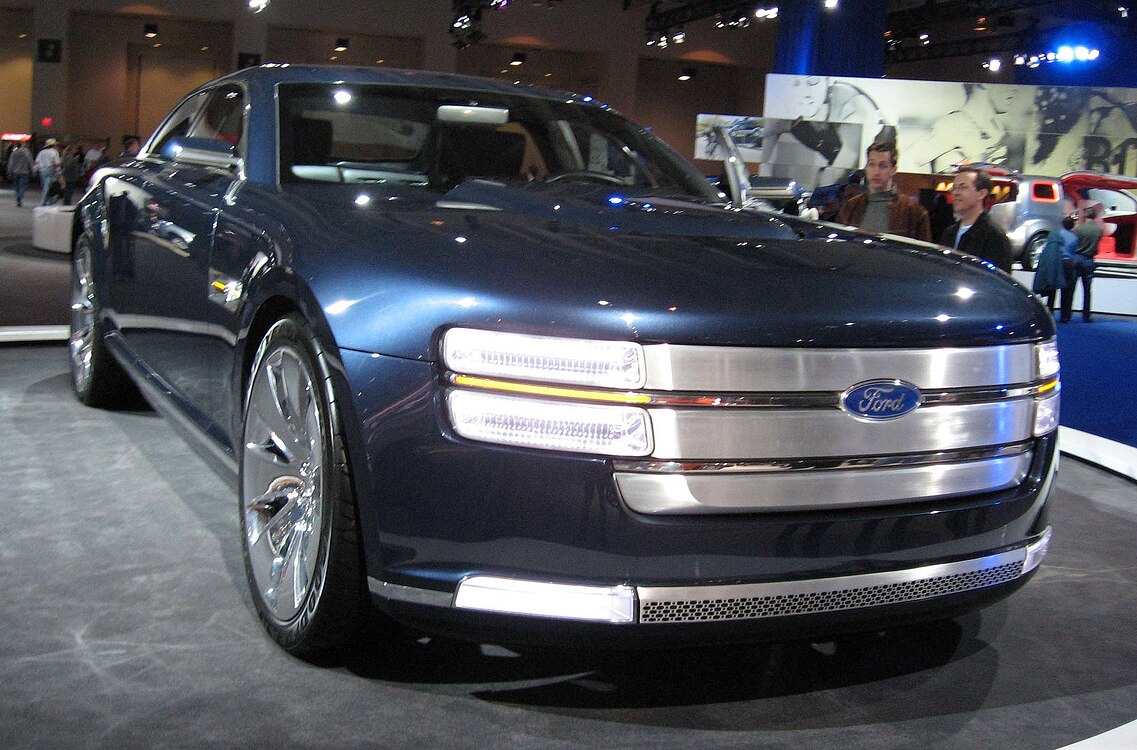
6. Ford Interceptor Concept
The Ford Interceptor Concept projected a modern take on the classic police cruiser, blending utility with aggressive performance. Its wide stance and angular body panels conveyed authority and speed simultaneously.
The exterior featured muscular fenders and a bold front grille, emphasizing dominance on both highways and urban streets. Designers used sharp LED lighting to enhance visibility and modernity, integrating form and function.
Power was a core focus of the Interceptor Concept, with a high-performance V8 engine capable of rapid acceleration. Engineers experimented with drivetrain configurations to balance handling, stability, and top-end speed.
Lightweight materials such as aluminum and composites were incorporated to reduce weight without compromising strength. This combination of engineering and design underscored Ford’s commitment to functional performance.
Inside, the Interceptor Concept emphasized both practicality and technological sophistication. The cabin featured advanced digital displays for navigation, communication, and vehicle diagnostics. Seating was designed for extended operation, providing comfort without sacrificing control. Interfaces were intuitive, allowing drivers to respond quickly during high-pressure situations.
Aerodynamic efficiency was subtly integrated into the design, with underbody channels and spoiler elements reducing drag and improving stability. Wheel arches and hood vents enhanced airflow while maintaining the vehicle’s rugged aesthetic. Even minor details, like side mirrors and grille openings, were optimized for both performance and style.
Although it never entered production, the Interceptor Concept influenced Ford’s approach to high-performance utility vehicles. Its design principles appear in subsequent SUVs and performance sedans, highlighting how concept vehicles can inspire functional innovation while maintaining a bold visual presence.
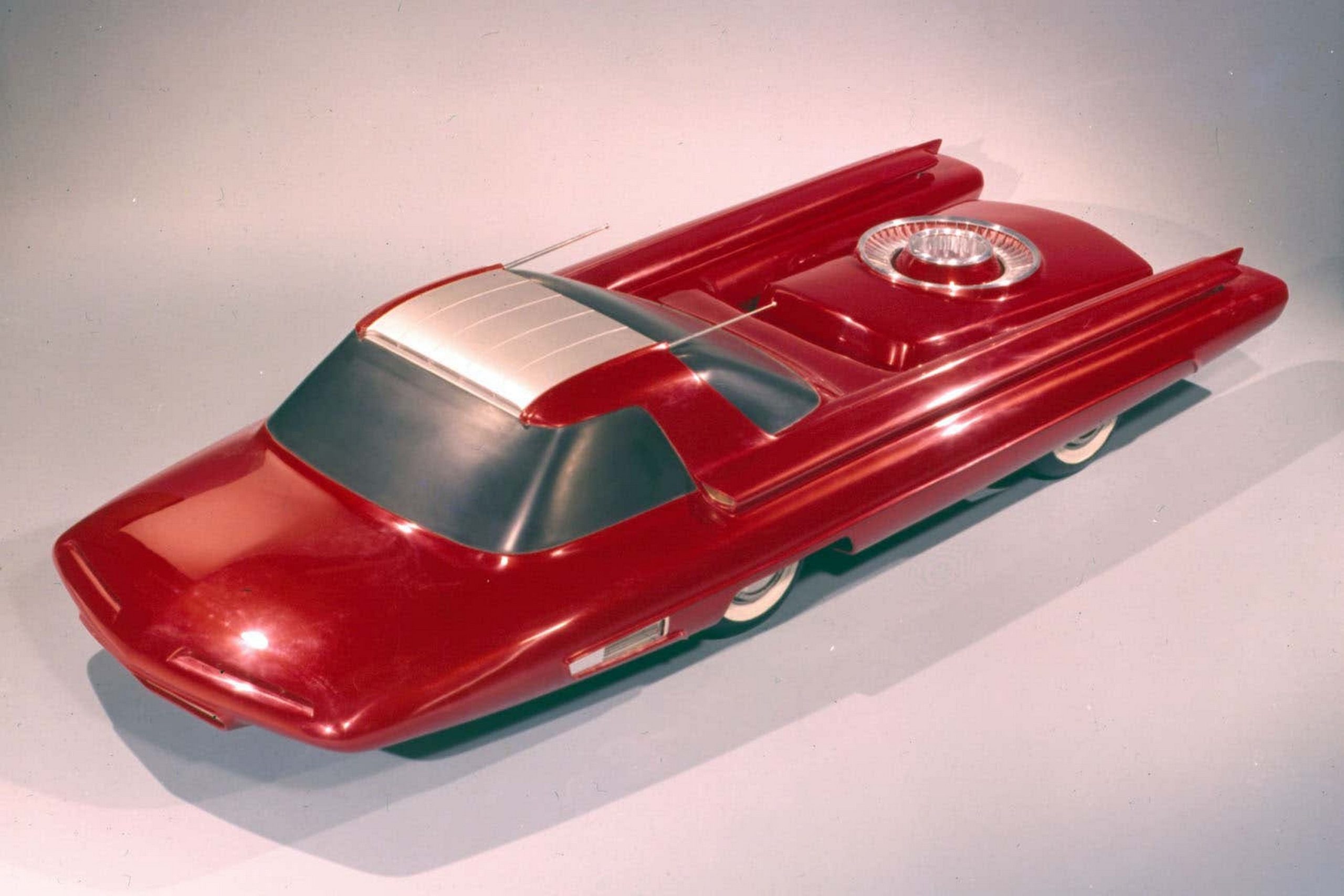
7. Ford Nucleon Concept
The Ford Nucleon Concept was one of the most daring visions of alternative propulsion ever imagined. Introduced during the mid-20th century, it envisioned a nuclear-powered car that could travel thousands of miles without refueling. Its design emphasized streamlined futurism, with smooth contours and minimal exterior clutter, reflecting both optimism and technological ambition.
Safety and engineering were central to the Nucleon, with a theoretical containment unit in the rear for the nuclear reactor. Designers considered shielding, weight distribution, and heat dissipation, creating a vehicle that seemed plausible in theory. The concept also explored the impact of long-range energy independence on automotive travel.
The interior projected a spacious, almost lounge-like environment, anticipating a car that required less frequent stops. Digital interfaces were imagined, with controls simplified to match the futuristic propulsion system. Materials were carefully considered to withstand potential heat and radiation, reflecting both imagination and technical foresight.
Aerodynamic efficiency was a hallmark of the Nucleon Concept. Rounded edges, a teardrop shape, and integrated wheel wells reduced drag significantly. Designers experimented with smooth underbodies and tapered rear sections to create a silhouette that looked fast even while stationary.
Although entirely theoretical and never built, the Nucleon Concept influenced the future of automotive design. It inspired engineers and designers to think beyond conventional energy sources, leaving a legacy of bold thinking and imaginative exploration within Ford’s design archives.
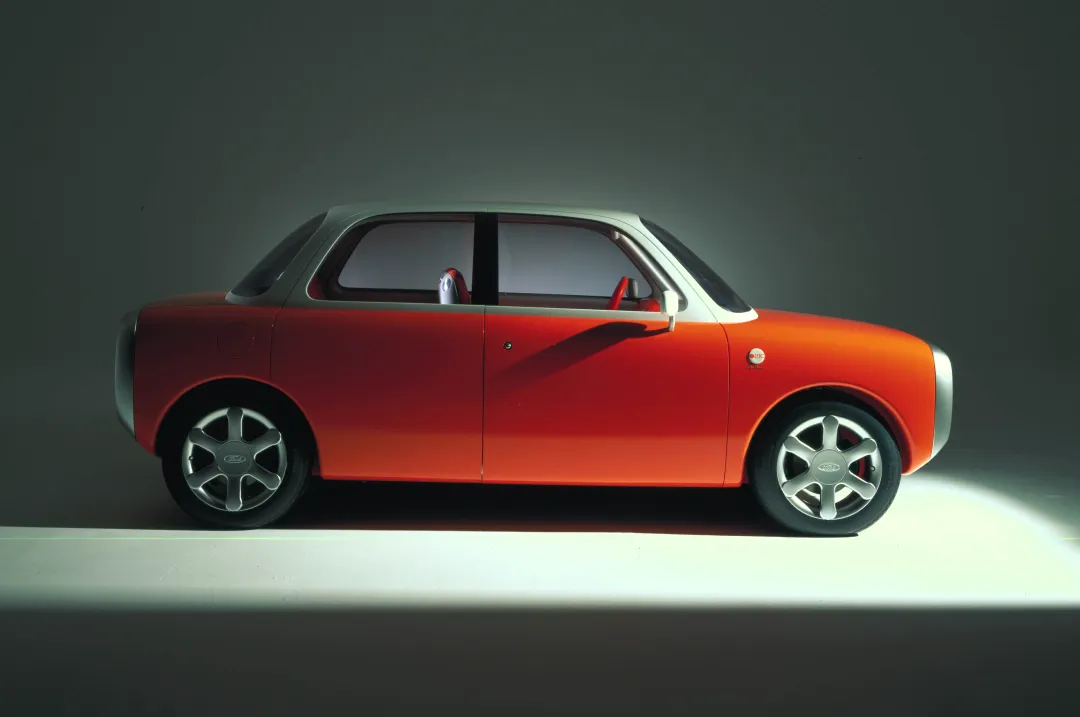
8. Ford 021C Concept
The Ford 021C Concept was a compact urban vehicle that redefined the possibilities for city transportation. Its small size and rounded shape were intended to maximize maneuverability while providing a modern, stylish look. The exterior blended minimalism with playful details, including vibrant color options and a futuristic lighting signature.
Efficiency and sustainability were at the heart of the 021C’s design, with lightweight materials and a small yet capable powertrain. Its performance was tailored to city environments, prioritizing fuel economy, low emissions, and easy handling in tight spaces. Ford envisioned a car that would be as practical as it was appealing.
The interior was surprisingly spacious given the compact exterior, using innovative seating arrangements and clever storage solutions. Controls were simplified and intuitive, incorporating digital elements while retaining physical tactile feedback. Comfort and convenience were prioritized without sacrificing the car’s futuristic aesthetic.
Aerodynamic elements were subtle but deliberate, with smooth curves reducing wind resistance and improving efficiency. Designers carefully integrated bumpers, lights, and mirrors into the body to minimize turbulence. This attention to detail reflected Ford’s commitment to combining practicality with forward-looking design.
The 021C Concept left a lasting mark on urban car design, inspiring smaller, more efficient vehicles while demonstrating that compact cars could still convey personality and innovation. Its blend of style, efficiency, and practicality made it a reference point for future city-oriented Ford models.
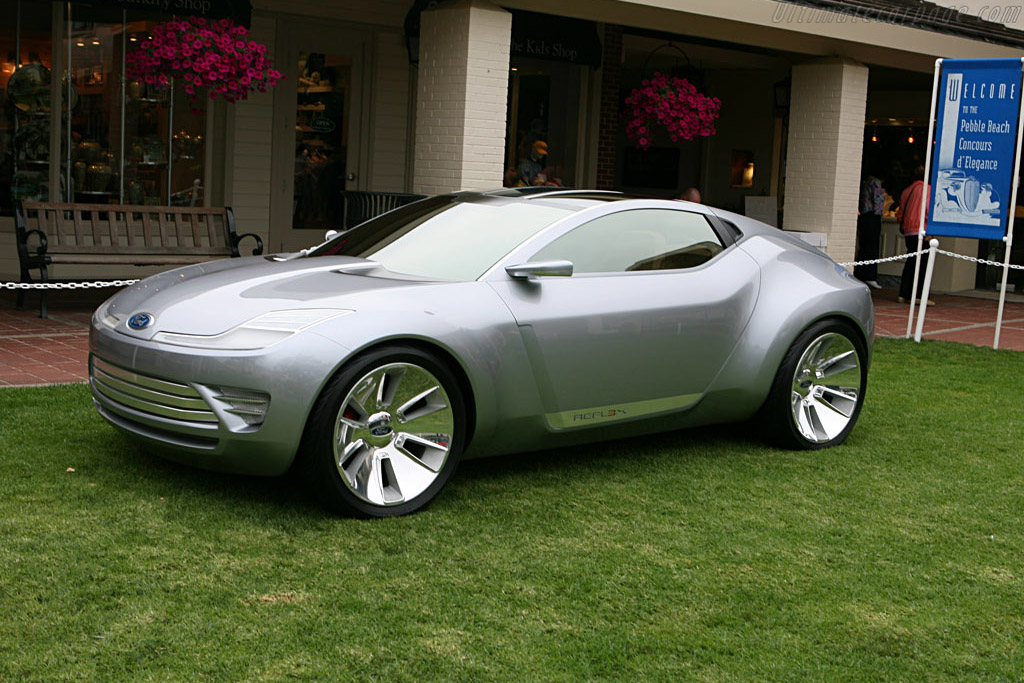
9. Ford Reflex Concept
The Ford Reflex Concept represented a radical interpretation of the modern coupe, with extreme proportions and aerodynamic efficiency. Its low, wide stance and aggressive front fascia conveyed speed and precision. Designers focused on a flowing, continuous surface, removing unnecessary interruptions to emphasize smoothness and continuity.
Under the skin, the Reflex Concept featured lightweight engineering, including an aluminum chassis and composite panels. Its engine was designed for optimal power-to-weight ratio, prioritizing both acceleration and handling agility. Suspension and braking systems were engineered for sharp responsiveness, reflecting Ford’s performance ambitions.
Inside, the Reflex Concept balanced luxury with advanced technology. Seating embraced the driver with ergonomic precision, while digital displays provided information with minimal distraction. The interior reflected a focus on engagement, emphasizing the connection between car and driver.
Aerodynamic design played a central role, with integrated rear spoilers, vented side panels, and smooth underbody channels. Every line was intended to reduce drag while enhancing visual impact. The Reflex Concept showcased how aerodynamics could be both functional and a key design statement.
Although it remained a concept, the Reflex influenced later Ford performance vehicles, particularly in terms of sleek lines, lightweight construction, and interior ergonomics. Its emphasis on driver engagement and futuristic aesthetics helped shape modern coupe design philosophy.
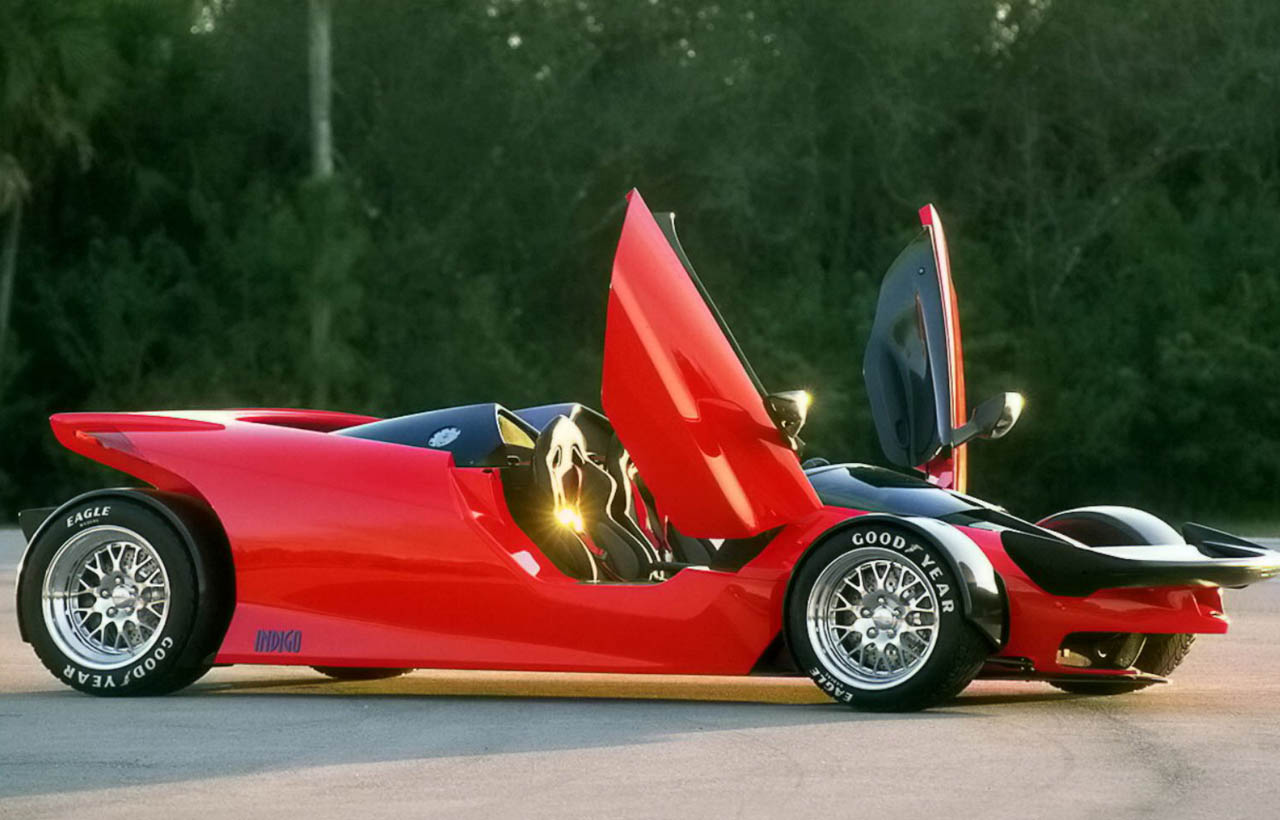
10. Ford Indigo Concept
The Ford Indigo Concept was a high-performance sports car that merged racing technology with street usability. Its low profile and sculpted panels communicated speed and agility from every angle. Designers incorporated wide air intakes, a prominent rear diffuser, and dramatic lighting to create a vehicle that was visually striking and performance-oriented.
The Indigo’s engine was a high-output V12, developed with race-inspired technology. Advanced materials and lightweight construction allowed for exceptional acceleration and cornering performance. Engineers also considered heat management and airflow optimization to ensure reliability under extreme conditions.
Inside, the Indigo offered a driver-focused cockpit with minimal distractions. Digital displays, racing-style seating, and ergonomic controls emphasized performance without compromising comfort. Materials were carefully selected for durability, lightweight properties, and aesthetic appeal, blending form and function seamlessly.
Aerodynamic features were carefully integrated into every surface of the car. Active rear spoilers, sculpted underbody panels, and carefully placed vents reduced drag while increasing downforce. Designers managed to balance extreme performance needs with striking visual presence.
The Ford Indigo Concept left a lasting legacy in both Ford’s design and engineering departments. While never produced, it influenced supercar styling, aerodynamic thinking, and the integration of race-inspired technology into production vehicles. Its daring design continues to inspire automotive enthusiasts and designers worldwide.