City traffic is one of the toughest tests for any vehicle. Stop-and-go driving, frequent idling, and repeated acceleration can quickly drain fuel and make commuting stressful. Some vehicles, however, are built to perform efficiently in urban conditions, turning congestion into an advantage.
Hybrids like the Toyota Prius, Kia Niro, and Honda Civic Hybrid, as well as electric cars like the Tesla Model 3, excel in traffic by using electric motors, regenerative braking, and smart energy management. These systems allow them to conserve fuel, operate silently at low speeds, and deliver remarkable city MPG or energy efficiency.
By contrast, high-performance trucks and luxury SUVs such as the Ford F-150 Raptor R, Cadillac Escalade-V, RAM 1500 TRX, Mercedes-AMG G 63, and Jeep Grand Wagoneer Series III are designed for power, off-road performance, and luxury. Their heavy weight, large engines, and performance-focused drivetrains make city driving inefficient, turning every stoplight into a fuel-intensive task.
5 Vehicles That Stay Efficient in Traffic
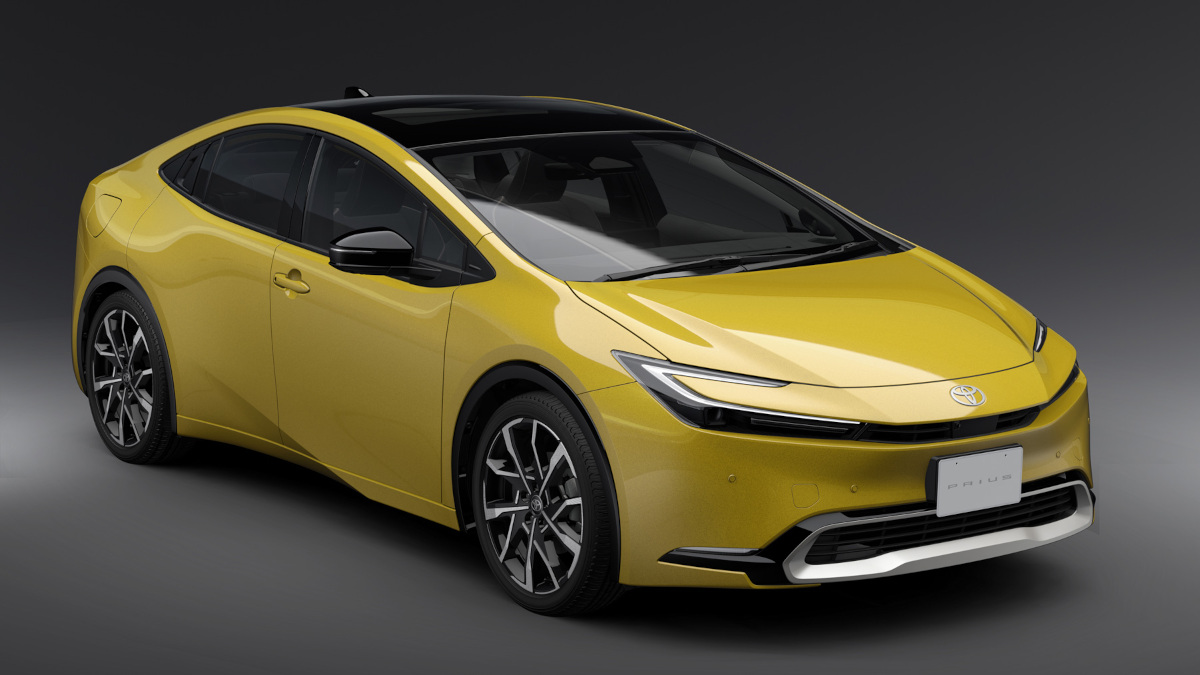
1. Toyota Prius (Hybrid): A Smarter, Cooler Answer to Urban Driving
The Toyota Prius has long been synonymous with fuel efficiency, and its latest iteration reinforces that reputation while introducing meaningful improvements in design, comfort, and driving dynamics.
Often regarded as the gold standard for city efficiency, the Prius achieves up to 57 city MPG by making the most of its hybrid system in stop-and-go traffic. At low speeds, it can operate solely on electric power, while regenerative braking converts wasted kinetic energy into electricity to recharge the battery.
Its automatic stop-start system further reduces fuel consumption by shutting off the petrol engine during idling. Together, these technologies allow the Prius to be exceptionally efficient in urban conditions, sometimes even outperforming its highway economy.
This efficiency is especially welcome in Singapore’s increasingly hot climate. With temperatures recently reaching 36.3 degrees Celsius and forecasts suggesting even warmer months ahead, the Prius proves to be a comfortable daily companion.
Its powerful air-conditioning system keeps the cabin consistently cool, while the gently sloping roofline and well-insulated interior provide welcome shelter from the sun. These qualities reinforce Toyota’s belief that conventional hybrids will remain a key mobility solution as societies work toward decarbonisation.
Beyond efficiency, the Prius has undergone a striking visual transformation. Longer, wider, and significantly lower than its predecessor, it now features a sleek, low-slung fastback silhouette.
Sharp headlights and sculpted body lines give it a modern, confident presence that finally breaks away from the awkward styling of earlier generations. This new design makes the Prius far more appealing to buyers who value aesthetics alongside practicality.
Mechanically, the Singapore-spec Prius continues with a 1.8-litre hybrid powertrain paired to a CVT, but refinement has improved noticeably. Engine noise is better controlled, throttle response is sharper, and the car feels more responsive in traffic.
Real-world fuel consumption of 23.8km/L closely matches official figures, highlighting Toyota’s decades of hybrid expertise. Ride comfort and handling have also improved, offering a balanced mix of compliance and control that suits both family use and more enthusiastic driving.
Inside, the cabin is modern but conservative. The redesigned layout looks cleaner, yet the infotainment system and feature list lag behind some rivals. Boot space is adequate rather than generous, and rear passenger amenities are limited.
The Toyota Prius is a convincing all-rounder. It combines exceptional fuel efficiency, improved driving dynamics, striking new looks, and everyday comfort, making it a compelling choice for urban drivers facing rising temperatures and fuel costs.
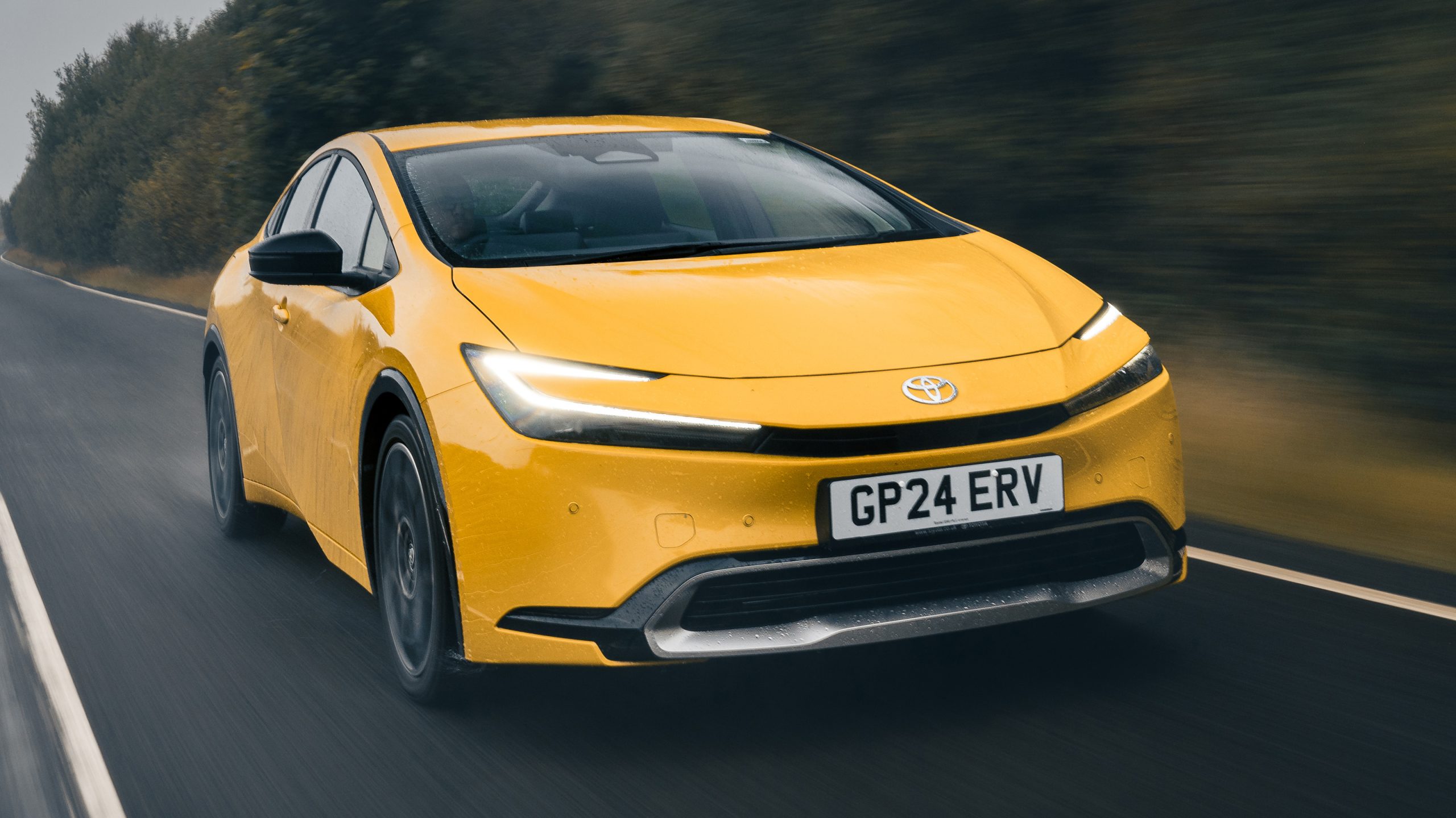
2. Hyundai Elantra Hybrid: Efficiency Meets Practicality in Traffic
The Hyundai Elantra Hybrid is a compact sedan engineered to thrive in urban traffic, achieving around 54 city MPG thanks to its advanced hybrid technology. Combining a 1.6-liter Atkinson cycle engine with an electric motor, the Elantra Hybrid can operate in electric-only mode at low speeds, reducing fuel use during stop-and-go driving.
Regenerative braking captures energy when slowing or braking, recharging the battery without consuming gasoline. Eco mode and smart driver-assist systems, including Smart Cruise Control, further optimize efficiency by adjusting throttle response and managing energy flow. These features allow the vehicle to achieve real-world city fuel economy of approximately 25 km per liter in light traffic conditions.
Performance is competent for a hybrid sedan. The hybrid’s 139-horsepower system is paired with a six-speed dual-clutch automatic transmission that keeps engine noise low while providing smooth shifts.
Acceleration is measured, with a 0–60 mph time of 8.4 seconds, closely matching the naturally aspirated non-hybrid version. Other powertrain options, including a 147-hp four-cylinder and the turbocharged 201-hp N Line, prioritize performance over efficiency.
Inside, the Elantra Hybrid offers a functional and stylish cabin with generous passenger space front and rear. Cargo capacity is practical, accommodating six carry-on suitcases behind the rear seats.
Infotainment varies by trim, from an 8.0-inch touchscreen on base models to dual 10.3-inch displays in higher trims, supporting Apple CarPlay and Android Auto with some wired limitations. Audio options range from a standard six-speaker system to an eight-speaker Bose setup.
Safety is well covered, with standard features like automated emergency braking, lane-departure warning, and lane-keeping assist, while adaptive cruise control and lane-centering assist are available on higher trims. Hyundai’s warranty and maintenance coverage is among the best in its class, including a 10-year/100,000-mile powertrain warranty and three years of complimentary scheduled service.
The Hyundai Elantra Hybrid balances fuel efficiency, urban practicality, and driver comfort. Its combination of electric-assist driving, energy recovery systems, and thoughtful interior design makes it a standout choice for city commuters seeking low fuel costs without sacrificing comfort or technology.
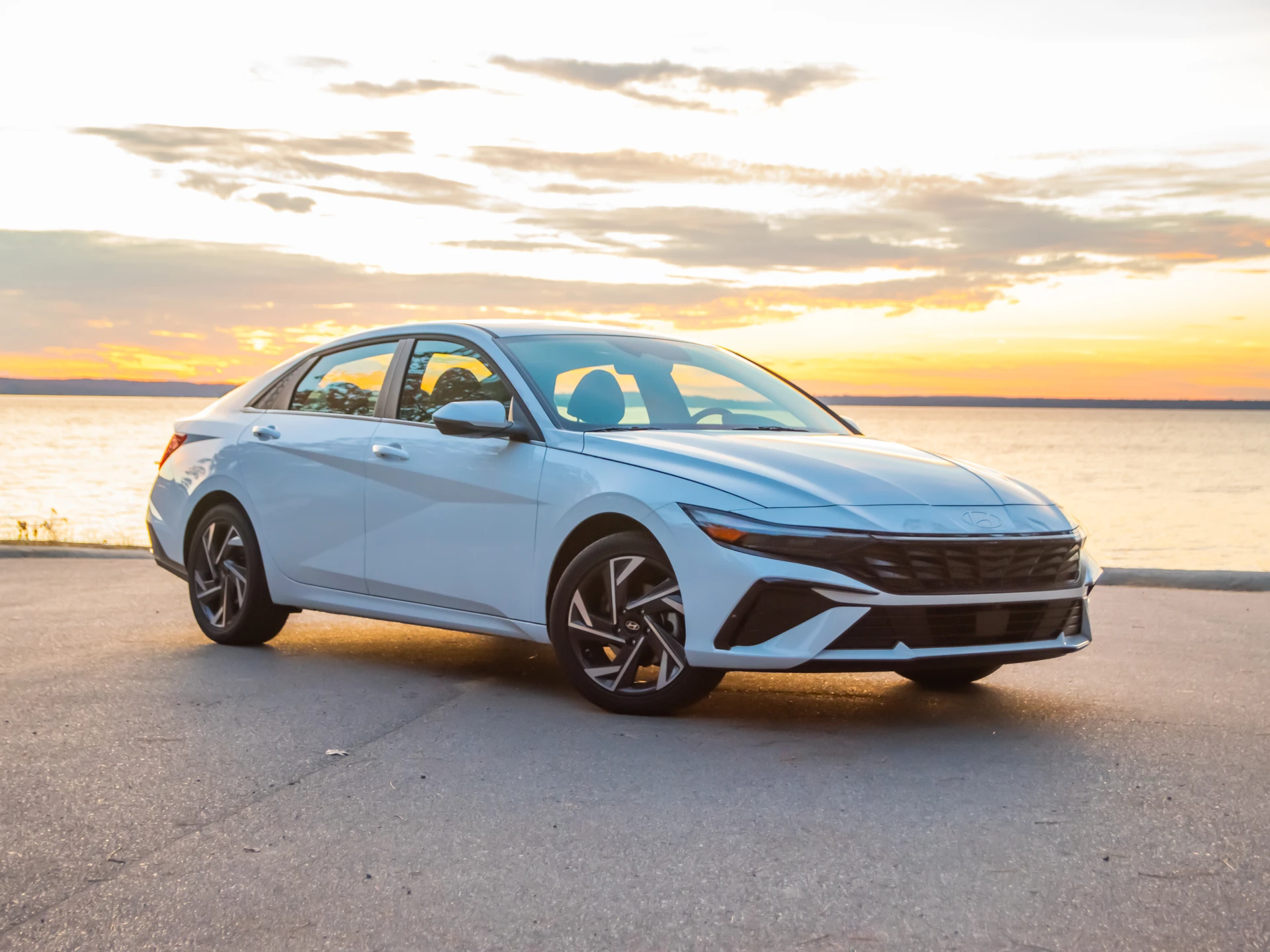
3. Kia Niro (Hybrid): An Urban Crossover Built for Stop-and-Go Efficiency
The Kia Niro Hybrid is designed from the ground up as an eco-focused urban crossover, and its strengths are most apparent in city driving. Delivering around 53 city MPG, the Niro excels in traffic conditions where conventional vehicles are least efficient.
Built on a dedicated eco platform, it manages the transition between electric and petrol power smoothly, ensuring that slow-speed crawling and frequent stops consume as little fuel as possible.
At the heart of the Niro’s efficiency is a self-charging hybrid system that prioritises electric operation in low-speed urban environments. In congested traffic, the vehicle frequently runs in electric-only mode, allowing it to creep forward, wait at traffic lights, and navigate crowded streets without burning fuel.
Regenerative braking plays a key role here, capturing energy during braking or coasting and converting it into electricity to recharge the battery.
The system is further enhanced by an automatic engine stop-start function, which shuts the petrol engine down completely when the car comes to a halt, eliminating fuel waste from idling. Together, these features allow the Niro to achieve 53 to 54 MPG in city conditions, making it especially effective in stop-and-go commuting.
Power comes from a 139-horsepower hybrid powertrain combining a 1.6-litre four-cylinder engine with an electric motor, paired to a six-speed dual-clutch automatic transmission and front-wheel drive.
While the Niro is not intended to be sporty, it provides sufficient performance for everyday use, keeping pace with city traffic and reaching highway speeds without strain. A 0 to 60 mph time of 8.9 seconds reflects its efficiency-first priorities rather than outright speed.
Inside, the Niro offers a modern and thoughtfully designed cabin. Kia incorporates recycled materials and natural fibres, such as eucalyptus-based fabrics, to reinforce its environmentally conscious identity. Passenger space is adequate for four adults, and cargo capacity is generous for a small crossover, with room for daily errands or larger grocery runs.
Ambient lighting and a rotary gear selector add a premium touch, while the infotainment system ranges from an 8.0-inch touchscreen on base models to a 10.3-inch display on higher trims, all supporting Apple CarPlay and Android Auto.
Safety is another strong point, with a wide range of driver-assistance features included as standard. Backed by Kia’s industry-leading 10-year powertrain warranty, the Niro Hybrid stands out as a practical, efficient, and reassuring choice for urban drivers seeking low running costs without sacrificing versatility.
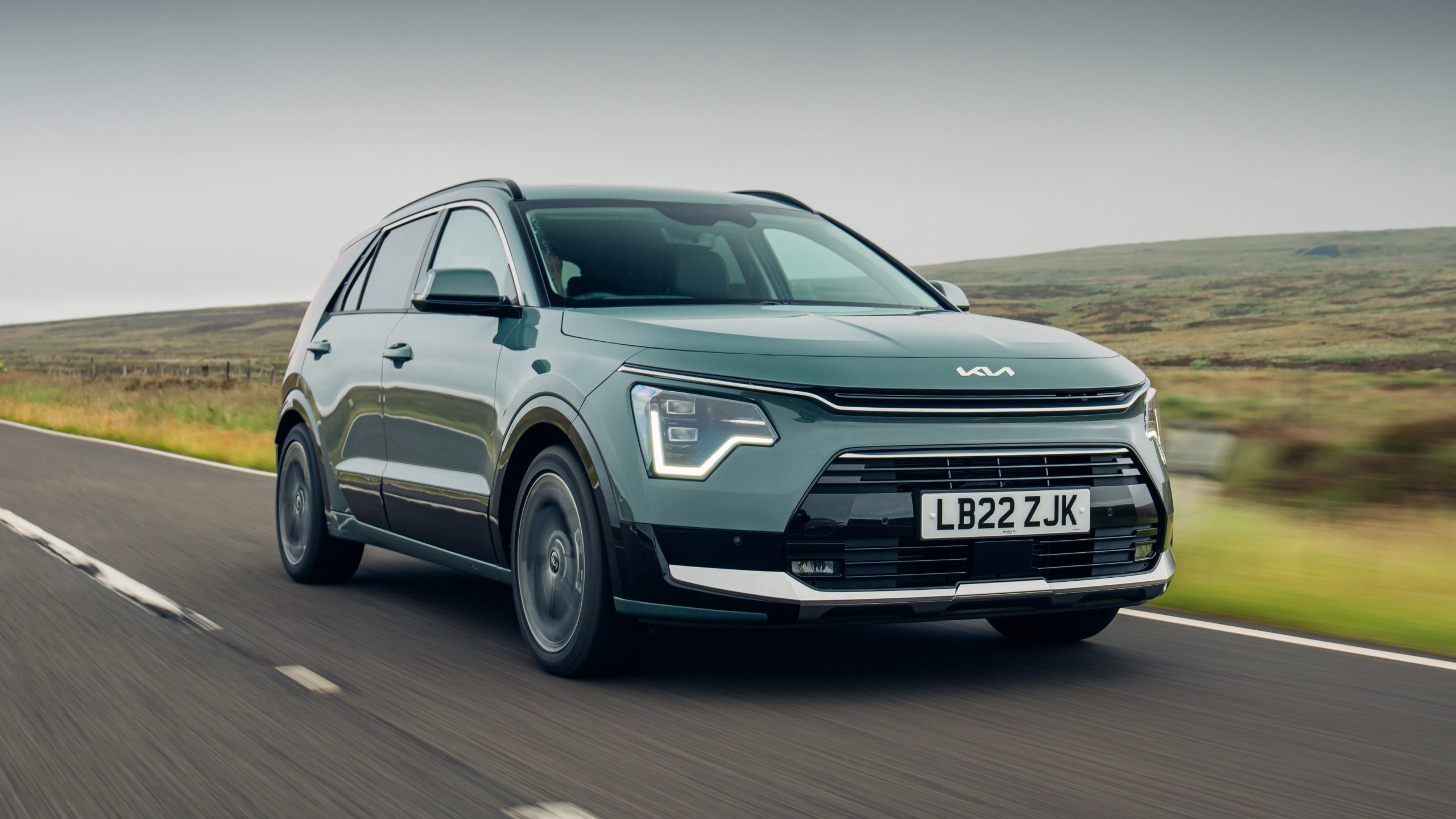
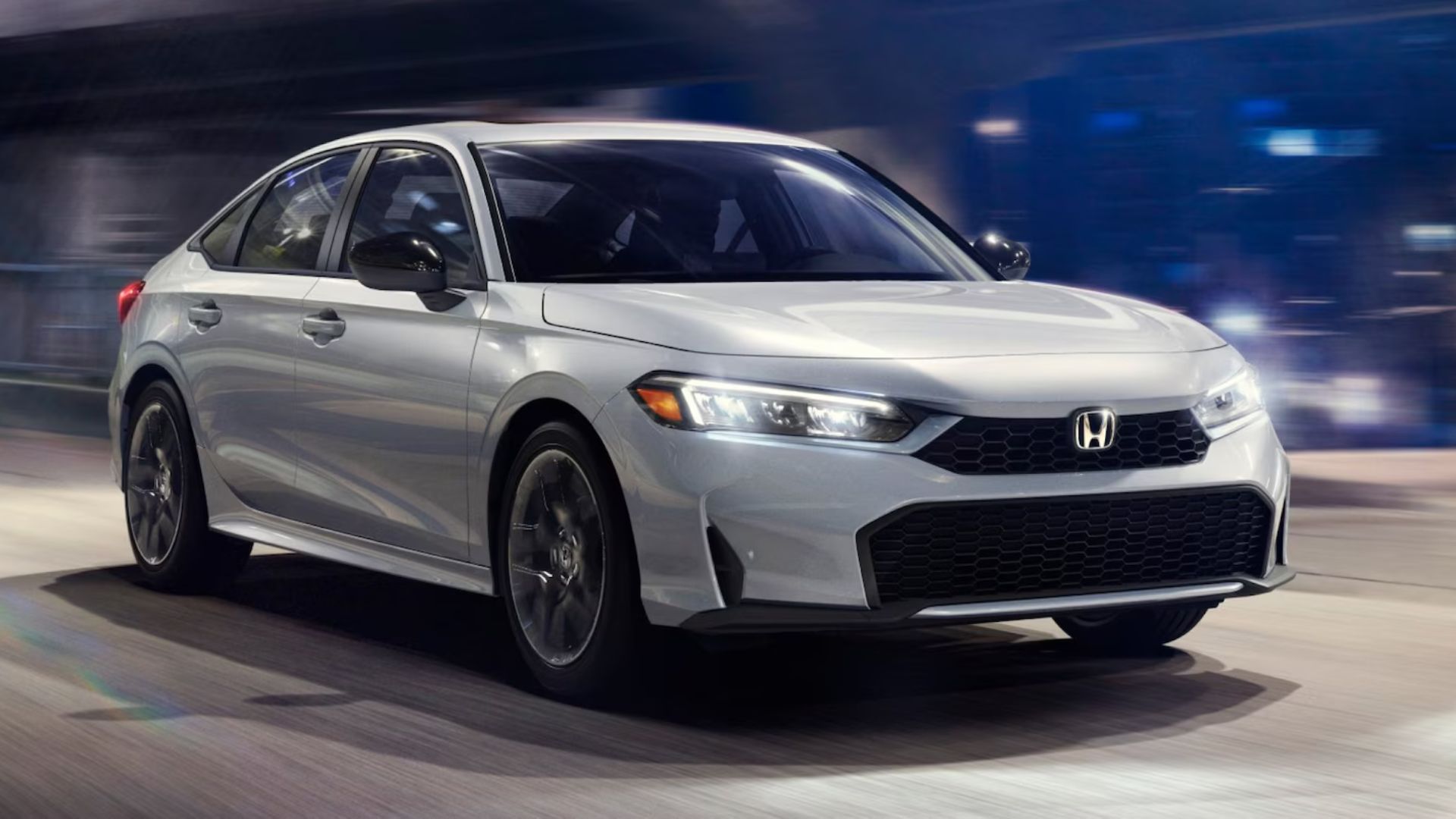
4. Honda Civic Hybrid (2025): A Late Arrival That Redefines the Hybrid Sedan
The 2025 Honda Civic Hybrid represents a long-awaited but highly polished return to the hybrid compact sedan segment. With an estimated 55 city MPG, it is engineered to thrive in heavy traffic, where efficiency matters most.
Honda’s two-motor hybrid system prioritises electric propulsion at low speeds, allowing the Civic Hybrid to behave much like an electric vehicle during crawling traffic, idling, and gentle acceleration. This makes it a quiet, smooth, and fuel-thrifty companion in urban gridlock.
Central to its efficiency is a dual-motor layout in which a primary electric motor drives the wheels in most city scenarios, while a 2.0-litre Atkinson-cycle petrol engine mainly serves as a generator to keep the battery charged. The engine frequently shuts off during coasting or when stopped, enabling extended electric-only operation.
Regenerative braking captures energy during deceleration and feeds it back into the battery, reducing reliance on fuel. Driver-focused efficiency aids such as Econ mode, eco-coaching displays, and paddle-controlled regenerative braking further help maximise fuel savings in stop-and-go conditions.
In real-world use, the Civic Hybrid delivers fuel economy figures that set a new benchmark for compact sedans. While official estimates sit just below 50 MPG, recorded figures of around 47 MPG surpass many recent hybrid rivals, including several Toyota Prius and Corolla Hybrid models tested under similar conditions.
This level of efficiency does not come at the expense of performance. The Civic Hybrid produces a combined 200 horsepower and accelerates from 0 to 60 mph in approximately 6.5 seconds, making it one of the quickest cars in its class. Power delivery is smooth and responsive, although the four-cylinder engine can sound coarse when pushed hard during highway merges or overtaking.
The interior reflects the maturity of the current Civic generation, with a notable step up in material quality and build solidity. The cabin is quiet at speed, touchpoints feel reassuringly solid, and rear-seat space is generous enough for adults on longer journeys.
Boot capacity is also among the best in the segment, enhancing everyday practicality. The nine-inch infotainment screen feels compact and busy, but physical controls for key functions improve ease of use.
Dynamically, the Civic Hybrid remains a standout. Steering is direct and confidence-inspiring, and despite a comfort-oriented suspension setup, the car handles with composure and enthusiasm. It retains the playful character that has long defined the Civic, even in hybrid form.
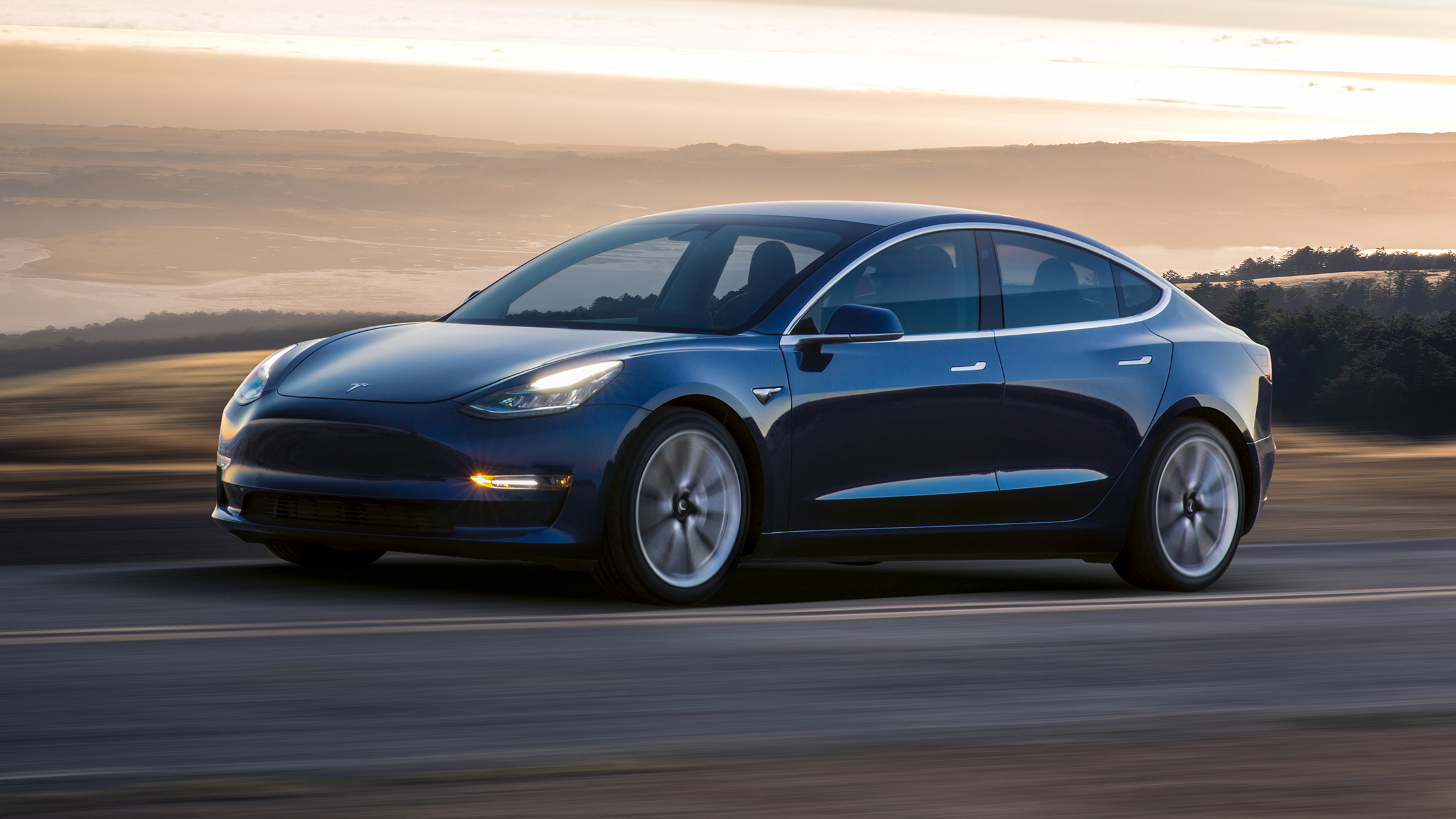
5. Tesla Model 3 (EV): Traffic Turns from Enemy into Advantage
The Tesla Model 3 demonstrates why pure electric vehicles are unmatched in congested traffic. Unlike petrol-powered cars, it consumes virtually no energy while standing still, aside from running accessories such as air-conditioning.
Electric motors are most efficient at low speeds, which means heavy traffic can actually preserve or even extend driving range compared to sustained high-speed highway travel. This characteristic makes the Model 3 especially well-suited to urban commuting and frequent stop-and-go conditions.
Its efficiency in traffic is driven by a fully electric powertrain paired with advanced regenerative braking. When slowing down, the Model 3 converts kinetic energy back into stored electricity instead of wasting it as heat through friction brakes.
There is no idling consumption when stopped, since the motor simply rests until power is needed again. Combined with a highly aerodynamic body featuring a drag coefficient as low as 0.219, the Model 3 keeps energy use impressively low in city driving.
Features such as Chill mode and Traffic-Aware Cruise Control further smooth throttle inputs and reduce unnecessary power draw, with some configurations achieving remarkably low energy consumption figures in urban use. While extended climate control in extreme heat or cold can reduce range slightly, the drivetrain remains far more efficient than any internal combustion alternative.
Performance is another area where the Model 3 stands out. Depending on configuration, power outputs range from 286 horsepower in single-motor versions to more than 500 horsepower in the Performance model.
Acceleration is swift, smooth, and nearly silent, with the Performance variant capable of reaching 60 mph in just 2.8 seconds. The battery pack is mounted beneath the floor, giving the car a low centre of gravity that enhances stability and cornering confidence.
Steering is precise and adjustable, and the ride strikes a balance between firmness and comfort. The Performance model adds adaptive dampers and upgraded brakes for more spirited driving.
Range estimates are among the best in the segment, reaching beyond 300 miles in certain variants. Charging flexibility includes Tesla’s Supercharger network, home charging, and compatibility with public chargers. Fast charging allows the battery to be replenished from low to high levels in well under an hour, adding convenience for longer journeys.
Inside, the Model 3 features a minimalist cabin dominated by a central touchscreen. Front-seat comfort is good, though rear-seat space is tighter than some rivals. Cargo capacity is practical, with a usable rear trunk and additional front storage. The infotainment system offers extensive streaming and entertainment options, though it omits Apple CarPlay and Android Auto.
With strong efficiency in traffic, rapid performance, long range, and advanced technology, the Tesla Model 3 remains a compelling example of how electric vehicles transform everyday driving conditions into an advantage rather than a compromise.
Also read: 5 Cars With Long Real-World Fuel Range vs 5 With Short Range
5 That Don’t
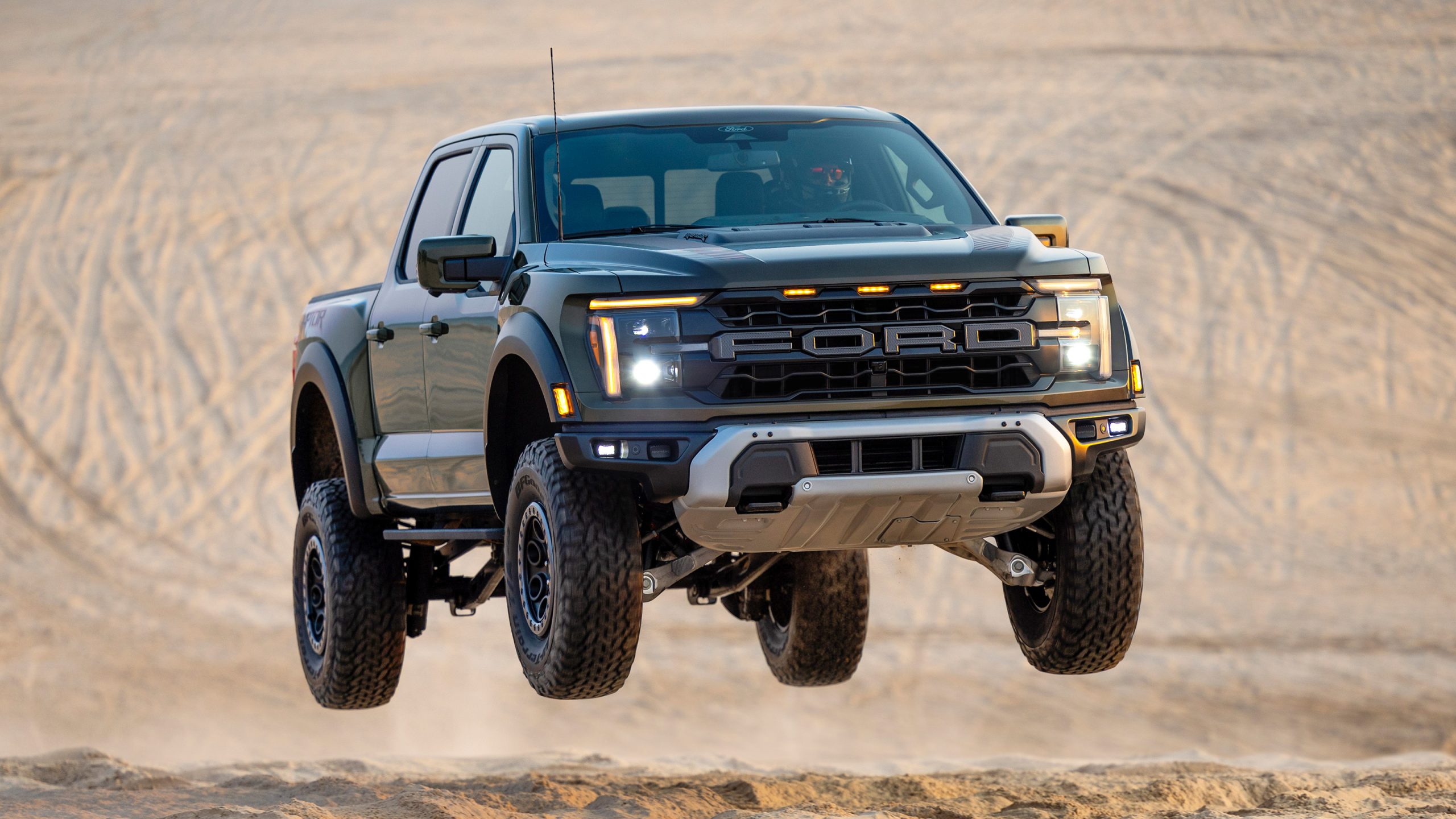
1. Ford F-150 Raptor R: A Trophy Truck Trapped in Traffic
The Ford F-150 Raptor R is best understood not as a conventional pickup truck, but as a street-legal trophy truck built for high-speed off-road punishment. In that context, its dismal city fuel economy of around 10 MPG makes perfect sense. Designed to dominate deserts and dunes, the Raptor R finds itself completely out of place in urban traffic, where its engineering works against efficiency at every turn.
At the core of the problem is the 5.2-litre supercharged V8, known as the Predator engine. This high-performance powerplant is built to deliver massive power instantly, not to sip fuel at low speeds.
Even at idle, the engine’s large displacement and the mechanical drag from the supercharger demand a rich flow of fuel just to keep everything turning. Each gentle tap of the accelerator in traffic wakes up a drivetrain that is primed for far more power than city driving will ever require.
Weight further compounds the issue. At roughly 6,000 pounds, the Raptor R must repeatedly overcome enormous inertia in stop-and-go conditions. Every launch from a standstill requires a substantial burst of energy, and every stop wastes that energy as heat through the brakes.
Unlike hybrids or electric vehicles, there is no system in place to recover any of this lost momentum, making traffic an especially punishing environment for fuel consumption.
The truck’s 37-inch all-terrain tyres add another layer of inefficiency. Designed for durability and off-road grip, these tyres create significant rolling resistance and add considerable unsprung weight. Spinning them up from a stop requires more torque and more fuel than the smaller, lighter wheels found on standard pickups.
Aerodynamics and gearing only worsen matters. With a tall ride height and wide stance, the Raptor R cuts through the air poorly, even at low speeds. Its 10-speed automatic transmission is tuned to keep the engine ready for instant response, holding lower gears longer rather than prioritising fuel savings.
The result is a vehicle that pays a steep performance tax in traffic, with real-world urban fuel economy often dipping to 7 or 8 MPG, far from its natural habitat.
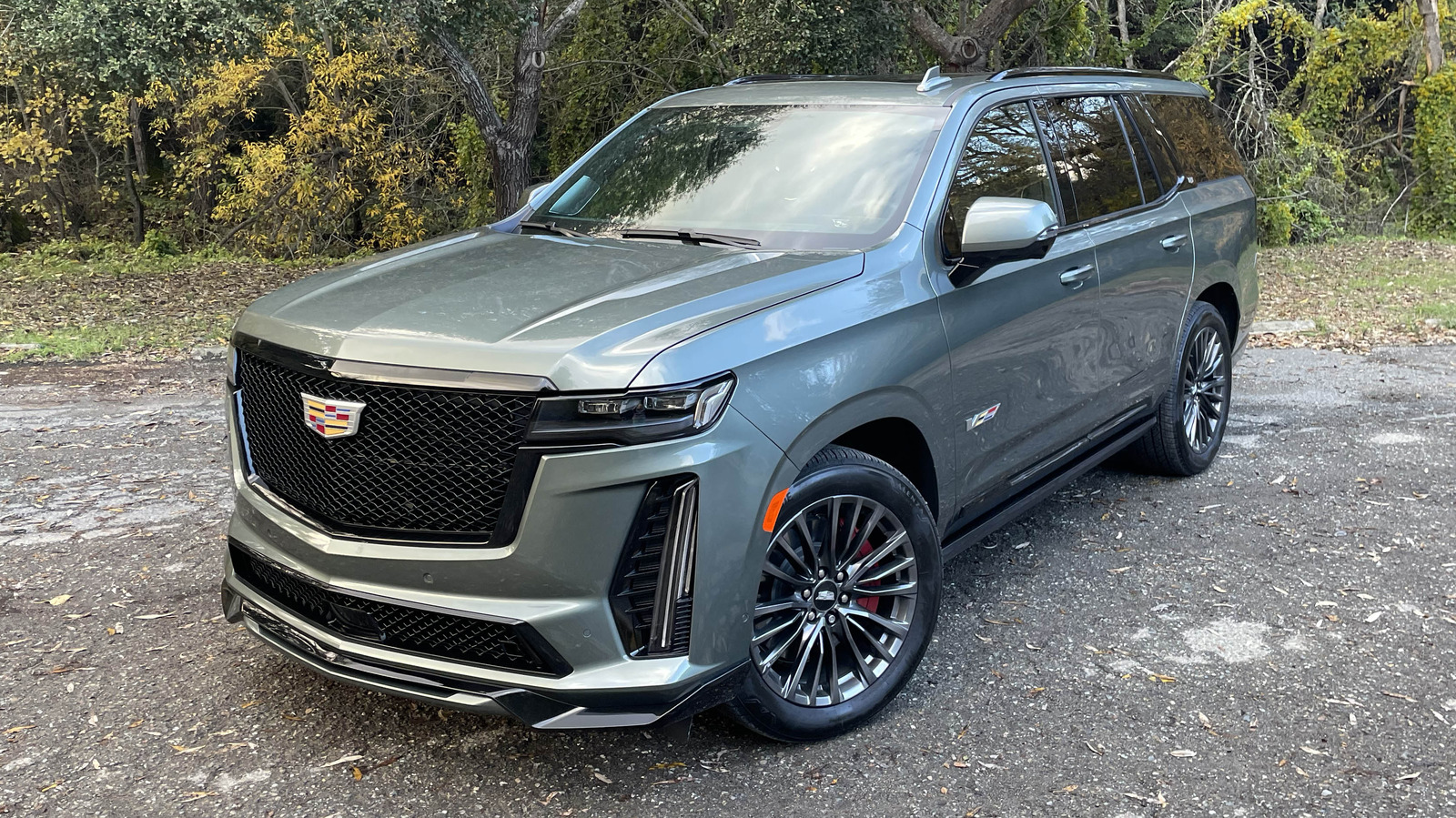
2. Cadillac Escalade-V: Super-SUV Excess Meets Urban Reality
The Cadillac Escalade-V represents the extreme end of luxury SUV performance, but its engineering priorities make it deeply unsuited to stop-and-go city driving. Weighing more than 6,200 pounds and powered by a supercharged 6.2-litre V8, this imposing machine returns just 11 city MPG. In heavy traffic, the sheer energy required to keep it moving turns every short commute into an exercise in inefficiency.
The biggest challenge is simple physics. With a curb weight exceeding three tons, the Escalade-V must overcome enormous inertia every time it pulls away from a standstill. In traffic, this happens repeatedly, forcing the engine to burn large amounts of fuel just to get the vehicle rolling.
Unlike hybrid systems that use electric motors to handle low-speed movement efficiently, the Escalade-V relies entirely on its petrol engine for every launch, making stop-start conditions its worst operating environment.
Compounding the issue is the vehicle’s belt-driven supercharger. Unlike turbochargers that recycle exhaust energy, the Escalade-V’s 2.65-litre supercharger draws power directly from the engine at all times.
Even at idle or crawling speeds, the engine must work harder to spin the supercharger, creating a constant parasitic loss. This means extra fuel is consumed simply to keep the performance hardware ready, regardless of whether its full capability is ever used.
Performance-focused tuning further undermines efficiency. While standard Escalade models use cylinder deactivation to save fuel, the V-series prioritises instant throttle response and thermal stability. The transmission is calibrated to hold lower gears longer, keeping engine speeds higher to ensure immediate power delivery. In traffic, this results in higher fuel consumption and more frequent gear changes.
Finally, the Escalade-V’s immense cooling and electrical demands add to its appetite. High-capacity cooling fans, multiple intercoolers, and power-hungry luxury features place a constant load on the engine while idling. The result is a super-SUV that excels on open roads but operates in its least efficient state when confined to urban congestion.
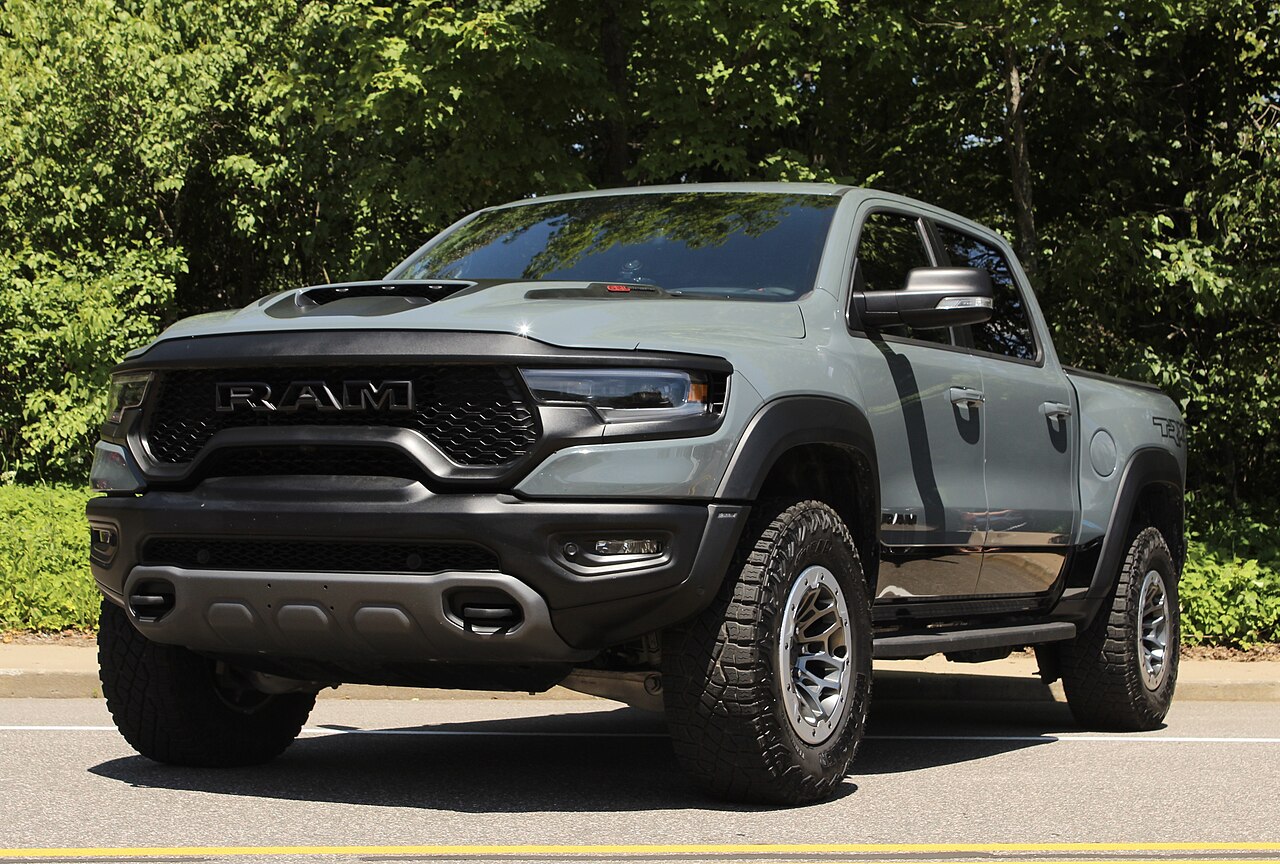
3. RAM 1500 TRX: Desert Dominator, Urban Liability
The RAM 1500 TRX is an extraordinary feat of engineering, built to conquer dunes, deserts, and high-speed off-road terrain. In city traffic, however, it becomes a case study in excess.
Powered by a 702-horsepower supercharged HEMI V8, the TRX struggles to maintain even 10 MPG in urban driving. In stop-and-go conditions, drivers are effectively burning fuel just to keep a high-performance powerplant idling, with little opportunity to use its immense capability.
A major contributor to this inefficiency is the truck’s sheer mass. With a curb weight of approximately 6,440 pounds, the TRX must repeatedly overcome massive inertia every time it moves off from a stop. In traffic, this constant cycle of braking and accelerating demands huge amounts of energy, draining fuel far more quickly than lighter or more efficiency-focused pickups.
The engine itself further compounds the issue. The 6.2-litre supercharged HEMI V8 is engineered for raw output, not restraint. Even gentle city driving results in fuel consumption around 10 MPG, with real-world figures dropping into single digits when driven assertively. The supercharger introduces continuous parasitic loss, meaning fuel is burned simply to keep the system ready, regardless of speed.
Mechanical choices also work against urban efficiency. The TRX runs a full-time four-wheel-drive system, which increases frictional losses compared to selectable drivetrains. Its standard 35-inch all-terrain tyres add significant rolling resistance, especially punishing at low speeds where efficiency already suffers.
Beyond fuel use, the TRX is physically ill-suited to city environments. At 88 inches wide, it is difficult to manoeuvre through narrow lanes or park comfortably. High hood lines limit visibility, and drivers often contend with constant lane-assist interventions. Its cooling systems are designed for high-speed airflow, not prolonged idling in traffic, forcing the truck to operate in its least efficient thermal state.
The RAM 1500 TRX is a spectacular performance truck trapped in the wrong environment. For daily urban use, even RAM acknowledges that more modern, efficiency-minded alternatives make far more sense.
4. Mercedes-AMG G 63: Iconic Presence, Urban Excess
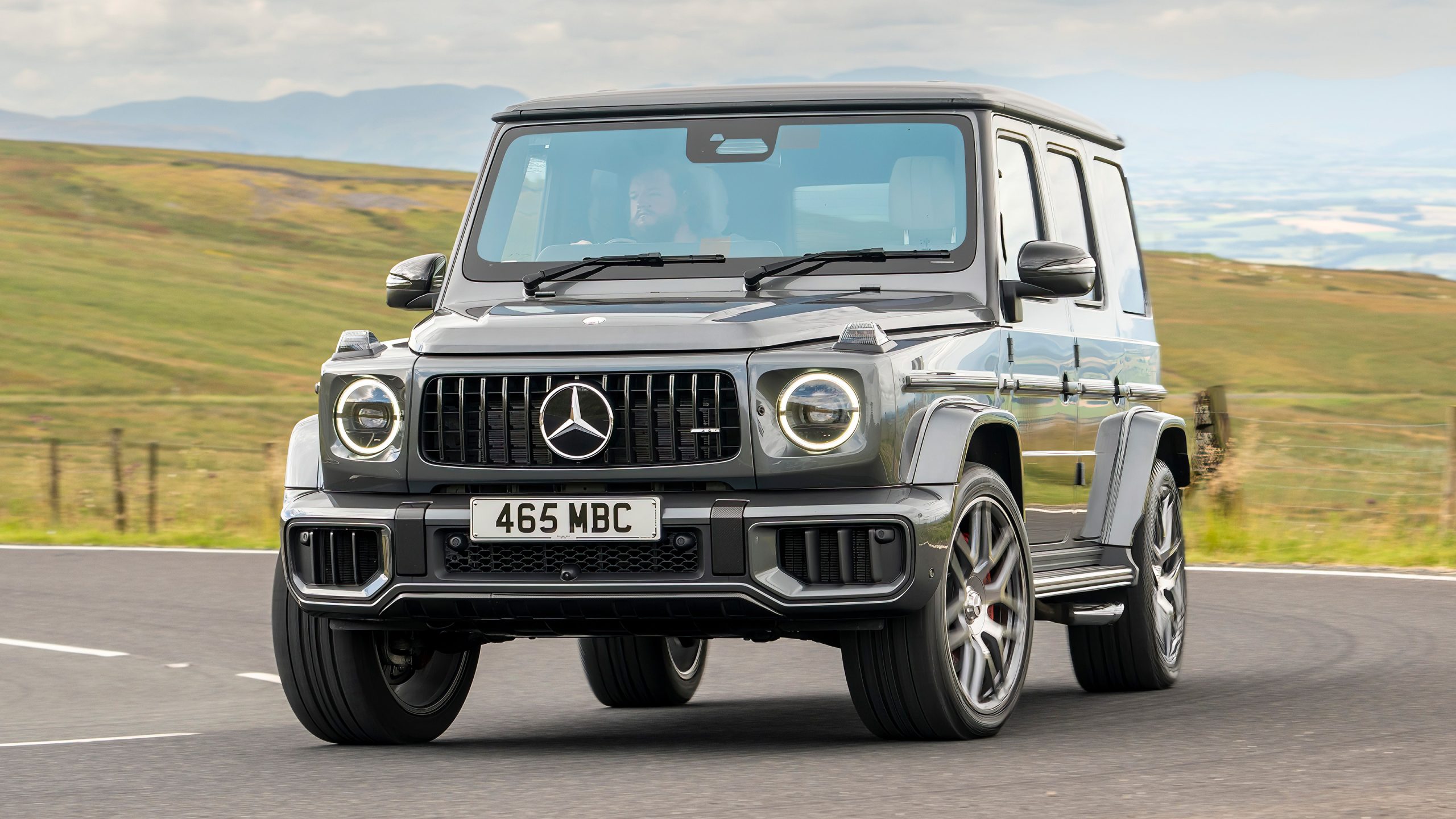
The Mercedes-AMG G 63 is one of the most recognisable luxury vehicles on the road, but its unmistakable shape and thunderous performance come at a steep cost in city efficiency.
Returning roughly 13 MPG in urban driving, the G 63 remains a fuel-hungry machine that struggles in stop-and-go traffic. Its inefficiency is not an oversight, but a direct result of a design that values heritage, status, and raw power over modern urban practicality.
A major factor is the vehicle’s substantial weight. Tipping the scales between 2,550 and 2,650 kilograms, the G 63 must overcome significant inertia every time it pulls away from a standstill.
In dense traffic, where acceleration from zero happens repeatedly, the engine burns large amounts of fuel just to get the vehicle moving. This challenge is amplified by the ladder-frame construction, which is far heavier and less efficient than the unibody platforms used by most city-focused SUVs.
Power comes from a handcrafted 4.0-litre twin-turbo V8 producing 577 horsepower and immense torque. While features such as cylinder deactivation and a 48-volt mild-hybrid system attempt to reduce fuel use, they offer only marginal relief. The engine remains a high-output unit that consumes fuel liberally, even at idle or low speeds where its performance potential goes largely unused.
Aerodynamics further undermines efficiency. With a drag coefficient approaching that of a brick, the G-Wagon pushes far more air than most modern SUVs. Even at modest city speeds, this resistance forces the engine to work harder than necessary.
Added to this is the mechanical drag from its permanent all-wheel-drive system, triple-locking differentials, and heavy-duty drivetrain components, all of which increase internal friction.
Real-world urban fuel consumption often falls well below official figures, with some drivers reporting single-digit MPG in heavy congestion. Ultimately, the Mercedes-AMG G 63 is a vehicle chosen for emotion, image, and performance. Its inefficiency is a known and accepted trade-off for owning a luxury icon that values presence over prudence.
5. Jeep Grand Wagoneer Series III: Luxury SUV Struggles in City Traffic
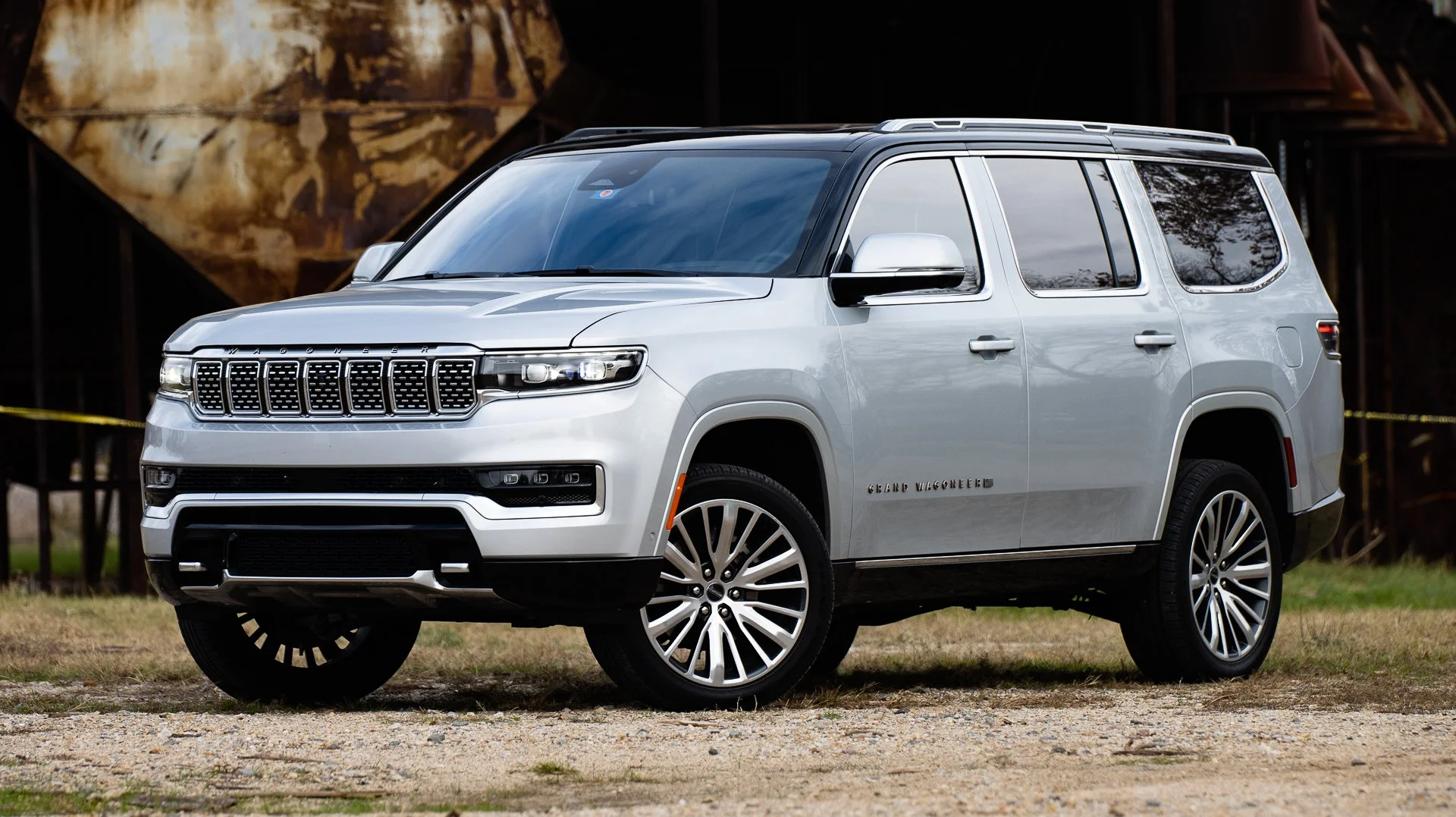
The Jeep Grand Wagoneer Series III is a statement of luxury and capability, but its size and mechanical complexity make it inefficient in urban driving. Despite a modern 3.0-liter Hurricane twin-turbo inline-six engine with 510 horsepower and 500 lb-ft of torque, the SUV often achieves only around 13 MPG in stop-and-go traffic. Each traffic light and slow crawl through congestion highlights the vehicle’s challenges in city conditions.
The most significant factor is its massive weight. Tipping the scales at approximately 6,700 pounds, the Grand Wagoneer requires large amounts of energy to move from a complete stop. In traffic, this means the engine must repeatedly work hard to overcome inertia, burning fuel with every acceleration. Momentum that helps on highways is nearly useless in city driving, causing real-world MPG to often fall into the low teens.
The Hurricane High-Output engine contributes to the high fuel consumption. Turbocharged engines perform best at steady speeds, but in stop-and-go traffic, the engine frequently cycles between idling and boosting to move the heavy chassis. Even with stop-start technology, the size of the engine components and cooling requirements for the twin turbos result in substantial fuel use at low speeds.
Mechanical drag and the SUV’s extensive luxury features further reduce efficiency. The standard Quadra-Drive II four-wheel-drive system adds rotating mass with heavy axles, differentials, and transfer cases, requiring extra power to move the vehicle at low speeds.
The Grand Wagoneer’s numerous electronic systems, including the 75-inch total screen display and 23-speaker McIntosh audio system, place additional load on the alternator, increasing fuel demand.
In real-world urban driving, owners often report fuel economy closer to 11–12 MPG, below EPA estimates of 14 city MPG. While the Grand Wagoneer excels in comfort, technology, and off-road capability, its design prioritizes power and luxury over efficiency, making city driving a challenge for this large SUV.
Choosing a vehicle for city use requires balancing efficiency with performance. Cars like the Prius, Niro, Civic Hybrid, and Tesla Model 3 show how modern engineering can reduce fuel consumption, limit emissions, and make traffic less stressful.
In contrast, trucks and luxury SUVs such as the Raptor R, Escalade-V, TRX, G 63, and Grand Wagoneer prioritize power, comfort, and presence at the cost of fuel efficiency. Their massive engines, heavy frames, and complex drivetrains make city driving expensive and demanding.
For urban commuters, selecting a vehicle designed for traffic conditions can save fuel, reduce environmental impact, and make daily driving far more practical. Efficient vehicles transform traffic from a challenge into an opportunity to maximize energy use, while high-performance machines turn congestion into a costly and unavoidable burden.
Also read: Top 10 Cars That Changed Automotive Engineering Forever