
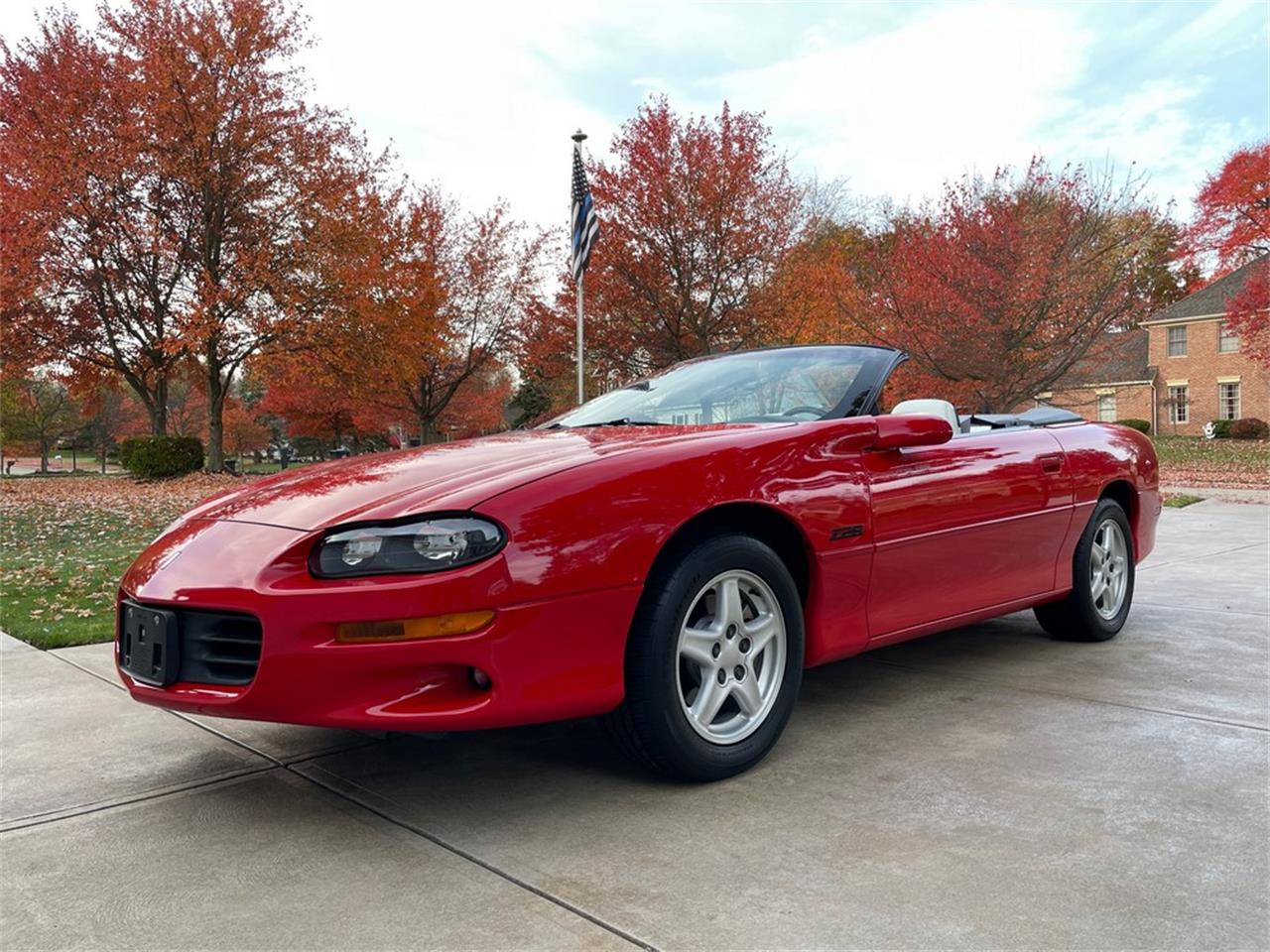
General Motors played a massive role in defining the golden era of American muscle cars. From the 1960s onward, its various divisions competed fiercely, creating high performance machines that pushed the limits of power, style, and street presence.
These cars were not just about speed in a straight line. They represented freedom, youthful rebellion, and a uniquely American approach to performance.
Each GM brand brought its own personality to the muscle car scene. Chevrolet focused on accessible speed, Pontiac emphasized excitement and attitude, Oldsmobile blended power with refinement, and Buick delivered surprising performance wrapped in understated style.
This internal rivalry led to constant innovation, with bigger engines, better suspensions, and bold new designs appearing year after year.
What made GM muscle cars especially influential was their accessibility. Many of these vehicles offered serious power at prices that ordinary drivers could afford.
This helped performance culture spread beyond racetracks and into everyday life, where stoplight sprints and weekend drag races became part of automotive lore.
These cars also helped establish engine legends that are still talked about today. Big block and high output small block V8 engines became symbols of strength and capability. Their deep exhaust notes and strong acceleration defined what a muscle car should feel like.
The following ten GM muscle cars stand out as icons that shaped American performance. Each one brought something special to the table, whether through groundbreaking engines, bold design, or cultural impact. Together, they tell the story of how General Motors helped create and define the muscle car era.
Also Read: Top 10 Timeless European Sports Cars You Can Still Buy
1. Chevrolet Chevelle SS 454
The Chevrolet Chevelle SS 454 is one of the most famous muscle cars ever built and a true symbol of the horsepower wars. With its aggressive styling and massive engine options, it represented Chevrolet’s commitment to delivering serious performance in a practical midsize package.
The heart of the SS 454 was its big block V8 engine. This powerplant delivered enormous torque and strong acceleration, making the car a dominant force on both the street and the drag strip. Drivers could feel the surge of power the moment they pressed the throttle, and the deep exhaust note added to the sense of raw performance.
Styling played a big role in the Chevelle’s appeal. Bold lines, wide stance, and performance focused details gave the car an unmistakable presence. It looked fast even when standing still, and that visual aggression helped define the muscle car image.
The Chevelle SS 454 also offered surprising practicality. With a roomy interior and usable trunk space, it could serve as a daily driver while still delivering thrilling performance. This combination of utility and power made it appealing to a wide range of buyers.
Suspension and braking systems were designed to handle the engine’s output, though the car’s main strength remained straight line speed. It excelled in acceleration and passing power, which were key measures of performance at the time.
Culturally, the Chevelle SS 454 became a legend. It represented the peak of the muscle car era, when manufacturers competed to offer the biggest and most powerful engines. Its reputation has only grown over time, and it remains one of the most sought after classic muscle cars today.
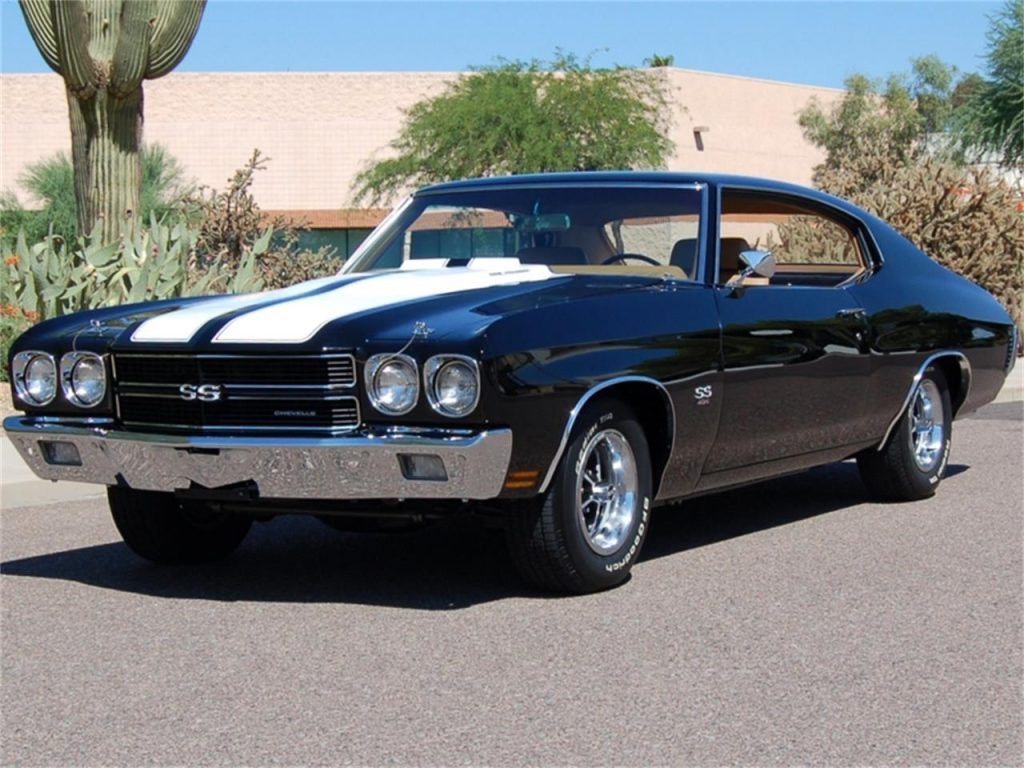
The Chevelle SS 454 helped cement Chevrolet’s status as a performance leader. Its combination of bold design, huge engine power, and everyday usability made it a defining car of the muscle era and a lasting icon in American automotive history.
2. Pontiac GTO Judge
The Pontiac GTO Judge took an already legendary muscle car and turned it into an even more memorable performance machine. With distinctive styling, strong engine options, and a bold personality, it became one of the most recognizable cars of the late muscle car era.
Performance was central to the Judge’s identity. Equipped with powerful V8 engines, it delivered strong acceleration and a deep, commanding exhaust note. The car felt eager and responsive, offering drivers the kind of excitement that defined muscle cars.
The Judge also stood out visually. Bright colors, bold graphics, and a rear spoiler gave it a playful yet aggressive look. It was designed to grab attention, and it succeeded. The car’s appearance matched its performance, making it a favorite among younger enthusiasts.
Pontiac marketed the Judge as a fun, rebellious alternative to more conservative performance cars. This approach resonated with buyers who wanted something that felt energetic and different. The car’s personality helped it stand out even in a crowded performance market.
Handling and ride quality were respectable for the era, though like many muscle cars, the focus remained on straight line performance. Still, the Judge delivered a driving experience that felt exciting and engaging.
The GTO Judge’s cultural impact extended beyond its performance numbers. It became a symbol of late 1960s automotive freedom and creativity. Its bold design and strong engines captured the spirit of the time.
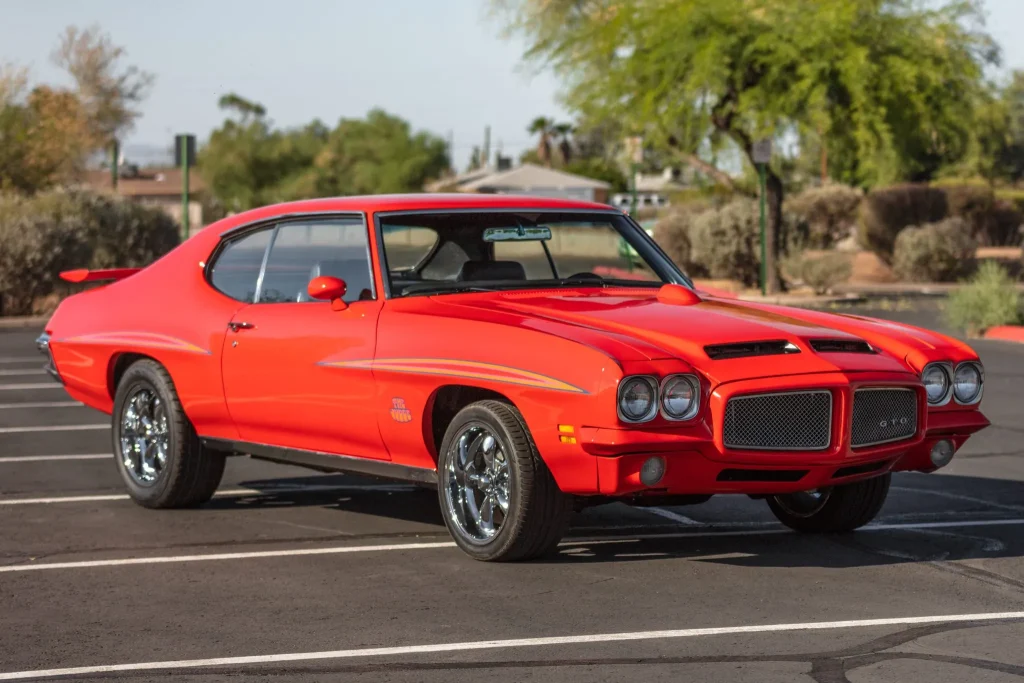
Today, the Pontiac GTO Judge is remembered as one of the most iconic muscle cars ever built. It helped define Pontiac’s performance image and played a key role in shaping the identity of American muscle. Its combination of power, style, and personality ensures its place in automotive history.
3. Oldsmobile 442
The Oldsmobile 442 stands as one of the most respected muscle cars to come from General Motors, blending strong performance with a slightly more refined image than some of its rivals. It proved that a car could be both powerful and composed, helping expand the appeal of muscle cars beyond just the most aggressive buyers.
The name 442 originally referred to four barrel carburetion, four speed manual transmission, and dual exhaust. These elements signaled that the car was serious about performance. Under the hood, strong V8 engines delivered impressive torque and acceleration, making the car quick in real world driving as well as on the drag strip.
What set the 442 apart was its balance. While it offered the raw strength expected of a muscle car, it also delivered a more controlled and comfortable ride than some competitors. Suspension tuning helped the car feel stable and predictable, which made it enjoyable on longer drives as well as during spirited runs.
Styling was muscular without being overly flashy. Subtle performance cues, bold stance, and clean lines gave the 442 a confident look. It appealed to drivers who wanted serious power without excessive visual drama.
Inside, the cabin combined comfort with performance oriented touches. Supportive seats and clear instrumentation helped create a driver focused environment while still maintaining a level of refinement. This made the car more versatile for everyday use.
The 442 also played an important role in establishing Oldsmobile’s performance reputation. It showed that the brand could compete directly with other GM divisions in the muscle car arena. This internal competition pushed innovation and raised performance standards across the company.
Over time, the 442 earned a reputation for being one of the more well rounded muscle cars of its era. It delivered strong acceleration, solid road manners, and a level of comfort that made it appealing to a broader audience.
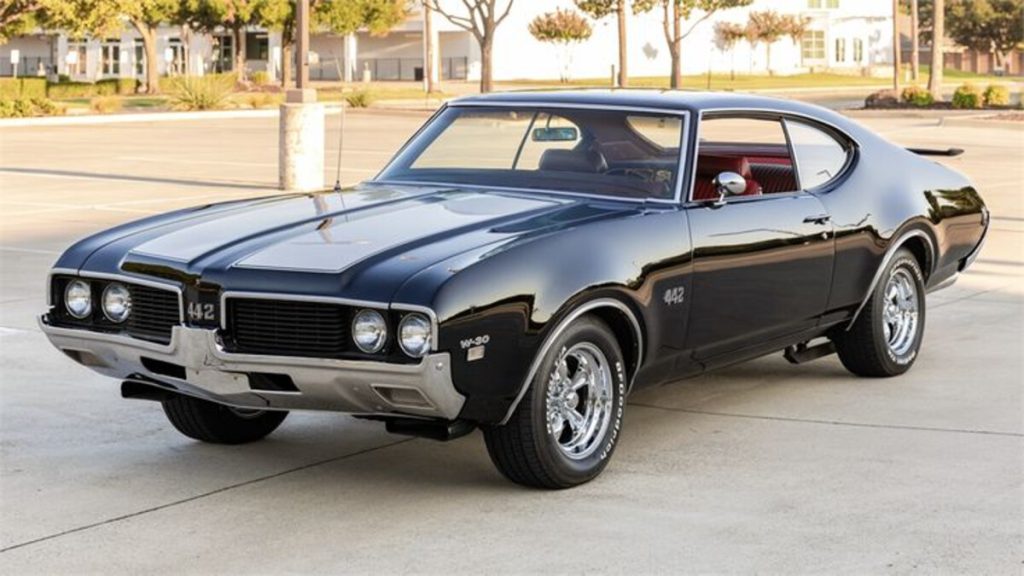
Today, the Oldsmobile 442 is remembered as a key player in the muscle car story. Its combination of power, balance, and understated style helped shape the idea that performance could be both thrilling and livable, making it a true icon of American automotive history.
4. Buick GSX
The Buick GSX proved that high performance could come from a brand often associated with comfort and luxury. With bold styling and serious engine power, it surprised many enthusiasts and earned a place among the most memorable muscle cars of the era.
At the heart of the GSX was a large V8 engine that delivered massive torque. Acceleration was strong and immediate, giving the car a sense of effortless power. The engine’s deep rumble and forceful response made it clear that this was no ordinary Buick.
Styling helped the GSX stand out in a big way. Bright colors, aggressive striping, and a prominent rear spoiler gave it a dramatic presence. It looked bold and confident, breaking away from the brand’s more conservative image and embracing the muscle car spirit.
Despite its performance focus, the GSX maintained a degree of comfort. The interior offered supportive seating and a solid build quality, making the car suitable for longer drives as well as short bursts of excitement. This blend of performance and comfort appealed to buyers who wanted power without sacrificing refinement.
Handling was respectable for a muscle car of its time. While straight line speed remained the primary focus, suspension tuning helped keep the car stable and manageable during spirited driving. It delivered a confident feel that matched its powerful engine.
The GSX also played an important role in expanding Buick’s performance identity. It showed that the brand could produce a car that competed directly with other GM muscle machines. This broadened the perception of what a Buick could be.
Production numbers were limited, which has helped make the GSX especially desirable today. Its rarity, combined with its bold styling and strong performance, has turned it into a collector favorite.
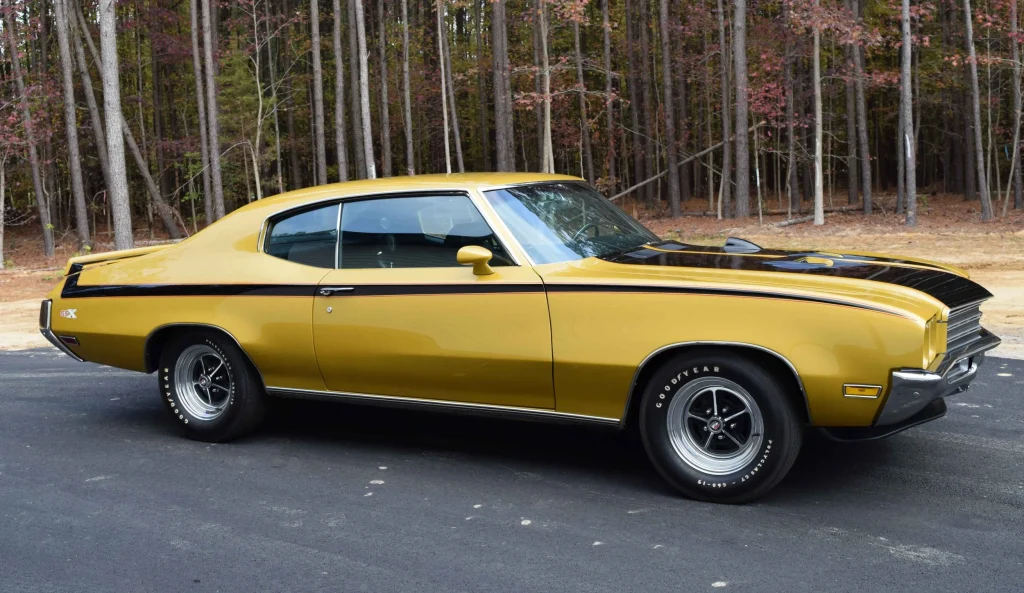
The Buick GSX stands as a reminder that muscle car passion could come from unexpected places. Its mix of luxury brand roots and serious performance helped shape the diversity of the muscle car era and secured its status as an iconic GM performance machine.
5. Chevrolet Camaro Z28 (First Generation)
The first generation Chevrolet Camaro Z28 became a defining figure in the muscle car movement by blending strong V8 performance with a chassis designed for more than just straight line speed.
It represented Chevrolet’s effort to build a car that could compete on the street and on the track, helping expand the idea of what an American performance car could be.
The Z28’s engine delivered eager, high revving power that felt different from the large displacement torque monsters of the era.
While it may not have had the biggest engine on paper, it produced lively acceleration and a sharp, energetic feel that made it exciting to drive hard. The exhaust note had a crisp, aggressive tone that matched the car’s sporty character.
Handling was a major part of the Z28’s identity. Suspension upgrades, improved braking, and tighter steering made it more capable in corners than many traditional muscle cars. This balance between power and agility helped the Z28 stand out as a more complete performance machine.
Styling also played a big role in its appeal. With bold stripes, performance badges, and a low, wide stance, the Z28 looked ready for action. It had a youthful, aggressive appearance that captured the spirit of late 1960s performance culture.
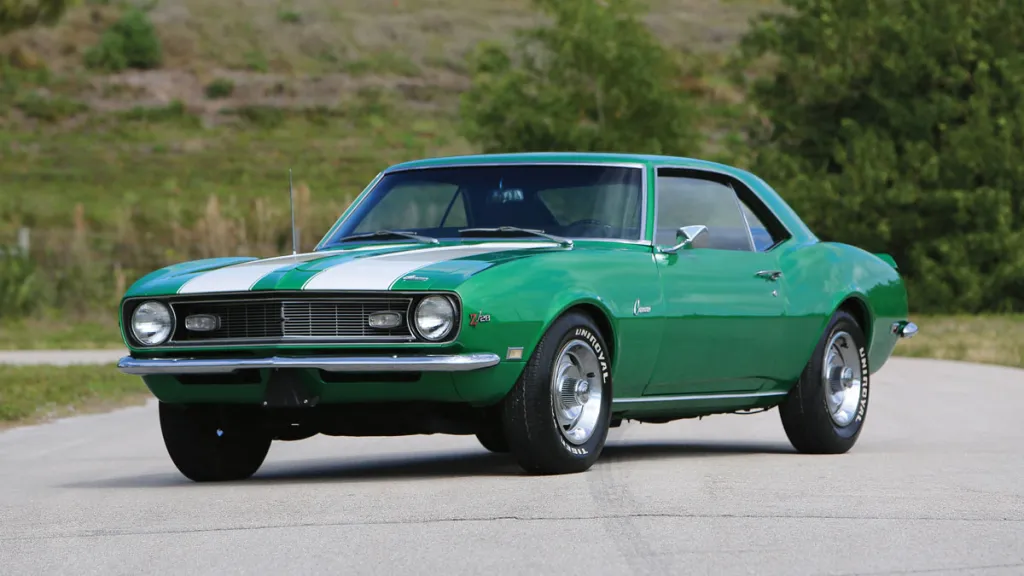
Inside, the car offered a driver focused layout with clear gauges and supportive seating. While not luxurious, the cabin felt purposeful and sporty. It reinforced the idea that this was a car meant to be driven enthusiastically.
The Z28 also gained credibility through its involvement in racing. Its success on road courses helped prove that American muscle cars could handle more than just drag racing. This broadened the performance image of the Camaro and influenced future generations of performance cars.
Culturally, the Camaro Z28 became a symbol of affordable performance. It offered serious driving excitement at a price that was within reach for many buyers. This accessibility helped grow the enthusiast community and cement the car’s legacy.
Today, the first generation Camaro Z28 is remembered as a turning point in muscle car history. By combining strong V8 power with improved handling and a bold image, it helped shape the evolution of American performance and remains one of the most respected GM muscle cars ever built.
6. Pontiac Firebird Trans Am (Second Generation)
The second generation Pontiac Firebird Trans Am became one of the most recognizable muscle cars in American history. With its dramatic styling, powerful engines, and strong cultural presence, it helped carry the muscle car spirit into the 1970s and beyond.
One of the Trans Am’s biggest strengths was its combination of performance and personality. V8 engine options delivered strong acceleration and a deep, commanding exhaust note. Even as emissions regulations tightened, the car maintained a sense of power and excitement that kept enthusiasts interested.
Handling improvements were also part of the Trans Am’s appeal. Suspension tuning gave the car a more controlled and stable feel compared to earlier muscle machines. While straight line performance remained important, the car also felt confident in corners and at highway speeds.
Styling played a massive role in its popularity. The long hood, flared fenders, and bold graphics created a look that was impossible to ignore. Signature details like the hood scoop and large bird emblem on the hood gave it a unique identity that stood out on any road.
Inside, the cabin offered a sporty and driver oriented environment. Clear instrumentation and supportive seats made the car enjoyable to drive, while still providing enough comfort for everyday use. This balance helped the Trans Am appeal to a wide audience.
The car’s cultural impact cannot be overstated. Appearances in movies and television helped turn it into an icon of American performance and freedom. Its image became closely tied to the idea of bold, rebellious driving fun.
The Trans Am also helped Pontiac maintain its performance reputation during a challenging era for muscle cars. While many high output engines were disappearing, Pontiac continued to offer cars that delivered excitement and strong visual appeal.
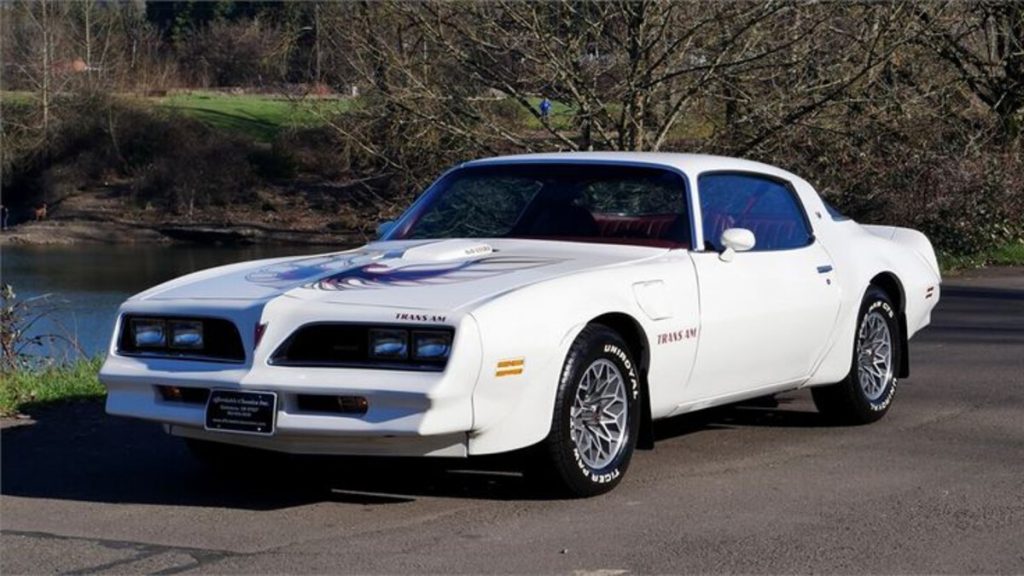
Today, the second generation Firebird Trans Am is remembered as one of the defining cars of its time. Its mix of V8 performance, unforgettable styling, and cultural influence ensured that it shaped American performance long after the original muscle car boom had passed.
7. Chevrolet Nova SS
The Chevrolet Nova SS proved that muscle car performance did not have to come in a large or flashy package.
By placing a powerful V8 engine into a relatively compact and lightweight body, Chevrolet created a car that delivered serious speed with a simple, no nonsense attitude. This formula made the Nova SS one of the most effective and influential muscle cars of its time.
Under the hood, the Nova SS could be equipped with strong V8 engines that produced impressive horsepower and torque. Because the car was lighter than many midsize muscle machines, it felt extremely quick in real world driving. Acceleration was forceful, and the car had a reputation for being especially strong in straight line performance.
The Nova’s smaller size also helped it feel more agile than some of its larger counterparts. While still built with classic muscle car suspension design, the reduced weight made it feel responsive and eager. Drivers could enjoy both strong launches and a more nimble feel on winding roads.
Styling was clean and understated, which became part of the car’s charm. Without excessive stripes or spoilers, the Nova SS often looked like an ordinary compact car at first glance. This subtle appearance, combined with serious performance, gave it a reputation as a street sleeper.
Inside, the Nova SS featured a straightforward and driver focused layout. Clear gauges and supportive seating emphasized function over luxury. This simplicity matched the car’s performance oriented character and kept the focus on the driving experience.
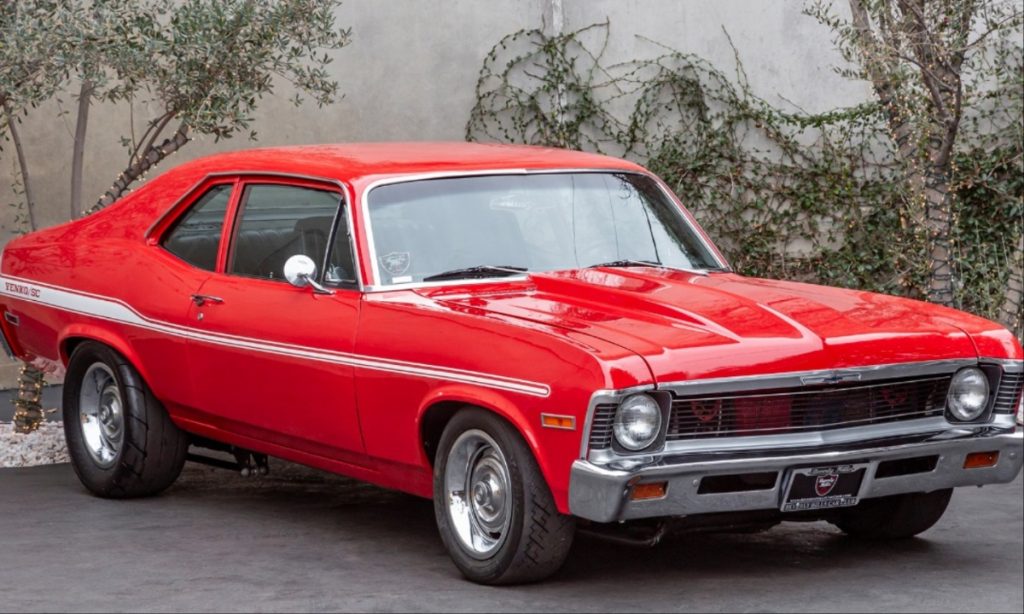
Affordability was another key factor in the Nova SS legacy. Compared to larger and more heavily optioned muscle cars, it offered strong performance at a more accessible price. This helped bring V8 excitement to a broader range of buyers and expanded the reach of the muscle car movement.
The Nova SS also contributed to the idea that lightweight performance could be just as exciting as big block power. Its success influenced future generations of performance cars that focused on balancing weight and horsepower.
Today, the Chevrolet Nova SS is remembered as a compact muscle icon. Its blend of strong V8 power, lighter weight, and understated style helped shape the diversity of the muscle car era and proved that serious performance could come in a smaller, simpler package.
8. Oldsmobile Cutlass 442 W-30
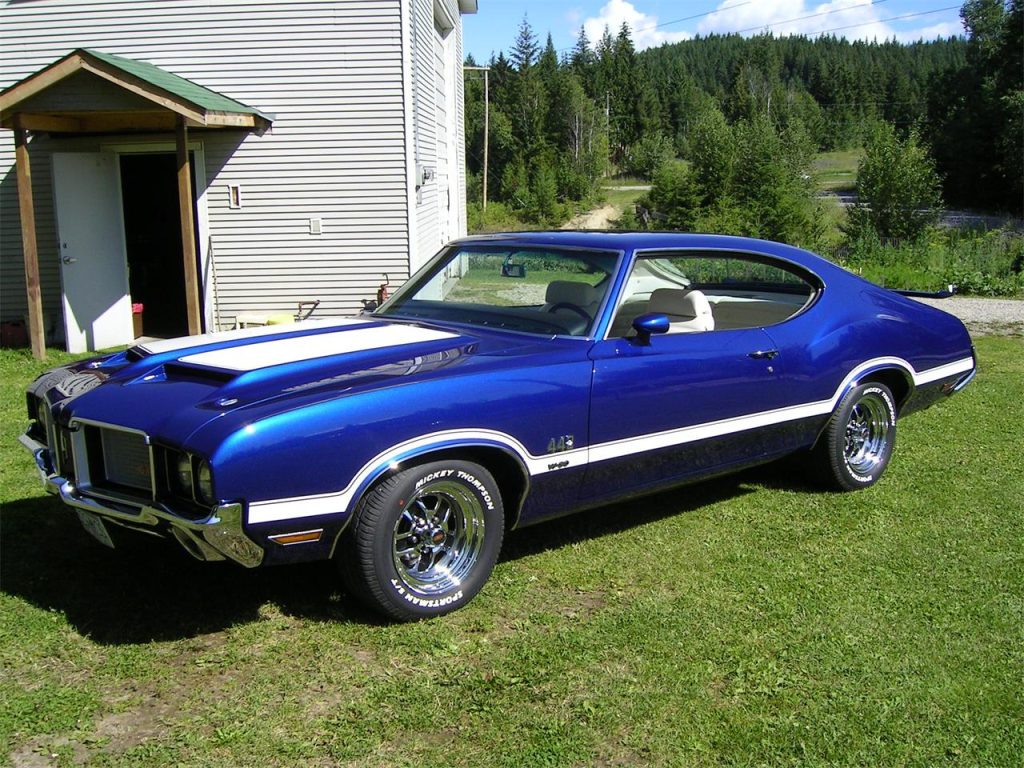
The Oldsmobile Cutlass 442 W 30 represents one of the highest performance expressions of the classic muscle car formula. Building on the already respected 442 platform, the W 30 package added engineering enhancements that pushed power and performance to an even higher level, helping cement Oldsmobile’s place in muscle car history.
At the heart of the W 30 was a specially prepared V8 engine designed to deliver stronger airflow and higher output. This translated into impressive acceleration and a deep reserve of torque that drivers could feel at almost any speed. The engine responded eagerly to throttle inputs, creating a driving experience that felt both powerful and engaging.
Performance upgrades went beyond the engine. Suspension tuning and heavy duty components helped the car handle its added power with confidence. While still focused on straight line performance, the W 30 felt more controlled and stable than many standard muscle cars, giving drivers a greater sense of command.
Visually, the Cutlass 442 W 30 maintained a purposeful yet relatively clean appearance. Subtle performance cues, functional hood elements, and bold badging signaled its capabilities without excessive decoration. This balanced design reflected the car’s mix of refinement and strength.
Inside, the cabin offered a comfortable yet performance oriented environment. Supportive seats and clear instrumentation helped the driver stay connected to the car’s capabilities. Oldsmobile’s reputation for quality also meant that the interior felt solid and well assembled for its time.
The W 30 package demonstrated that serious engineering could coexist with everyday usability. Drivers could enjoy strong performance while still having a car that worked well for regular driving. This versatility broadened the appeal of high performance vehicles.
Historically, the Cutlass 442 W 30 helped elevate Oldsmobile’s status within General Motors’ performance hierarchy. It proved that the brand could produce a car that stood shoulder to shoulder with the most powerful offerings from other GM divisions.
Today, the Oldsmobile Cutlass 442 W 30 is regarded as one of the most desirable and respected muscle cars of its era. Its combination of high output engineering, balanced design, and lasting reputation ensures its place as one of the icons that shaped American performance.
9. Buick Grand National GNX
The Buick Grand National GNX arrived at a time when traditional muscle cars were fading, yet it delivered performance that shocked the automotive world.
Instead of relying on a large naturally aspirated V8, Buick used advanced turbocharging to create one of the quickest American performance cars of its era. This bold approach helped reshape ideas about what a muscle car could be.
At the core of the GNX was a turbocharged V6 engine that produced strong torque and rapid acceleration. Power delivery felt immediate and forceful, especially once the turbocharger built boost. The car surged forward with surprising intensity, easily keeping pace with or outrunning many V8 powered rivals of its time.
The GNX also benefited from suspension and chassis upgrades that improved handling stability. While still designed primarily for straight line performance, it felt more controlled and composed than many earlier muscle cars. This added confidence at higher speeds and helped the car feel more modern in its driving behavior.
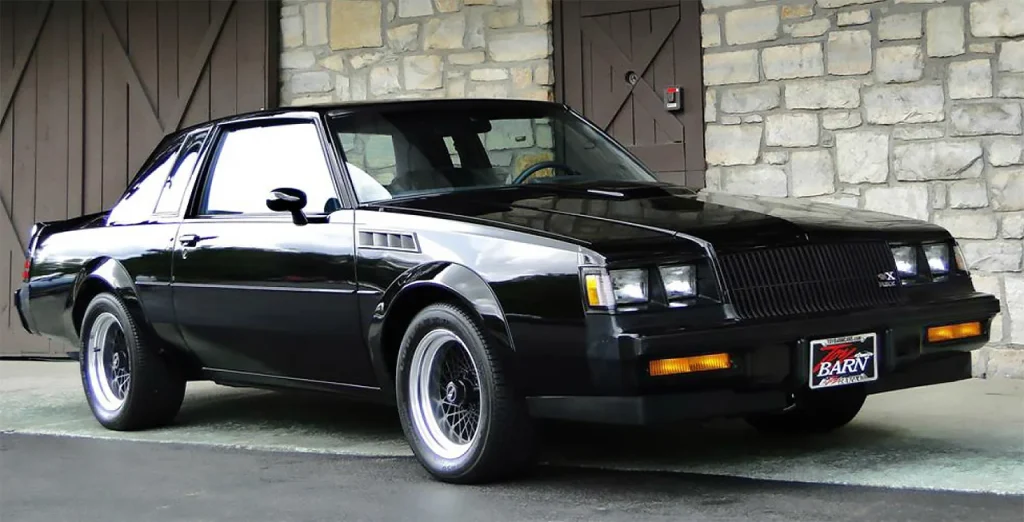
Visually, the GNX embraced a dark and aggressive look. Black paint, subtle flares, and functional vents gave it a serious presence without flashy graphics. Its understated but menacing style matched its unexpected performance and gave it a unique identity among muscle cars.
Inside, the cabin combined comfort with performance oriented details. Supportive seats and clear instrumentation created a driver focused environment, while typical Buick features maintained a level of everyday usability. This balance made the GNX both exciting and practical.
One of the most important aspects of the GNX was its technological direction. By proving that forced induction could deliver massive real world performance, it influenced the future of American high performance cars. Turbocharging would later become a key tool for achieving speed and efficiency.
Production numbers were limited, which added to the car’s mystique and desirability. From the moment it appeared, enthusiasts recognized that it was something special. Its combination of innovation, speed, and rarity made it an instant legend.
Today, the Buick Grand National GNX stands as a turning point in muscle car history. It showed that American performance could evolve beyond traditional formulas while still delivering heart pounding acceleration. Its legacy continues to shape how enthusiasts view power and performance.
10. Chevrolet Corvette Stingray
The 1963 Chevrolet Corvette Stingray split window coupe is one of the most iconic American performance cars ever built. While the Corvette line is often seen as a sports car, this particular model played a major role in shaping the broader identity of American high performance vehicles, including the muscle car movement.
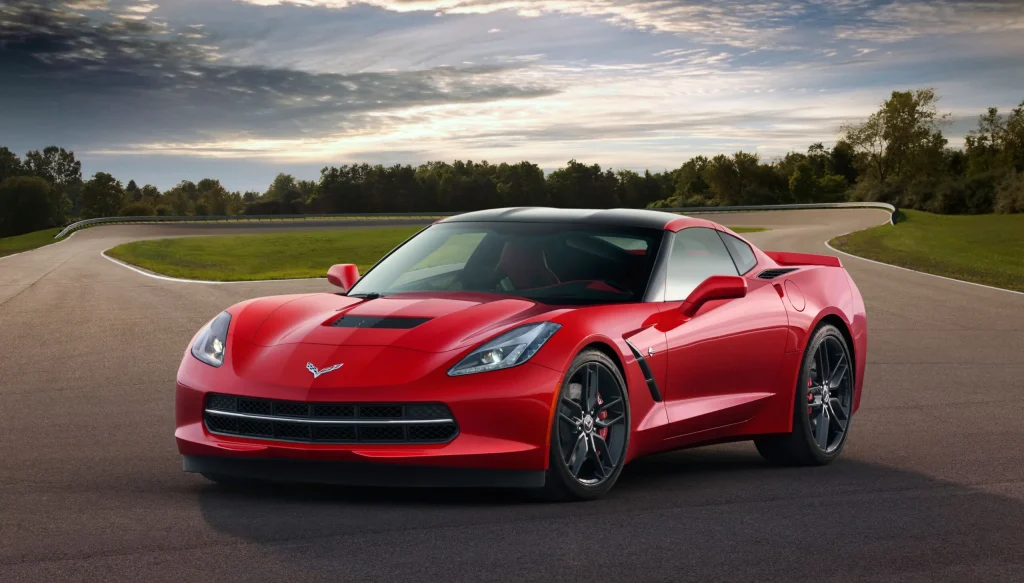
The Stingray introduced a bold new design language that emphasized speed and sophistication. Its sharp lines, hidden headlights, and distinctive split rear window created a look that was both futuristic and aggressive. The design captured public attention and helped define the visual identity of American performance for years to come.
Under the hood, strong V8 engine options delivered impressive acceleration for the time. The car responded eagerly to throttle inputs, and the deep exhaust note added to the emotional driving experience. Performance was not just about numbers, but about how the car made the driver feel.
Handling improvements also set the Stingray apart. Independent rear suspension gave it better road manners and cornering stability than many earlier American performance cars. This combination of power and improved handling helped broaden expectations for what domestic performance vehicles could achieve.
Inside, the cabin featured a driver focused layout with clear gauges and supportive seating. The cockpit like feel added to the sense that this was a serious performance machine, not just a stylish cruiser. Attention to detail in the interior helped elevate the overall experience.
The Stingray also influenced the direction of other GM performance cars. Its blend of design, power, and engineering sophistication raised the bar across the company. It showed that American cars could combine muscle with refinement and advanced technology.
Culturally, the 1963 Stingray became an enduring symbol of American automotive ambition. Its unique split window design made it instantly recognizable, and it quickly became one of the most admired cars of its era.
Today, the Chevrolet Corvette Stingray split window coupe is remembered not only as a Corvette milestone but also as a car that helped shape the identity of American performance. Its impact on design, engineering, and enthusiast culture secures its place among the most iconic GM performance machines ever created.
Also Read: Top 10 High-End Sedans That Combine Comfort With Serious Performance
