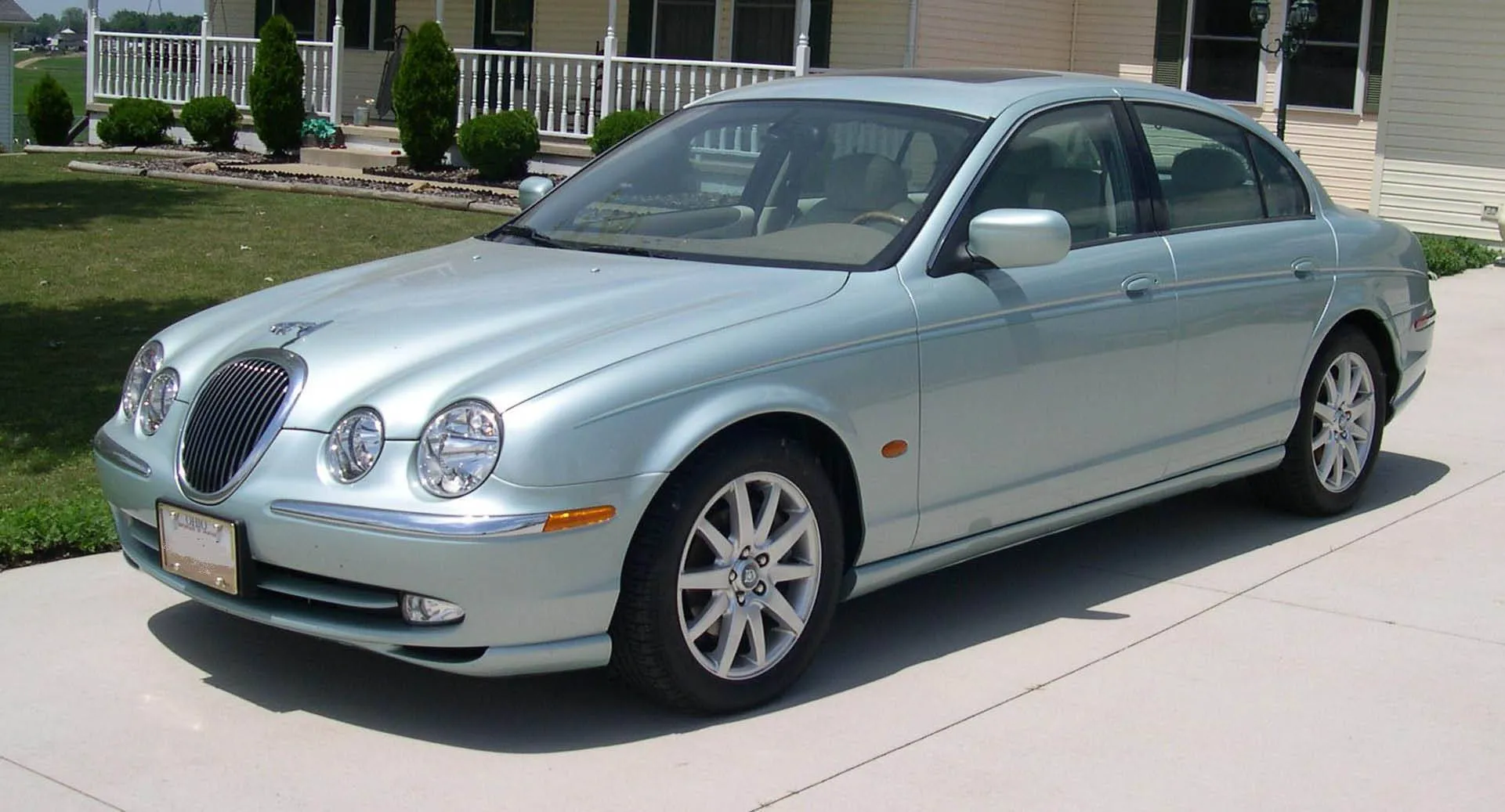
Jaguar has built some of the most beautiful and charismatic cars in automotive history. Elegant styling, smooth engines, and a focus on luxury have long defined the brand.
However, alongside that charm, certain models have also developed reputations for serious reliability problems. Owners drawn in by design and driving feel sometimes found themselves facing unexpected repairs, complex diagnostics, and high maintenance costs.
Part of this story comes from Jaguar’s history of rapid innovation combined with limited resources during certain eras. New technologies, advanced electronics, and ambitious engineering sometimes reached production before long term durability was fully proven.
As vehicles aged, electrical faults, engine weaknesses, and transmission issues appeared more often than buyers expected in premium cars.
Luxury brands are often judged more harshly when things go wrong. Drivers paying for refinement and prestige expect smooth ownership experiences. When repeated problems arise, disappointment can be stronger than with a more basic vehicle. High parts and labor costs add to the frustration, turning minor issues into expensive events.
Not every example of these models is problematic, and many owners enjoy their Jaguars without major trouble. Proper maintenance, good service history, and careful driving can make a big difference. Still, some models developed patterns of issues that became widely discussed among mechanics and enthusiasts.
These cars remain important parts of Jaguar’s history. They reflect periods of transition, experimentation, and sometimes overreach. Their stories show how luxury and performance do not always guarantee long term dependability.
Here are nine Jaguar models that became known for serious reliability concerns. We will begin with two luxury sedans that looked stunning and drove beautifully, yet often challenged their owners with persistent mechanical and electrical issues.
Also Read: Top 10 Timeless European Sports Cars You Can Still Buy
1. Jaguar XJ Series III
The Jaguar XJ Series III remains one of the most elegant luxury sedans ever built. Its long hood, graceful lines, and refined interior made it a symbol of British automotive style. Underneath the beauty, however, many owners encountered persistent reliability problems that turned ownership into a test of patience.
Electrical issues were among the most common complaints. The car relied on complex wiring and numerous electronic components for its time. Faulty connections, aging wiring insulation, and unreliable switches often caused intermittent problems. Lights, gauges, and power accessories could behave unpredictably, leading to frequent troubleshooting.
Engine cooling systems also demanded attention. Both six cylinder and V12 versions were sensitive to overheating. Radiators, hoses, and water pumps needed to be in excellent condition to prevent damage. When cooling systems were neglected, overheating could lead to warped components and expensive repairs.
Fuel injection systems, while advanced for their era, sometimes created drivability issues as the cars aged. Sensors and control units could fail, leading to rough running, poor fuel economy, or hard starting. Diagnosing these problems was not always straightforward, especially before modern diagnostic tools became common.
Oil leaks were another regular frustration. Seals and gaskets tended to seep over time, leaving spots on driveways and requiring ongoing maintenance. While not always catastrophic, these leaks contributed to the perception that the car constantly needed attention.
Suspension and braking systems were sophisticated but could be costly to maintain. Worn bushings, tired shocks, and aging brake components affected ride quality and safety if not addressed promptly. Parts and labor costs often surprised owners who expected routine maintenance to be more affordable.
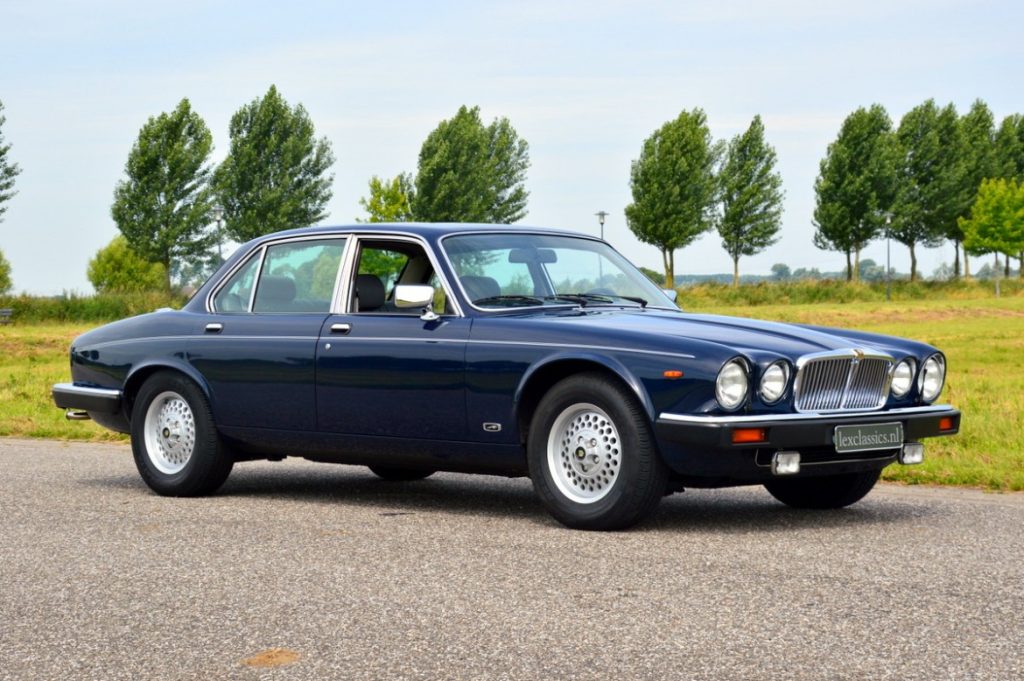
Despite these challenges, the XJ Series III delivered a uniquely smooth and comfortable driving experience when in good condition.
Many enthusiasts still admire the car for its style and character. However, keeping one reliable required dedication, mechanical knowledge, and a willingness to invest in ongoing care.
Its blend of beauty and fragility made the XJ Series III one of the Jaguars most associated with reliability struggles. For some owners, the charm was worth the effort. For others, it became a reminder that elegance does not always come with ease of ownership.
2. Jaguar XJ40
The Jaguar XJ40 was introduced as a modern replacement for earlier XJ sedans, bringing updated styling and advanced technology. It represented a major step forward for Jaguar, but it also became known for serious reliability problems that affected its reputation during its early years.
Electrical systems were a primary source of trouble. The XJ40 featured digital displays and electronic controls that were innovative at the time but not always durable.
Dashboards could develop display failures, warning lights appeared without clear causes, and various electrical accessories stopped working. Troubleshooting these faults often required specialist knowledge and could be time consuming.
Engine management systems also presented challenges. Sensors and control units sometimes malfunctioned, leading to poor running, hesitation, or stalling. As the cars aged, these issues became more frequent, and replacement parts were not always inexpensive.
Transmission reliability was another concern in certain versions. Automatic gearboxes sometimes shifted harshly or unpredictably. Repairs could be costly, particularly once vehicles were out of warranty. For a luxury sedan expected to provide smooth operation, these problems were especially disappointing.
Cooling systems continued to demand careful maintenance. Radiators and hoses needed regular inspection, as overheating could lead to head gasket issues or engine damage. Owners who delayed maintenance often faced larger repair bills later.
Interior components, while stylish, did not always age well. Power seat motors, window regulators, and climate control systems sometimes failed, adding to the list of electrical frustrations. While none of these issues alone defined the car, their combined frequency affected owner satisfaction.
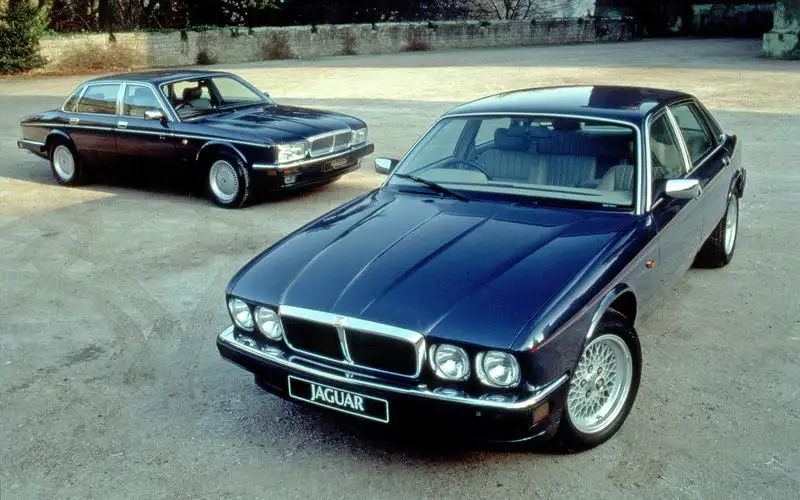
Despite its problems, the XJ40 offered a comfortable ride and distinctive presence. When everything worked properly, it delivered the smooth and refined experience Jaguar was known for. Unfortunately, the effort required to keep it that way was higher than many buyers expected.
The XJ40 stands as an example of a car that pushed forward with new technology before long term durability was fully sorted. Its reliability concerns became a significant part of its story, shaping how it is remembered among Jaguar’s luxury sedans.
3. Jaguar S Type
The Jaguar S Type was meant to blend classic Jaguar styling cues with modern luxury and performance. It shared some of its underlying architecture with other vehicles from its corporate era, and while it delivered a smooth ride and elegant interior, it also developed a reputation for persistent reliability issues that frustrated many owners.
Electrical problems were among the most common complaints. Owners frequently reported issues with power windows, central locking systems, and dashboard warning lights.
Sensors and control modules sometimes failed without clear warning, leading to repeated visits to repair shops. Because the car relied heavily on electronic systems, diagnosing faults could be time consuming and expensive.
The automatic transmission in some versions also drew criticism. Rough shifting, hesitation, and occasional warning messages about transmission faults appeared in owner reports. While not every vehicle experienced these problems, enough cases occurred to affect the model’s overall reputation. Transmission repairs could be costly once factory coverage expired.
Cooling system reliability was another concern. Water pumps, thermostats, and coolant hoses sometimes required replacement earlier than expected. If these components failed and overheating occurred, engine damage could follow. Preventative maintenance became essential, but not all owners realized the importance of early attention.
Suspension components also showed wear over time. Bushings, control arms, and other parts could degrade, affecting ride quality and handling. Because the S Type was tuned for comfort, worn suspension parts were especially noticeable and often expensive to replace.
Interior quality was stylish but not immune to aging issues. Soft touch materials could peel, and various electronic features such as seat adjustments and climate control sometimes malfunctioned. While these problems did not always affect drivability, they contributed to a sense that the car required constant care.
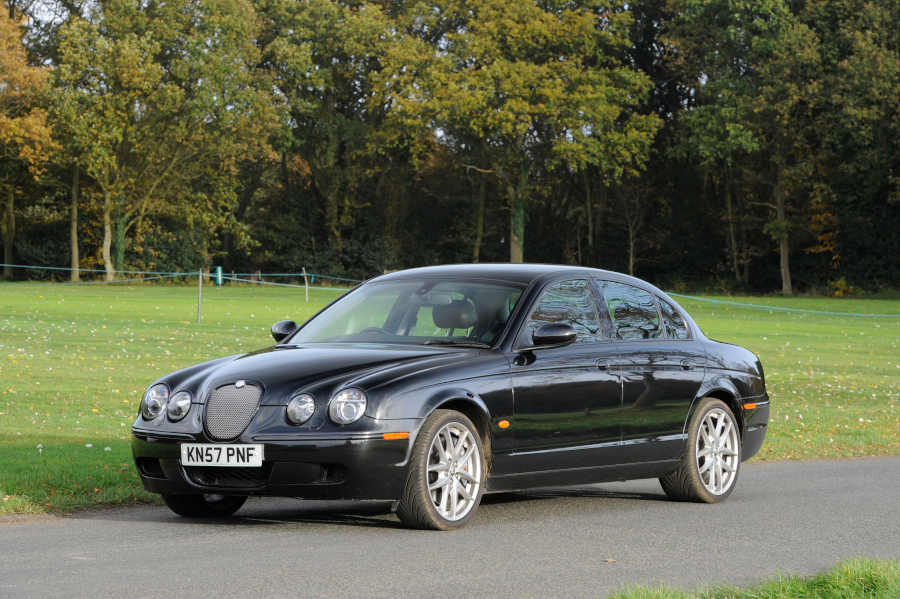
Despite these issues, the S Type offered strong performance in higher trim levels and a refined driving experience when everything functioned properly. Many owners loved the way it looked and drove, but the frequency of electrical and mechanical repairs made long term ownership more demanding than expected.
The S Type remains an attractive used luxury sedan, yet its history of recurring problems means buyers often approach it carefully. Detailed service records and thorough inspections are essential for those considering one today.
4. Jaguar X Type (2001 to 2009)
The Jaguar X Type was introduced as a more accessible model designed to bring new buyers to the brand. With its compact size and all wheel drive option, it appealed to drivers looking for a smaller luxury sedan with British character. Unfortunately, it also gained a reputation for reliability issues that undermined its appeal.
Electrical faults were a recurring theme. Owners reported problems with power locks, window regulators, and dashboard warning lights that appeared without clear cause. As the car aged, wiring and sensor related issues became more common, making troubleshooting difficult and often expensive.
The engine lineup included several versions that performed well, but some models experienced cooling system concerns. Leaking hoses or failing thermostats could lead to overheating if not addressed promptly. Regular maintenance was critical, yet not all owners stayed ahead of these needs.
Automatic transmission reliability varied. Some drivers experienced harsh shifts or delayed engagement. Repairs could be costly and sometimes required specialized parts. For a compact luxury car expected to provide smooth performance, these issues reduced owner confidence.
Suspension components also wore faster than many buyers expected. Bushings and control arms sometimes required replacement to maintain proper ride quality. While this type of wear is not unusual in luxury vehicles, the frequency contributed to higher overall maintenance costs.
Interior materials and electronics presented additional challenges. Climate control systems, seat motors, and infotainment features sometimes malfunctioned. Combined with other issues, these problems gave the impression that the car required constant attention.
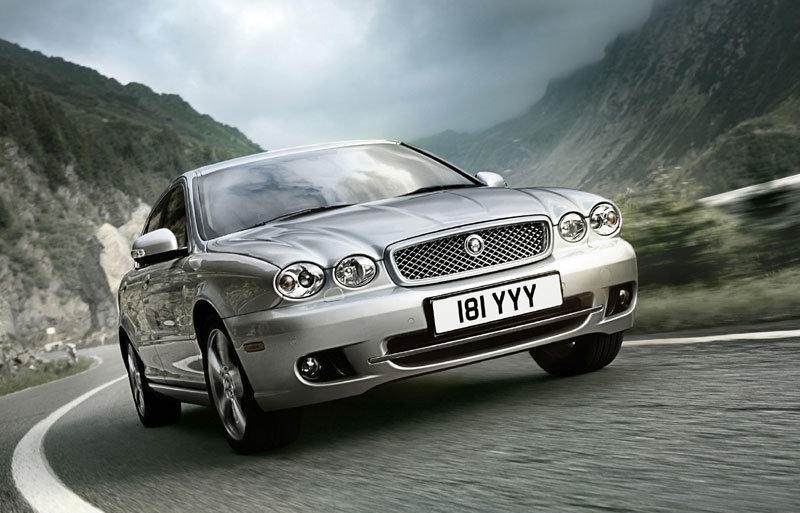
Despite its drawbacks, the X Type offered comfortable seating and classic Jaguar styling in a smaller package. When properly maintained, it could be enjoyable to drive. However, the accumulation of electrical and mechanical concerns shaped its reputation as one of the more troublesome Jaguars.
For buyers considering an X Type today, careful inspection and complete service history are essential. Its mix of charm and complexity makes it a vehicle that can be rewarding or frustrating depending on how well it has been cared for.
5. Jaguar XF First Generation (2008 to 2015)
The first generation Jaguar XF marked a major shift in the brand’s design language. Sleek styling, a modern interior, and advanced technology made it feel like a true competitor to established German luxury sedans. However, many owners encountered reliability concerns that complicated long term ownership.
Electronic systems were a frequent source of trouble. The XF introduced features such as a rising rotary gear selector and motorized air vents. While impressive when new, these components sometimes failed with age. Malfunctions could leave drivers unable to select gears or adjust climate settings, leading to inconvenient and sometimes expensive repairs.
Infotainment systems also caused frustration. Screen freezing, navigation glitches, and audio system faults were reported by owners. Software updates sometimes helped, but hardware failures still occurred, especially as vehicles aged. For a luxury sedan, these issues felt out of place.
Engine reliability varied depending on version. Some diesel and gasoline engines developed problems with sensors, fuel system components, or cooling parts. When warning lights appeared, diagnosing the issue could be complex due to the vehicle’s integrated electronics.
Transmission behavior in certain models drew criticism as well. Owners described harsh or delayed shifts that affected drivability. While not universal, these complaints added to the model’s reliability reputation.
Suspension components such as control arms and bushings wore over time, affecting ride comfort. Replacement costs were higher than average, which surprised some buyers who expected lower maintenance expenses.
Interior build quality was generally good, but certain trim pieces and electronic seat adjustments sometimes failed. These issues contributed to the sense that the car required frequent attention beyond routine service.
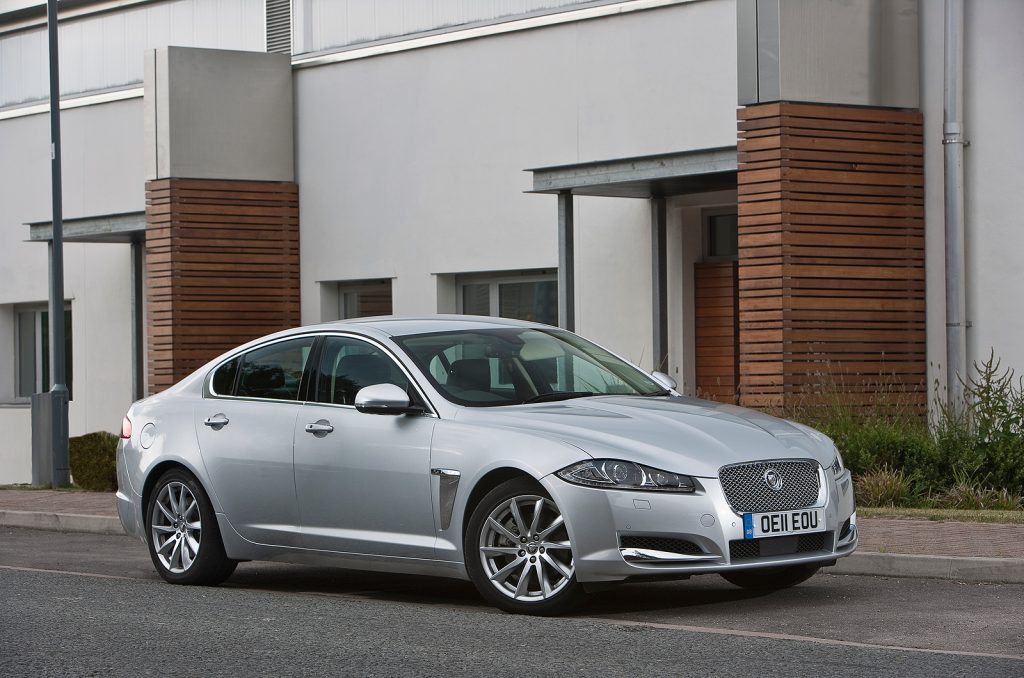
The XF delivered a refined driving experience and strong performance in many trims. Yet its mix of innovative features and complex systems meant that aging examples could present multiple maintenance challenges. For buyers seeking a used luxury sedan, careful inspection and full service records are especially important.
6. Jaguar XK8 (1996 to 2006)
The Jaguar XK8 is admired for its graceful design and smooth V8 power. It offered the look and feel of a classic grand tourer, yet beneath the elegance lay several reliability concerns that have become well known among enthusiasts.
Early versions of the V8 engine were affected by timing chain tensioner problems. Plastic tensioner components could wear or break, leading to timing issues that might cause severe engine damage if not addressed. Many owners replaced these parts with updated versions as preventative maintenance.
Nikasil cylinder lining was another widely discussed issue in early production engines. In regions where fuel quality contributed to cylinder wear, engines could suffer from reduced compression. Although not all cars were affected, the potential for expensive repairs worried many buyers.
Cooling system components required careful attention. Water pumps, hoses, and radiators needed regular inspection to prevent overheating. Because the engine bay was tightly packaged, repairs could be labor intensive and costly.
Electrical issues also appeared over time. Problems with power seats, window regulators, and dashboard displays were reported. While often minor, these faults added to maintenance demands.
Suspension and braking systems provided excellent ride and control when in good condition, but worn components could lead to expensive refurbishment work. Luxury and performance tuning meant parts were not always inexpensive.
Interior materials were attractive but not immune to aging. Leather and trim pieces sometimes required restoration to maintain the car’s premium appearance.
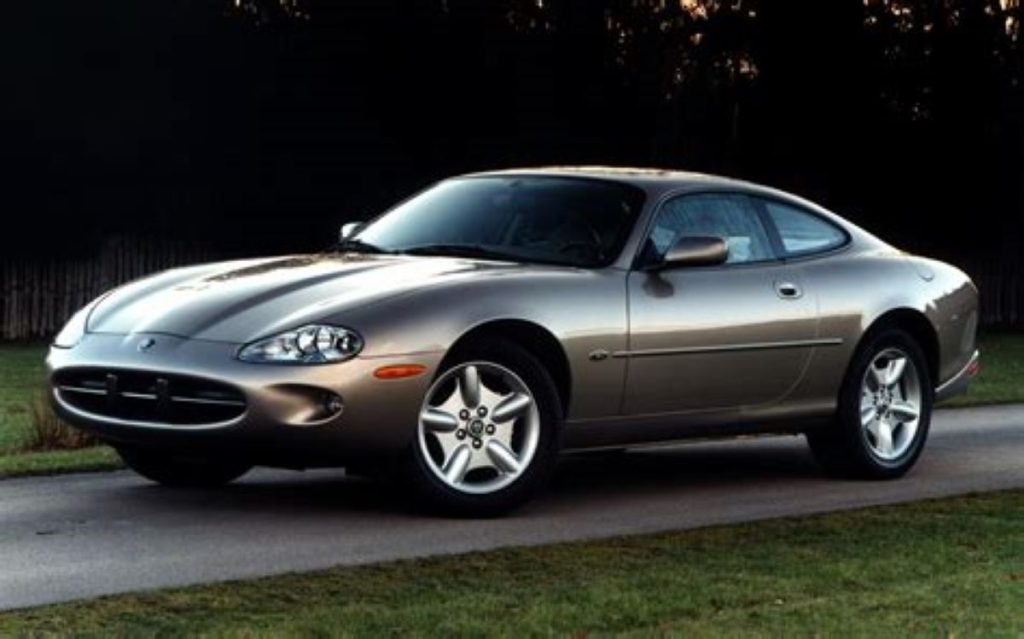
The XK8 remains a beautiful and enjoyable grand tourer, but ownership requires awareness of its known issues. Updated engine components and thorough maintenance history are key factors for anyone considering one. Its blend of style and complexity has earned it a place among Jaguars known for challenging reliability.
7. Jaguar XJ (X350 and X358, 2003 to 2009)
The aluminum bodied XJ from the early and mid 2000s represented a major technological step forward for Jaguar. Lightweight construction, advanced suspension, and modern electronics gave the car impressive performance and comfort. However, these innovations also introduced reliability concerns that affected long term ownership.
Air suspension problems were among the most common issues. The system provided a smooth ride and adjustable height, but air struts and compressors could wear out over time. When components failed, the vehicle might sag at one corner or display warning messages. Repairs were often expensive due to specialized parts.
Electronic complexity also created challenges. Owners reported intermittent faults with dashboard displays, navigation systems, and various control modules. Electrical gremlins could be difficult to diagnose, sometimes requiring multiple visits to resolve.
Engine reliability varied by version, but cooling system components remained a concern. Water pumps and thermostats needed careful monitoring to prevent overheating. Ignoring small leaks or warning signs could lead to costly repairs.
Transmission issues were less widespread but still noted in some cases. Harsh shifts or warning lights occasionally appeared, adding to the sense that the car required close attention.
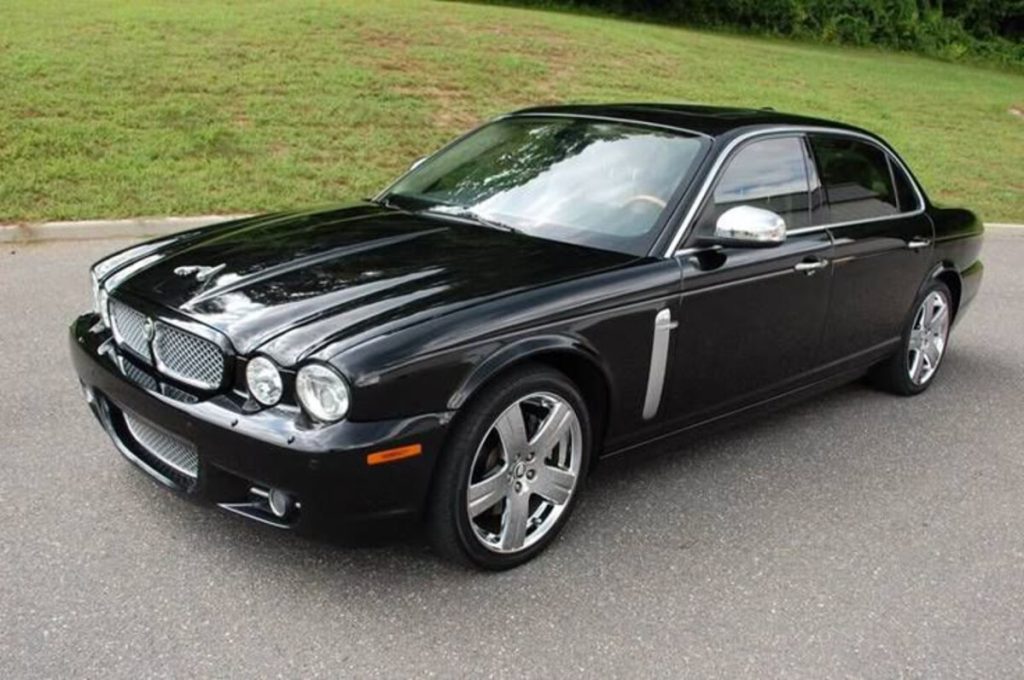
Interior comfort and refinement were high points, yet power seat mechanisms, climate controls, and other electronic features sometimes failed as the cars aged. While not always critical, these problems reduced the sense of luxury.
Despite its challenges, the X350 and X358 delivered a refined driving experience and elegant design. However, the combination of air suspension costs and electrical issues shaped its reputation as a luxury sedan that could be expensive to keep in top condition.
8. Jaguar F Pace Early Model Years (2017 to 2019)
The Jaguar F Pace brought the brand into the modern sport utility segment with sporty styling and engaging handling. Early model years impressed drivers with performance and interior design, yet reliability concerns emerged that affected owner confidence.
Electronic systems were a frequent source of complaints. Infotainment glitches, unresponsive touchscreens, and software errors sometimes required dealer visits for updates or repairs. As with many modern vehicles, heavy reliance on digital systems increased the number of potential failure points.
Engine related issues appeared in some versions. Reports included coolant leaks, sensor failures, and occasional turbocharger related problems. While not universal, these concerns contributed to the perception that long term durability was still developing.
Transmission behavior also drew mixed reviews. Some drivers experienced hesitation or rough shifting at low speeds. Software updates improved performance in certain cases, but not all issues disappeared.
Interior components such as power tailgates and seat electronics occasionally malfunctioned. These features added convenience but also complexity, increasing the likelihood of faults over time.
Maintenance and repair costs were higher than many buyers expected for a relatively new vehicle. As warranties expired, owners sometimes faced expensive electronic or mechanical repairs.
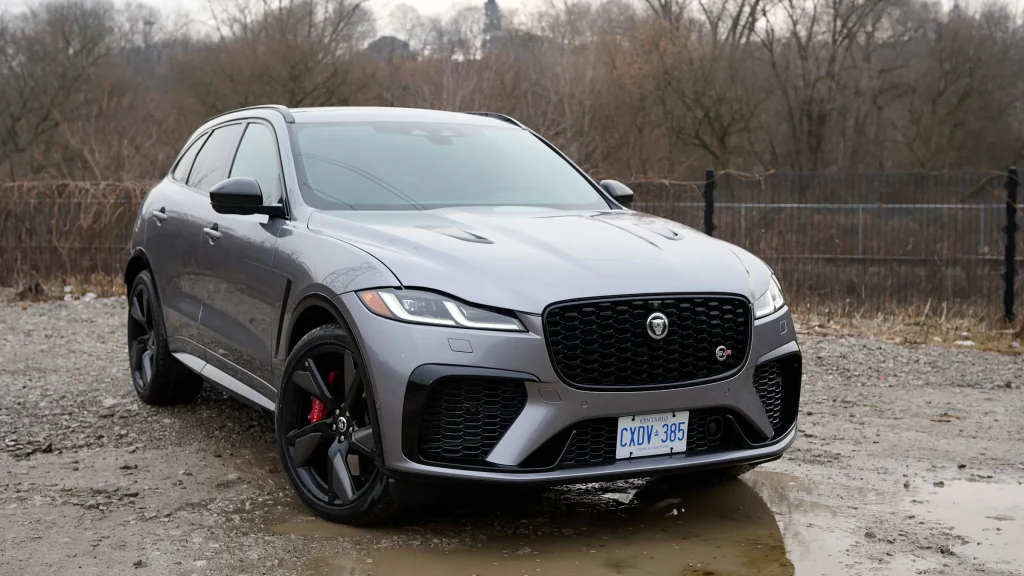
The F Pace remains attractive for its style and driving dynamics, yet early reliability reports mean buyers often research service history carefully. Its mix of innovation and complexity places it among Jaguars known for ownership challenges.
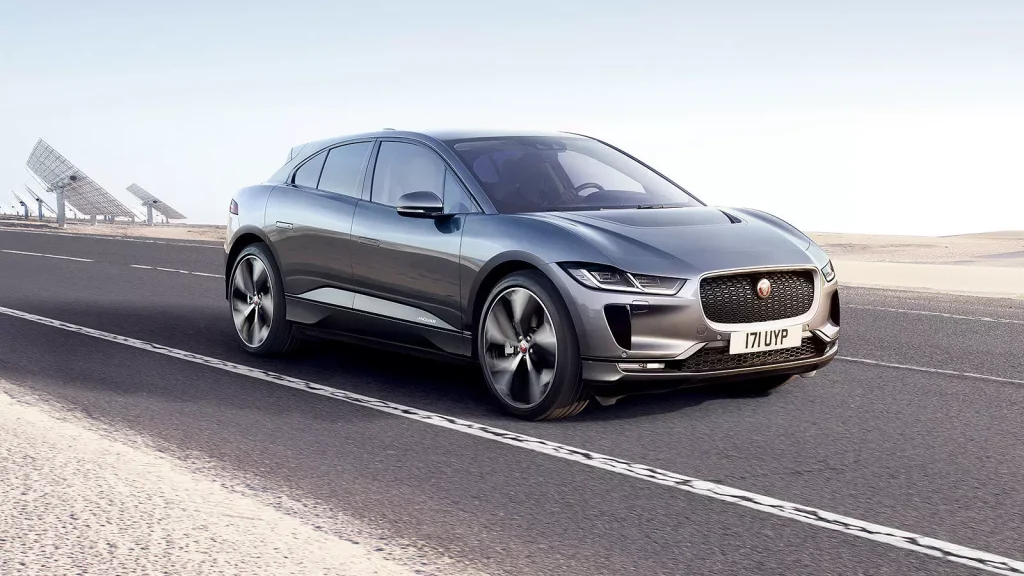
9. Jaguar I Pace (Early Production Years)
The Jaguar I Pace marked a bold step for the brand as its first fully electric production vehicle. With striking design, rapid acceleration, and advanced technology, it showed Jaguar’s commitment to the future of mobility.
Despite its innovation and performance, early production examples developed a reputation for reliability and quality concerns that challenged owners’ expectations.
Software related issues were among the most commonly reported problems. Because electric vehicles rely heavily on complex control systems, even minor glitches could affect multiple vehicle functions.
Owners experienced frozen infotainment screens, navigation faults, and warning messages that required software updates. While many of these problems could be resolved through updates, they sometimes returned or required multiple service visits.
Charging system inconsistencies also appeared in some vehicles. Drivers reported difficulties with certain charging stations or unexpected interruptions during charging sessions.
These issues were especially frustrating for owners who depended on reliable daily charging routines. Software patches helped in many cases, but the learning curve for both hardware and software integration was steep.
Electrical system faults extended beyond infotainment. Sensors related to driver assistance features sometimes malfunctioned, triggering warning lights or temporarily disabling systems. While safety features usually remained functional, repeated alerts reduced driver confidence.
Build quality was another area of concern in early examples. Panel alignment, interior trim fit, and occasional water ingress issues were reported. These problems did not always affect drivability, but they were disappointing in a premium vehicle.
Suspension and braking systems also drew attention. The I Pace’s weight and performance placed high demands on components, and some owners reported premature wear of suspension parts or brake components. Repair costs could be significant due to the vehicle’s specialized design.
Service access sometimes added to the challenge. As an early electric model, not all service centers were equally prepared to handle complex repairs, leading to longer wait times in certain regions.
Despite these issues, many owners praised the I Pace for its smooth acceleration, quiet ride, and distinctive style. Over time, updates improved reliability and resolved some early problems. However, the model’s initial quality concerns remain part of its story.
The I Pace represents Jaguar’s ambitious leap into electrification, combining innovation with the growing pains of new technology. For buyers considering an early example, a full service history and confirmation of completed updates are especially important to ensure a more trouble free ownership experience.
Jaguar has long been associated with elegance, performance, and distinctive British style. Many of its cars offer smooth engines, beautiful interiors, and a driving experience that feels special. However, alongside that charm, several models have also developed reputations for serious reliability problems that have shaped how the brand is viewed by long term owners.
A common theme across many of these vehicles is electrical complexity. From older sedans with fragile wiring and early digital displays to modern models filled with advanced infotainment and driver assistance systems, electronics have often been a weak point.
Owners have reported issues ranging from minor glitches to faults that affect essential functions, leading to repeated diagnostic work and costly repairs.
Cooling system and engine related concerns also appear frequently. Overheating risks, timing component failures, and oil leaks have affected multiple generations of Jaguar powertrains. While many of these problems can be managed with careful maintenance, neglect or delayed repairs can quickly lead to expensive damage.
Suspension systems are another area that has challenged owners, particularly in models equipped with air suspension. While these setups provide excellent ride comfort, worn components can be costly to replace. Luxury features that make Jaguars feel refined when new can become financial burdens as the vehicles age.
Interior quality and build consistency have also been mixed. Beautiful materials and stylish design sometimes hide trim pieces or electronic features that do not age gracefully. Power seats, climate controls, and motorized mechanisms may fail over time, adding to ownership costs.
It is important to remember that not every example of these models will experience all of these issues. A well maintained Jaguar with full service history can still provide a rewarding ownership experience. Enthusiasts often accept higher maintenance demands in exchange for unique character and driving feel.
However, these models highlight the gap that sometimes exists between luxury appeal and long term dependability.
Prospective buyers should approach used Jaguars with careful research, thorough inspections, and realistic expectations about maintenance costs. When properly cared for, they can be deeply satisfying cars, but they are rarely low effort vehicles to own.
Also Read: Top 10 High-End Sedans That Combine Comfort With Serious Performance