Classic muscle cars are often celebrated for big power, loud exhaust notes, and bold styling. However, not every legendary nameplate came with a legendary engine.
Some powerplants became infamous for reliability problems, design flaws, or performance that did not match the hype. Over time, these engines shaped the reputations of the cars they powered, sometimes overshadowing the rest of the vehicle.
In the golden age of muscle cars, manufacturers raced to produce more power and dominate headlines. Engineering deadlines were tight, emissions regulations were changing, and new technologies were introduced quickly.
In some cases, engines reached showrooms before all their weaknesses were fully understood. The result was a handful of high profile powerplants that developed a reputation for mechanical issues or disappointing real world performance.
Other engines earned notoriety for being overly complex or poorly matched to the vehicles they were placed in. Some suffered from cooling problems, fragile internal components, or tuning that made them difficult to live with. Owners expecting tire shredding excitement sometimes found themselves dealing with frequent repairs instead.
Infamy does not always mean complete failure. Many of these engines were impressive on paper or had strong racing potential when heavily modified.
The problem was that everyday street versions often did not deliver the reliability or drivability buyers expected. That gap between promise and reality is what made them memorable for the wrong reasons.
Despite their flaws, these engines remain a fascinating part of muscle car history. They show how ambition, experimentation, and pressure to innovate sometimes led to unintended consequences. Here are nine muscle cars from the past that are closely associated with engines that became infamous among enthusiasts and collectors alike.
Also Read: Top 10 Timeless European Sports Cars You Can Still Buy
1. Chevrolet Vega with the Aluminum Block Four Cylinder
The Chevrolet Vega was introduced with high expectations. It was meant to be a modern, efficient compact car that still offered a sporty feel.
Unfortunately, its aluminum block four cylinder engine became one of the most infamous powerplants in American automotive history. While not a traditional V8 muscle engine, it powered performance themed versions of the Vega and earned lasting notoriety.
The engine’s main issue centered on its aluminum block design without iron cylinder liners. Instead, the cylinder walls were coated with a special process intended to reduce wear. In real world use, however, this design often failed to hold up.
Cylinder wear became common, leading to loss of compression, increased oil consumption, and poor performance long before the car reached high mileage.
Overheating made the situation worse. The Vega’s cooling system was not always up to the task, and when temperatures rose, engine damage accelerated quickly.
Warped components and head gasket failures became frequent complaints among owners. Many engines required major repairs or complete replacement far earlier than buyers expected.
Oil consumption was another widely reported issue. Drivers often found themselves adding oil regularly to keep the engine running properly. Those who failed to monitor oil levels risked severe engine damage. This created a reputation for fragility that spread quickly through the market.
Maintenance demands were higher than many buyers were prepared for. Frequent tune ups, cooling system attention, and careful monitoring were necessary to keep the engine alive. For a car marketed as practical and efficient, this level of attention was disappointing.
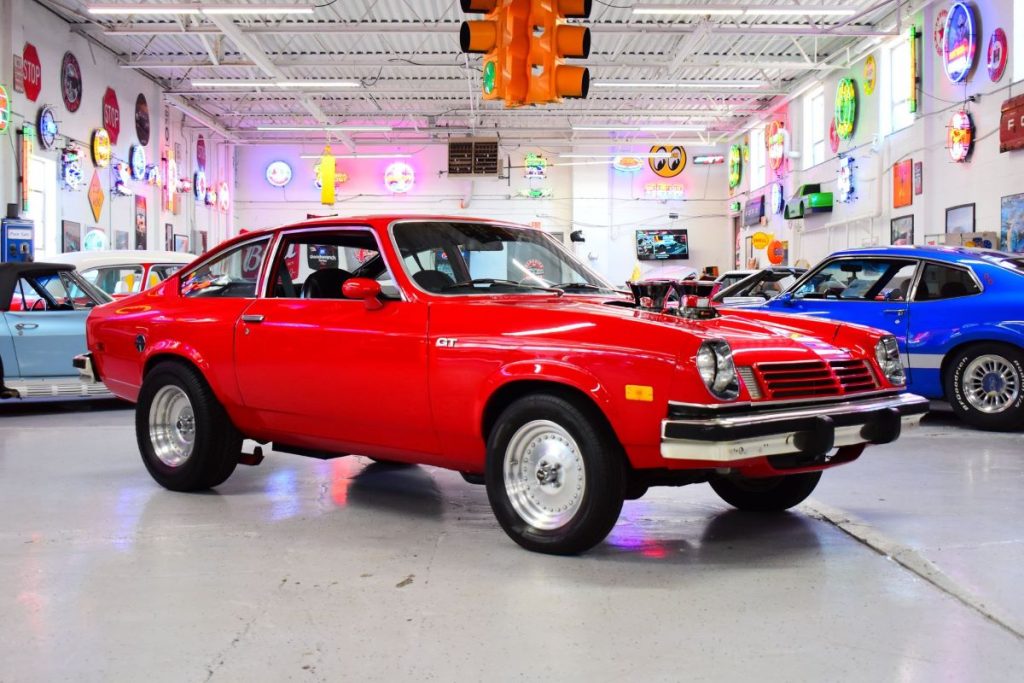
The Vega’s performance image suffered as well. While it had sporty styling and lightweight construction, the engine’s reliability problems overshadowed any dynamic strengths. Enthusiasts looking for a dependable small performance car often turned elsewhere.
Despite later improvements and the availability of engine swaps, the Vega’s original aluminum block engine left a lasting stain on the car’s reputation.
It became a textbook example of ambitious engineering that was not fully ready for mass production. Today, the Vega is remembered as much for its engine troubles as for its place in automotive history.
2. Oldsmobile Cutlass with the 350 Diesel V8
The Oldsmobile 350 Diesel V8 was an ambitious attempt to bring diesel efficiency to American passenger cars, including models with sporty or muscle oriented trims like the Cutlass. Instead of becoming a breakthrough success, it turned into one of the most infamous engines ever installed in a domestic performance styled car.
At first glance, the idea seemed promising. A diesel V8 could offer strong torque and better fuel economy at a time when fuel prices and emissions concerns were growing.
The problem was that the engine’s design borrowed heavily from Oldsmobile’s gasoline V8 architecture, which was not originally engineered to handle the much higher compression ratios required for diesel operation.
One of the most serious issues involved head bolt strength and sealing. The engine often suffered from head gasket failures because the bolts and block design were not robust enough for diesel pressures. Once a head gasket failed, coolant and combustion gases mixed, leading to overheating and further damage.
Fuel system problems also became common. Diesel fuel contamination, water intrusion, and injection system wear led to hard starting, rough running, and stalling. Many mechanics at the time were unfamiliar with diesel technology in passenger cars, which made diagnosis and repair more difficult.
Owners who expected simple, reliable operation were often frustrated by repeated breakdowns and expensive repairs. The engine’s poor reputation spread quickly, hurting resale values and public trust. Some drivers converted their cars back to gasoline power just to escape ongoing diesel issues.
Performance was another disappointment. While the diesel produced decent torque, it lacked the high revving excitement associated with traditional muscle car engines. Acceleration felt sluggish, and the driving experience did not match the sporty image of the Cutlass name.
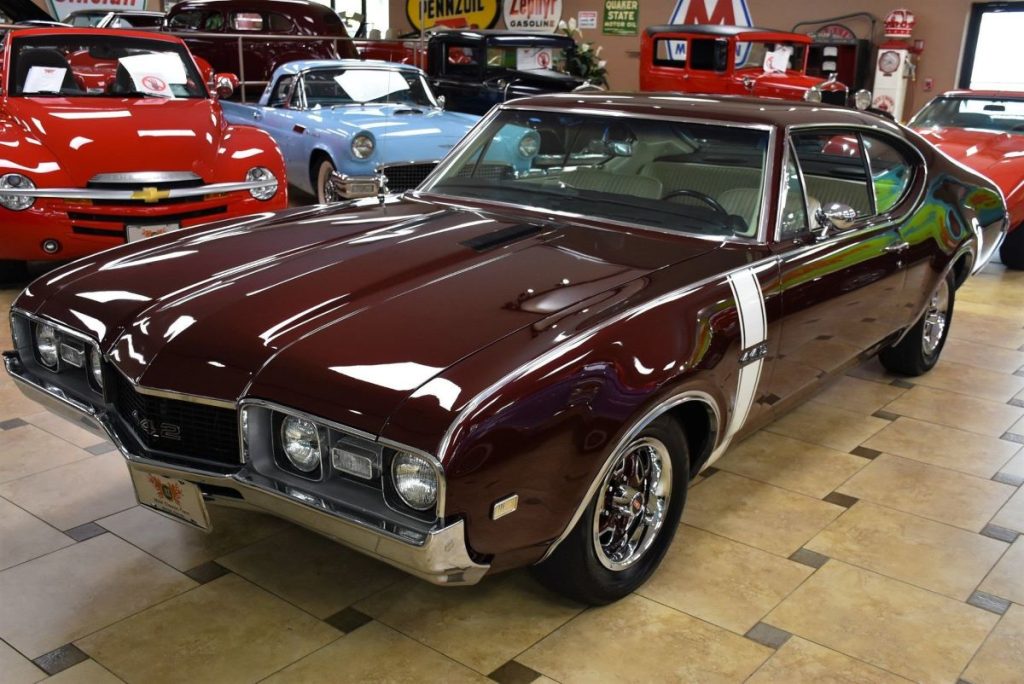
The failure of the Oldsmobile diesel V8 had wider consequences as well. It damaged the reputation of diesel passenger cars in the United States for many years. Buyers became wary of diesel technology, associating it with noise, smoke, and mechanical problems.
Today, the 350 Diesel V8 is remembered as a cautionary tale about adapting existing engine designs to new purposes without fully reengineering them. Its legacy is tied to reliability troubles and disappointed expectations, making it one of the most infamous engines ever placed in a muscle era vehicle.
3. Ford Mustang Cobra with the 5.4 Liter Supercharged V8 (2003-2004)
The 2003 and 2004 Mustang Cobra, often called the Terminator, is remembered as a powerful and highly tunable muscle car. However, the supercharged 5.4 liter V8 that enthusiasts often associate with later high performance Mustangs also built a reputation for problems when pushed hard or poorly maintained.
While these engines could make huge power, they also became infamous for mechanical weaknesses that showed up in both modified and stock applications.
One of the most talked about issues involved cylinder head design and cooling. Some versions of Ford’s modular V8 family suffered from uneven cooling around certain cylinders, especially under high load.
This could lead to overheating in localized areas, which increased the risk of valve guide wear, head damage, and in extreme cases, engine failure. Owners who tracked their cars or added performance modifications often discovered these weaknesses the hard way.
Spark plug problems were another well known complaint in some modular V8 engines of this era. In certain applications, spark plugs could loosen or even eject from the cylinder head due to thread design issues.
Repairing damaged threads was not always simple and sometimes required special inserts or head removal. For owners, this turned a routine maintenance item into a potential major repair.
Supercharger related stress added another layer of concern. Forced induction raised cylinder pressures and temperatures, putting extra strain on pistons, rods, and bearings.
While the engines were strong in stock form, aggressive tuning without proper supporting modifications often led to failures. This gave the engine a reputation for being both powerful and fragile when not treated carefully.
Cost of repairs was also a factor in the engine’s infamous status. Parts and labor for performance oriented modular V8 engines could be expensive, especially compared to older pushrod V8s. Owners attracted by the car’s performance potential sometimes underestimated the cost of keeping it healthy.
Despite these issues, the engine was capable of impressive performance and had strong aftermarket support. Many problems could be reduced with upgraded cooling components, careful tuning, and diligent maintenance.
However, its reputation for certain design quirks and high stress operation made it a powerplant that demanded respect and a healthy budget.
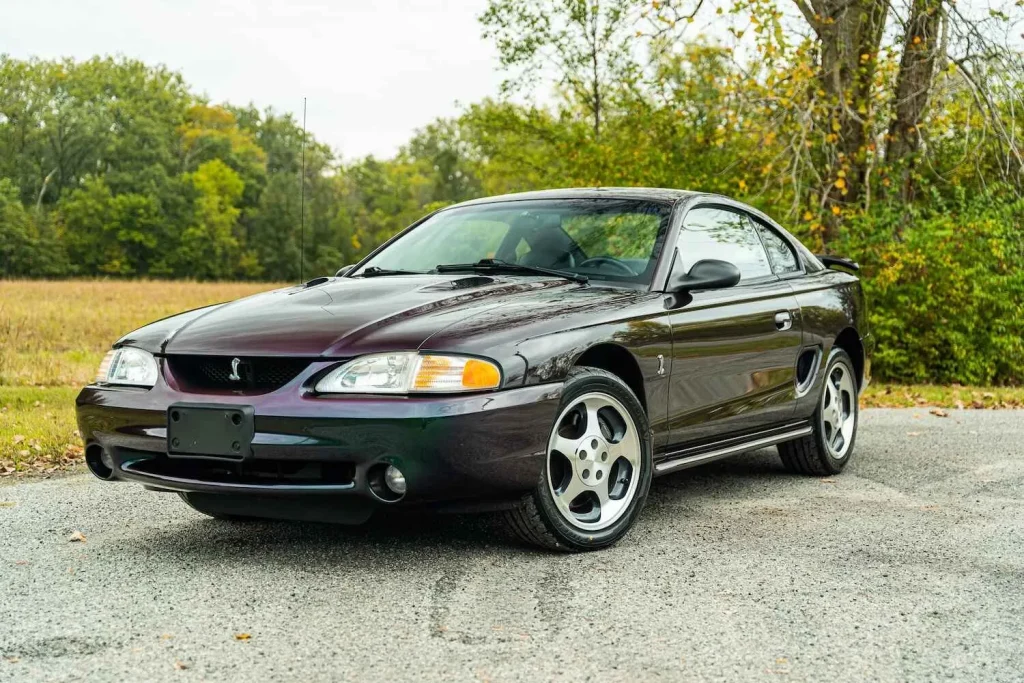
The 5.4 liter supercharged modular V8 remains a symbol of modern muscle power, but also a reminder that extreme performance often comes with higher mechanical risk. Its combination of big potential and known weaknesses is what earned it an infamous place in muscle car history.
4. Pontiac Fiero with the Iron Duke 2.5 Liter Four Cylinder
The Pontiac Fiero was introduced as a sporty, mid engine car with bold styling and big ambitions. Early versions were powered by the Iron Duke 2.5 liter four cylinder, an engine that quickly became infamous in this application.
While it was originally designed for economy and durability in ordinary cars, it struggled when placed in a vehicle marketed as sporty and exciting.
One of the main issues was performance. The Iron Duke was not built for high revs or strong acceleration, and in the Fiero it felt underpowered.
Drivers expecting a lively sports car experience were often disappointed by slow acceleration and limited top end power. The mismatch between the car’s appearance and its engine’s output hurt the Fiero’s reputation early on.
Reliability concerns also surfaced, particularly in early production years. Some Fieros experienced engine related fires caused by oil leaks and poor heat management.
While not every car was affected, the stories received heavy media attention and created lasting damage to the model’s image. The engine’s placement in a tight mid engine bay made heat control more challenging.
The Iron Duke itself was a simple, rugged design in many applications, but it was not intended for performance use. In the Fiero, it sometimes operated near its limits, especially when driven hard. This increased wear and made long term reliability more dependent on careful maintenance.
Another factor was the car’s early suspension design, which borrowed components from economy cars. Combined with modest engine power, the overall driving experience did not match the expectations set by the car’s sporty marketing. Enthusiasts looking for sharp handling and strong acceleration often felt misled.
Maintenance could also be more complicated than in front engine cars. Accessing components in the mid engine layout required more labor, which raised repair costs and discouraged some owners from keeping up with service. Neglected cars became more prone to issues, reinforcing the engine’s negative reputation.
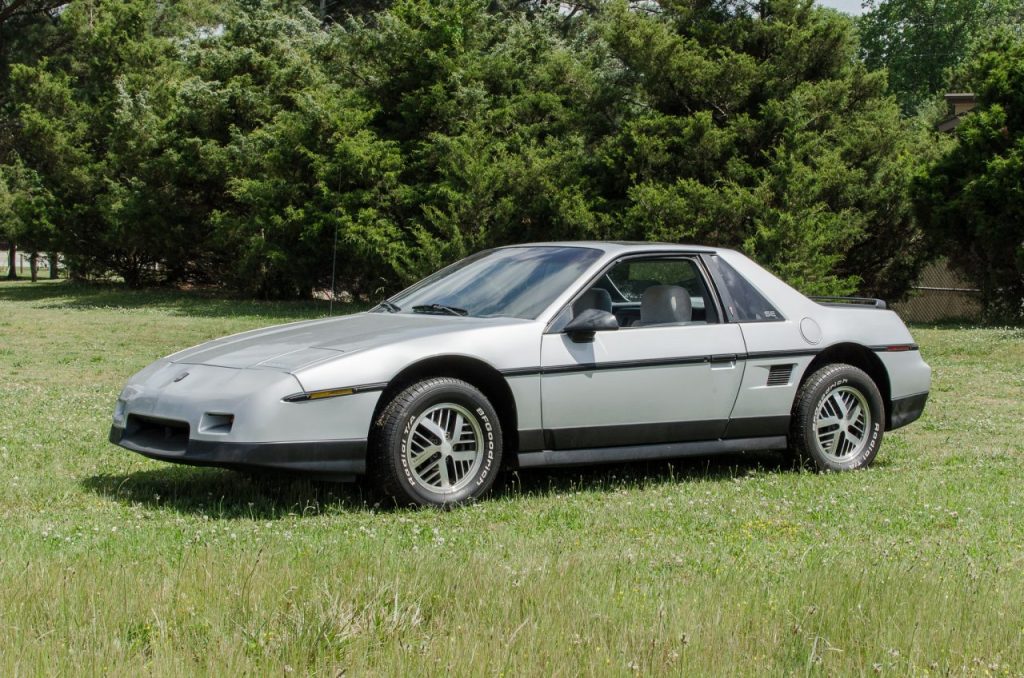
Later Fieros with V6 engines improved performance and helped restore some credibility, but the early four cylinder versions had already shaped public perception. The combination of underwhelming power, reliability scares, and high profile recalls made the Iron Duke powered Fiero one of the most infamous engine and car pairings of its era.
5. Chevrolet Camaro Z28 with the Early LT1 V8 (1993 1997)
The fourth generation Chevrolet Camaro Z28 returned to serious performance in the 1990s, and the LT1 V8 played a major role in that comeback. It delivered strong power for its time and gave the Camaro impressive straight line speed. However, the LT1 also developed a reputation for specific design issues that made it infamous among owners and mechanics.
One of the most well known problems involved the OptiSpark ignition system. This distributor style unit was mounted at the front of the engine, low and close to potential sources of moisture.
When water or oil contamination occurred, the OptiSpark could fail, causing misfires, hard starting, or complete no start situations. Replacing it was not always simple or cheap, and failures sometimes happened more than once over a car’s lifetime.
Cooling system leaks could also contribute to OptiSpark problems. A leaking water pump could drip coolant onto the ignition unit, accelerating failure.
This meant that what might have been a minor cooling system issue could quickly turn into an ignition headache. Owners learned to monitor these components closely, but not everyone caught problems early.
Another concern involved maintenance access. The LT1’s design placed certain components in tight areas, making some repairs more labor intensive than on older small block V8s. While the engine produced strong performance, it did not always offer the same ease of service that earlier Chevrolet V8s were known for.
The engine also used reverse flow cooling, which was innovative but added complexity. While it helped performance and efficiency, it introduced additional parts and potential failure points. As these cars aged, hoses, seals, and sensors became more likely to cause trouble.
Despite these issues, the LT1 was capable of excellent performance and had a strong aftermarket. Many owners loved the power and sound, but they also knew the engine demanded attention to specific weak spots. Ignoring them could lead to frustrating breakdowns.
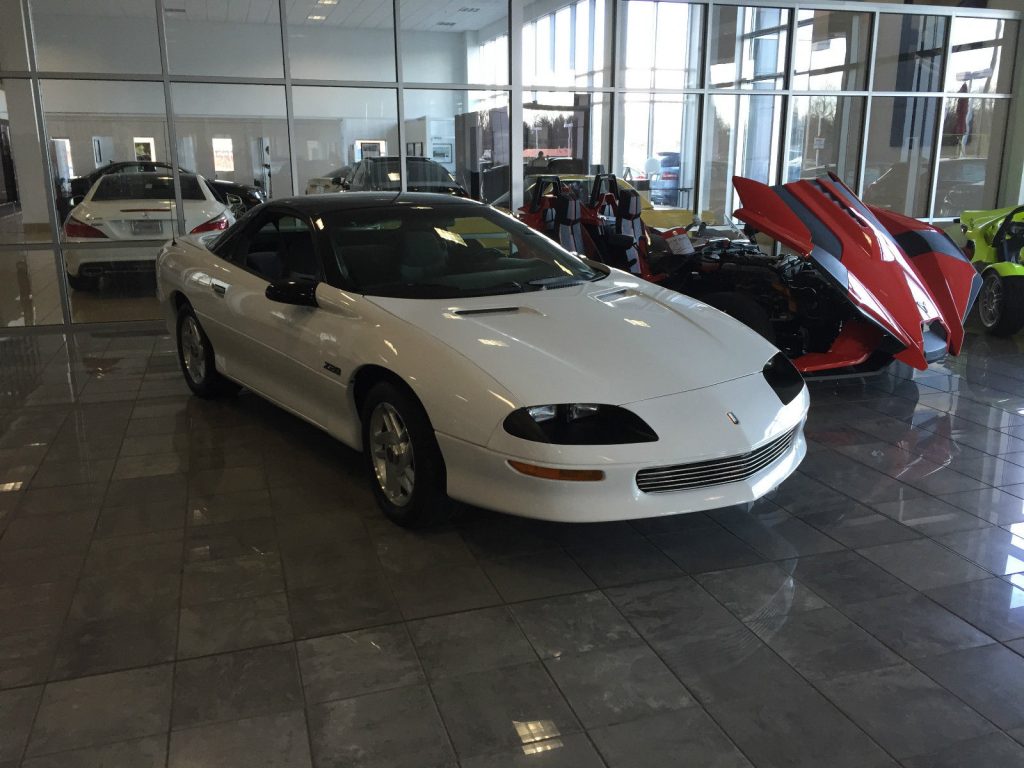
The LT1 powered Camaro Z28 remains an important part of modern muscle car history. Its combination of strong performance and well known ignition system troubles gave it an infamous reputation that still follows these cars today. Enthusiasts respect its power, but they also approach ownership with caution and a plan for preventative maintenance.
6. Dodge Charger Daytona with the Early 426 Hemi Street Version
The 426 Hemi is one of the most legendary engines in muscle car history, but early street versions earned a reputation that was not entirely positive. In cars like the Dodge Charger Daytona, the Hemi delivered incredible performance potential, yet it also brought challenges that made ownership more complicated than many buyers expected.
One issue was drivability. The street Hemi was derived from racing technology, and its aggressive camshaft and high performance tuning made it less friendly in everyday traffic.
Rough idle, high fuel consumption, and temperamental behavior when cold were common complaints. Owners who expected smooth daily operation sometimes found the engine demanding and finicky.
Maintenance was another factor. The Hemi’s complex valvetrain required more attention than typical wedge head V8s. Valve adjustments were more involved, and parts could be expensive. Not all mechanics were familiar with the engine, which made proper servicing harder to find and more costly.
Fuel requirements also added to its infamous status. High compression ratios meant the engine needed high quality fuel to avoid knocking. During times of fuel shortages or rising fuel prices, keeping a Hemi powered muscle car on the road became even more challenging for average drivers.
Heat management could also be an issue. The engine produced significant heat, and cooling systems had to be in top condition. Overheating problems could lead to further mechanical stress, especially in cars that were driven hard.
Insurance and operating costs were high as well. The combination of big power and racing heritage made these cars expensive to own even when new. For some buyers, the reality of living with a street Hemi did not match the dream of owning one.
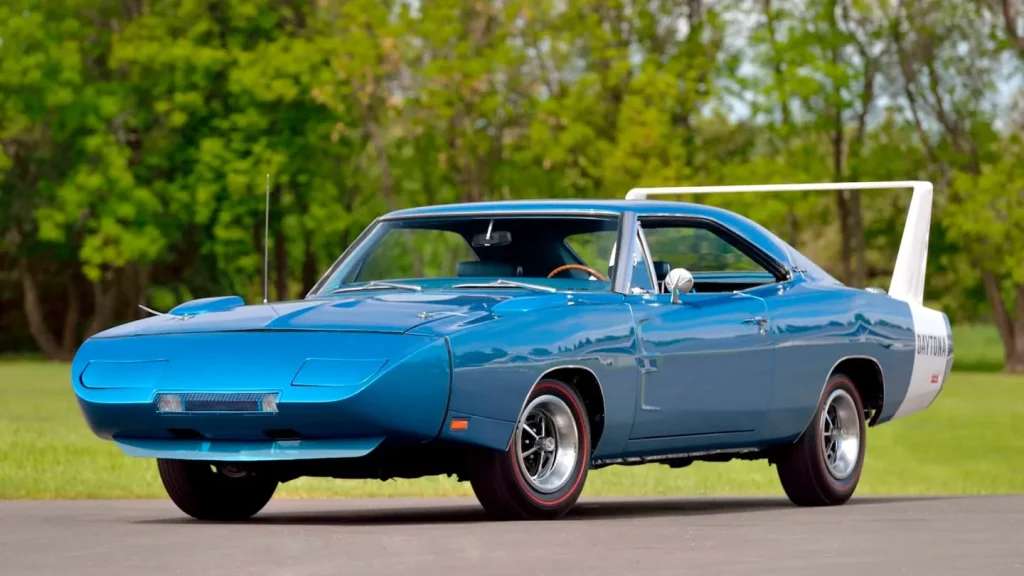
Despite these drawbacks, the 426 Hemi earned legendary status for its power and racing success. However, its demanding nature and high ownership costs made it infamous among everyday drivers.
It became a symbol of extreme performance that came with equally extreme compromises, securing its place as one of the most notorious engines in muscle car history.
7. Buick Skylark with the 215 Aluminum V8
The early 1960s Buick 215 cubic inch aluminum V8 was an ambitious piece of engineering that found its way into performance oriented versions of the Buick Skylark. Light weight and advanced for its time, it promised a blend of efficiency and power. Instead, it became infamous for durability problems that overshadowed its innovative design.
One of the main issues was the engine’s all aluminum construction. While reducing weight was a major advantage, the technology of the era struggled to manage differences in thermal expansion between aluminum components and steel fasteners.
Head gasket sealing became a common problem, especially as engines aged or overheated. Once sealing issues developed, repairs could be frequent and frustrating.
Overheating sensitivity made matters worse. The cooling systems in early applications were not always sufficient to keep temperatures stable in demanding conditions. When overheating occurred, the aluminum block and heads were more likely to warp compared to traditional cast iron engines. This increased the risk of long term damage and costly rebuilds.
Cylinder wear was another concern. The aluminum bores required special treatments to hold up under use. In real world driving, wear could appear sooner than expected, leading to loss of compression and increased oil consumption. Owners who expected long term durability comparable to iron block V8s often found themselves disappointed.
Maintenance knowledge was also limited at the time. Mechanics were more familiar with traditional cast iron engines, and not all were prepared for the specific needs of an aluminum design. Improper repairs sometimes made problems worse, further damaging the engine’s reputation.
Despite these issues, the 215 V8 had impressive potential. It was light, compact, and produced strong performance for its size. Later versions of this engine design, developed further by other manufacturers, proved more successful. However, in its original Buick form, it earned a reputation for being temperamental and sensitive.
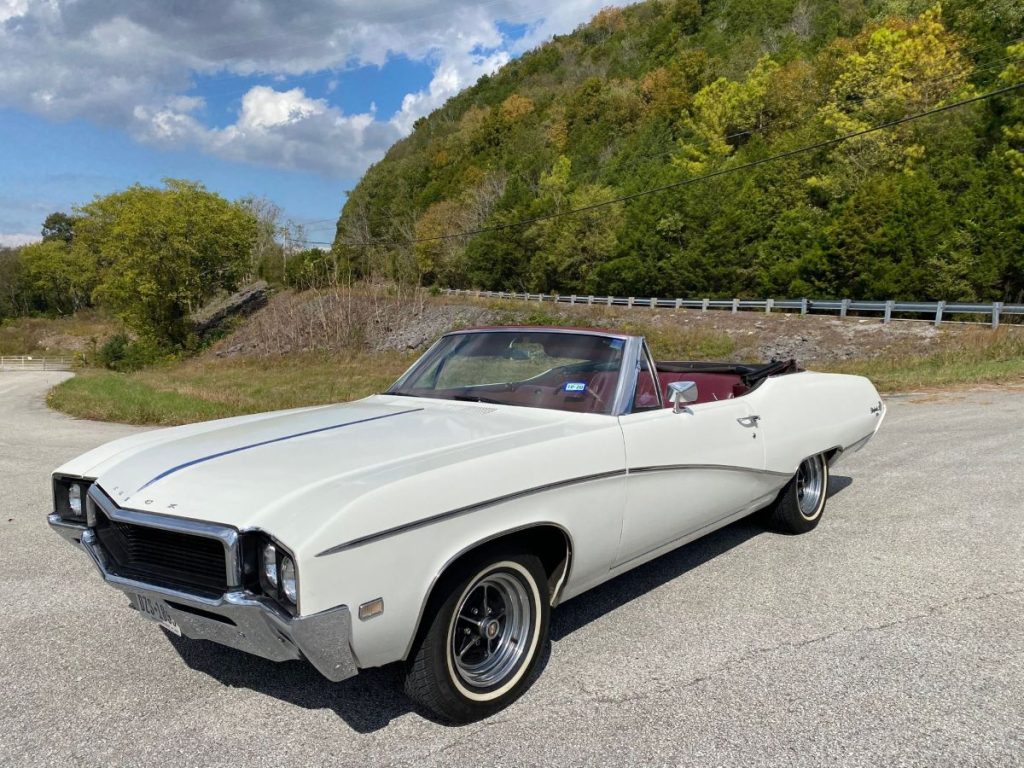
The Skylark itself was a stylish and interesting car, but the engine’s reliability challenges made ownership more complicated than many buyers expected. The 215 aluminum V8 became a symbol of early lightweight engine experimentation that arrived before materials and manufacturing techniques were fully ready.
Its combination of innovation and fragility secured its place as one of the most infamous engines associated with a muscle era car.
8. Chevrolet Monte Carlo SS with the Early 305 V8
The Chevrolet Monte Carlo SS of the 1980s carried the image of a muscle car revival, complete with bold styling and V8 power. Under the hood, however, many examples used the 305 cubic inch small block V8, an engine that became infamous for not living up to the expectations created by the car’s aggressive appearance.
One of the biggest complaints about the 305 was its modest power output. During an era when emissions regulations were tightening, the engine was tuned more for compliance and fuel economy than raw performance.
As a result, acceleration felt underwhelming compared to earlier muscle cars, and the car’s sporty image did not match its real world speed.
The engine’s small displacement relative to the vehicle’s size contributed to the problem. The Monte Carlo SS was not a lightweight car, and the 305 sometimes struggled to move it with the authority drivers expected. Enthusiasts often viewed it as a compromise engine rather than a true performance V8.
Tuning potential was also limited compared to larger small block engines. While modifications were possible, the 305’s smaller bore size restricted certain performance upgrades. Many owners chose to swap in larger engines instead of building up the original 305, which further damaged its reputation.
Reliability itself was not always terrible, but the engine’s performance shortcomings made every mechanical issue feel more disappointing. Owners who already felt the car was slow were less forgiving when dealing with aging components, carburetor problems, or emissions related equipment failures.
Fuel economy also failed to fully justify the performance tradeoff. Drivers did not get the strong acceleration of classic muscle cars, nor the excellent mileage of smaller engines. This left the 305 feeling like an engine that delivered neither true performance nor outstanding efficiency.
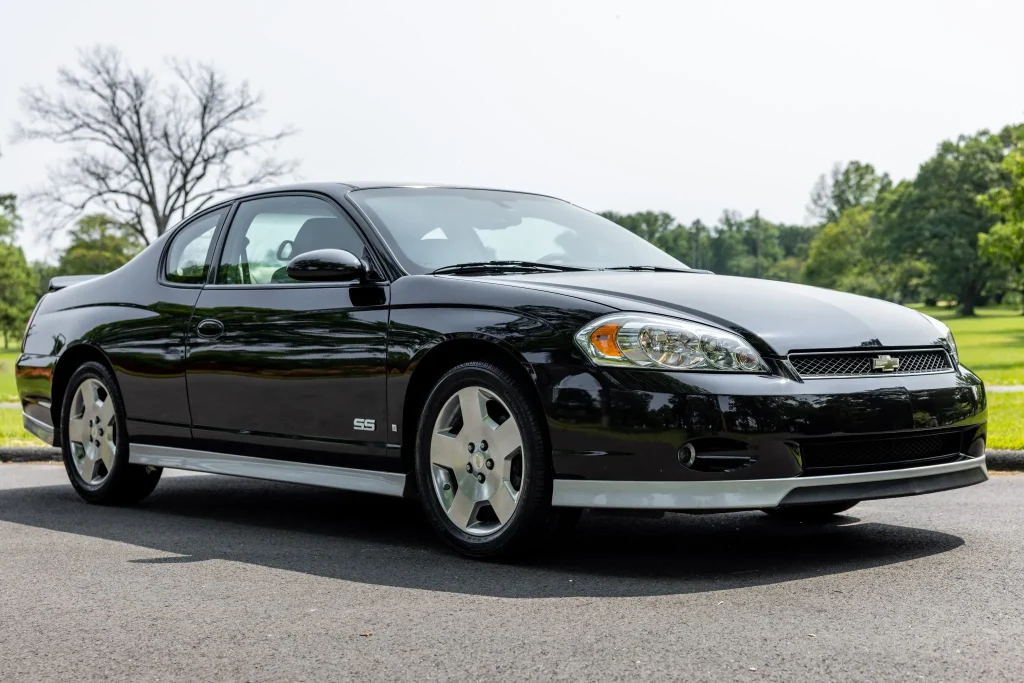
The Monte Carlo SS remains a stylish and culturally important car, but the early 305 V8 is often remembered as a symbol of the low power era of American performance. Its gap between appearance and actual performance earned it an infamous reputation that still follows these cars today.
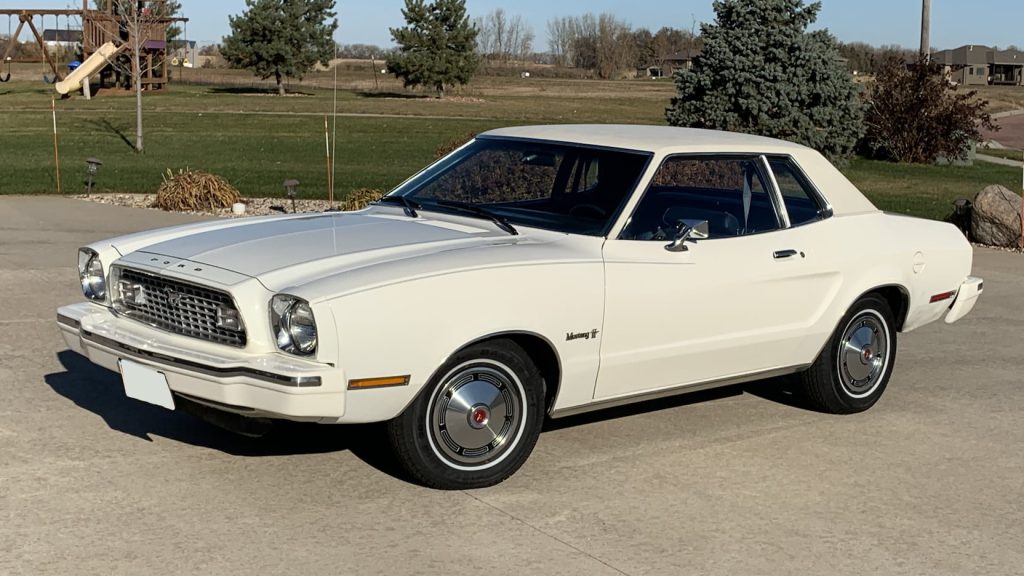
9. Ford Mustang II with the 302 V8
The Ford Mustang II arrived during one of the most difficult periods for American performance cars. Emissions regulations, fuel economy concerns, and insurance pressures reshaped the muscle car landscape.
When Ford reintroduced the 302 V8 into the Mustang II, many enthusiasts hoped it would restore real performance. Instead, this engine became infamous for symbolizing how far muscle cars had fallen from their earlier glory.
On paper, a 302 cubic inch V8 sounded promising. In practice, the version used in the Mustang II was heavily detuned to meet emissions standards and fuel economy targets. Power output was a fraction of what earlier 302 engines produced.
Acceleration felt modest at best, and the car struggled to live up to the performance image associated with the Mustang name.
The engine’s low compression ratios and restrictive emissions equipment limited its potential. While these changes helped meet regulatory requirements, they also choked performance. Throttle response felt muted, and the engine lacked the strong mid range punch drivers expected from a V8. For many enthusiasts, the experience was underwhelming.
The Mustang II itself was also smaller and heavier than earlier performance focused Mustangs relative to its output. Even with a V8, it did not deliver the straight line speed or aggressive character that defined classic muscle cars. The mismatch between the legendary badge and the car’s real world performance hurt its reputation.
Reliability was not necessarily terrible, but the engine did not inspire excitement. Owners who were used to the power and sound of earlier V8 Mustangs often felt disappointed. Modifications could improve performance, but doing so required time and money, and many buyers expected more from the factory.
The broader context made things worse. By the time the 302 returned, the muscle car era had already faded, and expectations were shaped by memories of high horsepower machines from the late 1960s. The Mustang II’s 302 simply could not compete with that legacy.
Today, the Mustang II represents an important chapter in automotive history, showing how manufacturers adapted to changing times.
However, the 302 V8 used in this generation is remembered less for performance and more for how restricted it felt compared to its predecessors.
That contrast between name and output is what made it infamous, securing its place on lists of muscle cars known for engines that disappointed more than they thrilled.
Also Read: Top 10 High-End Sedans That Combine Comfort With Serious Performance