Modern vehicles are packed with advanced technology, improved safety systems, and more efficient engines than ever before. On paper, today’s cars promise a better driving experience along with lower emissions and higher comfort.
However, increased complexity can sometimes come at the cost of long term reliability. For many owners, the excitement of new features fades when repeated mechanical or electronic problems begin to appear.
Manufacturers are under constant pressure to innovate. Turbocharged engines replace larger naturally aspirated units, new transmissions aim to improve fuel economy, and digital systems control nearly every function.
While these advances can deliver impressive performance and efficiency, they also introduce more components that can fail over time. When problems arise, repairs are often more expensive and more complicated than in older, simpler vehicles.
Another factor is the rapid pace of development. New engine designs, hybrid systems, and software driven controls sometimes reach the market before long term durability is fully proven. Early production years can reveal weaknesses that were not obvious during testing. Owners may experience recurring issues that require multiple trips to the dealer.
It is important to note that no vehicle is perfect, and many drivers still have positive ownership experiences with these models.
Reliability often depends on maintenance habits, driving conditions, and even luck. Still, some vehicles develop reputations for ongoing concerns that buyers should be aware of before making a purchase.
Here are nine modern vehicles that have drawn attention for persistent reliability complaints. These examples highlight how advanced engineering does not always guarantee long term dependability, especially when complexity increases faster than durability.
Also Read: Top 10 High-End Sedans That Combine Comfort With Serious Performance
1. Ford Focus with Dual Clutch Automatic Transmission
The Ford Focus from the early to mid 2010s attracted buyers with sharp styling, good fuel economy, and an affordable price.
Unfortunately, many owners encountered ongoing problems related to the dual clutch automatic transmission. What was designed to combine the efficiency of a manual with the convenience of an automatic became a major source of frustration.
Drivers frequently reported rough shifting, hesitation when accelerating from a stop, and jerking at low speeds. In everyday traffic, the car could feel unpredictable and unrefined.
These behaviors were often described as normal by dealerships, which added to owner dissatisfaction. Software updates were issued in an attempt to improve drivability, but they did not always resolve the underlying mechanical concerns.
Clutch wear became another common complaint. Unlike traditional automatics that use a torque converter, this system relied on dry clutches that could wear out faster, especially in stop and go driving. Replacing these components could be costly, and some vehicles required multiple repairs over their lifetime.
The transmission issues overshadowed what was otherwise a practical compact car. The engine and chassis were generally well regarded, but repeated trips to the service department eroded confidence. Owners who expected a simple, reliable commuter car often felt they received something far more troublesome.
Resale values were affected as well. As reports of transmission problems spread, buyers became cautious. Used examples often sell at lower prices, reflecting the risk associated with potential future repairs.
Ford made efforts to address the situation through extended warranties and service programs, but the damage to the model’s reputation was significant. For many drivers, the Focus became a lesson in how new transmission technology can create unexpected long term challenges.
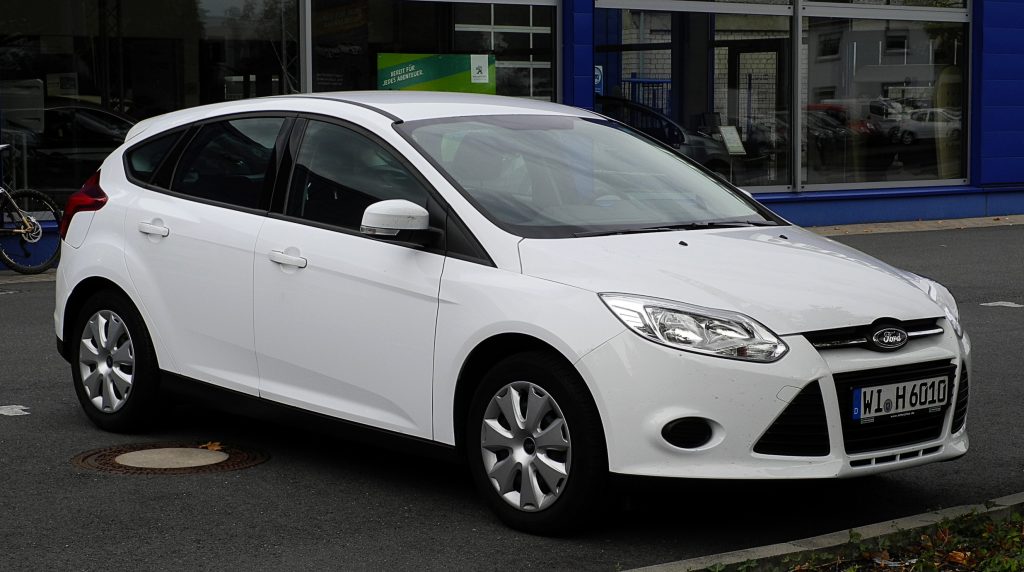
The Focus remains comfortable and efficient in many respects, yet its transmission concerns continue to influence how it is viewed on the used market. Prospective buyers often research service history carefully before considering one, making it a well known example of modern reliability worries tied to advanced drivetrain design.
2. Jeep Cherokee with Nine Speed Automatic Transmission
The Jeep Cherokee introduced in the mid 2010s brought modern styling and improved comfort to the brand’s compact sport utility lineup.
One of its most notable features was a nine speed automatic transmission designed to enhance fuel efficiency and performance. However, this complex gearbox became a frequent source of complaints among owners.
Many drivers experienced rough or delayed shifts, hesitation when accelerating, and occasional sudden gear changes. In city driving, the transmission sometimes felt unsure of which gear to select, leading to jerky responses that reduced driving confidence. These issues were especially noticeable during low speed maneuvers such as parking or pulling into traffic.
Software updates were released to improve transmission behavior, but results varied. Some owners reported improvements, while others continued to face similar problems. The learning curve of the transmission’s programming, combined with its intricate internal design, made consistent performance difficult to achieve in all conditions.
Beyond drivability concerns, reliability questions also surfaced. Reports of premature wear or internal faults added to the perception that the transmission was not as durable as buyers expected. Repair costs could be high, particularly once vehicles were out of warranty.
The rest of the vehicle offered a mix of strengths and weaknesses. Off road capability and interior comfort were often praised, but those positives were overshadowed when the transmission failed to operate smoothly. For a vehicle marketed as versatile and dependable, repeated drivetrain concerns created frustration.
Owners who used their vehicles for daily commuting often found the unpredictable shifting especially annoying. A sport utility vehicle is typically expected to be easy to drive in all conditions, and when that expectation is not met, satisfaction drops quickly.
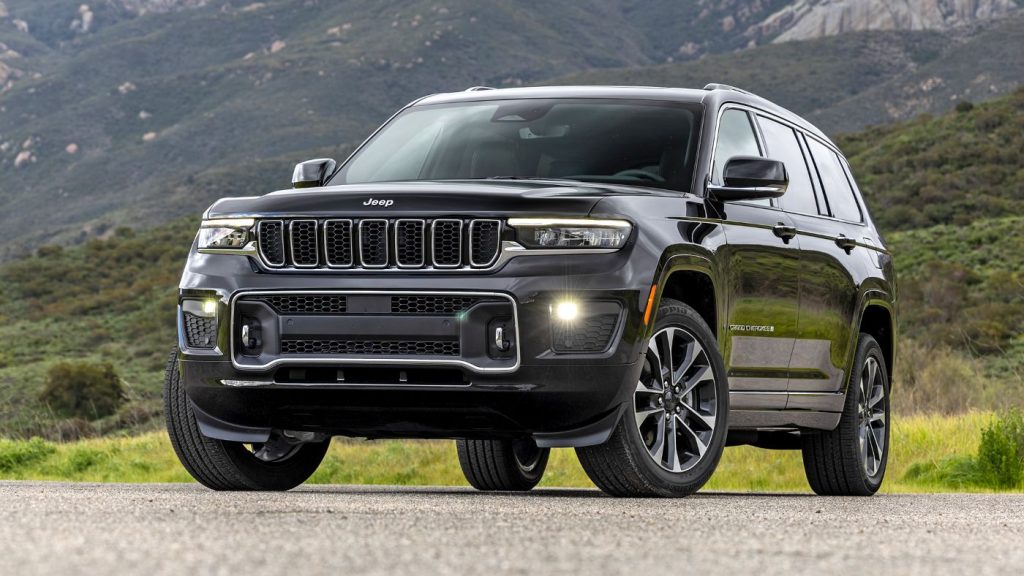
The Cherokee’s nine speed transmission became a talking point in discussions about modern automotive complexity. While the idea of more gears promises better efficiency, it also introduces more components and software interactions that can create problems over time.
As a result, this generation of Cherokee is frequently mentioned in conversations about vehicles that may require careful consideration before purchase. Prospective buyers often look for detailed service records and updated software versions, hoping to avoid the issues that affected many earlier owners.
3. Chevrolet Equinox with Early 2.4 Liter Four Cylinder
The Chevrolet Equinox from the early to mid 2010s became a popular compact sport utility vehicle thanks to its comfortable ride, spacious interior, and competitive pricing. However, models equipped with the 2.4 liter four cylinder engine developed a reputation for ongoing reliability concerns that caught many owners off guard.
One of the most frequently reported issues involved excessive oil consumption. Some engines began using oil at a much higher rate than expected, sometimes between regular service intervals.
Drivers who did not check oil levels regularly risked running the engine low on lubrication, which could lead to serious internal damage. This problem often appeared gradually, making it easy for owners to miss until warning lights or engine noise became noticeable.
Timing chain wear was another area of concern. In certain cases, low oil levels or extended oil change intervals contributed to premature timing chain stretch. When this happened, engine performance suffered and the risk of major mechanical failure increased. Repairs could be expensive, especially if damage spread to other internal components.
Owners also reported issues with piston rings and related components. These problems were often linked to the oil consumption concerns and sometimes required significant engine work to correct. For many drivers, this was surprising in a vehicle that was marketed as a dependable family utility vehicle.
Beyond the engine, some Equinox models experienced transmission hesitation or harsh shifting as mileage increased. While not as widespread as the engine concerns, these issues added to the overall perception that long term durability might not match expectations.
Interior comfort and practicality were generally strong points, which made the mechanical issues even more frustrating. Many owners liked the way the vehicle drove and how much space it offered, but ongoing repairs reduced confidence in long term ownership.
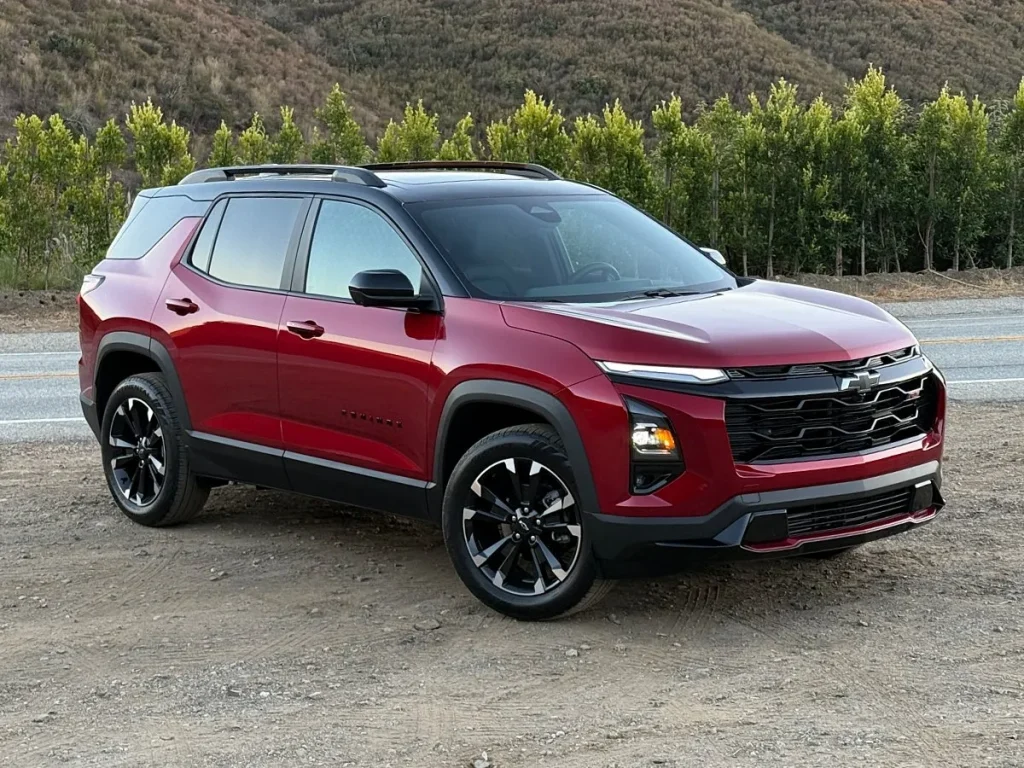
Warranty extensions and service bulletins addressed certain concerns, but not all owners benefited equally. Those who purchased used models without full service history sometimes discovered problems after the original coverage had expired.
The Equinox remains a practical and comfortable vehicle in many respects, but the combination of oil consumption and timing chain concerns has left a lasting mark on its reputation. Prospective buyers often approach these models carefully, paying close attention to maintenance records and engine condition before committing to a purchase.
4. BMW 5 Series with N20 Turbocharged Four Cylinder
The BMW 5 Series equipped with the N20 turbocharged four cylinder engine brought improved fuel efficiency and modern performance to the luxury sedan segment. While the engine delivered strong power for its size, it also developed a reputation for reliability concerns that made some owners cautious about long term ownership.
One of the most well known issues involved the timing chain system. In certain production years, components such as the timing chain guides were prone to premature wear.
If not addressed, this could lead to chain slack, unusual engine noises, and in severe cases, catastrophic engine damage. Repairs could be very costly, especially if the issue was discovered late.
Oil leaks were another commonly reported problem. Components such as valve cover gaskets and oil filter housing gaskets sometimes developed leaks as mileage increased. While not unusual in older vehicles, the frequency and cost of repairs on a modern luxury car disappointed some owners.
Turbocharger related issues also appeared in some cases. Turbocharged engines operate under high heat and pressure, and when maintenance was not strictly followed, problems such as wastegate rattle or boost control issues could occur. These repairs added to the overall cost of ownership.
Electronic complexity in the 5 Series contributed to reliability concerns as well. Modern luxury cars rely heavily on sensors, modules, and software systems. Malfunctions in infotainment, driver assistance features, or electronic controls could lead to repeated visits to the service department.
Routine maintenance costs were already higher than average, and when unexpected repairs were added, ownership expenses increased further. For buyers attracted by the car’s driving dynamics and premium feel, these issues could be discouraging.
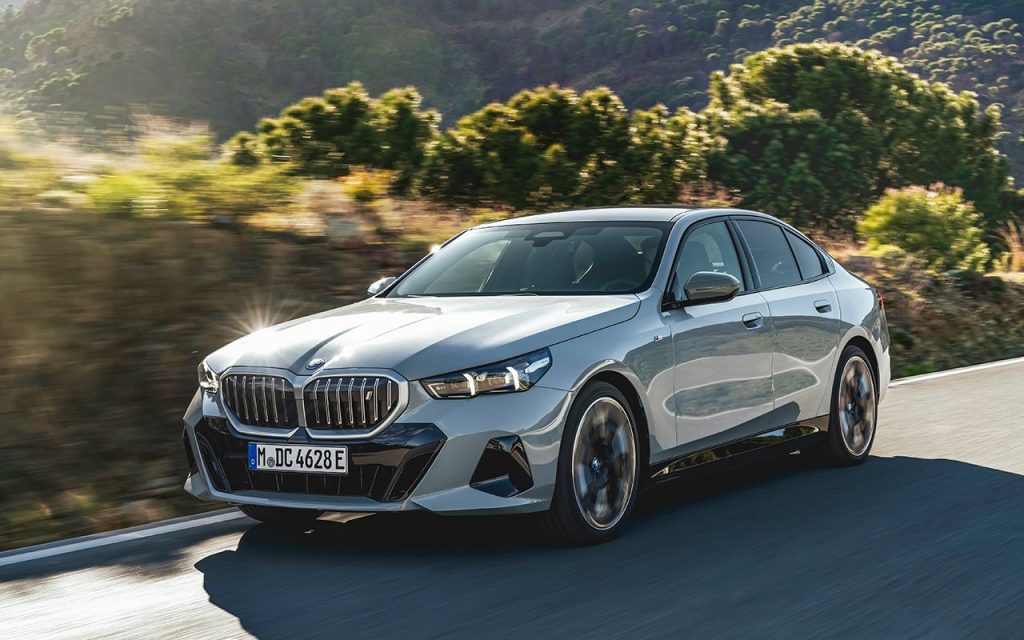
The N20 engine itself provided lively performance and good efficiency, but its early timing chain concerns left a lasting impression. BMW addressed some of these issues through updated parts and service campaigns, yet many vehicles on the used market still carry the risk if preventative work has not been completed.
The BMW 5 Series remains a rewarding car to drive, but its combination of engine and electronic complexity means buyers must approach ownership with realistic expectations. Detailed service records and thorough inspections are especially important for those considering one today.
5. Ford Escape with 1.5 and 1.6 Liter Turbocharged Engines
The Ford Escape equipped with the 1.5 and 1.6 liter turbocharged four cylinder engines promised strong fuel efficiency and lively performance in a compact sport utility vehicle. While many owners appreciated the driving feel and practicality, these engines became associated with reliability concerns that raised questions about long term durability.
One of the most serious issues involved coolant intrusion into the engine. In some cases, coolant could leak into the combustion chamber due to design or manufacturing weaknesses in the engine block or head gasket area. This could lead to misfires, overheating, and in severe cases, engine failure. Repairs were often expensive and sometimes required complete engine replacement.
Overheating risks were closely related to these problems. When coolant levels dropped or circulation was disrupted, engine temperatures could rise quickly. Modern turbocharged engines operate under high stress, and overheating can cause rapid damage to internal components. Owners who did not catch early warning signs sometimes faced major repair bills.
Turbocharger systems added another layer of complexity. While turbocharging improved performance and efficiency, it also introduced high temperatures and additional parts that could wear over time. Wastegate issues, boost leaks, or sensor problems sometimes contributed to drivability complaints.
Transmission behavior was also mentioned by some owners, with reports of hesitation or rough shifting in certain model years. While not as widespread as engine concerns, these issues added to the overall perception that the vehicle required careful monitoring.
Interior space and comfort remained strong points, making the Escape appealing for families. However, repeated mechanical issues could offset those benefits. For drivers who expected a low stress ownership experience, dealing with engine repairs was especially disappointing.
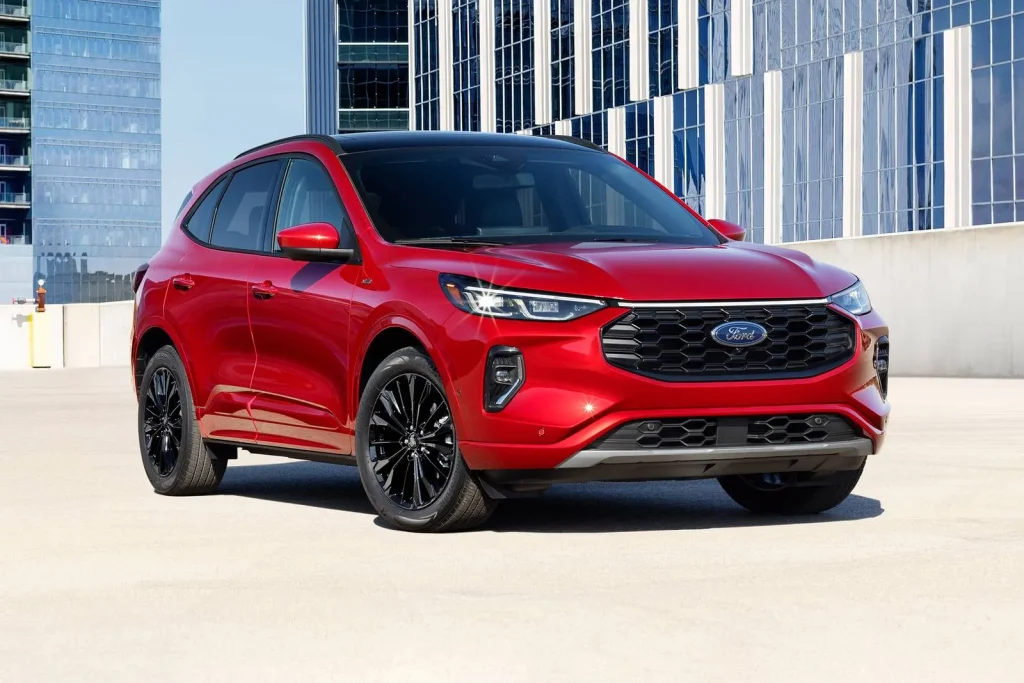
Ford addressed some problems through recalls and service campaigns, but not all vehicles were affected equally. Buyers on the used market often need to verify whether necessary updates and repairs have been completed before purchase.
The Escape remains a practical and enjoyable vehicle in many ways, yet the history of coolant intrusion and related engine issues means that potential owners should approach certain versions with caution. Thorough inspections and documented maintenance are essential for reducing risk.
6. Nissan Altima with Continuously Variable Transmission
The Nissan Altima has long been popular for its comfortable ride, good fuel economy, and spacious interior. However, models equipped with certain continuously variable transmissions developed a reputation for ongoing reliability concerns that affected many owners’ experiences.
Drivers frequently reported issues such as shuddering during acceleration, delayed response when pressing the accelerator, and unusual noises from the transmission. In daily driving, the vehicle could feel hesitant or inconsistent, which reduced confidence behind the wheel. These symptoms often appeared as mileage increased.
Unlike traditional automatic transmissions with fixed gears, a continuously variable transmission uses a system of pulleys and belts to provide a smooth range of ratios. While this design can improve efficiency, it can also be sensitive to wear and heat. In some Altima models, components inside the transmission wore out sooner than expected.
Transmission failures were among the most serious complaints. Repairing or replacing a CVT can be expensive, and some owners faced these costs outside of warranty coverage. Extended warranties and service programs were introduced in response to widespread concerns, but they did not eliminate all issues.
Driving style and maintenance played a role, but even carefully maintained vehicles sometimes experienced problems. The unpredictability of when issues might appear added to owner frustration. A family sedan is typically expected to deliver dependable transportation, and transmission worries undermined that expectation.
The rest of the vehicle often performed well, which made the transmission issues stand out even more. Comfortable seating, smooth engines, and good fuel economy were positives that were overshadowed by concerns about long term drivetrain durability.
Resale values were affected as awareness of CVT issues spread. Used car buyers often research these models carefully, paying close attention to service history and warranty coverage.
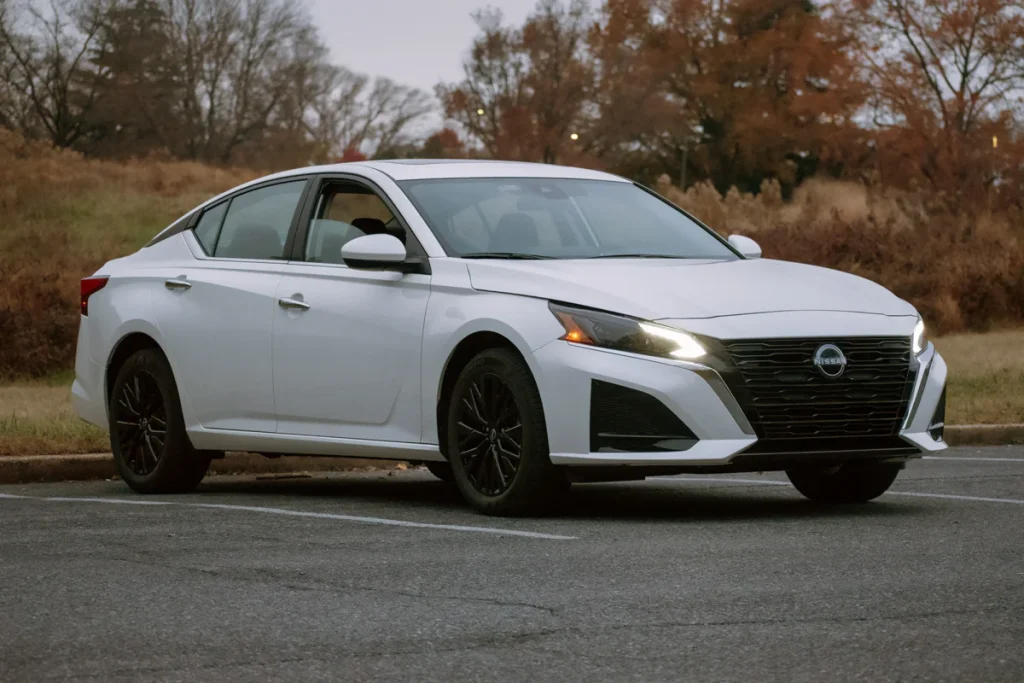
The Altima remains widely available and comfortable to drive, but its association with certain CVT reliability concerns has made it a frequent topic of discussion among those who may need to exercise extra caution with modern vehicles.
Buyers who consider one often prioritize updated transmission software, documented maintenance, and extended coverage when possible.
7. Land Rover Discovery Sport
The Land Rover Discovery Sport combines upscale styling, off road capability, and modern technology in a compact luxury sport utility vehicle. While it offers an appealing blend of features, it has also developed a reputation for ongoing reliability concerns that affect long term ownership satisfaction.
One of the most frequently discussed issues involves electronic systems. Modern Land Rover vehicles rely heavily on complex software and numerous control modules.
Owners have reported problems with infotainment screens freezing, warning lights appearing unexpectedly, and driver assistance features malfunctioning. These issues can be frustrating because they may not always have clear or permanent fixes.
Engine related concerns have also surfaced, particularly with turbocharged four cylinder engines used in certain model years. Some drivers have experienced rough running, coolant leaks, or sensor related problems that trigger warning messages.
While not every vehicle is affected, the cost of diagnosing and repairing modern turbocharged engines can be high.
Transmission behavior has been another area of complaint. Some owners describe hesitation or jerky shifting at low speeds. In a premium vehicle, drivers expect smooth performance, so even minor drivability issues can feel more noticeable.
Electrical complexity extends beyond infotainment. Power tailgates, seat controls, and climate systems have all been mentioned in owner reports of intermittent faults. Because these systems are interconnected, diagnosing the source of a problem can take time and add to repair costs.
Maintenance expenses are generally higher than average, and when unexpected repairs occur, ownership costs can rise quickly. Buyers attracted by the brand’s premium image sometimes find the long term upkeep more demanding than expected.
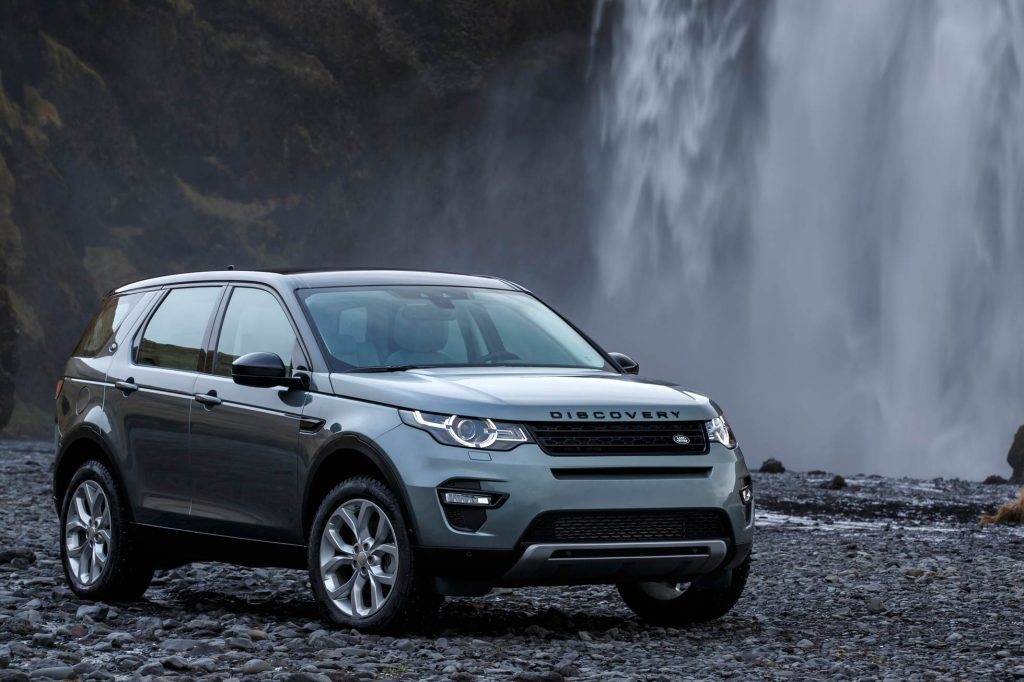
The Discovery Sport does deliver a comfortable ride and genuine off road capability, which keeps it appealing to many drivers.
However, the combination of electronic glitches and mechanical concerns has shaped its reputation. Prospective buyers often look for thorough service records and may consider extended warranties to reduce risk.
Overall, the Discovery Sport highlights how advanced features and luxury equipment can sometimes introduce more opportunities for problems. While many owners enjoy their vehicles, the pattern of reported issues underscores the importance of careful consideration before purchase.
8. Volkswagen Tiguan with Early Turbocharged Engine and DSG Transmission
The Volkswagen Tiguan offers European styling, refined handling, and a comfortable interior in a compact sport utility format.
Early versions equipped with turbocharged engines and dual clutch automatic transmissions attracted buyers looking for a sporty yet practical vehicle. Over time, however, some of these models developed reliability concerns that affected their reputation.
Turbocharged engines provide strong performance from small displacement units, but they operate under higher stress. Some Tiguan owners reported issues such as carbon buildup on intake valves, which can affect performance and fuel economy. Regular maintenance and occasional cleaning are needed, but not all owners are aware of this requirement.
Oil consumption and leaks have also been mentioned in certain cases. When oil levels drop between services, internal components may experience increased wear. Monitoring oil levels more frequently than in older naturally aspirated engines becomes important, which can surprise drivers expecting minimal attention.
The dual clutch transmission, often referred to as a DSG, brought quick shifting and efficiency. However, some drivers experienced rough engagement at low speeds, hesitation, or unusual noises. In heavy traffic, the transmission could feel less smooth than a traditional automatic, leading to mixed reactions.
Electronic components added to the list of concerns. Infotainment glitches, sensor faults, and warning lights were reported by some owners. While not always serious, these issues contributed to the perception that the vehicle required more attention than expected.
Maintenance costs also tend to be higher than average for a compact sport utility vehicle. Specialized parts and service procedures can add to expenses, particularly once the vehicle is out of warranty.
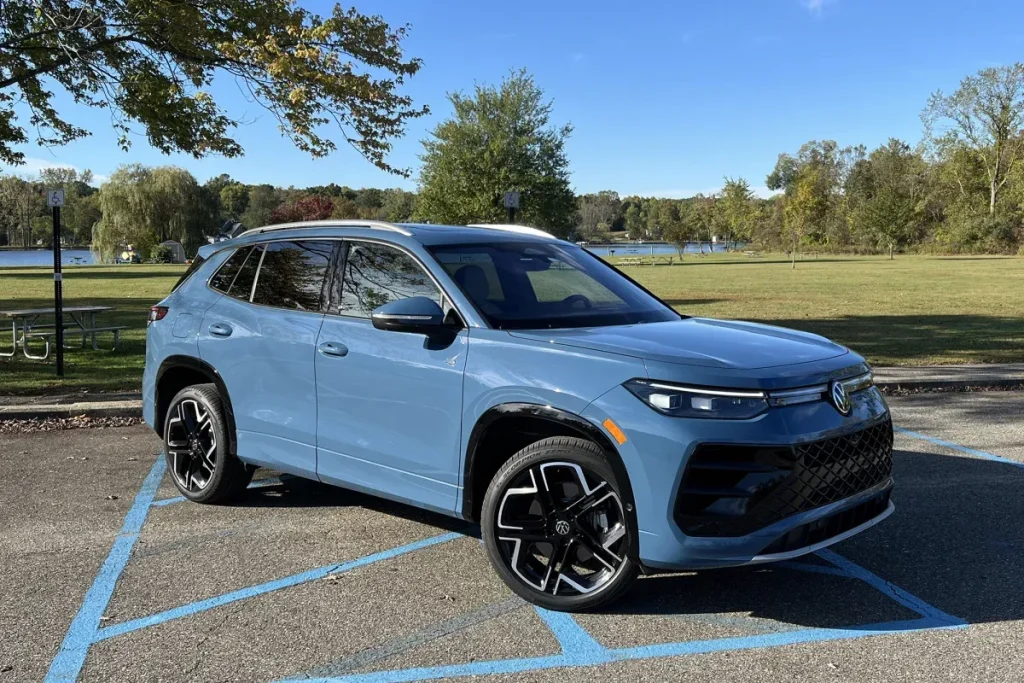
The Tiguan remains comfortable and enjoyable to drive, which keeps it attractive to many buyers. However, the combination of turbocharged engine requirements, dual clutch transmission behavior, and electronic complexity means that long term ownership can involve more effort and expense than some drivers anticipate.
For those considering an early Tiguan, a detailed service history and careful inspection are especially important. Awareness of common issues and proactive maintenance can help reduce the likelihood of unexpected problems.
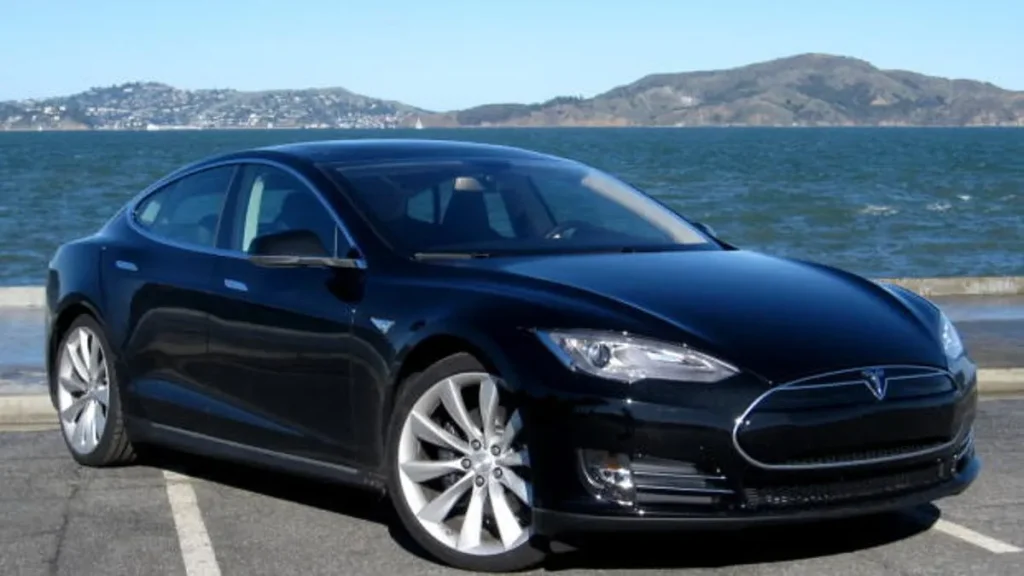
9. Tesla Model S (Early Production Years)
The Tesla Model S changed the perception of electric vehicles by offering impressive acceleration, long driving range, and advanced technology. Early production models in particular drew attention for their innovation. However, they also became associated with ongoing reliability concerns that shaped discussions about long term ownership.
One of the most commonly reported issues involved the large touchscreen infotainment system. This central display controls many vehicle functions, and failures could affect everything from navigation to climate settings.
In early models, screen memory components sometimes wore out, leading to slow response or complete failure. Replacing the unit could be costly, especially outside of warranty coverage.
Door handles were another frequent complaint. The retractable handles were designed for sleek appearance and aerodynamics, but the mechanisms sometimes failed to extend or retract properly. Owners found themselves dealing with repairs that were more complex than on traditional door handles.
Suspension components also drew attention. Some drivers reported premature wear of suspension parts, particularly in vehicles driven on rough roads. Repairs could be expensive due to the vehicle’s specialized design and the need for specific components.
Build quality concerns appeared as well. Panel gaps, trim alignment, and interior fit issues were mentioned in owner reports. While these did not always affect drivability, they contributed to the perception that early models had inconsistent assembly quality.
Battery and drivetrain systems generally proved durable, but when problems did occur, repairs were highly specialized. Limited availability of independent repair options meant owners often relied on manufacturer service centers, which could involve longer wait times.
Software updates improved many aspects of the vehicle over time, yet they also highlighted the complexity of maintaining a technology heavy car. Glitches in driver assistance features or connectivity occasionally required additional service visits.
The Model S remains a landmark vehicle in automotive history, offering performance and innovation that reshaped the industry. At the same time, its early production reliability concerns remind buyers that cutting edge technology can come with growing pains.
For those considering an older example, detailed service history and confirmation of updated components are important. The combination of advanced electronics and unique mechanical systems makes thorough inspection essential for long term peace of mind.
Modern vehicles offer impressive technology, efficiency, and comfort, but increased complexity can sometimes lead to reliability concerns.
Advanced transmissions, turbocharged engines, and software driven systems introduce more components that can fail over time. Several popular models have developed reputations for recurring mechanical or electronic issues that can raise ownership costs and frustration.
While many drivers still have positive experiences, these vehicles highlight the importance of research, maintenance history, and extended warranty coverage.
Understanding common problem areas before buying can help drivers avoid unexpected repairs and choose a vehicle that better balances modern features with long term dependability.
Also Read: Top 10 High-End Sedans That Combine Comfort With Serious Performance