
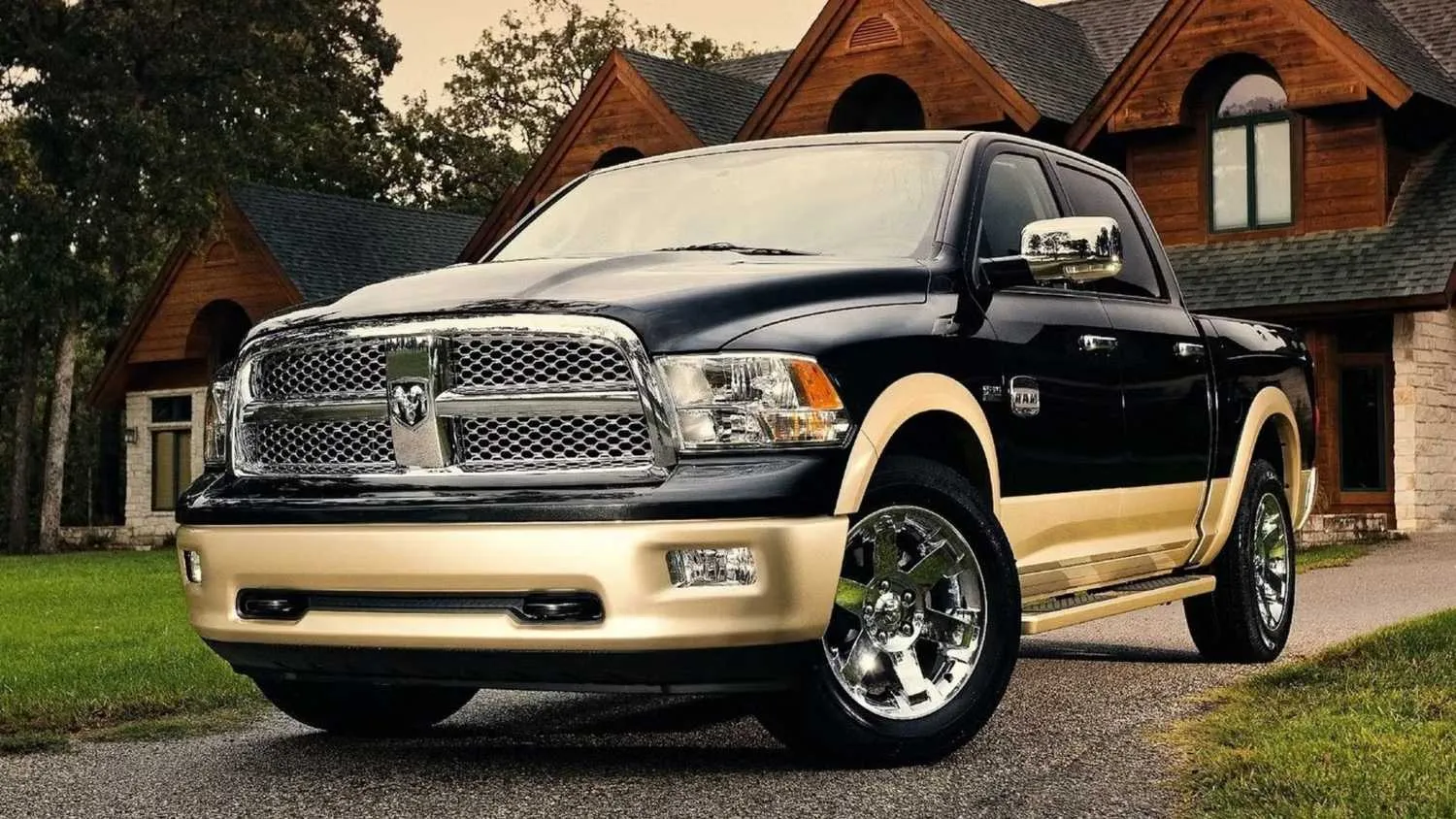
Pickup trucks from the 1990s sit in a sweet spot that many modern trucks no longer occupy. They are old enough to be mechanically simple and affordable, yet new enough to offer decent comfort, solid safety, and everyday usability.
For buyers who want a dependable workhorse or a practical second vehicle without spending a fortune, these trucks often make more sense than many newer models.
One of the biggest advantages of 1990s pickups is durability. Manufacturers in that era focused heavily on long lasting engines, strong frames, and straightforward drivetrains.
Many of these trucks were designed for real work, from towing and hauling to daily job site use. As a result, high mileage examples are common, and parts are still widely available.
Another key benefit is simplicity. Fewer electronics, less complicated emissions systems, and more accessible engine bays make these trucks easier and cheaper to maintain. Owners who are comfortable with basic tools can handle many repairs themselves, which keeps long term ownership costs down.
These trucks also offer honest capability. While they may not have today’s massive touchscreens or luxury features, they can still tow, haul, and handle rough conditions with confidence. For many people, that matters more than modern tech.
Styling plays a role too. The boxy, straightforward designs of 1990s pickups have aged well and appeal to buyers who prefer classic truck looks over the bulkier shapes of newer models.
Here are nine pickup trucks from the 1990s that continue to be strong used buys today, offering a mix of reliability, capability, and value that is hard to beat.
Also Read: Top 10 Classic American Cars That Rarely Make Smart Investments
1. Ford F 150 (Ninth and Tenth Generation)
The Ford F 150 from the 1990s remains one of the most popular and practical used trucks on the market. Built during a time when Ford focused on durability and straightforward engineering, these trucks earned a reputation for toughness that still makes them attractive today.
Engine choices are a big part of the appeal. The inline six and various V8 options, especially the 4.9 liter inline six and the 5.0 and 5.8 liter V8s, are known for long service life when properly maintained.
These engines are not overly stressed and can handle high mileage with routine oil changes and cooling system care. Parts are widely available and relatively affordable, which helps keep repair costs reasonable.
The chassis and frame are also strong. These trucks were built for work, and many have spent decades hauling equipment, towing trailers, and handling tough conditions. Despite that, plenty of examples are still on the road with solid frames and drivetrains. Rust can be an issue in some regions, but well preserved trucks hold up impressively.
Transmission options include both manual and automatic gearboxes that are generally durable when serviced regularly. While rebuilds may eventually be needed on high mileage trucks, the overall design is simple compared to many modern units, which keeps repair costs manageable.
Interior comfort is basic by modern standards, but practical. Seats are wide, controls are straightforward, and visibility is excellent. Extended cab models offer extra space for tools or passengers, making these trucks versatile for both work and daily use.
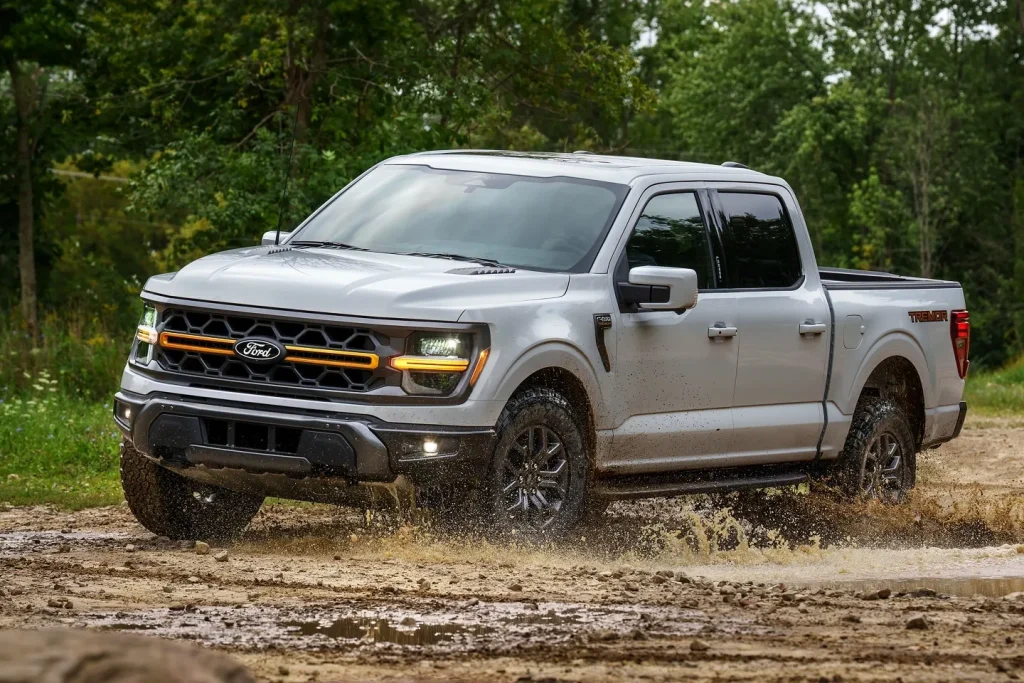
Another advantage is the massive aftermarket and parts network. Because the F 150 has been so popular for decades, replacement parts, upgrades, and maintenance components are easy to find. This encourages owners to repair and maintain their trucks rather than replace them.
Fuel economy is not a strong point, but that is expected for older full size pickups. In return, buyers get a truck that feels honest, mechanical, and built to last. For people who want a dependable work truck without modern complexity, a well maintained 1990s F 150 is still a very smart buy.
2. Toyota Tacoma (First Generation)
The first generation Toyota Tacoma quickly earned a reputation for reliability and longevity that still defines the model today. Introduced in the mid 1990s, this compact pickup combined Toyota’s well known durability with practical size and capability, making it one of the best long term used truck values.
Engine options were simple and proven. The four cylinder engines are especially known for their toughness and ability to run for hundreds of thousands of miles with basic maintenance. The V6 option provides more power while still maintaining strong reliability when serviced regularly. These engines are not highly stressed, which helps them last.
The Tacoma’s smaller size is a major advantage for many buyers. It is easier to maneuver and park than full size trucks, making it well suited for daily driving as well as light work. Despite its compact dimensions, it can still handle hauling and towing tasks that are beyond the reach of most cars and crossovers.
Build quality is another strong point. Toyota’s attention to detail during this era resulted in trucks that age well mechanically.
Drivetrain components, cooling systems, and electrical systems are generally dependable when maintained properly. Rust can be an issue in certain climates, so frame condition should always be checked, but many solid examples remain on the road.
Four wheel drive versions add even more appeal. With good ground clearance and durable suspension components, these trucks handle off road use confidently. Many owners use them for camping, trail driving, and outdoor activities, which adds to their versatility.
Maintenance costs are usually lower than for larger trucks. Parts are widely available, and the engines are straightforward to service. This encourages long term ownership and helps explain why so many high mileage Tacomas are still in use.
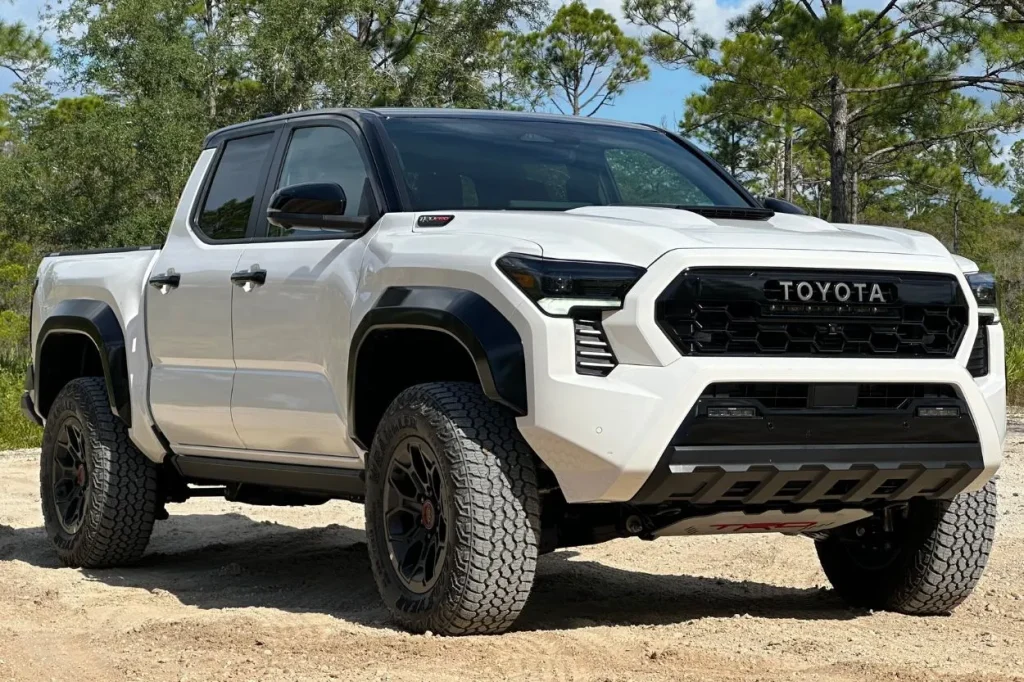
Inside, the cabin is simple but functional. Controls are easy to use, and the layout focuses on practicality rather than luxury. Extended cab versions offer extra storage space, which is useful for work or travel.
The first generation Tacoma strikes a balance that is hard to find today. It is tough, reliable, easy to live with, and capable enough for most everyday tasks. For buyers who want a dependable pickup without the size or cost of a full size truck, it remains one of the smartest used choices from the 1990s.
3. Chevrolet C K 1500 (GMT400)
The Chevrolet C K 1500 from the GMT400 generation is one of the most respected full size pickups of the 1990s. Known for its rugged construction and simple mechanical design, this truck remains a strong value for buyers who want dependable performance without modern complexity.
One of the biggest reasons this truck holds up so well is its engine lineup. The small block V8 options, especially the 5.0 liter and 5.7 liter engines, are well known for durability.
These engines were used across many GM vehicles, which means parts are easy to find and mechanics are very familiar with them. With regular oil changes and proper cooling system care, they can run for extremely high mileages.
The transmissions paired with these engines are also relatively straightforward. Both manual and automatic versions are available, and while high mileage examples may eventually need rebuilding, they are simpler and often less expensive to repair than newer units. Preventative maintenance such as fluid changes plays a big role in extending their lifespan.
The GMT400 platform itself is tough. The frame and suspension were designed for real work, and many of these trucks spent years towing trailers or hauling heavy loads.
Despite that, well maintained examples can still feel solid on the road today. Replacement suspension components are widely available, making it possible to refresh an older truck without huge expense.
Another advantage is the truck’s mechanical simplicity. Electronics are limited compared to modern pickups, which reduces the chances of expensive electrical problems as the truck ages. Most systems are easy to diagnose and repair, which is appealing to owners who like to do their own maintenance.
Inside, the cabin is basic but comfortable enough for daily use. Controls are large and easy to operate, and visibility is excellent. Extended cab models add extra practicality, allowing the truck to carry passengers or gear more easily.
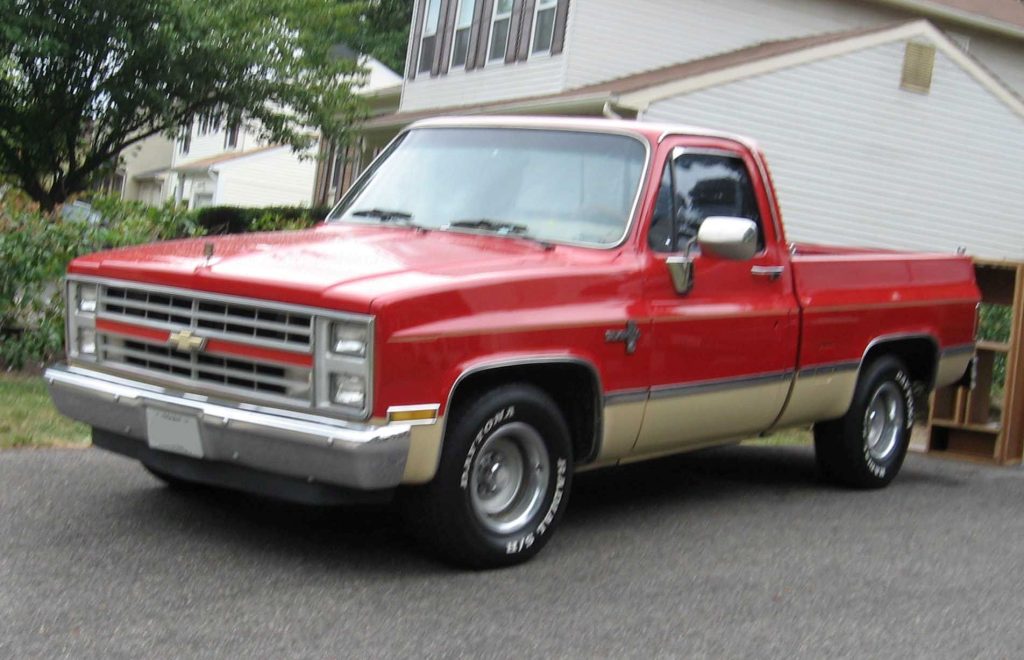
Fuel economy is not impressive by modern standards, but that is typical for older V8 powered trucks. In return, buyers get a vehicle that feels sturdy and dependable. These trucks were built in huge numbers, which keeps used prices reasonable and ensures a steady supply of parts.
For anyone looking for a classic American pickup that can still handle real work while being affordable to own, the Chevrolet C K 1500 from the 1990s remains a very smart buy.
4. Dodge Ram 1500 (Second Generation)
The second generation Dodge Ram 1500 made a huge impact when it debuted in the 1990s thanks to its bold styling and strong engine options. Beyond its looks, it has proven to be a capable and durable pickup that still represents good value for used truck buyers today.
One of the highlights of this generation Ram is the available Magnum V8 engines. The 5.2 liter and 5.9 liter V8s provide solid torque and are known for relatively simple, durable designs.
With regular maintenance and attention to cooling and ignition components, these engines can cover a lot of miles. They are not overly complicated, which helps keep repair costs manageable.
The Ram’s chassis was built with work in mind. The frame is sturdy, and the suspension is designed to handle hauling and towing. While ride quality can be firm, that toughness is part of why many of these trucks are still on the road decades later. Replacing worn suspension parts can restore stability and comfort without excessive cost.
Transmission longevity often depends on maintenance history. Automatic transmissions in particular benefit greatly from regular fluid and filter changes. Trucks that have been cared for tend to last much longer than neglected ones. Manual versions are generally durable and attractive to buyers who prefer simpler mechanical setups.
Another factor that makes this Ram a good buy is its spacious interior. Compared to some competitors of the era, it offered a roomy cabin and a commanding driving position. Extended cab models provide additional versatility for carrying passengers or equipment.
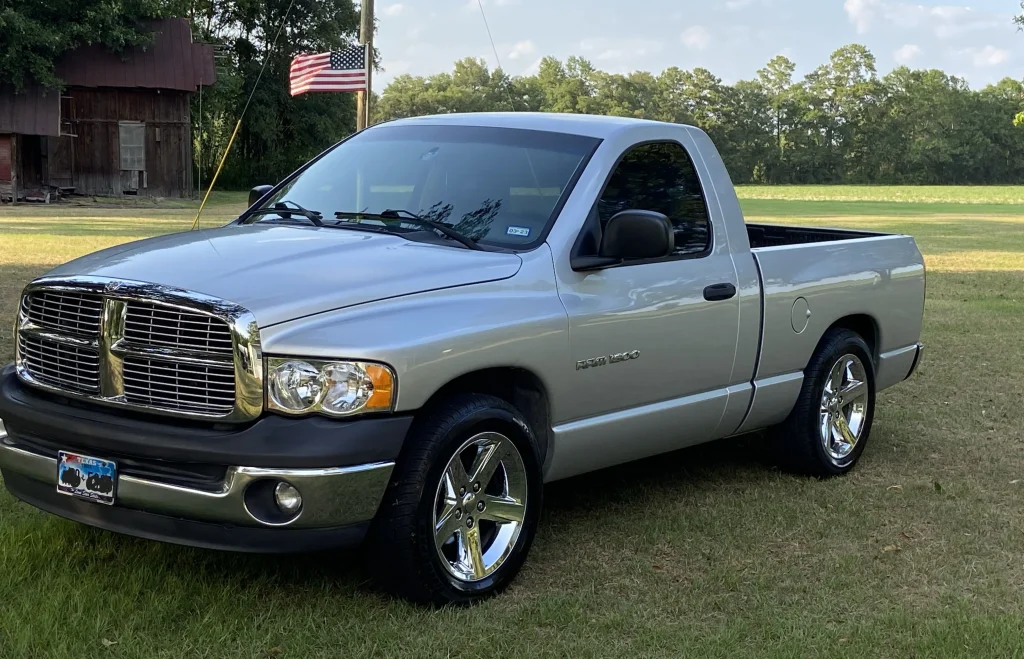
Parts availability remains strong thanks to the truck’s popularity. Many components are shared with other Dodge vehicles from the era, and both original and aftermarket parts are widely sold. This helps keep ownership costs reasonable and encourages long term use rather than replacement.
Fuel consumption can be high, especially with the larger V8, but buyers often accept that tradeoff in exchange for capability and low purchase prices. Rust can be an issue in some regions, so checking the frame and body condition is important when shopping.
The second generation Dodge Ram 1500 stands out for its distinctive design, solid engines, and work ready construction. For buyers who want a classic looking truck with real capability and straightforward mechanics, it remains a worthwhile and affordable choice from the 1990s.
5. Nissan Hardbody Pickup (D21)
The Nissan Hardbody pickup from the 1990s earned its nickname for a reason. Known for its tough construction and simple, durable engineering, this compact truck has become a favorite among buyers who want reliability and low ownership costs. Even decades later, it remains a smart used buy for people who need a small, dependable pickup.
Engine options in the Hardbody are one of its biggest strengths. The four cylinder engines are especially well known for longevity, often running for very high mileages with basic maintenance.
They are not high performance units, but they are durable and efficient. The available V6 provides more power while still maintaining a solid reputation for reliability when properly cared for.
The truck’s smaller size makes it easy to drive and park, especially in urban areas or tight job sites. Despite its compact footprint, it can still handle light hauling, home improvement tasks, and outdoor gear without trouble. This balance of usability and practicality is a major reason these trucks remain popular.
Mechanical simplicity plays a huge role in the Hardbody’s long term appeal. Fewer electronics and straightforward engine layouts make repairs easier and cheaper than on many newer trucks. Owners with basic mechanical skills can handle many maintenance tasks themselves, which helps keep costs down.
The chassis is sturdy for a compact pickup, and the suspension is designed to handle work without being overly complicated. Replacement parts such as bushings, shocks, and brakes are affordable and widely available. Refreshing these components can make an older truck feel tight and capable again.
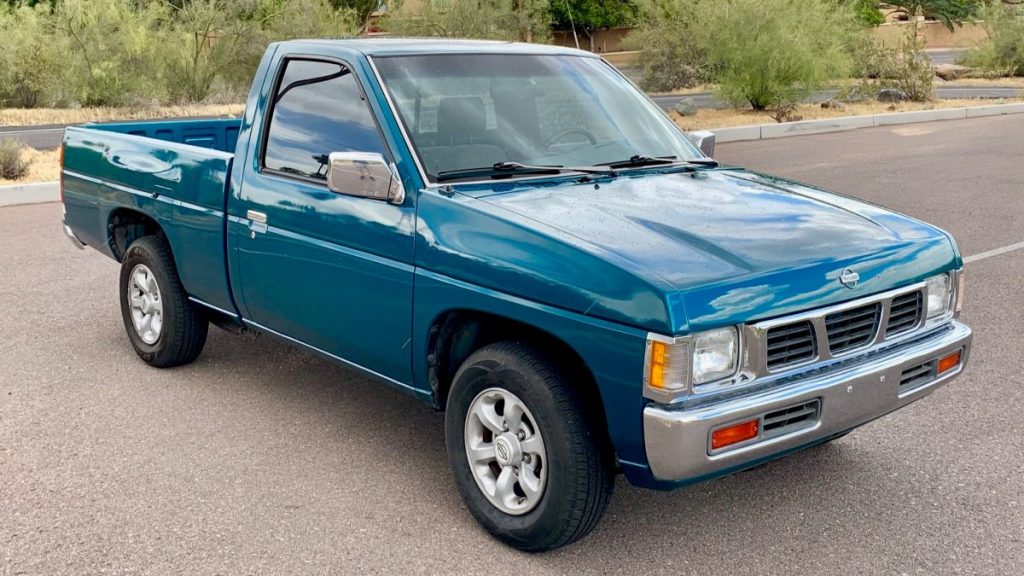
Four wheel drive versions add even more value. With good ground clearance and a strong drivetrain, these trucks are well suited for light off road use and bad weather driving. Many owners use them for camping, fishing, and other outdoor activities.
Inside, the Hardbody is simple and functional. There is little in the way of luxury, but everything is easy to use and built with durability in mind. That straightforward design ages better than many early luxury oriented interiors.
The Nissan Hardbody stands out as a practical, honest pickup that does not pretend to be more than it is. It is tough, easy to maintain, and capable enough for everyday tasks. For buyers looking for a dependable compact truck from the 1990s, it remains one of the best values available.
6. Toyota T100
The Toyota T100 often gets overlooked, but it deserves serious attention as one of the most durable and practical pickups of the 1990s. Positioned between compact and full size trucks, the T100 offered Toyota reliability in a larger, more capable package, making it a great used buy even today.
One of the biggest strengths of the T100 is its engine lineup. The available V6 engines are known for long term durability when properly maintained.
They may not deliver huge power numbers, but they provide smooth performance and a reputation for running reliably for many years. Regular maintenance, especially cooling system care and timely fluid changes, helps these engines last well beyond typical expectations.
The truck’s size is a major advantage. It offers more interior space and bed capacity than smaller pickups while still being easier to maneuver than many full size trucks of the era. This makes it a good choice for people who need real utility but do not want an oversized vehicle for daily driving.
Build quality is another highlight. Toyota engineered the T100 with the same attention to detail found in its smaller trucks. Drivetrain components, electrical systems, and structural elements tend to age well when cared for. Rust can be a concern in some climates, so checking the frame and underbody is important when shopping.
The T100’s suspension is tuned for a balance between comfort and capability. It can handle moderate loads without feeling harsh, and replacement suspension parts are readily available. This helps keep older trucks driving well without major expense.
Mechanical simplicity works in the T100’s favor. Compared to modern trucks filled with complex electronics and features, the T100 is straightforward to maintain. This makes it appealing to owners who want a truck they can keep running for a long time without constant trips to specialized repair shops.
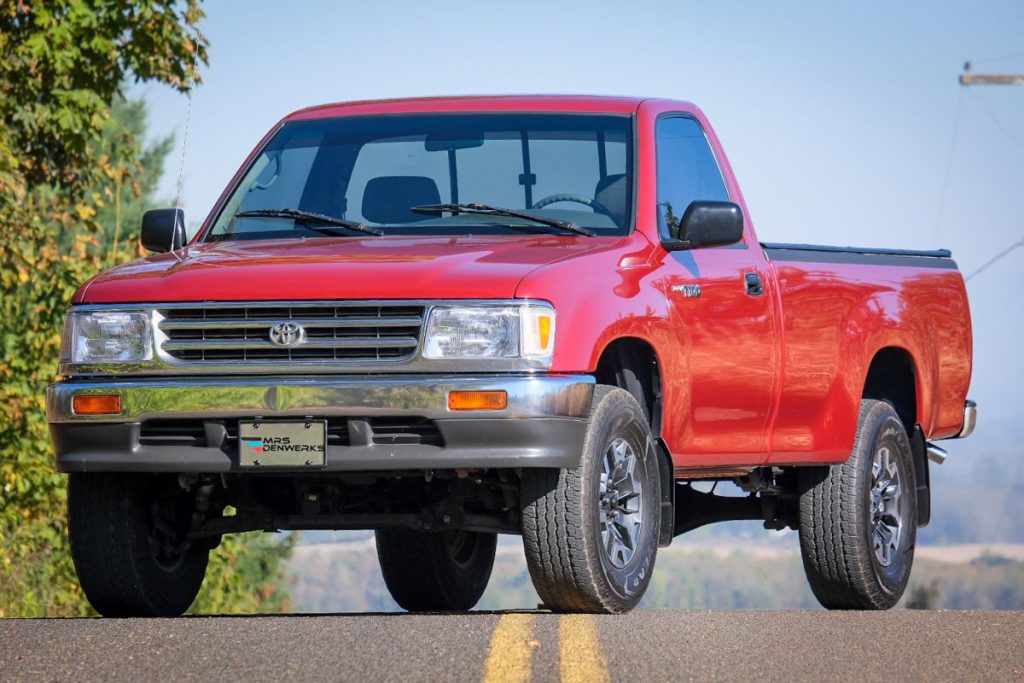
Inside, the cabin is practical and comfortable enough for everyday use. Controls are simple, and the layout focuses on function rather than flashy design. Extended cab versions add versatility for carrying extra passengers or gear.
The Toyota T100 may not be as famous as the Tacoma or Tundra, but it offers the same core strengths that make Toyota trucks desirable. Durable engines, solid construction, and manageable maintenance costs make it a smart used pickup choice from the 1990s that still delivers real value today.
7. Ford Ranger (Second Generation)
The second generation Ford Ranger from the 1990s has earned a long standing reputation as one of the toughest and most practical compact pickups ever built. Simple, durable, and inexpensive to maintain, it remains a strong buy for people who want a dependable small truck for everyday tasks.
Engine options are a major reason for the Ranger’s longevity. The four cylinder engines, especially the 2.3 liter, are known for running reliably for very high mileages when properly maintained.
They are not powerful, but they are durable and fuel efficient. The available V6 engines provide more strength for towing and hauling while still offering solid long term reliability with regular service.
The Ranger’s compact size makes it extremely easy to live with. It is simple to maneuver in tight city streets and small parking spaces, yet it still has a usable bed for hauling tools, supplies, or outdoor gear. This balance between size and utility is one of its biggest advantages over larger trucks.
Mechanical simplicity is another strong point. Compared to modern pickups filled with complex electronics, the Ranger from this era is straightforward to work on. Many repairs can be handled by owners with basic tools and knowledge, which helps keep long term ownership costs low. Parts are widely available and generally affordable.
The chassis and suspension are tough enough to handle regular work. While ride quality can be firm on rough roads, that durability helps these trucks survive years of hauling and daily driving. Suspension components are easy to replace, allowing older trucks to be refreshed without major expense.
Manual and automatic transmission options are both known for reasonable durability when serviced properly. Fluid changes and routine maintenance go a long way toward extending the life of these components. High mileage examples often continue to perform well when cared for.
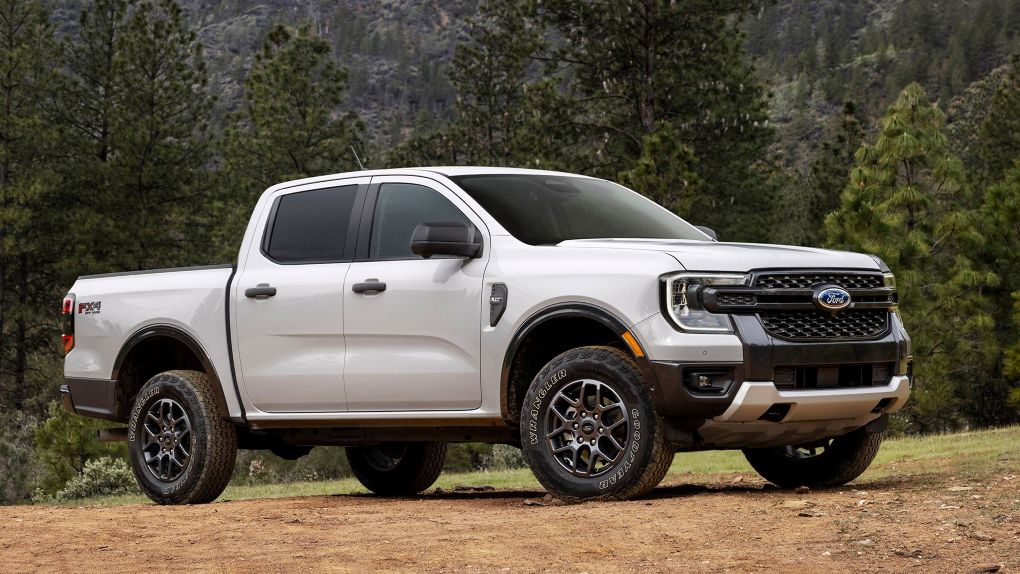
Inside, the Ranger is basic but functional. Controls are simple, visibility is good, and the layout focuses on practicality. Extended cab versions offer extra space for gear or occasional passengers, adding to the truck’s versatility.
Fuel economy is another benefit, especially with the smaller engines. This makes the Ranger a good choice for buyers who want the utility of a pickup without the higher fuel costs of a full size truck.
The second generation Ford Ranger stands out as a practical, honest pickup that can handle daily driving and light work with ease. Its durability, low maintenance costs, and manageable size make it one of the smartest compact truck buys from the 1990s.
8. Chevrolet S10 (Second Generation)
The second generation Chevrolet S10 is another compact pickup from the 1990s that continues to offer strong value on the used market. Known for its straightforward engineering and solid reliability, the S10 appeals to buyers who want a small, affordable truck that is easy to maintain.
Engine choices include durable four cylinder units as well as a V6 option for those who need extra power. The four cylinder engines are especially known for longevity and low operating costs.
They may not be fast, but they are dependable and capable of running for many miles with regular maintenance. The V6 adds more performance while still maintaining a reputation for reasonable durability.
The S10’s compact size makes it well suited for both city and rural use. It is easier to drive and park than a full size truck, yet still offers a practical bed for hauling tools, materials, or recreational equipment. This makes it a versatile choice for a wide range of buyers.
One of the biggest advantages of the S10 is its mechanical simplicity. Like many trucks of the era, it does not rely on complex electronics, which helps reduce the risk of expensive electrical problems as it ages. Routine repairs are usually straightforward, and parts are widely available at reasonable prices.
The suspension and chassis are built to handle everyday work. While not designed for heavy duty hauling like larger trucks, the S10 can easily manage light to moderate loads. Replacing worn suspension parts can restore ride quality and handling without excessive cost.
Transmission options are generally durable when maintained properly. Regular fluid changes help extend the life of both manual and automatic gearboxes. Many high mileage examples continue to run well thanks to consistent care over the years.
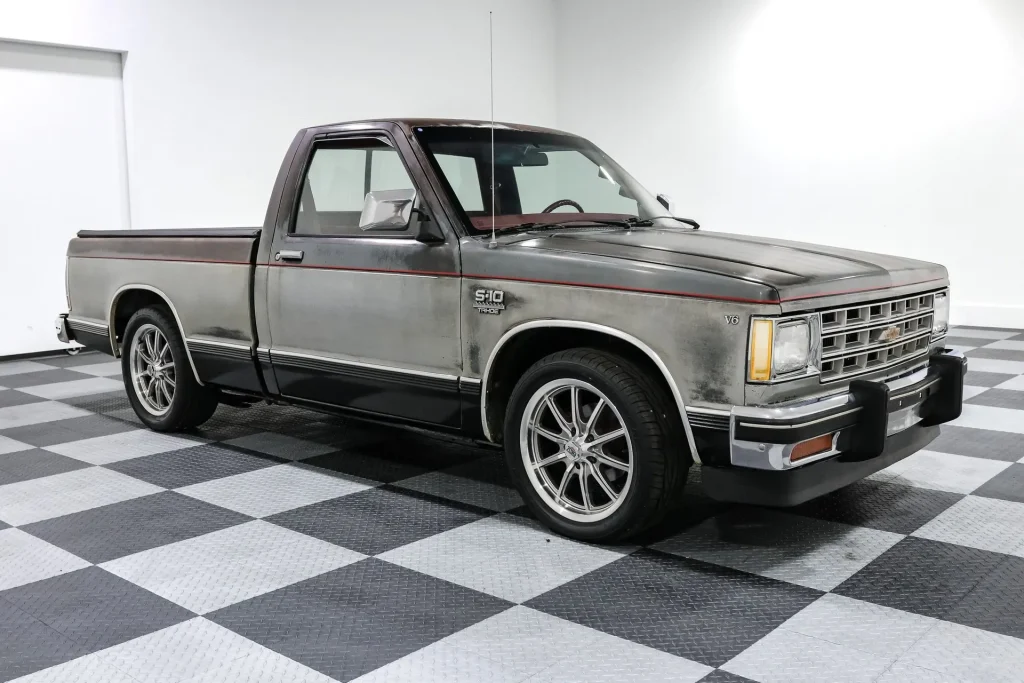
Inside, the cabin is simple and functional. Controls are easy to use, and the layout focuses on practicality rather than luxury. Extended cab versions provide extra storage or passenger space, increasing the truck’s usefulness.
Fuel economy is typically better than that of larger pickups, especially with the four cylinder engines. This helps keep running costs lower for drivers who use their truck regularly.
The Chevrolet S10 from the 1990s remains a smart buy for those who want a dependable compact pickup without spending a lot of money. Its durability, ease of maintenance, and practical size make it one of the most sensible used truck choices from that decade.
9. Dodge Dakota (First and Second Generation)
The Dodge Dakota from the 1990s carved out a unique place in the truck world by offering a true mid size option. It was larger and more capable than compact pickups, yet easier to live with than full size trucks. That balance still makes it a smart used buy today for people who want real utility without excessive bulk.
One of the Dakota’s biggest strengths is its range of engine choices. The four cylinder and V6 engines are known for solid durability when properly maintained, while the available V8 options gave the truck serious towing and hauling capability for its size.
These engines are relatively simple in design, which helps keep long term maintenance and repair costs reasonable.
The Dakota’s chassis is tough enough for real work. Many were used for towing small trailers, hauling equipment, and handling rough job sites. Despite that, well maintained examples can still feel solid and dependable decades later. Suspension components wear like any truck, but replacements are widely available and not overly expensive.
Another advantage is its manageable size. The Dakota is easier to park and maneuver than a full size pickup, especially in urban or suburban environments. At the same time, it offers more interior space and bed capacity than most compact trucks of the era, making it a practical all around vehicle.
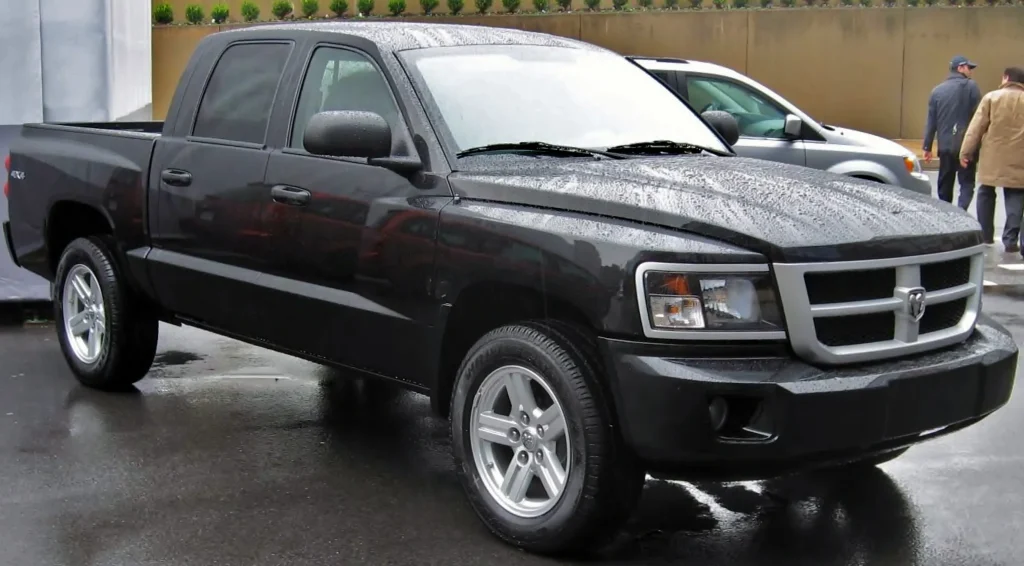
Inside, the cabin is straightforward and functional. Controls are simple, and extended cab versions provide useful extra space for passengers or gear. While not luxurious, the interior is durable and designed for everyday use.
For buyers who want a versatile, affordable truck with real capability and simpler old school engineering, the 1990s Dodge Dakota remains a very solid choice.
Also Read: Top 10 High-End Sedans That Combine Comfort With Serious Performance
