
Used muscle cars hold a special place in the automotive world because they combine raw character with mechanical simplicity.
Unlike many modern performance cars that rely heavily on complex electronics and forced induction, classic and modern era muscle cars often deliver their thrills through large displacement engines, straightforward rear wheel drive layouts, and bold, unmistakable styling.
What makes certain used muscle cars still relevant today is not just nostalgia, but how well their performance, reliability, and usability hold up in a world of fast daily drivers and advanced sports sedans.
Relevance in the modern era means more than straight line speed. These cars must be able to start reliably, handle regular road use, and offer enough comfort and practicality that owners actually want to drive them.
Many later muscle cars from the 1990s, 2000s, and 2010s strike this balance well. They deliver strong horsepower, modern safety features, and decent ride quality while still offering the sound and feel enthusiasts crave.
Another factor is value. A muscle car that remains relevant should offer performance per dollar that still makes sense compared to newer options. Strong aftermarket support, available parts, and large enthusiast communities also help keep ownership realistic rather than stressful.
This list highlights nine used muscle cars that still feel exciting and usable today. They may not be brand new, but their power, character, and road presence ensure they remain far from outdated. Let’s start with two models that blend modern engineering with classic muscle attitude.
Also Read: Top 10 Ford Concept Designs That Outshine The Real Classics
1. Ford Mustang GT 5.0 2011 to 2014
The 2011 to 2014 Mustang GT marked a turning point for modern muscle cars. With the introduction of the 5.0 liter Coyote V8, Ford brought back a level of performance that made the Mustang genuinely competitive with far more expensive performance cars.
Today, this generation remains highly relevant thanks to its balance of power, reliability, and everyday usability.
The Coyote V8 is the heart of the car’s appeal. It delivers strong horsepower with a willingness to rev that gives it a more modern feel than older pushrod engines. Acceleration is quick enough to keep up with many newer performance cars, and the engine responds eagerly whether cruising or pushed hard.
This generation also benefits from improved refinement over earlier Mustangs. Ride quality is firm but livable, and highway cruising is comfortable enough for long drives. Compared to older muscle cars, road noise and vibrations are much better controlled, making the car easier to use regularly.
The six speed manual and automatic transmissions both handle the engine’s power well. Shifts are positive and predictable, which adds to the car’s confidence at higher speeds. The rear wheel drive layout still delivers the classic muscle car feel, with plenty of torque available at almost any speed.
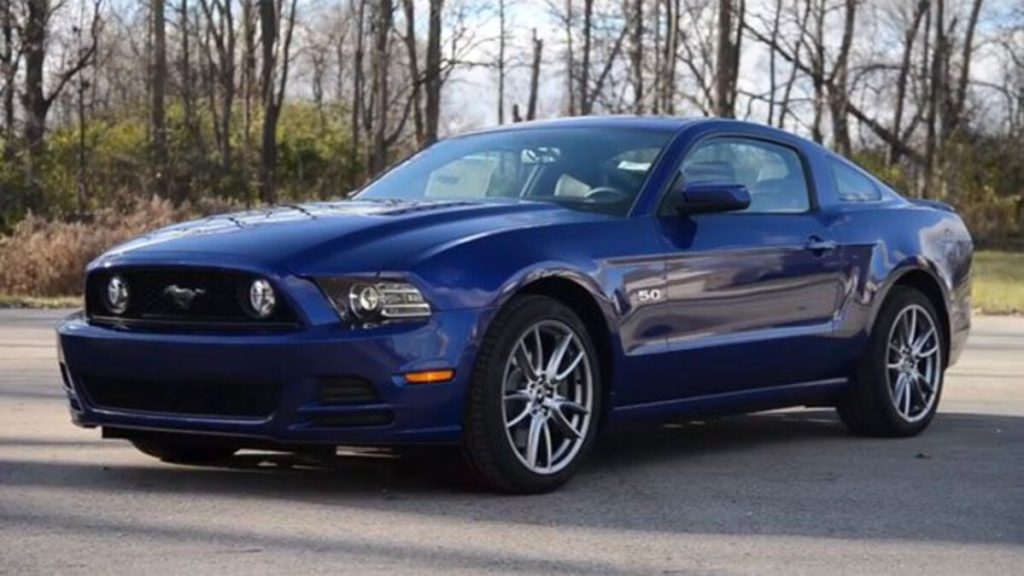
Interior quality is not luxury level, but it is functional and comfortable. Supportive front seats and a usable rear seat make the car practical for more than just solo drives. The trunk is also large enough for weekend trips or daily errands.
Parts availability and aftermarket support are huge advantages. The Coyote platform is extremely popular, which means maintenance parts, upgrades, and tuning options are easy to find. This helps keep ownership costs reasonable and ensures the car can be maintained or modified without difficulty.
Reliability is another strong point. With proper maintenance, the Coyote engine has proven durable, and many examples have accumulated high mileage without major issues. This makes the Mustang GT not just fast, but also dependable enough for regular use.
The 2011 to 2014 Mustang GT remains relevant because it delivers real V8 performance in a package that is modern enough to live with daily, yet still full of classic muscle car character.
2. Chevrolet Camaro SS 2010 to 2015
The 2010 to 2015 Camaro SS brought the Camaro name back into serious performance territory and reestablished it as a true rival to the Mustang. With bold retro inspired styling and a strong V8 under the hood, it remains a compelling used muscle car in today’s performance landscape.
Power comes from a 6.2 liter V8 that delivers impressive torque and strong top end performance. The engine feels muscular at all speeds, providing the kind of deep, effortless thrust that defines the muscle car experience. Acceleration is still quick by modern standards, especially in straight line sprints.
The chassis is more capable than earlier generations of Camaro. Independent rear suspension improves ride quality and handling, making the car feel more stable and composed on rough roads and through corners. This helps the Camaro SS feel less like a one dimensional straight line car and more like a well rounded performance coupe.
Ride comfort is firm but manageable for daily use. Highway cruising is relaxed, and the car feels planted at speed. Compared to older muscle cars, it offers a more refined driving experience while still retaining a raw, powerful personality.
The manual and automatic transmissions both work well with the engine’s torque. Shifts are solid, and the drivetrain feels strong enough to handle hard use. Rear wheel drive ensures the car delivers the traditional muscle car feel that enthusiasts expect.
Inside, the Camaro’s cabin is driver focused. While visibility can be limited due to the design, the seats are supportive and the controls are straightforward. There is enough space for front passengers to be comfortable on longer trips, and the trunk provides usable storage.
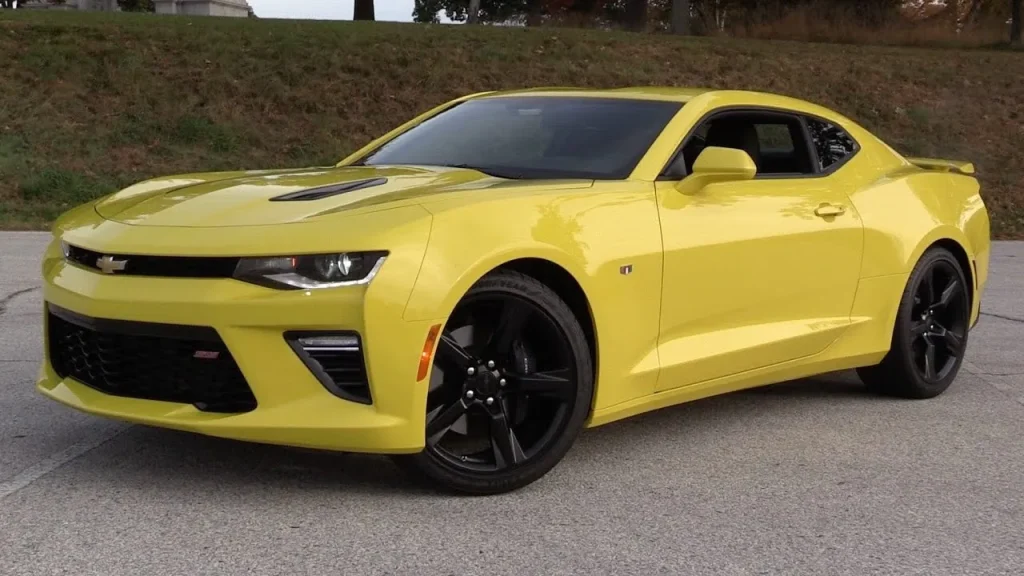
Aftermarket support is strong, and parts are widely available. Maintenance and upgrades are generally straightforward, which helps keep ownership realistic. The LS based engine family is well known for durability and performance potential.
The 2010 to 2015 Camaro SS remains relevant because it combines big V8 power, modern suspension design, and everyday drivability. It captures the spirit of classic American muscle while still being capable enough to hold its own in the modern era.
3. Dodge Challenger R T 5.7 HEMI 2009 to 2014
The Dodge Challenger R T with the 5.7 liter HEMI V8 captures the classic muscle car formula better than almost anything else from the modern era. Its retro styling, strong V8 power, and comfortable ride make it a used muscle car that still feels relevant on today’s roads.
The 5.7 liter HEMI engine delivers plenty of low end torque, which is exactly what many enthusiasts want from a muscle car. Acceleration feels strong and immediate, especially from a stop. While it may not match the output of more extreme variants, it offers more than enough performance to be entertaining in modern traffic.
One of the Challenger’s biggest advantages is its size and comfort. Compared to many other muscle coupes, it has a spacious cabin and a relatively smooth ride.
The longer wheelbase helps absorb bumps and road imperfections, making it more comfortable for daily commuting and long highway drives than many expect from a V8 coupe.
The rear wheel drive layout keeps the traditional muscle car feel alive. With traction control systems in place, the car remains manageable, yet it still delivers that classic sense of power being sent to the rear wheels. Drivers can enjoy strong straight line performance without the car feeling overly complicated.
Inside, the Challenger offers more space than most rivals. Rear seats are usable for adults on shorter trips, and the trunk is large enough for luggage or groceries. This practicality helps it remain relevant as more than just a weekend toy.
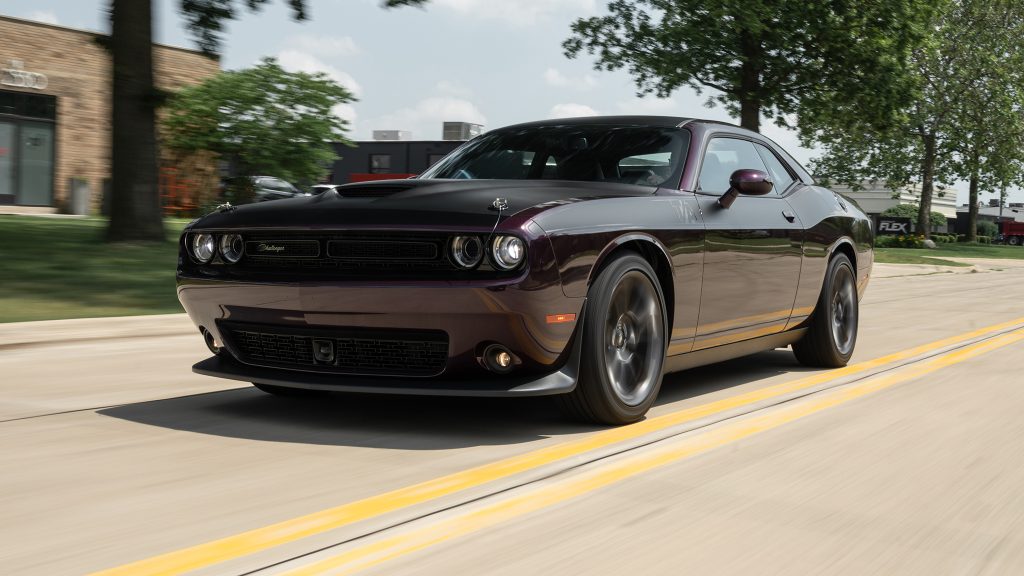
The chassis is tuned more for comfort than razor sharp handling, but it is stable and predictable. On highways, the car feels planted and relaxed, which adds to its appeal as a long distance cruiser with real muscle car sound and presence.
Parts availability is strong, and the HEMI engine family has a solid reputation for durability when maintained properly. Aftermarket support is also extensive, making it easy for owners to customize or upgrade their cars if they choose.
The Challenger R T remains relevant because it delivers classic V8 character, modern reliability, and everyday comfort in one bold package. It offers the look and sound of old school muscle with enough refinement to use regularly.
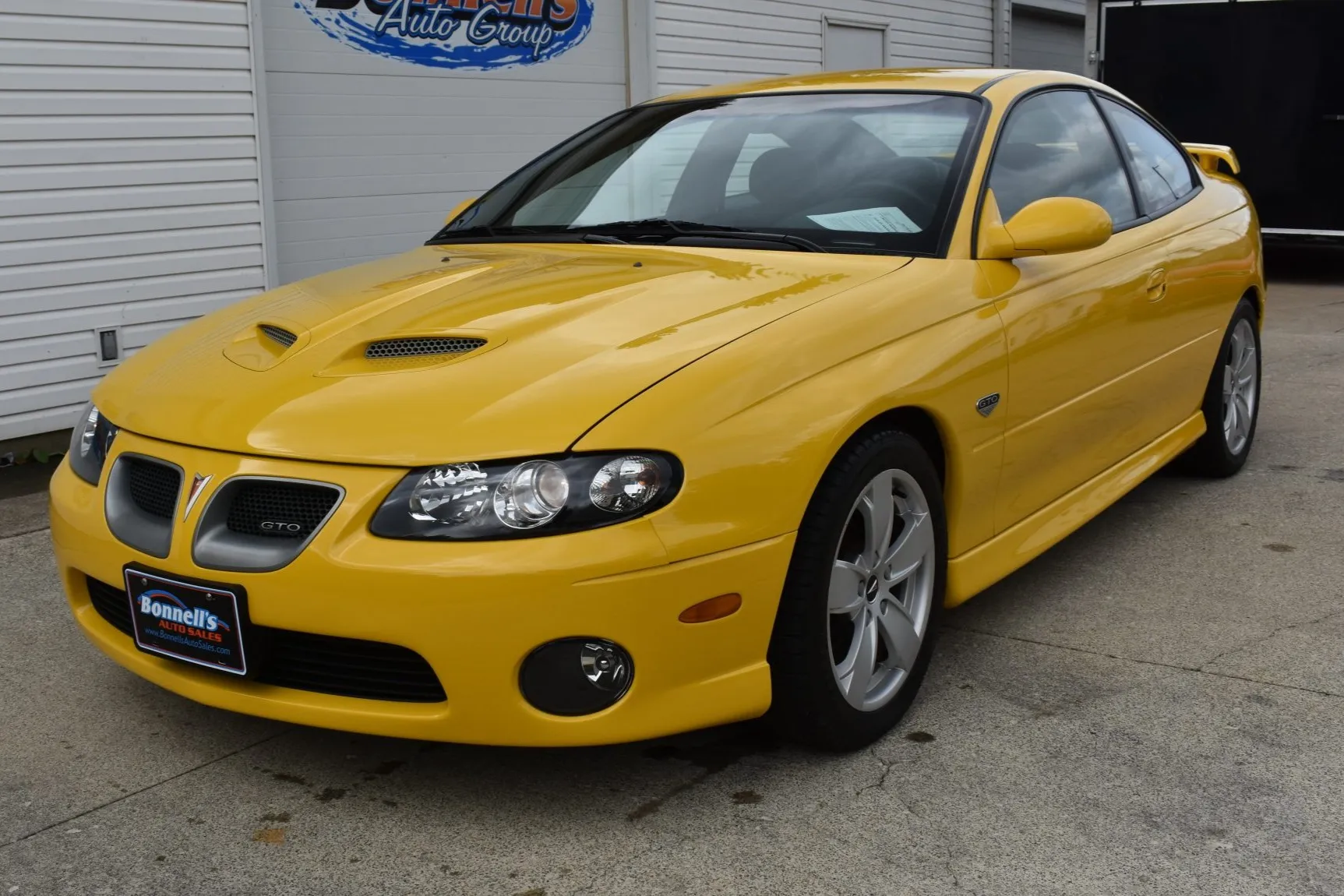
4. Pontiac GTO 2004 to 2006
The 2004 to 2006 Pontiac GTO is often overlooked, but it stands as one of the most usable and capable modern era muscle cars on the used market. Built on an Australian performance platform, it combines strong V8 power with a level of refinement that keeps it feeling modern even years later.
Under the hood sits a 6.0 liter V8 in later models, delivering serious horsepower and torque. Acceleration is strong and smooth, with plenty of power available across the rev range. The engine feels responsive and eager, making the car quick enough to compete with many newer performance vehicles.
Unlike some muscle cars that focus heavily on retro styling, the GTO has a more understated design. This makes it easier to live with daily, as it draws less attention while still offering impressive performance. It is a muscle car for those who value capability over flash.
The chassis is a major strength. Independent rear suspension gives the GTO better ride quality and handling than many older muscle cars. It feels stable and composed on rough roads and more confident through corners than its reputation might suggest.
Ride comfort is excellent for a performance coupe. The suspension is firm enough to control body movement but soft enough to avoid harshness during normal driving. This balance makes the GTO surprisingly suitable for commuting and long trips.
Inside, the cabin is more refined than many other muscle cars of its era. Seats are comfortable and supportive, and the overall layout feels more like a sporty grand tourer than a raw performance machine. Rear seats are usable, and the trunk offers practical storage.
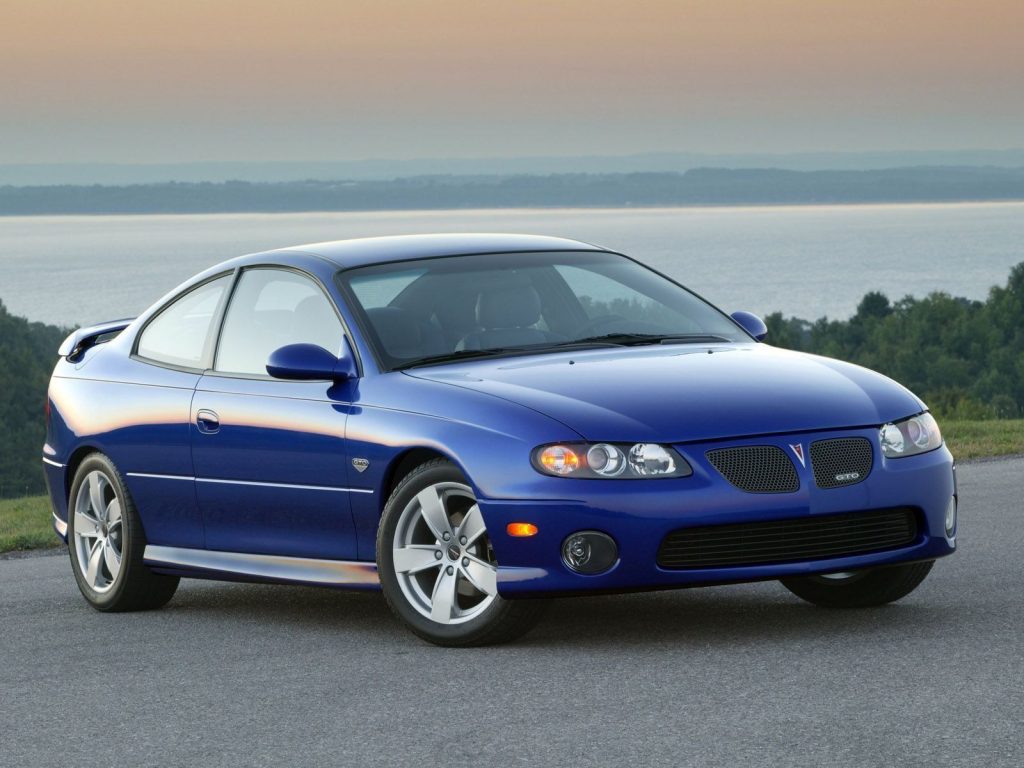
The LS series V8 engine is known for reliability and strong aftermarket support. Parts are widely available, and maintenance is generally straightforward, which helps keep ownership costs reasonable.
The Pontiac GTO remains relevant because it blends real V8 performance with everyday comfort and composure. It may not shout for attention, but it delivers the kind of balanced muscle car experience that still feels right at home in the modern era.
5. Chevrolet Camaro SS 1LE 2013 to 2015
The Camaro SS 1LE from the early 2010s is a perfect example of a muscle car that evolved into a genuinely well rounded performance machine. It takes the strong V8 foundation of the regular SS and adds performance upgrades that make it feel sharp and capable even by modern standards.
Power comes from the same 6.2 liter V8 found in the standard SS, delivering strong horsepower and deep reserves of torque. Acceleration remains quick and satisfying, with the engine providing a broad powerband that makes both city driving and highway passing feel effortless.
The 1LE package is where the car really stands out. Upgraded suspension components, performance tires, and improved brakes give the Camaro a much more focused feel. It can handle corners with more confidence than many expect from a muscle car, while still delivering the straight line power enthusiasts love.
Despite its added performance focus, the ride remains livable. The suspension is firm, but not punishing, allowing the car to handle daily driving duties without becoming uncomfortable. Highway cruising is stable and relaxed, with the car feeling planted at speed.
The manual transmission offered in the 1LE adds to the car’s appeal for driving enthusiasts. Shifts are precise, and the gearing works well with the V8’s torque, making the car engaging without being difficult to manage.
Inside, the Camaro SS 1LE offers supportive seats and a driver focused layout. While outward visibility is not perfect, the overall cabin remains comfortable for longer drives. Rear seats are tight but usable for short trips, and the trunk provides practical space.
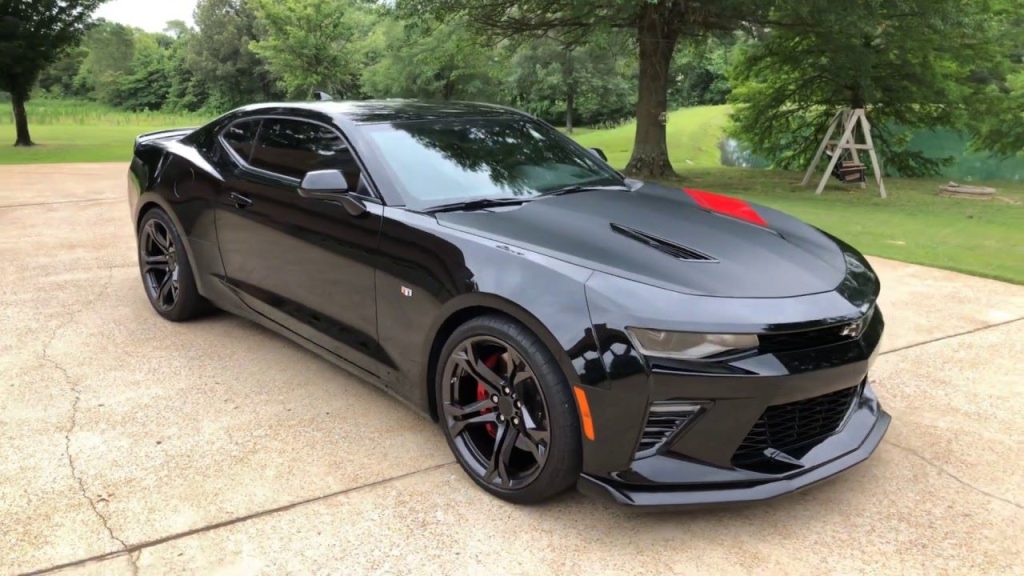
The LS based V8 is known for durability and strong aftermarket support. Maintenance is generally straightforward, and parts are widely available, which helps keep ownership realistic. This combination of reliability and performance keeps the car relevant years after production ended.
The Camaro SS 1LE remains a standout used muscle car because it delivers real track capable hardware without losing the everyday usability that makes it practical in the modern era.
6. Ford Mustang Boss 302 2012 to 2013
The Mustang Boss 302 from 2012 and 2013 brought a legendary name back to life and created one of the most balanced modern muscle cars of its time. It remains relevant today because it blends high revving V8 power with genuine handling capability and everyday usability.
At its core is a specially tuned version of the 5.0 liter Coyote V8. This engine produces more power than the standard Mustang GT and is designed to rev higher, giving it a more aggressive and exciting character. The result is strong acceleration combined with a thrilling engine note that still feels special today.
The Boss 302 is more than just a power upgrade. Suspension tuning, chassis bracing, and performance oriented components give the car sharper responses and better body control. It feels more precise in corners than many other muscle cars from the same era.
Despite its track inspired focus, the ride remains manageable for daily driving. The car is firm but not overly harsh, which means it can handle regular commuting and longer highway trips without wearing out its driver.
The six speed manual transmission adds to the engagement. Gear changes are direct and satisfying, and the car rewards drivers who enjoy being involved in the driving experience. Yet it is still easy enough to operate in traffic and everyday situations.
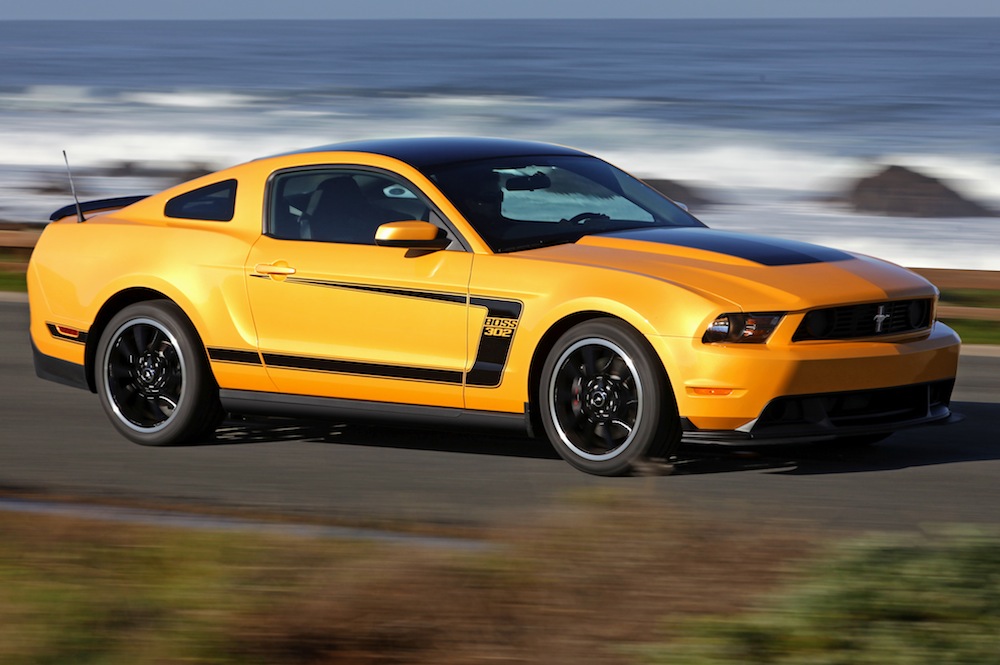
Inside, the Boss 302 keeps things relatively simple but functional. Seats are supportive, and the layout is straightforward. It may not have the luxury of some modern performance cars, but it offers enough comfort to be used regularly.
Aftermarket support for the Coyote engine is huge, and parts availability is excellent. Reliability is also strong when the car is maintained properly, which helps keep ownership stress low compared to more exotic performance machines.
The Mustang Boss 302 remains relevant because it captures the spirit of classic muscle while delivering modern levels of handling and performance. It is a car that feels exciting to drive today, not just nostalgic.
7. Dodge Charger R T 5.7 HEMI 2015 to 2019
The Dodge Charger R T from the mid to late 2010s shows how the muscle car formula can work in a practical four door package without losing its character. It remains relevant today because it combines classic V8 power with modern comfort and everyday usability.
The 5.7 liter HEMI V8 delivers strong, effortless torque that suits both city driving and highway cruising. Acceleration is quick enough to feel genuinely fast, and the deep exhaust note gives the car a personality that many modern turbocharged engines cannot match.
Unlike older muscle cars, the Charger offers four real doors and a spacious interior. This makes it far easier to use as a daily driver or family car. Rear passengers have usable space, and the large trunk adds further practicality for road trips or daily errands.
Ride quality is surprisingly comfortable. The suspension is tuned to balance performance and comfort, allowing the car to handle long distances without feeling harsh. On highways, it feels stable and composed, which adds to its appeal as a long distance cruiser with muscle car attitude.
Handling is not razor sharp like a dedicated sports car, but it is predictable and confidence inspiring. The rear wheel drive layout keeps the classic muscle feel alive, and stability systems help manage the power in everyday conditions.
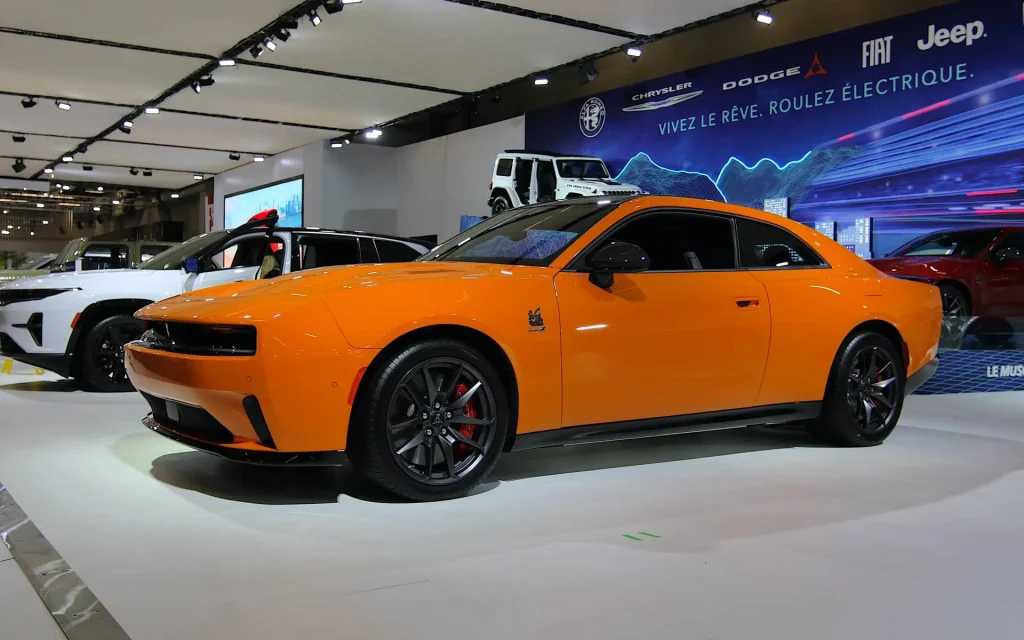
Inside, the Charger R T features modern infotainment, comfortable seats, and a layout that feels familiar and easy to use. It may not be a luxury sedan, but it offers enough refinement to make daily use pleasant rather than tiring.
Parts availability is strong, and the HEMI engine family has a solid reputation for durability when maintained properly. This helps keep long term ownership realistic and affordable compared to more exotic performance cars.
The Charger R T remains relevant because it offers genuine V8 performance in a practical, modern package. It delivers the sound, feel, and presence of a muscle car while still fitting into everyday life.
8. Chevrolet Camaro SS 2016 to 2018
The sixth generation Camaro SS brought major improvements in performance and refinement, making it one of the most capable muscle cars of its era. As a used option today, it remains highly relevant thanks to its balance of power, handling, and everyday drivability.
Under the hood is a 6.2 liter V8 that delivers strong horsepower and instant throttle response. Acceleration is quick enough to challenge many newer performance cars, and the engine provides a broad torque curve that makes the car feel strong in nearly any driving situation.
The lighter platform used in this generation makes a big difference. The car feels more agile and responsive than earlier versions, with better steering feel and improved body control. This allows it to handle winding roads with more confidence while still delivering classic straight line muscle.
Ride quality is firm but controlled. The car feels composed over rough pavement, and highway cruising is comfortable enough for longer drives. Compared to older muscle cars, the sixth generation Camaro is far more refined.
Inside, the cabin is more modern and driver focused. Seats are supportive, and technology features are more advanced than in previous generations. While visibility remains a challenge for some drivers, the overall experience feels contemporary rather than dated.
The drivetrain is strong and reliable when maintained properly. Parts availability is excellent, and the LS based V8 platform continues to have huge aftermarket support, which helps keep maintenance and upgrades straightforward.
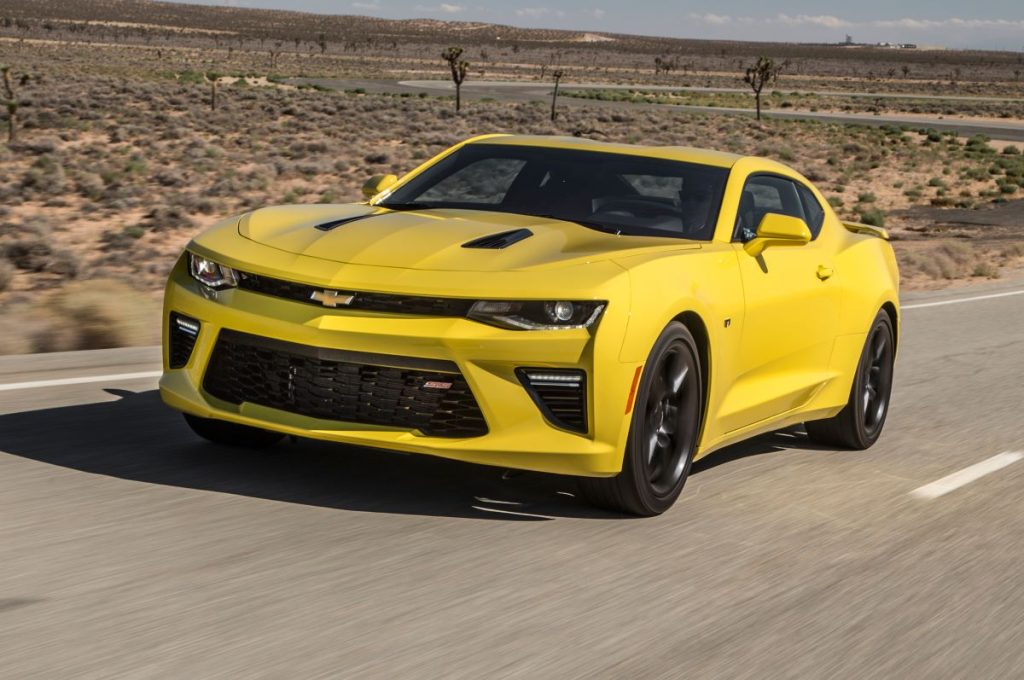
The Camaro SS from this era remains relevant because it combines big V8 power with modern chassis capability. It feels like a true performance car that just happens to carry the muscle car badge.
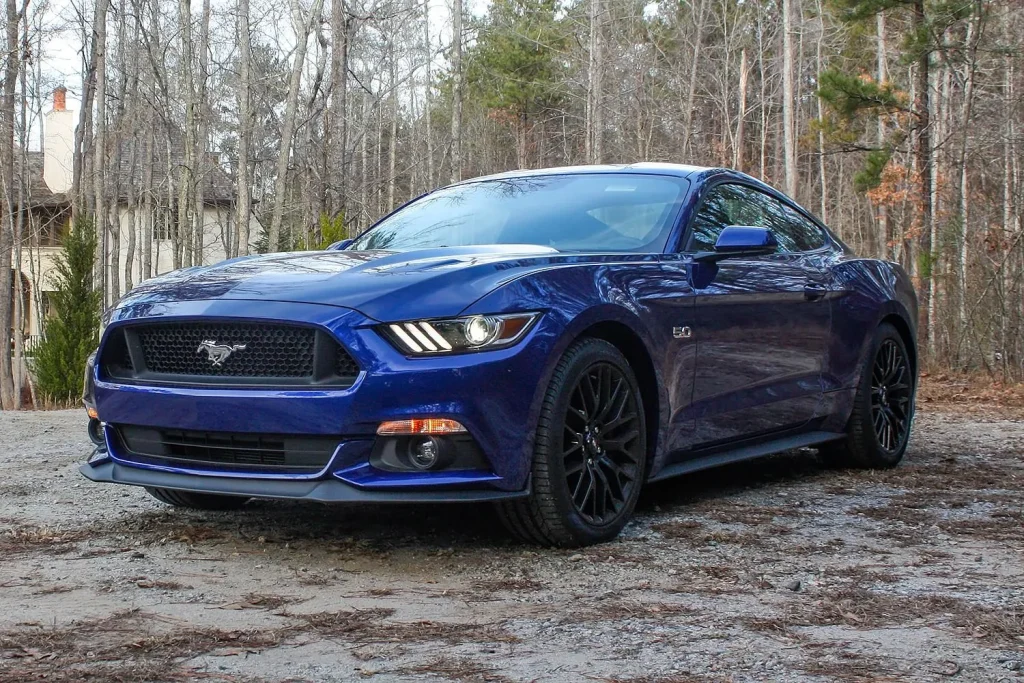
9. Ford Mustang GT 2015 to 2017
The 2015 to 2017 Mustang GT marked a major step forward for the Mustang, introducing independent rear suspension and a more refined overall design. As a used muscle car, it remains highly relevant because it blends traditional V8 performance with modern handling and comfort.
The 5.0 liter Coyote V8 continues to be the star. It delivers strong horsepower, a wide powerband, and a willingness to rev that gives it a more modern feel than many older V8 engines. Acceleration is quick enough to feel exciting even by current standards.
The move to independent rear suspension transformed the car’s handling. It feels more composed over bumps and more confident in corners than earlier Mustangs. This improvement makes the car easier to drive quickly on real roads, not just in a straight line.
Ride comfort is also improved. The suspension absorbs road imperfections better, making the car more comfortable for daily use and longer trips. Highway cruising is relaxed, with good stability and reasonable noise levels.
Inside, the cabin features a more modern design with improved materials and technology. Seats are comfortable and supportive, and the car feels more refined overall. It remains practical enough for everyday tasks, with a usable rear seat and decent trunk space.
Reliability of the Coyote engine is strong when properly maintained, and parts availability is excellent. The large enthusiast community also makes it easy to find support, upgrades, and maintenance advice.
The 2015 to 2017 Mustang GT stays relevant because it delivers classic American V8 excitement in a package that feels genuinely modern. It bridges the gap between traditional muscle car character and the expectations of today’s drivers.
Used muscle cars continue to hold a strong place in the modern performance world because they offer something many newer cars do not: big engine character, rear wheel drive excitement, and straightforward mechanical appeal. The models on this list prove that you do not need the latest technology to enjoy strong performance, daily usability, and a driving experience that still feels special.
Cars like the 2011 to 2014 Ford Mustang GT and 2015 to 2017 Mustang GT show how the return of the 5.0 liter V8 and improved chassis design helped keep the Mustang competitive. These models combine strong horsepower with enough comfort and refinement to work as real daily drivers.
Similarly, both the 2010 to 2015 and 2016 to 2018 Chevrolet Camaro SS versions deliver deep V8 torque and solid straight line speed while also benefiting from better suspension and handling than older muscle cars.
Dodge entries such as the Challenger R T and Charger R T highlight another path to relevance. They focus on comfort, space, and classic muscle car feel, making them ideal for drivers who want V8 power without sacrificing practicality.
The Charger in particular proves that a four door muscle car can still be fun and usable for families or commuting.
The Pontiac GTO and Camaro SS 1LE represent more balanced performance approaches. The GTO offers understated styling with strong V8 power and a refined ride, while the 1LE package adds track capable hardware that still works on public roads.
The Mustang Boss 302 stands out as a more focused driver’s car, blending higher revving power with improved handling.
What ties all these cars together is their ability to deliver real V8 performance at prices that still make sense. Strong aftermarket support, widely available parts, and proven reliability help keep ownership realistic.
These used muscle cars remain relevant because they offer a combination of power, personality, and everyday usability that still feels satisfying in the modern era.
Also Read: Top 10 Timeless European Sports Cars You Can Still Buy
