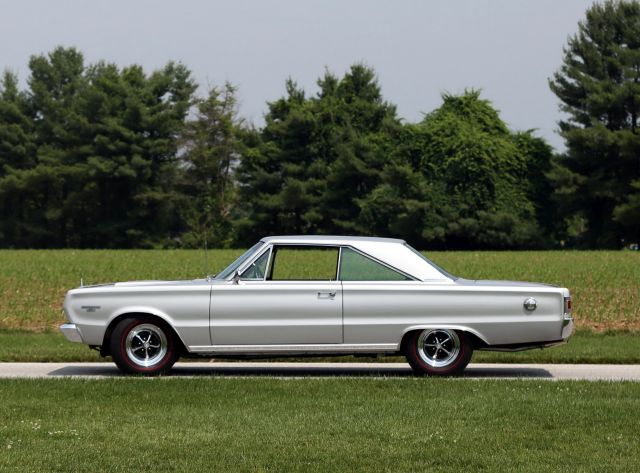
The 1960s were a turning point for cars. This was the decade when design stopped being polite and started being bold. Muscle cars were not created to blend in. They were built to stand out, look powerful, and make a statement even before the engine started. Long hoods, short rear decks, sharp edges, and wide stances became the visual language of speed and confidence.
What makes 1960s muscle car designs special is not just nostalgia. These cars still look good by today’s standards, and that says a lot. Modern vehicles come packed with technology, screens, and complex shapes, yet many still fail to match the visual impact of a 60s muscle car parked on the street. The reason is simple: the designs were honest. Big engines needed space, so the hoods were long. Power needed grip, so the bodies were wide. Nothing was fake or decorative.
Designers in the 1960s took risks. They were not overthinking aerodynamics or regulations. They focused on presence, balance, and attitude. Each brand had a clear identity, and each car looked different from the next. You could recognize a model from a distance without seeing a badge. That clarity is rare today.
These cars also became cultural symbols. They were tied to freedom, youth, rebellion, and weekend racing. People didn’t just drive them; they lived with them. That emotional connection is one reason these designs have aged so well.
This list focuses purely on design. Not rarity. Not auction prices. Just the way these cars look and why their shapes still work decades later. These are the muscle cars from the 1960s that refuse to look outdated, no matter how much time passes.
Why 1960s Muscle Car Designs Still Feel Relevant
Timeless design is about proportion, not trends. The best muscle cars of the 1960s understood this perfectly. Long hoods created drama and hinted at power. Short rear sections kept the cars looking aggressive instead of bulky. Wide tracks gave them a planted stance that still feels right today.
Another key reason these designs last is simplicity. There were no fake vents, no unnecessary creases, and no clutter. Lines were clean and purposeful. Every curve and edge had a reason. This makes the cars easy to restore and easy to admire, even now.
There is also honesty in the way these cars look. If a car had a big engine, the body showed it. If it was built for speed, the shape reflected that. Modern cars often try to look aggressive without backing it up. The 1960s muscle cars didn’t pretend.
Most importantly, these designs had personality. Each brand took a different approach. Some cars looked elegant and muscular at the same time. Others looked raw and intimidating. None of them felt confused about what they were meant to be.
That clarity is why designers still borrow from this era. The 1960s muscle car wasn’t just a phase. It set a standard that still hasn’t been beaten.
ALSO READ: 5 Hatchbacks That Handle Boston Streets and 5 That Feel Too Wide
1. Ford Mustang (1965–1969)
The Ford Mustang changed everything. Its design was fresh, youthful, and confident without being overdone. The long hood and short rear deck created a sporty profile that felt exciting but approachable. It didn’t look heavy or aggressive in a threatening way. It looked fun.
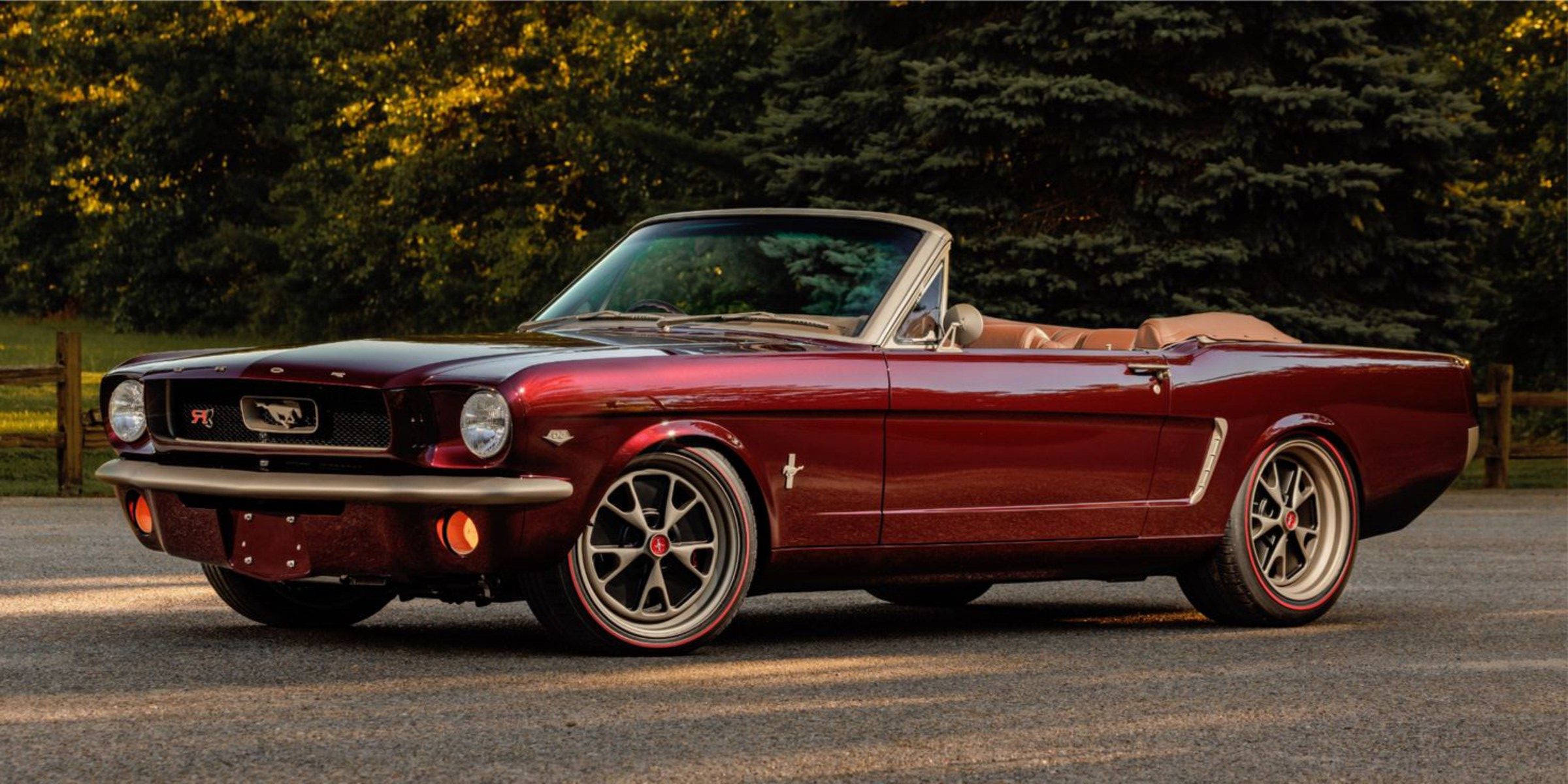
Early Mustangs had clean lines and balanced proportions. The grille was simple, the headlights were expressive, and the side scoops added character without clutter. The car looked fast even when parked. That visual energy is a big reason it became an instant hit.
As the decade progressed, the Mustang’s design evolved. It grew wider, gained sharper lines, and adopted a more muscular stance. Yet it never lost its identity. Even the later 60s versions still felt connected to the original idea.
What makes the Mustang truly timeless is how often its design gets reused. Modern Mustangs clearly borrow from the 1960s models, especially in the roofline, grille shape, and overall stance. That kind of influence only happens when the original design gets it right the first time.
2. Chevrolet Camaro (1967–1969)
The first-generation Camaro came in with confidence. It was lower, wider, and more aggressive than many of its rivals. The design felt tight and focused, as if every inch of the body was pulled inward for strength.
The front end had a serious look. The grille sat deep, the headlights felt purposeful, and the hood carried just enough muscle to suggest power. From the side, the Camaro looked compact but strong, with smooth surfaces and subtle curves.
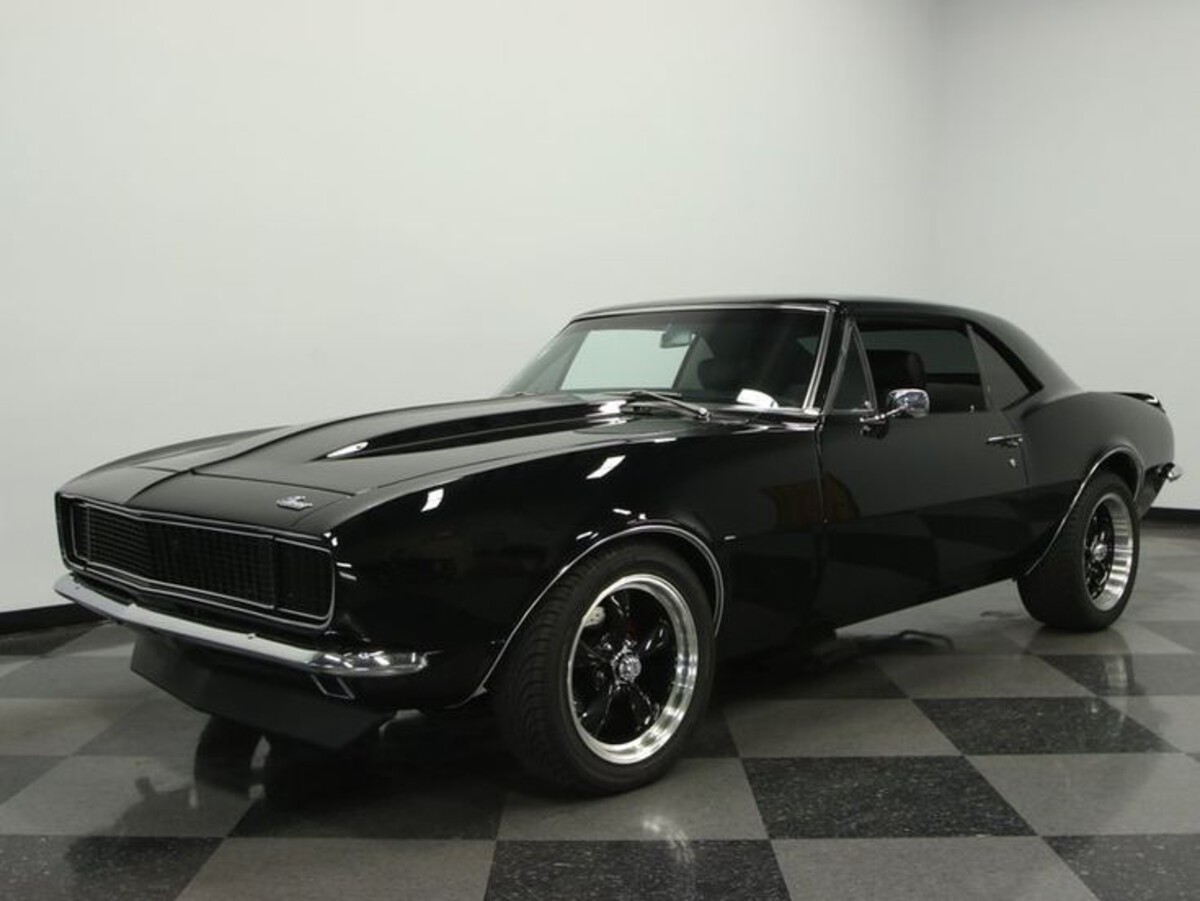
Unlike flashier designs, the Camaro relied on proportion and stance. It didn’t need excessive chrome or decoration. Its strength came from how planted it looked on the road.
That balance between simplicity and aggression is why the Camaro still holds up. It looks like a car built for performance, not just appearance. Even today, the original design feels modern in its restraint.
3. Dodge Charger (1968–1969)
The late-1960s Dodge Charger was impossible to ignore. It was big, wide, and intimidating. This car didn’t try to be subtle. It owned its size and used it to dominate visually.
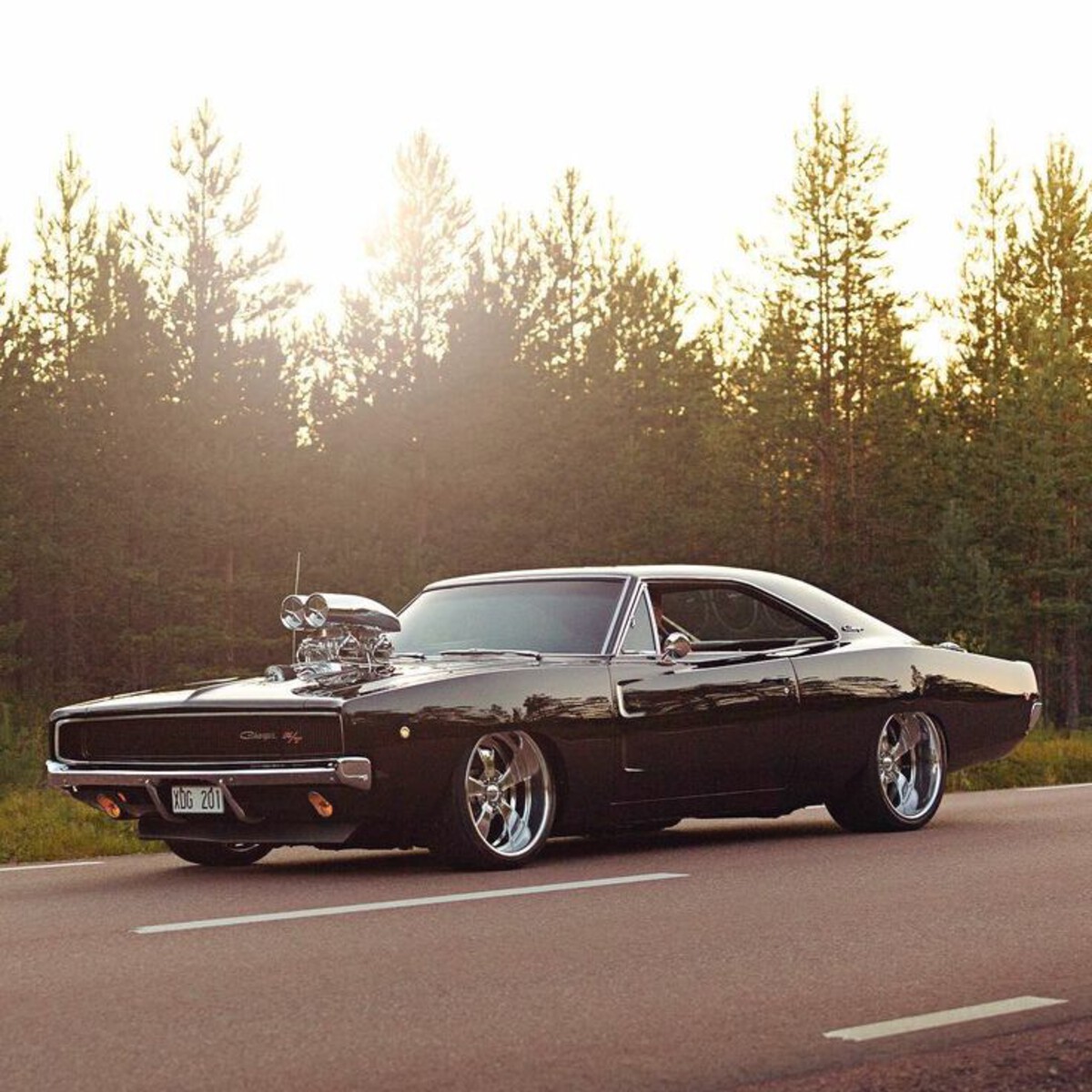
The hidden headlights gave the front end a clean yet menacing look. The full-width grille added to its road presence. The fastback roofline flowed smoothly into the rear, making the car feel sleek despite its mass.
From the side, the Charger looked long and powerful. It had a sense of momentum even when standing still. Few muscle cars managed to look both massive and graceful at the same time.
The Charger’s design works because it commits fully to its character. It’s bold, dramatic, and confident. That kind of clarity never goes out of style.
4. Pontiac GTO (1966–1967)
The Pontiac GTO didn’t need flashy design to make its point. Its strength came from restraint. The stacked headlights, split grille, and clean body lines created a look that felt serious and mature.
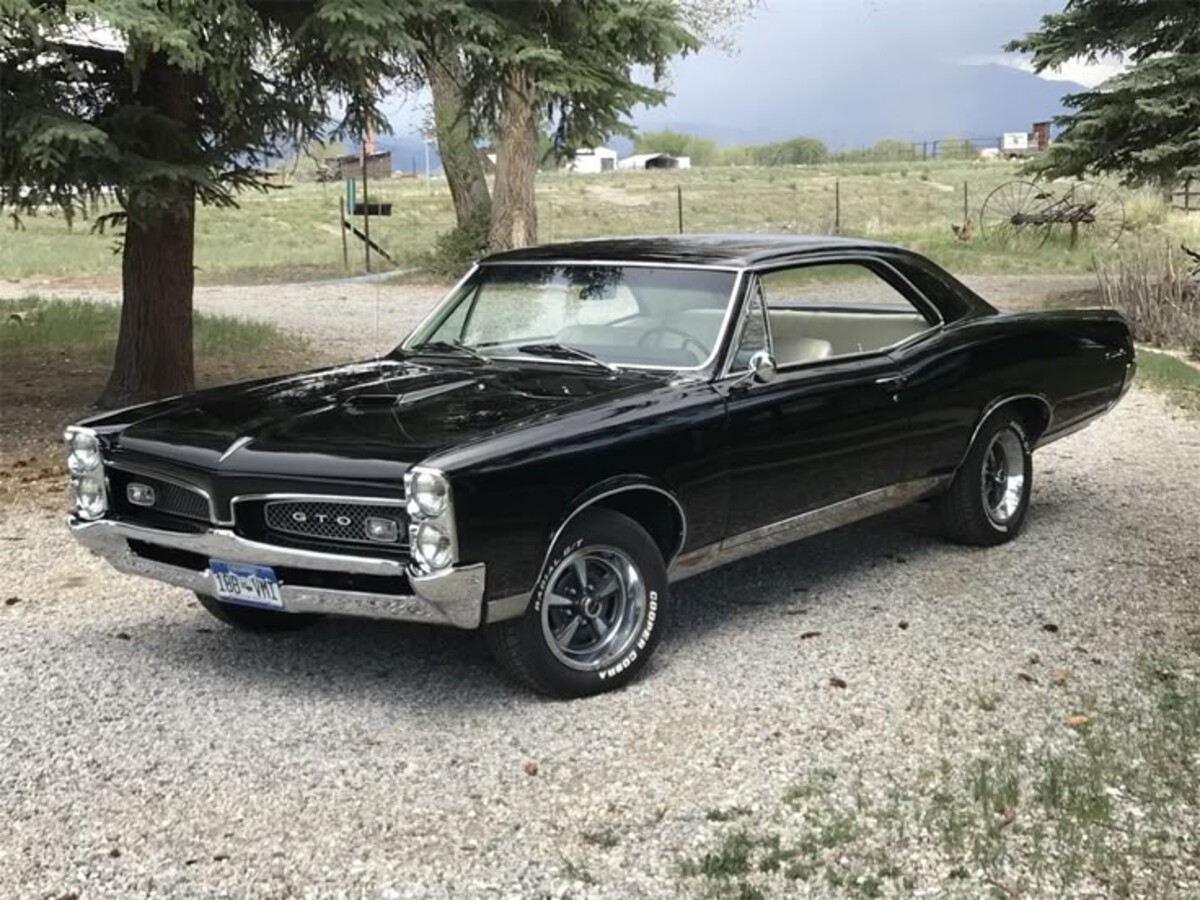
The proportions were spot-on. The hood was long enough to suggest power, but the body stayed balanced. Subtle curves and strong shoulders gave it muscle without exaggeration.
This design ages well because it doesn’t rely on trends. Nothing feels forced or decorative. The GTO looks confident without shouting for attention.
That quiet authority is what keeps it admired today. It proves that muscle car design doesn’t need excess to be effective.
5. Plymouth Road Runner (1968–1969)
The Road Runner was built with one idea in mind: performance over polish. Its design reflects that mindset perfectly. Clean panels, minimal trim, and a strong stance gave it a raw, honest look.
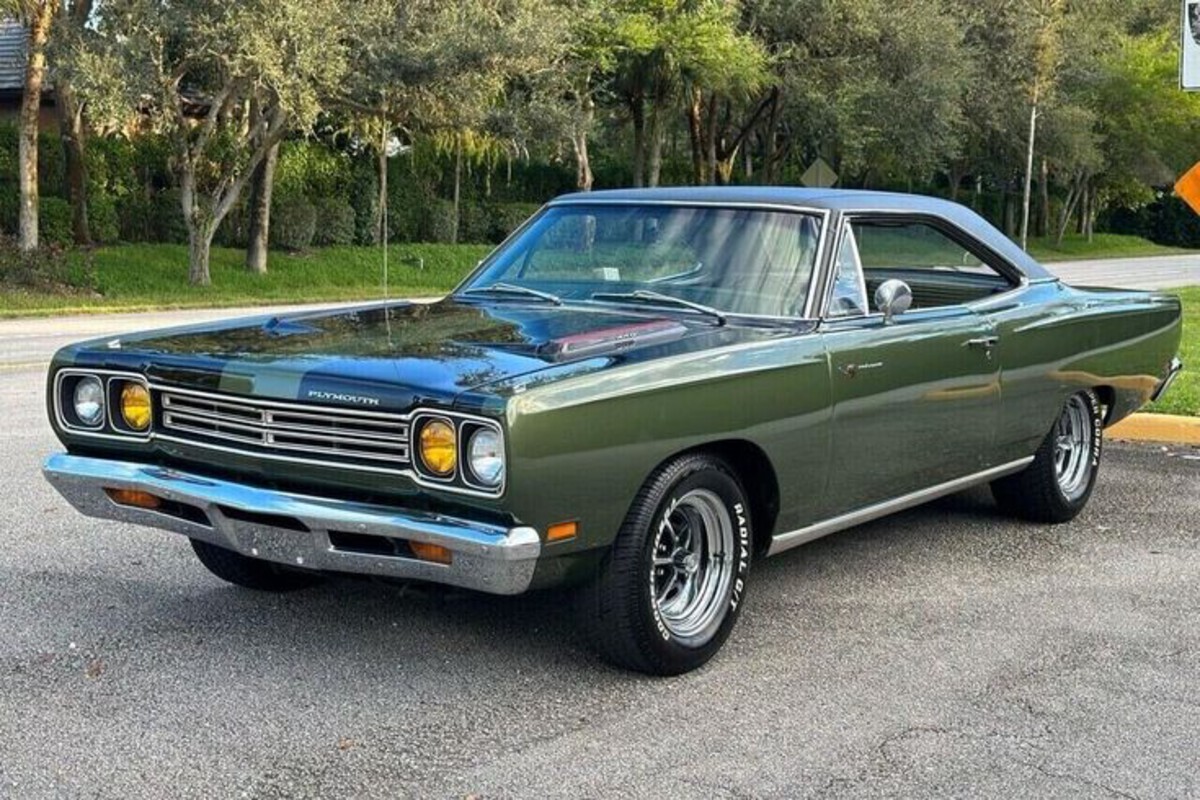
There was nothing fancy about it, and that was the point. The front end looked tough, the body looked solid, and the overall shape suggested speed and strength.
This simplicity is exactly why the Road Runner still works. It doesn’t feel dated because it never chased style trends. It focused on function and attitude.
The Road Runner looks like a car meant to be driven hard, not just admired. That authenticity gives it lasting appeal.
6. Chevrolet Chevelle SS (1968–1969)
The Chevelle SS struck a rare balance between elegance and aggression. It could look refined from one angle and intimidating from another.
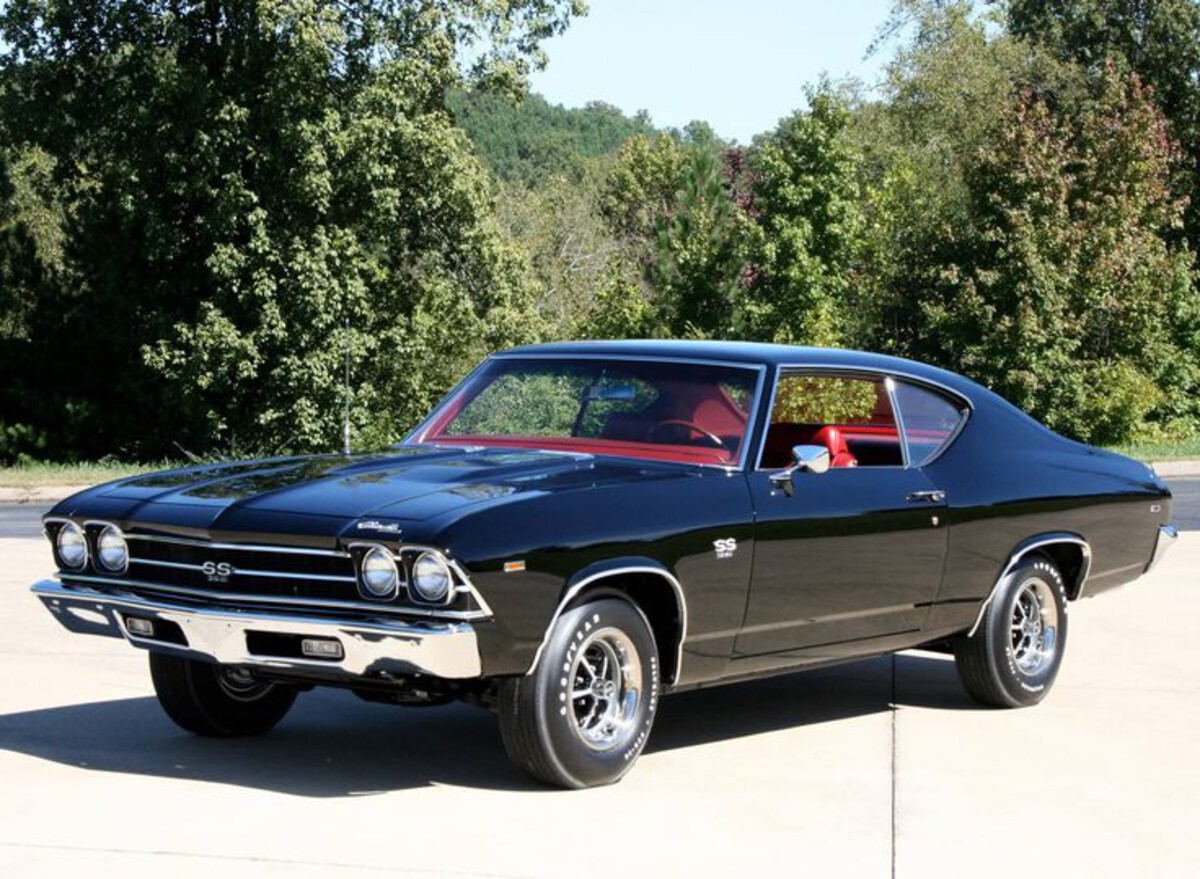
The front end was wide and confident. The body lines were smooth but muscular. The rear haunches gave it a powerful stance without making it look bulky.
What makes the Chevelle timeless is its versatility. It doesn’t lock itself into one extreme. It feels equally at home cruising or launching hard off the line.
That balanced design keeps it relevant even today.
ALSO READ: 5 Hatchbacks That Are Reliable in Cold Cities and 5 That Aren’t
7. Dodge Challenger (Late-1960s Design Influence)
Even though the Dodge Challenger officially arrived in 1970, its design thinking belongs firmly to the late 1960s muscle car era. Everything about its shape reflects the mindset of the time: bigger, wider, and bolder without apology. Dodge didn’t try to make the Challenger subtle or compact. Instead, it leaned into visual muscle and sheer road presence.
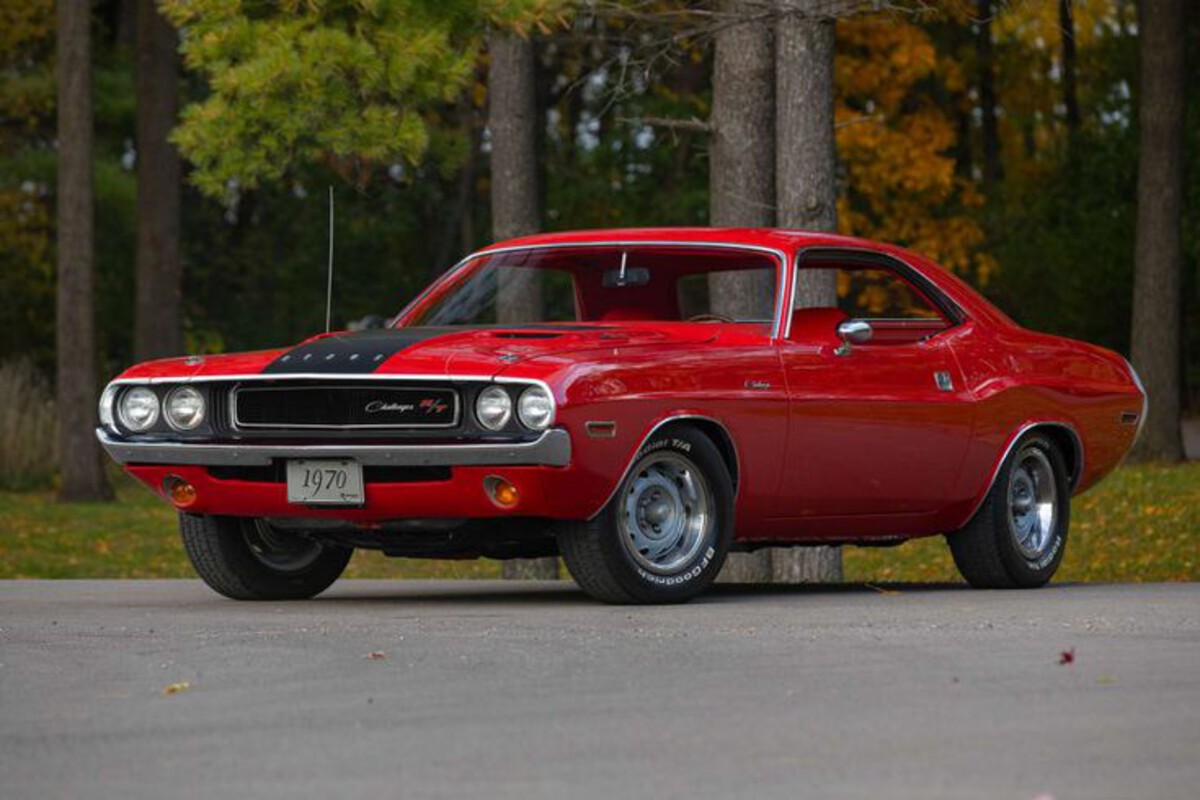
The Challenger’s long hood dominates the profile, instantly signaling power. It stretches forward with purpose, balanced by a short, tight rear section that keeps the car from looking heavy. This classic proportion is one of the strongest reasons the design still works today. It looks fast even when standing still, which is exactly what a muscle car should do.
Width is another defining feature. The Challenger sits low and wide, giving it a planted, aggressive stance. From the front, the broad grille and quad headlights create a serious, almost intimidating face. There’s no softness here. The design tells you this car was built to perform, not to impress politely.
The side view is clean and confident. The body lines are simple but strong, with subtle curves that add muscle without clutter. Nothing feels overstyled. The car relies on its size and proportions rather than decorative elements to make an impact.
What makes the Challenger timeless is its commitment to excess done right. It doesn’t try to balance aggression with restraint. It embraces boldness fully, and that honesty keeps it relevant. Even modern Challengers draw heavily from this original design because Dodge knows it still works and still turns heads.
8. Ford Torino Cobra (1969)
The Ford Torino Cobra is often overshadowed by more famous muscle cars, but its design deserves far more respect. It represents a confident, no-nonsense approach to muscle car styling strong, balanced, and quietly aggressive without needing attention-seeking details.
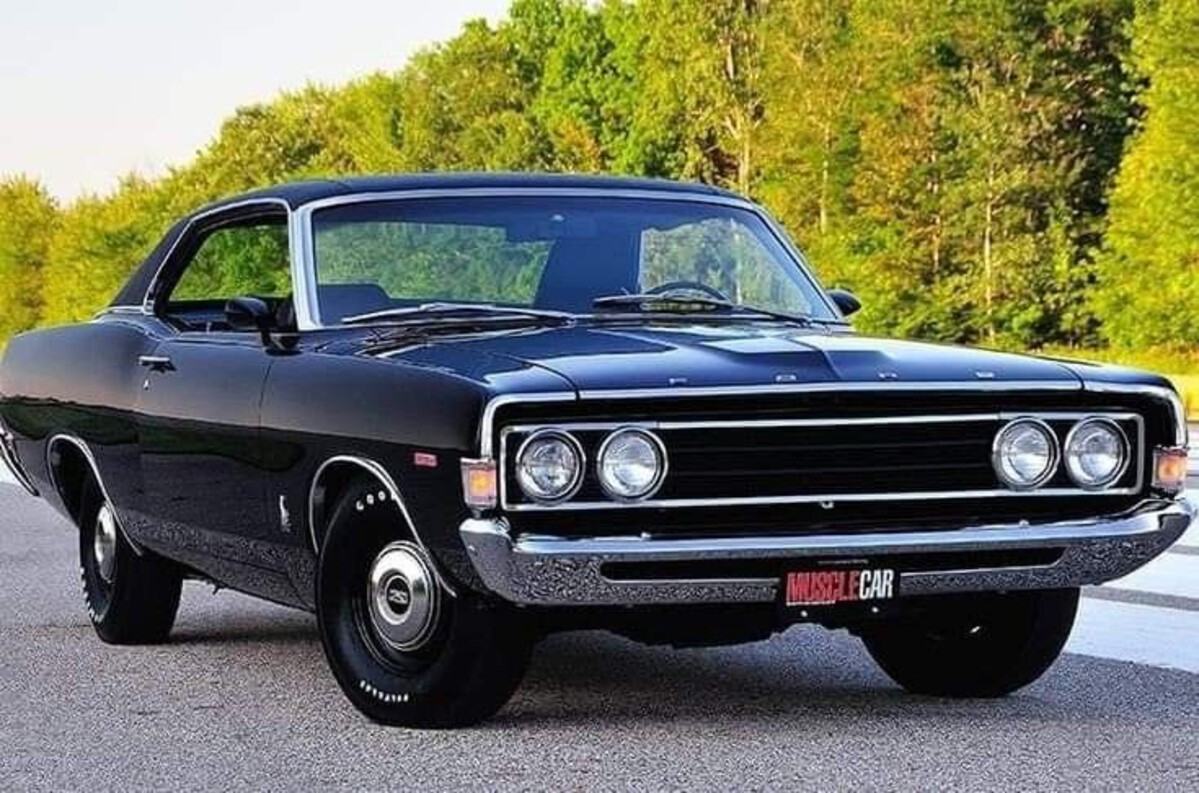
The Torino Cobra’s proportions are its biggest strength. The hood is long and flat, suggesting serious power underneath, while the rear remains tight and controlled. This balance prevents the car from looking bulky, even though it has a solid, muscular presence on the road. It feels grounded and purposeful.
From the front, the Torino Cobra looks tough without being flashy. The grille is wide and direct, and the headlights sit naturally within the design rather than dominating it. There’s an understated confidence here that feels intentional, not boring.
The side profile is clean and mature. Strong shoulders give the car visual weight, while smooth body lines keep it from looking messy. Ford avoided unnecessary creases and trim, allowing the shape itself to do the talking. This simplicity is exactly why the design has aged so well.
The Torino Cobra doesn’t rely on drama or extremes. Instead, it focuses on proportion, stance, and strength. That approach gives it a timeless quality. It still looks solid and capable today, even next to more aggressive designs.
In many ways, the Torino Cobra represents the grown-up side of muscle car design. It doesn’t shout. It stands firm and that’s why it still earns admiration.
9. AMC Javelin (1968–1969)
The AMC Javelin stands out because it dared to be different at a time when many muscle cars followed similar formulas. AMC didn’t have the budget or brand power of larger manufacturers, so it relied on creativity and that risk paid off in design.
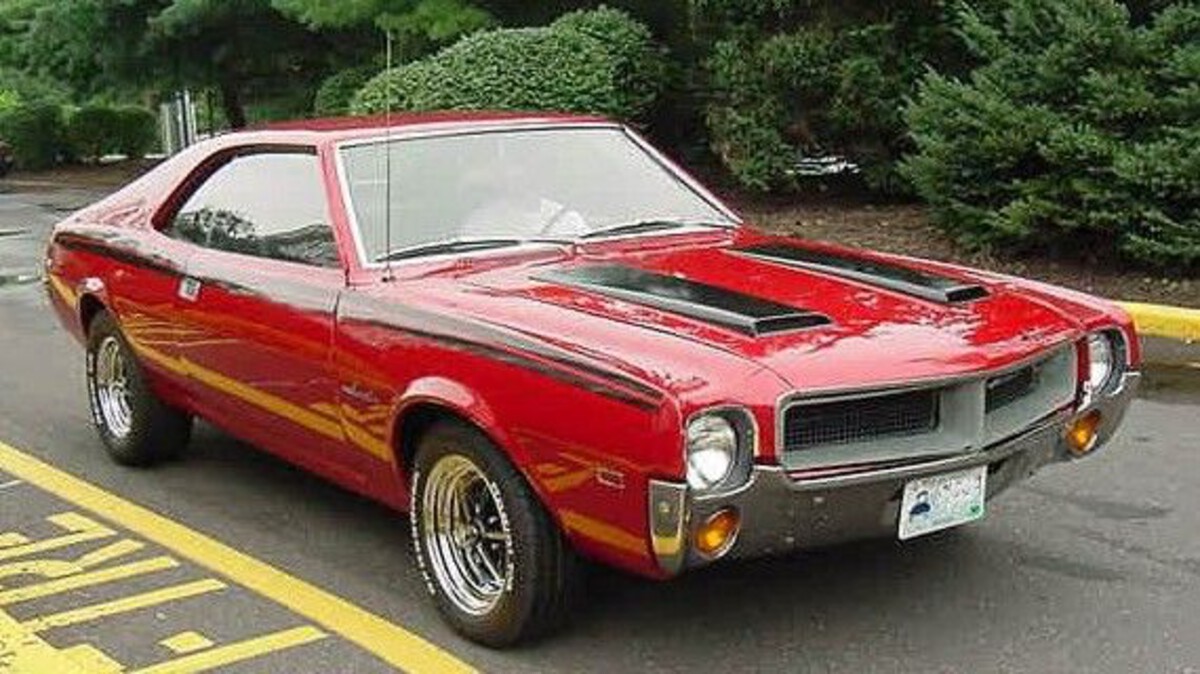
The Javelin’s shape is sharper and more angular than most of its rivals. Where other cars favored smooth, flowing lines, the Javelin introduced crisp edges and a more modern feel. This gave it a distinct personality that still feels unique today.
The proportions are slightly unconventional, but that’s part of the appeal. The hood is long enough to signal muscle, yet the body remains compact and tight. This makes the car look agile rather than bulky. It feels like a muscle car designed with handling in mind, not just straight-line power.
From the front, the Javelin has a bold, confident face. The grille and headlights are simple but expressive, giving the car character without clutter. The side view highlights its fastback-inspired roofline, which adds motion and energy to the design.
What truly makes the Javelin timeless is its refusal to copy others. It didn’t chase trends it created its own identity. That bravery is rare, and it’s why the Javelin still draws attention today.
In a sea of familiar shapes, the AMC Javelin remains memorable. Its design proves that originality, even when risky, can stand the test of time.
10. Buick GS (1967–1969)
The Buick GS took a different approach to muscle car design, blending strength with refinement. While many muscle cars leaned hard into aggression, the GS chose a more polished and confident look one that still feels relevant today.
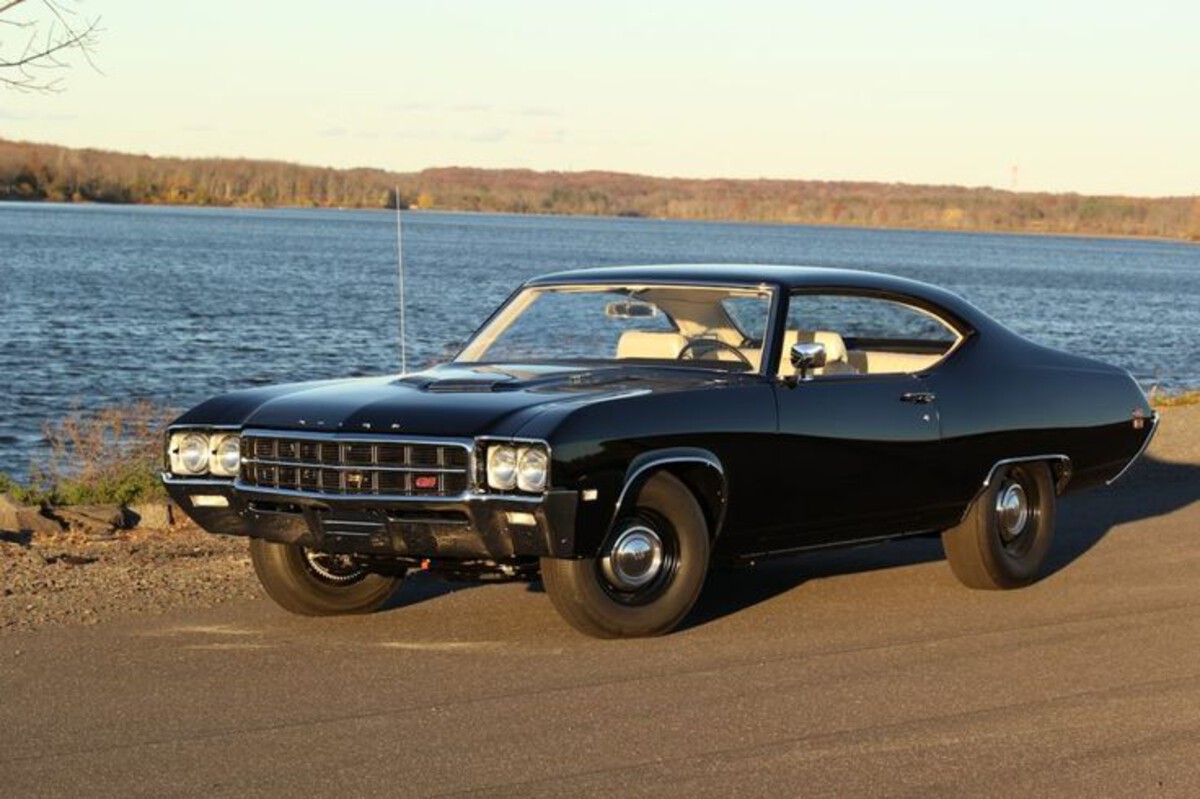
The body lines of the Buick GS are smooth and controlled. There’s muscle here, but it’s delivered with restraint. The hood is long and clean, hinting at power without oversized bulges. The overall shape feels balanced and composed rather than wild.
From the front, the GS presents a calm but authoritative face. The grille and headlights are well-integrated, giving the car a dignified presence. It doesn’t try to intimidate it commands respect quietly.
The side profile highlights Buick’s focus on elegance. The car sits firmly on the road, with subtle curves that add strength without exaggeration. Chrome and trim are used sparingly, enhancing the design rather than distracting from it.
This refined approach is exactly why the Buick GS has aged so well. It doesn’t feel tied to a specific trend or moment. Instead, it feels timeless and confident.
The GS proves that muscle cars didn’t have to look rough to be powerful. Its design shows that class and strength can exist together and that combination still resonates decades later.
Why These 1960s Muscle Car Designs Still Matter Today
The lasting appeal of 1960s muscle car designs comes down to one thing: confidence. These cars were designed without hesitation. They didn’t try to please everyone, and they didn’t worry about aging gracefully. Ironically, that’s exactly why they did.
Strong proportions are the foundation. Long hoods, short rear sections, and wide stances create visual balance that still feels right today. These shapes work because they follow instinct, not trends. The human eye naturally responds to them.
Another key reason is honesty. These cars looked the way they performed. Big engines demanded space, and designers gave it to them. There were no fake elements pretending to be something they weren’t. What you saw was real, and that authenticity still connects with people.
The simplicity of these designs also plays a huge role. Clean lines, minimal decoration, and clear identities make these cars easy to appreciate even decades later. They don’t feel cluttered or outdated because they never relied on gimmicks.
Most importantly, these cars carry emotion. They represent freedom, rebellion, and self-expression. When people look at a classic muscle car from the 1960s, they don’t just see metal, they feel something.
That emotional impact is why these designs still matter. They remind us that great car design isn’t about technology or complexity. It’s about presence, purpose, and confidence, and the 1960s muscle cars delivered all three perfectly.