
Fuel economy is often advertised as a single number, but in the real world, it tells a far more complex story. Some vehicles deliver impressively consistent mileage no matter how they are driven, while others can feel like completely different machines depending on speed, load, terrain, or charging habits. That contrast is exactly what defines the difference between stable fuel economy and wide fuel-economy swings.
In this comparison, we look at five vehicles known for predictable, steady efficiency and five that can vary dramatically in real-world use. Stable-efficiency vehicles tend to rely on naturally aspirated engines, mature hybrid systems, and conservative tuning that keeps fuel consumption consistent across conditions.
Vehicles with wide swings, on the other hand, often prioritize performance, towing capability, or electrification strategies that depend heavily on driver behavior and usage patterns.
Understanding this difference matters more than ever, especially for buyers who want fuel costs they can reliably predict rather than numbers that only appear under ideal conditions.
5 Vehicles With Stable Fuel Economy
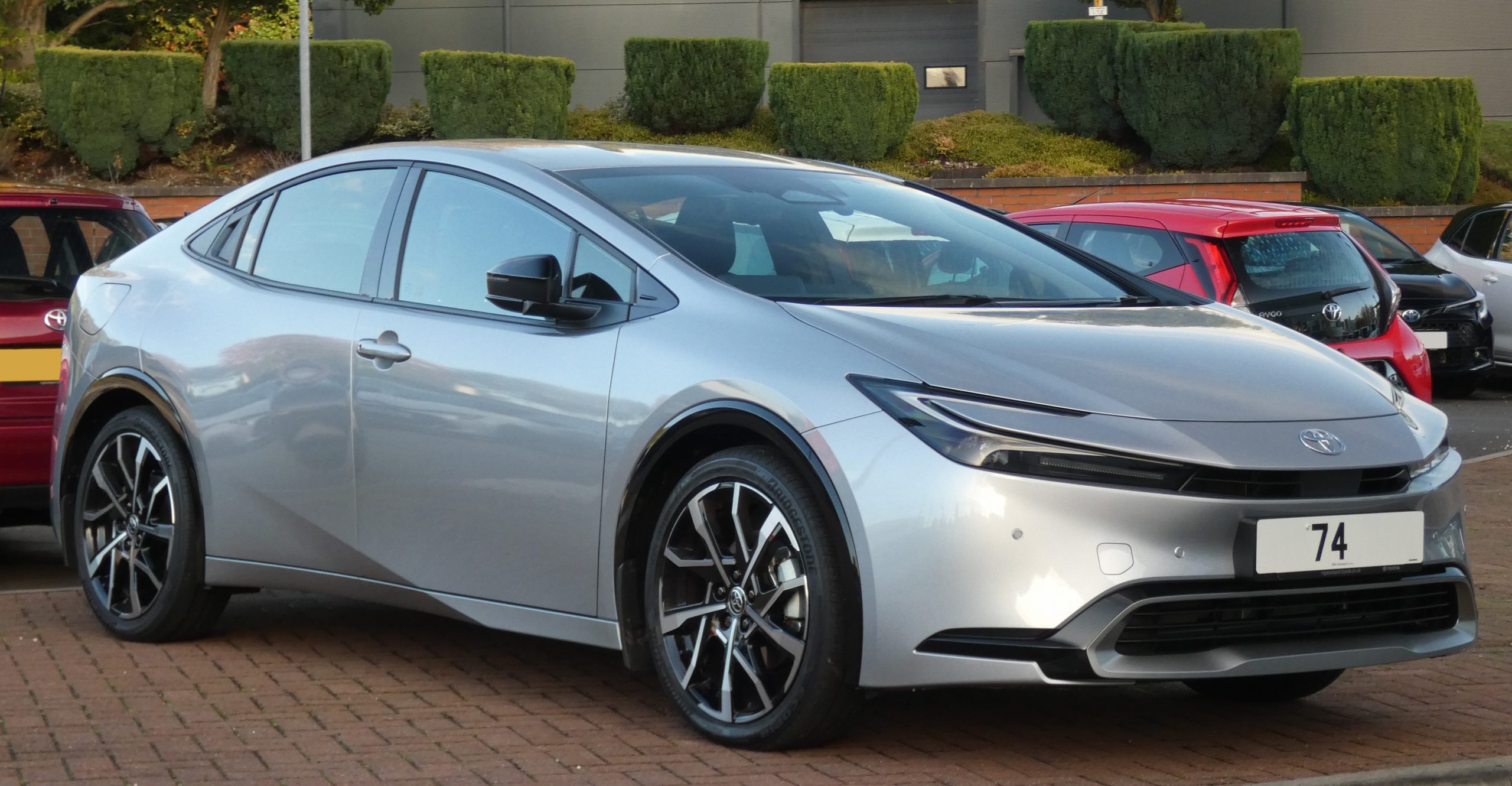
1. Toyota Prius: The Benchmark of Hybrid Efficiency
The Toyota Prius has long set the standard for hybrid efficiency, offering consistently high fuel economy across a variety of driving conditions. Its hybrid system is designed so the electric motor handles high-load situations, such as accelerating from a stop, while keeping the gasoline engine operating within its most efficient RPM range.
Modern Priuses achieve around 57 MPG, whether in city traffic or on highways, making the Prius a leader in stable fuel efficiency.
At the core of the Prius is Toyota’s Hybrid Synergy Drive (HSD), which pairs an Atkinson-cycle gasoline engine with one or more electric motors. The Atkinson engine is highly efficient but generates limited low-end torque; the electric motor compensates for this, allowing the engine to remain in its optimal efficiency range.
The electronically controlled continuously variable transmission (eCVT) minimizes wasted energy by keeping the engine at peak performance regardless of speed. Modern Prius engines achieve thermal efficiencies of 40–42%, significantly higher than conventional engines.
The Prius also excels in energy management. Regenerative braking converts kinetic energy into electricity to recharge the battery, while electric-only mode allows the car to operate on electric power in stop-and-go traffic. The engine automatically shuts off when the car is idle or moving slowly, further conserving fuel. These systems work together to maintain consistent, high MPG.
Aerodynamics and lightweight construction play a major role as well. The Prius’s low-drag, streamlined design and the use of lightweight components, including lithium-ion batteries and high-tensile steel, reduce the energy needed for acceleration and cruising.
Decades of refinement have optimized the hybrid system, ensuring smooth transitions between gasoline and electric power and reliable efficiency under various conditions, including cold weather or long-term ownership.
The 2025 Prius features a 2.0-liter four-cylinder engine with 194–196 hp, paired with front-wheel or all-wheel drive, and accelerates to 60 mph in 7.1 seconds (FWD). Interiors are functional, with an 8–12.3-inch touchscreen, wireless Apple CarPlay/Android Auto, and generous cargo space. Standard safety features include adaptive cruise control, lane-keeping assist, and blind-spot monitoring.
With its proven hybrid technology, comprehensive warranties, and complimentary maintenance, the Toyota Prius remains the benchmark for fuel-efficient, reliable, and technologically advanced compact hybrids.
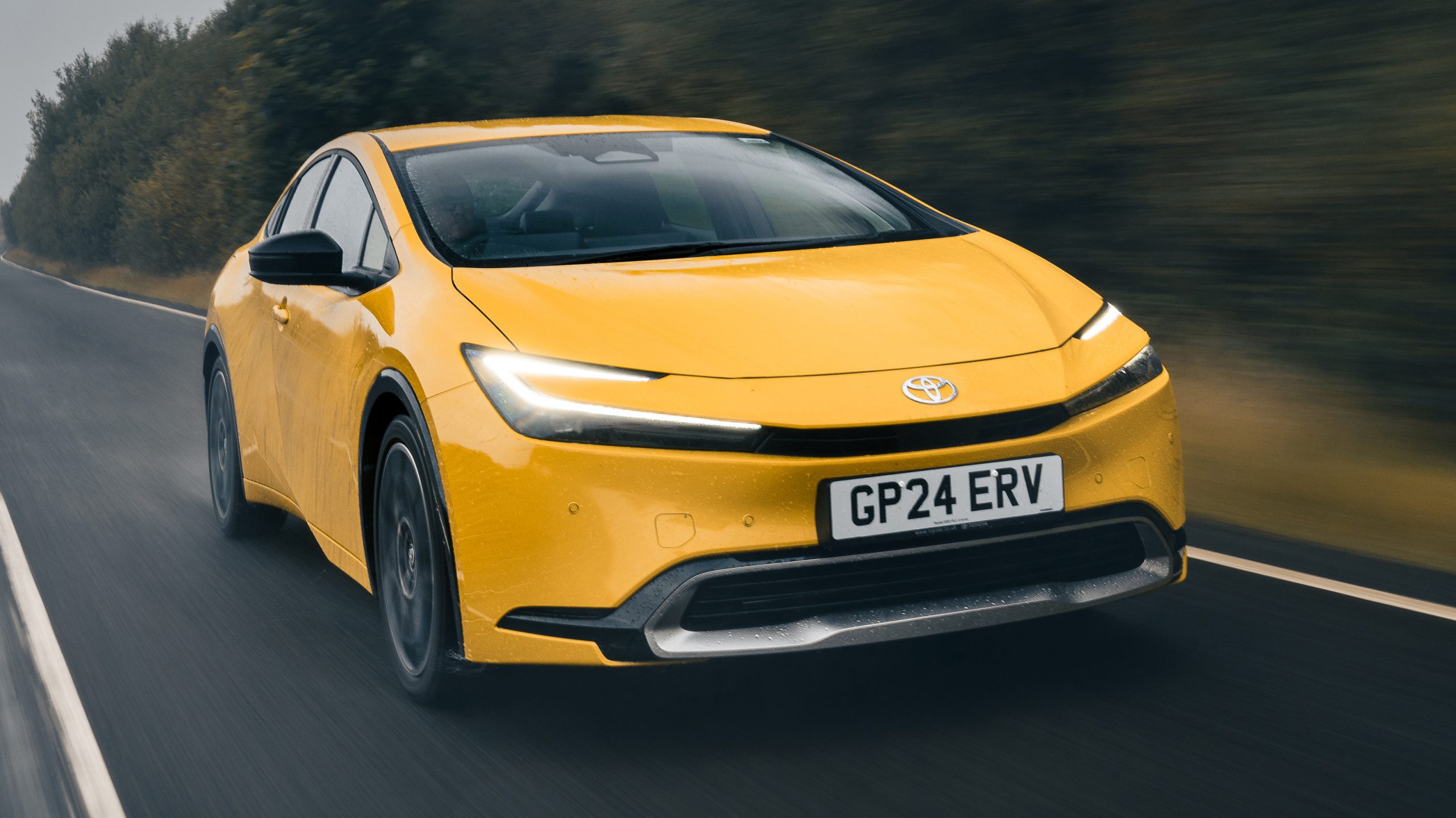
2. Honda Civic (Naturally Aspirated): Reliable and Predictable Fuel Efficiency
The naturally aspirated (NA) Honda Civic, usually equipped with a 2.0L or 1.8L engine, is a stable choice for drivers seeking consistent and predictable fuel economy. Unlike turbocharged models, the NA engine does not rely on forced induction, which keeps fuel consumption steady and linear in everyday driving. This makes it ideal for those who prioritize reliability and efficiency over maximum performance.
The Civic’s engine delivers smooth power without turbo lag or boost surges, avoiding the sudden spikes in fuel use common in turbocharged vehicles. Operating at lower thermal loads and with fewer moving parts, the NA engine experiences less mechanical stress, improving longevity and maintaining consistent efficiency.
The 2.0L engine is paired with a Continuously Variable Transmission (CVT), allowing it to remain in its most efficient power band under a wide range of driving conditions. Port injection, optimized piston designs, and lightweight construction further enhance thermal control and prevent carbon buildup, helping fuel economy remain stable over time.
In real-world testing, the nonhybrid NA Civic delivers approximately 32 MPG in the city and 41 MPG on the highway, while the Civic Hybrid reaches up to 50 MPG city and 47 MPG highway.
The NA model may not match hybrid efficiency on long highway drives, but it provides a reliable balance for city traffic, stop-and-go commuting, and everyday errands. Running on regular gasoline, it also keeps operating costs lower than turbocharged counterparts that require premium fuel.
Performance-wise, the NA Civic produces 150 hp, sufficient for urban and suburban driving, with a 0–60 mph time of 8.9 seconds. The Civic Hybrid pairs a 2.0L engine with two electric motors for a combined 200 hp, reaching 60 mph in 6.2 seconds. Front-wheel drive is standard across all models.
Inside, the Civic offers practical comfort for five passengers, with a straightforward cabin layout, ample front- and rear-seat space, and flexible cargo capacity. Infotainment ranges from a 7-inch touchscreen on base models to a 9-inch display with wireless Apple CarPlay and Android Auto on higher trims. Standard safety features include automated emergency braking, lane-keeping assist, and adaptive cruise control, with optional blind-spot monitoring and parking sensors.
With its simple engineering, stable fuel economy, low operating costs, and practical design, the naturally aspirated Honda Civic is an excellent choice for drivers seeking predictability and efficiency in a compact car.
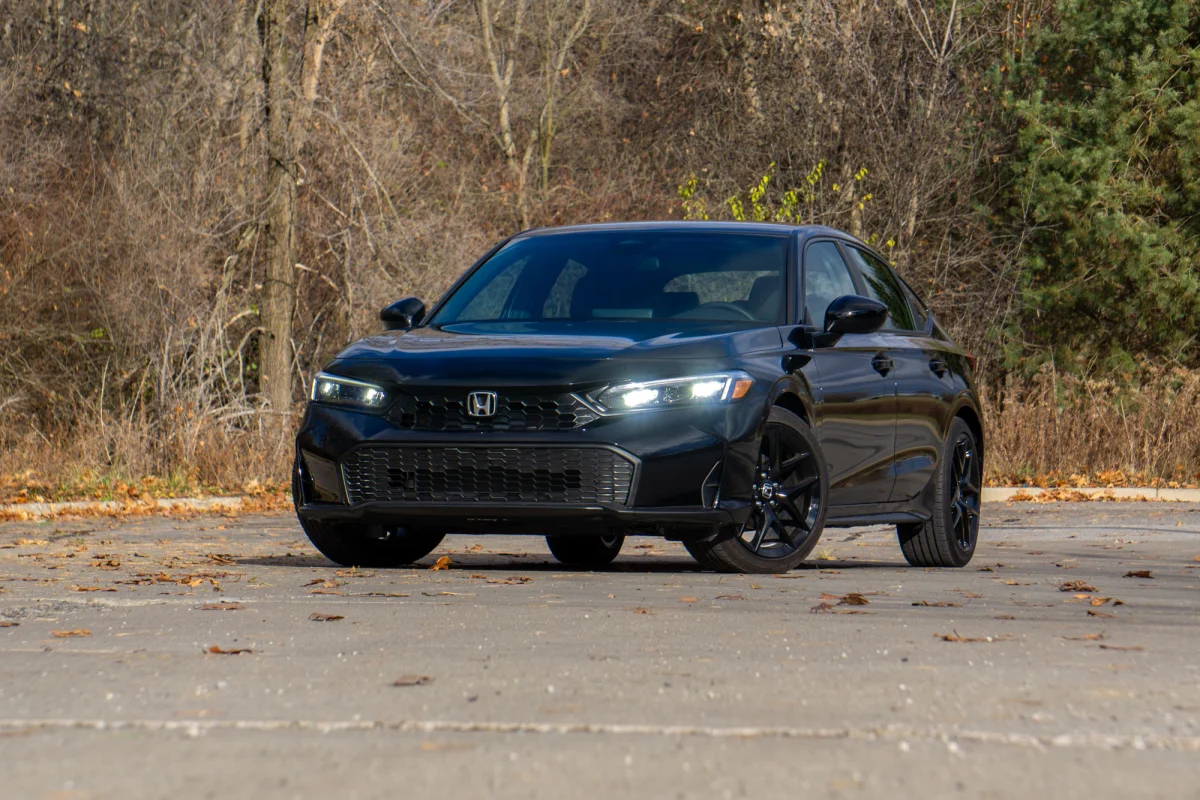
3. Toyota Corolla Hybrid: Consistently Efficient and Reliable
The Toyota Corolla Hybrid is celebrated for its stable and consistently high fuel economy, often achieving over 50 MPG combined, thanks to its refined hybrid system, aerodynamic design, and intelligent energy management. Its efficiency is reliable in both city and highway driving, with minimal fluctuations compared to conventional gasoline vehicles. This makes it a practical choice for drivers who want fuel savings without worrying about driving style or conditions.
At the heart of the Corolla Hybrid is the fifth-generation Hybrid Synergy Drive, which pairs a 1.8-liter Atkinson-cycle engine with electric motors. The system seamlessly switches between electric-only and gasoline power, while the battery charges automatically during driving and deceleration. At low speeds and in stop-and-go city traffic, the car relies heavily on its electric motor, significantly improving urban MPG.
The regenerative braking system recovers energy that would otherwise be lost during braking, converting it to electricity for the battery. This feature ensures the car maintains fuel efficiency in unpredictable traffic conditions. Complementing this, the Corolla Hybrid’s aerodynamic body and lightweight chassis reduce drag and energy requirements, contributing to consistent highway and city fuel economy.
Drivers can further optimize efficiency through selectable modes. Eco Mode limits throttle response to maximize MPG, while EV Mode allows short-distance, fully electric operation ideal for parking lots or slow-moving traffic. The hybrid system is robust and reliable, maintaining high fuel economy even in cold weather and over long-term use.
The hybrid powertrain produces 169 hp sent to the front wheels via a continuously variable transmission (CVT). Acceleration is measured, with the all-wheel-drive hybrid hitting 60 mph in 9.0 seconds, while the hatchback variant reaches it in 8.3 seconds. Ride quality is comfortable, with controlled body motions and progressive steering, though sporty handling is not its primary focus.
Inside, both sedan and hatchback models offer streamlined dashboards, soft-touch materials, and practical storage. Passenger space is generous in the front, and cargo areas are adequate, with the sedan providing more rear legroom and the hatchback offering an optional expanded cargo space.
Infotainment includes an 8.0-inch touchscreen with Apple CarPlay and Android Auto, optional 10.5-inch displays, and digital gauge clusters up to 12.3 inches, along with multiple USB ports and optional wireless charging.
Standard safety features include forward-collision warning, automated emergency braking, lane-keeping assist, and adaptive cruise control, all part of Toyota Safety Sense 3.0. Warranty coverage includes a three-year/36,000-mile limited warranty, five-year/60,000-mile powertrain warranty, ten-year/150,000-mile hybrid component warranty, and two years/25,000 miles of complimentary maintenance.
With its combination of efficient hybrid technology, reliable performance, and comprehensive safety and comfort features, the Toyota Corolla Hybrid stands out as a fuel-sipping, practical, and dependable compact car.
4. Hyundai Elantra Hybrid: Stable Efficiency with Smart Hybrid Control
The Hyundai Elantra Hybrid stands out as a compact sedan that delivers stable, high fuel efficiency, frequently exceeding 50 MPG combined, thanks to a well-integrated hybrid system and intelligent energy management.
Hyundai’s hybrid logic is especially effective at maintaining a high battery state of charge, ensuring fuel economy remains consistent even in cold weather or on hilly terrain conditions that often reduce efficiency in other vehicles.
The Elantra Hybrid pairs a 1.6-liter Atkinson-cycle four-cylinder engine with a 32 kW electric motor, creating a system that seamlessly balances gasoline and electric power. At low speeds and during light acceleration, the electric motor can propel the car on its own, significantly reducing fuel consumption in city traffic.
When additional power is needed, the gasoline engine and motor work together smoothly, minimizing strain on the engine and keeping efficiency high. The hybrid battery recharges automatically through regenerative braking, capturing energy during deceleration rather than wasting it as heat.
A key factor in the Elantra Hybrid’s real-world efficiency is its ability to perform consistently across driving conditions. Reviews and testing show stable fuel consumption in heavy traffic as well as on open roads.
EPA estimates for the most efficient Blue trim reach 51 mpg city and 58 mpg highway, with real-world highway testing still returning a strong 48 mpg. Aerodynamic styling and a lightweight structure further support steady fuel economy by reducing drag and energy demand.
Unlike many hybrids that rely on continuously variable transmissions, the Elantra Hybrid uses a 6-speed dual-clutch transmission (DCT). This setup provides more traditional gear shifts, reducing engine droning while maintaining efficiency.
The hybrid system produces 139 horsepower, delivering adequate acceleration for daily driving, with a 0–60 mph time of 8.4 seconds. While not designed for performance driving, the hybrid model offers a smooth, refined, and predictable experience.
Inside, the Elantra Hybrid features a driver-focused cabin with generous passenger space and a usable trunk capable of holding six carry-on suitcases. Infotainment options include an 8.0-inch or 10.3-inch touchscreen, Apple CarPlay and Android Auto compatibility, and available Bose audio.
Standard safety features include automated emergency braking, lane-keeping assist, and lane-departure warning, with adaptive cruise control available on higher trims.
Hyundai’s 10-year/100,000-mile powertrain warranty and three years of complimentary maintenance further reinforce the Elantra Hybrid’s appeal. With dependable efficiency, strong warranty support, and consistent real-world performance, the Hyundai Elantra Hybrid is a compelling choice for drivers seeking predictable fuel savings without sacrificing comfort or practicality.
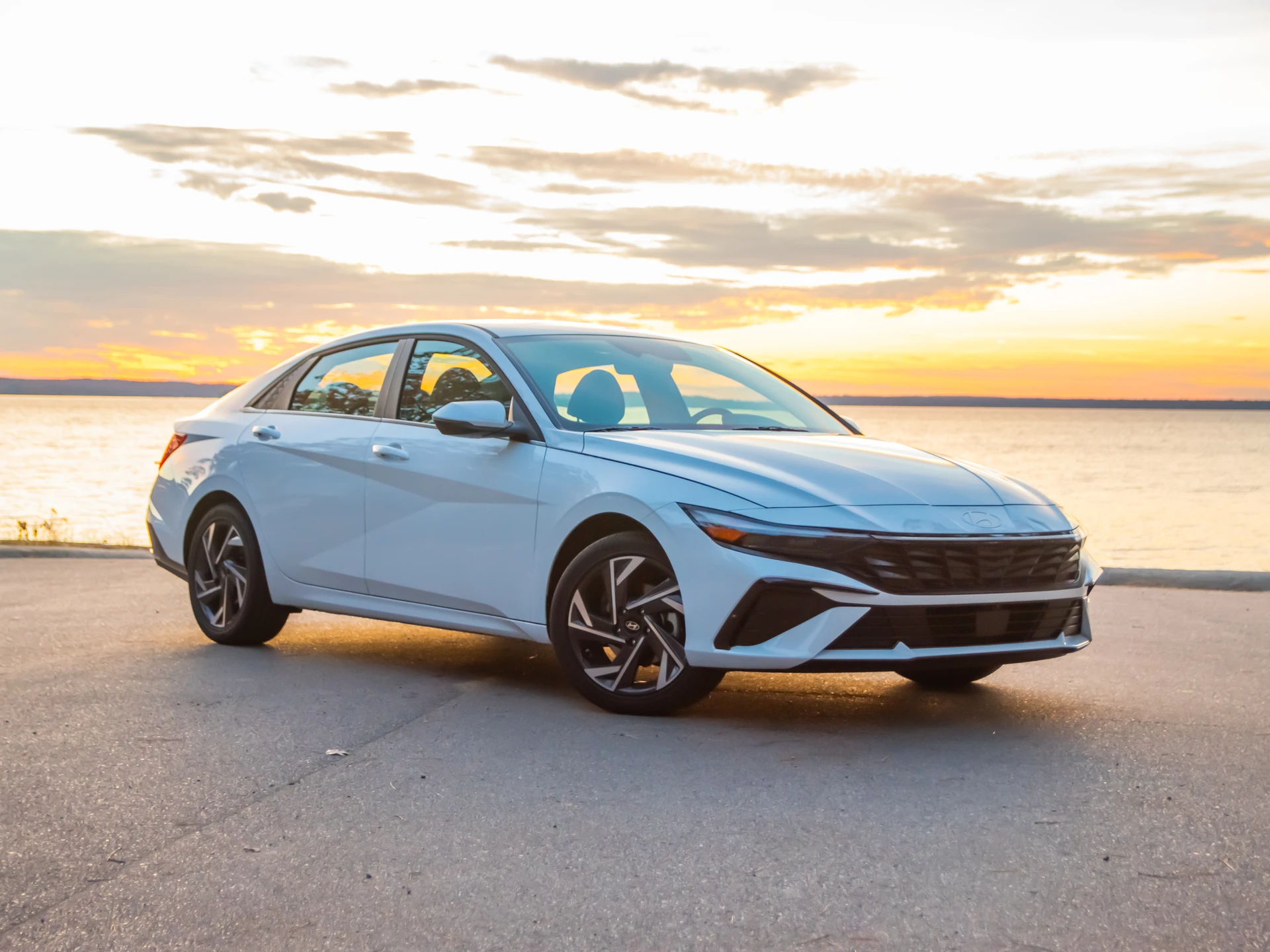
5. Lexus ES 300h: Consistent Luxury Efficiency Without Compromise
The Lexus ES 300h stands out among luxury sedans for delivering remarkably stable fuel economy, typically around 43–44 mpg combined, despite its size and weight.
While many luxury vehicles suffer large efficiency swings due to heavier construction, the ES 300h uses its refined hybrid system to effectively mask this “weight penalty,” maintaining steady efficiency even during brisk commuting or extended highway driving.
At the core of the ES 300h is Lexus’s fourth-generation full hybrid system, which pairs a 2.5-liter Atkinson-cycle four-cylinder engine with an electric motor for a combined output of 215–218 horsepower.
Unlike mild-hybrid setups, this system allows for electric-only operation at low speeds, significantly improving fuel economy in stop-and-go traffic. Power delivery is smooth and linear, prioritizing efficiency and comfort over aggressive performance.
Engine efficiency plays a major role in the ES 300h’s consistency. A high 12.5:1 compression ratio, laser-clad valve seats, and extensive low-friction engineering help maximize thermal efficiency.
Accessories such as the water pump and power steering are electrically driven, reducing parasitic losses that typically lower real-world MPG. Regenerative braking captures energy during deceleration and stores it in the hybrid battery, further minimizing waste.
Aerodynamics also contributes meaningfully. With a drag coefficient of approximately 0.27, the ES 300h slips through the air with minimal resistance, rivaling far smaller hybrids in highway efficiency. As a result, the car frequently matches or exceeds its EPA ratings of 43 mpg city, 44 mpg highway, and 44 mpg combined, and offers a driving range approaching 700 miles per tank.
On the road, the ES 300h prioritizes composure and refinement. Acceleration is modest but adequate, with a 0–60 mph time of about 8.3 seconds. Handling is more controlled than expected for a luxury sedan, though the steering feel remains light and somewhat numb. Ride comfort is a standout, with excellent isolation from road imperfections and minimal engine noise, reinforcing the car’s relaxed character.
Inside, the ES 300h offers generous passenger space, supportive seating, and high-quality materials throughout the cabin. A large 12-inch infotainment display provides sharp visuals, though the touchpad interface can be cumbersome. Cargo space measures 13.9 cubic feet, matching the non-hybrid ES, though rear seats do not fold.
The Lexus ES 300h delivers a rare combination of luxury, comfort, and consistently high fuel efficiency, making it an appealing option for drivers who want premium refinement without sacrificing predictable, real-world MPG.
Also Read: 5 Cars With Long Real-World Fuel Range vs 5 With Short Range
5 With Wide Swings
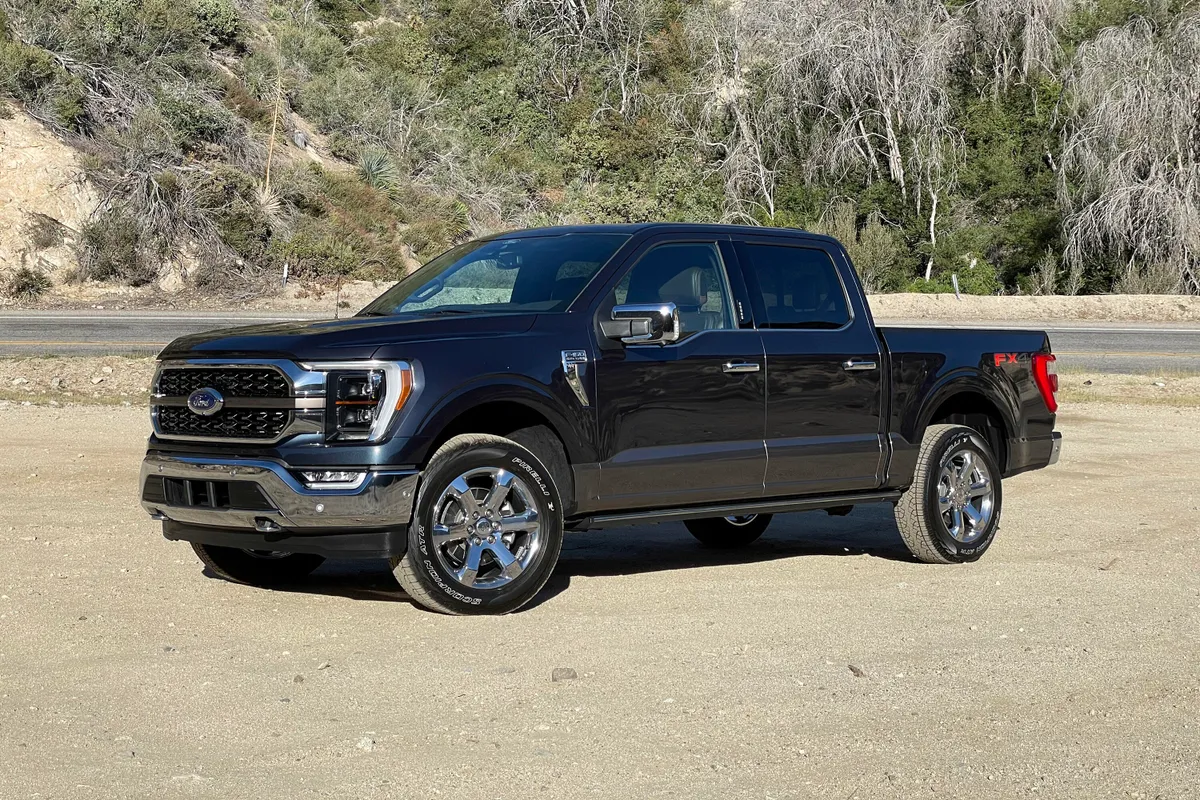
1. Ford F-150 EcoBoost: Efficiency That Depends on the Work
The Ford F-150 EcoBoost shows how fuel economy can vary widely when an engine is engineered to deliver both efficiency and power. Offered in 2.7-liter and 3.5-liter turbocharged V6 configurations, the EcoBoost system allows the truck to achieve respectable mileage during light driving while still providing strong performance when hauling or towing.
This dual-purpose design explains why real-world fuel economy can range from about 24 mpg during steady cruising to nearly 10 mpg under heavy load.
During low-load situations such as gentle acceleration or constant highway speeds, the EcoBoost operates efficiently. The turbochargers remain largely inactive, allowing the engine to behave like a smaller-displacement motor. Under these conditions, drivers can meet or exceed EPA fuel economy estimates.
Once the truck is pushed harder, such as during towing, climbing steep grades, or accelerating at higher speeds, the turbochargers engage. This forces additional air into the engine and requires substantially more fuel to maintain proper combustion, causing fuel consumption to rise sharply.
Towing and payload have a major influence on efficiency. Although EcoBoost engines are excellent at generating torque, pulling heavy loads at highway speeds forces the smaller engine to work much harder. Fuel economy can drop by one to two percent for every additional 100 pounds, making towing one of the most significant contributors to reduced mileage.
Aerodynamics also plays a key role. The F-150’s large shape creates considerable air resistance, and fuel demand increases rapidly as speed rises. Driving at 75 to 80 mph instead of 60 to 65 mph results in a noticeable fuel penalty. Larger tires, lift kits, and four-wheel-drive systems add further drag and weight.
Environmental conditions and configuration choices also matter. Cold weather, winter fuel blends, mountainous terrain, axle ratios, and drivetrain layouts all affect MPG. Early EcoBoost engines experienced carbon buildup that could reduce efficiency without proper maintenance.
The F-150 EcoBoost is capable of good fuel economy, but its efficiency is highly dependent on driving style, load, and operating conditions.
2. Jeep Wrangler 4xe: Two Very Different Efficiency Stories
The Jeep Wrangler 4xe is best described as a vehicle with two completely different fuel economy personalities. As a plug-in hybrid, it can deliver excellent efficiency when its battery is fully charged, yet its fuel economy drops sharply once electric range is exhausted. This wide variation explains why real-world results range from more than 50 MPGe to roughly 20 mpg on gasoline alone.
When charged regularly, the Wrangler 4xe can travel about 21 to 22 miles on electric power only. For drivers with short daily commutes who plug in consistently, this can mean using little or no gasoline at all. In these conditions, the vehicle performs extremely well, especially in urban driving where electric propulsion is most effective.
The situation changes dramatically once the battery is depleted or when the vehicle is not plugged in. The Wrangler 4xe carries a large and heavy hybrid system, adding roughly 1,200 pounds compared to a non-hybrid Wrangler.
Without electric assistance, the 2.0-liter turbocharged engine must move this extra weight, along with the Wrangler’s tall and boxy body. As a result, fuel economy drops to around 18 to 20 mpg, similar to or worse than some gasoline-only versions.
Aerodynamics further limits efficiency. The Wrangler’s upright design creates significant air resistance, especially at highway speeds. This drag undermines many of the efficiency benefits normally associated with hybrid vehicles, particularly during long trips where electric range is quickly used up.
Driving conditions and vehicle settings also affect results. Cold weather reduces battery efficiency and shortens electric range, forcing the gasoline engine to engage sooner. The 4xe’s driving modes can influence consumption as well, since using eSave mode to preserve or recharge the battery increases fuel use. Heavier trims with off-road tires add rolling resistance that further reduces efficiency.
Although the EPA rates the Wrangler 4xe at 49 MPGe, real-world results depend heavily on charging habits and usage patterns. Without regular charging, the Wrangler 4xe delivers only modest fuel economy, making it a plug-in hybrid that rewards disciplined charging far more than casual use.

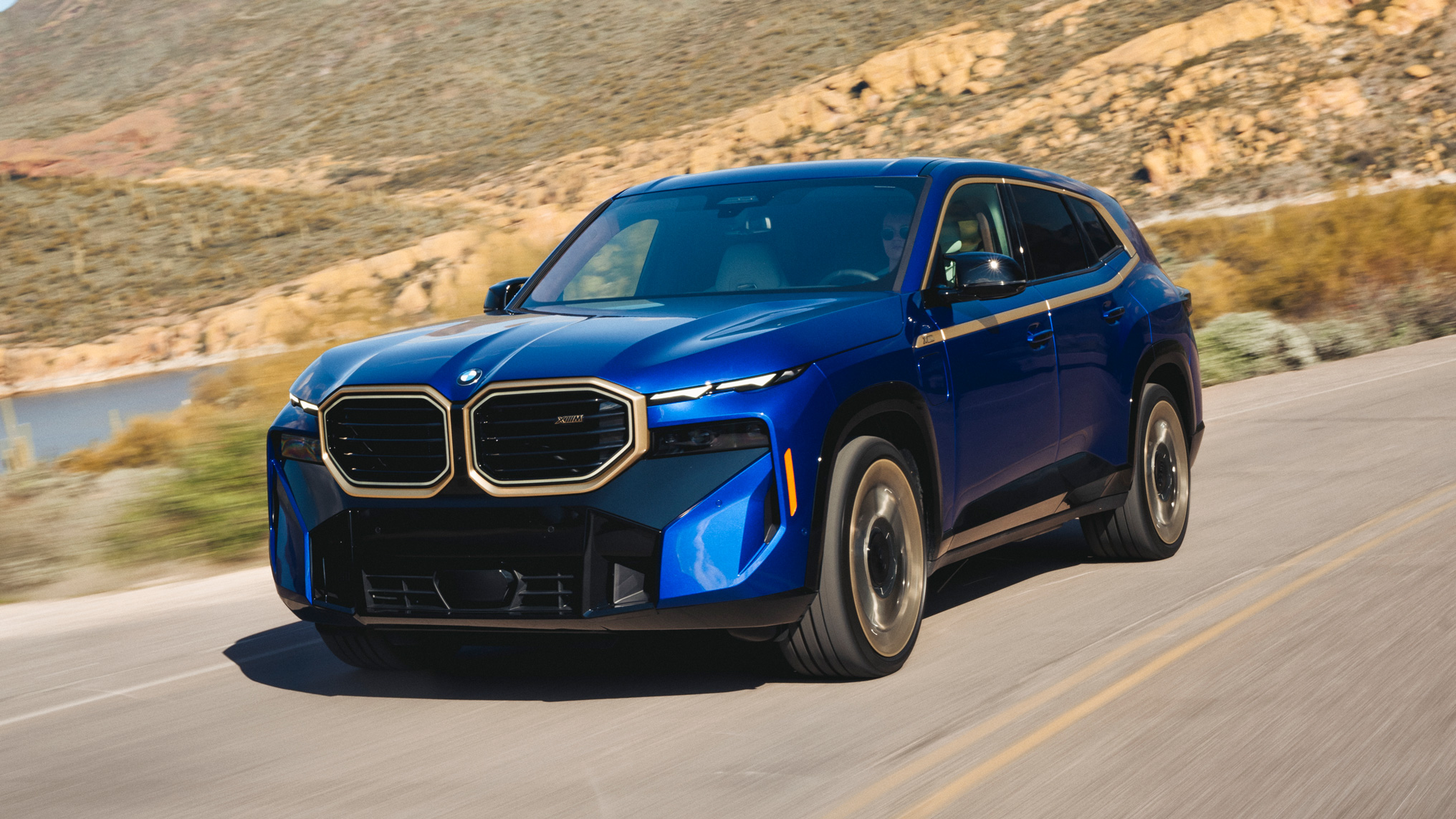
3. BMW XM: Extreme Performance Meets Extreme Efficiency Swings
The BMW XM is a performance-focused plug-in hybrid that delivers dramatically different fuel economy outcomes depending on how it is driven and charged. In ideal conditions, it can achieve very high MPGe figures by operating primarily on electric power. However, when driven like a traditional BMW M car, fuel economy can fall sharply into the low teens, reflecting its true nature as a high-performance SUV.
The XM’s efficiency is heavily dependent on its plug-in hybrid architecture. With a fully charged 25.7 kWh battery, the vehicle can operate in electric-only mode for roughly 30 to 50 miles, consuming no gasoline during short urban trips. Under these conditions, laboratory test cycles such as WLTP report extremely high fuel economy figures because much of the driving is completed using stored electric energy.
Once the battery is depleted, the XM relies almost entirely on its 4.4-liter twin-turbocharged V8 engine. At this point, fuel economy drops significantly. Weighing nearly 6,000 pounds, the XM requires substantial energy to move, and the V8 is tuned for performance rather than efficiency.
When running on gasoline alone, the EPA rates the XM at about 14 mpg combined, which aligns closely with real-world results during highway driving or aggressive acceleration.
Driving modes further influence consumption. Electric mode allows zero-fuel driving but limits performance. Hybrid mode blends electric and gasoline power, though hard acceleration quickly brings the V8 into full operation. The eControl mode uses the engine to maintain or recharge the battery, increasing fuel consumption even further.
The XM’s mission as a flagship M model explains this variability. With system outputs exceeding 600 horsepower, and up to 738 horsepower in the Label variant, efficiency is secondary to speed and power delivery. Using the vehicle as intended, with frequent heavy throttle and high-speed driving, results in fuel economy similar to that of a large V8 performance SUV.
In essence, the BMW XM rewards disciplined charging and restrained driving with impressive electric efficiency. Without regular charging or with aggressive use, it delivers the fuel consumption expected of a very heavy, very powerful V8 vehicle.
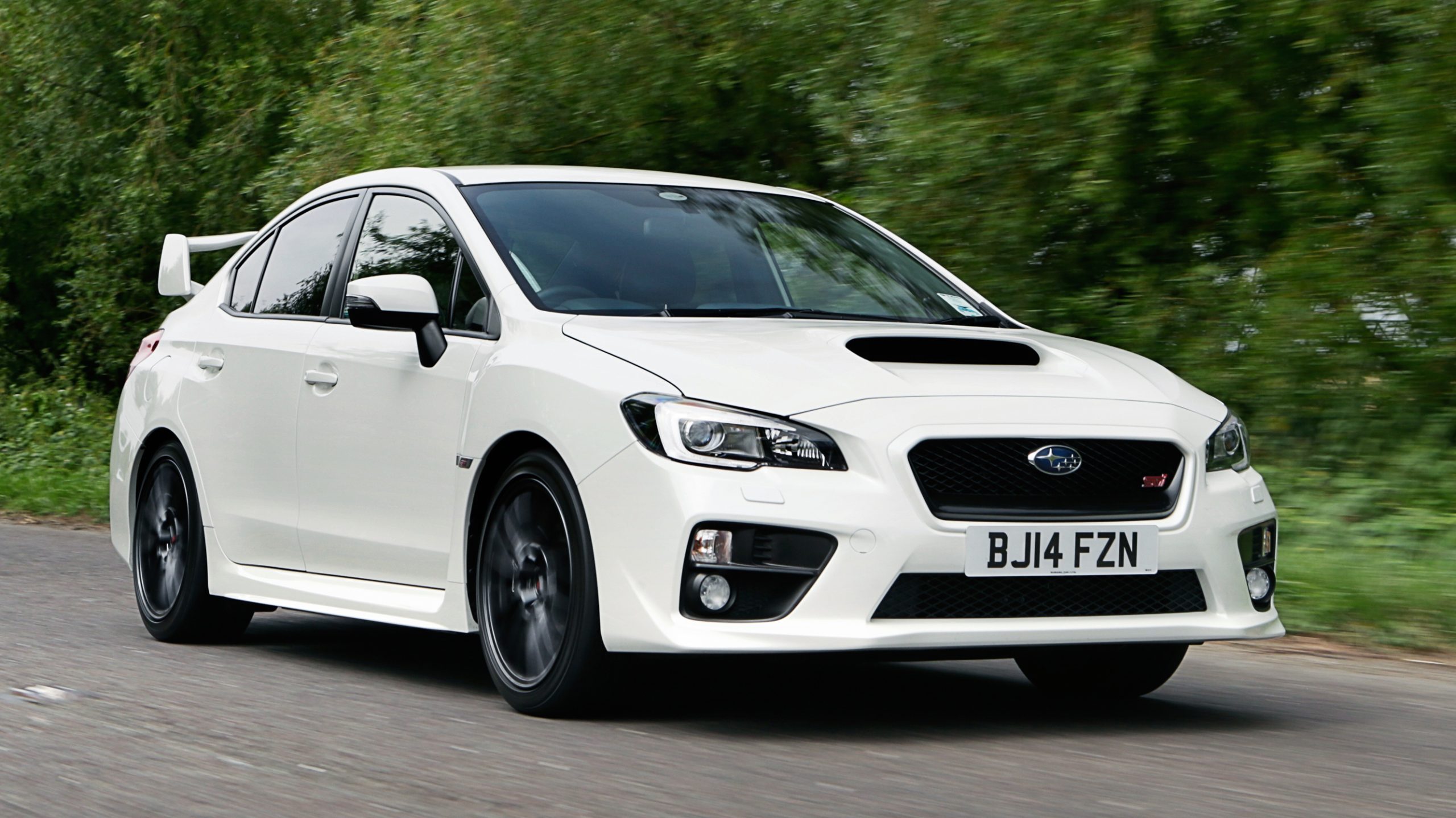
4. Subaru WRX: Performance Engineering Creates Dramatic MPG Swings
The Subaru WRX is engineered first and foremost as a performance sedan, and that focus results in wide real-world fuel economy variations. The difference between conservative commuting and aggressive driving can easily approach a 50 percent drop in efficiency. This variability is driven by the WRX’s turbocharged engine, permanent all-wheel-drive system, and a driving character that encourages frequent acceleration.
At the heart of the WRX is a turbocharged 2.4-liter boxer engine tuned for responsiveness and power rather than fuel savings. Under light throttle and steady cruising, the engine can operate efficiently, particularly on the highway, where many drivers report fuel economy in the mid to high 20s mpg.
However, once the turbocharger is engaged during acceleration, fuel consumption increases rapidly. Turbo lag often leads drivers to apply more throttle than necessary, pushing the engine into high-boost operation and sharply reducing mpg.
The WRX’s Symmetrical All-Wheel Drive system further contributes to its inconsistent fuel economy. Unlike on-demand AWD systems that disengage when not needed, the WRX uses a permanent setup with a rear-biased torque split. While this enhances traction and handling, it also creates constant mechanical drag and adds weight, which hurts efficiency in city driving and stop-and-go traffic.
Driving behavior plays an outsized role in fuel consumption. Spirited driving with high engine speeds, quick launches, and frequent gear changes can push city fuel economy into the mid-teens. In contrast, calm driving in Subaru’s “Intelligent” mode and steady highway cruising can yield surprisingly respectable results for a performance sedan.
Environmental factors also affect efficiency. Cold weather increases warm-up time and aerodynamic drag, while winter fuel blends further reduce mpg. The WRX’s requirement for premium fuel adds to operating costs and can worsen efficiency if lower-octane fuel is used.
The Subaru WRX rewards restraint with decent fuel economy but punishes aggressive driving with steep efficiency losses, reflecting its unapologetically performance-oriented design.
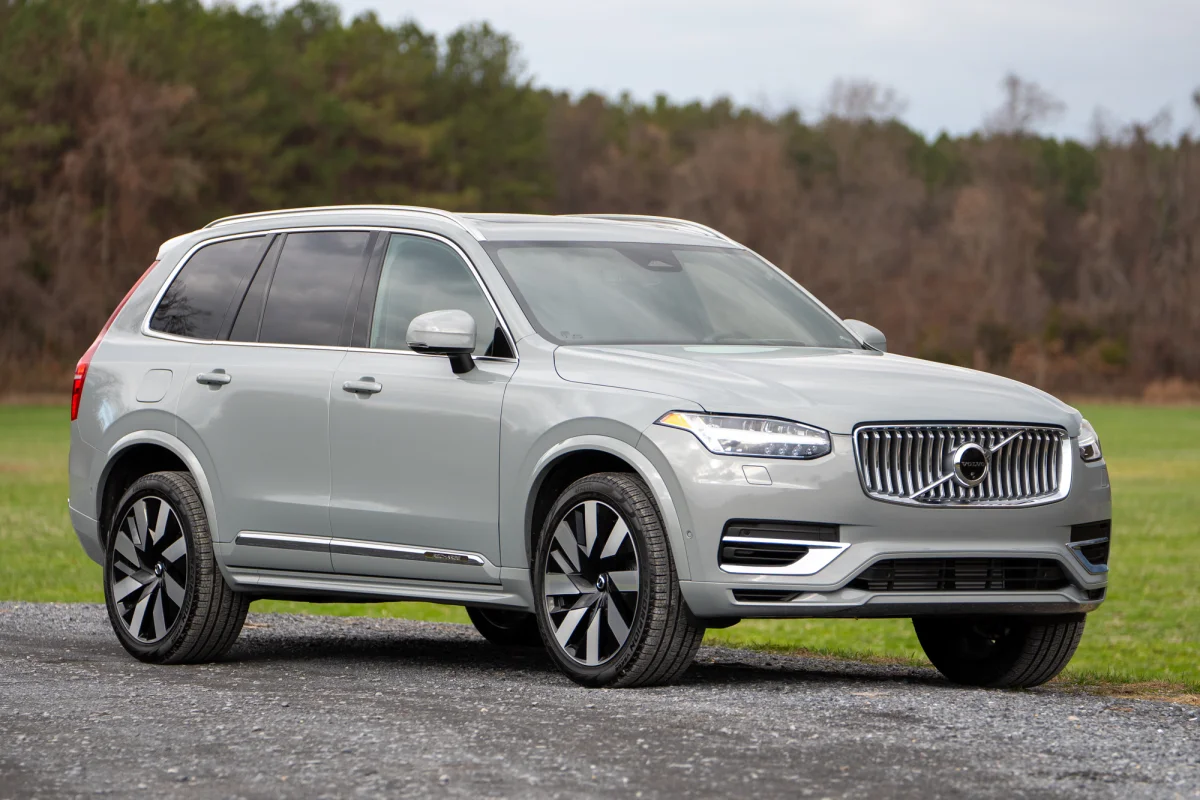
5. Volvo XC90 Recharge: Excellent for Short Electric Trips, Average on Long Gas-Powered Journeys
The Volvo XC90 Recharge shows dramatic swings in fuel economy because it is a plug-in hybrid that behaves very differently depending on how it is used. When driven on short trips with a fully charged battery, it can deliver extremely high efficiency. On long road trips where charging is not possible, however, fuel consumption rises sharply as the gasoline engine must move a very heavy three-row SUV on its own.
With a full charge, the XC90 Recharge can travel roughly 30 to 35 miles using only its electric motor. For daily school runs, errands, and short commutes, this allows the vehicle to consume little or no gasoline at all.
In these conditions, drivers can see fuel economy figures well above 80 MPGe, far exceeding what the window sticker suggests for a conventional SUV of this size. Regular daily charging is the key to achieving these results.
Once the battery is depleted, the vehicle operates more like a traditional hybrid. At that point, its turbocharged 2.0 liter engine must haul more than two tons of vehicle weight, including the unused battery pack.
During extended highway driving, especially at higher speeds, fuel economy typically settles in the mid to high 20 mpg range. This is respectable for a large luxury SUV, but far below the numbers many owners experience during short electric-focused trips.
Driving style and mode selection also play a major role. Pure electric mode prioritizes efficiency, while Power mode combines the engine and electric motor for strong acceleration, which increases fuel consumption. High cruising speeds further reduce efficiency due to aerodynamic drag. Cold weather and heavy use of climate control can shorten the electric range, causing the gasoline engine to engage sooner.
The XC90 Recharge rewards drivers who charge frequently and drive short distances, but on long family road trips, it delivers fuel economy similar to other large gasoline-powered SUVs.
The divide between stable fuel economy and wide fuel-economy swings ultimately comes down to design priorities. Vehicles like the Prius, Corolla Hybrid, and ES 300h are engineered to minimize variability, delivering predictable efficiency regardless of traffic, weather, or driving style. Their systems smooth out energy demand, making them ideal for drivers who value consistency, low operating costs, and long-term reliability.
By contrast, vehicles like the F-150 EcoBoost, Wrangler 4xe, BMW XM, WRX, and XC90 Recharge offer flexibility and performance, but that versatility comes at the cost of predictability. These vehicles can be efficient in specific scenarios, yet dramatically less so when pushed harder, driven faster, or used outside their ideal operating window.
Neither approach is inherently better. The key is alignment. Drivers who understand how a vehicle uses fuel can choose one that matches their habits, ensuring real-world efficiency that meets expectations rather than surprises at the pump.
Also Read: Top 10 Cars That Changed Automotive Engineering Forever
