Choosing the right vehicle for daily commuting can have a major impact on comfort, efficiency, and driving enjoyment. Some cars excel with fuel economy, smooth handling, and advanced technology that reduce stress in city traffic and on highways. Others, while capable off-road or stylish, struggle with reliability, noise, or cumbersome controls, making daily trips more challenging.
In this guide, we highlight five vehicles that perform exceptionally well for commuting, including hybrids like the Toyota Prius and Camry, efficient SUVs such as the Hyundai Tucson Hybrid, and high-tech electric vehicles like the Tesla Model 3.
We also review five vehicles less suited for daily use, including off-road-focused models and early-generation electric vehicles with software or reliability concerns. This guide helps commuters identify vehicles that make everyday driving more efficient, comfortable, and practical.
5 Vehicles That Excel on Daily Commutes
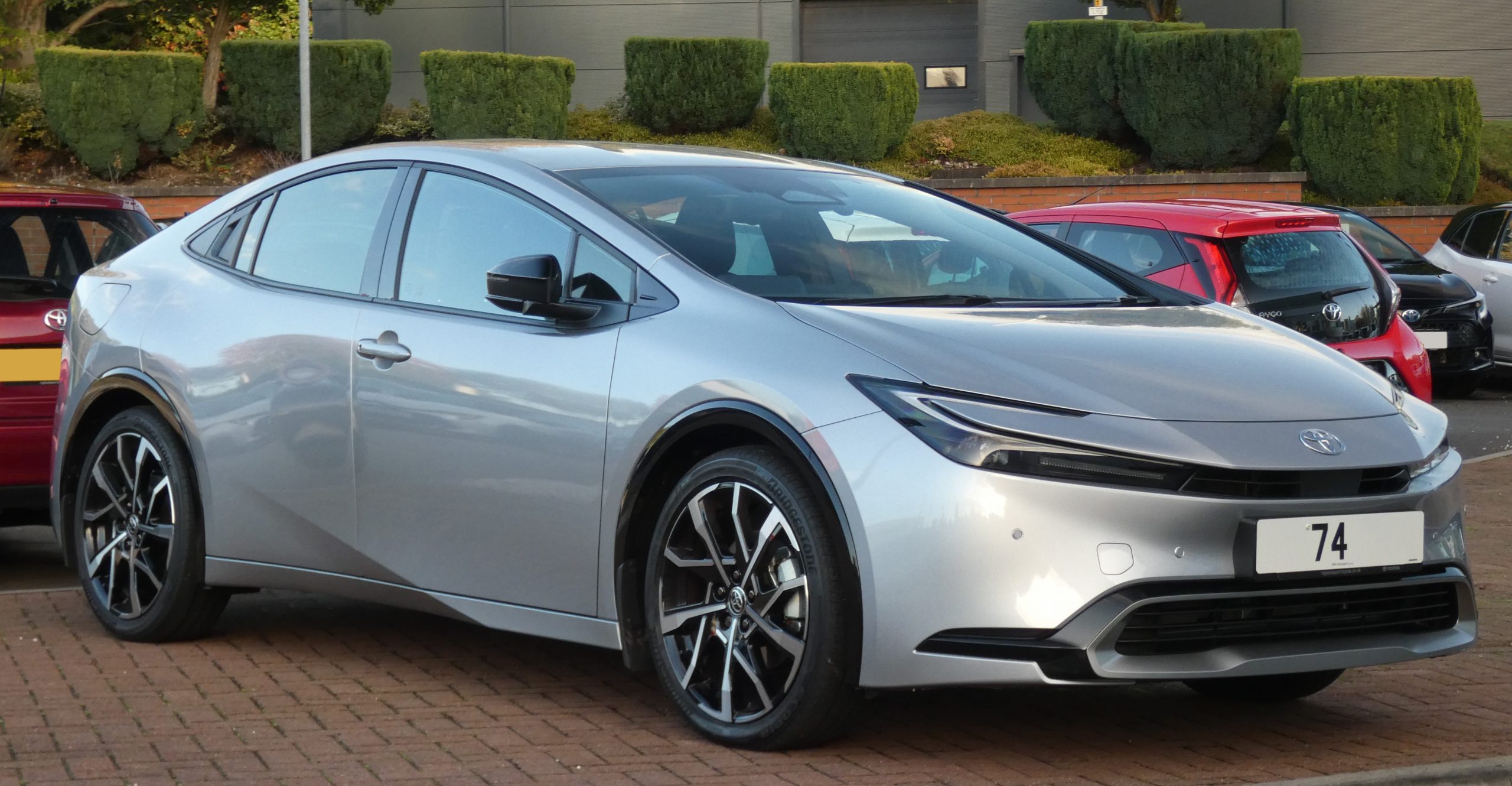
1. Toyota Prius: The Ultimate Hybrid Commuter
The Toyota Prius continues to set the standard for hybrid commuting, offering a blend of exceptional fuel economy, practicality, and modern technology. With its recent redesign, the Prius not only improves driving dynamics but also enhances interior comfort and connectivity, making it a compelling choice for city streets, stop-and-go traffic, and long highway stretches.
Its Hybrid Synergy Drive system allows front-wheel-drive models to achieve up to 57 MPG in the city and 56 MPG on the highway, while all-wheel-drive versions deliver slightly lower ratings.
The hybrid powertrain thrives in urban conditions, often operating in zero-emissions mode for a significant portion of city driving, with electric motors providing nearly half of the power. Regenerative braking, a compact design, and stress-reducing features like Adaptive Cruise Control and Lane Tracing Assist make the Prius a low-stress, cost-effective vehicle for daily commuting.
Under the hood, the Prius pairs a 2.0-liter inline-four gasoline engine with electric motors, producing 194 horsepower in front-wheel-drive models and 196 horsepower in all-wheel-drive trims with a rear electric motor.
A continuously variable transmission (CVT) ensures smooth power delivery, and the Prius can accelerate from 0–60 mph in 7.1 seconds, outperforming many competitors in its segment, though engine noise can be noticeable under heavy acceleration.
Inside, the cabin balances modern tech with practicality. The driver-focused cockpit features a direct-view gauge cluster, while rear passengers enjoy decent legroom despite a slightly low roofline.
Cargo capacity ranges from 20.3 to 23.8 cubic feet, depending on trim. Infotainment options include an 8.0-inch standard touchscreen, an optional 12.3-inch display, wireless Apple CarPlay and Android Auto, Bluetooth connectivity, over-the-air updates, and optional premium audio with an 8-speaker JBL system.
Safety comes standard with adaptive cruise control, lane-keeping assist, and blind-spot monitoring, features often limited to higher trims on rival vehicles. Known for reliability, the Prius offers low maintenance costs and strong warranty coverage, including 3 years/36,000 miles basic, 5 years/60,000 miles powertrain, and 10 years/150,000 miles hybrid components, along with two years/25,000 miles of complimentary maintenance.
The Toyota Prius remains a versatile, eco-friendly, and cost-effective hybrid. Its combination of excellent fuel efficiency, quiet and comfortable ride, advanced safety features, and practical interior makes it a top choice for modern commuters seeking long-term savings and low environmental impact.
2. Honda Civic: Reliable, Efficient, and Commuter-Friendly
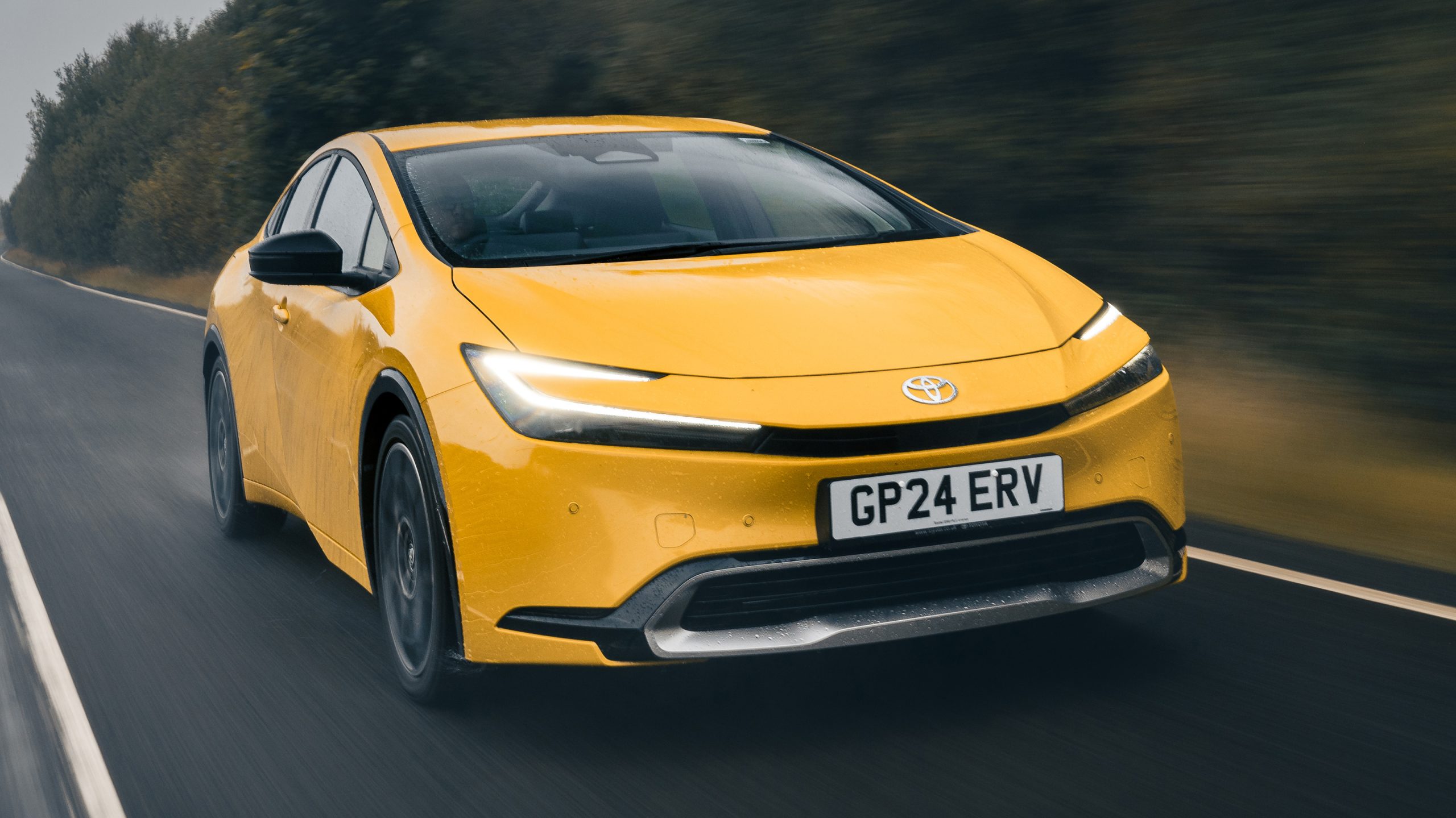
The Honda Civic is widely praised for its bulletproof reliability, high resale value, and fuel efficiency, making it an ideal choice for daily commuters. Its compact size allows for easy city driving and parking, while its comfortable ride, nimble handling, and well-balanced chassis make both urban streets and highways enjoyable.
Equipped with the Honda Sensing suite, the Civic offers advanced safety features such as adaptive cruise control, lane-keeping assist, and automated emergency braking, helping reduce driver fatigue during long or stop-and-go commutes. Optional features like blind-spot monitoring, rear-cross-traffic alert, and parking sensors further enhance safety.
The Civic delivers strong fuel economy, with nonhybrid models achieving 32 MPG city and 41 MPG highway thanks to a 150-hp 2.0-liter four-cylinder engine paired with a CVT.
The hybrid variant combines the 2.0-liter engine with two electric motors for a total of 200 horsepower, reaching 0–60 mph in 6.2 seconds while achieving 50 MPG city and 47 MPG highway, making it both quick and efficient. Both models use front-wheel drive, and the hybrid powertrain provides a smooth, responsive experience that rivals sportier trims.
Inside, the Civic comfortably seats five passengers. The front seats offer generous space, while the rear bench accommodates two adults comfortably, though three may be a squeeze. Cargo space is practical: the sedan trunk fits six carry-on suitcases, and the hatchback provides additional room with the rear seats folded.
Standard features include a 7.0-inch touchscreen, Bluetooth, and wired Apple CarPlay/Android Auto, while higher trims and hybrid models offer a 9.0-inch touchscreen, wireless CarPlay/Android Auto, in-dash navigation, wireless charging, leather seating, and an optional 12-speaker Bose stereo system, ensuring comfort and connectivity for daily commutes.
Known for long-term reliability, Civics often exceed 100,000 miles without major repairs. Warranty coverage includes 3 years/36,000 miles basic, 5 years/60,000 miles powertrain, 8 years/100,000 miles hybrid components, and one year/12,000 miles complimentary maintenance, providing peace of mind for owners.
The Honda Civic combines efficiency, reliability, safety, and comfort in a compact, commuter-friendly package. Its fuel economy, advanced technology, practical interior, and nimble performance make it a standout choice for city driving, long commutes, and everyday practicality, securing its place as one of the most trusted and versatile vehicles in its segment.
3. Toyota Camry Hybrid: Efficient, Comfortable, and Reliable
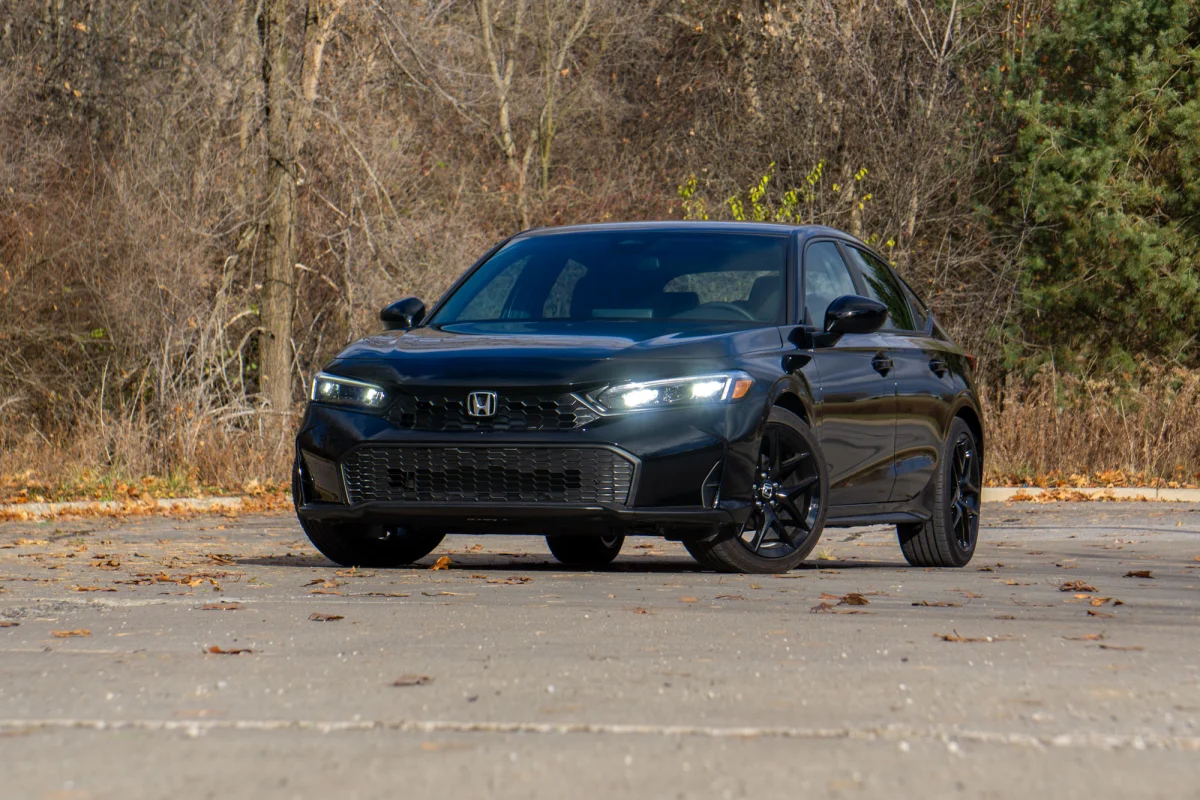
The 2025–2026 Toyota Camry Hybrid has been redesigned as a dedicated hybrid, combining exceptional fuel efficiency, a spacious and quiet ride, and Toyota’s renowned reliability. Front-wheel-drive models achieve up to 53 MPG city and 50 MPG highway, while all-wheel-drive versions deliver slightly lower figures.
The hybrid system excels in stop-and-go traffic, often relying on electric power and regenerative braking to conserve energy, making it a standout choice for daily commuting without the need for plug-in charging.
Its 5th-generation hybrid powertrain provides instant torque for confident acceleration in urban and highway driving, with 225 horsepower in FWD models and 232 horsepower in AWD trims. A continuously variable transmission ensures smooth power delivery, and sportier trims like SE and XSE offer tighter suspension tuning for more responsive handling.
Inside, the Camry Hybrid offers a spacious, comfortable cabin with room for adults in both front and rear seats. Cloth upholstery and dual-zone automatic climate control are standard, while XLE and XSE trims add leather seating, heated seats, a heated steering wheel, ambient lighting, and acoustic-laminated glass.
Cargo capacity is competitive, accommodating seven carry-on suitcases in the trunk and up to 19 with the rear seats folded, rivaling competitors like the Honda Accord.
Infotainment includes a standard 8.0-inch touchscreen, with an optional 12.3-inch display on higher trims, all running Toyota’s intuitive interface. Apple CarPlay and Android Auto are standard across all trims, with wireless functionality available, and a nine-speaker JBL system is optional on upper trims. A digital gauge cluster comes standard, with the larger fully digital version included on XLE and XSE models.
Safety is a strong focus, with a suite of standard driver-assistance features including automated emergency braking with pedestrian and cyclist detection, lane-keeping assist, lane-departure warning, adaptive cruise control with lane-centering, and proactive braking for curves. These technologies reduce driver fatigue and enhance confidence in congested or high-speed driving.
Toyota pairs its reliability with a solid warranty and maintenance package: 3 years/36,000 miles basic, 5 years/60,000 miles powertrain, and 10 years/150,000 miles hybrid components, plus two years/25,000 miles of complimentary maintenance.
The Camry Hybrid combines outstanding efficiency, smooth performance, advanced safety, and a quiet, comfortable cabin, making it a highly practical, low-cost, and dependable midsize sedan for daily commuting and long-term ownership.
4. Hyundai Tucson Hybrid: Efficient, Comfortable, and Tech-Forward Commuter SUV
The Hyundai Tucson Hybrid has earned high praise as a top commuter vehicle, combining fuel efficiency, comfort, and modern technology into a versatile compact SUV. With a combined fuel economy of up to 38 MPG and a total driving range of approximately 520 miles, it reduces refueling stops and daily commuting costs.
Its hybrid powertrain pairs a turbocharged 1.6-liter four-cylinder engine with an electric motor, producing 231 horsepower and 258 lb-ft of torque, while the plug-in hybrid (PHEV) variant boosts output to 268 horsepower and offers roughly 33 miles of all-electric range for short commutes.
Both models use a six-speed automatic transmission with standard all-wheel drive, delivering smooth, quiet, and confident performance around town and on the highway.
The Tucson Hybrid impresses with comfort and refinement, providing a quiet, composed ride and a hushed cabin at cruising speeds. Regenerative braking recovers energy during stops, increasing efficiency while reducing wear on the brakes.
Its smooth suspension, solid steering, and well-tuned handling contribute to a calm, controlled driving experience. On the test track, a loaded Hybrid accelerated from 0–60 mph in 7.1 seconds, slightly quicker than competitors like the Toyota RAV4 Hybrid.
Inside, the Tucson Hybrid’s cabin is modern, spacious, and thoughtfully designed. Standard technology includes a 12.3-inch infotainment touchscreen, digital instrument cluster, wireless Apple CarPlay and Android Auto, and optional wireless charging.
Higher trims offer a two-screens-in-one dashboard layout, Bose premium audio, and Hyundai’s digital key app for remote locking and starting. The interior comfortably seats four adults, and the SUV provides ample cargo space for nine carry-on suitcases behind the second row, expanding to 22 with seats folded.
Safety is a strong suit for the Tucson Hybrid. Standard driver-assistance features include automated emergency braking with pedestrian detection, lane-keeping assist, and lane-departure warning, while adaptive cruise control with lane-centering is available on higher trims. These technologies enhance safety and reduce stress during congested city commuting.
Hyundai pairs the Tucson Hybrid with a generous warranty and maintenance package, including five years/60,000 miles basic coverage, 10 years/100,000 miles powertrain, and three years/36,000 miles of complimentary scheduled maintenance.
The Hyundai Tucson Hybrid offers a balanced blend of efficiency, comfort, and advanced technology, making it an ideal daily commuter SUV. Its spacious, tech-forward interior, smooth and quiet ride, long range, and comprehensive safety features ensure a practical and enjoyable experience for both city and highway driving.
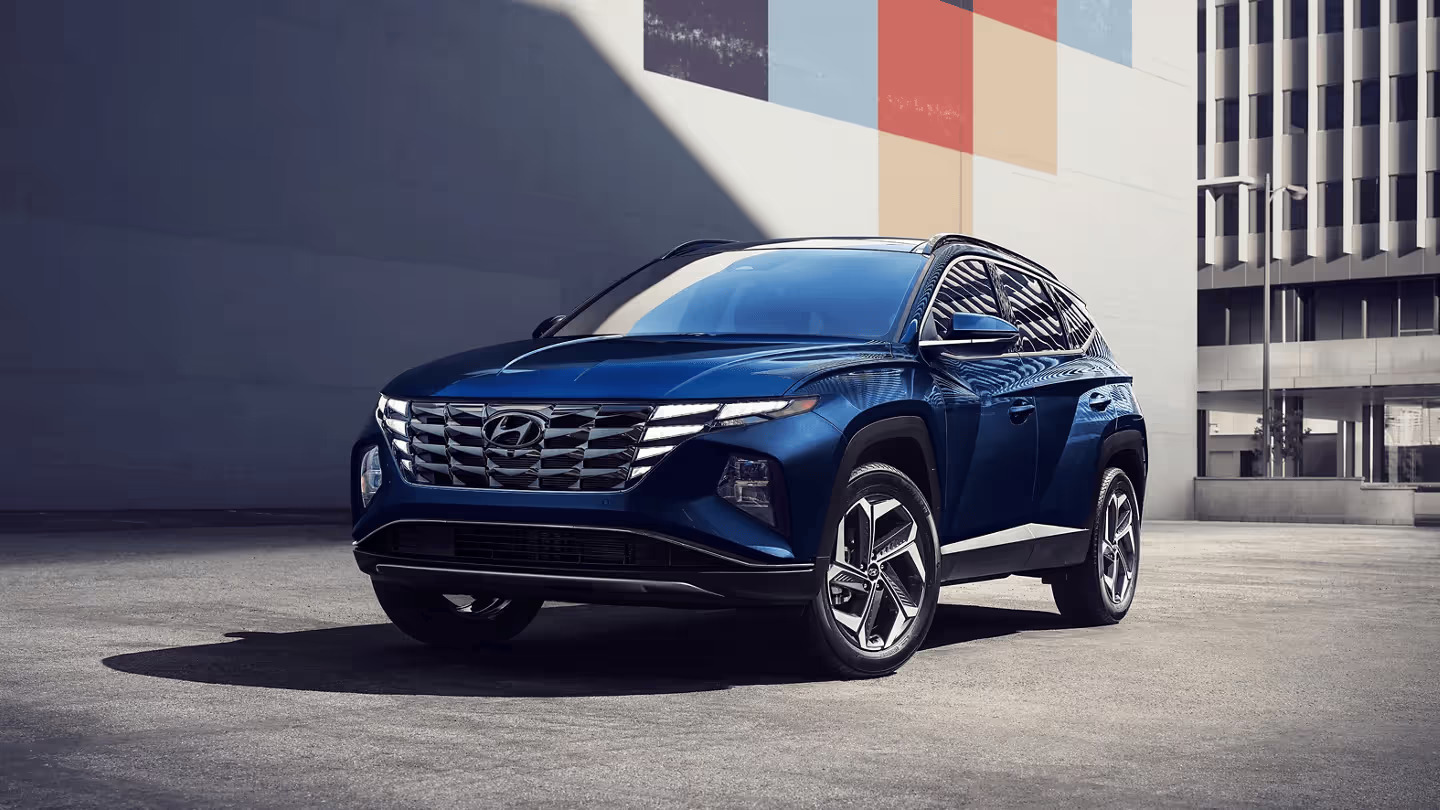
5. Tesla Model 3: High-Tech, Efficient, and Stress-Free Commuter EV
The Tesla Model 3 is a top choice for daily commuters seeking an electric vehicle with low operating costs, advanced technology, and a comfortable driving experience. Its high energy efficiency, extensive Supercharger network, and convenient at-home charging minimize “range anxiety,” making it ideal for city and highway travel alike.
The aerodynamic, compact design delivers a quiet, nimble ride, while features like one-pedal driving and Autopilot reduce fatigue during stop-and-go traffic. Owners save substantially on gasoline and maintenance, thanks to regenerative braking that extends brake life and eliminates routine oil changes.
The Model 3 offers multiple powertrain options, including a 286-hp single-motor rear-wheel drive, a 425-hp dual-motor all-wheel drive, and a 510-hp Performance dual-motor AWD variant.
Acceleration is brisk and smooth, with the Performance model reaching 0–60 mph in 2.8 seconds, outperforming even higher-priced competitors like the BMW i4 M50. The battery pack is mounted under the floor, providing a low center of gravity for precise handling and stable cornering. Steering is adjustable, the cabin is notably quiet, and even the Performance suspension balances sportiness with daily comfort.
The Model 3’s range and charging options are among the best in its segment. EPA estimates range from 309 to 363 miles, and real-world tests confirm competitive performance.
Fast-charging via Tesla Superchargers can replenish the battery from 10% to 90% in under 40 minutes for dual-motor models, while standard charging at home adds convenience for everyday commuting. Energy efficiency varies by model, with single-motor variants achieving up to 128 MPGe highway and Performance models around 91 MPGe.
Inside, the minimalist cabin emphasizes technology and functionality. A 15.4-inch central touchscreen controls most functions, while a rear 8-inch display provides climate and entertainment control for back-seat passengers. Front seats are supportive, but the rear seats are low and slightly cramped.
Cargo space includes a small front trunk (frunk) and a rear trunk that expands with 60/40 folding seats, accommodating up to 15 carry-on suitcases. Tesla’s infotainment supports streaming apps like Netflix and YouTube, though Apple CarPlay and Android Auto are absent.
Safety is a highlight, with adaptive cruise control, automated emergency braking, and lane-departure warning standard. Autopilot assists with lane centering, speed management, and even automatic lane changes, reducing commuter stress.
Warranty coverage includes four years/50,000 miles limited and eight years/100,000 miles for battery and drive components, though Tesla does not provide complimentary maintenance.
The Tesla Model 3 combines efficiency, technology, and performance, making it an ideal EV for daily commuting, with low costs, convenience, and a high-tech, stress-reducing driving experience.
Also Read: 5 Cars That Perform Well on Regular Fuel vs 5 That Don’t
5 That Don’t
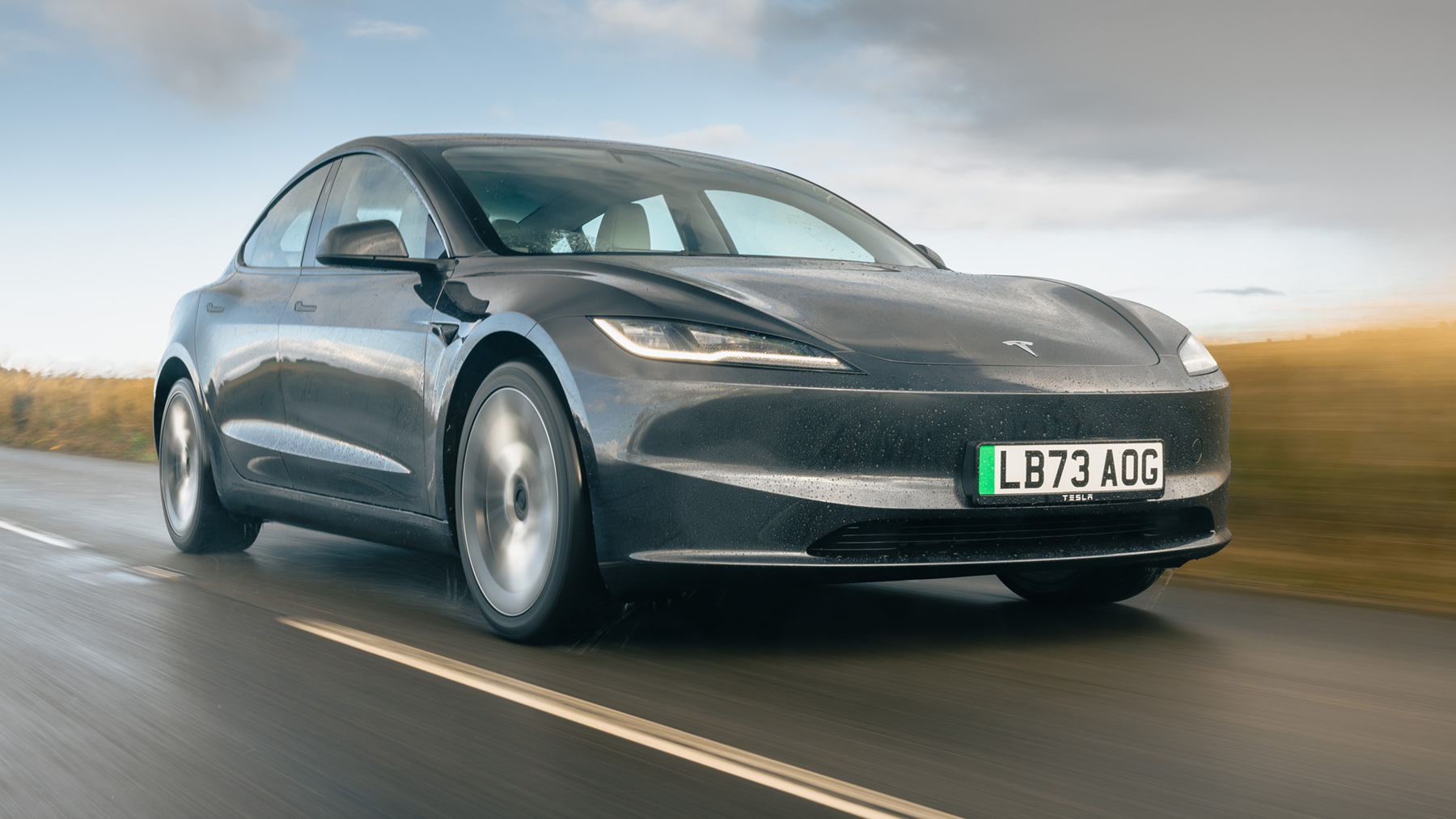
1. Jeep Wrangler: Rugged Off-Road Icon but Challenging for Daily Commuting
The Jeep Wrangler is legendary for off-road capability, yet its rugged design makes it less ideal for daily commuting. While it excels on trails and rough terrain, the Wrangler struggles on paved roads due to ride quality, noise, fuel efficiency, and practical limitations.
A key factor is its unrefined ride and handling. The Wrangler uses solid front and rear axles, excellent for rock crawling but transmitting every bump across the vehicle, resulting in a bouncy, jarring experience on highways. Its recirculating ball steering feels vague, requiring constant corrections to stay centered in a lane.
Noise, vibration, and harshness (NVH) are prominent concerns. The boxy, upright shape creates significant wind resistance, while removable tops and doors provide minimal insulation, letting external sounds flood the cabin. Off-road tires contribute further to road noise, making phone calls or music less enjoyable during commutes.
Fuel economy is another compromise. The standard 3.6L V6 achieves only 17–23 mpg, and the heavy, non-aerodynamic body forces the engine to work harder on highways. The 4xe plug-in hybrid improves efficiency with 49 MPGe on short trips but drops to roughly 20 mpg after its 21-mile electric range is depleted.
Practicality and safety are also limited. The interior prioritizes durability over comfort, with firm seats and tight rear legroom in two-door models. Cargo space is modest compared with rivals, and some base trims lack modern safety aids like automatic emergency braking, though newer models include side curtain airbags.
Despite these drawbacks, many owners embrace the “Jeep lifestyle”, valuing its off-road prowess, distinctive style, and strong resale value. While the Wrangler can handle commuting when necessary, its compromises in refinement, comfort, and efficiency make it a challenging daily driver compared with more road-focused SUVs.
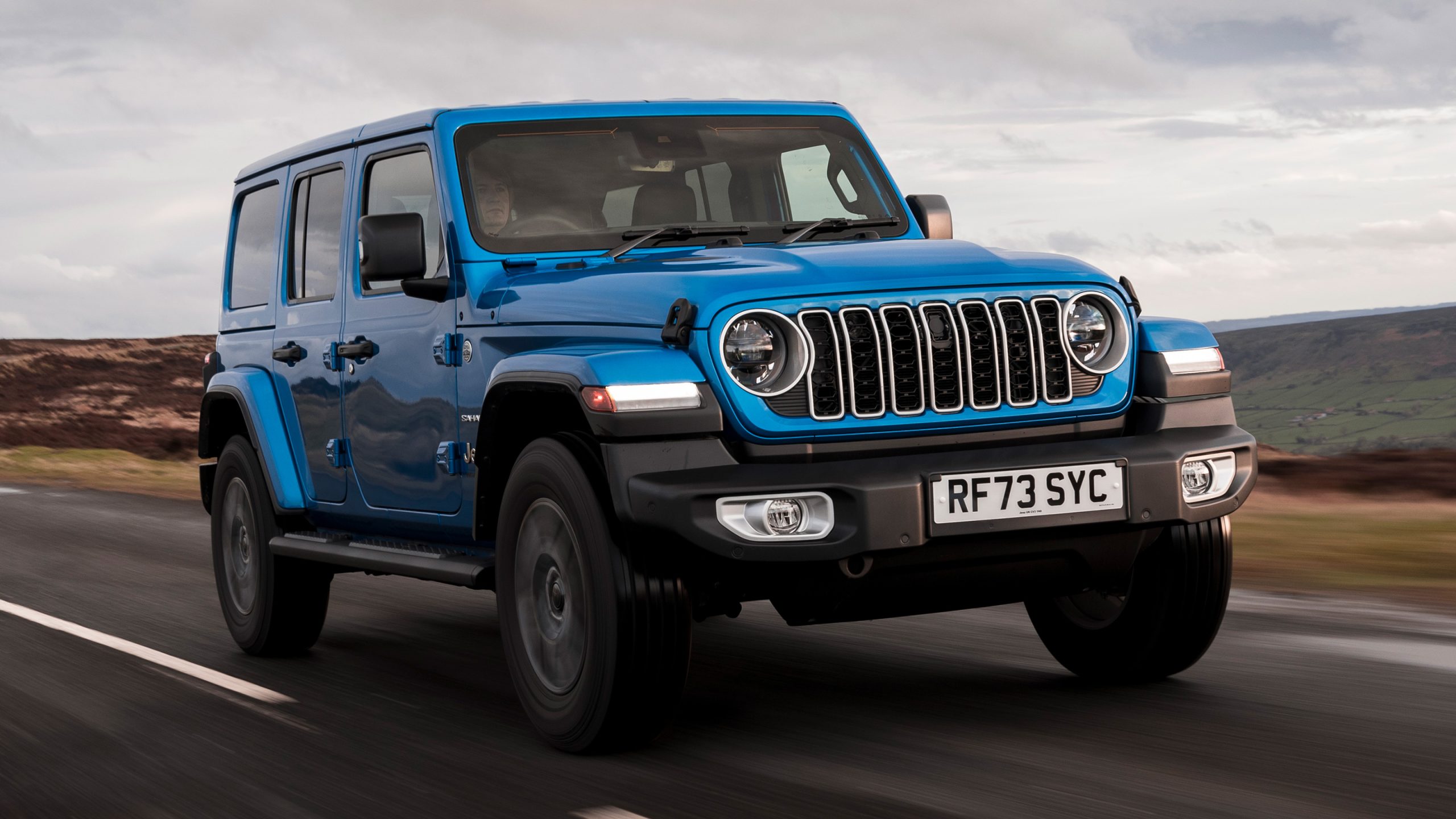
2. Rivian R1T: Innovative Adventure Truck with Commuting Challenges
The Rivian R1T is celebrated as a groundbreaking electric adventure vehicle, yet it presents notable challenges for daily commuting. Its cutting-edge technology and off-road capabilities are impressive, but frequent reliability issues, software quirks, and service limitations make it less than ideal as a primary commuter.
One major hurdle is software and digital functionality. The Phone-as-Key (PaaK) system is often slow or unresponsive, leaving owners stranded outside their vehicle. Unlike most modern vehicles, the R1T lacks Apple CarPlay and Android Auto, forcing reliance on Rivian’s native navigation, which can be inaccurate or inefficient for daily routes.
Seasonal and efficiency issues also impact commuting practicality. Cold weather can reduce efficiency by 20–30 percent, and the energy required to heat the battery and cabin for short trips increases costs per mile. Additionally, always-on systems like Gear Guard contribute to “vampire drain,” slowly depleting the battery even when parked.
The truck’s physical size and service realities further complicate daily use. Though smaller than a traditional full-size pickup, the R1T’s weight and high-tech systems make low-speed maneuvering tricky. Service centers are limited and often booked weeks in advance, meaning minor issues like climate control or 12V battery faults can sideline the vehicle for extended periods.
Even smaller ergonomic frustrations affect the commuter experience. Wireless charging pads can fail to secure devices during turns, and HVAC adjustments require touchscreen interaction, which can be distracting while driving.
Despite these drawbacks, Rivian owners often embrace the Over-the-Air (OTA) updates, which continuously improve functionality and fix bugs. Many accept the “struggle” as part of the evolving, premium ownership experience, balancing commuting compromises with off-road capability and innovative features.
For now, the R1T excels as an adventure-focused vehicle but remains a risky and sometimes frustrating option for daily commuting.
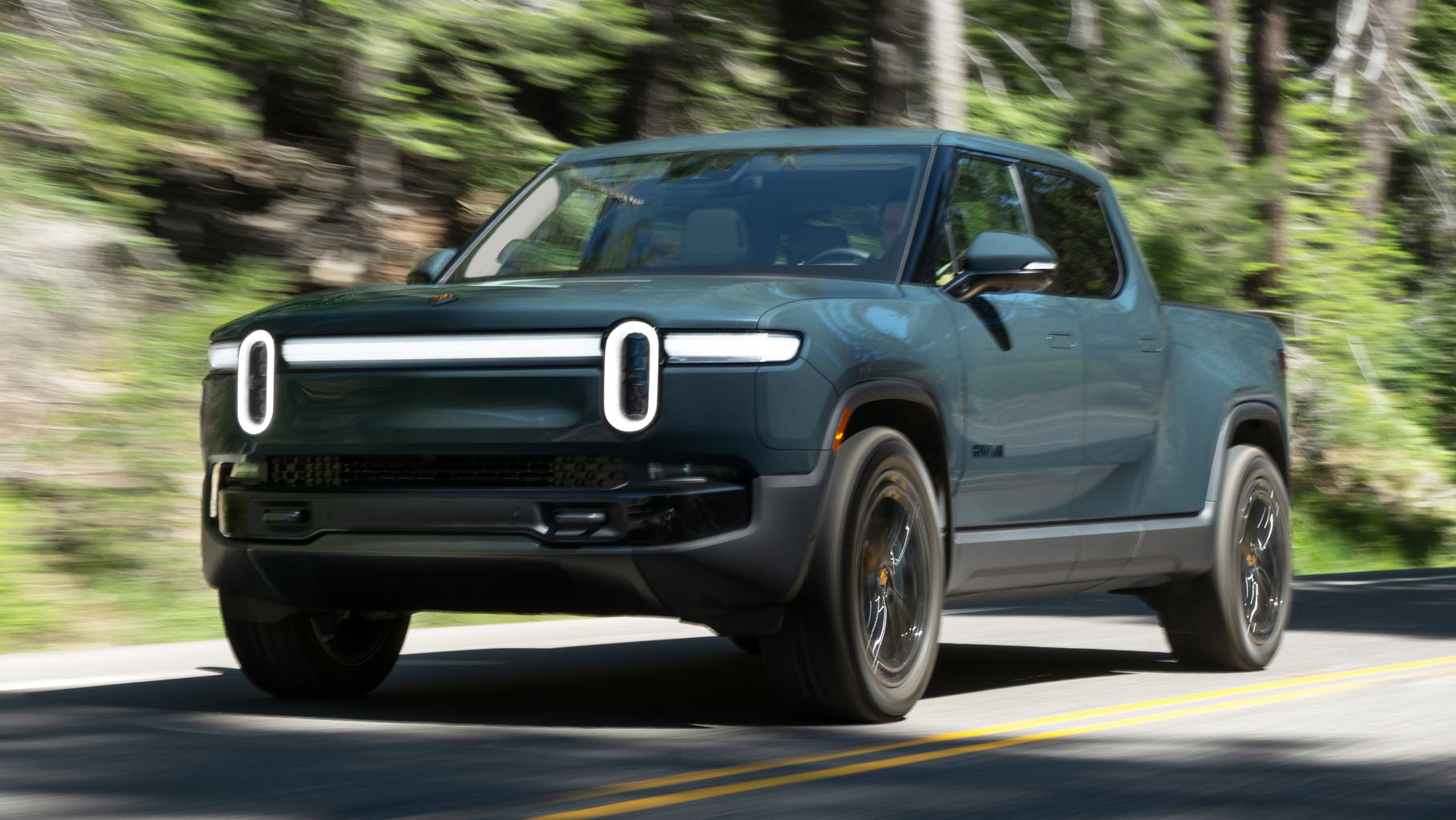
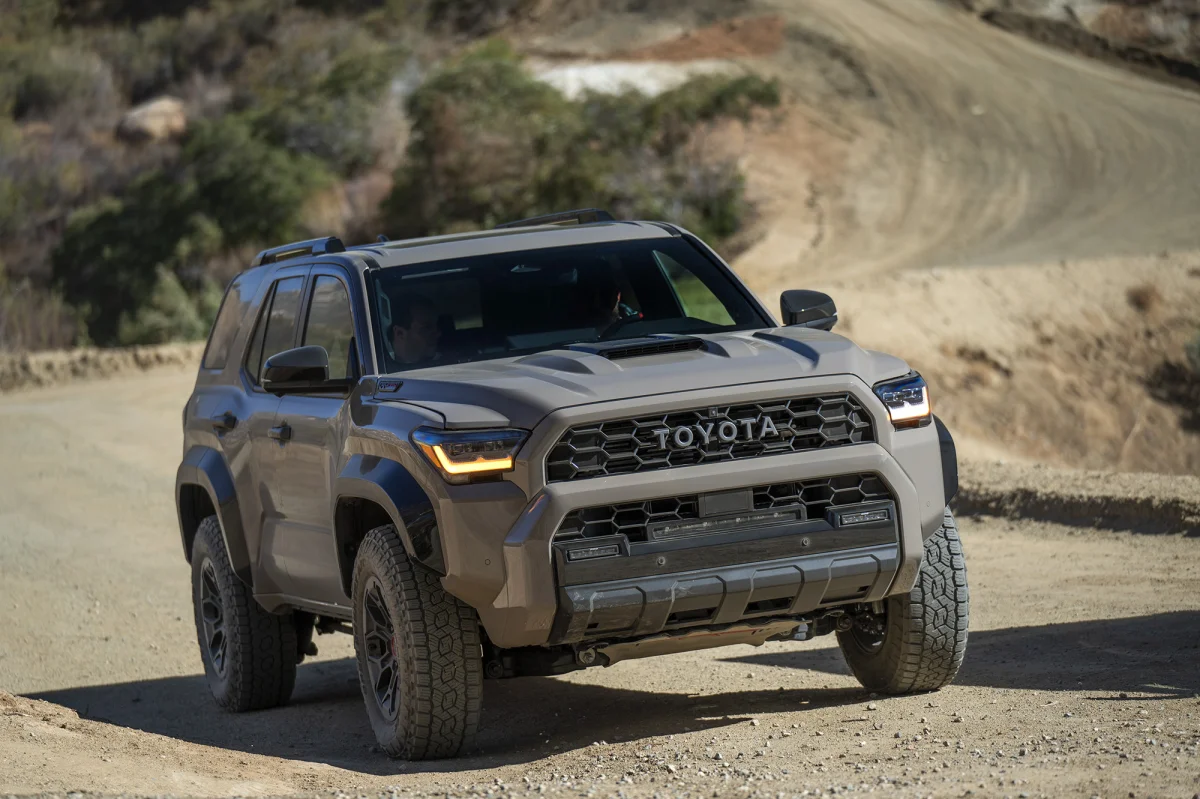
3. Toyota 4Runner: Rugged Off-Roader with Daily Commuting Drawbacks
The Toyota 4Runner is an iconic off-road SUV, renowned for its reliability and durability, but it often falls short as a daily commuter. Its engineering prioritizes trail capability over pavement comfort, resulting in compromises that make highway driving less enjoyable.
A major factor is the body-on-frame construction, which gives the 4Runner its legendary toughness but also creates a heavy, stiff ride. Drivers feel every pothole and road imperfection, and the boxy shape generates significant wind noise. Steering requires constant micro-adjustments at highway speeds, making long commutes tiring.
The 4Runner also suffers from poor fuel efficiency. Its aging 4.0L V6 paired with a 5-speed automatic struggles in stop-and-go traffic, averaging just 16–17 MPG. Over a long commute, this translates into a high monthly fuel cost compared to modern crossovers or hybrid SUVs.
Handling is another compromise. The suspension, optimized for rock crawling, produces noticeable nose dive under braking, pronounced body roll in corners, and vague steering. These traits make tight parking maneuvers, highway lane changes, and quick responses feel cumbersome.
The interior prioritizes ruggedness over comfort. Large knobs and a high driving position suit off-road use, but taller drivers may find the seating position awkward. Older models lack modern infotainment and advanced safety tech, reducing convenience for daily driving.
Finally, performance feels sluggish. The 5-speed transmission is slow to downshift, and the engine lacks quick acceleration for merging onto highways or overtaking, requiring a patient, steady driving style.
The Toyota 4Runner excels off-road and maintains a reputation for reliability, but its stiff suspension, low fuel economy, and dated tech make it a challenging choice for daily commuting. Drivers seeking highway comfort and modern efficiency may find it less practical, though enthusiasts tolerate these compromises for the “Jeep-like” adventure experience and exceptional durability.
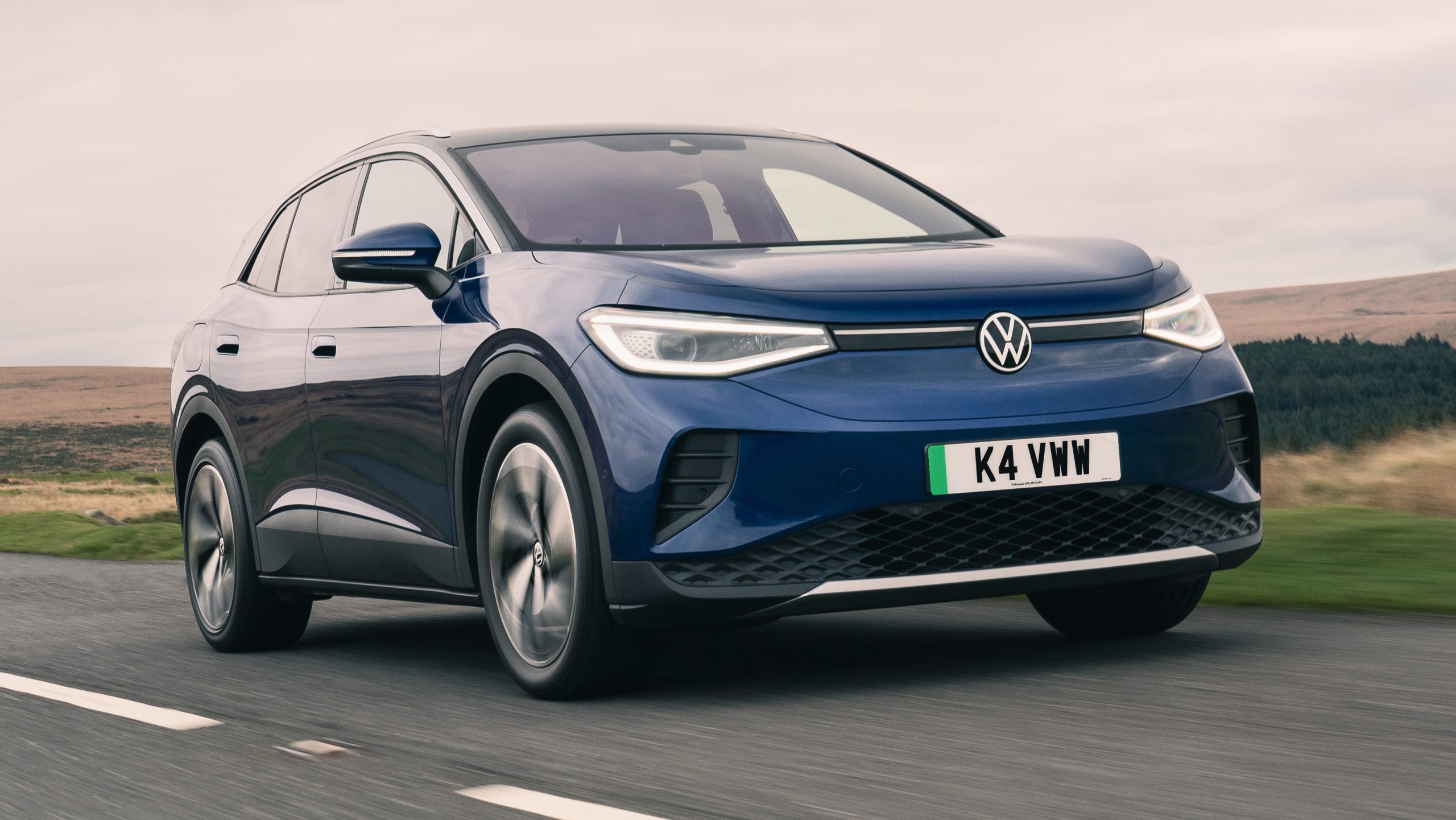
4. Volkswagen ID.4: Comfortable EV with Commuting Frustrations
The Volkswagen ID.4 is a spacious and quiet electric SUV, often praised for its smooth ride and roomy interior. However, several persistent issues make it a challenging choice for daily commuting. Its reliability rating of 29/100 reflects frequent electronic glitches, infotainment frustrations, and maintenance quirks that can disrupt a dependable routine.
A primary concern is the touch-based infotainment interface. VW replaced traditional buttons with touch-sensitive sliders for volume and climate control, which are not backlit in pre-2024 models, making night adjustments difficult.
System latency adds to commuter frustration, as the infotainment can take 30–60 seconds to fully activate. Additionally, the simplified window control design often causes drivers to open the wrong window while moving, adding to daily annoyances.
Cold weather and highway driving also impact the ID.4’s practicality. Battery efficiency drops 20–30% in freezing conditions due to energy used for cabin and battery heating. The range estimator can be inconsistent, especially at highway speeds above 70 mph, leaving some commuters worried about running out of charge on routine trips.
Maintenance and charging logistics present additional challenges. The ID.4’s high instant torque and weight accelerate rear tire wear, with replacements needed as early as 15,000–20,000 miles. Home charging requires a Level 2 (240V) outlet; standard 120V outlets cannot replenish a full battery overnight, complicating life for commuters without upgraded infrastructure.
The Volkswagen ID.4 delivers a comfortable and quiet driving experience, but software glitches, cold-weather range degradation, and ongoing maintenance costs make it less practical for daily commuting. Drivers seeking a low-stress, reliable EV may need to weigh its spacious interior and smooth ride against these recurring pain points.
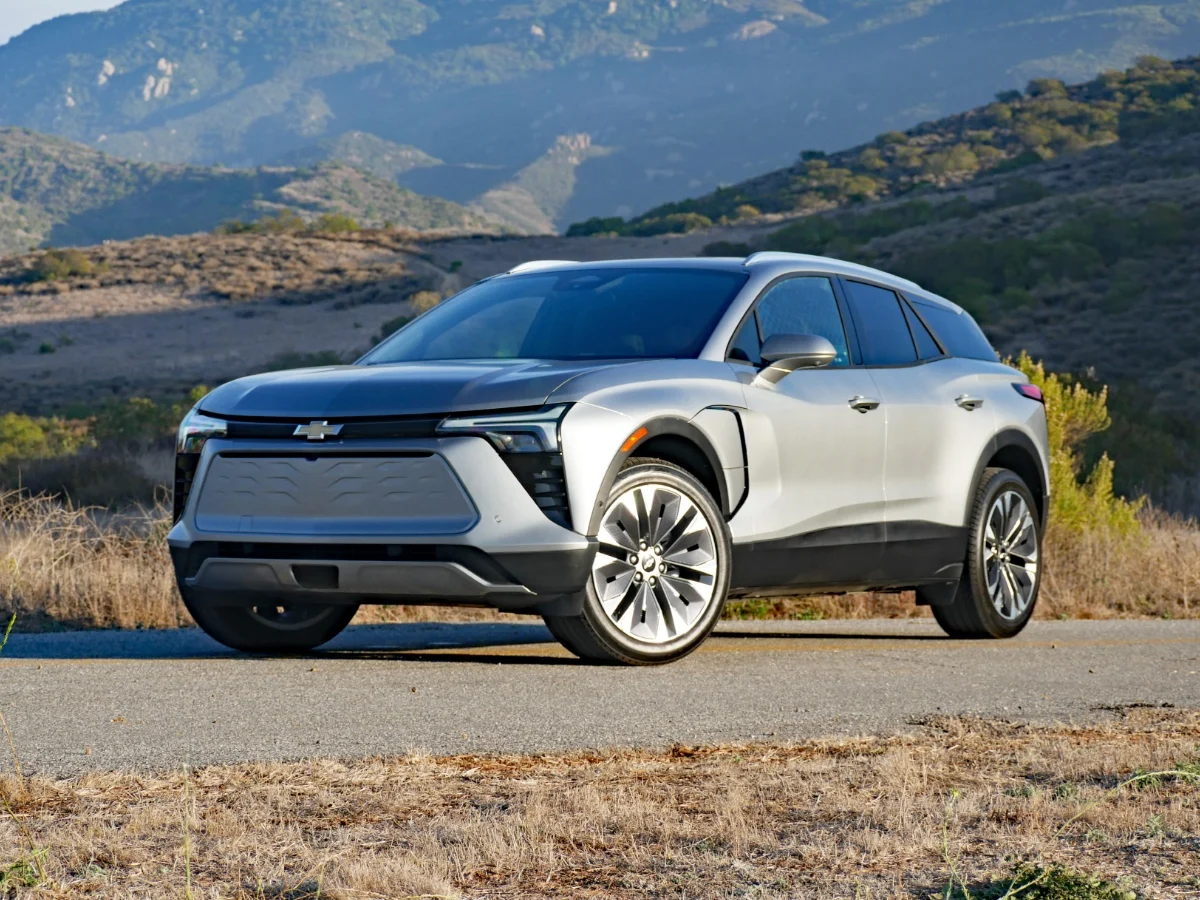
5. Chevrolet Blazer EV: Stylish Electric SUV with Commuting Challenges
The Chevrolet Blazer EV, built on GM’s Ultium platform, delivers a quiet and stylish driving experience but struggles as a daily commuter due to notable build quality and software issues.
Early 2024 models were plagued by widespread software instability, including infotainment crashes, window switch failures, and “Service Vehicle Soon” errors, which sometimes rendered vehicles undriveable. These issues forced GM to temporarily halt sales and release software updates, but they left a lasting reputation for unreliability.
Another frustration for commuters is the infotainment system transition. Chevrolet replaced Apple CarPlay and Android Auto with Google Built-In, eliminating the familiar phone-mirroring experience used for navigation, messaging, and media. Critics argue this move prioritizes GM’s data collection and subscription potential over user convenience, making daily tech interactions cumbersome.
Charging performance also presents challenges. While the Blazer EV can theoretically charge at 190 kW, real-world DC fast charging often follows a slow curve, requiring up to 50 minutes to reach 80% capacity, far behind rivals like the Hyundai Ioniq 5, which achieves similar levels in under 20 minutes. Cold weather exacerbates these issues, with thermal management limitations further reducing range and charging efficiency.
The Blazer EV’s daily driving dynamics are similarly compromised. Weighing over 5,000 lbs, the SUV feels ponderous in city traffic, and reviewers have criticized interior ergonomics and certain driver-assist features as poorly integrated or potentially unsafe.
These factors, combined with early reliability concerns, make it a less practical choice for commuters who prioritize seamless technology, efficient charging, and responsive handling.
While the Chevrolet Blazer EV impresses with style and quiet cabin comfort, its software glitches, slow charging, heavy curb weight, and winter range limitations make it a challenging option for consistent daily commuting.
Daily commuting requires a careful balance of reliability, comfort, and efficiency. Vehicles such as the Prius, Civic, Camry Hybrid, Tucson Hybrid, and Tesla Model 3 provide low operating costs, smooth performance, and technology that reduces stress on city streets and highways.
In contrast, vehicles like the Jeep Wrangler, Rivian R1T, Toyota 4Runner, Volkswagen ID.4, and Chevrolet Blazer EV can create challenges due to stiff rides, noisy cabins, software issues, or heavy handling. Understanding the strengths and weaknesses of each vehicle helps commuters select cars that save time, reduce fatigue, and provide a more comfortable and practical daily driving experience.
Also Read: Top 10 Cars That Changed Automotive Engineering Forever