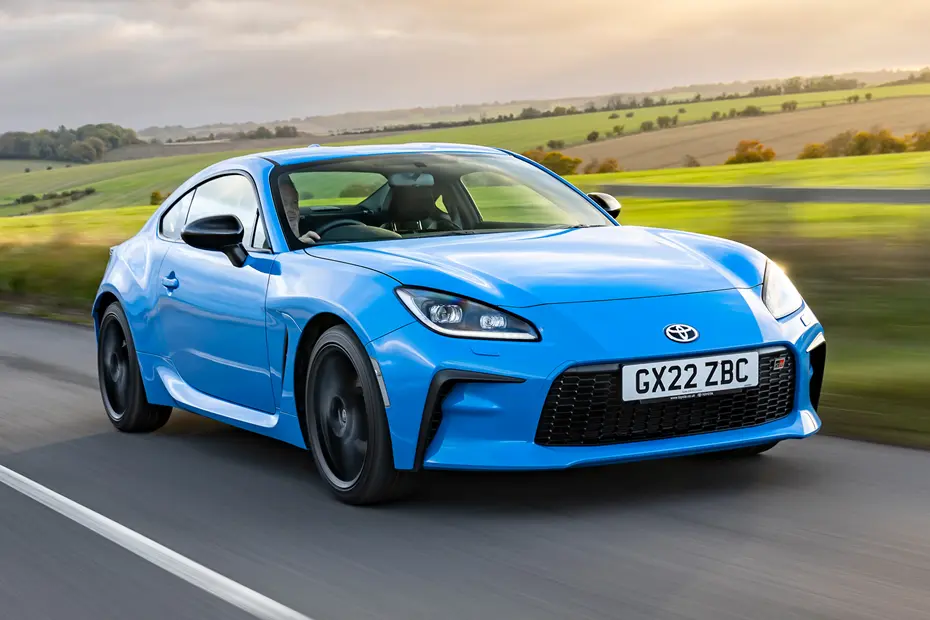
Not all vehicles are designed to travel long distances between fuel stops. Some prioritize performance, handling, or luxury features, which can lead to more frequent trips to the gas station. Cars like the Toyota GR86 with its small 13.2-gallon tank, the turbocharged Hyundai Elantra N, and the Ford F-150 Raptor R require refueling sooner because of their performance-focused engineering.
Other models, such as the Nissan Versa and Mazda CX-30, may have small tanks or mechanical factors that limit their driving range. These vehicles highlight the trade-off between fuel efficiency and other priorities such as driving enjoyment, power, or compact design.
Understanding why these five vehicles need more frequent refueling helps drivers make informed choices and plan trips effectively while still enjoying the unique characteristics that each vehicle offers.
5 Vehicles That Make Frequent Fuel Stops
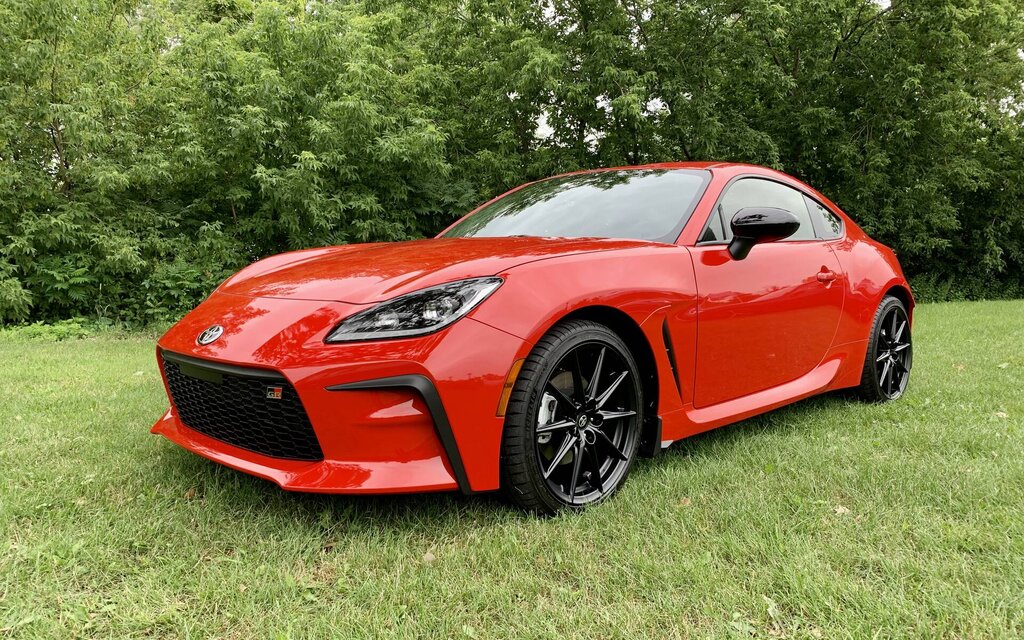
1. Toyota GR86 Fuel Range: Designed for Driving Engagement
The Toyota GR86 is built with a clear focus on driver involvement, and its limited driving range reflects that purpose. Equipped with a 13.2-gallon (50-liter) fuel tank and an EPA-estimated 22 MPG combined, the car offers a theoretical range of about 290 miles. In daily use, many drivers experience a shorter span between refueling stops, often closer to 250 to 280 miles.
This frequent need to refuel is not a flaw but the result of intentional engineering decisions. One of the most significant factors is the small fuel tank, which helps reduce vehicle weight and supports the GR86’s agile handling.
The effect is amplified by the low-fuel warning system, which activates with roughly 5 to 7.5 liters still remaining. Because most drivers refill soon after the light appears, they are typically using only 42 to 45 liters per tank, making fuel stops feel more frequent than expected.
The GR86’s engine and drivetrain further explain its fuel behavior. Power comes from a 2.4-liter naturally aspirated boxer engine designed for responsiveness rather than efficiency. Short gear ratios, especially in the manual transmission, keep the engine operating at higher RPMs during normal driving, which increases fuel consumption.
The car also avoids modern fuel-saving technologies such as cylinder deactivation or hybrid assistance to preserve a pure and engaging driving experience. Its high 12.5:1 compression ratio requires premium fuel, and using lower octane gasoline can reduce efficiency while potentially affecting engine health.
EPA estimates vary by transmission, with the manual rated at about 20 MPG city and 27 MPG highway, and the automatic slightly higher on the highway. Real-world driving with moderate enthusiasm often results in averages around 22 to 24 MPG.
While drivers can improve range slightly by shifting earlier, using cruise control, and maintaining proper tire pressure, the GR86’s short range remains a natural trade-off for its performance-focused character.
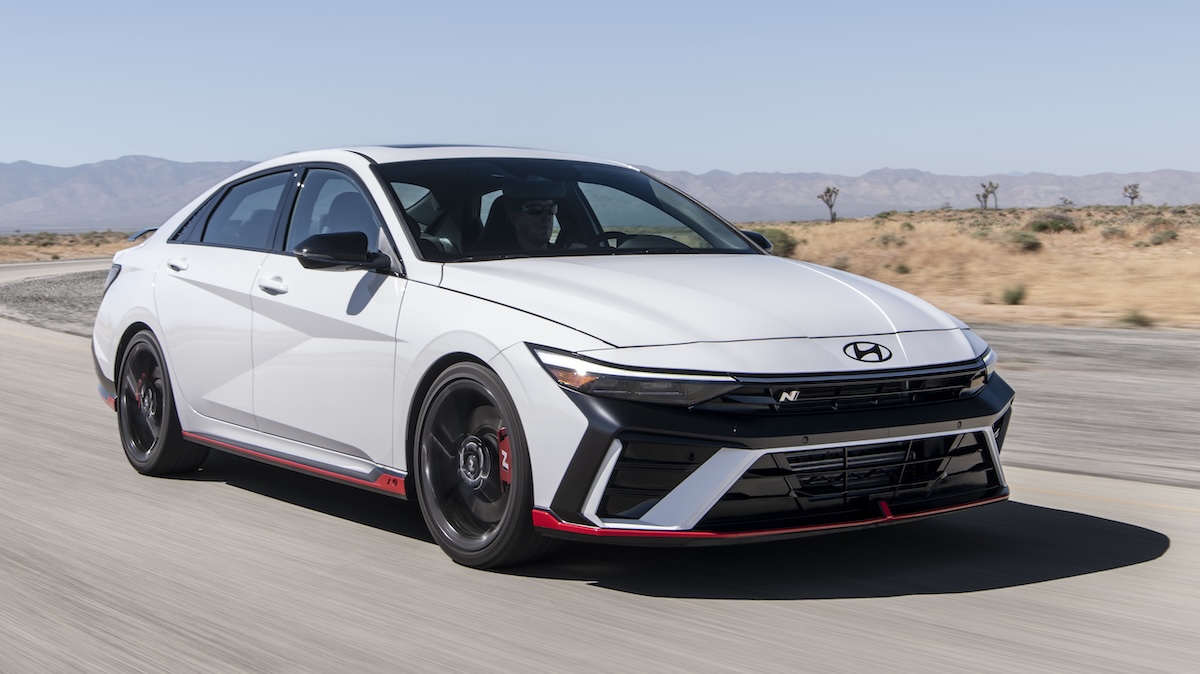
2. Hyundai Elantra N: Performance Comes at the Cost of Fuel Range
The Hyundai Elantra N is a compact sedan tuned for excitement rather than efficiency, and its fuel range reflects this focus. With a 12.4-gallon (47-liter) tank and an average of roughly 24 MPG, the car offers a real-world range of about 240–260 miles, making it one of the shortest in its class.
Frequent fuel stops are common among owners and stem from a combination of deliberate performance-oriented engineering and a few mechanical quirks.
A major factor is the relatively small fuel tank, which limits the distance you can drive before needing to refill. Many drivers do not use the tank completely before topping off, meaning only 10–11 gallons are actually consumed per trip. This limitation is amplified when the car is driven in its signature N Mode.
In this setting, throttle response is heightened, turbo boost is maintained, and engine mapping prioritizes performance over efficiency. Enthusiastic driving in N Mode can push fuel economy into the mid-teens, with extra fuel consumed for signature exhaust pops and bangs.
Another unique factor is Hyundai’s Octane Learning system, which resets ignition timing after every refuel. To reach full boost and peak horsepower, the car must be driven at specific highway speeds for a period, leading to additional fuel consumption immediately after filling up.
Mechanical issues can also worsen fuel range. Problems with the EVAP (Evaporative Emission) system, such as a clogged charcoal canister from topping off or a blocked vent valve, can prevent the tank from filling completely. Additionally, faulty high-pressure fuel pumps can reduce fuel efficiency, creating the impression of an even smaller tank.
The Elantra N’s short range is primarily a trade-off for performance. Small tank capacity, aggressive N Mode driving, Octane Learning requirements, and occasional EVAP or fuel system issues all contribute to more frequent stops at the pump. Drivers seeking exhilaration in a compact sedan must accept these compromises in exchange for the car’s spirited driving experience.
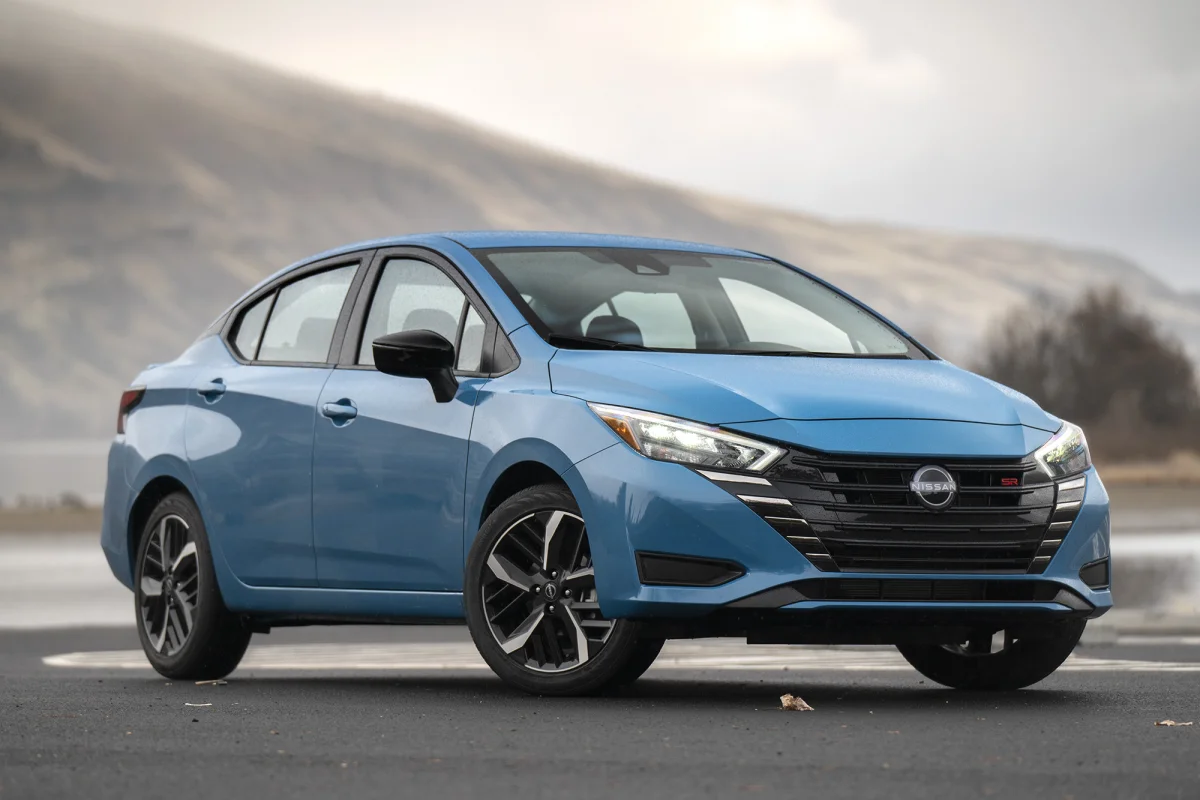
3. Nissan Versa Fuel Range: Efficiency Limited by Tank Size and Mechanical Factors
The Nissan Versa is a budget-friendly subcompact known for its fuel efficiency, achieving around 35 MPG. However, its small fuel tank limits its driving range to roughly 324 miles per fill-up, making frequent trips to the gas station a common experience for owners. This short range is influenced by both design and potential mechanical issues.
On the mechanical side, reduced fuel efficiency can be caused by several engine and drivetrain problems. Faulty oxygen (O2) sensors or a dirty mass airflow (MAFS) sensor can miscalculate the air-to-fuel ratio, causing the engine to burn a rich mixture.
This wastes fuel and can lead to rough idling or stalling. Ignition problems, such as worn spark plugs or failing ignition coils, result in incomplete combustion, forcing the engine to work harder. Fuel system issues like clogged injectors or a dirty fuel filter can also decrease efficiency. Beyond the engine, a stuck brake caliper or underinflated tires create additional resistance, increasing fuel consumption.
Frequent stops may also occur when the tank cannot be filled fully due to issues with the Evaporative Emission (EVAP) system. The EVAP system vents air and vapors as you refuel, and a clogged charcoal canister or vent valve can build pressure in the tank.
This pressure triggers the pump’s automatic shut-off, making the tank appear full when it is not. Drivers then need to refuel sooner than expected, compounding the perceived short range.
To maximize range, owners should maintain proper tire pressure and perform routine maintenance, including air filter and spark plug replacements. If the fuel pump shuts off prematurely during filling, a mechanic should inspect the EVAP system for blockages.
While the Versa is efficient, its small tank and potential mechanical factors combine to limit its practical driving distance, requiring more frequent stops than larger or higher-capacity vehicles.
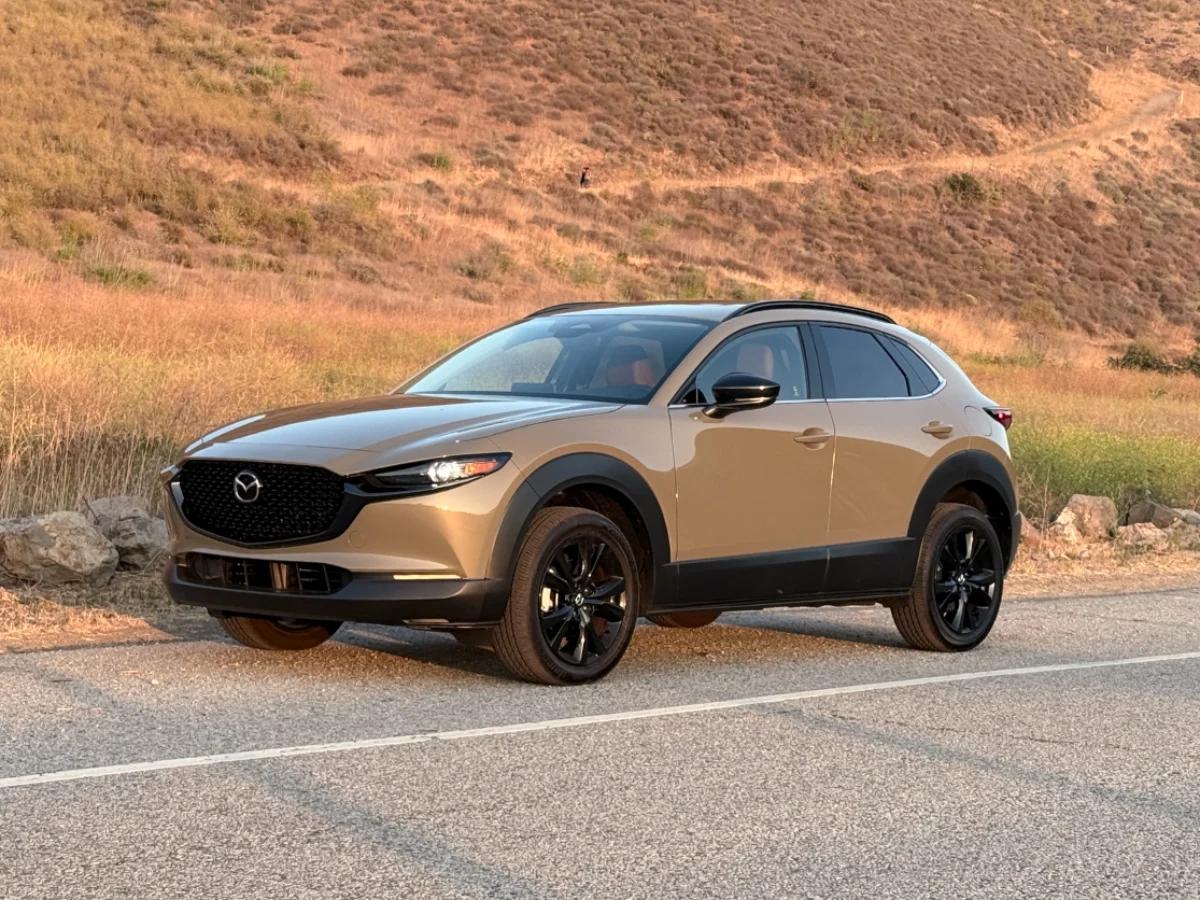
4. Mazda CX-30 Fuel Range: Premium Comfort at the Cost of Frequent Stops
The Mazda CX-30 is a subcompact SUV known for its premium interior and engaging driving experience, but it falls short in long-distance endurance. With an EPA-estimated range of roughly 318 miles, owners often find themselves refueling more frequently than with comparable crossovers. The limited range is primarily due to a small fuel tank, conservative onboard software, and the vehicle’s performance-focused design.
A key factor is the CX-30’s fuel tank capacity. Most models, particularly all-wheel-drive (AWD) versions, hold only 12.7 gallons (48 liters), significantly less than rivals like the Subaru Crosstrek, which carries 16.6 gallons. Combined with the 2.5L turbo engine’s average of 22–25 MPG, this results in a practical range under 320 miles per tank.
Mazda’s fuel gauge system adds to the perception of short range. The “Low Fuel” light often illuminates when 1.5 to 2 gallons of fuel remain, meaning drivers typically refill after using only 10–11 gallons.
This can create the impression of needing to stop every 200–250 miles. Additionally, the dashboard’s dynamic range estimates adjust based on recent driving habits, so heavy city traffic can significantly reduce the predicted remaining miles, even before a highway journey begins.
Performance priorities also affect fuel economy. Turbocharged models producing 250 horsepower are especially “thirsty,” particularly in stop-and-go traffic. The i-ACTIV AWD system adds weight and mechanical drag, further reducing efficiency compared to front-wheel-drive versions.
Owners can extend the range with a few practical steps: maintain proper tire pressure, adopt smoother acceleration to reduce fuel consumption, and keep routine maintenance up to date, including clean air filters and spark plugs. While the CX-30 delivers a spirited, premium driving experience, its small tank and conservative software design make frequent fuel stops an unavoidable trade-off for comfort and performance.
5. Ford F-150 Raptor R: Power Comes at the Cost of Fuel Efficiency
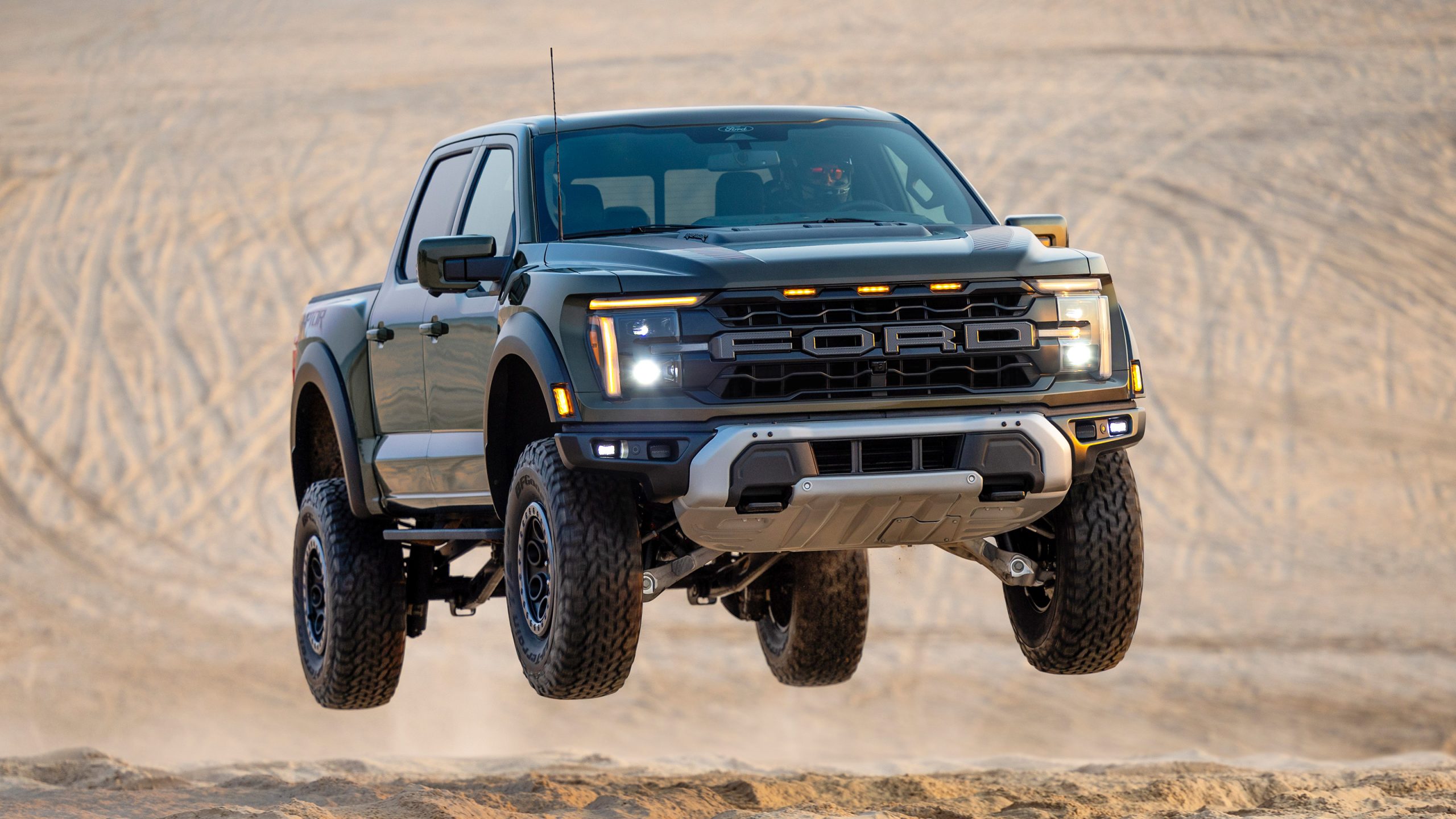
The 2025 Ford F-150 Raptor R is a high-performance off-road truck known for its monstrous 700–720 horsepower, but it comes with one major compromise: fuel efficiency. With an average consumption of 19.7 L/100 km (roughly 10–12 mpg), even its large 36-gallon fuel tank struggles to keep refueling stops infrequent. Drivers of the Raptor R often find themselves visiting the pump every 3.5 to 4 hours on spirited drives.
The engine is the primary factor behind the Raptor R’s thirst. Its 5.2-liter supercharged V8 produces immense power but consumes fuel at a prodigious rate. Unlike turbochargers, the belt-driven supercharger requires engine energy to operate, creating a constant fuel penalty. Additionally, the engine control unit injects extra fuel under high boost conditions to prevent overheating, further increasing consumption.
The truck’s size and design also reduce efficiency. Its high ride height increases air turbulence underneath the vehicle, while massive 37-inch all-terrain tires add rolling resistance and rotational weight. These factors, combined with a boxy shape, give the Raptor R the aerodynamics of a brick, reducing highway fuel economy and accelerating wear on fuel.
Even with a 36-gallon tank, real-world range is limited. At average highway speeds, the truck may theoretically cover 360–430 miles, but aggressive driving drops efficiency to 8–9 mpg, reducing range to under 270 miles.
Technical refueling issues can make frequent stops even more frustrating. Problems with the EVAP system, such as clogged vent valves or sensors, can prevent the tank from filling completely, causing pumps to click off prematurely.
The Ford F-150 Raptor R is designed for performance and off-road dominance, not fuel economy. Its supercharged V8, massive tires, tall stance, and occasional EVAP limitations all contribute to frequent trips to the gas station. Drivers pay a high fuel cost for every ounce of its unmatched power and capability.
Also Read: 5 Cars With Long Real-World Fuel Range vs 5 With Short Range
5 That Don’t
1. Toyota Camry Hybrid LE FWD: Efficient, Comfortable, and Fun to Drive
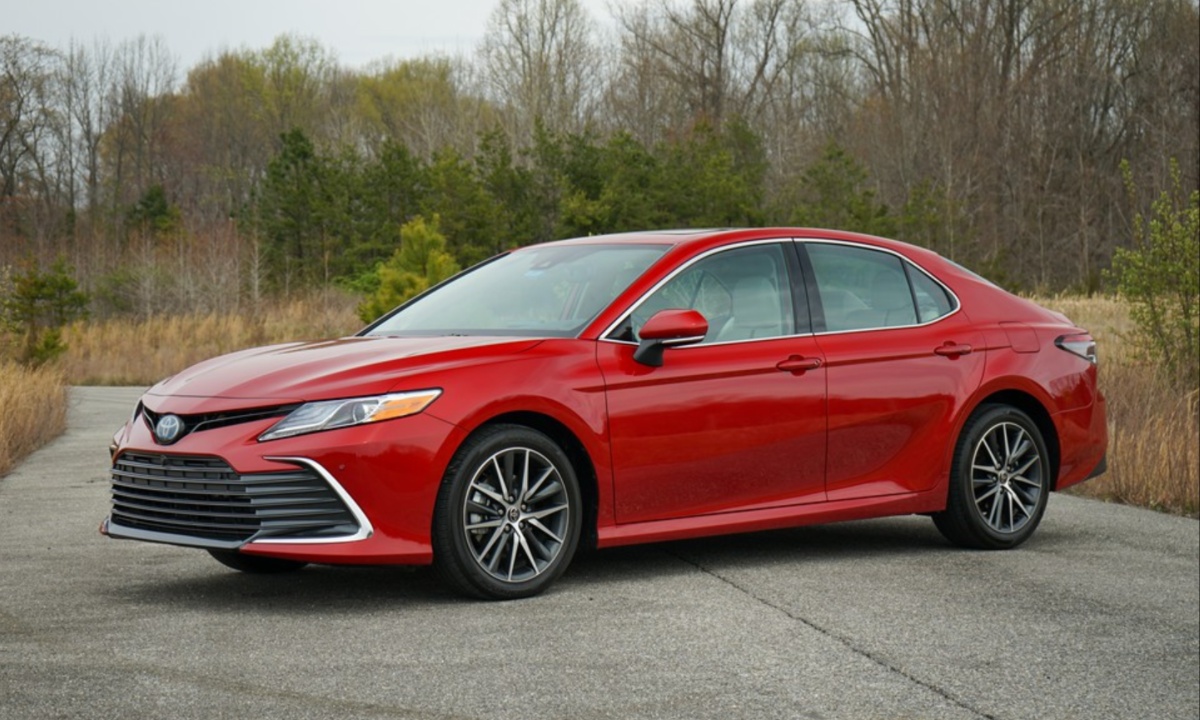
The Toyota Camry Hybrid LE FWD stands out in the midsize sedan segment for its exceptional fuel efficiency and long driving range. With a 13-gallon fuel tank and an EPA-estimated 51 MPG combined, this model can travel up to 663 miles on a single tank, dramatically reducing the need for frequent stops.
The car achieves this through a hybrid powertrain that pairs a 2.5-liter four-cylinder gasoline engine with dual electric motors. Regenerative braking recaptures energy during deceleration to recharge the battery, while ECO driving mode optimizes fuel use for everyday conditions. The system is self-charging, so no plug-in access is required.
The Camry Hybrid continues Toyota’s tradition of hybrid innovation, building on lessons from the Prius. The 2025 redesign is evolutionary rather than revolutionary, with a refreshed front fascia, updated interior, re-engineered suspension, and a new braking system.
The cabin gains modern tech, including a standard 7-inch digital gauge cluster, 8-inch infotainment touchscreen with wireless Apple CarPlay and Android Auto, wireless charging, dual climate control, and Toyota Safety Sense 3.0.
Higher trims offer larger 12.3-inch screens, a head-up display, JBL audio, and a power panoramic roof. Safety features include pre-collision detection with pedestrian sensing, lane-keeping assist, adaptive cruise control, blind-spot monitoring, and rear cross-traffic alert.
Performance is enhanced with a hybrid system output of 225 hp in front-wheel-drive models and 232 hp in all-wheel-drive versions. The Camry LE FWD delivers 0-60 mph in 6.9 seconds while maintaining high fuel efficiency. Fuel economy varies slightly across trims, with the LE FWD rated at 53/50 mpg city/highway and the XSE FWD slightly lower at 48/47 mpg.
All-wheel-drive models reduce fuel economy by 1–4 MPG. The hybrid powertrain provides linear acceleration and consistent braking, making the Camry unexpectedly engaging for a midsize sedan.
Toyota offers four trim levels for the Camry Hybrid, with the LE FWD starting at $29,495 and the XSE at $35,695. Exterior styling varies from the straightforward LE to the sportier SE and XSE, which feature aerodynamic accents, dual exhaust tips, and larger wheels.
The Camry balances comfort, value, fuel efficiency, and a hint of driving fun, making it a versatile choice for commuters and enthusiasts alike. With its long range, refined interior, and strong safety features, the 2025 Camry Hybrid continues to define the benchmark for efficiency in its class.
2. Toyota Prius LE FWD: Legendary Efficiency and Long-Range Driving
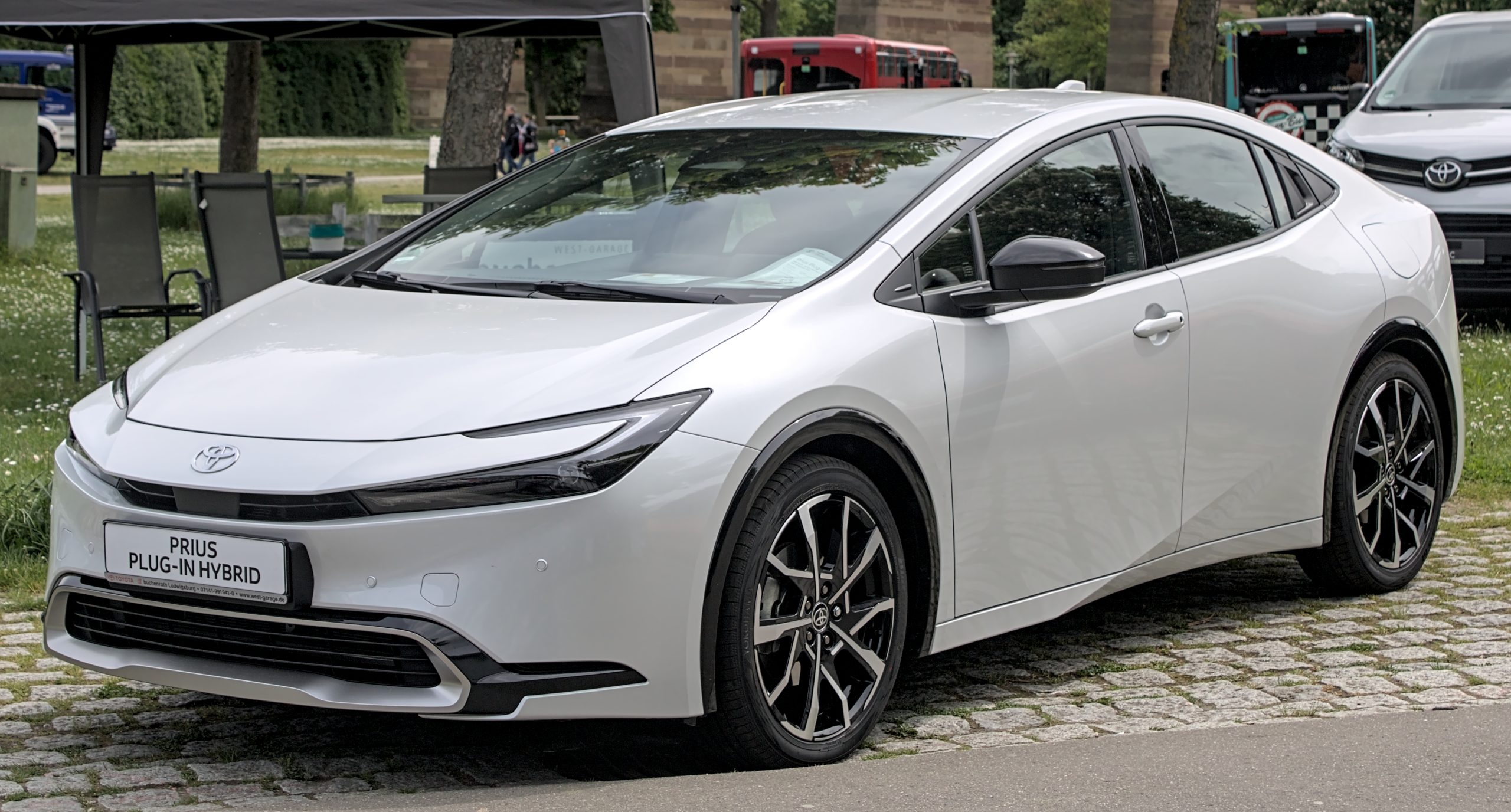
The Toyota Prius LE FWD remains a benchmark for hybrid efficiency, combining a highly optimized hybrid powertrain, aerodynamic body, and thoughtful engineering to deliver exceptional fuel economy and long-range capability. With EPA ratings exceeding 50 MPG and a total driving range of up to 644 miles per tank, it avoids frequent stops at the gas station, making it ideal for both city commuting and highway travel.
A key factor in the Prius’s efficiency is its Hybrid Synergy Drive, which pairs a gasoline engine with electric motors. At low speeds, the vehicle relies primarily on electric power, while the gasoline engine seamlessly engages when needed, conserving fuel.
Regenerative braking further extends range by converting kinetic energy into electrical energy to recharge the battery during deceleration. Combined with a fuel-efficient 2.0-liter inline-four engine and CVT, the system ensures smooth acceleration and steady performance without excessive fuel consumption.
The Prius offers multiple drivetrain options: front-wheel drive with 194 horsepower or all-wheel drive with 196 horsepower, the latter adding a rear electric motor. This allows for adequate power for highway driving while maintaining impressive efficiency.
In real-world testing, the Prius LE achieves roughly 49 MPG at 75 mph, with EPA ratings of 57 city and 56 highway for front-wheel drive. All-wheel-drive models are slightly less efficient but still exceed 50 MPG in most conditions.
Inside, the Prius balances practicality with modern design. The cockpit features a driver-focused gauge cluster, comfortable seating, and generous cargo capacity (23.8 cubic feet in the LE).
Infotainment includes an 8-inch touchscreen, wireless Apple CarPlay and Android Auto, with optional upgrades such as a 12.3-inch display and JBL audio system. Safety features are comprehensive and standard, including adaptive cruise control, lane-keeping assist, and blind-spot monitoring.
Toyota complements the Prius with strong warranty and maintenance coverage, including a 10-year/150,000-mile hybrid-component warranty and two years of complimentary maintenance.
The fifth-generation Prius continues to combine fuel efficiency, reliability, and a practical interior, offering a long-range, low-cost driving experience for consumers seeking a sustainable and convenient hybrid. Its combination of hybrid technology, aerodynamic design, and advanced safety features makes it one of the most capable and enduring choices in the compact hybrid segment.
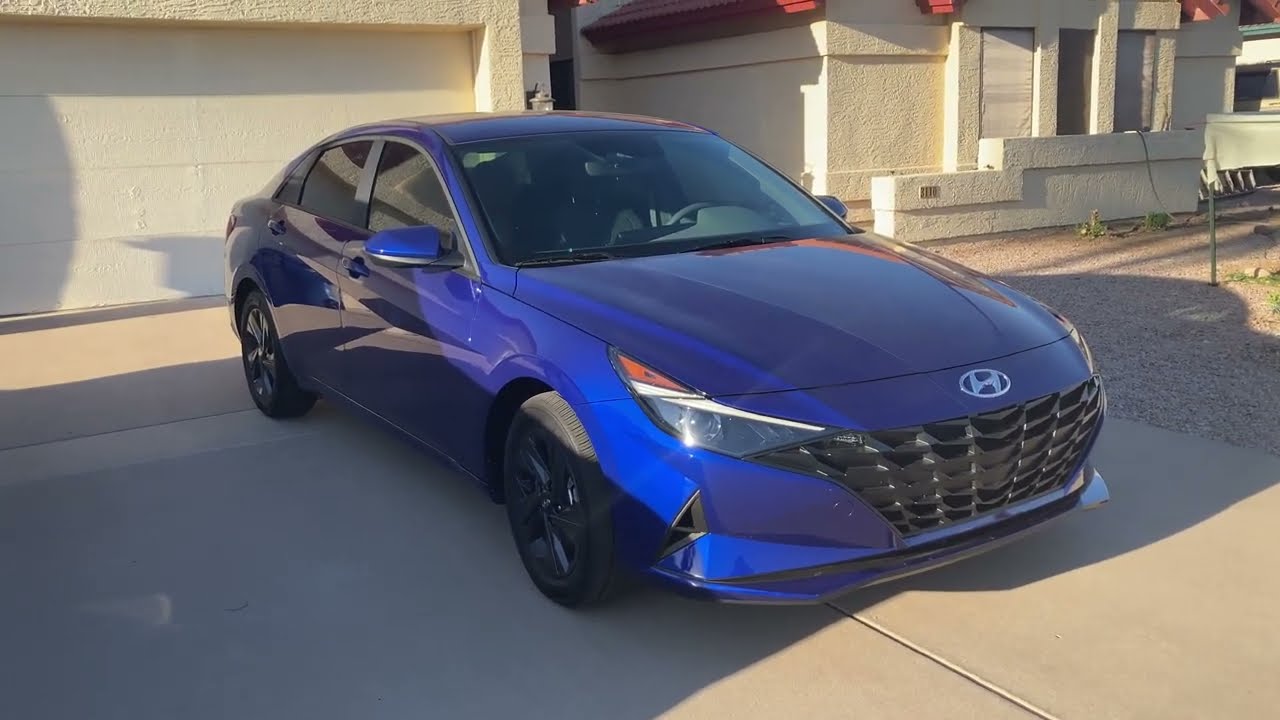
3. Hyundai Elantra Hybrid Blue: Exceptional Range and Smart Efficiency
The 2025 Hyundai Elantra Hybrid Blue is designed for maximum fuel efficiency, delivering up to 54 combined MPG and an impressive highway range of around 638 miles per tank. Its advanced hybrid powertrain, aerodynamic styling, and lightweight components allow drivers to travel long distances with fewer stops, making it an ideal choice for commuting or long trips.
The Elantra Hybrid combines a 1.6-liter inline-four gasoline engine with an electric motor, producing a total of 139 horsepower and 195 lb-ft of torque. Power is sent to the front wheels via a six-speed dual-clutch automatic transmission, giving the car smooth acceleration and a 0–60 mph time of 8.7 seconds.
The hybrid system prioritizes electric power at low speeds, such as in city traffic, and engages the gasoline engine as needed. Regenerative braking converts kinetic energy into electricity to recharge the battery, further extending driving range.
While the Blue trim is highly efficient, its 11-gallon fuel tank can require more frequent refueling under certain conditions. Aggressive driving, stop-and-go traffic, or maintenance issues like clogged fuel injectors or a failing fuel pump can reduce real-world mileage. Maintaining tire pressure, routine engine service, and smooth driving can help keep fuel consumption near the rated 50+ MPG.
The cabin balances comfort and practicality, offering 42.3 inches of front legroom, 38 inches in the rear, and 14.2 cubic feet of cargo space. The Blue trim includes an 8-inch infotainment touchscreen, Apple CarPlay and Android Auto compatibility, and a 4.2-inch gauge cluster display. Higher trims like the SEL Sport and Limited add larger screens, wireless charging, premium audio, and additional convenience features.
Safety equipment is standard and robust, with front and rear automatic emergency braking, blind-spot monitoring, lane-keeping assist, side cross-traffic alert, and automatic high-beams. The Elantra Hybrid has earned strong crash-test scores, including IIHS Top Safety Pick recognition and a five-star NHTSA rating.
With its high fuel economy, extended range, and modern technology, the Hyundai Elantra Hybrid Blue is a practical and efficient choice for drivers seeking a compact hybrid that combines smart engineering with everyday usability.
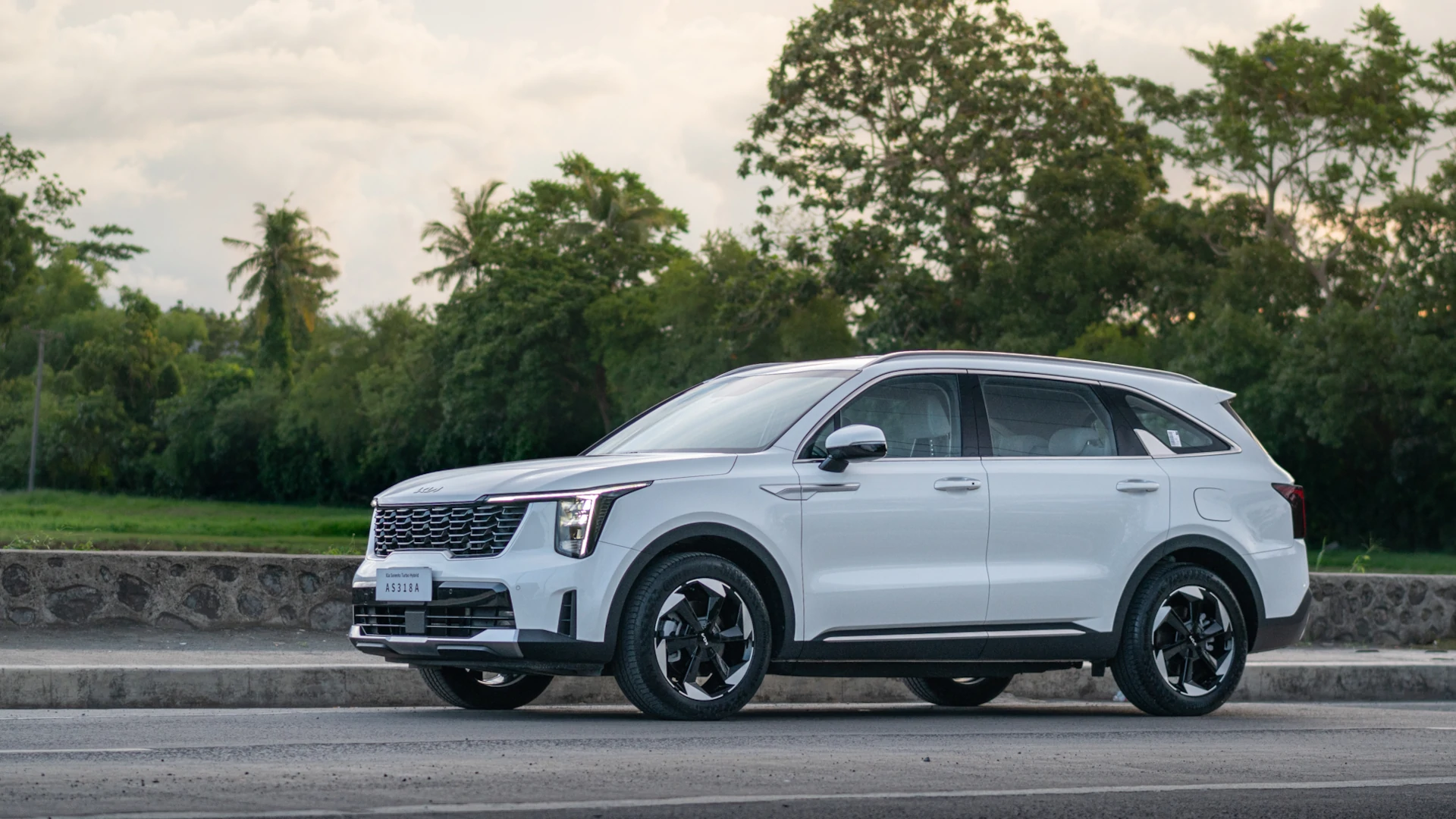
4. Kia Sorento Hybrid: Family-Friendly Efficiency with Long Range
The 2025 Kia Sorento Hybrid is a three-row SUV that balances fuel efficiency, practicality, and family-friendly versatility. With a front-wheel-drive range of up to 637 miles per tank and an EPA-estimated 37 MPG, it provides long-distance driving capabilities while reducing the frequency of fuel stops.
Despite this efficiency, factors such as the SUV’s relatively small fuel tank, aggressive driving habits, heavy traffic, and cold weather can still require more frequent refueling.
The Sorento Hybrid combines a turbocharged 1.6-liter four-cylinder gasoline engine with an electric motor for a total output of 227 horsepower. Power is delivered through a six-speed automatic transmission to the front wheels, with all-wheel drive available as an option.
The plug-in hybrid variant adds a more powerful electric motor, boosting total output to 261 horsepower and standard all-wheel drive. Acceleration is respectable for a family SUV, with the conventional hybrid reaching 60 mph in 7.2 seconds, while the plug-in hybrid completes the same run in 7.6 seconds.
Compared to the non-hybrid Sorento, the hybrid models feel noticeably peppier, though torque-steer can occur under heavy acceleration in front-wheel-drive versions.
Fuel-saving features include regenerative braking, idle stop-and-go, and an Eco driving mode that optimizes efficiency.
Real-world testing records 31 MPG on the highway for the EX trim, while the plug-in hybrid can deliver 29 miles of electric-only driving per charge, though its extra battery weight slightly reduces acceleration. The conventional hybrid remains the most fuel-efficient option for long trips, particularly in front-wheel-drive configuration.
Inside, the Sorento Hybrid offers a practical, family-oriented cabin with second-row captain’s chairs and a two-passenger third row. Adults are comfortable in the front and second rows, though the third row is best suited for teens or smaller passengers.
Cargo space is competitive for the class, and the interior features high-quality materials, ambient lighting, and smart storage solutions. Technology is a strong point, with a 12.3-inch touchscreen, wireless Apple CarPlay and Android Auto, SiriusXM, and available 12.3-inch digital gauges and a 12-speaker Bose audio system on higher trims.
Safety is comprehensive, with standard automated emergency braking, pedestrian and cyclist detection, lane-keeping assist, and blind-spot monitoring. Adaptive cruise control with lane-centering is available, complementing Kia’s reputation for robust driver-assistance systems.
Warranty coverage is strong, including a 5-year/60,000-mile limited warranty, 10-year/100,000-mile powertrain, and hybrid component protection, though complimentary maintenance is not included.
The Kia Sorento Hybrid delivers a practical, efficient, and spacious solution for families seeking a hybrid SUV, offering long-range driving, fuel-saving technology, and a safe, comfortable interior for all passengers.
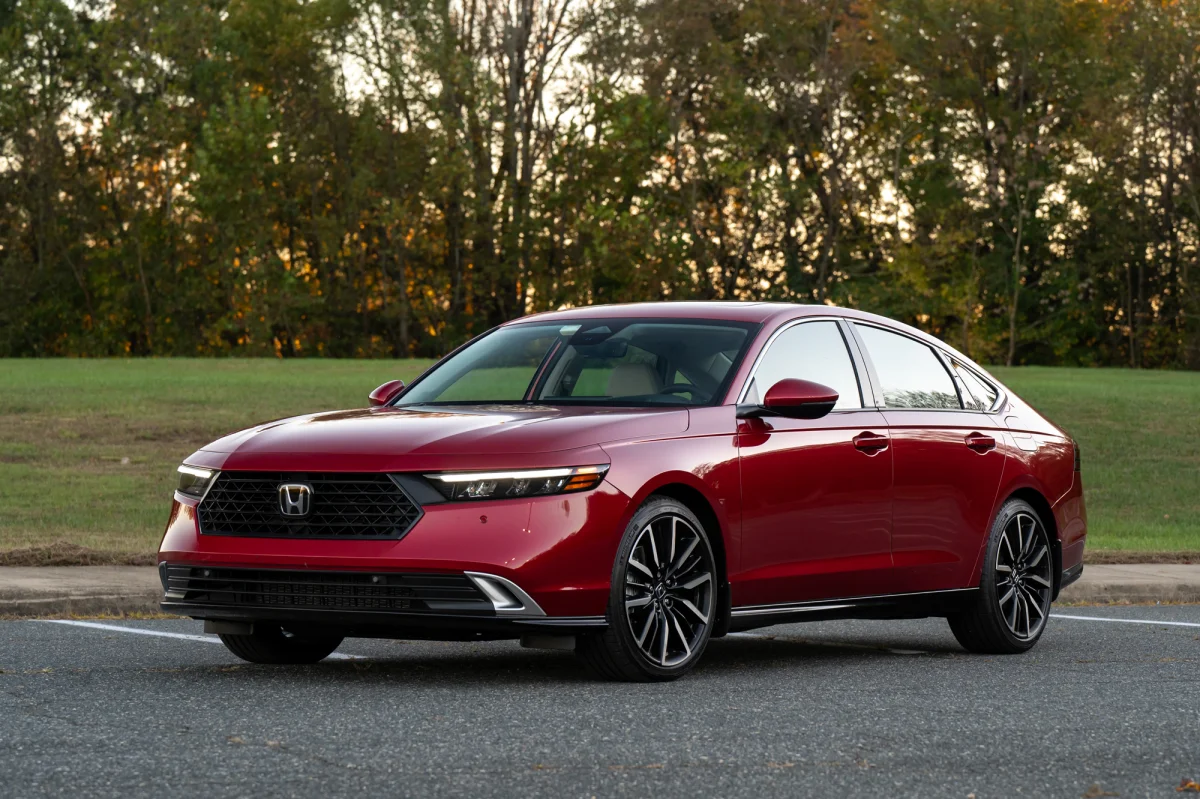
5. Honda Accord Hybrid EX-L: Efficient, Spacious, and Fun to Drive
The 2023–2025 Honda Accord Hybrid EX-L combines a 2.0-liter gasoline engine with two electric motors to deliver a refined driving experience while achieving excellent fuel economy and a practical range of around 600 miles. Despite having a smaller 12.8-gallon fuel tank than the 14.8-gallon tank in the non-hybrid Accord, the hybrid’s efficiency allows drivers to enjoy long-distance commuting with fewer fuel stops.
Driving conditions, frequent acceleration, and highway use can affect the gasoline engine’s engagement, sometimes reducing effective range. The EX-L trim benefits from 17-inch wheels, which help maximize efficiency while providing a smooth, comfortable ride.
The Accord Hybrid’s powertrain produces 204 horsepower and 247 lb-ft of torque, delivering responsive acceleration for a mid-size sedan. The hybrid system can operate on electric power alone for short distances and gentle acceleration, while an “E” button allows drivers to lock in extended all-electric operation.
In EPA testing, the EX-L achieves 51 mpg city, 44 mpg highway, and 48 mpg combined, surpassing most competitors. Drivers can expect smooth and quiet performance, with acceleration that feels lively but controlled. A selectable Sport mode enhances steering and throttle response, and an Individual mode allows drivers to combine sporty handling with economical throttle settings.
Interior space is generous and thoughtfully designed. Front and rear passengers enjoy ample legroom, while the trunk provides 16.7 cubic feet of cargo capacity.
The EX-L trim includes leather upholstery, a 12.3-inch infotainment touchscreen, an 8-speaker stereo, and advanced safety features such as adaptive cruise control, blind-spot monitoring, lane-keeping assist, and automatic emergency braking. Higher trims like the Touring add ventilated and heated seats, a head-up display, a heated steering wheel, and an upgraded infotainment system.
The Accord Hybrid delivers sporty handling uncommon in mid-size sedans, thanks to a low center of gravity and composed ride. Its exterior remains sleek and restrained, emphasizing clean lines and a long, low profile. Honda’s hybrid sedan earned Top Safety Pick+ from the IIHS and five-star NHTSA scores, reflecting strong performance in crash testing and comprehensive driver-assistance features.
Compared to rivals like the Toyota Camry Hybrid and Hyundai Sonata Hybrid, the Accord Hybrid stands out with sharper handling, livelier acceleration, and impressive real-world fuel economy.
While it is pricier than some competitors, its combination of performance, comfort, efficiency, and safety makes it a compelling option for drivers who want a spacious, fun-to-drive sedan that cuts fuel costs without sacrificing refinement or practicality.
Frequent fuel stops are often a consequence of intentional design choices rather than a flaw. Vehicles like the Toyota GR86, Hyundai Elantra N, and Nissan Versa combine small fuel tanks and spirited engines that increase fuel consumption.
The Mazda CX-30 and Ford F-150 Raptor R show how vehicle size, drivetrain complexity, and performance priorities can further reduce range. Drivers who choose these vehicles accept that more frequent refueling comes with benefits such as agility, power, comfort, or premium features.
By understanding these trade-offs, owners can enjoy the performance and capabilities of these cars while planning their drives around the fuel requirements, making the balance between efficiency and driving experience clear.
Also Read: Top 10 Cars That Changed Automotive Engineering Forever