
Choosing a car with supportive seating can dramatically improve daily driving comfort, particularly for long commutes or extended road trips. Seats that maintain proper posture, provide lumbar and thigh support, and reduce fatigue transform the driving experience, making each journey less physically demanding.
Luxury sedans and well-engineered SUVs often excel in this area, offering ergonomic designs, multi-directional adjustments, and high-quality materials that accommodate a variety of body types.
Vehicles such as the Volvo XC60, Nissan Altima, BMW 5 Series, Mercedes-Benz E-Class, and Honda Accord demonstrate how thoughtfully designed seats enhance comfort, stability, and confidence, whether in stop-and-go traffic or on the highway.
By contrast, some cars prioritize durability, cost efficiency, or minimalist design over driver support. Models like the Toyota Tacoma, Tesla Model 3, Jeep Wrangler, Chevrolet Spark, and Ford Mustang base trims are often criticized for flat cushions, limited bolstering, and minimal adjustability.
These limitations can lead to discomfort, fatigue, and strain, showing why seat ergonomics are as important as other vehicle features when selecting a daily driver.
5 Cars With Supportive Seats for Daily Driving
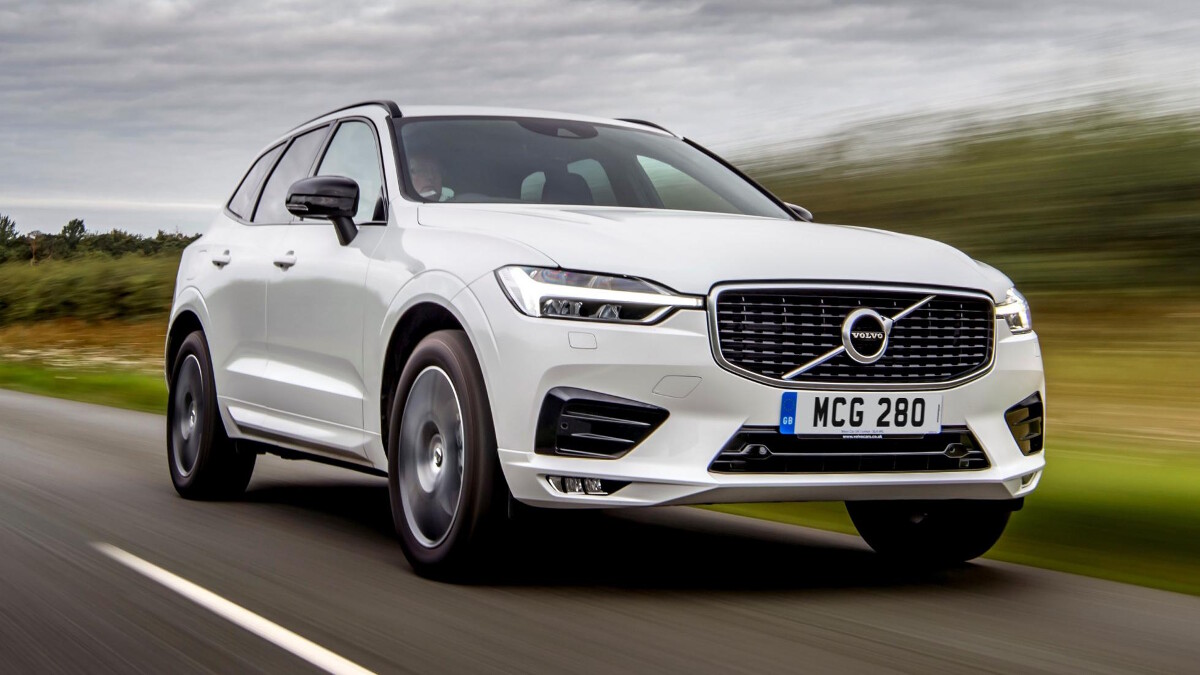
1. Volvo XC60: Ergonomic Comfort Paired with Confident, Everyday Performance
The Volvo XC60 distinguishes itself in the compact luxury SUV segment by placing comfort, safety, and usability at the center of its design. One of its strongest assets is its seating, which benefits from Volvo’s direct collaboration with orthopedic surgeons. The XC60 uses a contoured seat design that supports the full length of the spine, helping reduce fatigue during long commutes and extended road trips.
In higher trims, extendable thigh cushions provide added support for taller drivers, minimizing leg strain and discomfort. Extensive power adjustments, including multi-directional lumbar support, cushion extensions, and adjustable side bolsters, allow the seats to suit a wide range of body types.
Optional heating, ventilation, and massage functions add further comfort in varying climates, while premium materials such as Nappa leather contribute to durability and a refined cabin feel. Safety is also built into the seat structure through Volvo’s Whiplash Injury Protection System (WHIPS), which enhances occupant protection without sacrificing comfort.
Powering the XC60 is a turbocharged 2.0-liter four-cylinder engine paired with a 48-volt mild-hybrid system, producing 247 horsepower and 266 lb-ft of torque. An eight-speed automatic transmission and standard all-wheel drive ensure smooth power delivery in everyday driving.
On the road, the XC60 feels stable and precise, with predictable cornering and a well-planted chassis. While it does not match the sharp, sporty character of rivals such as the Porsche Macan or BMW X3, it prioritizes confidence and refinement over aggressive handling. Acceleration to 60 mph in a claimed 6.5 seconds is adequate for the class, even if it trails some competitors.
Fuel efficiency remains competitive, with previous models rated at 22 mpg in the city and 28 mpg on the highway figures expected to continue due to minimal powertrain changes.
Inside, the cabin reflects Volvo’s Scandinavian design philosophy, featuring clean lines, high-quality materials, and a quiet atmosphere. The second row comfortably accommodates adults, and cargo capacity is respectable, fitting up to 20 carry-on suitcases with the rear seats folded.
For 2026, the XC60 receives an updated 11.2-inch touchscreen with improved resolution and faster processing, alongside standard Apple CarPlay, Android Auto, and available premium audio systems. Volvo’s safety focus remains evident, with features such as automated emergency braking and lane-keeping assist standard across the range.
2. Nissan Altima: Zero Gravity Seating Designed for Effortless Daily Driving
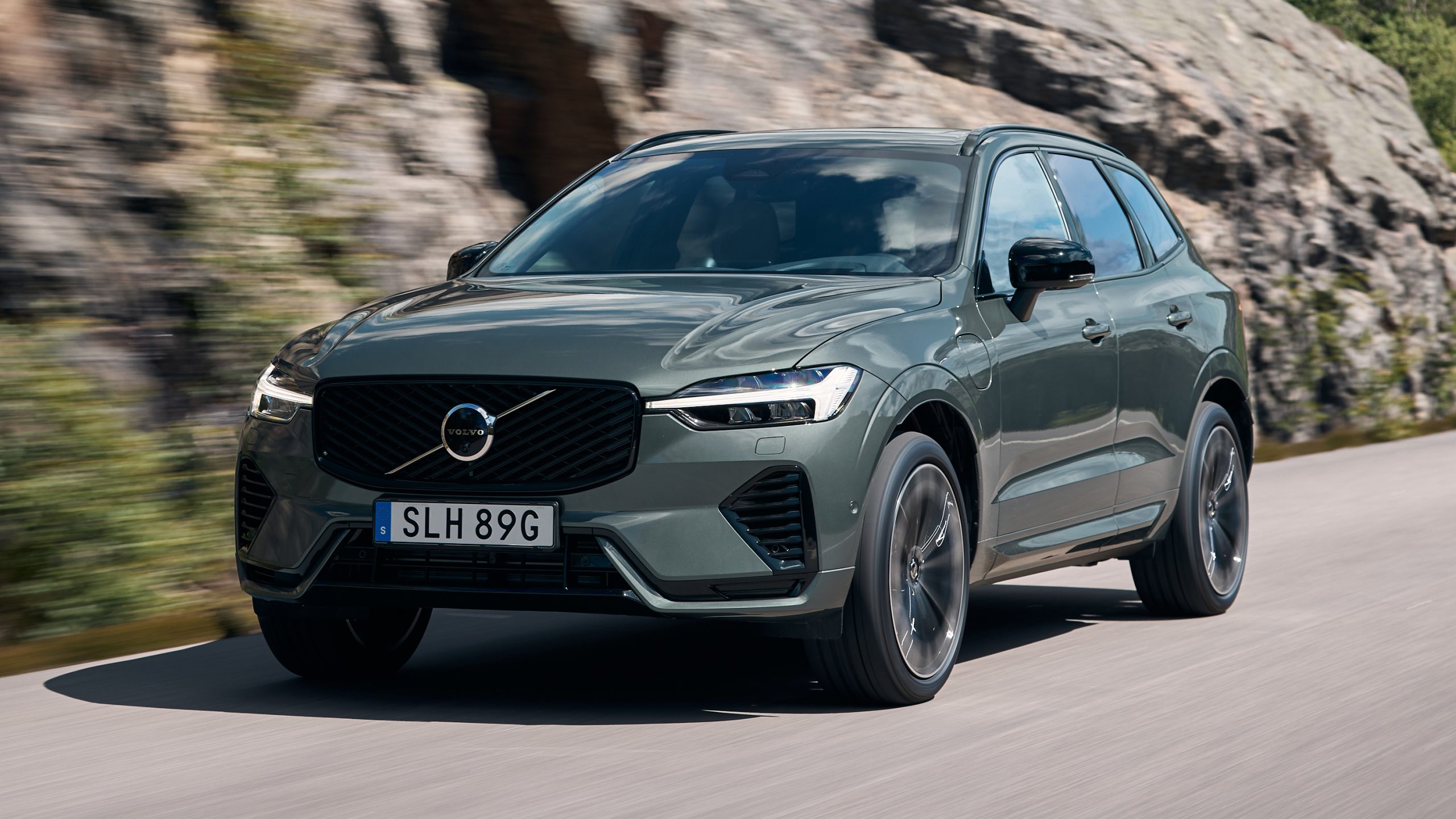
The Nissan Altima sets itself apart in the midsize sedan segment with a strong focus on driver and passenger comfort, led by its well-known Zero Gravity seating technology. Far from being a marketing term, Nissan’s Zero Gravity Seats are based on extensive musculoskeletal and ergonomic research inspired by NASA studies.
The design uses 14 pressure points to replicate the relaxed, neutral posture experienced in a weightless environment. By evenly distributing body weight and reducing pressure on the lower back, pelvis, and spine, the Altima helps make long commutes feel noticeably less tiring, even after an hour or more behind the wheel.
The key strength of these seats lies in their ability to minimize physical stress during extended drives. Supporting the body from the hips through the shoulders, the pressure-point layout reduces strain on joints and bones while maintaining natural spinal alignment.
This neutral posture decreases muscle tension and encourages better blood circulation, helping drivers remain comfortable and alert. Dual-density foam and generous lumbar support further enhance long-term comfort, and the seats adapt well to a variety of body types.
Notably, this technology is available for both front and rear passengers, providing consistent support throughout the cabin. Heated seat options are also offered on many trims, adding comfort in colder conditions.
Beyond seating, the Altima’s interior reinforces its commuter-friendly nature. The cabin design is modern and clean, with higher trims offering leather upholstery and upgraded materials that give the interior a more refined feel.
Technology is intuitive and accessible, featuring either an 8-inch or available 12.3-inch touchscreen with wireless Apple CarPlay and Android Auto. Passenger space is generous, with approximately 38 inches of rear legroom, making the Altima suitable for five adults, even if it trails some rivals slightly in rear-seat space.
On the road, the Altima prioritizes smoothness and calm. Its suspension is tuned to absorb bumps and uneven pavement effectively, contributing to a relaxed ride that suits daily commuting.
The standard 2.5-liter four-cylinder engine delivers smooth, dependable power while remaining fuel efficient, and the availability of all-wheel drive adds confidence in poor weather. Road and wind noise are well controlled, further enhancing the sedan’s comfort-oriented character.
The Nissan Altima excels as a practical and relaxing daily driver. While it may not lead the segment in sportiness or cutting-edge technology, its ergonomic focus, anchored by Zero Gravity seating, makes it an excellent choice for commuters and long-distance drivers who value comfort above all else.
3. BMW 5 Series: Precision Comfort Through Multi-Contour Seating
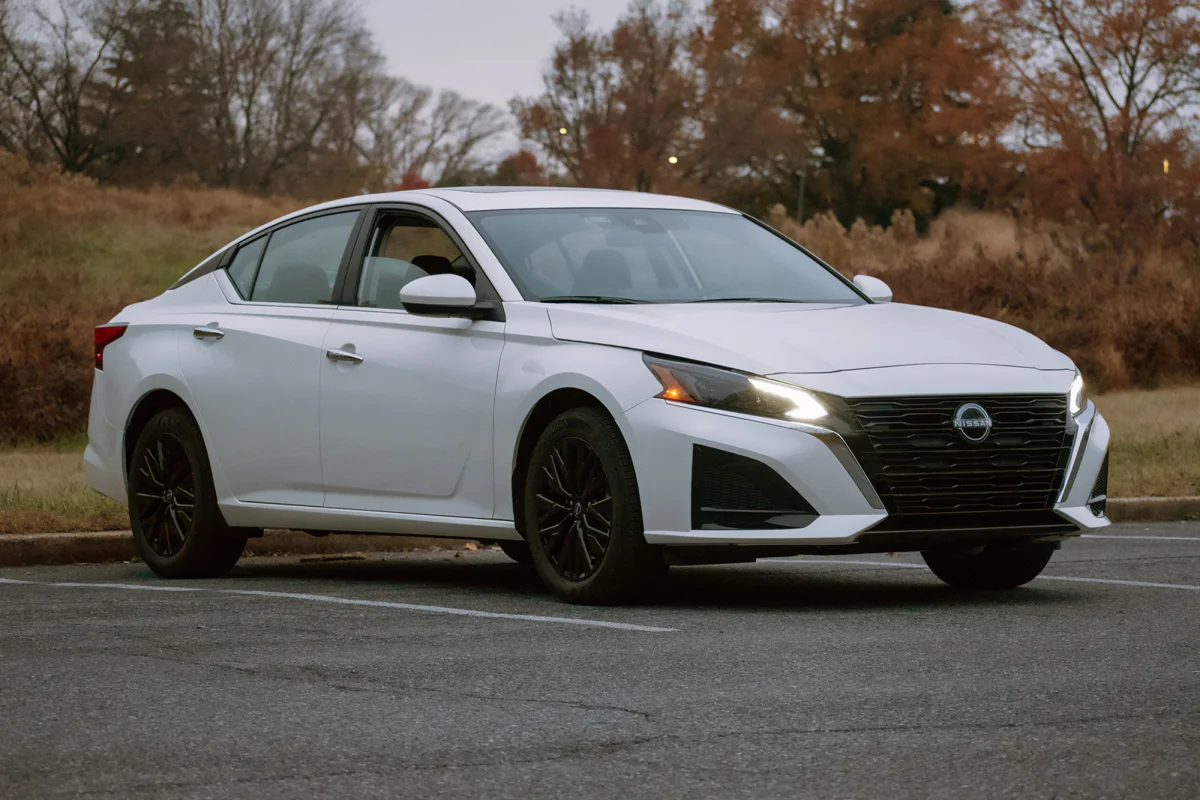
The BMW 5 Series is known for blending performance with luxury, and one of its most celebrated comfort features is the optional Multi-Contour seating system.
While the standard BMW seats are relatively firm and sport-oriented, the Multi-Contour seats, often included in a Luxury Seating or Comfort package, transform the driving experience, particularly for those who spend long hours behind the wheel. These seats are widely regarded as a defining upgrade that significantly improves long-distance comfort and daily usability.
At the core of the Multi-Contour seats is their exceptional level of adjustability. Offering 18 to 20 power adjustments, they allow drivers to fine-tune nearly every contact point between body and seat. A standout feature is the independently adjustable upper backrest, which can be tilted separately from the lower portion.
This articulating design ensures consistent contact with the shoulder blades, helping prevent slouching and reducing the neck and upper-back strain that often develops during extended drives. Combined with comprehensive lumbar support and width-adjustable side bolsters, the seats can be precisely tailored to individual body shapes and driving preferences.
Leg support is another key strength. The extendable thigh cushion provides added support for taller drivers, reducing pressure under the legs and improving circulation on longer trips.
Adjustable bolsters hold occupants securely in place without feeling restrictive, striking a balance between comfort and the dynamic driving character BMW is known for. These ergonomic features are specifically designed to reduce muscle fatigue in both the back and lower body, making the seats well-suited for commuting as well as highway travel.
Material quality further reinforces the premium feel. Multi-Contour seats are commonly paired with Nappa or Merino leather, offering a soft yet durable surface that complements the 5 Series’ upscale interior.
Optional ventilation and massage functions add another layer of comfort, helping regulate temperature and promote circulation. While some reviewers note that the massage feature feels more like rhythmic air pressure than a traditional massage, it still contributes to reduced stiffness during longer journeys.
Reviewer consensus strongly favors the Multi-Contour seats as a worthwhile investment. Praised for their comfort, support, and extensive customization, they are often described as a “must-have” option for the BMW 5 Series.
Although the seat cushion can still feel firm to some drivers, this firmness supports proper posture rather than detracting from comfort. For drivers seeking a luxury sedan that can remain comfortable hour after hour, the BMW 5 Series with Multi-Contour seats delivers a highly personalized and fatigue-reducing seating experience.
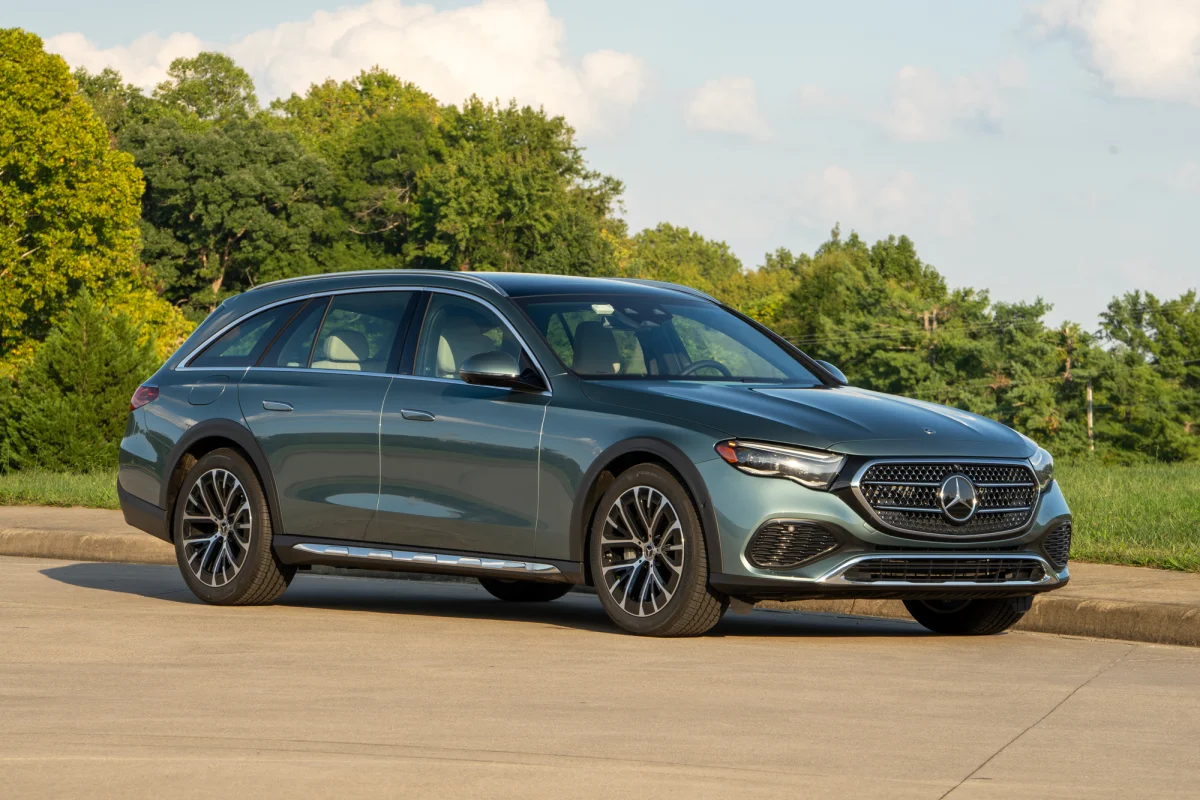
4. Mercedes-Benz E-Class: Refined Seating Comfort with Autobahn-Bred Stability
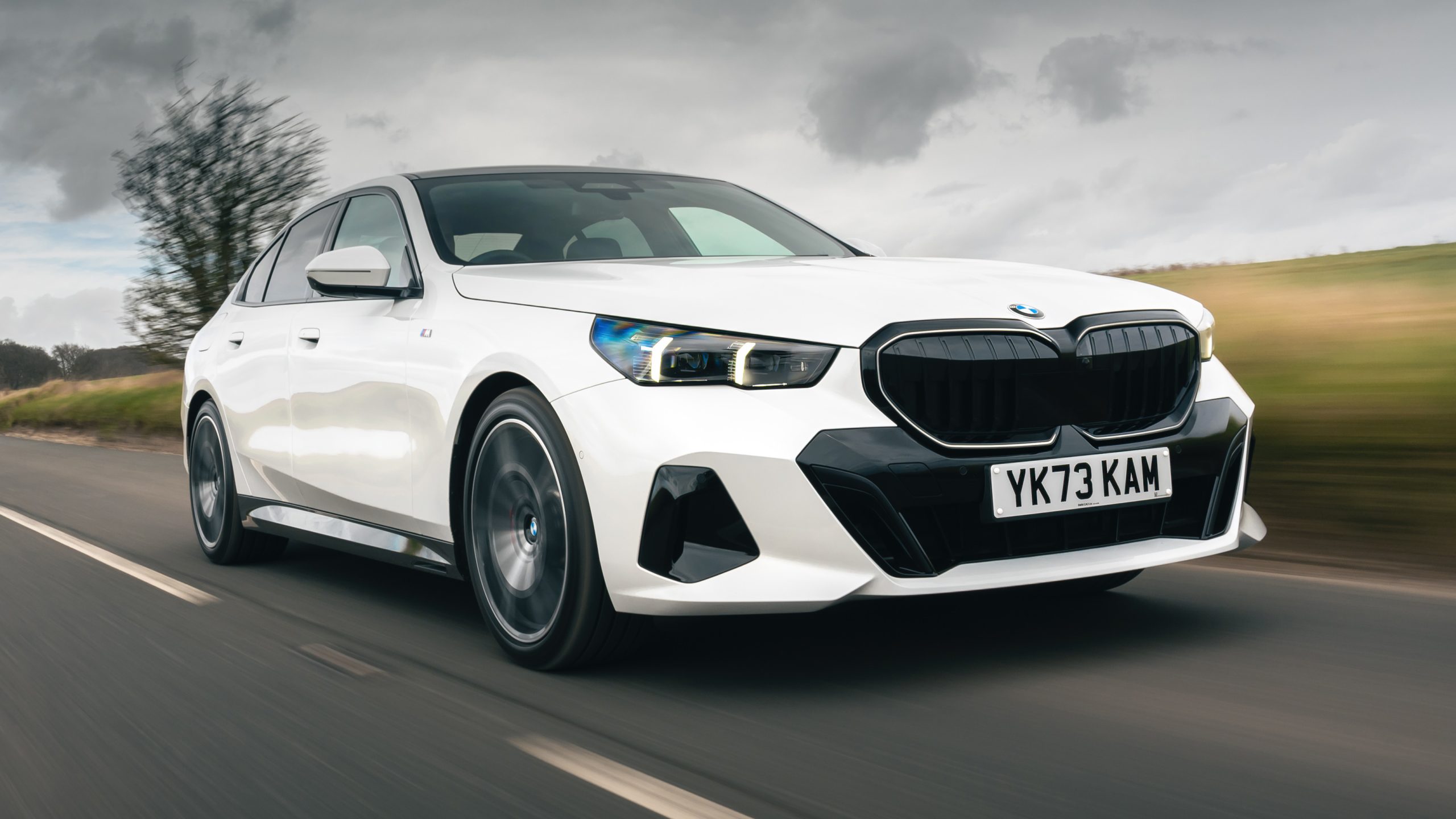
The Mercedes-Benz E-Class has long been recognized as a benchmark for comfort in the midsize luxury sedan segment, and its seating plays a central role in that reputation. Designed with high-speed Autobahn driving in mind, the E-Class seats strike a careful balance between softness and structural firmness.
Rather than feeling overly plush, they provide consistent support that helps maintain proper posture during extended drives. A standout feature is Mercedes-Benz’s “Kinematics” function, which subtly adjusts the seat angle at regular intervals. These small movements help reduce muscle stiffness and pressure buildup, allowing drivers and passengers to remain comfortable during long commutes or highway journeys.
Ergonomics is a major focus in the E-Class. Standard front seats offer 10-way power adjustment, enabling drivers to fine-tune seating position, lumbar support, and under-thigh cushioning. Optional upgrades expand comfort further with memory settings, rapid heating, ventilation, and available massaging functions.
Together, these features allow the seat to be tailored precisely to individual body types and driving preferences. Combined with a well-insulated cabin that limits road and wind noise, the E-Class creates a relaxed driving environment that helps reduce fatigue over time.
Material quality also reinforces the E-Class’s luxury credentials. Depending on trim, the seats are upholstered in high-quality synthetic leather or natural leather, paired with carefully stitched surfaces and metallic accents.
The cabin design prioritizes space and comfort, with generous front-seat room and an especially accommodating rear seat that offers ample legroom and headroom for taller passengers. Cargo space, however, is more limited than some rivals, reflecting the E-Class’s emphasis on passenger comfort rather than utility.
Performance complements the comfort-focused design. The E350 is powered by a turbocharged 2.0-liter four-cylinder engine paired with a mild-hybrid system, while the E450 uses a turbocharged 3.0-liter inline-six with a similar hybrid setup. Both powertrains deliver smooth, quiet acceleration, with the six-cylinder offering noticeably stronger performance.
A nine-speed automatic transmission comes standard, and buyers can choose between rear-wheel drive or all-wheel drive. Ride quality is a highlight, with the standard suspension already well tuned and an optional air suspension offering even greater composure. Available rear-wheel steering improves maneuverability in tight spaces.
Inside, the E-Class features a large 14.4-inch touchscreen, wireless smartphone connectivity, and optional premium audio systems. Safety remains a priority, with automated emergency braking and driver monitoring standard, while advanced driver-assistance features are available as options.
Taken together, the Mercedes-Benz E-Class delivers a carefully engineered blend of seating comfort, quiet refinement, and confident performance, making it a strong choice for drivers who value relaxed, long-distance luxury.
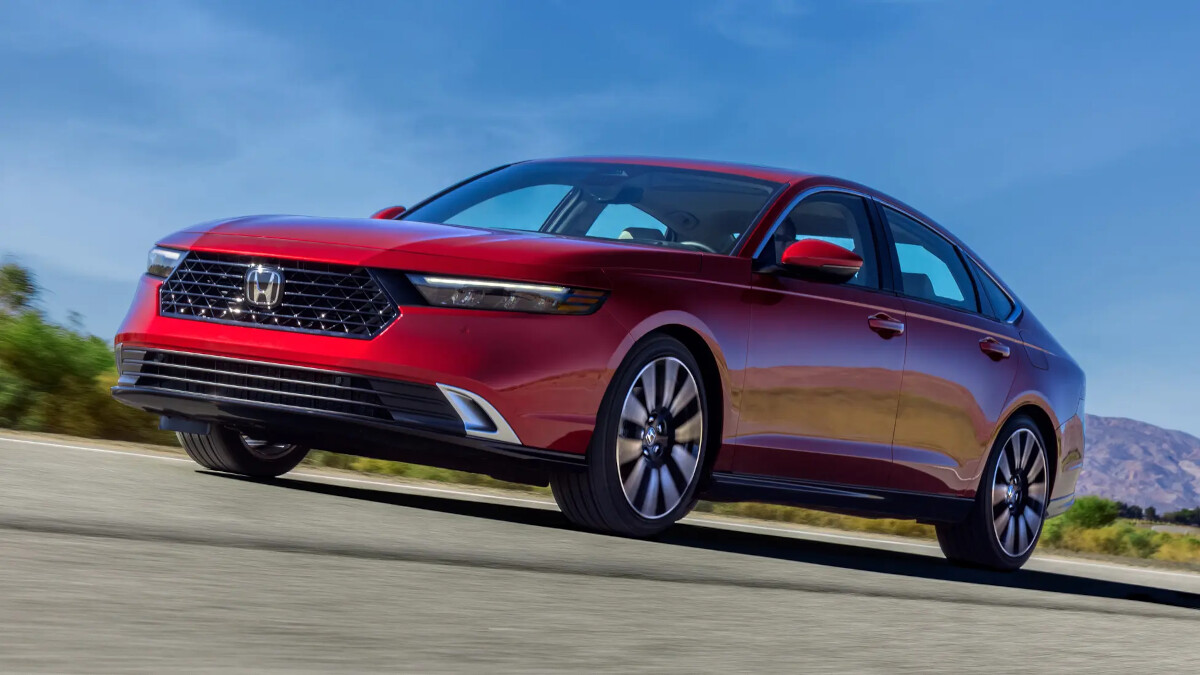
5. Honda Accord: Thoughtful Seat Design for Stable, Fatigue-Free Driving
The current-generation Honda Accord continues its reputation for intelligent, driver-focused engineering, with seating comfort playing a central role in its appeal. Honda’s seat design emphasizes posture, stability, and long-term support rather than excessive softness.
Engineers carefully shaped the driver’s seat to support the natural hollow of the lower back, creating a deep pocket that secures the hips while maintaining a firm and supportive lumbar curve.
This structure helps prevent slouching and reduces lower-back fatigue during extended drives. Unlike many competitors, the Accord’s headrests are angled in a more natural position, helping avoid the forward-head posture that often causes neck and shoulder tension.
A key strength of the Accord’s seating is its body-stabilizing design. The seats are engineered to minimize unnecessary movement, keeping occupants properly positioned during cornering and long highway stretches. This stability reduces muscle strain and helps drivers feel relaxed and in control during daily commutes and longer road trips.
Most trims offer 10-way or 12-way power-adjustable driver seats, including two-way power lumbar support, allowing drivers of different sizes to fine-tune their seating position. Thoughtful thigh support and seat height also contribute to a confident driving position with clear outward visibility.
Comfort extends beyond seat shape and adjustability. Higher trims offer upgraded upholstery materials, along with available heated and ventilated front seats, which improve comfort across different weather conditions. These features work together to support long-term comfort without compromising the Accord’s practical and approachable character.
The driving experience complements the ergonomic seating. The Accord is available with a turbocharged 1.5-liter four-cylinder engine producing 192 horsepower or a highly regarded hybrid powertrain that pairs a 2.0-liter engine with two electric motors for a combined 204 horsepower.
Both versions are front-wheel drive and use a continuously variable transmission. On the road, the Accord feels smooth, quiet, and composed, with precise steering and controlled body motions that inspire confidence while maintaining ride comfort.
Fuel efficiency is another strong advantage. The non-hybrid model delivers solid mileage, while the hybrid offers class-leading efficiency that appeals to high-mileage drivers. Inside, the cabin features a clean, modern layout with clever design details, including honeycomb-style trim that integrates the air vents. Rear-seat legroom is generous, and the trunk provides ample space for everyday cargo needs.
Technology and safety are well covered, with wireless Apple CarPlay and Android Auto, a digital gauge display, and Honda Sensing driver-assistance features standard across the lineup. The current Honda Accord stands out as a well-rounded sedan that prioritizes posture, stability, and comfort, making it especially appealing for drivers who spend long hours on the road.
Also Read: 5 Cars That Perform Well on Regular Fuel vs 5 That Don’t
5 That Aren’t
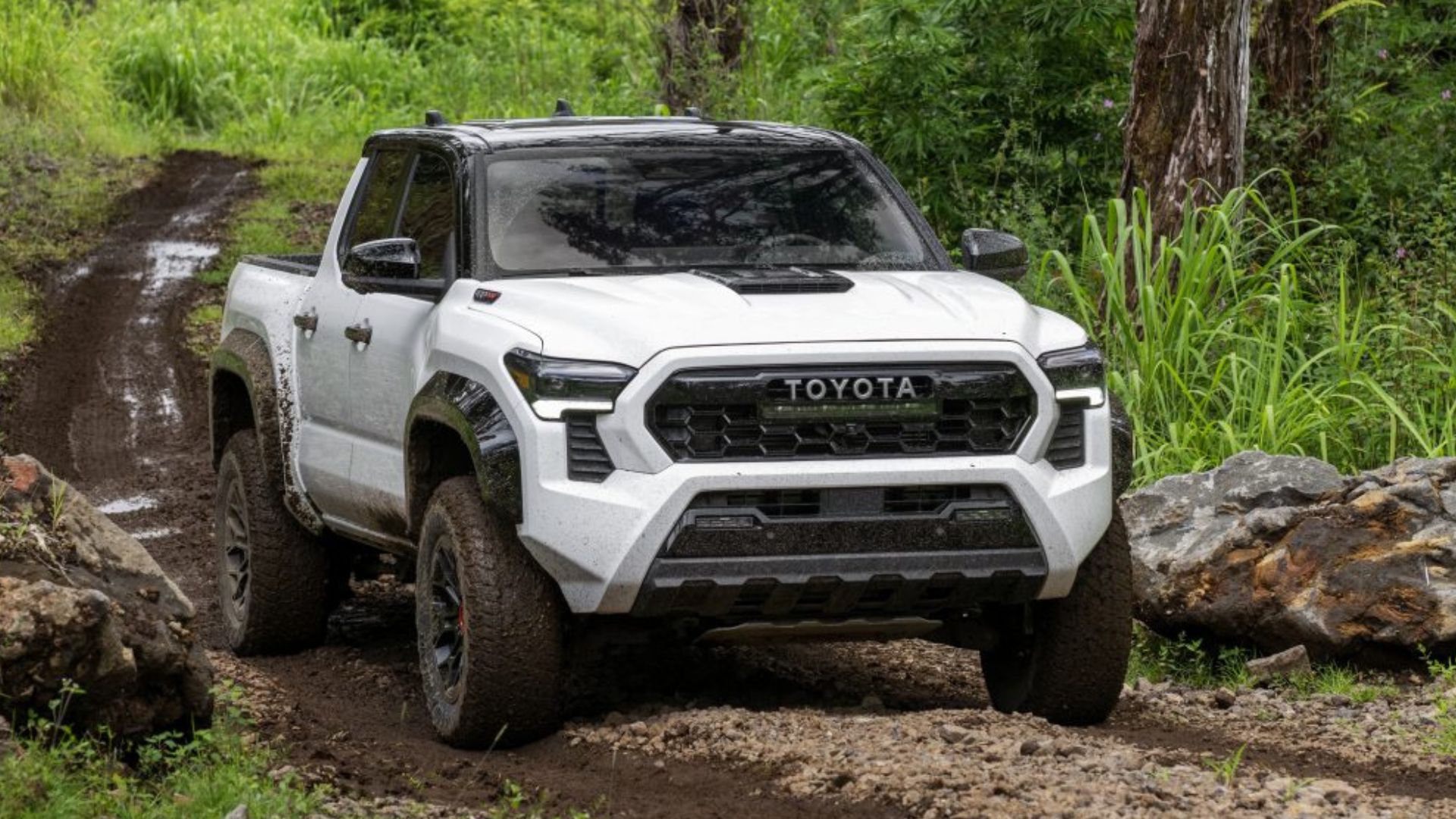
1. Toyota Tacoma (3rd Generation): Legendary Durability with Compromised Ergonomics
The third-generation Toyota Tacoma, produced from 2016 to 2023, has earned an unmatched reputation for reliability, resale value, and off-road durability. However, alongside that reputation comes consistent criticism of its ergonomics and on-road comfort.
For many owners, the Tacoma’s long-term livability is limited by design choices that prioritize rugged simplicity over driver support, making it a polarizing vehicle for daily use and long-distance travel.
The most common complaint centers on seating position. Due to the Tacoma’s body-on-frame construction and high floor, the seats are mounted unusually low. This creates what many drivers describe as a “sitting on the floor” sensation, forcing the legs straight out rather than allowing them to drop naturally.
The flat seat base offers minimal under-thigh support, placing increased pressure on the tailbone and lower back during longer drives. Compounding the issue is limited adjustability. Earlier models lacked driver seat height adjustment entirely, and even after updates, the passenger seat remains fixed.
The absence of proper seat pitch adjustment makes it difficult for many drivers to achieve a comfortable, supportive posture. This problem is so widespread that an aftermarket solution known as “seat jackers” has become common, using spacers to tilt the seat base upward and restore basic thigh support.
Suspension tuning further affects comfort. The Tacoma’s suspension is designed for durability and off-road use, which results in soft on-road body control. Drivers often report noticeable brake dive and body roll, giving the truck a less settled feel during everyday driving.
The rear leaf springs are also known to flatten prematurely when carrying modest loads, leading many owners to upgrade suspension components to prevent sagging.
Finally, drivetrain behavior contributes to the sense of mechanical disconnect. The six-speed automatic transmission prioritizes fuel economy, frequently shifting into higher gears and then hunting for the correct ratio on hills. Some owners also report vibrations from the front drivetrain, often linked to differential components.
The third-generation Tacoma is built to last, but its comfort shortcomings are the trade-off for its rugged, old-school design philosophy.
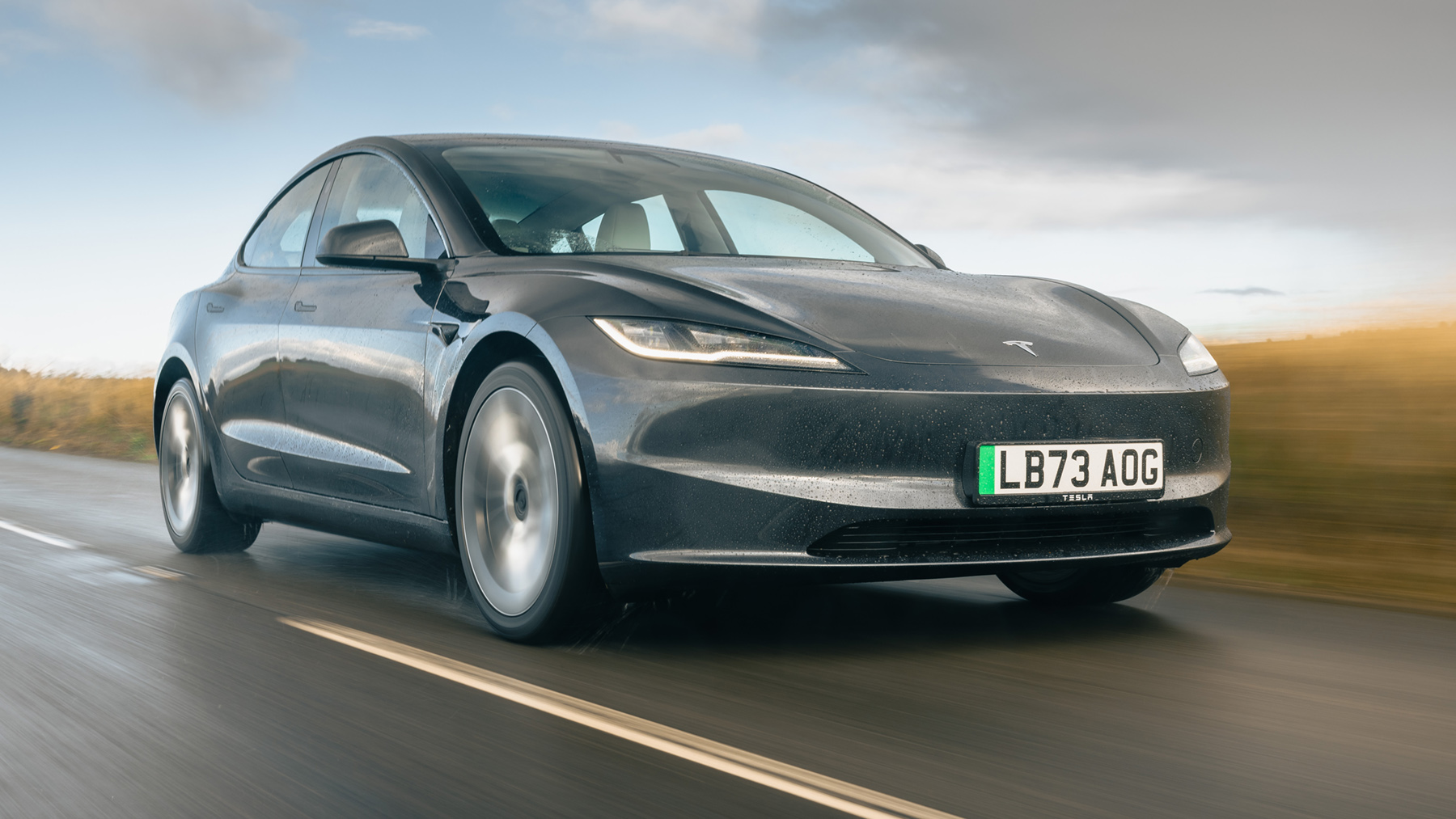
2. Tesla Model 3: Minimalist Seat Design with Long-Term Comfort Trade-Offs
The Tesla Model 3 is widely praised for its performance, efficiency, and clean interior design, but its standard seats often draw criticism for lacking long-term comfort and ergonomic support.
Much of this feedback stems from Tesla’s design philosophy, which favors minimalism and broad visual appeal over specialized seating ergonomics. While the seats can feel comfortable during short drives or test sessions, many owners report that shortcomings become apparent over longer periods behind the wheel.
One of the most common concerns involves foam density and cushion support. The seat cushions use relatively soft, low-density foam that provides an initially plush feel but tends to compress over time.
During longer drives, this can lead to “bottoming out,” where the occupant begins to feel the hard seat structure beneath the foam. Lateral support is also limited, as the soft side bolsters flatten easily during cornering and do little to keep the driver centered in the seat.
Seat geometry further contributes to discomfort for a wide range of body types. The seat pan is narrow, causing some drivers’ hips to rest on the bolsters rather than being supported between them.
This can create pressure points around the hips and sciatic area. In addition, the seat base is relatively short, offering limited under-thigh support. As a result, drivers may experience a knees-up posture or concentrated pressure at the back of the thighs, both of which can lead to fatigue on longer trips.
Lumbar support is another frequently mentioned issue. Instead of a firm mechanical system, Tesla relies on inflatable air bladders. Many users describe the adjustment as unnatural, noting that it feels abrupt and poorly contoured. The removal of adjustable lumbar support for the front passenger in 2021 further limits comfort customization, leaving passengers with a fixed lumbar shape that may not suit their posture.
Upper-body alignment also poses challenges. The fixed headrest is angled forward, which can push the head and neck into an unnatural position for many drivers, especially those with shorter torsos. This prevents full shoulder contact with the seatback and can lead to neck strain over time.
Although the 2024 update introduced improved materials and ventilation, the core issues of limited thigh support, lateral stability, and structural firmness remain concerns for many long-term owners.
3. Jeep Wrangler (JL): Rugged Durability with Limited Comfort and Support
The Jeep Wrangler (JL) is an icon of off-road capability, designed for visibility, durability, and adventure. However, these priorities come at the expense of ergonomics and daily driving comfort.
Many critics and owners describe the Wrangler as lacking support, referring not only to physical seating but also to mechanical stability and manufacturer responsiveness to design flaws. While the JL excels in rugged environments, its on-road refinement and interior comfort often leave much to be desired.
One major area of concern is mechanical and structural stability. Early JL models were equipped with an aluminum steering gearbox that many drivers found too flexible, creating a “dead spot” at the center of the steering wheel. This makes highway driving feel disconnected and less precise.
The infamous “Death Wobble,” a violent front-end shake, has also affected some models and is typically linked to insufficient damping in the steering stabilizer and track bar. Although Jeep eventually upgraded to a cast-iron gearbox and issued Technical Service Bulletins to address these issues, many owners report difficulty securing these fixes from dealerships.
Manufacturer response and warranty support have also been criticized. Manual-transmission JLs experienced pressure plate failures that could overheat or fracture, prompting software-based “band-aid” solutions rather than robust mechanical fixes.
Aluminum body panels, while lightweight, are prone to corrosion at hinges due to poor galvanic isolation. Owners often find it difficult to get repairs covered under warranty, adding to the perception of insufficient manufacturer support.
Ergonomically, the Wrangler’s interior is designed for practicality over comfort. The seats are flat and narrow, with limited lumbar or lateral support, causing fatigue on long drives, often referred to as “Jeep Back.”
The upright cabin and constrained footwell create a rigid, 90-degree seating posture that can be uncomfortable for extended use. The absence of a factory dead pedal forces the driver’s left foot to remain suspended, further contributing to fatigue.
Safety and technology features are another area where the JL lags behind competitors. Base models historically lacked modern driver-assistance systems, and European safety testing highlighted the minimal electronic support framework. While newer models have improved in this regard, the focus remains on off-road capability rather than luxury, refinement, or ergonomic comfort.
The Jeep Wrangler (JL) excels in ruggedness, visibility, and off-road prowess but sacrifices on-road comfort, physical support, and structural refinement, making it better suited for adventure than daily commuting.

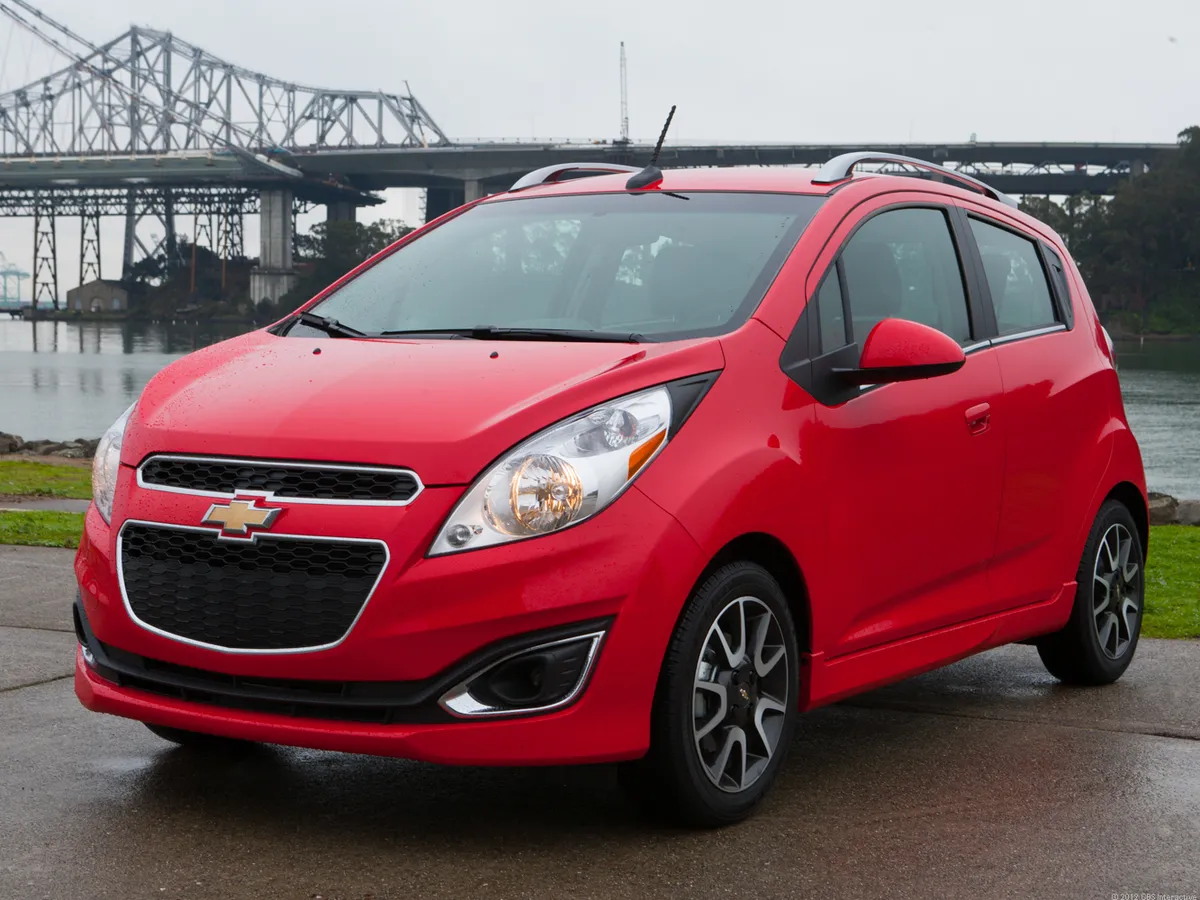
4. Chevrolet Spark: Budget-Friendly but Limited Long-Term Support
The Chevrolet Spark is a compact, budget-friendly city car designed for short trips and efficiency, but it faces significant challenges in long-term support and comfort. Its subcompact design uses thin, high-compressibility foam, which is sufficient for brief errands but provides minimal lateral support for longer drives.
During extended commutes, the lack of side bolsters forces the driver’s core muscles to work harder to maintain stability through turns, contributing to fatigue. Beyond interior ergonomics, the Spark’s reputation for limited support stems from its discontinuation, specialized parts scarcity, and General Motors’ strategic shift away from low-margin subcompacts toward crossovers and SUVs.
Production of the Spark ended in August 2022, leaving many regions without authorized service networks. In countries like South Africa and India, where Chevrolet fully exited, maintaining the vehicle professionally has become increasingly difficult.
Although GM typically pledges parts support for ten years, in practice, availability for trim-specific and body components declines much faster after production ceases, leaving owners with fewer maintenance options over time.
The Spark EV (2014–2016) highlights the most critical support limitations. As a low-volume compliance car with roughly 7,400 units sold, the specialized lithium-ion battery packs required are no longer manufactured.
Owners facing battery failures often find their vehicles inoperable, with GM sometimes offering buybacks due to the lack of replacement parts. This situation exemplifies the challenges of maintaining low-volume, discontinued models in the absence of aftermarket support.
Other common maintenance issues include the Continuously Variable Transmission (CVT), which is prone to failure between 80,000 and 120,000 miles. Replacement costs are high, often ranging from $3,000 to $4,500, sometimes exceeding the resale value of the car. Technician expertise can also be limited, as many dealership staff are unfamiliar with discontinued models, leading to misdiagnoses or prolonged repair times.
Supply chain fragility further exacerbates the problem. The Spark was primarily manufactured at GM Korea, and labor disputes or logistical disruptions in that region have historically delayed parts delivery. Even basic components can become unavailable for months, making repairs and maintenance increasingly difficult.
While the Chevrolet Spark is ideal for short urban trips and budget-conscious buyers, its discontinuation, scarce parts, and specialized components create long-term challenges. The vehicle is supported in theory, but can be difficult to maintain in practice, particularly for the Spark EV and older CVT-equipped models.
5. Ford Mustang Base Cloth Seats: Functional but Limited in Support
The base cloth seats in the Ford Mustang are designed for broad usability and cost efficiency rather than specialized comfort or performance support. While optional Recaro sport seats provide excellent lateral bracing and ergonomic support, the standard cloth seats leave many drivers feeling unsupported, especially during spirited driving or longer trips.
A major concern is the lack of bolstering. Side and thigh supports are flat and wide, failing to create the “pocket” feel typical of sports cars. During sharp turns or aggressive driving, this causes drivers to slide and brace against the door or center console, which can increase lower-back strain and muscle fatigue. The seats prioritize a general fit rather than tailoring support for different body types.
Material quality contributes to the sense of inadequate support. Base trims use low-density foam that compresses quickly, losing its ability to absorb road vibrations. After extended use, drivers may feel the hard metal frame beneath the cushioning. The cloth fabric, while durable, stretches and sags over time, further reducing structural integrity and the seat’s ability to hold its shape.
Lumbar support is another frequent issue. The manual lumbar adjustment is often described as ineffective, failing to provide sufficient lower-back curvature. Without proper spinal alignment, drivers may adopt a “C-shaped” posture, placing extra pressure on the discs and causing fatigue during longer drives.
Adjustability limitations, particularly on the passenger side, make the problem worse. Many base models lack height adjustment, forcing occupants into a low, non-ergonomic position regardless of body type.
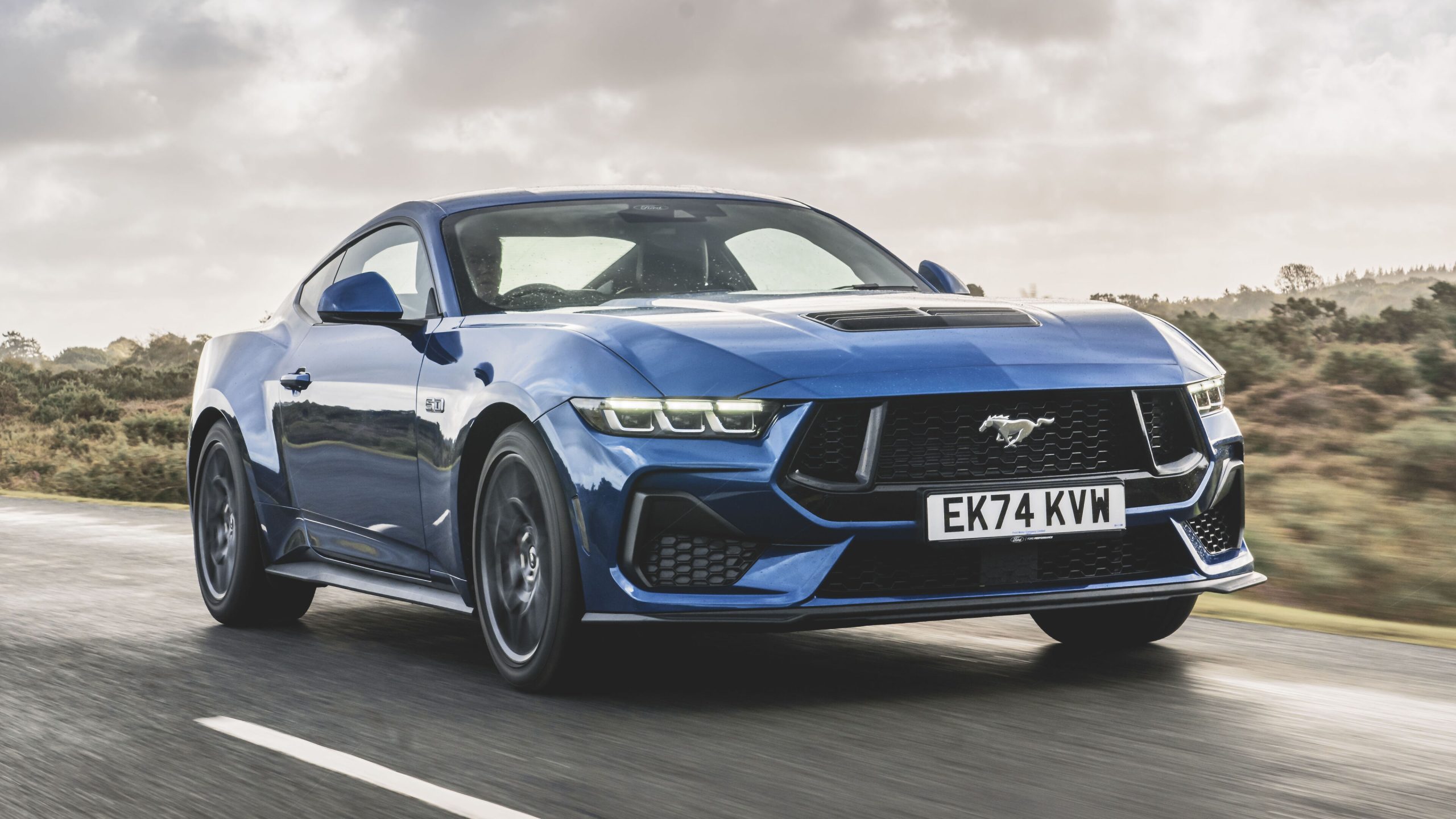
For short daily commutes, these seats may be acceptable, but for drivers who value comfort, stability, and a secure “locked-in” feel, the base cloth seats fall short. The flat bolsters, compressible foam, limited lumbar support, and restricted adjustability make these seats a weak point in the Mustang’s interior.
The difference between cars with supportive seats and those without highlights the critical role seating plays in comfort and driver well-being. Well-designed seats provide consistent lumbar support, lateral stability, and customizable adjustments that reduce fatigue, relieve stress on the spine and legs, and make extended driving more pleasant.
In contrast, flat or minimally adjustable seats force drivers to compensate with their muscles, often resulting in discomfort and tension on longer trips.
Prioritizing vehicles with ergonomically sound seats ensures that daily driving is less tiring and more enjoyable, while vehicles with limited support can create persistent strain. For drivers who spend significant time behind the wheel, seat quality and adjustability are key factors in maintaining comfort, alertness, and driving satisfaction.
Also Read: Top 10 Cars That Changed Automotive Engineering Forever
