
Choosing the right vehicle for daily life is about more than just getting from point A to point B it’s about finding a companion that seamlessly integrates into your routine, anticipates your needs, and makes every commute, errand run, and weekend adventure feel effortless.
The perfect daily driver strikes a delicate balance between practicality and pleasure, offering reliability without sacrificing the joy of driving. It’s the car that fits into your parking space without inducing anxiety, the one that sips fuel instead of guzzling it, and the vehicle that doesn’t require a second mortgage to maintain.
On the flip side, some vehicles despite their allure, performance credentials, or luxury badges simply don’t mesh with the realities of everyday life. They might be too large for urban environments, too thirsty at the pump, too expensive to maintain, or too impractical for the school run and grocery shopping.
These vehicles often excel in specific scenarios but falter when faced with the mundane demands of daily driving. In this comprehensive guide, we’ll explore ten vehicles that represent both ends of this spectrum. We’ll examine five cars that have earned their reputation as exemplary daily drivers, perfectly suited to the rhythms of modern life.
Then, we’ll contrast them with five vehicles that, while impressive in their own right, present challenges that make them less than ideal for day-to-day use. Understanding these distinctions can help you make an informed decision about what truly matters when selecting a vehicle for your daily needs.
5 Vehicles That Feel Right for Daily Life
These exceptionally well-balanced vehicles feature perfectly calibrated sizing and practical capabilities that seamlessly integrate into daily routines, providing effortless transportation where dimensions suit real parking situations, cargo space matches actual hauling needs, and running costs align with household budgets without requiring lifestyle compromises.
Their sensible execution includes fuel economy matching typical commute distances and seating capacity fitting actual family size that resist the over-capability waste found in excessive vehicles while delivering enough versatility for weekend errands, comfortable enough rides for daily commutes, and reliable enough operation that transportation never becomes a daily concern requiring constant attention.
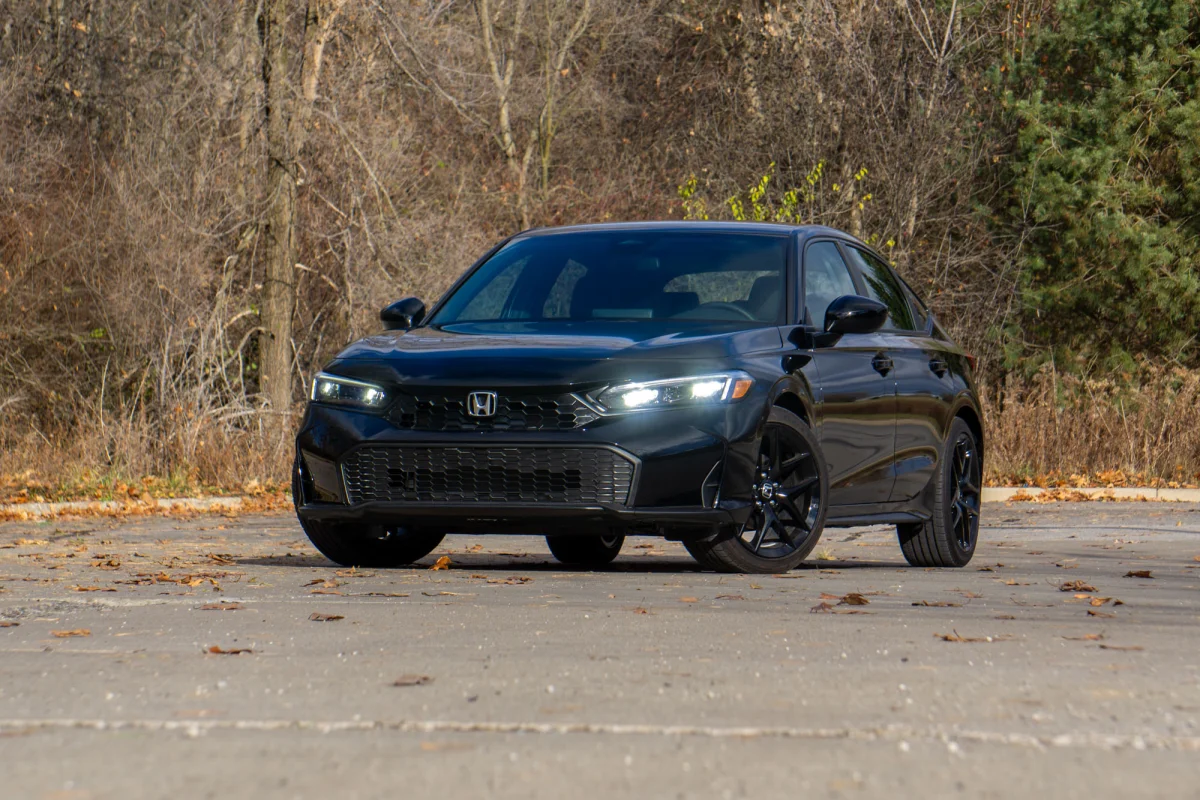
1. Honda Civic
The Honda Civic has long been the gold standard for practical daily transportation, and for good reason. This compact sedan manages to check virtually every box that matters for everyday driving while maintaining an accessible price point that doesn’t require financial gymnastics.
From the moment you slip behind the wheel, the Civic communicates a sense of rightness everything falls naturally to hand, visibility is excellent, and the driving position feels tailored to real-world use rather than showroom aesthetics.
What makes the Civic truly exceptional for daily life is its remarkable fuel efficiency. Whether you’re commuting through stop-and-go traffic or cruising on the highway, the Civic consistently delivers impressive MPG figures that translate to fewer stops at the gas station and more money in your pocket.
This efficiency doesn’t come at the expense of performance, either. The responsive engine provides adequate power for merging, passing, and going through the city streets with confidence, while the smooth CVT transmission keeps everything operating in an optimal range.
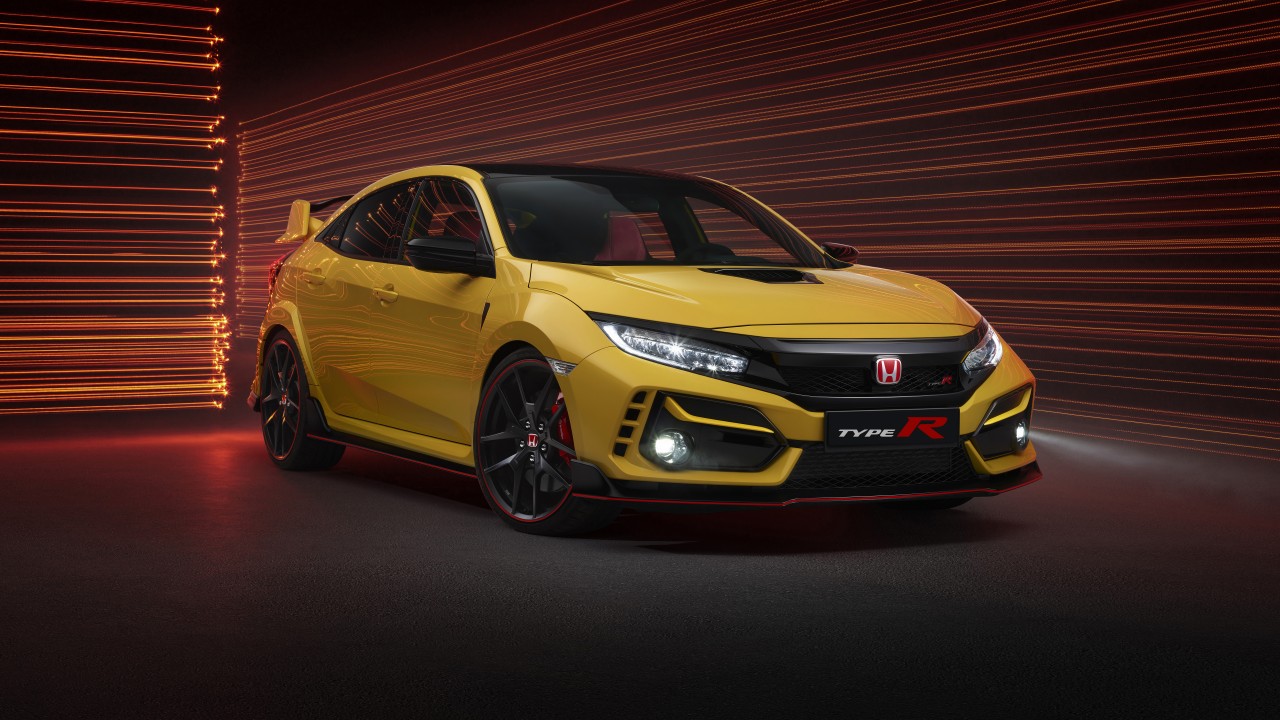
The interior space of the Civic defies its compact classification. Despite its relatively modest exterior dimensions which make parking and maneuvering in tight spaces remarkably easy the cabin offers generous room for passengers and cargo.
The rear seats comfortably accommodate adults, and the trunk provides ample space for weekly grocery runs, sports equipment, or luggage for weekend getaways. The seats themselves strike an ideal balance between comfort for long drives and support for spirited driving.
The technology package in modern Civics enhances daily usability without overwhelming drivers with complexity. The infotainment system is intuitive, smartphone integration is seamless, and available safety features like adaptive cruise control and lane-keeping assist make commuting less stressful.
The Civic proves that a vehicle doesn’t need to be expensive or exotic to feel perfectly suited to everyday life it just needs to understand and meet the actual needs of real drivers.
2. Toyota RAV4
The Toyota RAV4 represents the evolution of the daily driver for modern families and individuals who need versatility without compromise. This compact crossover has become ubiquitous on roads worldwide, and its popularity isn’t accidental it’s the result of Toyota’s relentless focus on creating a vehicle that adapts to whatever life throws at it.
The RAV4’s raised seating position provides excellent visibility, giving drivers confidence in traffic while making it easier to spot parking spaces and go through the crowded lots.
Space and practicality define the RAV4’s appeal for daily use. The cargo area is genuinely cavernous, easily swallowing everything from bulky furniture purchases to camping gear for family adventures.
The rear seats fold flat to create an impressively versatile loading space, and the wide-opening tailgate makes loading and unloading effortless. Inside, passengers enjoy ample legroom and headroom, with thoughtful storage solutions throughout the cabin that keep daily detritus organized and accessible.
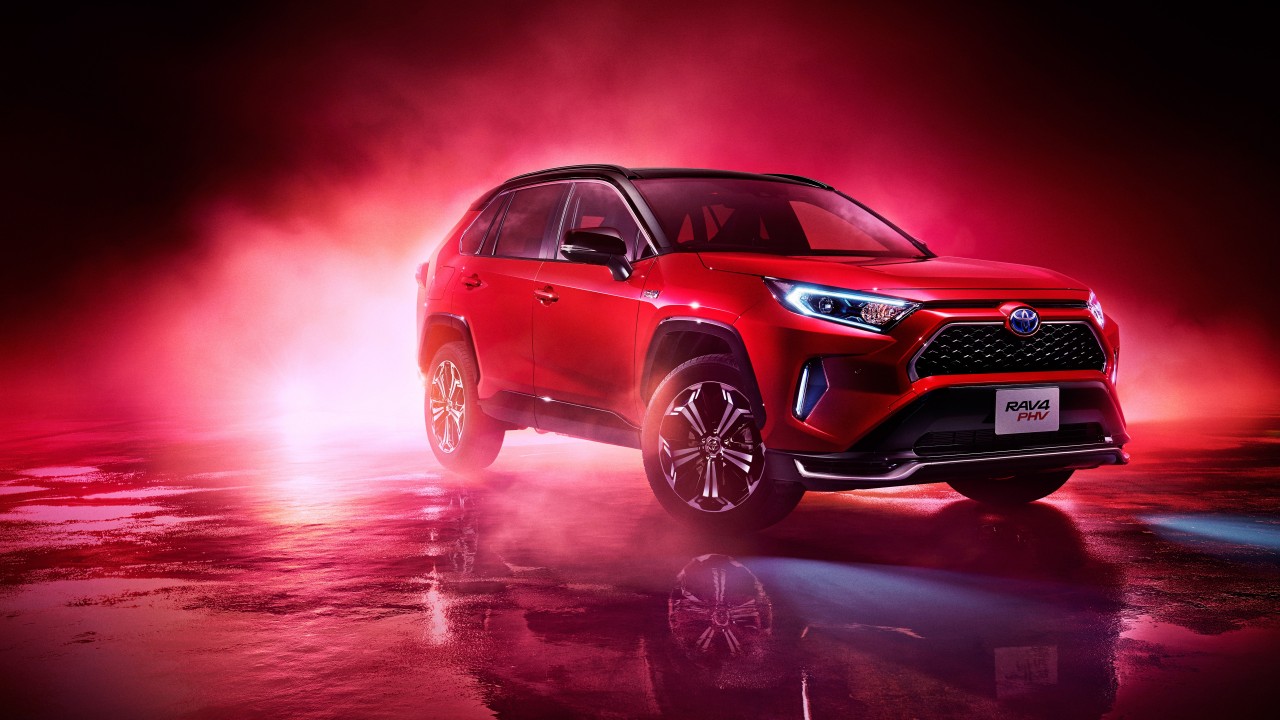
Fuel economy in the RAV4, particularly in hybrid variants, rivals many smaller sedans while delivering the capability of a much larger vehicle.
This efficiency is crucial for daily driving, where every trip to the store, commute to work, and run to activities adds up over time. The hybrid system operates seamlessly, switching between gas and electric power without any input from the driver, maximizing efficiency while maintaining the performance needed for highway merging and hill climbing.
Toyota’s legendary reliability makes the RAV4 an intelligent choice for anyone who views their vehicle as transportation rather than a hobby.
The ownership experience is characterized by predictability predictably low maintenance costs, predictably high resale value, and predictably trouble-free operation.
For busy professionals, parents juggling multiple schedules, or anyone who simply wants their car to work without drama, the RAV4 delivers peace of mind alongside practical capability.
3. Mazda CX-5
The Mazda CX-5 proves that practicality doesn’t require sacrificing driving pleasure, offering an experience that raises the daily commute from mere necessity to genuine enjoyment.
While competitors focus purely on utility, Mazda has engineered the CX-5 to engage drivers, incorporating responsive steering, well-tuned suspension, and an dynamic character that makes even mundane errands feel slightly special. This commitment to driving dynamics doesn’t compromise the CX-5’s suitability for daily life instead, it enhances it.
Step inside a CX-5, and you’re immediately surrounded by materials and design quality that punch well above the vehicle’s price point. The cabin feels upscale and thoughtfully designed, with an emphasis on driver-centric ergonomics that makes everything intuitive.
The seats provide excellent support for both short trips and long journeys, while noise insulation keeps wind and road noise at bay, creating a serene environment for conversation, music, or simply thinking.
This attention to interior quality means the CX-5 remains pleasant even after years of daily use, resisting the wear and cheap feeling that plague some competitors.
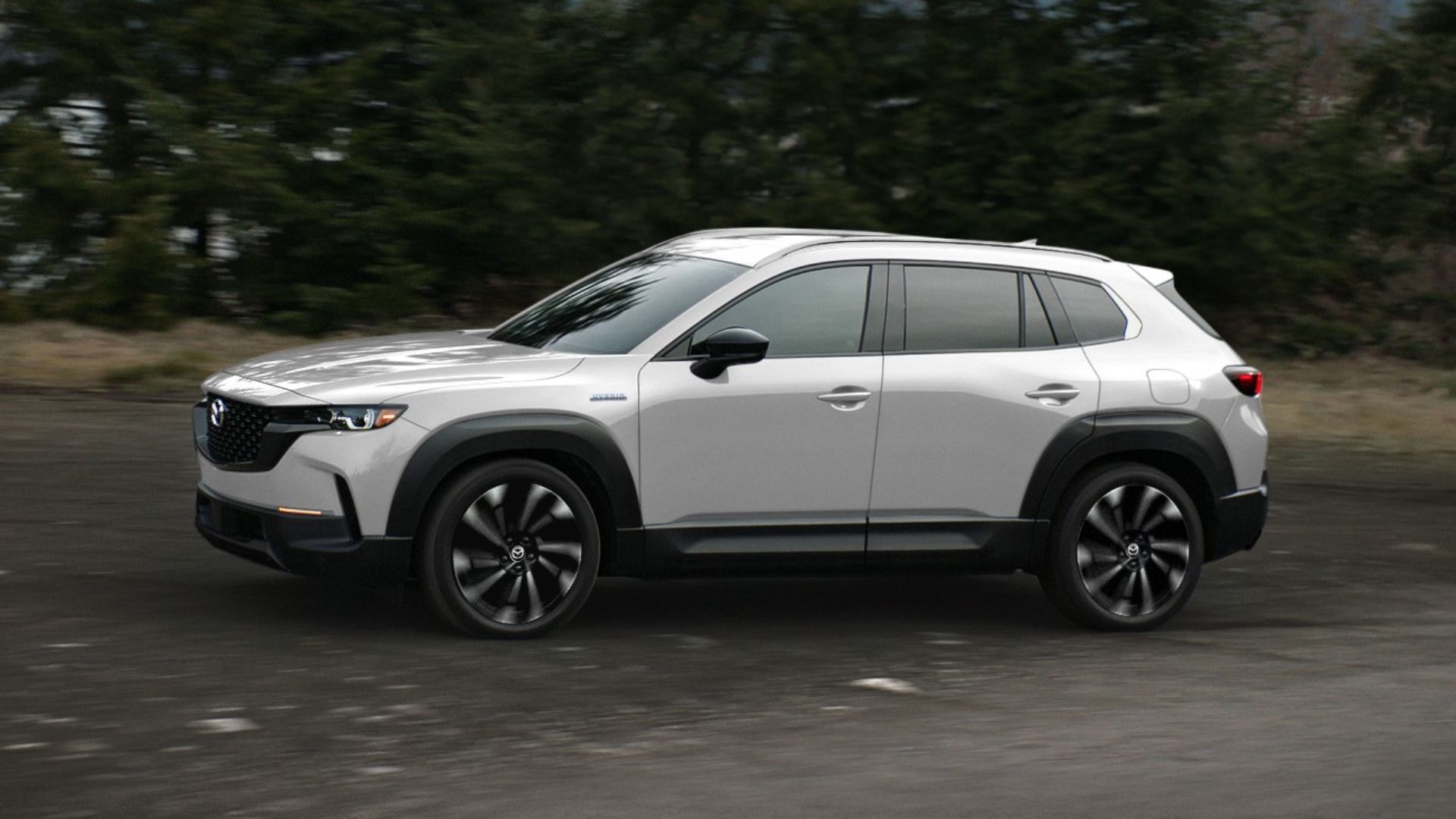
Practicality pervades the CX-5’s design. The cargo space is generous and well-shaped, with a low load floor that makes lifting heavy items easier. The rear seats comfortably accommodate adult passengers or car seats, and the available features like heated seats, dual-zone climate control, and a power liftgate add convenience to daily routines.
The exterior dimensions are perfectly calibrated for real-world use large enough to provide substantial interior space but compact enough to go through the tight parking garages and urban streets without stress.
The technology suite in the CX-5 emphasizes usability over gimmicks. The infotainment system, while not the flashiest, is logical and responsive.
Safety features like blind-spot monitoring, rear cross-traffic alert, and automatic emergency braking provide confidence without being intrusive.
For drivers who appreciate quality, value driving engagement, and need practical transportation, the CX-5 represents an ideal daily companion that brings a smile to your face rather than just checking boxes.
4. Subaru Outback
The Subaru Outback occupies a unique position in the automotive world, blending the comfort and fuel efficiency of a wagon with the capability and ground clearance of an SUV.
This combination creates a vehicle that’s remarkably well-suited to diverse daily needs, whether you’re going through the city streets during the week or escaping to mountain trails on weekends.
The Outback’s versatility means you don’t need to choose between practicality and adventure it enables both with equal competence. Standard all-wheel drive is perhaps the Outback’s defining feature for daily usability.
While competitors charge extra for AWD or offer it only on higher trims, every Outback comes equipped with Subaru’s proven symmetrical all-wheel-drive system.
This means confident traction in rain, snow, ice, and on unpaved roads without any premium. For drivers in regions with challenging weather, this standard capability eliminates anxiety about commuting conditions. You simply get in and go, trusting the vehicle to manage traction seamlessly.
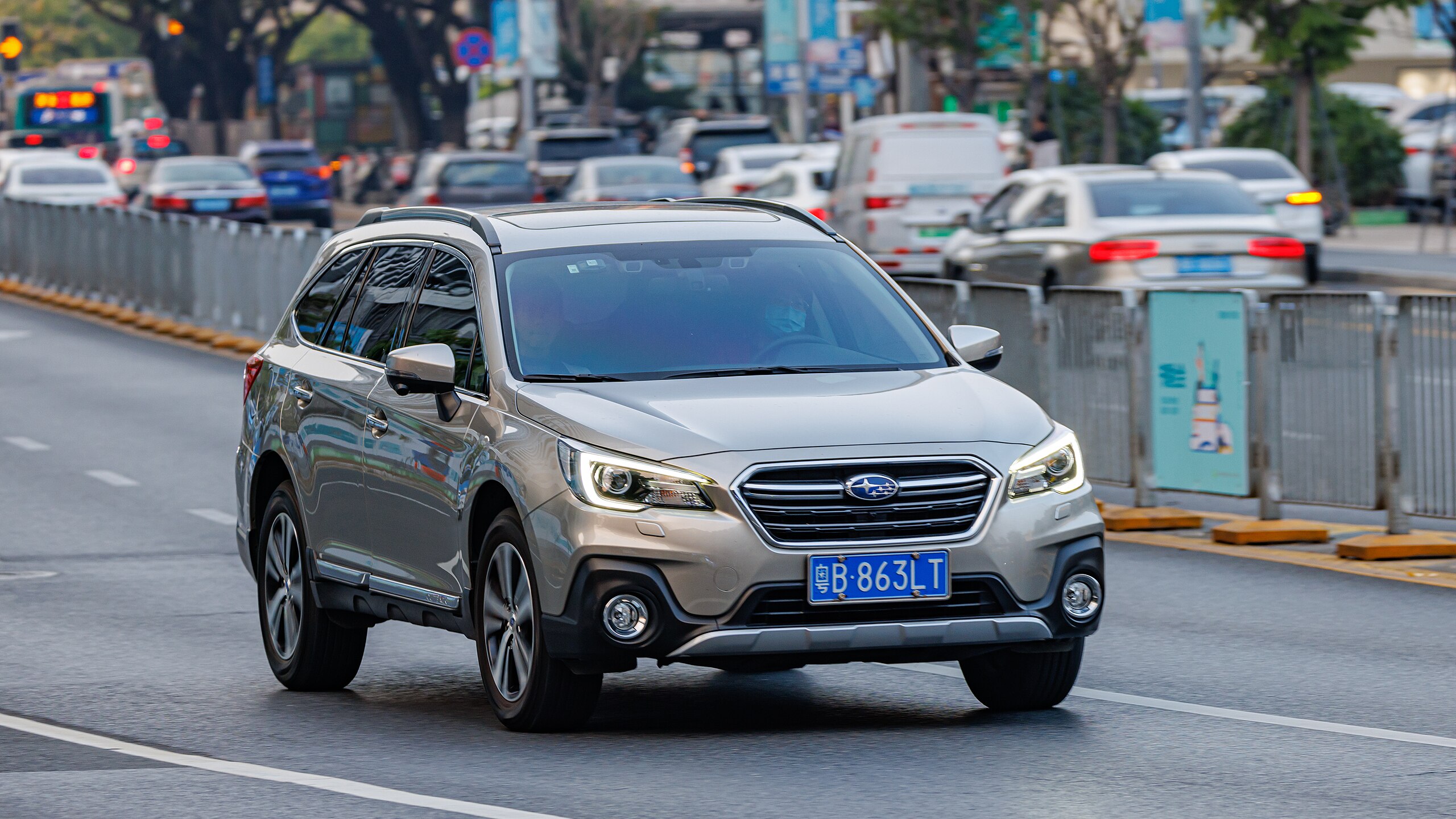
Interior space and comfort make the Outback an excellent choice for families or anyone who regularly transports passengers. The cabin is genuinely spacious, with ample headroom thanks to the wagon profile and generous legroom in both rows.
The seats are supportive and well-cushioned for long trips, and the large windows create an airy, open feeling that prevents claustrophobia on extended drives. Cargo capacity is exceptional, rivaling many larger SUVs while maintaining a lower load height that makes loading and unloading less strenuous.
Subaru’s reputation for reliability and longevity makes the Outback a smart long-term investment. These vehicles regularly exceed 200,000 miles with proper maintenance, and their high resale values reflect buyer confidence in their durability.
The ownership experience is straightforward, with reasonable maintenance costs and widespread service availability. For drivers who value capability, space, comfort, and dependability over flashy styling or cutting-edge technology, the Outback delivers a uniquely satisfying daily driving experience.
Also Read: 5 Vehicles That Are Thoughtful vs 5 That Feel Rushed
5. Volkswagen Golf
The Volkswagen Golf represents European automotive philosophy applied to the everyday vehicle: substantial quality, thoughtful design, and engaging dynamics in a practical package.
This hatchback has been refined over eight generations, each iteration building on lessons learned to create what many consider the quintessential compact car.
The Golf’s appeal for daily driving stems from its ability to feel special while remaining utterly practical, offering a premium experience without the premium price tag.
The build quality and interior materials in the Golf exceed what most competitors offer in this class. Doors close with a satisfying thunk, controls operate with precision, and materials throughout the cabin feel durable and well-chosen. This solidity translates to a feeling of security and longevity the Golf doesn’t feel like it will rattle apart after a few years of hard use.
The driving position is excellent, with supportive seats and intuitive control placement that makes everything from climate controls to infotainment accessible without stretching or hunting.
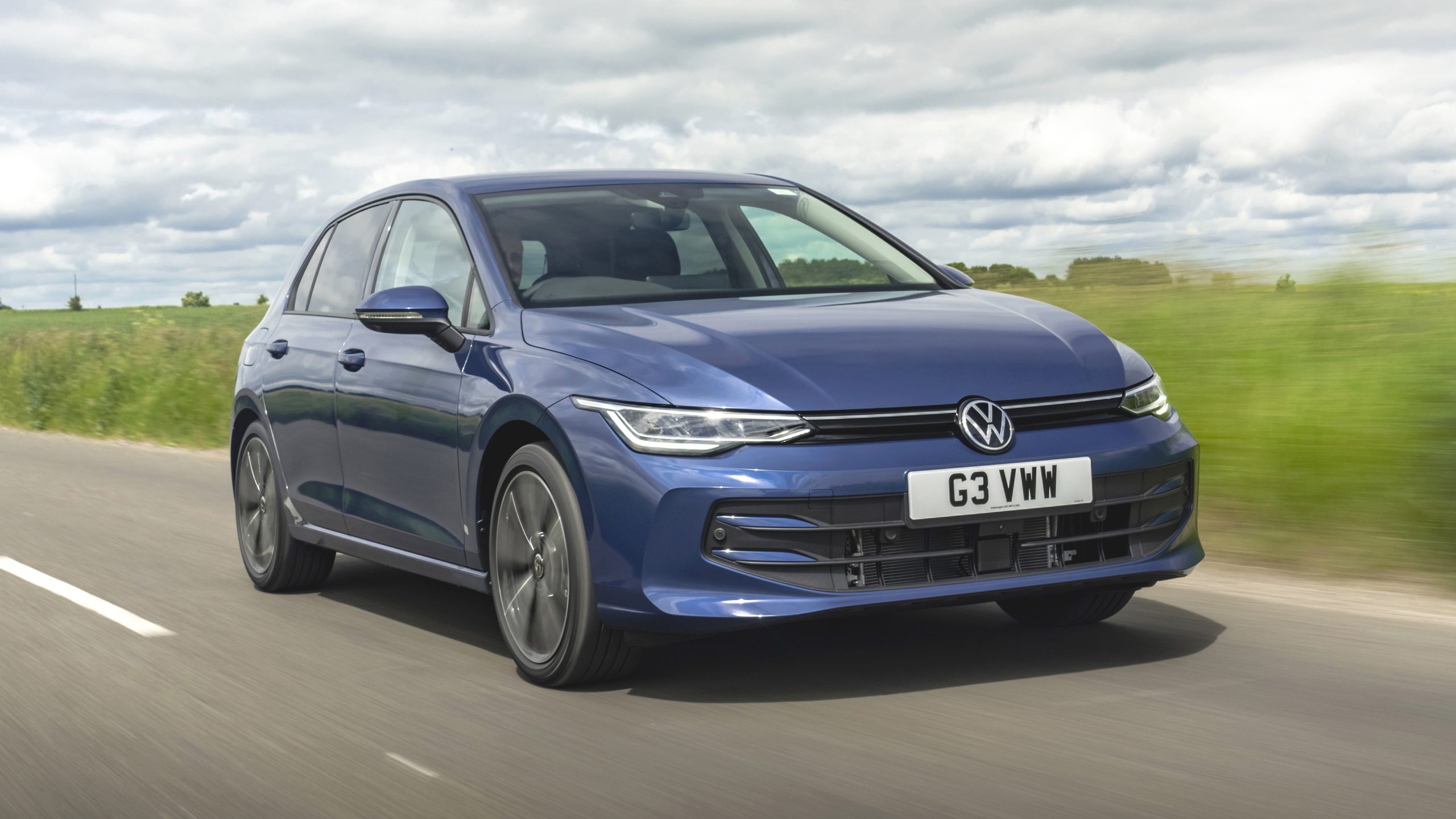
Practicality is embedded in the Golf’s design. The hatchback configuration provides remarkable cargo flexibility, with rear seats that fold to create a surprisingly large cargo area perfect for everything from IKEA runs to camping trips.
The cabin itself is thoughtfully designed with useful storage spaces, and the compact exterior dimensions make parking and urban maneuvering stress-free. Despite its modest size, the Golf accommodates four adults comfortably, making it equally suitable for solo commuting or carpooling.
The driving dynamics set the Golf apart from appliance-like competitors. The steering is direct and communicative, the chassis is balanced and composed, and the available engines ranging from efficient to genuinely quick in GTI form provide engaging performance.
This engagement doesn’t come at the cost of comfort; the suspension manages to be both compliant and controlled, smoothing rough pavement while maintaining composure through corners. For drivers who appreciate the act of driving itself, the Golf transforms daily commutes from tedium into mild entertainment.
Fuel efficiency is competitive, and the Golf’s turbocharged engines provide strong real-world performance despite modest displacement.
The combination of adequate power and good fuel economy means you’re not constantly compromising the Golf accelerates confidently for highway merging while returning respectable MPG figures for commuting. For discerning drivers who want quality, engagement, and practicality in their daily transportation, the Golf represents a compelling choice that proves small cars can be sophisticated.
5 Vehicles That Don’t Feel Right for Daily Life
These frustratingly mismatched vehicles suffer from sizing extremes and impractical designs that create constant friction during daily use, transforming routine activities into accommodations as excessive dimensions complicate parking, inadequate cargo space forces trip multiplication, or unreliable operation creates transportation anxiety disrupting schedules and peace of mind.
Their problematic characteristics include sizes requiring garage modifications or fuel consumption straining budgets that cannot integrate naturally into normal life, leading to daily parking struggles in standard spaces, constant worry about operating costs exceeding reasonable transportation budgets, and capabilities so mismatched to actual needs that owners either pay for unused capacity or lack essential functionality.
1. Ford F-250 Super Duty
The Ford F-250 Super Duty is an extraordinary tool for those who genuinely need its capabilities—towing heavy trailers, hauling equipment, or going through the demanding work sites.
However, as a daily driver for typical commuting and errands, this heavy-duty pickup presents significant challenges that diminish quality of life rather than enhancing it.
The sheer size of the F-250 dominates everything about the ownership experience, creating complications in situations where smaller vehicles glide through effortlessly.
Parking becomes a significant undertaking in an F-250. Standard parking spaces feel cramped, with the truck’s width leaving minimal clearance on either side.
Parking garages with height restrictions become off-limits, and even those without height barriers present challenges with tight turn radiuses and narrow lanes.
Urban environments amplify these difficulties parallel parking requires luck and multiple attempts, drive-throughs designed for normal vehicles force awkward positioning, and narrow city streets demand constant vigilance to avoid clipping mirrors or encroaching on opposing traffic.
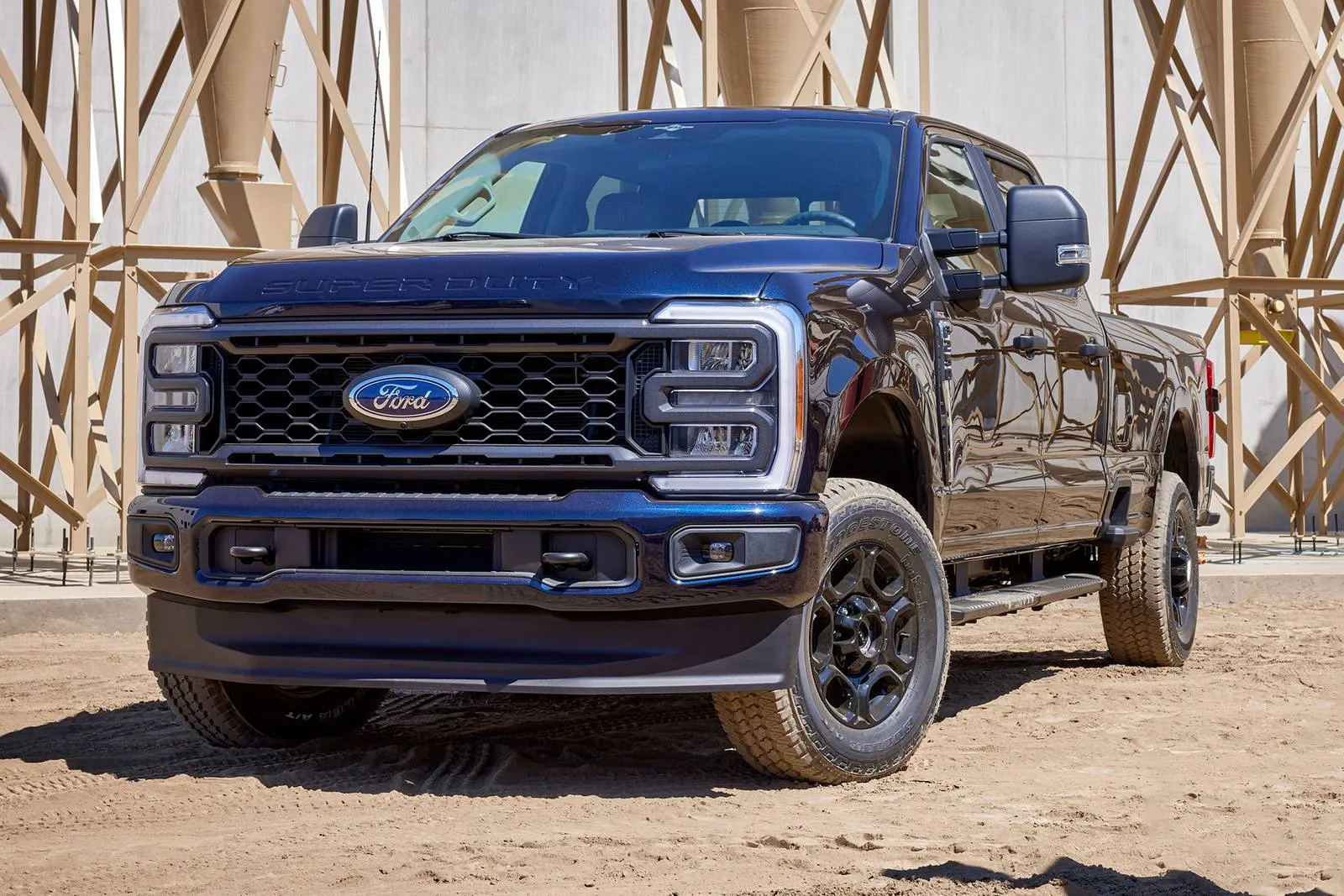
Fuel consumption in the F-250 is substantial, reflecting the reality of moving a vehicle weighing up to 7,000 pounds equipped with powerful engines designed for heavy workloads.
Even the diesel variants, while more efficient under load, deliver mediocre fuel economy in daily driving scenarios. For someone commuting daily, the fuel costs become significant, with frequent trips to the pump becoming an unwelcome routine.
The large fuel tank capacity provides range, but filling it represents a considerable expense that happens more often than most drivers prefer.
The ride quality, while improved in modern iterations, still reflects the F-250’s work-truck DNA. The suspension is designed to handle heavy loads and towing, which means the unloaded ride can feel harsh and unsettled over bumps and pavement imperfections.
The truck bounces and jostles more than a vehicle optimized for passenger comfort, making daily commutes less pleasant. The height requires climbing up into the cab, which becomes tiresome with frequent entry and exit, and presents challenges for elderly passengers or children.
Maintenance and ownership costs extend beyond fuel consumption. Tires are expensive and wear quickly given the vehicle’s weight, brake jobs are costly due to the heavy-duty components, and even routine oil changes require more fluid than standard vehicles. Insurance rates reflect the vehicle’s value and capabilities, adding to the cost of ownership.
For someone who doesn’t regularly utilize the F-250’s towing and hauling capabilities, these costs represent money spent on capabilities going unused, making it an inefficient choice for daily transportation where a smaller, more economical vehicle would serve better.
2. Chevrolet Corvette C8
The Chevrolet Corvette C8 represents a remarkable achievement in automotive engineering delivering supercar performance at a fraction of typical supercar prices. Its mid-engine layout, stunning design, and exhilarating acceleration make it a weekend warrior’s dream.
However, translating that weekend excitement into daily driver duty reveals numerous compromises that make the Corvette impractical for routine transportation needs. The very attributes that make it thrilling on a Sunday morning drive become liabilities Monday through Friday.
Visibility in the C8 is severely compromised by its exotic proportions and styling. The low seating position and thick pillars create significant blind spots, making lane changes and parking stressful rather than routine. The rear visibility is particularly challenging, with the mid-engine layout and small rear window providing minimal rearward vision.
While the backup camera helps, it’s no substitute for the clear sightlines available in conventional vehicles. Going through theparking lots requires extra vigilance, and tight urban environments demand constant attention to avoid curbs, pedestrians, and other vehicles obscured by the car’s design.
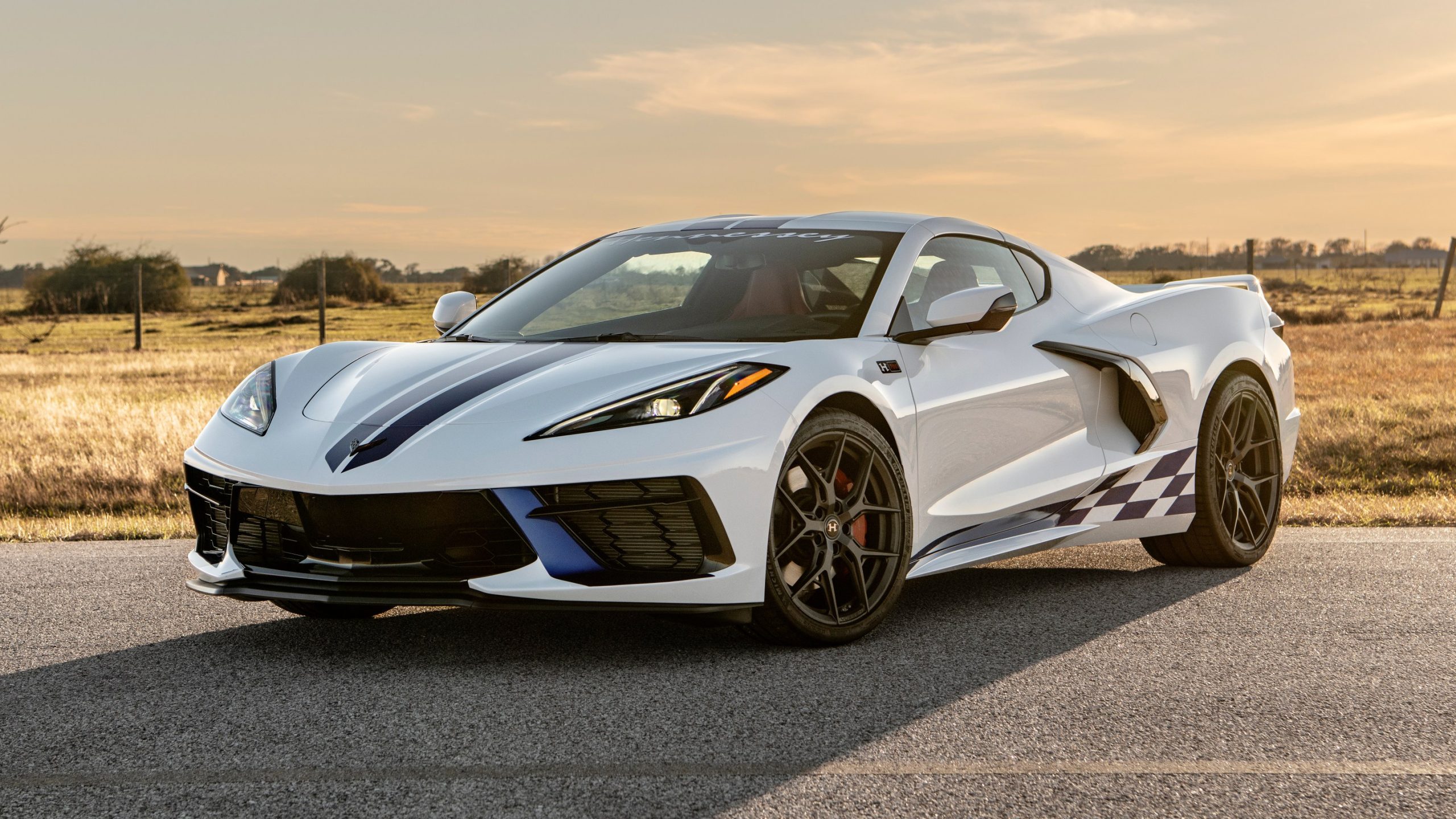
Ground clearance is minimal, reflecting the Corvette’s performance focus. Speed bumps, steep driveways, parking garage ramps, and even poorly maintained roads become obstacles requiring careful approach angles and cautious navigation. The standard front lift system helps, but activating it for routine obstacles becomes tedious in daily use.
Scraping expensive bodywork on mundane road features is a constant concern that adds stress to every drive. What should be simple tasks pulling into a gas station, entering a parking garage, or going through the a residential street require extra consideration and care.
Cargo capacity is essentially nonexistent by daily driver standards. The front trunk is small and awkwardly shaped, barely accommodating a week’s groceries or a carry-on suitcase. Forget about large shopping trips, home improvement projects, or helping a friend move.
The cabin storage is equally minimal, with no real space for the accumulation of daily life gym bags, work materials, children’s gear, or even multiple passengers’ belongings. The Corvette forces you to plan around its limitations rather than adapting to your needs.
The driving experience itself, while exhilarating on open roads, becomes tiresome in daily traffic. The firm suspension that provides razor-sharp handling transmits every pavement imperfection into the cabin.
The seating position, perfect for spirited driving, becomes uncomfortable during long commutes. The powerful engine and sensitive throttle require constant attention in stop-and-go traffic, making smooth progression more difficult than in conventional vehicles.
The attention the Corvette attracts stares, photos, questions at gas stations can be fun initially but becomes exhausting when you simply want to run errands anonymously. For daily transportation, the C8 demands too much compromise in comfort, practicality, and ease of use.
3. Jeep Wrangler
The Jeep Wrangler is an icon of adventure and capability, beloved by enthusiasts who genuinely utilize its off-road prowess. Its removable doors and roof, coupled with exceptional articulation and ruggedness, make it unbeatable in challenging terrain.
However, these same attributes that excel on rocky trails create significant compromises for daily commuting and routine driving. The Wrangler’s uncompromising focus on off-road ability comes at the expense of on-road refinement and everyday usability.
The ride quality in a Wrangler reflects its solid axle suspension and tall, soft sidewall tires designed for rock crawling rather than highway cruising. On pavement, this translates to a bouncy, unsettled ride that transmits road imperfections directly into the cabin.
Highway driving reveals pronounced wind noise from the boxy, upright design optimized for obstacle clearance rather than aerodynamics.
The removable top, while fantastic for open-air driving, allows more ambient noise inside even when properly secured, creating a louder cabin environment than conventional vehicles with fixed roofs.
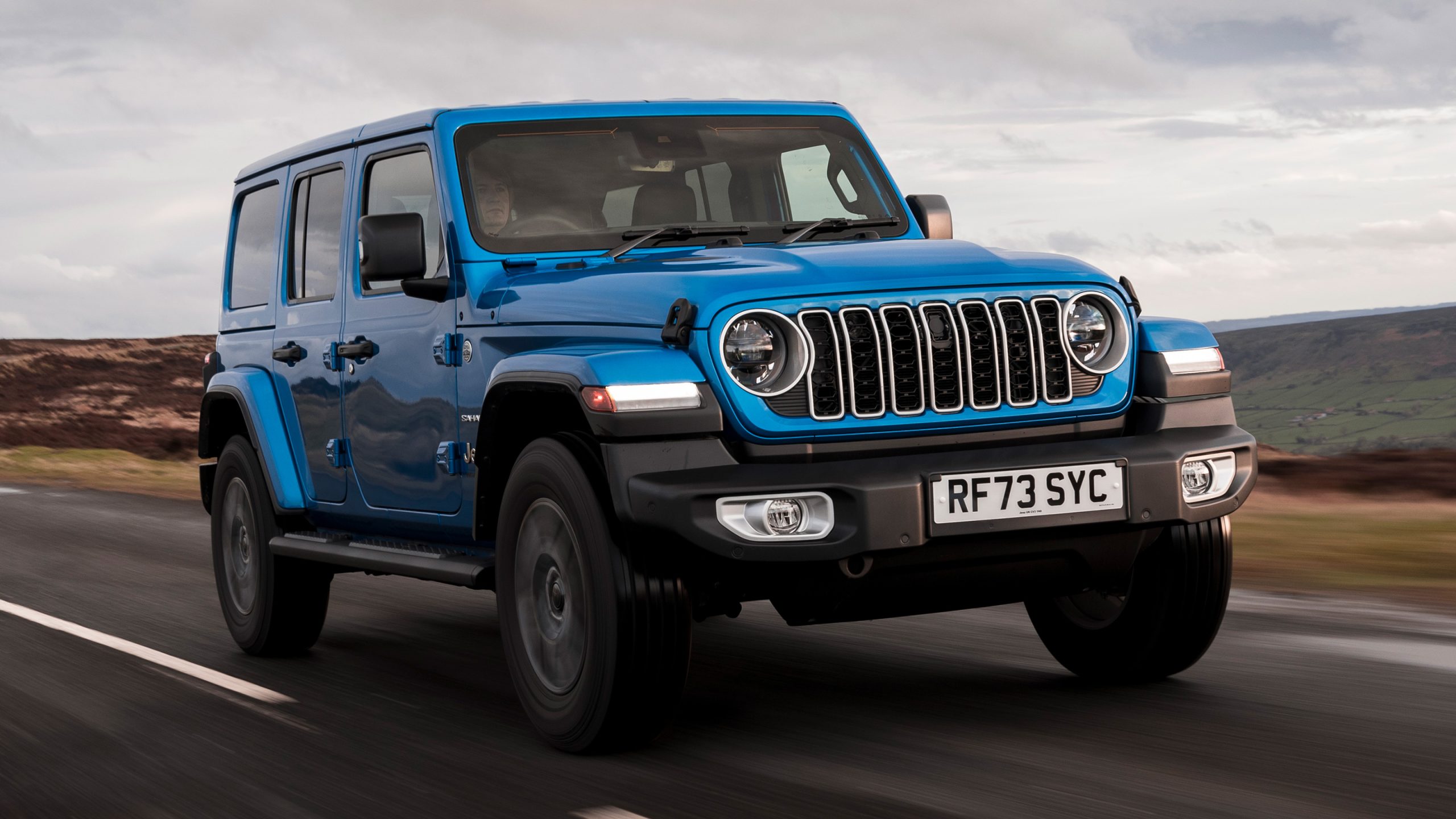
Fuel economy in the Wrangler is poor compared to modern crossovers of similar size. The combination of substantial weight, brick-like aerodynamics, and powertrains focused on low-end torque for off-roading rather than highway efficiency means frequent fuel stops and high operating costs.
Even newer iterations with improved engines and aerodynamic enhancements struggle to match the fuel economy of vehicles designed primarily for on-road use. For daily commuting, especially long highway drives, the fuel costs accumulate significantly.
Technology and convenience features, even in well-equipped models, trail mainstream competitors. The infotainment systems are functional but not class-leading, and the ergonomics reflect the Wrangler’s dual-purpose nature rather than pure daily-driver focus.
Parking the Wrangler, with its upright windshield and chunky pillars, requires more attention than streamlined vehicles with better visibility. For someone whose driving rarely ventures off pavement, the Wrangler’s compromises in comfort, fuel economy, and refinement make it a questionable choice when more road-focused alternatives would better serve daily needs.
4. Tesla Model X
The Tesla Model X represents cutting-edge electric vehicle technology, offering impressive performance, advanced features, and zero emissions.
However, its execution reveals several characteristics that complicate daily use rather than simplifying it. The Model X’s ambitious design choices and technology focus create unique challenges that more conventional vehicles avoid, making it a sometimes frustrating companion for routine transportation despite its impressive capabilities.
The falcon-wing rear doors, while visually striking and providing excellent access in open spaces, become problematic in real-world parking situations.
They require significant clearance above to open, limiting where you can park and making tight parking garages challenging. The sensors sometimes prevent them from opening in spaces where conventional doors would work fine, forcing you to reposition the vehicle or use front doors exclusively.
These doors also operate slowly, adding time to the simple act of getting in or out particularly frustrating when loading children, groceries, or dealing with inclement weather.
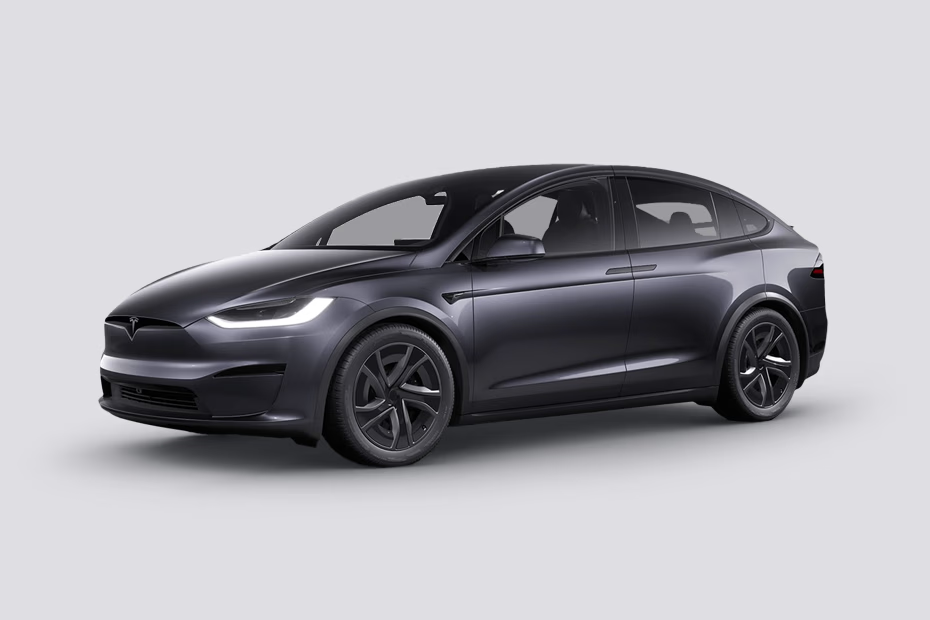
The size and weight of the Model X create handling characteristics that don’t match its acceleration capabilities. While it accelerates like a sports car thanks to instant electric torque, it corners and stops like the three-ton SUV it actually is. This disconnect can catch drivers off-guard, and the sheer mass means tire wear is accelerated and replacement costs are high.
The large dimensions also make tight urban maneuvering challenging, despite the excellent visibility provided by the expansive windshield.
The technology dependency creates unique frustrations. The touchscreen controls nearly everything, meaning simple tasks like adjusting climate settings or opening the glovebox require going through the menus while driving.
Software glitches, while infrequent, can affect functionality in ways that don’t occur with mechanical systems. Over-the-air updates sometimes change interface layouts or features, requiring owners to relearn their own vehicle.
The advanced driver assistance features, while impressive, require vigilant supervision and can behave unpredictably, adding stress rather than reducing it.
For buyers seeking simple, reliable daily transportation, the Model X’s complexity and compromises make simpler alternatives more appealing despite less technological sophistication.
5. Porsche 911
The Porsche 911 stands as one of automotive history’s greatest achievements a sports car that balances everyday usability with genuine performance capability better than almost any competitor.
However, “better than other sports cars for daily use” doesn’t equal “ideal for daily use” when compared to vehicles designed primarily for routine transportation. The 911’s focused character, while less extreme than pure supercars, still presents compromises that accumulate frustration over daily use.
The low seating position and sloping roofline create entry and exit challenges, particularly for taller drivers or passengers. Getting in requires careful contortion to avoid hitting your head, and exiting gracefully demands practice.
This becomes tiresome with frequent stops imagine pulling this maneuver every time you pick up coffee, drop off dry cleaning, or run multiple errands.
The firm, supportive seats perfect for spirited driving become less comfortable during long commutes, and the cabin’s compact dimensions create a somewhat claustrophobic environment for extended periods.
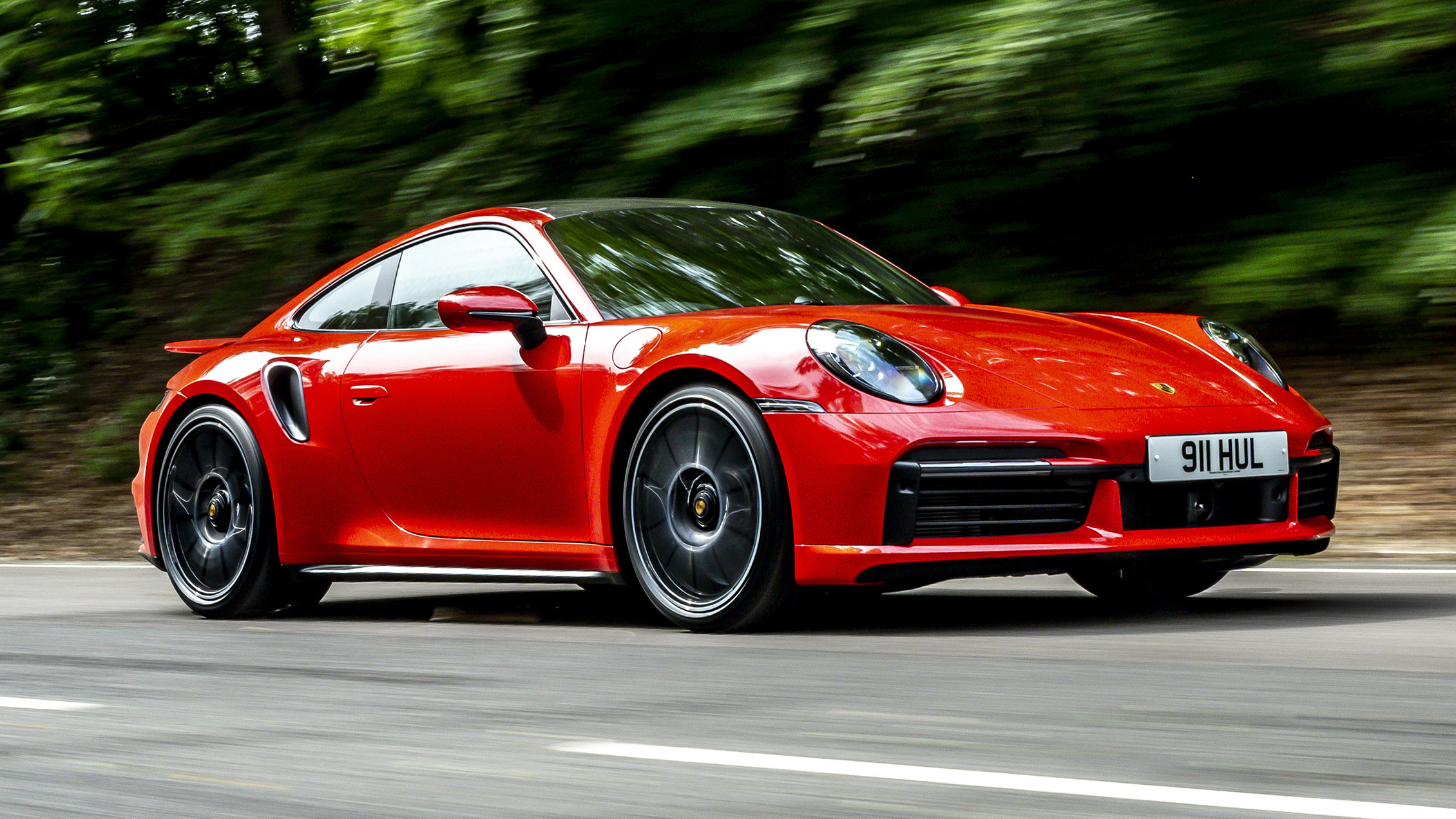
Ground clearance issues plague the 911 despite front lift systems in modern variants. Steep driveways, speed bumps, and parking garage ramps require careful approach angles to avoid expensive scrapes.
The wide rear end makes going through the tight parking spaces stressful, and the limited rear visibility means you’re heavily dependent on sensors and cameras. While the 911 is compact for a sports car, its width and low profile still create challenges in urban environments where conventional cars simply fit better.
Ownership costs extend well beyond the substantial purchase price. Maintenance requires Porsche-trained technicians and premium parts, making routine service significantly more expensive than mainstream vehicles.
Tires wear quickly given the performance focus and must be replaced with expensive, high-performance rubber. Insurance rates reflect both the vehicle’s value and performance capabilities.
Premium fuel is required, and while fuel economy is reasonable for a sports car, it doesn’t match efficient daily drivers. The constant attention from other drivers and pedestrians, while flattering initially, becomes exhausting when you simply want to complete errands without commentary.
For pure daily transportation, the 911’s costs and compromises are difficult to justify when less exciting but more practical vehicles serve better.
