
Cars often promise connection, comfort, and ease, yet real life quickly exposes whether those promises hold up.
Daily routines involve school drop-offs, grocery runs, long commutes, weekend errands, tight parking spaces, and moments when convenience matters more than glossy marketing lines.
A vehicle that truly feels built for real people fits into those moments without asking for constant adjustment or patience.
Some vehicles seem designed with actual habits in mind. Controls feel intuitive, seating works for different body types, visibility supports confidence, and storage answers everyday needs without clever tricks.
Others appear shaped by boardroom ambition or design studios chasing attention, leaving owners to adapt their lives around the car rather than the other way around.
This page separates ten vehicles into two groups. First come five that feel grounded, approachable, and considerate toward daily use. Later, another five reveal how ambition can drift away from practical living.
Each model earns its place through design decisions that either support or frustrate regular drivers. No specifications, race, or trend worship appears here. Instead, focus stays on how these vehicles behave when life gets ordinary.
The first part of this page introduces vehicles that seem to respect time, comfort, and clarity. The next part follows with models that struggle to meet those same expectations.
Together, they form a clear picture of what happens when real people remain central to vehicle design, and what happens when they do not.
5 Vehicles That Feel Built for Real People
1. Toyota Camry 2024
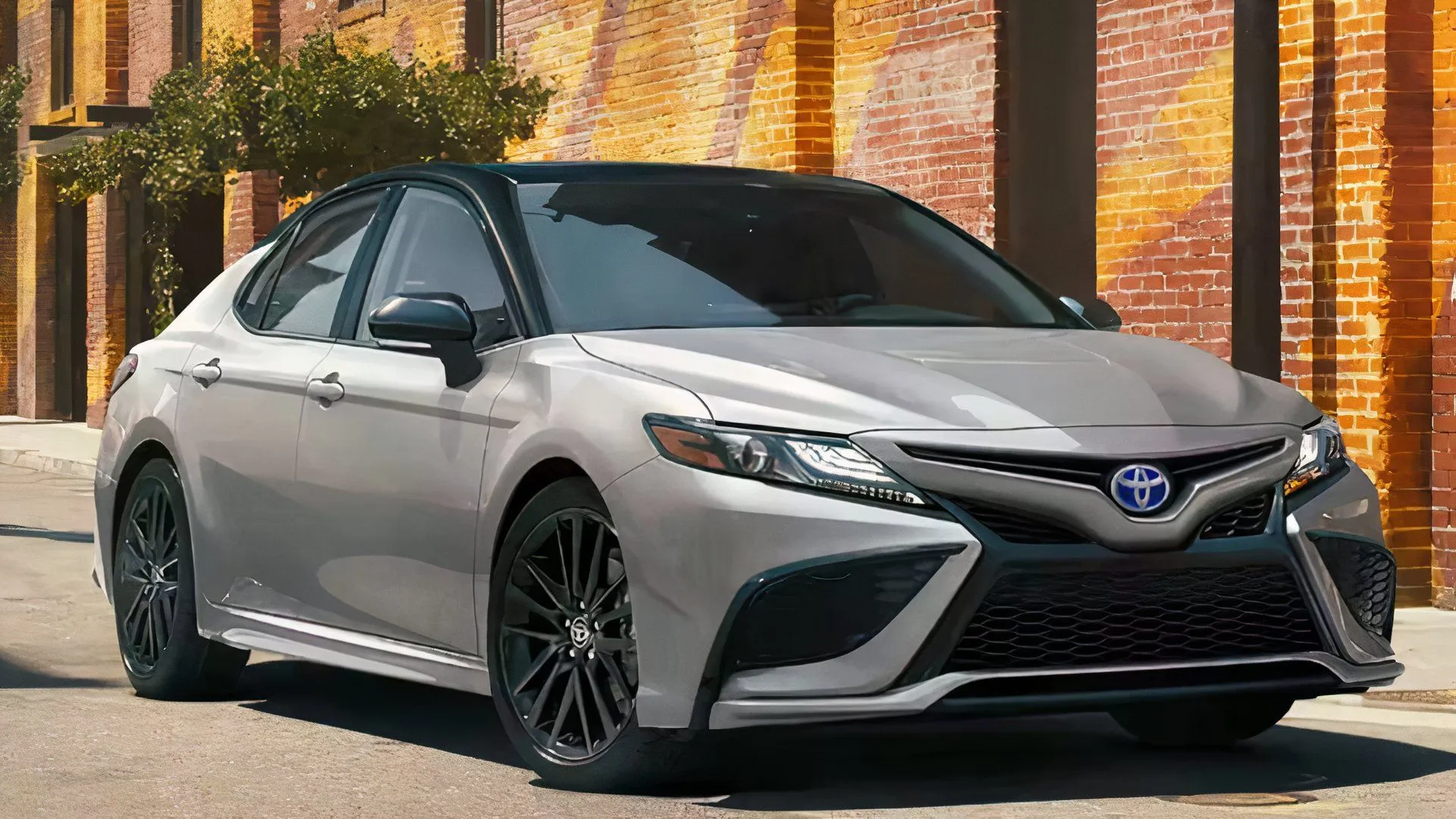
Comfort greets occupants immediately inside the Toyota Camry 2024, though not through luxury flair or dramatic styling.
Seating supports long drives without pressure points, controls fall naturally to hand, and visibility reduces fatigue during traffic-heavy days. Every surface seems shaped by familiarity rather than novelty, which encourages confidence even for first-time owners.
Daily usability defines this sedan. Cabin storage answers practical needs with door pockets that hold bottles securely and a center console sized for more than one purpose.
Touchscreen placement avoids neck strain, while physical buttons remain available for climate adjustments. Drivers never need to look away from traffic for long, which builds trust quickly.
Ride quality favors balance. Suspension absorbs broken pavement without floating or stiffness, making school zones and highways feel equally manageable.
Steering responds predictably, allowing smooth lane changes without constant correction. This calm behavior suits drivers who value steadiness over excitement during long work weeks.
Ownership costs stay reasonable through dependable engineering. Service intervals feel manageable, parts remain accessible, and independent shops handle routine care with ease.
Reliability reputation did not form by chance, as this model has spent years refining what matters instead of chasing trends.
Camry 2024 earns appreciation through quiet consistency. Nothing demands learning curves or compromises. People stepping inside often feel comfortable within minutes, which explains why this car continues to attract drivers seeking ease rather than drama.
2. Honda CR-V 2024
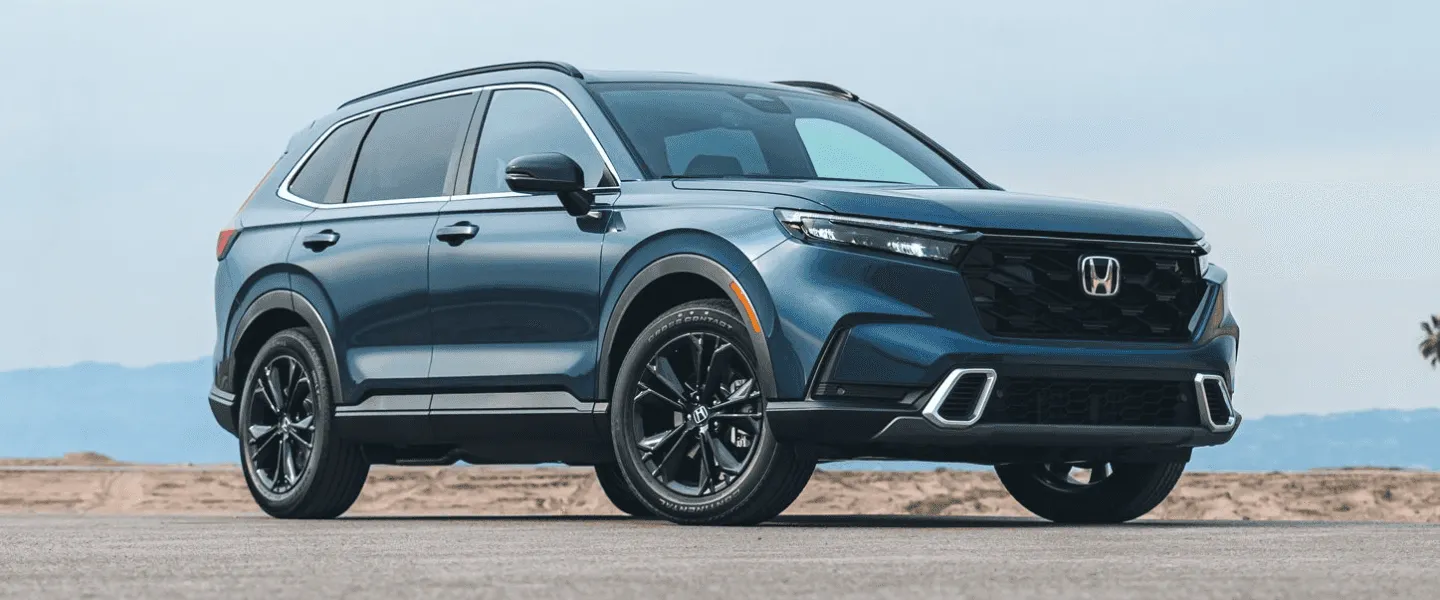
Space shapes early impressions of the Honda CR-V 2024 in a measured and reassuring manner. The vehicle presents generous proportions without appearing excessive or difficult to manage. Interior dimensions support families, individual commuters, and leisure travel with equal ease.
Entry and exit feel natural, aided by a sensible seating height and wide door openings that accommodate different body types and mobility needs. These qualities reduce physical strain during frequent stops, especially in busy daily routines. Inside the cabin, the design places strong emphasis on order and ease of use.
Controls are clearly labelled, logically arranged, and positioned within comfortable reach of the driver. This layout limits distraction and allows attention to remain focused on the road. Storage areas are distributed thoughtfully throughout the cabin, making room for everyday items such as handbags, school bags, groceries, and office materials.
Rear seating provides ample legroom while still preserving a generous cargo area, offering flexibility for changing schedules and varying passenger needs.
The driving experience encourages calm assurance rather than excitement. Steering input feels light yet responsive, supporting confidence during tight parking situations and smooth lane changes on highways.
Suspension tuning handles uneven road surfaces effectively, reducing vibration and discomfort during extended journeys.
Cabin insulation keeps road and wind noise at manageable levels, creating an environment suitable for conversation, phone calls, or quiet listening without fatigue.
From an ownership perspective, the Honda CR-V 2024 benefits from dependable engineering and a long-standing reputation for durability.
Routine maintenance procedures remain straightforward, allowing servicing through a wide range of repair centres. Fuel efficiency supports cost control, particularly for drivers who cover long distances regularly.
The vehicle avoids unnecessary digital gimmicks or experimental features, choosing proven systems that prioritise dependability and ease of operation.
Many drivers describe the CR-V as easy to live with, and this assessment reflects practical experience rather than marketing language. The vehicle integrates smoothly into everyday life, supporting work, family responsibilities, and personal errands without demanding behavioural adjustments.
It performs its role quietly and consistently, allowing owners to focus on their activities rather than the vehicle itself. Through balance, clarity, and reliability, the Honda CR-V 2024 delivers steady support for daily transportation needs.
Also Read: 5 Vehicles With Practical Cabin Storage vs 5 That Lack It
3. Subaru Outback 2024
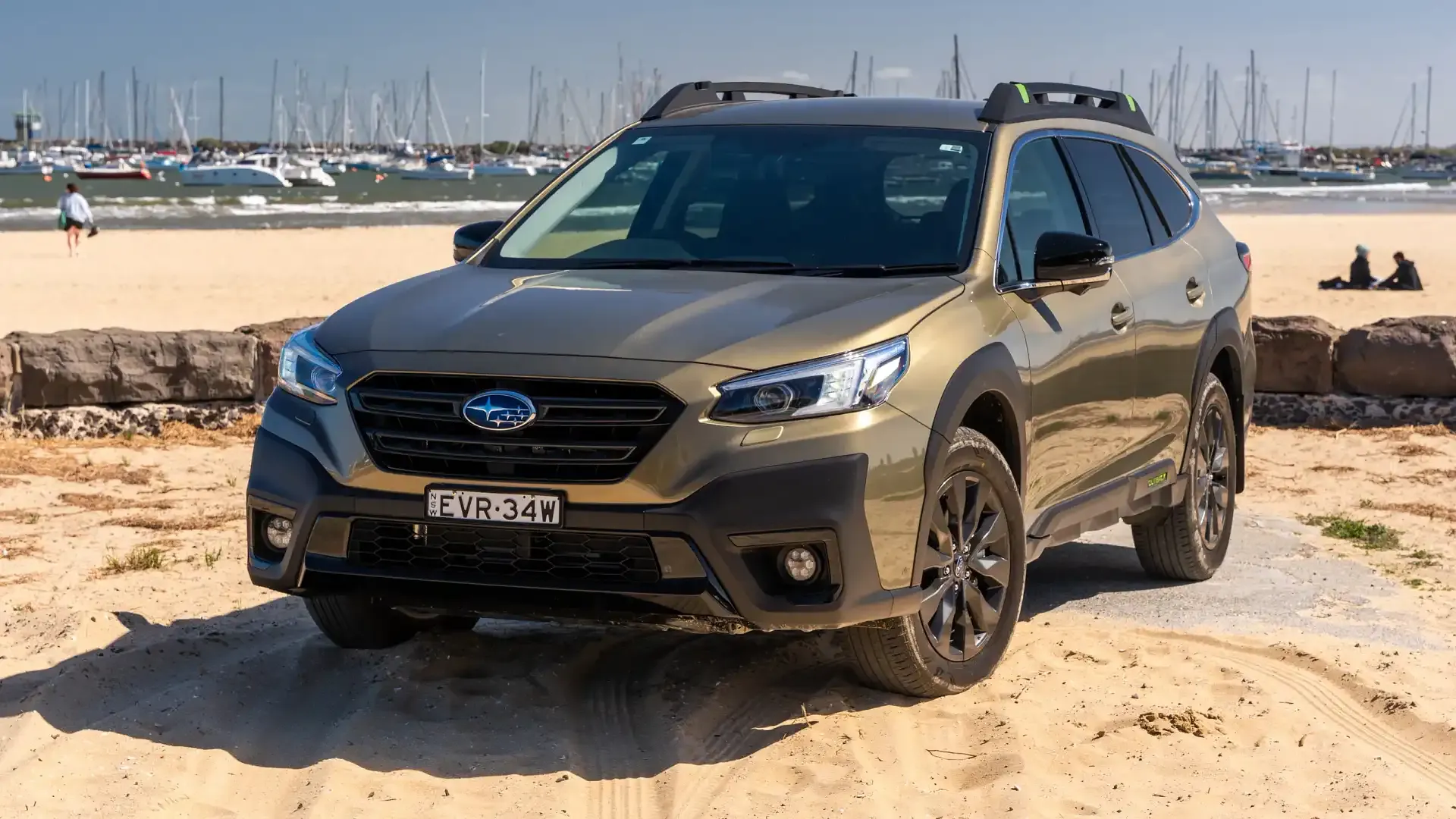
Confidence comes quickly when seated inside the Subaru Outback 2024, largely due to its elevated driving position and thoughtful visibility planning. The seat height provides a commanding view of surrounding traffic without creating a bulky or intimidating feel.
Wide windows and well-positioned pillars help drivers maintain awareness during tight traffic situations, highway cruising, and crowded parking areas. These design choices support calm decision-making, especially during daily commuting routines.
Inside the cabin, Subaru focuses on purpose rather than decoration. Surfaces feel sturdy, chosen for long-term use rather than short-lived trends. Buttons and touch points sit where drivers expect them to be, reducing distraction and unnecessary searching.
Storage areas are placed intelligently, allowing personal items to stay within reach without cluttering the cabin. Rear seating offers generous legroom, while folding mechanisms operate smoothly, opening up the cargo section for groceries, luggage, or equipment.
Cargo flexibility stands as one of the Outback’s strongest qualities. The rear area supports varied load shapes without awkward adjustments.
Roof rails come standard and integrate cleanly with the body, allowing carriers and racks to mount securely. This arrangement suits drivers who balance office routines with recreational activities, offering readiness without requiring constant preparation.
Subaru’s All Wheel Drive system operates quietly and automatically, providing reassurance during wet roads, dusty surfaces, or light snow.
Drivers are not required to manage complicated settings or switches. The system responds in the background, enhancing grip while preserving simplicity. This approach supports confidence rather than demanding attention.
Ride quality balances firmness and comfort effectively. Uneven roads feel controlled without excessive stiffness, while longer trips remain relaxed for both driver and passengers.
Engine performance supports steady progress rather than aggressive acceleration, aligning well with the vehicle’s character. Fuel consumption remains reasonable, contributing to sensible ownership costs.
Maintenance expectations stay realistic due to proven mechanical choices and strong reliability records. Service intervals fit regular schedules, making long-term ownership less stressful.
Subaru Outback 2024 suits individuals who value preparedness, comfort, and adaptability without unnecessary extravagance. It meets changing daily demands with quiet assurance.
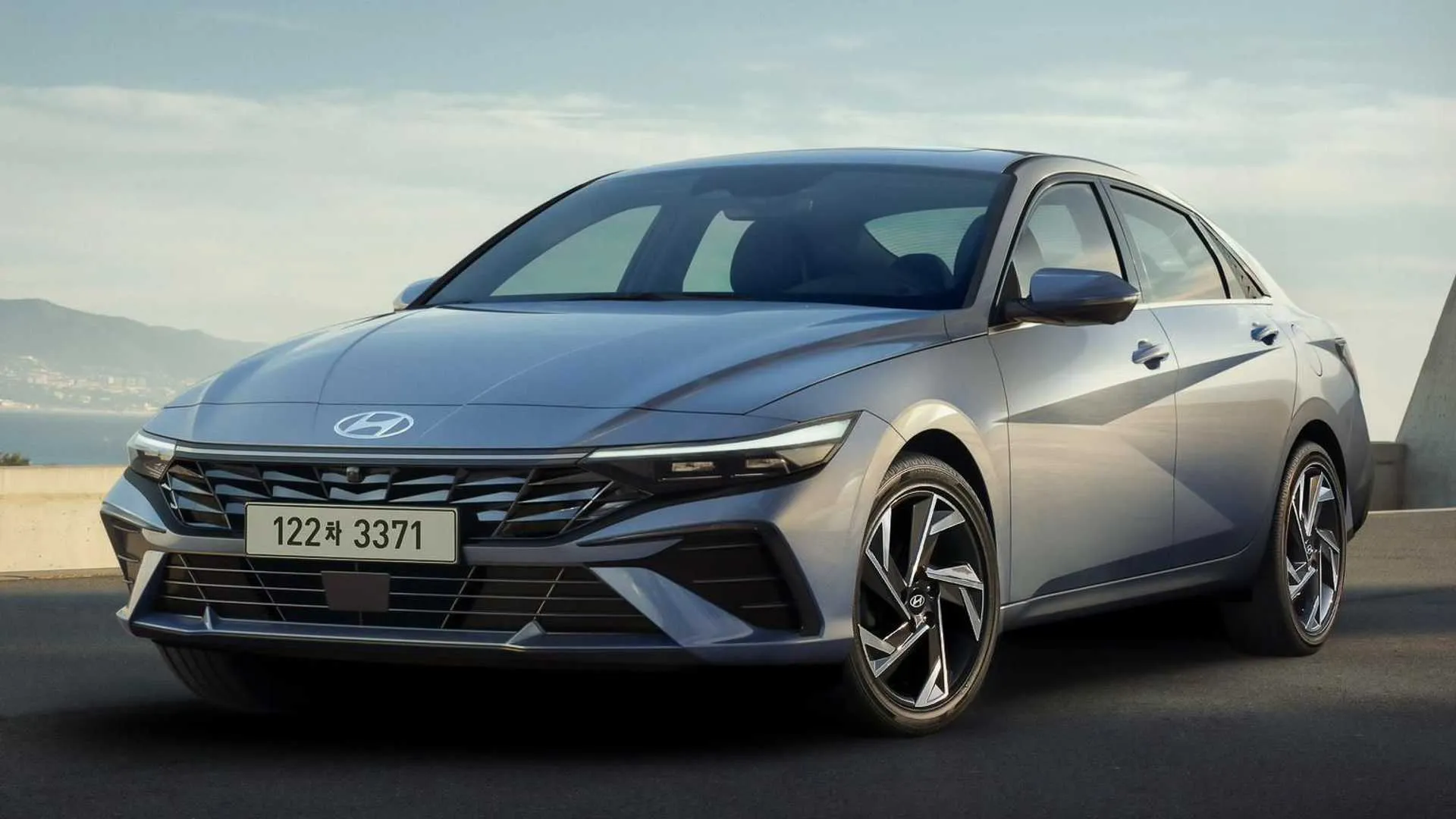
4. Hyundai Elantra 2024
Hyundai Elantra 2024 presents an appealing balance between affordability and daily usability, delivering a refined experience without excess. The cabin design feels current yet restrained, prioritising clarity over artistic expression.
Controls are arranged logically, allowing drivers to understand functions quickly. This layout reduces distraction and supports smoother driving during busy mornings and evening returns.
Seating comfort stands out during extended commutes. The seats provide proper back support, helping drivers maintain posture during longer journeys.
Suspension tuning smooths broken road surfaces while avoiding floatiness, creating a stable and reassuring ride. Steering response feels predictable, which supports confidence for new drivers and experienced motorists alike.
Visibility plays an important role in the Elantra’s everyday friendliness. Clear sightlines and sensible body proportions make lane changes and parking tasks feel less demanding. The car responds well to steering input, maintaining composure in traffic and residential streets. These qualities reduce stress during routine driving.
Technology integration focuses on usefulness rather than novelty. The infotainment system responds promptly to touch, while smartphone connectivity operates smoothly without repeated interruptions.
Driver assistance features provide alerts when needed but avoid constant interference. This balance allows drivers to stay informed while remaining in control.
Ownership considerations favour practicality. Fuel efficiency helps manage running costs, making the Elantra suitable for budget-conscious drivers.
Routine servicing stays straightforward, with parts readily available through authorised dealers and independent workshops. Warranty coverage adds reassurance, reducing anxiety related to unexpected repairs.
Hyundai Elantra 2024 suits drivers who appreciate simplicity paired with modern convenience. It does not seek attention through aggressive styling or unnecessary features.
Instead, it delivers reliability, comfort, and ease of use through thoughtful engineering choices. This approach makes it a dependable companion for daily responsibilities.
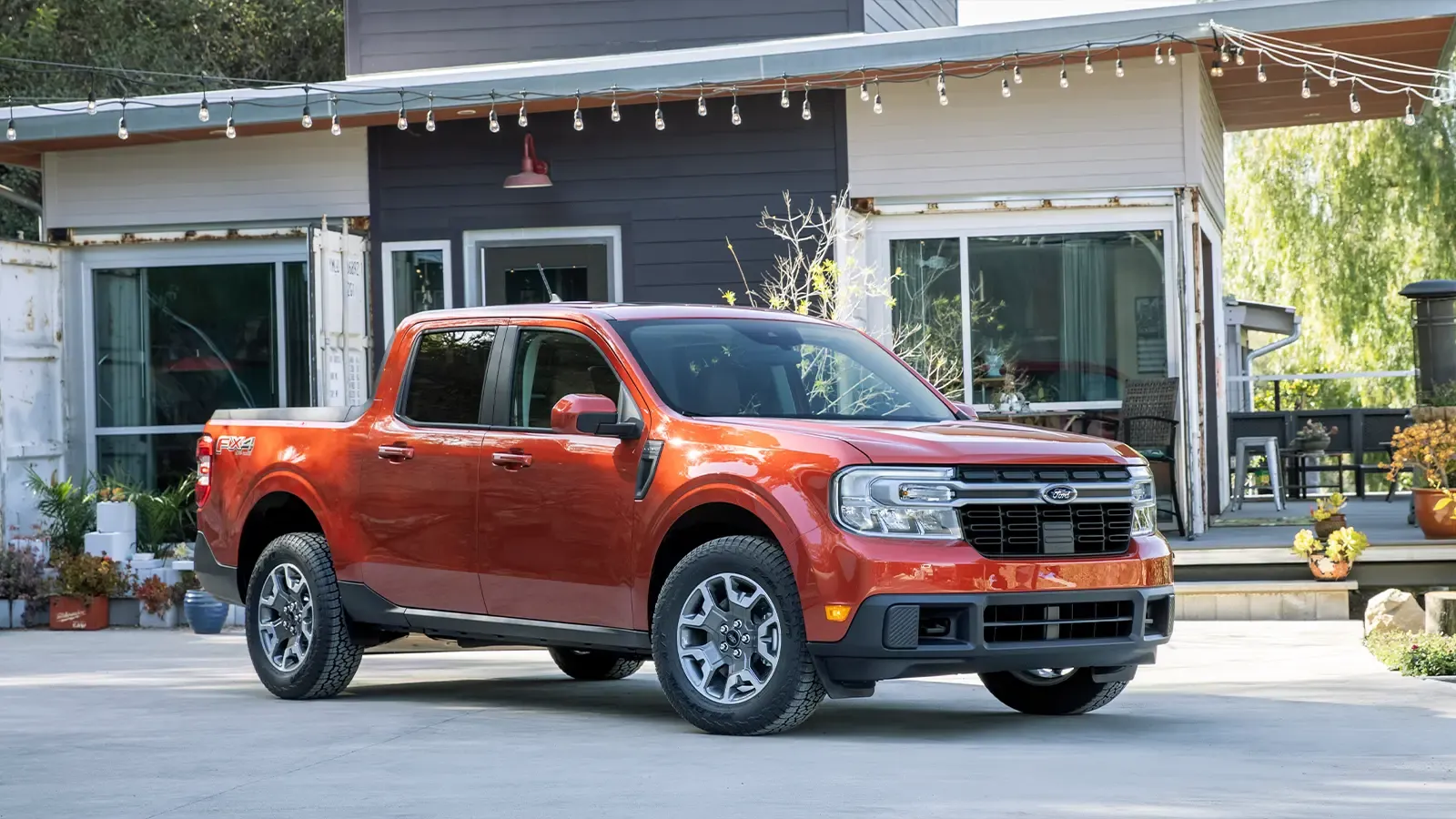
5. Ford Maverick 2024
Ford Maverick 2024 presents a fresh interpretation of pickup usefulness by blending compact dimensions with genuine work capability.
Its approachable size suits city streets and residential areas, avoiding the intimidation associated with larger trucks. The exterior design communicates purpose without excess, making it suitable for both professional duties and personal errands.
Inside the cabin, practicality leads every decision. Storage compartments appear throughout the interior, allowing tools, bottles, and small equipment to stay organised.
Seats provide adequate comfort for long drives, while materials feel durable enough to handle frequent use. Controls remain straightforward, supporting quick operation without confusion.
Rear seating accommodates passengers comfortably while maintaining flexibility for cargo needs. This arrangement supports drivers who alternate between transporting people and carrying supplies.
The truck bed handles weekend projects, light construction tasks, or recreational gear without demanding specialised preparation.
Driving behaviour resembles that of a passenger car rather than a traditional truck. Steering feels light and responsive, easing transitions for drivers unfamiliar with pickups.
Ride quality absorbs uneven pavement effectively, preserving comfort on daily routes. Visibility remains strong, helping drivers judge space accurately during parking and low-speed manoeuvres.
Efficiency contributes strongly to ownership satisfaction. Available powertrain options deliver respectable fuel economy, reducing frequent fuel stops.
Maintenance requirements stay manageable, supported by widespread parts availability and familiar service procedures. These qualities make long-term ownership less demanding.
Ford Maverick 2024 appeals to individuals seeking flexibility without excess size. It blends work capability, comfort, and efficiency in a manner that respects everyday routines. Rather than relying on bravado, it delivers quiet practicality suited to real responsibilities.
5 Vehicles That Do Not Feel Built for Real People
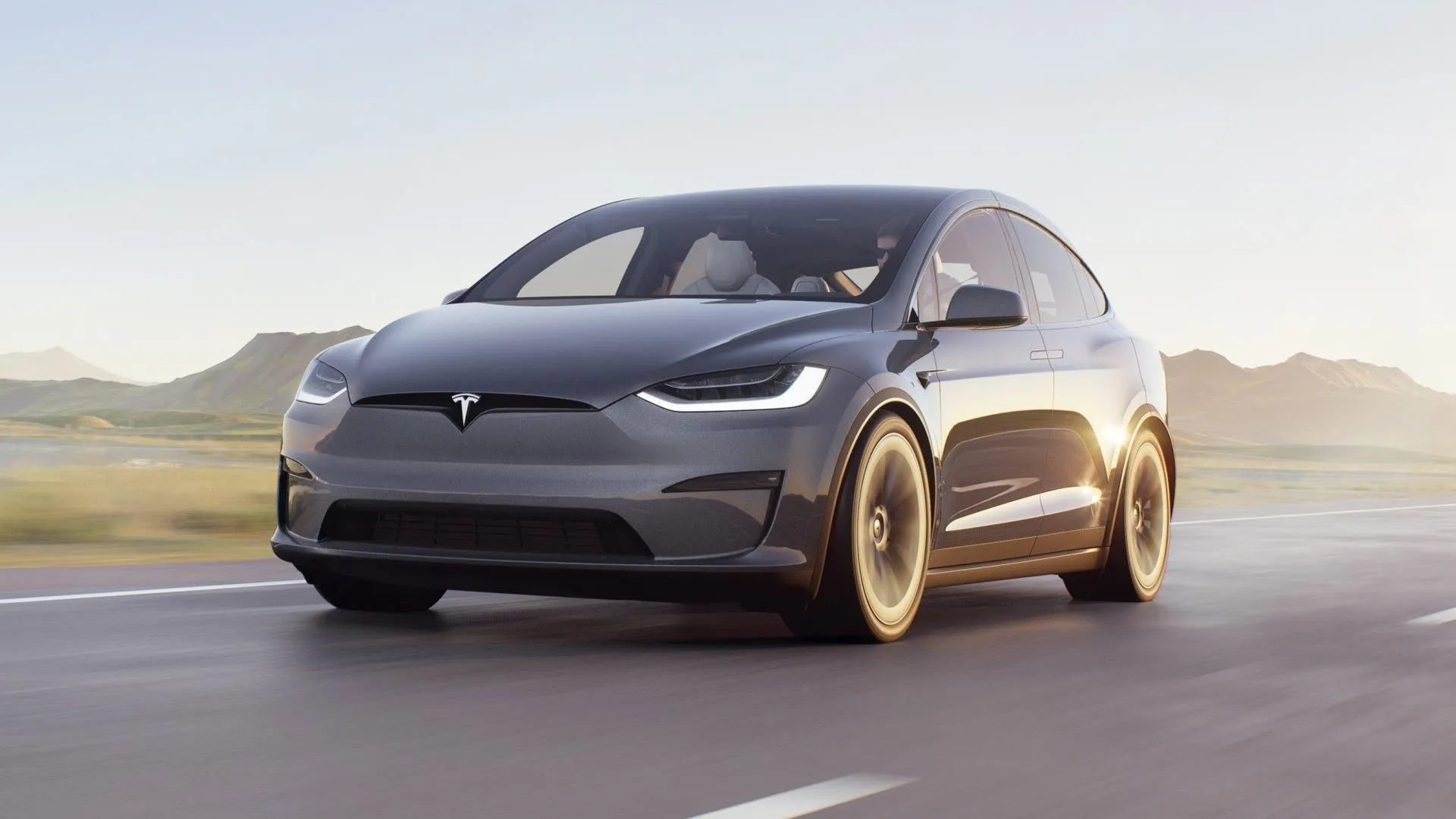
1. Tesla Model X 2024
Ambition drives the Tesla Model X 2024, yet daily usability often feels secondary to spectacle. Entry alone can test patience, as the distinctive rear doors rely on sensors that react poorly in tight garages or crowded parking areas.
Instead of simplifying access, the system introduces hesitation and uncertainty, especially during quick errands or school drop-offs.
Cabin layout favors minimalism to a fault. Nearly every function routes through a central screen, forcing drivers to rely on menus for simple adjustments.
Climate settings, mirror controls, and even glove compartment access require visual attention, which interrupts natural driving rhythm. Physical feedback remains limited, making interaction feel detached rather than intuitive.
Seating comfort varies widely. Front seats provide support, yet second row access feels awkward due to door operation and roof height. Third row usability suits occasional passengers rather than everyday use. Storage solutions appear creative yet lack the straightforward practicality families often need.
Driving experience delivers strong acceleration, though refinement suffers during normal conditions. Ride quality leans firm, transmitting road imperfections into the cabin. Visibility challenges arise due to thick pillars and steep windshield angles, adding strain during parking and city driving.
Ownership responsibilities extend beyond routine service. Software updates influence behavior frequently, sometimes altering familiar functions overnight. Repair access depends heavily on authorized centers, limiting flexibility.
Tesla Model X 2024 impresses through innovation, yet daily living often demands adaptation from owners rather than offering accommodation.
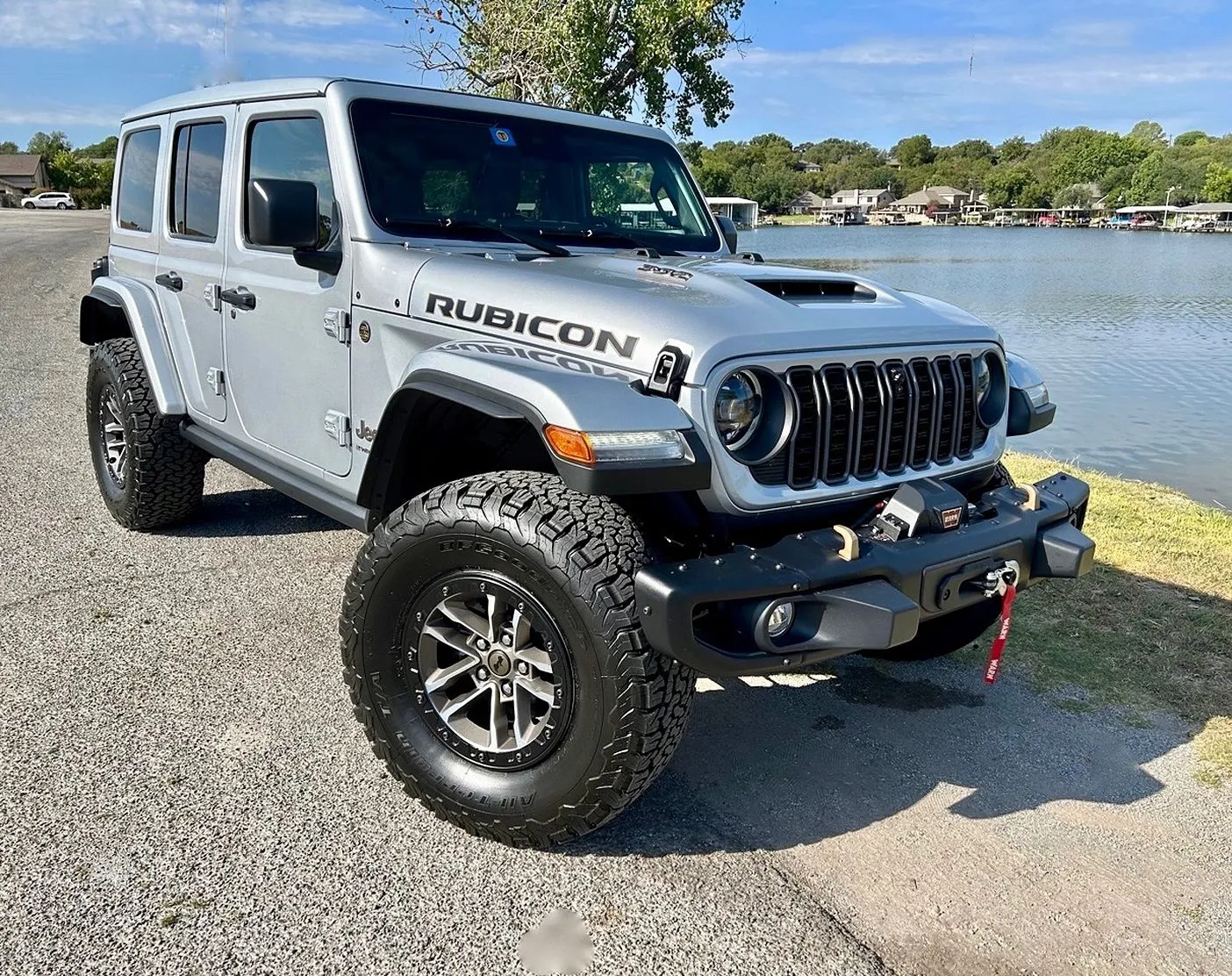
2. Jeep Wrangler 2024
Character defines the Jeep Wrangler 2024 more than comfort, which shapes its everyday limitations. High step in height complicate entry for children and older passengers. Door removal capability excites enthusiasts, though it reduces practicality for routine errands.
Interior layout prioritizes durability over refinement. Controls appear scattered, and storage remains limited for daily clutter.
Road noise penetrates the cabin easily, creating fatigue during longer drives. Climate control struggles to maintain consistency due to removable panels and an upright windshield design.
Driving manners feel demanding in regular traffic. Steering requires constant correction, while ride quality reacts sharply to uneven pavement.
Highway travel highlights wind sensitivity, requiring extra attention during lane changes. Parking in tight spaces proves challenging due to turning radius and visibility constraints.
Fuel efficiency trails behind peers, increasing stop frequency. Maintenance demands rise due to specialized components and exposed mechanical elements. Independent repair options exist, yet frequent wear items require attention sooner than expected.
Jeep Wrangler 2024 rewards adventurous use, yet routine commuting reveals compromises. People seeking simplicity often find daily operation exhausting rather than supportive.
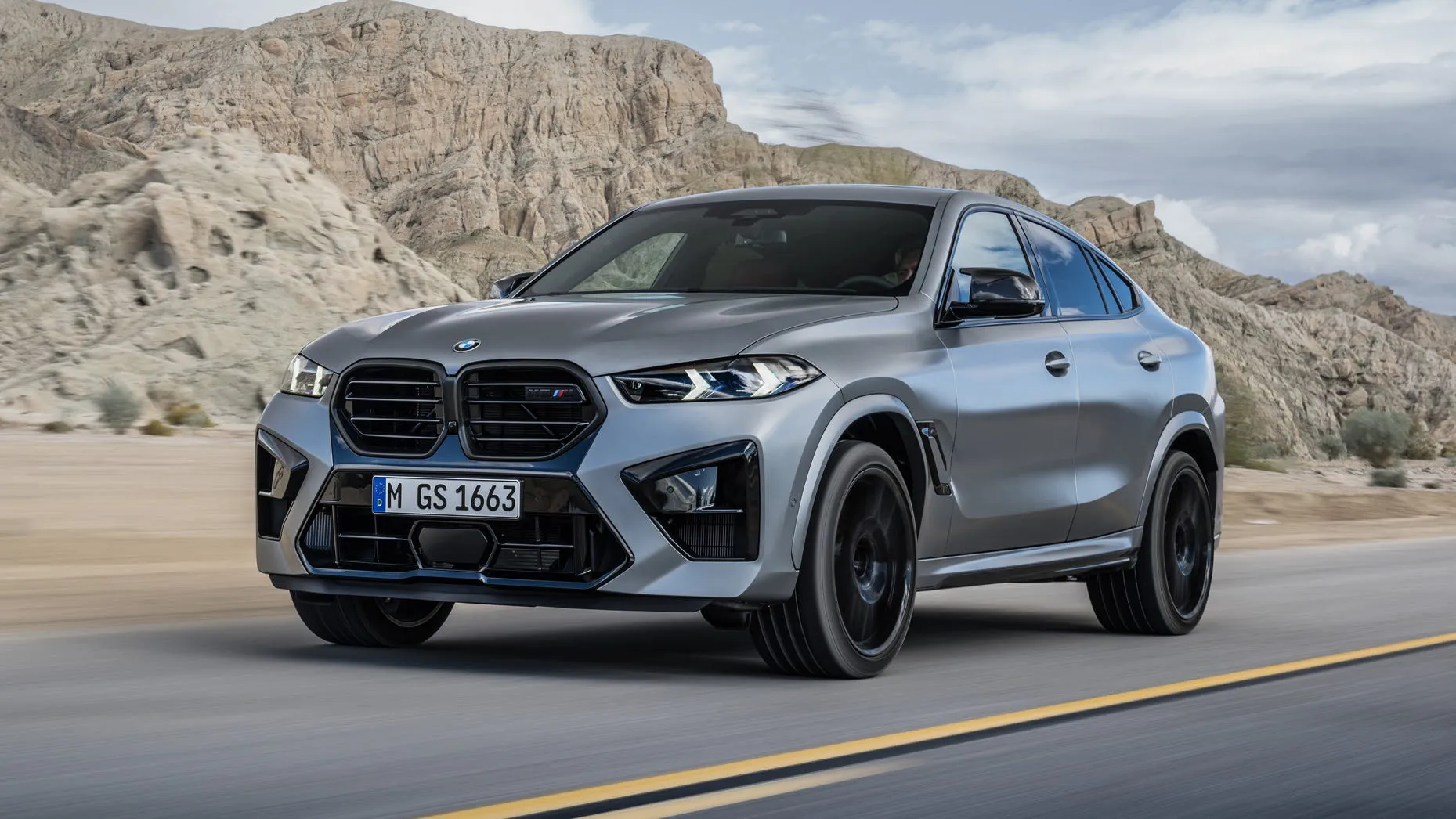
3. BMW X6 2024
Design ambition strongly influences the BMW X6 2024, and this influence becomes clear during daily use. Exterior styling prioritizes visual impact through a sharply sloping roof, which reduces rear headroom and limits cargo adaptability.
Passengers seated at the back often experience restricted comfort, especially on longer trips, while luggage capacity suffers when compared with other vehicles in the same price category.
These compromises affect families and drivers who depend on flexible interior space for routine activities. Interior presentation focuses heavily on visual appeal. Glossy surfaces, digital displays, and touch-based interfaces dominate the cabin environment.
Physical buttons remain limited, requiring drivers to interact with screens for basic adjustments. This design choice reduces tactile feedback and demands greater visual attention, particularly in heavy traffic.
Drivers must recall menu locations rather than rely on instinct, which can distract from the driving task. Rear passengers also feel the effect of the sloping roof, as seating posture becomes less accommodating for taller individuals.
Ride behavior reflects a preference for sporty performance. Suspension tuning allows road texture to filter through the cabin, creating a firmer experience than some buyers expect from a premium vehicle. Extended commuting exposes this firmness, leading to fatigue on uneven roads.
Wheel options, while visually striking, increase exposure to road damage, especially in areas with poor pavement quality, adding concern for long-term ownership. Technology plays a dominant role in daily interaction with the BMW X6 2024.
Advanced driver assistance systems require precise calibration, while infotainment software introduces layered menu structures.
Routine service visits often involve specialized diagnostic equipment, limiting flexibility in repair options. Owners frequently depend on authorized service centers for updates and adjustments. THE BMW X6 2024 commands attention effortlessly through styling and performance intent.
However, daily practicality reveals clear compromises. Owners often adapt routines to suit the vehicle, rather than the vehicle accommodating everyday needs.
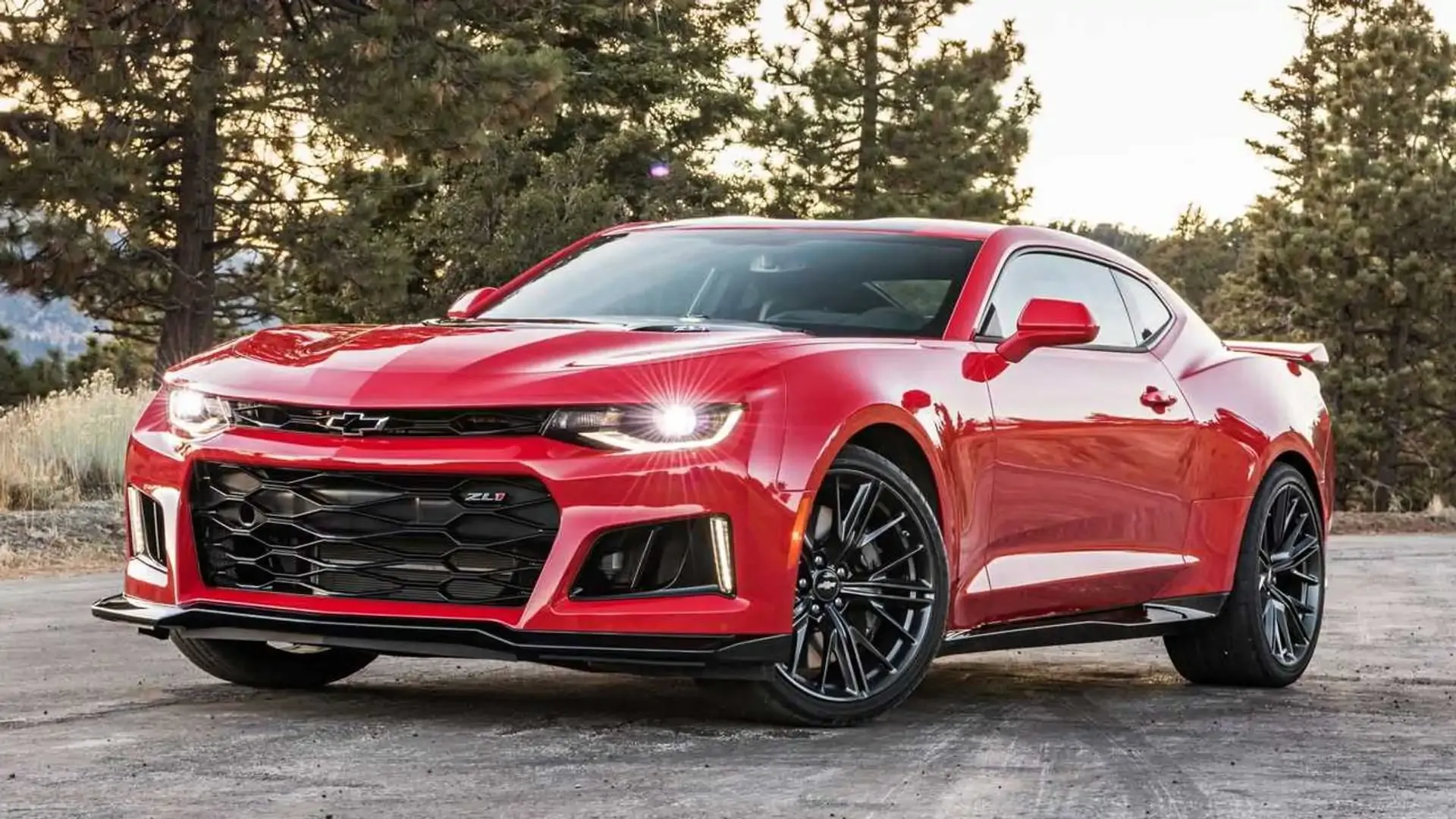
4. Chevrolet Camaro 2024
Purpose-driven performance defines the Chevrolet Camaro 2024, shaping an ownership experience that favors excitement over everyday comfort.
Entry and exit demand physical flexibility due to the low seating position and long doors. These characteristics can become tiring during frequent stops, particularly in urban settings where parking spaces feel confined.
Visibility presents immediate challenges. Narrow side windows and thick structural pillars limit awareness, requiring constant caution during lane changes and parking. Drivers often depend heavily on mirrors and cameras to compensate for restricted sightlines.
Interior ergonomics reflect a similar focus on style rather than convenience. Storage compartments remain small, struggling to accommodate basic items such as bags or personal accessories. Rear seating exists largely as a formality, offering limited space suitable only for brief trips.
Driving dynamics excel on open roads, where power delivery and handling feel engaging. City driving tells a different story. Suspension stiffness reacts sharply to uneven surfaces, transmitting vibration into the cabin.
Tight turning radius complicates maneuvering in confined areas, increasing effort during parking. These factors combine to make daily commuting more demanding than expected.
Running costs add another layer of consideration. Fuel usage rises quickly during regular driving, increasing operating expenses.
Insurance premiums often reflect the vehicle’s performance classification, contributing to ownership costs. Maintenance access remains manageable, though specialized components and performance-oriented parts command higher prices than average.
Chevrolet Camaro 2024 serves drivers who prioritize driving enjoyment above daily convenience. Weekend outings suit its character well, while routine errands expose its limitations. Those seeking comfort, flexibility, and ease often feel constrained rather than supported by its design choices.
Also Read: 5 Vehicles With Durable Upholstery vs 5 That Wear Quickly
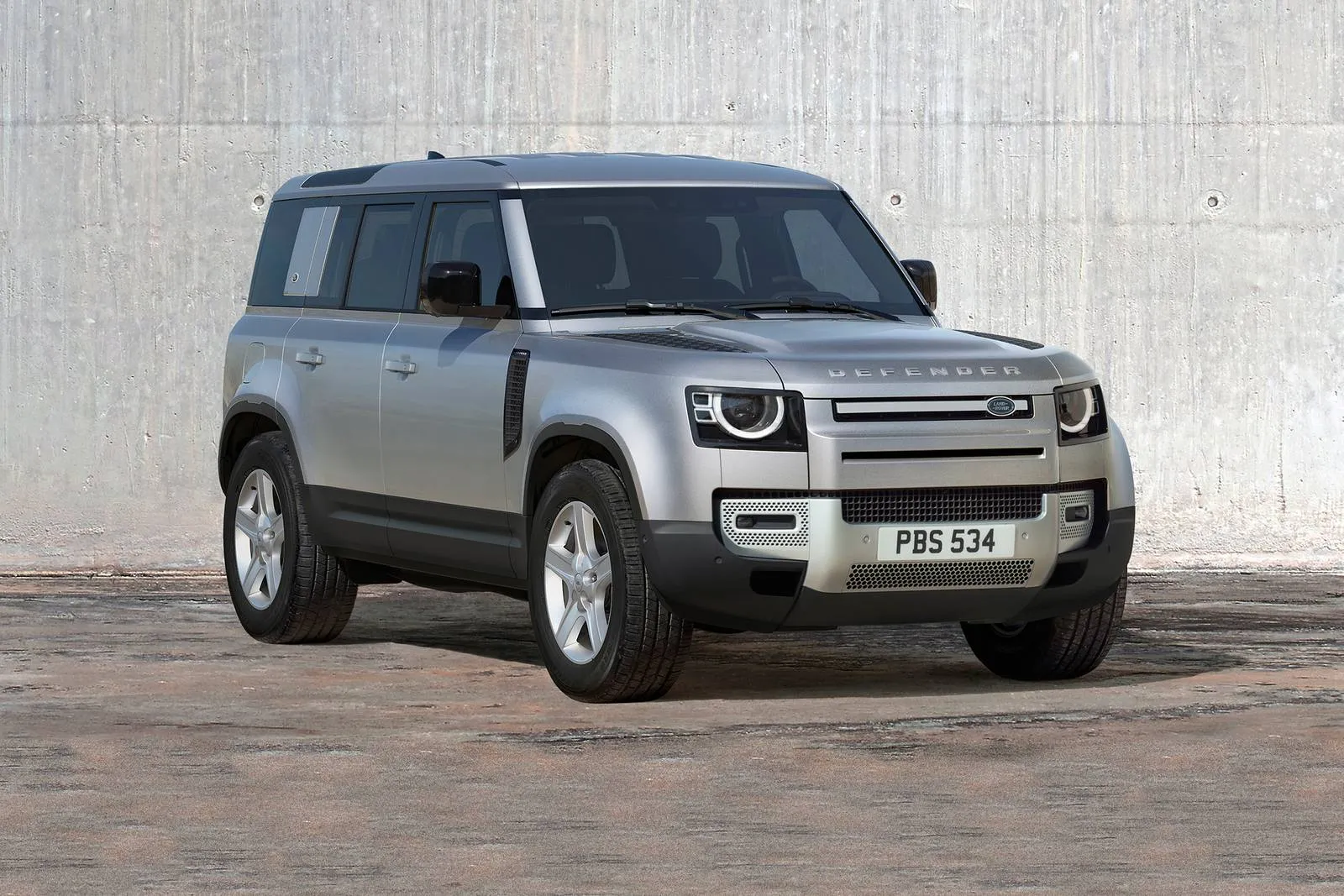
5. Land Rover Defender 2024
The Land Rover Defender 2024 projects authority from the moment it comes into view. Its tall build and wide body establish a bold stance that leaves little doubt about its purpose.
These same proportions, however, introduce daily challenges. Parking within standard garages often requires careful judgment, while narrow streets and tight corners demand steady concentration.
Entering the cabin also requires noticeable physical effort, particularly for passengers who are not familiar with vehicles of such height, making frequent stops less convenient than expected. Inside the vehicle, the interior reflects a balance between rugged ambition and modern digital features.
Large touchscreens control a wide range of functions, replacing many traditional buttons. While visually impressive, response speed can vary, especially during prolonged use or in demanding conditions.
Storage areas are designed with outdoor gear in mind, favouring large items rather than everyday essentials such as handbags, documents, or groceries.
Although the materials appear tough and long-lasting, the cabin arrangement does not always support simple routines like commuting, school runs, or quick errands. On paved roads, the Defender’s driving character reveals its off-road priorities.
Steering weight feels substantial during city driving, requiring deliberate handling during low-speed movement and parking.
Suspension tuning leans towards firmness, absorbing rough surfaces with resilience rather than comfort. Long drives on highways may feel less relaxed compared to other vehicles in a similar size range.
Fuel consumption remains relatively high, increasing operational costs for owners whose usage centres mainly on urban and intercity travel.
Ownership demands a level of financial and technical readiness. Routine servicing often depends on specialised diagnostic systems and trained technicians, limiting flexibility in maintenance locations.
Replacement components tend to carry premium pricing, reflecting the vehicle’s market position. The presence of advanced electronic systems, while enhancing capability, introduces concerns when exposed repeatedly to varying weather and road conditions, particularly in regions with inconsistent infrastructure.
The Land Rover Defender 2024 demonstrates strong performance in demanding environments where durability and strength matter most. Daily life, however, highlights areas where practicality gives way to purpose-driven design.
For drivers who value capability and presence above convenience, these compromises may feel acceptable. Others may prefer a vehicle that aligns more comfortably with everyday responsibilities and simpler routines.
