
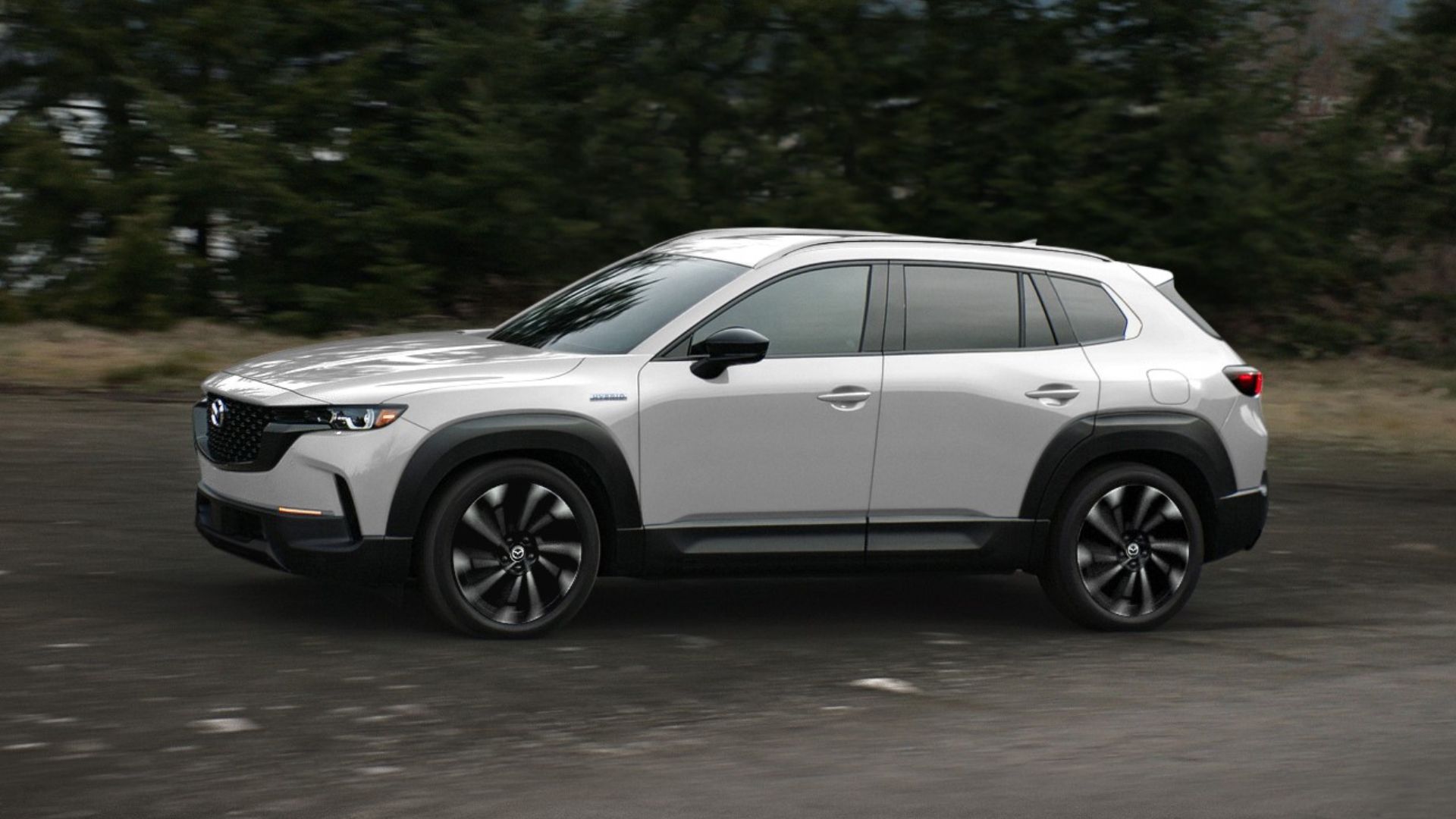
The automotive world is increasingly divided between vehicles designed for intuitive control and those that favor a sleek, futuristic aesthetic at the cost of usability. On one side, cars like the Mazda CX-50, Honda Civic, Toyota RAV4, Hyundai Ioniq 5, and Ford Maverick emphasize driver-focused layouts.
These vehicles blend tactile buttons, physical knobs, and thoughtfully placed digital screens, allowing drivers to operate essential functions with minimal distraction. Ergonomics, ease of access, and practical technology create a seamless driving experience, whether adjusting climate, navigation, or safety features.
On the other side, models such as the Tesla Model 3, Volkswagen ID.4, Mercedes-Benz EQS, Volvo EX30, and Ferrari 296 GTB prioritize digital minimalism or maximalism.
By replacing traditional controls with touchscreens, haptic buttons, or consolidated digital clusters, these cars often introduce a steep learning curve. Drivers must unlearn decades of muscle memory, increasing cognitive load and diverting attention from the road, which can make even basic tasks feel unintuitive.
5 Cars With Intuitive Controls
1. Mazda CX-50: Driver-Focused Design Meets Performance and Practicality
The Mazda CX-50 emphasizes a driver-centric approach, focusing on safety, ergonomics, and intuitive control. Instead of relying heavily on touchscreens, it uses a Commander Knob on the center console, which allows drivers to navigate menus by feel without taking their eyes off the road.
Essential functions such as climate control are operated through tactile physical buttons, and voice commands using Google Assistant and Alexa provide hands-free operation.
The i-Activsense suite offers adaptive safety features, including radar cruise control and lane-keeping assist, with controls easily accessible from the steering wheel. These design choices reduce visual, manual, and cognitive distractions, making driving more seamless and engaging.
All CX-50 models come with a 2.5-liter four-cylinder engine producing 187 horsepower, while turbocharged variants increase output to 256 horsepower. A six-speed automatic transmission and all-wheel drive are standard.
Mazda has tuned the CX-50 to provide precise handling while maintaining ride comfort, delivering responsive steering, and a smooth driving experience. Performance testing shows the turbo model accelerates from 0 to 60 mph in 6.4 seconds, while the base engine achieves it in 8.4 seconds, making it quicker than many competitors in the compact crossover segment.
Towing capacity varies by engine. The naturally aspirated model can tow 2000 pounds, and the turbocharged version can tow up to 3500 pounds, which is comparable to the Toyota RAV4 and exceeds the Ford Bronco Sport.
Fuel economy is competitive with EPA ratings of 23 to 24 mpg in the city and 29 to 30 mpg on the highway. During a real-world 75 mph highway test, the turbo model achieved 29 mpg, closely matching the EPA estimate.
The interior provides an upscale, driver-focused cabin with large dashboard vents, supportive front seats, and a tilt-and-telescoping steering wheel.
Rear-seat space is slightly below average, and cargo capacity is modest, with 9 carry-on suitcases with the seats up and 20 with the seats folded, which is smaller than competitors like the Honda CR-V. A 10.3-inch infotainment screen is standard and is controlled using the Commander knob, with wireless Apple CarPlay and Android Auto integration. Premium trims add a 12-speaker Bose stereo and SiriusXM radio.
Standard safety features include automated emergency braking, blind-spot monitoring, lane-keeping assist, and adaptive cruise control. Optional upgrades include adaptive headlights and a 360-degree camera system. Warranty coverage includes a 3-year or 36,000-mile limited warranty and a 5-year or 60,000-mile powertrain warranty, but Mazda does not include complimentary maintenance.
The Mazda CX-50 combines intuitive, human-centered controls, capable performance, and modern safety features in a compact crossover that focuses on driver engagement while providing comfort and practicality.
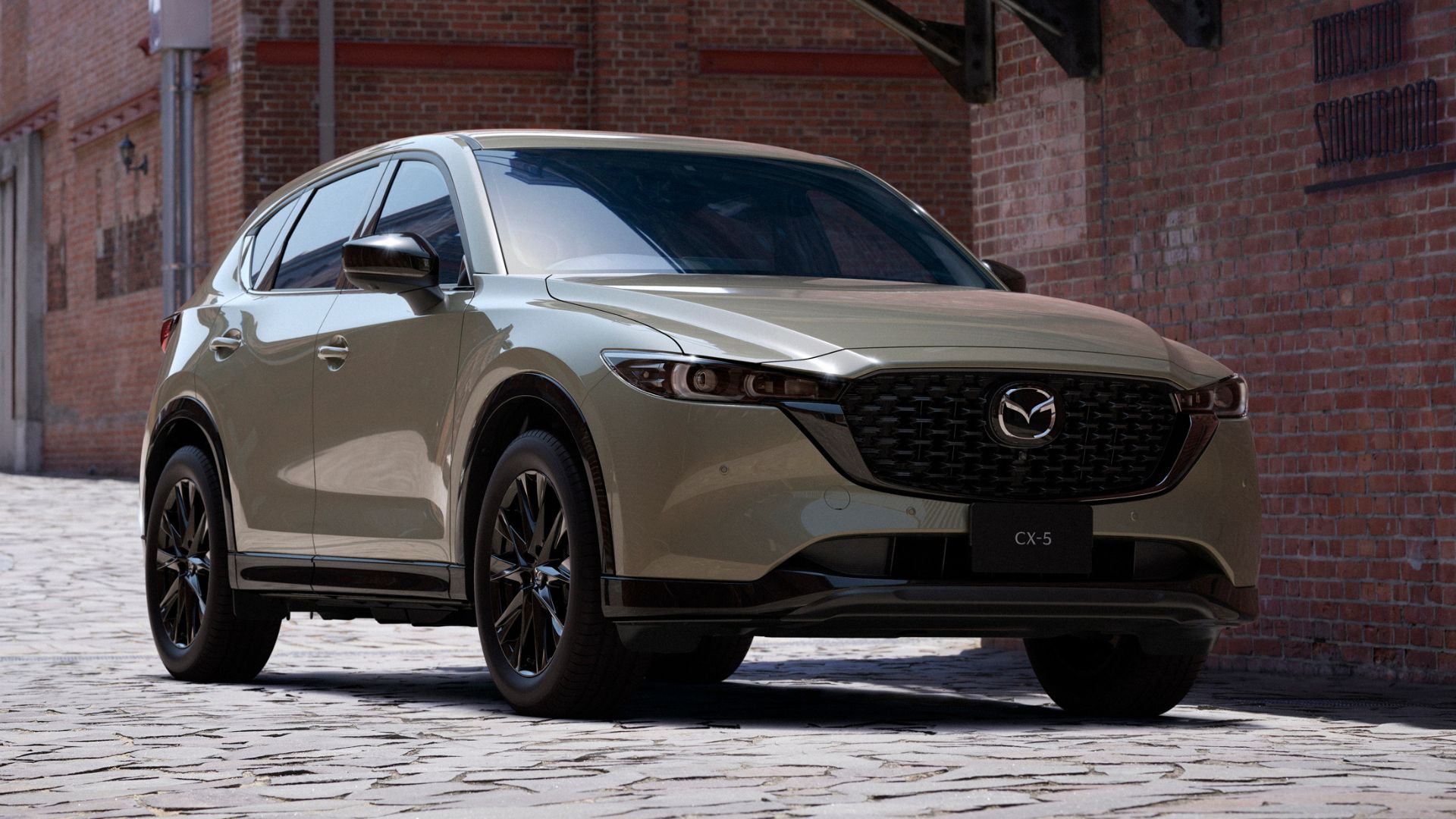
2. 2026 Honda Civic: Practical Design, Efficient Performance, and Modern Technology
The 2026 Honda Civic emphasizes ergonomic, driver-focused design, returning to tactile controls after a period of “buttonless” interiors. The cabin features a mesh-style dash with clicking knobs for climate control and a dedicated volume knob, making it functional and intuitive.
Steering-wheel-mounted switches provide access to essential functions, while a responsive touchscreen supports Apple CarPlay and Android Auto. Honda prioritizes simplicity and ease of use, keeping technology clear, fast, and minimally distracting. Voice commands and a straightforward instrument panel enhance safety and usability, ensuring the driver can focus on the road.
Under the hood, the standard Civic uses a 150-horsepower 2.0-liter four-cylinder engine paired with a continuously variable automatic transmission and front-wheel drive. While not exceptionally quick, it is nimble and responsive enough for urban driving.
The Civic Hybrid adds two electric motors to the same 2.0-liter engine, producing a combined 200 horsepower. The hybrid also uses a CVT and front-wheel drive. In testing, the Civic Hybrid achieved 0–60 mph in 6.2 seconds, while the nonhybrid took 8.9 seconds, offering a choice between efficiency and more energetic performance.
Fuel economy is a standout, especially for the hybrid. EPA ratings for the Civic Hybrid sedan are 50 mpg city and 47 mpg highway, with real-world highway testing confirming 47 mpg at 75 mph. The nonhybrid sedan achieves up to 32 mpg city and 41 mpg highway, making it competitive in the compact car segment.
Inside, the Civic seats five comfortably, with generous front-seat space and a practical layout featuring ample storage. Rear seating accommodates two adults comfortably, and cargo space is sufficient for everyday needs. The sedan fits six carry-on suitcases behind the rear seats, expanding to 17 with the seats folded.
Hatchback models provide slightly more flexibility for larger loads. Infotainment options include a 7-inch touchscreen standard, a 9-inch touchscreen optional, and the hybrid model can include a 10.2-inch digital gauge display and a 12-speaker Bose stereo.
Safety is comprehensive, with standard automated emergency braking, lane-keeping assist, and adaptive cruise control. Optional features include blind-spot monitoring, rear-cross-traffic alert, and parking sensors.
Warranty coverage is typical for the segment, including a 3-year/36,000-mile limited warranty, 5-year/60,000-mile powertrain warranty, an 8-year/100,000-mile hybrid component warranty, and one year of complimentary maintenance.
The 2026 Honda Civic balances intuitive, user-friendly design, efficient and capable powertrains, and modern safety and infotainment features, making it a practical and enjoyable choice in the compact car segment.
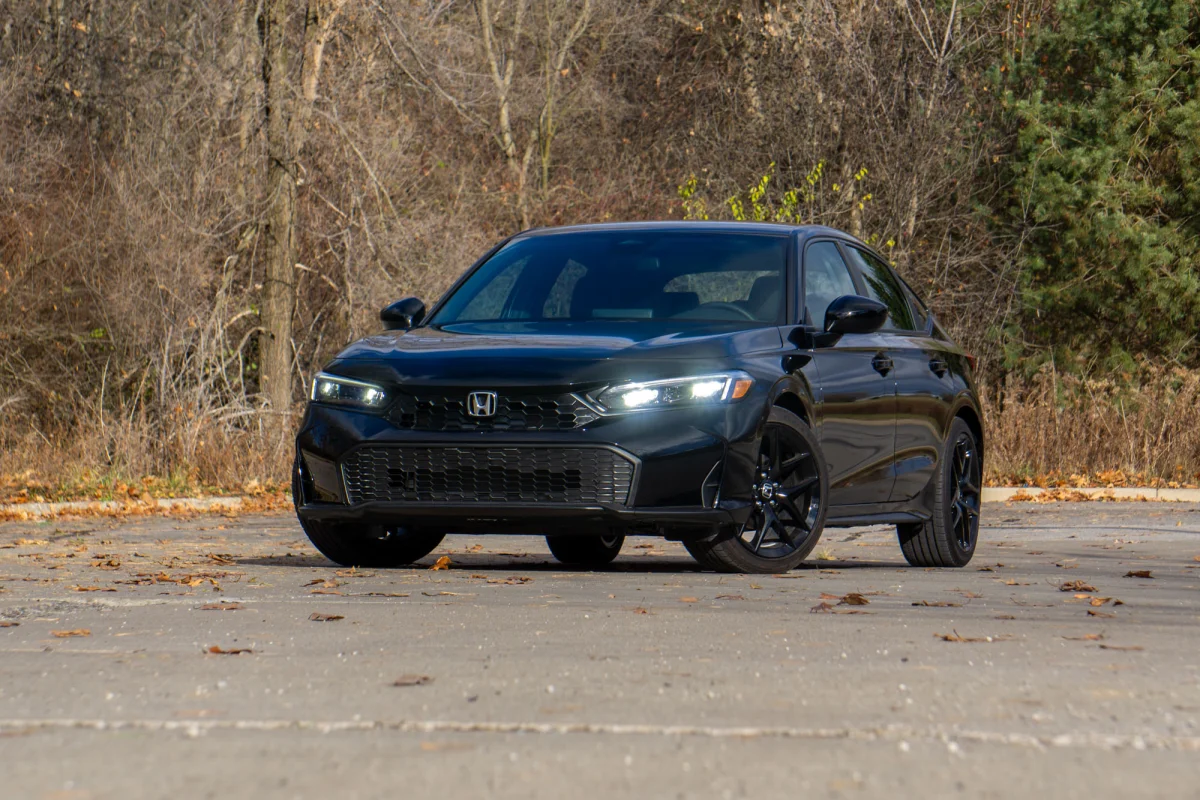
3. 2026 Toyota RAV4: Practical, Comfortable, and Efficient SUV
The 2026 Toyota RAV4 continues to stand out for its driver-focused and intuitive interior design. Large, chunky knobs for volume and temperature control make it easy to adjust settings even while wearing gloves, emphasizing all-weather practicality.
The cabin combines tactile physical controls with a responsive touchscreen, steering-wheel switches, and voice commands to minimize distraction and maintain driver focus. Essential information and driving modes are placed within easy reach, and the center stack layout is ergonomic and straightforward. With a hybrid of physical and digital controls, the RAV4 balances modern technology with practical usability.
Powertrains vary across models. The standard RAV4 Hybrid uses a 2.5-liter four-cylinder engine paired with two electric motors, producing 226 horsepower with front-wheel drive. Adding all-wheel drive introduces a third motor for the rear axle, increasing output to 236 horsepower.
The RAV4 Plug-In Hybrid is the most powerful option at 320 combined horsepower and comes standard with all-wheel drive. The sport-oriented GR Sport trim features a suspension tuned by Toyota Gazoo Racing, summer tires, and revised steering, offering tighter body control. In testing, the all-wheel-drive RAV4 Hybrid accelerates to 60 mph in 7.1 seconds, while the Plug-In Hybrid is estimated at 5.2 seconds.
Fuel efficiency is a strong suit for the RAV4. Toyota estimates the LE Hybrid achieves 44 mpg combined, with other hybrids ranging from 39 to 42 mpg. Real-world highway testing of the AWD RAV4 Hybrid Limited returned 36 mpg at 75 mph. The Plug-In Hybrid offers a claimed 52 miles of electric-only range, and select trims support DC fast charging, allowing a 10 to 80 percent charge in about 30 minutes.
The interior combines a rugged, functional design with ample space and cargo capacity. Front and rear seats are comfortable, and storage is plentiful. Cargo volume fits 10 carry-on suitcases behind the rear seats and expands to 24 with the seats folded. Upholstery ranges from cloth to faux-leather and faux-suede in sport trims.
Infotainment options include a 10.5-inch standard display, a 12.9-inch optional screen, wireless Apple CarPlay and Android Auto, and an optional 12.3-inch digital gauge cluster. Audio options range from a six-speaker stereo to a nine-speaker JBL system.
Safety is comprehensive, with standard automated emergency braking with pedestrian detection, lane-keeping assist, and adaptive cruise control. Toyota offers a 3-year/36,000-mile limited warranty, 5-year/60,000-mile powertrain warranty, 10-year/150,000-mile hybrid component coverage, and two years or 25,000 miles of complimentary maintenance.
The 2026 Toyota RAV4 blends practical, ergonomic controls, capable hybrid and plug-in powertrains, spacious interiors, and strong safety features, making it a versatile and reliable choice in the compact SUV segment.
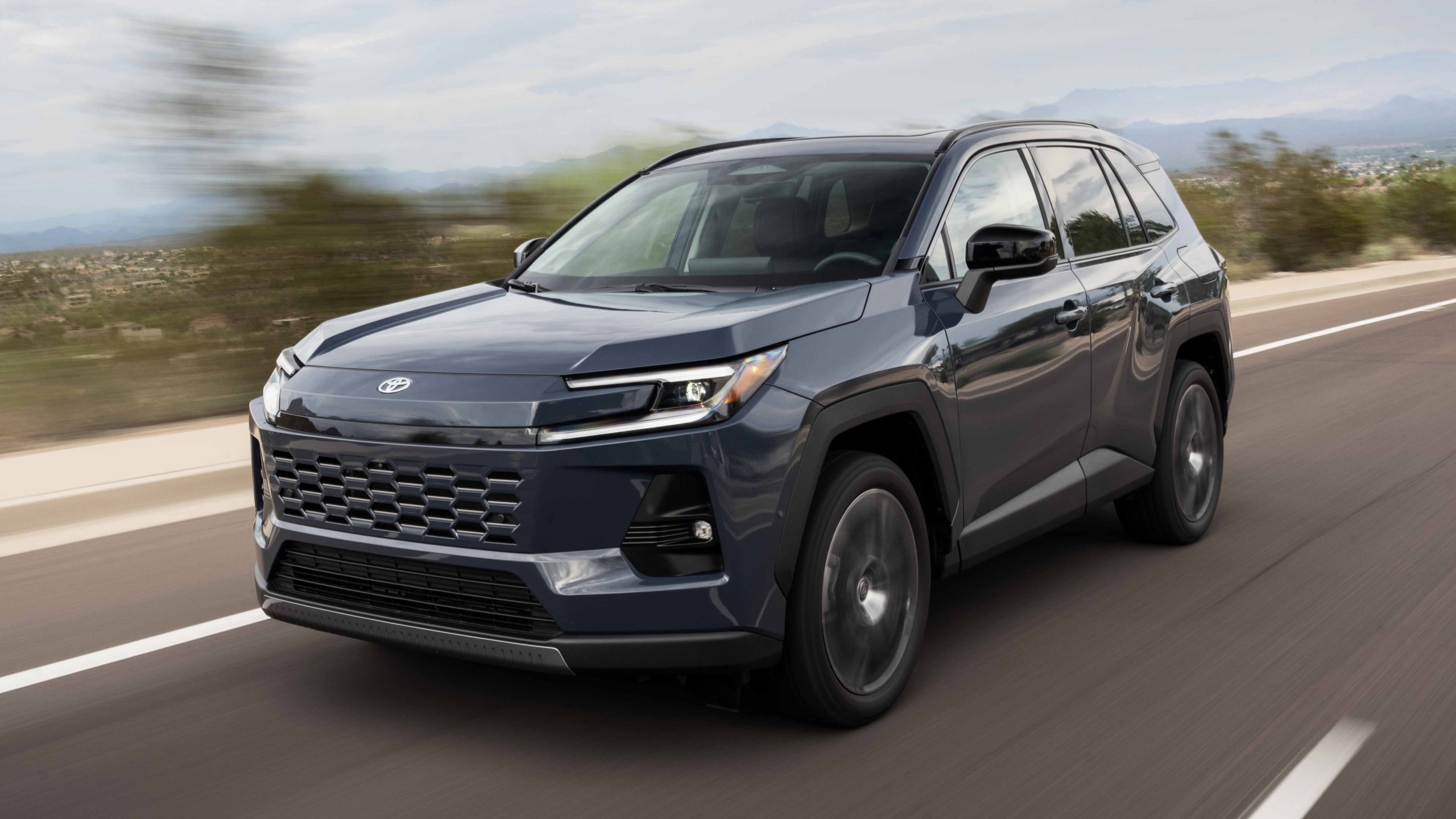
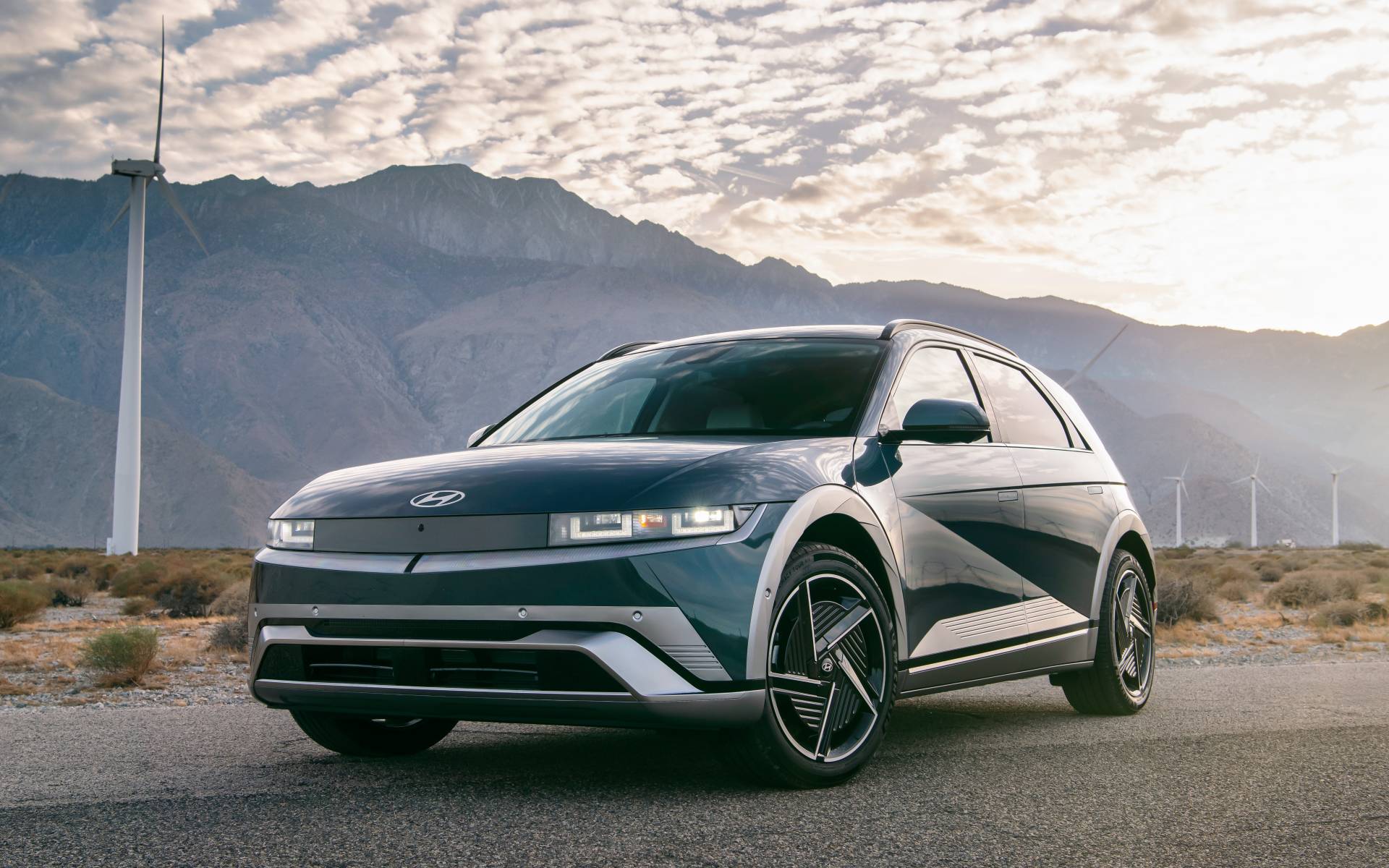
4. 2026 Hyundai Ioniq 5: Futuristic EV with Practical, Driver-Centric Design
The 2026 Hyundai Ioniq 5 combines futuristic electric performance with intuitive, user-friendly controls. Despite its advanced EV identity, the cabin retains a dedicated physical panel for climate and audio, and a unique “twist-to-drive” stalk on the steering column replaces complicated screen-based gear selectors.
The interior emphasizes minimalism and functionality, with a 12.3-inch dual-display setup that consolidates the digital gauge cluster and infotainment system.
Wireless Apple CarPlay and Android Auto come standard, and memory settings allow individual drivers to save preferences for seats, climate, and infotainment. Additional features, such as a smart tailgate and easily accessible battery status, enhance convenience and usability.
Powertrain options range from a 168-horsepower single-motor rear-wheel-drive model to a 225-horsepower long-range rear-wheel-drive version, and a 320-horsepower dual-motor all-wheel-drive variant. Hyundai’s tuning provides a smooth ride and balanced handling, aided by a low center of gravity and wide tires.
The sportier XRT trim adds extra suspension travel and taller tires for a more compliant ride over bumps. In testing, the dual-motor AWD Ioniq 5 accelerated from 0–60 mph in 4.4 seconds, outperforming many EV competitors such as the Volkswagen ID.4 Pro S.
The Ioniq 5 offers competitive electric range and efficiency. The standard 63.0-kWh battery provides an EPA-estimated 245 miles, while the larger 84.0-kWh pack reaches 318 miles in single-motor RWD models and 259–290 miles in dual-motor AWD variants.
Real-world highway testing yielded 210 miles for the AWD dual-motor version and 200 miles for the XRT trim. DC fast charging can restore 10 to 80 percent of battery capacity in roughly 20 minutes, with up to 68 miles added in five minutes. MPGe ratings range from 103–131 city and 85–101 highway, depending on configuration.
Interior space is generous, with ample front and rear headroom, a flat floor, and a long wheelbase that accommodates three adults across the rear bench. Cargo capacity reaches 30 cubic feet behind the rear seats and 59 cubic feet with the seats folded, making it competitive with other compact SUVs.
The infotainment system includes a 12.3-inch touchscreen, six-speaker standard audio, an optional eight-speaker Bose stereo, five USB ports, and wireless charging on most trims.
Safety is comprehensive, with standard adaptive cruise control, lane-keeping assist, and automated emergency braking with pedestrian detection. Optional features include blind-spot monitoring, blind-spot collision assist, and a surround-view monitor.
Hyundai provides an industry-leading warranty, including a four-year/60,000-mile limited warranty, four-year/70,000-mile powertrain coverage, and three years or 45,000 miles of complimentary maintenance.
The Hyundai Ioniq 5 blends advanced EV technology, practical controls, a spacious interior, and strong safety features, making it a highly versatile and enjoyable electric vehicle.
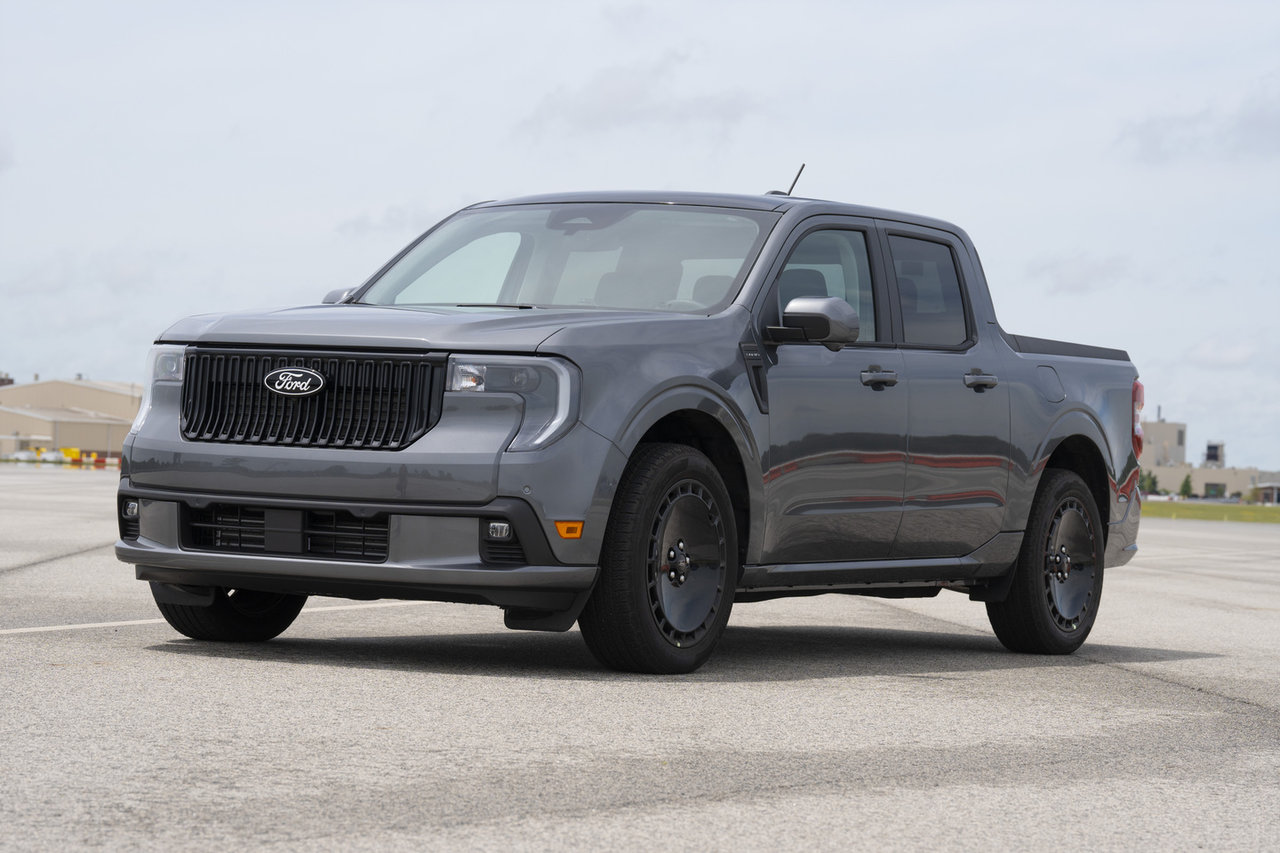
5. 2025 Ford Maverick: Practical, Intuitive, and Efficient Compact Pickup
The 2025 Ford Maverick is a compact pickup truck praised for its straightforward, driver-focused interior. It combines a large 13.2-inch touchscreen with practical physical knobs for essential functions like climate control and audio. The cabin emphasizes usability, with clearly labeled buttons, a responsive SYNC® 4 infotainment system, wireless Apple CarPlay and Android Auto, voice recognition, and ergonomically placed controls.
A digital 8-inch instrument cluster provides essential vehicle information, while features such as the 360-degree camera, Pro Trailer Hitch Assist, and Pro Trailer Backup Assist simplify complex maneuvers. This combination of tactile and digital controls reduces driver fatigue and enhances everyday functionality.
The Maverick offers two main powertrains. The base hybrid model pairs a 2.5-liter four-cylinder engine with an electric motor, producing 191 horsepower through a continuously variable automatic transmission and front-wheel drive.
An optional 2.0-liter turbocharged four-cylinder engine produces 250 horsepower and comes with an eight-speed automatic transmission and optional all-wheel drive. The sport-oriented Lobo trim features a lowered suspension, upgraded brakes, 19-inch wheels, and a unique Lobo driving mode that encourages playful rear-end dynamics.
In testing, the hybrid all-wheel-drive Maverick accelerated from 0–60 mph in 6.7 seconds, while the turbo Lobo reached 60 mph in 5.8 seconds, demonstrating spirited performance for a compact truck.
Towing and payload are practical for its class. Both the hybrid and nonhybrid Maverick models provide 1,500 pounds of payload and 2,000 pounds of towing capacity, with an optional Tow Package raising towing capability to 4,000 pounds. Fuel economy is a highlight for the hybrid, with EPA ratings of up to 42 mpg city and 35 mpg highway, while the nonhybrid turbo four-cylinder achieves 22 mpg city and 30 mpg highway.
The Maverick’s interior is functional and spacious for a crew cab, offering four doors, ample storage cubbies, and a well-laid-out 4.5-foot bed capable of carrying up to 18 sheets of plywood. Base models include standard features like a tilting and telescoping steering wheel, adjustable lumbar support, and keyless entry, while higher trims add dual-zone climate control, ambient lighting, and power front seats.
Safety features include automated emergency braking, lane-departure warning with lane-keeping assist, and adaptive cruise control, with advanced adaptive cruise only available on higher trims. Warranty coverage consists of a three-year/36,000-mile limited warranty, five-year/60,000-mile powertrain warranty, and an eight-year/100,000-mile hybrid component warranty, but no complimentary maintenance is included.
The Ford Maverick balances intuitive controls, versatile powertrains, strong safety features, and practical cargo capability, making it one of the most accessible and functional compact pickups on the market.
Also read: 5 Cars With Supportive Seats for Daily Driving vs 5 That Aren’t
5 With Confusing Layouts
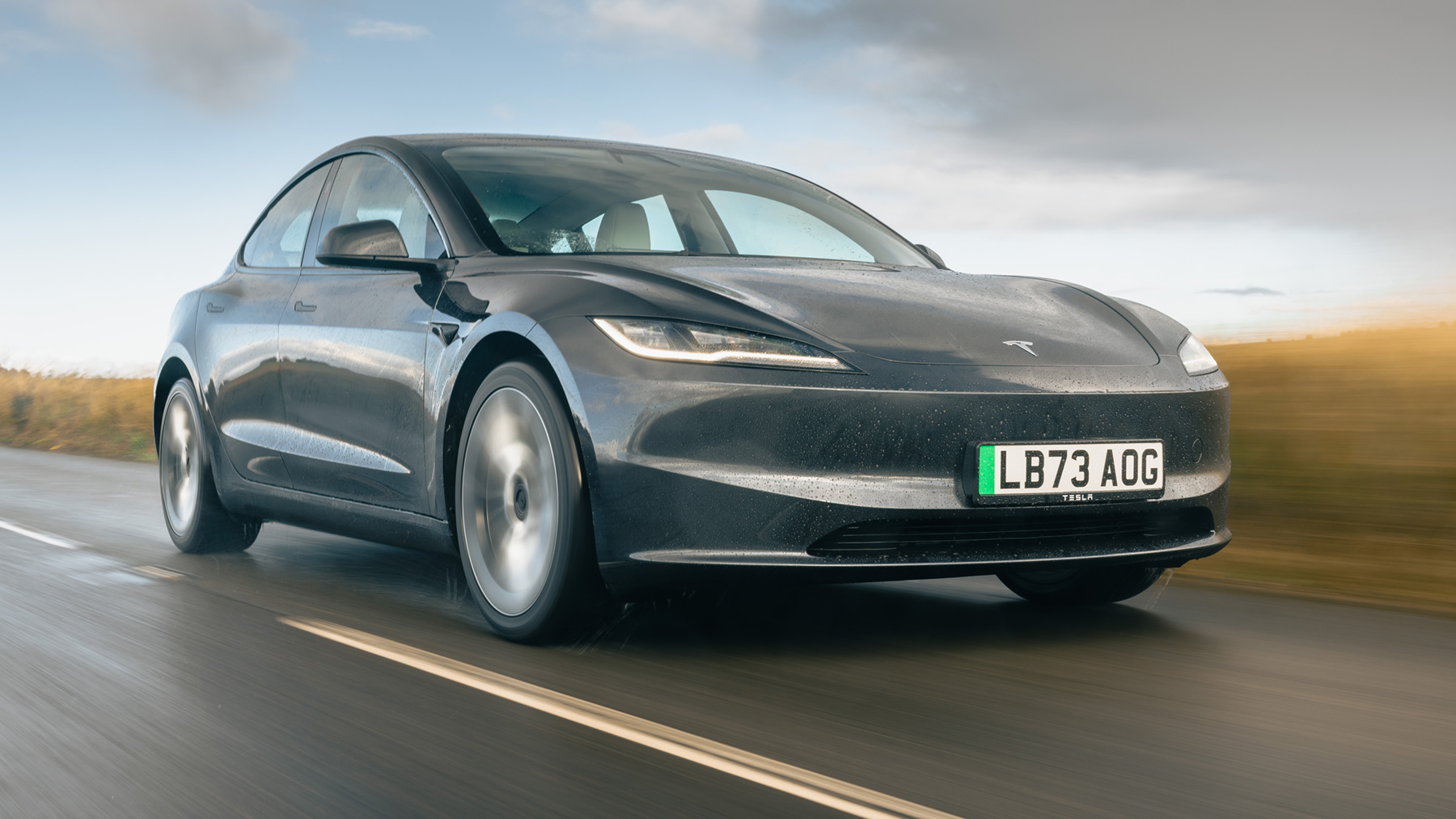
1. Tesla Model 3: Minimalist Design at the Cost of Ergonomics
The Tesla Model 3 adopts an extreme minimalist, software-first design that removes nearly all traditional physical controls. In the latest “Highland” update, even the turn signal and gear-shift stalks were eliminated, replaced by steering wheel buttons and touchscreen sliders.
This radical approach forces drivers to interact almost entirely through the 15-inch central touchscreen, consolidating speed, navigation, climate, and vehicle settings in one interface. As a result, drivers must frequently divert their eyes from the road for even basic tasks.
The removal of physical stalks and buttons introduces new challenges. Shifting from Drive to Reverse requires swiping a slider on the screen, and turn signals are activated using haptic buttons on the steering wheel. When the wheel is rotated during turns, locating the correct signal button can be unintuitive.
Many other functions, including opening the glovebox or the doors, rely on touchscreen controls or voice commands, with hidden manual overrides that are not immediately obvious to passengers.
Tesla’s design choices are driven largely by manufacturing efficiency. By eliminating over 50 buttons and reducing wiring complexity, Tesla streamlines production and lowers costs. While the minimalist cabin creates a futuristic, “zen-like” aesthetic, critics argue that this comes at the expense of ergonomics and tactile feedback, making the driving experience less intuitive compared to conventional vehicles.
Despite the learning curve, many owners report that after a couple of weeks, the system’s logic and voice commands become second nature. Nevertheless, drivers who prioritize traditional, eyes-on-the-road controls may continue to find the Model 3’s layout confusing and cumbersome, highlighting the trade-off between modern design and human-centric usability.
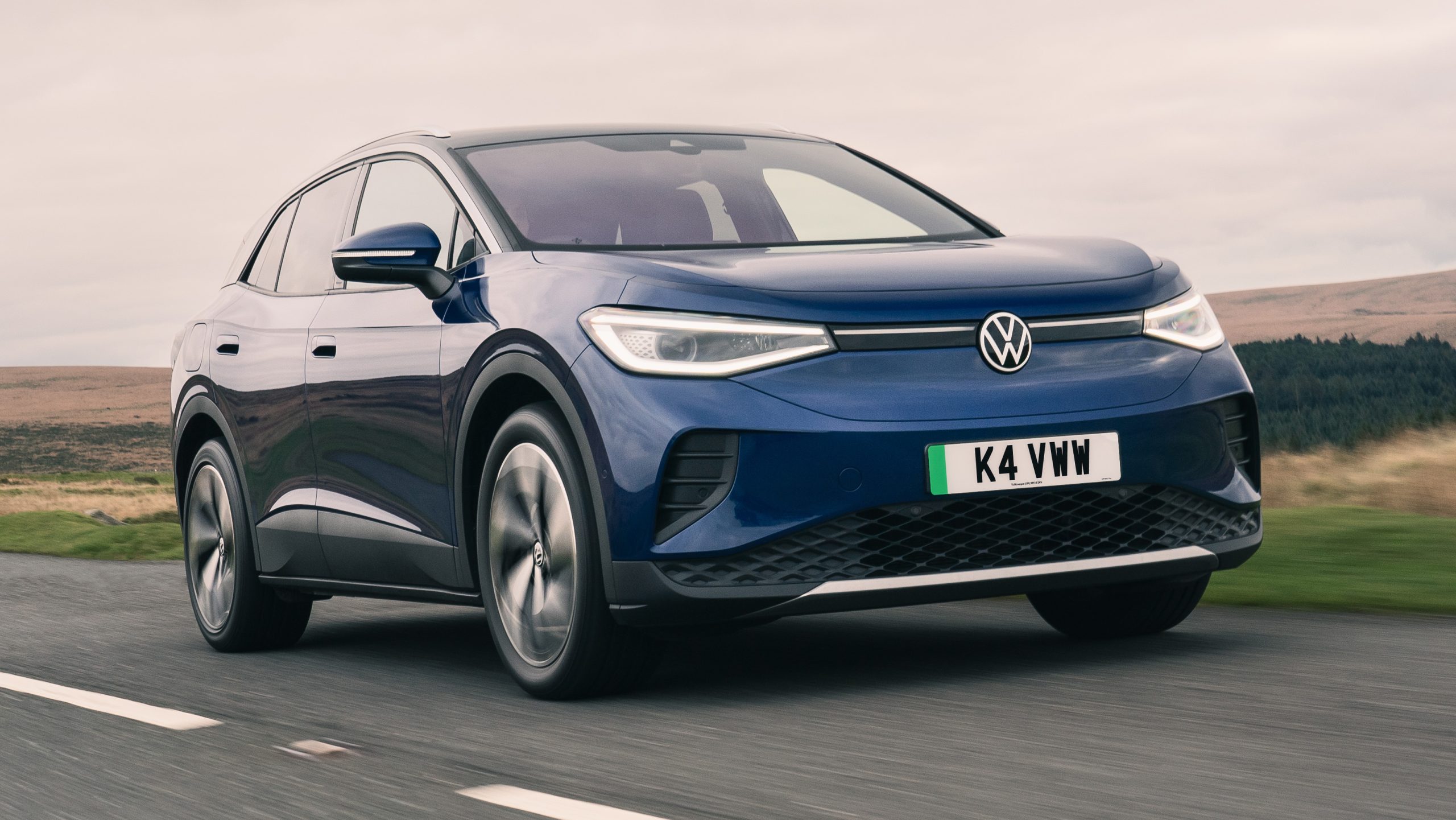
2. Volkswagen ID.4: Minimalist Controls Challenge Traditional Driving
The Volkswagen ID.4 relies heavily on touchscreen controls, which have drawn criticism for being difficult to use, especially at night. The unlit sliders for volume and climate make it hard to adjust settings quickly, and basic functions often require multiple taps to respond.
Like the Tesla Model 3, the ID.4 is designed around a software-first philosophy, reducing physical buttons and relying on digital interfaces to control most vehicle functions.
The central screen replaces traditional knobs and switches. Functions such as adjusting temperature, audio, or mirrors that used to be simple now require interacting with the touchscreen. Opening the glovebox or changing the steering wheel height involves several steps on the display, increasing mental effort and slowing down tasks that were once instinctive.
Key driver information is also shifted to the central display. Without a traditional instrument cluster behind the steering wheel, speed and other important data are located on the screen to the driver’s right. This forces drivers to look away from the road and can feel disorienting for those used to glancing through the steering wheel.
The minimalistic approach extends to other controls. Turn signals and gear selection have no physical stalks, with buttons on the steering wheel and touch-based controls on the screen replacing traditional mechanisms. Air vents, door latches, and other mechanical elements are hidden behind touch-sensitive interfaces, which can be confusing for new passengers.
These choices are driven by manufacturing efficiency. By removing buttons, wires, and mechanical components, Volkswagen simplifies construction and reduces costs.
While the interior achieves a modern and clean appearance, it sacrifices ergonomics and tactile feedback, requiring drivers to spend extra time learning how to operate the vehicle. Many drivers adjust over time, but the trade-off between style and usability remains significant.
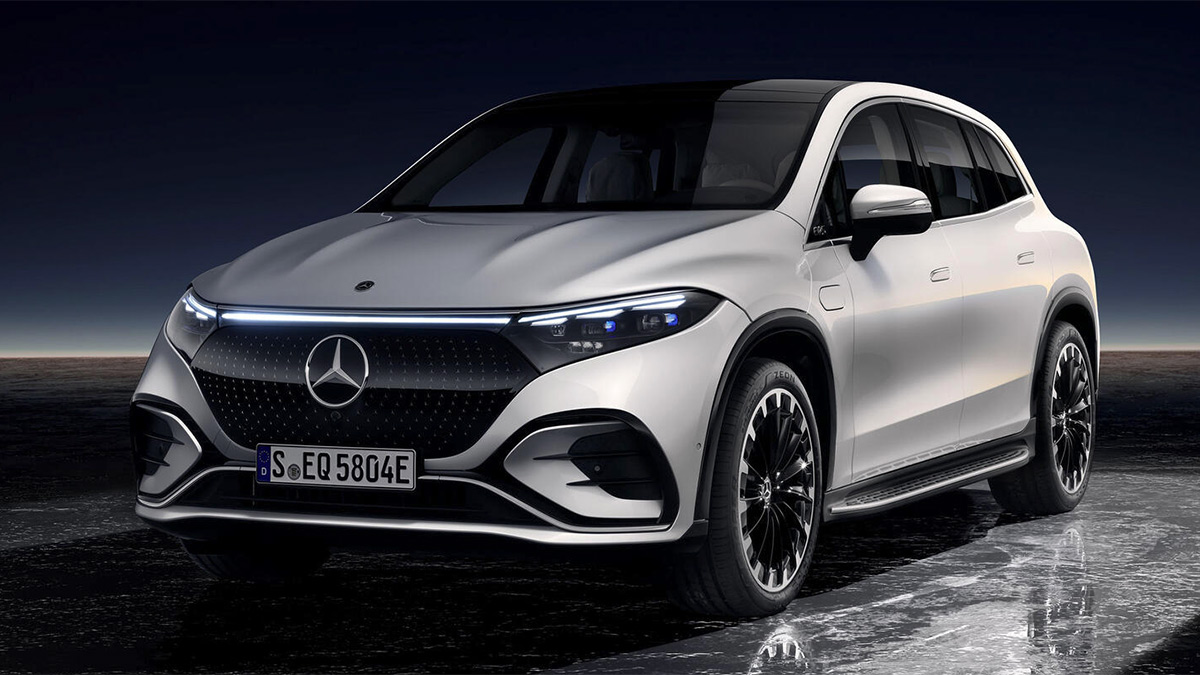
3. Mercedes-Benz EQS: Digital Maximalism Challenges Traditional Luxury
The Mercedes-Benz EQS takes luxury into the digital age with the optional 56-inch MBUX Hyperscreen, a visually striking display that replaces nearly every physical control. While impressive, this setup can be overwhelming and unintuitive, as functions such as seat adjustments, climate control, and even entertainment require multi-step interactions with the touchscreen.
Drivers and passengers accustomed to tactile controls often find the system confusing, particularly because touch-sensitive sliders on the steering wheel and door panels are difficult to operate precisely while driving.
The EQS prioritizes aerodynamic efficiency and futuristic design over traditional ergonomics. Its “one-bow” cab-forward silhouette achieves a record 0.20 drag coefficient, but this creates visibility challenges and a bus-like driving position.
The steep windshield and massive dashboard obscure the front corners, leaving drivers feeling disconnected from the car’s edges. Even simple maintenance tasks, like adding windshield washer fluid, require unusual solutions such as a side pull-out drawer, as the tightly packed front area eliminates a conventional front trunk.
Passenger space is also affected by the EQS’s design choices. The sloping roofline reduces rear headroom, and the high floor, dictated by the battery pack, forces passengers into a cramped “knees-up” seating position. This compromises the traditional limousine-like comfort expected in a Mercedes S-Class, leaving the rear cabin less spacious and luxurious than in its gas-powered counterpart.
The EQS represents a radical departure from the tactile, intuitive controls that defined Mercedes-Benz interiors for decades. While the Hyperscreen and aerodynamic design showcase cutting-edge technology and bold styling, they come at the cost of usability, visibility, and passenger comfort.
Mercedes designers themselves have acknowledged that this extreme approach may have arrived “10 years too early” for customers who still value simplicity, physical controls, and classic luxury ergonomics.
4. Volvo EX30: Minimalist Design Challenges Driving Intuition
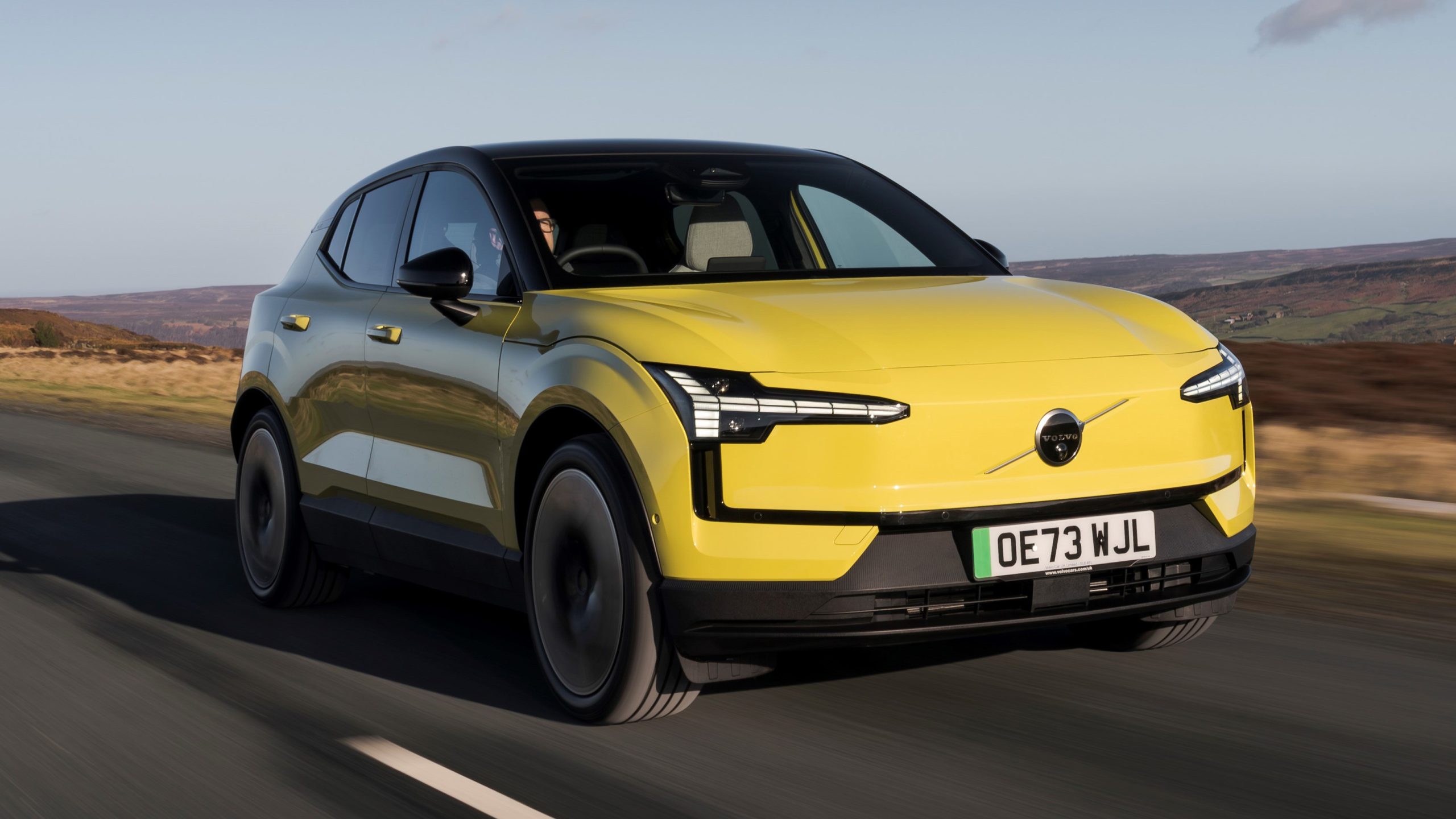
The Volvo EX30 embraces extreme minimalism, moving nearly all vehicle controls to a central 12.3-inch tablet, including mirror adjustments, the glovebox release, and climate controls. While Volvo markets this as “Scandinavian simplicity,” many drivers find it unintuitive and distracting, especially during active driving, as it requires taking eyes off the road for tasks that were previously instinctive.
One of the main issues is the absence of a traditional instrument cluster. Speed, turn signals, and safety warnings are displayed in the top corner of the central tablet rather than in front of the driver. This forces constant visual shifts and interrupts the natural line of sight, making basic information harder to access quickly.
Volvo has also eliminated almost all physical buttons, requiring the touchscreen for many functions. Adjusting mirrors involves selecting them in the tablet menu and then using the steering wheel controls. Opening the glovebox and controlling climate settings demands multiple steps on the screen, creating a distracting and cumbersome experience compared with tactile knobs and switches.
To reduce wiring and production costs, Volvo centralized controls. Window switches are placed on the center armrest instead of the doors, and operating the rear windows requires toggling an extra button. The audio system relies on a single soundbar across the dashboard instead of traditional door-mounted speakers, which contributes to the interior’s sparse and high-tech feel.
The cabin also incorporates eco-friendly materials such as recycled denim, flax, and plastic waste. While sustainable, these surfaces lack the soft, luxurious feel of traditional leather or premium plastics, giving the interior a more modern office or tech hardware vibe than a conventional luxury car.
The EX30 challenges decades of automotive muscle memory. Designed for a tech-savvy, swipe-and-tap generation, its layout can make driving feel more complicated rather than simpler, highlighting the tension between futuristic aesthetics and practical usability.
5. Ferrari 296 GTB: Digital Interfaces Complicate Supercar Driving
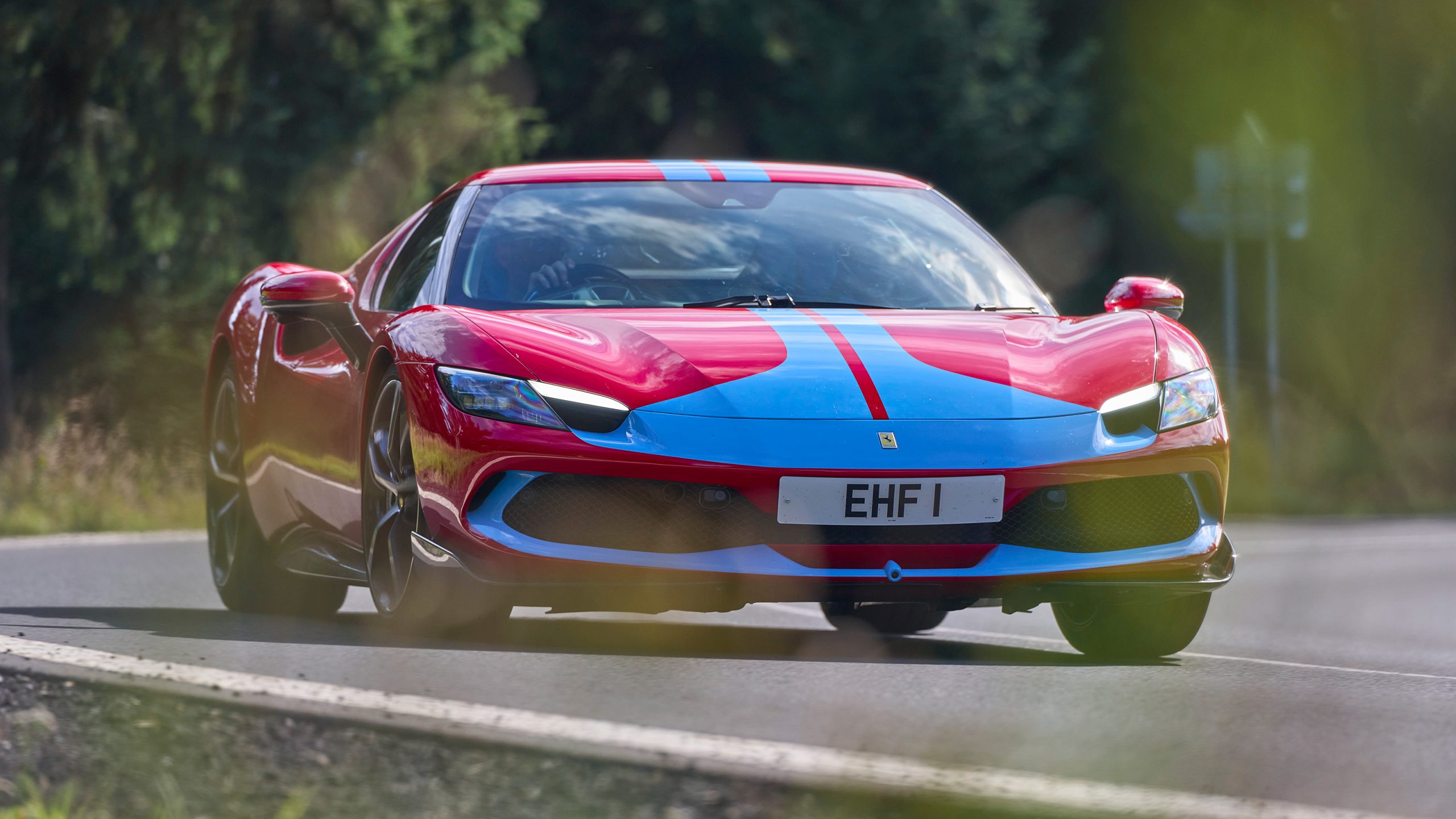
Even a supercar like the Ferrari 296 GTB is embracing digital controls, replacing many traditional tactile switches with haptic touchpads on the steering wheel. While visually sleek, this transition to a Human-Machine Interface (HMI) creates a steep learning curve and can make the car feel confusing, even for experienced drivers.
A key challenge is the lack of tactile feedback. Nearly all controls, from climate adjustments to side mirrors, are operated via touch-sensitive pads. Drivers must look at the steering wheel to ensure correct input, and the sensitive sensors make accidental activations common during cornering or tight grips, triggering unintended commands or menu changes.
The dashboard consolidates every function into a 16-inch curved digital instrument cluster behind the wheel, eliminating a separate infotainment screen.
While this streamlines interior lines, it requires drivers to cycle through multiple digital menus for simple tasks like changing a radio station or checking tire pressure. Smartphone mirroring, such as Apple CarPlay, can obscure key telemetry, forcing the driver to choose between navigation and car data.
The steering wheel itself is densely packed with turn signals, wipers, high beams, and the eManettino hybrid mode selector. For those used to conventional stalks, this layout can feel cluttered and counterintuitive during the first weeks of use.
Finally, as a plug-in hybrid, the 296 GTB adds complexity in managing its powertrain. Drivers must not only select modes like Sport or Race but also coordinate eDrive, Hybrid, Performance, and Qualify settings, monitoring how the combined 819 horsepower is deployed. This extra mental load distinguishes it from traditional V8 or V12 Ferraris and amplifies the need for focus and familiarity.
While the Ferrari 296 GTB’s digital-first approach offers a futuristic and clean cabin, it sacrifices intuitive operation. Drivers face a combination of sensitive haptic controls, layered digital menus, and complex hybrid management that can make even routine actions feel more demanding than in a conventional supercar.
The contrast between intuitive and confusing layouts highlights the trade-off between usability and futuristic design. Cars with tactile, ergonomic controls prioritize driver confidence, minimizing distraction and enhancing engagement, while vehicles with extensive digital interfaces focus on visual impact and technological sophistication, sometimes at the expense of practicality.
Understanding these differences is crucial for buyers, as the choice can affect safety, comfort, and everyday convenience. Ultimately, the best driving experience balances innovation with human-centered design, ensuring that advanced technology complements rather than complicates the act of driving.
Also Read: Top 10 Cars That Changed Automotive Engineering Forever
