Interior durability is one of the most overlooked factors when buying a vehicle, yet it plays a major role in long-term ownership satisfaction. Seats endure daily friction, heat, sunlight, spills, pets, and passengers of all kinds.
Over time, the difference between materials engineered for resilience and those chosen primarily for cost or aesthetics becomes obvious. This comparison, titled “5 Vehicles With Durable Upholstery vs 5 That Wear Quickly,” highlights how real-world use affects interiors across a wide range of segments and price points.
The vehicles in the first group stand out for upholstery that resists cracking, staining, sagging, and abrasion, even under heavy use. The second group shows how thinner fabrics, sensitive synthetics, and design compromises can lead to early wear without careful maintenance.
Together, these examples illustrate how material choice, seat design, climate exposure, and daily habits determine whether an interior ages gracefully or deteriorates far sooner than expected.
5 Vehicles With Durable Upholstery
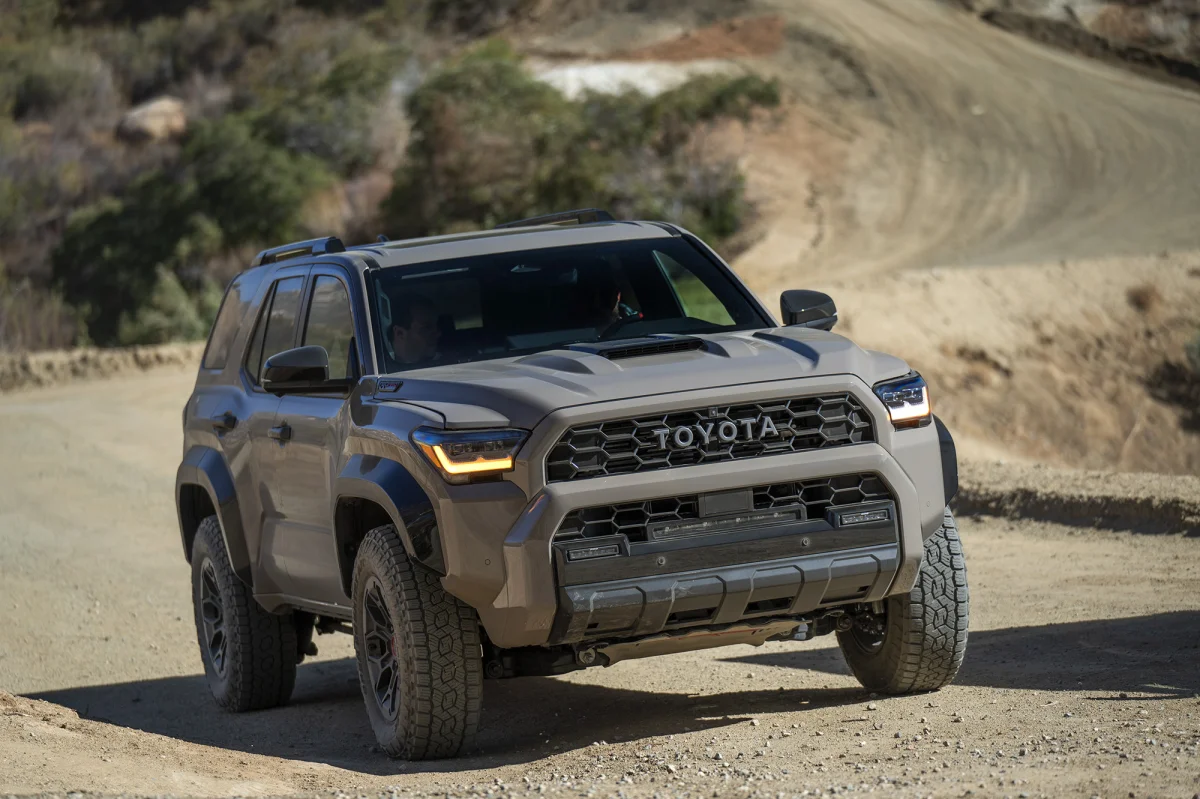
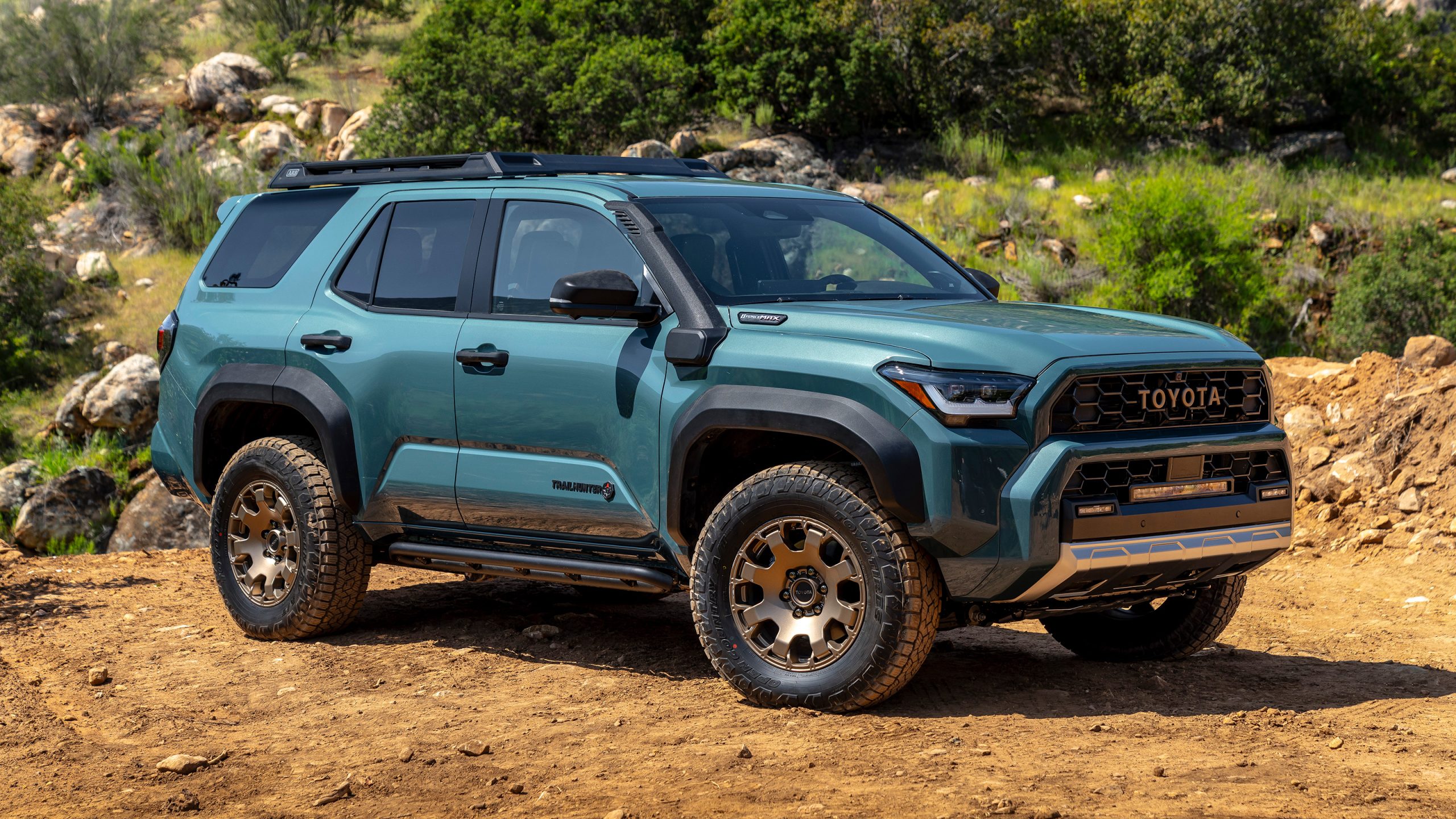
1. Toyota 4Runner: Durability, Performance, and Versatile Design
The Toyota 4Runner is renowned for its ruggedness, durable materials, and off-road capability, making it a top choice for adventurous drivers and those seeking long-term reliability. A standout feature of the 4Runner is its SofTex® synthetic leather, available on higher trims.
This proprietary material is stain- and water-resistant, crack-resistant, and low-maintenance, making it ideal for outdoor lifestyles. Unlike traditional leather, SofTex requires minimal care and easily withstands heavy use, mud, and dirt.
Even lower trims feature high-quality, durable fabric upholstery. These fabrics are engineered for wear resistance, maintaining their integrity through heavy daily use. The cabin’s interior prioritizes practicality over luxury, with easy-to-clean surfaces and robust materials designed to endure rigorous conditions.
Optional protection, such as Wet Okole neoprene seat covers, adds an extra layer of defense against water, mud, and sweat, enhancing longevity for owners seeking maximum durability.
The 4Runner is purpose-built for active lifestyles. Its interior accommodates gear, pets, and muddy equipment with fold-flat seats, durable cargo mats, and rugged plastics designed to resist wear and tear. This combination of functionality, resilience, and design ensures that the 4Runner remains a reliable long-term vehicle.
Under the hood, all 4Runners are powered by a 278-hp turbocharged 2.4-liter four-cylinder engine paired with an eight-speed automatic transmission. Rear-wheel drive is standard, while full-time four-wheel drive is optional, featuring a two-speed transfer case.
Off-road-focused models offer disconnecting stabilizer bars, a locking rear differential, and off-road cruise control, with hybrid models adding adjustable dampers. Despite its truck-based design, the 4Runner delivers improved on-road manners while remaining capable and engaging off-road. It accelerates to 60 mph in 7.5 seconds and offers a maximum towing capacity of 6,000 pounds.
The interior blends utility with comfort. Sharing its dashboard and infotainment layout with the Tacoma, it offers strategic storage, intuitive controls, and optional third-row seating.
Optional open-air features, like a power-operated rear window and sliding sunroof, enhance the adventure-ready feel. Standard connectivity includes an 8.0-inch infotainment screen, wireless Apple CarPlay and Android Auto, USB-C ports, and a digital key system.
Safety is comprehensive with Toyota Safety Sense 3.0, including automated emergency braking, lane-departure warning, adaptive cruise control, and driver non-responsiveness detection. Toyota provides a three-year/36,000-mile limited warranty, five-year/60,000-mile powertrain warranty, and two years of complimentary scheduled maintenance.
The 4Runner combines rugged durability, off-road performance, and thoughtful interior design, making it a practical and long-lasting SUV for active lifestyles.
2. Lexus LX: Luxury, Power, and Dependable Comfort
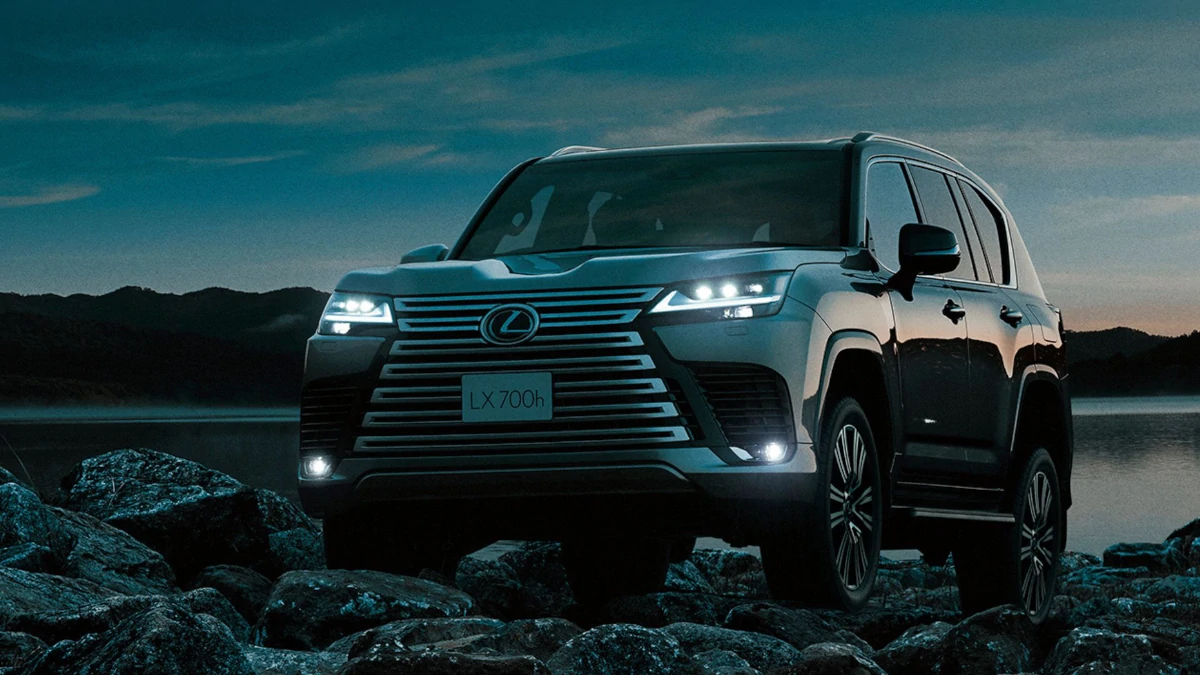
The Lexus LX is celebrated for its exceptional reliability, luxurious interior, and capable performance. Known for its thick, semi-aniline leather, the LX cabin combines elegance with durability. This premium leather is treated to remain supple over time, resisting premature cracking while providing a plush, high-end feel.
Wood trim, quilted leather upholstery, and a leather-wrapped dashboard enhance the cabin’s refined atmosphere, with front seats offering heating and optional massage functions.
Second-row seating is comfortable, with heated outboard seats, while the third row reclines but offers limited headroom and short cushions. Cargo space is modest with all rows in use (11 cubic feet), but expands to 44 cubic feet when the third row is folded.
Under the hood, the LX600 features a twin-turbocharged 3.4-liter V-6 engine producing 409 hp and 479 lb-ft of torque, paired with a 10-speed automatic transmission and standard four-wheel drive. A low-range setting aids off-road capability, though fixed running boards may limit extreme off-road use.
The LX accelerates to 60 mph in 6.1 seconds, offering sufficient performance for most drivers, though it trails V-8-powered rivals such as the BMW X7 M60i and Mercedes-Benz GLS580.
Towing capacity is an impressive 8,000 pounds, reflecting the SUV’s strong utility focus. Fuel economy is modest, with 17 mpg city, 22 mpg highway, and 19 mpg combined in the 2025 model.
Infotainment and connectivity are comprehensive, anchored by a 12.3-inch touchscreen supported by an 8.0-inch gauge cluster and a 7.0-inch climate control panel. Wireless Apple CarPlay, Android Auto, and a head-up display are standard, with optional upgrades including a 25-speaker Mark Levinson audio system for audiophiles. Wireless charging is also available.
Safety is robust, with standard adaptive cruise control, lane-keeping assist, blind-spot monitoring, and automated emergency braking. However, the LX lacks a hands-off-the-wheel highway-driving assist system available in some competitors.
Lexus backs the LX with a four-year/50,000-mile limited warranty, six-year/70,000-mile powertrain warranty, and one year/10,000 miles of complimentary scheduled maintenance. The LX balances luxury, dependable engineering, and practical utility, making it a refined choice for buyers seeking a premium SUV with both comfort and capability.
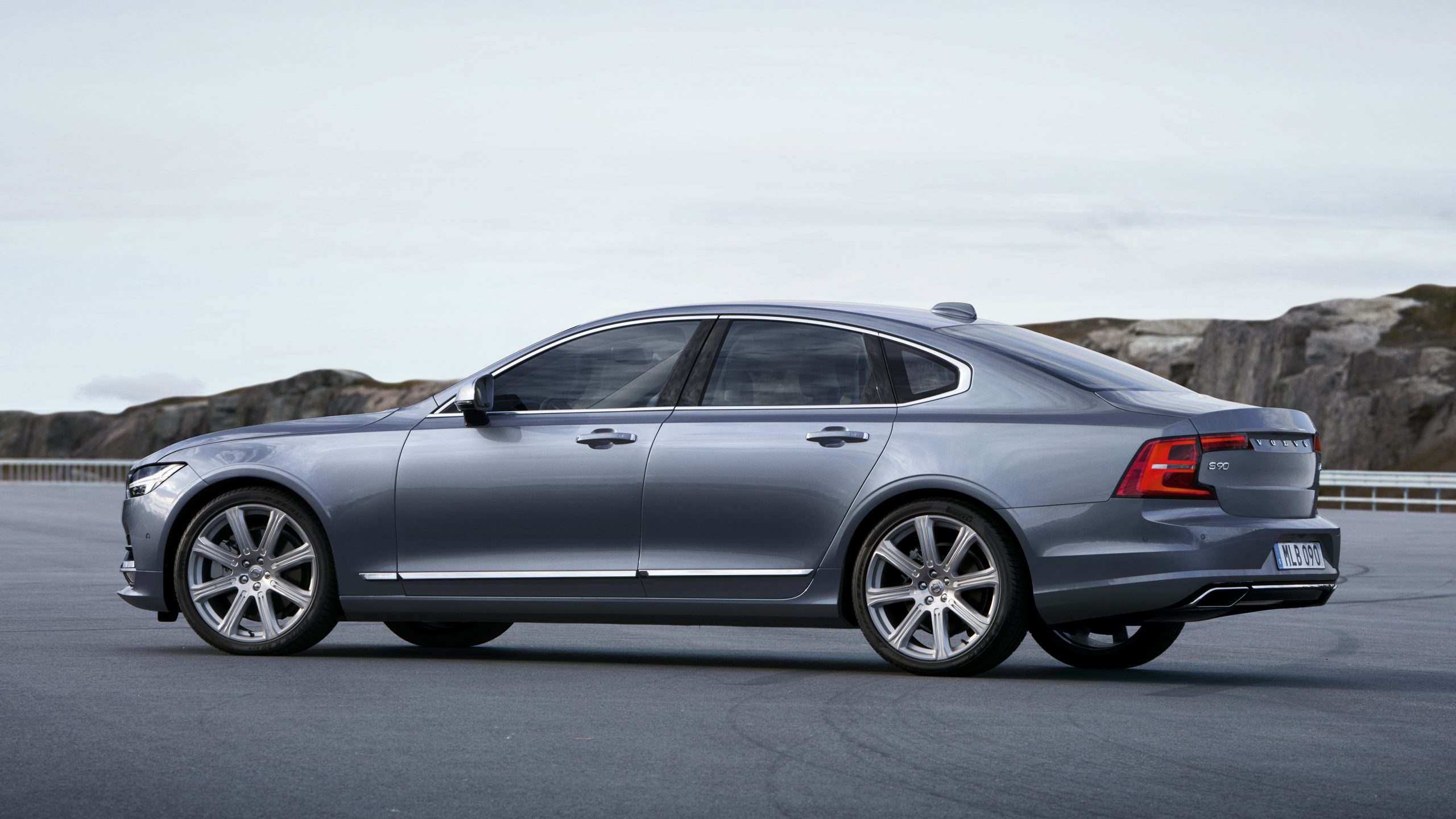
3. Volvo S90: Premium Durability and Refined Comfort
The Volvo S90 stands out for its combination of durable materials, advanced craftsmanship, and Scandinavian-inspired design, making it a top choice for luxury sedan buyers seeking longevity and comfort. Its interior features Nordico synthetic materials, high-quality wool blends, and Nappa leather, all engineered for durability and breathability.
These materials are reinforced with protective treatments to maintain their appearance over time, while seats designed with orthopedic input help minimize wear from daily use. Structural elements such as wood and metal inlays resist scratches and contribute to a solid, long-lasting cabin. Regular maintenance and the use of authorized cleaning products ensure that the interior remains in top condition for years.
The S90’s powertrain options provide a balance between efficiency and performance. The B6 mild-hybrid powertrain delivers 295 hp, enabling a 0–60 mph sprint in 6.4 seconds, while the T8 plug-in hybrid adds electric motors for a quicker, quieter drive, achieving prior 0–60 mph times of 4.5 seconds.
Handling is confident, though the ride is firmer than some competitors, transmitting road imperfections more noticeably. The steering offers a solid feel but is less precise than ideal, slightly reducing the car’s athletic character. Fuel economy is competitive for the segment, with the B6 rated at 22 mpg city and 31 mpg highway, while the hybrid model can achieve up to 66 MPGe combined.
Inside, the S90 impresses with a luxury-focused cabin. Open-pore wood, brushed metal, genuine leather, and finely grained plastics create a cohesive, modern environment.
The 14-way power-adjustable front seats provide exceptional comfort, though the manual steering column is a notable omission compared with rivals. Rear seating is spacious, and models with folding rear seats offer ample cargo room, making the sedan practical for longer trips or family use.
Connectivity is anchored by a 9.0-inch touchscreen infotainment system, supporting Apple CarPlay, over-the-air updates, and Android-based integration. While most functions are controlled via the touchscreen, the system is generally intuitive after an initial learning curve.
Safety is comprehensive, with standard features including automated emergency braking, lane-keeping assist, and adaptive cruise control. Volvo backs the S90 with a 4-year/50,000-mile limited warranty, 4-year/50,000-mile powertrain warranty, and three years or 36,000 miles of complimentary scheduled maintenance, ensuring peace of mind for owners.
The Volvo S90 combines long-lasting, high-quality interior materials, thoughtful ergonomics, and reliable performance, offering a refined, durable, and safe luxury sedan for discerning drivers.
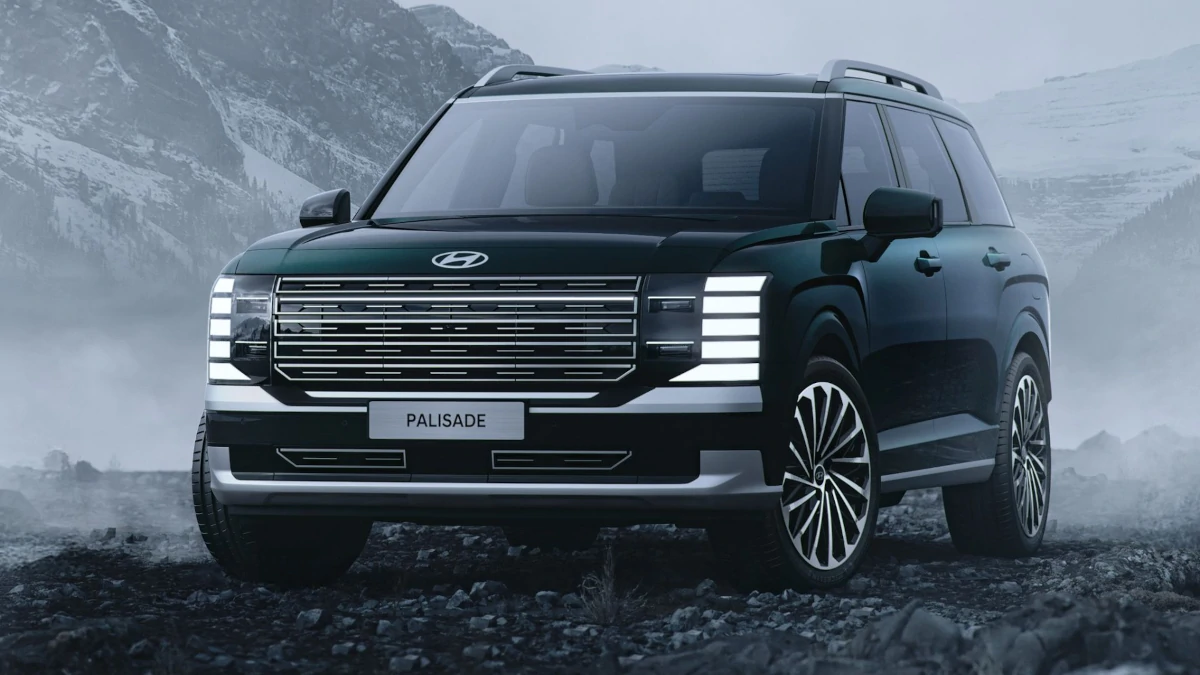
4. Hyundai Palisade: Durable and Family-Friendly SUV
The Hyundai Palisade is a family-oriented SUV designed to combine durable materials with premium comfort. Its interior features Nappa leather, H-Tex synthetic leather, and high-density foam that resists permanent stretching or pooling, which are common issues in larger vehicles. The cabin is carefully constructed to handle heavy daily use while remaining comfortable.
Higher trims, such as the Calligraphy, include premium leather with quilted surfaces, while mid-level trims use H-Tex leather, which provides a high-end look and is easier to clean than traditional leather. Ventilated and heated seating, combined with supportive cushioning, ensures comfort during long drives and contributes to long-term durability.
The Palisade is powered by a 287-horsepower 3.5-liter V-6 engine paired with an eight-speed automatic transmission. Buyers can choose between front-wheel drive or all-wheel drive.
A 329-horsepower hybrid model is also available, but reviewed separately. Acceleration is moderate, with the SUV reaching 60 miles per hour in 8.0 to 8.1 seconds, which is sufficient for everyday driving. The XRT Pro model provides a slightly lifted suspension with increased ground clearance and driver-selectable terrain modes for mud, sand, and snow.
Towing capacity reaches 5,000 pounds, and all-wheel-drive models include a dedicated tow mode to optimize the transmission for hauling. Fuel economy is rated between 18 and 19 miles per gallon in the city and 24 to 25 miles per gallon on the highway. On a 75-mile-per-hour highway test, the all-wheel-drive Calligraphy achieved 25 miles per gallon.
The cabin is spacious and versatile, offering seating for seven or eight passengers. The first row is comfortable and well-designed, while the second row provides a standard three-person bench or optional reclining captain’s chairs with footrests.
The third row accommodates children comfortably and adults occasionally, with power-adjustable seating on higher trims. Cargo capacity ranges from 19.1 cubic feet with the third row in use to 46.3 cubic feet with the rear seats folded.
Technology includes a large curved display with dual 12.3-inch screens for gauges and infotainment. Standard features include wireless Apple CarPlay, Android Auto, navigation, Wi-Fi hotspot, Amazon Alexa, and Hyundai Pay. An optional 14-speaker Bose audio system is also available.
Safety features include automated emergency braking, adaptive cruise control, and lane-keeping assist, with optional lane-centering adaptive cruise control and parking sensors. Hyundai provides a five-year or 60,000-mile limited warranty and a 10-year or 100,000-mile powertrain warranty. Complimentary maintenance is no longer included.
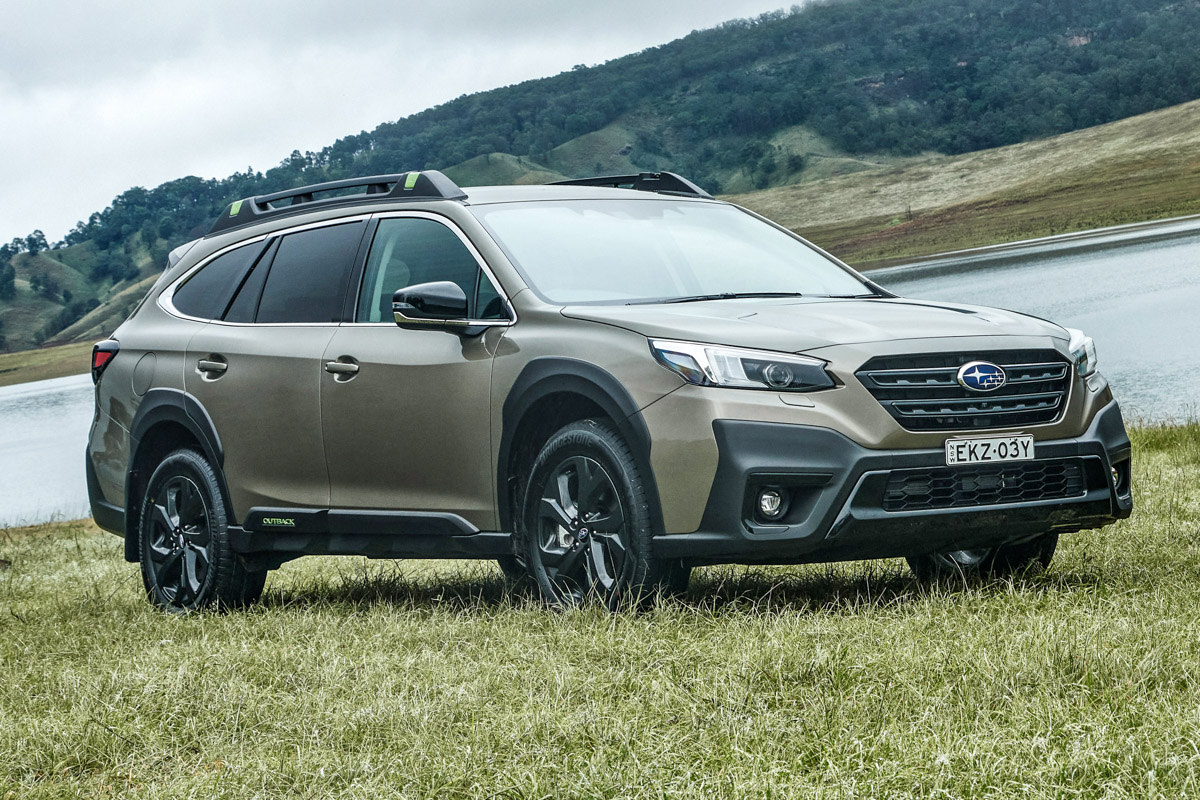
5. Subaru Outback: Durable and Adventure-Ready SUV
The Subaru Outback is designed for outdoor enthusiasts and active lifestyles, featuring durable StarTex water-repellent upholstery that handles mud, water, dirt, and pets without tearing or retaining odors. StarTex is a synthetic polyurethane material that serves as an eco-friendly alternative to leather or traditional fabric.
It is highly water resistant, easy to clean with a damp cloth or mild soap, and offers better wear resistance than standard cloth or leather. The material also remains comfortable in all climates, staying cooler in summer and warmer in winter. StarTex is often combined with rubberized seat backs in the Wilderness and Onyx editions for added protection and longevity.
The Outback offers two four-cylinder engines. The base engine is a 180-horsepower 2.5-liter, while a turbocharged 260-horsepower 2.4-liter is available in XT trims and standard on the Wilderness. Both use a continuously variable automatic transmission and come with standard all-wheel drive.
Ground clearance ranges from 8.7 inches on standard trims to 9.5 inches in the Wilderness, which also includes adaptive dampers, chunky all-terrain tires, and rugged exterior details.
The base engine provides sluggish acceleration with an estimated 0–60 miles per hour time of 8.8 seconds, while the turbocharged engine improves responsiveness to about 6.6 seconds. The Wilderness trim offers improved handling on pavement and increased capability off-road thanks to its adaptive dampers.
The cabin has been redesigned with a focus on comfort and modern styling. A dual-panel digital instrument cluster and a 12.1-inch infotainment touchscreen provide intuitive access to navigation, music, and phone functions.
Apple CarPlay and Android Auto are standard, and a cloud-based voice recognition system allows many functions to be controlled hands-free. The flat roofline has been raised by two inches, improving rear headroom, and cargo capacity has increased by two cubic feet.
The Outback is rated to tow 2,700 pounds with the base engine and 3,500 pounds with the turbocharged engine. EPA fuel economy ratings range from 25 miles per gallon city and 31 highway for the base model to 21 city and 27 highway for the Wilderness trim.
Safety features include Subaru’s EyeSight driver-assistance suite, with standard forward-collision warning, automated emergency braking, adaptive cruise control with lane-keeping assist, and available blind-spot monitoring and rear cross-traffic alert.
Highway hands-free driving up to 85 miles per hour is supported on select trims. Subaru provides a three-year/36,000-mile limited warranty and a five-year/60,000-mile powertrain warranty, but no complimentary scheduled maintenance is included.
The Subaru Outback combines durable, easy-to-clean materials, capable powertrains, and outdoor-ready features, making it a practical, long-lasting SUV for adventurous lifestyles.
Also read: 5 Cars With Intuitive Controls vs 5 With Confusing Layouts
5 That Wear Quickly
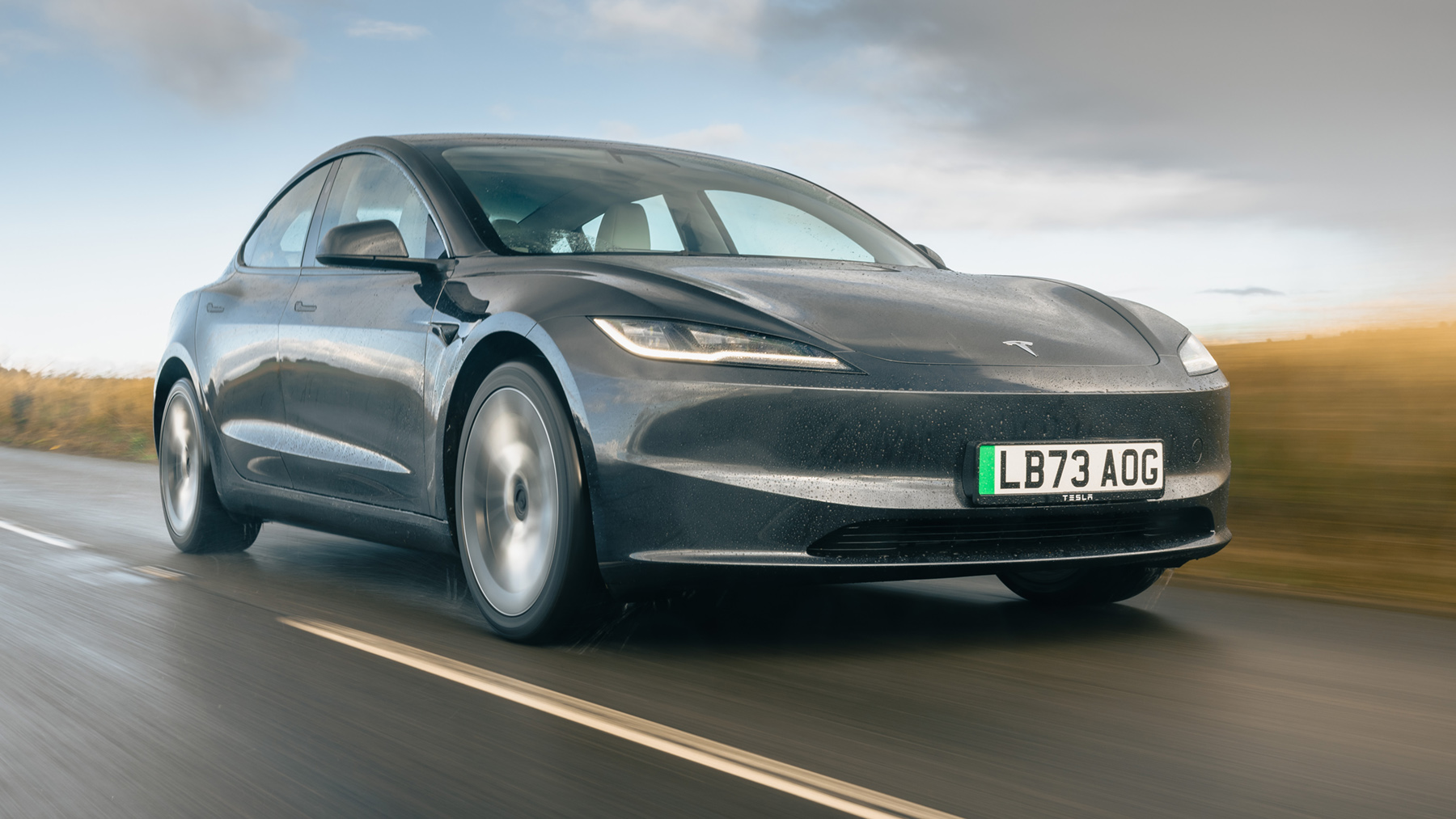
1. Tesla Model 3: Synthetic Leather Durability and Care
The Tesla Model 3 uses synthetic polyurethane upholstery, commonly called “vegan leather,” which is designed to be durable, stain-resistant, and easy to maintain. Despite these qualities, several issues have been reported by owners, particularly premature wear and bubbling, most often on the headrests and side bolsters.
Chemical Reactions and Bubbling are a primary concern. Oils from hair, skin lotions, sunscreens, and styling products can react with the polyurethane coating, especially in hot cabin conditions, causing the material to swell and delaminate from its backing. Corrosive substances such as hand sanitizer, chlorine from swimwear, and vape liquids can permanently damage the surface, accelerating bubbling or peeling.
Physical Abrasion also contributes to wear. The outboard bolsters, which experience frequent contact during entry and exit, often show thinning or tearing after a few thousand miles. Heavy clothing, including denim with metal hardware, can scratch or snag the synthetic surface. Unlike real leather, PU cannot form a patina or self-heal, making any damage permanent.
Environmental Factors further affect durability. Prolonged UV exposure can cause photodegradation, leading to brittleness and spiderweb-like cracking. Being non-porous, synthetic PU cannot be deeply conditioned to restore elasticity once it begins to dry out, leaving the material more vulnerable over time.
Prevention and Care are essential for longevity. Tesla recommends regular cleaning with a damp microfiber cloth and non-detergent soap to remove oils before they react chemically with the coating. Utilizing the Easy Entry seat settings can reduce friction on the side bolsters during entry and exit. Avoiding prolonged exposure to harsh chemicals and direct sunlight also helps maintain the material’s integrity.
The Tesla Model 3’s vegan leather offers a sleek, low-maintenance alternative to traditional leather, but it requires careful handling and regular cleaning to prevent chemical, physical, and environmental damage that can shorten its lifespan.
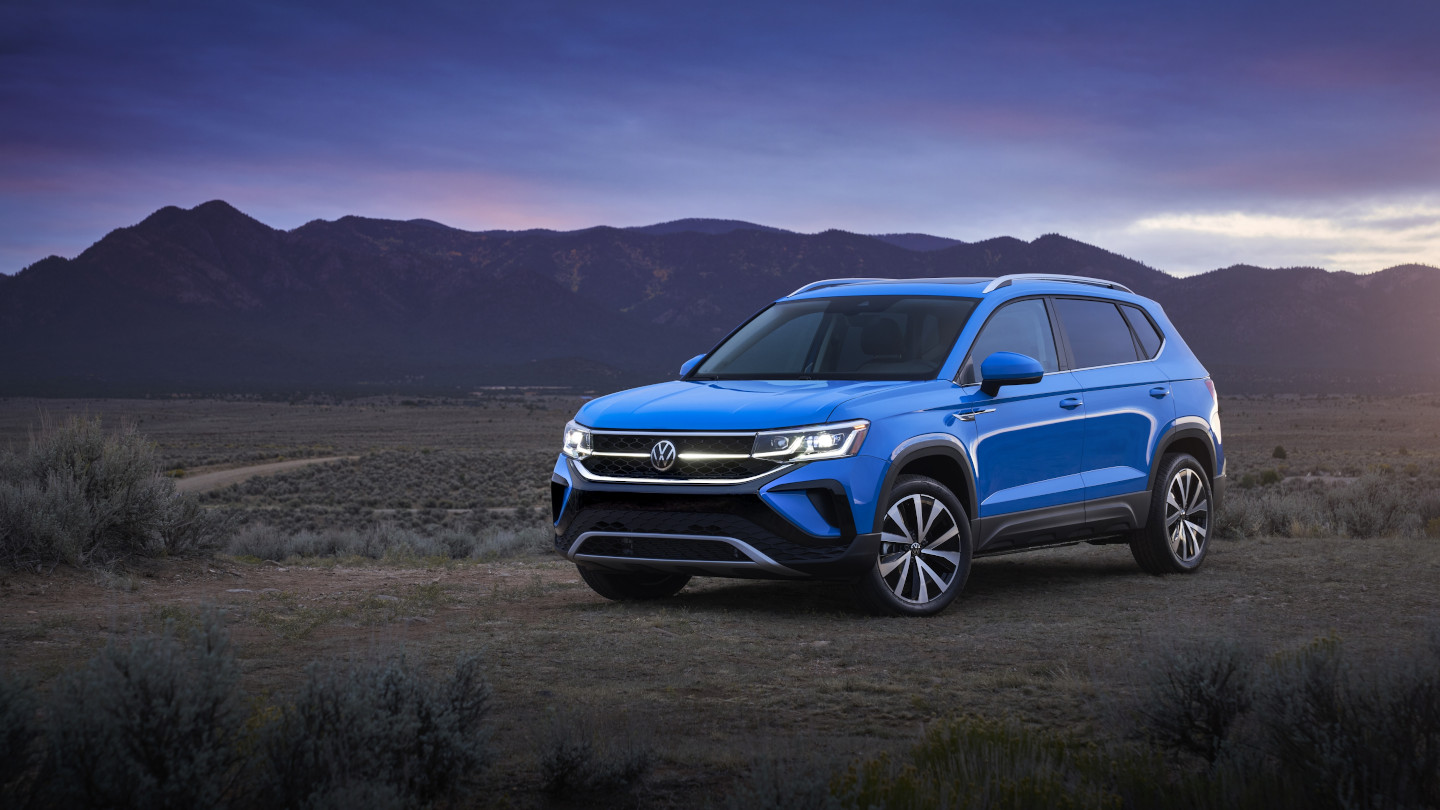
2. Volkswagen Taos: Interior Durability Concerns
The Volkswagen Taos offers practicality, cargo space, and fuel efficiency, but its interior durability has been a common concern among owners. The primary issues stem from the materials used, seat design, and environmental factors, which together contribute to premature wear and visible soiling.
The Taos features CloudTex synthetic fabric and V-Tex Leatherette upholstery. CloudTex is soft and suede-like but tends to trap oils and pill over time, while V-Tex Leatherette is spill-resistant yet prone to cracking in extreme heat or cold. Both materials are thinner than traditional leather, which can cause permanent creases and eventual tearing once they lose elasticity.
The most vulnerable area is the outer driver-side bolster, which experiences heavy lateral pressure as drivers slide into the seat. Constant friction from clothing, especially denim, combined with compression of the underlying foam, accelerates wear and surface folding.
Environmental and chemical factors further impact longevity. High cabin temperatures, particularly in hot climates, can exceed 140°F, causing plasticizers in the synthetic materials to degrade and making the seats brittle.
Sitting on these hot, brittle surfaces increases the likelihood of cracks or flaking. Additionally, dirt, grit, and harsh household cleaners can abrade or chemically damage the seat surfaces, thinning protective layers and accelerating wear.
To protect the Taos interior, owners can take preventive measures. Ceramic window tinting blocks up to 99 percent of UV rays, reducing heat-related damage. Entering the vehicle by lifting rather than sliding minimizes lateral stress on the bolsters. Using pH-neutral cleaners specifically formulated for automotive synthetics helps maintain surface integrity without causing chemical damage.
While the Volkswagen Taos is functional and practical, its synthetic upholstery requires careful maintenance and preventive measures to avoid early wear, cracking, and visible damage, particularly on high-stress areas such as the driver-side bolster.
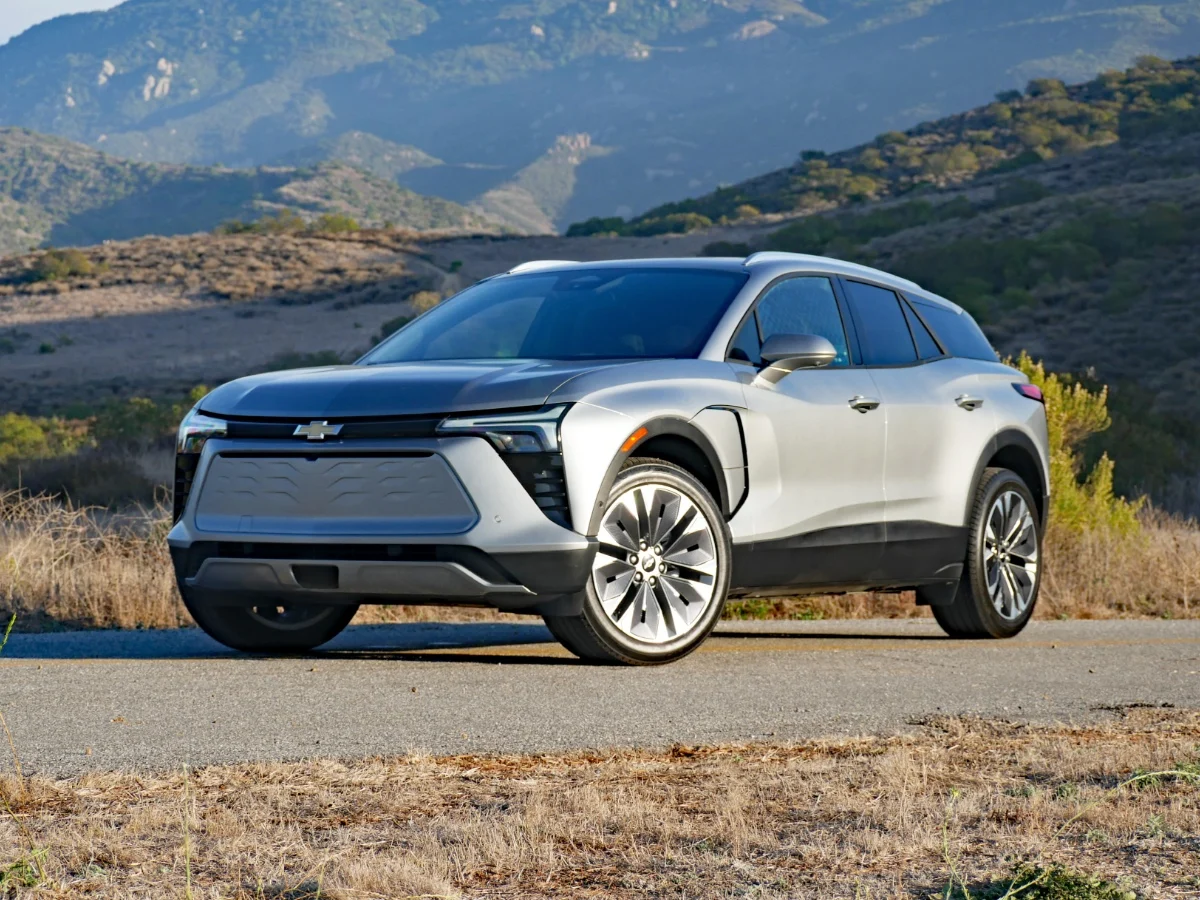
3. Chevrolet Blazer EV: Synthetic Interior Durability
The Chevrolet Blazer EV features Evotex synthetic upholstery, designed to mimic leather while providing improved spill and stain resistance. Despite these benefits, early models have received criticism for interior materials that feel less robust than those of competitors, with surfaces prone to premature wear under certain conditions.
A primary cause of deterioration is abrasive particle accumulation. Dust, dirt, and grit trapped in the seats act like sandpaper, gradually wearing down the synthetic texture when passengers sit or move. Perforated Evotex, common in higher trims for ventilation, is particularly vulnerable, as tiny holes can trap dirt and liquids that weaken the material over time if not cleaned carefully.
Environmental stressors also affect longevity. While Evotex is engineered to resist UV damage, prolonged exposure to direct sunlight and high heat can reduce suppleness, causing sticky textures or fine cracks. High-friction areas, such as side bolsters in performance seating, experience repeated contact during entry and exit, leading to a smoothing or “sheening” of the matte finish.
Improper maintenance can accelerate wear. Household chemicals, ammonia-based cleaners, or abrasive sponges can strip the protective top layer of Evotex, resulting in dryness and brittleness. Mechanical pressure from heavy car seats can create permanent indentations or “bruising,” which can be minimized using manufacturer-approved seat protectors.
To maximize the life of Evotex upholstery, regular vacuuming with a soft brush attachment is recommended to remove grit, and cleaning should be limited to damp microfiber cloths or pH-neutral synthetic-leather cleaners. Using UV protectants specifically formulated for synthetic interiors can prevent heat-related degradation and help maintain a supple, long-lasting surface.
While the Blazer EV offers a modern, low-maintenance synthetic interior, it requires consistent care and attention to resist abrasion, chemical damage, and environmental stress, particularly in high-use areas and perforated surfaces.
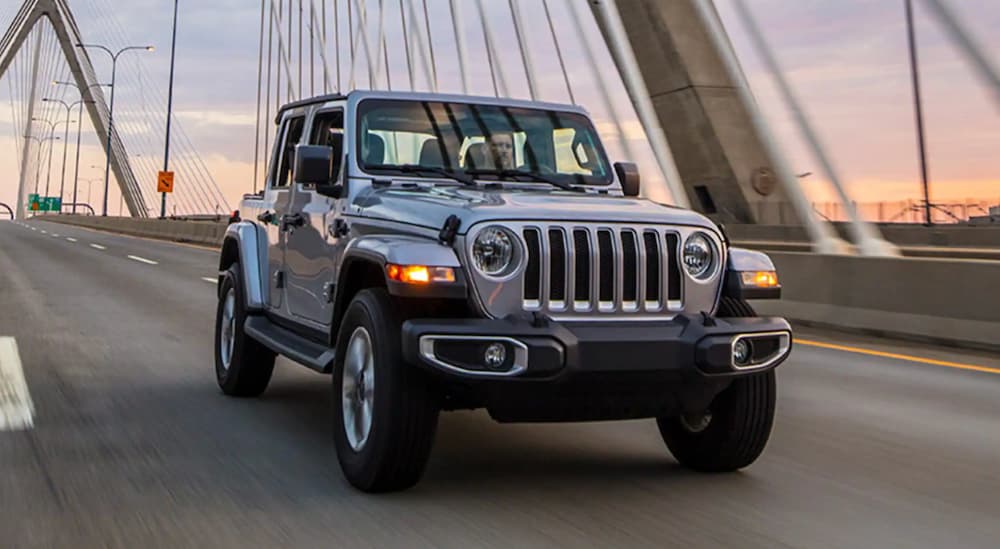
4. Jeep Wrangler Base Trims: Cloth Seat Durability Challenges
The Jeep Wrangler base trims, such as the Sport and Sport S, use standard cloth upholstery designed for practicality and utility rather than luxury. While functional, these seats are prone to rapid wear due to environmental exposure, heavy friction, and inherent material limitations, particularly in off-road or open-air conditions.
Environmental and UV exposure are major factors. Wrangler owners often drive with the top and doors removed, leaving the cloth seats exposed to direct sunlight and UV radiation. Over time, this causes the fibers to fade, become brittle, and eventually crack. Rain or moisture can quickly soak into the porous fabric, creating deep-set stains and potential musty odors if the cabin is not dried promptly.
High-Abrasion and Friction further accelerate wear. Off-roading introduces dust, sand, and mud into the cabin, which act as micro-abrasives against the fabric fibers. Drivers and passengers often slide across the high seat bolsters due to the Wrangler’s elevated seating position. Repeated sliding flattens the foam, wears down the cloth, and can eventually lead to tearing along the edges.
Material Vulnerabilities also contribute to the problem. The base-trim cloth lacks stain-resistant coatings, making it more susceptible to spills, sweat, and oils. These substances soak in quickly, leaving stains that are difficult to remove, unlike the leather or premium vinyl options available in Sahara or Rubicon trims.
Care and Prevention strategies are critical for extending the life of the seats. Many owners install aftermarket seat covers made of neoprene or Cordura to protect the original fabric. UV-protective sprays and products like Scotchgard help guard against sun damage and liquid penetration. Regular vacuuming removes abrasive particles, and sunshades can prevent long-term fading when the vehicle is parked.
Wrangler base-trim cloth seats are practical but require proactive maintenance and protective measures to resist wear, UV damage, and staining, particularly in off-road and open-air conditions.
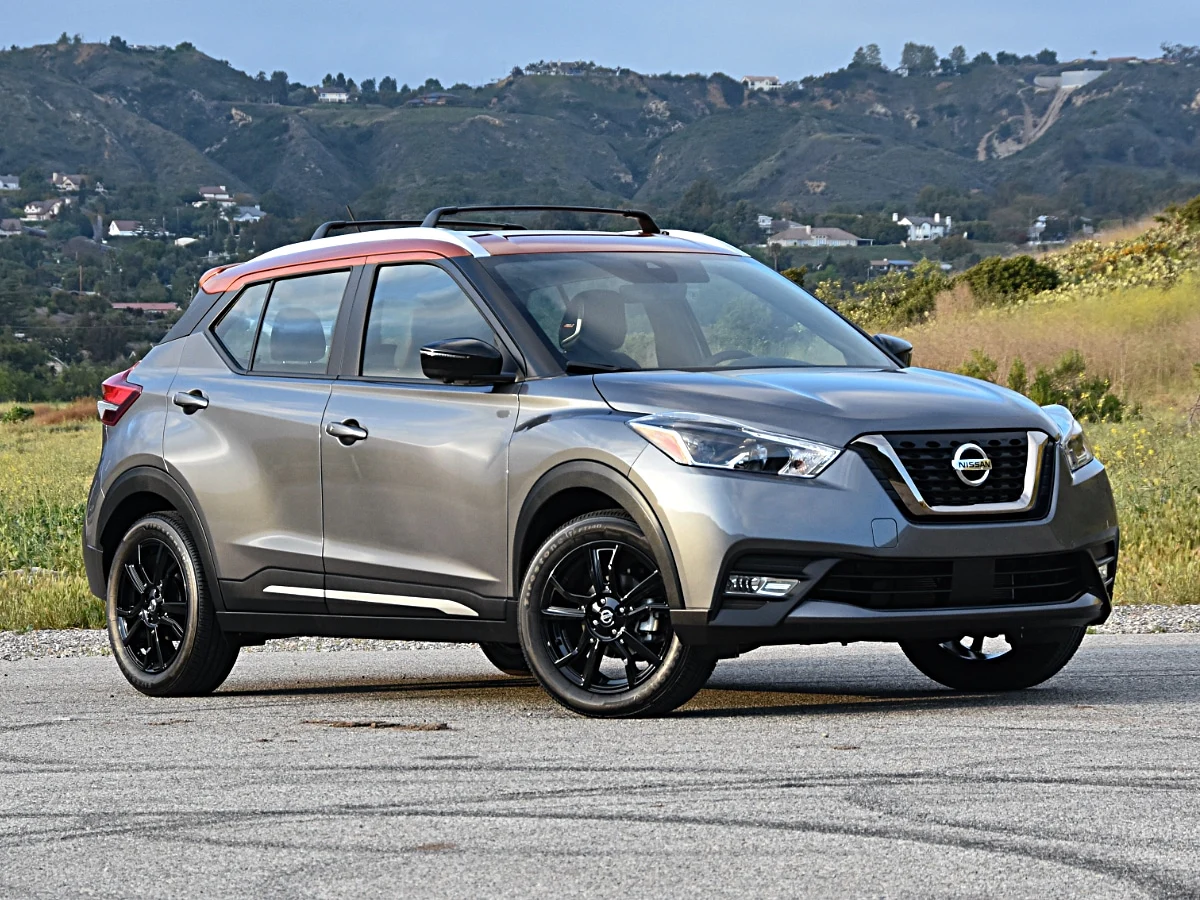
5. Nissan Kicks Base Trim: Fabric Durability and Care
The Nissan Kicks base trim (S) is a budget-friendly subcompact SUV designed for value and practicality. While the seats feature “Zero Gravity” ergonomic design for comfort, the standard cloth upholstery is prone to wear over time, particularly in high-contact areas and under prolonged sun exposure.
Material Limitations contribute to accelerated wear. The base fabric is a standard woven textile, thinner and less resilient than the mid-tier SV cloth or the top-tier SR’s Prima-Tex synthetic leather with breathable inserts.
Frequent entry and exit cause friction on seat bolsters, leading to pilling, fiber thinning, and eventual surface degradation. The underlying foam in economy models may also lose its springiness over time, allowing the fabric above to sag and crease, which further stresses the material.
Environmental Factors such as UV exposure, can accelerate fading and fiber breakdown. Standard cloth lacks advanced UV-resistant coatings, so parked vehicles in sunny climates may experience noticeable discoloration and weakening of the fabric. The porous nature of the material also makes it susceptible to staining, as oils, liquids, and dirt can penetrate deep into the fibers, leaving the seats looking worn prematurely.
Preventive Maintenance is key to preserving the interior. Using a windshield sunshade can limit direct UV exposure, while fabric protectant sprays create a hydrophobic barrier against spills and oils. Regular vacuuming removes dirt and sand that act as micro-abrasives, preventing gradual fiber breakdown. For additional protection, custom-fit seat covers can shield the fabric from friction and heavy use, particularly on the bolsters.
While the Nissan Kicks base trim provides a comfortable and economical interior, its fabric upholstery requires proactive care to resist pilling, fading, staining, and creasing. With proper preventive measures, the base seats can remain functional and visually appealing for longer, even under daily use.
When viewed side by side, the contrast between durable and fast-wearing interiors becomes clear. Vehicles like the Toyota 4Runner, Lexus LX, Volvo S90, Hyundai Palisade, and Subaru Outback benefit from thicker materials, protective coatings, stronger foam support, and designs that account for real-world abuse.
Their upholstery is built to handle heat, friction, moisture, and long-term use with minimal degradation. On the other hand, models such as the Tesla Model 3, Volkswagen Taos, Chevrolet Blazer EV, Jeep Wrangler base trims, and Nissan Kicks base trim reveal the limits of thinner synthetics and untreated fabrics, especially when exposed to sun, chemicals, or constant abrasion.
This does not mean these vehicles are poor choices, but it does mean owners must be more proactive with cleaning and protection. Ultimately, understanding upholstery durability helps buyers set realistic expectations and choose a vehicle that aligns with their lifestyle, climate, and long-term ownership goals.
Also Read: Top 10 Cars That Changed Automotive Engineering Forever