
In today’s fast-paced world, many households juggle multiple drivers with varying needs, schedules, and driving preferences.
Whether it’s parents commuting to work, teenagers learning to drive, or college students returning home for the holidays, finding the right vehicle that accommodates everyone’s requirements can be a challenging task.
The ideal multi-driver vehicle needs to strike a delicate balance between versatility, safety, ease of use, and broad appeal across different age groups and skill levels.
A vehicle suited for multi-driver homes typically features intuitive controls, excellent visibility, manageable size, strong safety ratings, and flexible interior space. It should be forgiving for less experienced drivers while still engaging enough for seasoned motorists.
Understanding which vehicles excel in shared-use scenarios and which ones are better suited to dedicated single owners can save families from frustration, unnecessary expense, and potential safety concerns. Let’s explore both categories in depth.
5 Vehicles That Suit Multi-Driver Homes
These exceptionally versatile vehicles feature intuitive controls and flexible adjustability perfectly suited for households where multiple family members share driving duties, providing seamless driver transitions through easy-to-remember seat positions, straightforward operation requiring minimal learning curves, and forgiving characteristics that accommodate varying skill levels and driving styles.
Their thoughtful engineering includes memory seat functions and simple control layouts that resist the frustration found in complex vehicles while offering highly adjustable seating accommodating height differences from teenagers to tall parents, technology interfaces intuitive enough that any family member operates them confidently, and predictable handling inspiring confidence across experience levels from new drivers to seasoned commuters.
1. Honda CR-V
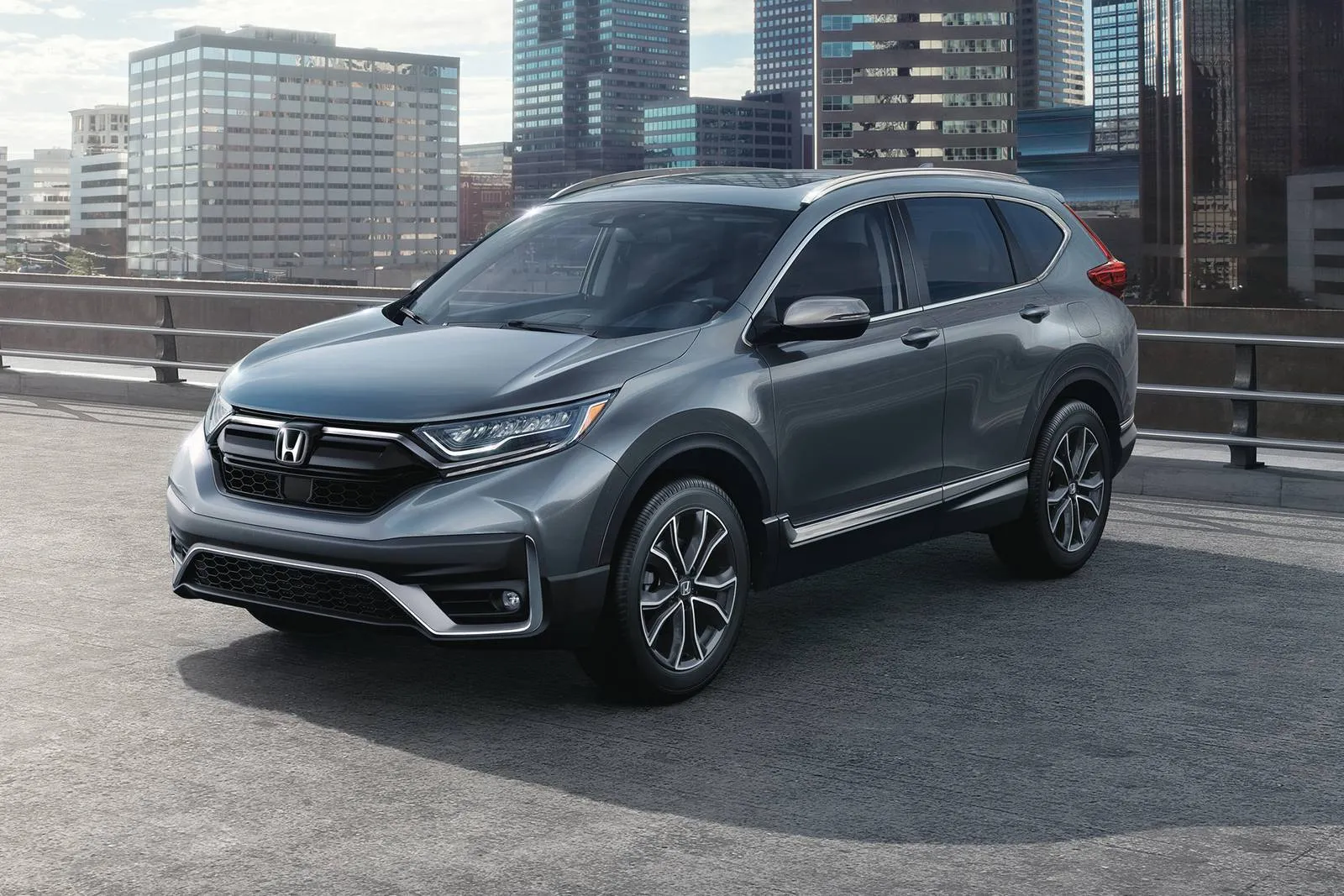
The Honda CR-V has long been a favorite among families, and for good reason it’s practically engineered for multi-driver households. This compact SUV offers an exceptional combination of user-friendliness, reliability, and versatility that makes it equally suitable for a nervous teen driver and a confident parent.
The driving position is commanding without being intimidating, providing excellent visibility in all directions thanks to large windows and slim pillars. This visibility factor is crucial for less experienced drivers who may struggle with spatial awareness and judging distances.
The CR-V’s controls are refreshingly straightforward, with a logical layout that doesn’t require extensive study of the owner’s manual. Climate controls are typically physical buttons and dials, transmission is a simple CVT or traditional automatic, and the infotainment system, while feature-rich, maintains an intuitive interface.
This ease of use means that when different family members switch between driving, they’re not fumbling with unfamiliar controls or making potentially dangerous adjustments while in motion.
Safety is another area where the CR-V shines for multi-driver applications. Honda Sensing, the brand’s suite of driver assistance technologies, comes standard on most trims and includes adaptive cruise control, lane keeping assist, collision mitigation braking, and road departure mitigation.
These features act as a safety net, particularly valuable when younger or less experienced drivers are behind the wheel. The systems are also calibrated to be helpful without being intrusive, so experienced drivers won’t feel the car is fighting them.
The interior space is genuinely impressive, with ample room for five adults and a cargo area that can swallow everything from groceries to sports equipment to college dorm essentials.
Insurance rates tend to be moderate, another important consideration for families adding young drivers to their policy. The CR-V represents a safe, sensible choice that won’t disappoint any family member who slides behind the wheel.
2. Toyota Camry
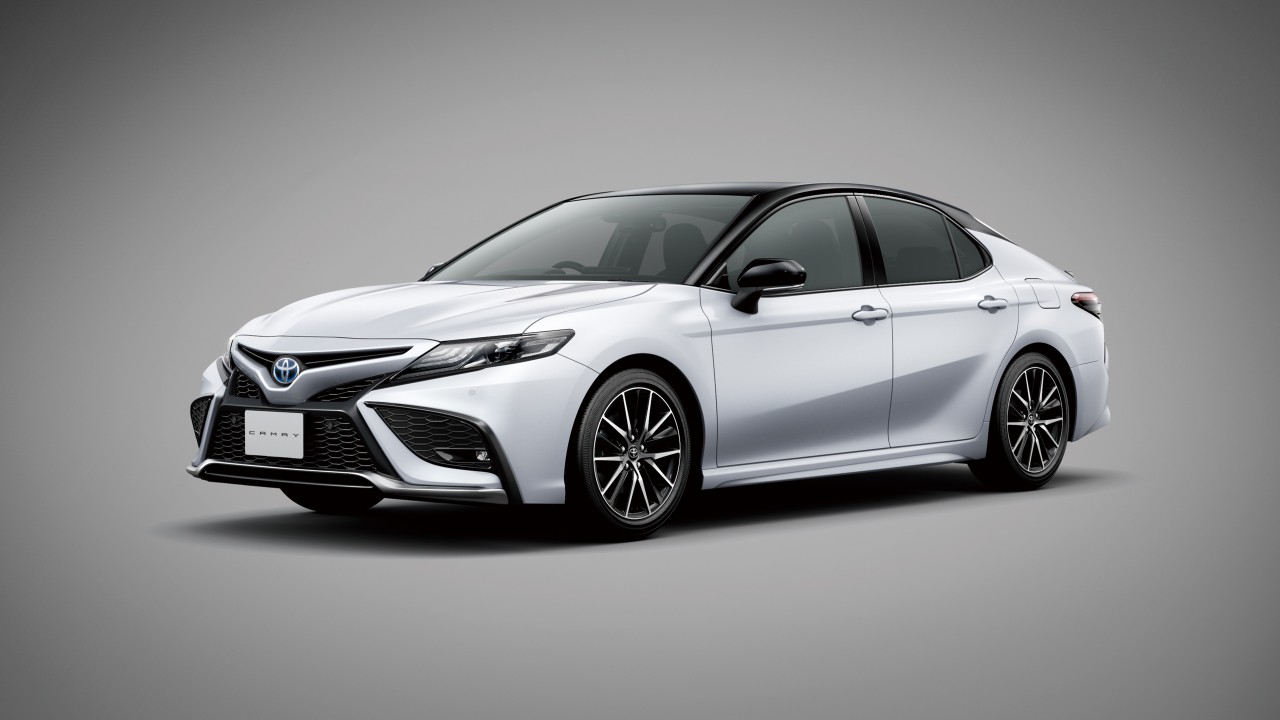
The Toyota Camry might seem like an unexciting choice, but that’s precisely what makes it perfect for multi-driver households. This midsize sedan has been America’s best-selling car for years because it nails the fundamentals without any quirks or complications that could trip up different drivers.
The Camry’s approachable nature means that whether it’s a parent running errands, a college student road-tripping, or a newly licensed teen going to school, everyone can drive it confidently.
The Camry’s dimensions hit a sweet spot it’s substantial enough to feel stable and safe, with excellent crash test ratings across the board, yet not so large that it becomes difficult to maneuver in tight parking lots or go through city traffic.
The sightlines are good, with the greenhouse offering decent visibility, though not quite as commanding as an SUV. The steering is light enough for easy parking but weights up nicely at highway speeds, providing a sense of stability that builds confidence.
One of the Camry’s greatest strengths for shared use is its predictability. The controls work exactly as you’d expect them to, with no learning curve whatsoever.
The transmission whether the traditional automatic or hybrid system operates smoothly and intuitively. The brakes have a progressive, easy-to-modulate feel that helps prevent the jerky stops that inexperienced drivers often produce.
Even the throttle response is calibrated for smoothness rather than excitement, making it nearly impossible to accidentally chirp the tires or lurch forward.
Toyota Safety Sense comes standard, providing a comprehensive suite of driver aids including pre-collision warning with pedestrian detection, lane departure alert with steering assist, automatic high beams, and dynamic radar cruise control.
Maintenance costs are low, and Toyota’s legendary reliability means the Camry will likely accumulate hundreds of thousands of miles with minimal drama. For a multi-driver household seeking one vehicle that simply works for everyone without fuss, the Camry delivers.
3. Subaru Outback
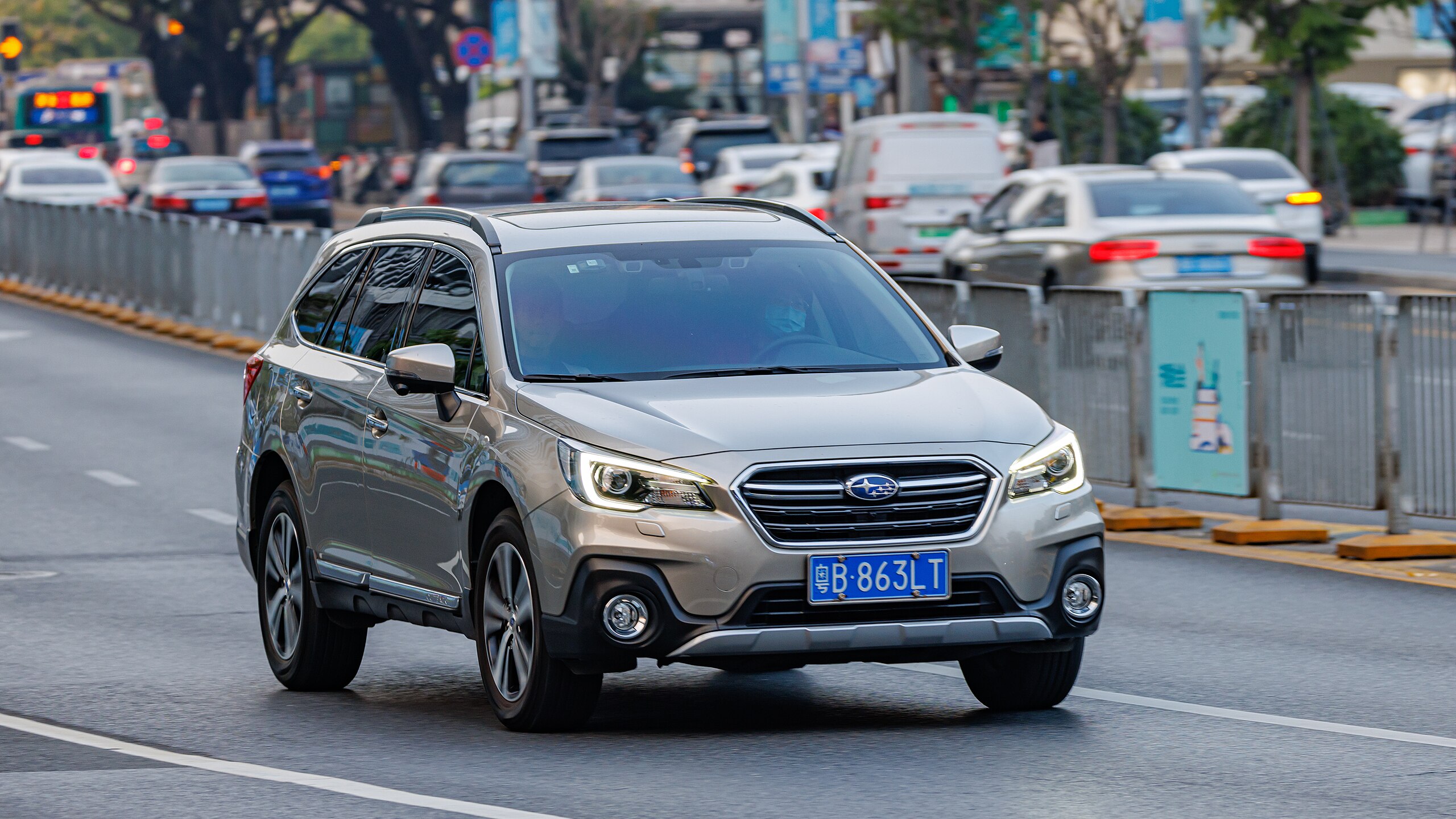
The Subaru Outback occupies a unique space in the automotive market it’s essentially a raised wagon that combines car-like handling with SUV-like capability and practicality.
This versatility makes it exceptionally well-suited for multi-driver families, particularly those living in areas with variable weather conditions.
The standard all-wheel-drive system provides confidence-inspiring traction in rain, snow, and on unpaved roads, which is invaluable when different drivers with varying skill levels encounter challenging conditions.
The Outback’s driving position is one of its key advantages for shared use. Sitting higher than a traditional sedan but not as lofty as a body-on-frame SUV, it provides excellent visibility while remaining easy to get in and out of for people of all ages and mobility levels.
The large windows and relatively thin pillars mean fewer blind spots, helping less experienced drivers stay aware of their surroundings. The moderate size makes it manageable in tight spaces while still offering the interior volume of a much larger vehicle.
Subaru’s EyeSight driver assistance technology is standard across the lineup and represents one of the most comprehensive safety systems available.
It includes adaptive cruise control, pre-collision braking, lane departure and sway warning, and lane keep assist. What sets EyeSight apart is its dual-camera system, which can detect pedestrians, cyclists, and vehicles with impressive accuracy. For parents with teen drivers, this technology provides genuine peace of mind.
The system can even detect driver distraction and provide alerts, potentially preventing accidents caused by momentary lapses in attention.
The interior is thoughtfully designed with practicality in mind. The cargo area is vast and usable, with a low load height and wide opening.
The Outback represents a practical, capable choice that won’t limit any family member’s activities while providing the safety and ease of use that multi-driver households require.
4. Mazda CX-5
The Mazda CX-5 proves that a multi-driver vehicle doesn’t have to be boring or purely utilitarian. This compact SUV manages to combine genuine driving enjoyment with the practicality and ease of use that make it suitable for various family members.
While it’s engaging enough to put a smile on an enthusiast parent’s face, it’s also intuitive and forgiving enough for a newly licensed driver to operate confidently. This balance is rare and valuable in the multi-driver context.
The CX-5’s interior quality punches well above its price point, with materials and build quality that rival luxury competitors. This premium feel creates a pleasant environment that every family member will appreciate, whether they’re making a quick grocery run or embarking on a long road trip.
The seats are particularly noteworthy supportive and comfortable, with excellent bolstering that keeps occupants in place without feeling restrictive. The driving position can be adjusted to suit a wide range of driver heights and preferences, with good visibility in most directions.
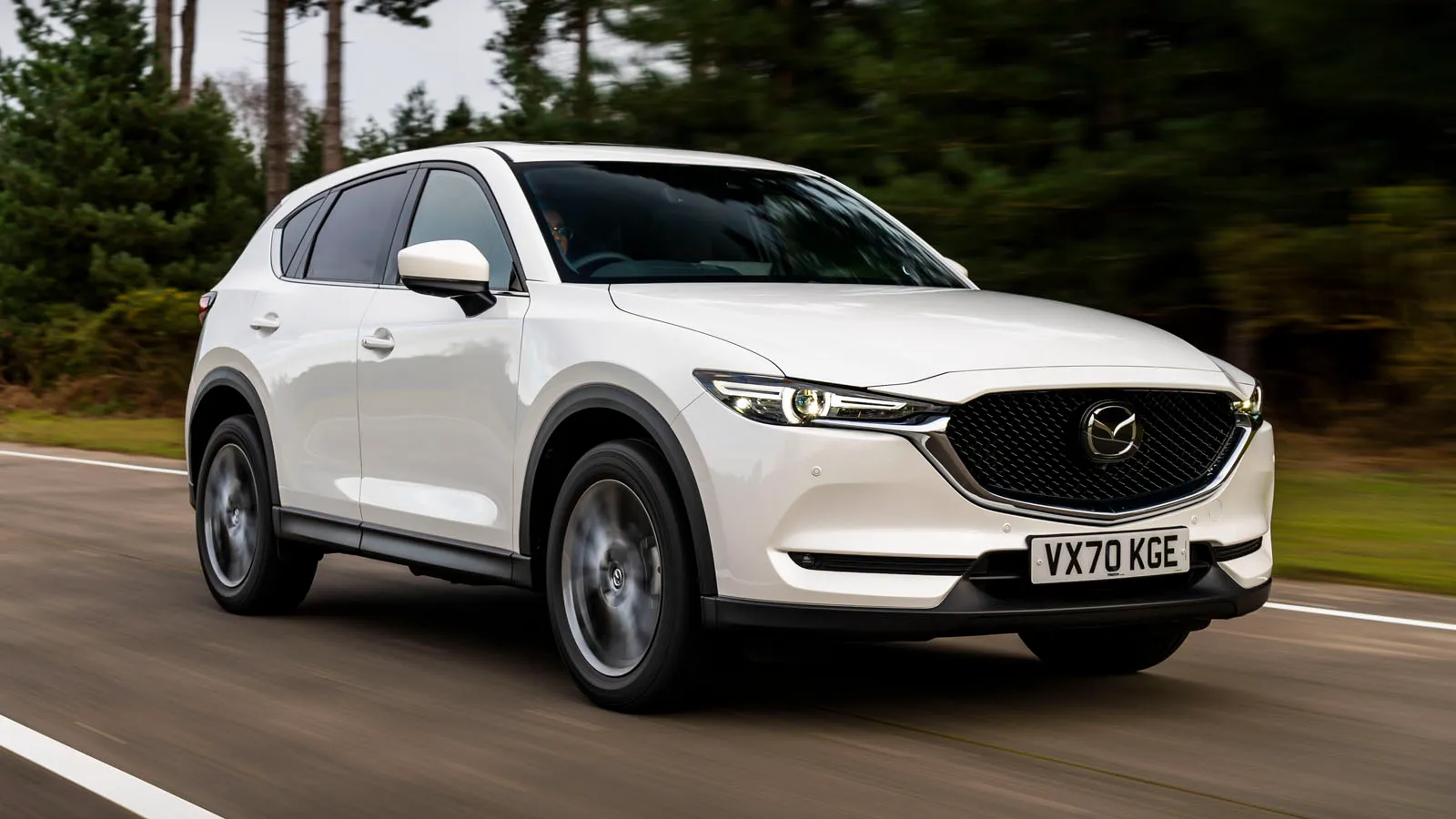
What sets the Mazda apart for multi-driver use is its intuitive nature. The controls are logically arranged and simple to operate, with a rotary commander knob controlling the infotainment system rather than a finicky touchscreen. This means drivers can make adjustments without taking their eyes off the road for extended periods.
The steering communicates road feel better than most competitors, which actually helps drivers even inexperienced ones understand what the vehicle is doing and develop better car control skills. The brakes are progressive and confidence-inspiring, and the throttle response is immediate but not jumpy.
Perhaps most importantly, the CX-5 offers enough driving pleasure that the designated family car enthusiast won’t feel punished when it’s their turn to drive, while remaining accessible enough that other family members won’t be intimidated. This balance makes it a smart choice for multi-driver households seeking something beyond mere transportation.
Also Read: Top 8 Electric SUVs Quick Enough To Beat A Mustang
5. Ford F-150 (Crew Cab)
Including a pickup truck on a list of multi-driver vehicles might seem counterintuitive, but the Ford F-150 in crew cab configuration actually excels in this role for many families, particularly those with active lifestyles or who need genuine utility.
Modern F-150s have evolved far beyond the basic work trucks of yesteryear, now offering car-like comfort, advanced technology, and surprising ease of use that make them suitable for drivers of varying experience levels and needs.
The F-150’s cabin is genuinely spacious, with the crew cab offering adult-sized rear seating that can comfortably accommodate teenagers or friends. The high seating position provides commanding visibility that many drivers find confidence-inspiring, especially in heavy traffic where you can see over surrounding vehicles.
The large mirrors give excellent rearward visibility, and available 360-degree cameras make parking and maneuvering much easier than the truck’s size might suggest. Modern F-150s also feature available Pro Trailer Backup Assist, which simplifies trailer reversing a task that often intimidates even experienced drivers.
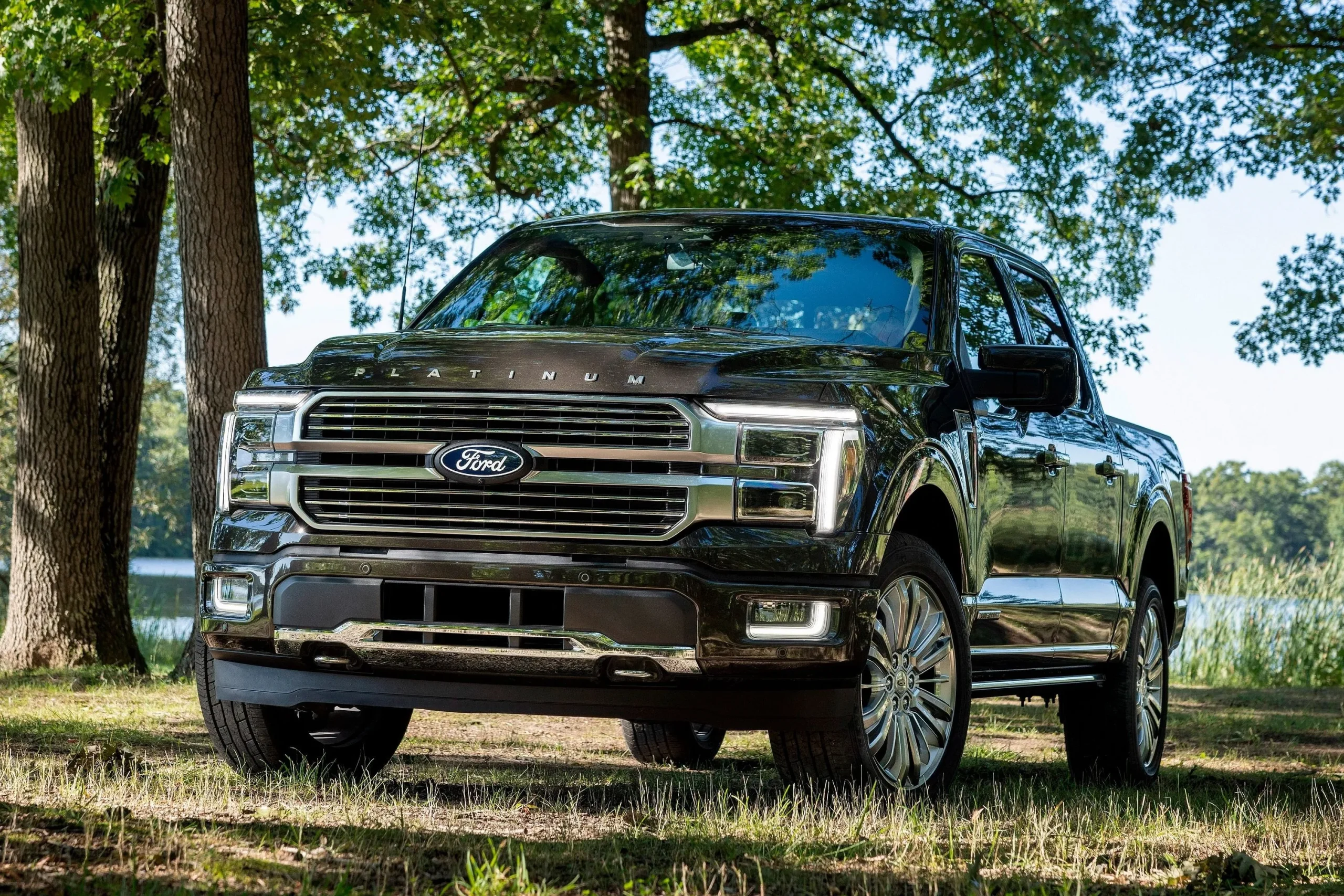
Ford has made significant strides in making the F-150 user-friendly for all drivers. The controls are intuitive, with large, clearly labeled buttons and knobs.
The SYNC infotainment system is responsive and straightforward, with available smartphone integration that makes it easy for any family member to connect their device.
The transmission is a smooth-shifting automatic, and the throttle response can be adjusted through selectable drive modes to suit different conditions or driver preferences.
The available EcoBoost engines provide strong power when needed for towing or hauling while returning surprisingly good fuel economy in normal driving.
Safety technology has become comprehensive in recent F-150s, with available Ford Co-Pilot360 providing automatic emergency braking, blind-spot monitoring, lane keeping assist, and adaptive cruise control. These systems work impressively well even in a vehicle this size, providing an important safety net.
The F-150’s strong frame and excellent crash test ratings offer protection, while the substantial mass provides a feeling of security on the highway.
Maintenance costs are reasonable given the vehicle’s capability, and F-150s generally hold their value exceptionally well. For active families who need to tow boats or campers, haul sports equipment, or tackle home improvement projects, the F-150 offers unmatched versatility while remaining accessible enough for various family members to drive comfortably.
5 Vehicles That Don’t Suit Multi-Driver Homes
These frustratingly exclusive vehicles suffer from limited adjustability and complex systems that create constant friction in multi-driver households, transforming shared vehicle use into daily reconfiguration struggles as cramped cabins exclude taller or shorter drivers, complicated technology confuses less tech-savvy family members, or aggressive characteristics intimidate inexperienced drivers.
Their problematic design includes inadequate seat travel and counterintuitive controls that cannot accommodate diverse driver needs, leading to uncomfortable driving positions for family members outside narrow size ranges, confusion operating unnecessarily complex infotainment systems frustrating older drivers, and touchy throttle response or heavy clutches that terrify teenagers learning to drive or spouses uncomfortable with aggressive characteristics.
1. Porsche 911
The Porsche 911 is an automotive icon and an engineering marvel, but it’s spectacularly unsuited for multi-driver households. This legendary sports car demands a level of commitment, skill, and understanding that makes sharing it among family members impractical at best and potentially dangerous at worst.
Everything about the 911 from its unique rear-engine layout to its performance-oriented controls is optimized for driving engagement rather than ease of use or broad accessibility.
The 911’s driving position takes acclimation, with a low-slung seat and dashboard that create a very different perspective than mainstream vehicles. Visibility is compromised compared to everyday cars, with thick pillars and a low roofline creating significant blind spots.
The rear window is small, and while backup cameras help, judging distances in tight parking situations requires experience with the car’s dimensions. For a driver unfamiliar with the 911, this combination can be intimidating and potentially lead to costly encounters with parking barriers or curbs.
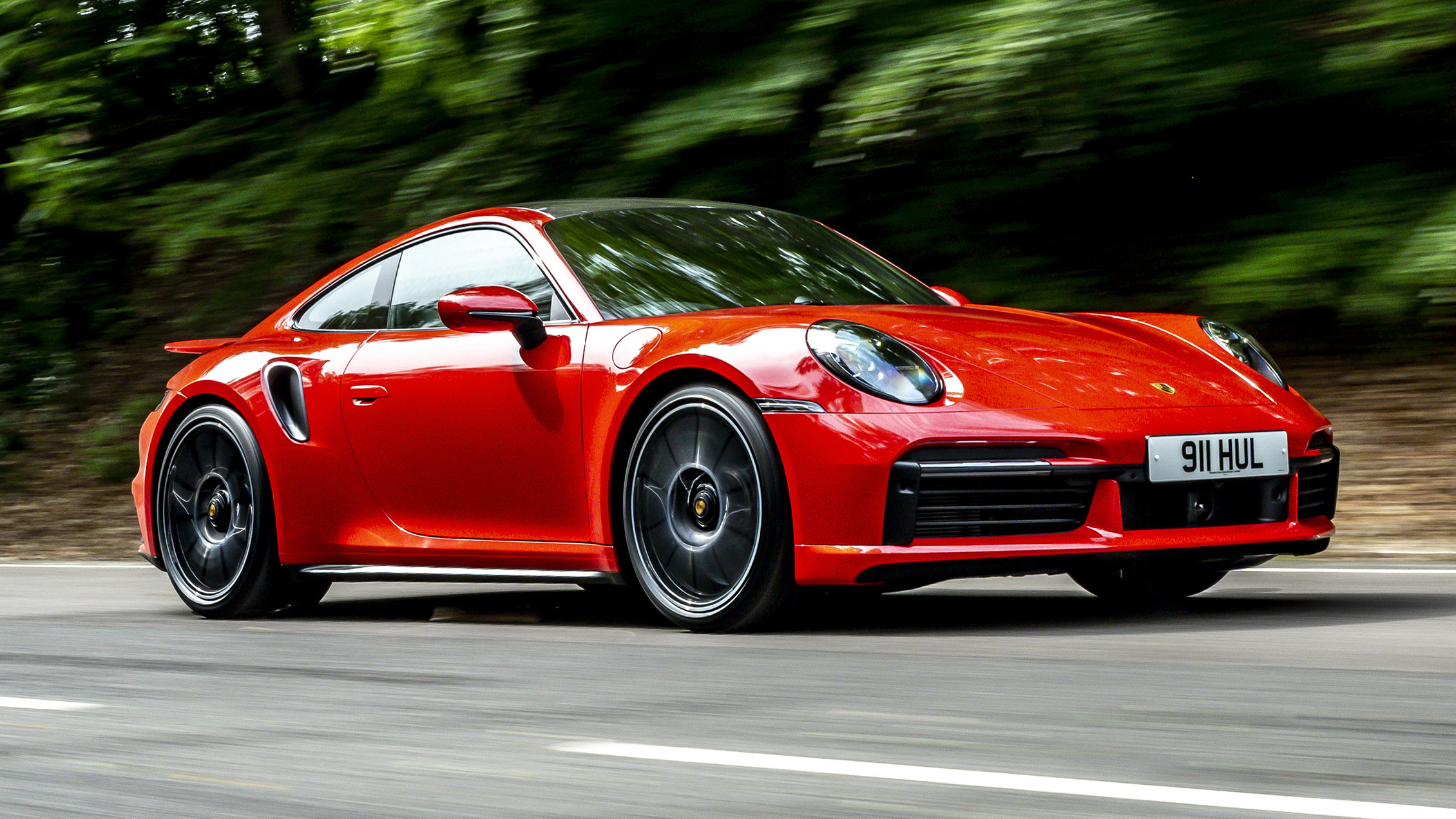
The controls and driving dynamics require understanding and respect. The steering is incredibly quick and communicative—wonderful for an experienced driver on a winding road, but potentially twitchy and nervous-making for someone accustomed to slower, more filtered systems.
The brakes are powerful and require a learning period to modulate smoothly; inexperienced drivers often produce jerky stops. The throttle response, especially in models with sport or track modes engaged, is immediate and aggressive, making smooth around-town driving a learned skill.
Practicality is minimal. The 911 seats only two people comfortably (the rear seats in 2+2 models are barely usable even for children), and the front trunk offers limited cargo space. Running errands becomes complicated, and forget about helping someone move or transporting sports equipment.
Premium fuel is mandatory. The combination of these factors means the 911 is a vehicle best suited to a single enthusiast owner who understands and appreciates its unique characteristics not a family’s shared transportation solution.
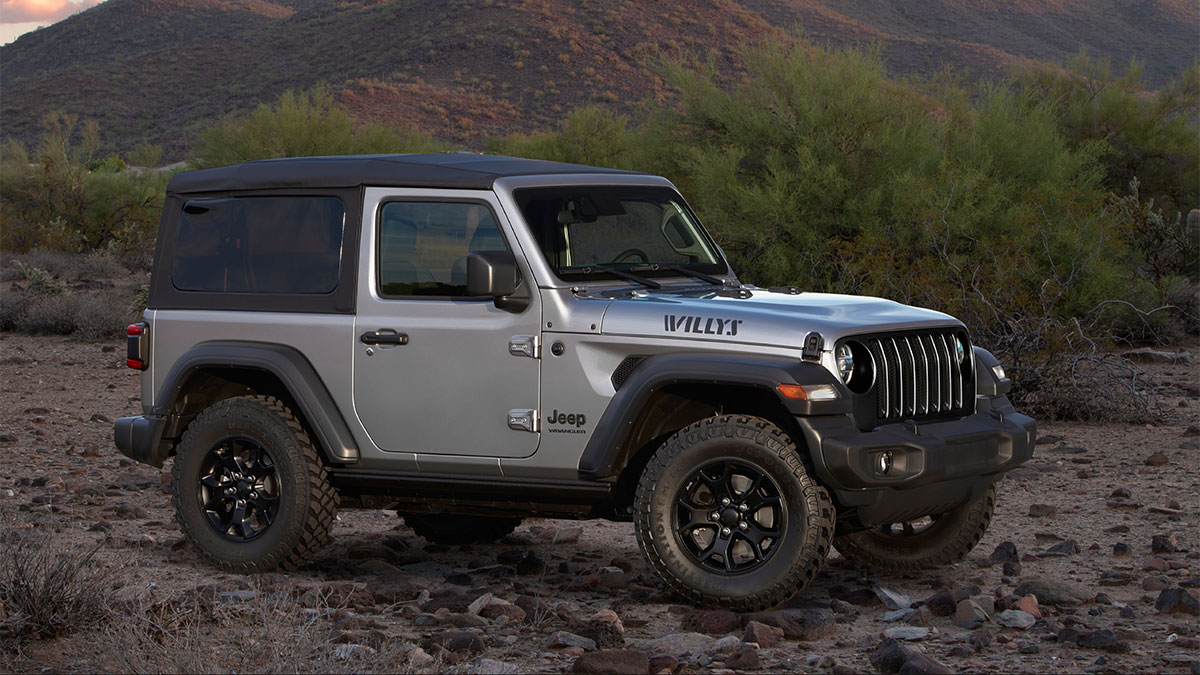
2. Jeep Wrangler (2-Door)
The Jeep Wrangler, particularly in two-door configuration, represents another category of vehicle that seems fun and practical on paper but proves frustrating for multi-driver households in reality.
While the Wrangler has a devoted following and unmatched off-road capability, its compromises make it poorly suited for shared family use. The two-door Wrangler’s quirks and limitations create friction when different drivers with different needs and skill levels must use it regularly.
The Wrangler’s driving dynamics are unlike typical modern vehicles. The solid axles front and rear, while excellent for off-road articulation, create a bouncy, unsettled ride on pavement. The steering is vague and requires constant correction, which can be tiring and unsettling for drivers accustomed to more refined vehicles.
The short wheelbase makes the ride choppy over bumps, and the body-on-frame construction transmits noise and vibration that most modern car buyers find objectionable. Wind noise is pronounced, especially with the removable roof and doors that are part of the Wrangler’s appeal.
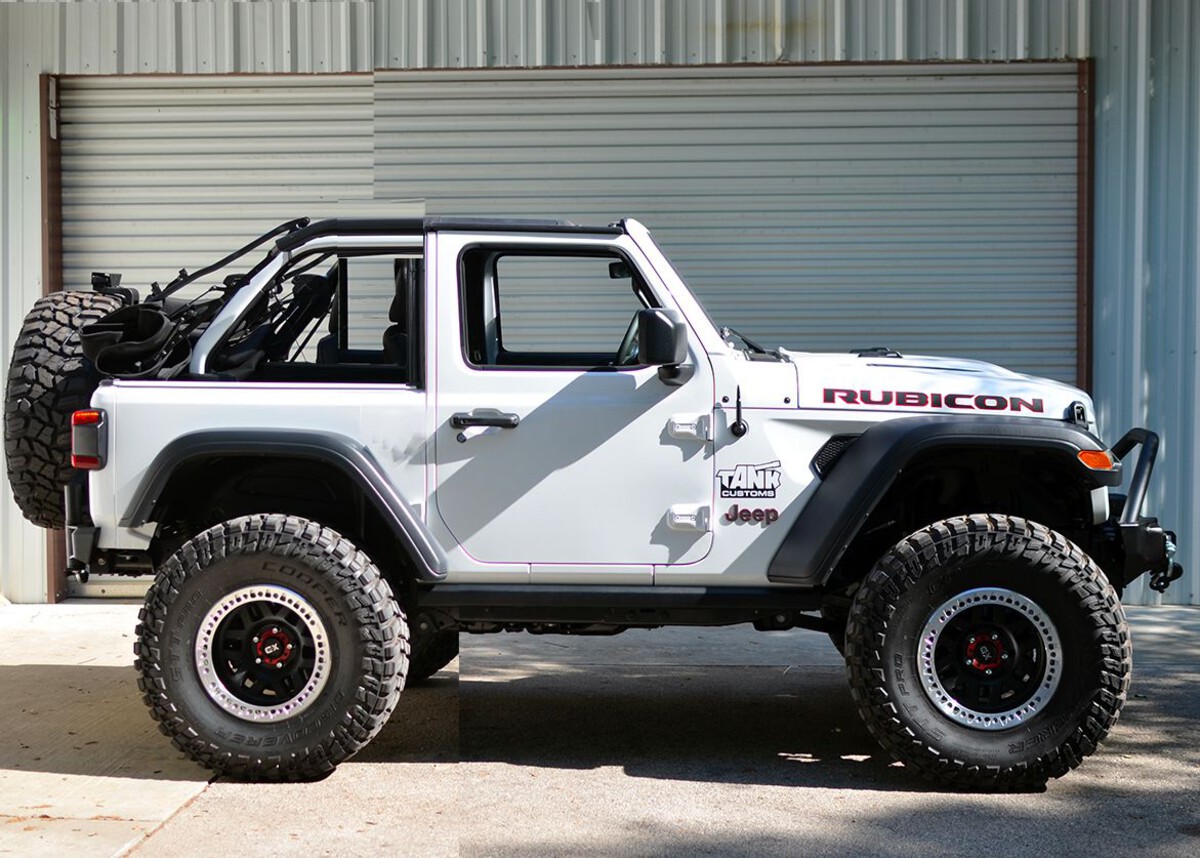
Visibility issues plague the Wrangler from multiple angles. The upright windshield creates glare in certain lighting conditions, the thick A-pillars create substantial blind spots, and the spare tire mounted on the rear swing gate completely blocks the view directly behind the vehicle.
While backup cameras are now standard, they can’t compensate entirely, and less experienced drivers often struggle with the spatial awareness required to safely maneuver the Wrangler in tight spaces. The wide turning radius compounds these challenges in parking lots and urban environments.
Practicality suffers severely in the two-door configuration. The rear seats are cramped and difficult to access, requiring athletic ability to climb past the front seats. This makes the Wrangler unsuitable for regularly carrying more than two people comfortably.
For a single enthusiast who understands and accepts the Wrangler’s compromises, it’s a characterful vehicle. For a multi-driver household, it’s a recipe for complaints and frustration from family members who simply need reliable, comfortable transportation.
3. Tesla Model S Plaid
The Tesla Model S Plaid represents the cutting edge of electric vehicle performance, boasting over 1,000 horsepower and acceleration that defies physics. However, this extreme performance, combined with Tesla’s unique approach to vehicle controls and features, makes it exceptionally unsuited for multi-driver households.
The Plaid’s capabilities far exceed what any public road accommodates safely, and putting such power in the hands of drivers with varying experience levels is a liability waiting to materialize.
The acceleration is genuinely dangerous in untrained hands. With 0-60 mph times under two seconds, the lightest pressure on the accelerator launches the Model S Plaid with a violence that can shock even experienced performance car drivers.
This instantaneous torque delivery, characteristic of electric motors, requires a completely different driving technique than gasoline vehicles.
There’s no gradual power buildup or engine sound to provide feedback just immediate, overwhelming thrust. An inexperienced driver could easily lose control or cause a rear-end collision by vastly underestimating the car’s acceleration capability.
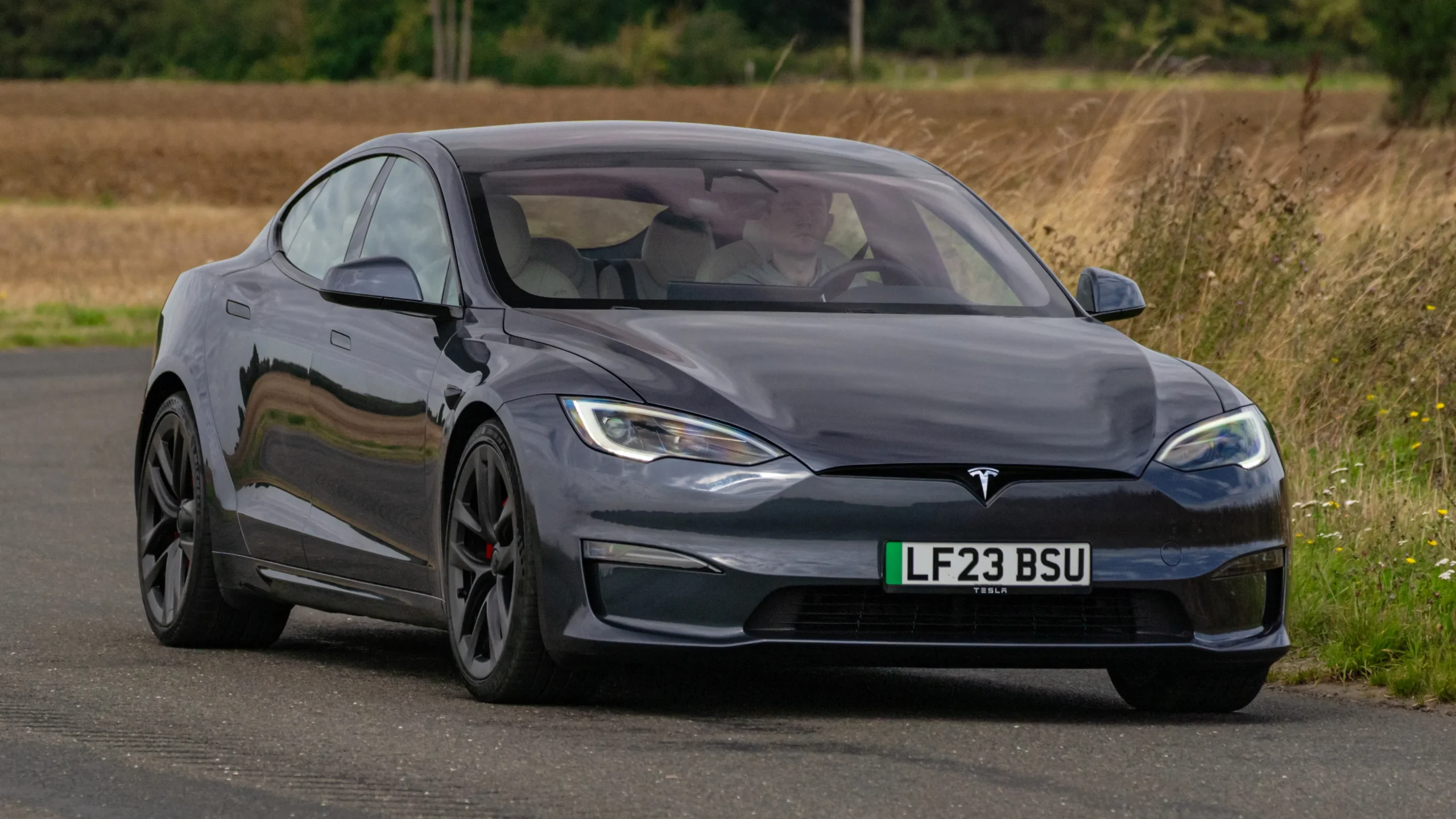
Tesla’s minimalist interior approach, while striking, creates usability challenges for multi-driver households. Nearly all vehicle functions are controlled through the central touchscreen, from adjusting mirrors and steering wheel position to changing climate settings and opening the glovebox.
This requires drivers to go through multiple menu layers for tasks that are immediate physical controls in conventional vehicles. Different family members must relearn where functions are located, and making adjustments while driving requires taking eyes off the road a significant safety concern.
The driving dynamics are unlike traditional vehicles in ways that extend beyond acceleration. The extremely heavy battery pack creates tremendous mass that, despite the low center of gravity, carries significant momentum.
Insurance costs are astronomical, especially with young drivers on the policy. The Plaid’s performance tires wear out quickly and cost a fortune to replace costs that multiply when multiple drivers are using the vehicle. While the Model S makes sense for a technology enthusiast with deep pockets and a light right foot, it’s spectacularly wrong for the varied needs and skill levels present in multi-driver households.
4. Mazda MX-5 Miata
The Mazda MX-5 Miata is widely celebrated as one of the purest, most enjoyable sports cars available, offering engaging driving dynamics at an accessible price point.
However, this focus on driving pleasure comes with compromises that make it completely impractical for multi-driver household duty. The Miata’s limitations in space, weather protection, and everyday usability mean it can only serve as a pleasure vehicle, not as shared transportation that must accommodate various needs.
The most obvious limitation is seating the Miata is strictly a two-seater. This immediately disqualifies it from duties like carpooling, taking the family out, or helping friends move.
In a multi-driver household, the vehicle often needs to accommodate more than just the driver, whether that’s picking up a sibling from practice, giving a friend a ride, or transporting elderly parents.
The Miata simply can’t perform these basic family vehicle functions. The compact dimensions that make it nimble and fun also mean there’s essentially no storage space the trunk barely fits a couple of small bags, making grocery runs or weekend trips logistical challenges.
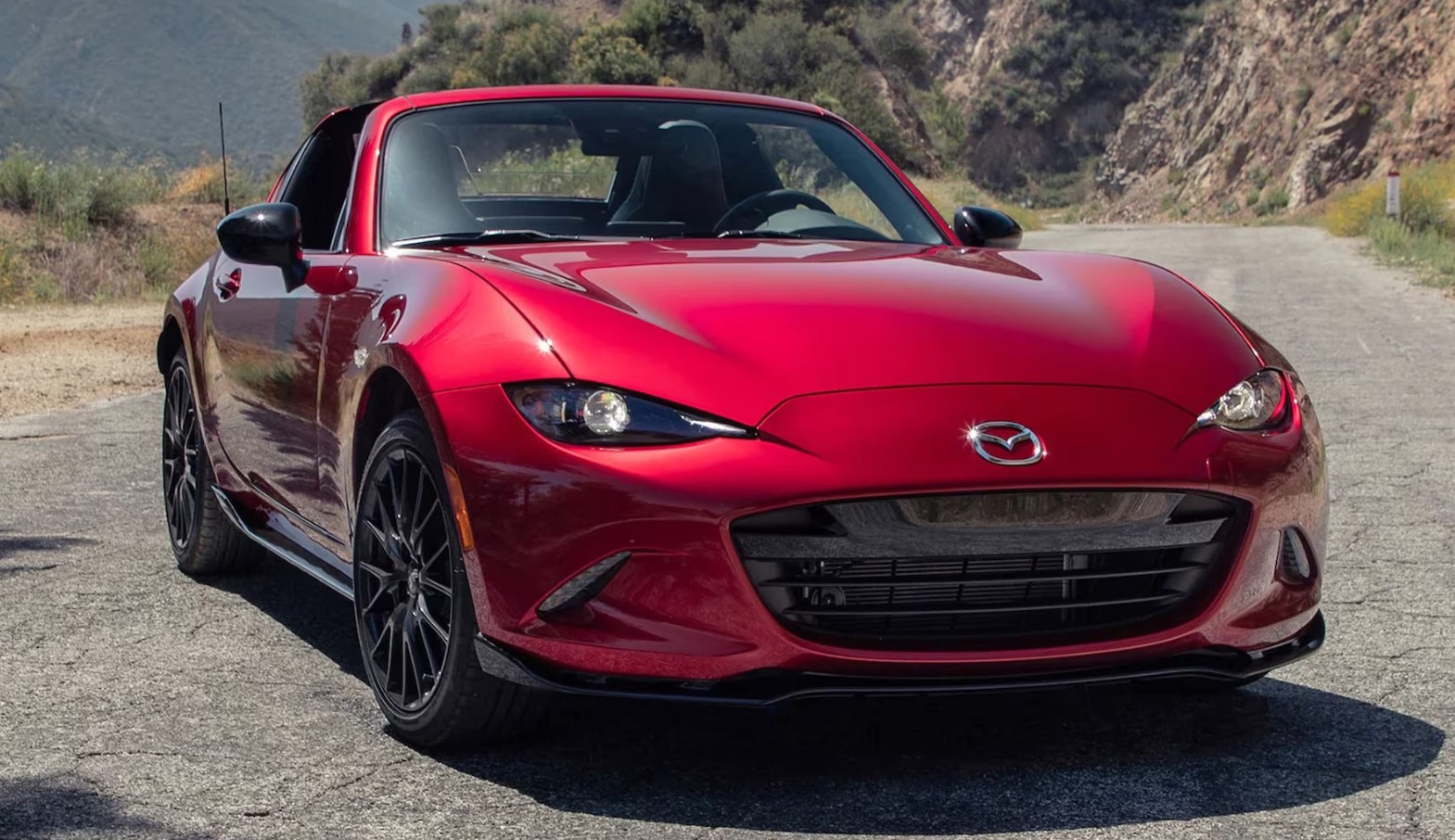
The convertible top, while central to the Miata’s appeal, creates practical problems for shared use. Some drivers will be comfortable with the top down in various conditions, while others will prefer it up. Raising and lowering the top (even the easy manual version) adds time to every trip.
Security becomes a concern the soft top can be cut, so you can’t leave valuable items in the car, and different drivers may have varying levels of diligence about remembering this. In cold or rainy climates, the Miata becomes significantly less appealing as daily transportation, and not all drivers will appreciate commuting in a small convertible during winter.
The driving position is low very low which some people love and others find claustrophobic or difficult to get in and out of. This low seating and the tight cockpit mean the Miata isn’t suitable for larger or less mobile family members. Visibility is compromised when the top is up, with thick pillars and a small rear window creating blind spots.
The minimal sound insulation means highway trips are noisy and fatiguing. The firm, sport-tuned suspension that makes the Miata entertaining on back roads translates to a harsh ride on broken pavement, which many drivers will find objectionable for daily commuting.
It’s a fantastic weekend toy or second car for an enthusiast, but as a shared family vehicle expected to handle school runs, commuting, errands, and social obligations for multiple people, the Miata is comically inadequate.
5. Ram 2500 HD Diesel
Heavy-duty pickup trucks like the Ram 2500 HD with the Cummins diesel engine offer exceptional capability for towing and hauling, but this specialization makes them poorly suited for multi-driver household duty unless that household has very specific and consistent needs that match the truck’s strengths.
For most families, the HD truck’s size, complexity, costs, and compromises create more problems than the capability solves. The sheer size is the first challenge. The Ram 2500 HD, especially in crew cab long bed configuration, stretches over 20 feet long and stands over six feet tall, not including mirrors.
This massive footprint makes parking a nightmare in urban and suburban environments. Standard parking spaces feel inadequate, multi-level garages may have height restrictions, and maneuvering through tight drive-throughs or parking structures requires skill and confidence that not all drivers possess.
Less experienced family members may avoid using the truck entirely rather than face these challenges, or worse, they might attempt maneuvers beyond their ability and cause expensive damage.
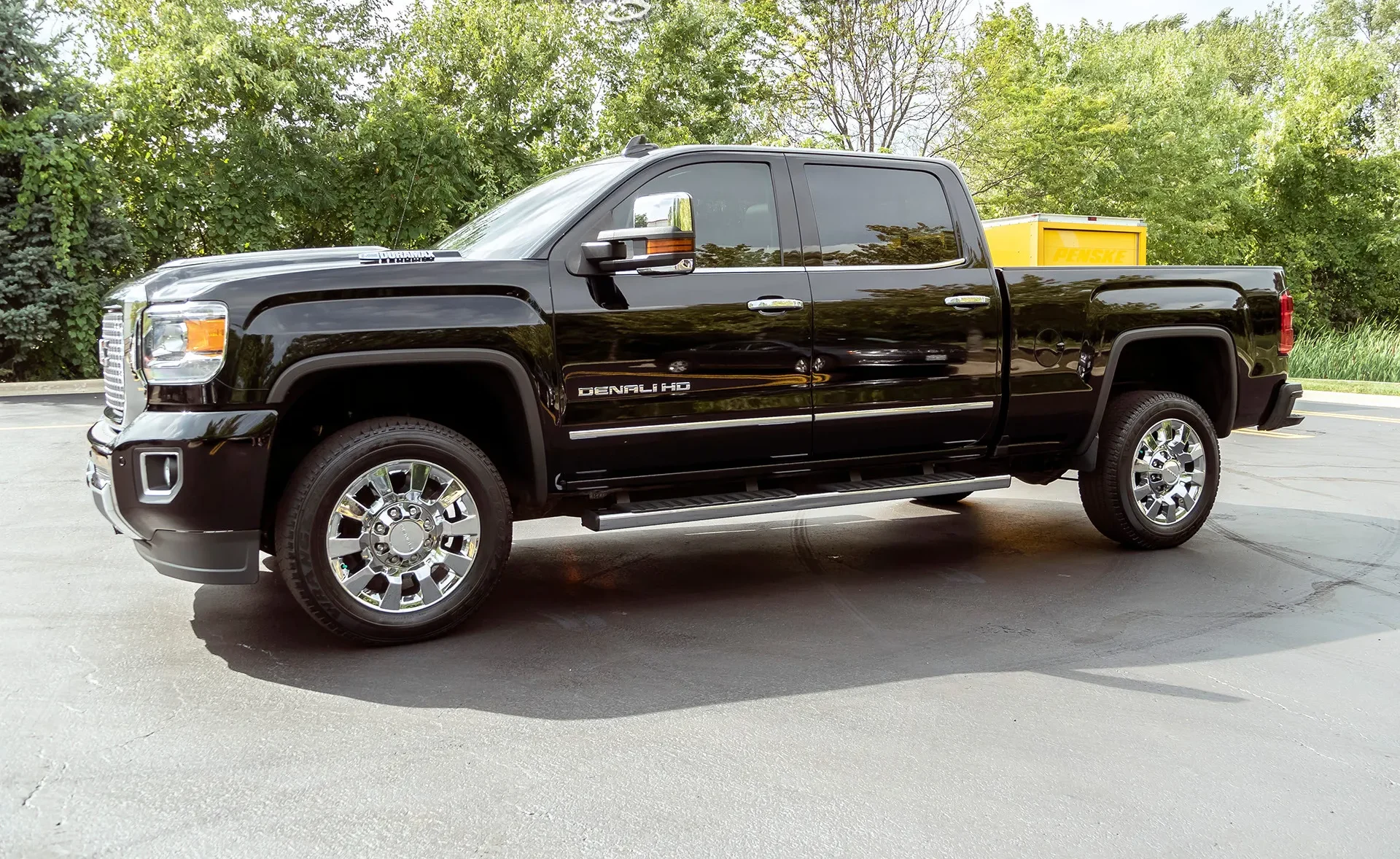
Visibility issues are significant despite the high seating position. The long hood makes it difficult to judge distances in front of the truck, the massive mirrors (necessary for towing but inconvenient otherwise) extend far from the body and are easy to clip on garage doors or other vehicles, and the high beltline means you can’t easily see directly beside the truck.
While modern cameras and sensors help, they can’t entirely compensate for the spatial awareness required to safely operate such a large vehicle. Different drivers will have vastly different comfort levels with these dimensions.
Costs multiply quickly. Purchase price is high often exceeding $70,000 for well-equipped models. Insurance is expensive due to the vehicle’s value and the increased damage such a large, heavy vehicle can inflict in accidents.
The HD truck makes perfect sense for contractors, ranchers, or serious RV enthusiasts, but it’s overkill and impractical for most multi-driver households.
Also Read: Top 10 ’80s Sports Cars That Are Still Worth Your Money
