
The delivery industry has experienced explosive growth in recent years, transforming how we receive everything from groceries to packages.
Whether you’re a gig economy driver working with DoorDash, Uber Eats, or Amazon Flex, or running your own delivery business, choosing the right vehicle can make the difference between profitability and frustration
The ideal delivery vehicle needs to balance several critical factors: fuel efficiency to minimize operating costs, reliability to avoid costly downtime, cargo space to accommodate various package sizes, easy access for frequent stops, and low maintenance expenses to protect your bottom line.
Not all vehicles are created equal when it comes to delivery work. Some cars seem perfect on paper but reveal significant shortcomings after months of daily use, while others prove themselves as workhorses that keep running reliably despite challenging conditions.
The wrong vehicle choice can drain your earnings through excessive fuel consumption, frequent repairs, or insufficient cargo capacity that limits the deliveries you can accept. Conversely, the right vehicle becomes an invaluable business partner, maximizing your earning potential while minimizing headaches.
In this comprehensive guide, we’ll examine five vehicles that excel in delivery applications and five that consistently disappoint drivers. We’ll explore what makes certain cars ideal for this demanding work and why others should be avoided, helping you make an informed decision that supports your delivery business success.
5 Cars That Work Well for Delivery Use
These exceptionally practical vehicles feature durable construction and excellent fuel economy perfectly suited for constant stop-and-go delivery routes, providing reliable transportation through hundreds of daily starts and stops without the mechanical wear typically destroying vehicles subjected to extreme-duty cycles that delivery work demands.
Their robust engineering includes proven drivetrains and easy-access cargo areas that resist the premature failures found in fragile vehicles while delivering excellent visibility for going through the tight residential streets, fuel efficiency offsetting constant idling and short trips, and cargo flexibility accommodating various package sizes without requiring constant reorganization.
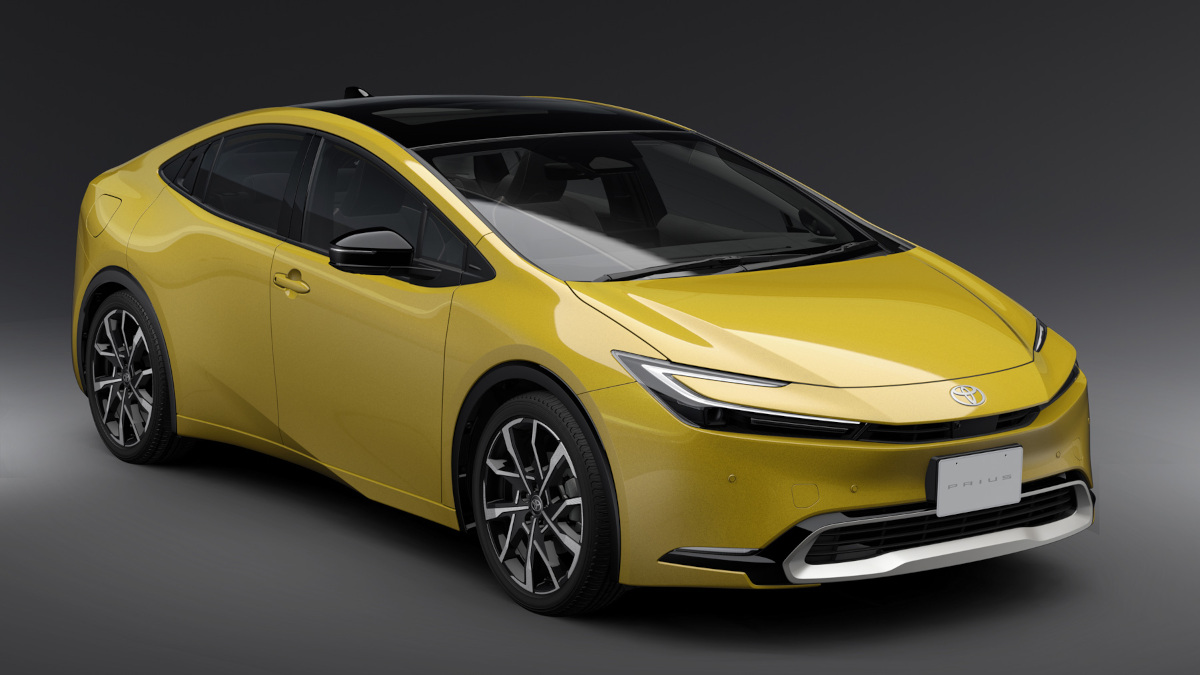
1. Toyota Prius (2010-Present)
The Toyota Prius has become almost synonymous with delivery driving, and there’s excellent reason for its popularity among professional drivers.
This hybrid sedan represents perhaps the single best value proposition for anyone serious about delivery work, combining exceptional fuel economy with legendary Toyota reliability and surprisingly practical cargo capabilities.
Fuel efficiency stands as the Prius’s most compelling advantage. Depending on the generation and driving conditions, the Prius achieves between 50-58 MPG combined, with some drivers reporting even higher numbers in ideal conditions.
When you’re covering 100-200 miles daily for delivery work, this efficiency translates directly into profit.
A Prius driver might spend $20-30 on fuel for a full day’s work, while someone in a conventional sedan could easily spend $50-60 covering the same distance. Over a year of full-time delivery driving, this difference amounts to thousands of dollars in savings.
Reliability further enhances the Prius’s value proposition. Toyota has refined the hybrid system across multiple generations, and properly maintained Prius vehicles routinely exceed 200,000 miles with minimal issues. Delivery drivers have reported successfully using their Prius past 300,000 miles while still achieving respectable fuel economy.
This longevity means lower total cost of ownership and fewer unexpected breakdowns that cost you working days and income. The cargo area proves more versatile than many expect.
While the Prius is a sedan, the hatchback design provides surprisingly generous space with the rear seats folded down. You can easily accommodate multiple large pizza delivery bags, dozens of restaurant orders, or a substantial number of packages. The low loading height makes frequent loading and unloading less physically taxing than with higher SUVs or crossovers.
Maintenance costs remain reasonable, particularly for routine services. However, potential buyers should be aware that hybrid battery replacement can cost $2,000-4,000 if needed, though these batteries typically last 150,000-200,000 miles.
Many drivers find that the fuel savings more than compensate for this eventual expense. Parts availability is excellent given the Prius’s popularity, and many mechanics are now familiar with hybrid systems.
The driving experience in a Prius suits delivery work well. The continuously variable transmission provides smooth acceleration, the turning radius facilitates tight parking maneuvers, and the regenerative braking system actually benefits from the frequent stop-and-go nature of delivery driving by recapturing energy. Visibility is good, making it easier to go through the unfamiliar neighborhoods and tight apartment complexes.
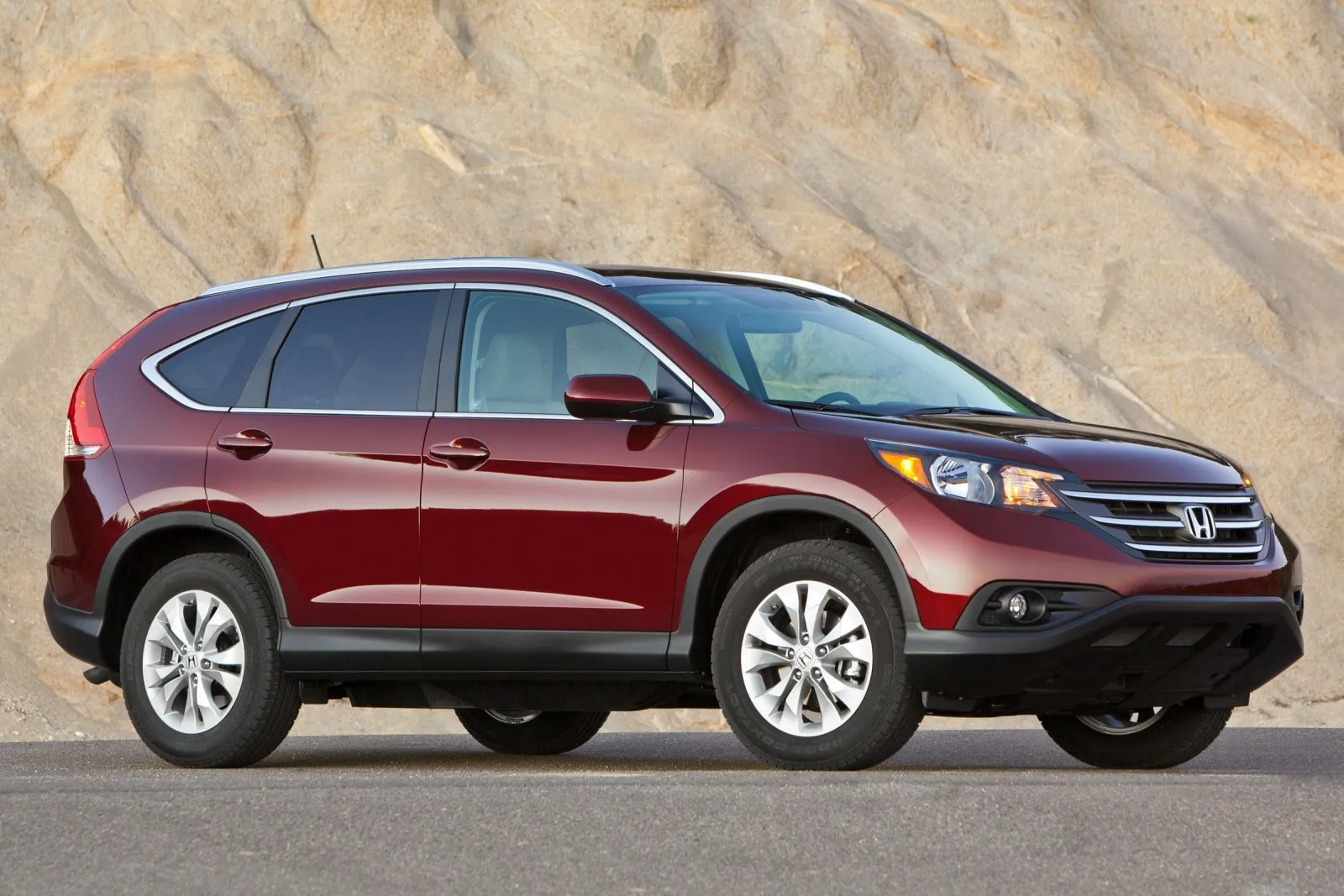
2. Honda CR-V (2012-Present)
The Honda CR-V represents the sweet spot for drivers who need more cargo capacity than a sedan can provide but don’t want the fuel consumption and maintenance costs associated with larger SUVs.
This compact crossover has earned its reputation as one of the most reliable vehicles available while offering practical features that delivery drivers genuinely appreciate.
Cargo space is where the CR-V truly shines for delivery applications. With the rear seats folded, you gain access to approximately 70 cubic feet of cargo area, allowing you to handle larger deliveries, multiple orders simultaneously, or bulkier items that simply won’t fit in standard sedans.
The wide rear hatch opening and relatively low loading height make frequent loading and unloading less physically demanding. Delivery drivers handling furniture, appliances, or large catering orders find the CR-V’s capacity invaluable.
Fuel economy, while not matching the Prius, remains respectable for an SUV. Recent CR-V models achieve 28-30 MPG combined, with some drivers reporting slightly better numbers during highway-heavy delivery routes.
This efficiency means you can handle larger deliveries without the fuel penalty you’d experience with full-size SUVs. The fuel tank capacity also allows extended driving ranges between fill-ups, reducing time spent at gas stations.
Honda’s legendary reliability extends fully to the CR-V. These vehicles regularly surpass 200,000 miles with proper maintenance, and the mechanical simplicity compared to luxury competitors means fewer expensive repairs.
The naturally aspirated engines in most CR-V models are particularly durable, avoiding the potential complications associated with turbocharged alternatives. Transmission reliability has been generally excellent, especially in models from 2015 onward.
Maintenance and repair costs remain moderate. Honda parts are widely available and reasonably priced, and virtually any mechanic can service a CR-V competently. Routine maintenance intervals are generous, and the CR-V doesn’t demand premium fuel or specialized fluids. This accessibility keeps operating costs manageable even as mileage accumulates.
The driving dynamics suit delivery work surprisingly well. The raised seating position provides excellent visibility for going through the unfamiliar areas and spotting addresses, while the compact dimensions make parking and maneuvering easier than with larger SUVs.
The suspension handles both smooth highways and rougher urban streets comfortably, and the all-wheel-drive option available on most models provides confidence in adverse weather conditions without significantly impacting fuel economy.
Honda’s practical interior features enhance the delivery experience. Multiple storage compartments keep delivery supplies organized, the climate control system works efficiently, and the infotainment systems in newer models integrate well with navigation apps essential for delivery work. The seats remain comfortable even during long shifts, reducing driver fatigue.
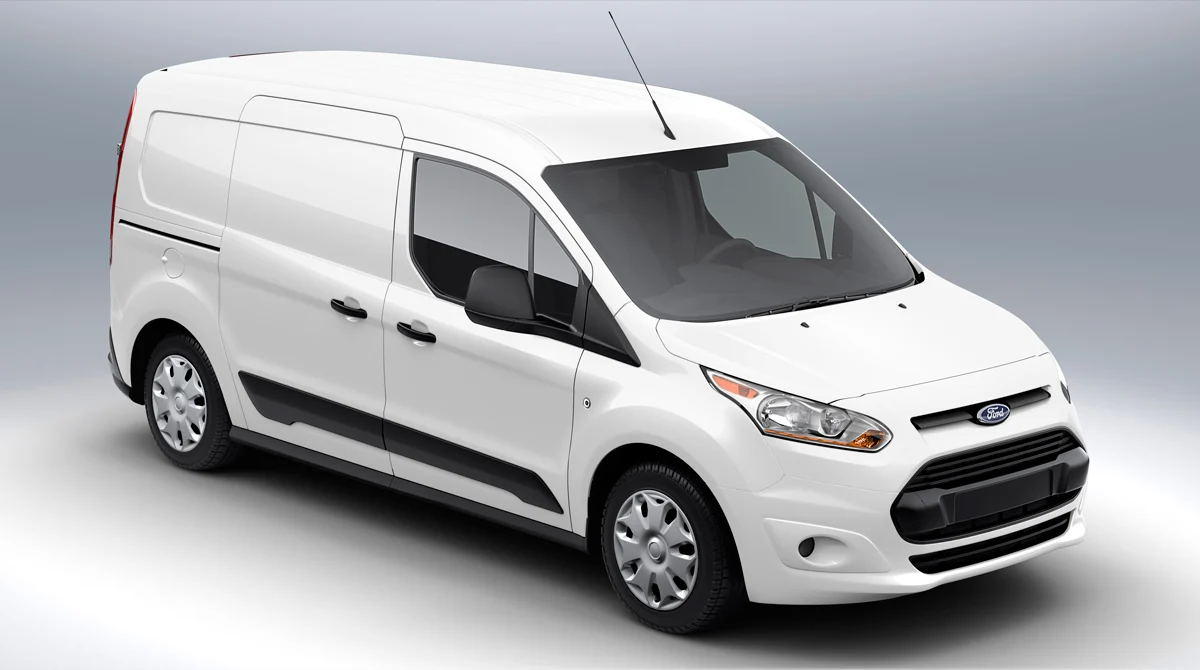
3. Ford Transit Connect (2014-Present)
The Ford Transit Connect occupies a unique niche as a purpose-built commercial vehicle that’s sized appropriately for individual delivery drivers rather than large fleets.
This compact cargo van delivers professional-grade capability in a package that’s easier to drive and park than full-size vans, making it ideal for drivers handling significant package volumes or needing dedicated cargo separation.
Cargo capacity is the Transit Connect’s defining advantage. The cargo van version offers approximately 104-130 cubic feet of space depending on wheelbase, providing room for dozens of packages, multiple restaurant orders, or larger items that simply won’t fit in conventional vehicles.
The separation between cargo area and driver compartment protects your payload from weather, prevents items from shifting into the passenger area during transit, and provides a professional appearance that can help when handling commercial deliveries. The upright cargo area design proves more practical than sedan or SUV cargo spaces for certain delivery types.
You can stack packages efficiently, install shelving systems to organize deliveries by route, or carry items that need to remain upright. The side sliding door and rear barn doors provide excellent access, and the floor height, while higher than a sedan, remains manageable for frequent loading and unloading.
Fuel economy averages 24-27 MPG combined, which is respectable for a commercial vehicle offering this much capacity. While not matching sedan efficiency, the Transit Connect allows you to consolidate deliveries you might need multiple trips to complete in a smaller vehicle, potentially improving efficiency. The EcoBoost engine option provides adequate power while maintaining reasonable fuel consumption.
Reliability has generally been good, though the Transit Connect requires more maintenance attention than passenger vehicles given its commercial nature.
Regular oil changes become increasingly important with high-mileage delivery use, and suspension components may need attention sooner given the vehicle’s load-carrying duties. However, Ford has extensive commercial vehicle experience, and parts availability is excellent.
The driving experience takes some adjustment if you’re accustomed to passenger cars. The Transit Connect drives more like a van than a car, with lighter steering and a bouncier ride when empty.
However, visibility is exceptional thanks to the upright seating position and large windows, making it easier to spot addresses and go through the tight spaces. The turning radius is surprisingly tight for a commercial vehicle. For serious delivery businesses, the Transit Connect offers features that justify its higher purchase price.
The payload capacity exceeds what sedans and crossovers can safely handle, the durable construction withstands commercial use, and the professional appearance can help when pursuing commercial delivery contracts. Some insurance providers offer commercial vehicle rates that recognize the Transit Connect’s business-oriented design.
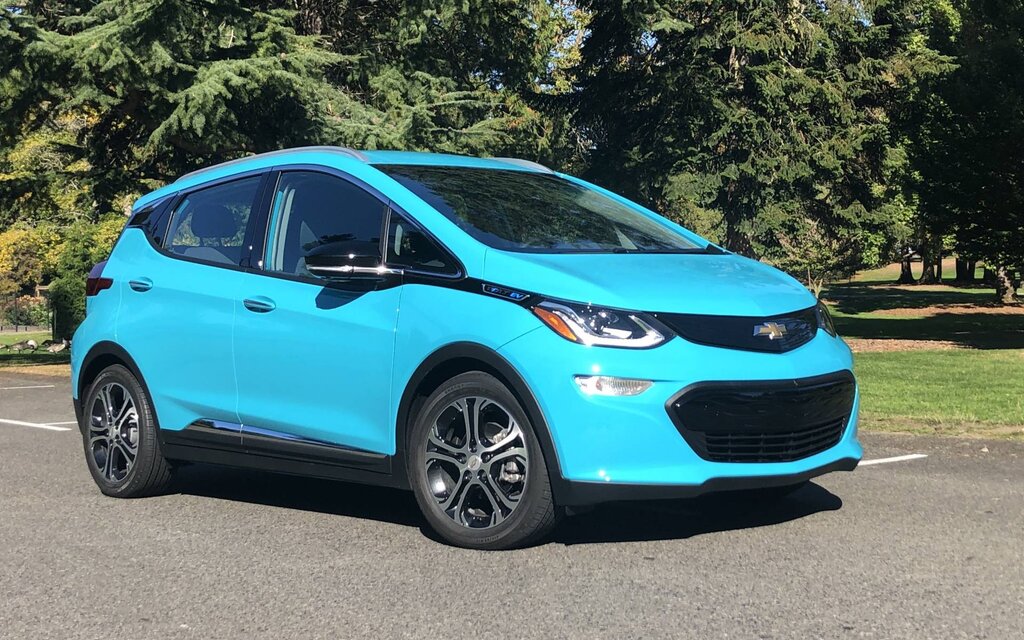
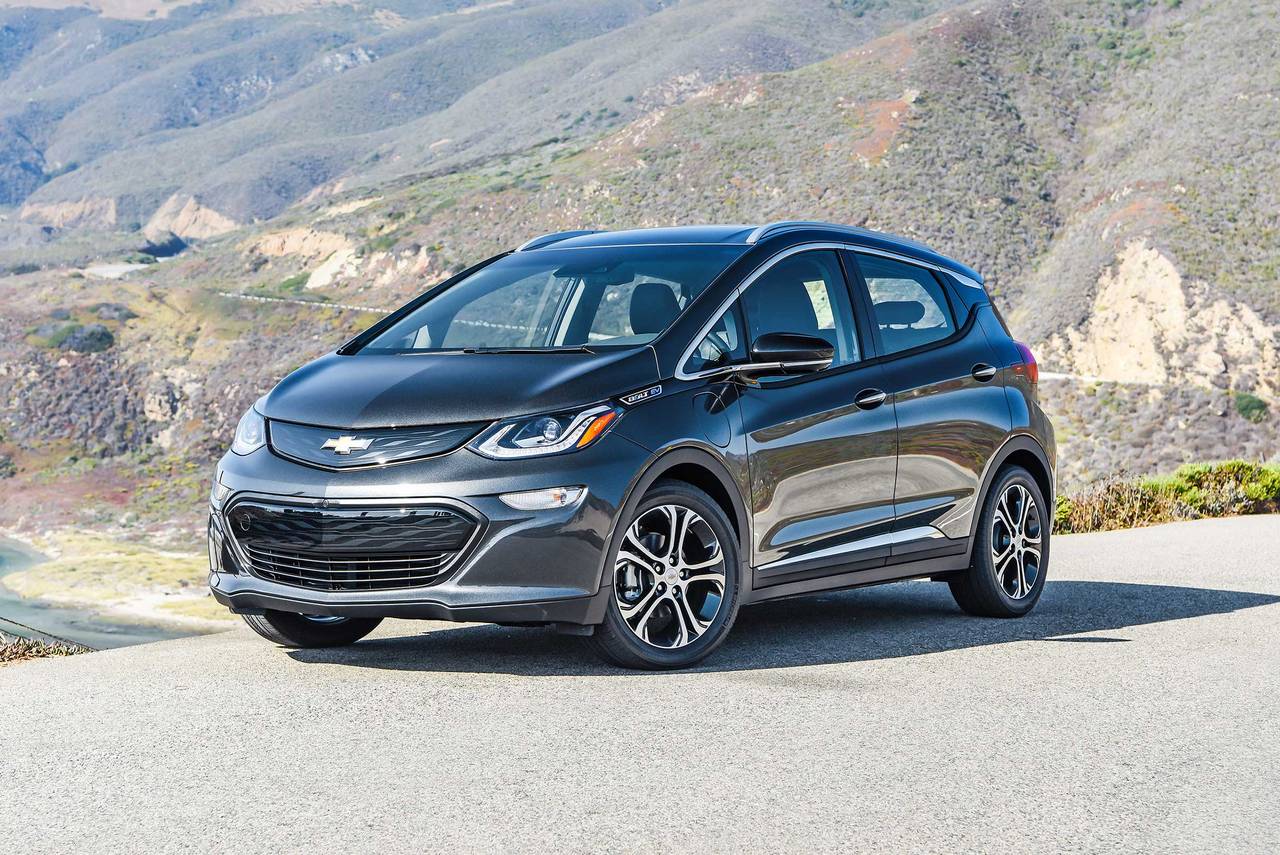
4. Chevrolet Bolt EV (2017-Present)
The Chevrolet Bolt EV represents the future of delivery driving, offering zero fuel costs and minimal maintenance in an affordable electric vehicle package.
For drivers with access to home charging or convenient public charging infrastructure, the Bolt delivers operating cost advantages that quickly offset its higher purchase price while providing environmental benefits increasingly valued by consumers.
Operating costs create the Bolt’s most compelling advantage. Electricity costs roughly one-third what gasoline costs per mile, meaning a full charge costing $5-10 provides 250+ miles of range.
Delivery drivers completing 150 miles daily might spend $7 in electricity versus $25-35 in gasoline, saving $500-700 monthly. These savings accumulate rapidly, and many drivers find the Bolt pays for itself within 3-4 years compared to conventional vehicles.
Maintenance requirements are dramatically reduced compared to internal combustion vehicles. No oil changes, no transmission fluid services, no spark plugs, and minimal brake wear thanks to regenerative braking.
Routine maintenance consists primarily of tire rotations and cabin air filter changes. Drivers report annual maintenance costs of just $100-200, compared to $500-1,000+ for conventional vehicles seeing similar mileage.
The range of 250+ miles proves adequate for most delivery drivers’ daily needs. Unless you’re driving extremely long distances or working extended shifts, you can complete a full day’s deliveries and recharge overnight.
The key consideration is charging access. Home charging using a Level 2 charger provides a full charge overnight, while public fast charging can add 100 miles in about 30 minutes if needed during your shift.
Technology features enhance the delivery experience. The Bolt includes standard navigation, smartphone integration for delivery apps, and features like remote climate pre-conditioning that let you heat or cool the vehicle while plugged in, preserving battery range. The estimated range display helps you plan your day confidently.
Also Read: Top 9 SUVs With Designs That Refuse To Blend In
5. Subaru Outback (2015-Present)
The Subaru Outback bridges the gap between traditional sedans and SUVs, offering a unique combination of capabilities that make it surprisingly well-suited for delivery work, particularly in regions with challenging weather conditions.
This wagon-based crossover provides sedan-like fuel efficiency and handling with enhanced cargo capacity and all-weather capability that keeps you working when others are stuck.
All-wheel drive is the Outback’s signature feature, and it provides genuine value for delivery drivers. In regions with snow, ice, or frequent rain, the Outback’s AWD system maintains traction and confidence when two-wheel-drive vehicles struggle.
This capability means fewer cancelled shifts due to weather, more consistent income, and enhanced safety. The increased ground clearance also handles poorly maintained roads, deep puddles, and unplowed streets better than low-slung sedans.
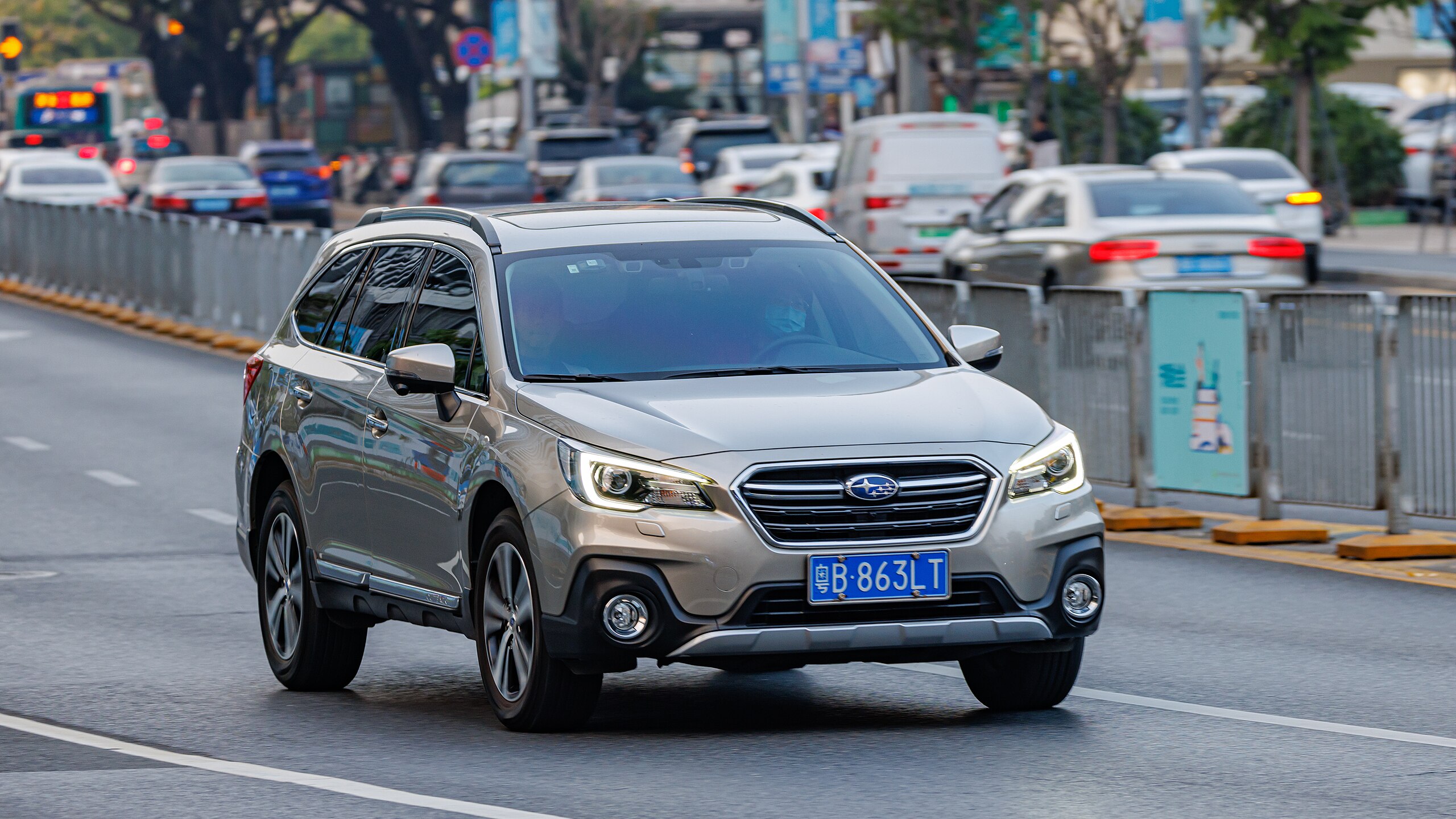
Cargo capacity exceeds what typical sedans offer while avoiding the bulk of larger SUVs. The Outback provides about 75 cubic feet of cargo space with the rear seats folded, comparable to compact SUVs but in a lower, more fuel-efficient package.
The wagon design creates a long, relatively flat cargo floor ideal for carrying multiple orders or larger items. The wide hatch opening facilitates easy loading and unloading.
Comfort during extended driving shifts is a notable strength. The seats provide good support, the suspension absorbs bumps effectively, and the cabin remains quiet at highway speeds.
The climate control system works efficiently, important when making frequent stops that cycle between outside temperatures and climate-controlled interiors. The interior materials hold up well to commercial use, maintaining their appearance even with high mileage.
5 Cars That Don’t Work Well for Delivery Use
These catastrophically unsuited vehicles suffer from inadequate durability and poor fuel economy that create operational nightmares for delivery use, transforming gig work into money-losing propositions as constant stop-and-go cycles destroy transmissions, thirsty engines consume profits through terrible city fuel economy, and impractical designs complicate simple package delivery tasks.
Their problematic engineering includes fragile transmissions and cramped cargo areas that cannot withstand delivery-duty abuse, leading to catastrophic transmission failures before 100,000 miles from constant cycling, fuel costs exceeding earnings on short-trip routes, and awkward cargo access requiring contortionist moves retrieving packages from deep trunks during time-sensitive deliveries.
1. Subaru Outback(Any Year)
The BMW 3 Series represents everything delivery drivers should avoid in a work vehicle. While these German luxury sedans offer refined driving dynamics and premium features, they create financial nightmares for anyone attempting to use them for high-mileage delivery work.
The combination of poor fuel economy, expensive maintenance, costly repairs, and rapid depreciation makes the 3 Series an extraordinarily poor value proposition for commercial use.
Maintenance costs alone disqualify the 3 Series from delivery consideration. BMW designs these vehicles for owners who visit dealerships for scheduled maintenance and have warranties covering repairs. Oil changes cost $150-250 at dealerships, compared to $40-70 for Japanese economy cars.
BMW requires specialized synthetic oils, expensive filters, and has shorter service intervals than mainstream brands. Brake jobs cost $800-1,500 due to premium parts and complex systems. These routine expenses accumulate quickly when you’re driving 30,000-50,000 miles annually.
Reliability problems compound the cost issues. BMWs are engineered for performance rather than durability, using complex systems that fail more frequently than simpler designs.
Common problems include water pump failures, cooling system leaks, electrical issues, turbocharger problems, and transmission malfunctions.
These repairs easily cost $1,500-5,000, potentially exceeding your monthly delivery earnings. Unexpected breakdowns don’t just cost repair money they cost working days and income.
Fuel economy disappoints given the 3 Series’ size. Most models achieve only 24-28 MPG combined, significantly worse than economy cars designed for efficiency.
When you’re driving 150-200 miles daily, this inefficiency costs you $20-40 extra per week in fuel compared to a Prius or similar efficient vehicle. Over a year, you’re spending an additional $1,000-2,000 just on gasoline.
The requirement for premium fuel further increases operating costs. BMW engines are tuned for 91+ octane fuel, adding $0.40-0.60 per gallon to your fuel costs.
This premium requirement isn’t optional using regular fuel can damage the engine over time or reduce performance. For delivery drivers watching every expense, this mandatory premium fuel represents a constant drain on profitability.
Finding qualified mechanics becomes challenging outside dealerships. Many independent shops refuse to work on BMWs or charge premium rates for the specialized knowledge required.
This limits your repair options and often forces you to use expensive dealership service departments. Even when you find a competent independent mechanic, parts availability can delay repairs, costing you additional working days.
2. Jeep Wrangler (Any Year)
The Jeep Wrangler represents an utterly impractical choice for delivery driving, combining poor fuel economy, limited cargo space, uncomfortable ride quality, and questionable reliability into a package that actively works against delivery driver profitability.
While Wranglers excel at off-road adventures, they fail spectacularly at the mundane requirements of efficient delivery work. Fuel economy is perhaps the Wrangler’s most glaring weakness for delivery use.
Most Wranglers achieve just 17-22 MPG combined, with the four-cylinder models barely reaching 23-24 MPG. This inefficiency is catastrophic for delivery drivers. If you drive 150 miles daily, a Wrangler might consume $40-50 in fuel compared to $15-20 for an efficient sedan.
Over a year of full-time delivery driving, this fuel inefficiency costs you an additional $6,000-9,000, completely destroying any profit potential. The aerodynamics of a brick don’t help matters.
The Wrangler’s upright windshield, removable top, and general boxiness create tremendous wind resistance, forcing the engine to work harder and consume more fuel at highway speeds. If your delivery route includes highway driving, fuel economy drops even further, sometimes dipping into the mid-teens. This inefficiency makes longer delivery routes financially unviable.
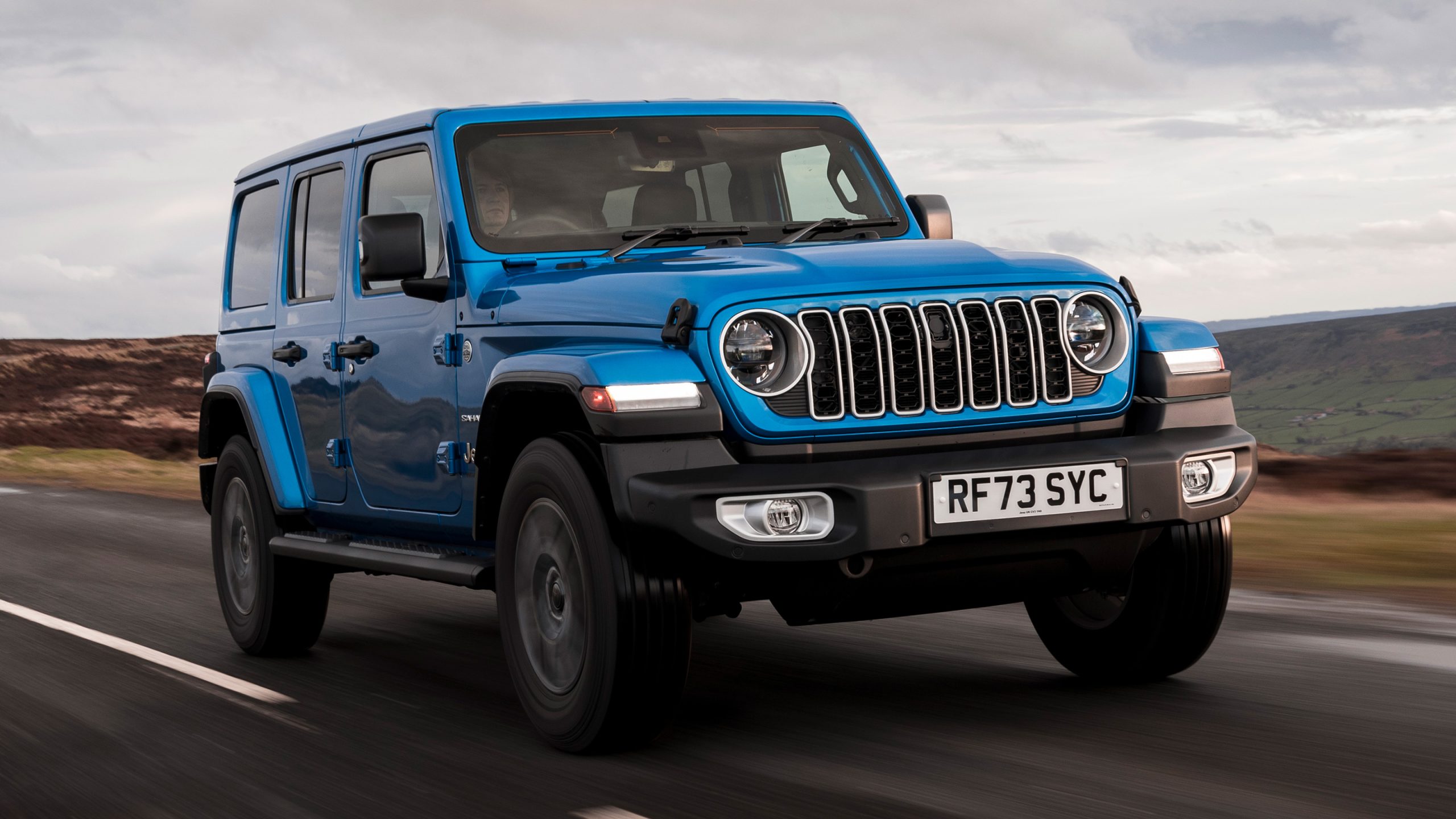
Cargo space proves surprisingly limited despite the Wrangler’s size. The upright design creates vertical space that doesn’t translate well to carrying packages or food orders. The cargo area is smaller than many sedans, and the high floor height makes loading and unloading physically demanding when you’re making 50-100 stops daily.
The spare tire mounted on the rear door blocks easy access to the cargo area, forcing you to swing open the heavy door completely for each delivery.
Ride quality actively contributes to driver fatigue. The Wrangler uses a solid front axle and stiff suspension designed for rock-crawling, not smooth pavement. Every pothole, expansion joint, and road imperfection transmits directly into the cabin, creating a jarring, uncomfortable ride during extended delivery shifts.
The bouncy, unsettled ride quality makes focusing on navigation and traffic more difficult and leaves you exhausted after full days of driving.
The heating and cooling systems struggle in extreme weather. The large glass area and minimal insulation mean the air conditioning works overtime in summer, consuming fuel and sometimes struggling to cool the cabin adequately.
In winter, the heater works hard to warm the poorly-insulated interior. These inefficiencies further reduce fuel economy and create uncomfortable working conditions.
3. Dodge Charger/Chrysler 300
The Dodge Charger and its corporate sibling, the Chrysler 300, represent terrible choices for delivery work despite their spacious interiors and American muscle appeal.
These large sedans combine poor fuel economy, questionable reliability, expensive maintenance, and trunk-only cargo access into packages that make delivery driving frustratingly difficult and financially unviable.
Fuel economy disqualifies these vehicles immediately. Most Charger and 300 models achieve just 19-23 MPG combined, with V8 models dropping to 15-19 MPG.
This inefficiency rivals SUVs while offering less cargo flexibility. Daily driving costs quickly become unsustainable. A delivery driver covering 150 miles daily might spend $35-45 on fuel, compared to $15-25 for an efficient sedan. This difference amounts to $5,000-7,000 annually money coming directly from your earnings.
The rear-wheel-drive layout creates additional fuel economy penalties and limits all-weather capability. The heavy rear-biased weight distribution requires more powerful engines to achieve adequate performance, consuming more fuel.
In winter weather or wet conditions, the RWD configuration provides poor traction, making delivery work dangerous or impossible without winter tires, adding further expense. All-wheel-drive models exist but sacrifice even more fuel economy.
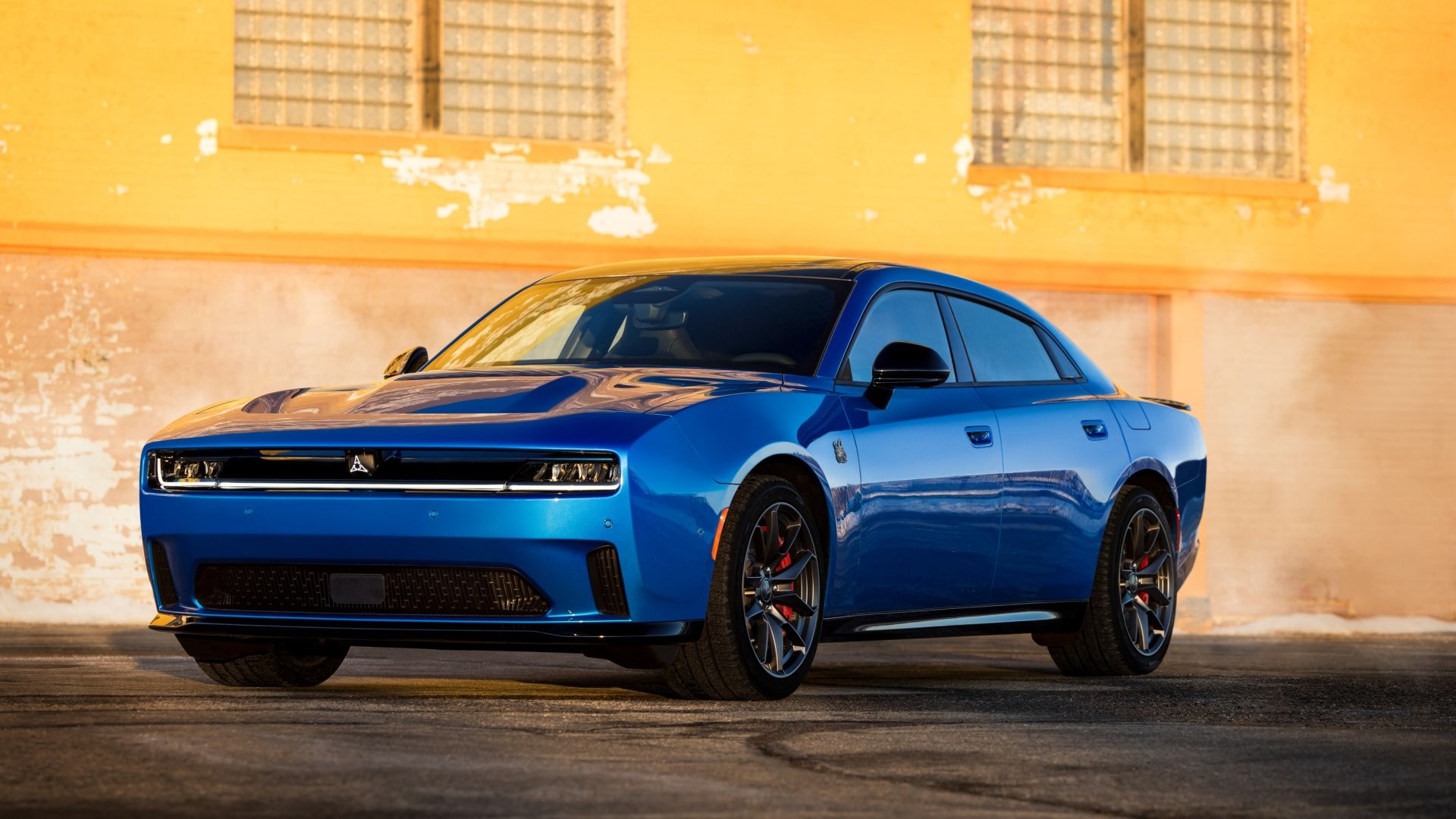
Reliability problems plague both models. Chrysler’s quality control has been inconsistent, and these vehicles experience frequent issues with transmissions, electrical systems, air conditioning, and various sensors.
The transmissions, particularly in earlier models, have proven troublesome, with harsh shifting, premature failure, and expensive repairs. Electronics gremlins trigger warning lights, create intermittent problems, and require expensive diagnostic work to identify.
Cargo access severely limits delivery practicality. Unlike hatchbacks or wagons, the Charger and 300 use traditional trunk designs with limited openings.
This configuration makes loading large items difficult or impossible, restricts how you can organize deliveries, and forces awkward reaching and bending during frequent stops. The trunk space, while decent in total volume, is shaped inefficiently for delivery work, with intrusions from suspension components and limited vertical clearance.
The lack of folding rear seats in many configurations creates additional limitations. Unlike competitors offering 60/40 folding rear seats to accommodate longer items, many Charger and 300 models have fixed rear seats or require complex manual processes to fold them.
This inflexibility means you can’t handle deliveries that slightly exceed trunk dimensions, limiting the orders you can accept and potentially reducing income.
Depreciation punishes owners severely. These vehicles lose value rapidly, particularly once they exceed 60,000-80,000 miles. The combination of reliability concerns, fuel inefficiency, and limited appeal to mainstream buyers means resale values plummet. For delivery drivers accumulating 30,000-50,000 miles annually, this rapid depreciation represents thousands of dollars in lost value.
4. Range Rover Evoque
The Range Rover Evoque embodies luxury compact SUV pretensions with none of the practicality delivery drivers need. This British-engineered vehicle combines eye-watering maintenance costs, terrible reliability, poor fuel economy, and limited cargo space into perhaps the worst possible package for commercial delivery use.
Every aspect of the Evoque works against profitability and reliability. Maintenance costs reach absurd levels that make commercial use financially impossible.
Routine services at Land Rover dealerships cost $200-400 for basic oil changes, using expensive synthetic oils and proprietary filters. Brake services run $1,000-2,000 due to premium components and complex systems.
The recommended service intervals arrive frequently, and skipping them risks expensive repairs and warranty complications. A year of routine maintenance can easily cost $2,500-4,000, exceeding the annual earnings from part-time delivery work.

Reliability is spectacularly poor, even by luxury vehicle standards. The Evoque consistently ranks among the least reliable vehicles available, experiencing frequent problems with transmissions, electrical systems, engines, suspension, and infotainment systems.
Common failures include transmission shuddering and failure, engine timing chain problems, coolant leaks, electrical gremlins, and suspension component failures. These issues don’t just cost repair money they cost working days when your vehicle is in the shop.
Fuel economy disappoints despite the Evoque’s compact size. Most models achieve just 20-24 MPG combined, barely better than larger, more practical SUVs. The turbocharged engines require premium fuel, adding $0.40-0.60 per gallon to your fuel costs.
This combination of poor efficiency and mandatory premium fuel creates operating costs comparable to much larger vehicles while offering less cargo capacity and capability.
Depreciation destroys resale value spectacularly. Evoques lose 50-60% of their value within three years, and high-mileage examples become nearly worthless.
The combination of terrible reliability reputation, expensive maintenance, and luxury vehicle impracticality means few buyers want used Evoques, especially those with delivery-level mileage. Your investment evaporates even faster than the maintenance costs consume your earnings.
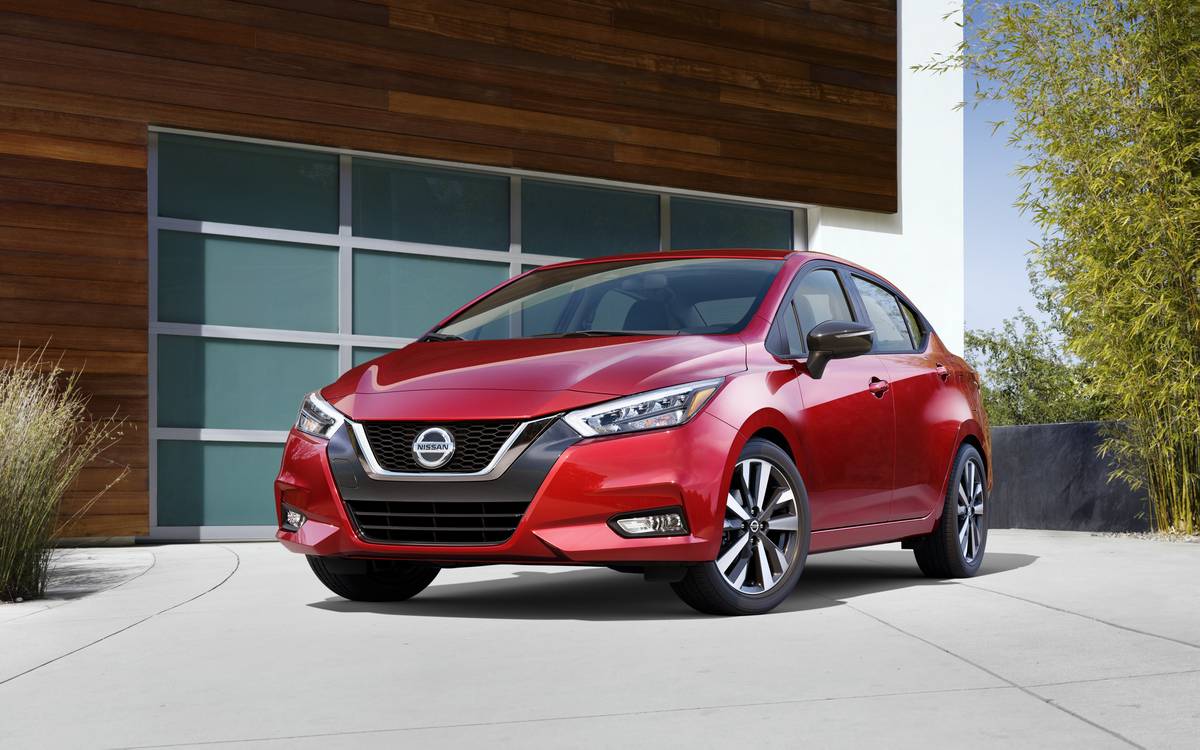
5. Nissan Versa (Pre-2020 Models)
The Nissan Versa seems like an ideal delivery vehicle on paper it’s affordable, fuel-efficient, and widely available in the used market. However, the reality of Versa ownership for delivery work reveals significant problems that undermine its apparent economy.
The combination of questionable reliability, particularly with the CVT transmission, cheap interior materials that degrade quickly, safety concerns, and underwhelming performance creates frustrations that offset any cost savings.
The CVT transmission represents the Versa’s fatal flaw. Nissan’s continuously variable transmissions in pre-2020 Versa models have proven notoriously unreliable, experiencing frequent failures between 60,000-100,000 miles.
Symptoms include shuddering, hesitation, overheating, and complete failure. Replacement costs $3,500-5,000, often exceeding the vehicle’s value at that mileage.
For delivery drivers accumulating miles rapidly, this transmission problem represents a ticking time bomb that can destroy your income when it fails.
The transmission problems aren’t isolated incidents they’re widespread, documented issues affecting hundreds of thousands of vehicles. Nissan extended warranties on some models and settled class-action lawsuits, acknowledging the transmission defects.
However, many used Versas available today fall outside warranty coverage, leaving buyers responsible for expensive repairs. The transmission may work fine initially but fail suddenly after accumulating delivery miles.
Interior quality proves particularly poor, even by economy car standards. The Versa uses cheap plastics that crack, discolor, and wear quickly with heavy use.
While individual repairs aren’t necessarily expensive, the frequency of problems creates constant frustration and recurring repair costs that undermine the Versa’s economy positioning. The vehicle that seemed like a bargain becomes a money pit.
Also Read: Top 8 Electric SUVs Quick Enough To Beat A Mustang
