
The rideshare industry has transformed urban transportation, creating opportunities for drivers to earn income while providing convenient mobility solutions for passengers.
However, not all vehicles are created equal when it comes to rideshare work. Choosing the right car can mean the difference between profitable shifts and constant financial drain.
Successful rideshare vehicles share several key characteristics: exceptional fuel efficiency to maximize earnings per mile, low maintenance costs to minimize downtime and expenses, spacious and comfortable interiors that accommodate passengers and luggage, and strong reliability ratings that prevent costly breakdowns.
Additionally, the best rideshare cars maintain their resale value, allowing drivers to recoup their investment when it’s time to upgrade.
Conversely, certain vehicles prove disastrous for rideshare operations. Cars with poor fuel economy quickly eat into profits, especially during high-mileage weeks. Luxury vehicles often come with premium maintenance costs and expensive parts that can devastate a driver’s bottom line.
Compact sports cars lack the passenger space and comfort that riders expect, while unreliable models spend more time in the shop than on the road earning money.
This comprehensive guide examines ten vehicles five excellent choices and five to avoid providing detailed analysis of each model’s strengths and weaknesses in the rideshare context.
Whether you’re a prospective rideshare driver selecting your first vehicle or an experienced operator considering an upgrade, understanding these distinctions will help you make an informed decision that protects your investment and maximizes your earning potential in this competitive market.
5 Cars That Work Well for Rideshare
These exceptionally practical vehicles feature spacious rear seats and excellent fuel economy perfectly suited for rideshare driving, providing comfortable passenger experiences through generous legroom and easy entry while delivering outstanding efficiency that maximizes driver earnings by minimizing fuel costs during constant city driving cycles.
Their thoughtful engineering includes durable interiors and smooth ride quality that resist the wear patterns found in fragile vehicles while offering rear passengers genuine comfort with adequate headroom, quiet cabins allowing conversation without shouting, and reliability preventing costly downtime that destroys rideshare profitability through missed shifts and expensive repairs.
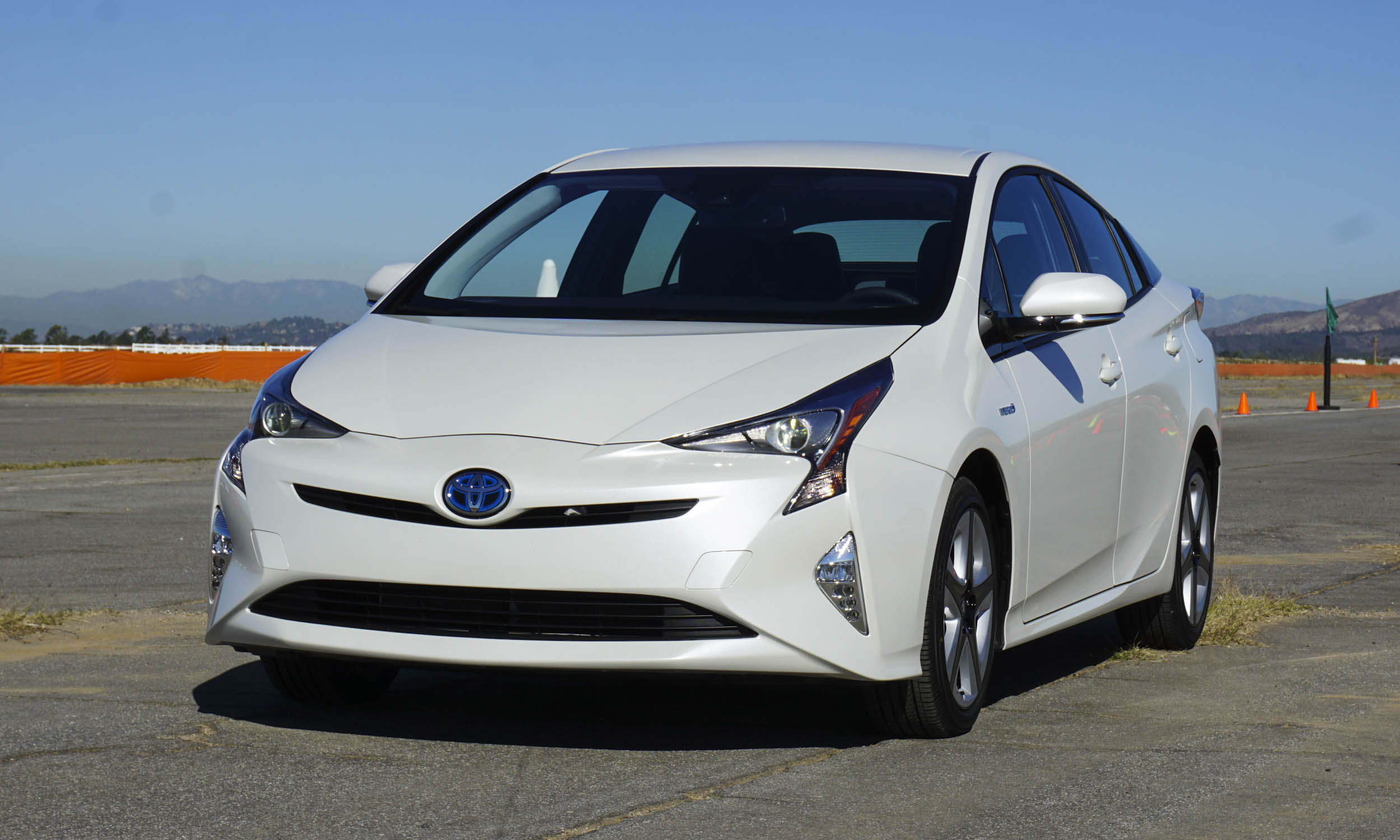
1. Toyota Prius (2016-2023 Models)
The Toyota Prius has earned legendary status among rideshare drivers, and for excellent reasons that extend far beyond its iconic hybrid design.
This vehicle represents the gold standard for rideshare operations, combining efficiency, reliability, and practicality in a package specifically suited to high-mileage driving.
Fuel efficiency stands as the Prius’s most compelling advantage. Achieving between 52-56 miles per gallon in combined city and highway driving, the Prius dramatically reduces one of ridesharing’s largest expenses.
A driver completing 1,000 miles weekly typical for full-time operators will spend approximately $60-70 on fuel with a Prius, compared to $120-150 for a conventional sedan averaging 25 mpg. Over a year, this difference translates to savings of $3,000-4,000, directly impacting profitability.
Reliability proves equally important for rideshare success, and Toyota’s reputation shines here. The Prius consistently ranks among the most dependable vehicles in consumer surveys, with many examples exceeding 200,000 miles without major mechanical issues.
This reliability means fewer unexpected repair bills and minimal downtime every day off the road represents lost income. The hybrid system, despite initial skepticism from some drivers, has proven remarkably durable, with battery packs often lasting the vehicle’s lifetime or requiring replacement only after 150,000+ miles.
Interior space and comfort exceed expectations for a vehicle in this efficiency class. The Prius comfortably seats four passengers with adequate legroom, while the hatchback design provides surprising cargo capacity essential when passengers have luggage or when running errands between rides.
The raised seating position offers better visibility than traditional sedans, reducing driver fatigue during long shifts. Resale value remains strong due to sustained demand from both rideshare drivers and eco-conscious consumers.
Even high-mileage examples command respectable prices, allowing drivers to recoup reasonable portions of their initial investment when upgrading or exiting the business.
2. Honda Accord (2018-2023 Models)
The Honda Accord represents an outstanding choice for rideshare drivers who prefer traditional sedan comfort and performance while maintaining excellent efficiency and reliability.
This perennial bestseller combines the practicality needed for commercial use with enough refinement to satisfy discerning passengers.
Fuel economy in recent Accord models impresses without requiring hybrid technology. The base 1.5-liter turbocharged four-cylinder engine achieves 30-32 mpg combined, while the available 2.0-liter turbo still manages 26-27 mpg.
For drivers preferring conventional powertrains or concerned about hybrid battery replacement costs, the Accord delivers efficiency that remains highly competitive.
The continuously variable transmission (CVT) optimizes fuel consumption in urban stop-and-go driving exactly the conditions rideshare drivers face most frequently.
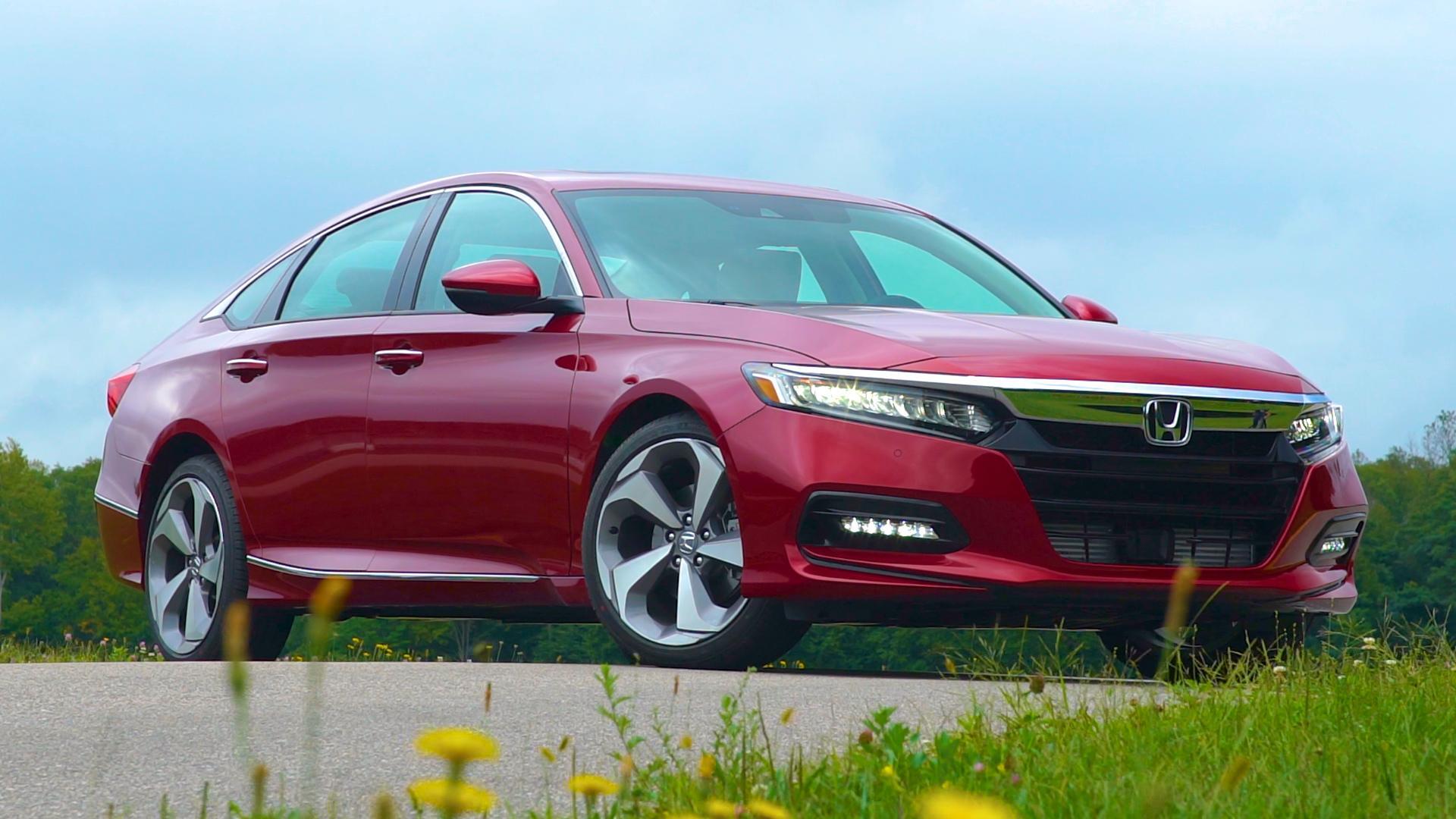
Interior space ranks among the Accord’s greatest strengths. The spacious cabin comfortably accommodates four adults with exceptional legroom in both rows, while the 16.7 cubic-foot trunk easily handles multiple suitcases or shopping bags.
This combination makes the Accord ideal for airport runs and longer trips where passenger comfort directly influences ratings and tips. The wide-opening doors facilitate easy entry and exit, particularly appreciated by elderly passengers or those with mobility challenges.
The Accord’s mainstream appeal works favorably in rideshare context. Passengers view it as a step above economy cars without the pretension of luxury vehicles.
The nameplate carries positive associations of reliability and quality, creating favorable first impressions. Some drivers report that the Accord’s substantial presence and refined appearance help attract higher-value ride requests.
Resale values hold strong due to the Accord’s broad appeal beyond rideshare markets. When properly maintained, even higher-mileage examples find buyers, helping drivers preserve their capital investment.
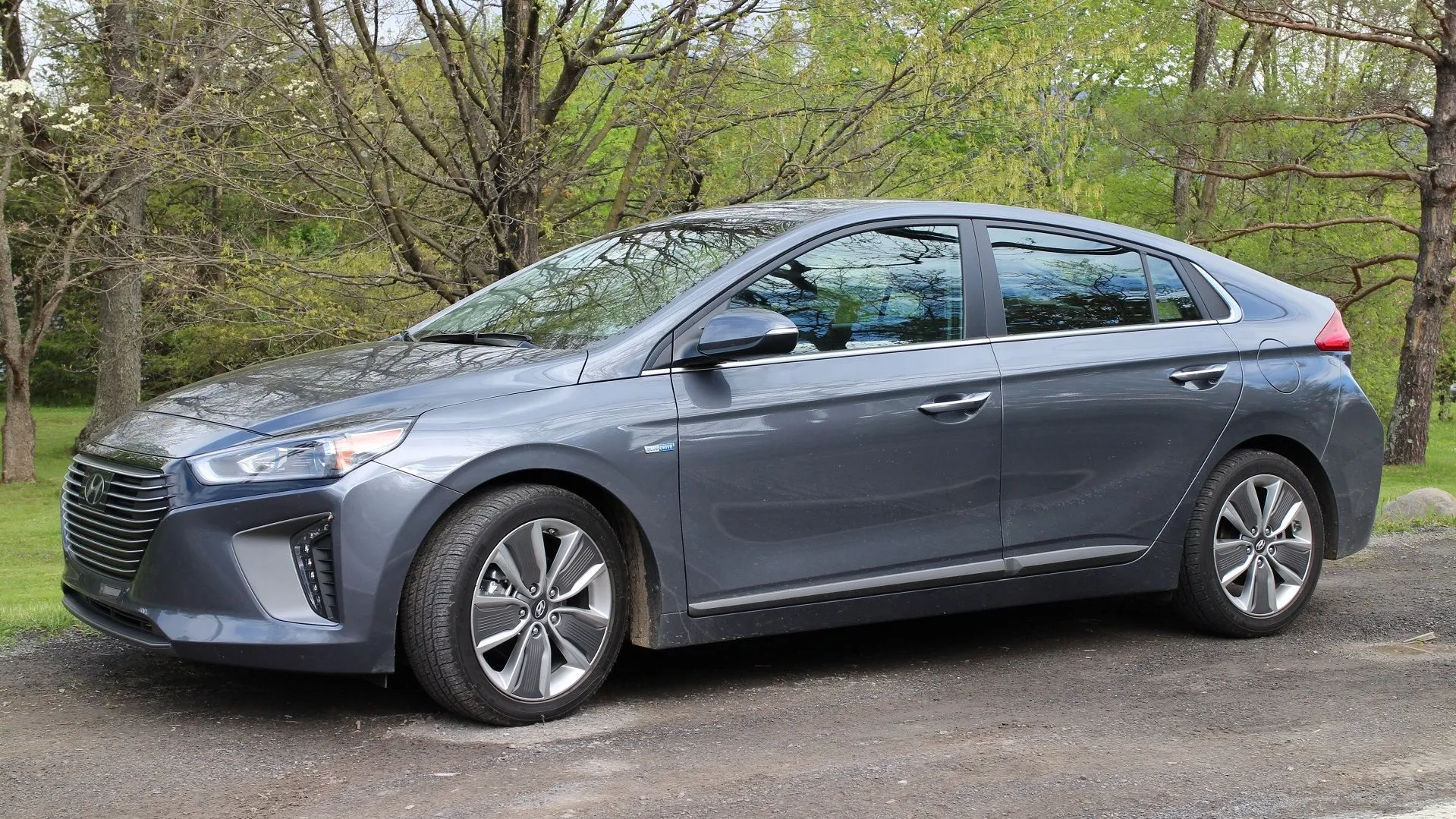
3. Hyundai Ioniq Hybrid (2017-2022 Models)
The Hyundai Ioniq Hybrid deserves recognition as one of ridesharing’s best-kept secrets, offering Prius-level efficiency in a package that costs significantly less both initially and long-term.
This purpose-built hybrid represents exceptional value for drivers who prioritize fuel economy without stretching budgets for premium brands.
Fuel efficiency matches or exceeds the legendary Prius, with the Ioniq achieving 55-58 mpg combined in real-world driving. This exceptional economy positions it among the most cost-effective vehicles for high-mileage rideshare work.
The powertrain combines a 1.6-liter four-cylinder engine with an electric motor and six-speed dual-clutch transmission, creating seamless power delivery that feels more responsive than many CVT-equipped competitors. Drivers appreciate the Ioniq’s peppy acceleration in urban traffic while still achieving remarkable fuel economy.
Purchase price and depreciation create significant advantages. Used Ioniq Hybrids typically cost $3,000-5,000 less than comparable Prius models, allowing drivers to enter rideshare work with lower initial investment or reduced financing costs.
This price difference directly improves return on investment calculations. While depreciation is steeper than Toyota products, the lower starting price means absolute dollar losses remain similar or lower.
Reliability has proven stronger than some initially expected from Hyundai. While the brand historically lagged Toyota and Honda, recent models demonstrate significant improvement.
The Ioniq benefits from proven hybrid technology and relatively simple mechanical systems. Hyundai’s 10-year/100,000-mile powertrain warranty far exceeding most competitors provides valuable peace of mind for drivers worried about expensive repairs. Even after warranty expiration, maintenance costs remain reasonable.
Interior quality impresses relative to the vehicle’s price point. Materials feel substantial, controls operate with precision, and the ambiance projects modern efficiency rather than cheapness.
Passenger space is adequate for four adults, though rear headroom is slightly tighter than the Accord or Prius due to the aerodynamic roofline. The 26.5 cubic-foot cargo area with seats folded provides versatility for occasional large items, though the traditional trunk opening (not a hatchback) limits some loading flexibility.
Technology features punch above the Ioniq’s price class. Even base models include touchscreen infotainment with smartphone integration, while higher trims add navigation, premium audio, and advanced driver assistance systems.
The clear digital instrument cluster provides instant feedback on hybrid system operation and fuel economy, gamifying efficiency in a way some drivers find engaging and helpful for maximizing profits.
The Ioniq represents ideal choice for budget-conscious drivers who need maximum efficiency without premium pricing, accepting slightly lower resale values in exchange for lower initial costs.
4. Toyota Camry (2018-2023 Models)
The Toyota Camry stands as ridesharing’s reliable workhorse, combining Toyota’s legendary dependability with the space, comfort, and mainstream appeal that passengers expect.
This bestselling sedan excels in markets where customer preferences skew toward traditional, spacious vehicles over smaller efficiency-focused options.
Reliability remains the Camry’s calling card. Toyota’s midsize sedan consistently tops dependability rankings, with owners reporting minimal issues across hundreds of thousands of miles.
This reliability translates directly to rideshare profitability predictable maintenance costs, minimal unexpected repairs, and maximum uptime earning money rather than sitting in repair shops.
The non-hybrid four-cylinder and V6 powertrains use proven, conservative engineering that prioritizes longevity over cutting-edge performance, resulting in bulletproof durability.
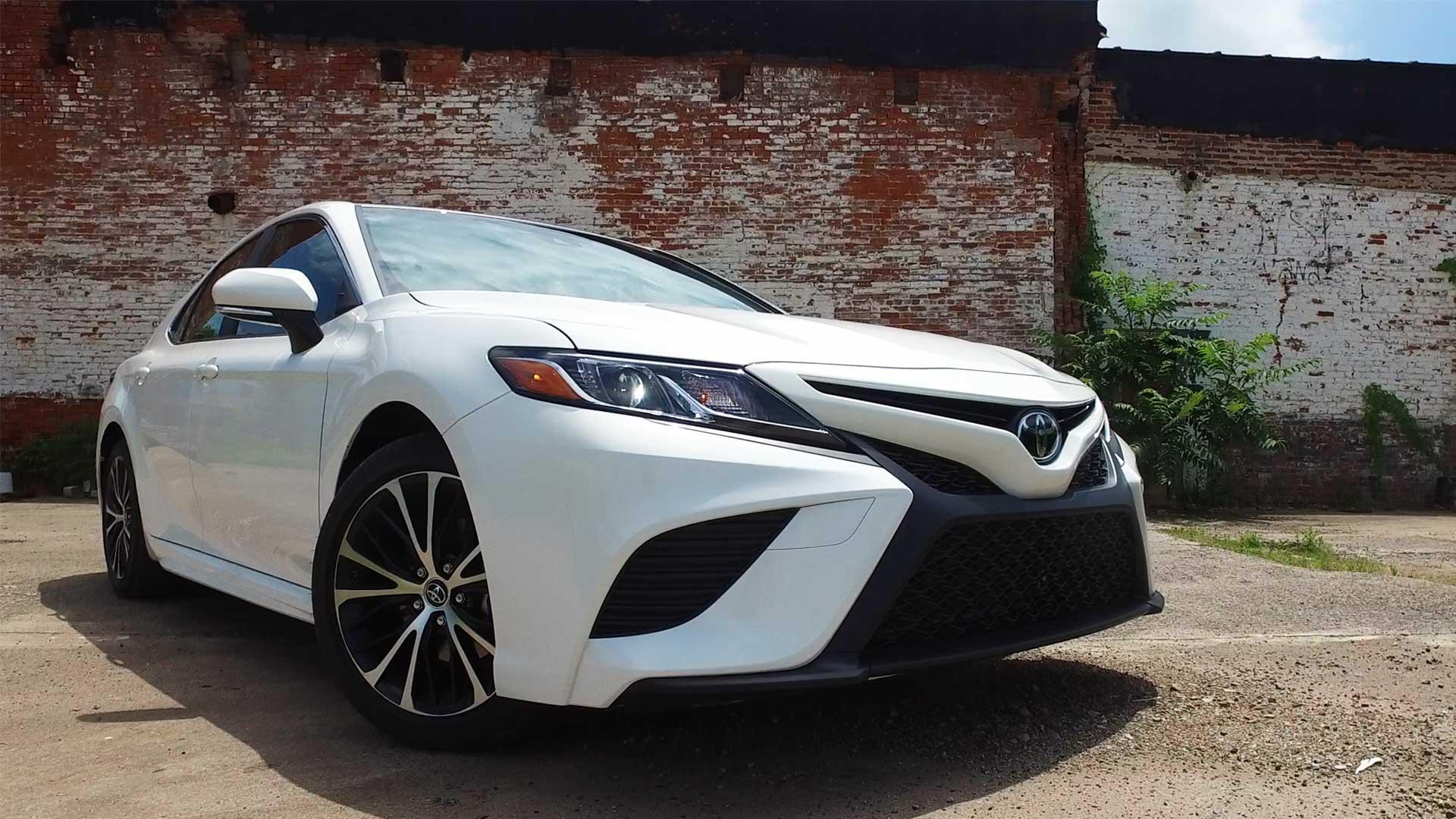
Fuel economy, while not hybrid-level, remains competitive for a traditional midsize sedan. The base four-cylinder achieves 32-34 mpg combined respectable for the vehicle’s size and capability.
The hybrid variant pushes this to 50+ mpg, combining Prius-like efficiency with Camry space and comfort. Drivers must balance fuel costs against purchase price and passenger preferences, but even non-hybrid Camrys deliver acceptable economy for rideshare work.
Interior space and comfort excel. The Camry provides genuinely spacious seating for four adults, with rear passengers enjoying substantial legroom and headroom.
The 15.1 cubic-foot trunk accommodates significant luggage, making the Camry excellent for airport runs often higher-paying, longer trips that boost daily earnings.
The wide doors and low step-in height assist elderly passengers or those with mobility limitations, reducing complaints and potentially improving ratings.
Resale values remain exceptionally strong. The Camry’s broad appeal ensures ready buyers when drivers decide to sell, and Toyota’s reliability reputation supports higher resale prices even with significant mileage. This preserves driver capital investment and reduces total ownership costs.
Also Read: 9 Cars That Surprise Owners With Extra Expenses
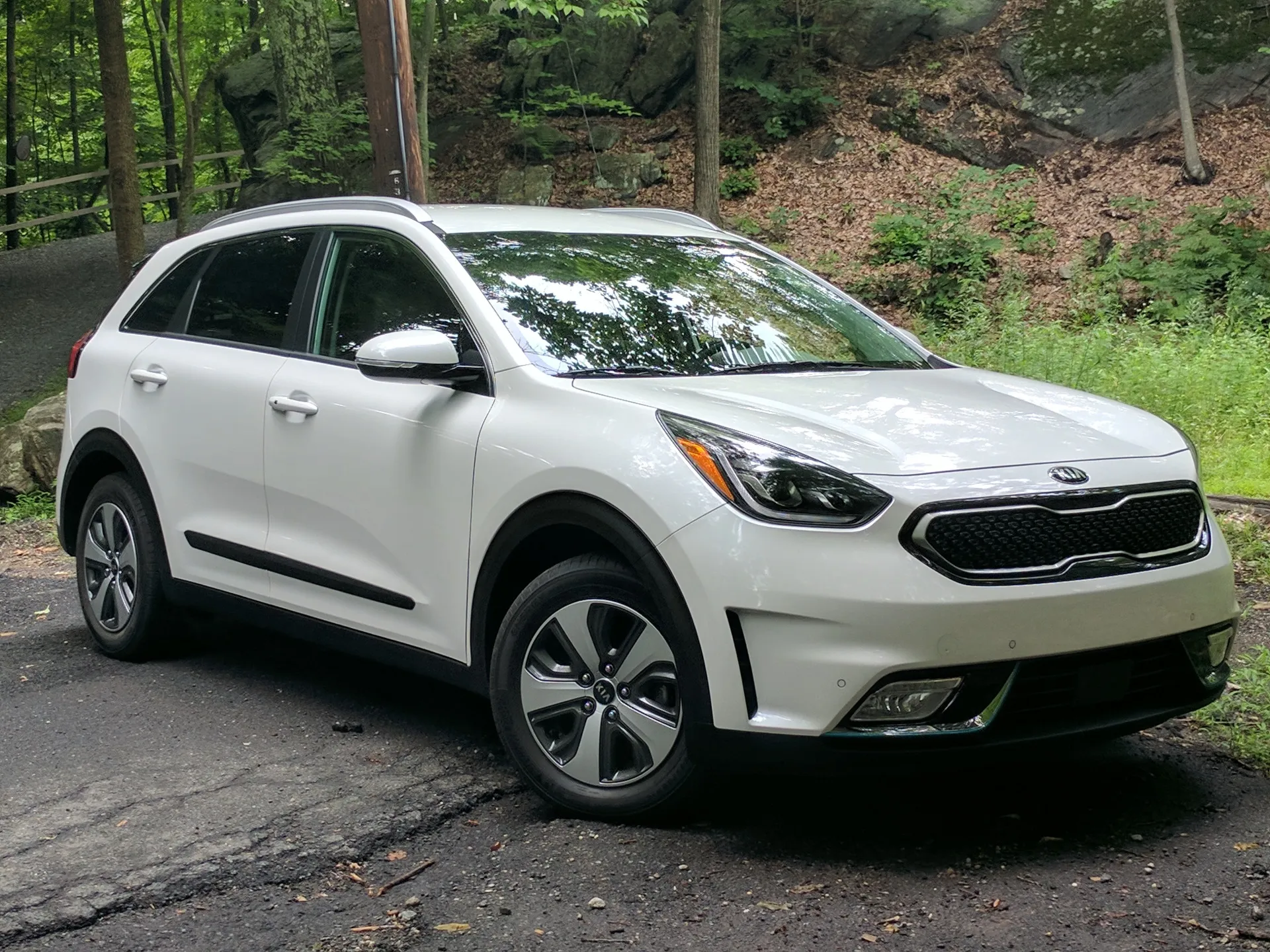
5. Kia Niro Hybrid (2017-2023 Models)
The Kia Niro Hybrid rounds out our excellent rideshare choices, offering crossover versatility with hybrid efficiency in an attractively priced package.
This often-overlooked vehicle provides unique advantages for drivers seeking flexibility beyond traditional sedans while maintaining the operational costs that make ridesharing profitable.
Fuel efficiency remains impressive at 48-52 mpg combined, placing the Niro near the top of hybrid vehicles while offering greater cargo flexibility than sedan competitors.
The crossover configuration provides elevated seating position preferred by many drivers and passengers, improved visibility in traffic, and easier entry/exit compared to low-slung sedans. These practical advantages enhance daily driving comfort while maintaining the fuel economy essential for rideshare profitability.
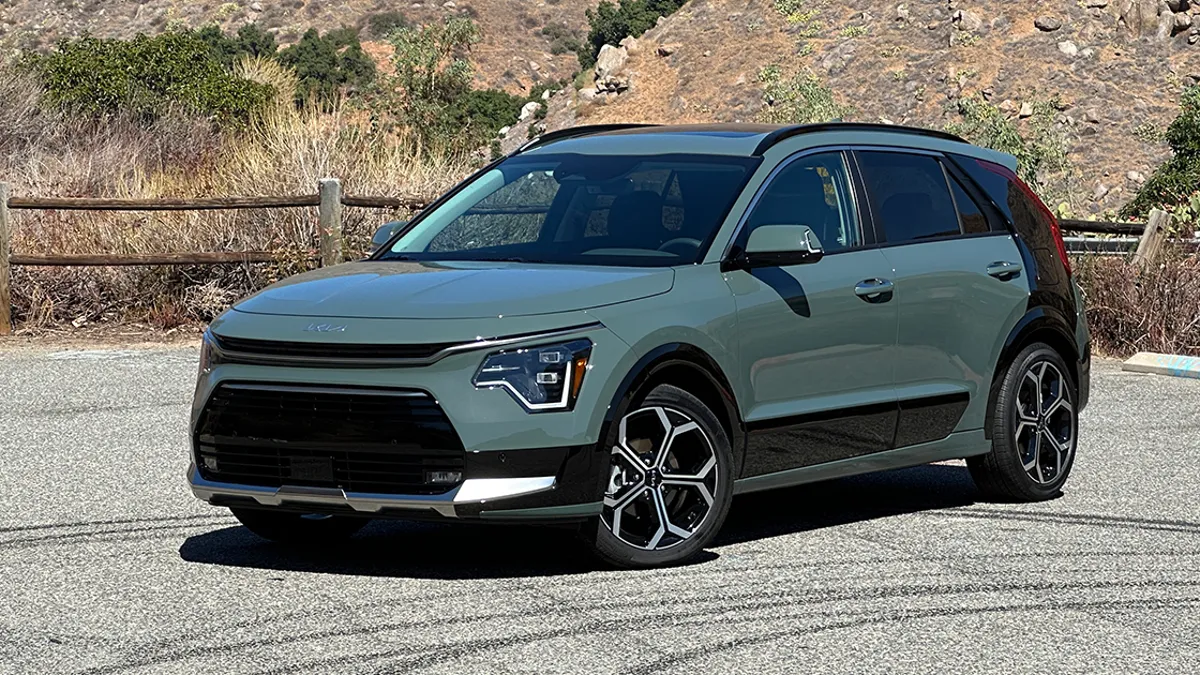
Cargo versatility distinguishes the Niro from sedan competitors. The crossover design with hatchback access and folding rear seats accommodates bulky items that wouldn’t fit in traditional trunks luggage, shopping, sports equipment, or even occasional furniture.
This flexibility enables drivers to accept more diverse trip types, potentially increasing income opportunities. The 54.5 cubic feet of cargo space with seats folded rivals much larger SUVs while maintaining sedan-like fuel economy.
Purchase price creates strong value proposition. Used Niros typically cost less than equivalent Priuses or Ioniq while offering additional versatility.
The lower acquisition cost improves return on investment calculations, allowing drivers to enter rideshare work with reduced capital requirements or lower monthly payments. This accessibility makes the Niro attractive for new drivers testing rideshare viability without major financial commitment.
Passenger reception varies regionally. In markets favoring larger vehicles, the Niro’s crossover design receives positive feedback. In urban areas where compact efficiency is valued, passengers appreciate the eco-friendly profile. The modern styling and upscale interior finish create favorable first impressions that support strong ratings.
The Niro represents ideal choice for drivers seeking hybrid efficiency with crossover versatility, accepting slightly less established reliability reputation in exchange for lower purchase price and unique capabilities.
5 Cars That Don’t Work Well for Rideshare
These catastrophically unsuited vehicles suffer from cramped rear seats and poor fuel economy that destroy rideshare profitability, transforming gig driving into money-losing propositions as passengers complain about uncomfortable quarters, thirsty engines consume earnings through terrible city mileage, and premature mechanical failures create expensive downtime eliminating income during prime earning hours.
Their problematic characteristics include tight rear legroom and 18-mpg city ratings that cannot sustain profitable rideshare operation, leading to constant passenger complaints about cramped conditions generating poor ratings, fuel costs exceeding 40 percent of gross earnings making profitable operation impossible, and unreliable components causing breakdowns that strand passengers while repair costs quickly exceed any rideshare income.
1. BMW 3 Series
The BMW 3 Series represents exactly what rideshare drivers should avoid: expensive maintenance, premium fuel requirements, rapid depreciation, and reliability concerns that transform what seems like a luxury advantage into a financial nightmare.
While the prestigious badge might initially attract drivers hoping to command premium fares, the economic reality quickly becomes crushing.
Maintenance costs alone disqualify the 3 Series from serious rideshare consideration. BMW parts carry significant price premiums over mainstream brands, with even routine service items costing double or triple equivalent Toyota or Honda components.
Oil changes require synthetic oil and special filters, pushing costs to $100-150 versus $40-60 for economy vehicles. Brake service frequent in high-mileage rideshare use costs $400-800 per axle with BMW’s expensive pads and rotors. When major repairs become necessary, bills easily reach thousands of dollars.
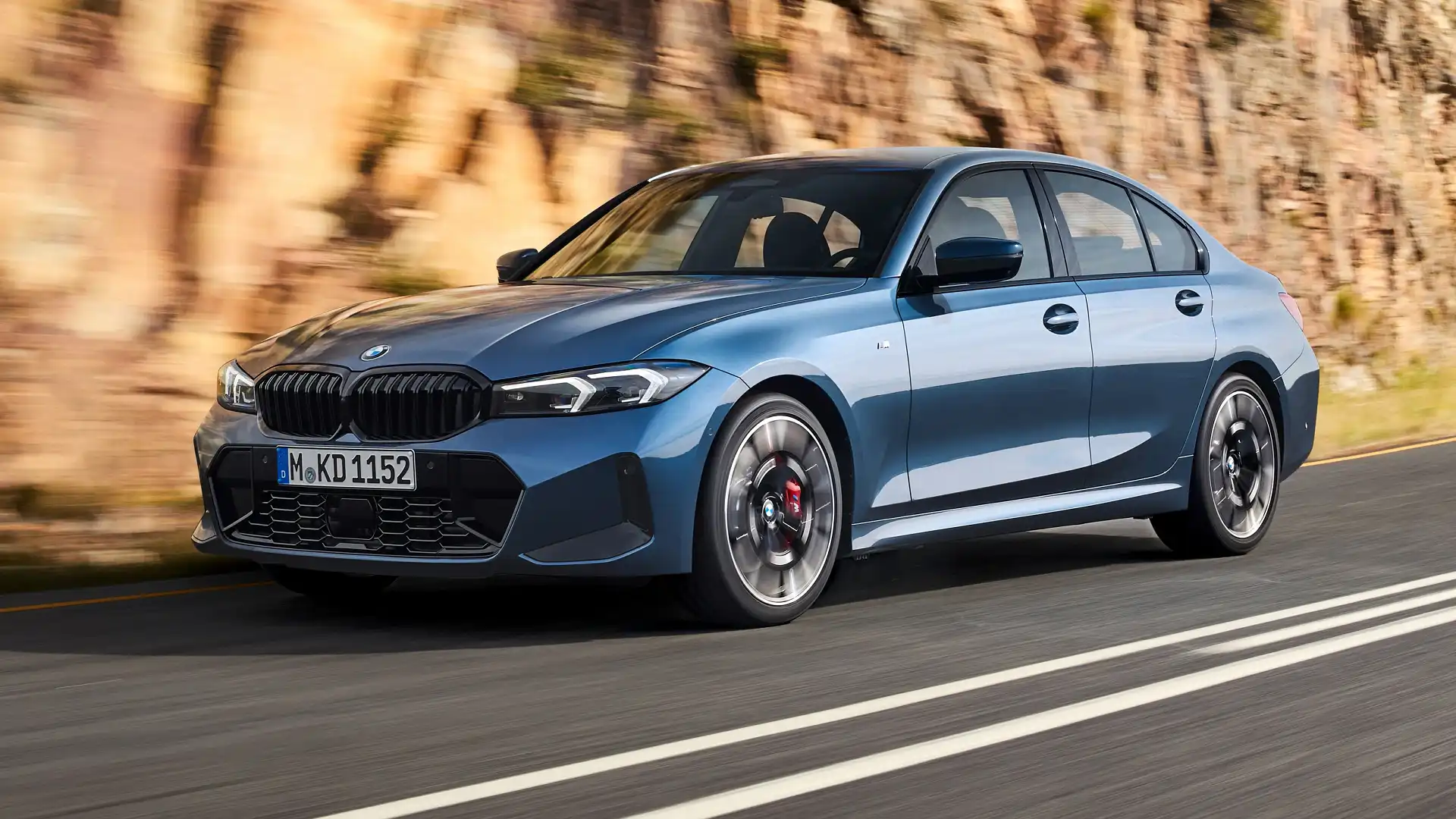
Reliability problems compound these high service costs. While BMW builds capable vehicles, their reputation for dependability lags Japanese competitors significantly. Owners report issues with electronics, cooling systems, turbos, fuel injection, and various sensors all expensive to diagnose and repair.
The complex engineering that provides BMW’s vaunted driving dynamics creates numerous failure points. Extended time in repair shops means lost income on top of repair bills, creating double financial impact.
The supposed luxury advantage fails to materialize in most rideshare markets. Standard rideshare rates don’t adjust for vehicle quality drivers earn identical fares whether operating a Prius or 3 Series.
While some premium services like Uber Black require luxury vehicles, the stringent requirements (newer models, commercial insurance, higher licensing costs) and limited market availability make this unviable for most drivers.
Passenger expectations actually increase in luxury vehicles, potentially leading to more critical ratings. Riders expecting BMW luxury may focus on minor imperfections in older, high-mileage examples. The vehicle becomes a liability rather than an asset when worn seats, scratched trim, or mechanical quirks fail to meet elevated expectations.
The 3 Series exemplifies the luxury car trap: initial prestige quickly yielding to financial reality as maintenance costs, depreciation, and operating expenses overwhelm any perceived advantages, making it spectacularly unsuitable for rideshare work.
2. Dodge Charger
The Dodge Charger epitomizes the wrong vehicle for rideshare operations, combining poor fuel economy with questionable reliability and high operating costs in a package seemingly designed to drain driver profits.
While the muscular styling and powerful engines hold appeal for enthusiasts, these attributes work against rideshare economics. Fuel economy ranks among the automotive worst.
Even the “efficient” V6 Charger manages only 19-23 mpg combined in real-world driving, while V8 models plummet to 15-19 mpg. These dismal figures create crushing fuel costs.
A driver completing 1,000 weekly miles in a V6 Charger will spend $150-180 on gasoline, while V8 models push $180-220 weekly. Annually, fuel costs reach $8,000-11,000 completely eliminating profitability for all but the highest-earning drivers in the most expensive markets.
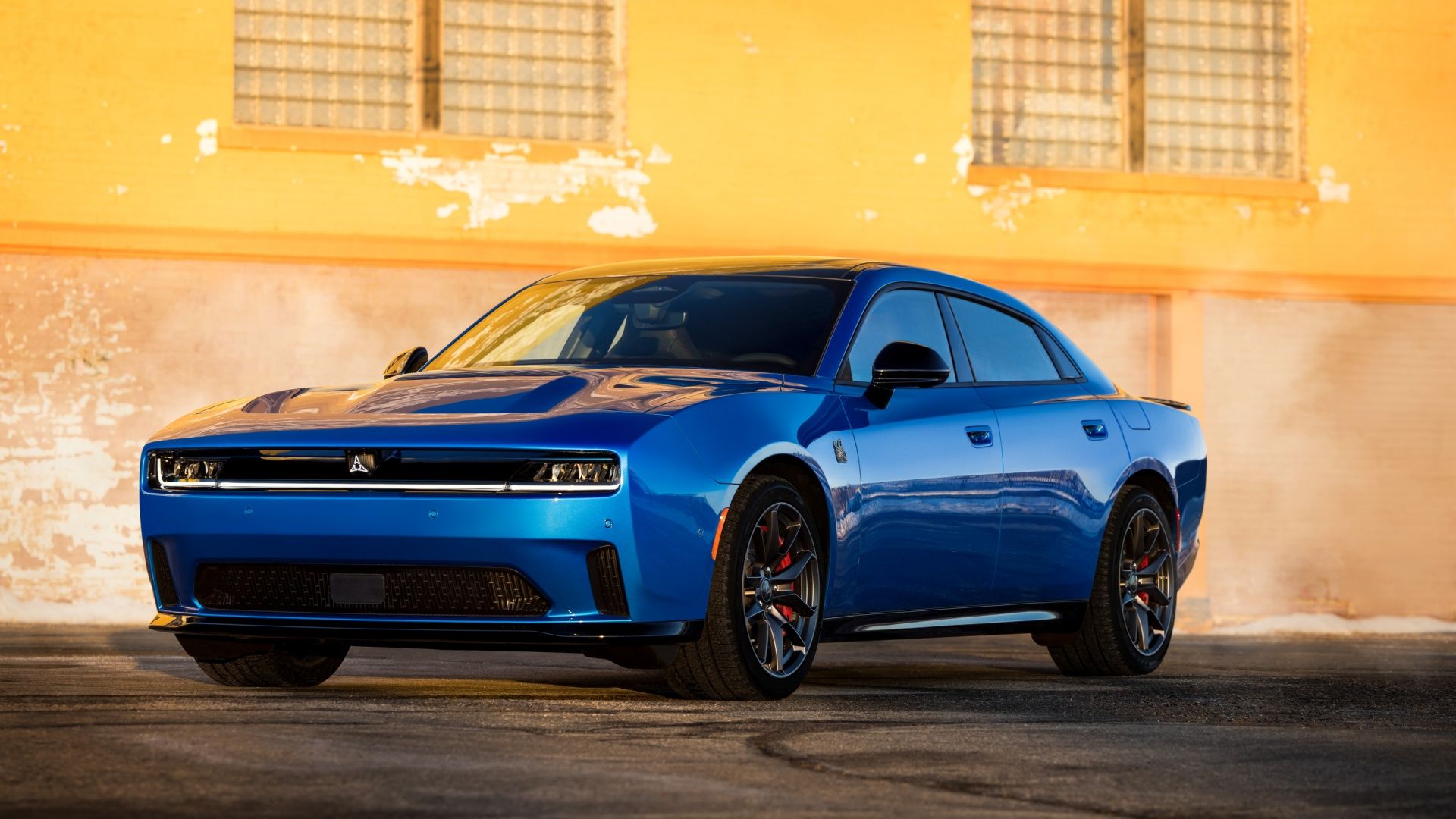
The mathematical reality is stark: fuel alone consumes such large portions of gross earnings that most Charger-operating drivers effectively work for below minimum wage after accounting for all expenses.
No amount of hustle or long hours overcomes the fundamental inefficiency of moving 4,000+ pounds with thirsty V6 or V8 engines in stop-and-go traffic.
Reliability concerns compound operational costs. While Dodge has improved quality in recent years, the Charger experiences higher-than-average problems with transmissions, electronics, and various mechanical systems.
The powerful engines and transmissions face stress in constant urban driving, leading to premature wear and expensive repairs. Owners report issues with suspension components, electrical gremlins, and various sensor failures. Each repair means both direct costs and lost income during downtime.
The aggressive styling and performance image create wrong associations for rideshare service. Many passengers seek reliable, professional transportation not muscle car theatrics.
The loud exhaust (especially in older V8 models or modified examples), firm ride, and aggressive appearance may alienate passengers preferring subtler, more refined vehicles. This limits appeal and may reduce trip requests in some markets.
Professional image suffers when operating modified or heavily worn Chargers. While new examples project power and presence, high-mileage Chargers often show wear prominently scratched plastic trim, worn seats, faded paint. Combined with the vehicle’s performance image, older examples may create unprofessional impression that impacts ratings and tips.
The Charger represents seductive trap for drivers attracted to style and power without calculating true operating costs. The cool factor evaporates quickly when fuel receipts pile up and mechanical problems drain earnings, leaving drivers underwater financially while working harder than necessary.
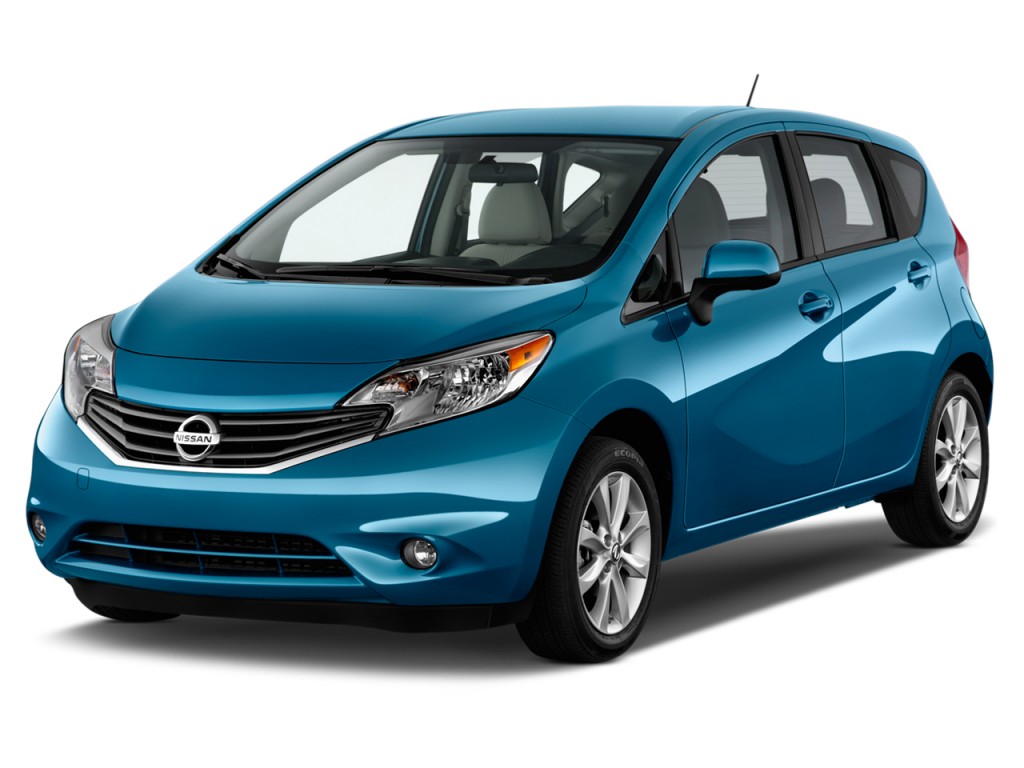
3. Nissan Versa (2012-2019 Models)
The Nissan Versa proves that cheapness and efficiency don’t automatically translate to rideshare success. While low purchase prices and decent fuel economy seem attractive on paper, the Versa’s reliability problems, continuously variable transmission issues, poor build quality, and inadequate passenger comfort make it a penny-wise, pound-foolish choice that ultimately costs drivers money and satisfaction.
Reliability concerns dominate Versa ownership experiences, particularly regarding the notorious Jatco CVT transmission. These transmissions suffer epidemic failure rates, often self-destructing between 70,000-120,000 miles exactly the range rideshare drivers accumulate quickly.
Replacement costs run $3,000-5,000, completely wiping out any savings from the vehicle’s low purchase price. Many owners face multiple transmission failures, creating recurring nightmares of expensive repairs and extended downtime.
The transmission problems aren’t merely inconvenient they’re financially devastating. When a Versa’s transmission fails, the vehicle becomes worthless.
Repair costs approach or exceed the car’s value, forcing drivers to scrap the vehicle and lose their entire investment. This catastrophic failure risk makes the Versa essentially a gamble: some examples survive high mileage, but many don’t, and drivers have no way to predict which fate awaits.
Beyond transmissions, Versas experience higher-than-average problems with various systems. Owners report premature strut and suspension wear, air conditioning failures, electrical issues, and various rattles and squeaks.
Build quality feels cheap because it is hard plastics everywhere, thin paint, flimsy interior components. These quality deficiencies create constant minor annoyances that accumulate into major frustration.
Passenger comfort and experience suffer dramatically. The Versa’s budget orientation shows immediately in cramped quarters, thin seats, road noise, and harsh ride quality. Rear passengers complain about limited legroom and headroom, particularly in the sedan variant.
The cheap interior materials and obvious cost-cutting create poor impressions that may impact ratings and tips. Passengers paying for transportation service expect basic comfort and quality the Versa delivers neither convincingly.
Driving experience disappoints even by economy car standards. The underpowered engine struggles with highway merging and hills, especially with passengers and cargo.
The CVT’s programming creates unpleasant droning under acceleration. The suspension crashes over bumps while still allowing excessive body roll in turns. Everything feels unrefined and cheap, creating fatigue during long shifts that more competent vehicles avoid.
Professional image suffers when operating obviously cheap vehicles. The Versa announces its budget status immediately through its generic styling and low-quality finishes.
Passengers notice and potentially judge service quality accordingly. In competitive rideshare markets, perception matters the Versa creates wrong impressions from the start.
The fundamental problem with the Versa is false economy: the low purchase price seems attractive until reliability problems, poor passenger experiences, and severe depreciation reveal the true costs. Drivers would fare better spending moderately more for a reliable Honda Civic or Toyota Corolla, avoiding the Versa’s pitfalls while securing actual long-term value.
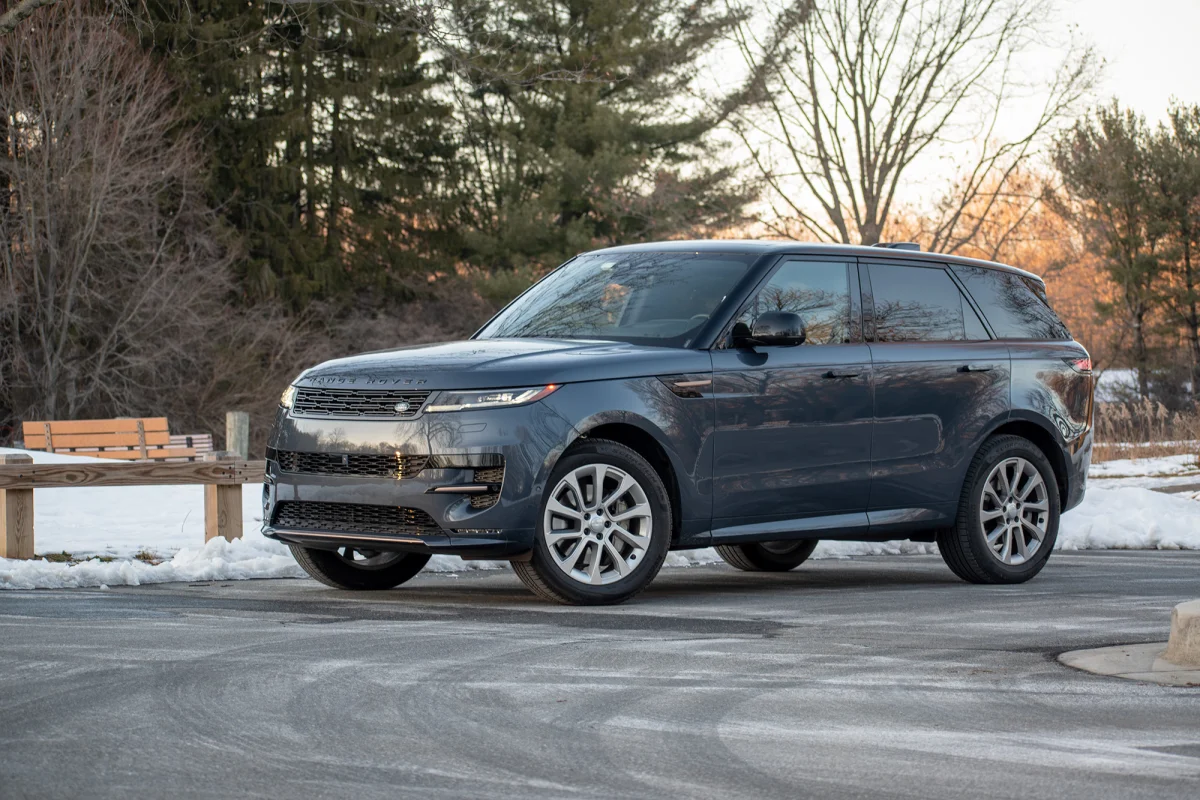
4. Range Rover Sport
The Range Rover Sport represents the absolute worst-case scenario for rideshare operations: astronomical maintenance costs, legendary unreliability, catastrophic depreciation, and luxury vehicle expenses without any corresponding revenue increase. No vehicle demonstrates the luxury car trap more convincingly than Land Rover’s problematic SUV.
Reliability deficiencies reach truly spectacular levels. Range Rover Sport consistently ranks among the least reliable vehicles in consumer surveys, with owners reporting endless electrical problems, suspension failures, engine issues, and transmission troubles.
The sophisticated air suspension fails prematurely, costing $1,500-3,000 per corner to replace. Electronics malfunction constantly malfunctioning displays, failed sensors, mysterious warning lights requiring expensive dealer diagnosis. Engines experience timing chain issues, supercharger problems, and various oil leaks. Transmissions shudder, slip, and fail prematurely.
The frequency and cost of repairs quickly become unsustainable. Range Rover Sport owners joke darkly about budgeting $3,000-5,000 annually for repairs even with moderate mileage rideshare mileage multiplies these costs dramatically. Drivers find themselves visiting repair shops constantly, hemorrhaging money while unable to earn income.
The vehicle spends more time broken than working, creating operational impossibility. Maintenance costs shock even prepared owners. Routine oil changes cost $200-300 due to high oil capacity and expensive filters.
Brake service runs $1,000-1,500 per axle with Range Rover’s complex, expensive components. Air filter replacements that cost $30 on a Camry cost $150+ on a Range Rover. Every single service item carries luxury premium pricing that makes simple maintenance crushingly expensive.
Depreciation reaches truly staggering levels. Range Rover Sports lose 60-70% of value in just three years a $70,000 vehicle becomes worth $20,000-25,000.
High-mileage examples used commercially become essentially worthless, as no rational buyer wants a used Land Rover with 100,000+ miles of hard commercial use. This depreciation represents catastrophic capital loss that no amount of rideshare earnings can offset.
The Range Rover Sport epitomizes vehicular financial suicide for rideshare drivers: take the least reliable luxury SUV, subject it to high-mileage commercial use it was never designed for, pay outrageous maintenance and fuel costs, watch it depreciate catastrophically, and earn standard rideshare rates throughout. No rational analysis supports this choice it represents pure financial self-destruction.
5. Fiat 500
The Fiat 500 completes our rideshare disasters list by demonstrating that small size and European charm don’t translate to commercial viability.
This diminutive city car combines inadequate space, questionable reliability, poor highway capability, and various operational shortcomings that make it fundamentally unsuitable for rideshare work despite seeming practical for urban use.
Size limitations disqualify the 500 from serious rideshare consideration immediately. The tiny cabin barely accommodates two average adults comfortably, making it technically illegal for standard rideshare service in many markets requiring ability to transport multiple passengers.
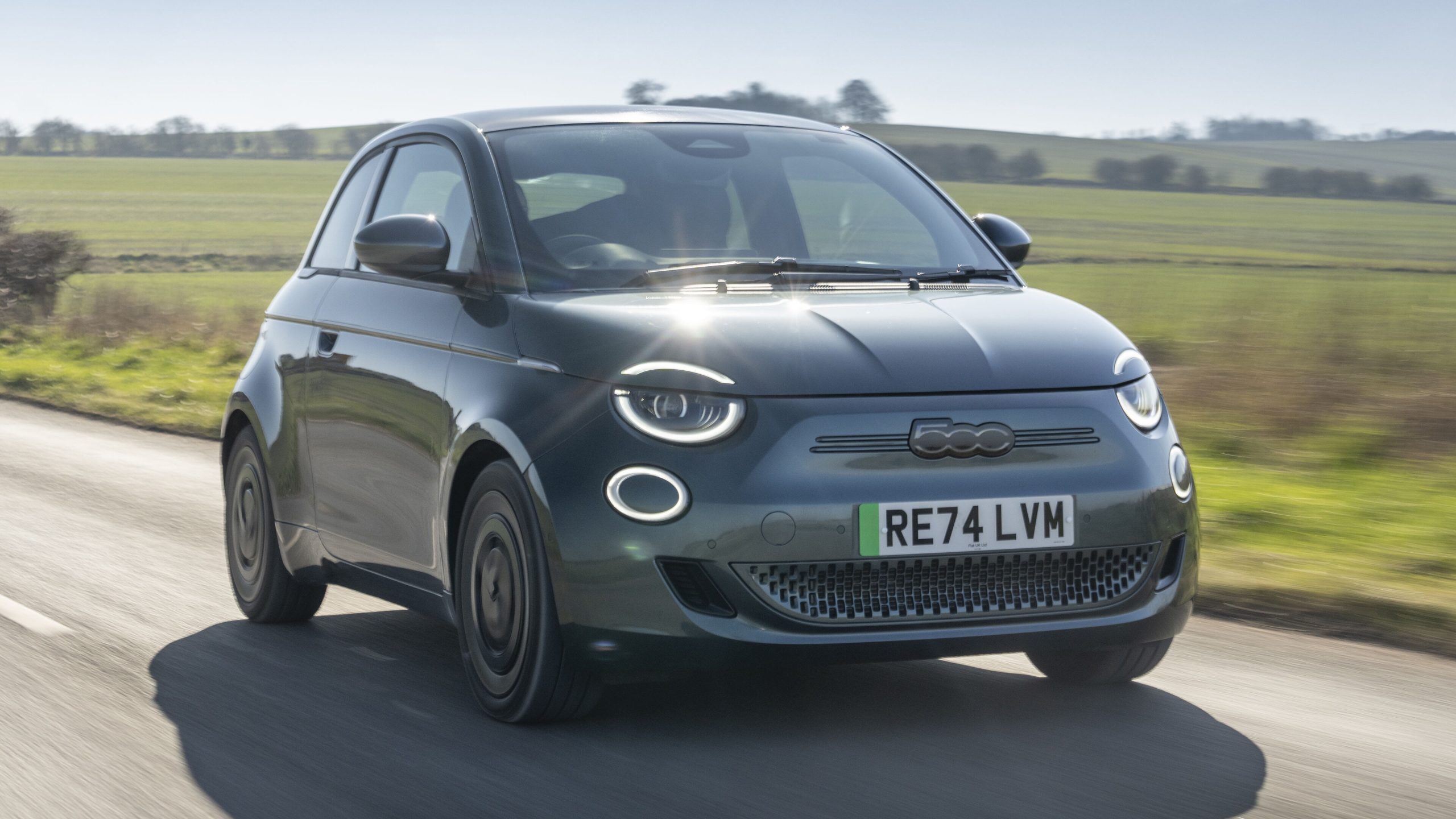
Rear seats exist theoretically but accommodate only small children or adults on very short trips. Legroom is essentially nonexistent, headroom severely limited, and door openings so small that entry requires contortionist skills.
The Fiat 500 represents fundamental vehicle choice error: selecting transportation based on cuteness or fuel economy numbers without considering actual rideshare operational requirements.
The space limitations alone disqualify it, while reliability problems and various other shortcomings eliminate any possible justification.
Drivers operating 500s either don’t understand rideshare requirements or lack resources for appropriate vehicles neither situation inspires confidence or creates sustainable business.
