
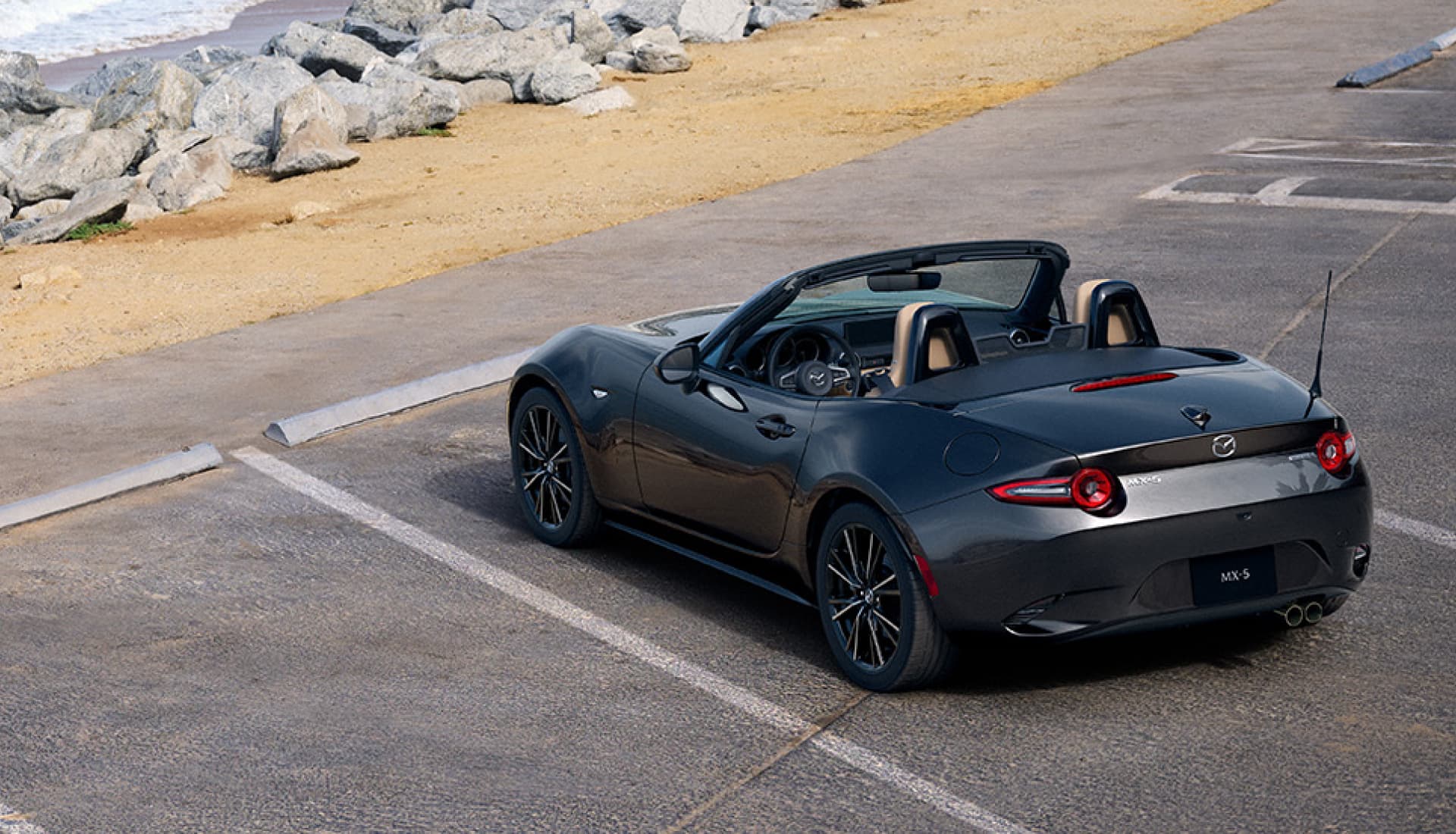
For many American drivers, the idea of owning a sports car still feels unrealistic something reserved for weekend toys or luxury budgets. But today’s automotive market tells a different story.
Modern affordable sports cars blend performance, comfort, technology, and reliability in ways that make them genuinely suitable for everyday life. You no longer have to sacrifice practicality just to enjoy sharp handling or quick acceleration.
Whether you’re navigating city traffic, commuting on the interstate, or carving through back roads on weekends, there are plenty of sporty options that won’t drain your savings account.
The vehicles below were selected based on purchase price, real-world usability, fuel efficiency, reliability, and driving excitement. These are cars you can live with Monday through Friday and still love on Saturday.
Let’s explore ten affordable sports cars that prove daily driving and enthusiasm can coexist.
1. Mazda MX-5 Miata
The Mazda MX-5 Miata remains one of the purest driving experiences available at any price point.
Built by Mazda, this lightweight roadster focuses on balance rather than brute force, offering exceptional steering feel and cornering confidence. While it isn’t the fastest car on this list, its low curb weight makes every drive engaging.
For daily use, newer Miatas come equipped with modern safety systems, Apple CarPlay, and surprisingly comfortable seats.
Fuel economy is excellent, and maintenance costs are low, making it one of the easiest sports cars to own. Storage space is limited, but if you don’t need rear seats, the Miata delivers unmatched fun per dollar.
The Miata’s engine loves to rev and delivers more than enough punch to provide genuinely exciting acceleration. Its high-revving character is best enjoyed with the crisp, direct manual gearbox, which is light and effortless to shift.
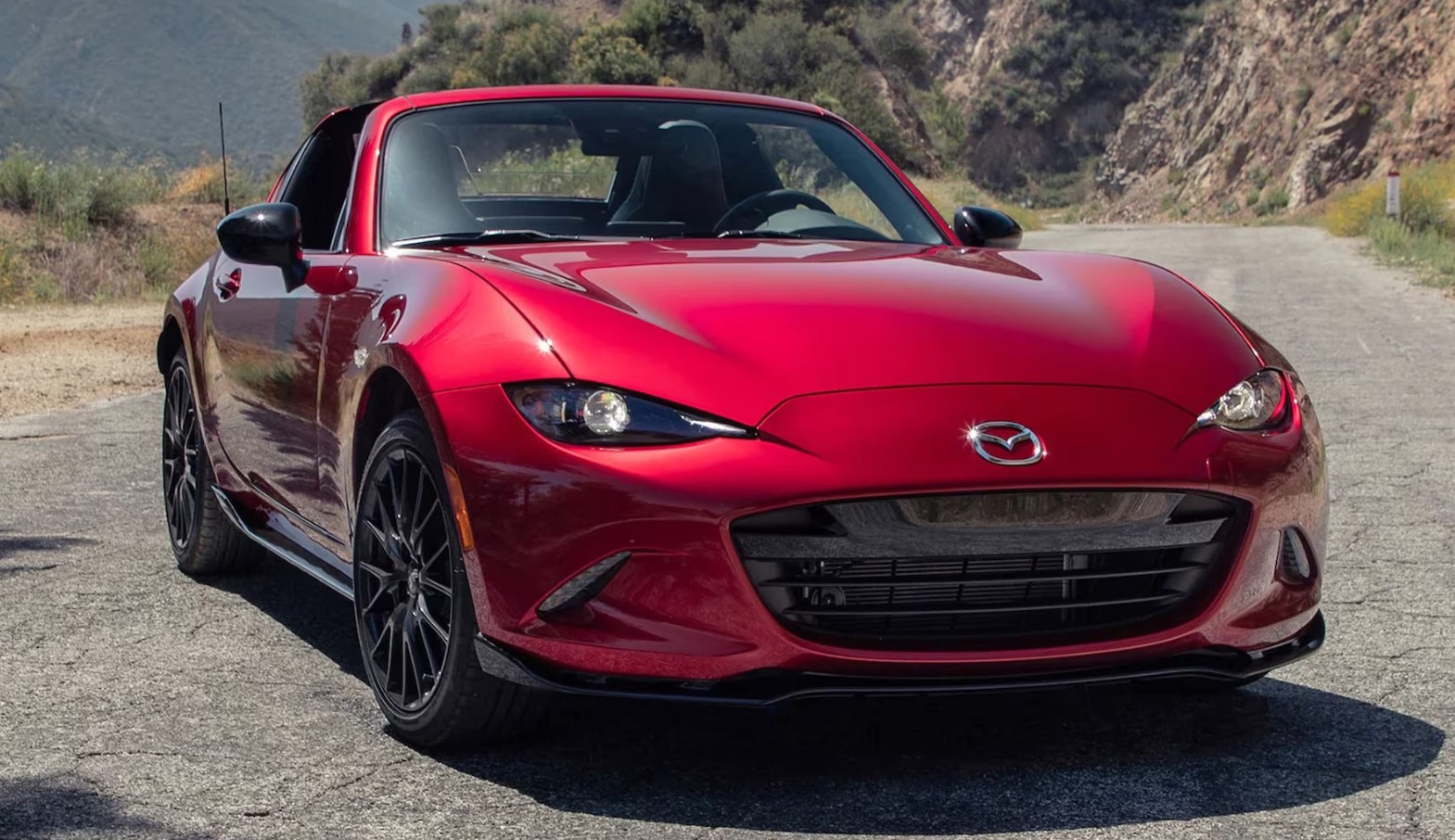
That said, the optional automatic transmission is surprisingly good as well, offering quick gear changes and sporty tuning. In our tests, the soft-top Miata sprinted to 60 mph in 5.7 seconds, while the slightly heavier RF hardtop followed closely at 5.8 seconds. Ride quality leans toward the firm side, and the car can feel a bit bouncy over a rapid series of bumps.
The mid-range Club trim, with its stiffer springs and shocks, delivers the firmest ride in the lineup, though none of the Miata variants could be described as uncomfortable.
Handling is lively and responsive, with the car changing direction eagerly. We’re particularly fond of the light, communicative steering, which reacts instantly and clearly relays what the front tires are doing. At the end of the day, the Miata is simply a joy to drive.
Also Read: 5 Cars That Feel Comfortable on Long Days vs 5 That Don’t
2. Toyota GR86 / Subaru BRZ
Jointly developed by Toyota and Subaru, the GR86 and BRZ are modern interpretations of classic rear-wheel-drive sports coupes.
They feature low seating positions, responsive naturally aspirated engines, and chassis tuning that rewards spirited driving.
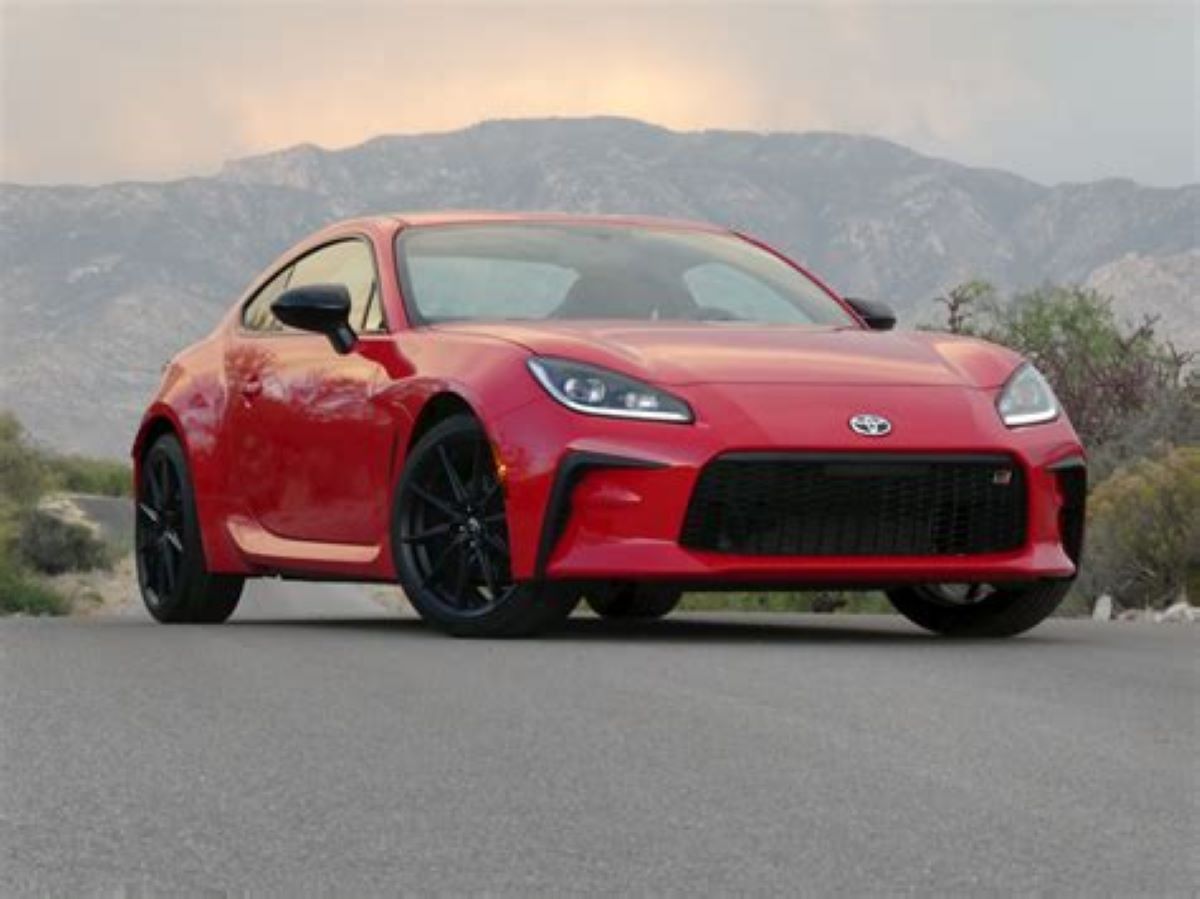
Unlike many two-door sports cars, these twins offer small rear seats and fold-down backs, giving them surprising practicality for groceries or weekend trips.
Ownership costs remain reasonable, and reliability is strong. For drivers who want a balanced, driver-focused coupe that still works as a commuter, this duo is hard to beat.
3. Ford Mustang EcoBoost
The turbocharged Mustang EcoBoost proves you don’t need a V8 to enjoy America’s favorite pony car. Produced by Ford Motor Company, this version delivers strong acceleration while maintaining respectable fuel economy.
What truly makes it daily-driver friendly is its usable back seat, large trunk, and smooth highway manners.
Modern driver-assistance features and widespread dealership support across the U.S. further enhance its appeal. It’s a great option for drivers who want classic muscle styling with contemporary efficiency.
We evaluated three different Mustang variants: an EcoBoost, a GT paired with a six-speed manual transmission, and a GT equipped with the 10-speed automatic, all fitted with the Performance package. In our testing, the EcoBoost reached 60 mph in 5.6 seconds, the manual-transmission GT did it in 4.8 seconds, and the automatic GT was quickest at 4.3 seconds.
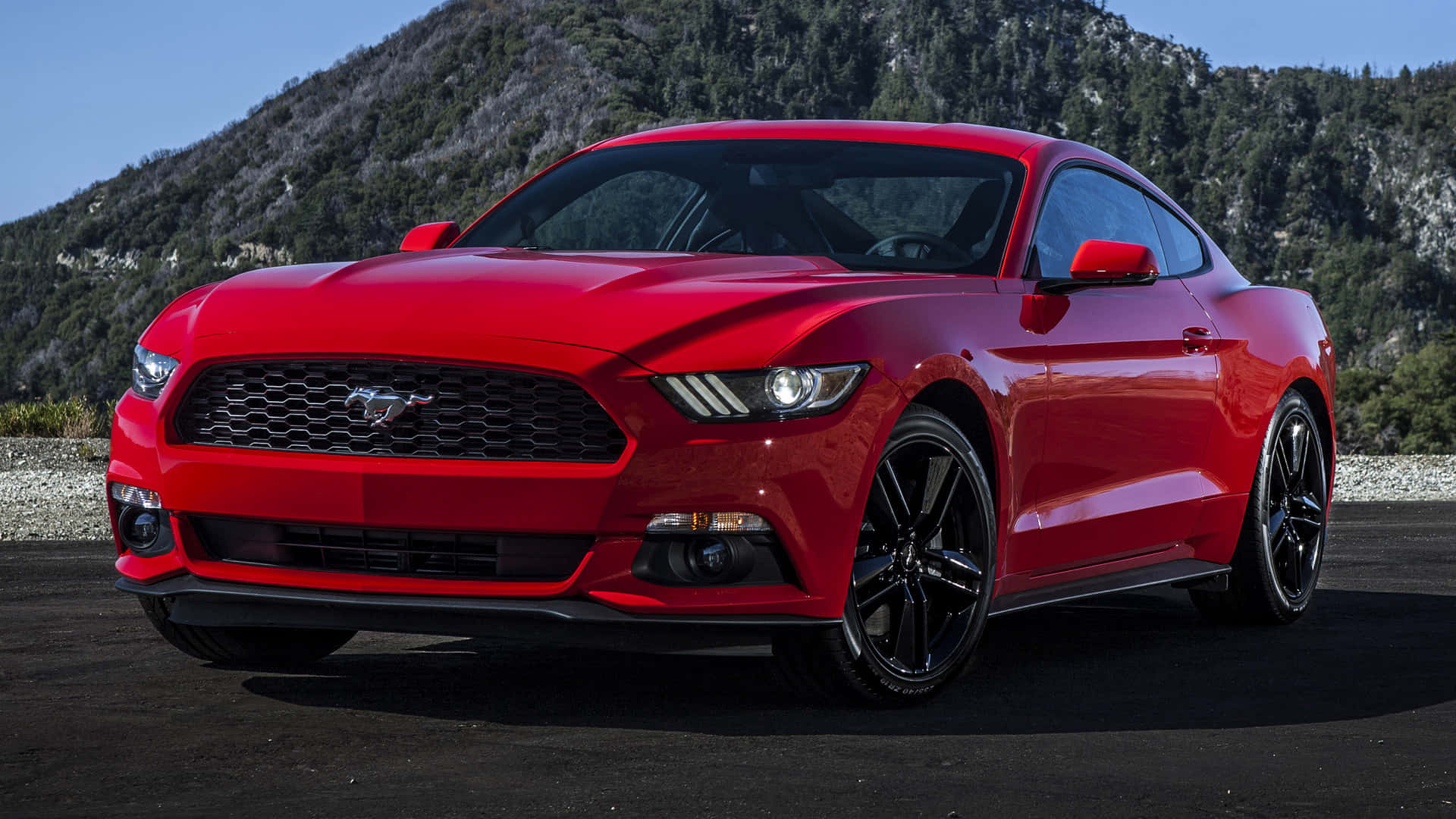
All three Mustangs also posted strong braking results, coming to a stop from 60 mph in roughly 100 feet, an impressively short distance for a relatively affordable sports coupe. Handling stands out as another highlight, thanks in part to the summer tires, and we found it easy to access the car’s performance limits due to its solid body control and precise steering.
Both the EcoBoost and GT come standard with a nonadjustable suspension that absorbs most road imperfections without issue. The optional Performance package adds an adaptive MagneRide suspension, which is firmer than the standard setup, but performance-minded drivers are unlikely to view it as a drawback.
Forward visibility over the mostly flat hood is good, though the thick windshield pillars can obstruct sightlines on tighter, more technical roads. Driver-assistance features are fairly limited, but most functioned well. The lane-keeping system was a weak spot, however, as it had difficulty keeping the Mustang centered and frequently bounced between the lane markings.
4. Chevrolet Camaro Turbo
Built by Chevrolet, the turbocharged Camaro offers sharp handling and a planted road feel at a more accessible price than its V6 and V8 siblings. While visibility isn’t class-leading, the suspension tuning and steering precision make it a rewarding daily drive for enthusiasts.
Inside, you’ll find modern infotainment, safety features, and enough comfort for long commutes. It’s a strong pick for drivers who prioritize aggressive styling and confident cornering.
With 275 hp and 295 lb-ft of torque on tap, the Turbo 1LE isn’t built to dominate in straight-line acceleration, even if Chevrolet says it can reach 60 mph in a respectable 5.4 seconds.
Where it truly excels is in the corners. During my experience with our former long-term 2016 Camaro SS, pushing the V-8 hard through turns often meant worrying about power oversteer.
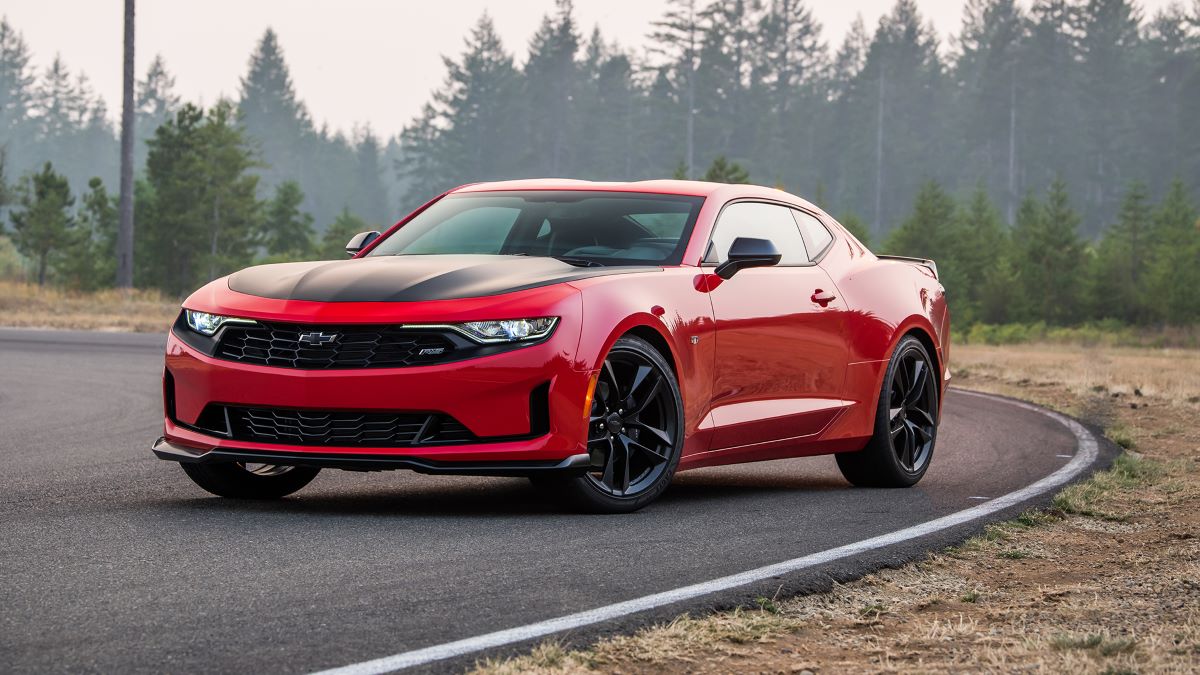
That concern disappears in the Turbo 1LE. I found myself confidently rolling onto full throttle while exiting corners, without bracing for trouble. Had I driven the SS the same way, I likely would have ended up in the ditch alongside the road.
While you may notice the absence of big-engine punch on long, straight sections, the coupe more than compensates with excellent cornering stability and control.
A few sports cars known for combining relatively “low” power with outstanding handling come to mind: the Mazda Miata, Subaru BRZ, and Toyota 86. The Camaro, however, outpaces and outmuscles all three, while also undercutting their top trims on starting price. For comparison, the aforementioned SS blasted to 60 mph in 4.3 seconds and delivers 455 hp from its 6.2-liter V-8.
5. Hyundai Veloster N
The Veloster N blends hot-hatch practicality with serious performance credentials. Developed by Hyundai, it features a turbocharged engine, performance brakes, and adaptive suspension, all wrapped in a unique three-door design.
What sets it apart is Hyundai’s generous warranty, which provides peace of mind for daily ownership. The hatchback layout makes hauling cargo easy, while the exhaust note and driving modes keep things exciting.
The base powertrain is a turbocharged 2.0-liter four-cylinder producing 250 horsepower and 260 lb-ft of torque. A six-speed manual transmission is the only gearbox offered, and front-wheel drive is the sole drivetrain configuration. Choosing the optional Performance package bumps output by 25 horsepower, bringing the total to 275.
A drive-mode selector includes Eco, Normal, Sport, and N presets, while the N Custom mode lets drivers fine-tune a wide range of settings. These include throttle response, the standard adaptive dampers, the limited-slip differential, selectable engine rev matching, stability control, steering weight, and the exhaust system.
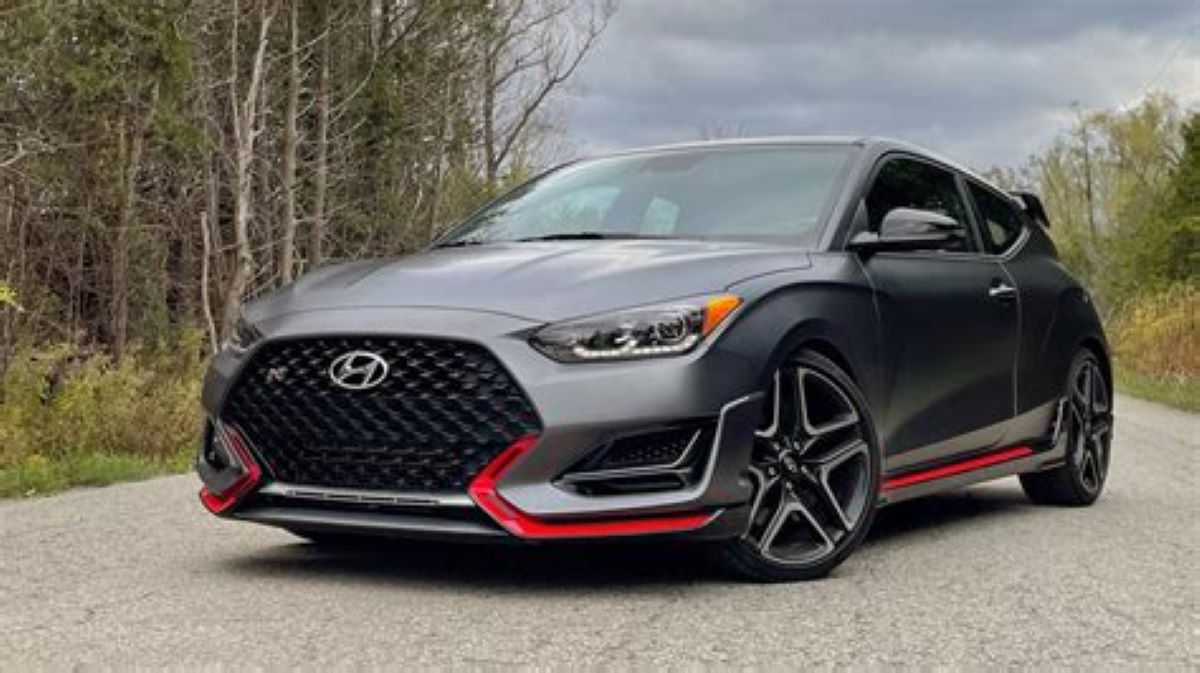
During our time with a 2019 Veloster N in long-term testing, we found that cranking most of these settings to their most aggressive levels, while dialing back the dampers and exhaust, struck an especially effective balance for daily driving around southeastern Michigan.
That said, the adaptive dampers deliver a firm, sometimes choppy ride, and we often left them in their softest default mode to improve comfort. In our performance testing, the Veloster N accelerated from zero to 60 mph in 5.5 seconds and completed the quarter-mile in 14.2 seconds at 100 mph.
Also Read: 10 Vehicles That Stay Cool Even in Stop-and-Go Heat
6. Volkswagen GTI
Often considered the benchmark for sporty daily drivers, the GTI from Volkswagen delivers a near-perfect blend of comfort and performance. Its turbocharged engine provides quick acceleration, while the refined suspension keeps highway rides smooth.
The GTI’s hatchback design offers excellent cargo capacity, making it ideal for commuters and small families alike. Add advanced safety tech and a premium interior, and you get a car that feels equally at home on back roads or in rush-hour traffic.
The GTI will go head-to-head with other enthusiast-oriented hatchbacks like the Honda Civic Type R and Hyundai Veloster N, while also facing competition from budget-friendly sports cars such as the latest Subaru BRZ and four-cylinder variants of the Mustang and Camaro.
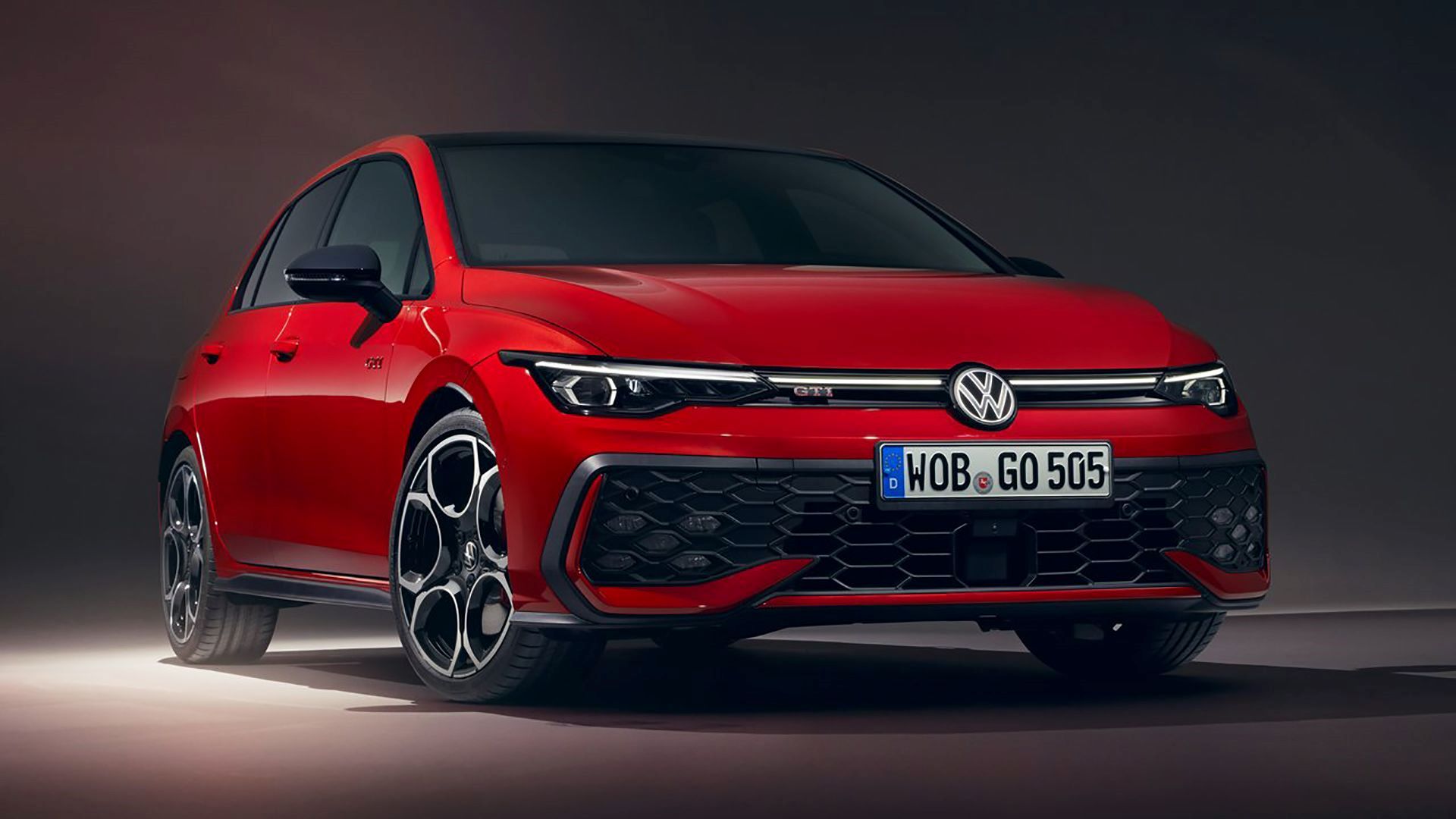
Volkswagen is continuing with a proven approach for the MkVIII GTI, relying on turbocharged four-cylinder power. Every version is equipped with a 2.0-liter turbo-four, paired either with a traditional manual gearbox or a seven-speed dual-clutch automatic transmission.
The revised engine now produces 241 horsepower and 273 lb-ft of torque, representing increases of 21 hp and 15 lb-ft compared with the previous generation. As before, all GTI models send power to the front wheels.
Thanks to the added output, extra torque, and chassis refinements, the latest GTI delivers a clear improvement over its predecessor’s 6.0-second run to 60 mph.
A dual-clutch-equipped 2022 GTI accelerated from 0 to 60 mph in 5.4 seconds and completed the quarter-mile in 13.9 seconds at 103.9 mph. EPA fuel economy ratings stand at 24/34 mpg city/highway with the manual transmission and 25/34 mpg with the automatic.
7. Mini Cooper S
Owned by BMW Group, the Mini Cooper S delivers go-kart-like handling in a compact, stylish package. It’s particularly well-suited for city driving, thanks to its small footprint and responsive steering.
Though rear seats are tight, the hatchback layout adds flexibility, and the interior feels upscale for its size. It’s perfect for drivers who value personality as much as performance.
The Cooper is powered by a 1.6-liter four-cylinder engine that produces 118 horsepower and 114 pound-feet of torque. Like every Mini model aside from the John Cooper Works, it comes standard with a six-speed manual transmission featuring hill-start assist, while a six-speed automatic is available as an option.
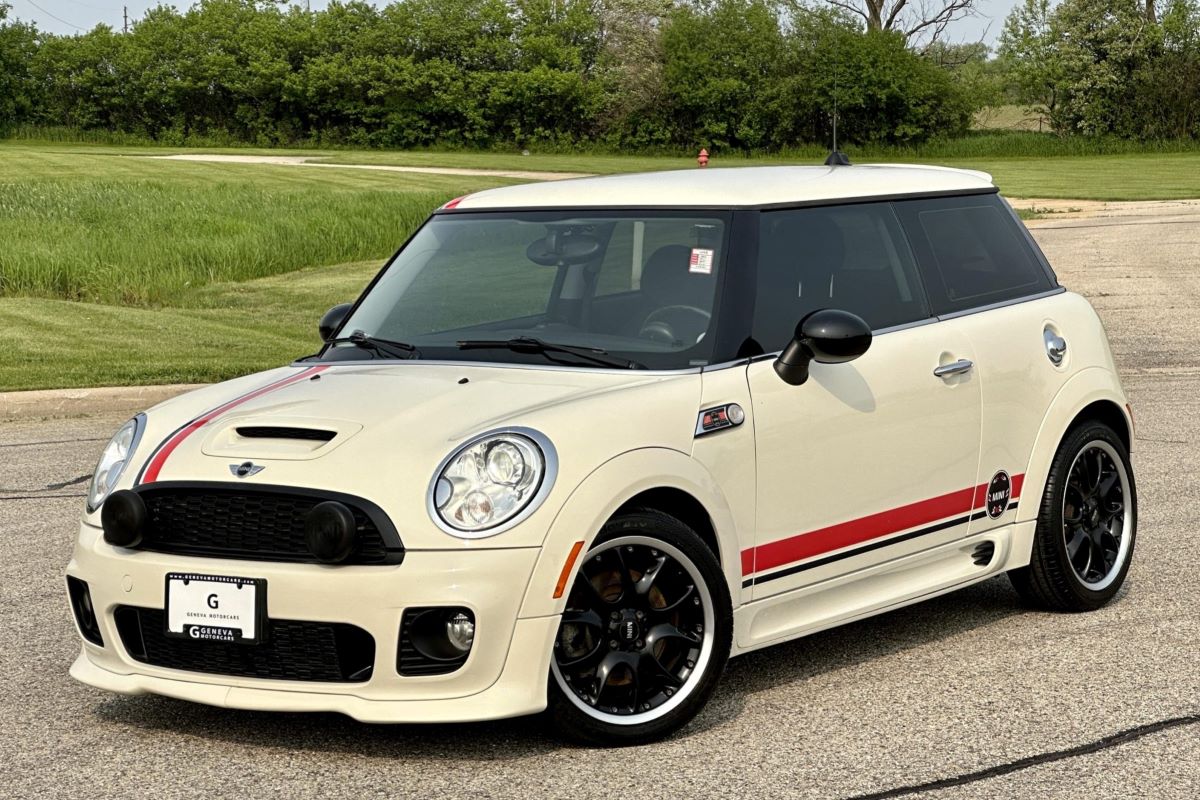
According to Mini, a hatchback equipped with the manual transmission can accelerate from zero to 60 mph in 8.5 seconds. EPA fuel economy estimates for the manual stand at 28 mpg city, 37 mpg highway, and 32 mpg combined (or 28/36/31 for the convertible), while models with the automatic are rated at 25 mpg city, 33 mpg highway, and 28 mpg combined.
The Cooper S uses a turbocharged version of the same engine, increasing output to 172 horsepower and 177 lb-ft of torque, with peak torque rising to 192 lb-ft at full throttle thanks to an overboost feature.
A manual-equipped Cooper S hatchback reached 60 mph in 6.7 seconds, while a convertible with the same transmission completed the run in 7.2 seconds. EPA fuel economy for the Cooper S is rated at 26/34/29 mpg with the manual transmission and 24/32/27 mpg with the automatic.
At the top of the lineup, the John Cooper Works further increases turbo boost to deliver 208 horsepower and 192 lb-ft of torque. A six-speed manual transmission is the only gearbox offered for this performance-focused variant.
8. Honda Civic Si
The Civic Si, built by Honda, is a standout for buyers who want sportiness without sacrificing everyday comfort. With four doors, excellent fuel economy, and a turbocharged engine paired to a slick manual transmission, it’s one of the most practical enthusiast cars available.
Its reputation for reliability keeps ownership costs low, making it an ideal one-car solution for drivers who commute daily but still crave weekend fun.
Earlier generations of the Civic Si were powered by naturally aspirated four-cylinder engines ranging from 2.0 to 2.4 liters, with even smaller non-turbo engines used in older versions. The current iteration, however, switches to a 1.5-liter turbocharged inline-four that delivers 200 horsepower and 192 lb-ft of torque.
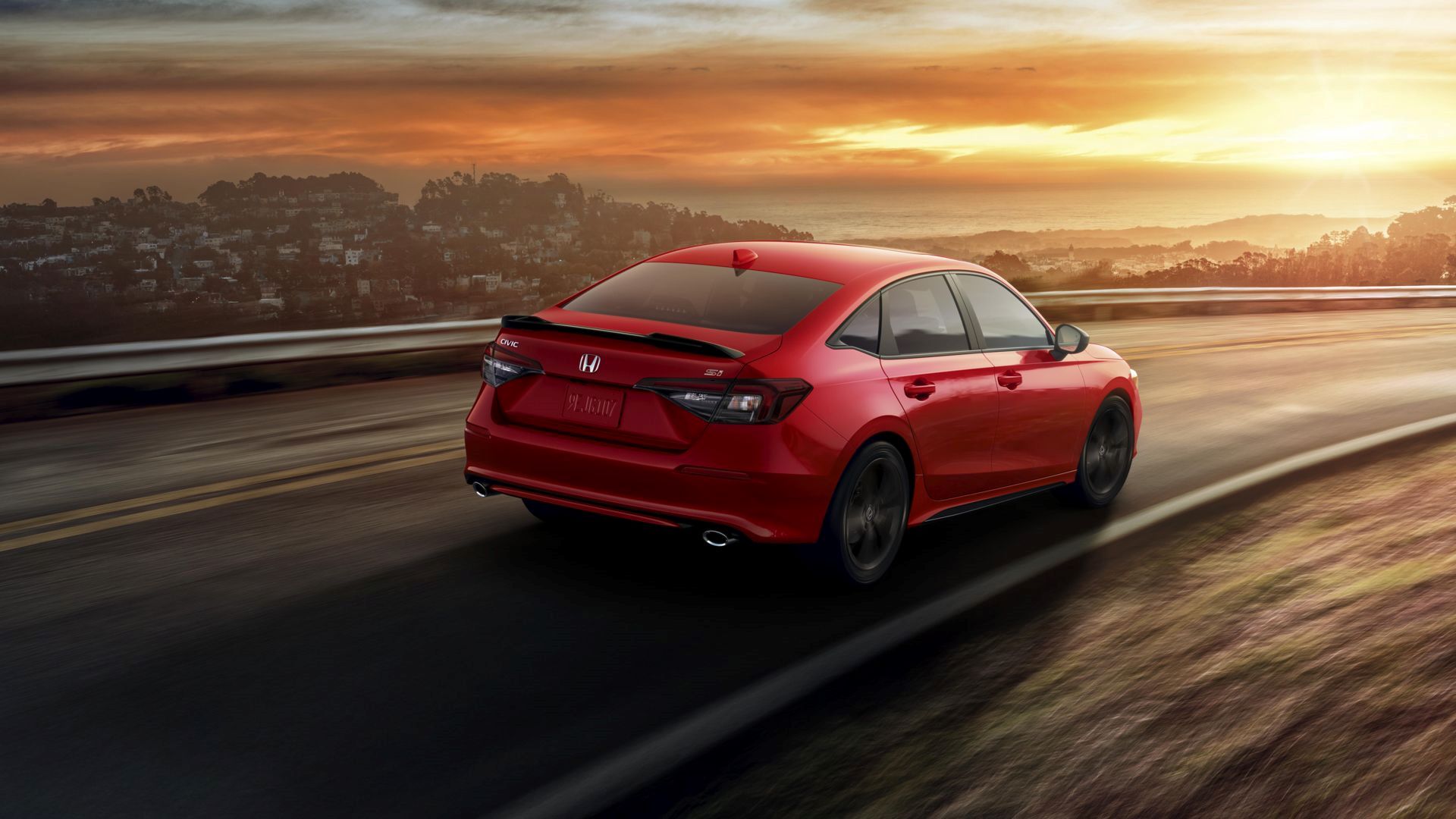
As with the rest of the Civic lineup, the Si is front-wheel drive only, and it stands out as one of the few variants still offered exclusively with a six-speed manual transmission, as most Civics now come with an automatic.
That figure trails the performance of a comparable 2022 model, which completed the same sprint in a quicker 7.1 seconds. It also matches the 0–60 time of the K4 GT-Line Turbo. Kia’s front-wheel-drive compact sedan uses a slightly larger 1.6-liter turbocharged four-cylinder that produces less horsepower at 190 hp but more torque, rated at 195 lb-ft.
Considering its sporty turbocharged setup, the Civic Si delivers respectable fuel economy. EPA estimates rate it at 27 mpg in the city and 37 mpg on the highway. On a full tank, the sport sedan can cover up to 384 miles.
The K4 Turbo posts similar numbers. It is rated at 26/36 mpg city/highway and offers a total driving range of up to 360 miles.
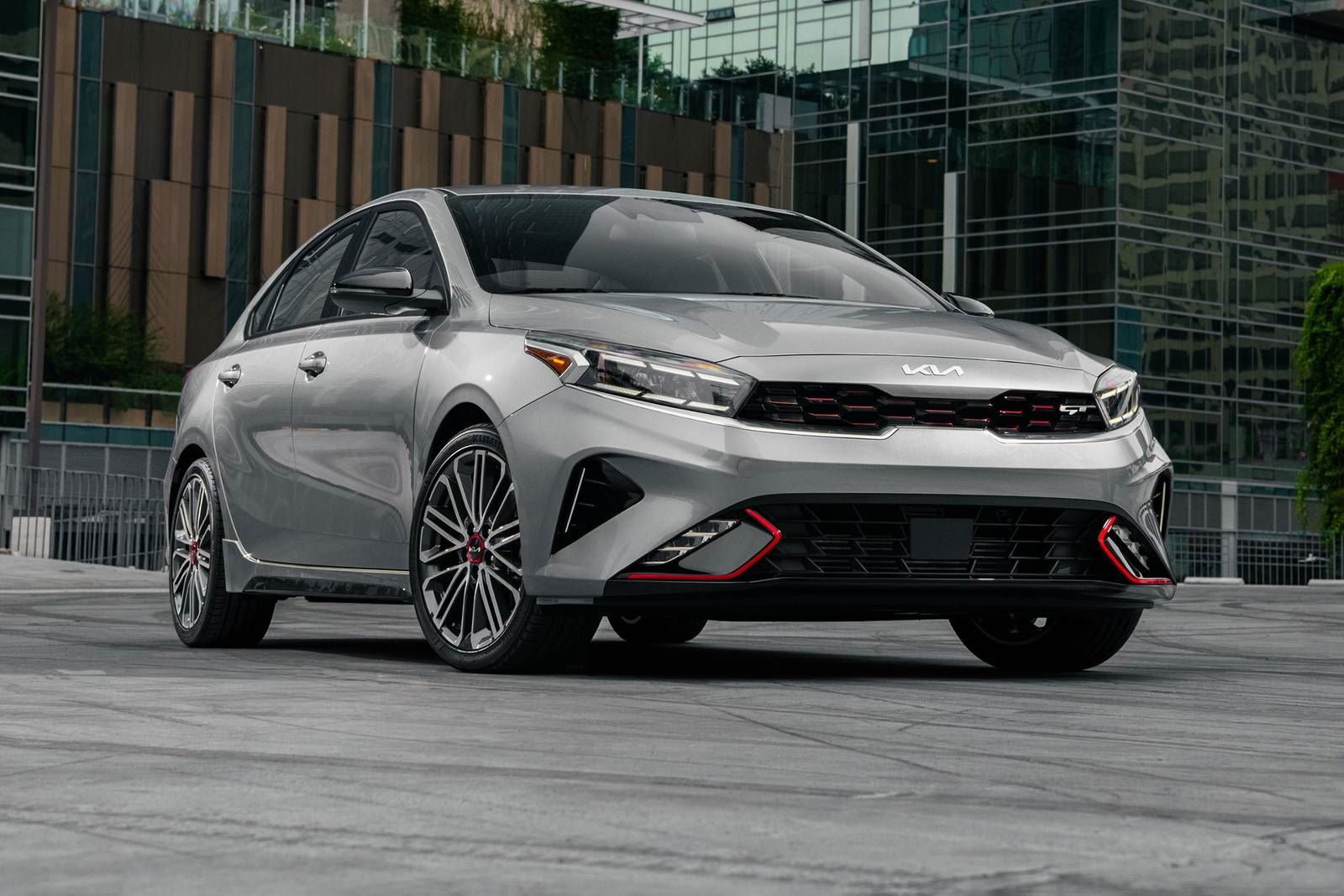
9. Kia Forte GT
From Kia, the Forte GT offers turbocharged performance at a budget-friendly price. While it may not be a traditional sports coupe, its sporty suspension tuning and modern interior make it an appealing option for first-time enthusiasts.
It also benefits from Kia’s strong warranty coverage, helping keep long-term ownership affordable. The Forte GT’s fast-spooling turbocharger and well-calibrated transmission work together to provide pleasing, usable power for everyday driving.
At our test track, a GT fitted with the automatic transmission sprinted from 0 to 60 mph in a solid 6.6 seconds, edging out the Civic Si. The trade-off comes in the form of sound quality: push the engine hard and it takes on an unrefined tone, likened to a vacuum cleaner tugging at a rug, while the sport exhaust introduces a mild drone during steady cruising.
When it comes to handling, the Forte GT delivers a commendably sporty experience through corners. It doesn’t feel quite as precise or athletic as the Honda Civic Si, though that difference is most noticeable only when driving near the car’s limits.
In braking tests, our example posted a disappointing 126-foot stop from 60 mph, but the culprit is the standard all-season tires. In earlier testing of a 2020 model equipped with the then-optional summer tires, we recorded an excellent 107-foot stopping distance. Drivers looking to fully tap into the GT’s braking capability should plan to budget for a set of summer tires.
So how comfortable is the Forte GT? For a sporty compact sedan, it does an impressive job. The cabin remains relatively quiet, the air conditioning is effective, and the ride avoids being overly stiff despite the car’s performance focus. The front seats offer sufficient support, though drivers who like to push harder may want more aggressive lateral bolstering.
Cruising at 70 mph, occupants remain comfortable, the climate system operates quietly in the background, and noise levels are low enough to enjoy a podcast without distraction. That’s a strong showing for an affordable performance-oriented sedan.
How does the interior stack up? The Forte GT’s layout is straightforward, with controls that are intuitive and easy to locate, meaning most drivers won’t need to crack open the owner’s manual.
Thanks to generous seat adjustability and a wide telescoping range for the steering wheel, drivers of various sizes should have little trouble finding a comfortable driving position. Visibility from the driver’s seat is also quite good, and the rearview camera delivers a clear image, even after dark.
Seat height is well judged, making entry and exit easy, and the tall door openings mean only taller occupants will need to duck slightly. While the Forte doesn’t lead the compact class in outright interior space, passenger room is perfectly adequate across the board, with enough rear-seat space to accommodate six-foot-tall adults when needed.
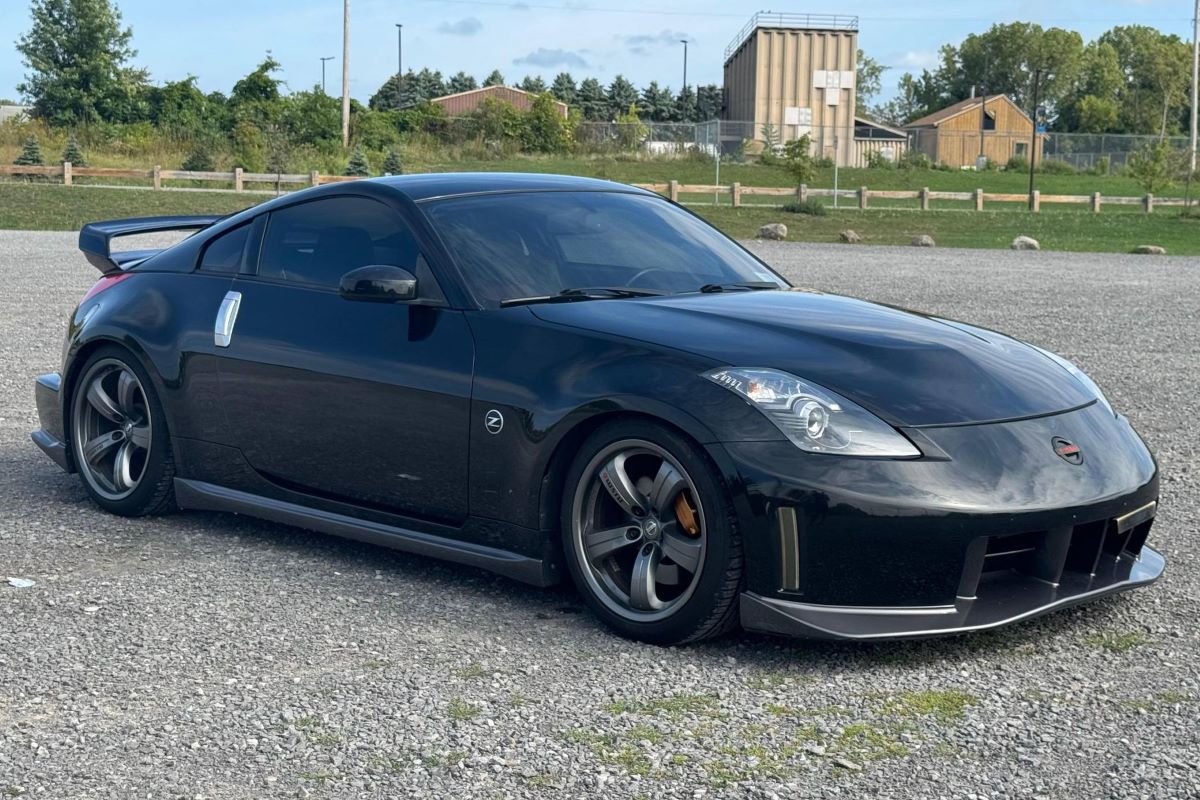
10. Nissan Z (Used Market)
On the used market, Nissan Z models offer classic rear-wheel-drive performance for reasonable prices. Produced by Nissan, these coupes deliver strong V6 power and timeless styling.
While fuel economy isn’t class-leading, reliability is solid, and the driving experience feels authentically sporty. For buyers who want a traditional sports car feel without paying new-car prices, the Z remains a compelling choice.
Affordable sports cars today are more versatile than ever. From lightweight roadsters to practical hot hatches and turbocharged coupes, there’s something for every type of enthusiast.
From behind the wheel of the previous-generation 370Z, the car felt like a sports coupe showing its age, saddled with outdated tech, a low-resolution infotainment display, and an interior dominated by hard plastics.
For the 2023 model year, Nissan set out to reinvigorate the Z with fresh exterior styling and a thoroughly reworked cabin featuring upgraded materials and a new 12.3-inch digital gauge cluster, along with a potent twin-turbocharged V-6 engine. In practice, nearly everything is new, even though the car still rides on the same basic platform as the outgoing model.
That added power comes with added weight, however, and the redesigned interior already shows signs of feeling dated. On the bright side, buyers can still opt for a six-speed manual transmission
Powering the new Z is a 3.0-liter twin-turbocharged V-6 producing 400 horsepower and driving the rear wheels. Enthusiasts who prefer to row their own gears will be pleased to know that a six-speed manual transmission with rev matching comes standard, or those who prefer an automatic, a nine-speed unit with paddle shifters and launch control is available.
A carbon fiber composite driveshaft is standard equipment, and a limited-slip differential can be added. In our instrumented testing of a 2023 Nissan Z Performance, the car blasted from 0 to 60 mph in just 4.3 seconds.
While the 2023 Z shares the same wheelbase as the outgoing 370Z, its overall length has increased slightly. Weight savings come from the use of aluminum for the hood, doors, and rear hatch.
Aerodynamic elements such as side sill spoilers, along with the available chin spoiler and rear spoiler on the Z Performance, help improve airflow around the body. Buyers opting for the Z Performance trim can also take advantage of upgraded suspension components, stronger brakes, and lightweight 19-inch Rays wheels.
The key is choosing a vehicle that fits your lifestyle whether that means cargo space, rear seats, or maximum driving engagement.
Each car on this list proves that you don’t need a luxury budget to enjoy performance, personality, and daily usability. With the right choice, you can turn every commute into something worth looking forward to.
